

Ships to you
Ships to you
SKU: HL.50601387
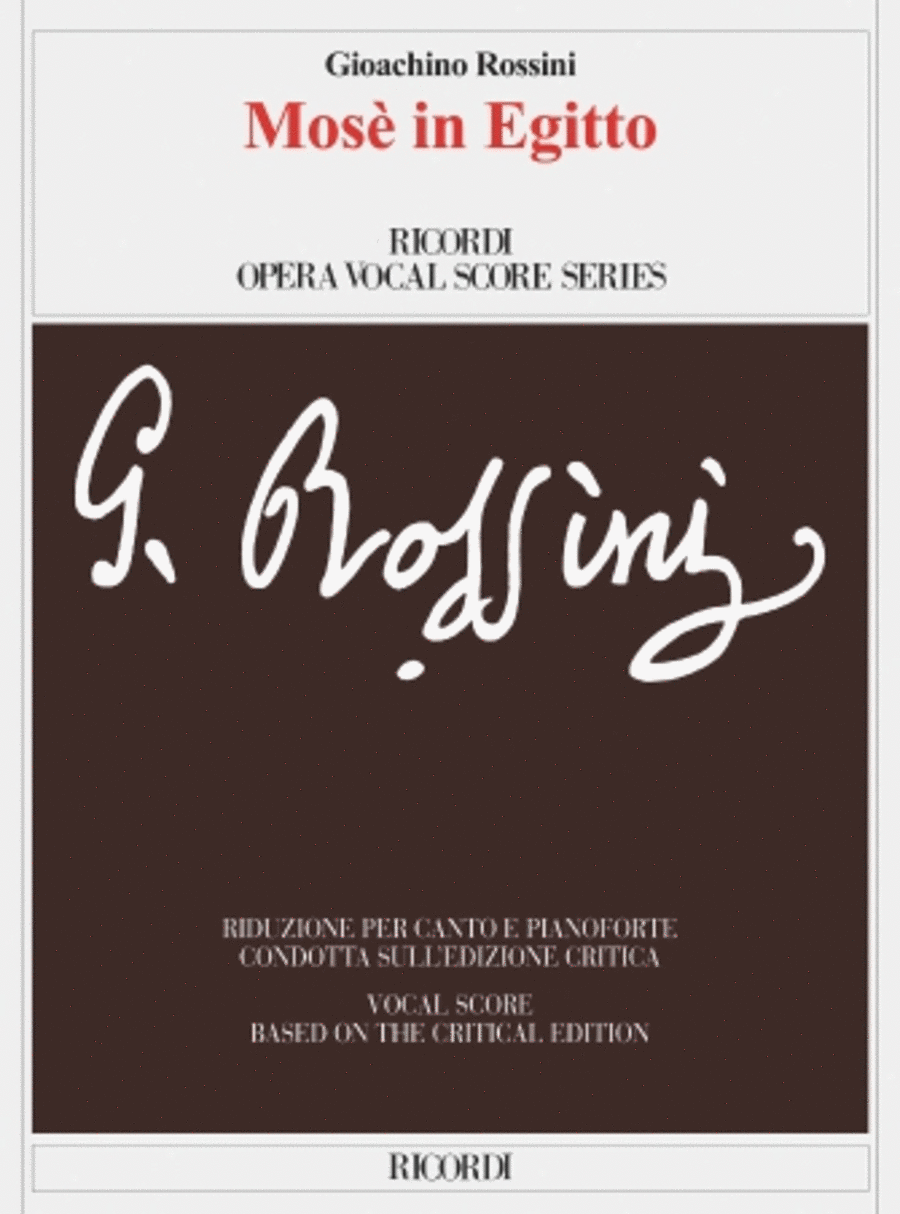
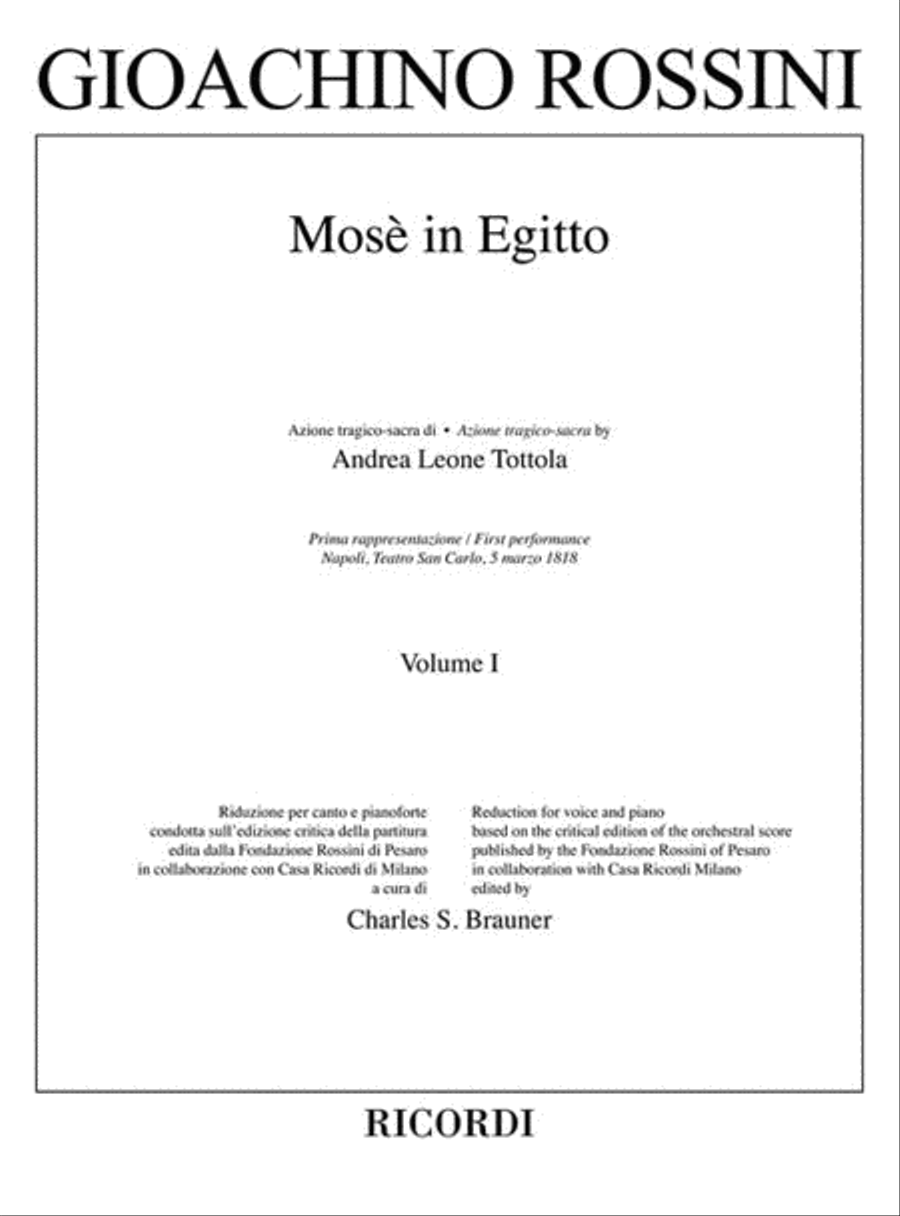
Vocal Score based on the Critical Edition Set of Two Books. Composed by Gioachino Rossini. Edited by Charles S. Brauner. Vocal Ensemble. Classical, General Worship, Opera, Sacred. Softcover. 392 pages. Ricordi #CP139400. Published by Ricordi (HL.50601387).ISBN 9788881920334. UPC: 888680884130. 8.0x10.5x1.478 inches. - Rossini - intro in It. & Eng.-.
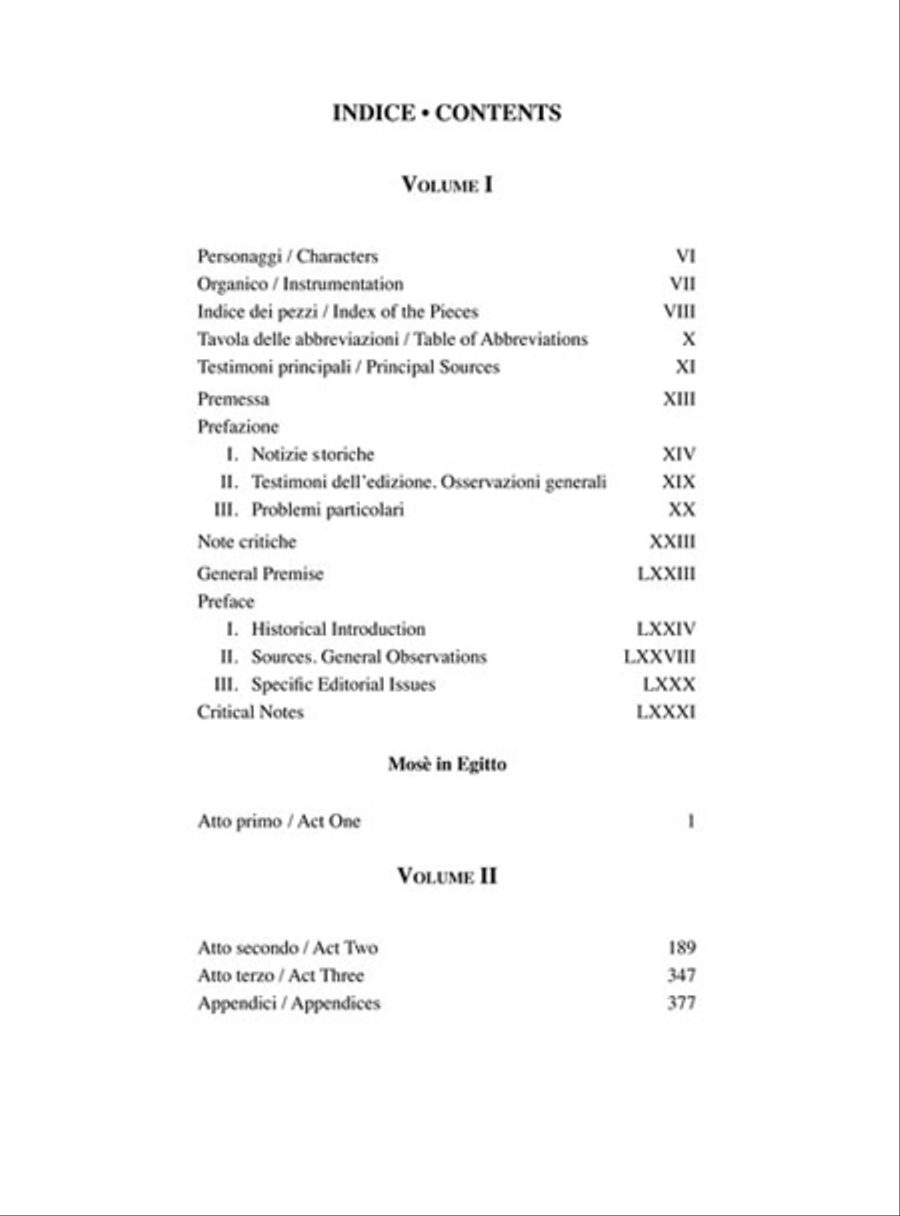
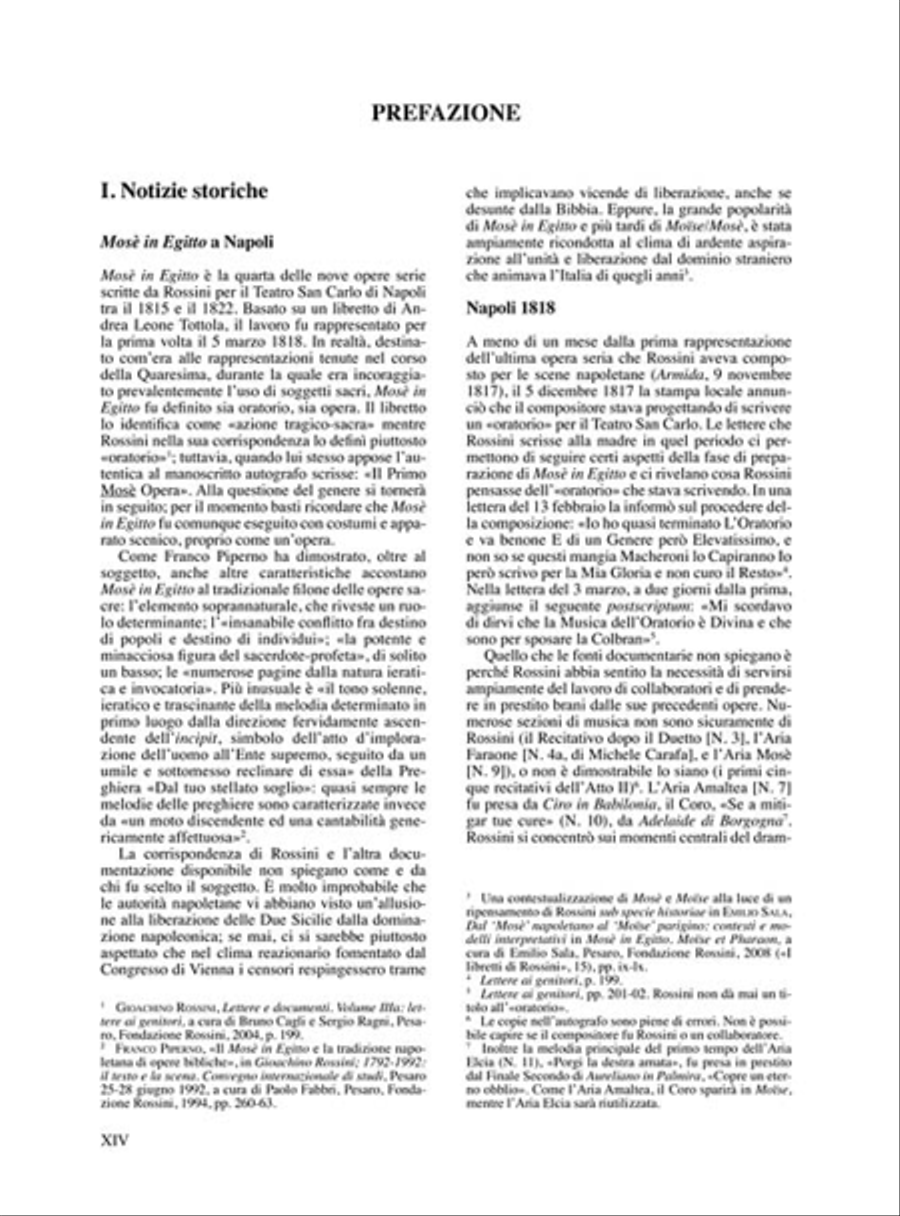
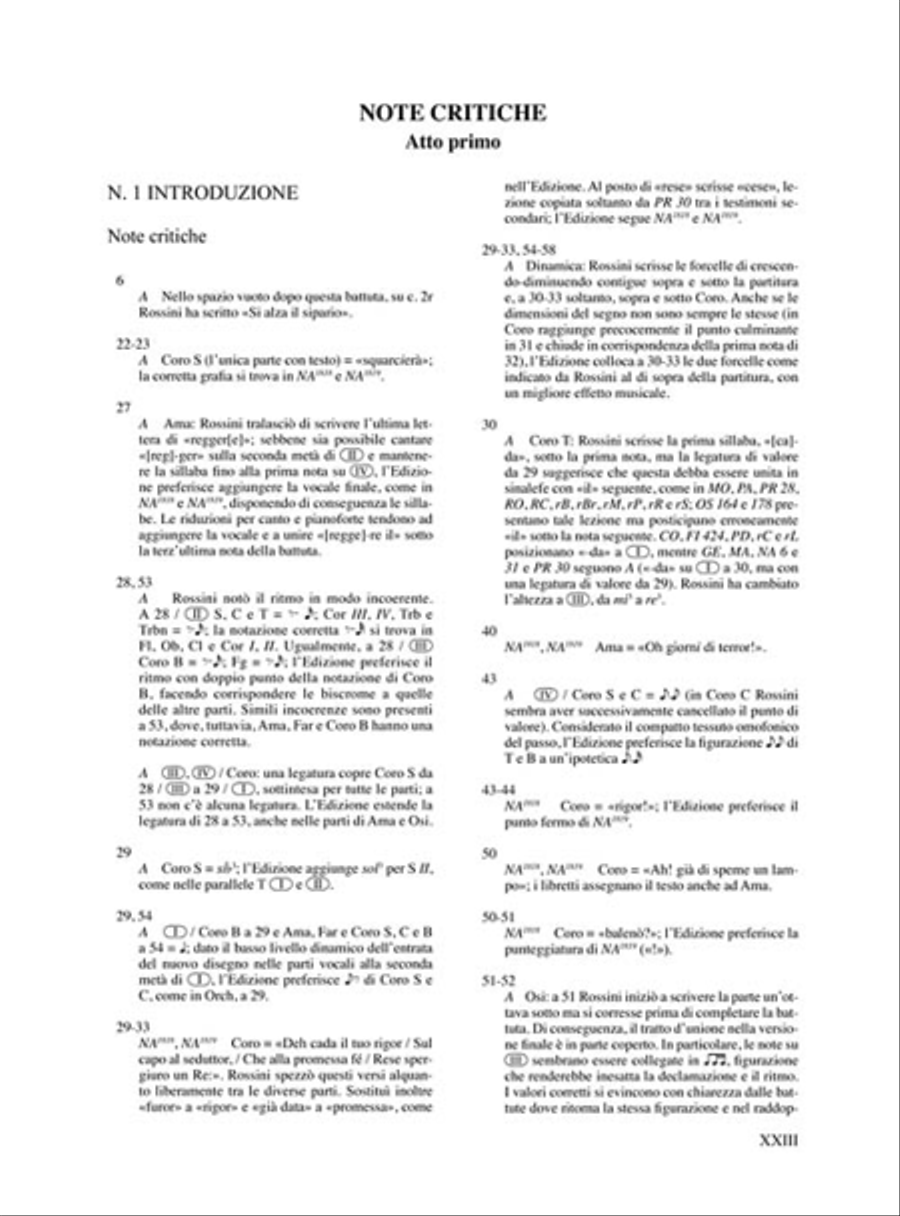
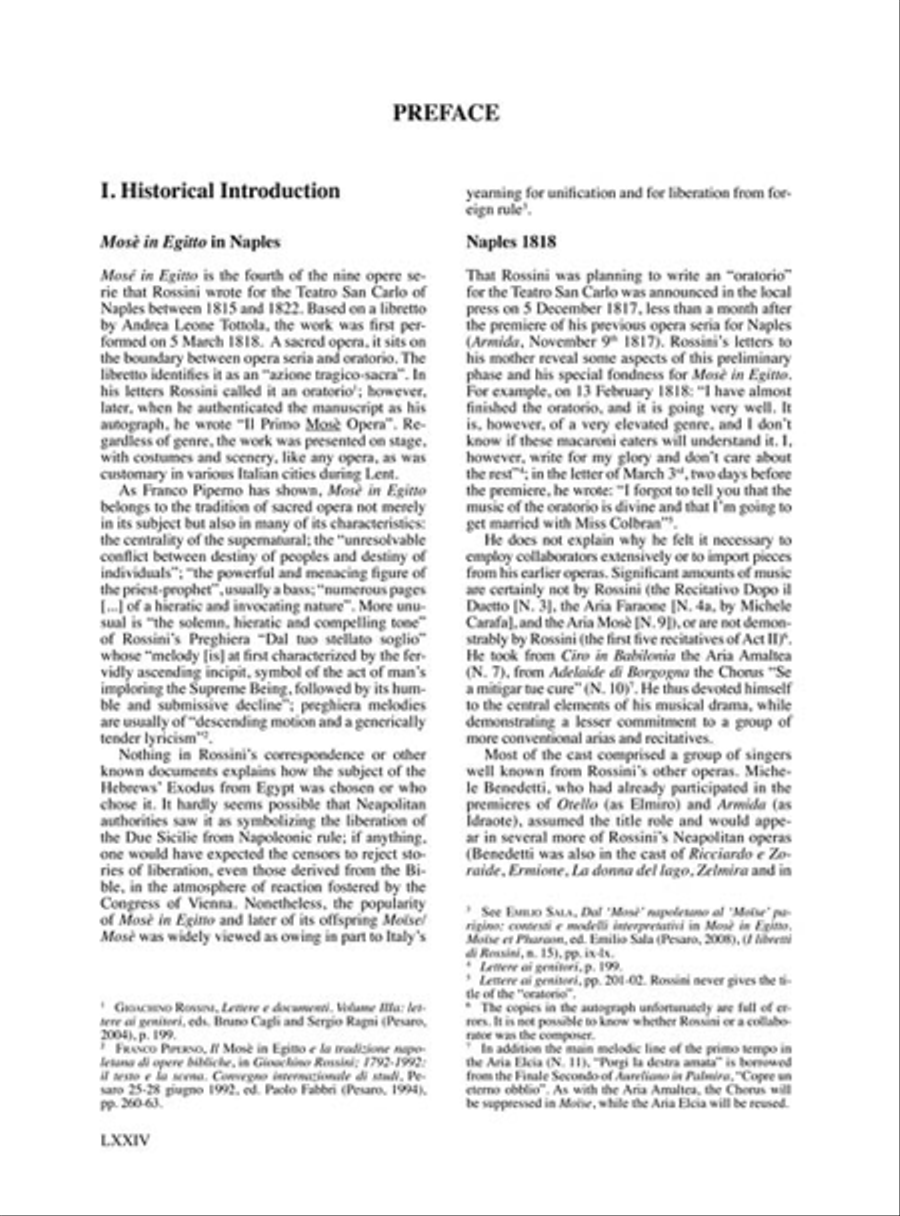
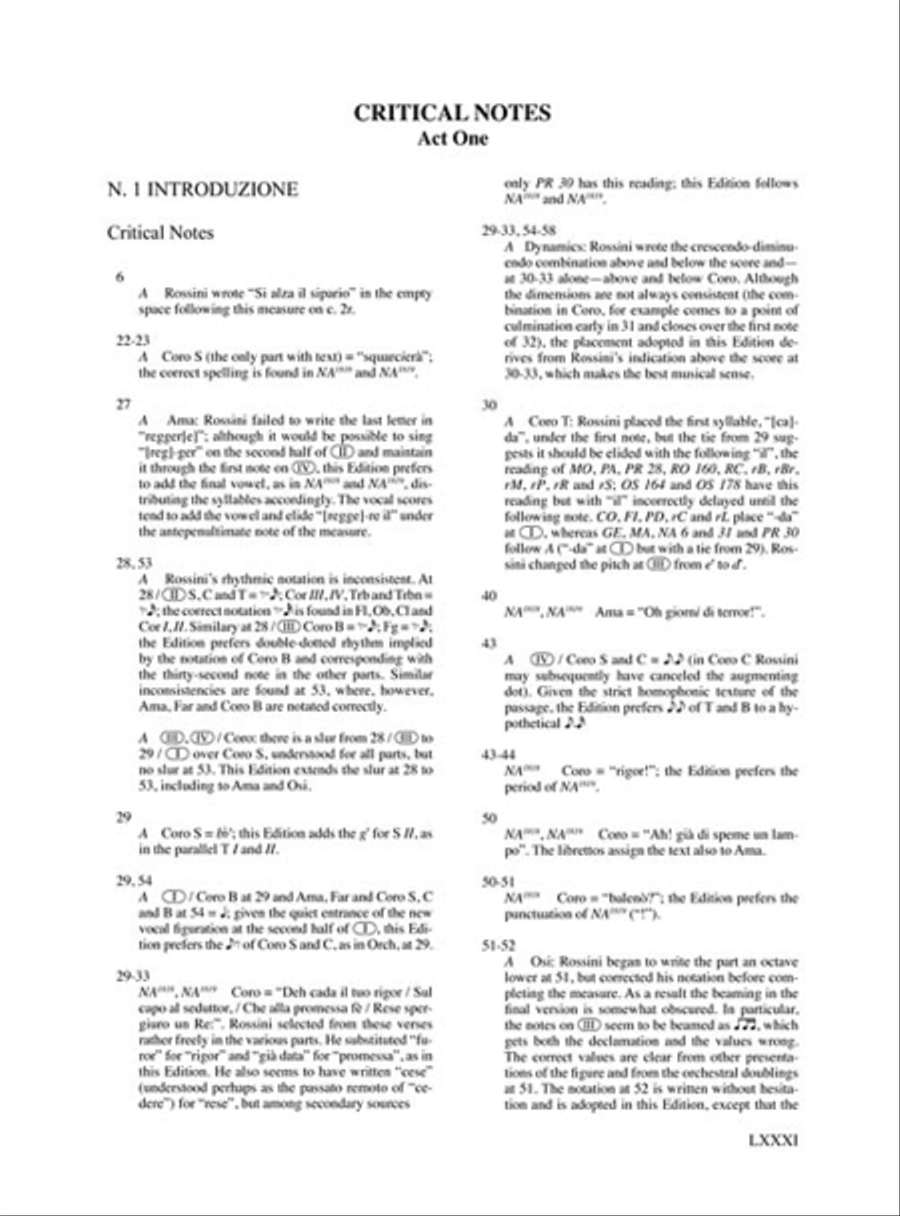
Mosè in Egitto (1818) is the fourth of the nine opere serie that Rossini composed for Naples between 1815 and 1822. As his letters to his mother show, Rossini was very proud of this opera, considering it an especially fine achievement that might appeal more to posterity than to the audiences of his day. In fact, it proved to be one of his most frequently performed opere serie. The present reduction for voice and piano, in two volumes, derives from the critical edition of the score, published by Fondazione Rossini Pesaro in collaboration with Casa Ricordi by Charles S. Brauner: the edition is based mainly on the autograph score now housed in the Bibliothèque nationale de France in Paris. This autograph score is complete but it is not completely autograph and many sections have offered some problems for the reconstruction of the text: the recitative in Act I and the Aria Mosè in Act II arenot by Rossini, the first five recitatives in Act II are not in Rossini's hand and may or may not be by Rossini, also not in Rossini's hand is the Aria Amaltea, although undoubtedly by Rossini because borrowed from his earlier opera Ciro in Babilonia. The Preface and the Critical Commentary offer for the first time some valid tools to reconstruct the entire history of the opera, since the first performance in Naples (1818, 1819) to the Parisian ones (1822 - 1840). In particular in the appendices are included the original Aria Faraone which, composed by Michele Carafa for the first two productions of the opera in Naples in 1818 and 1819, was later replaced by the Aria Faraone Rossini himself composed in 1820 and, in Appendix II, the new ending of the recitative following Duetto N. 3 which Rossini composed for one of the Parisian performances, after 1822.
|
BDSCalgary
June 26, 2024
Mose in Egitto
I just received this one. I bought it simply as a curiosity as I was really not very familiar with this opera at all. Well, what a joy it is to have the score and play throughi it. It is a real masterpiece and I can totally see why it was extremely popular in its day (though I would love to see how we would stage the parting of the Red Sea now days, as that was almost too difficult to do in his time, and that part was left out of the French version for Paris). I am not sure that much of the story has much to do with the Bible, per se, but still it is a wonderful blend of religion and drama. As with many Rossini operas of that time in his career, it contains massive amounts of coloratura for ALL the singers (basses are not excempt at all), and yet, it is very dramatic. It holds together as a whole far better than many operas of this time period, even some of Rossini's own. And it moves forward, always forward to the super dramatic conclusion, which is the parting of the red sea. Well worth the buy, especially for those who are really interested in seeing just how dramatic an opera like this can actually be.
|
See Similar Sheet Music and Digital Downloads