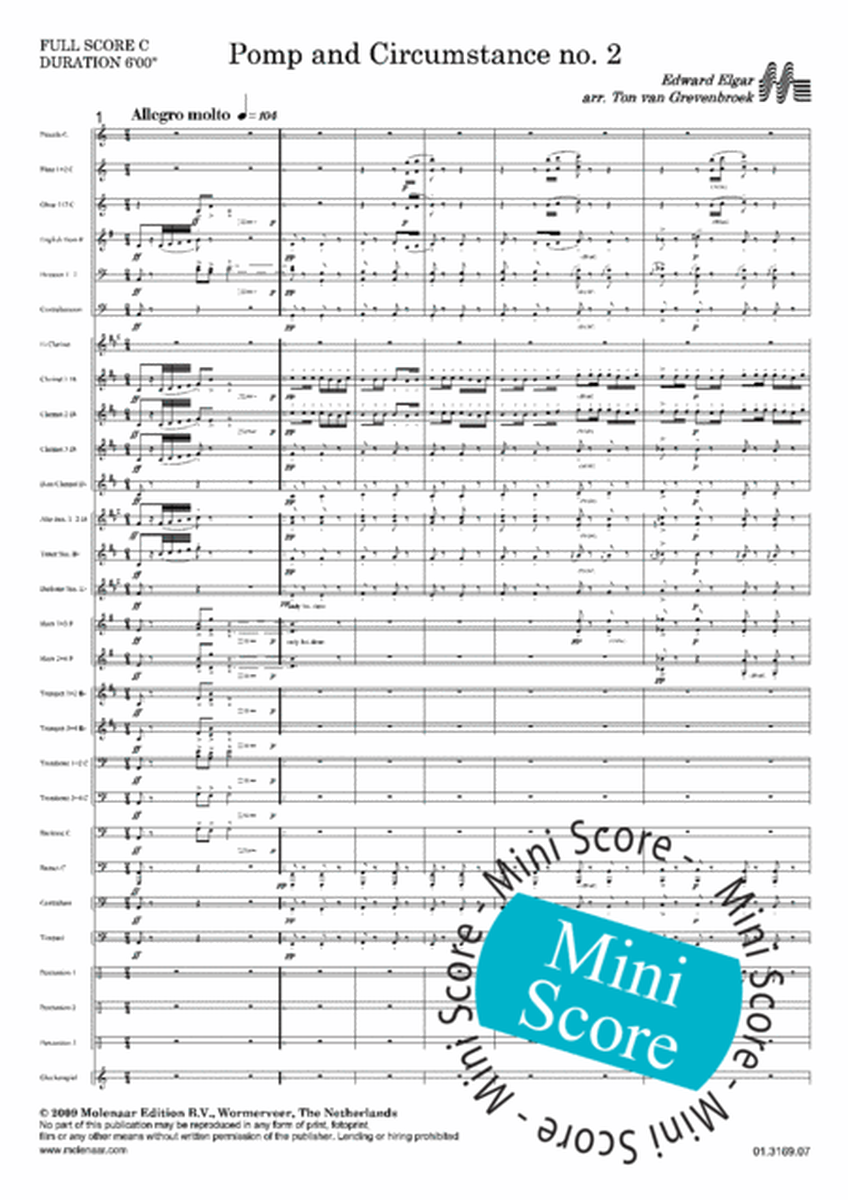
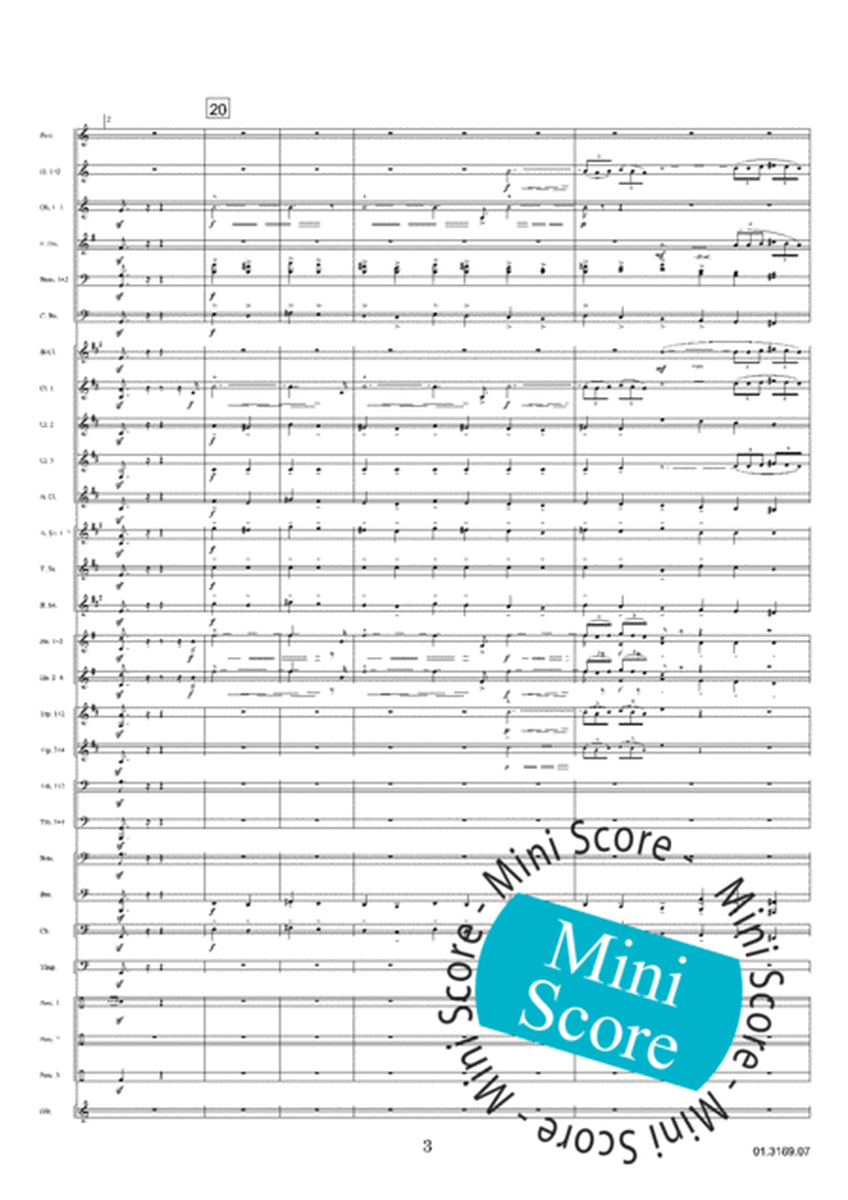
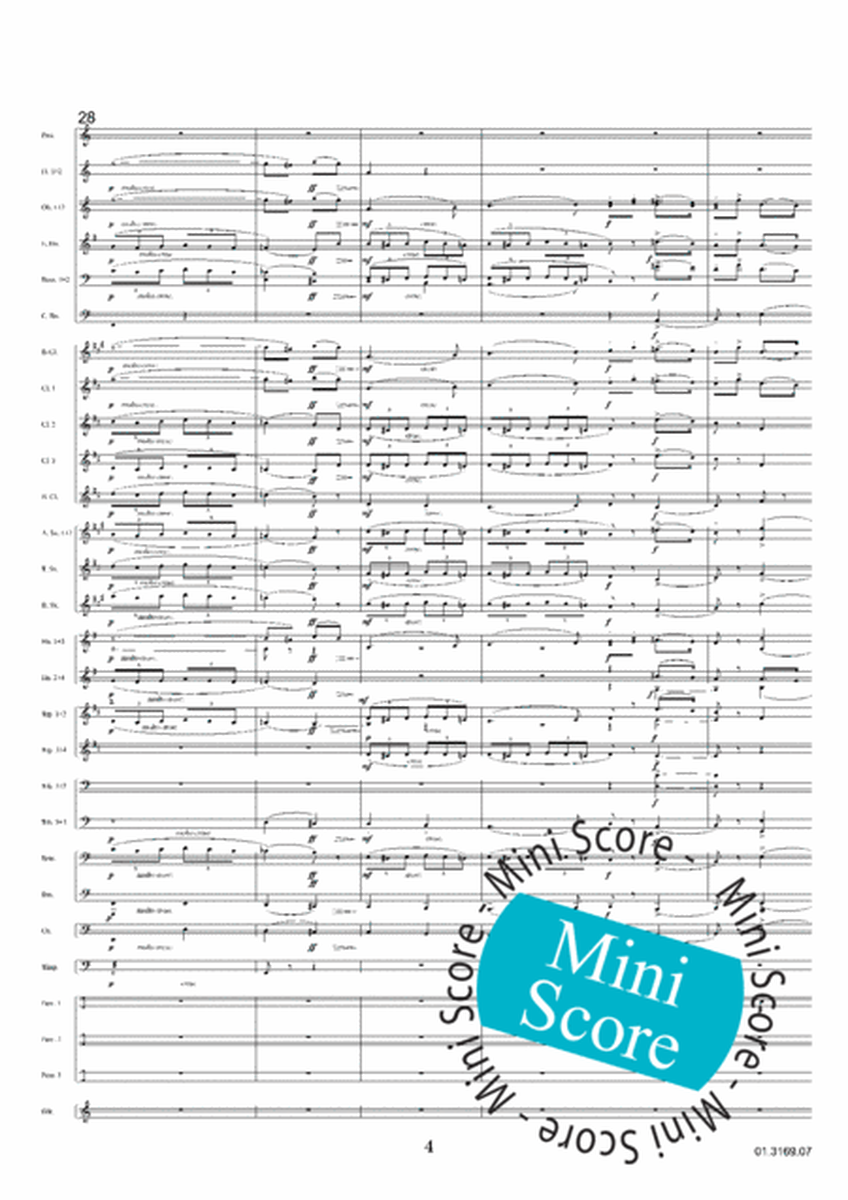
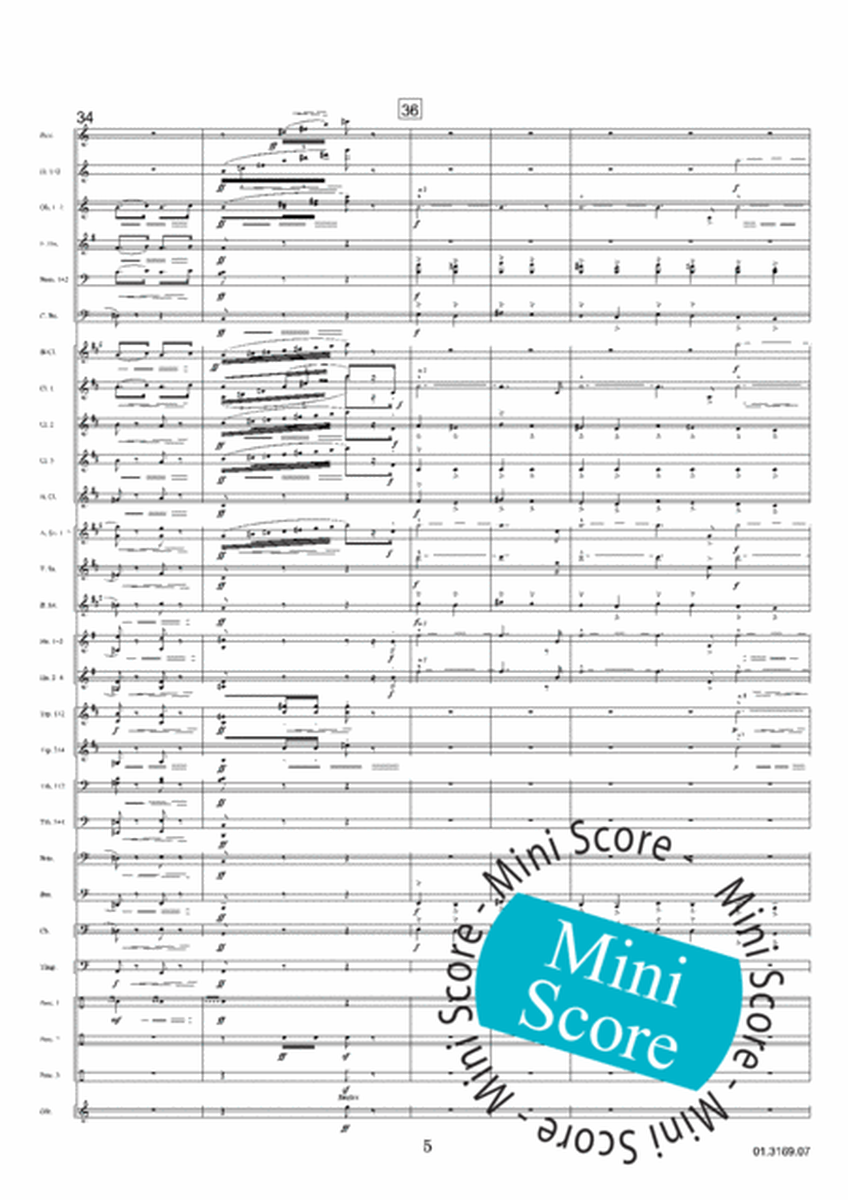
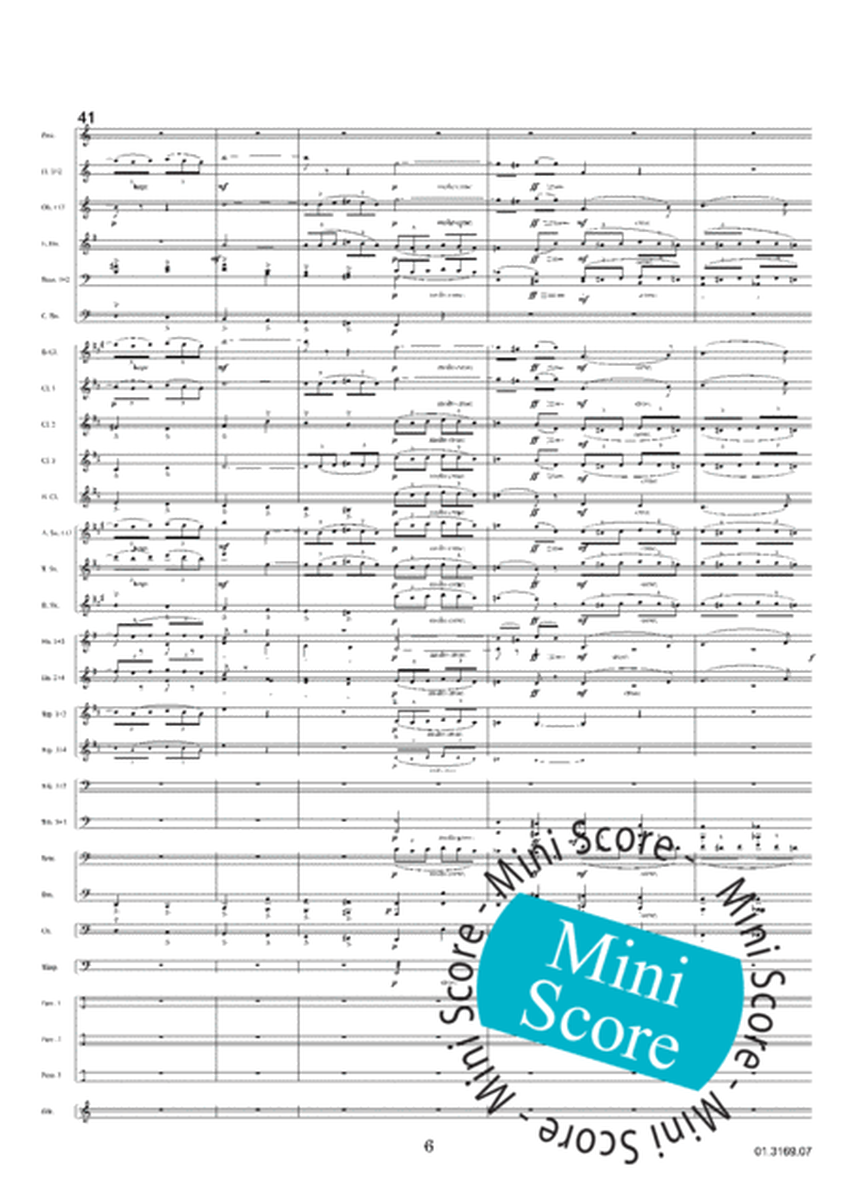
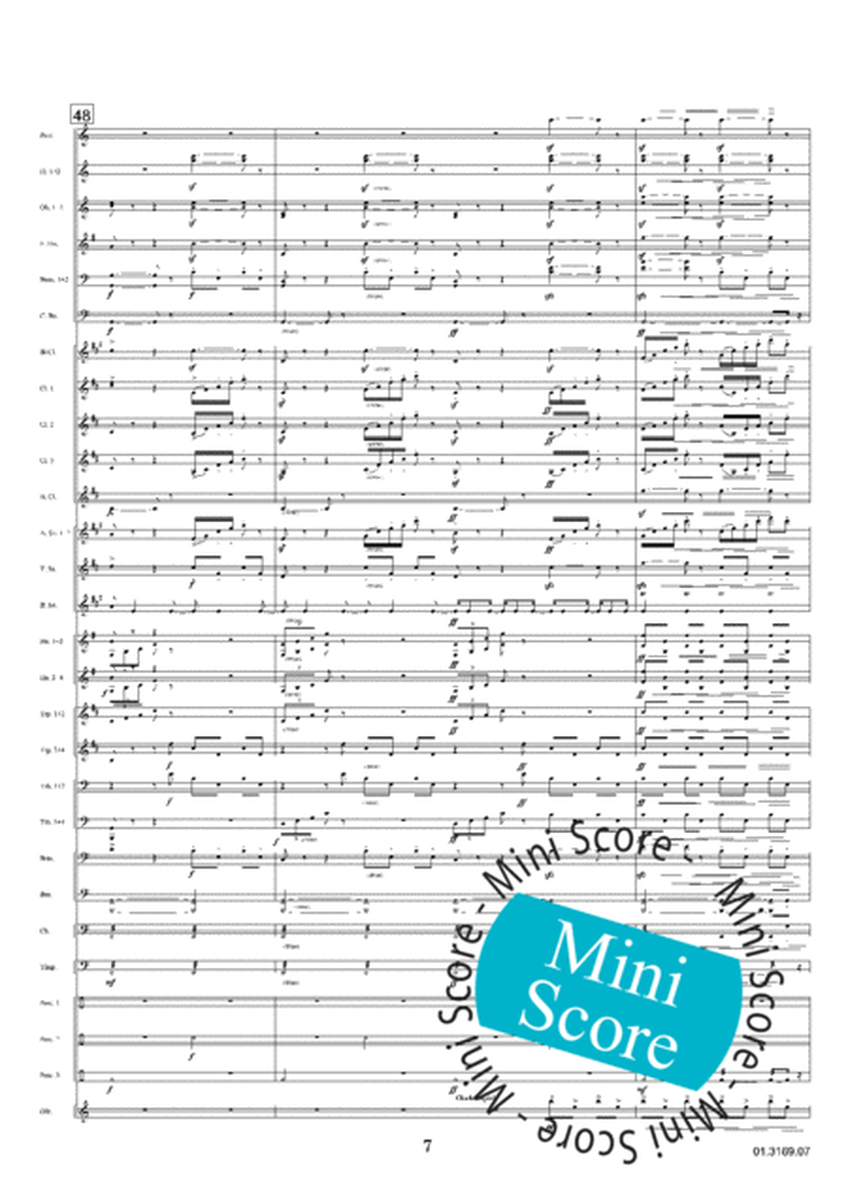
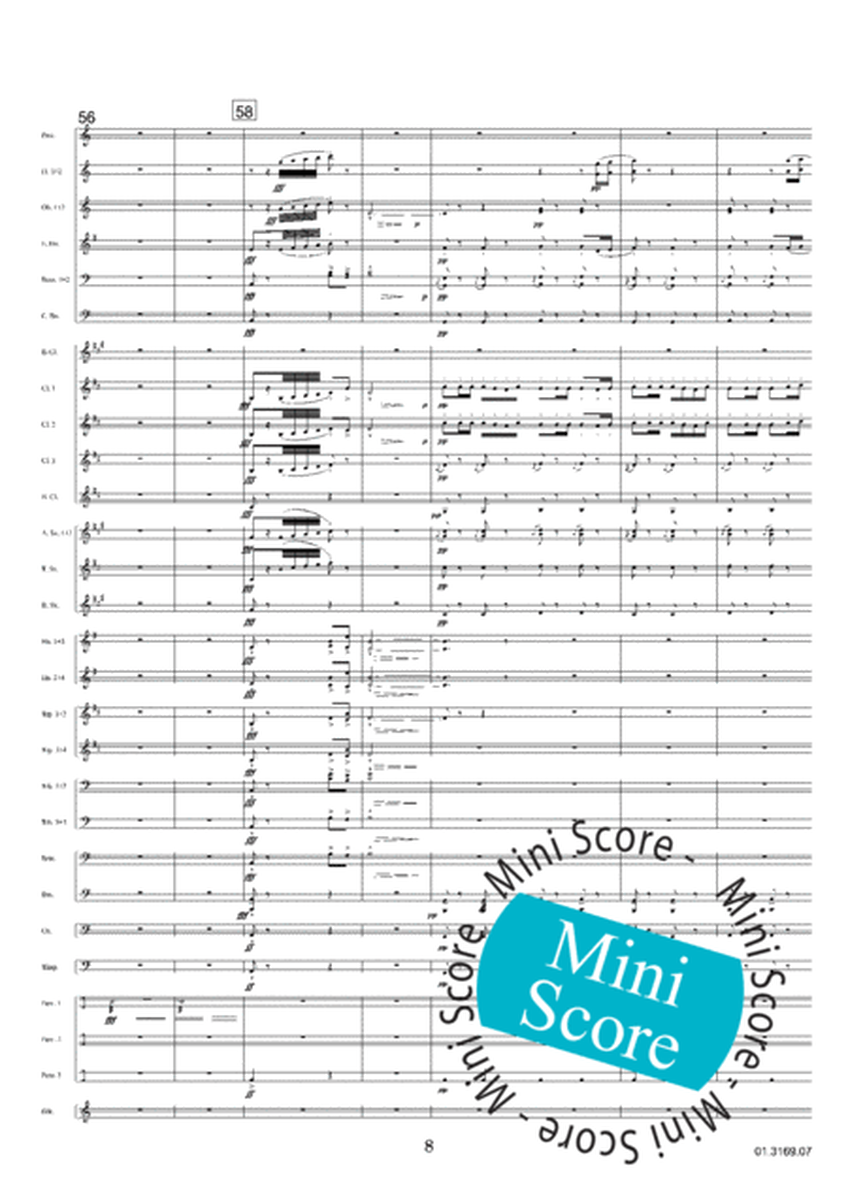
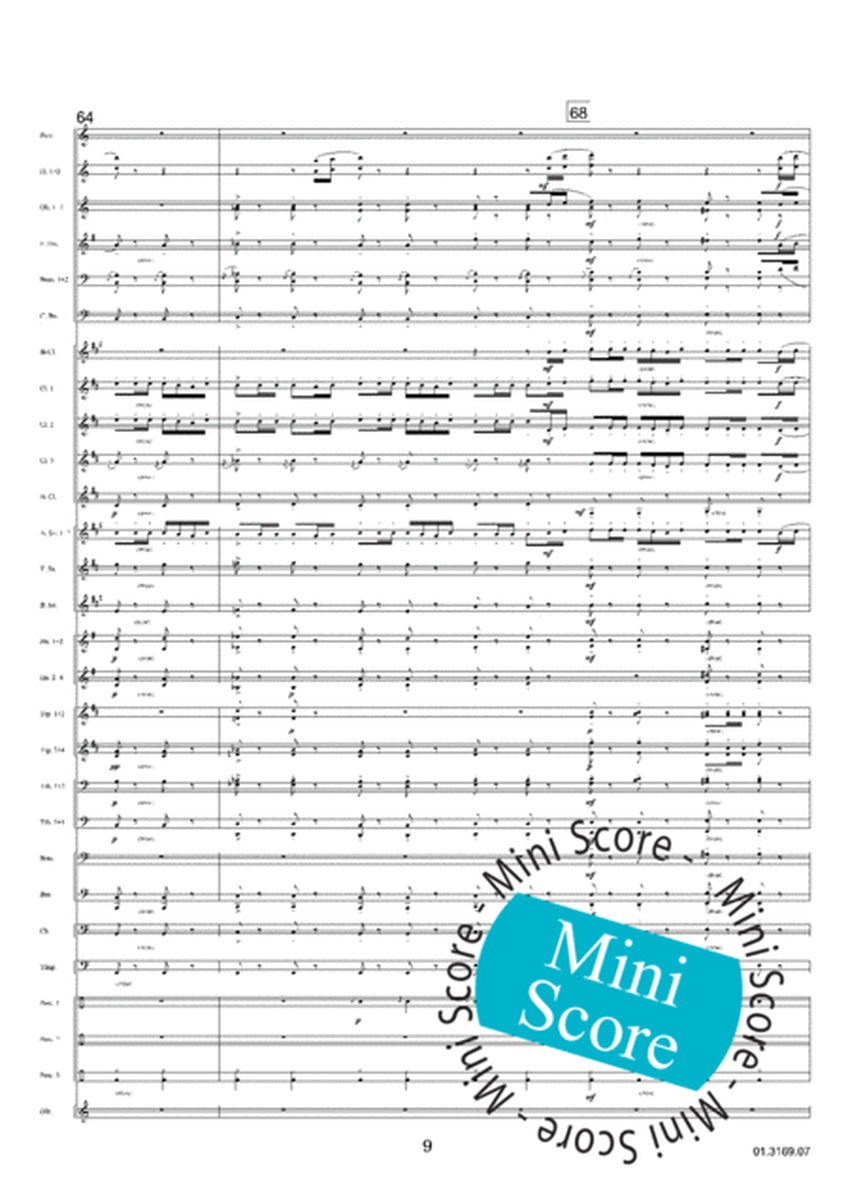
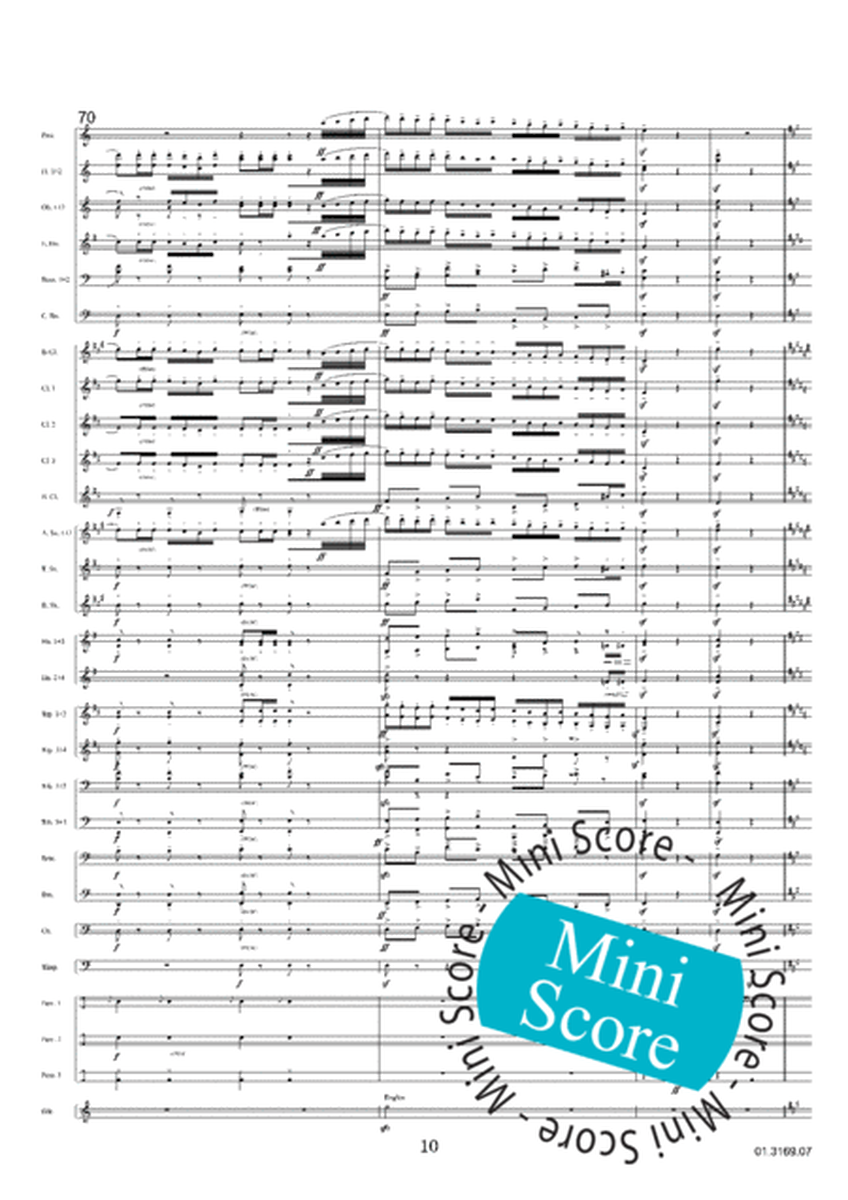
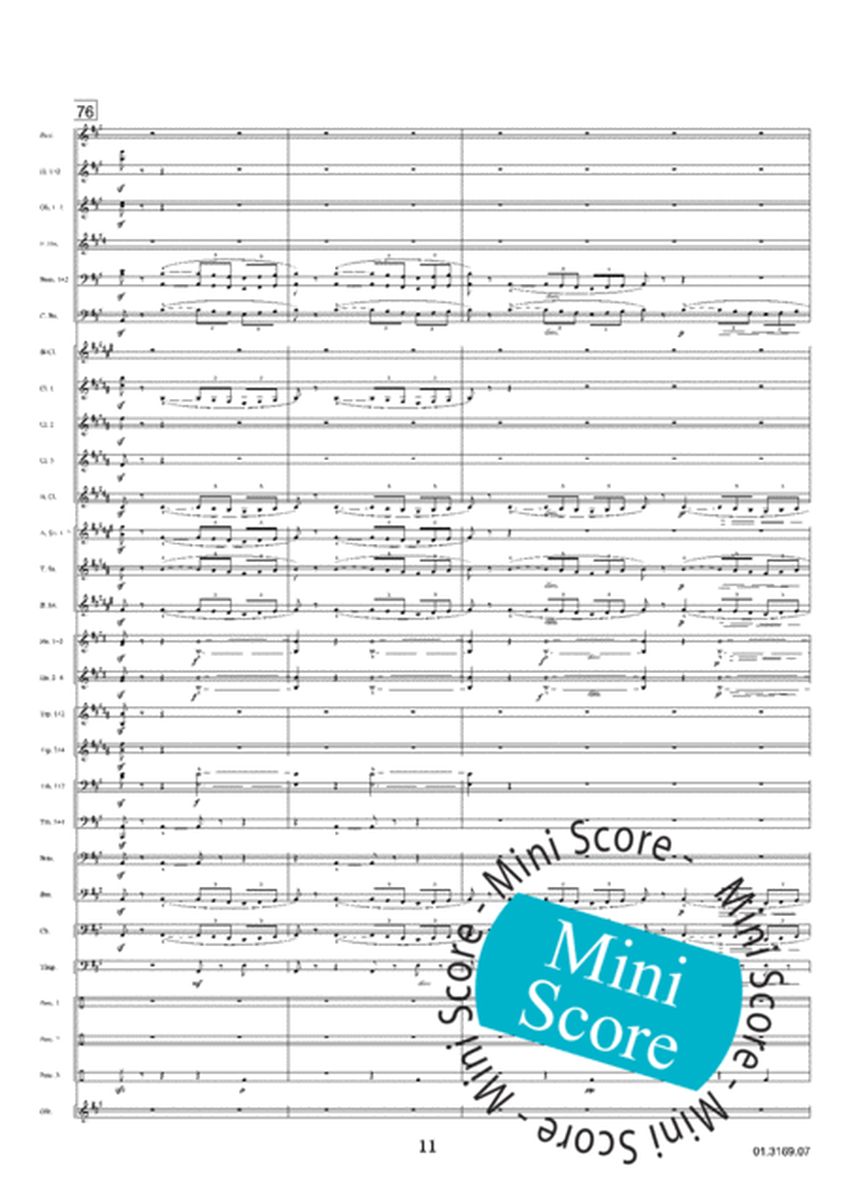
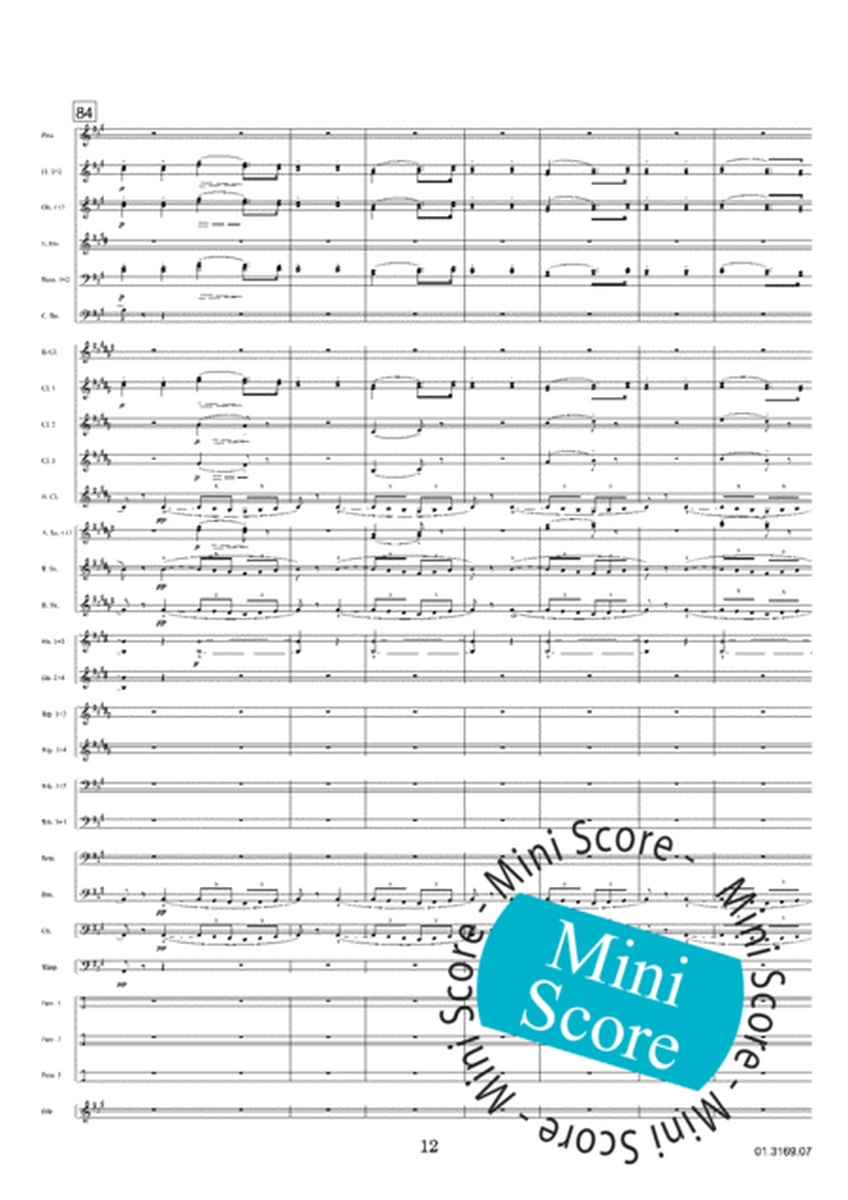
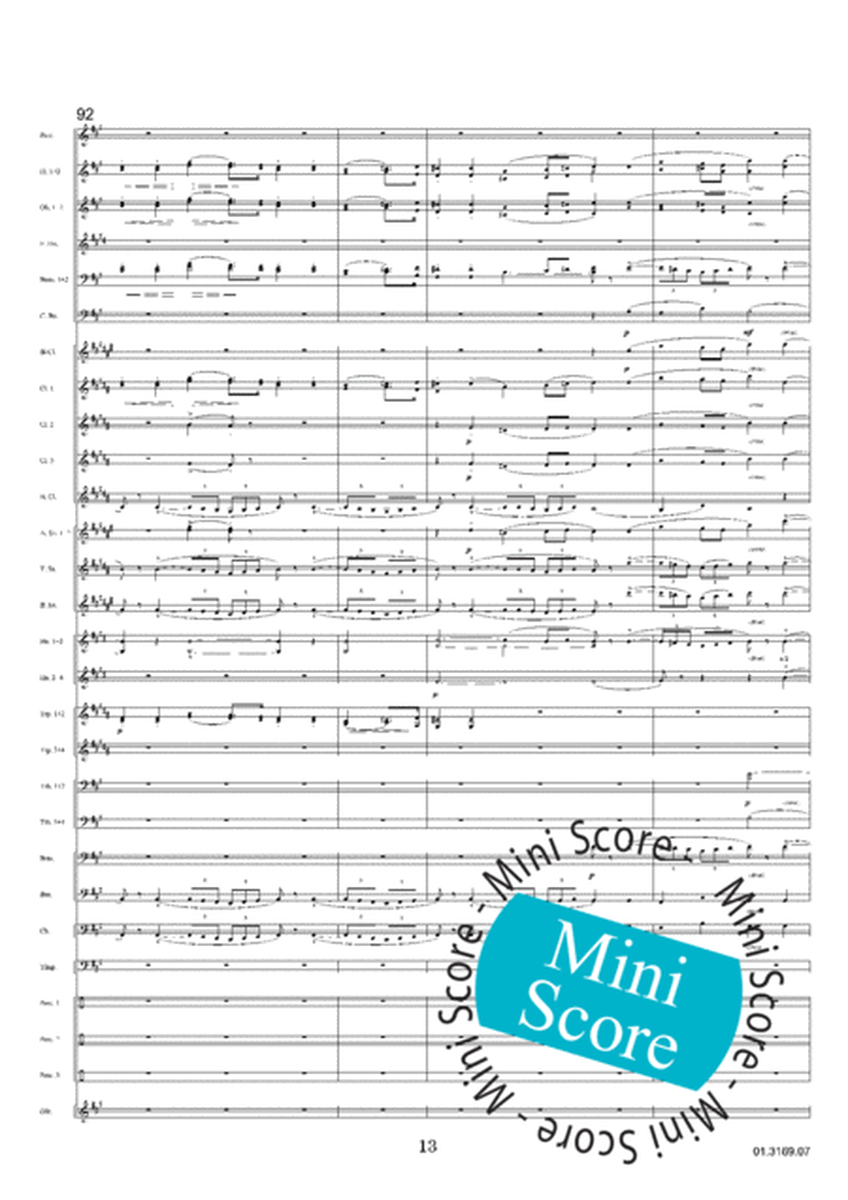
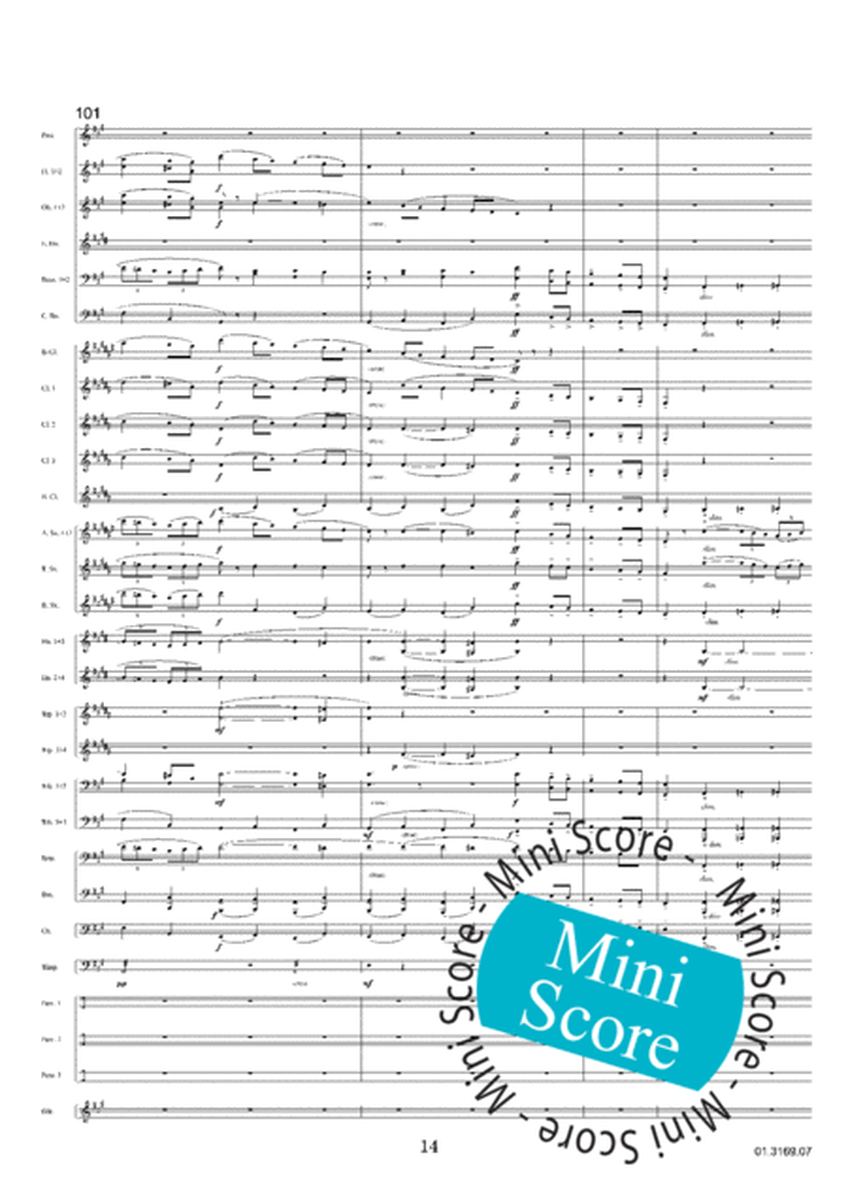
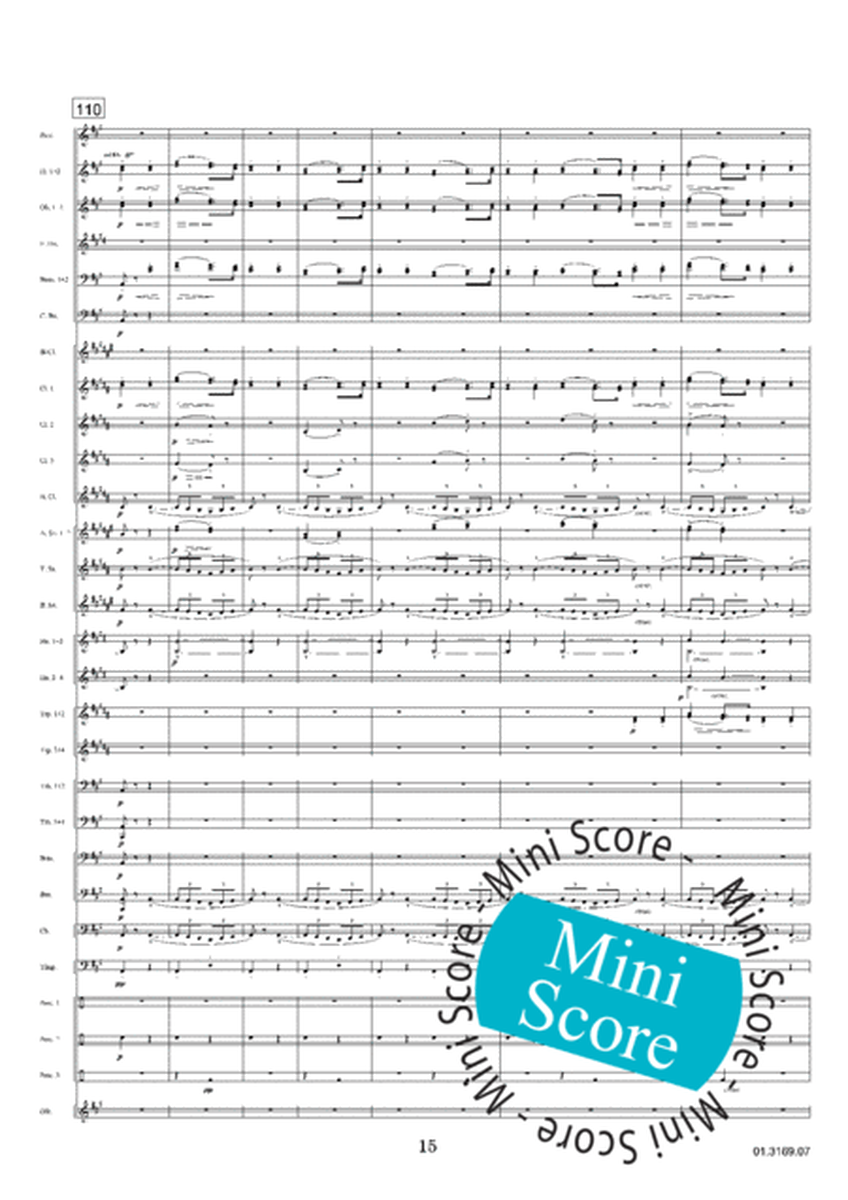
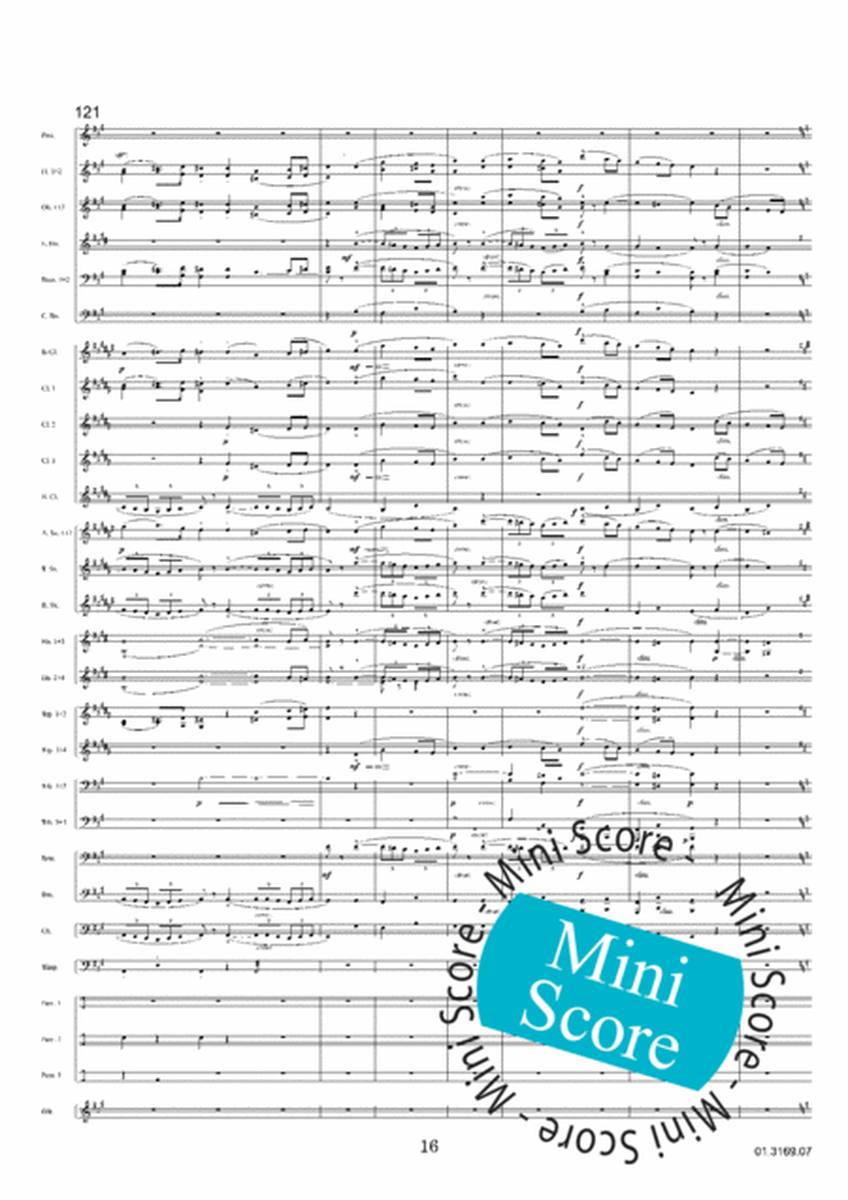
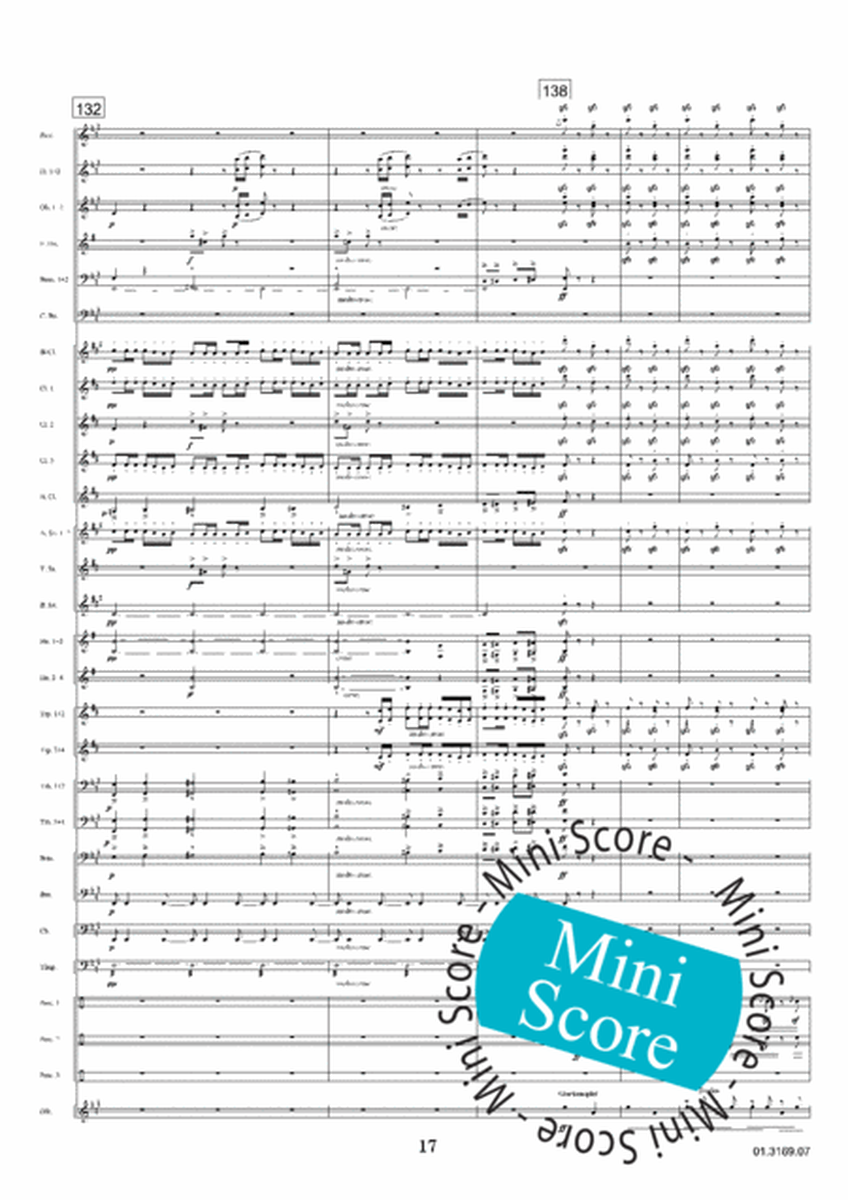
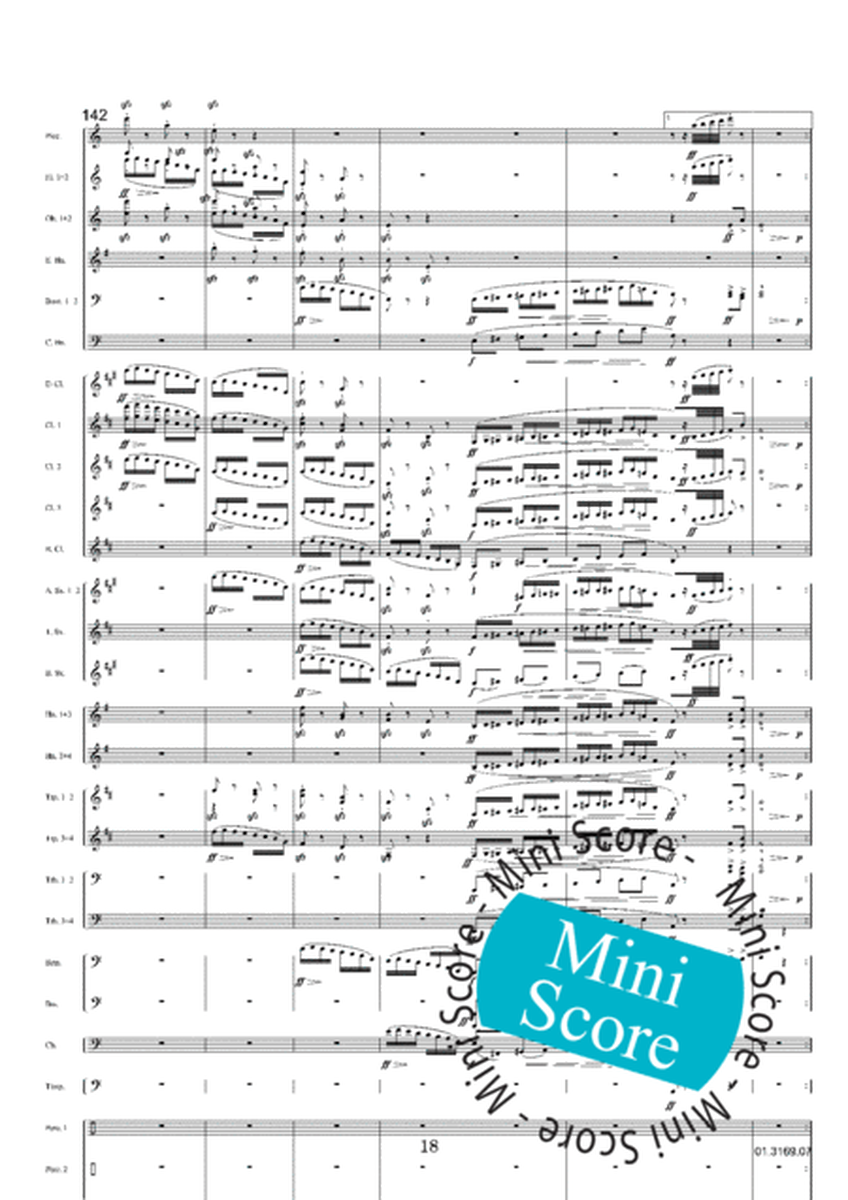
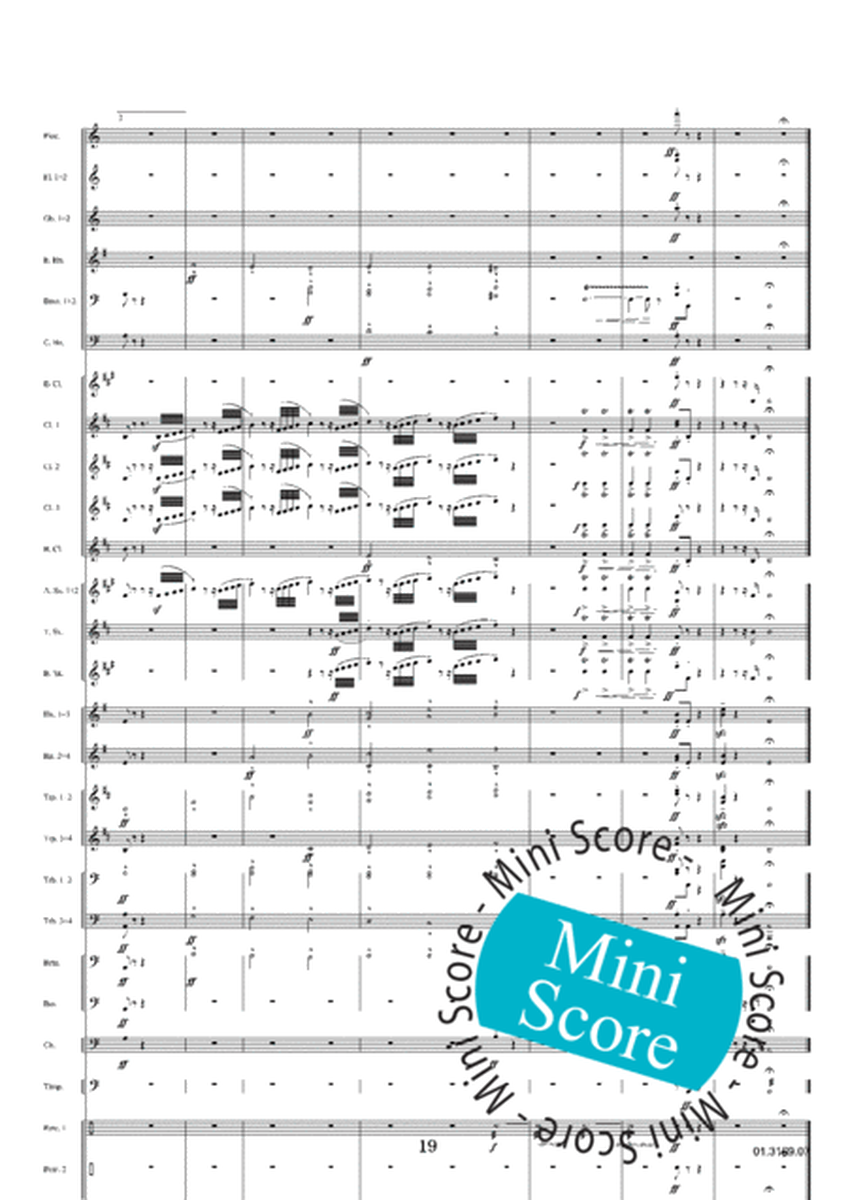
Composed by Edward Elgar. Arranged by Ton van Grevenbroek. Arrangements of Classical Compositions. Molenaar Band Music. Recorded on Astro Suite (ML.311106720). Full set. Duration 6 minutes, 50 seconds. Molenaar Edition #013169070. Published by Molenaar Edition (ML.013169070).
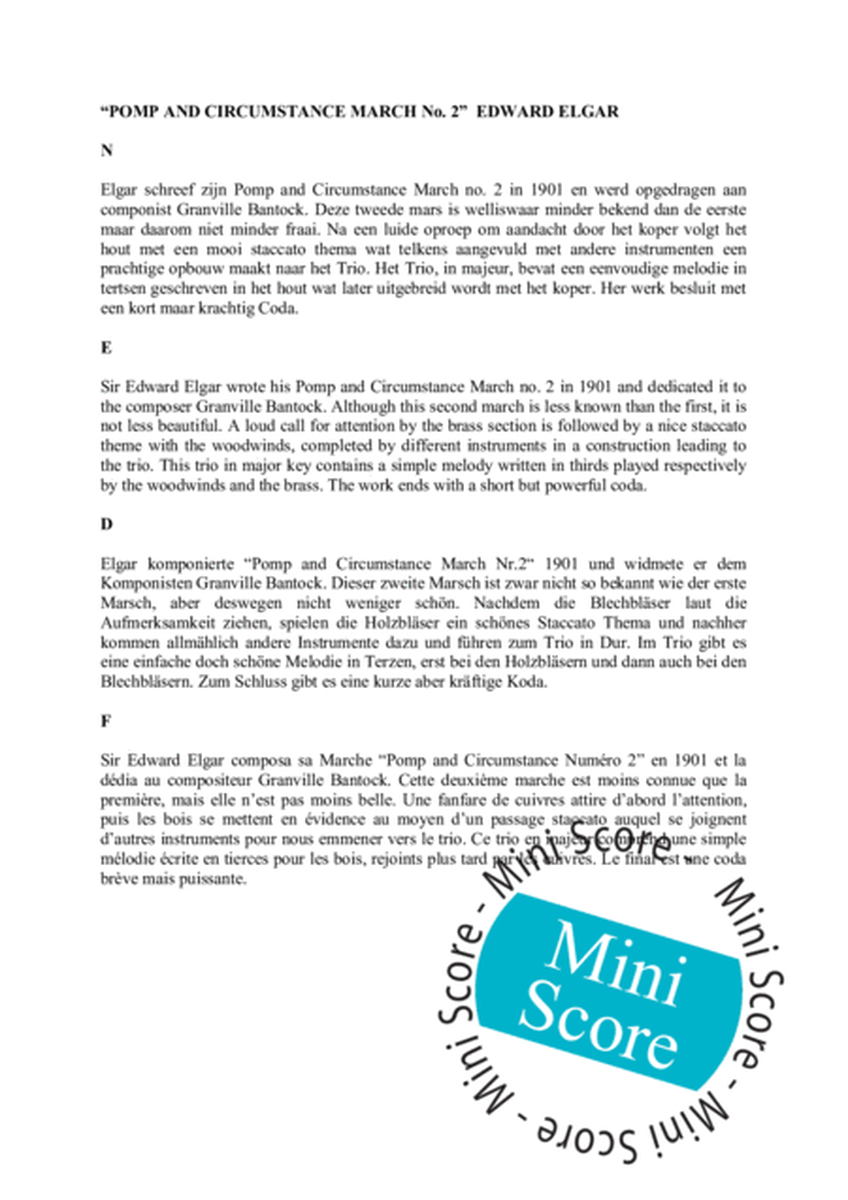
Sir Elgar’s Pomp and Circumstance March no. 2 (1901) werd opgedragen aan componist Granville Bantock. Deze tweede mars is welliswaar minder bekend dan de eerste maar daarom niet minder fraai. Na een luide oproep om aandacht door het koper volgt het hout met een mooi staccato thema dat telkens aangevuld met andere instrumenten een prachtige opbouw maakt naar het Trio. Het Trio, in majeur, bevat een eenvoudige melodie in tertsen geschreven in het hout dat later uitgebreid wordt met het koper. Het werk besluit met een kort maar krachtig Coda.
Sir Edward Elgar wrote his Pomp and Circumstance March no. 2 in 1901 and dedicated it to the composer Granville Bantock. Although this second march is less known than the first, it is not less beautiful. A loud call for attention by the brass section is followed by a nice staccato theme with the woodwinds, completed by different instruments in a construction leading to the trio. This trio in major key contains a simple melody written in thirds played respectively by the woodwinds and the brass. The work ends with a short but powerful coda.
Sir Elgar a écrit sa Pomp and Circumstance March no. 2 en 1901 et l’a dédicacé au compositeur Granville Bantock. Cette deuxième marche, même si elle est moins bien connue que la première, n’en est pas moins belle. Après un appèl sonore des cuivres, les bois suivent avec un joli thème staccato qui, complété tour à tour par d’autres instruments, fait un accumulation splendide vers le Trio. Le Trio, en majeur, contient une mélodie simple en tierces écrite pour les bois, plus tard étendue vers les cuivres. L’oeuvre finit avec un Coda court et énergique
Sir Elgar schrieb seine “Pomp and Circumstance Marsch Nr.2” 1901. Der Marsch wurde dem Komponisten Granville Bantock gewidmet. Dieser zweite Marsch ist zwar weniger bekannt, als der erste, aber dadurch nicht weniger schön. Nach einem lauten Aufruf um Aufmerksamkeit durch die Blechinstrumente, folgen die Holzinstrumente mit einem schönen Staccato-Thema, welches wiederholt mit anderen Instrumenten angefüllt wird, das mit einem wundervollen Aufbau zum Trio leitet. Dieses Trio, in Dur, enthält eine einfache Melodie, die für die Holzinstrumente geschrieben ist und die später mit den Blechinstrumenten erweitert wird. Dieses Werk beschließt mit einem kurzen, aber starken Koda.
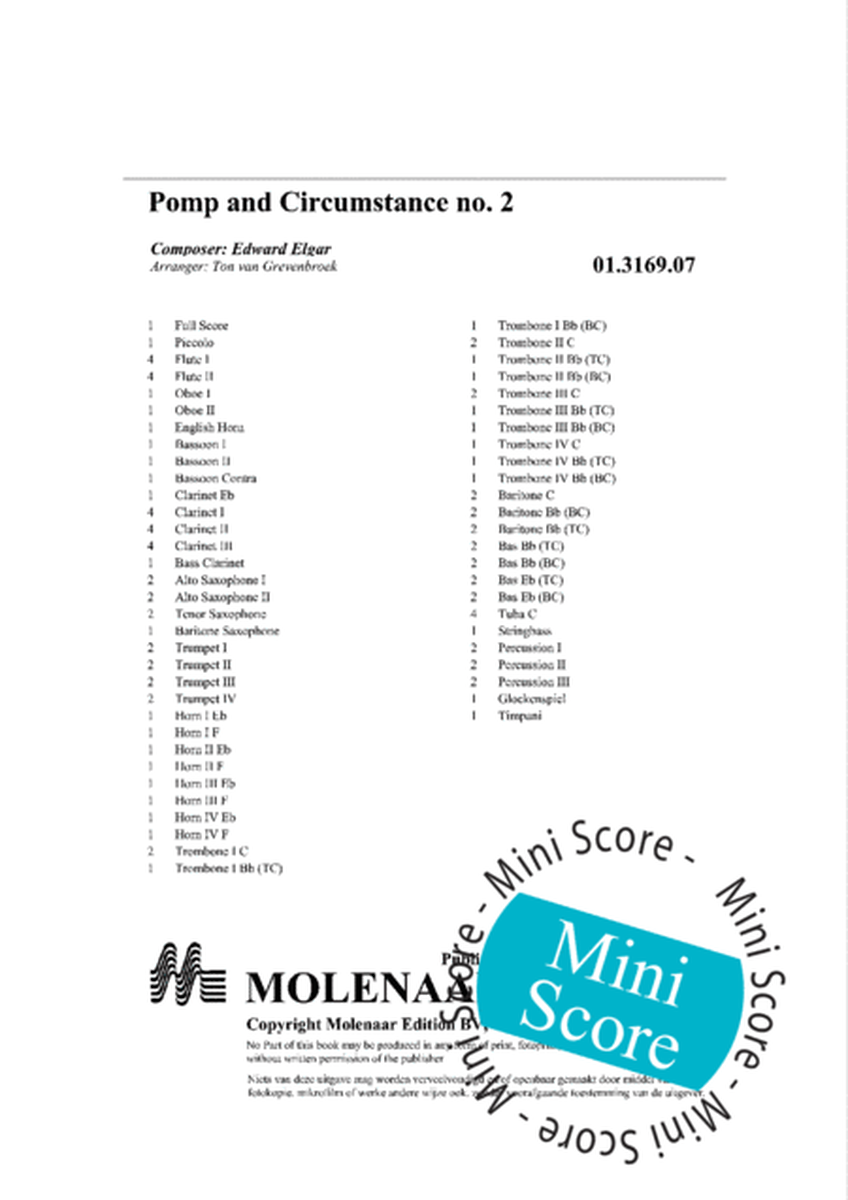
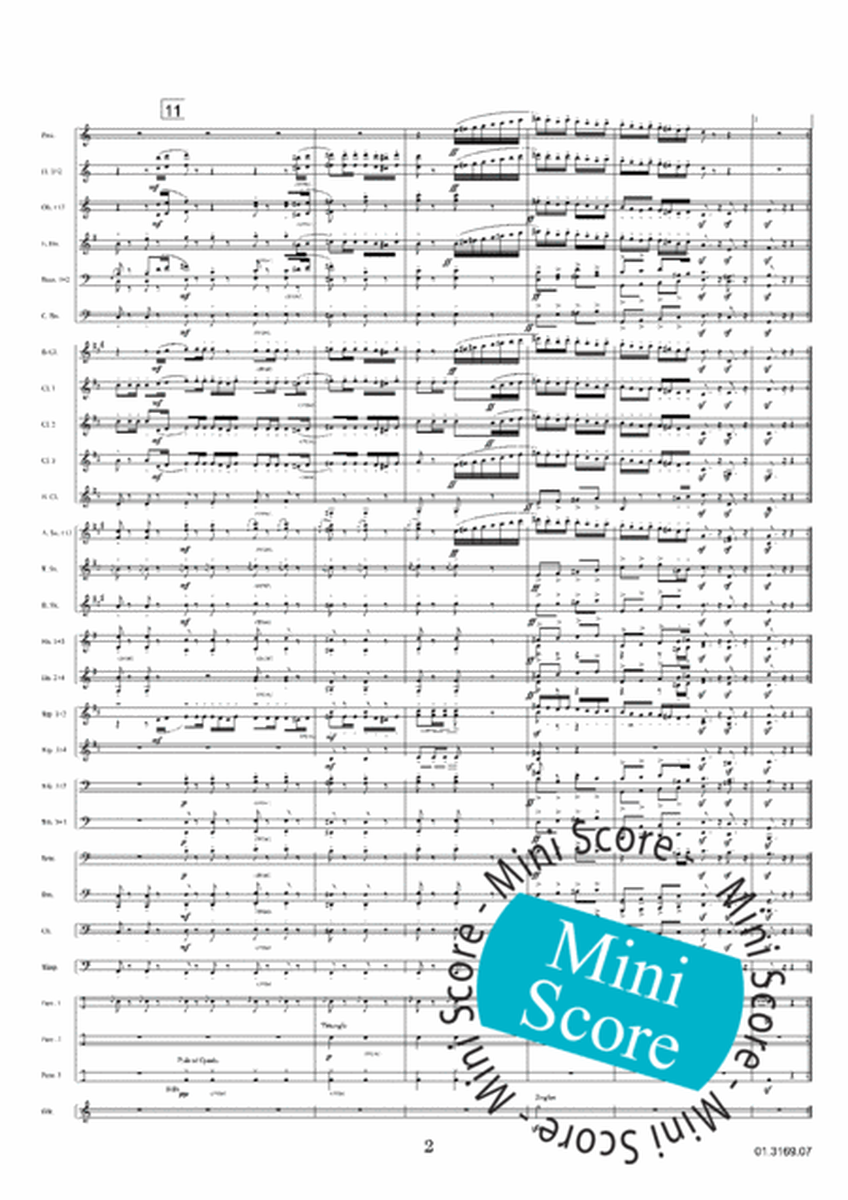
Instrumentation 0 Full Score A3 1 Full Score 1 Piccolo 4 Flute I 4 Flute II 1 Oboe I 1 Oboe II 1 English Horn 1 Bassoon I 1 Bassoon II 1 Contra Bassoon 1 Clarinet Eb 4 Clarinet I 4 Clarinet II 4 Clarinet III 1 Bass Clarinet 2 Alto Saxophone I 2 Alto Saxophone II 2 Tenor Saxophone 1 Baritone Saxophone 2 Trumpet I 2 Trumpet II 2 Trumpet III 2 Trumpet IV 1 Horn I Eb 1 Horn I F 1 Horn II Eb 1 Horn II F 1 Horn III Eb 1 Horn III F 1 Horn IV Eb 1 Horn IV F 2 Trombone I C 1 Trombone I Bb (TC) 1 Trombone I Bb (BC) 2 Trombone II C 1 Trombone II Bb (TC) 1 Trombone II Bb (BC) 2 Trombone III C 1 Trombone III Bb (TC) 1 Trombone III Bb (BC) 1 Trombone IV C 1 Trombone IV Bb (TC) 1 Trombone IV Bb (BC) 2 Baritone C 2 Baritone Bb (BC) 2 Baritone Bb (TC) 2 Bas Bb (TC) 2 Bas Bb (BC) 2 Bas Eb (TC) 2 Bas Eb (BC) 4 Tuba C 1 Stringbass 2 Percussion I 2 Percussion II 2 Percussion III 1 Glockenspiel 1 Timpani.
Composed by Edward Elgar. Arranged by Ton van Grevenbroek. Arrangements of Classical Compositions. Molenaar Band Music. Recorded on Astro Suite (ML.311106720). Full set. Duration 6 minutes, 50 seconds. Molenaar Edition #013169070. Published by Molenaar Edition (ML.013169070).
Sir Elgar’s Pomp and Circumstance March no. 2 (1901) werd opgedragen aan componist Granville Bantock. Deze tweede mars is welliswaar minder bekend dan de eerste maar daarom niet minder fraai. Na een luide oproep om aandacht door het koper volgt het hout met een mooi staccato thema dat telkens aangevuld met andere instrumenten een prachtige opbouw maakt naar het Trio. Het Trio, in majeur, bevat een eenvoudige melodie in tertsen geschreven in het hout dat later uitgebreid wordt met het koper. Het werk besluit met een kort maar krachtig Coda.
Sir Edward Elgar wrote his Pomp and Circumstance March no. 2 in 1901 and dedicated it to the composer Granville Bantock. Although this second march is less known than the first, it is not less beautiful. A loud call for attention by the brass section is followed by a nice staccato theme with the woodwinds, completed by different instruments in a construction leading to the trio. This trio in major key contains a simple melody written in thirds played respectively by the woodwinds and the brass. The work ends with a short but powerful coda.
Sir Elgar a écrit sa Pomp and Circumstance March no. 2 en 1901 et l’a dédicacé au compositeur Granville Bantock. Cette deuxième marche, même si elle est moins bien connue que la première, n’en est pas moins belle. Après un appèl sonore des cuivres, les bois suivent avec un joli thème staccato qui, complété tour à tour par d’autres instruments, fait un accumulation splendide vers le Trio. Le Trio, en majeur, contient une mélodie simple en tierces écrite pour les bois, plus tard étendue vers les cuivres. L’oeuvre finit avec un Coda court et énergique
Sir Elgar schrieb seine “Pomp and Circumstance Marsch Nr.2” 1901. Der Marsch wurde dem Komponisten Granville Bantock gewidmet. Dieser zweite Marsch ist zwar weniger bekannt, als der erste, aber dadurch nicht weniger schön. Nach einem lauten Aufruf um Aufmerksamkeit durch die Blechinstrumente, folgen die Holzinstrumente mit einem schönen Staccato-Thema, welches wiederholt mit anderen Instrumenten angefüllt wird, das mit einem wundervollen Aufbau zum Trio leitet. Dieses Trio, in Dur, enthält eine einfache Melodie, die für die Holzinstrumente geschrieben ist und die später mit den Blechinstrumenten erweitert wird. Dieses Werk beschließt mit einem kurzen, aber starken Koda.
Instrumentation 0 Full Score A3 1 Full Score 1 Piccolo 4 Flute I 4 Flute II 1 Oboe I 1 Oboe II 1 English Horn 1 Bassoon I 1 Bassoon II 1 Contra Bassoon 1 Clarinet Eb 4 Clarinet I 4 Clarinet II 4 Clarinet III 1 Bass Clarinet 2 Alto Saxophone I 2 Alto Saxophone II 2 Tenor Saxophone 1 Baritone Saxophone 2 Trumpet I 2 Trumpet II 2 Trumpet III 2 Trumpet IV 1 Horn I Eb 1 Horn I F 1 Horn II Eb 1 Horn II F 1 Horn III Eb 1 Horn III F 1 Horn IV Eb 1 Horn IV F 2 Trombone I C 1 Trombone I Bb (TC) 1 Trombone I Bb (BC) 2 Trombone II C 1 Trombone II Bb (TC) 1 Trombone II Bb (BC) 2 Trombone III C 1 Trombone III Bb (TC) 1 Trombone III Bb (BC) 1 Trombone IV C 1 Trombone IV Bb (TC) 1 Trombone IV Bb (BC) 2 Baritone C 2 Baritone Bb (BC) 2 Baritone Bb (TC) 2 Bas Bb (TC) 2 Bas Bb (BC) 2 Bas Eb (TC) 2 Bas Eb (BC) 4 Tuba C 1 Stringbass 2 Percussion I 2 Percussion II 2 Percussion III 1 Glockenspiel 1 Timpani.
Tell a friend (or remind yourself) about this product. We'll instantly send an email containing product info and a link to it. You may also enter a personal message.
We do not use or store email addresses from this form for any other purpose than sending your share email.
After purchase, you can download your MP3 from your Sheet Music Plus Digital Library - no software installation is necessary! You can also listen to your MP3 at any time in your Digital Library.
Learn about Smart Music
After purchase, you can download your Smart Music from your Sheet Music Plus Digital Library - no software installation is necessary! You can also download at any time in your Digital Library.
Learn about Digital Video
After purchase you can download your video from your Digital Library. Your video is in XX format and is playable on most pre-installed video players.