About Edward Elgar
Sir Edward Elgar (1857–1934) was a preeminent English composer, widely celebrated for his contributions to classical music during the late Romantic and early 20th centuries. His distinctive style is characterized by lush harmonies, sweeping melodies, and a rich, often dramatic orchestration, which helped to establish a unique and influential British voice in the European musical landscape. Elgar's compositions often convey deep emotional resonance, bridging traditional forms with a personal and expressive sound that remains highly cherished.
- Elgar was largely self-taught as a composer, learning extensively from studying scores in his father's music shop and through practical experience as a violinist, organist, and conductor.
- His "Enigma Variations" (1899) is a famous orchestral work consisting of 14 variations, each a musical portrait of a close friend or colleague, with a mysterious hidden "enigma" theme that has fascinated listeners for decades.
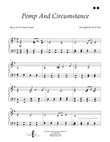
- The "Pomp and Circumstance March No. 1," with its iconic "Land of Hope and Glory" melody, became an anthem of British pride and is famously played at graduation ceremonies worldwide.
- Elgar was knighted in 1904 and appointed Master of the King's Musick in 1924, reflecting his significant national and international acclaim.
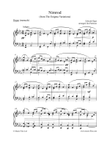
Edward Elgar's sheet music offers a rich and rewarding experience for musicians across various skill levels and instruments. His catalogue includes approachable pieces for intermediate players, such as his "Very Easy Melodious Exercises" for violin, which are musically engaging despite their simplicity. For pianists, there are solo arrangements of popular works like "Chanson de Matin" and "Nimrod" from the "Enigma Variations," while string players can delve into his chamber music and the deeply expressive Cello Concerto, a cornerstone of the cello repertoire. Performing Elgar's music allows musicians to explore sophisticated harmonic language, powerful emotional depth, and the grandeur and lyricism characteristic of late Romanticism, making it a fulfilling endeavor for students, tutors, and advanced performers alike.