Details
- Format:
- Activity Books Collection / Songbook
- Item types:
- Physical
- Instructionals:
- Methods and More Music Theory
- Usages:
- School and Community
- Size:
- 9.0x12.0x0.65 inches
- Shipping Weight:
- 2.49 pounds
SKU: HL.159022
Music Instruction. Jazz, Jazz Instruction, Music Theory. Softcover. Hal Leonard #159022. Published by Hal Leonard (HL.159022).ISBN 9781495062001. UPC: 888680615093. 9.0x12.0x0.65 inches. Lilian Dericq & Etienne Guereau Translated by Eileen Rezwin.
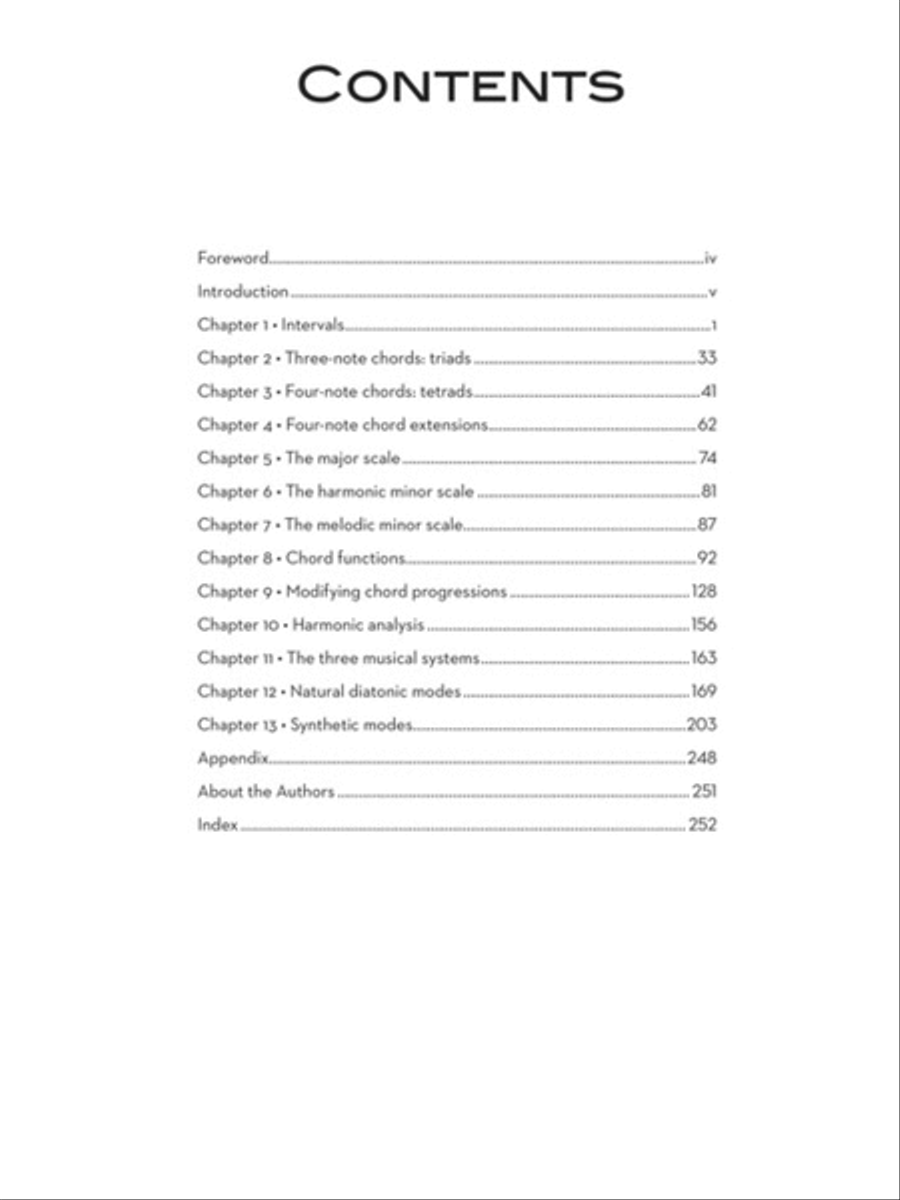
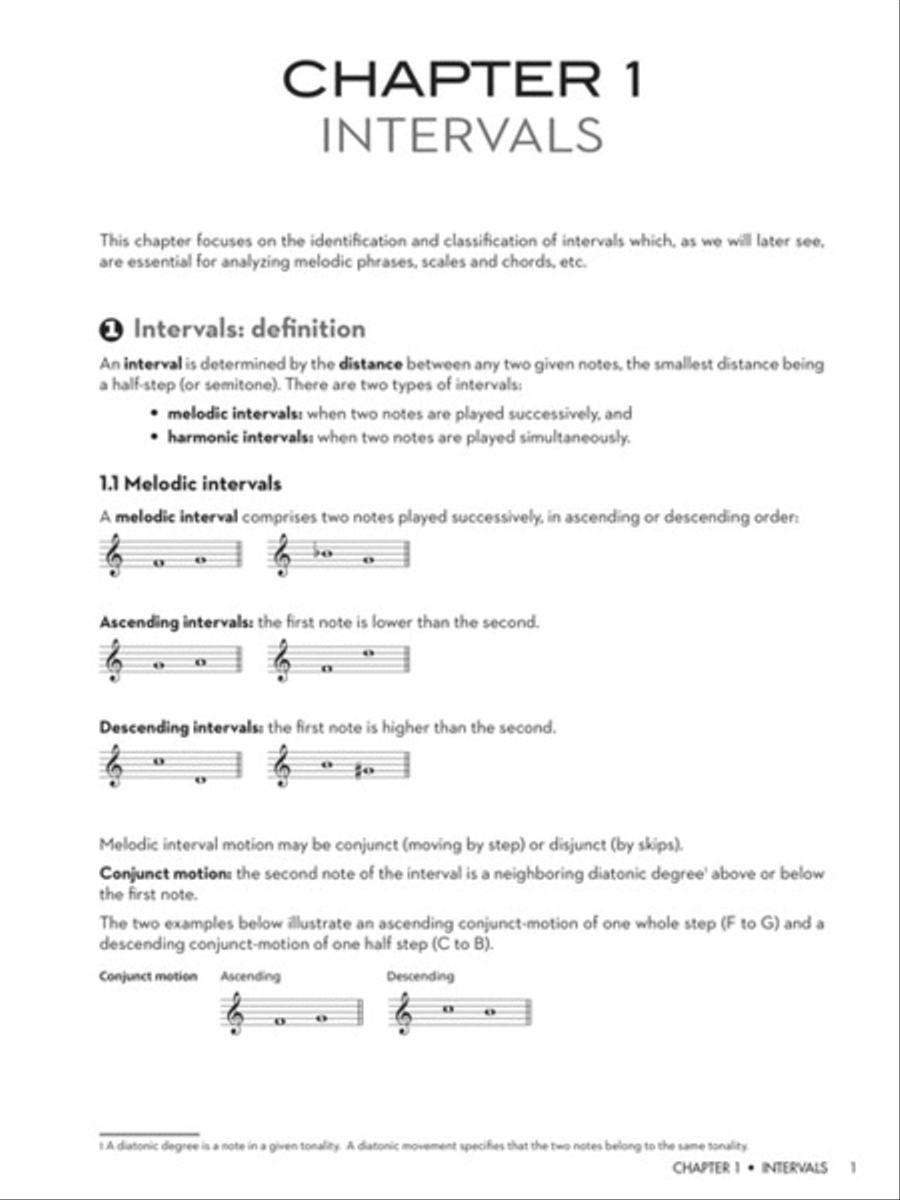
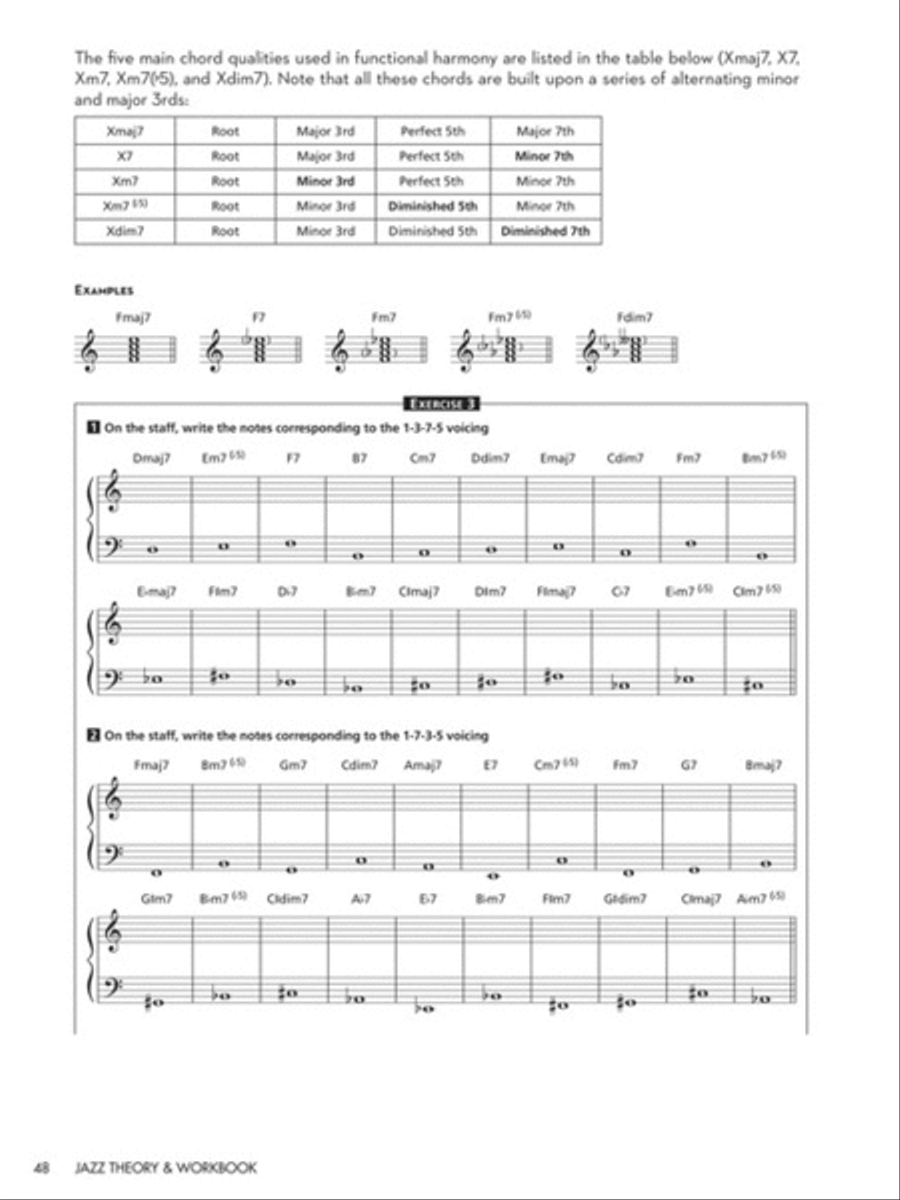
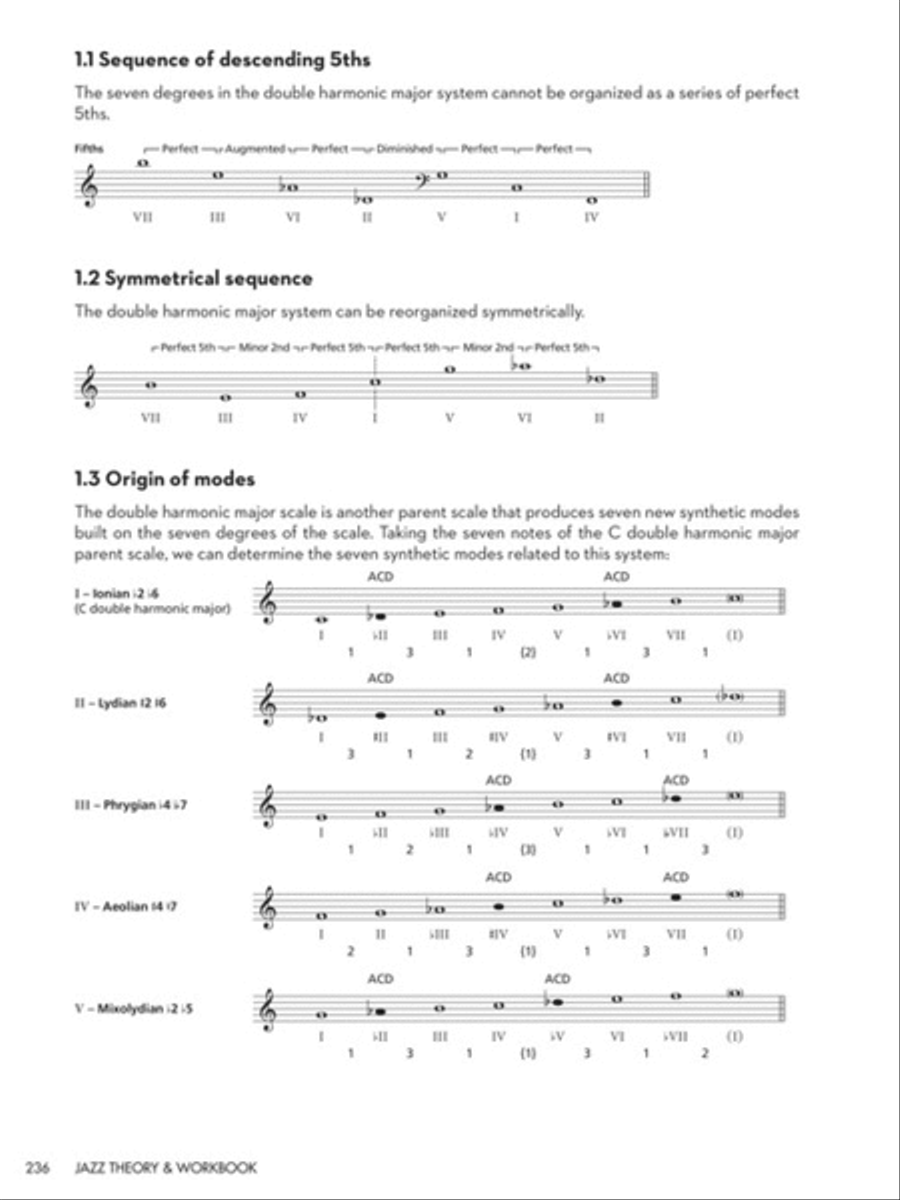
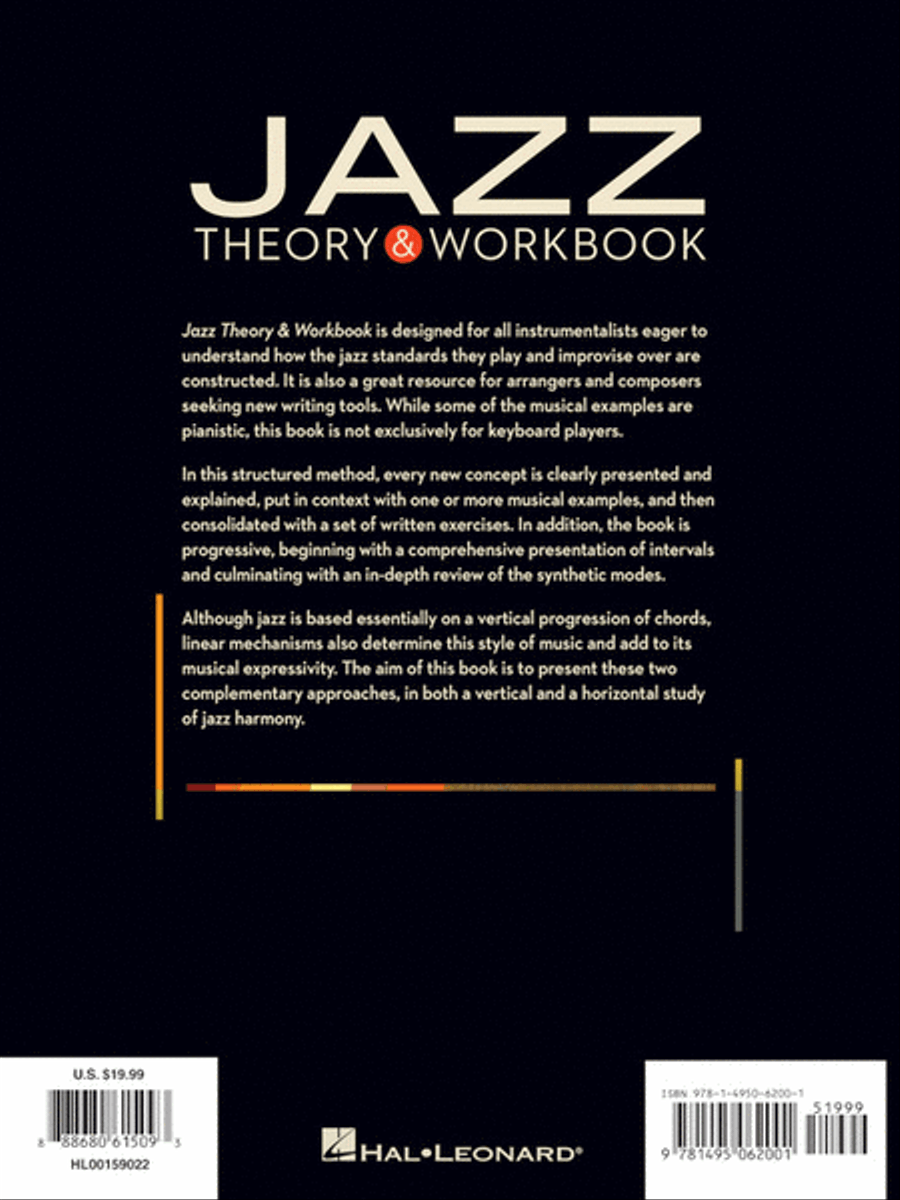
Jazz Theory & Workbook is designed for all instrumentalists eager to understand how the jazz standards they play and improvise over are constructed. It is also a great resource for arrangers and composers seeking new writing tools. While some of the musical examples are pianistic, this book is not exclusively for keyboard players. In this structured method, every new concept is clearly presented and explained, put in context with one or more musical examples, and then consolidated with a set of written exercises. In addition, the book is progressive, beginning with a comprehensive presentation of intervals and culminating with an in-depth review of the synthetic modes. Although jazz is based essentially on a vertical progression of chords, linear mechanisms also determine this style of music and add to its musical expressivity. The aim of this book is to present these two complementary approaches, in both a vertical and a horizontal study of jazz harmony.
- Publisher:
- Hal Leonard