













Ships to you
Ships to you
SKU: ML.011570120-S
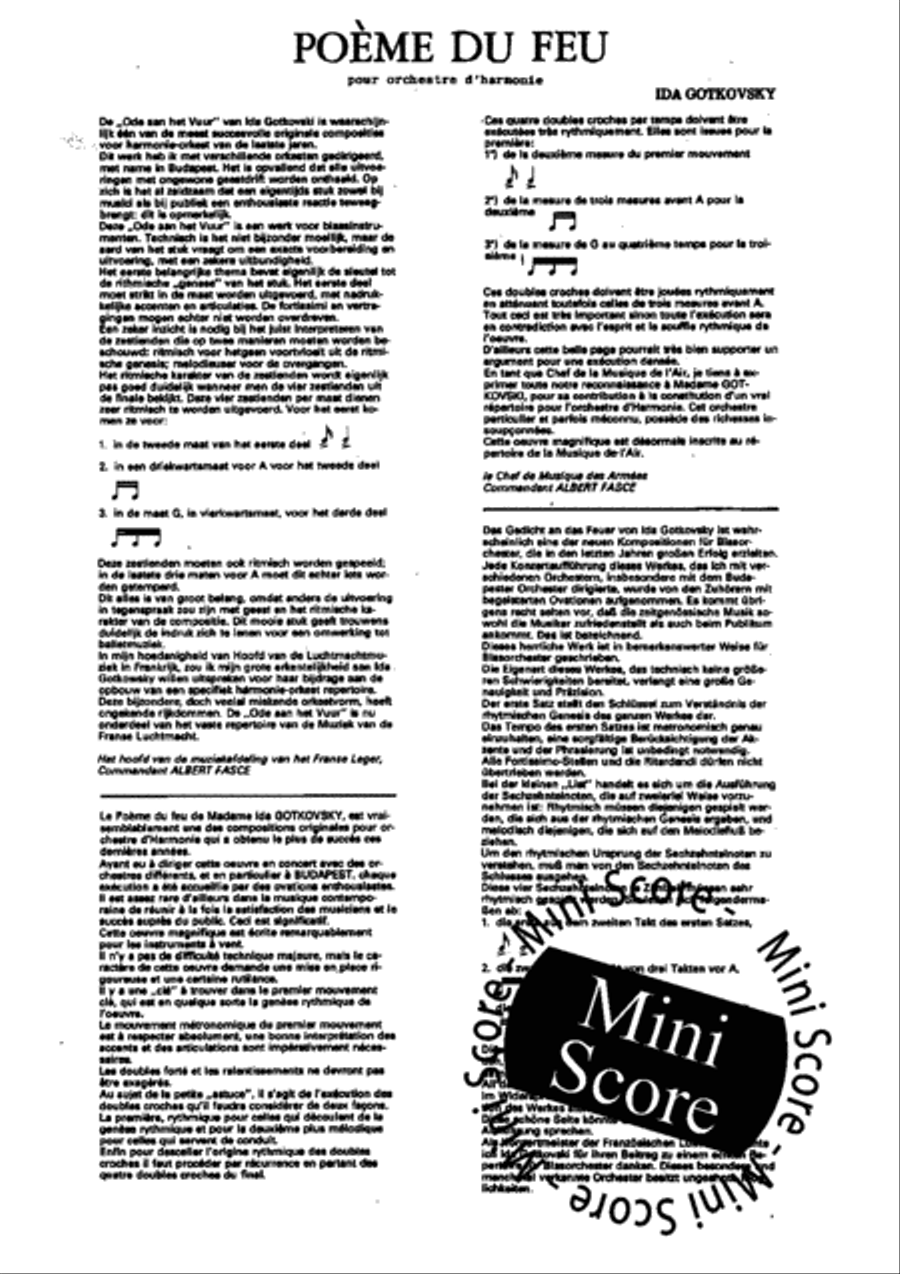
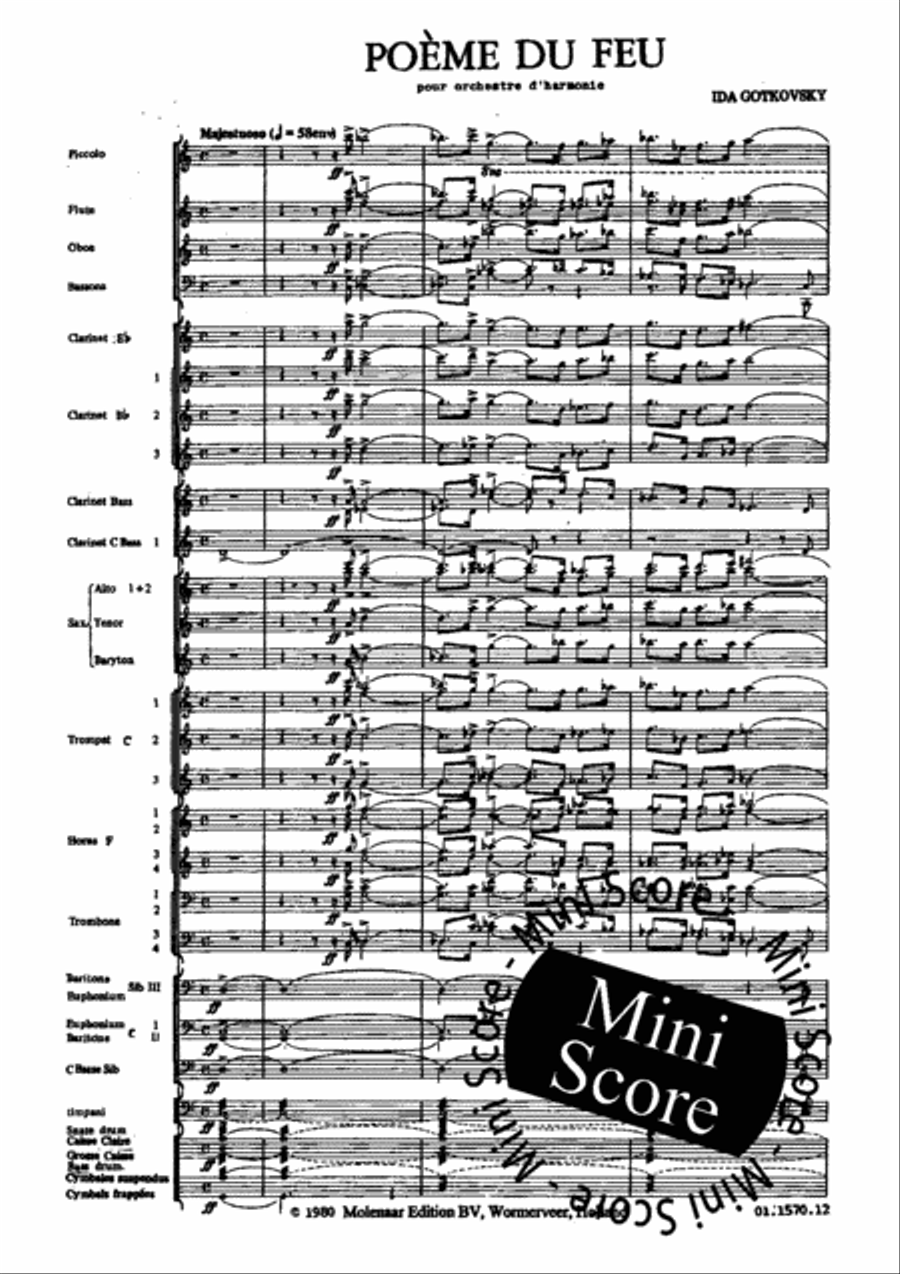
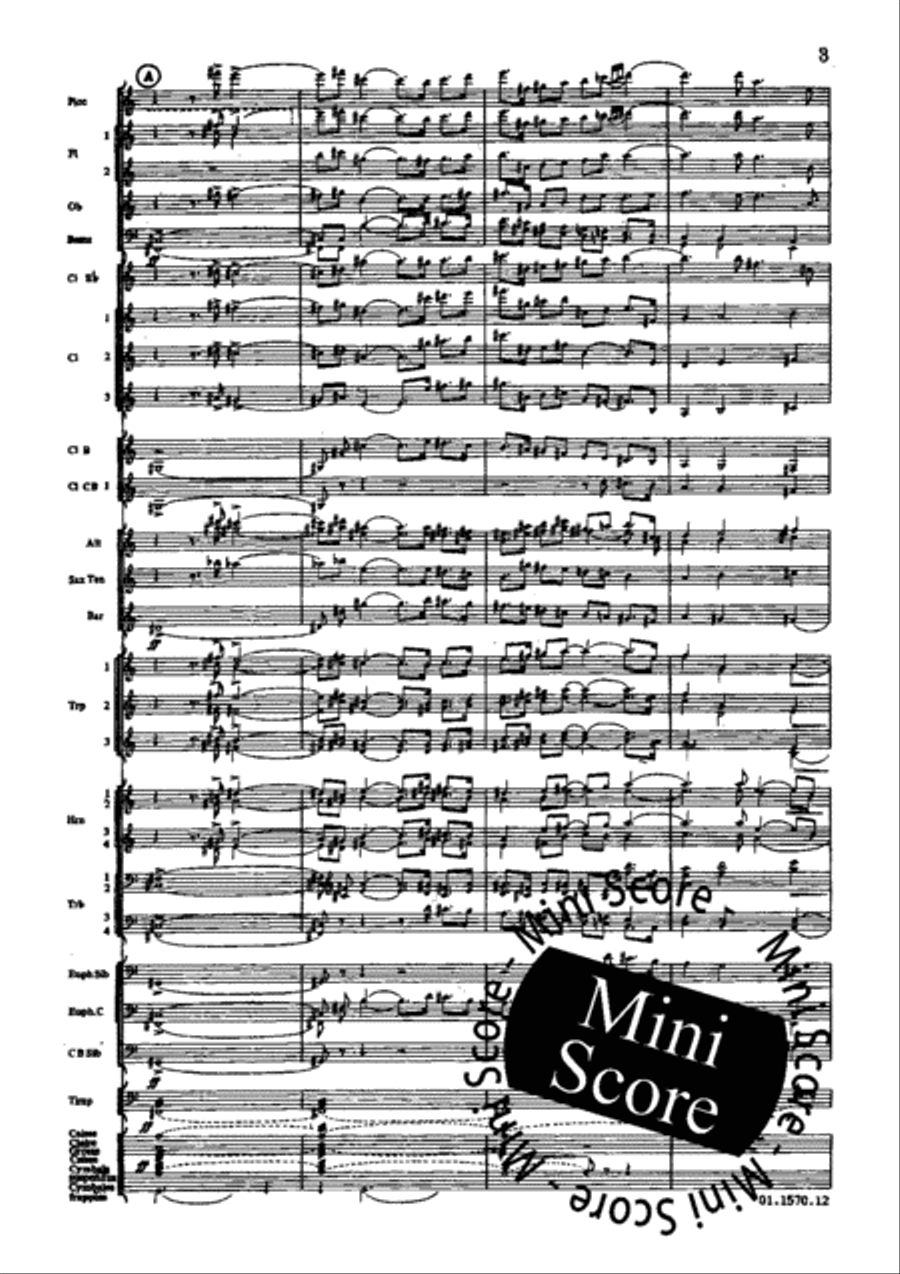
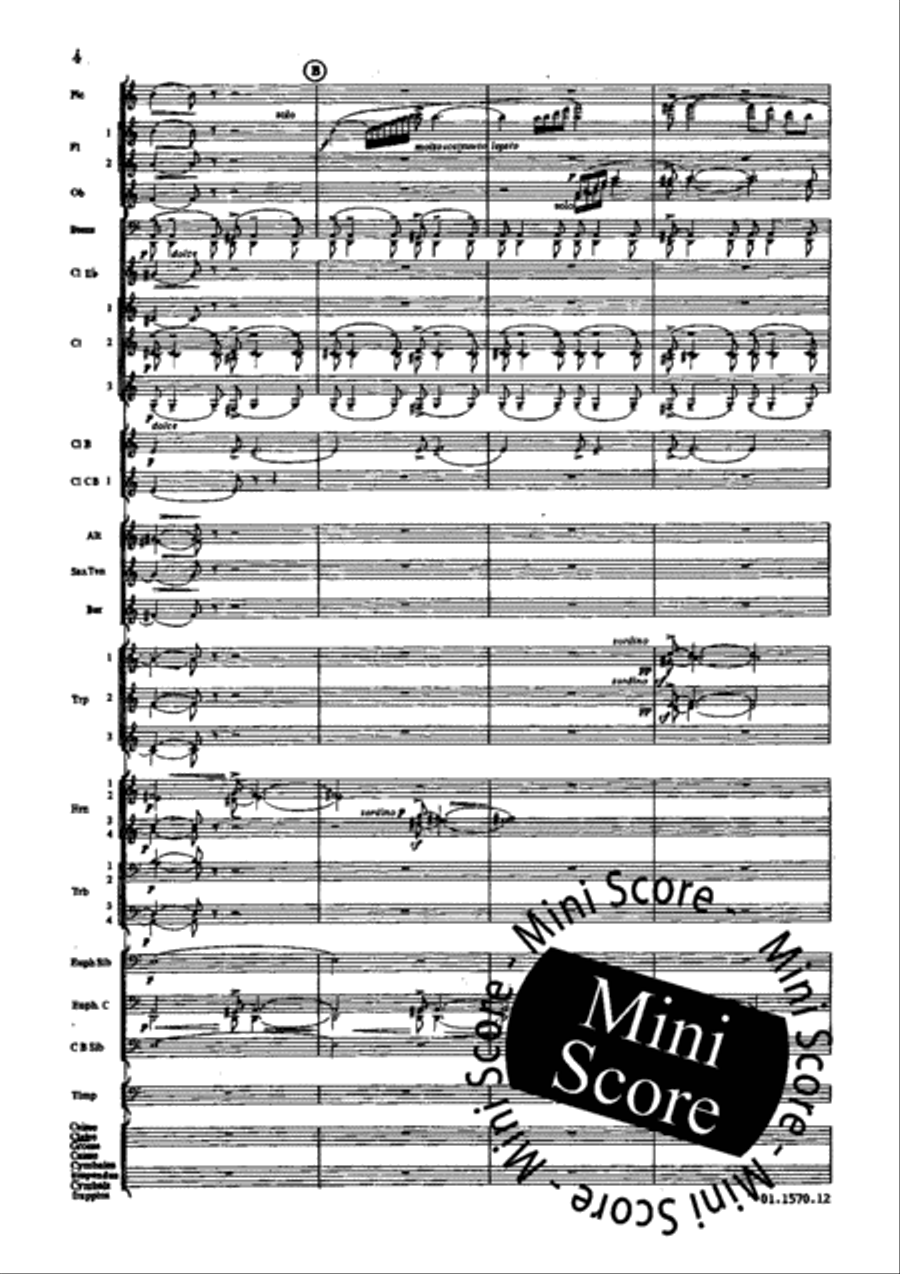
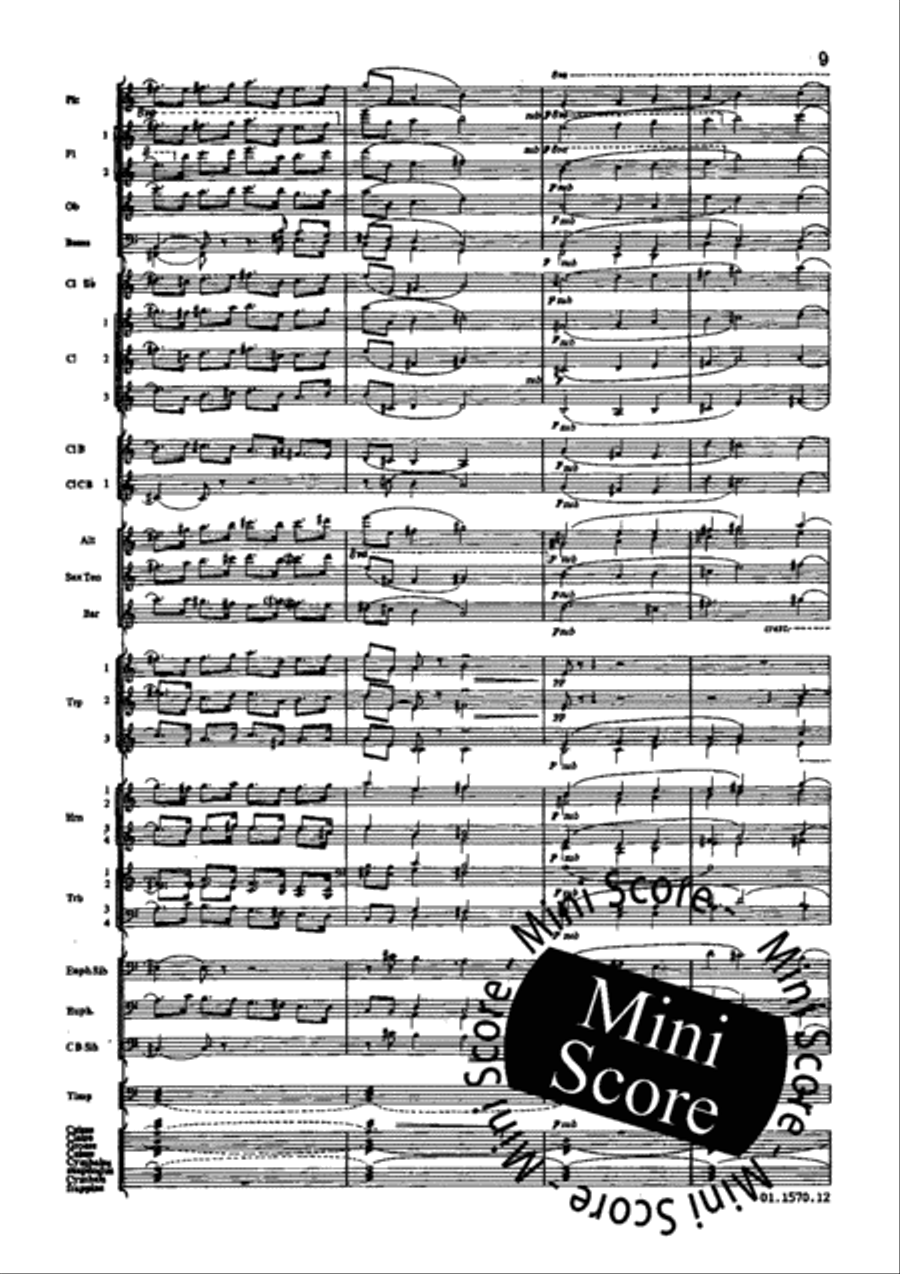
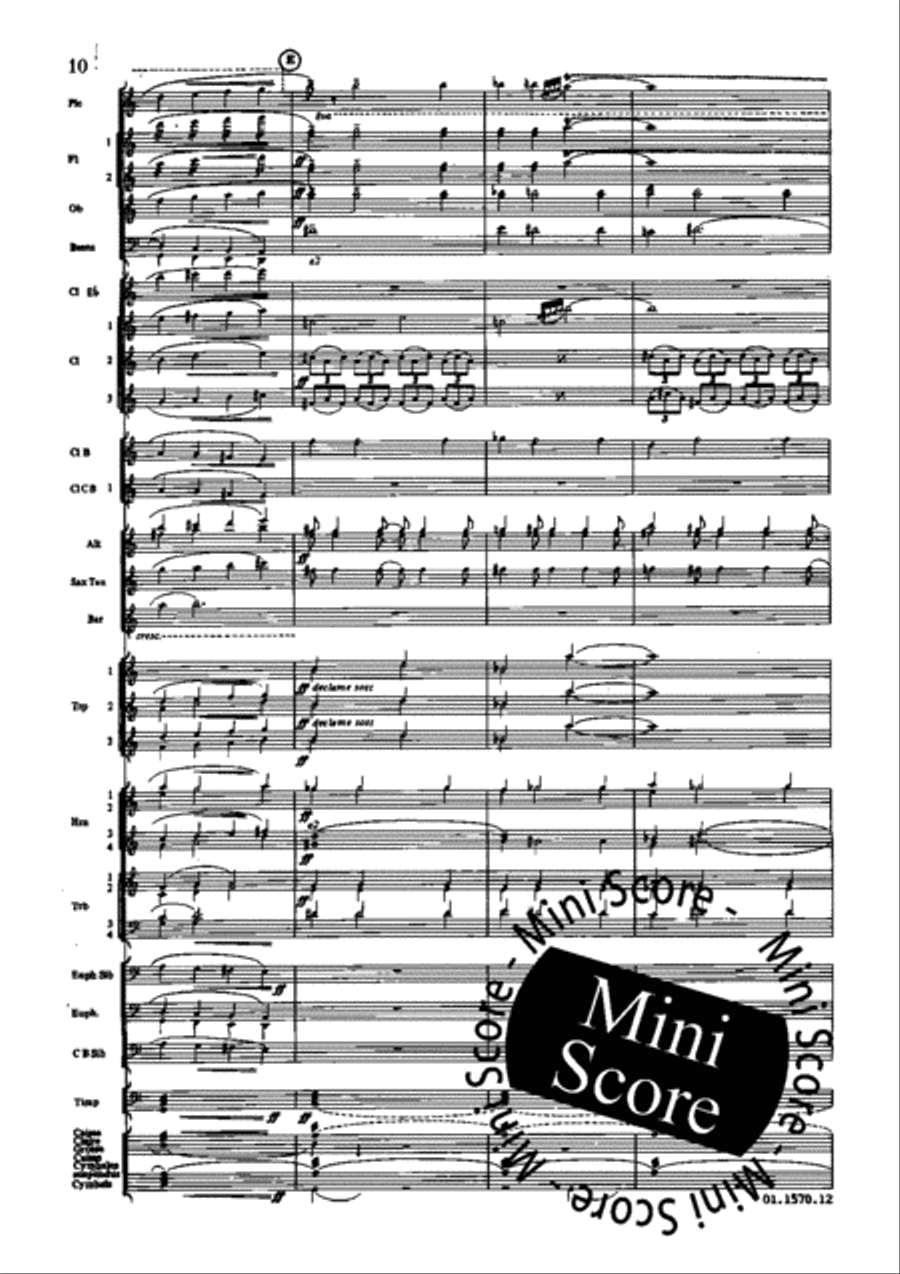
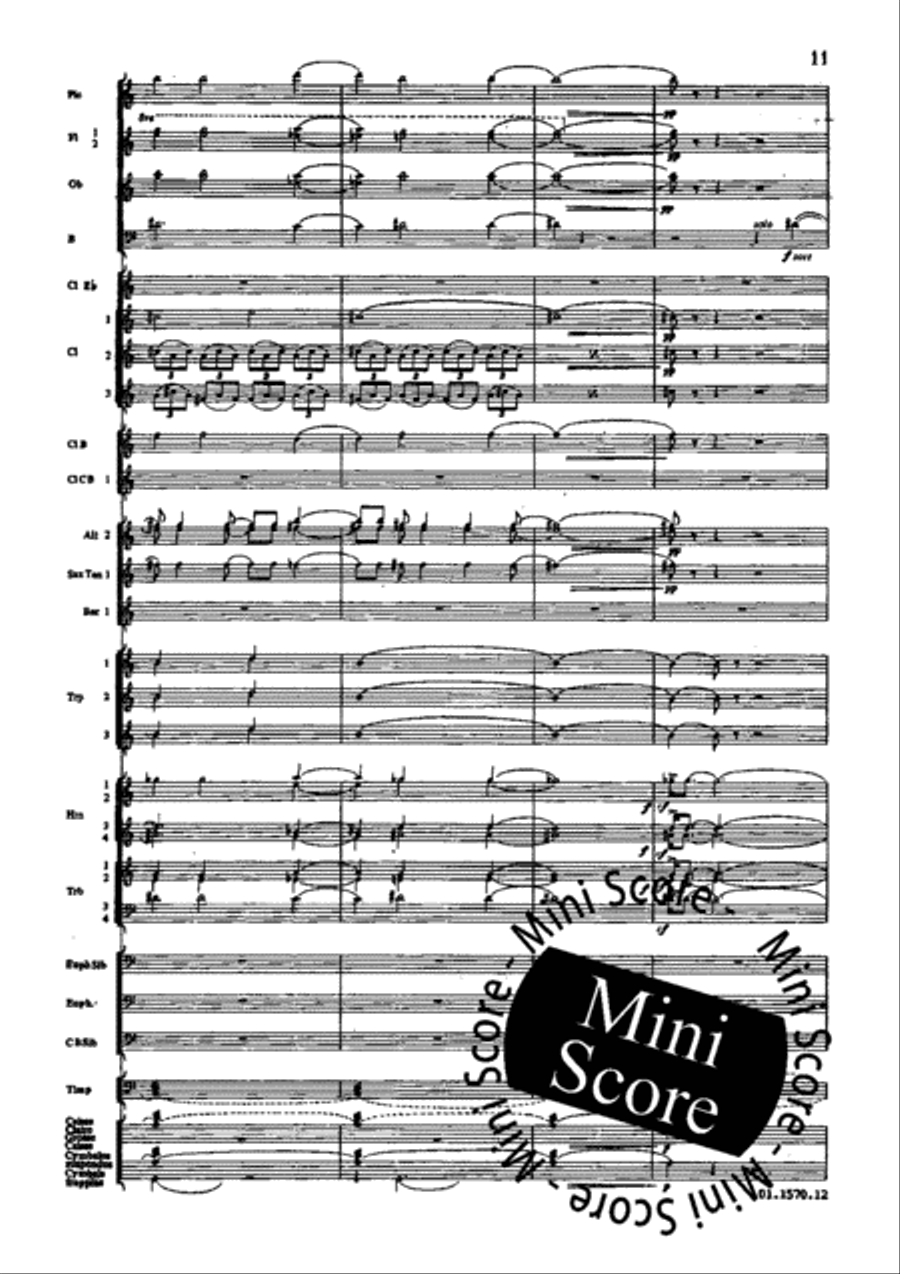
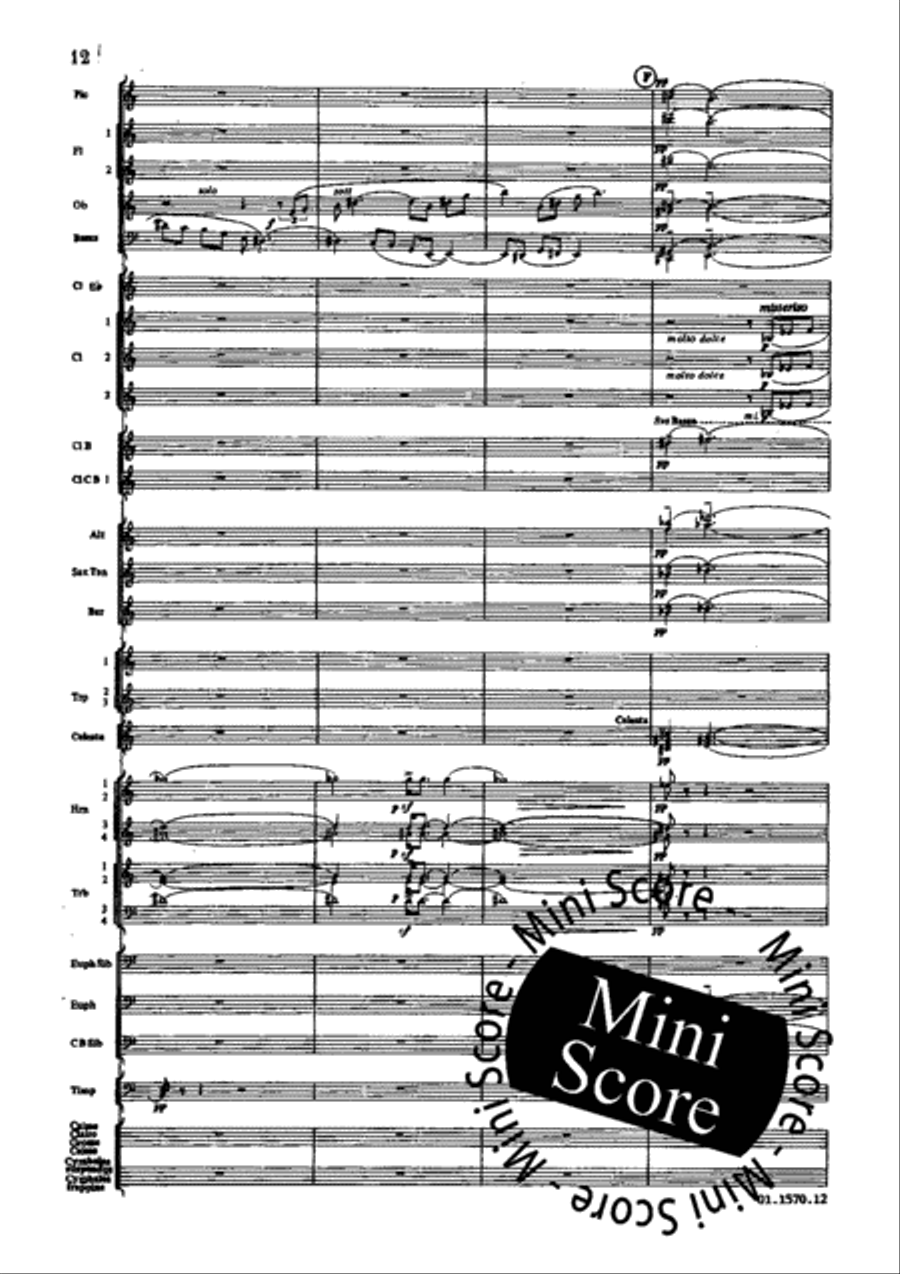
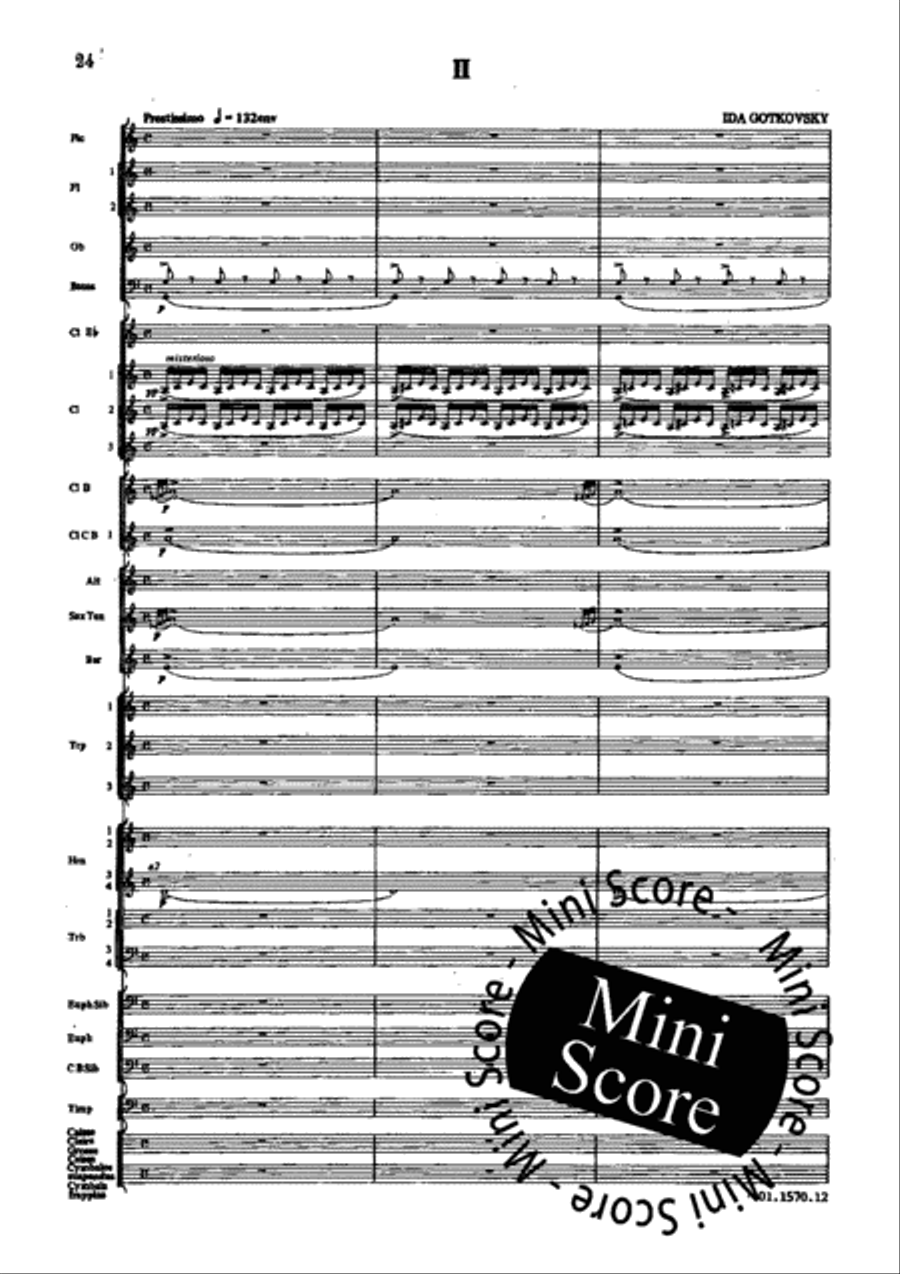
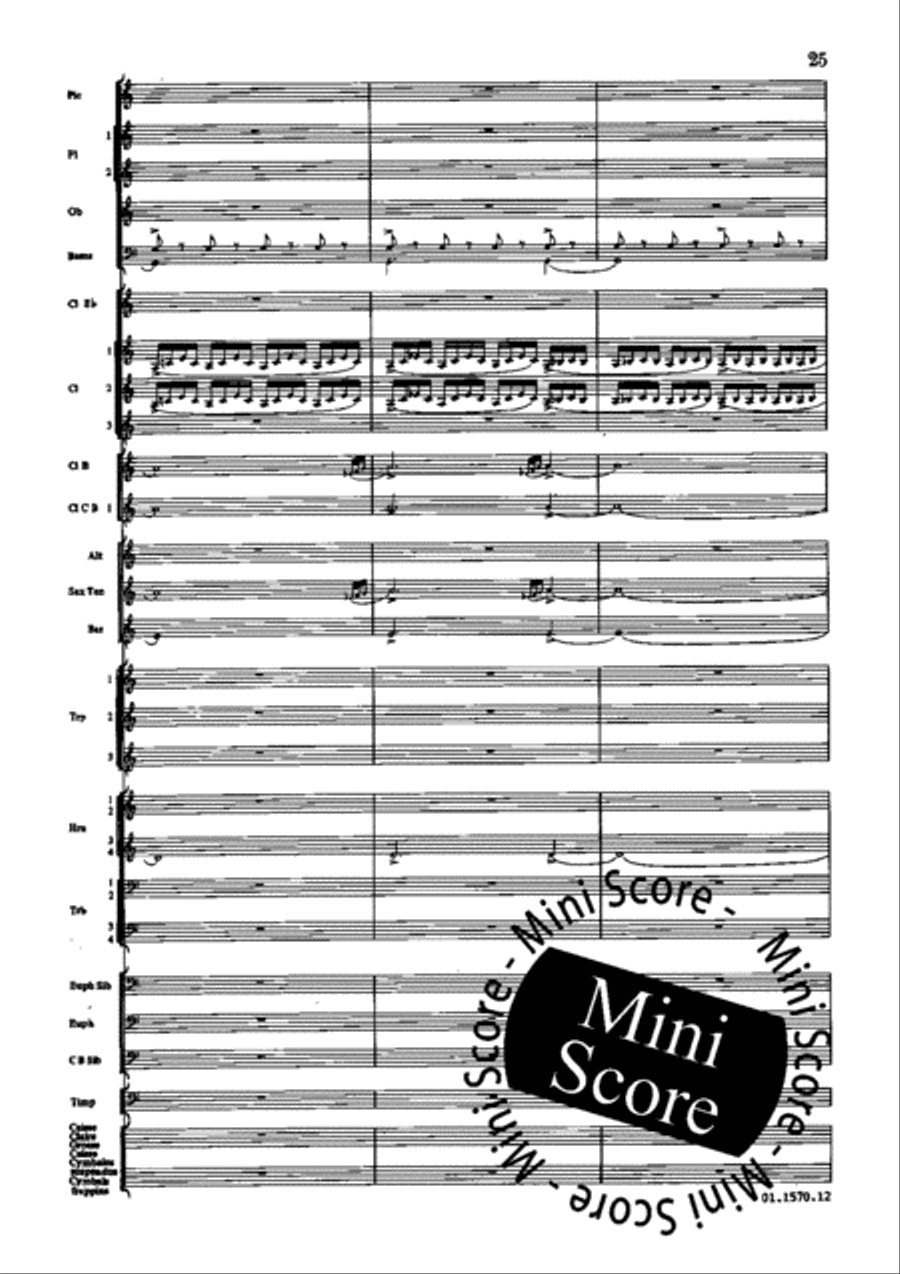
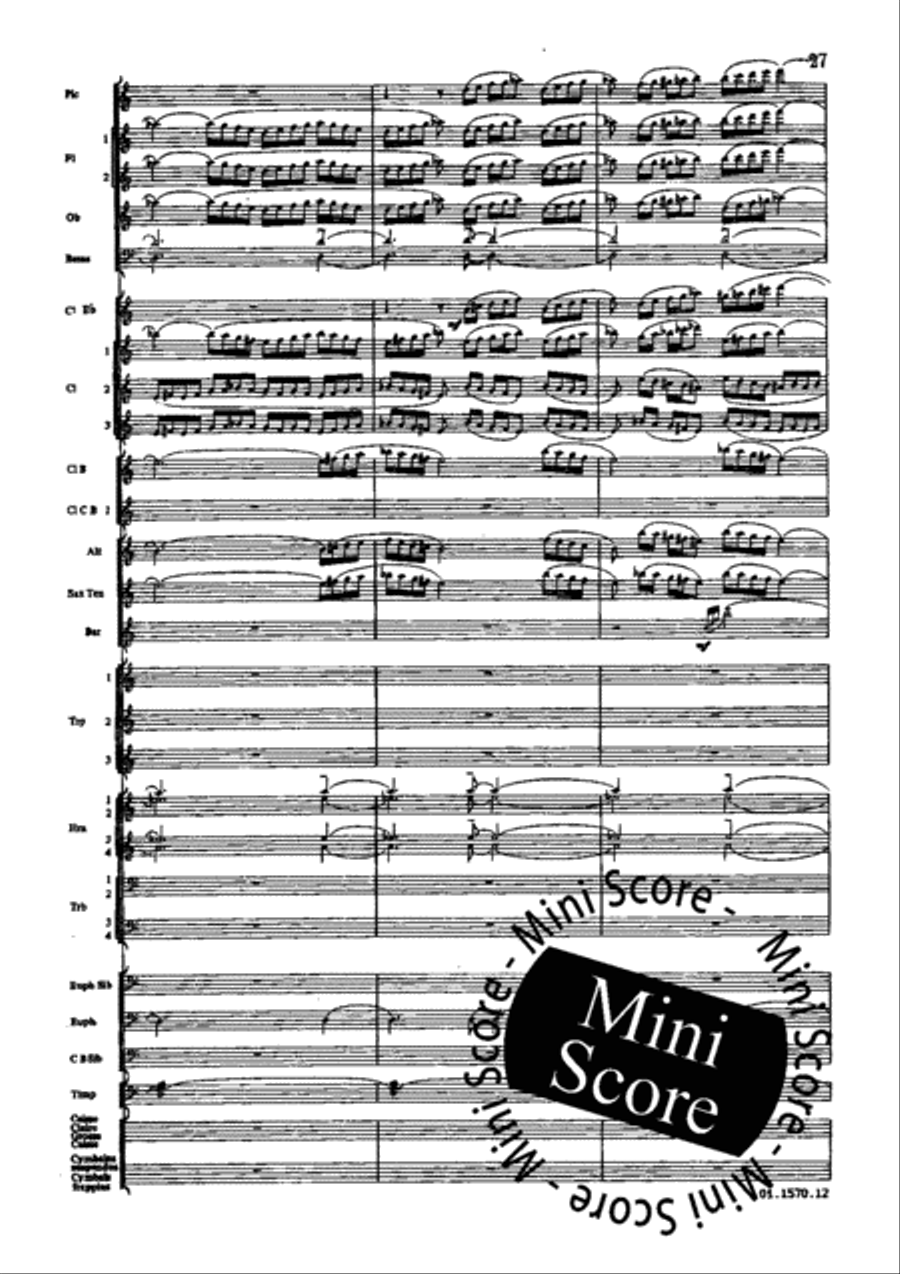
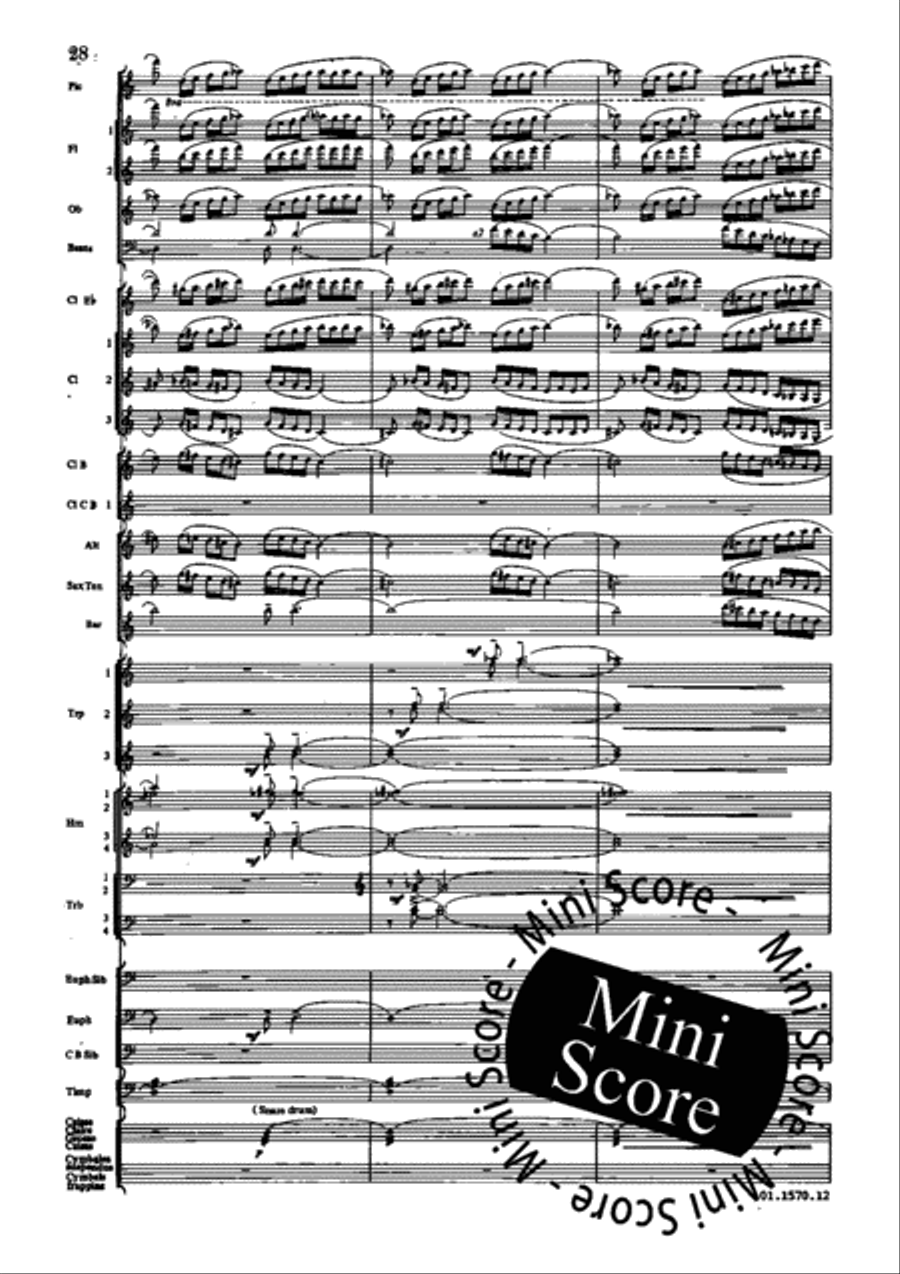
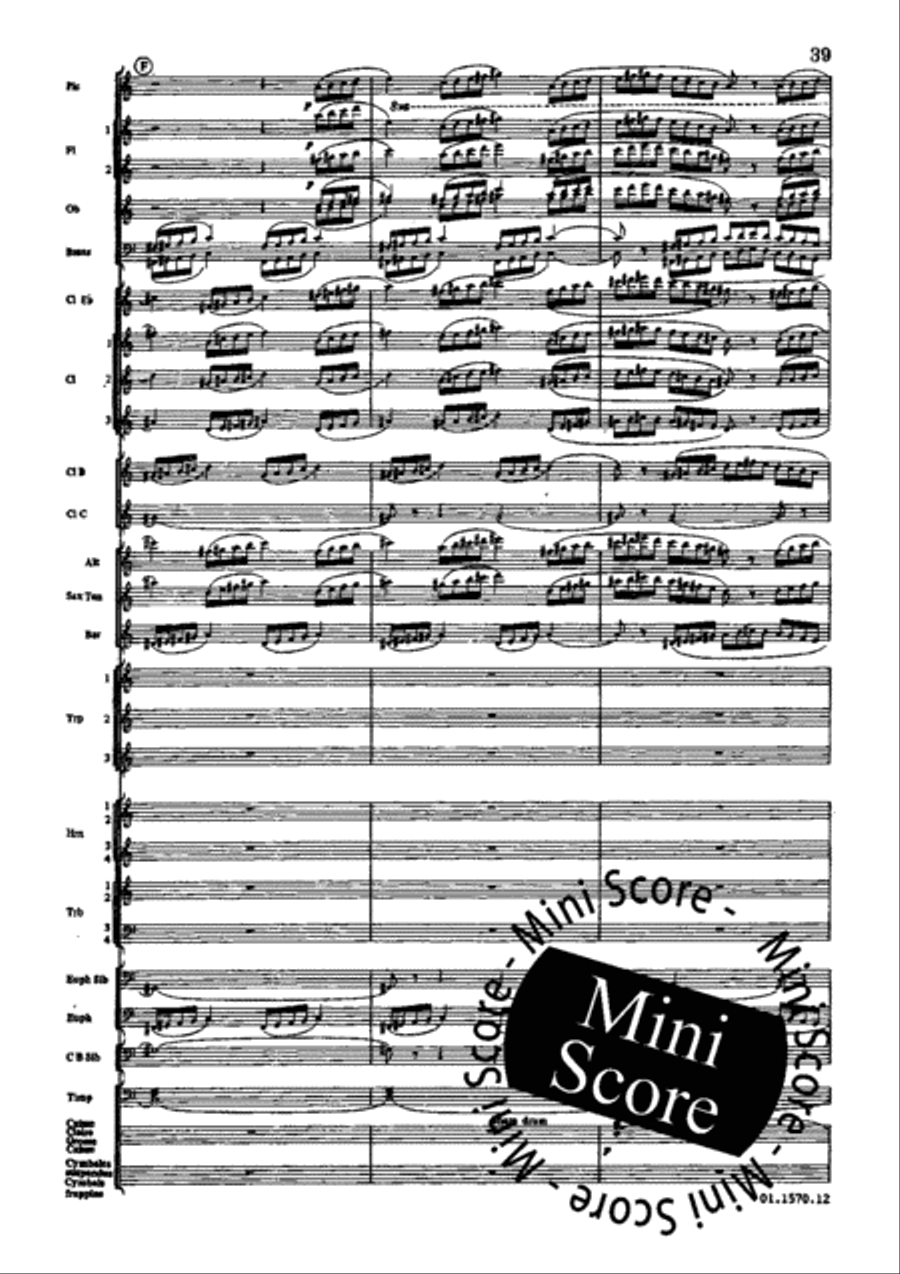
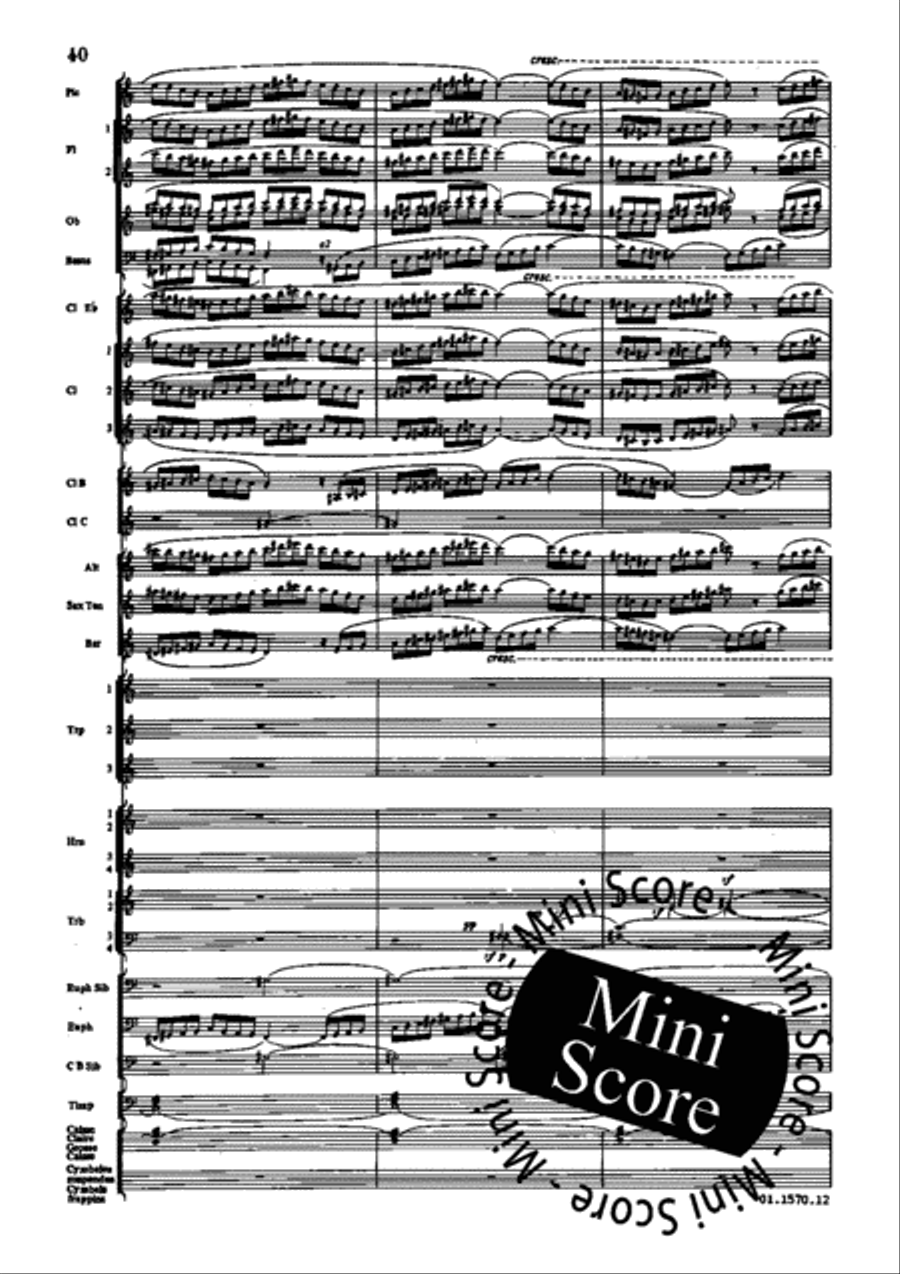
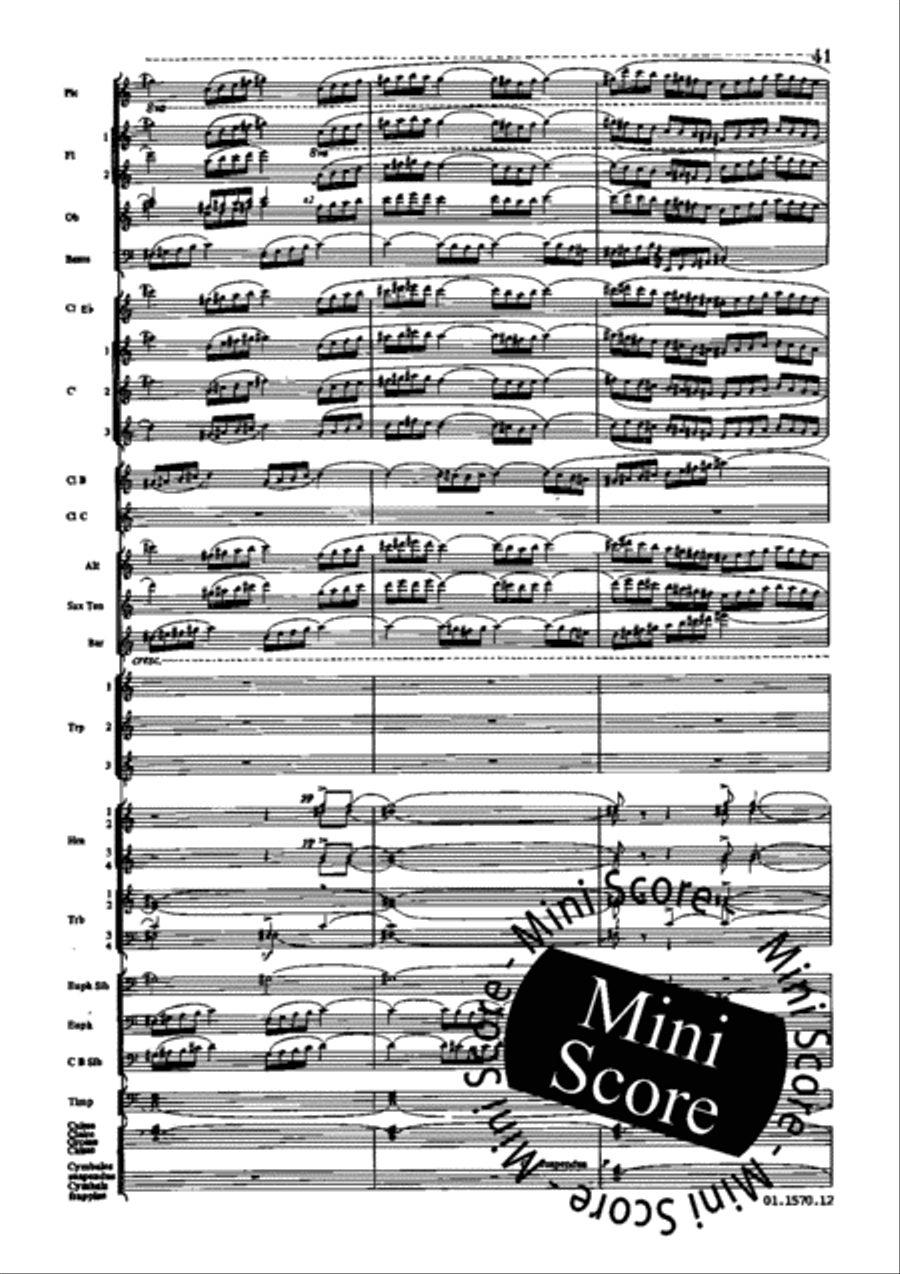
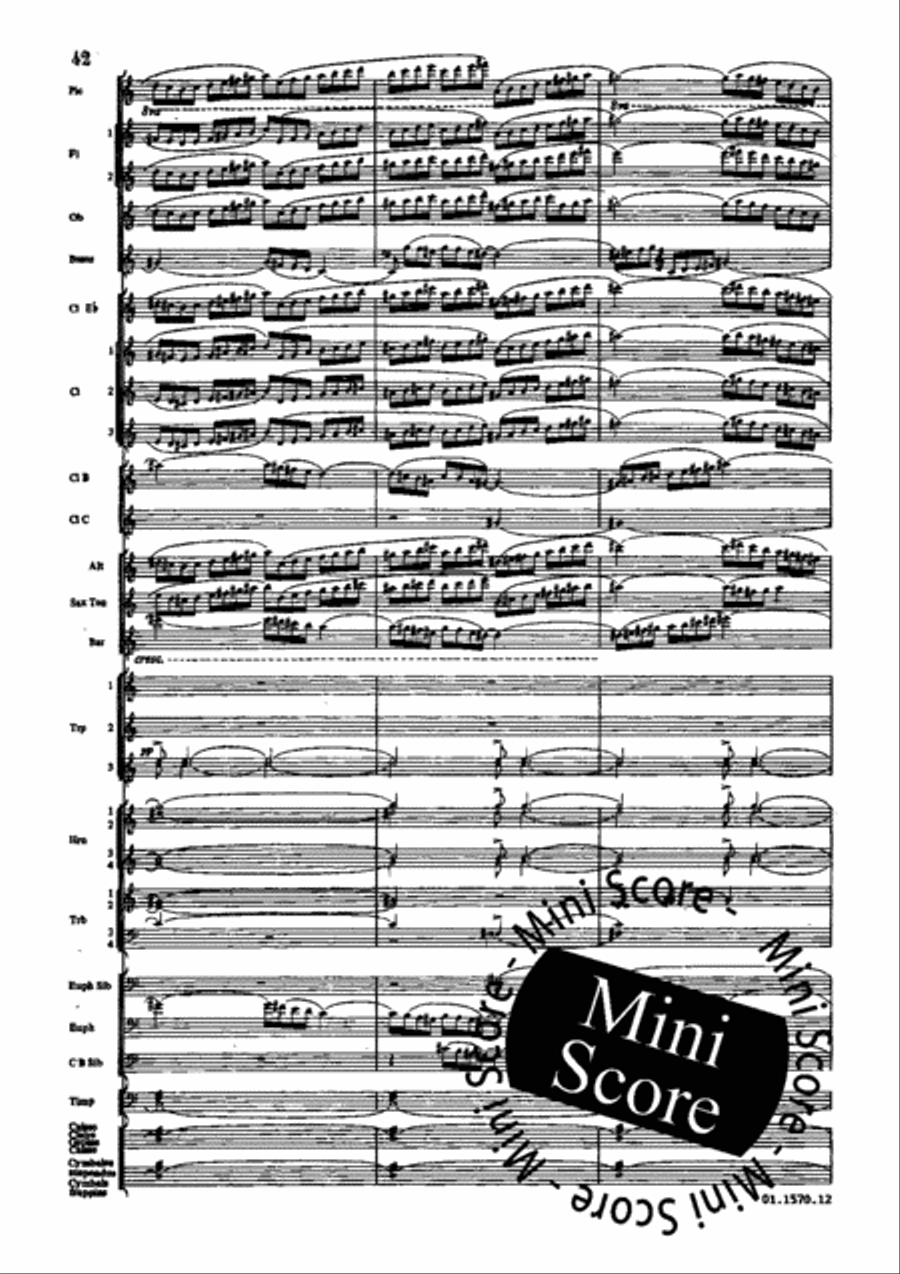
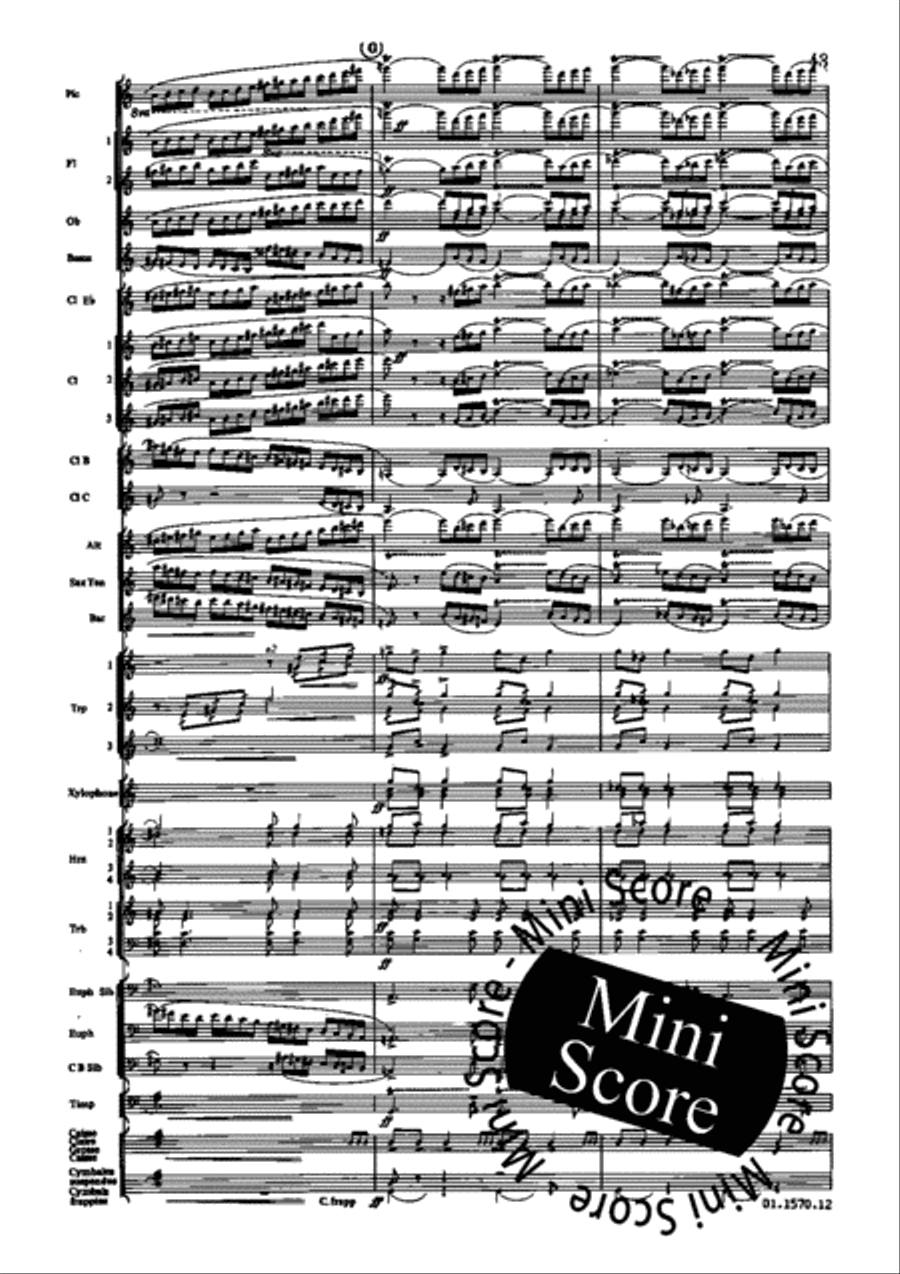
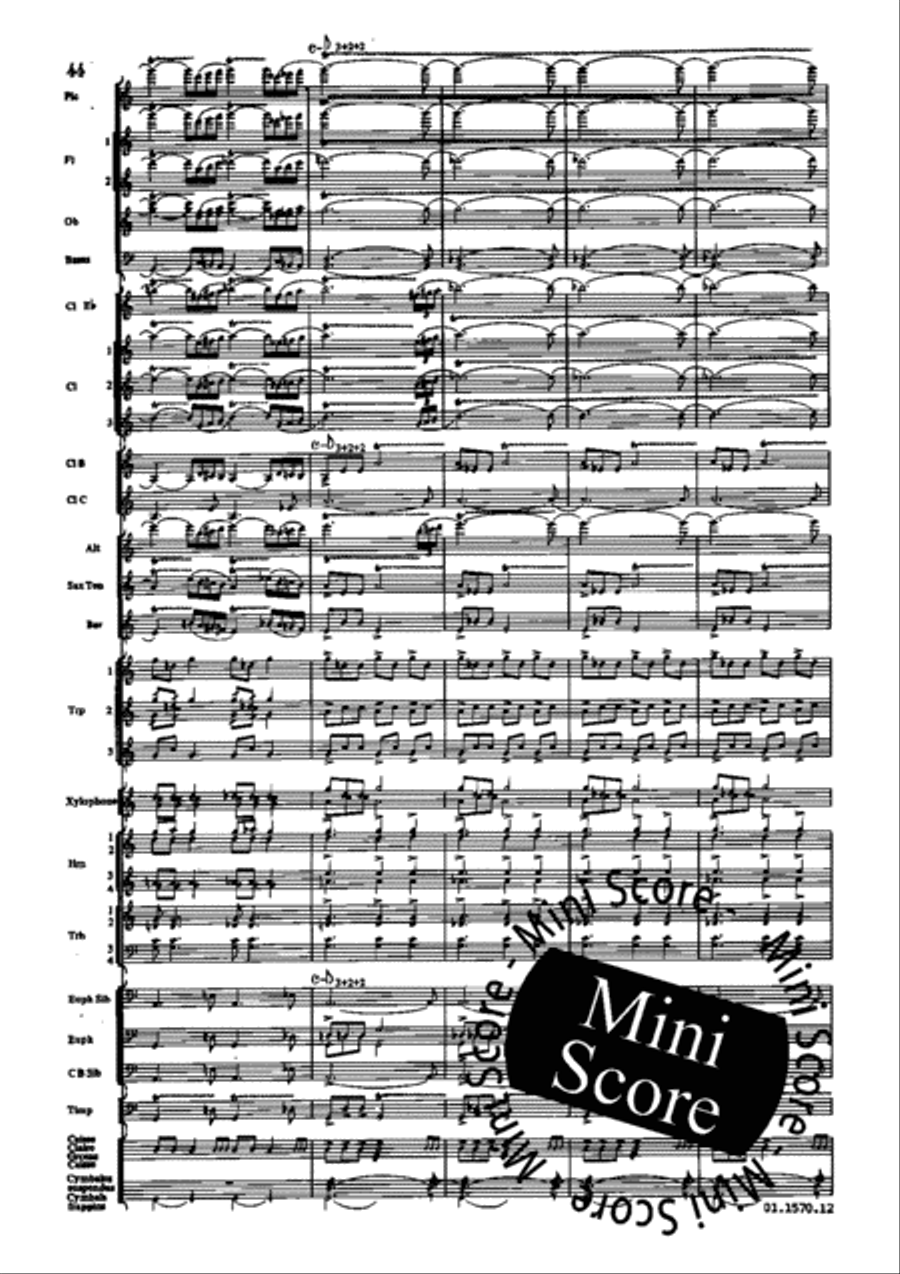
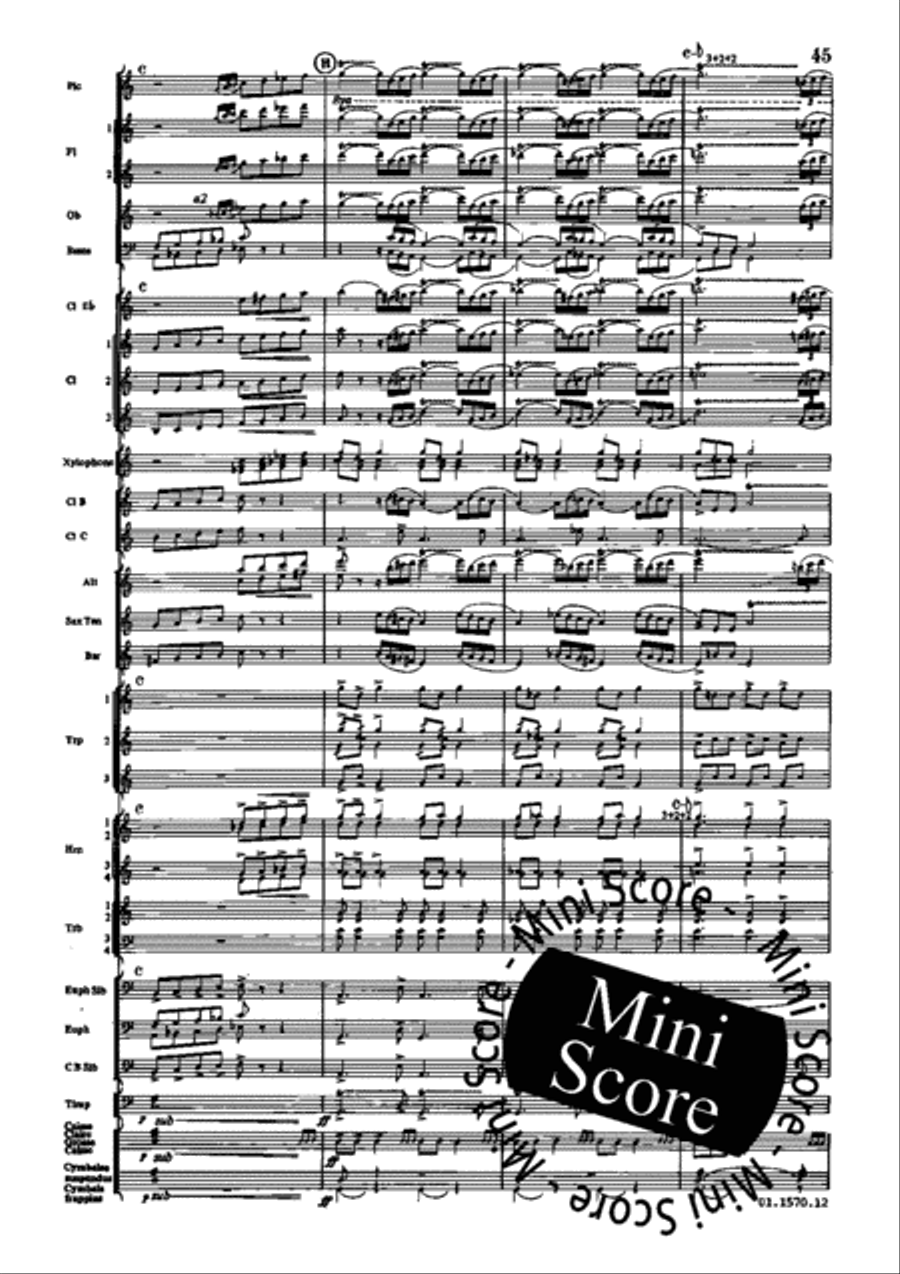
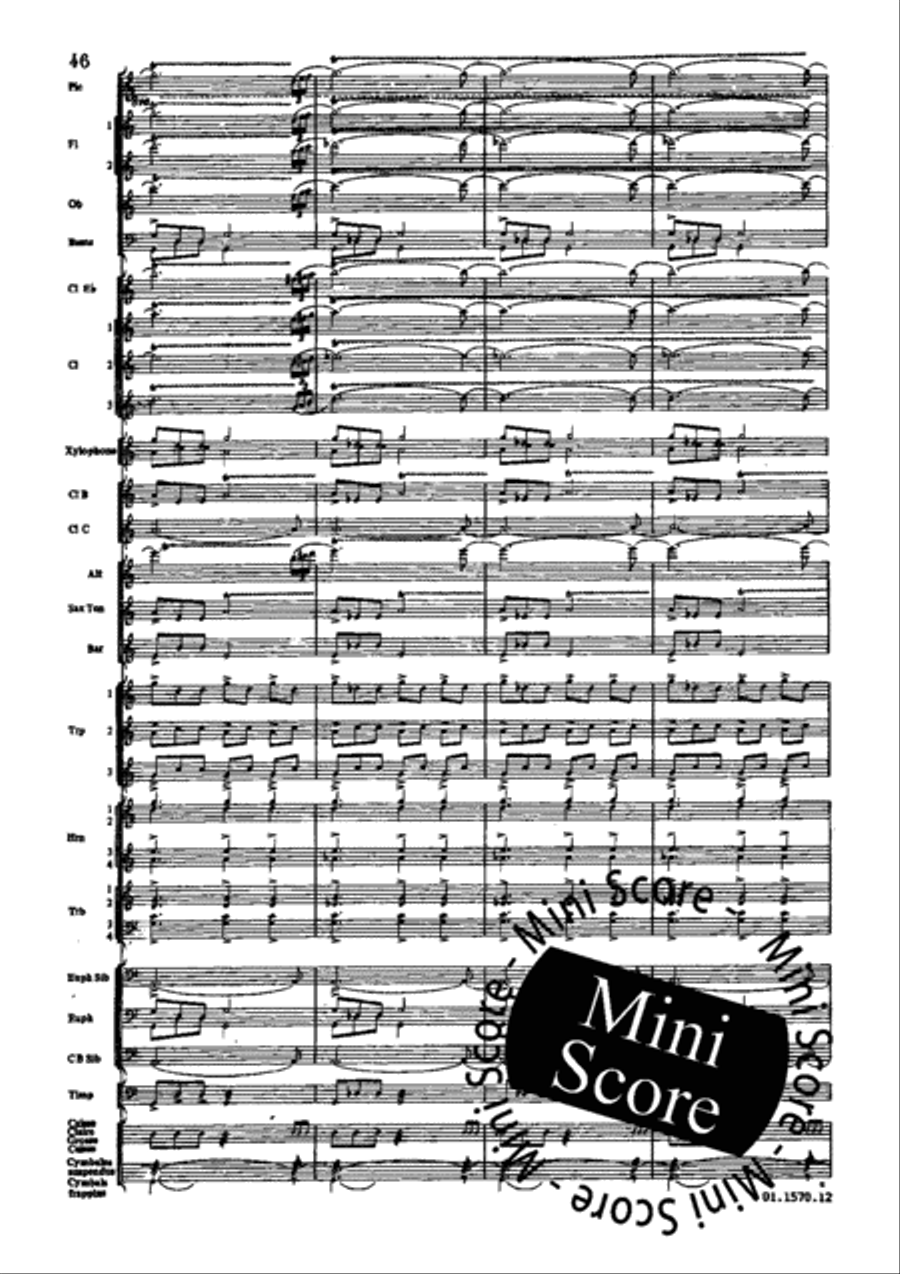
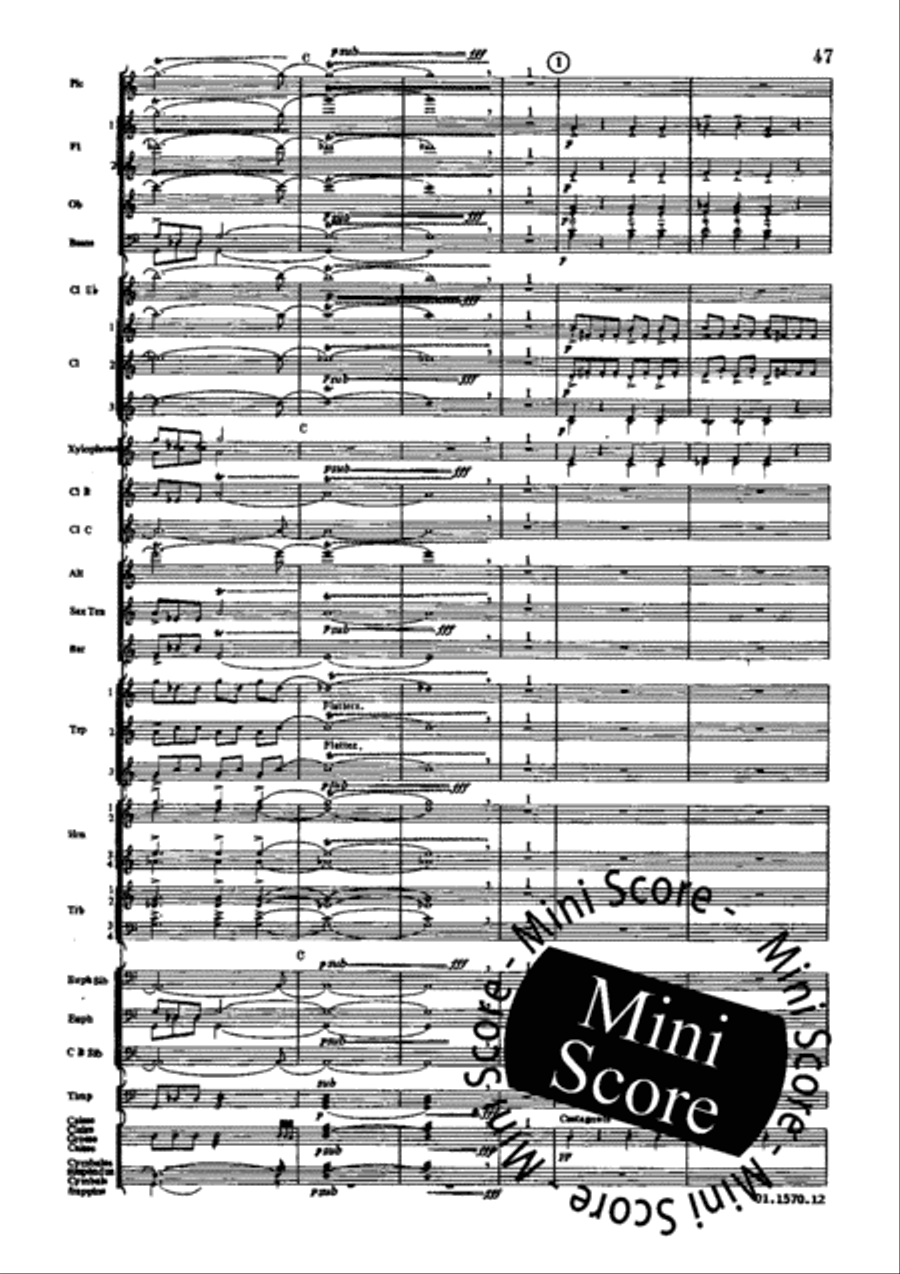
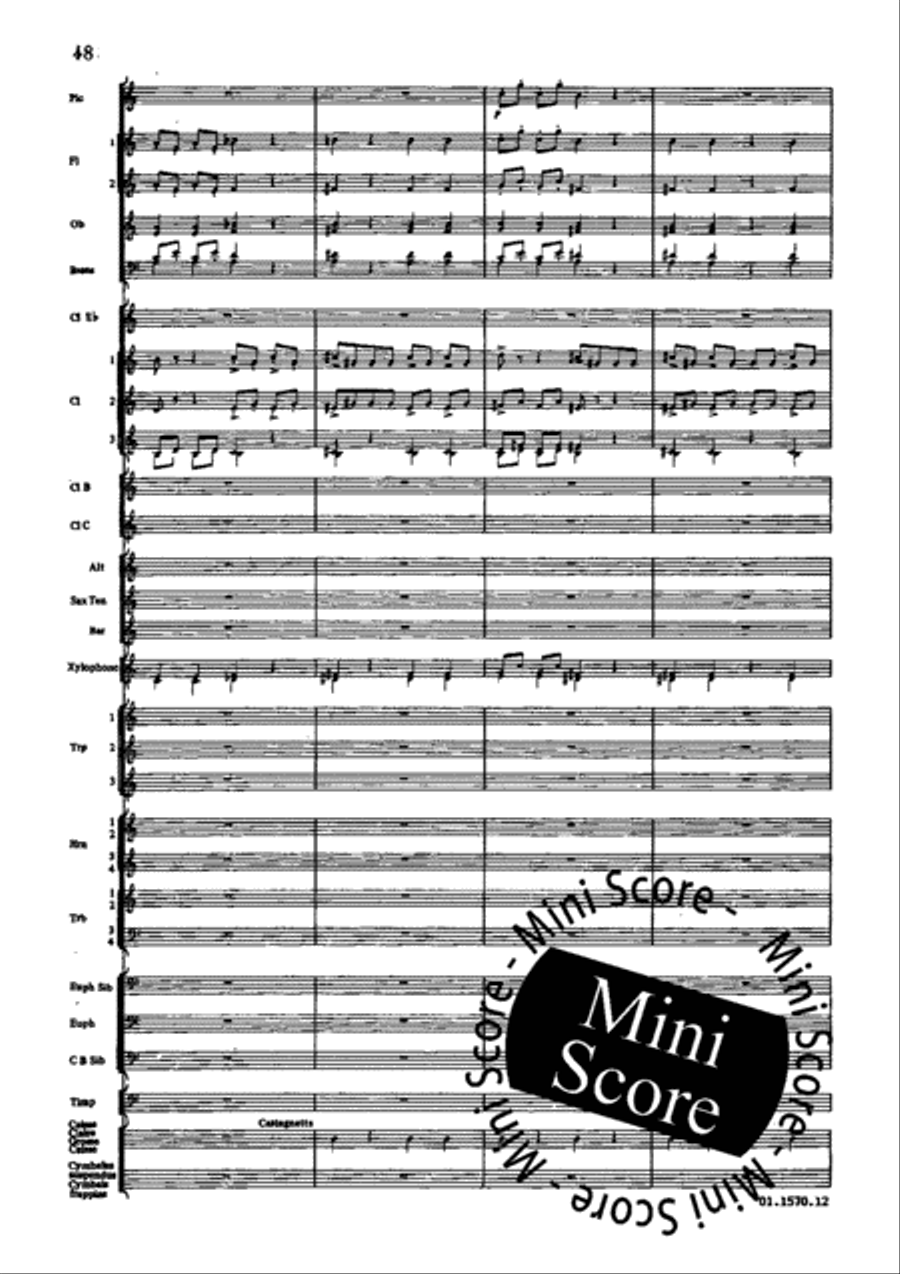
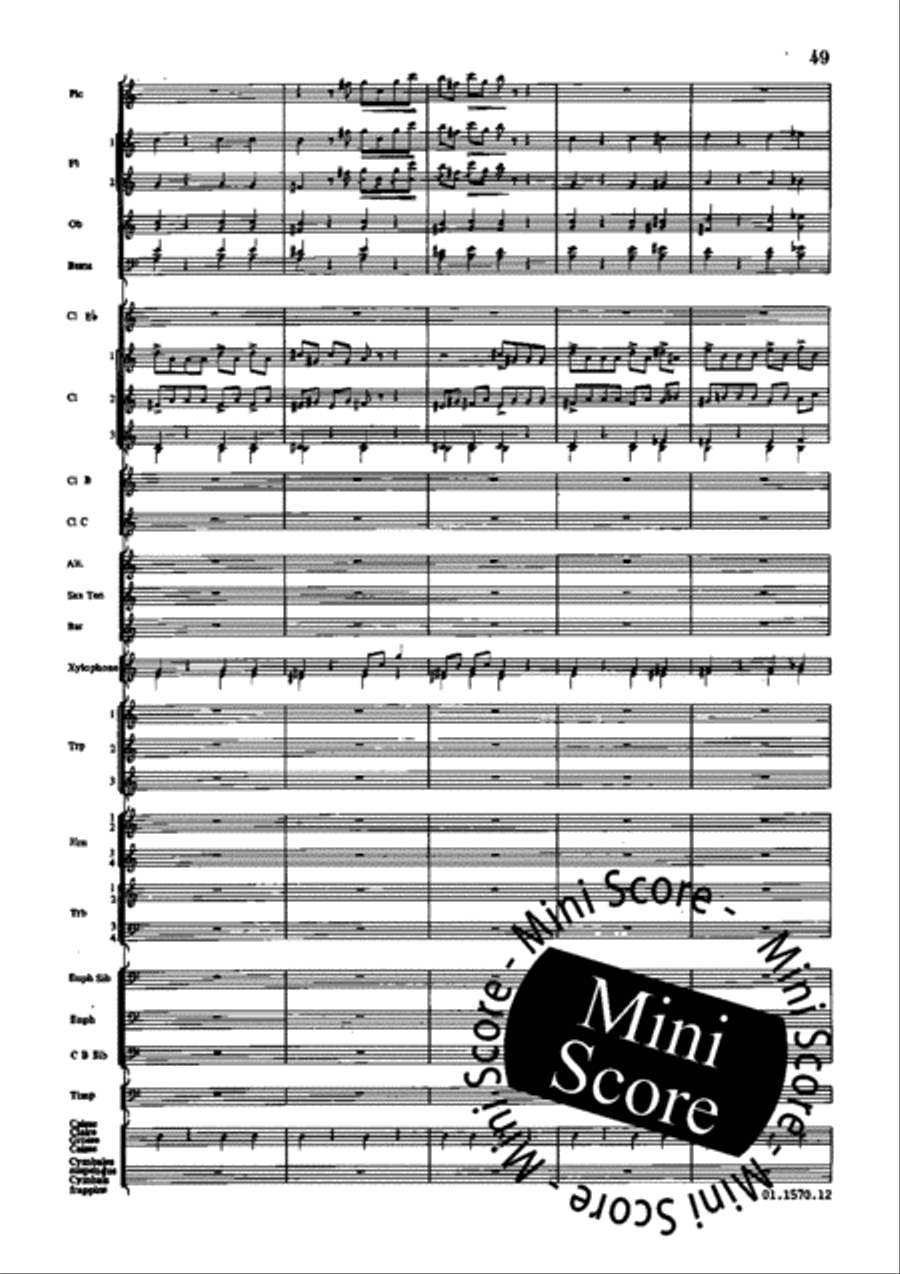
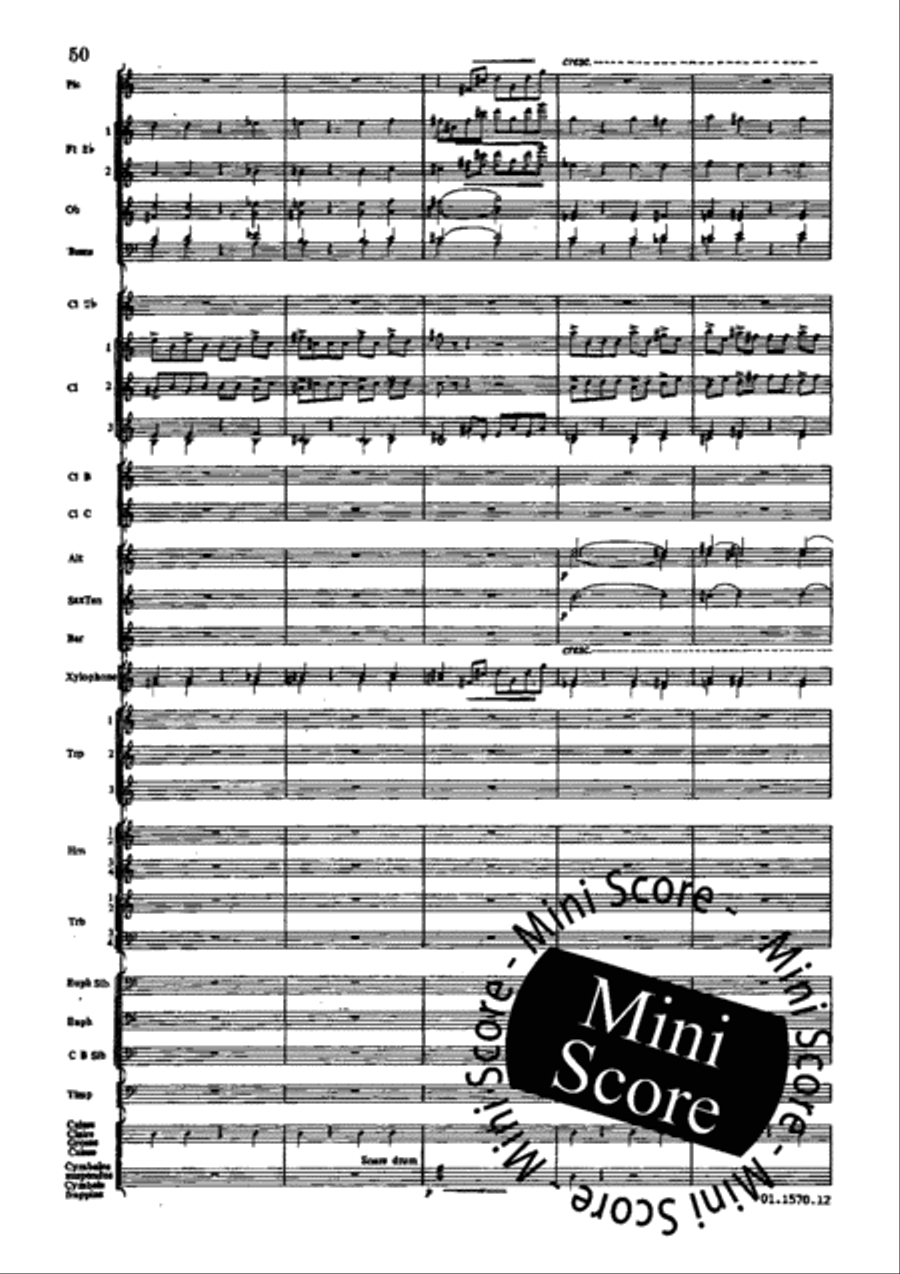
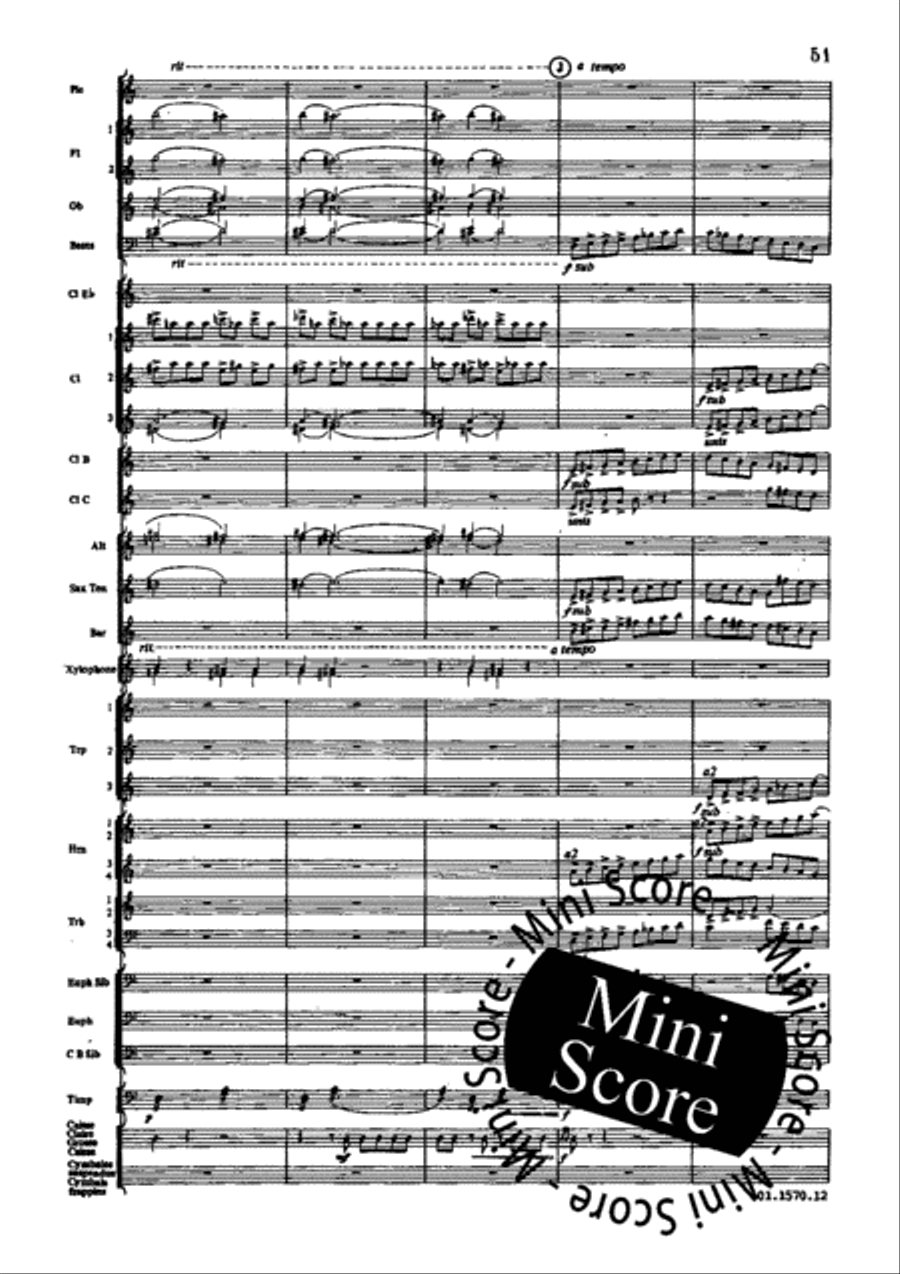
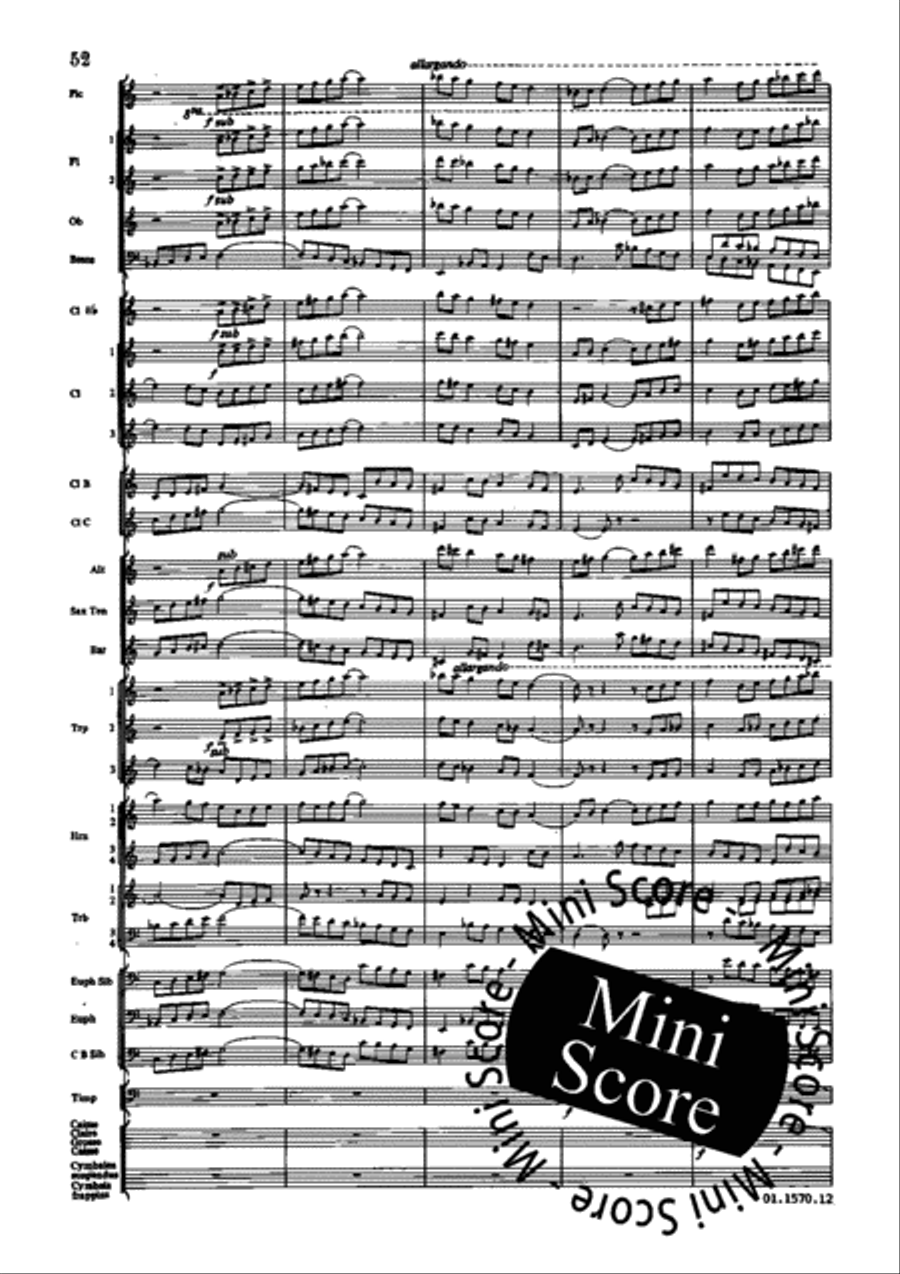
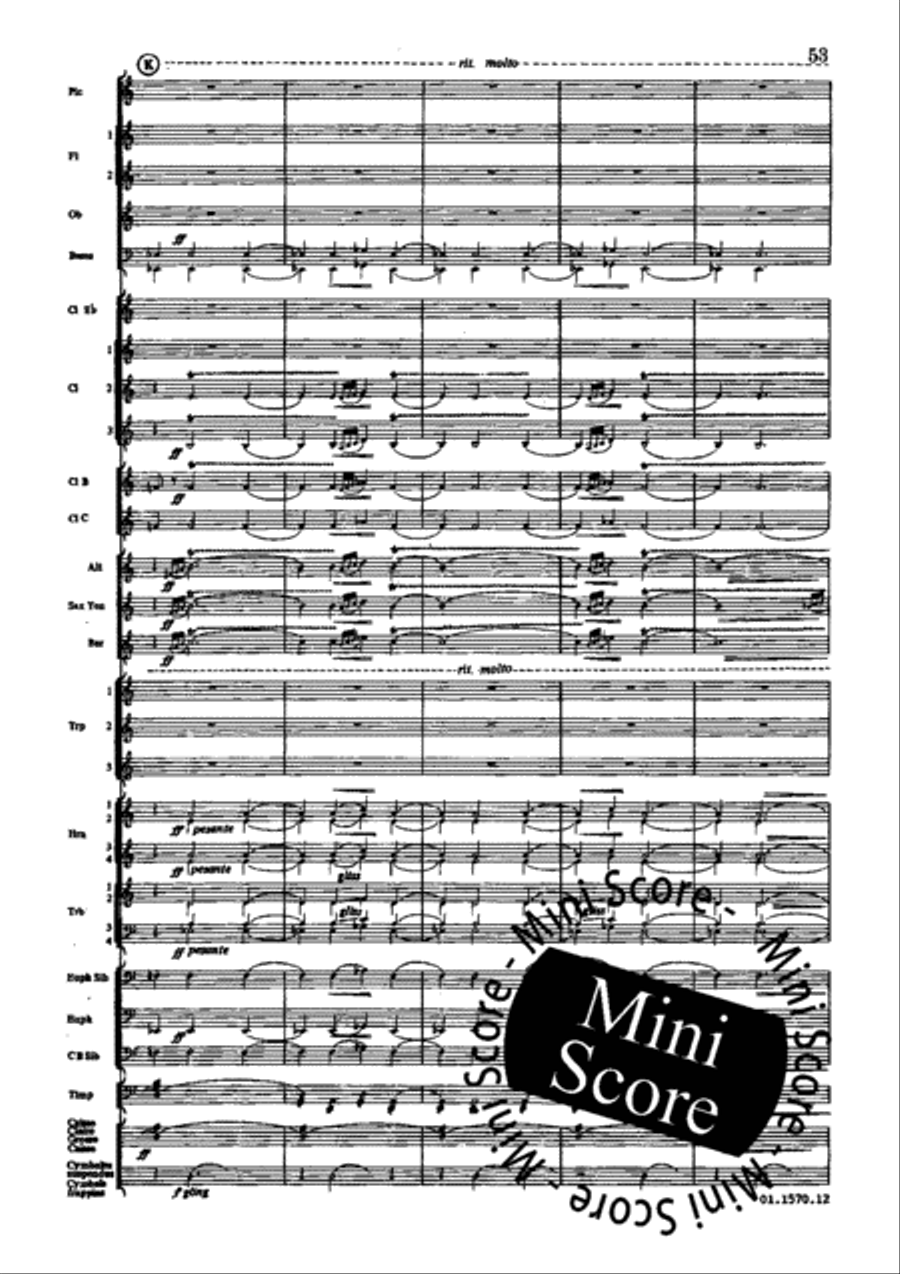
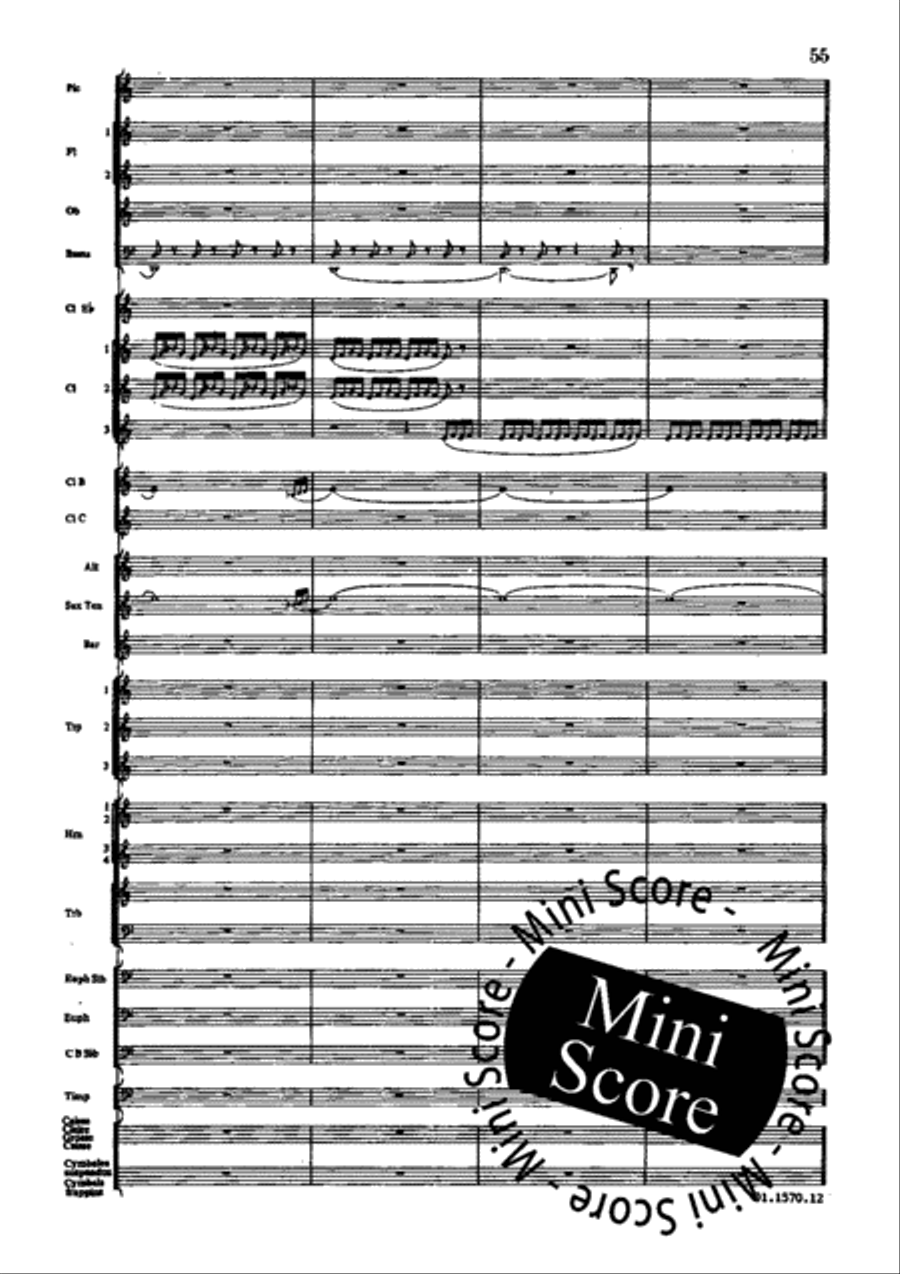
Composed by Ida Gotkovsky. Original Compositions/Arrangements of Classical Compositions. Classic Arrangement. Recorded on Poeme du Feu (ML.311071720). Score only. Duration 13 minutes, 30 seconds. Molenaar Edition #011570120-S. Published by Molenaar Edition (ML.011570120-S).Majoor Albert Fasce, hoofd van de muziekafdeling van het Franse leger, schreef het volgende over Poème du Feu:De “Ode aan het Vuur” van Ida Gotkovski is waarschijnlijk één van de meest succesvolle originele compositiies voor harmonieorkest van de laatste jaren. Dit werk heb ik met verschillende orkesten gedirigeerd, met name in Budapest. Het is opvallend dat alle uitvoeringen met ongewone geestdrift worden onthaald. Op zich is het al zeldzaam dat een eigentijds stuk zowel bij musici als bij publiek een enthuosiaste reactie teweegbrengt: dit is opmerkelijk.Deze “Ode aan het Vuur” is een werk voor blaasinstrumenten. Technisch is het niet bijzonder moeilijk, maar de aard van het stuk vraagt om een exacte voorbereiding en uitvoering, met een zekere uitbundigheid.Het eerste belangrijke thema bevat eigenlijk de sleutel tot de ritmische “ genese” van het stuk. Het eerste deel moet strikt in de maat worden uitgevoerd, met nadrukkelijke accenten en articulaties. De fortissimi en vertragingen mogen echter niet worden overdreven.Een zeker inzicht is nodig bij het juist interpreteren van de zestienden die op twee manieren moeten worden beschouwd: ritmisch voor hetgeen voortvloeit uit de ritmische genesis; melodieuser voor de overgangen.Het ritmische karakter van de zestienden wordt eitgenlijk pas goed duidelijk wanneer men de vier zestienden uit de finale bekijkt. Deze vier zestienden per maat dienen zeer ritmisch te worden uitgevoerd. Voor het eerst komen ze voor:1: in de tweede maat van het eerste deel2: in een driekwartsmaat voor A voor het tweede deel3: in de maat G, in vierkwartsmaat, voor het derde deelDeze zestienden moeten ook ritmisch worden gespeeld; in de laatste drie maten voor A moet dit echter iets worden getemperd.Dit alles is van groot belang, omdat anders de uitvoering in tegenspraak zou zijn met geest en het ritmische karakter van de compositie. Dit mooie stuk geeft trouwens duidelijk de indruk zich te lenen voor een omwerking tot balletmuziek.In mijn hoedanigheid van Hoofd van de Luchtmacht muziek in Frankrij k, zou ik mijn grote erkentelijkheid aan Ida Gotkowsky willen uitspreken voor haar bijdrage aan de opbouw van een specifiek harmonieorkest repertoire. Deze bijzondere, doch veelal miskende orkestvorm, heeft ongekende rijkommen. De “Ode aan het Vuur” is nu onderdeel van het vaste repertoire van de muziek van de Franse Luchtmacht.
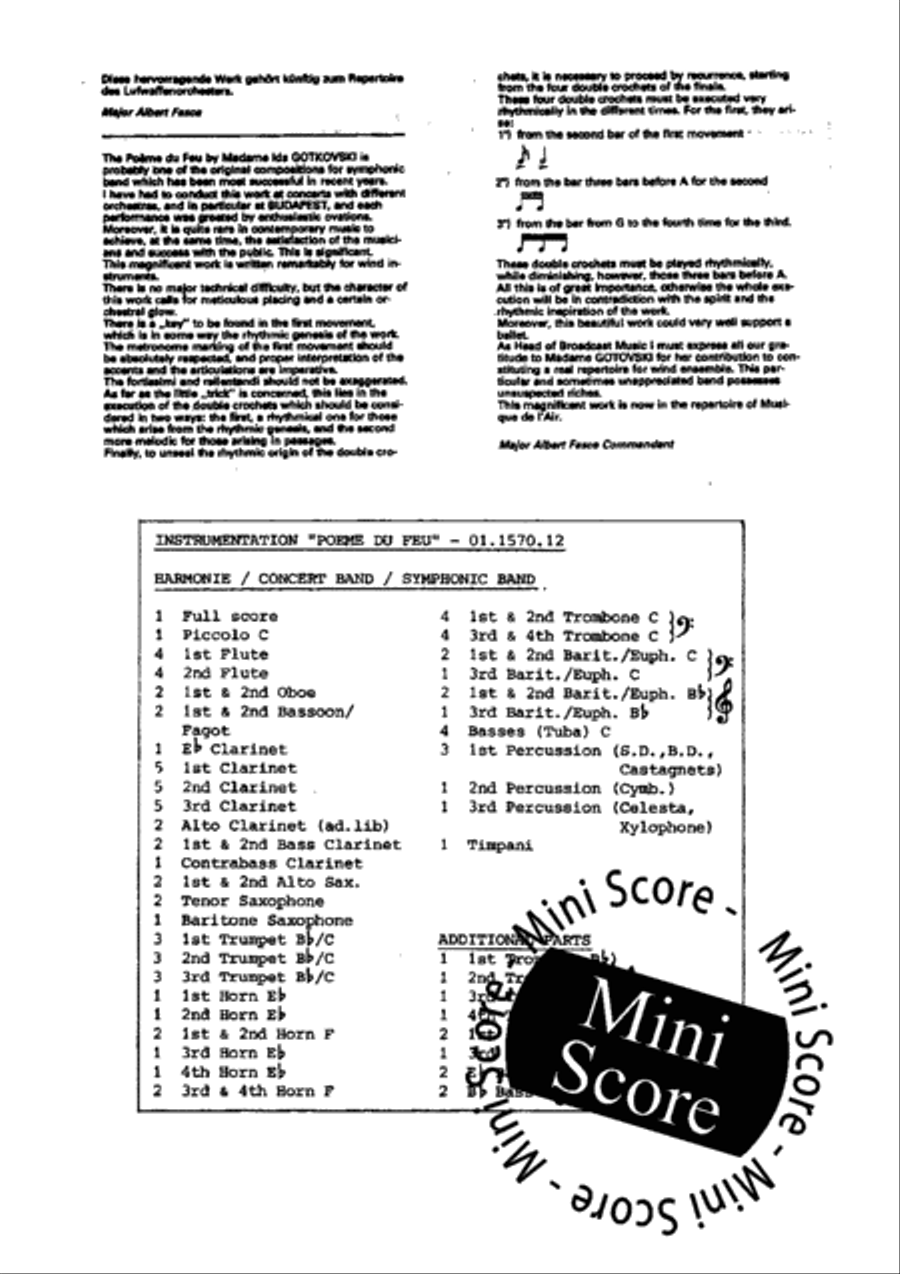
Major Albert Fasce, head of the musical department of the French Army, wrote about Poème du Feu:The Poème du Feu by Madame Ida Gotkovski is probably one of the original compostitions for symphonic band which has been most successful in recent years. I have had to conduct this work at concerts with different orchestras, and in particular at Budapest, and each performance was greeted by enthusiastic ovations. Moreover, it is quite rare in contemporary music to achieve, at the same time, the satisfaction of the musicians and success with the public. This is significant. This magnificent work is written remakably for wind instruments. There is no major technical difficulty, but the character of this work calls for meticulous placing and a certain orchestral glow. There is a “key” to be found in the first movement, which is in some way the rhythmic genesis of the work. The metronome marking of the first movement should be absolutely respected, and proper interpretation of the accents and the articulations are imperative. The fortissimi and rallentandi should not be exaggerated. As far as the little “trick” is concerned, this lies in the execution of the double crochets which should be considered in two ways: the first, a rhythmical one for those which arise from the rhythmic genesis, and the second more melodic for those arising in passages.Finally, to unseal the rhythmic origin of the double crochets, it is necessary to proceed by recurrence, starting from the four double crochets of the finale.These four double crochets must be executed very rhythmically in the different times. For the first, they arise:1: from the second bar of the first movement2: from the bar three bars before A for the second3: from the bar from G to the fourth time for the third.These double crochets must be played rhythmcally, while diminishing, however, those three bars before A.All this is of great importance, otherwise the whole execution will be in contradition with the spirit and the rhythmic inspiration of the work. Moreover, this beautiful work could very well support a ballet.As Head of Broadcast Music I must express all our gratitude to Madame Gotkovski for her contribution to constituting a real repertoire for wind ensemble. This articular and sometimes unappreceated band possesses unsuspected riches. This magnificent work is now in the repertoire of Musique de l‘Air de France.
Major Albert Fasce, head of the musical department of the French Army, wrote about Poème du Feu:The Poème du Feu by Madame Ida Gotkovski is probably one of the original compostitions for symphonic band which has been most successful in recent years. I have had to conduct this work at concerts with different orchestras, and in particular at Budapest, and each performance was greeted by enthusiastic ovations. Moreover, it is quite rare in contemporary music to achieve, at the same time, the satisfaction of the musicians and success with the public. This is significant. This magnificent work is written remakably for wind instruments. There is no major technical difficulty, but the character of this work calls for meticulous placing and a certain orchestral glow. There is a “key” to be found in the first movement, which is in some way the rhythmic genesis of the work. The metronome marking of the first movement should be absolutely respected, and proper interpretation of the accents and the articulations are imperative. The fortissimi and rallentandi should not be exaggerated. As far as the little “trick” is concerned, this lies in the execution of the double crochets which should be considered in two ways: the first, a rhythmical one for those which arise from the rhythmic genesis, and the second more melodic for those arising in passages.Finally, to unseal the rhythmic origin of the double crochets, it is necessary to proceed by recurrence, starting from the four double crochets of the finale.These four double crochets must be executed very rhythmically in the different times. For the first, they arise:1: from the second bar of the first movement2: from the bar three bars before A for the second3: from the bar from G to the fourth time for the third.These double crochets must be played rhythmcally, while diminishing, however, those three bars before A.All this is of great importance, otherwise the whole execution will be in contradition with the spirit and the rhythmic inspiration of the work. Moreover, this beautiful work could very well support a ballet.As Head of Broadcast Music I must express all our gratitude to Madame Gotkovski for her contribution to constituting a real repertoire for wind ensemble. This articular and sometimes unappreceated band possesses unsuspected riches. This magnificent work is now in the repertoire of Musique de l‘Air de France.
Major Albert Fasce, head of the musical department of the French Army, wrote about Poème du Feu:The Poème du Feu by Madame Ida Gotkovski is probably one of the original compostitions for symphonic band which has been most successful in recent years. I have had to conduct this work at concerts with different orchestras, and in particular at Budapest, and each performance was greeted by enthusiastic ovations. Moreover, it is quite rare in contemporary music to achieve, at the same time, the satisfaction of the musicians and success with the public. This is significant. This magnificent work is written remakably for wind instruments. There is no major technical difficulty, but the character of this work calls for meticulous placing and a certain orchestral glow. There is a “key” to be found in the first movement, which is in some way the rhythmic genesis of the work. The metronome marking of the first movement should be absolutely respected, and proper interpretation of the accents and the articulations are imperative. The fortissimi and rallentandi should not be exaggerated. As far as the little “trick” is concerned, this lies in the execution of the double crochets which should be considered in two ways: the first, a rhythmical one for those which arise from the rhythmic genesis, and the second more melodic for those arising in passages.Finally, to unseal the rhythmic origin of the double crochets, it is necessary to proceed by recurrence, starting from the four double crochets of the finale.These four double crochets must be executed very rhythmically in the different times. For the first, they arise:1: from the second bar of the first movement2: from the bar three bars before A for the second3: from the bar from G to the fourth time for the third.These double crochets must be played rhythmcally, while diminishing, however, those three bars before A.All this is of great importance, otherwise the whole execution will be in contradition with the spirit and the rhythmic inspiration of the work. Moreover, this beautiful work could very well support a ballet.As Head of Broadcast Music I must express all our gratitude to Madame Gotkovski for her contribution to constituting a real repertoire for wind ensemble. This articular and sometimes unappreceated band possesses unsuspected riches. This magnificent work is now in the repertoire of Musique de l‘Air de France.
Instrumentation
0 Full Score A3
1 Full Score
3 Solo Various I
3 Solo Various II
3 Solo Various III
1 Piccolo
4 Flute I
4 Flute II
2 Oboe
2 Bassoon
1 Clarinet Eb
5 Clarinet I
5 Clarinet II
5 Clarinet III
1 Alto Clarinet Eb
1 Bass Clarinet
1 Contrabass Clarinet
4 Alto Saxophone
2 Tenor Saxophone
1 Baritone Saxophone
3 Trumpet I
3 Trumpet II
3 Trumpet III
1 Horn I Eb
2 Horn I + II F
1 Horn II Eb
1 Horn III Eb
2 Horn III + IV F
1 Horn IV Eb
2 Trombone I C
1 Trombone I Bb (TC)
1 Trombone I Bb (BC)
2 Trombone II C
1 Trombone II Bb (TC)
1 Trombone II Bb (BC)
2 Trombone III C
1 Trombone III Bb (TC)
1 Trombone III Bb (BC)
2 Trombone IV C
1 Trombone IV Bb (TC)
1 Trombone IV Bb (BC)
2 Baritone C
2 Baritone Bb (BC)
2 Baritone Bb (TC)
2 Euphonium C
2 Euphonium Bb (BC)
2 Euphonium Bb (TC)
2 Bas Bb (TC)
2 Bas Bb (BC)
2 Bas Eb (TC)
2 Bas Eb (BC)
4 Tuba C
2 Percussion I
2 Percussion II
1 Percussion III
1 Timpani.
See Similar Sheet Music and Digital Downloads