Details
- Genres:
- Christian Baroque Period
- Composers:
- Antonio Vivaldi
- Publishers:
- Carus Verlag
- Series:
- Stuttgart Urtext Edition
- ISBN:
- 9790007058685
- Format:
- Vocal Score
- Item types:
- Physical
- Instructionals:
- Methods and More
- Musical forms:
- Mass
- Artist:
- Antonio Vivaldi
- Usages:
- Mass
- Main Key:
- E minor
- Size:
- 7.5 x 10.67 inches
- Shipping Weight:
- 0.24 pounds
SKU: CA.4000403
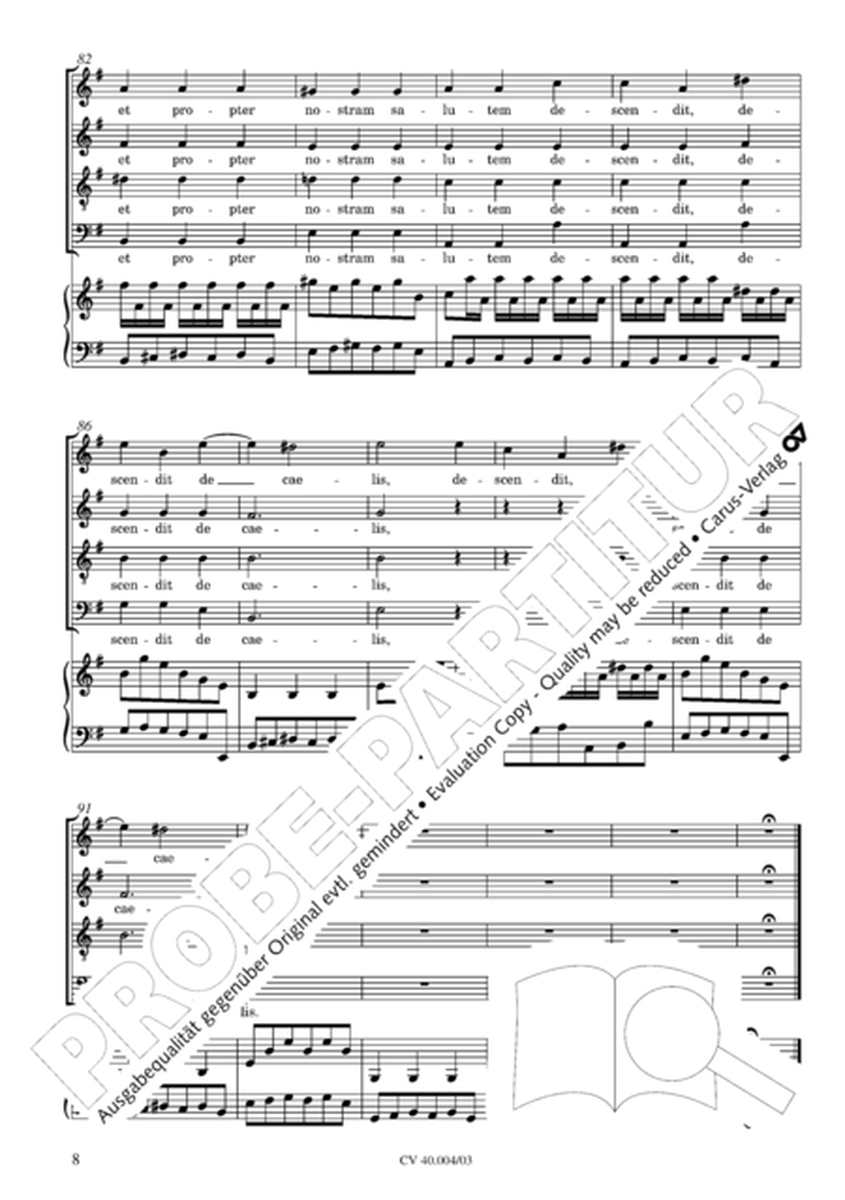
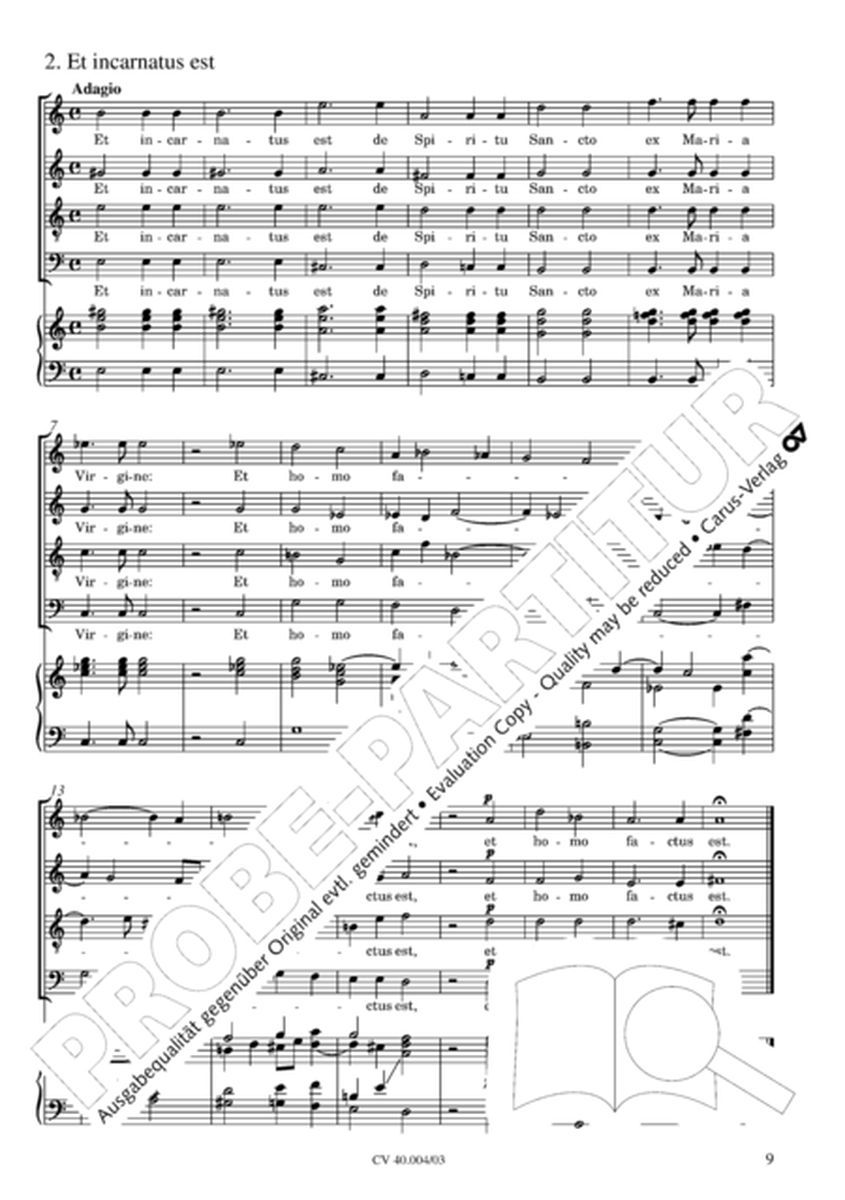
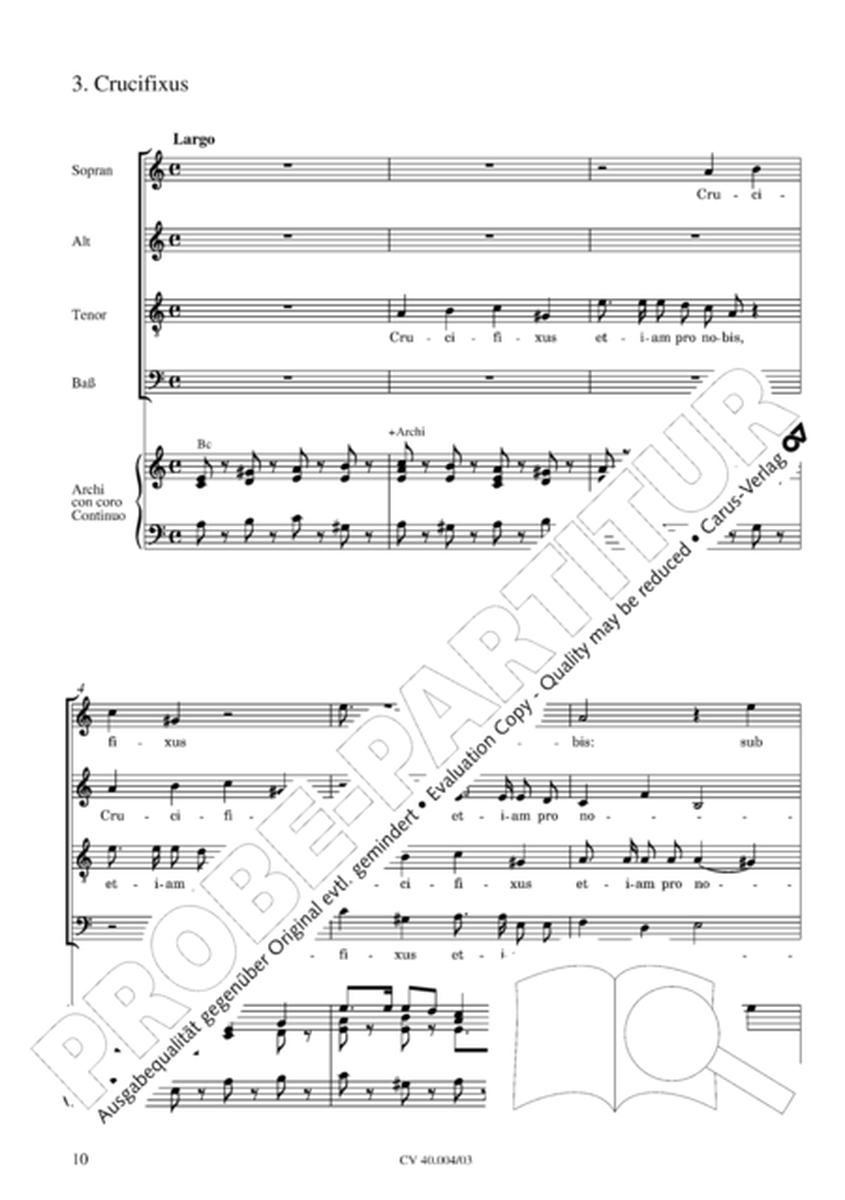
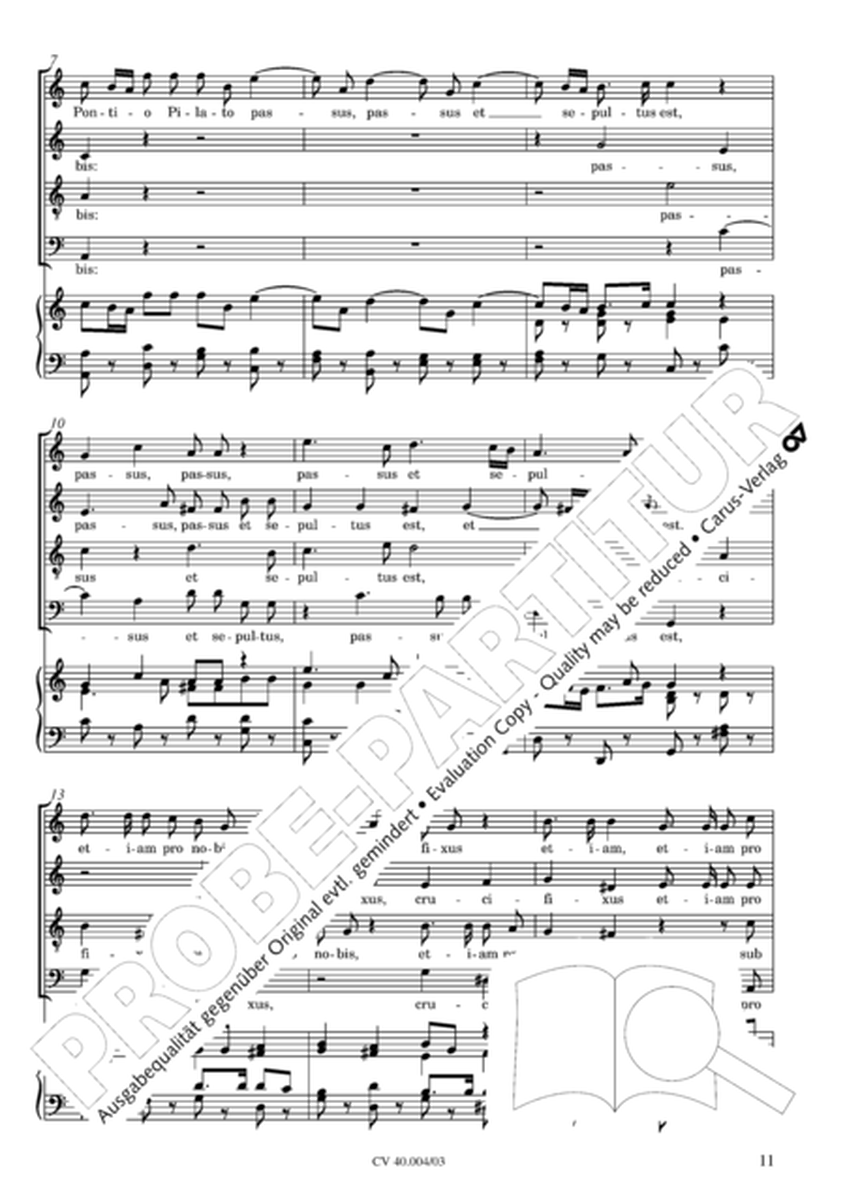
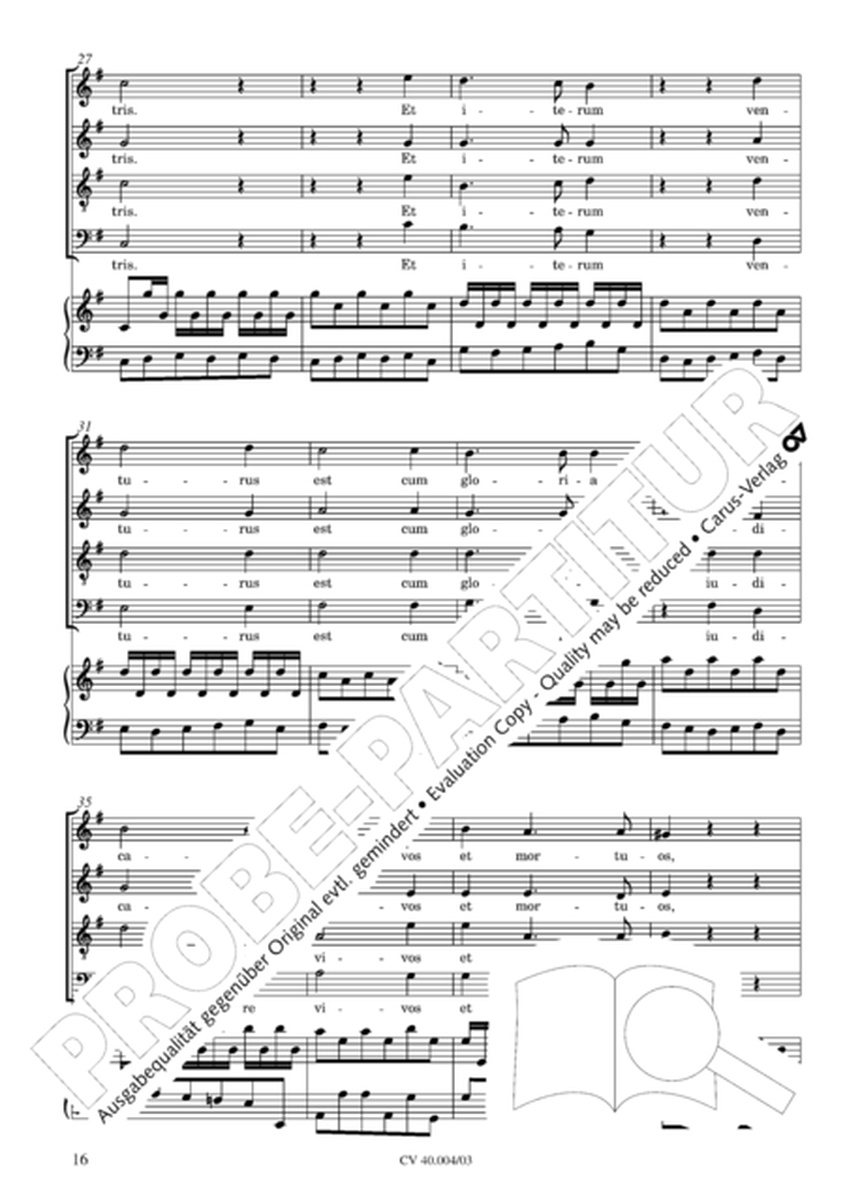
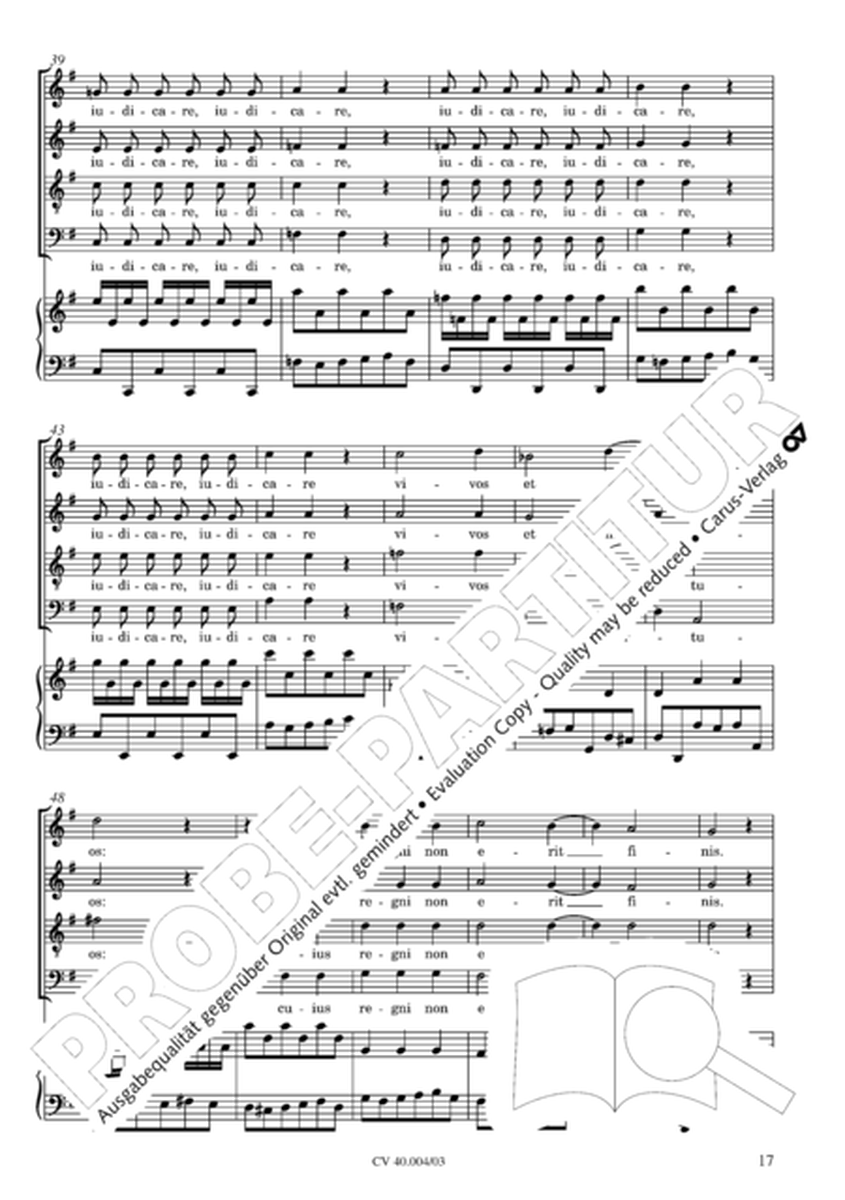
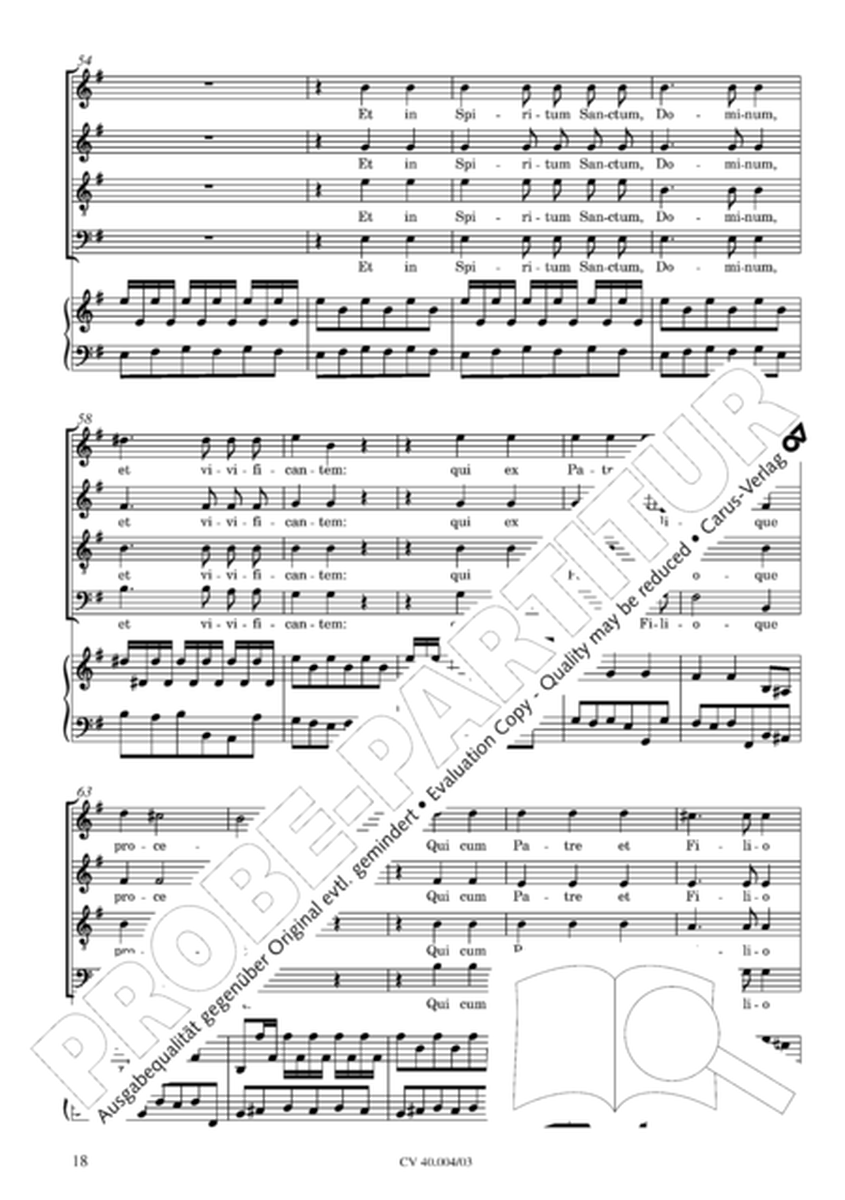
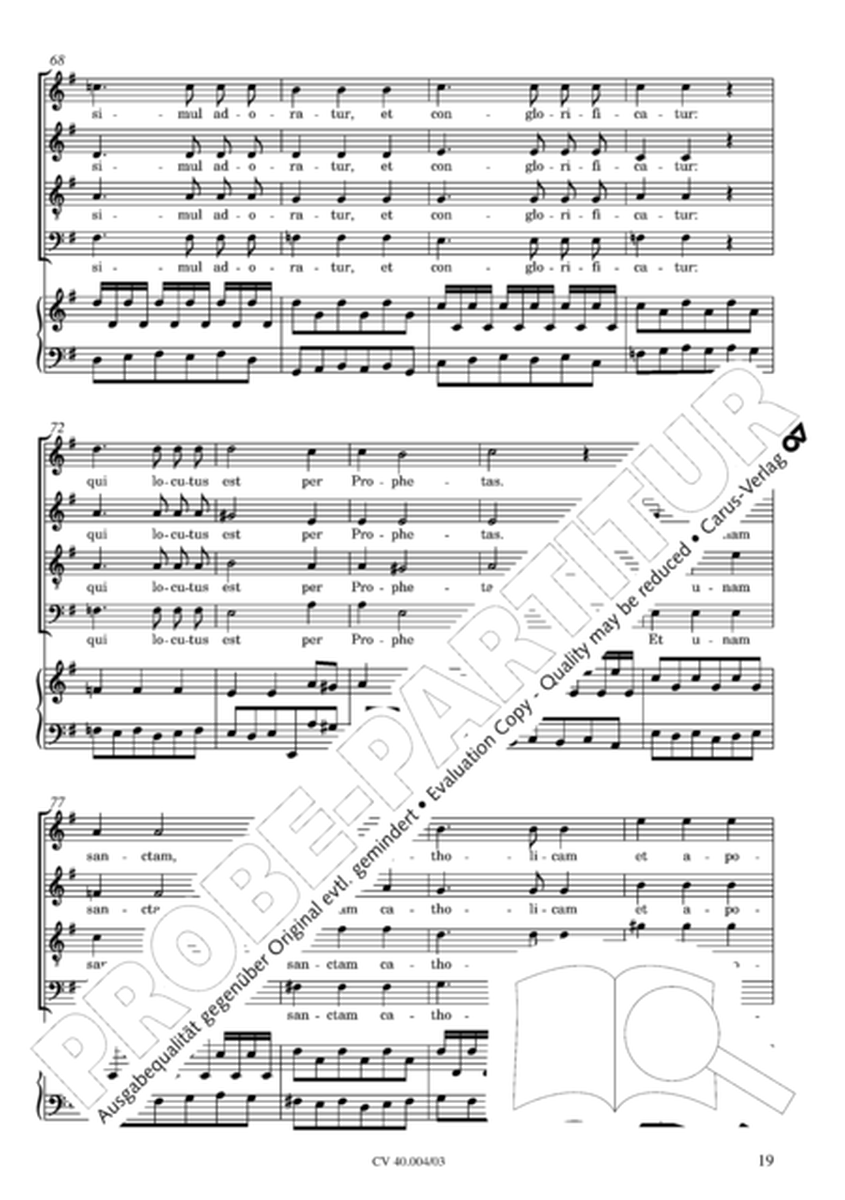
Composed by Antonio Vivaldi. This edition: urtext. Stuttgart Urtext Edition: Vivaldi-Archiv. Carus plus: Übehilfen, nur intern. Innovative practice aids, Sacred vocal music, Mass sections. Vocal score. RV 591. Duration 10 minutes. Carus Verlag #CV 40.004/03. Published by Carus Verlag (CA.4000403).ISBN 9790007058685. 7.5 x 10.67 inches. Key: E minor. Language: Latin/English.
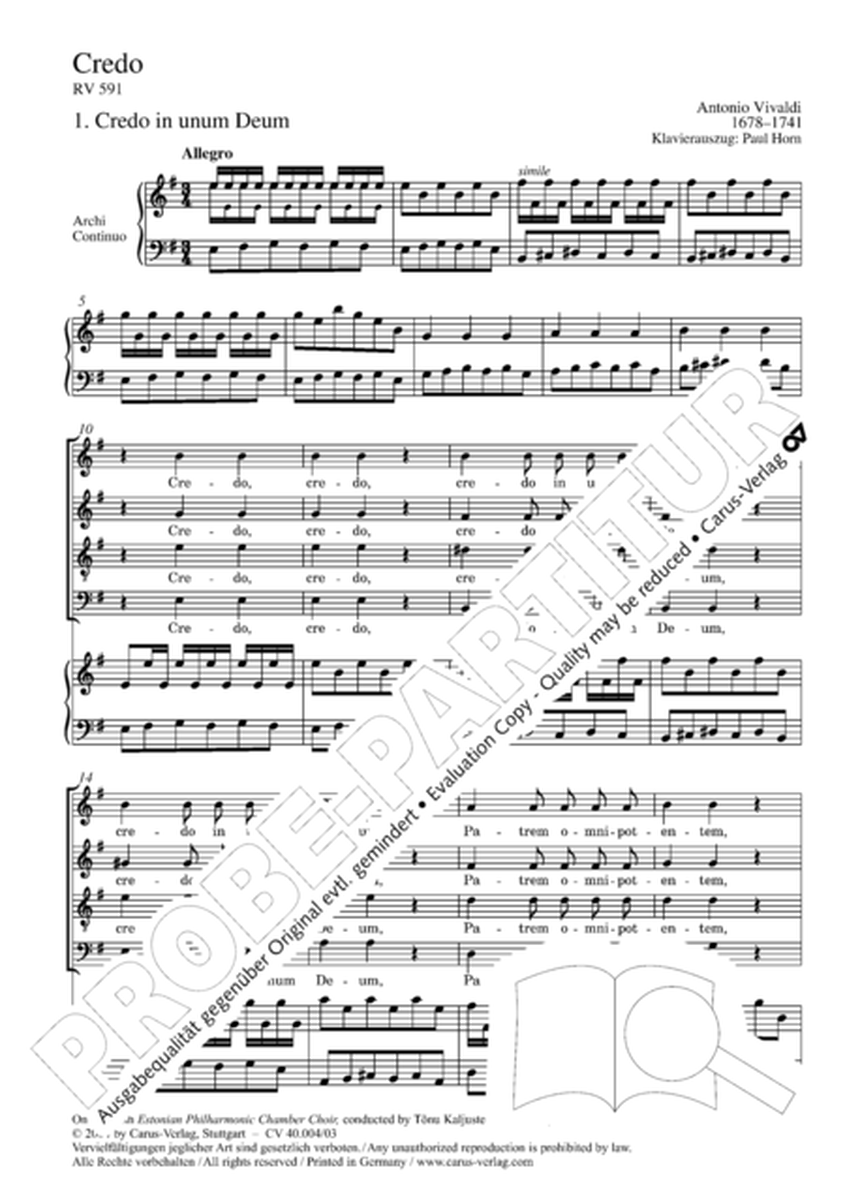
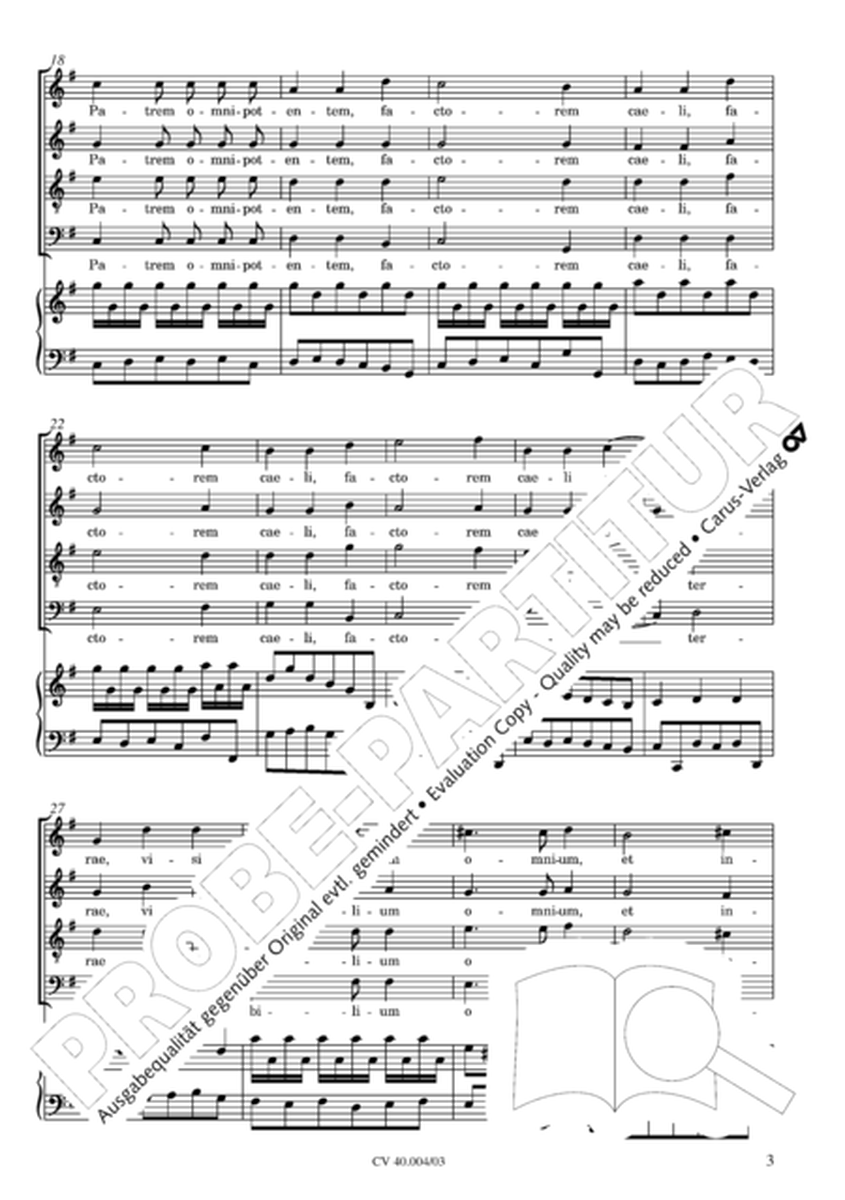
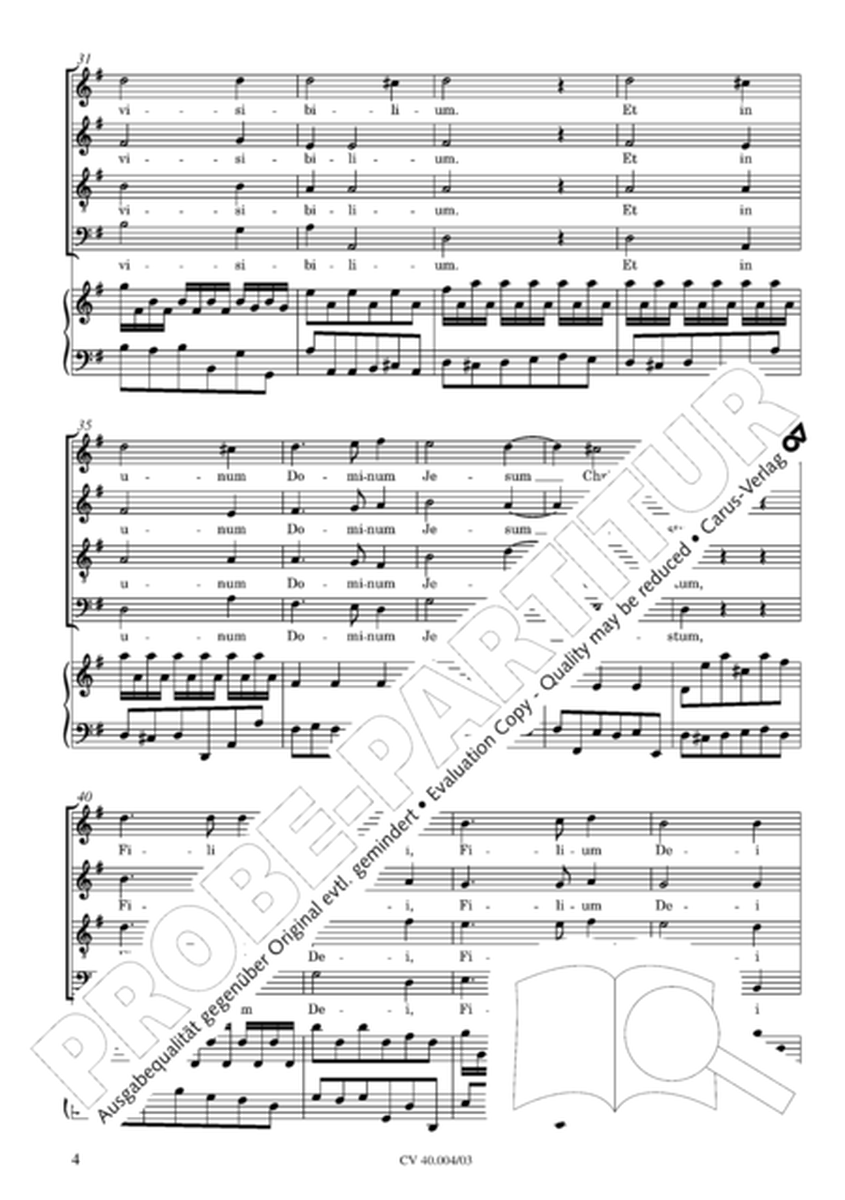
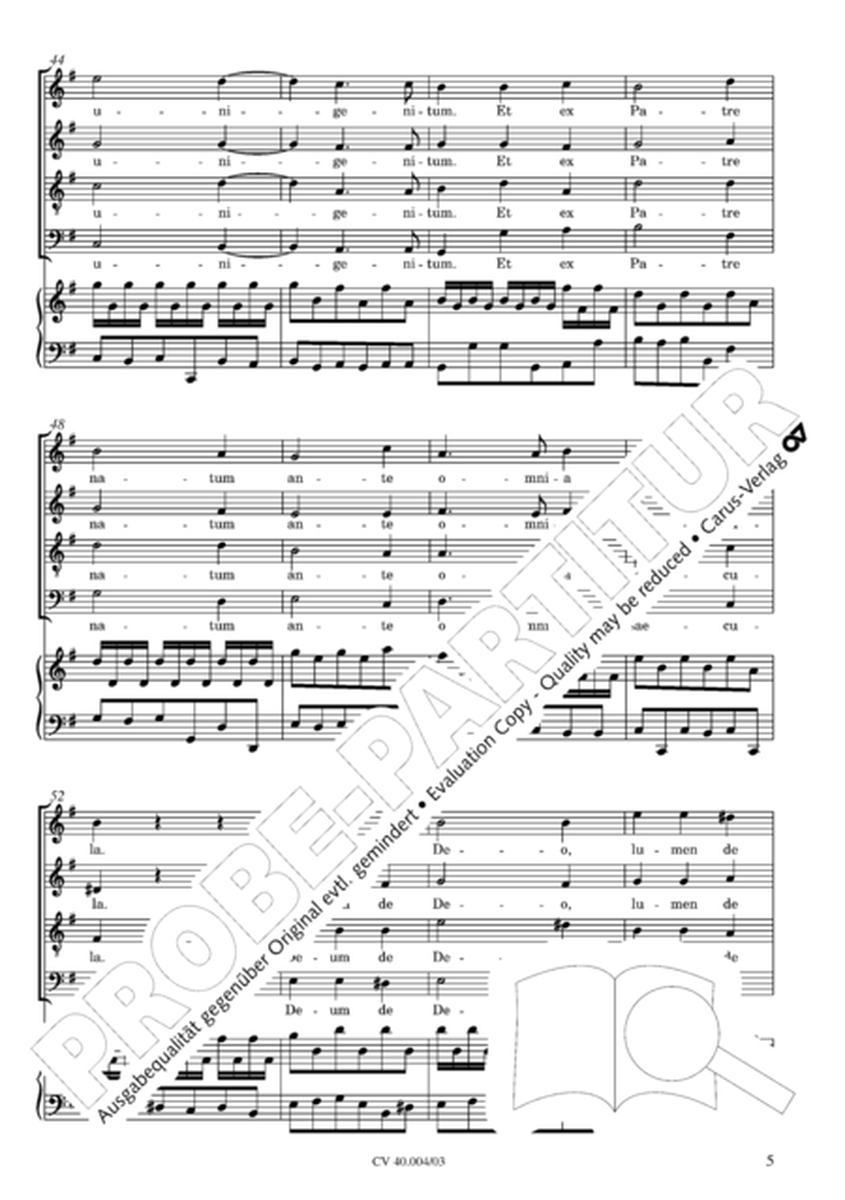
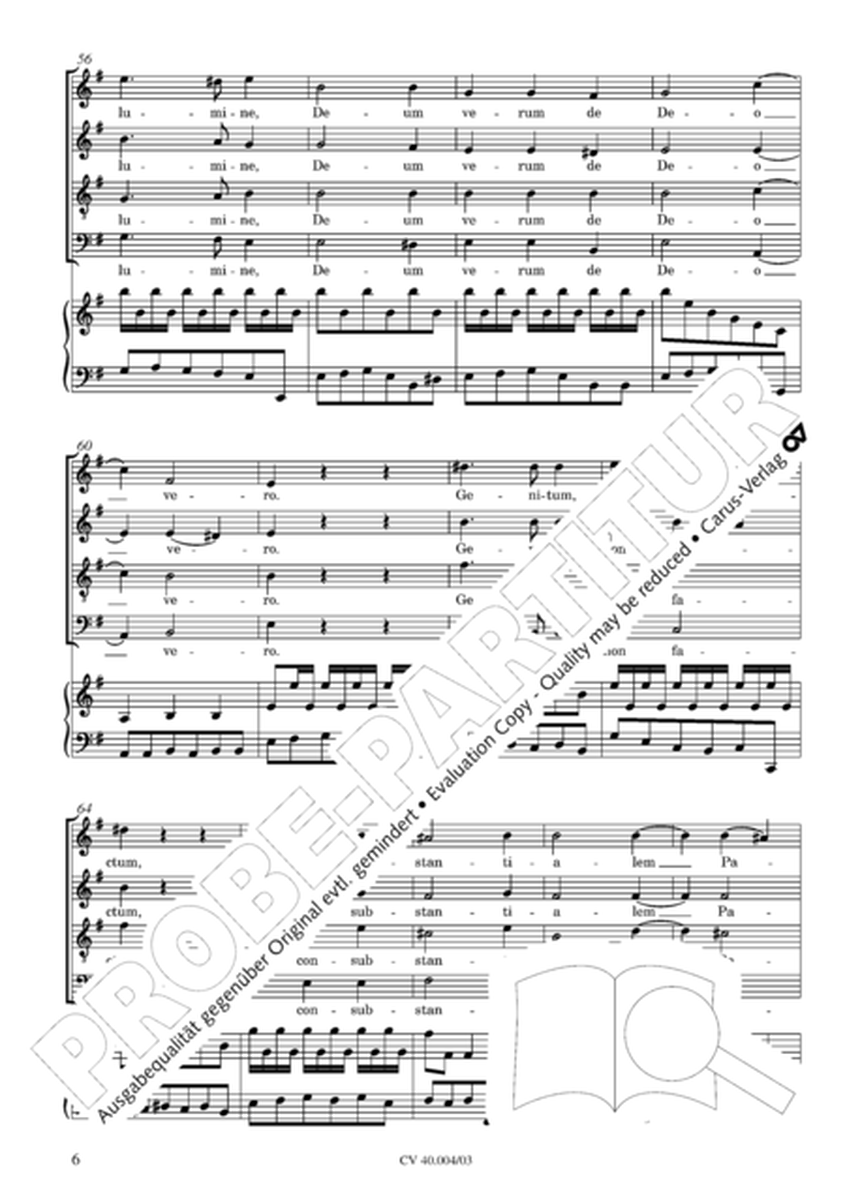
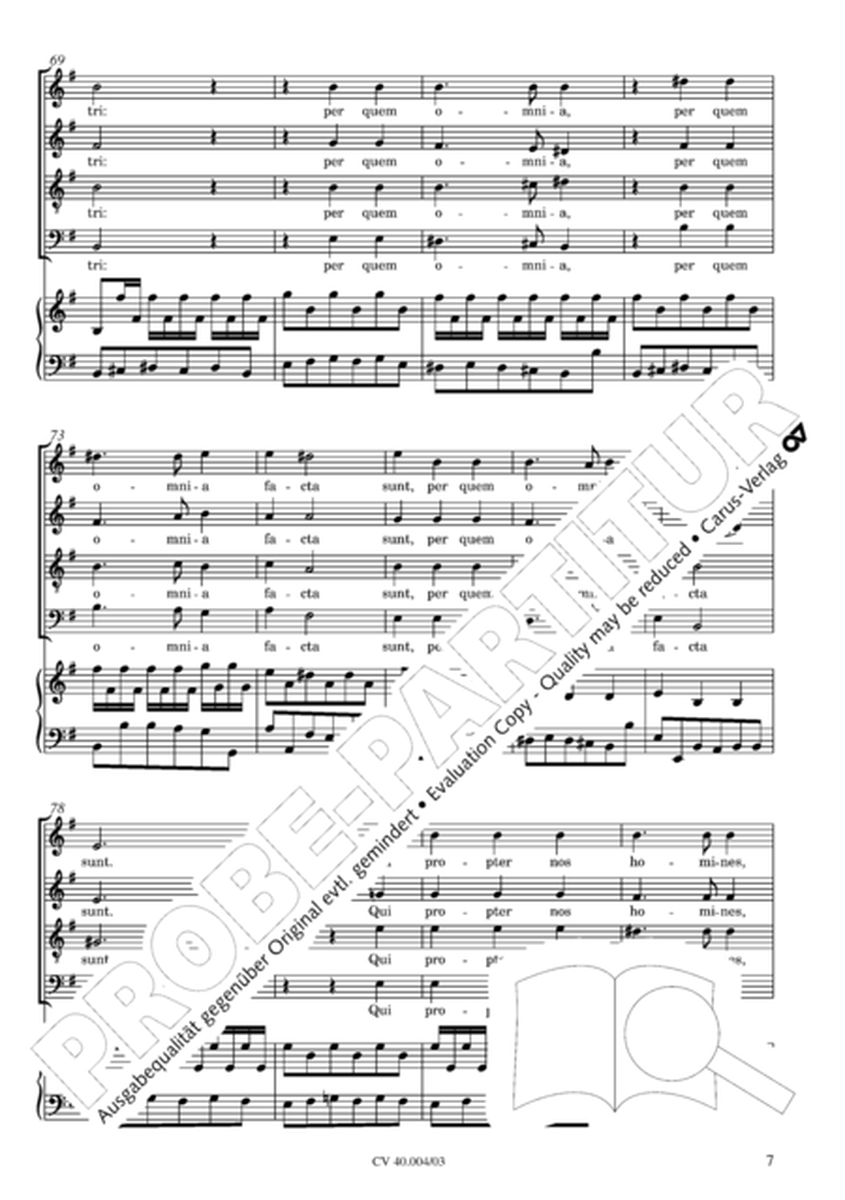
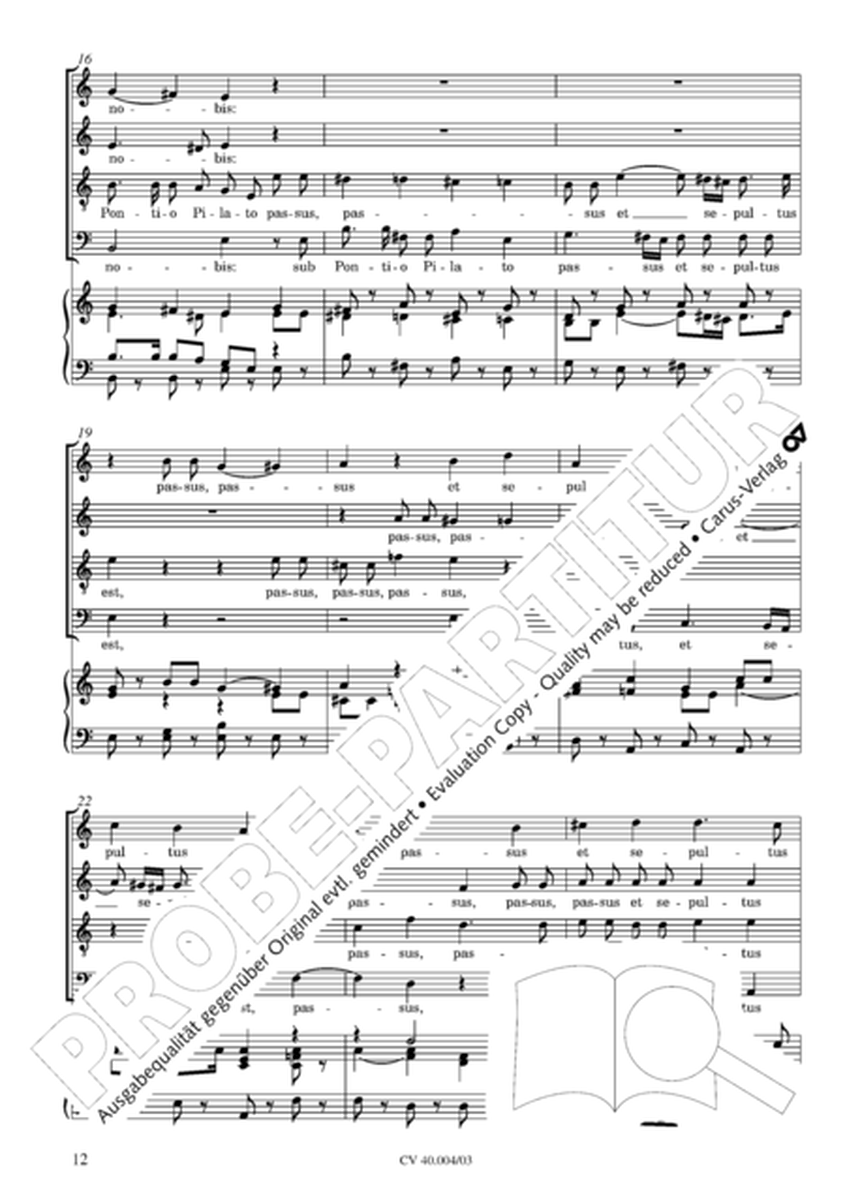
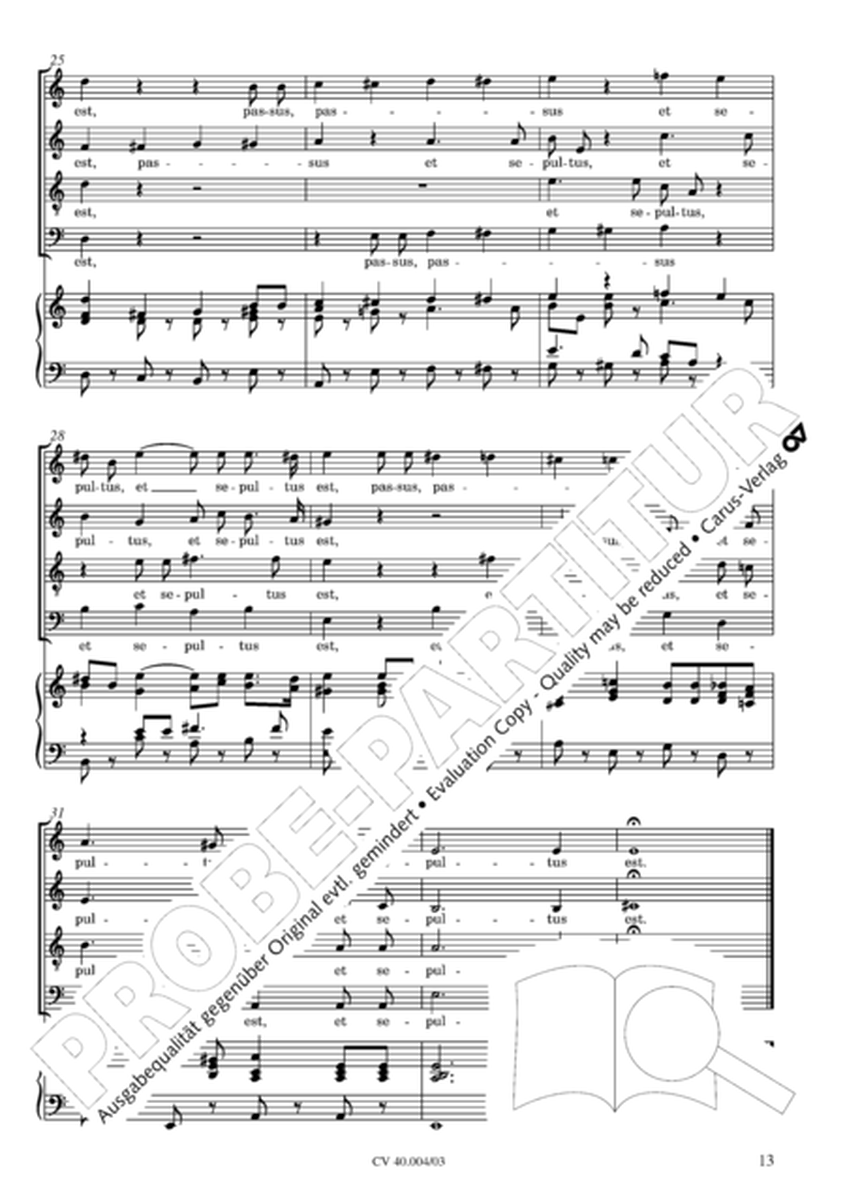
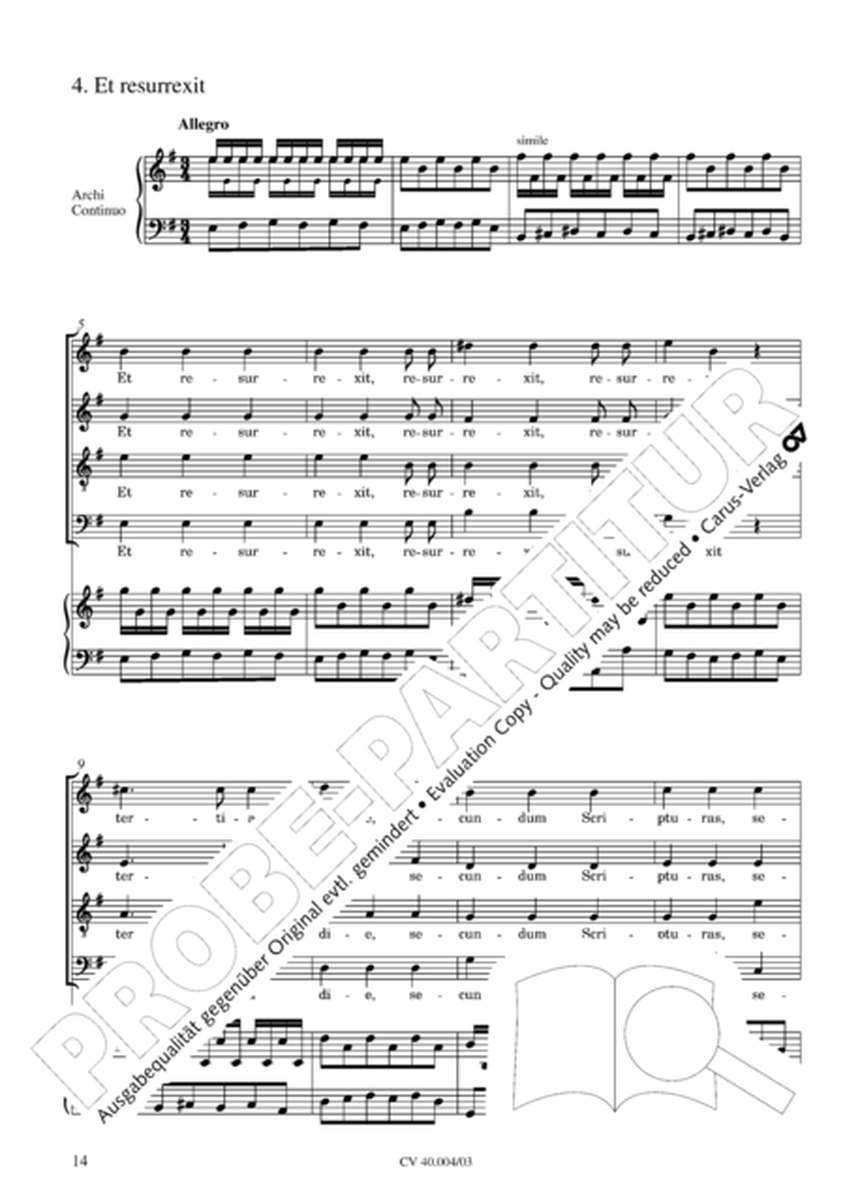
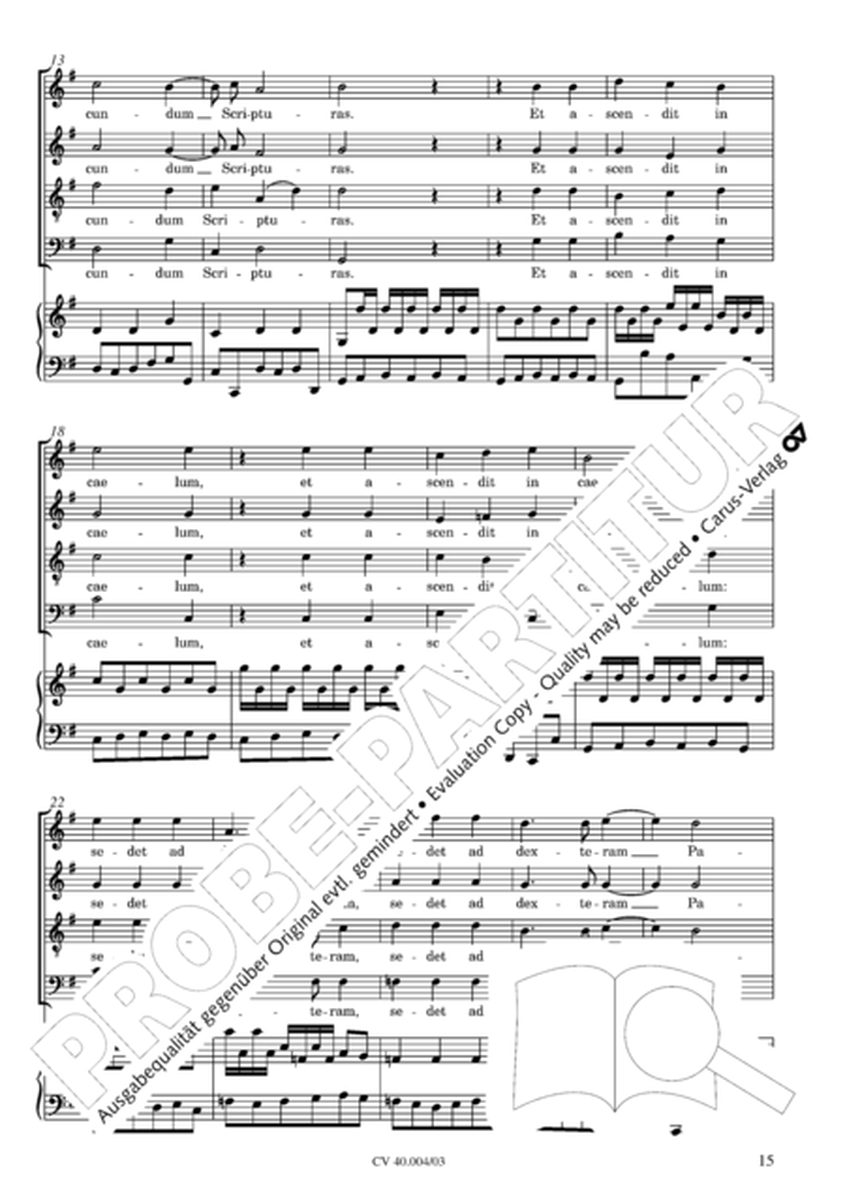
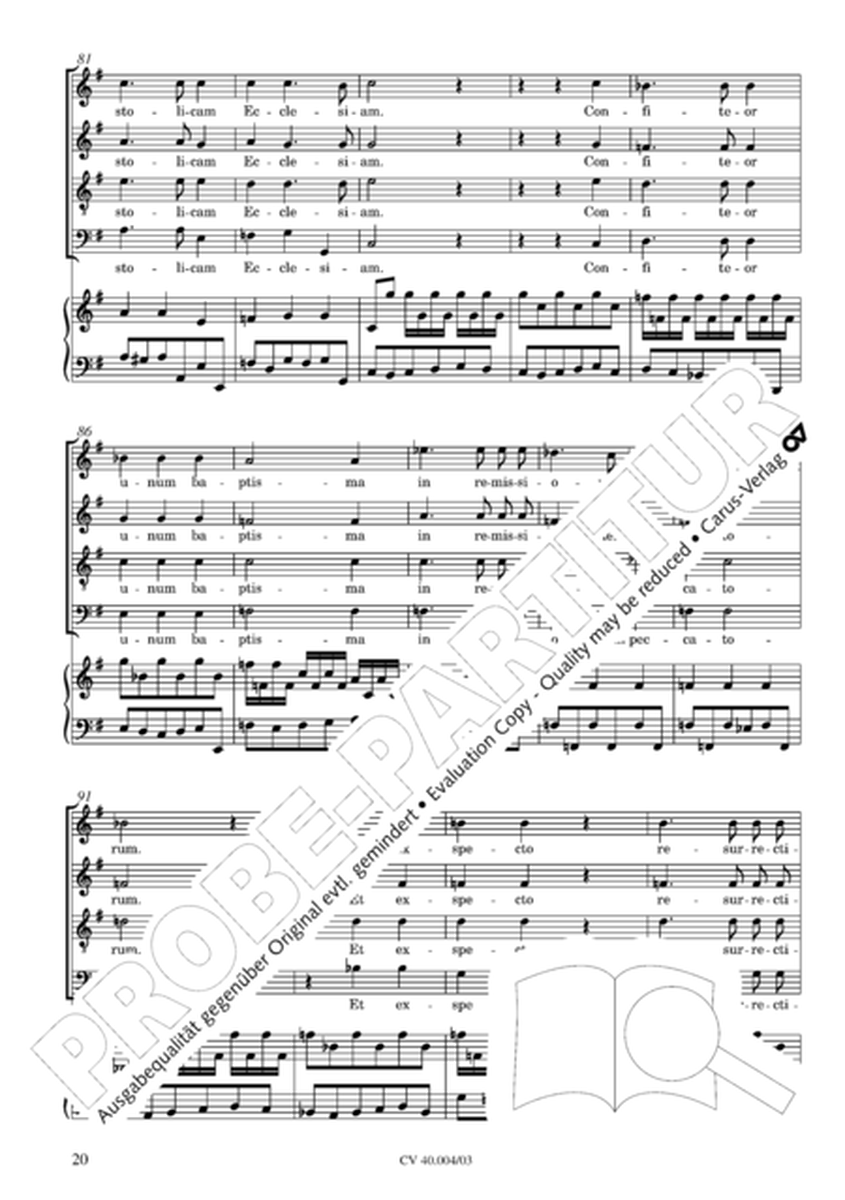
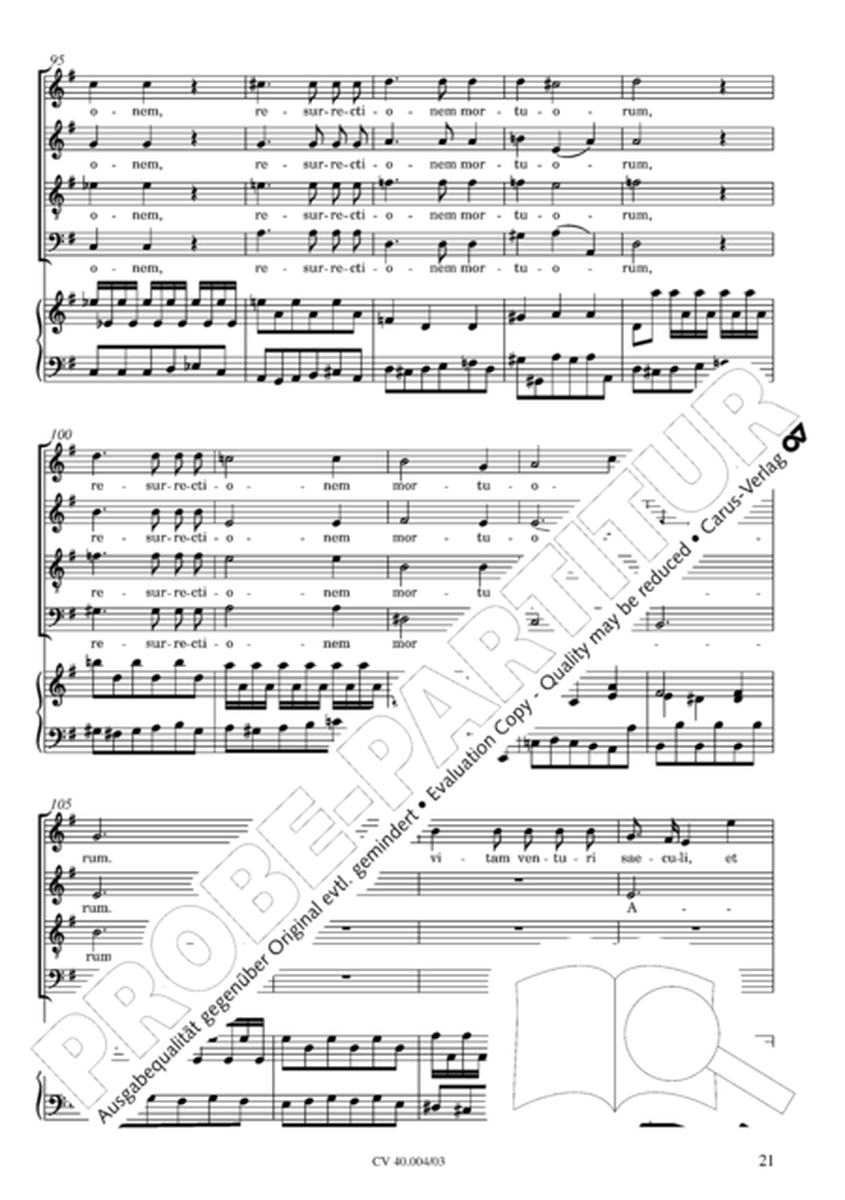
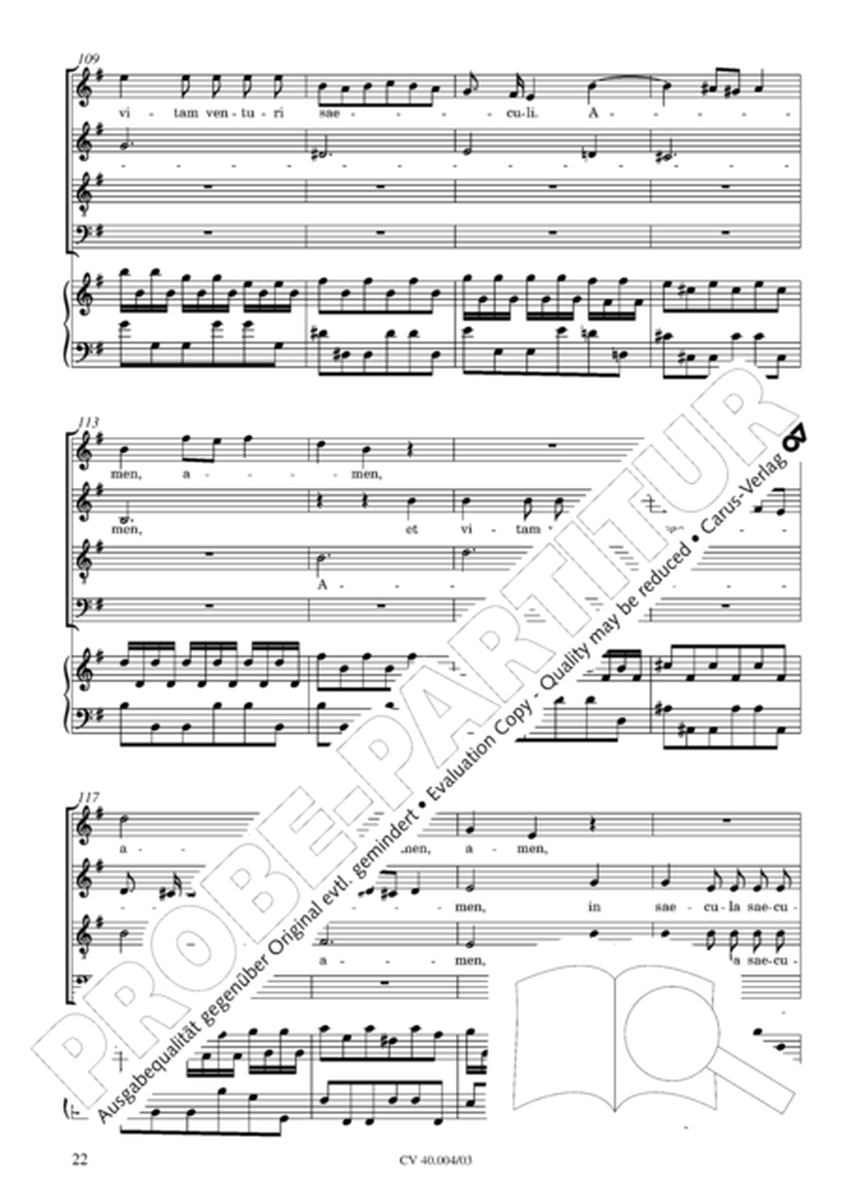
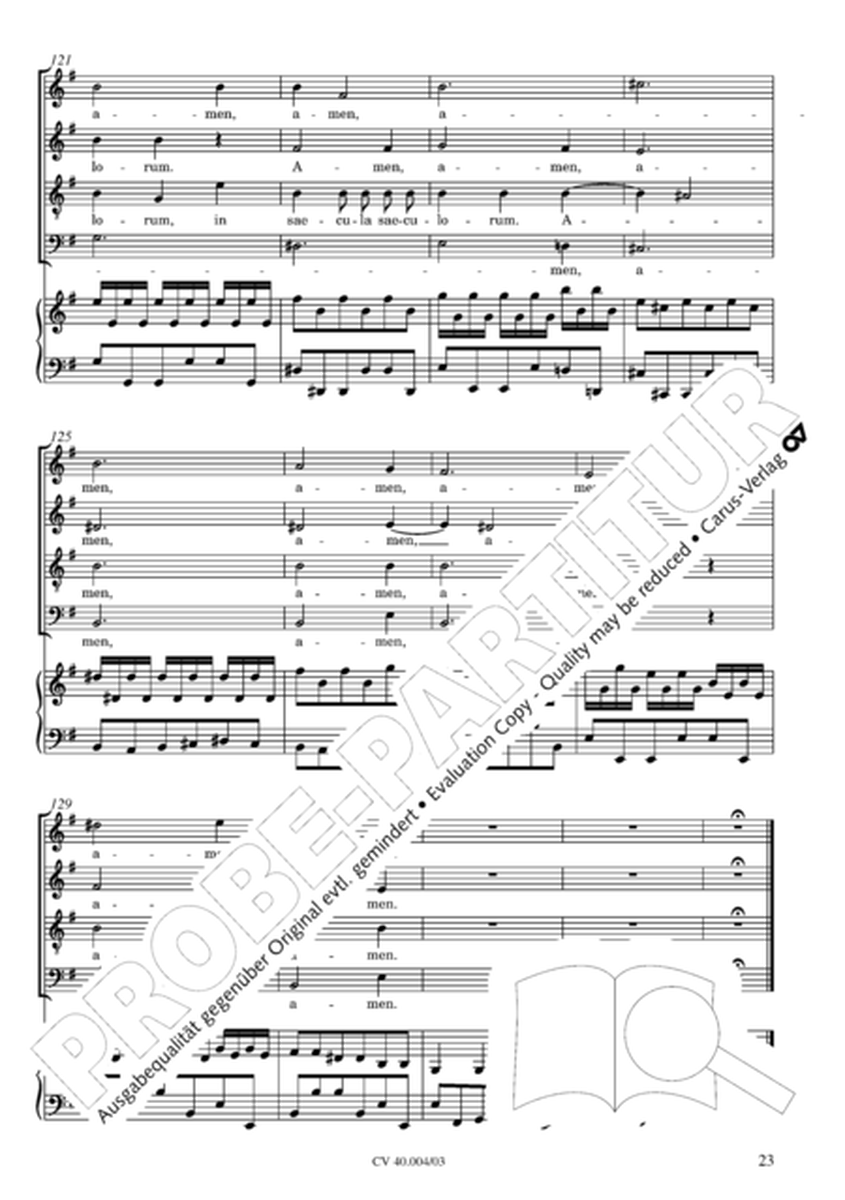
The Credo belongs to that large group of church works which Vivaldi composed in Venice between 1713 and 1717 for the Ospedale della Pieta, then his primary place of employment. The composition, conceived solely for choir and strings, is characterized by a two-layered formal design: a continuous, basic motivic idea, i.e., a constant rhythmic impulse with rapid tone repetition builds an instrumental layer, while on the other hand the writing for choir renders the text in a blocklike structure in chordal declamation. This structure will only be abandoned briefly in the concluding section of work, where the text "Et vitam venturi saeculi" is embedded in a concise fugue. Score available separately - see item CA.4000400.
- More by this Composer:
- Antonio Vivaldi Antonio Vivaldi Piano Antonio Vivaldi Piano Accompaniment Antonio Vivaldi Violin
- Series:
- Stuttgart Urtext Edition
- Artists:
- Antonio Vivaldi
- Publisher:
- Carus Verlag