About William Walker
William Walker (1809-1875) was a prominent American Baptist song leader, esteemed "singing master," and influential compiler of shape-note tunebooks, leaving an indelible mark on 19th-century American religious music. His primary musical style revolves around shape-note hymns and sacred folk melodies, a notation system designed to make choral singing accessible to untrained congregations. Walker's enduring legacy is largely attributed to his compilation of "The Southern Harmony," a groundbreaking collection that significantly contributed to the spread of shape-note singing across the American South and remains a cornerstone of this unique musical tradition.
- Walker earned the affectionate nickname "Singing Billy" to distinguish him from other individuals named William Walker in his hometown of Spartanburg, South Carolina.
- His seminal work, "The Southern Harmony," published in 1835, became immensely popular, selling over 600,000 copies by 1854.
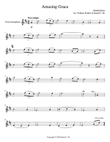
- "The Southern Harmony" is particularly notable for featuring the first published pairing of the beloved tune "New Britain" with John Newton's words, creating the iconic hymn "Amazing Grace."
- In 1867, Walker released "The Christian Harmony," where he transitioned from the four-shape notation to a seven-shape system, even devising his own unique shapes for several notes.
Performing William Walker's music offers a deeply rewarding experience for singers and enthusiasts of early American sacred music. His sheet music, primarily vocal with its distinctive shape-note notation, is especially suited for choirs, communal singing groups, and individuals interested in exploring historical American folk hymns. The simplified shape-note system makes it accessible for various skill levels, from beginners to experienced singers, fostering an inclusive and harmonious performance environment. Engaging with his compositions allows musicians to connect with a rich cultural heritage, appreciate the communal spirit of shape-note singing, and enjoy timeless melodies that continue to resonate today.