About Victor Young
Victor Young was a remarkably prolific and influential American composer, arranger, violinist, and conductor, celebrated for his enduring contributions to Hollywood's Golden Age and the Great American Songbook. His primary musical style is best characterized by its lush, romantic orchestration and timeless melodies, seamlessly blending classical sensibilities with popular appeal. Young's significance in music history stems from his ability to craft memorable themes for over 350 films, alongside numerous popular songs that have become jazz standards, leaving a lasting legacy that continues to inspire musicians and audiences worldwide.
- Young was a child prodigy on the violin, sent to Poland at age ten to study at the Warsaw Imperial Conservatory, where he achieved a Diploma of Merit and embarked on a career as a concert violinist.
- Despite receiving a record 22 Academy Award nominations during his lifetime, Victor Young only won his sole Oscar posthumously for Best Music Score for the film Around the World in 80 Days in 1957.
- He is credited with transforming Hoagy Carmichael's "Stardust" from an up-tempo number into the romantic ballad we know today, slowing it down and performing a violin solo that inspired the iconic lyrics.
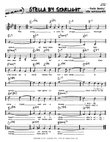
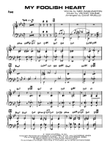
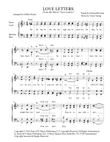
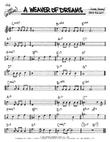
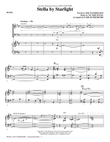
- Victor Young composed some of the most beloved and enduring popular songs of the 20th century, including "When I Fall in Love," "Stella by Starlight," "My Foolish Heart," and "Love Letters."
Performing the music of Victor Young offers a rewarding experience for musicians of various skill levels and instrumental backgrounds. His extensive catalog includes pieces for piano, voice, violin, guitar, and arrangements for orchestras and big bands, ranging from accessible intermediate arrangements to more complex interpretations. Musicians are drawn to his compositions for their inherent melodic beauty, emotional depth, and rich harmonic structures, which provide ample opportunity for expressive interpretation and improvisation, making them a joy to explore and perform.