Top Sellers
-
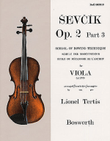
![Mastering the Bow Part 3]()
$17.99 $16.19
-
![Changing the Positions, Op. 8]()
$11.99 $10.79
-
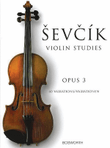
![40 Variations Op. 3]()
$13.99
-
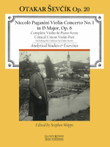
![Concerto No. 1 in D Major]()
$39.95 $35.96
-
![Violin Concerto in D Major]()
$49.95 $44.96



-
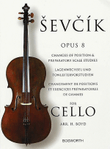
![Sevcik for Cello – Opus 8]()
$14.99 $13.49
-
![Sevcik for Viola - Opus 1, Part 1]()
$10.99 $9.89
-
![Sevcik for Viola – Opus 9]()
$14.99 $13.49
-
![40 Variations Op.3]()
$22.95
-
![Forty Variations, op. 3]()
$16.95


-
![Blauäugiges Mädchen / Holka modrooká / The Girl with Blue Eyes für Violine und Klavier, op. 10]()
-
![Nr 19 Schubert, Ave Maria]()
-
![Nr 20- Abendlied, Spohr - Barcarolle]()
-
![Otakar Sevcik - Variations Op. 3, arranged for double bass]()
-
![Violin Studies Op. 2 Part 2]()
$11.95 $10.76



-
![Selected Violin Studies]()
$38.95 $35.06
-
![Selected Violin Studies]()
$73.95 $66.56
-
![O. Sevcik Exercise No. 11 from School of Violin Technique, Op. 1 arr. by Szczepan Pytel .pdf]()
-
![School of Violin Technics, Op. 1 – Book 4]()
$8.99 $8.09
-
![School of Bowing Technics, Op. 2 – Book 1]()
$8.99 $8.09