Luigi Denza Sheet Music

About Luigi Denza

Luigi Denza was a prominent Italian composer and conductor, celebrated for his contributions to the Neapolitan song tradition and popular music of the late 19th and early 20th centuries. Born near Naples, he received his musical education at the Naples Conservatory, laying the groundwork for a career that blended folk-inspired melodies with classical sensibilities. He is most famously remembered for his enduring global hit, "Funiculì, Funiculà," which captured the hearts of audiences worldwide and remains an emblem of Italian musical heritage.

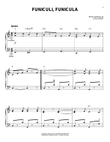
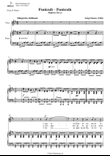
  • Luigi Denza composed "Funiculì, Funiculà" in 1880, inspired by the inauguration of a funicular railway ascending Mount Vesuvius. The song achieved immediate international success, selling over one million copies within its first year.
  • The German composer Richard Strauss famously incorporated "Funiculì, Funiculà" into his symphonic suite Aus Italien, mistakenly believing it to be a traditional Neapolitan folk song. Denza later sued Strauss for copyright infringement and won, requiring Strauss to pay royalties for its use.
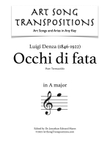
  • Beyond his most famous work, Denza composed hundreds of other popular songs such as "Occhi di fata," "Luna fedel," and "Se." These works have been performed by legendary tenors including Enrico Caruso, Mario Lanza, and Luciano Pavarotti.
  • Denza served as a professor of singing at the prestigious Royal Academy of Music in London for two decades after moving there in 1884, significantly influencing future generations of vocalists.

Denza's sheet music offers a delightful and rewarding experience for performers across various skill levels, particularly vocalists, pianists, guitarists, and mandolinists. His compositions, rich in lyrical charm and vibrant Neapolitan melodies, are well-suited for those looking to explore the late Romantic and post-Romantic Italian salon music style. Many of his songs are accessible for intermediate players, while arrangements of "Funiculì, Funiculà" exist for a diverse array of instruments and ensembles, including orchestral and chamber settings, making them appealing for both solo and group performances.

Search all Luigi Denza