About Karl Scheit
Karl Scheit (1909-1993) was an influential Austrian guitarist, lutenist, composer, and music educator, widely regarded as one of the leading figures in 20th-century classical guitar. Often referred to as the "Segovia of Austria," he was instrumental in elevating the guitar's status from an accompanying instrument to a respected solo voice within the classical music world. His profound impact on guitar pedagogy and his significant contributions to the historical performance practice of Renaissance and Baroque music solidified his place as a pivotal figure in music history.
- Karl Scheit taught at the Vienna Music Academy, now the University of Music and Performing Arts Vienna, for over five decades, from 1933 to 1984, holding a professorship from 1952.
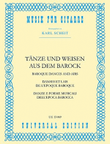
- He was a foremost scholar and editor of Renaissance and Baroque music, rediscovering, transcribing, and publishing an extensive body of literature for plucked string instruments, including lute, vihuela, and five-string guitar.
- In 1953, Scheit co-founded the ensemble "Schola antiqua Wien," which was dedicated to the historical performance practice of early music.
- His multi-volume "Lehrwerk für Gitarre" (Teaching Work for Guitar) is considered a foundational text in guitar pedagogy and remains a basis for guitar education.
Performing Karl Scheit's music, particularly his editions and pedagogical works, offers immense rewards for classical guitarists of all skill levels. His methodical teaching materials are ideal for students seeking a robust foundation in classical guitar technique and musicianship. Advanced players will find his meticulously edited collections of Renaissance and Baroque music invaluable for delving into historically informed interpretations. Scheit's dedication to providing high-quality, scholarly editions ensures that musicians can access an authentic and expansive repertoire for the instrument, making his publications essential for serious study, performance, and appreciation of the guitar's rich history.