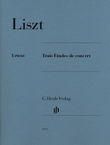
Franz Liszt Sheet Music

About Franz Liszt

Franz Liszt (1811-1886) was a towering figure of the Romantic era, a Hungarian composer, virtuoso pianist, conductor, and teacher who revolutionized piano technique and musical form. His primary musical style is characterized by unparalleled virtuosity, dramatic flair, and profound emotional expression, deeply rooted in the Romantic movement's emphasis on individualism and passionate narratives. Liszt's enduring significance in music history stems from his groundbreaking piano compositions, his invention of the symphonic poem, and his pervasive influence as a performer and educator, shaping the course of classical music into the 20th century.

  • Liszt was considered one of the greatest piano virtuosos of all time, captivating audiences with his technical brilliance and showmanship, leading to a phenomenon known as "Lisztomania" during his concert tours.
  • He pioneered the symphonic poem, a single-movement orchestral work that tells a story or evokes a scene, a form that greatly influenced later composers.
  • Late in life, Liszt took minor orders in the Catholic Church, becoming an abbé, reflecting his deep spiritual leanings which also influenced his compositions, including a significant body of sacred music.
  • Liszt was a highly influential teacher, training hundreds of students who went on to become notable performers and composers, and is credited with inventing the masterclass as a method of teaching performance.

Performing Franz Liszt's music offers an incredibly rewarding experience for pianists and musicians across various skill levels, though many of his works are famed for their extreme technical demands, suitable for advanced and expert players. His sheet music primarily caters to the piano, encompassing a vast repertoire from the lyrical beauty of pieces like "Liebestraum" to the breathtaking athleticism of his "Transcendental Études" and "Hungarian Rhapsodies". Engaging with Liszt's compositions allows performers to explore a rich tapestry of emotional depth, innovative harmonic language, and expansive forms, pushing the boundaries of their musicality and technical prowess while offering a profound connection to the heart of Romanticism.

Search all Franz Liszt