About Ennio Morricone
Ennio Morricone was an Italian composer, orchestrator, conductor, and trumpeter, widely recognized as one of the most prolific and influential film composers of all time. He revolutionized film music, particularly the "Spaghetti Western" genre, by masterfully blending traditional orchestral elements with innovative sounds like whistling, electric guitars, and unique vocalizations. His profound impact on cinema and diverse musical styles, ranging from classical to jazz, pop, rock, and avant-garde, established him as a global musical icon whose scores often became characters in themselves.
- Ennio Morricone began composing his first pieces at the age of six. He enrolled in the Santa Cecilia Conservatory at 12 and famously completed a four-year harmony program in just six months.
- He is celebrated for his legendary collaboration with director Sergio Leone, creating iconic soundtracks for the "Dollars Trilogy," including A Fistful of Dollars, For a Few Dollars More, and The Good, the Bad and the Ugly, which defined the sound of the Spaghetti Western.
- Morricone received numerous prestigious awards throughout his career, including two Academy Awards (one honorary and a competitive Oscar for The Hateful Eight at 88, making him the oldest competitive winner), three Grammy Awards, and three Golden Globes.
- Beyond his extensive filmography of over 400 scores, Morricone also composed more than 100 classical "absolute music" pieces and was an active member of Gruppo di Improvvisazione Nuova Consonanza, an avant-garde improvisation group.
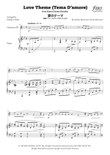
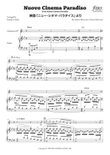
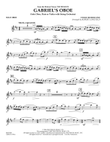
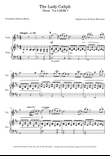
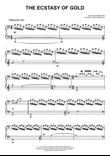
Performing Ennio Morricone's music offers a profoundly rewarding experience for musicians of all levels, from beginner to advanced. His sheet music is widely available for a vast array of instruments, including piano, guitar, string instruments like violin and cello, woodwinds such as flute and clarinet, brass like trumpet, and various vocal and ensemble arrangements. Playing his compositions allows musicians to connect with instantly recognizable and deeply emotional melodies, explore his distinctive harmonic language, and recreate the innovative orchestrations that made his work so impactful. Pieces like "Gabriel's Oboe" and "The Ecstasy of Gold" are particularly cherished for their beauty and expressiveness, providing both a challenging and fulfilling journey for the performer and a moving experience for the audience.