
Details
- Instrument:
- B-Flat Clarinet Bass Clarinet Tenor Saxophone Baritone Saxophone Alto Saxophone B-Flat Trumpet
- Ensembles:
- Concert Band
- Genres:
- 20th Century
- Composers:
- George Gershwin
- Publishers:
- Bravo Music
- Format:
- Score
- Item types:
- Physical
- Instructionals:
- Repertoire Books
- Musical forms:
- Prelude
- Artist:
- George Gershwin
- Arrangers:
- Yukiko Nishimura
- Usages:
- School and Community
- Shipping Weight:
- 0.34 pounds
SKU: BZ.COMS-85170A
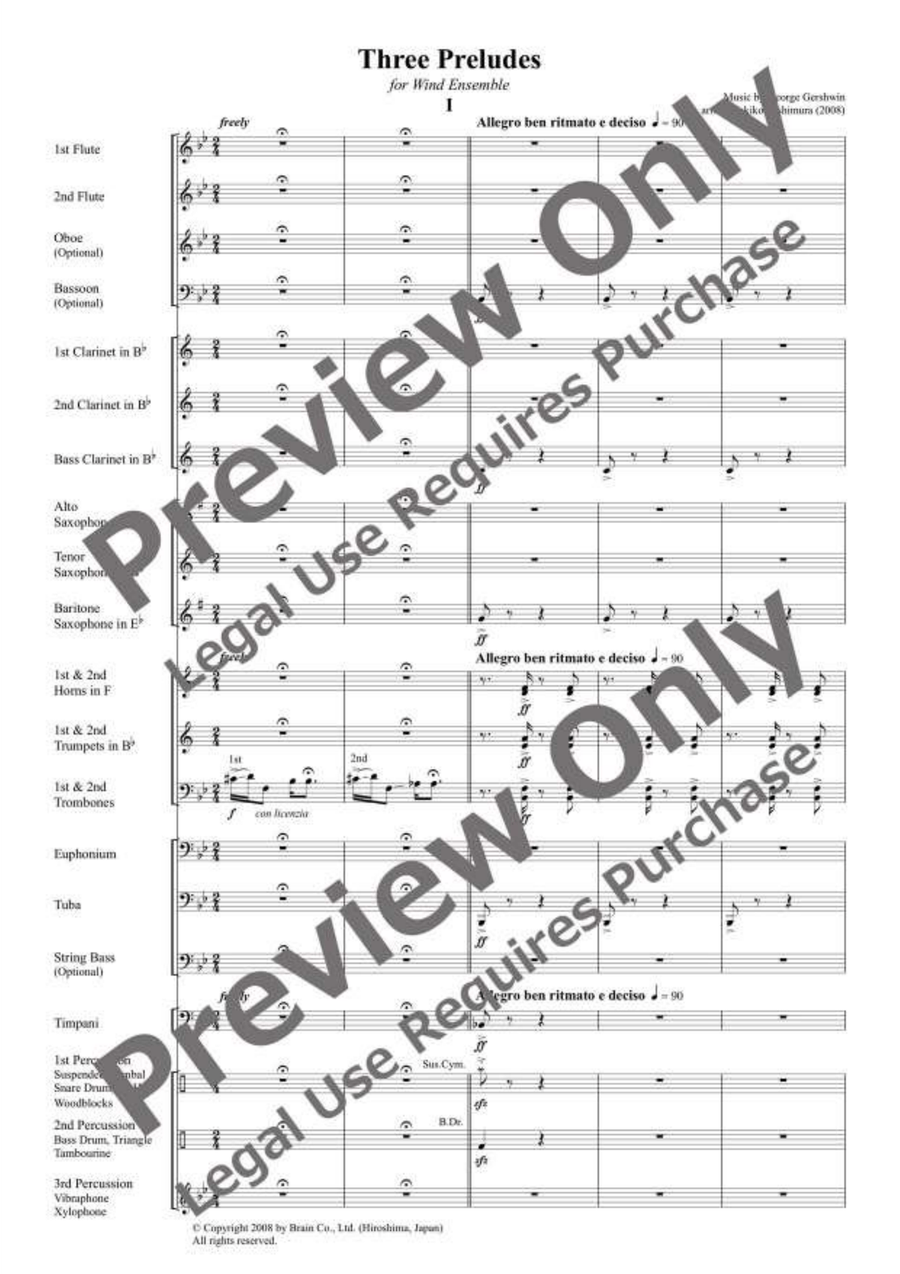
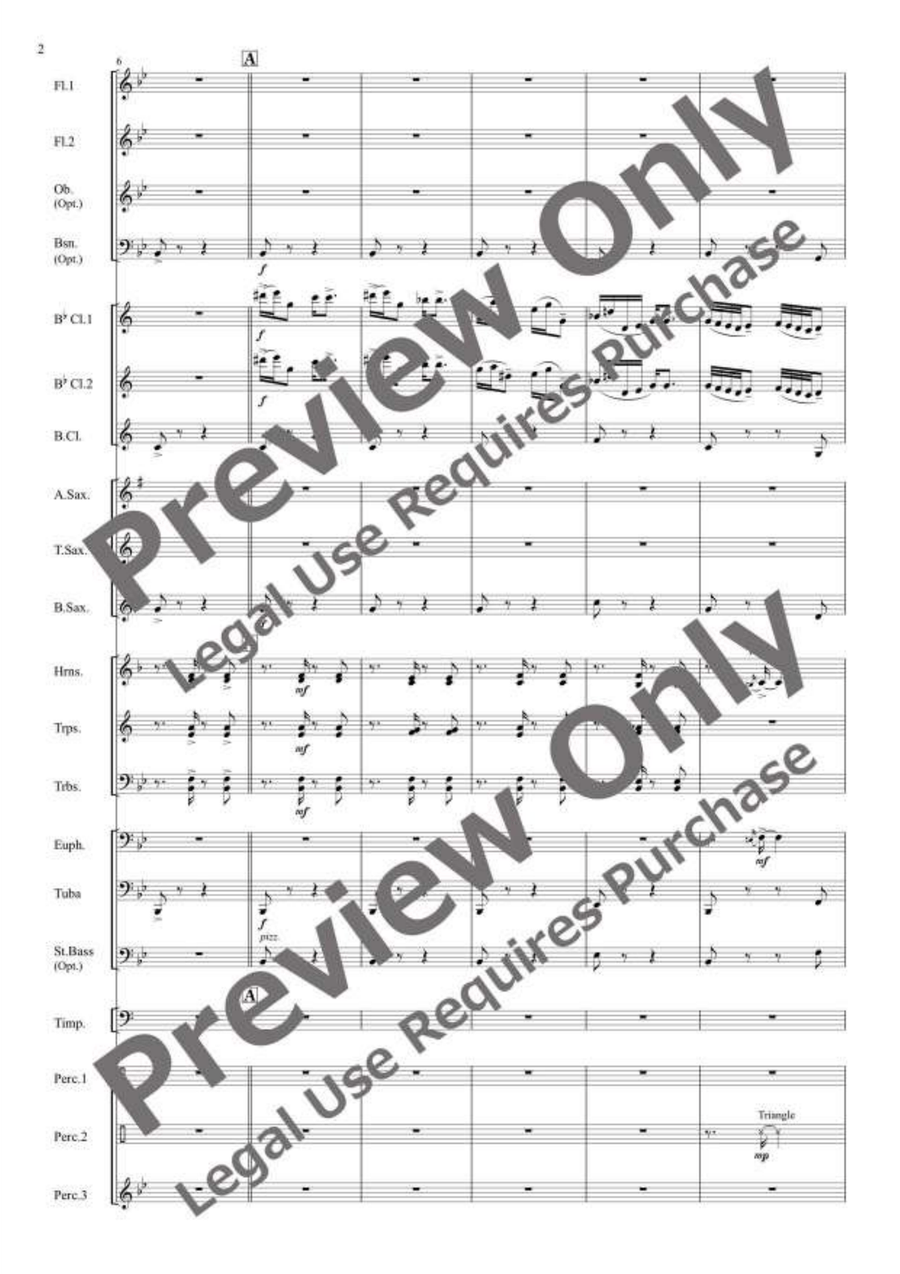
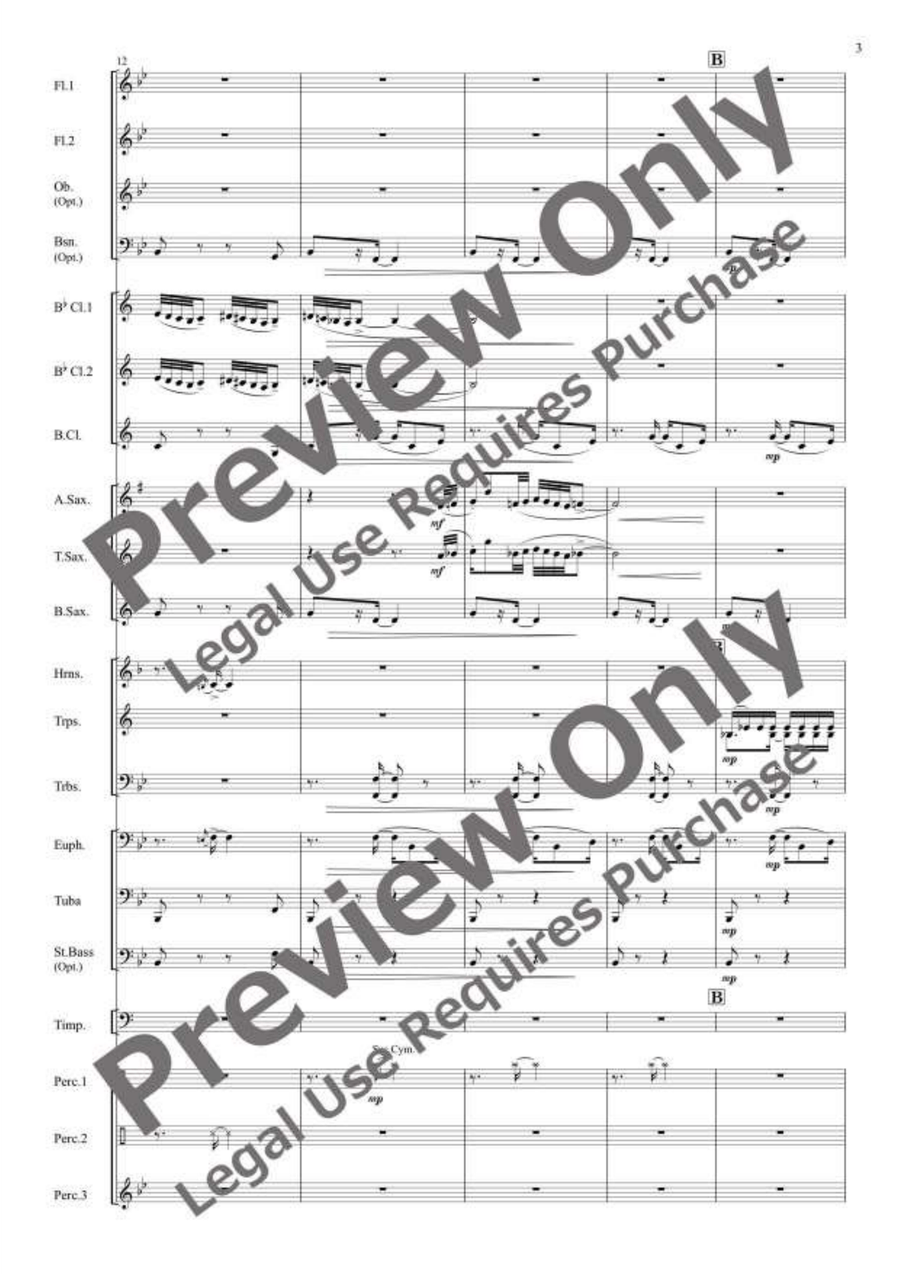
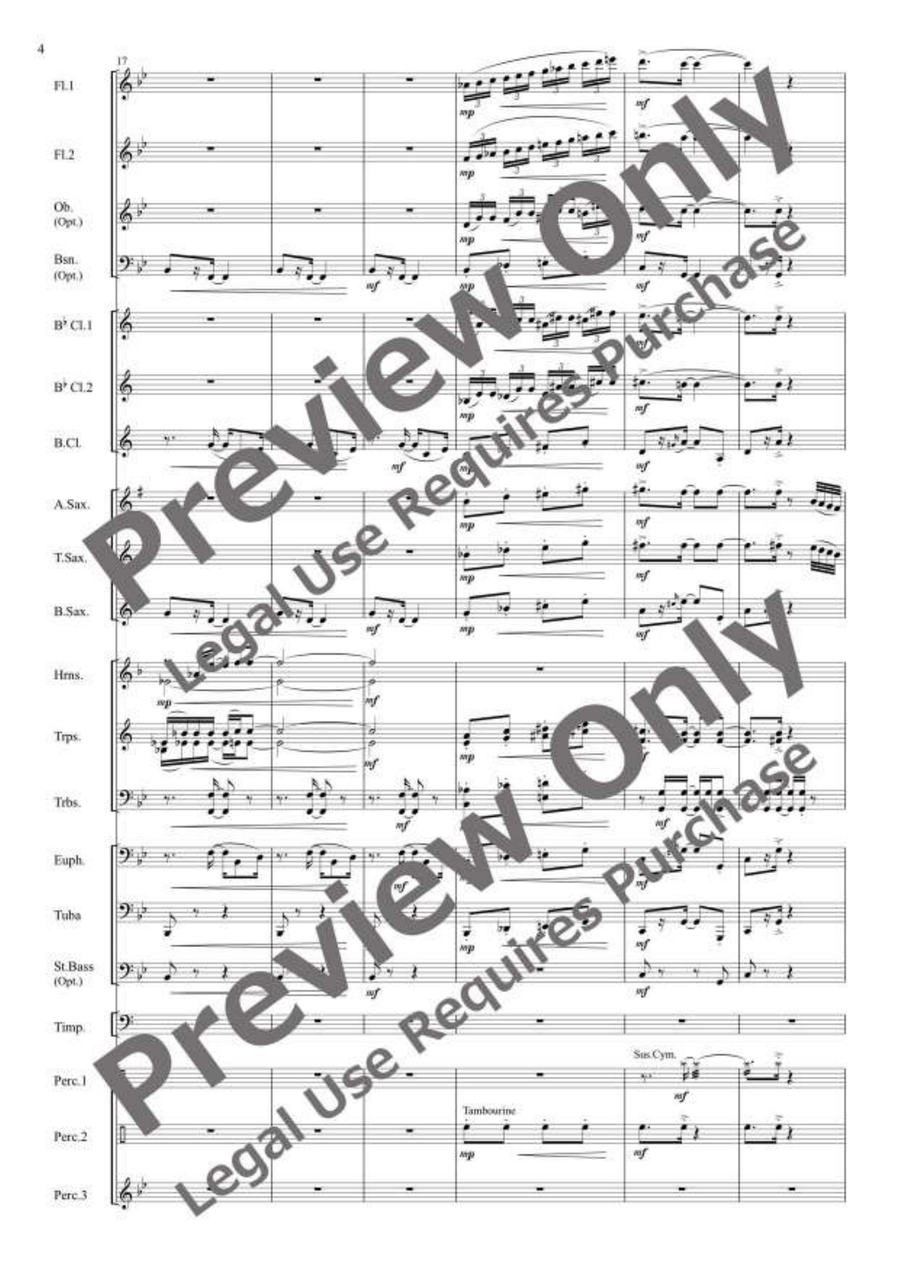
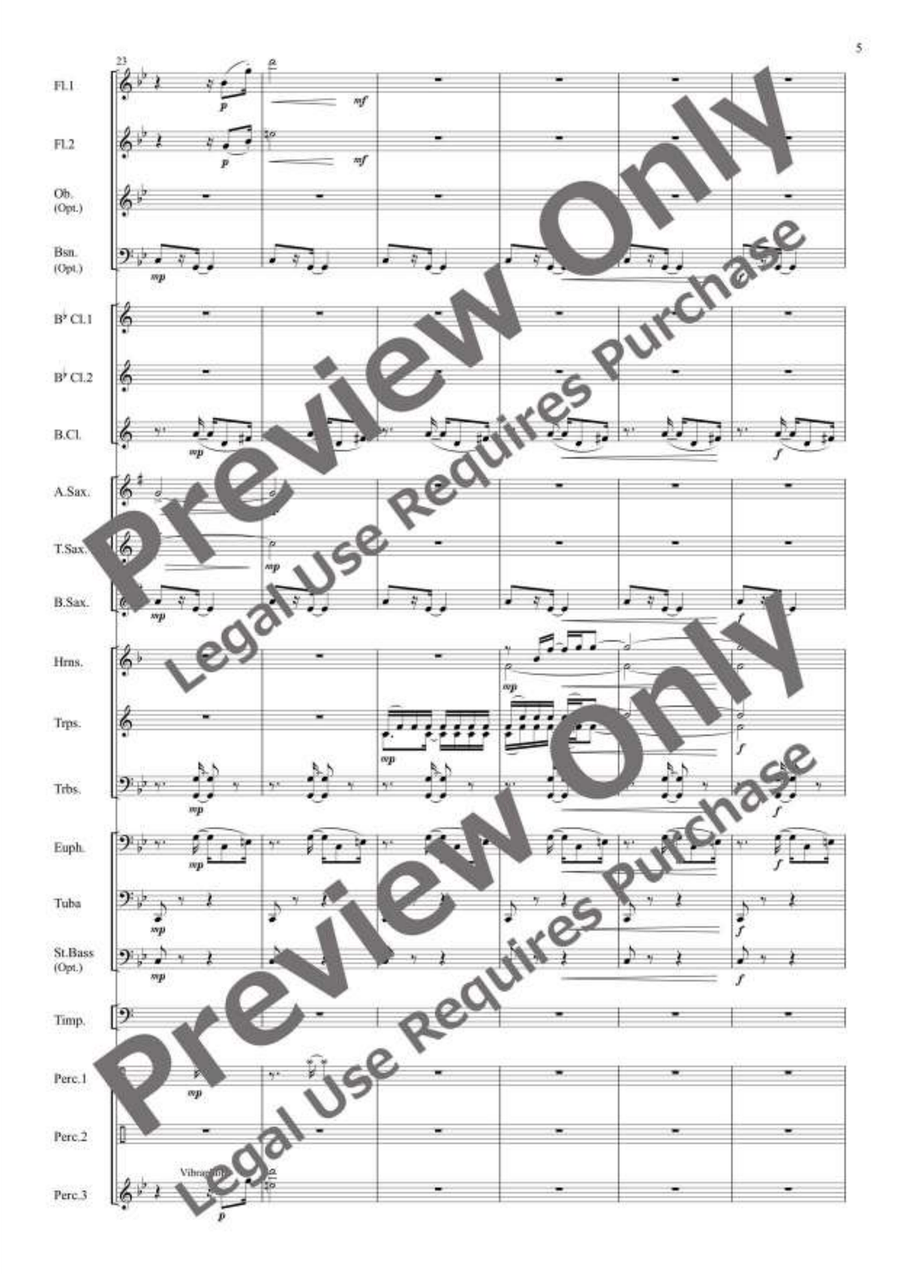
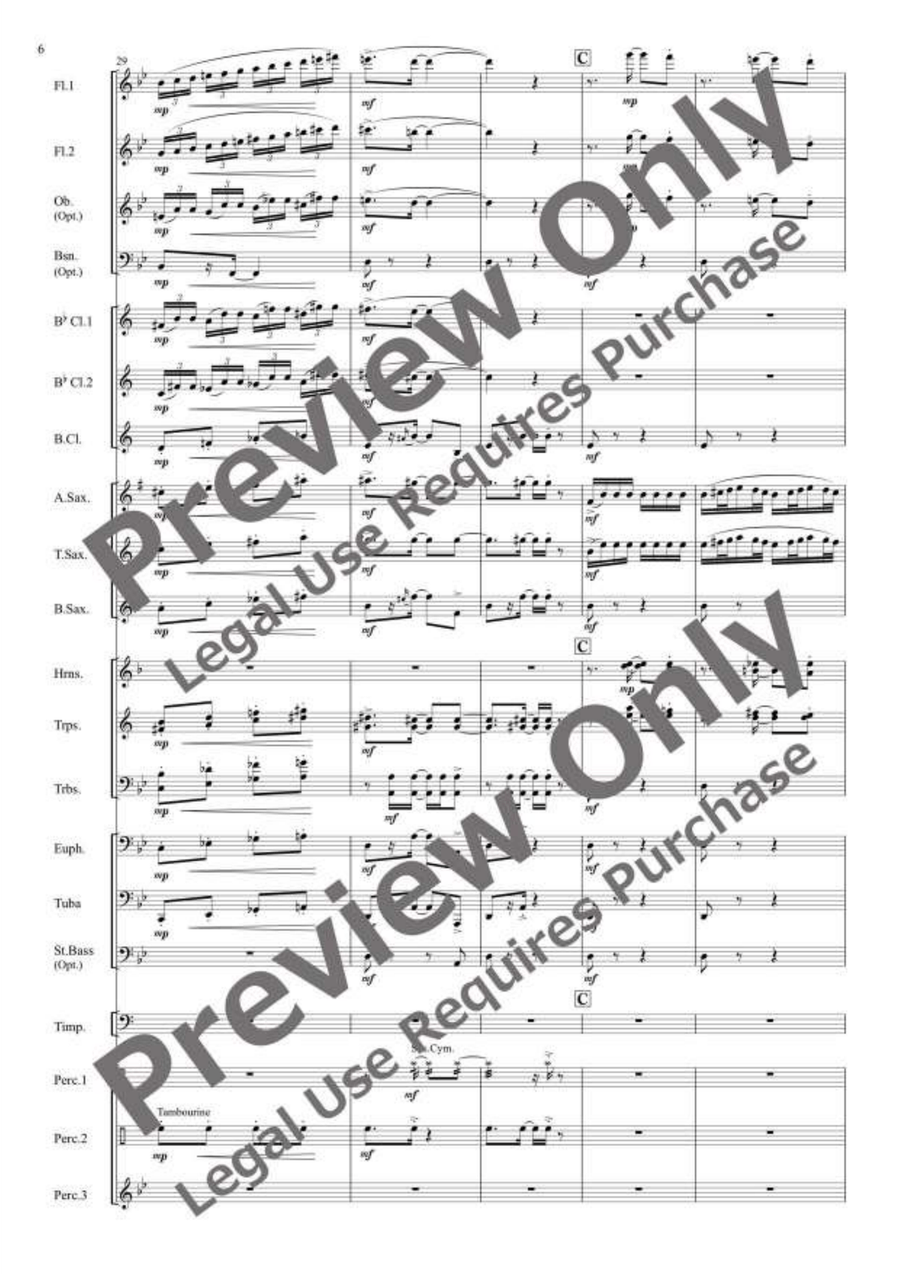
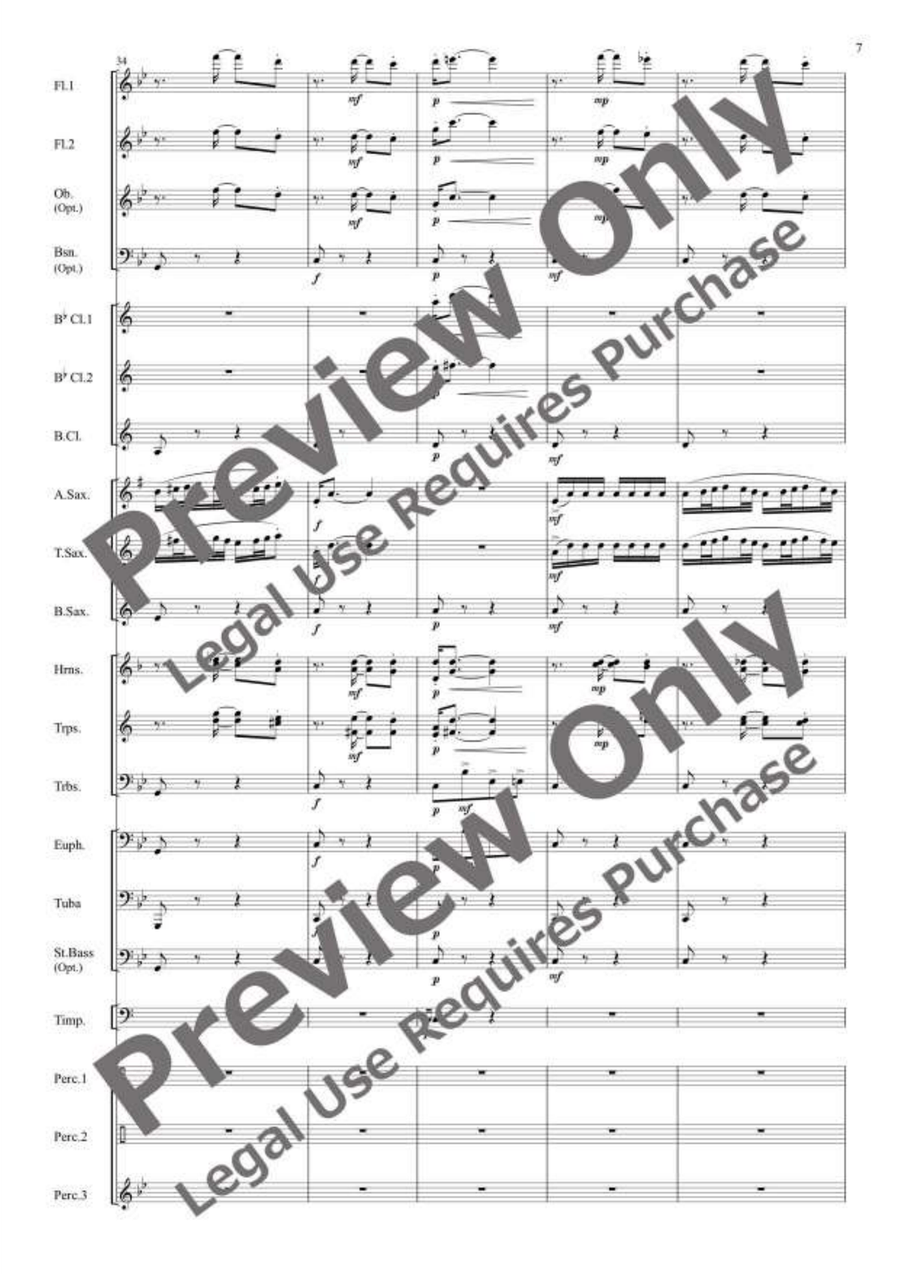
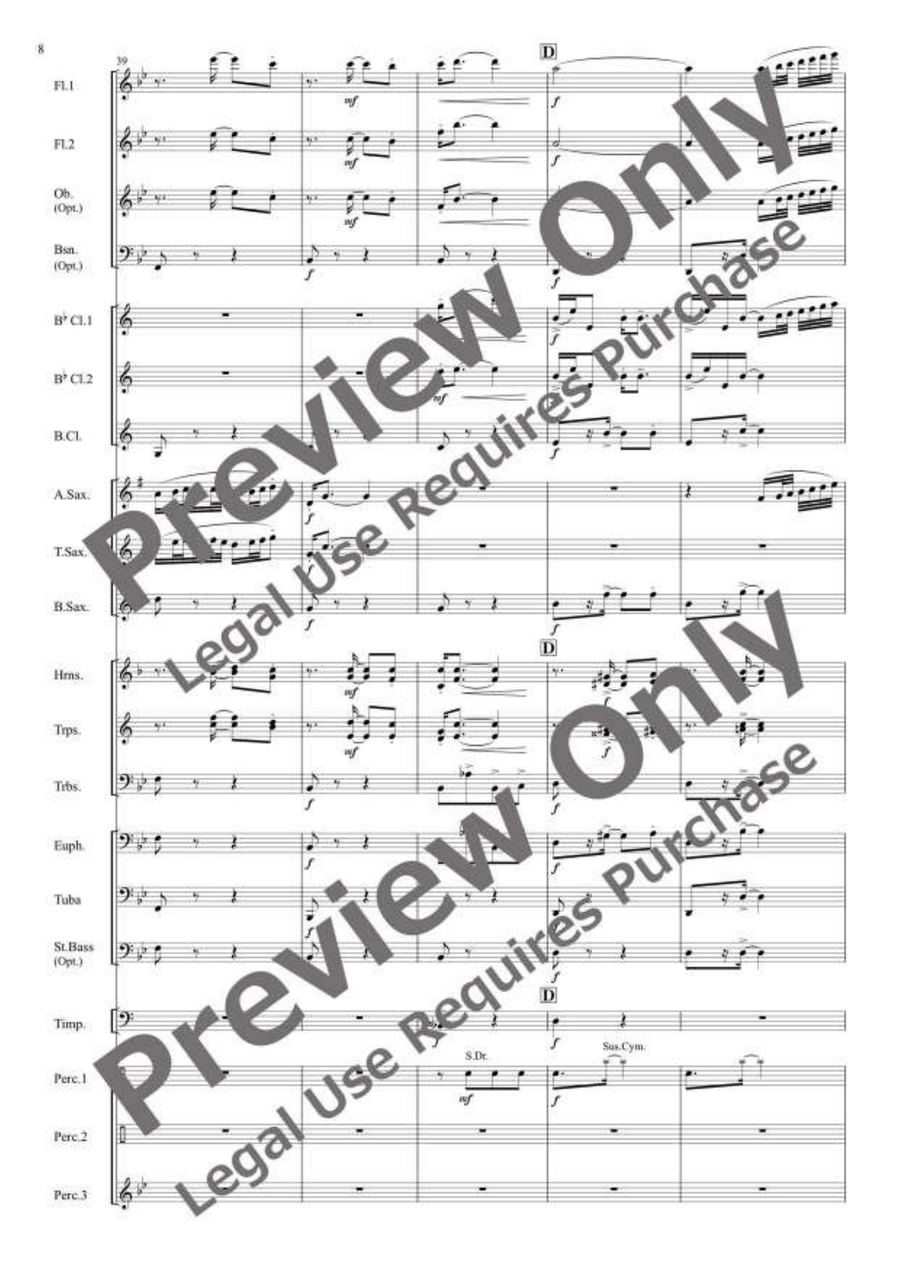
Composed by George Gershwin. Arranged by Yukiko Nishimura. Concert & Festival. Concert Repertoire Collection. Score. Bravo Music #COMS-85170A. Published by Bravo Music (BZ.COMS-85170A).This piano work was composed in 1926, shortly after the great success of "Rhapsody in Blue". An arrangement for violin and piano by Jascha Heifetz has been widely performed in recent years. With three movements, it gives an even cooler impression than "Rhapsody in Blue" with its jazzy rhythms, harmonies, and bluesy melodies. For better performance, play accents not so "strong" but "heavy" to produce a jazzy groove. Instead of playing every note earnestly, a good balance of heavy and light will make it sound more sophisticated. Harmony sections, in particular, will need to pay closer attention to this balance. In the second movement, it's essential to sense the broader phrasing which spreads horizontally. With some parts added, this piece has a larger instrumentation than the original. The unified rhythms of each section will result in a great performance. (Yukiko Nishimura).
- More by this Composer:
- George Gershwin George Gershwin Choir George Gershwin Piano George Gershwin Piano Accompaniment
- Instrument:
- Woodwinds Clarinet B-Flat Clarinet Woodwinds Clarinet Bass Clarinet Woodwinds Saxophone Tenor Saxophone Woodwinds Saxophone Baritone Saxophone Woodwinds Saxophone Alto Saxophone Brass Trumpet B-Flat Trumpet
- Artists:
- George Gershwin Yukiko Nishimura
- Ensemble:
- Concert Band
- Publisher:
- Bravo Music