
Details
- Ensembles:
- 4-Part String Quartet
- Genres:
- Renaissance
- Composers:
- Andrea Gabrieli
- Publishers:
- Theodore Presser Company
- UPC:
- 680160642465
- Format:
- Score Set of Parts Score and Parts
- Item types:
- Physical
- Artist:
- Andrea Gabrieli
- Usages:
- School and Community
- Number of Pages:
- 28
- Size:
- 9 x 12 inches
- Shipping Weight:
- 1.56 pounds
SKU: PR.154400180
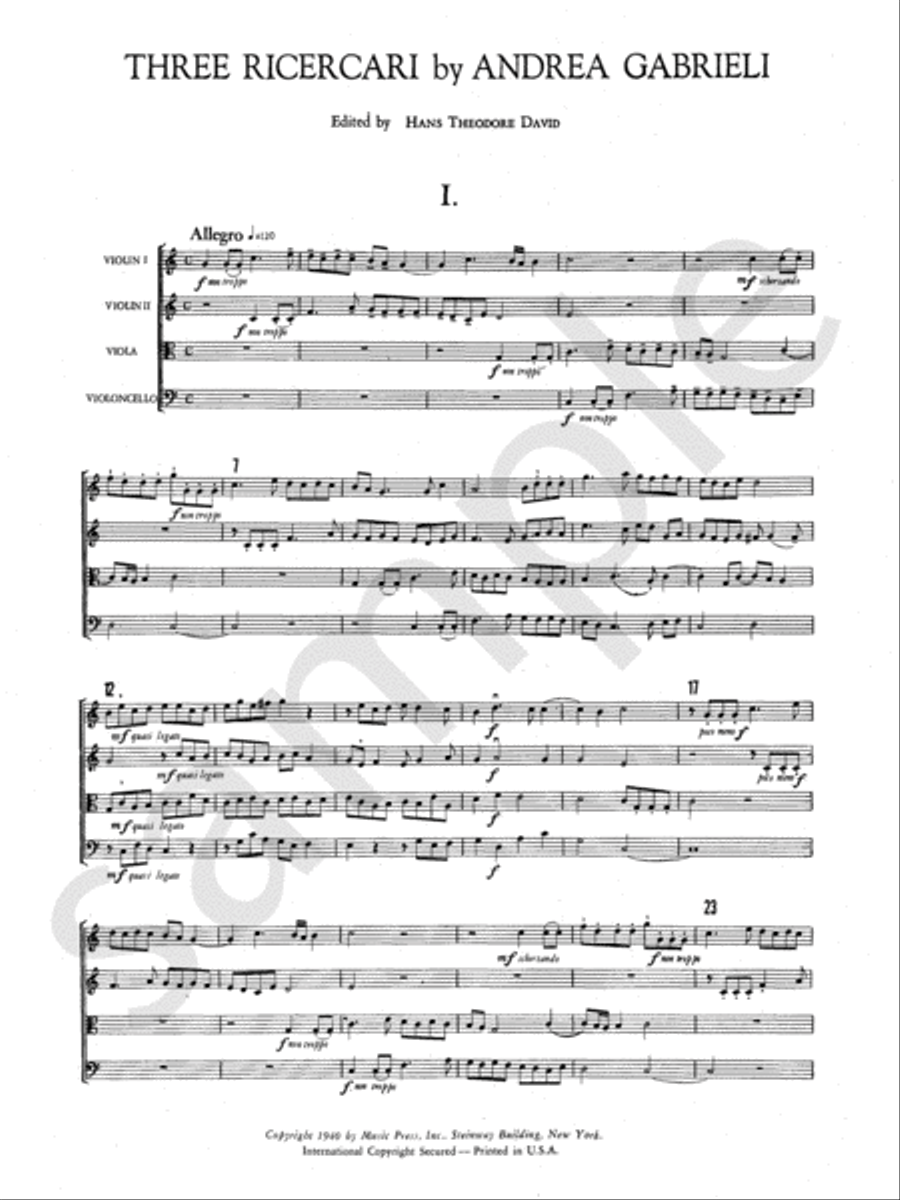
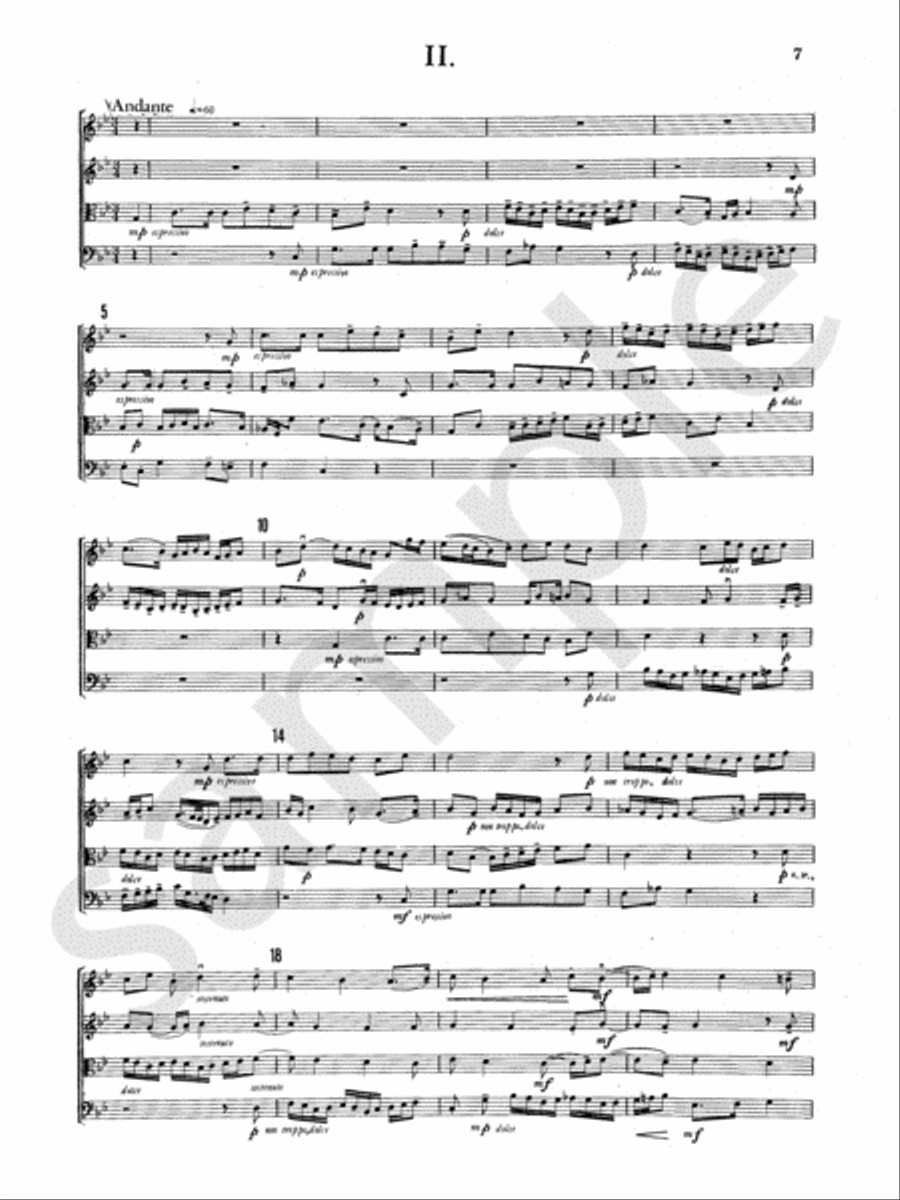
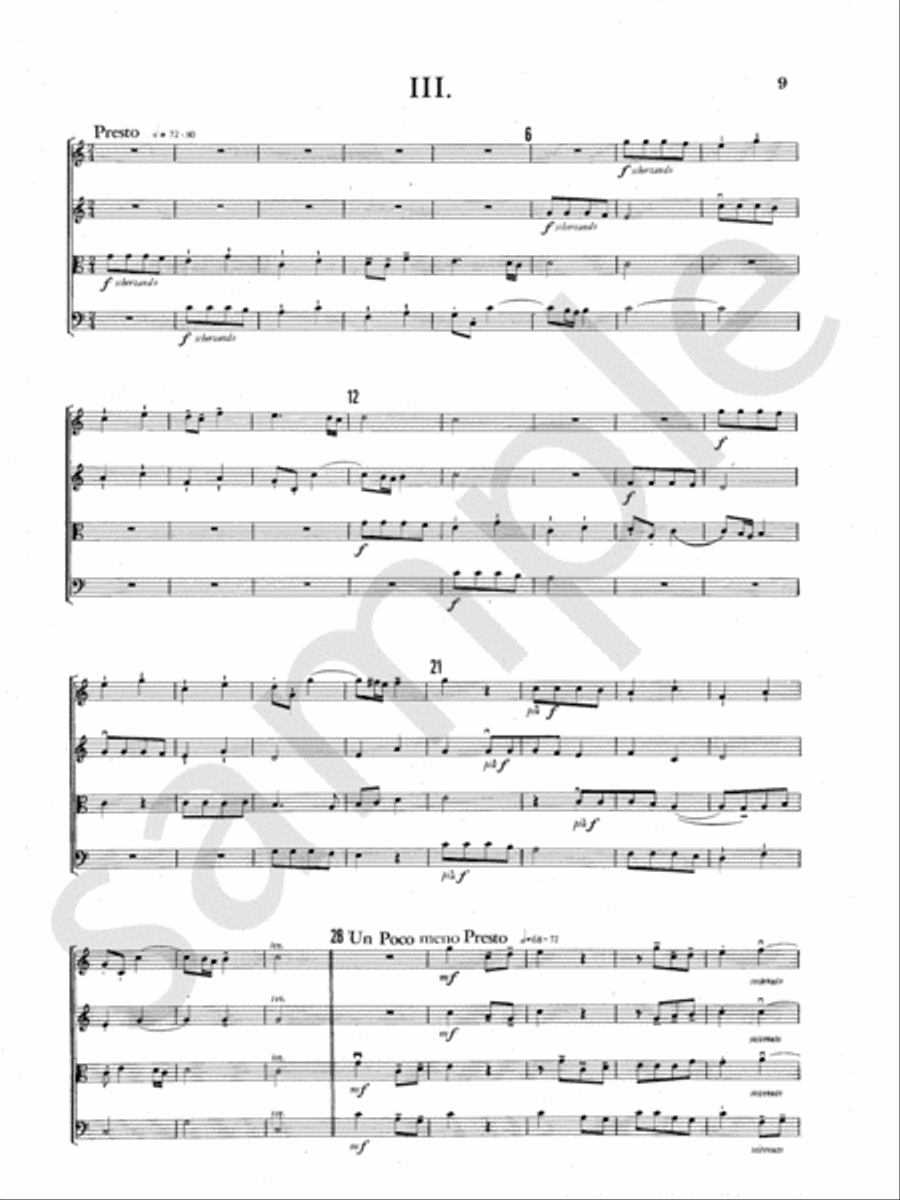
Composed by Andrea Gabrieli. Edited by Hans David. Arranged by Hans Theodore David. This edition: saddle-wire stitch. Sws. Renaissance. Score and parts. With Standard notation. 28 pages. Theodore Presser Company #154-40018. Published by Theodore Presser Company (PR.154400180).UPC: 680160642465. 9 x 12 inches.
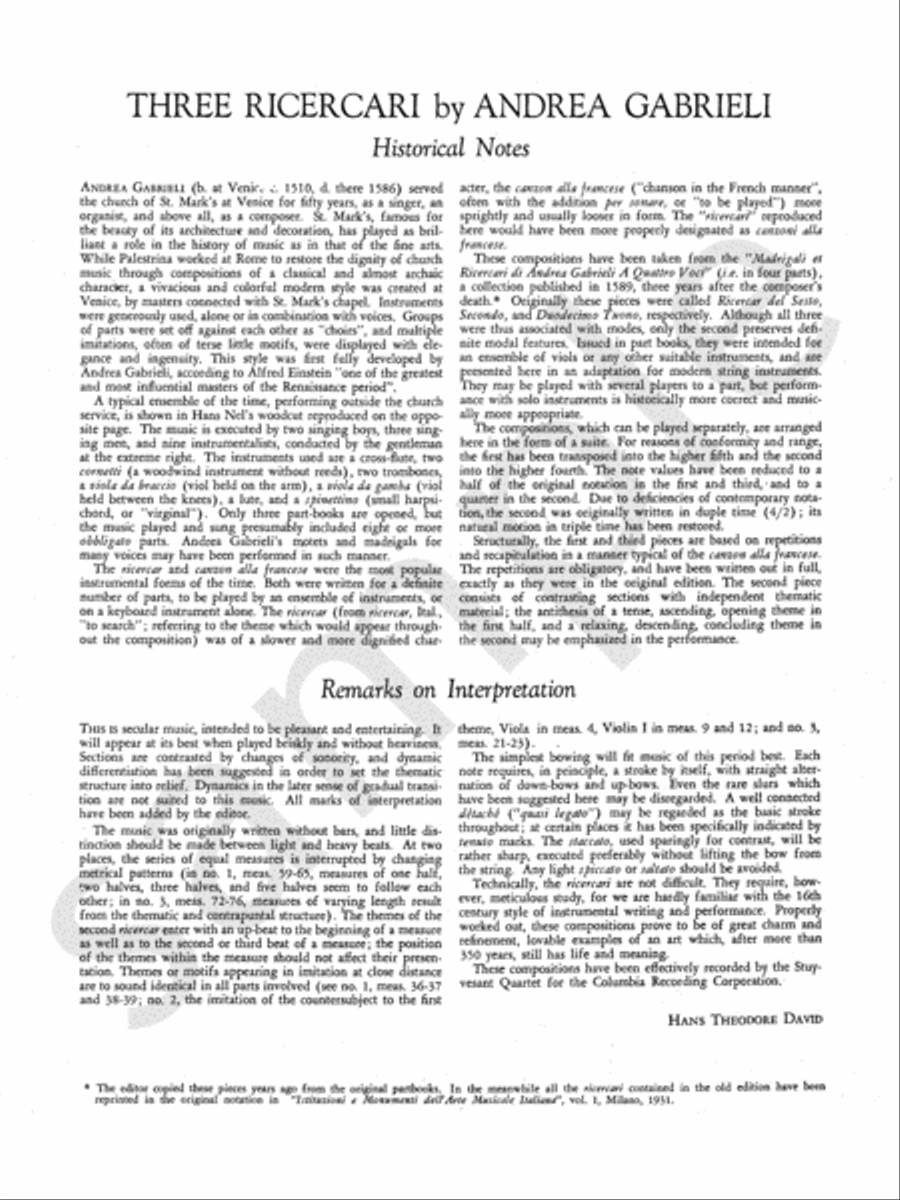
Andrea Gabrieli was a major force in moving the classical music world toward the more modern Venetian school of the Renaissance. Called by Alfred Einstein "One of the greatest and most influential masters of the Renaissance period," Gabrieli fully developed the use of choirs of voices and instruments, often in opposition to each other. David has selected three examples from a posthumous 1589 collection, advising that the four-part pieces were originally scored for viols but are here arranged for modern instruments. And while the arrangement will accommodate a number of players per part, single players would be more historically correct. As important as Andrea was to the Venetian School, his fame would be eclipsed by his nephew and student, Giovanni Gabrieli.
- More by this Composer:
- Andrea Gabrieli Andrea Gabrieli Choir Andrea Gabrieli Recorder Andrea Gabrieli Trombone
- Artists:
- Andrea Gabrieli
- Ensemble:
- 4-Part String Quartet
- Publisher:
- Theodore Presser Company