Details
- Instrument:
- Choir Voice Basso Continuo
- Ensembles:
- 4-Part SATB Mixed Choir
- Genres:
- Christian Baroque Period Easter
- Composers:
- Johann Sebastian Bach
- Publishers:
- Carus Verlag
- Series:
- Stuttgart Urtext Edition
- ISBN:
- 9790007164386
- Format:
- Score
- Item types:
- Physical
- Musical forms:
- Cantata
- Artist:
- Johann Sebastian Bach
- Usages:
- Easter
- Size:
- 8.27 x 11.69 inches
- Number of Pages:
- 56
- Shipping Weight:
- 0.58 pounds
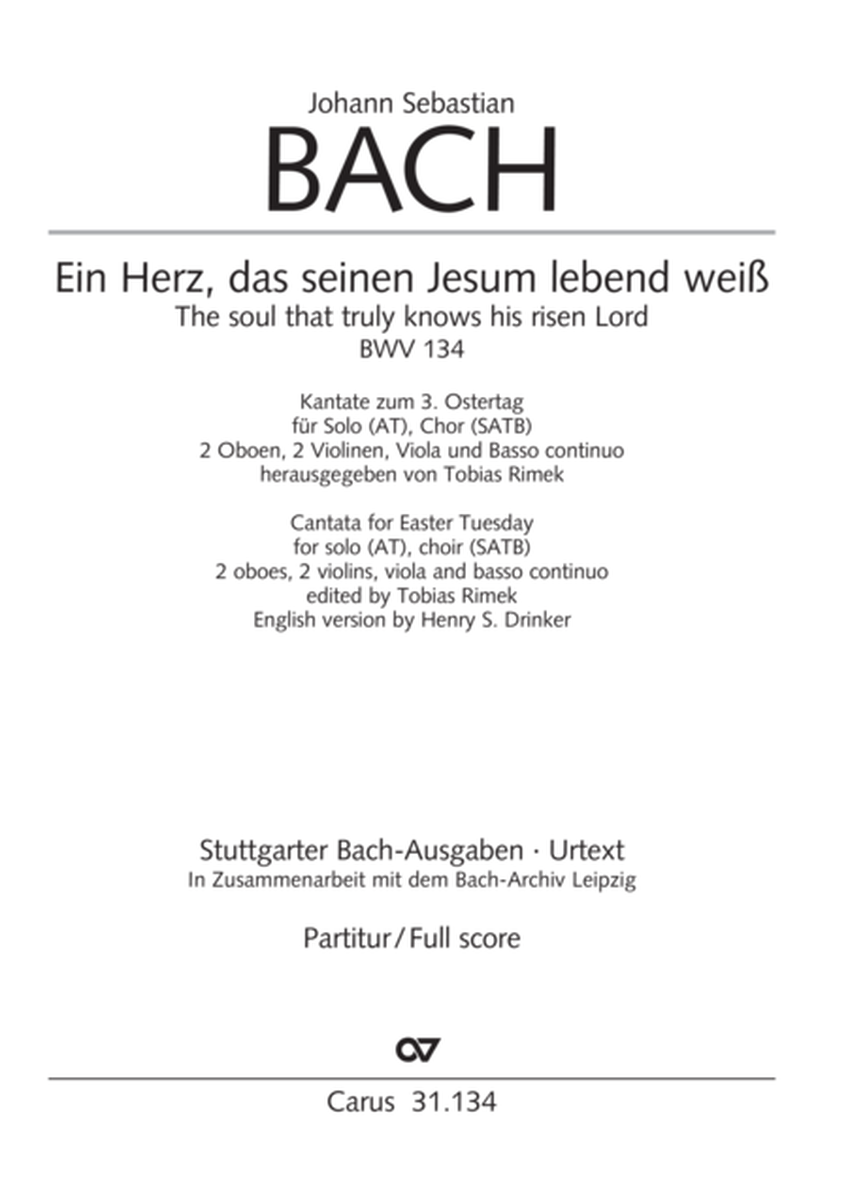
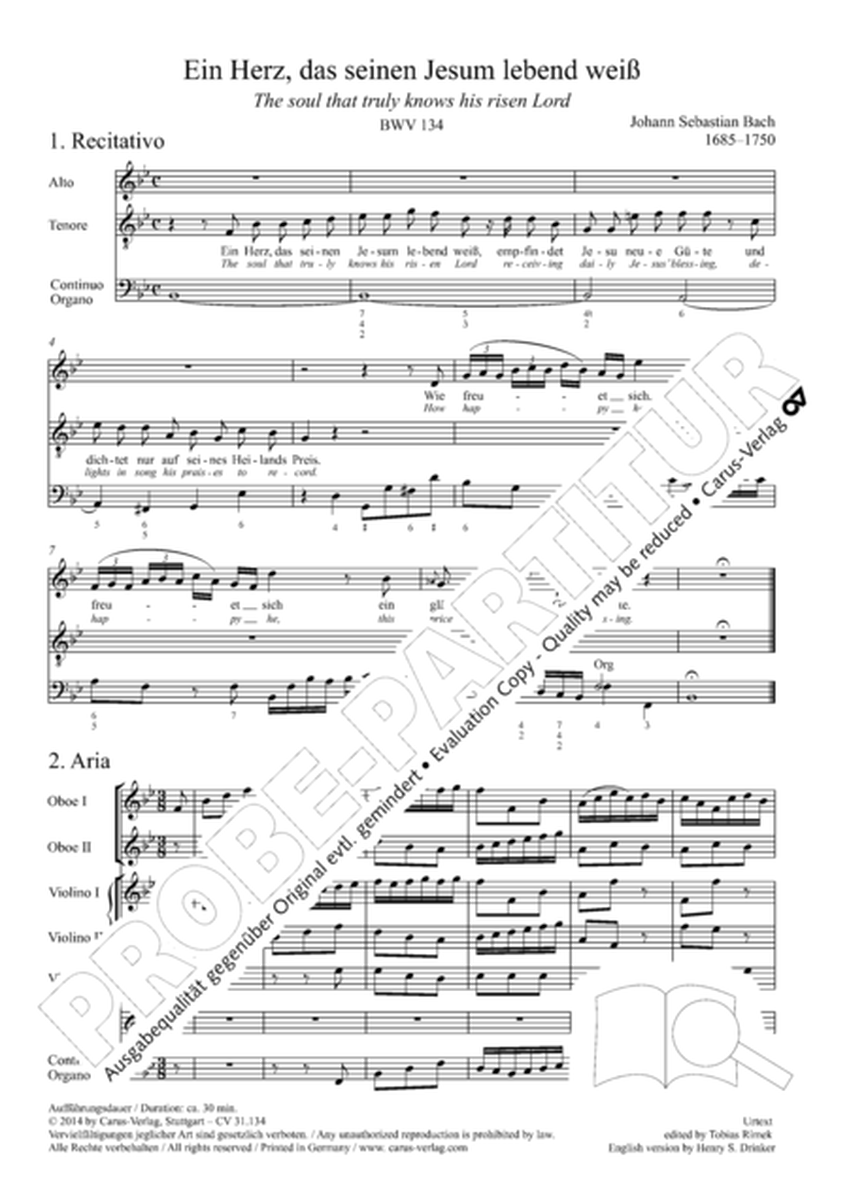
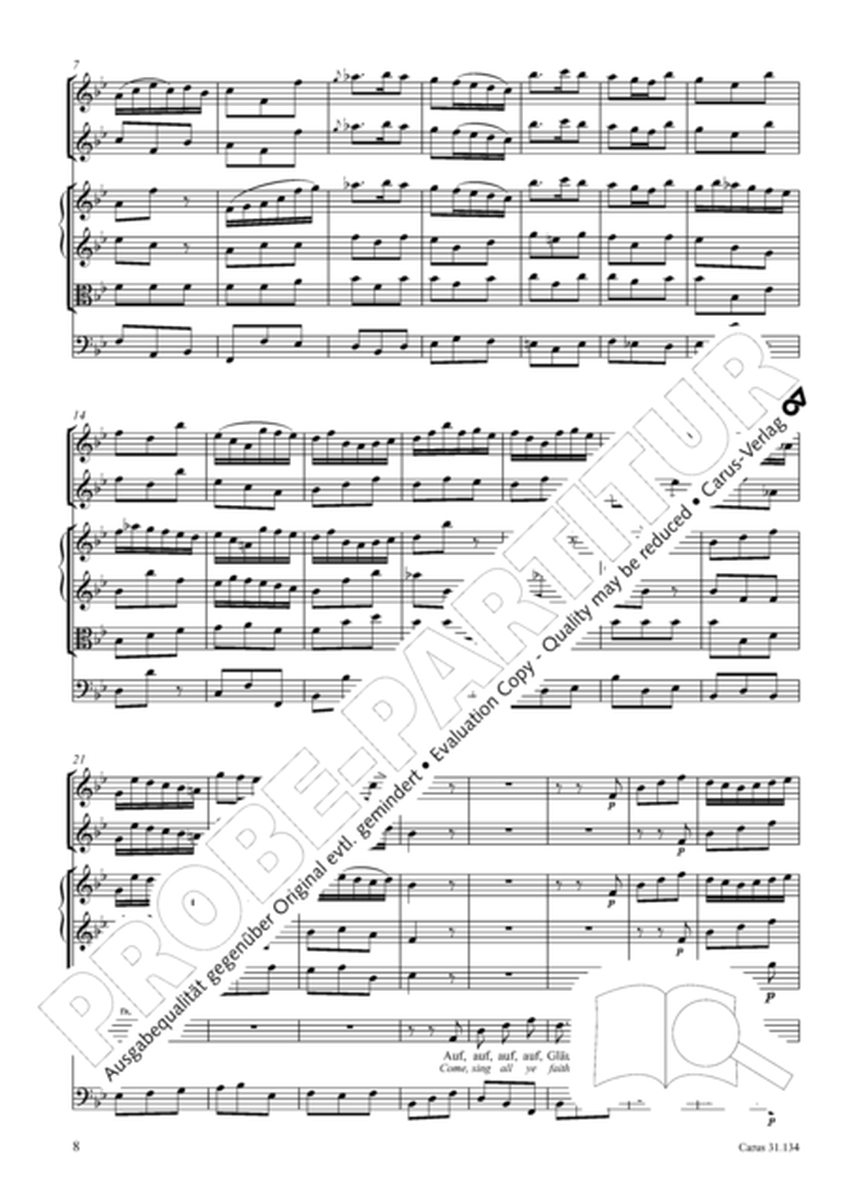
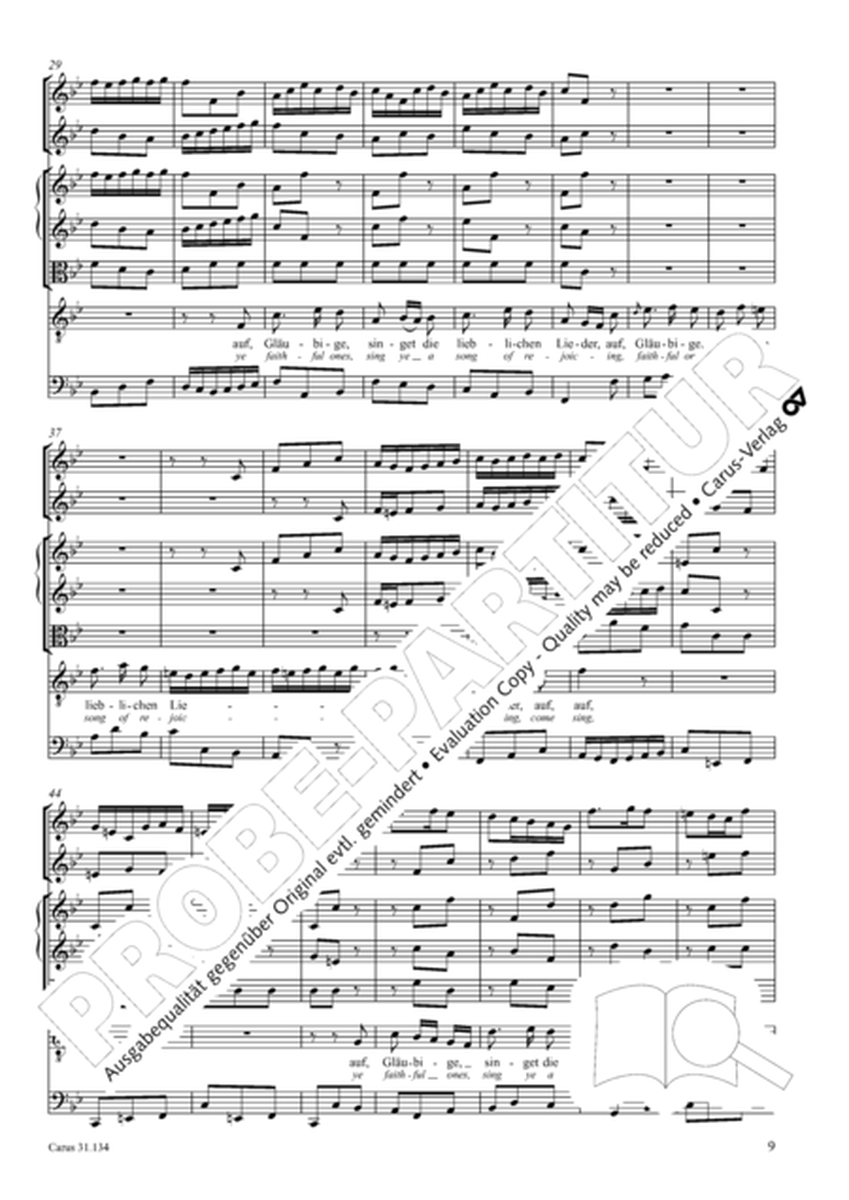
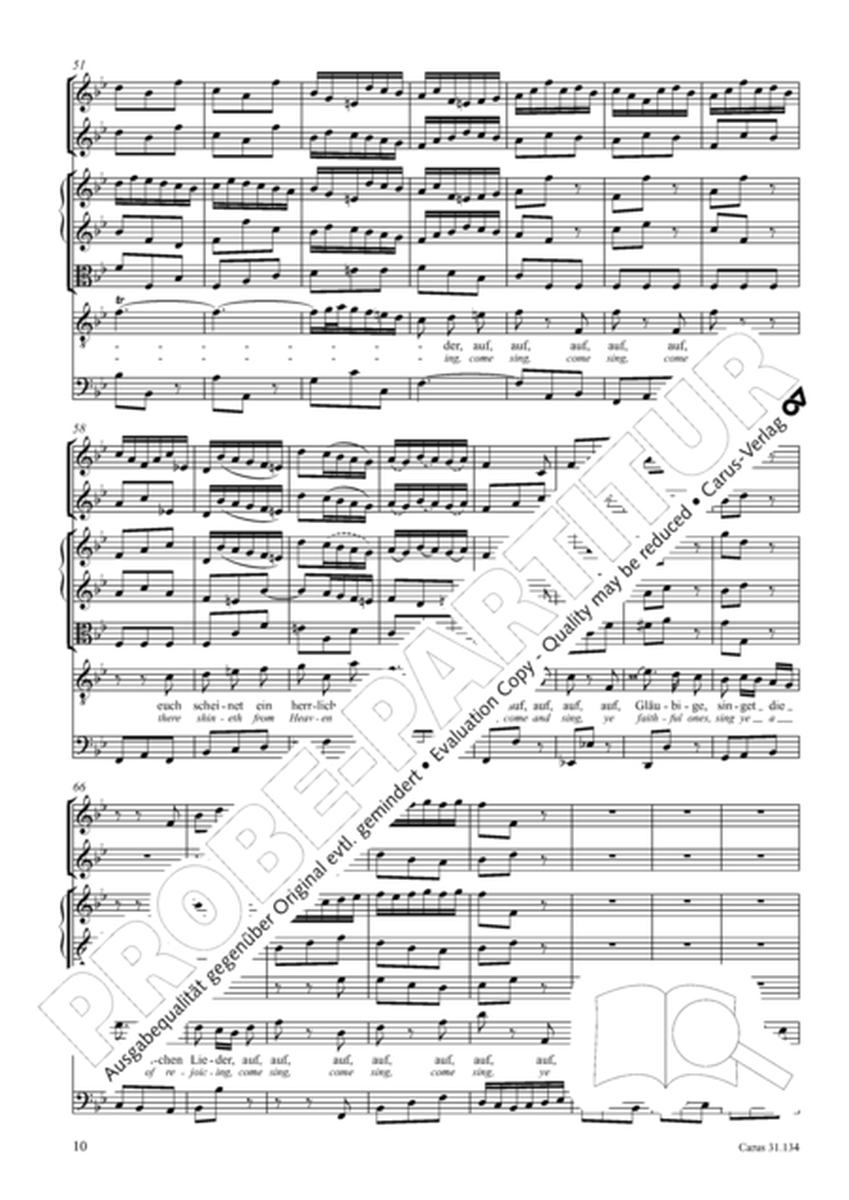
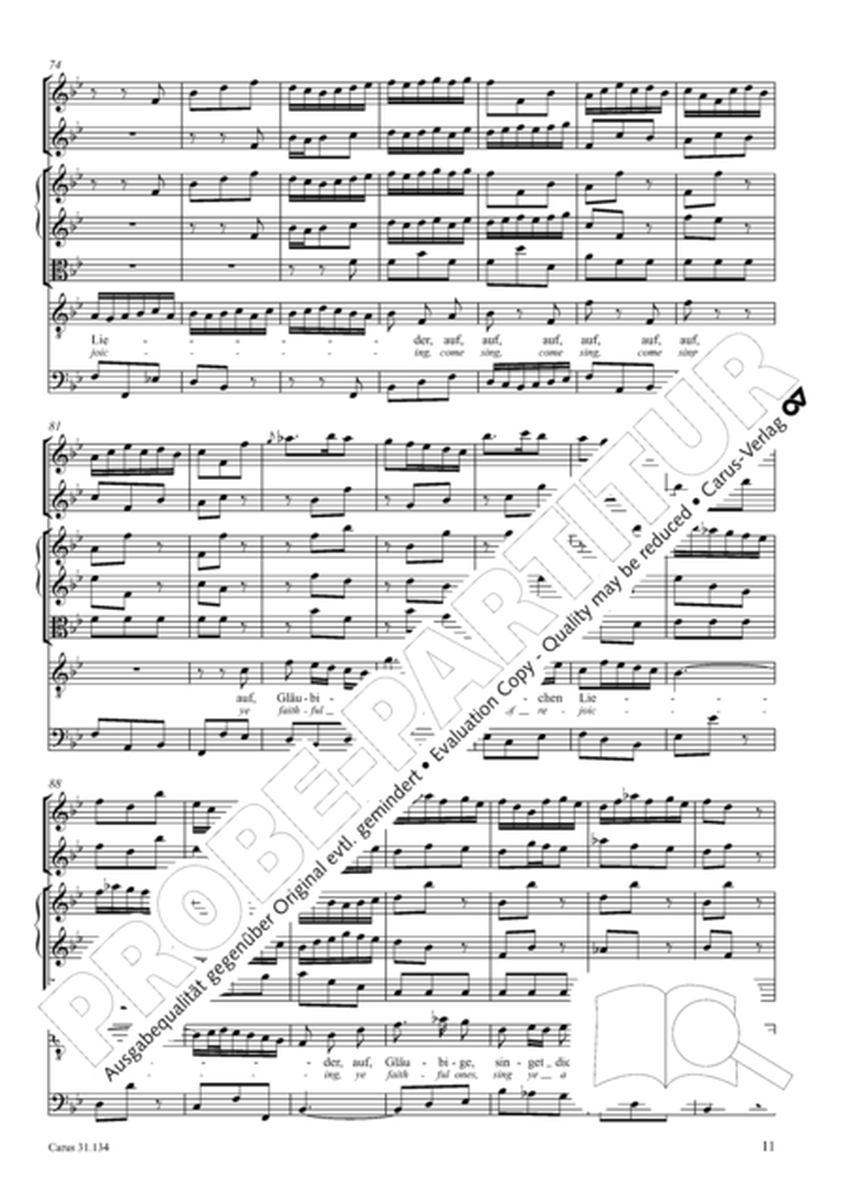
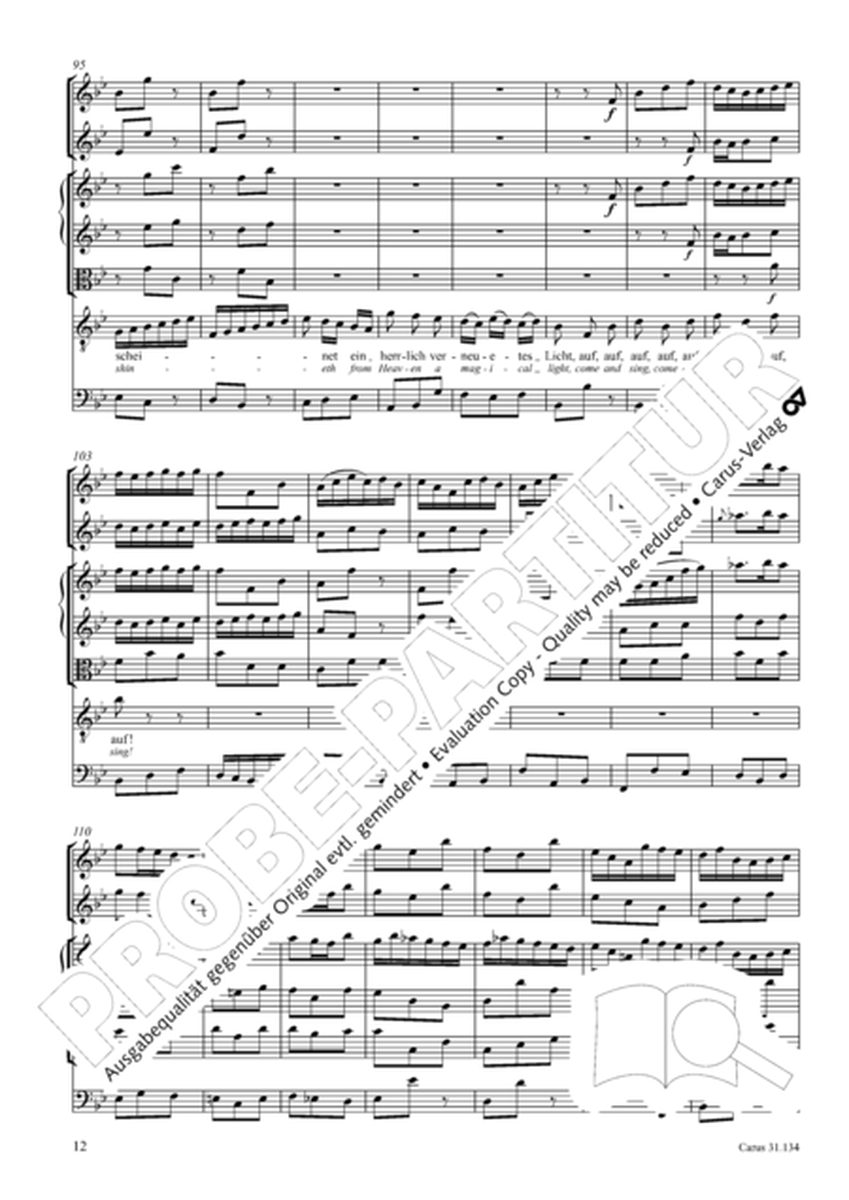
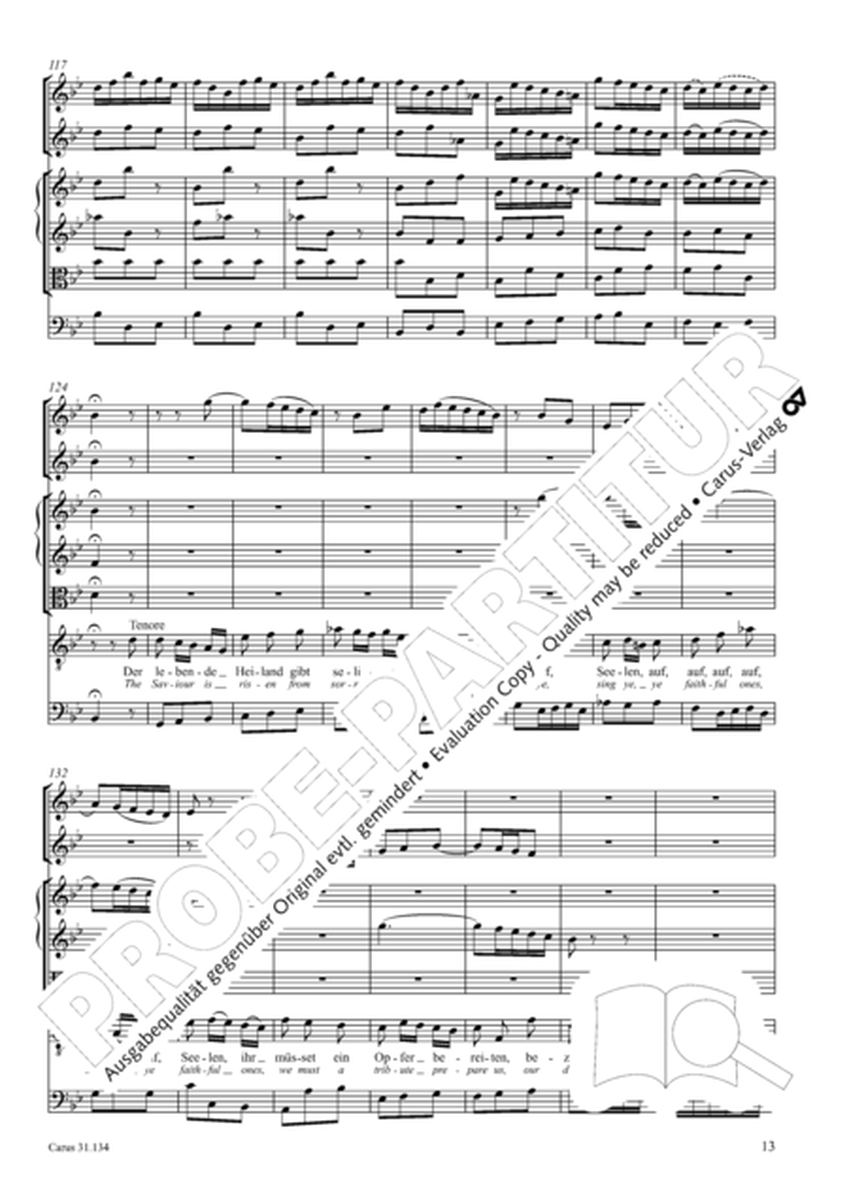
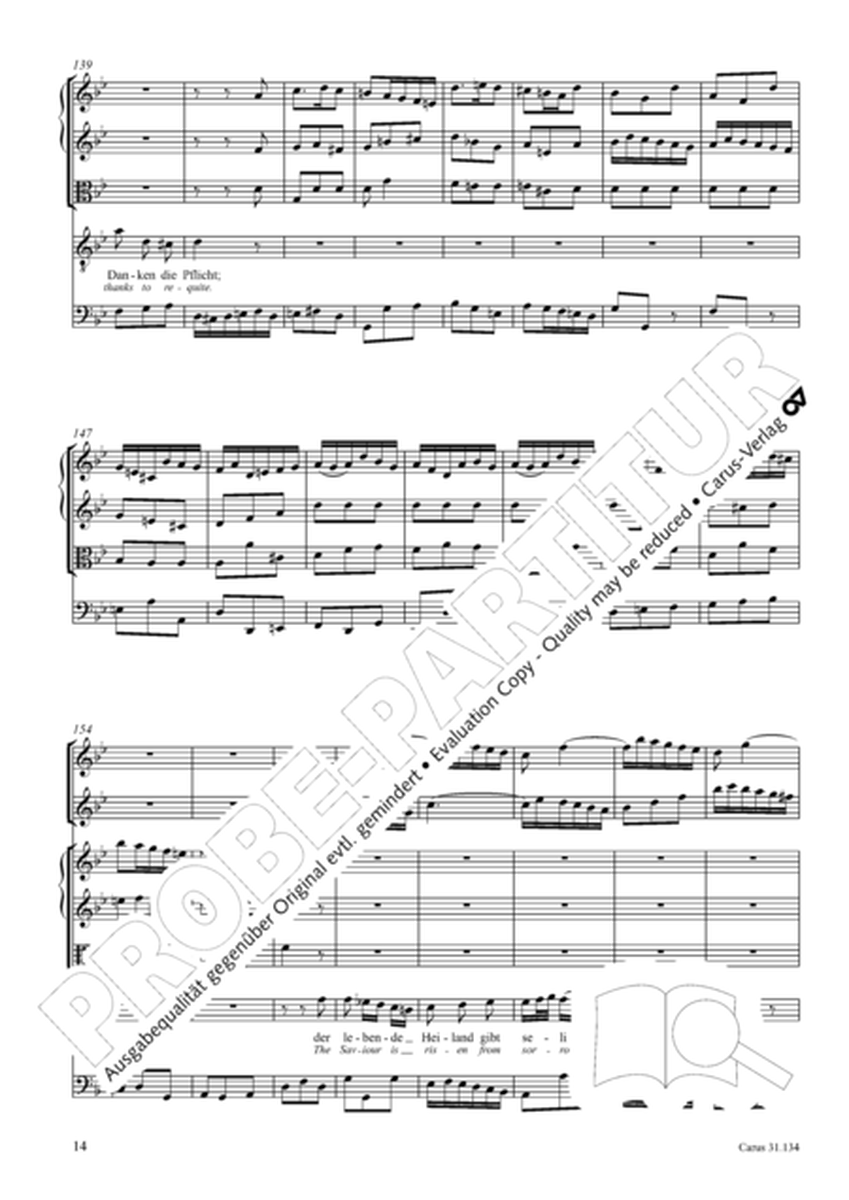
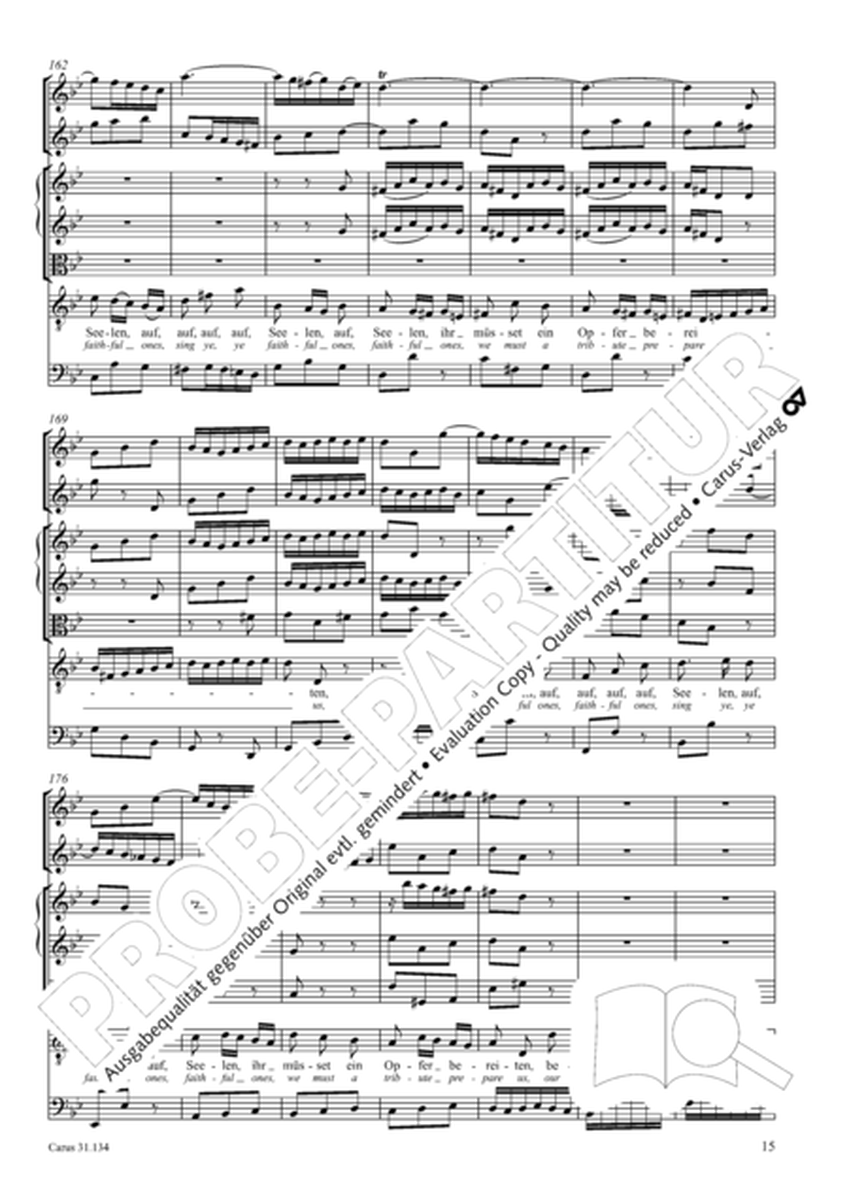
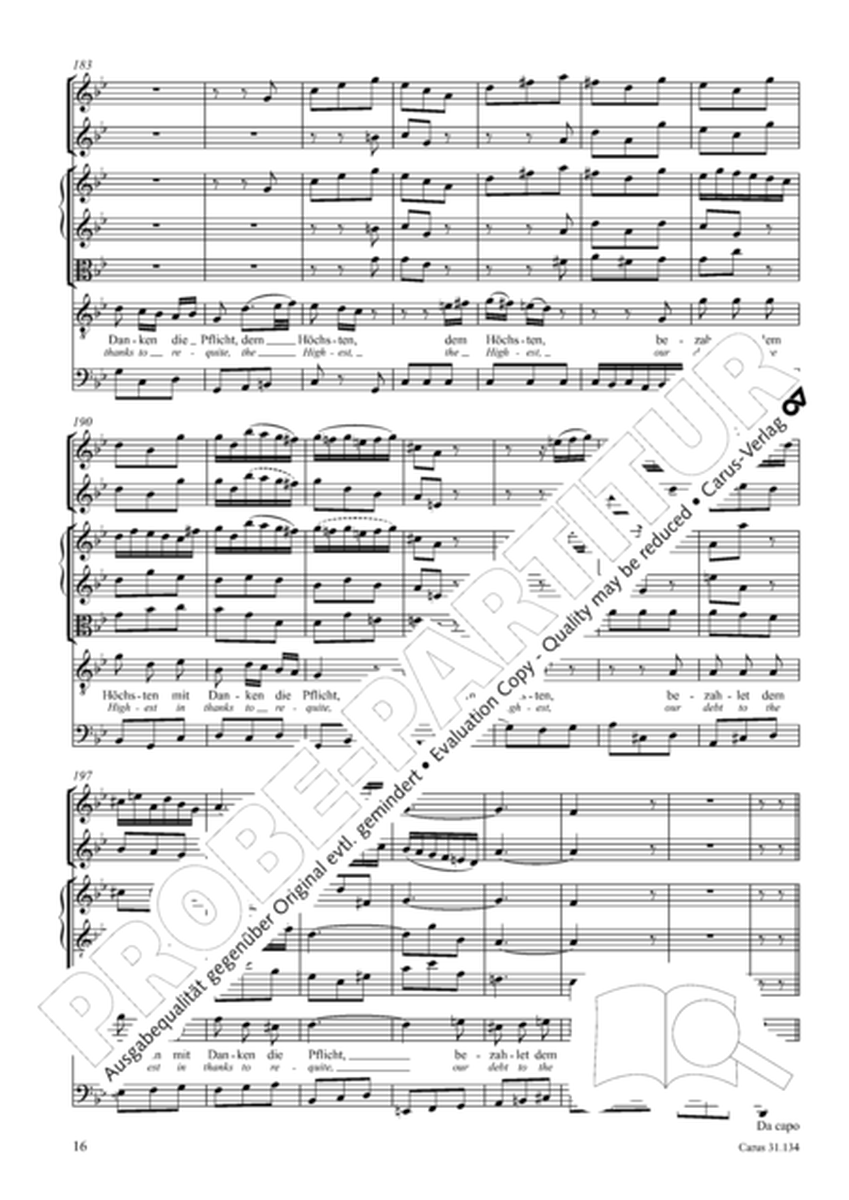
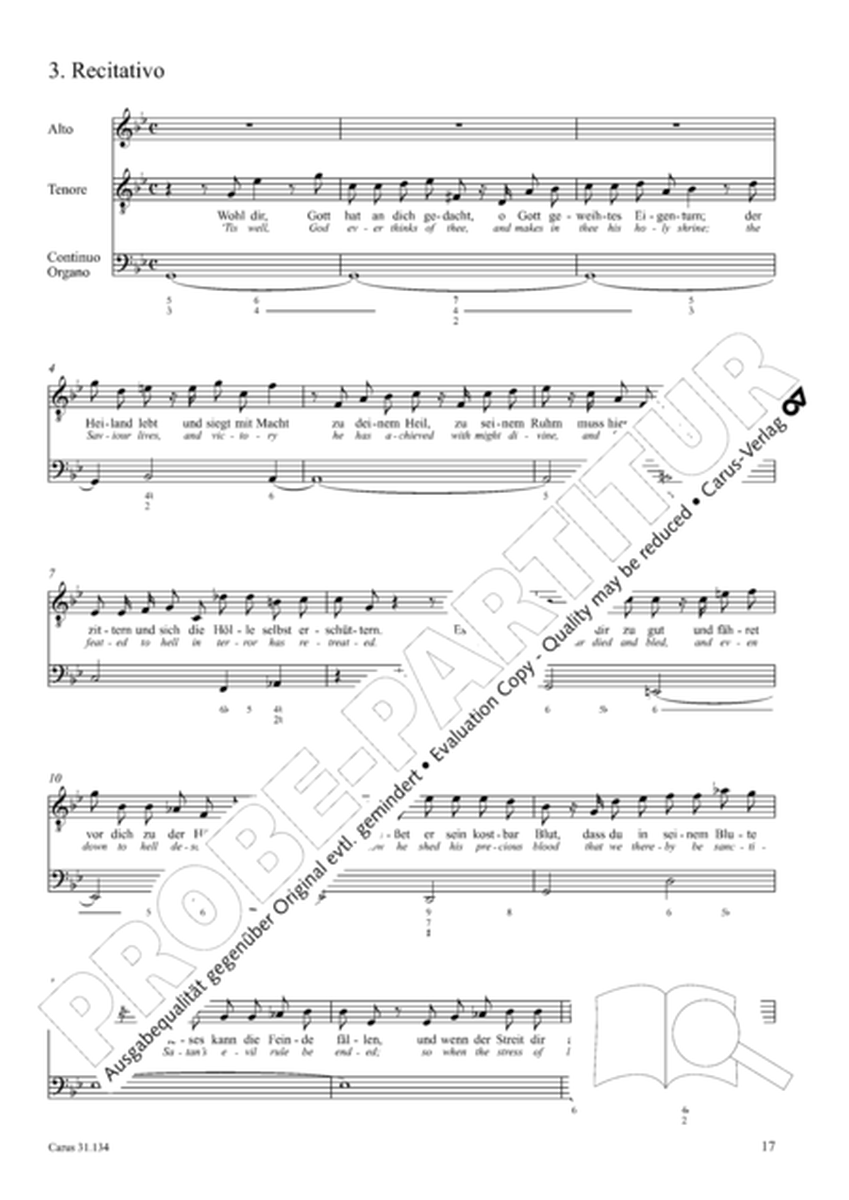
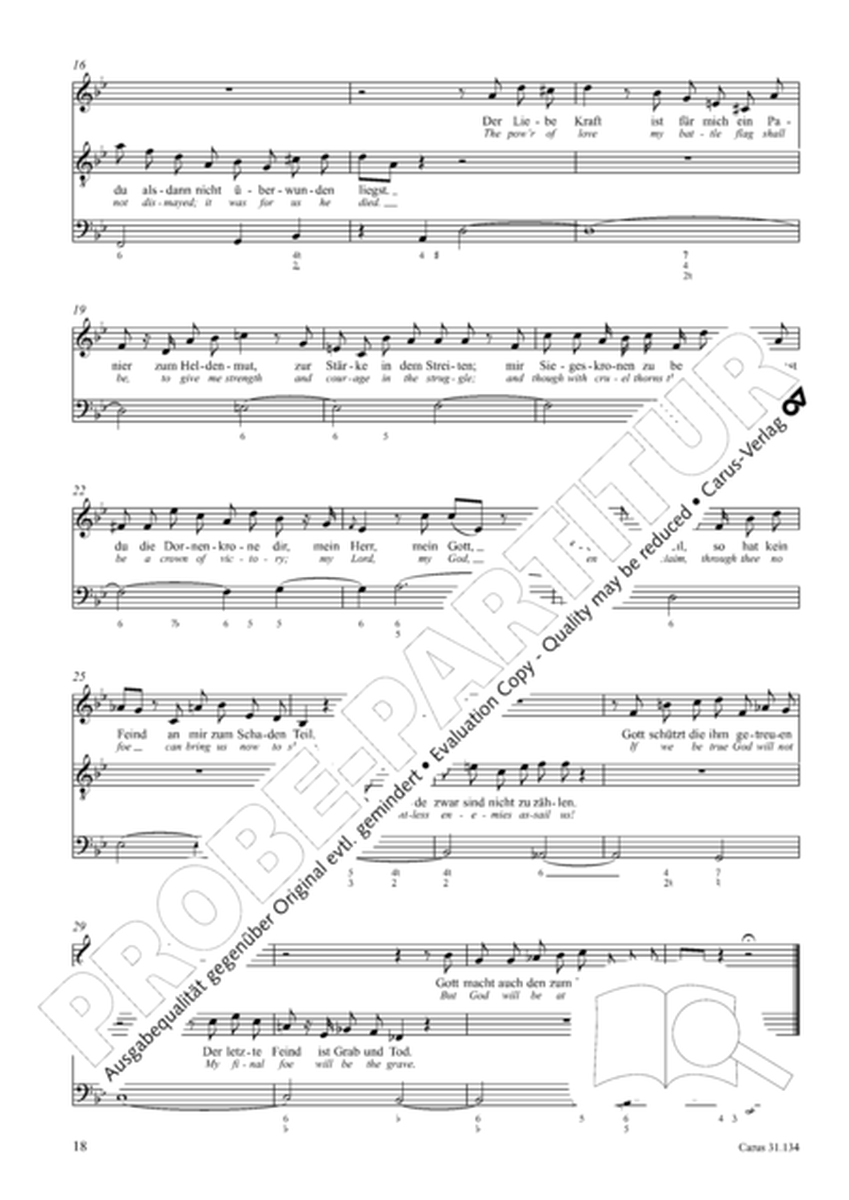
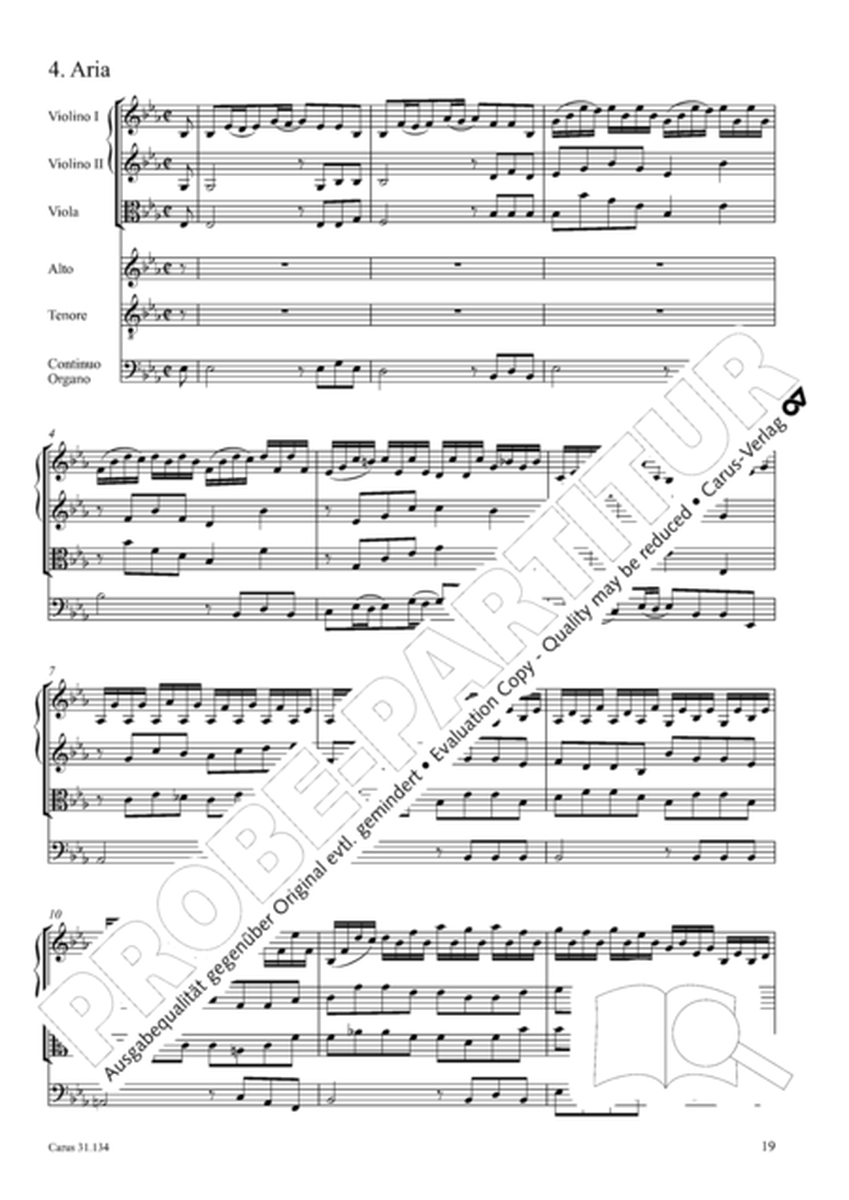
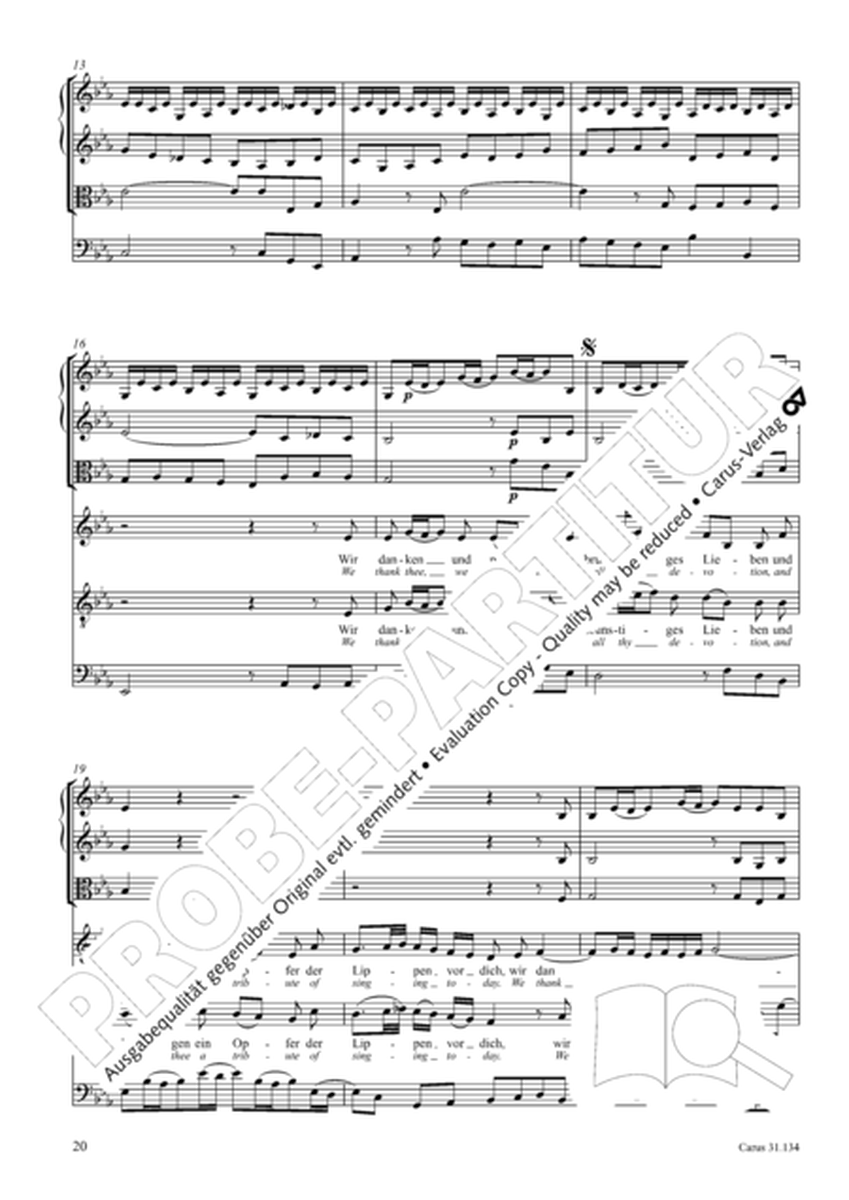
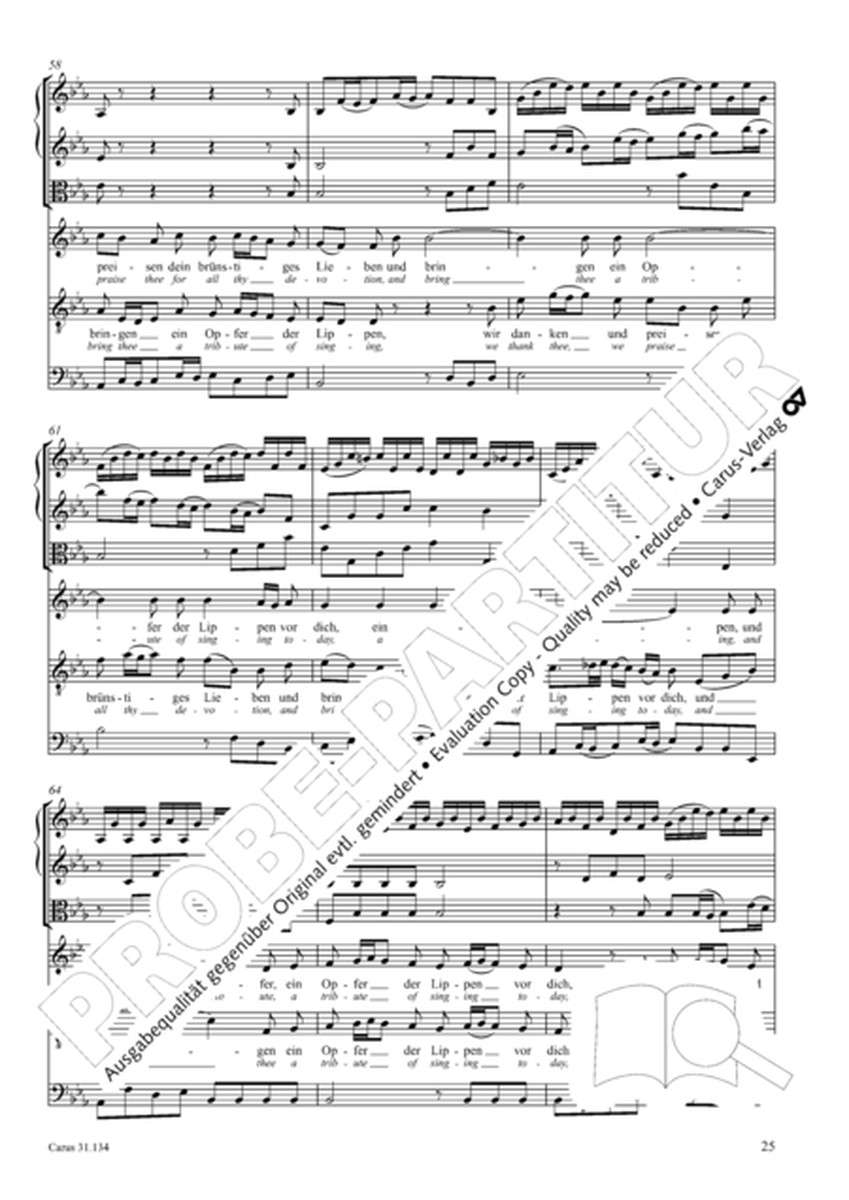
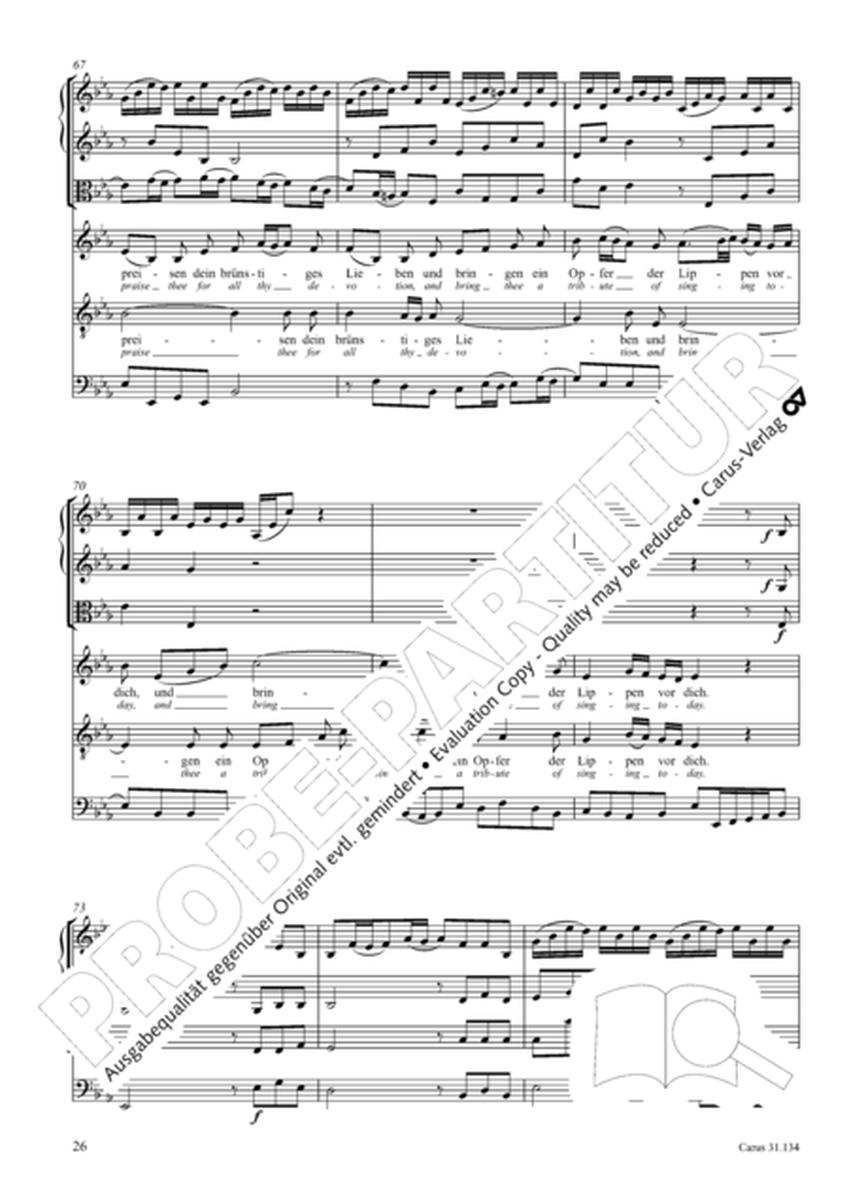
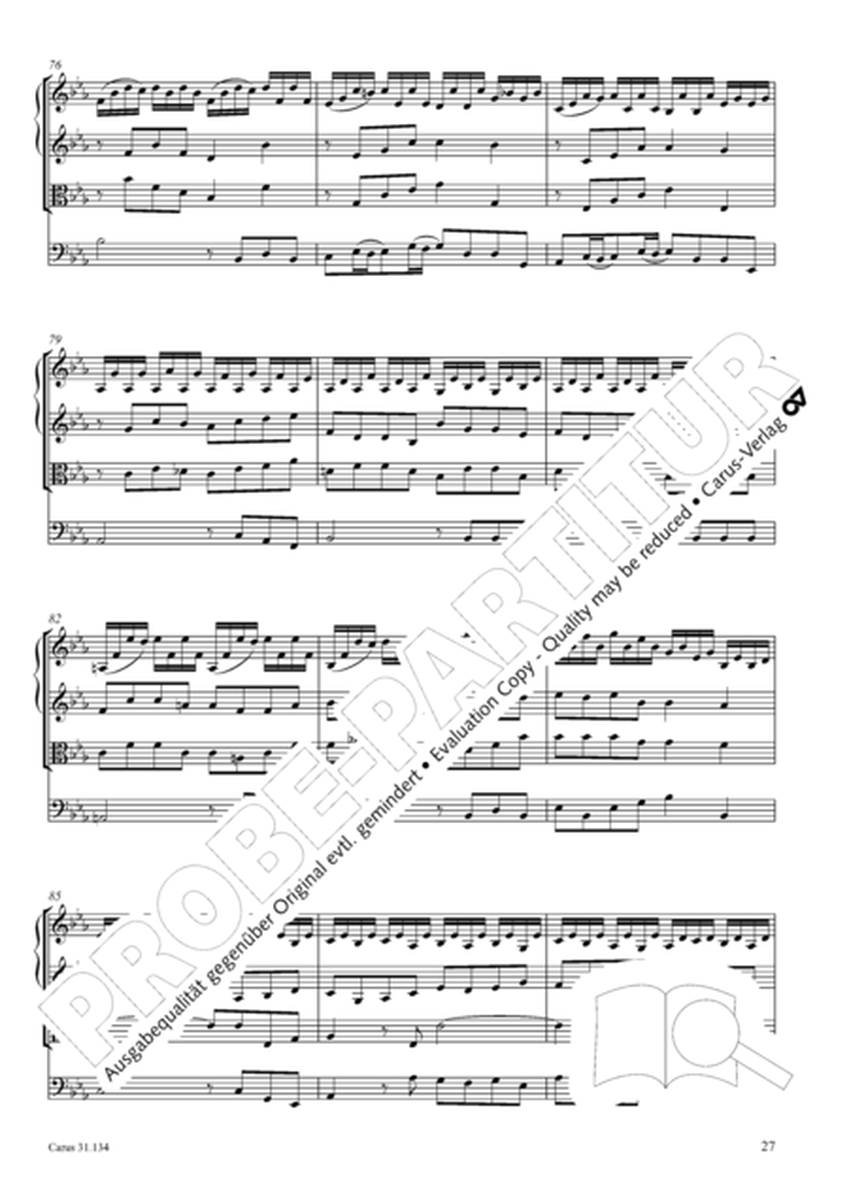
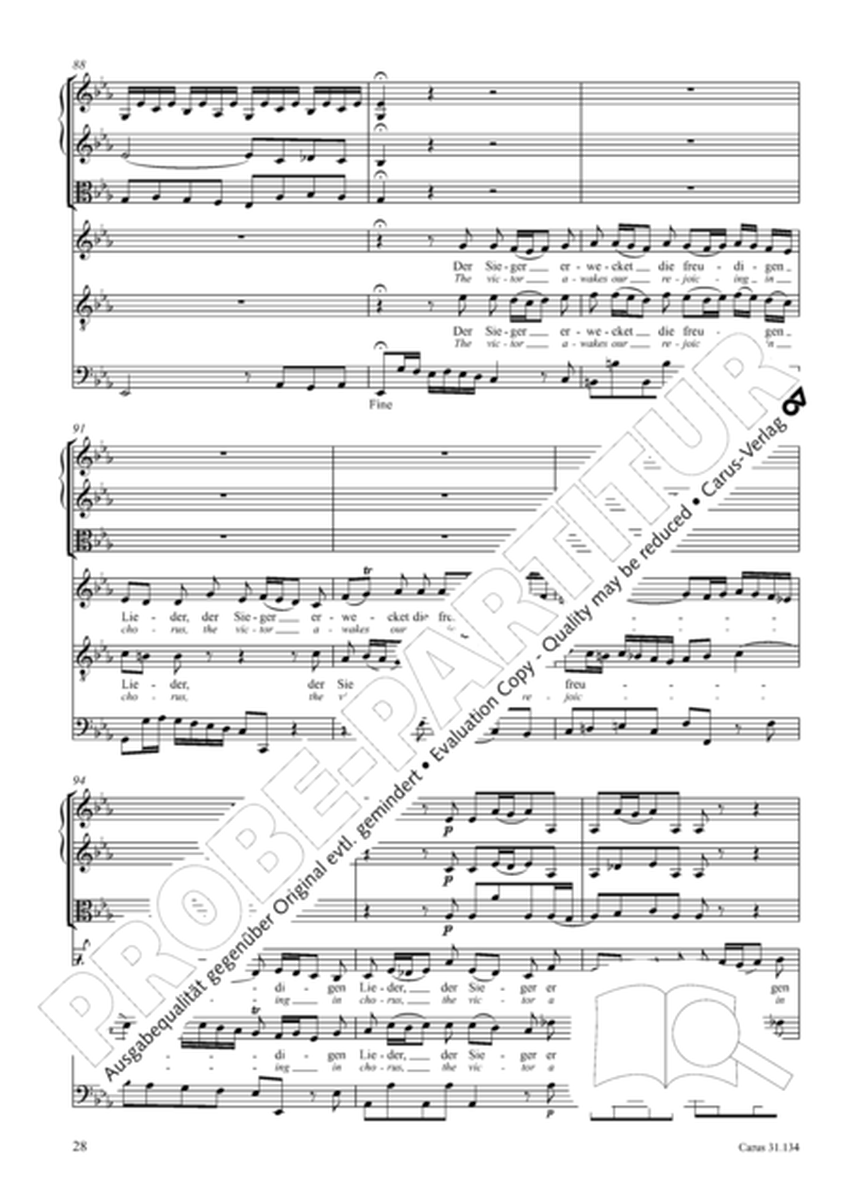
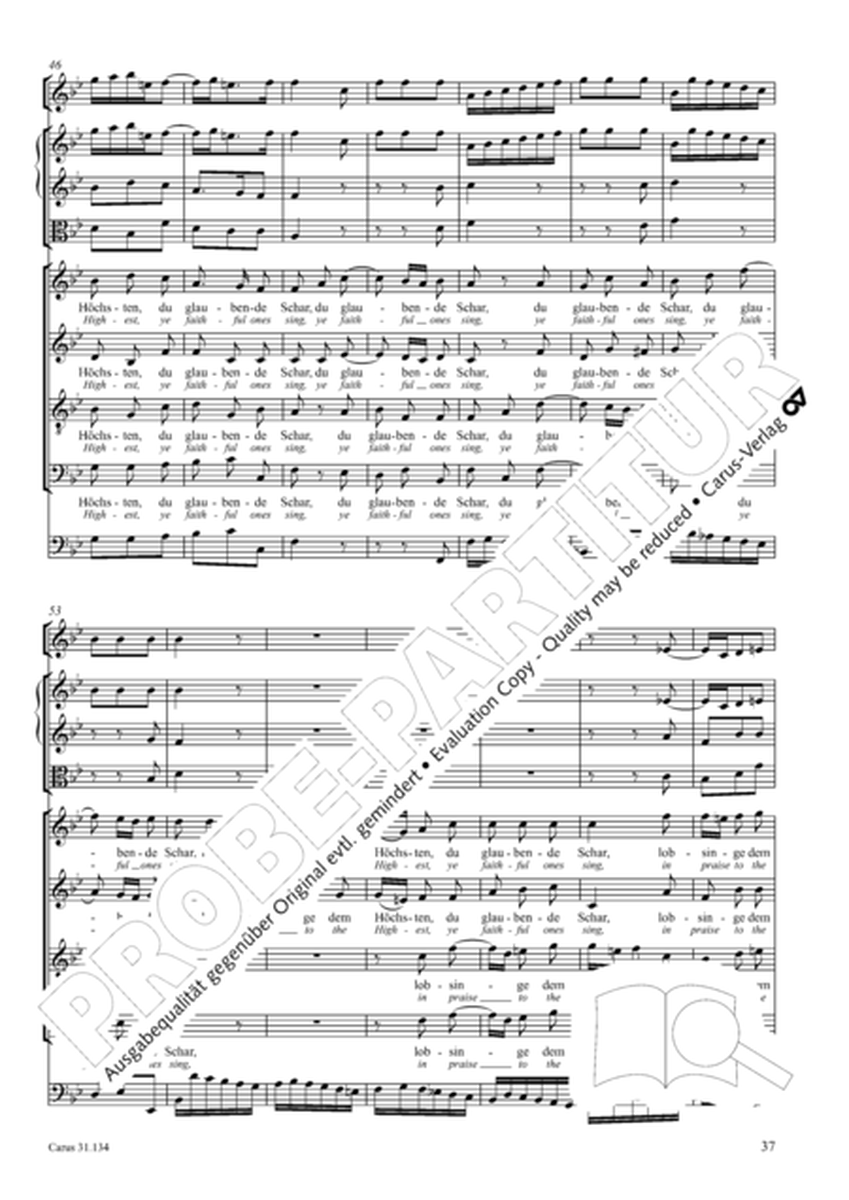
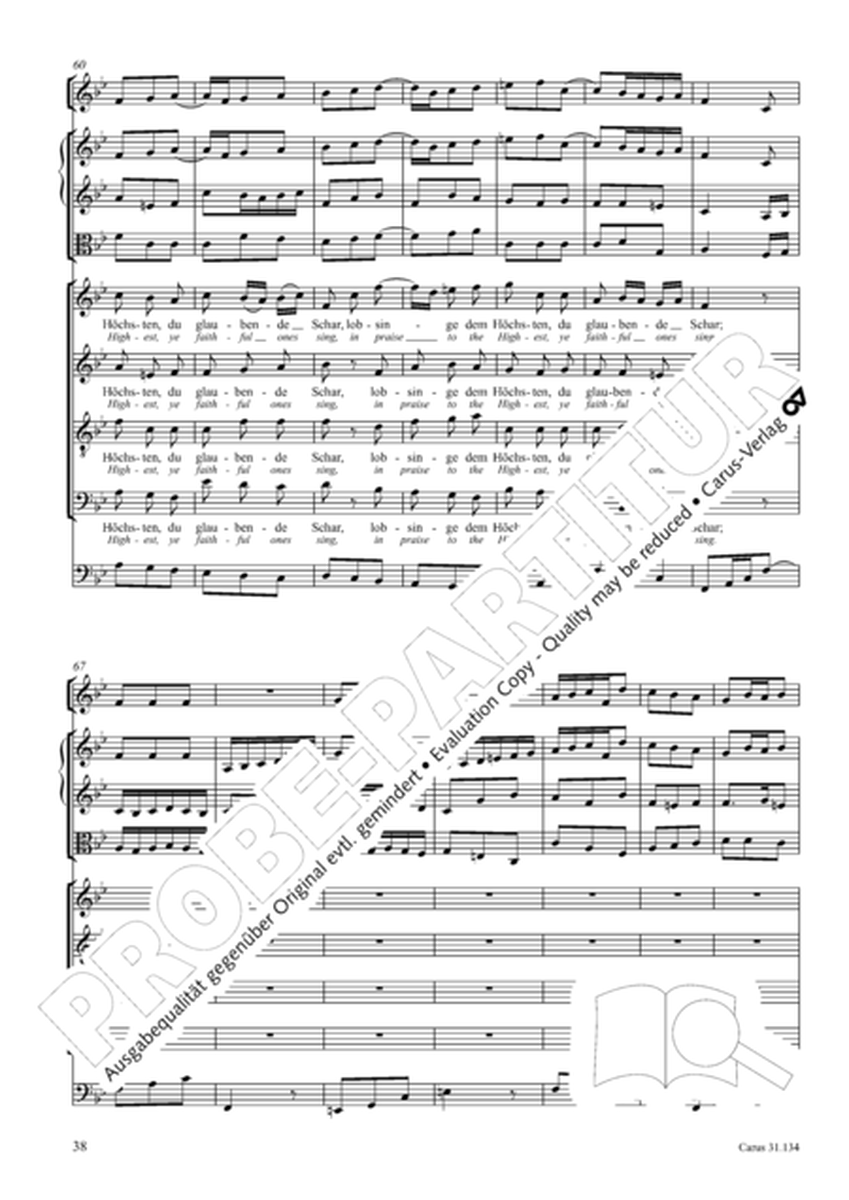
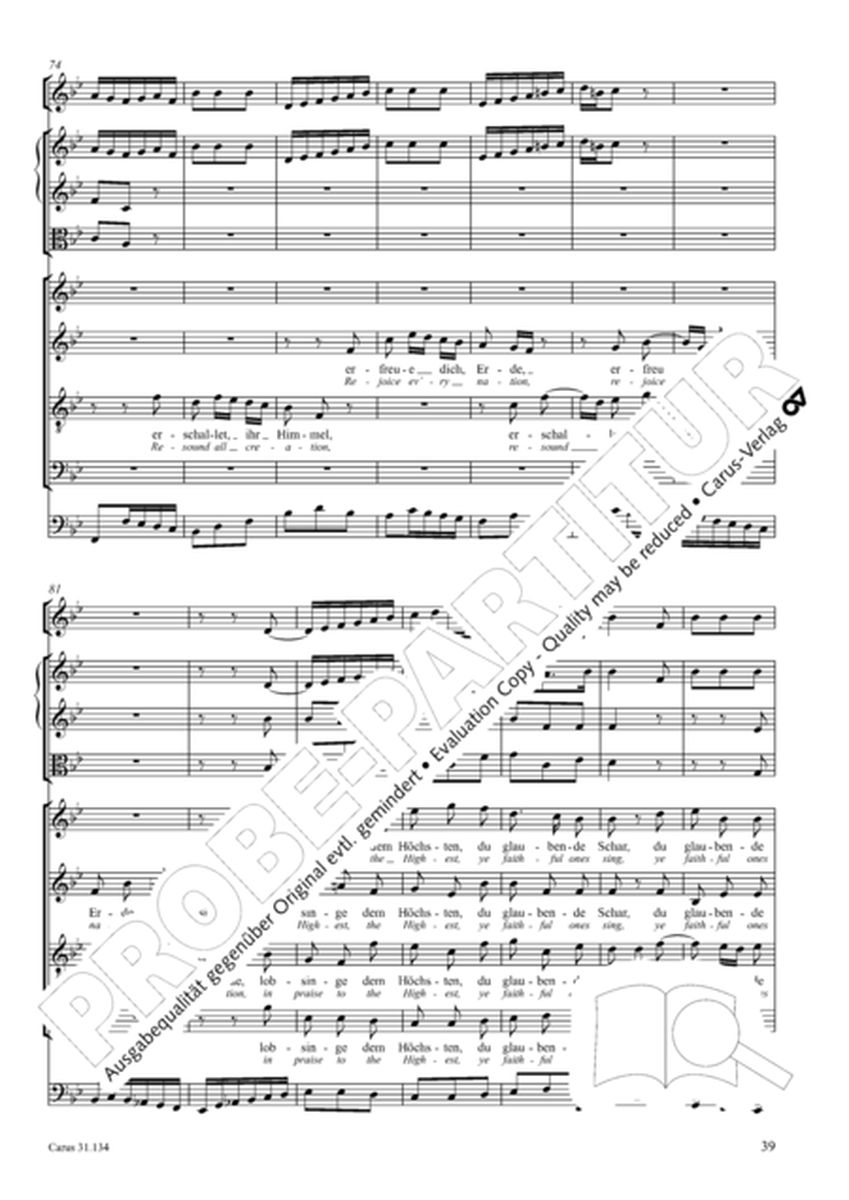
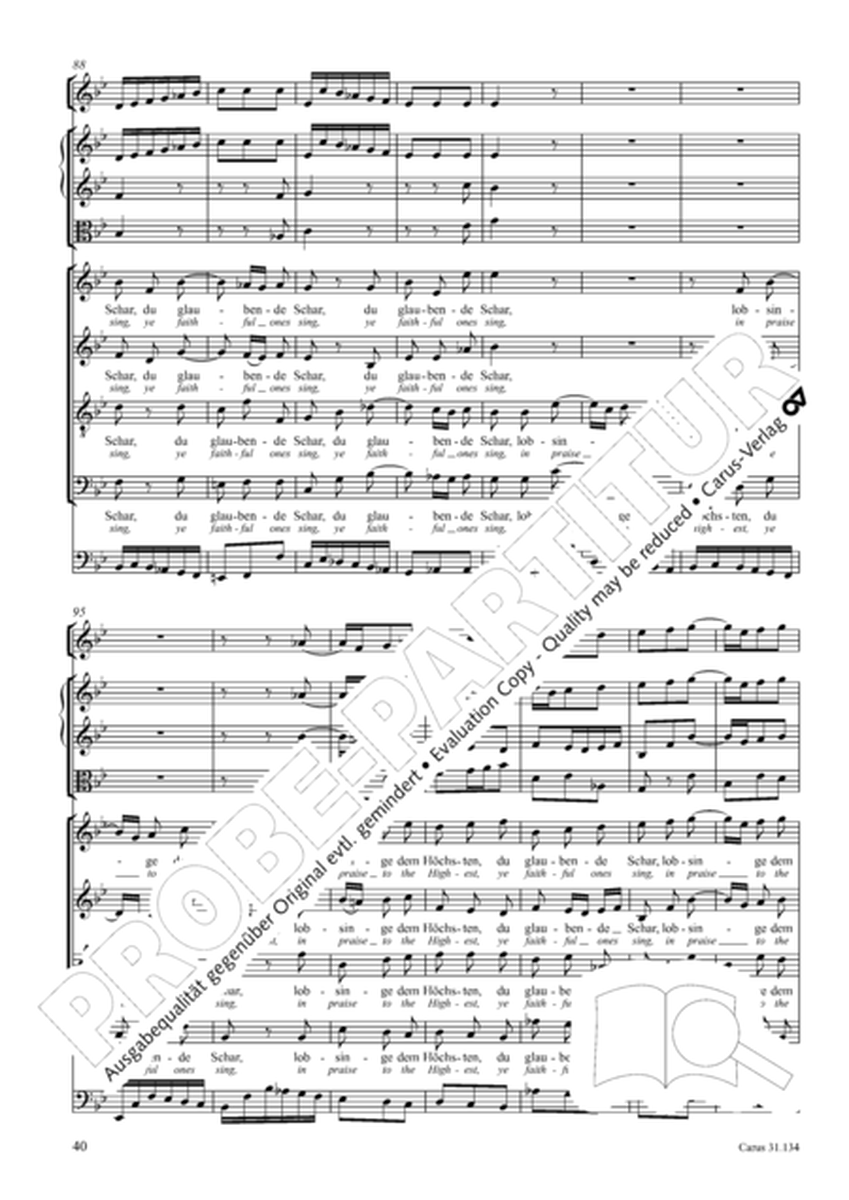
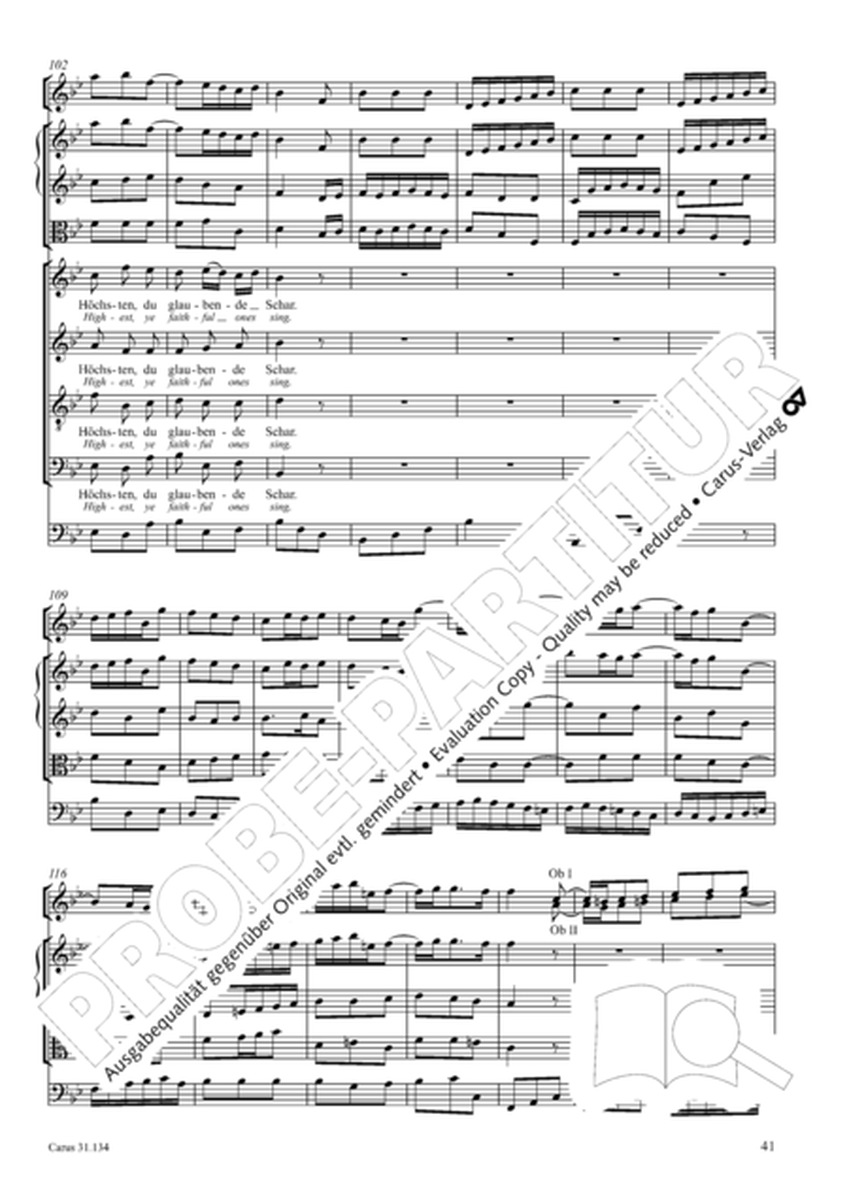
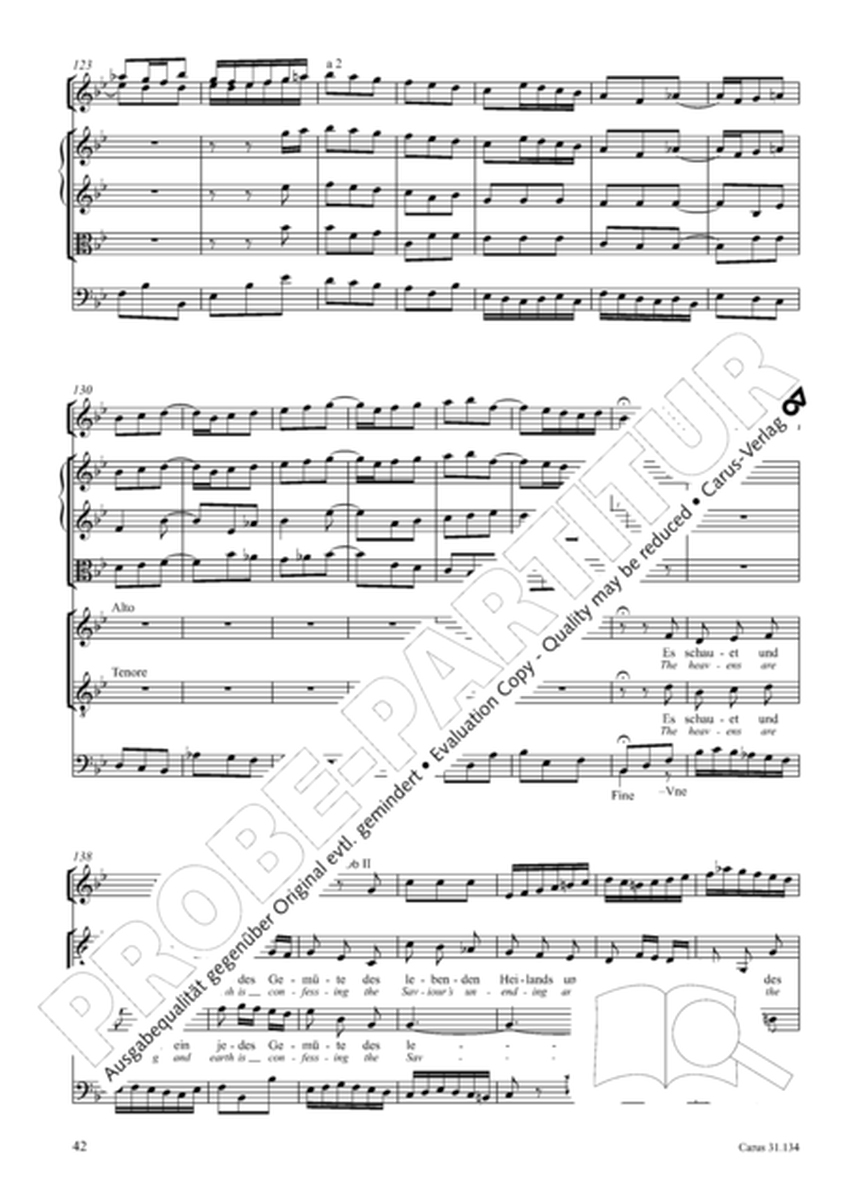
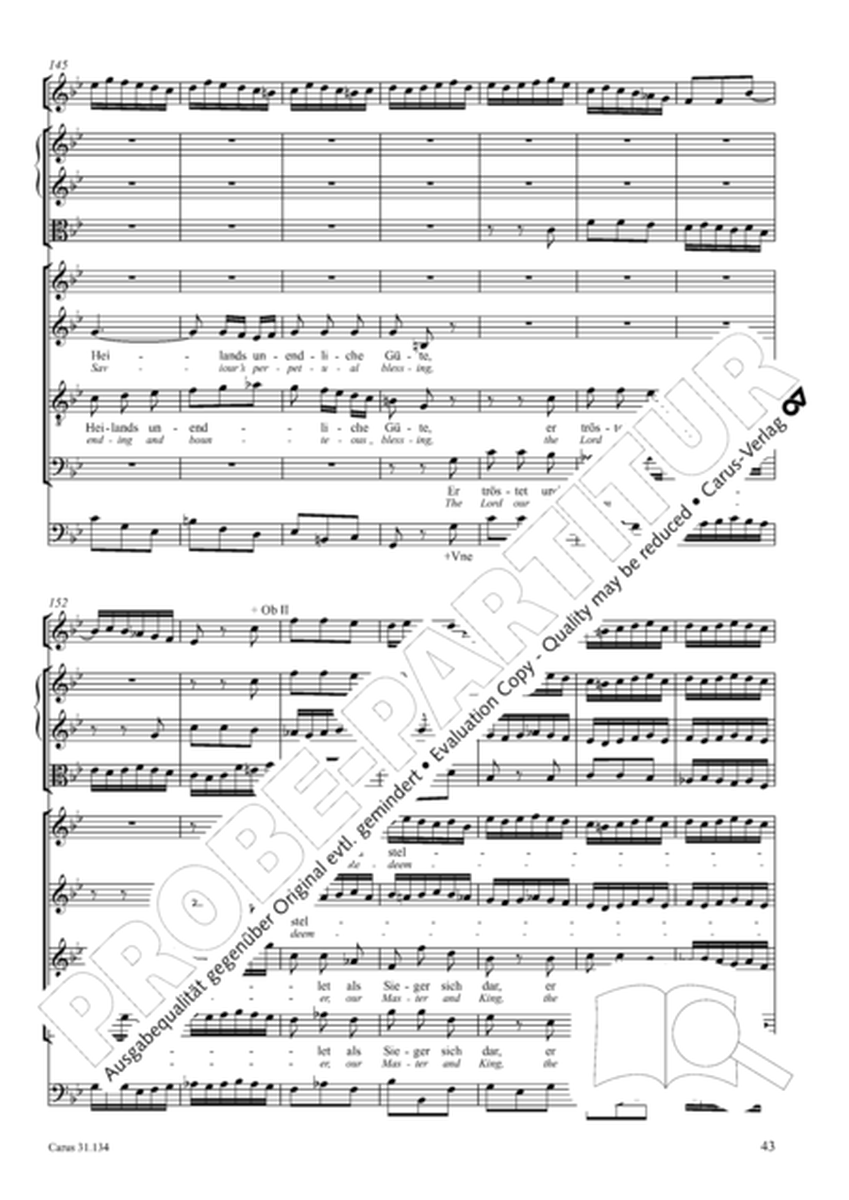
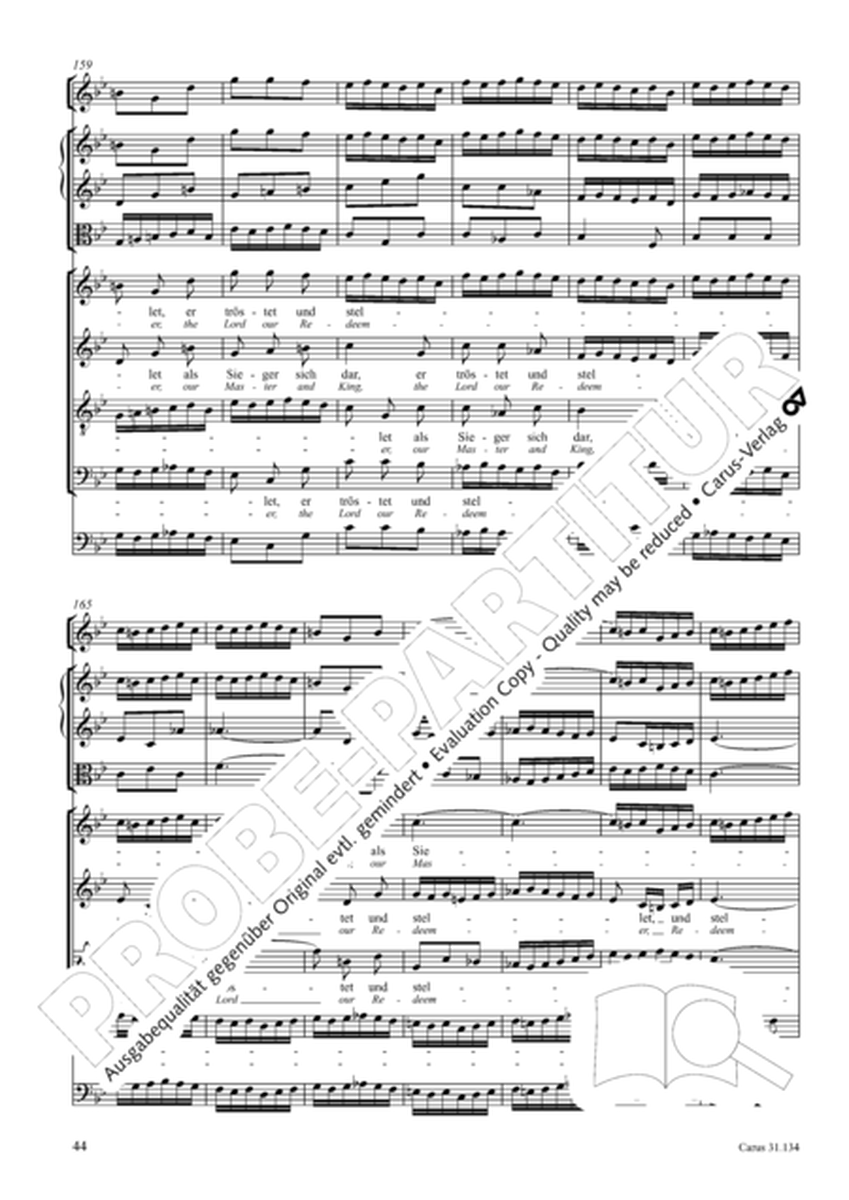
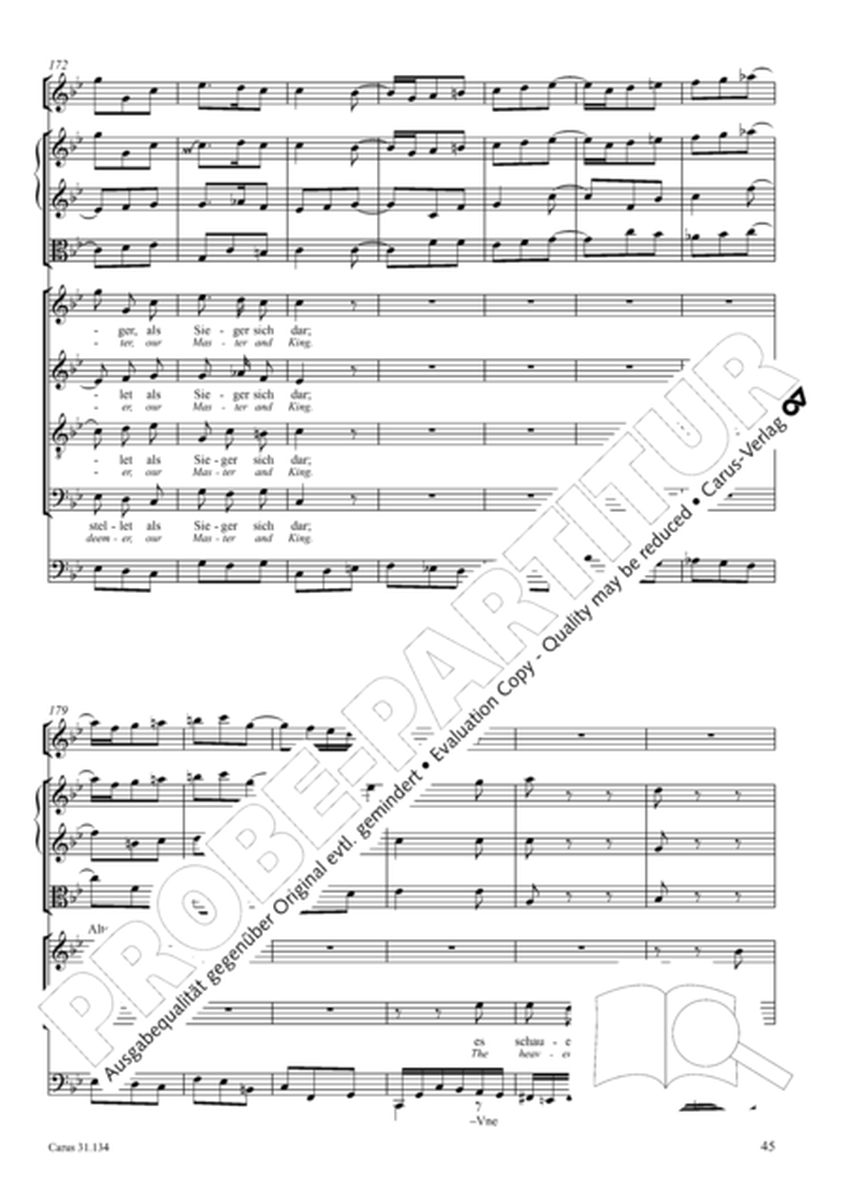
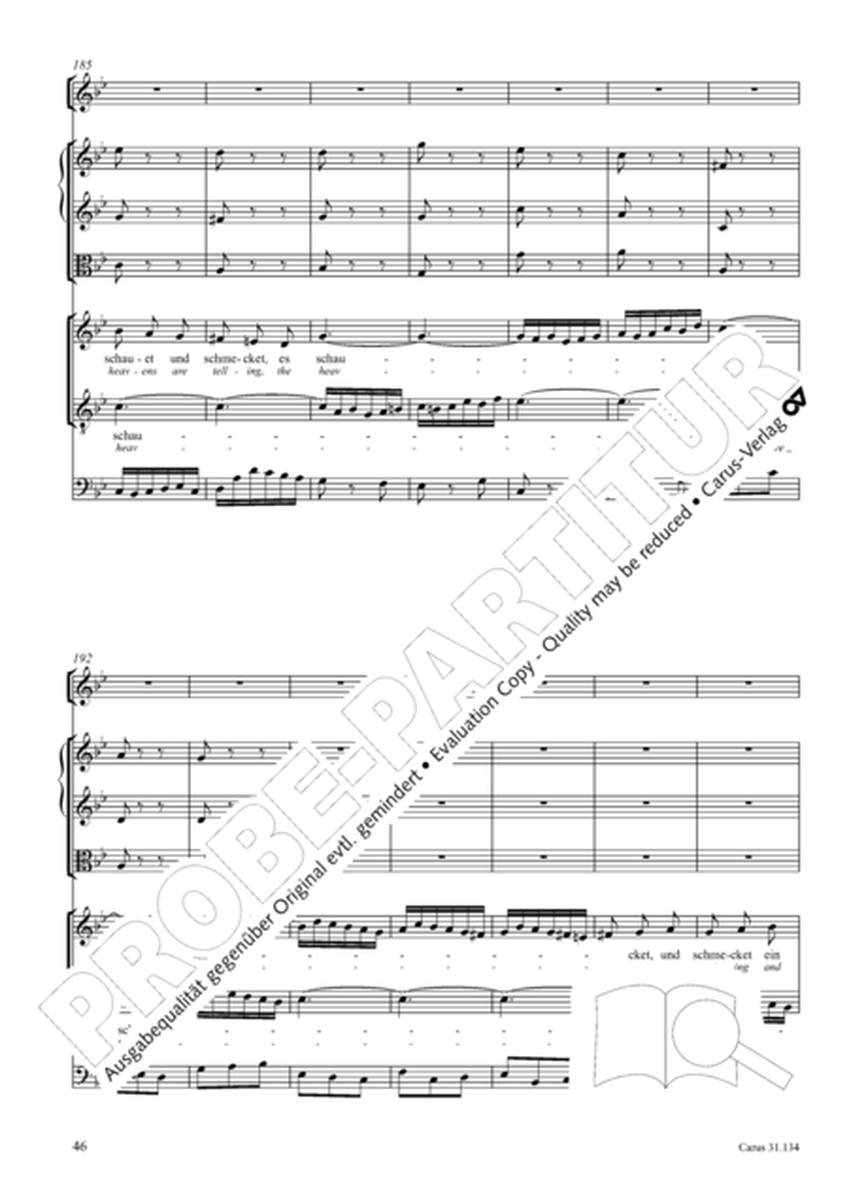
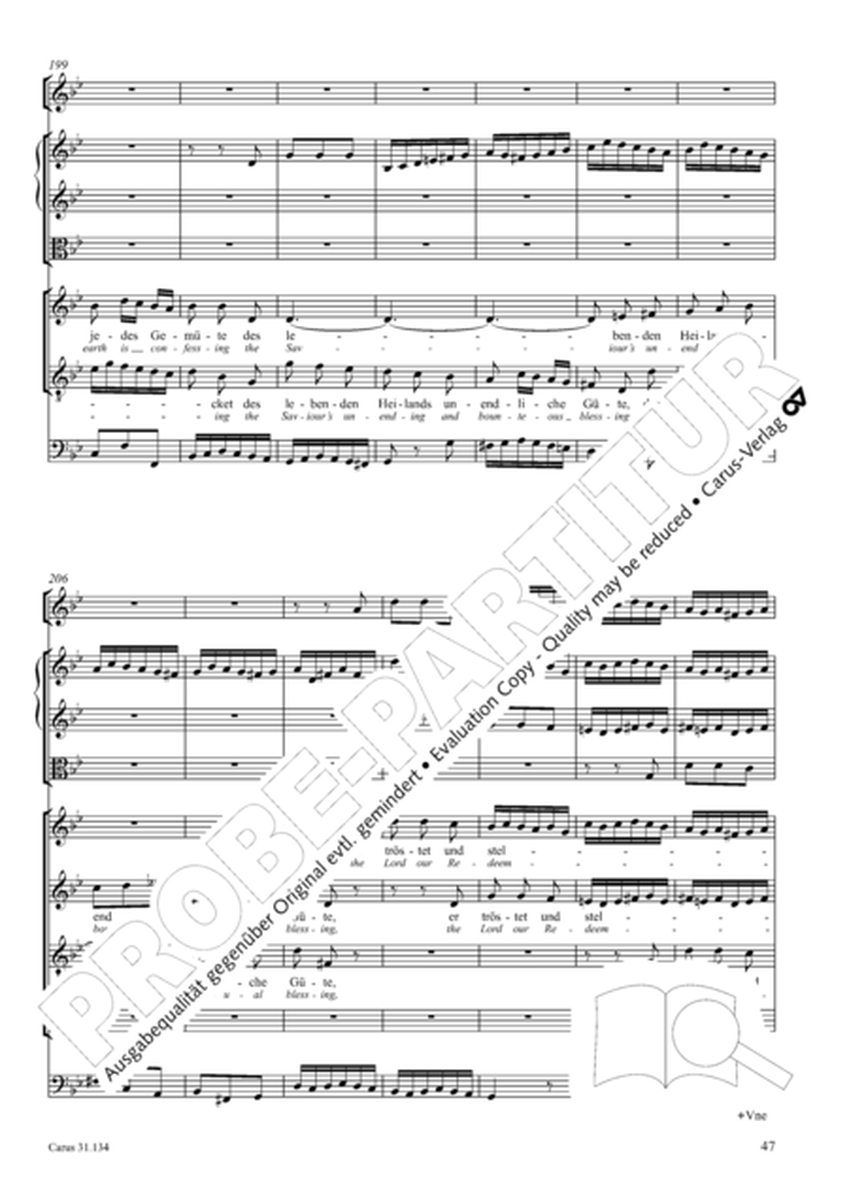
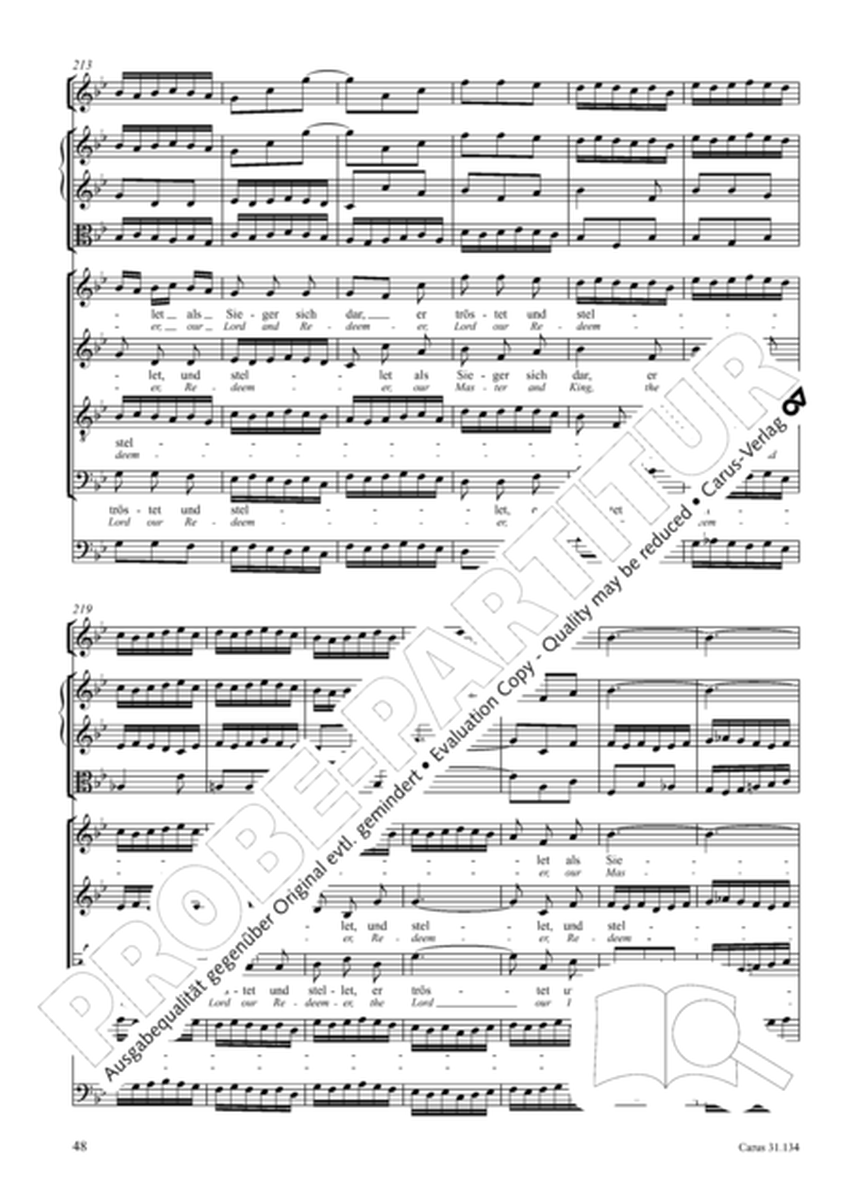
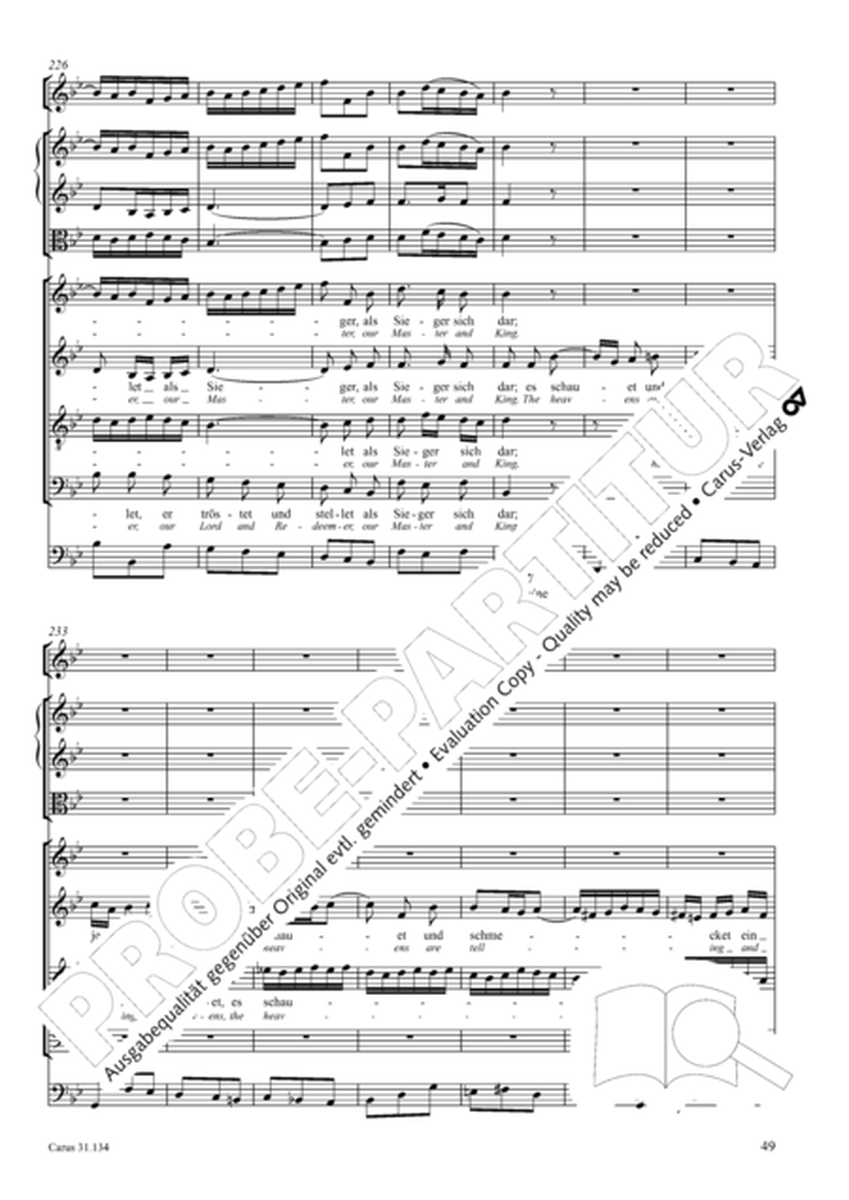
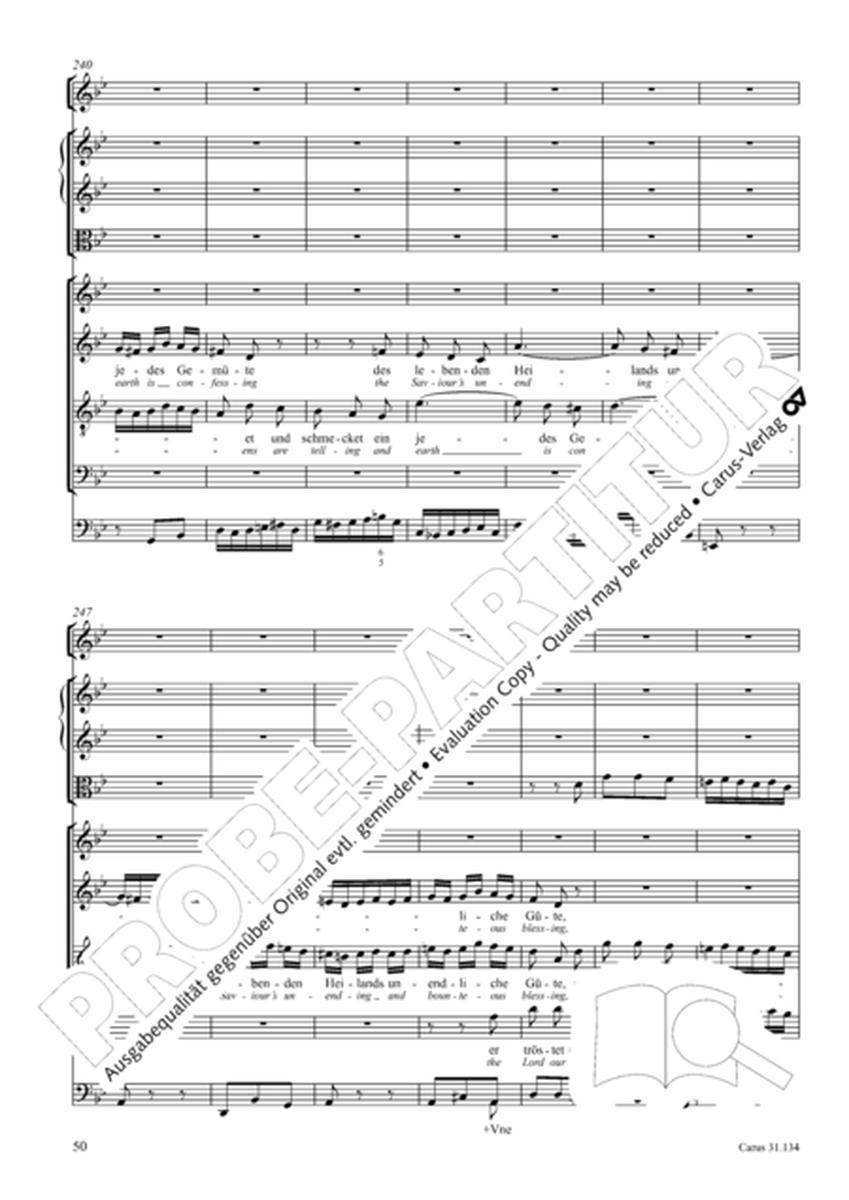
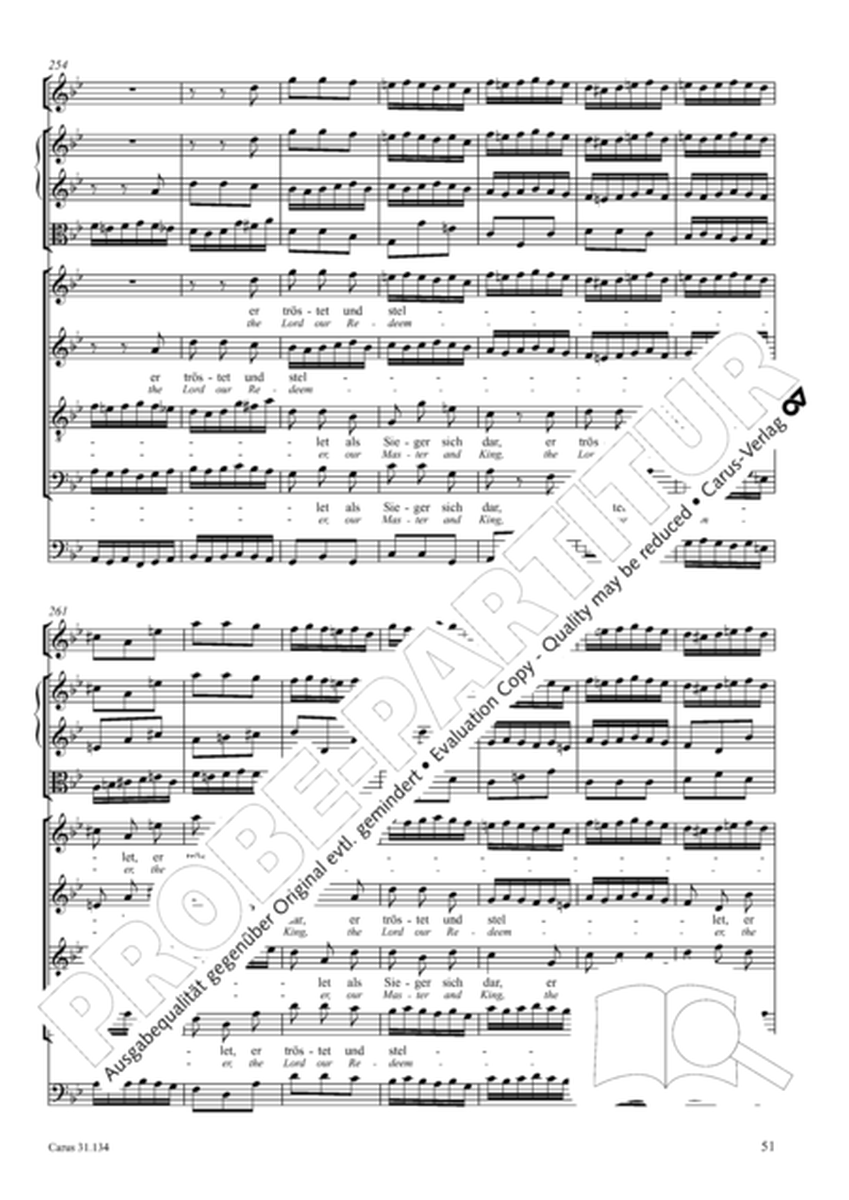
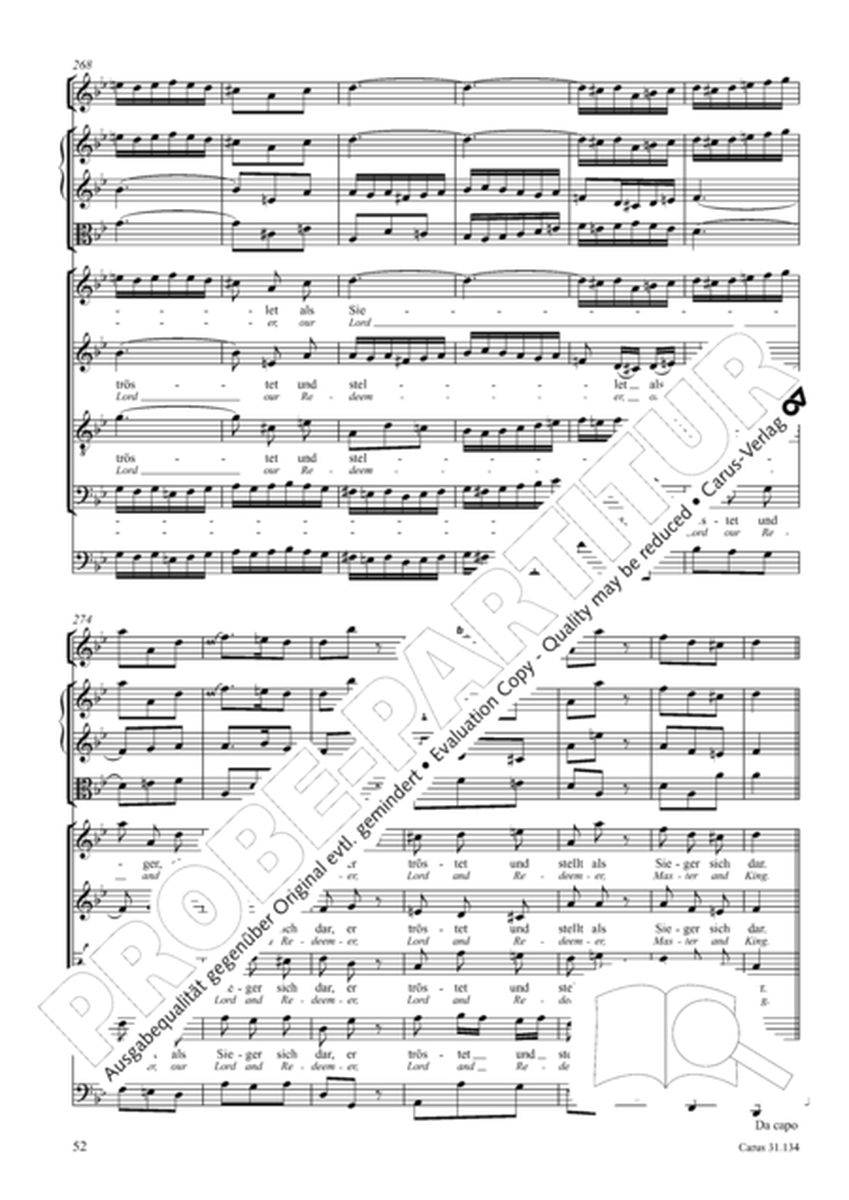
AT vocal soli, SATB choir, 2 oboes, 2 violins, viola, basso continuo (Soli AT, Coro SATB, 2 Ob, 2 Vl, Va, Bc)
SKU: CA.3113400
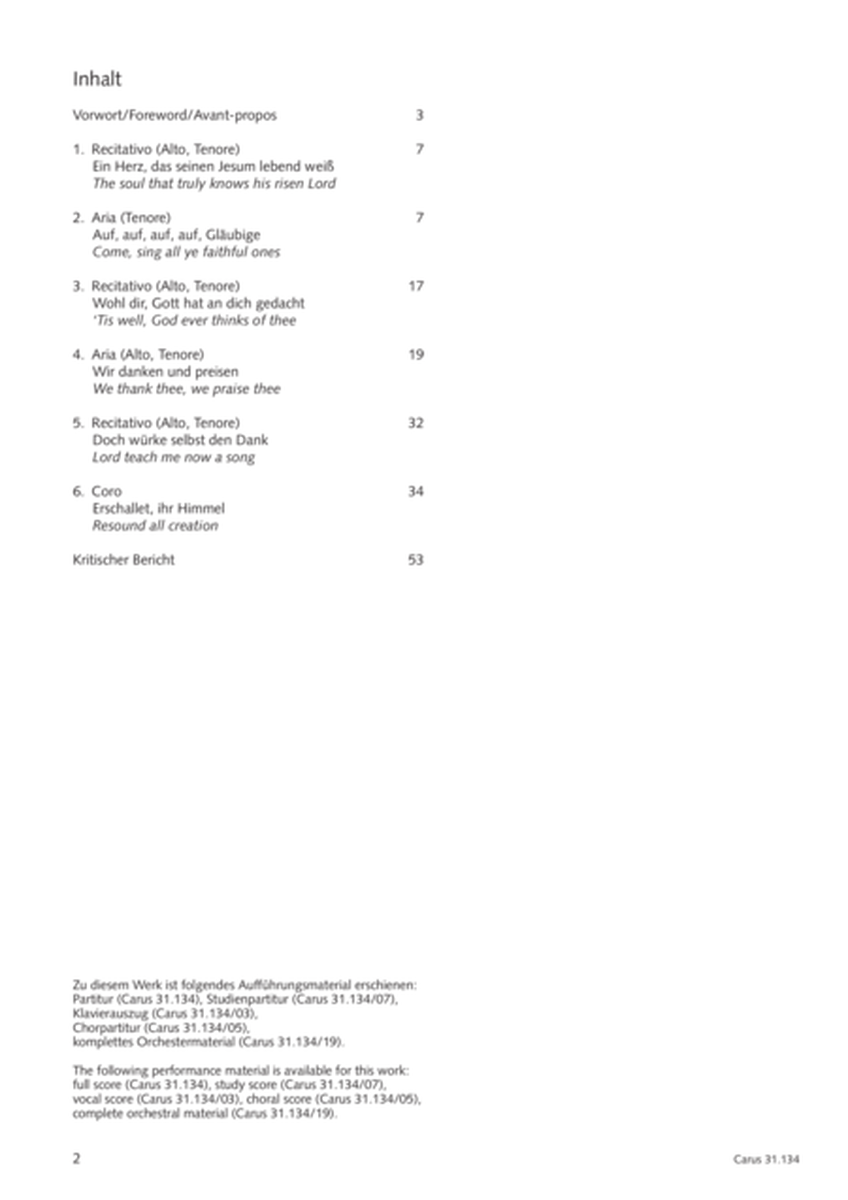
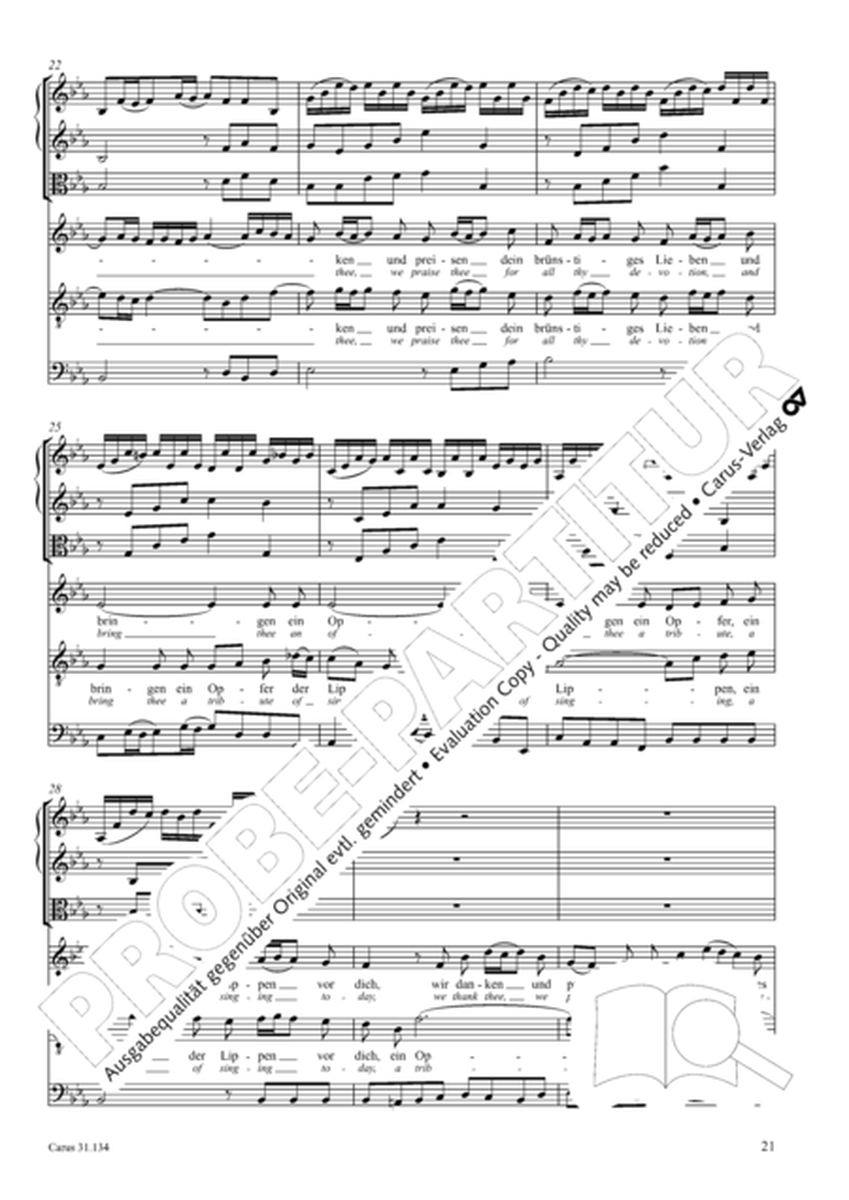
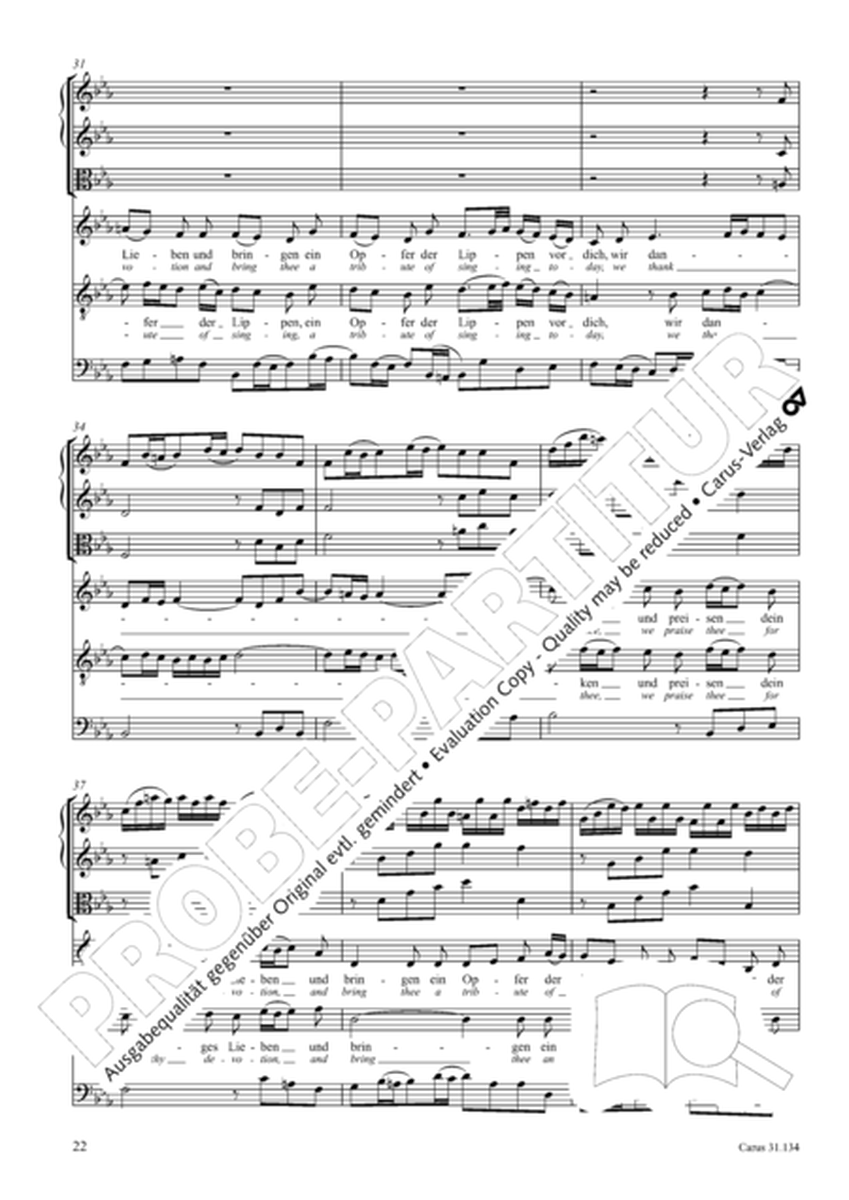
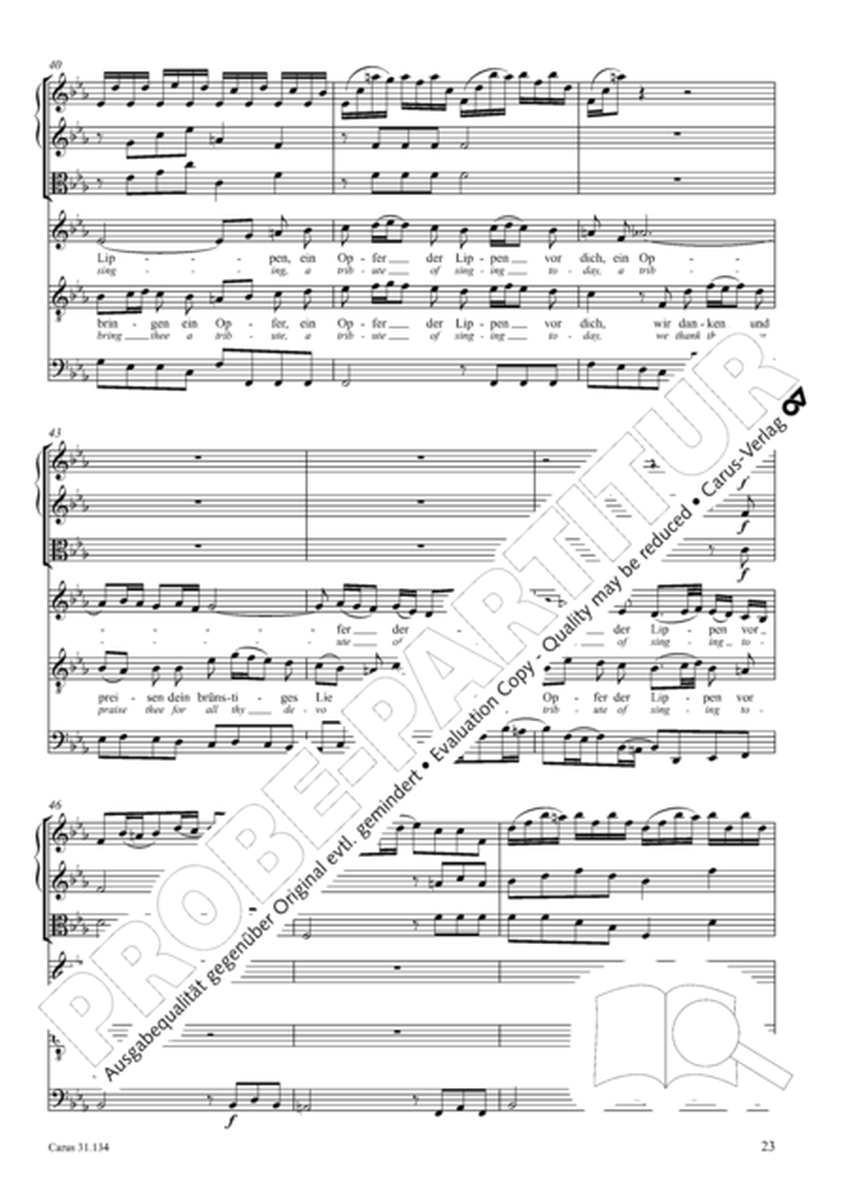
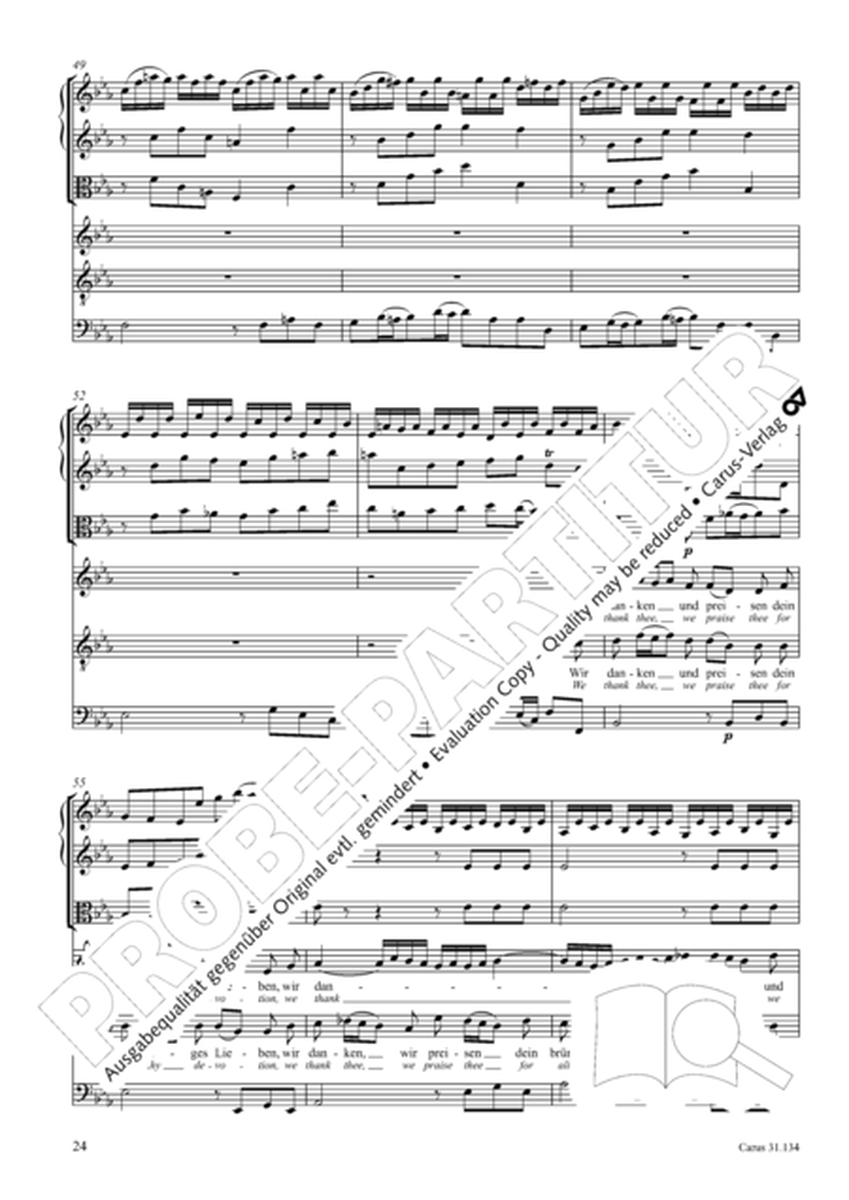
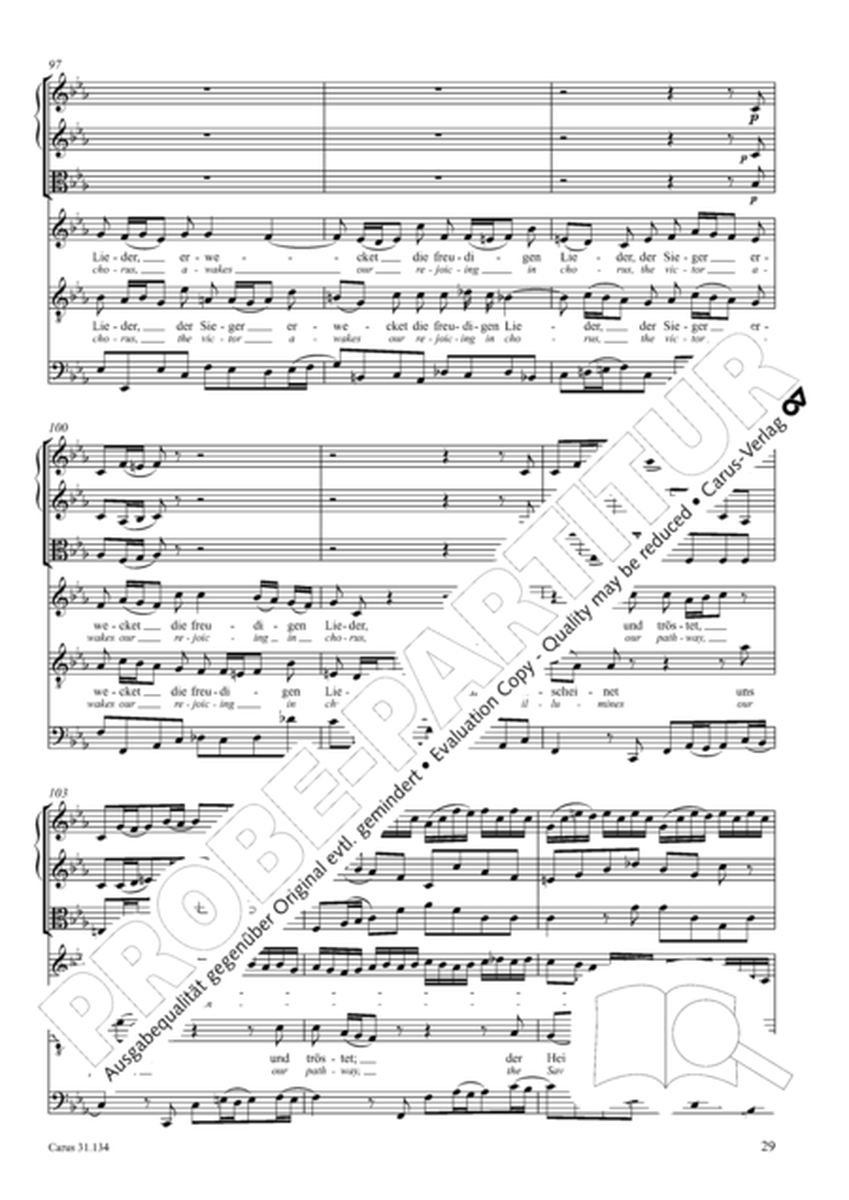
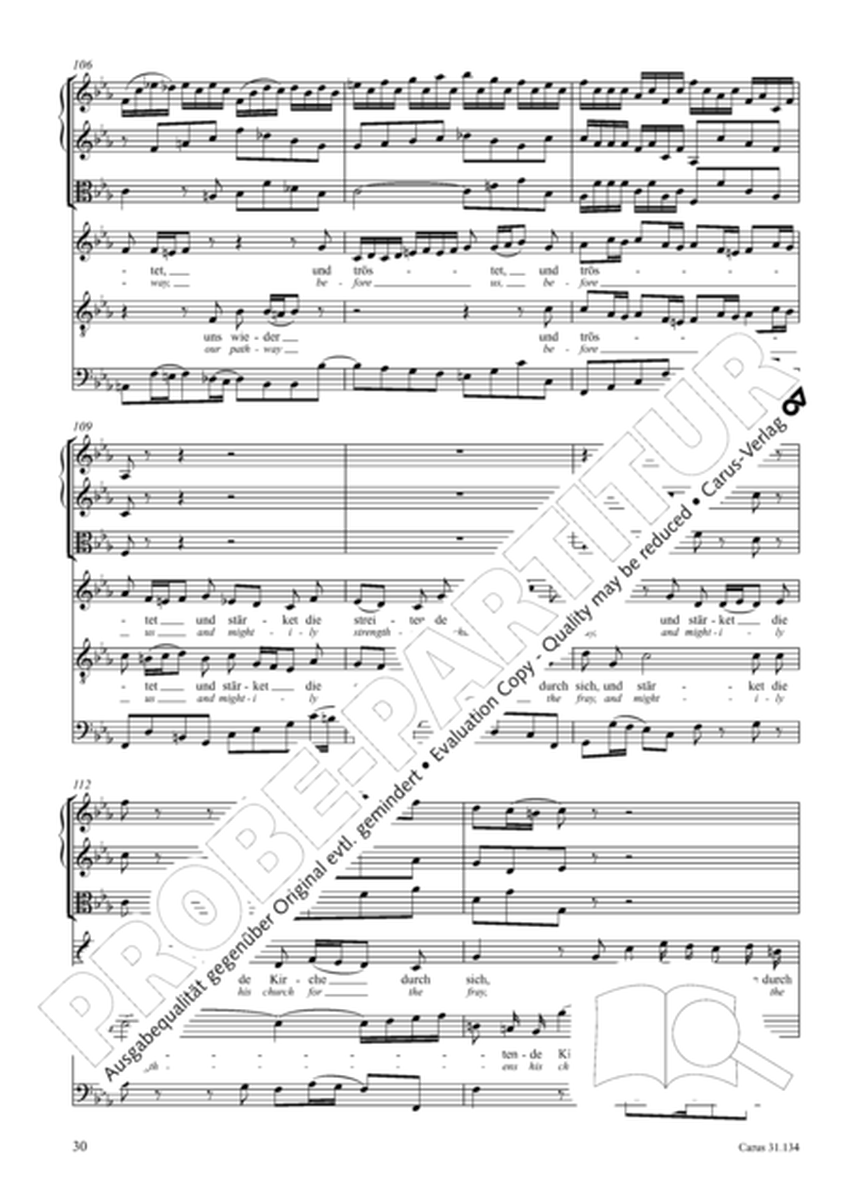
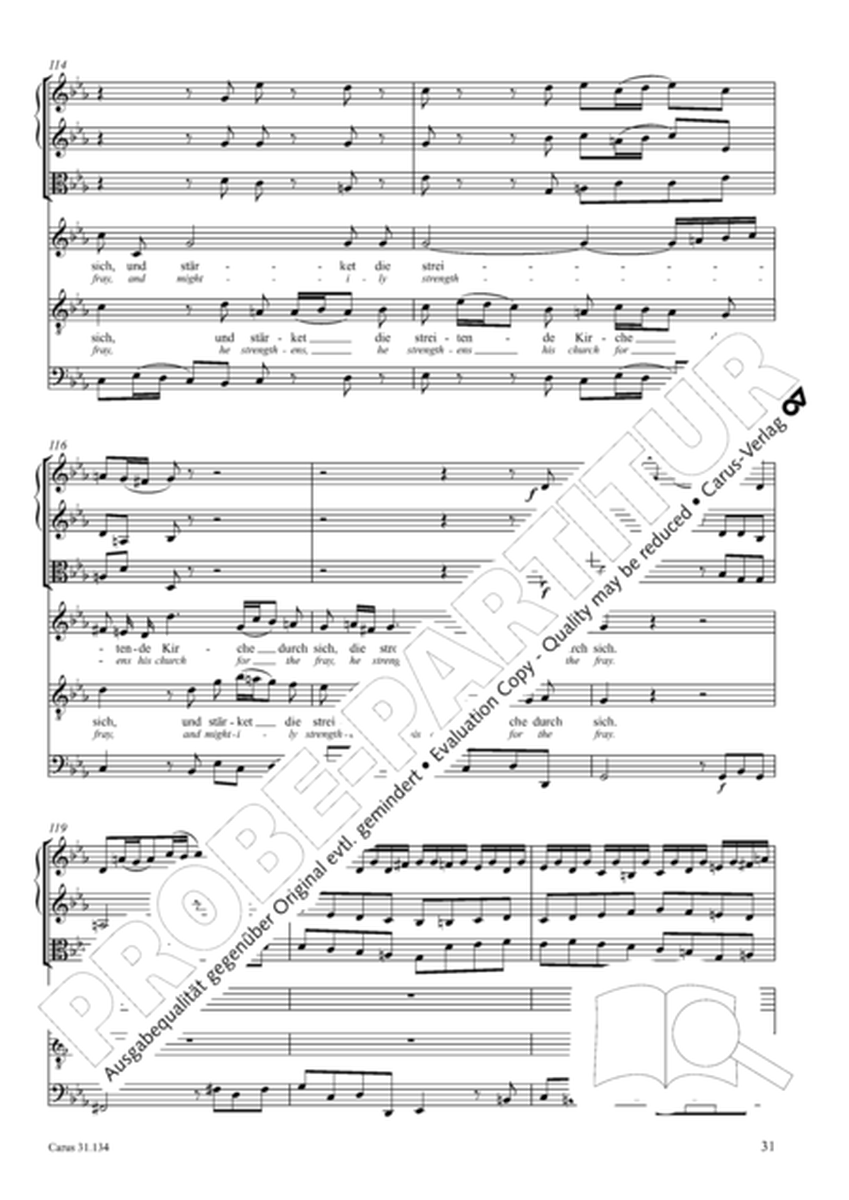
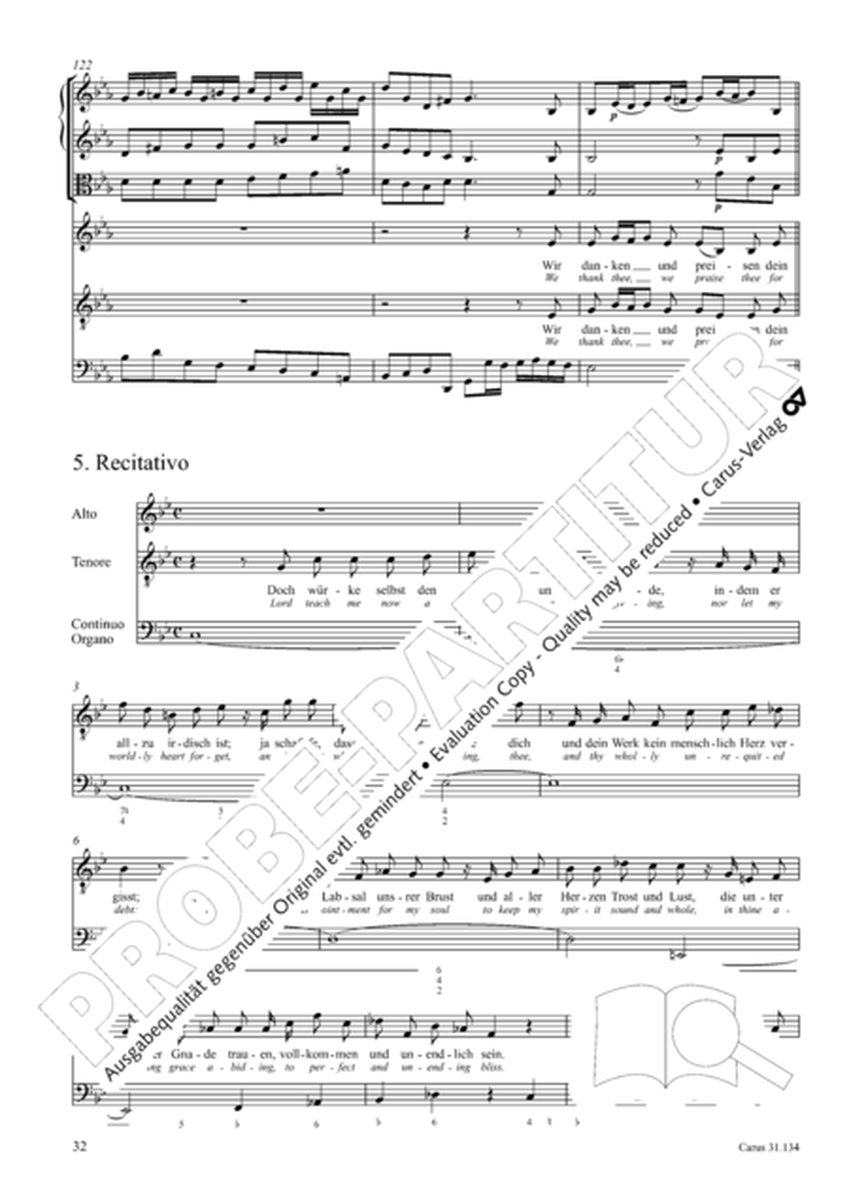
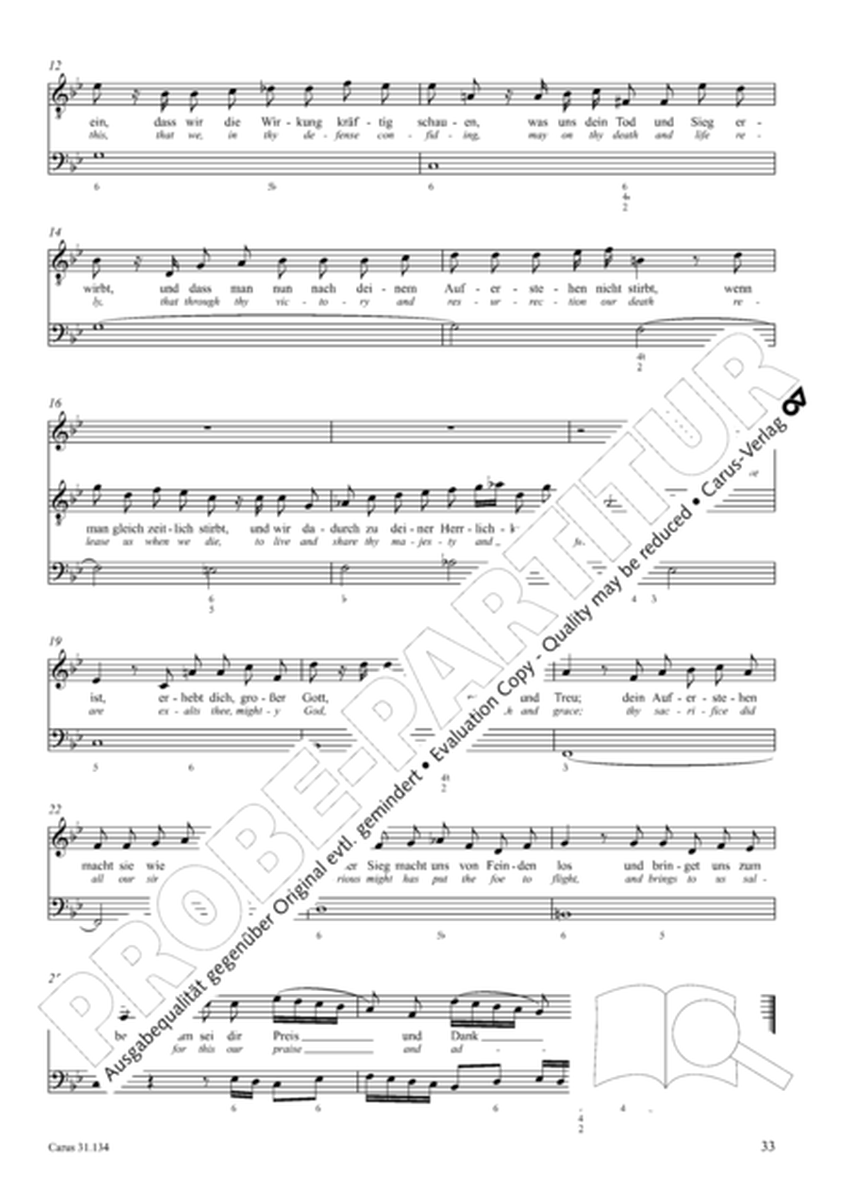
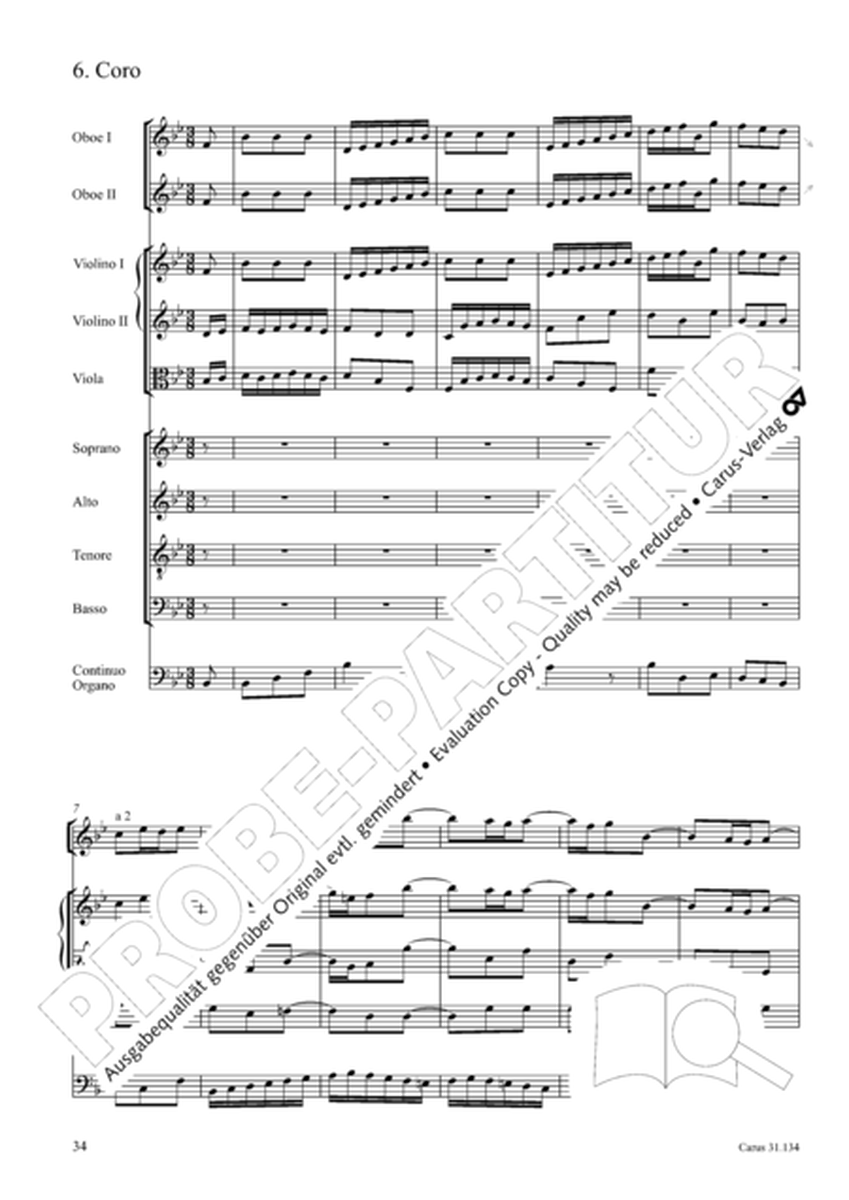
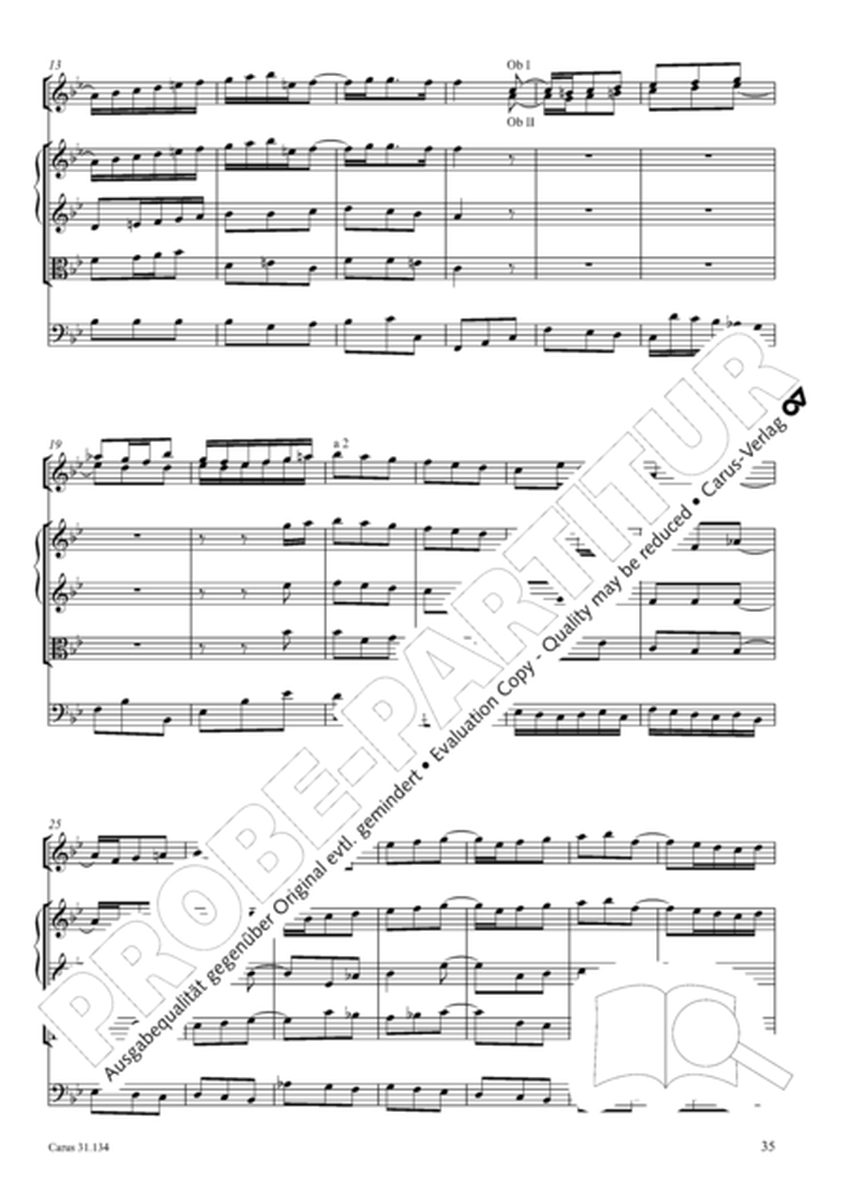
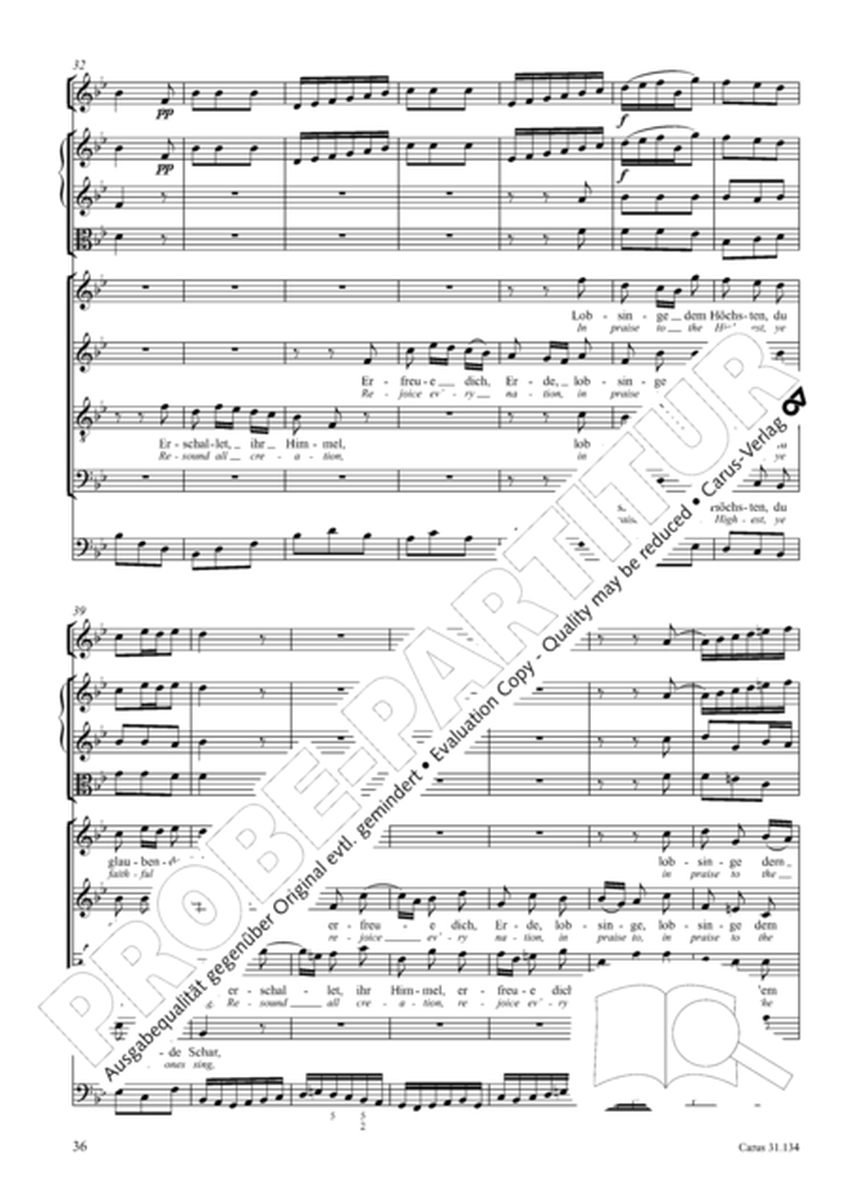
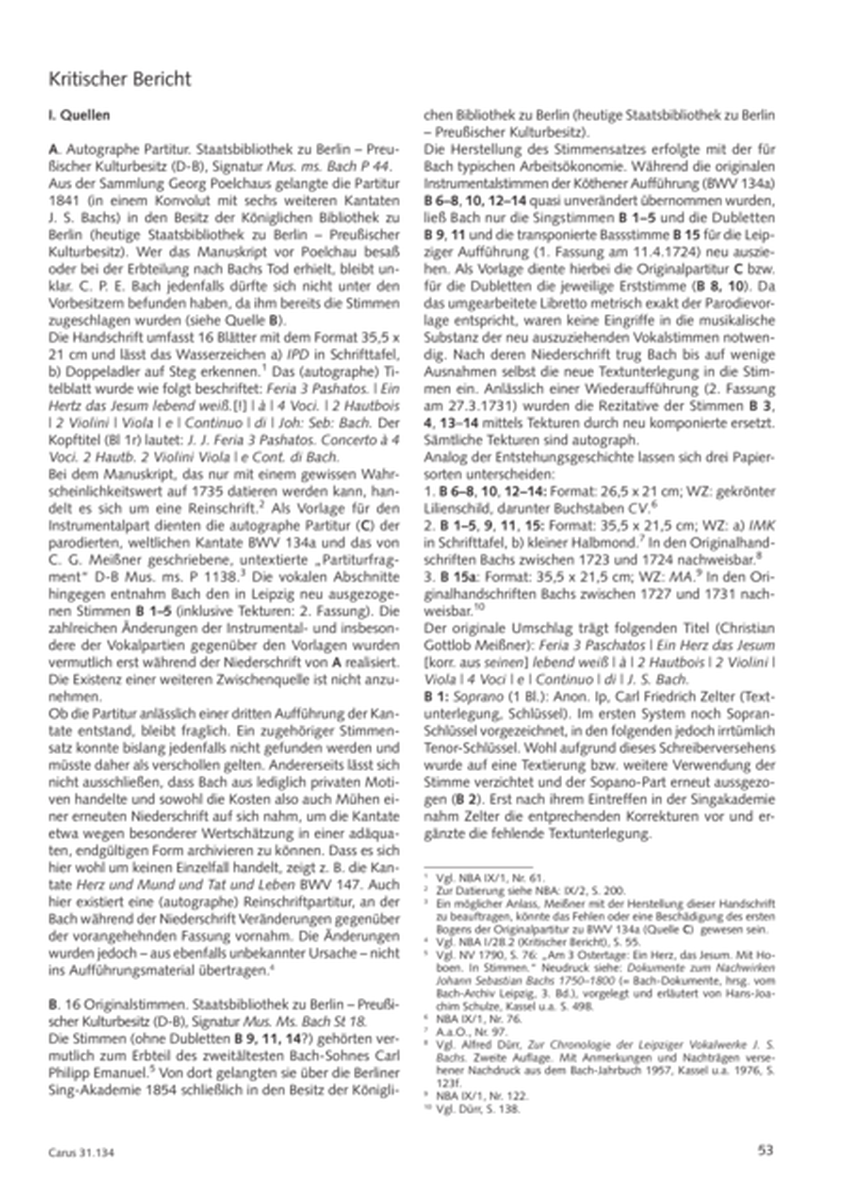
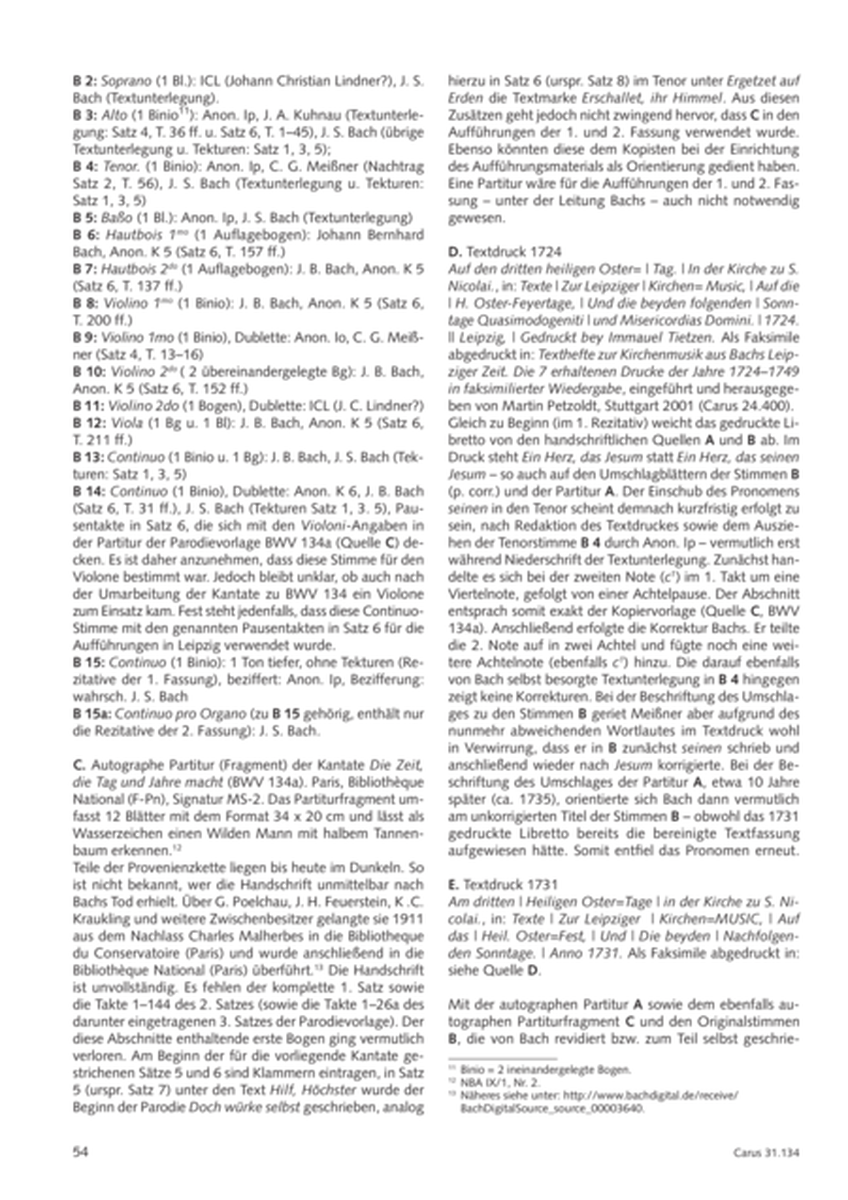
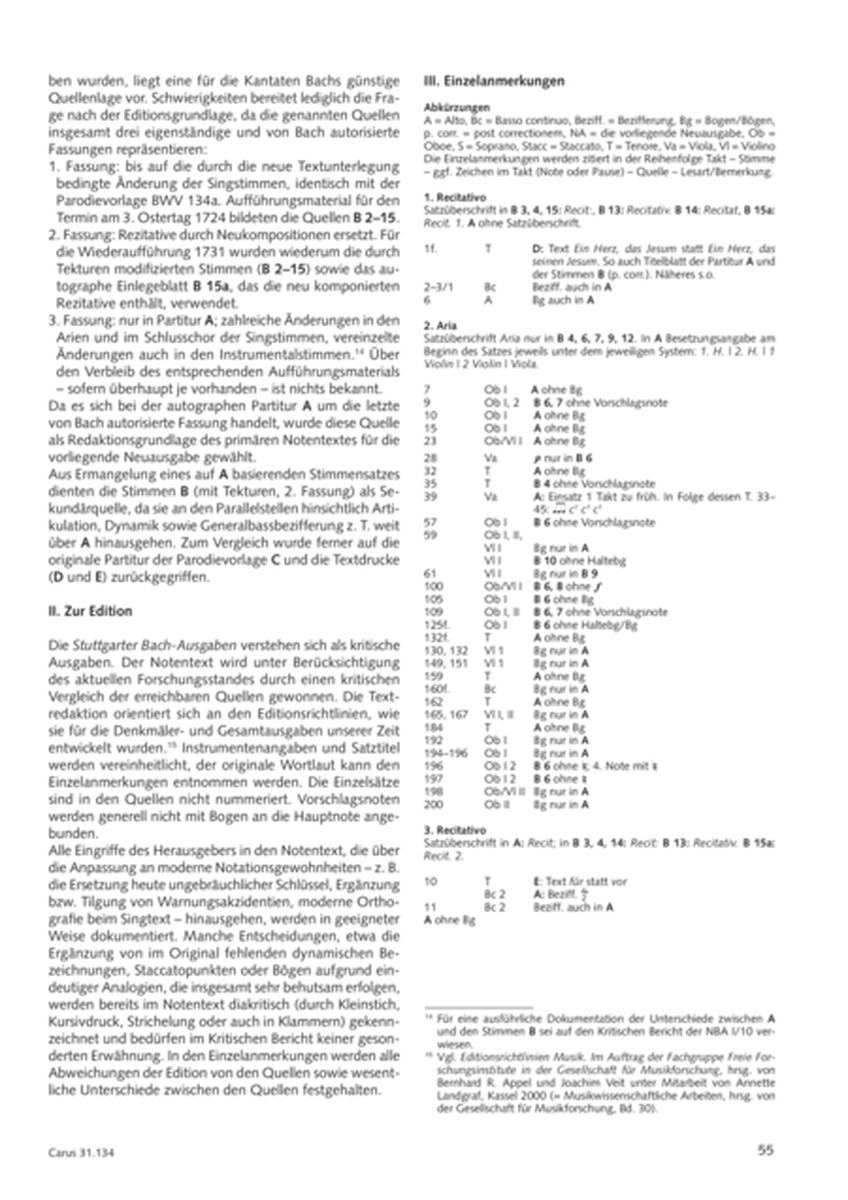
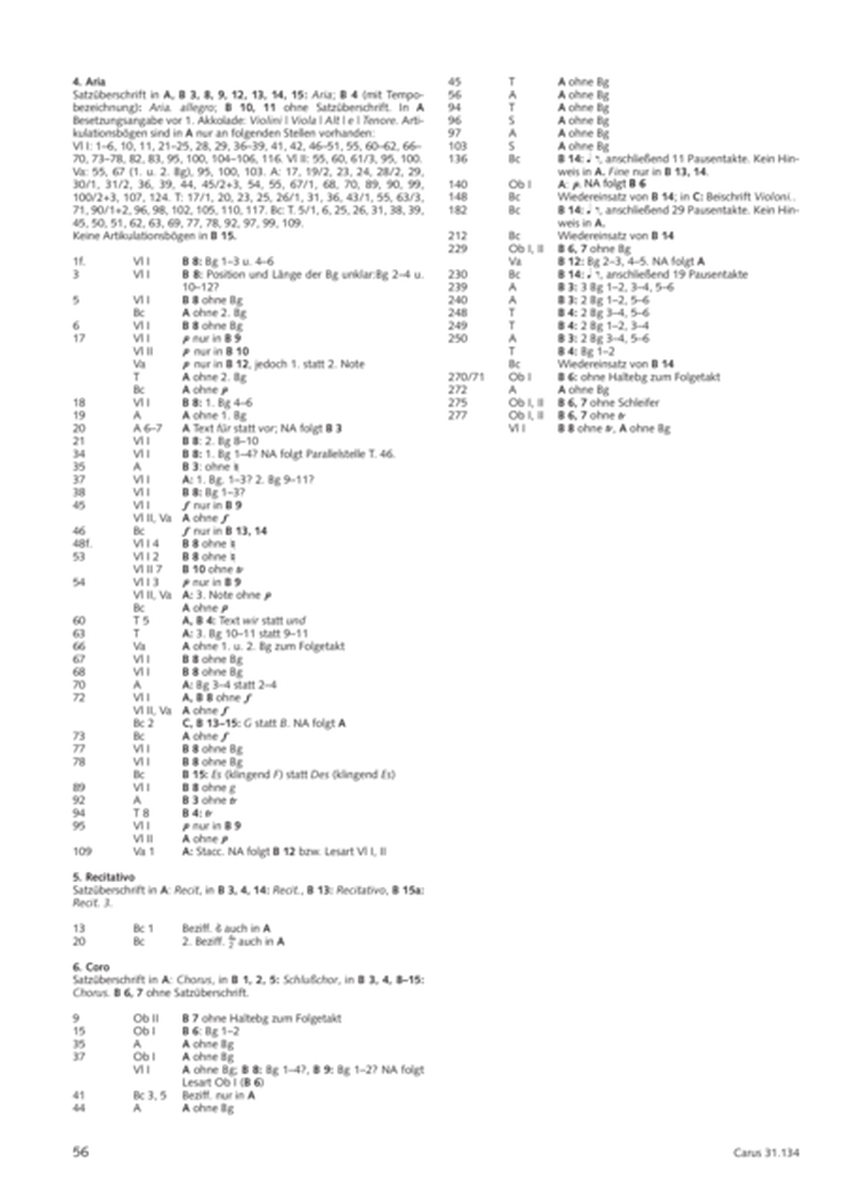
Cantata for Easter Tuesday. Composed by Johann Sebastian Bach. Edited by Tobias Rimek. This edition: urtext. Stuttgart Urtext Edition: Bach vocal. Carus digital: Sheet music as PDF. Sacred vocal music, Cantatas, Easter and Eastertide. Full score. Composed 1731. BWV 134. 56 pages. Duration 30 minutes. Carus Verlag #CV 31.134/00. Published by Carus Verlag (CA.3113400).ISBN 9790007164386. 8.27 x 11.69 inches. Text language: German/English.
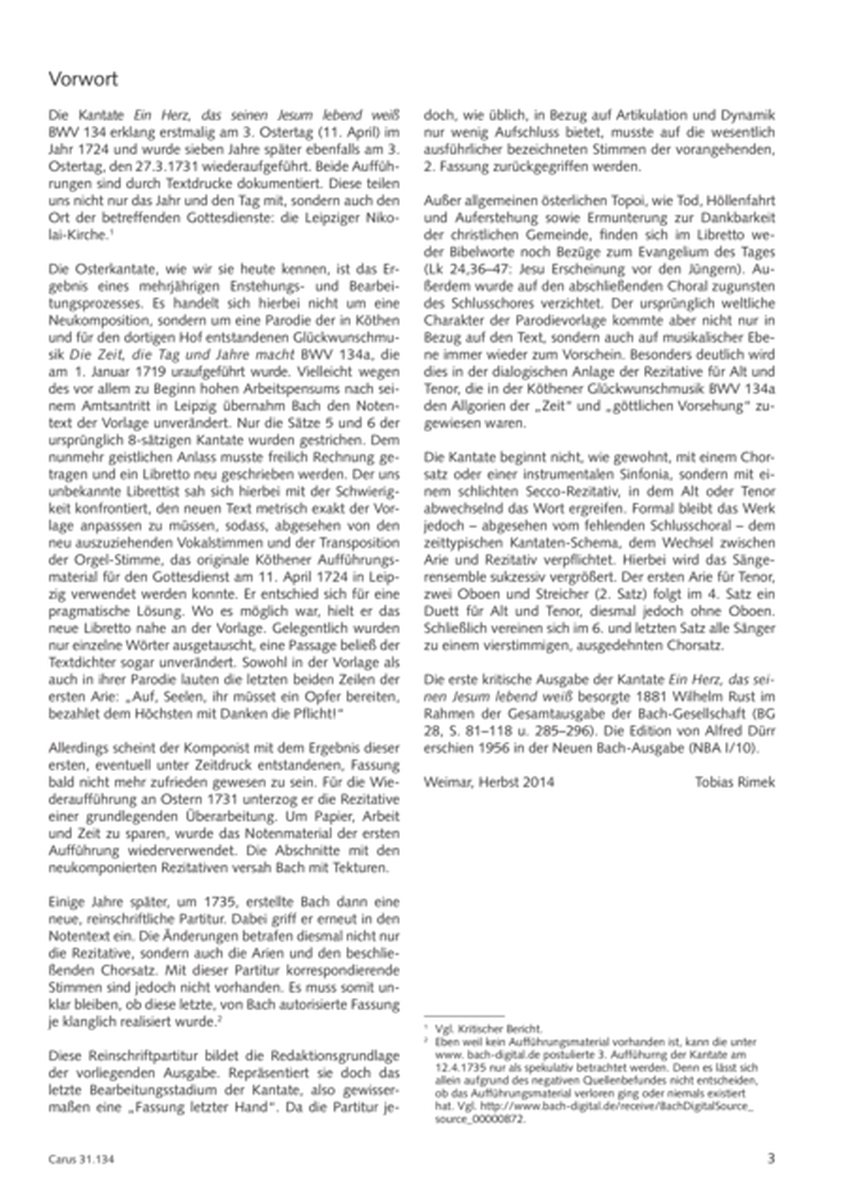
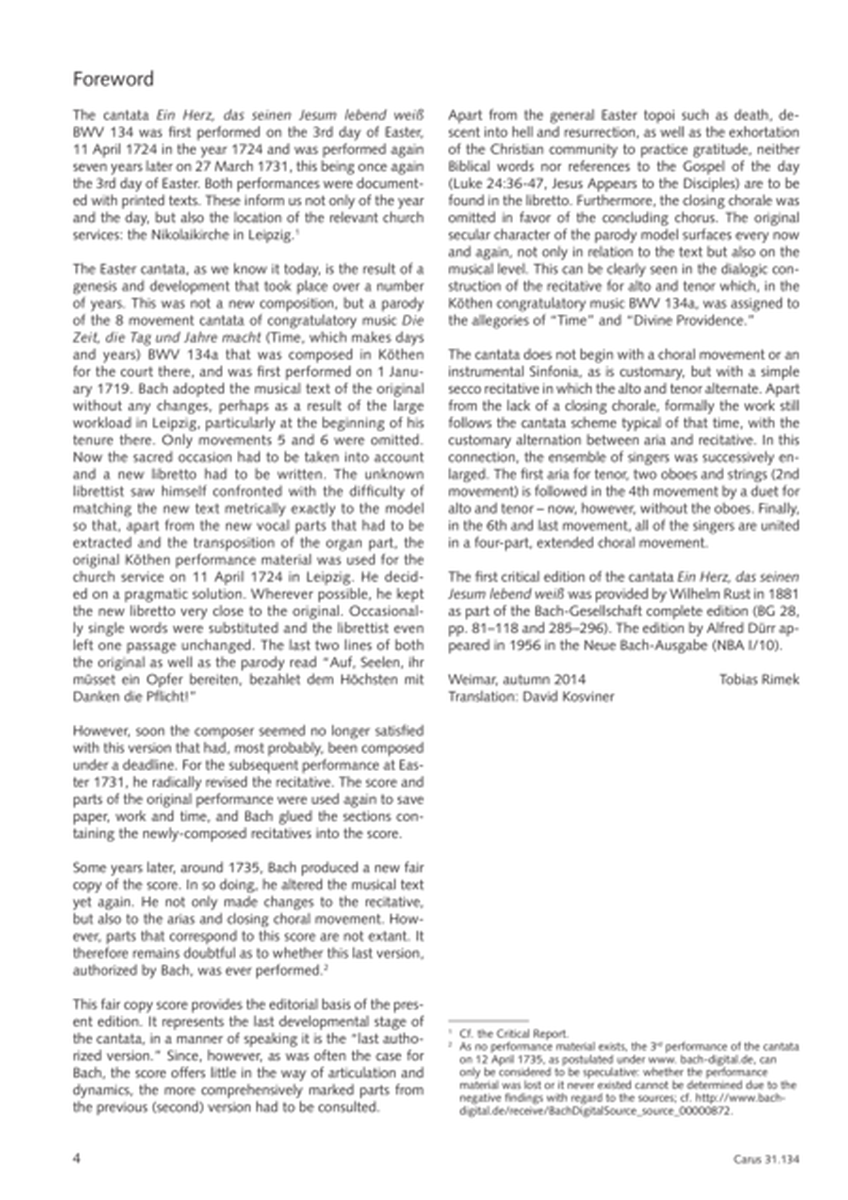
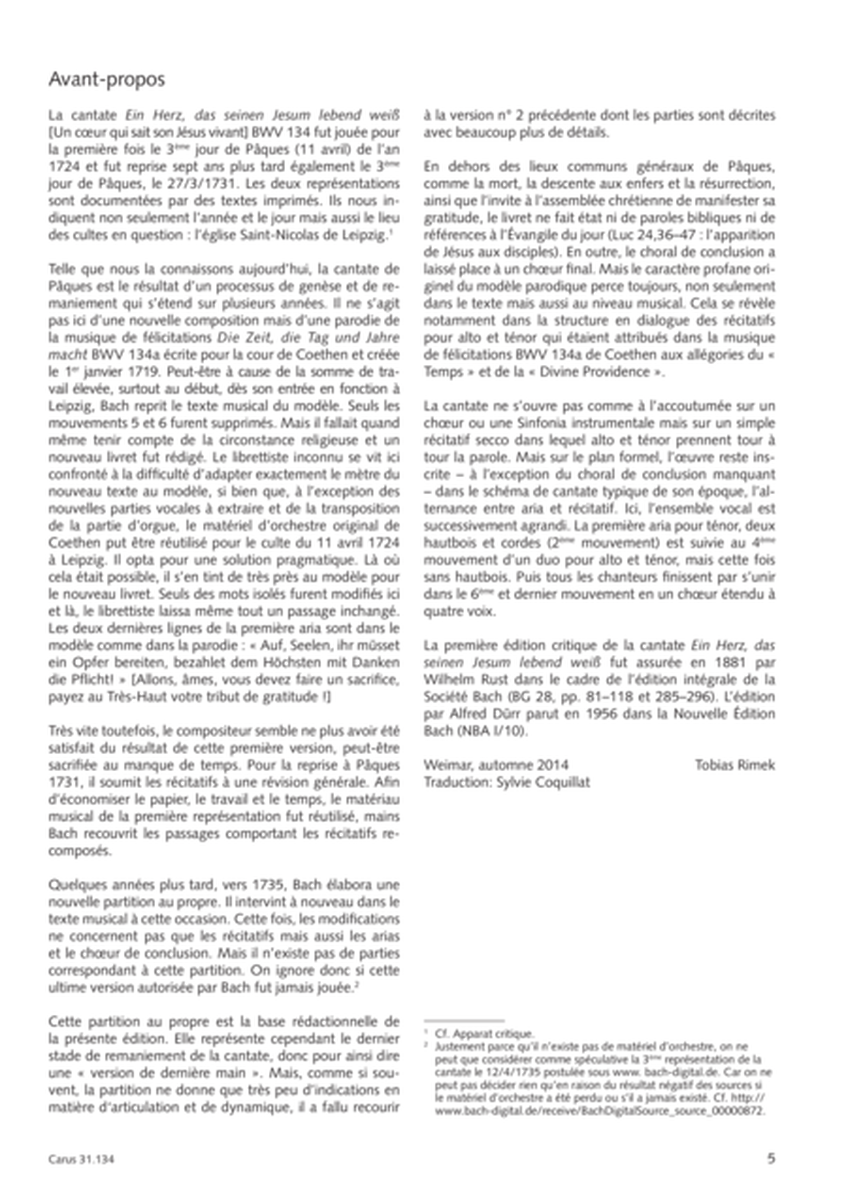
The cantata "Ein Herz, das seinen Jesum lebend weiss" for the third day of Easter 1724 is one of those older cantatas which Bach integrated into his first Leipzig annual cycle of cantatas; it was originally composed in Kothen as a secular cantata for the New Year celebration in 1719 (BWV 134a). Rousing virtuoso arias and a magnificent final chorus containing dialog sections not only emphasize the festive character of the cantata, but also lend it a very particular charm.
- More by this Composer:
- Johann Sebastian Bach Johann Sebastian Bach Choir Johann Sebastian Bach Piano Johann Sebastian Bach Piano Accompaniment
- Series:
- Stuttgart Urtext Edition
- Instrument:
- Vocal Choir Vocal Voice Piano and Keyboard Basso Continuo
- Artists:
- Johann Sebastian Bach
- Ensemble:
- 4-Part SATB Mixed Choir
- Publisher:
- Carus Verlag