Details
- Format:
- Set of Parts Score and Parts
- Item types:
- Physical
- Level:
- Grade 4
- Artist:
- Frederick Speck
- Usages:
- School and Community
- Shipping Weight:
- 2 pounds
SKU: CN.17720
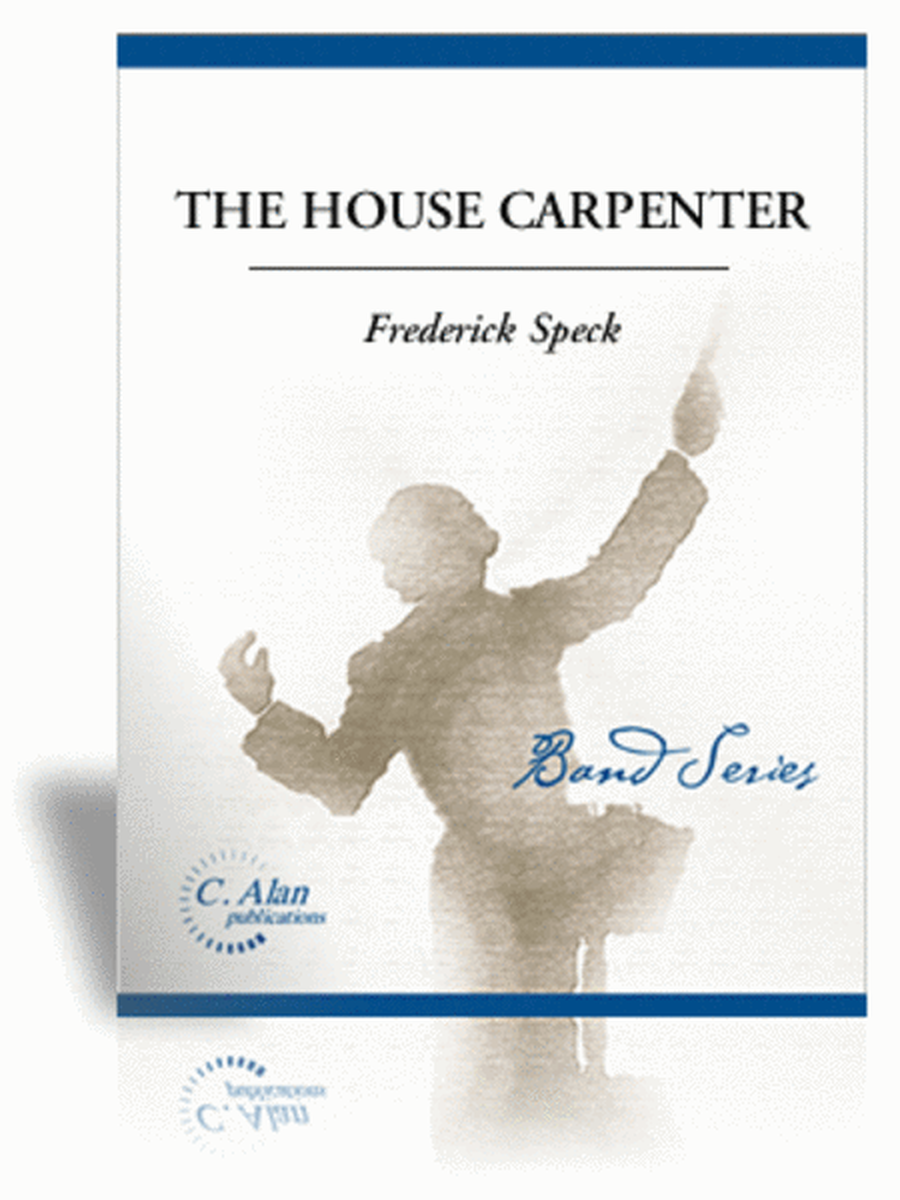
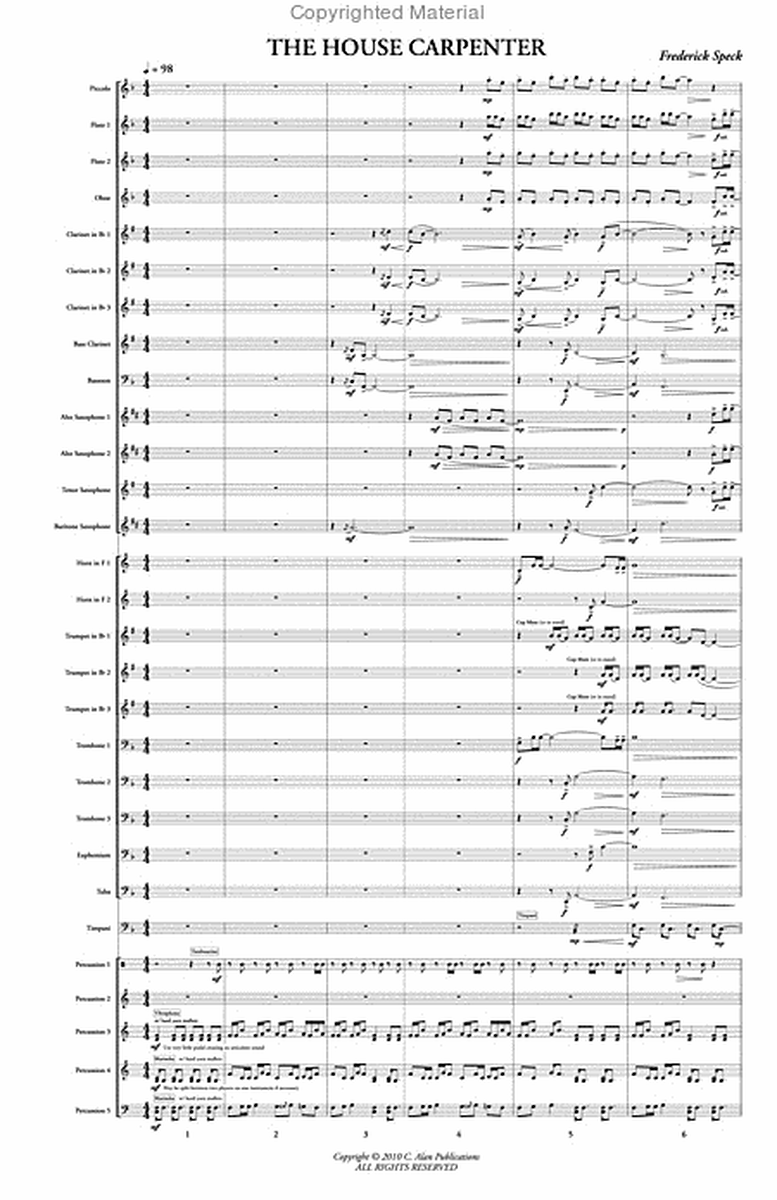
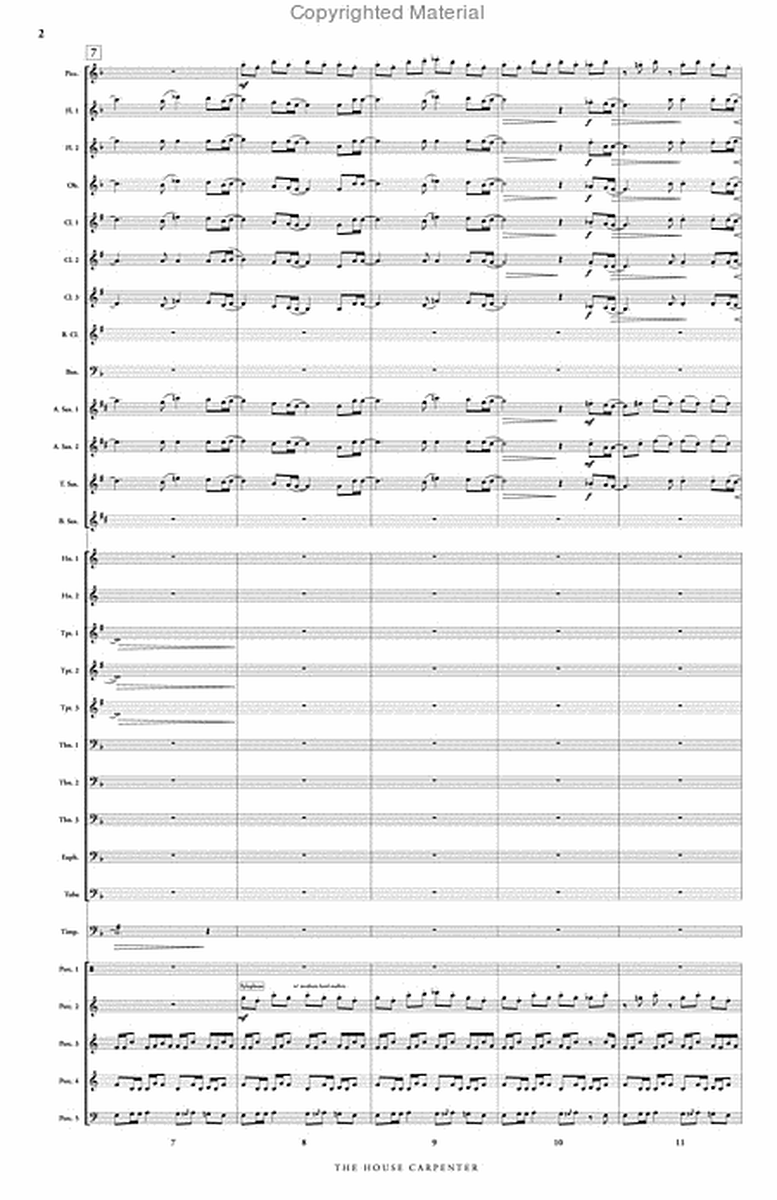
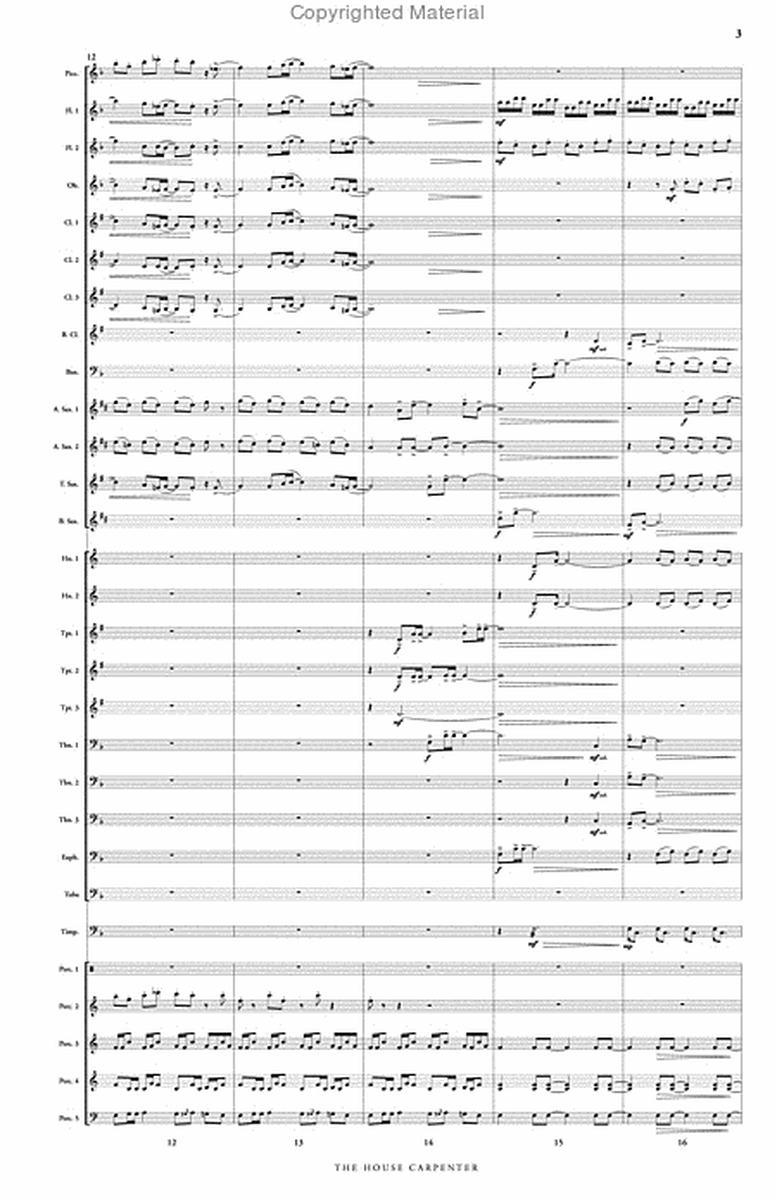
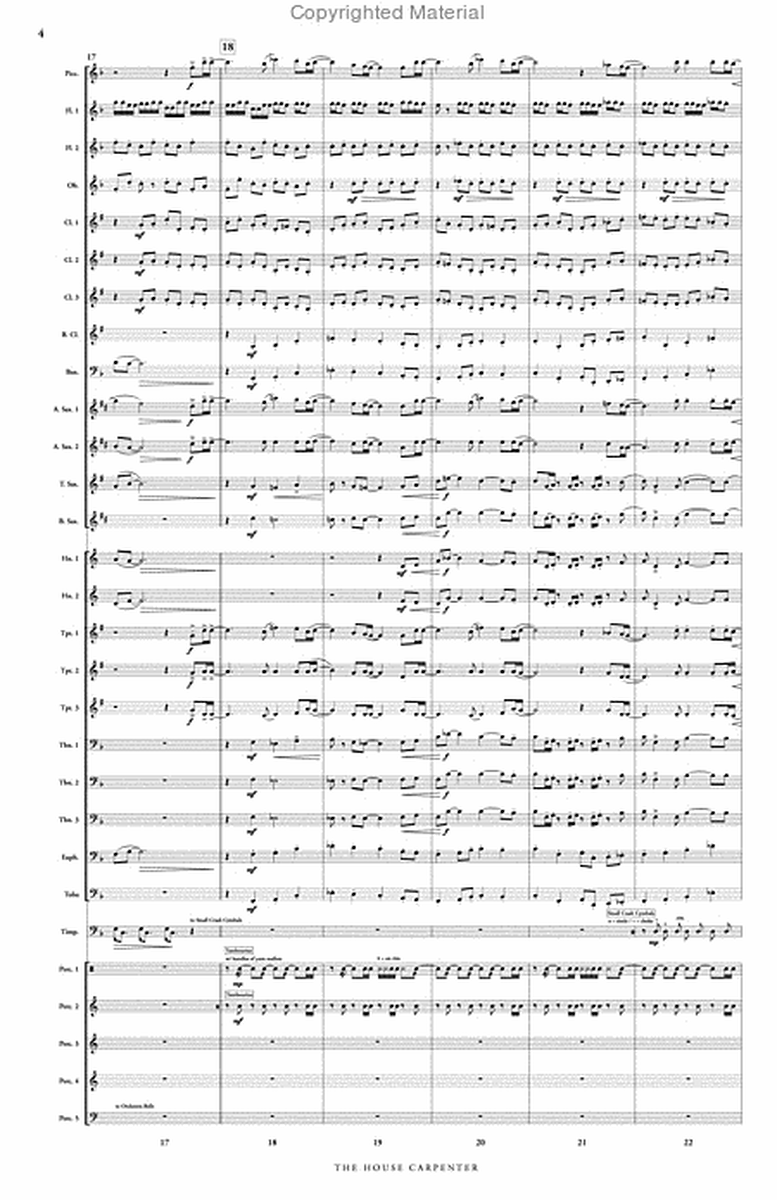
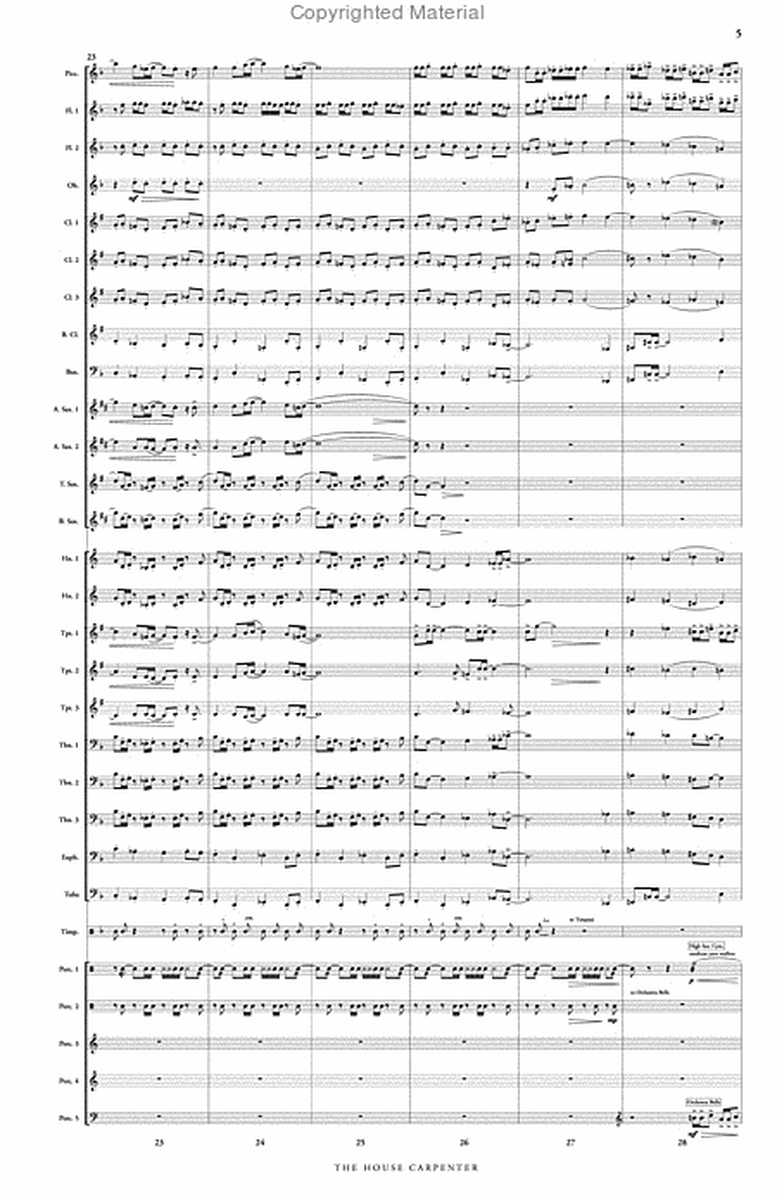
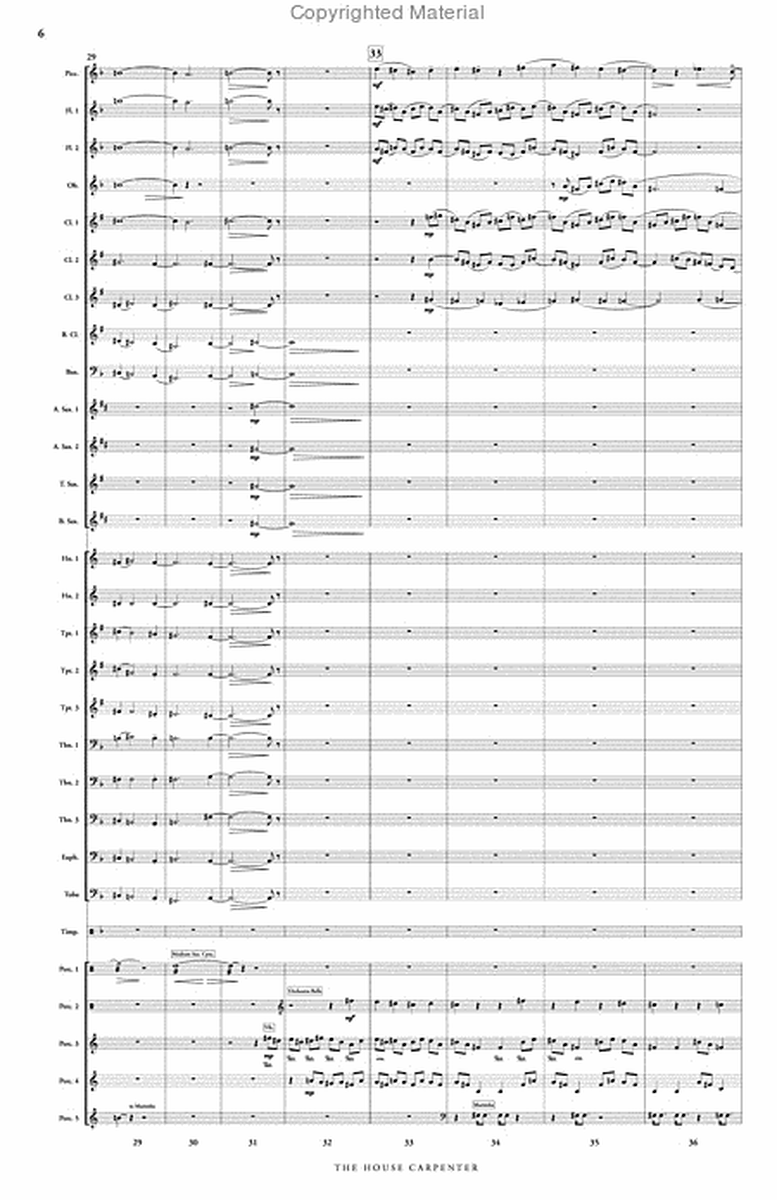
Composed by Frederick Speck. Score and parts. Duration 5:15. Published by C. Alan Publications (CN.17720).Based on a simple English ballad, Frederick Speck spins out "The House Carpenter" in his dynamic, perpetual, minimalistic fashion, keeping the listener's interested with ever-changing textures.
Near the end of the nineteenth century, Francis James Child published a five-volume collection called 'The English and Scottish Popular Ballads.' This huge collection of English and Scottish ballads includes 305 groups of songs. As it is common for folk songs to exist in varied forms, some of Child's inclusions have more than a hundred different versions. In modern times, this ballad has been performed and recorded by artists such as Bob Dylan, Joan Baez and Nickel Creek. Essentially, a ballad is a narrative with music, telling a story reminiscent of the lore of a culture. One of the best known ballads in his collection, 'The House Carpenter' is also known as 'James Harris' or 'The Demon Lover.' Its text conveys the spirit of a morality play, in which a woman, tempted by a former lover abandons her 'house carpenter' husband and children, escaping with him by means of the sea. This act is not without consequence, however, as the closing song text states, 'They had not been on the ship three weeks, I-m sure it was not four, when there came a leak, in the bottom of the ship and sank them for to rise no more.' The naturally repetitive, rough-hewn simplicity of the melody of this folk song lends well to developing a concert band piece that builds layers of rhythm into colorful textures. This particular setting employs an ABA form, with the B section having a slower, more lyrical and somewhat longing character, in contrast to the energetic A sections on its flanks.
- More by this Composer:
- Frederick Speck Frederick Speck B-Flat Clarinet Frederick Speck Bass Clarinet Frederick Speck Double Bass
- Artists:
- Frederick Speck
- Ensemble:
- Concert Band
- Publisher:
- C. Alan Publications