Details
- Format:
- Conductor Score
- Item types:
- Physical
- Instructionals:
- Methods and More
- Usages:
- School and Community
- Number of Pages:
- 112
- Shipping Weight:
- 1.02 pounds
SKU: GI.G-173525
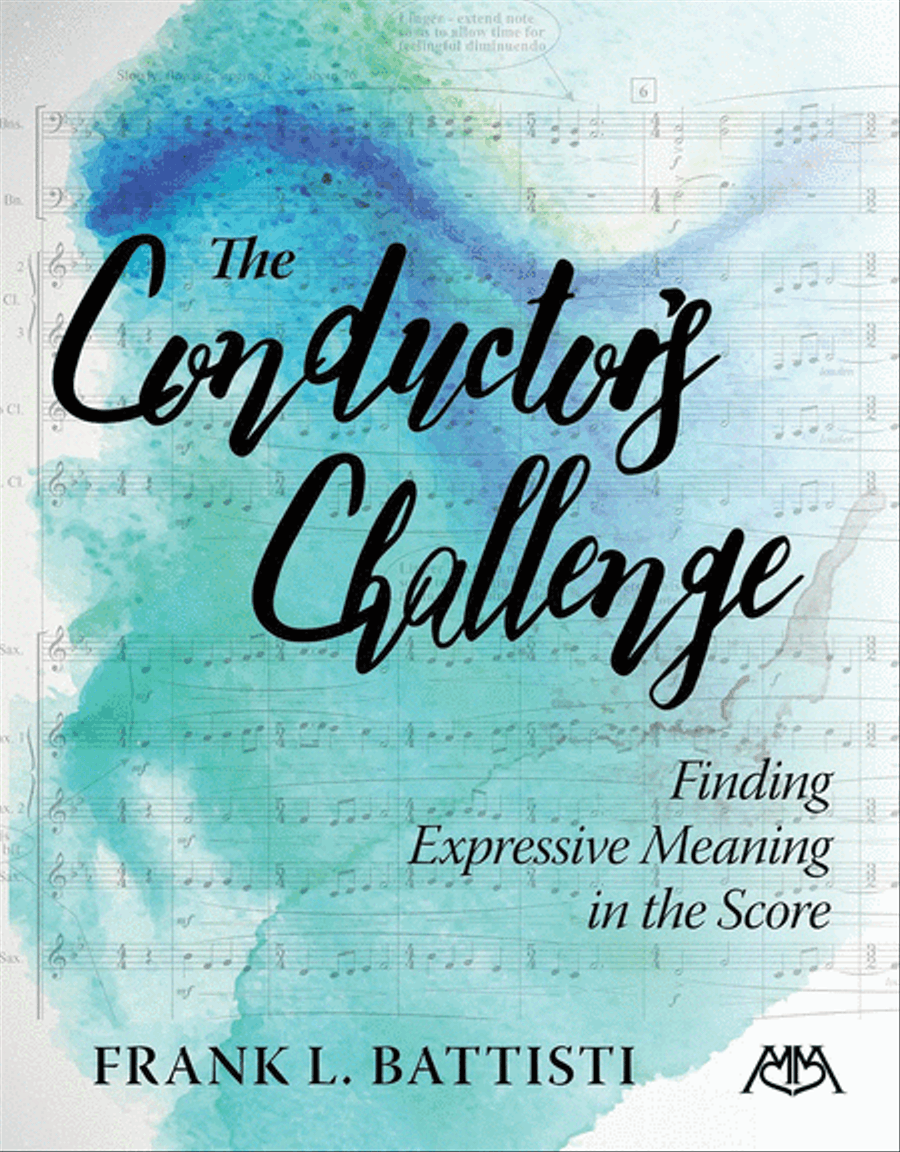
Finding Expressive Meaning in the Score. Composed by Frank Battisti. Music Education. 112 pages. GIA Publications #173525. Published by GIA Publications (GI.G-173525).ISBN 9781574631333. UPC: 888680629212.
This extension and expansion of Guide to Score Study, co-authored with Robert Garofalo, examines the various stages conductors traverse in arriving at an interpretation. Battisti emphasizes the importance of the conductor's imagination, personality and ongoing study - weeks/months/years - in developing an interpretation that is personal, well-informed and faithful to the composer's expressive intent. He examines the score analysis process including the role and function of a work's musical elements, the need to balance intellectual understanding and intuitive feelings about a piece and the challenges faced by conductors when transforming an interpretation into a performance. As examples, he traces the procedures he used in forming interpretations of Lisbon and Horkstow Grange from Grainger's Lincolnshire Posy, Copland's Down a Country Lane and Sinfonia from Stravinksy's Octet for Wind Instruments.
- Publisher:
- GIA Publications