Details
- Instrument:
- Electronic Media
- Ensembles:
- Orchestra
- Genres:
- Contemporary
- Composers:
- Tristan Murail
- Publishers:
- Editions Henry Lemoine
- ISBN:
- 9790230980463
- Format:
- Score
- Item types:
- Physical
- Artist:
- Tristan Murail
- Usages:
- School and Community
- Shipping Weight:
- 0.38 pounds
SKU: LM.28046
Composed by Tristan Murail. Ensemble music. Contemporary. Score. Duration 25'. Editions Henry Lemoine #28046. Published by Editions Henry Lemoine (LM.28046).ISBN 9790230980463.
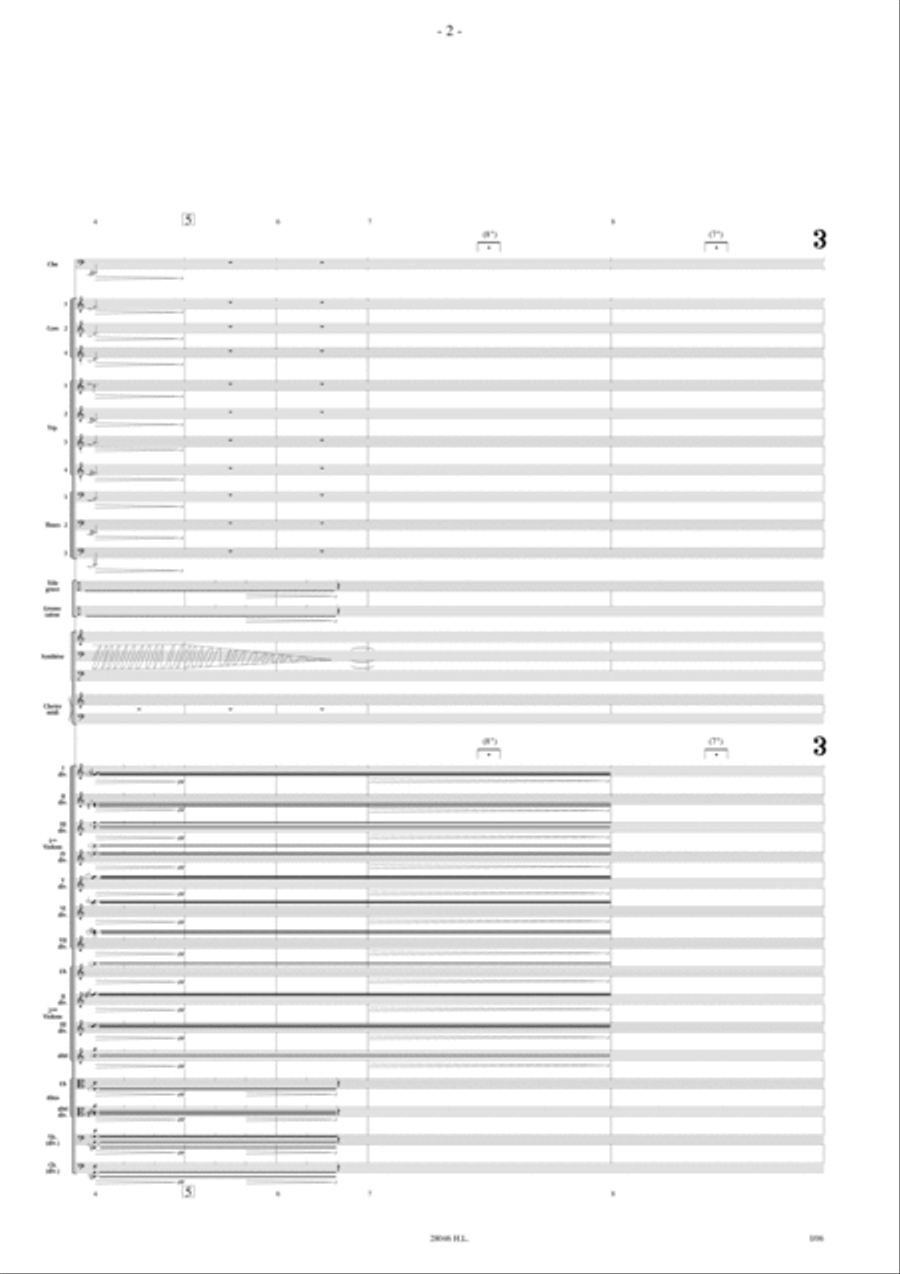
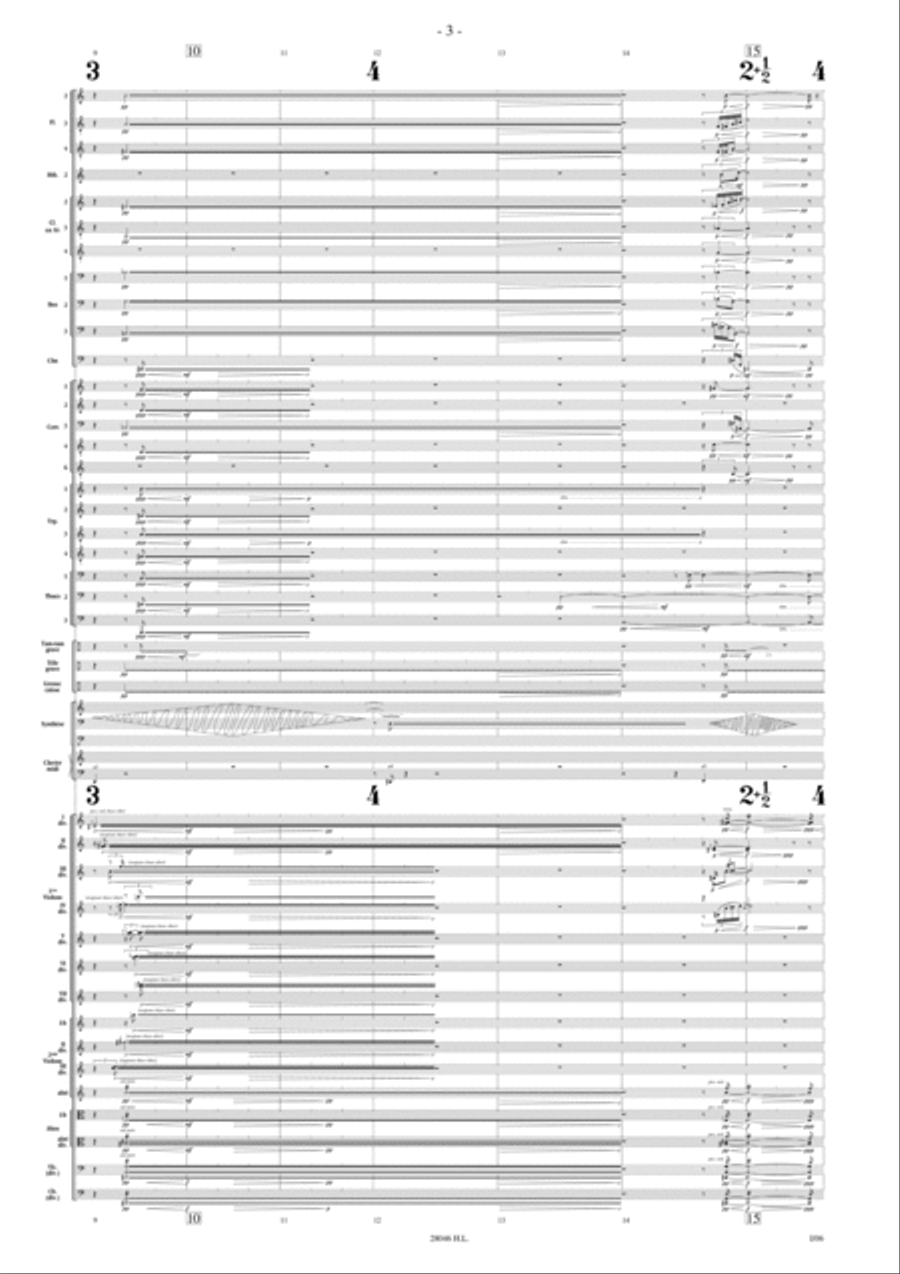
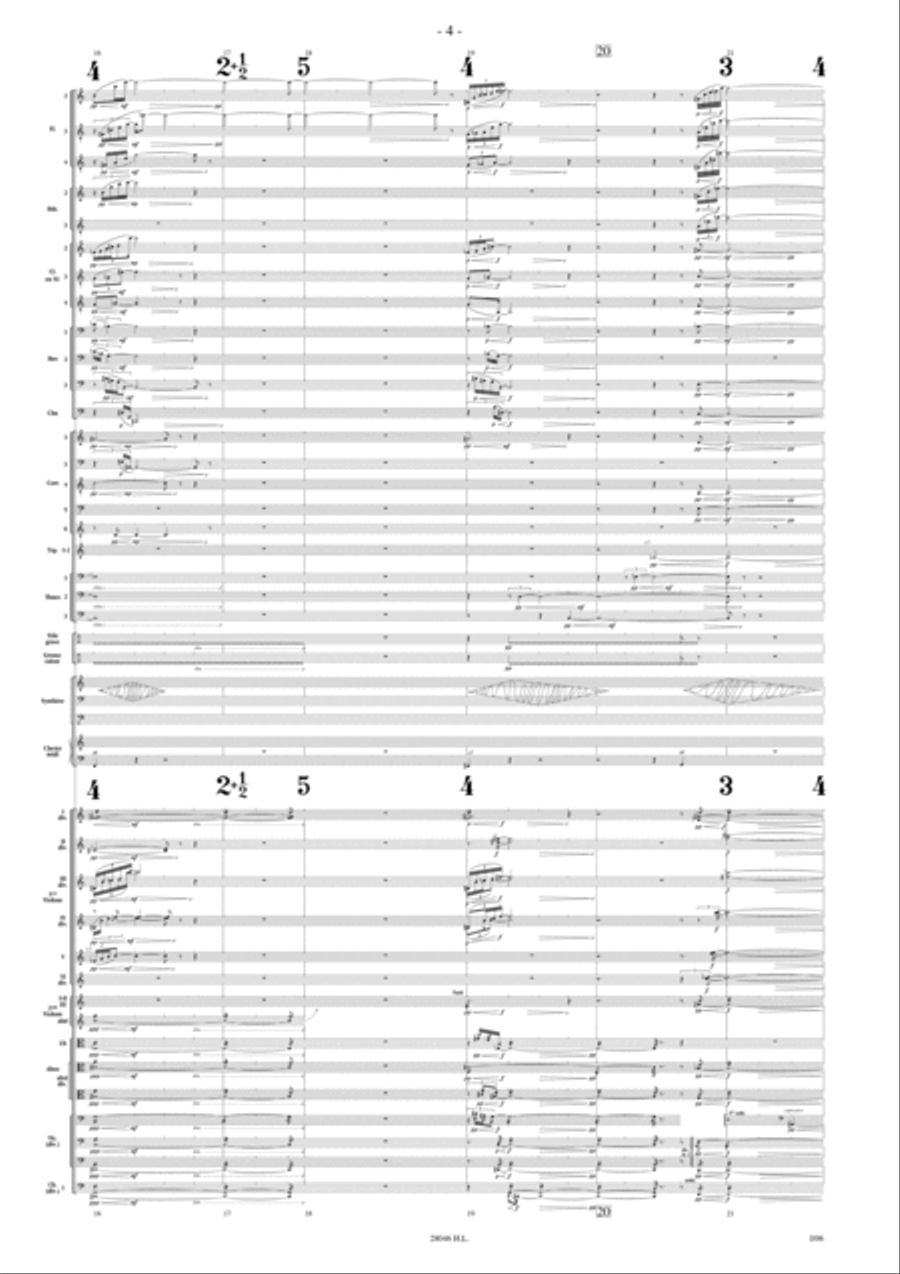
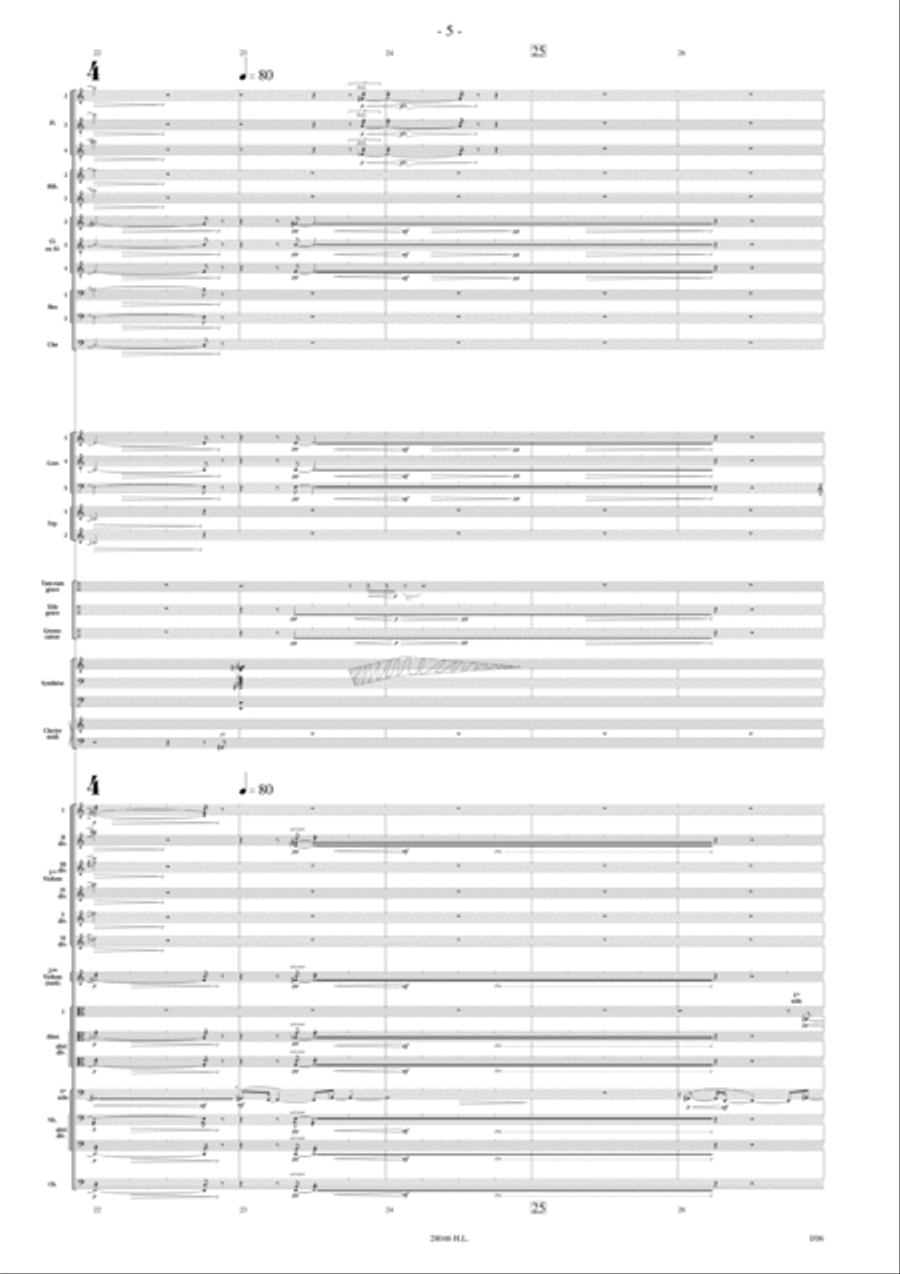
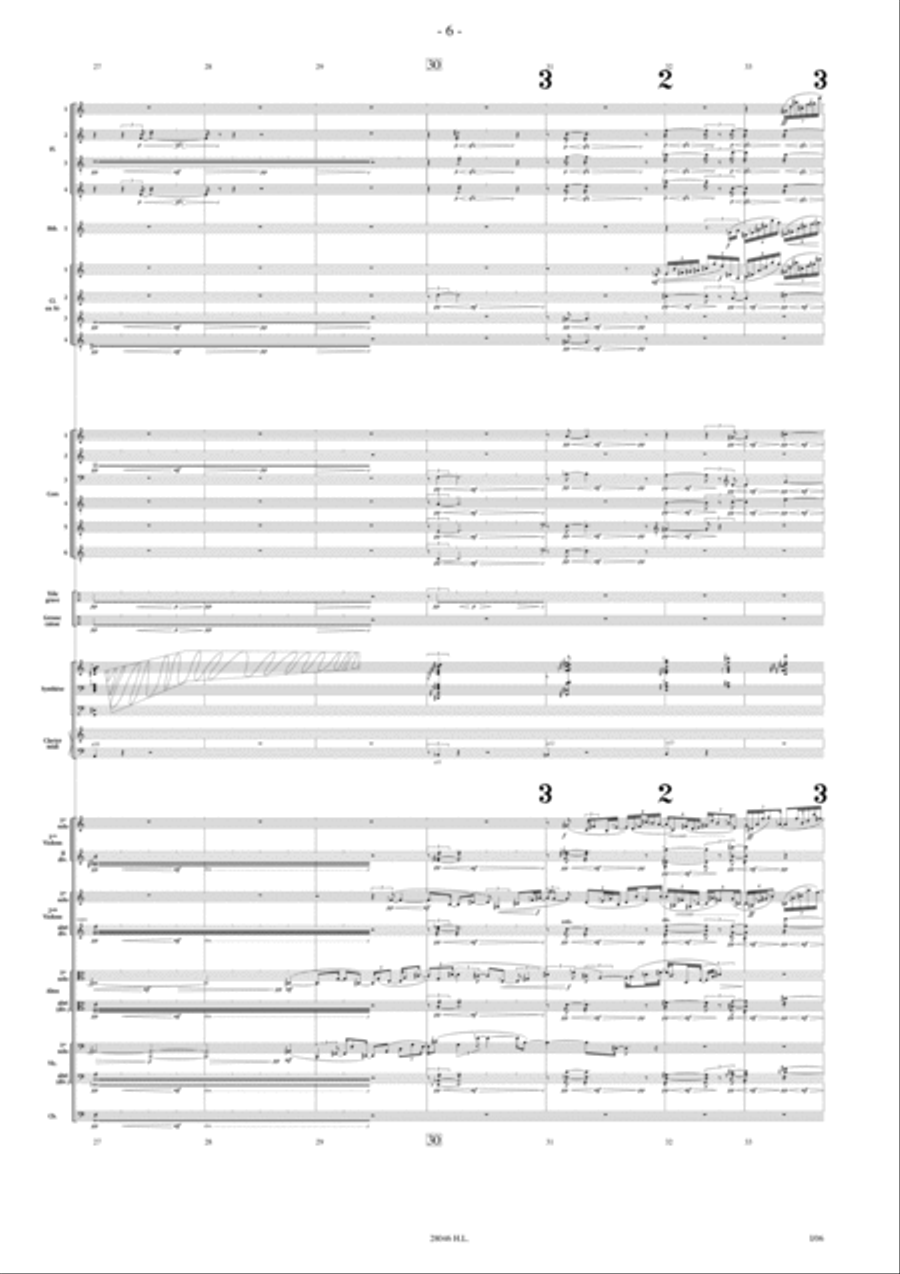
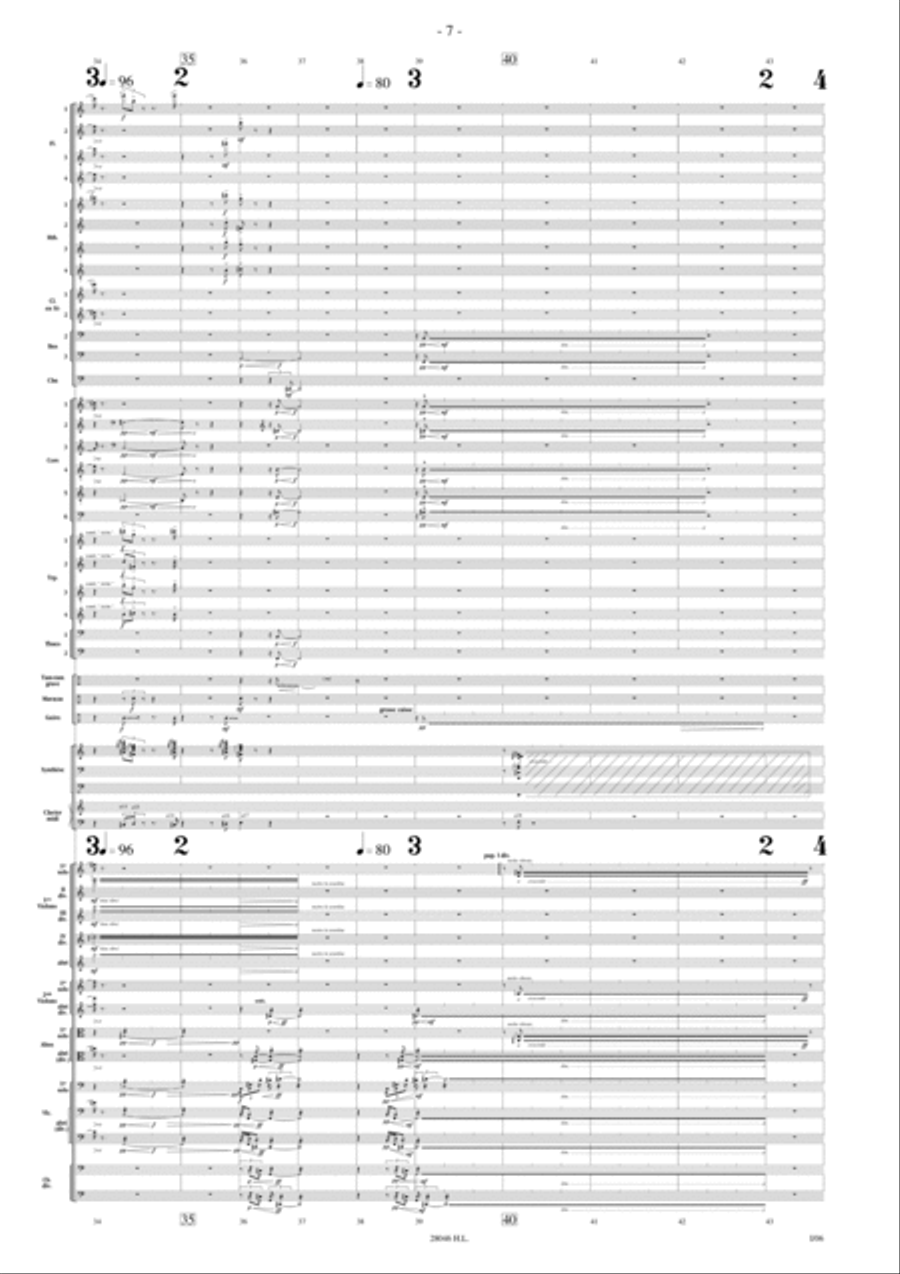
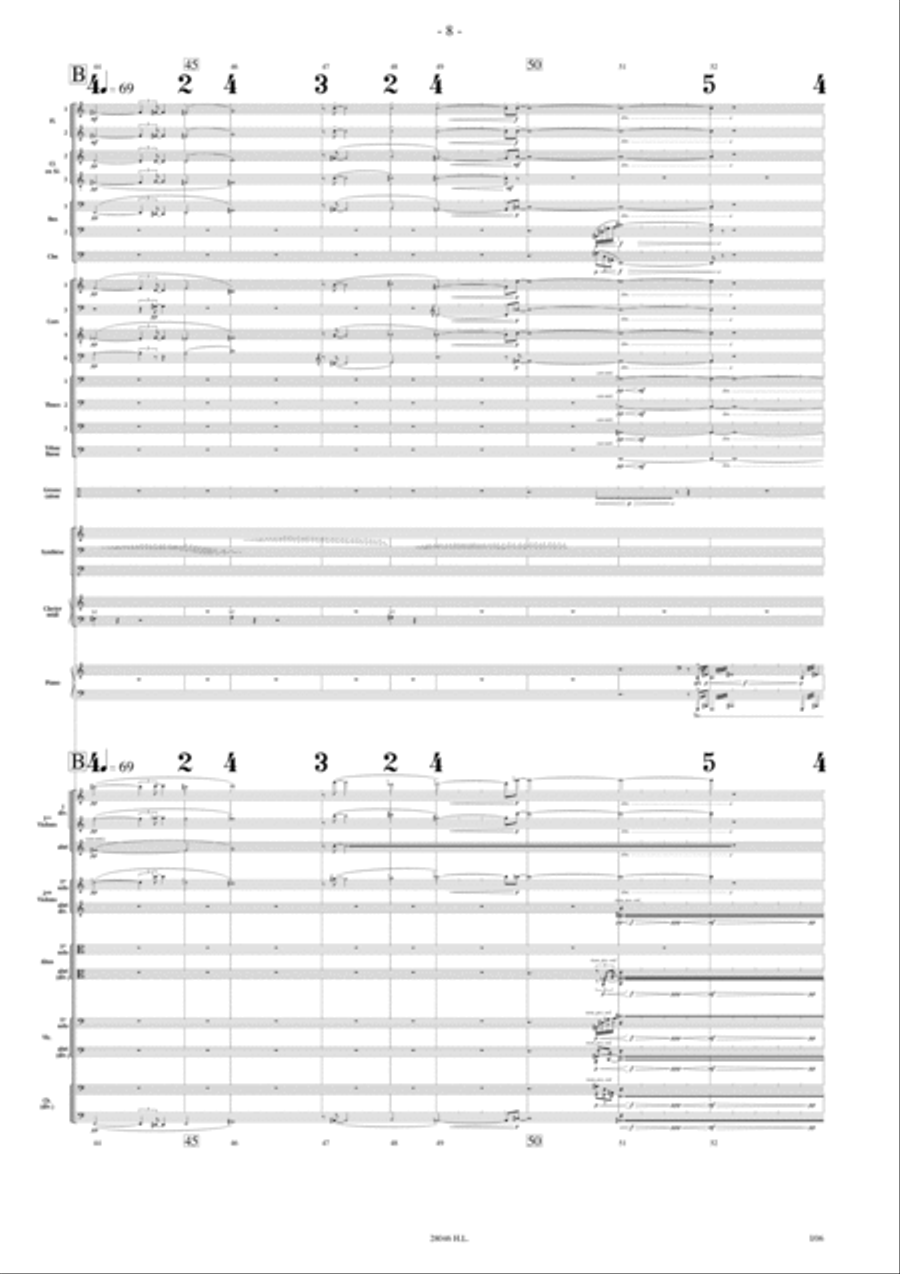
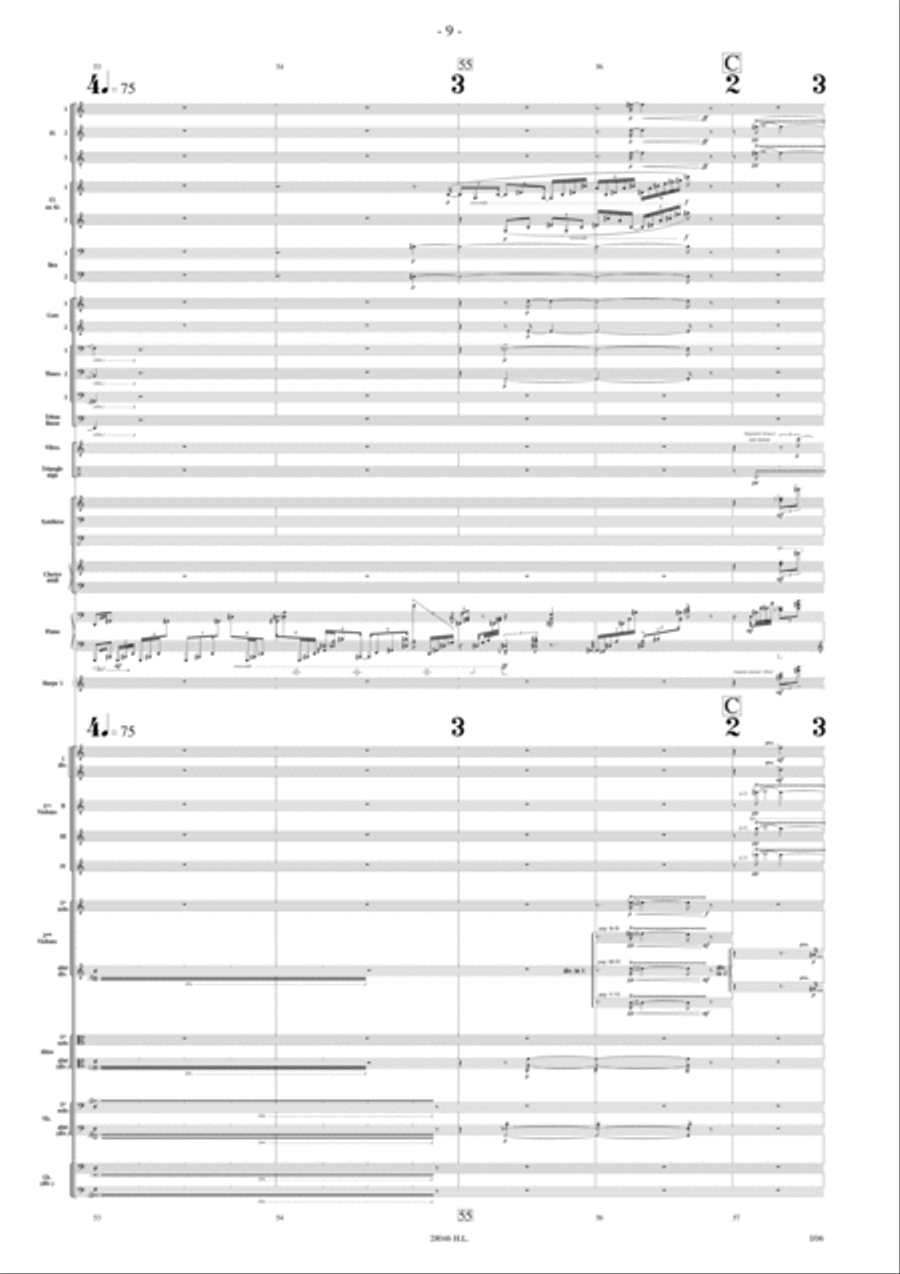
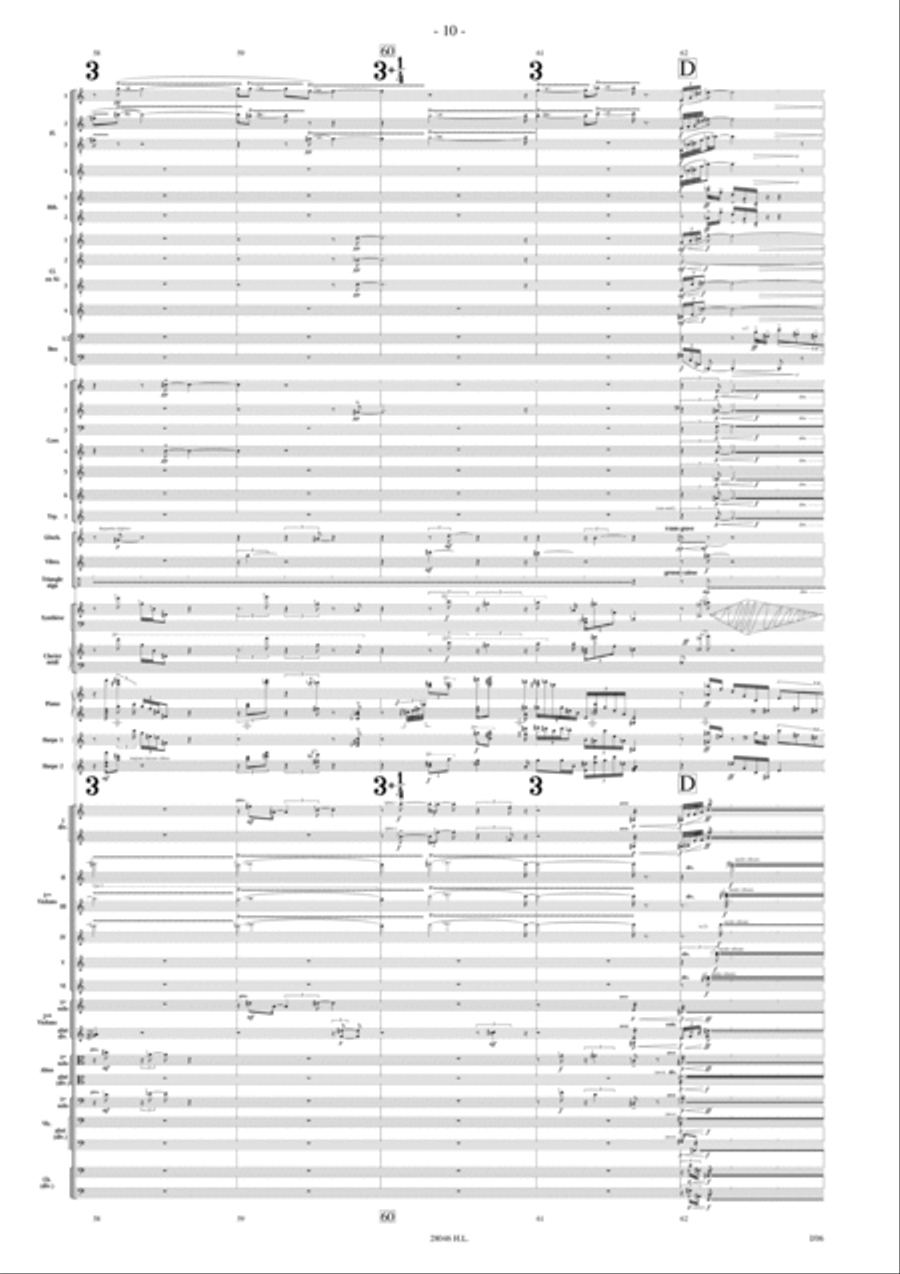
In the mind of a composer, the concept of method is pivotal. At the beginning of this work, an opening figure provides the initial presentation of musical material that will, after a pause, be taken up again differently. Little by little melodic lines emerge that are themselves the result of a transformation, or distortion, of the opening material. The discourse is in perpetual mutation. In this sonic flux, timbres play a central role. The orchestra is used in a most refined manner, for example in the form of relays (notes from the same melody are given successively to various instruments), which produce subtle variations in colour and illumination. The orchestral texture takes on a strange, unprecedented dimension, due to certain wind instruments being tuned a quartertone lower than standard tuning. Half of the flutes, oboes, clarinets, horns and trumpets are thus "detuned" to create sounds considered in tune from a spectral perspective. The necessity of adding electronic sounds to the orchestra developed gradually during the composer's work. As in numerous earlier works (Time and Again, 1985, La Dynamique des fluides, 1990-1991, Le Partage des eaux, 1996...), "the electronic sounds are played live, in order to enrich the sonic textures, to clarify the tuning, and to in general compensate for empty places in the orchestra".
Benoît Walther
Recording
1 CD Radio France (Densité 21), DE012
Terre d'ombre
Orchestre Philharmonique de Radio France, Peter Eötvös (conductor)
- More by this Composer:
- Tristan Murail Tristan Murail Cello Tristan Murail Piano Solo Tristan Murail Electronic Media
- Instrument:
- Other Electronic Media
- Artists:
- Tristan Murail
- Ensemble:
- Orchestra
- Publisher:
- Editions Henry Lemoine