Details
- Instrument:
- Choir Piano Accompaniment Voice Solo
- Ensembles:
- Choir
- Genres:
- Christian Classical Period German Viennese
- Composers:
- Wolfgang Amadeus Mozart
- Publishers:
- Serenissima
- ISBN:
- 9781932419412
- Format:
- Vocal Score
- Item types:
- Physical
- Artist:
- Wolfgang Amadeus Mozart
- Usages:
- Hymn Anthems
- Size:
- 9.5 x 12.5 inches
- Shipping Weight:
- 0.31 pounds
Choir and piano solo voices, chorus, keyboard
SKU: SA.19412
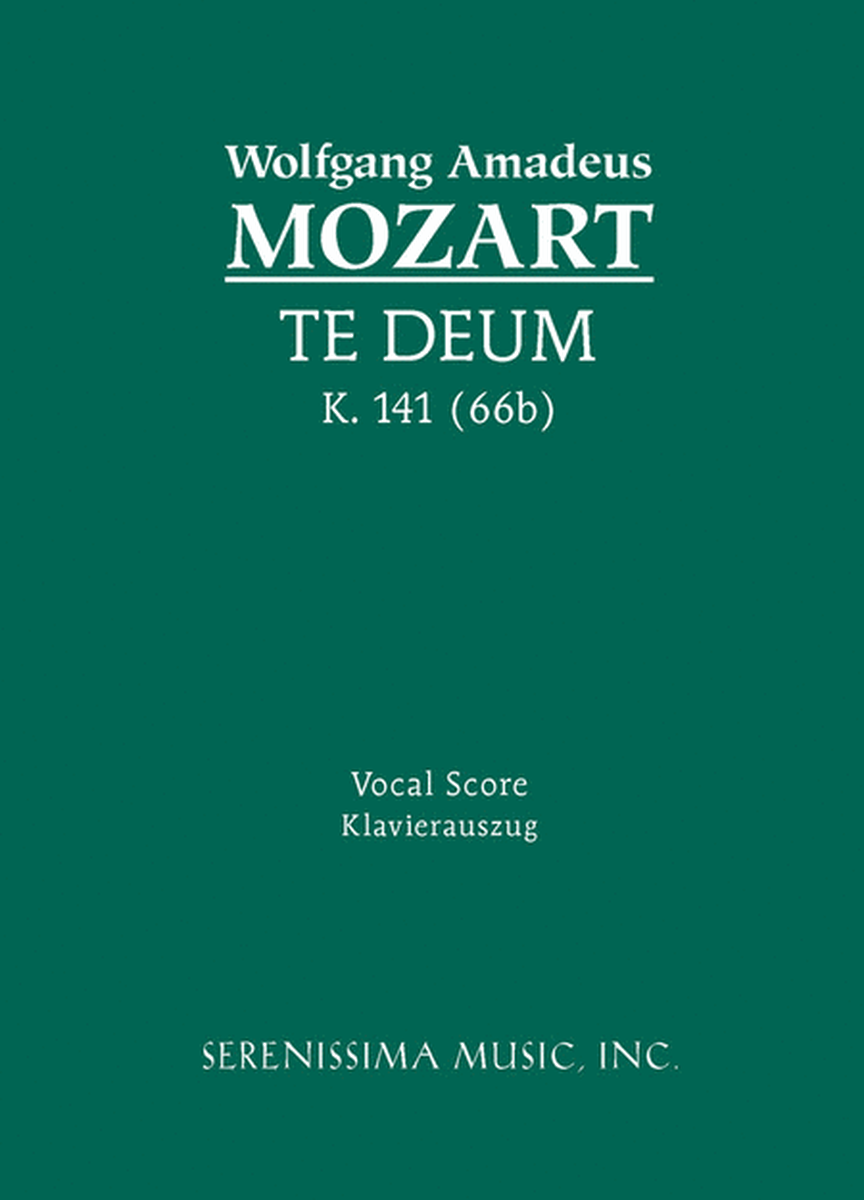
Composed by Wolfgang Amadeus Mozart. Edited by Karel Torvik. Arranged by Franz Xaver Gleichauf. This edition: Paperback. Sacred Cantata, Liturgical. Classical Period; Sacred/Hymns, German, Viennese. Vocal score (Gleichauf/Torvik). With Text Language: Latin. Composed 1769. Duration 7 minutes. Serenissima #19412. Published by Serenissima (SA.19412).ISBN 9781932419412. 9.5 x 12.5 inches.
Newly engraved and revised edition of Gleichauf's classic vocal score. Composed in in Salzburg in 1769, Mozart modeled this youthful work closely on a similar one by Michael Haydn (for which reason its authenticity had long been questioned). Mozart's piece divides the lengthy liturgical text into three contrasting sections, including a final rousing double fugue. Musicologist Alfred Einstein described the work as sure in construction, thrilling in its choral declamation, and having a certain rustic South-German grandeur.
- More by this Composer:
- Wolfgang Amadeus Mozart Wolfgang Amadeus Mozart Piano Wolfgang Amadeus Mozart Piano Accompaniment Wolfgang Amadeus Mozart Violin
- Instrument:
- Vocal Choir Piano and Keyboard Piano Accompaniment Vocal Voice Voice Solo
- Artists:
- Wolfgang Amadeus Mozart
- Ensemble:
- Choir
- Publisher:
- Serenissima