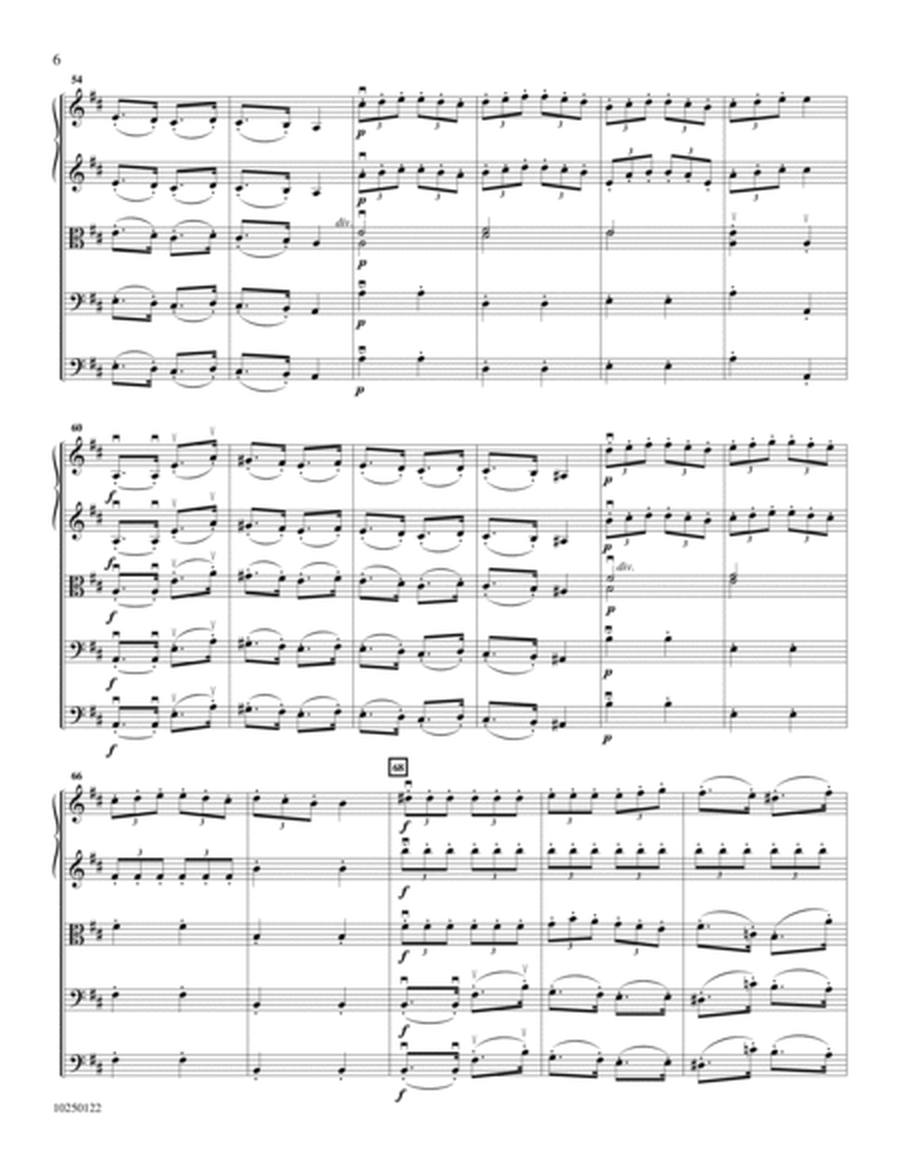
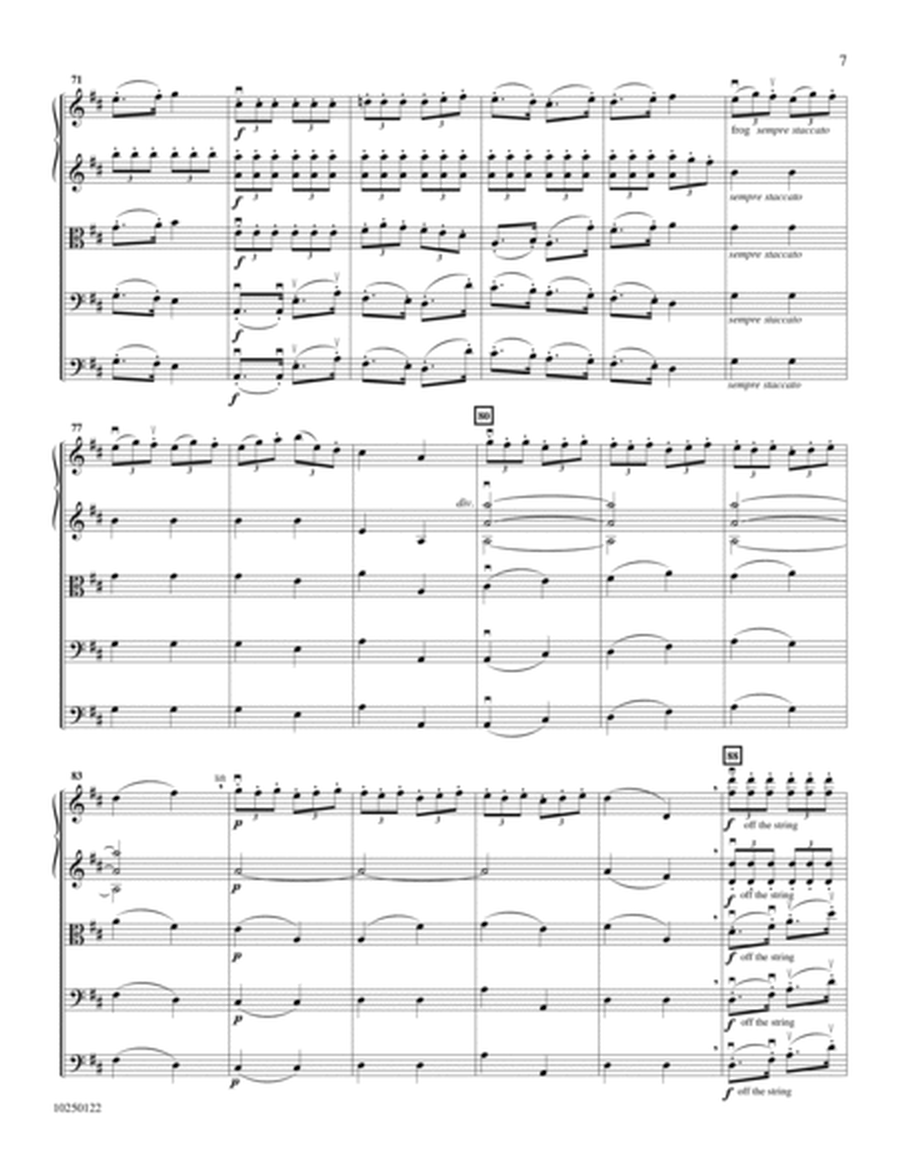
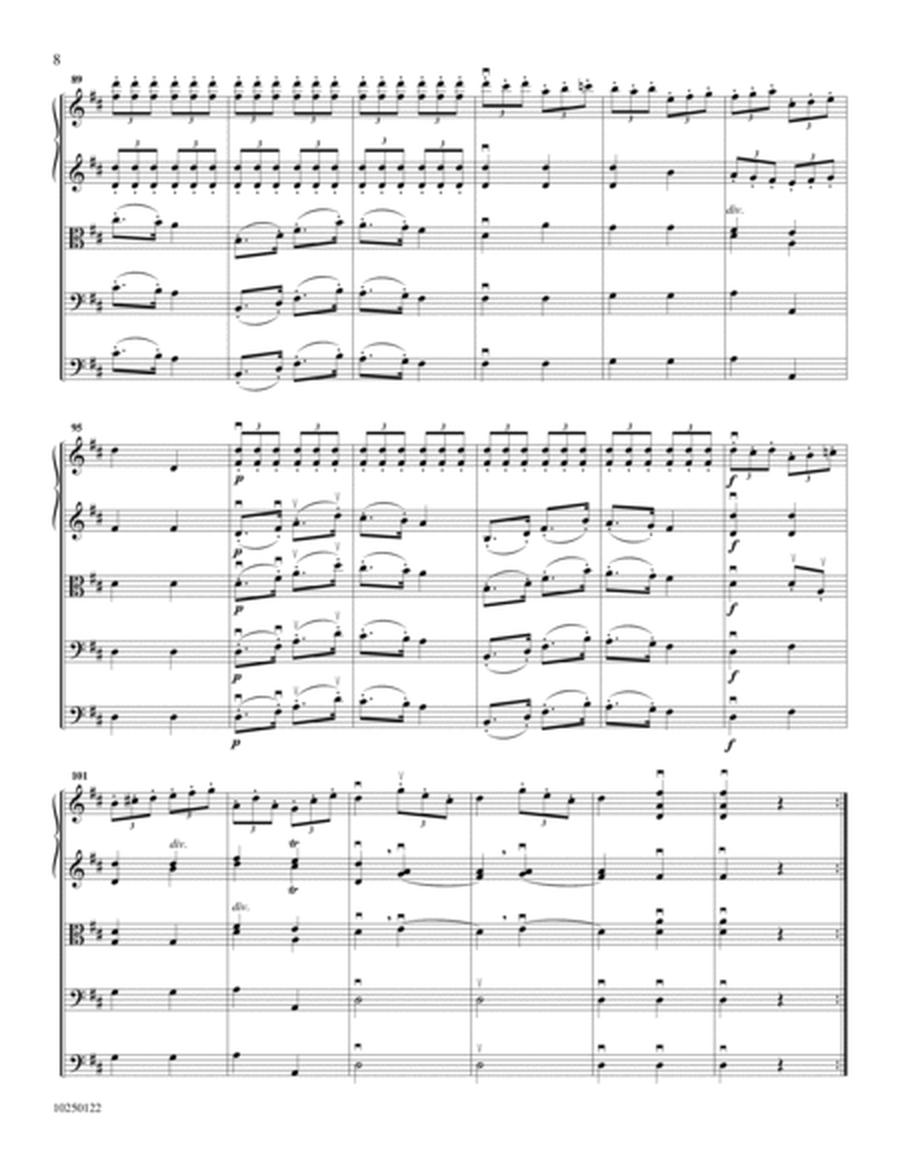
Composed by Wolfgang Amadeus Mozart. Arranged by Sandra Dackow. Set Type: C. Set of parts. Tempo Press #40622SET. Published by Tempo Press (TM.40622SET).
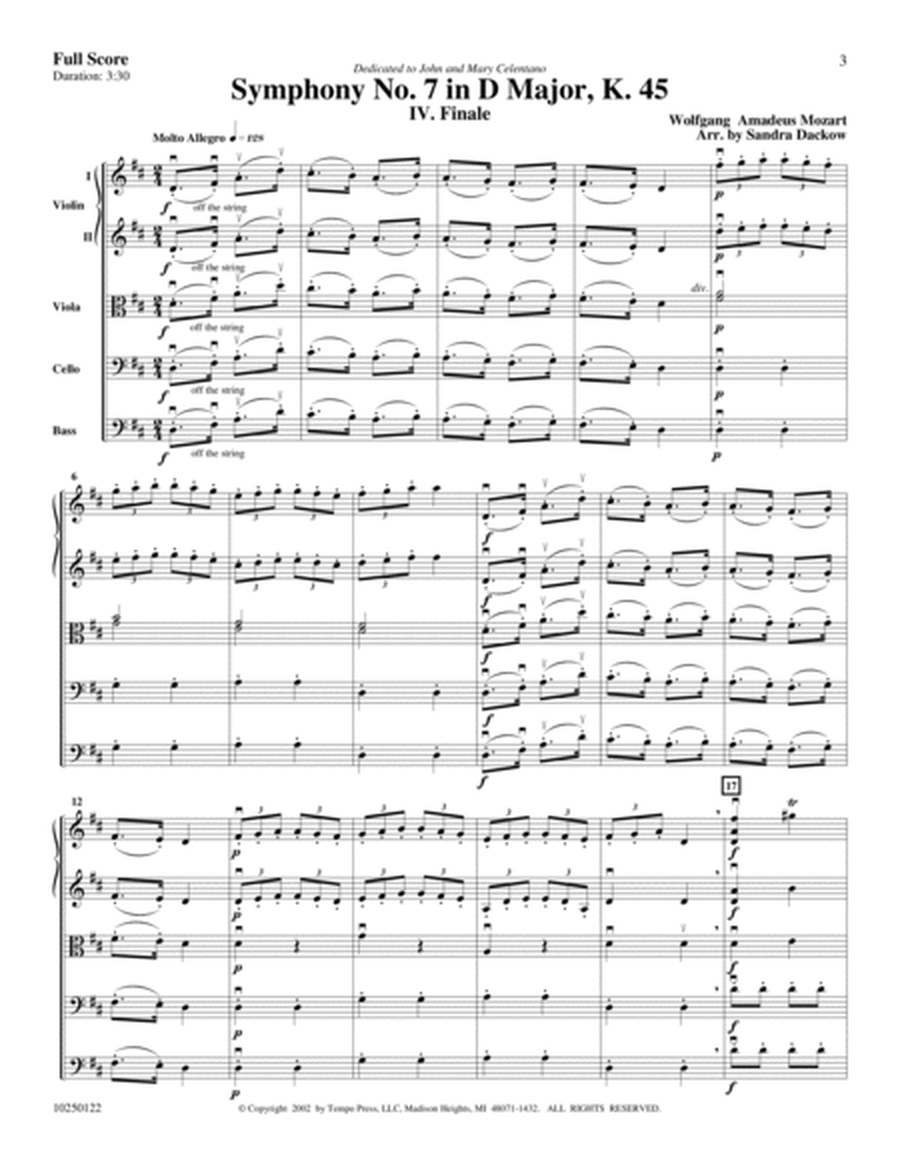
Written when Mozart was just twelve years old, this symphony is a wonderful example of his budding genius. This faithful arrangement (including dotted eighth/sixteenth and triplet figure that are played in the same manner, lending them to good teaching about historical performance practices) is very accessible and will work well on any program.
Composed by Wolfgang Amadeus Mozart. Arranged by Sandra Dackow. Set Type: C. Set of parts. Tempo Press #40622SET. Published by Tempo Press (TM.40622SET).
Written when Mozart was just twelve years old, this symphony is a wonderful example of his budding genius. This faithful arrangement (including dotted eighth/sixteenth and triplet figure that are played in the same manner, lending them to good teaching about historical performance practices) is very accessible and will work well on any program.
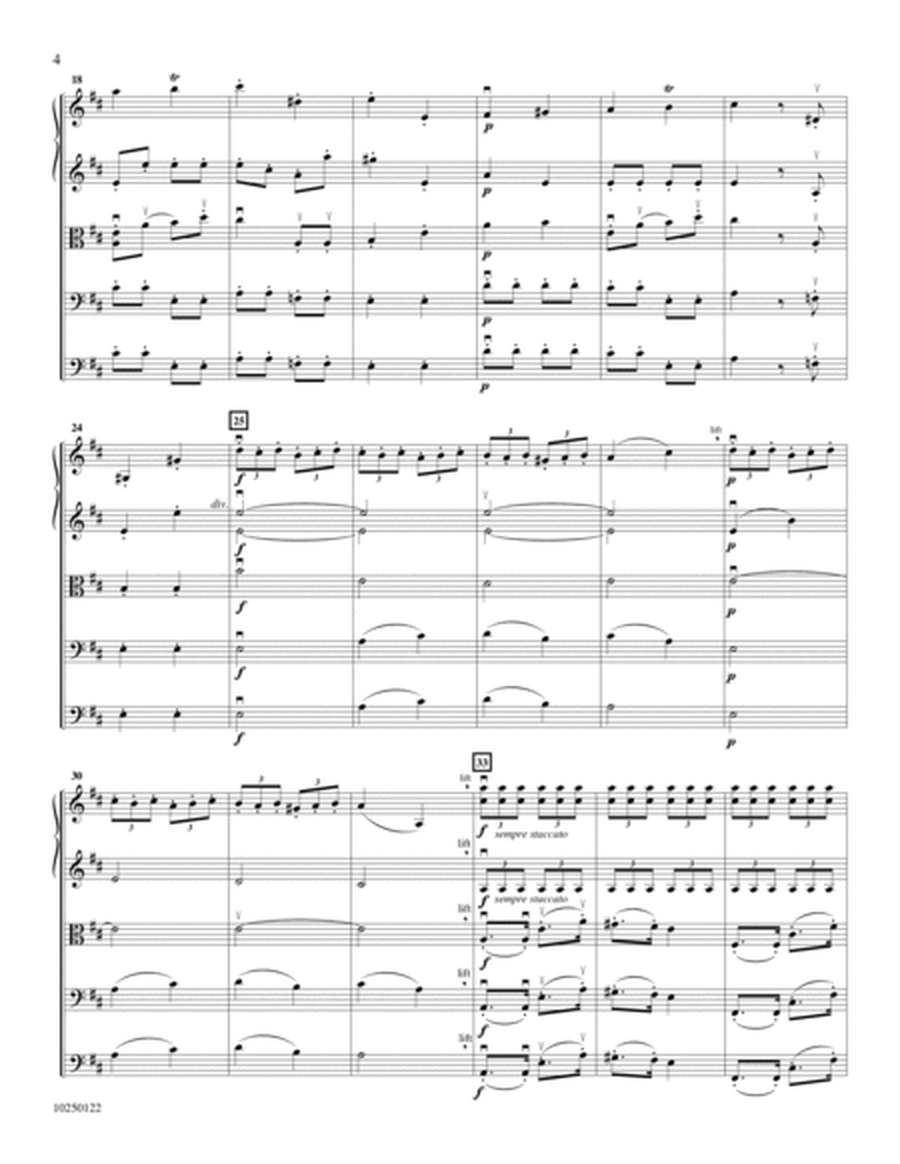
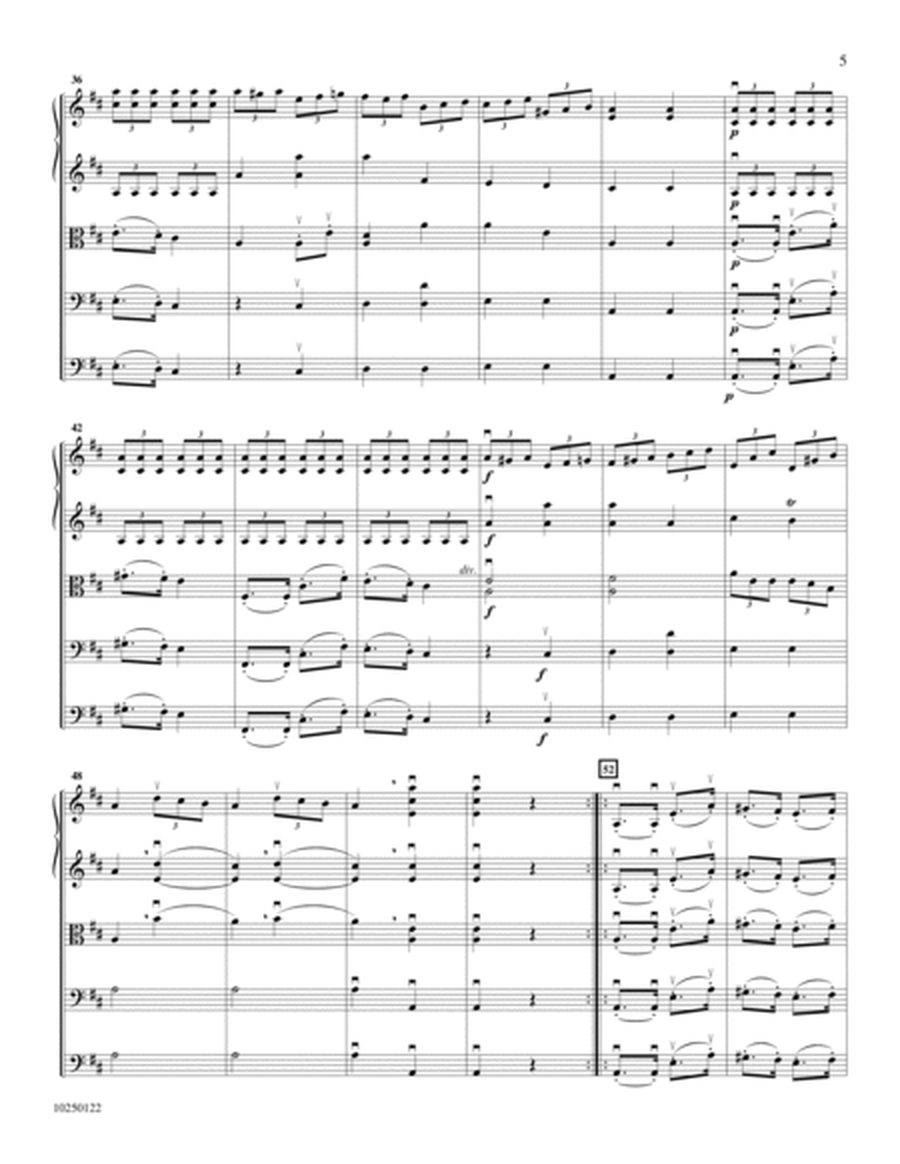
Preview: Symphony No. 7 in D, K.45: Finale, 4th movement
Tell a friend (or remind yourself) about this product. We'll instantly send an email containing product info and a link to it. You may also enter a personal message.
We do not use or store email addresses from this form for any other purpose than sending your share email.
After purchase, you can download your MP3 from your Sheet Music Plus Digital Library - no software installation is necessary! You can also listen to your MP3 at any time in your Digital Library.
Learn about Smart Music
After purchase, you can download your Smart Music from your Sheet Music Plus Digital Library - no software installation is necessary! You can also download at any time in your Digital Library.
Learn about Digital Video
After purchase you can download your video from your Digital Library. Your video is in XX format and is playable on most pre-installed video players.