Details
- Instrument:
- Organ
- Genres:
- Romantic Period
- Composers:
- Charles Marie Widor
- Publishers:
- A-R Editions
- ISBN:
- 978-0-89579-540-3
- Format:
- Score
- Item types:
- Physical
- Musical forms:
- Symphony
- Artist:
- Charles Marie Widor
- Usages:
- School and Community
- Size:
- 9x12 inches
- Shipping Weight:
- 1.08 pounds
SKU: A2.N016
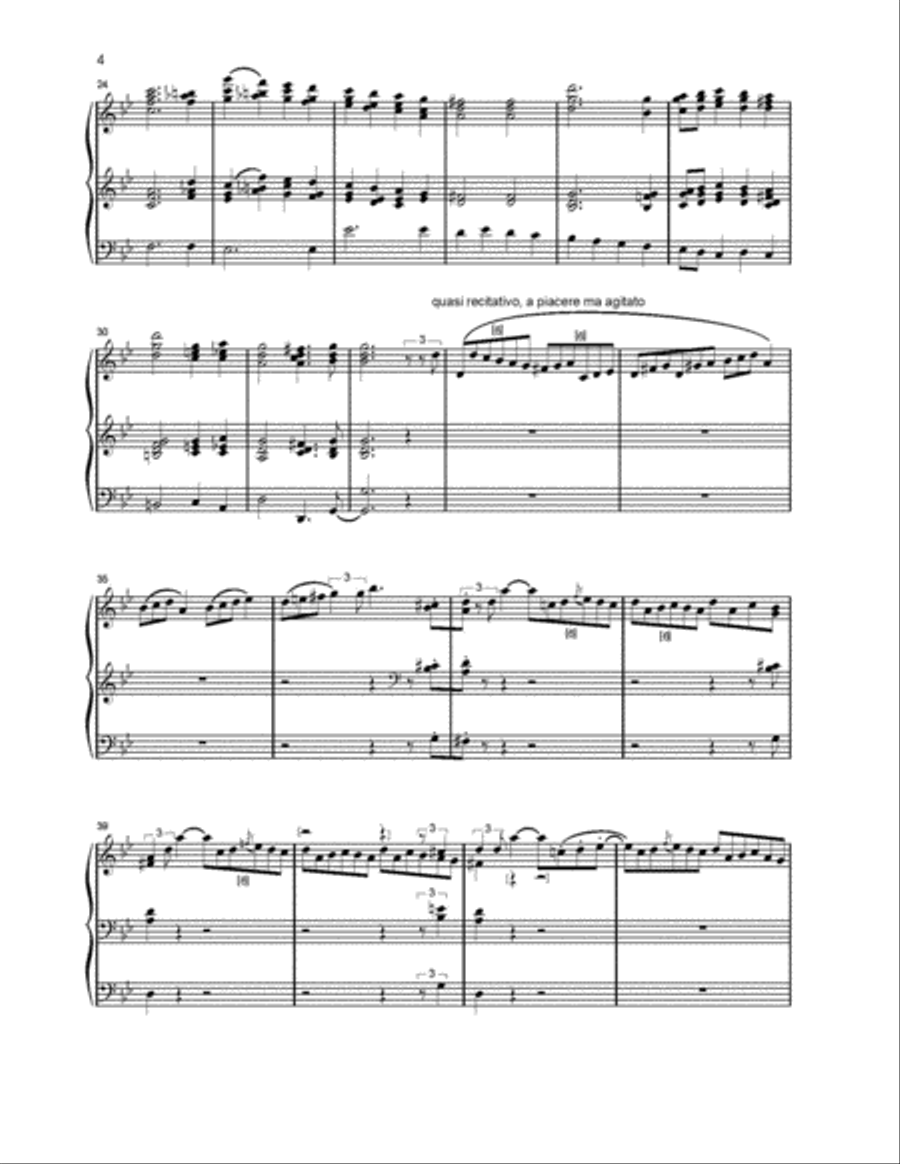
Composed by Charles Marie Widor. Edited by John R. Near. This edition: critical edition. Score. A-R Editions #N016. Published by A-R Editions (A2.N016).ISBN 978-0-89579-540-3. 9x12 inches.
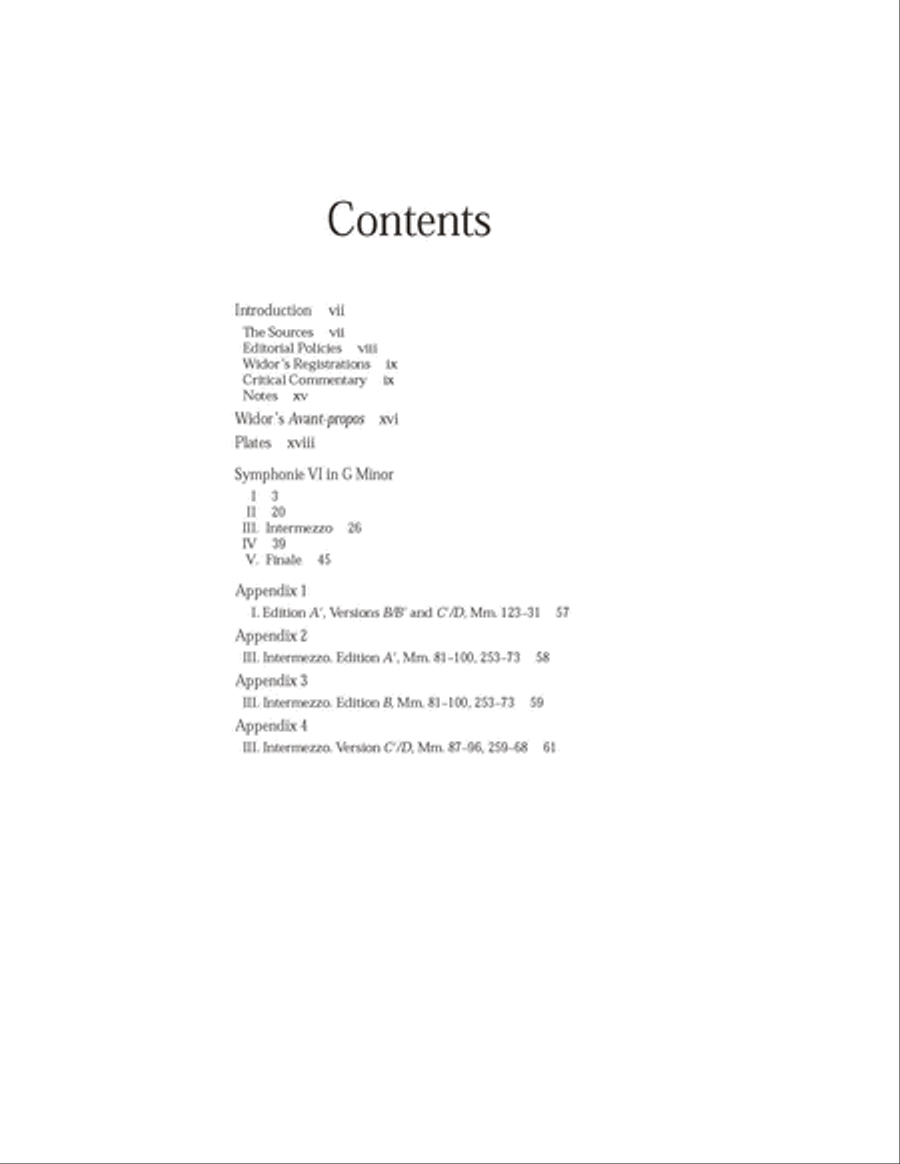
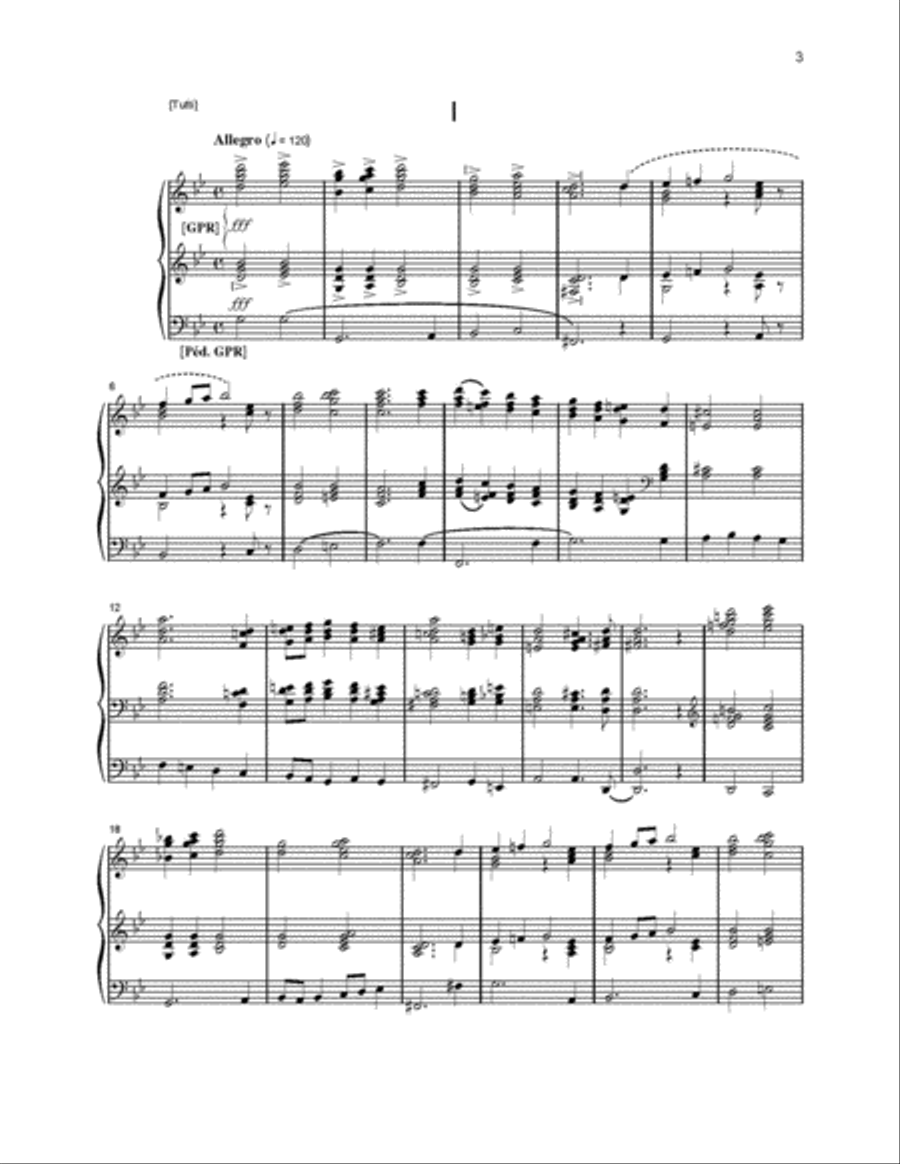
Charles-Marie Widor continued to develop the genre of the organ symphony in his second set of four works, published as Symphonies pour orgue, opus 42 (1878-87). The introduction to this edition of Widor's Symphonie VI includes a list of the sources, a statement of editorial policies, and information about Widor's registrations. Symphonie VI in G Minor, in five movements, was actually composed before Symphonie V; both works share a concern for architectural symmetry in their fast-slow-fast-slow-fast movement scheme. The first movement of Symphonie VI, a theme and variations, has in particular attracted the attention of organists, maintaining an exceptional degree of grandeur and nobility throughout. Also included in this edition are four appendices containing selected principal variants from the first and third movements.
- More by this Composer:
- Charles Marie Widor Charles Marie Widor Choir Charles Marie Widor Organ Charles Marie Widor Organ Solo
- Instrument:
- Piano and Keyboard Organ
- Artists:
- Charles Marie Widor
- Publisher:
- A-R Editions