18493277
Sonata
18493277
18493277
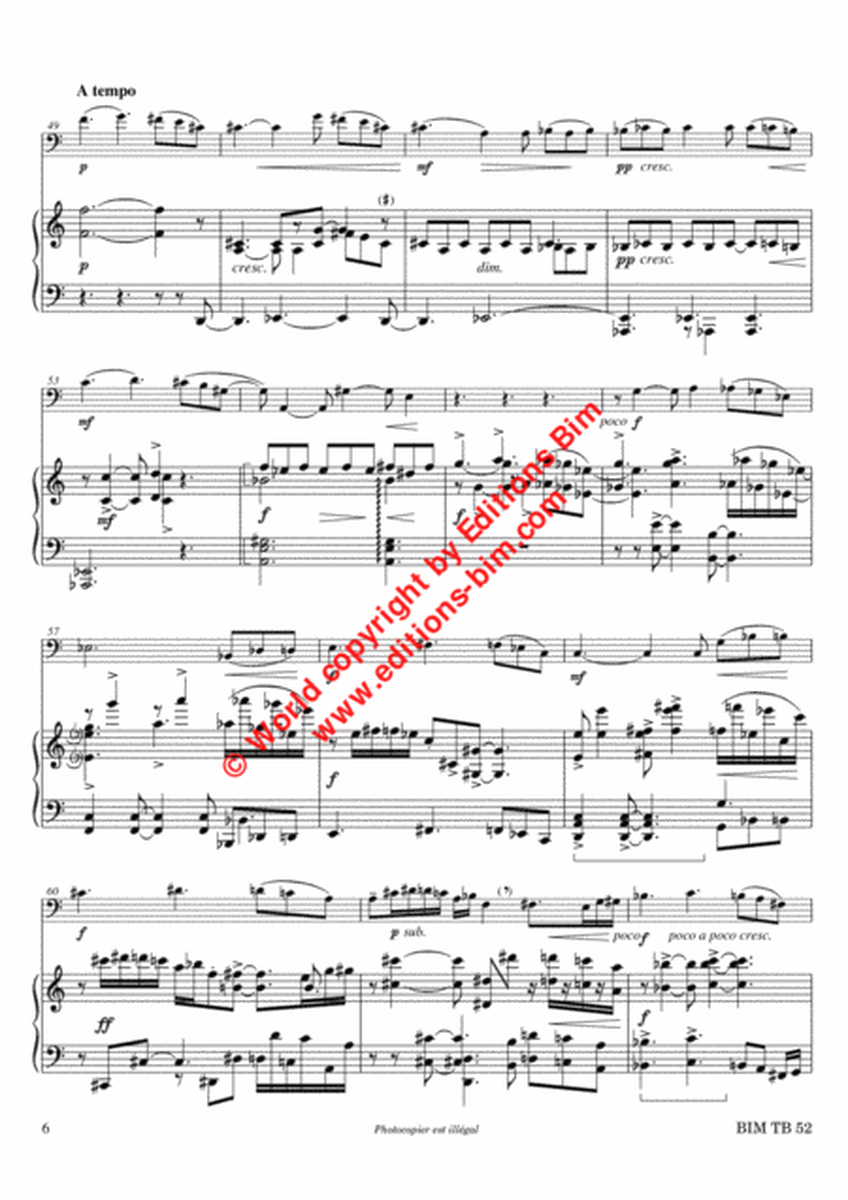
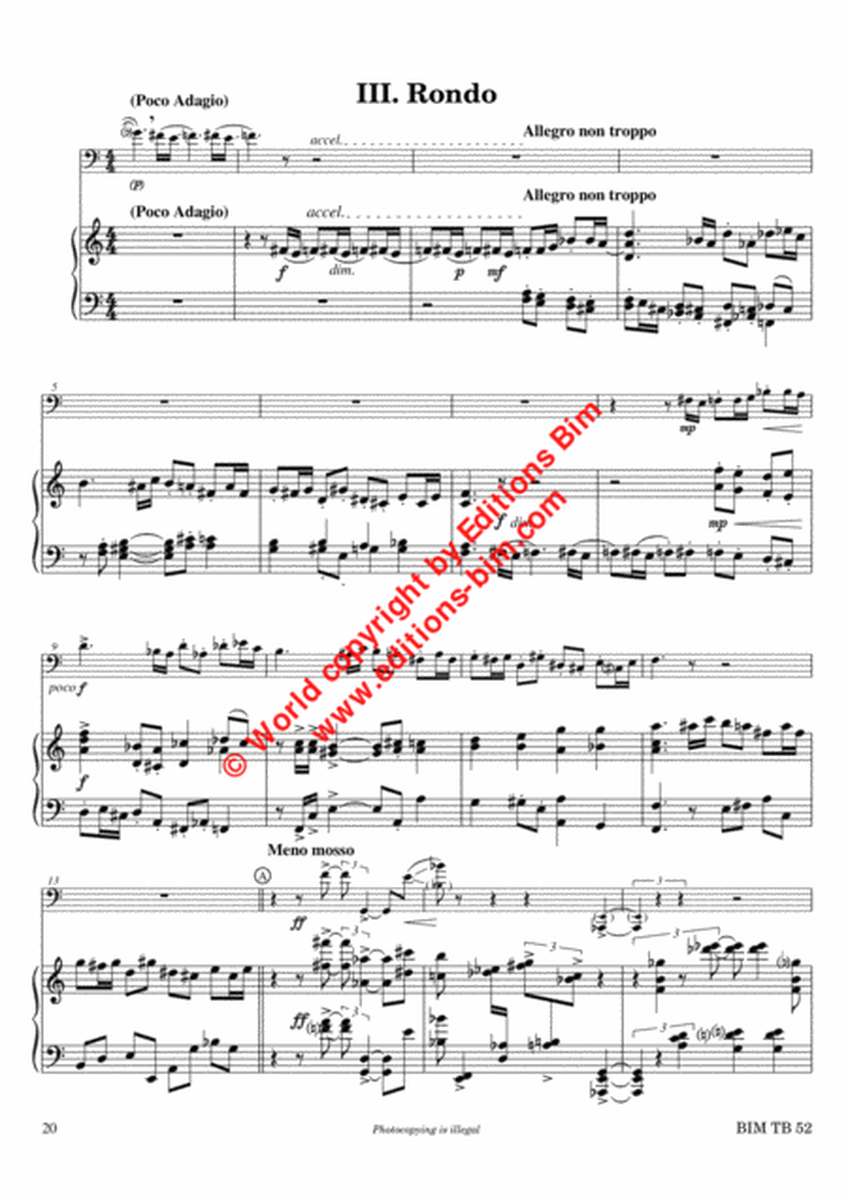
Sonata Piano Accompaniment scores gallery preview page 1
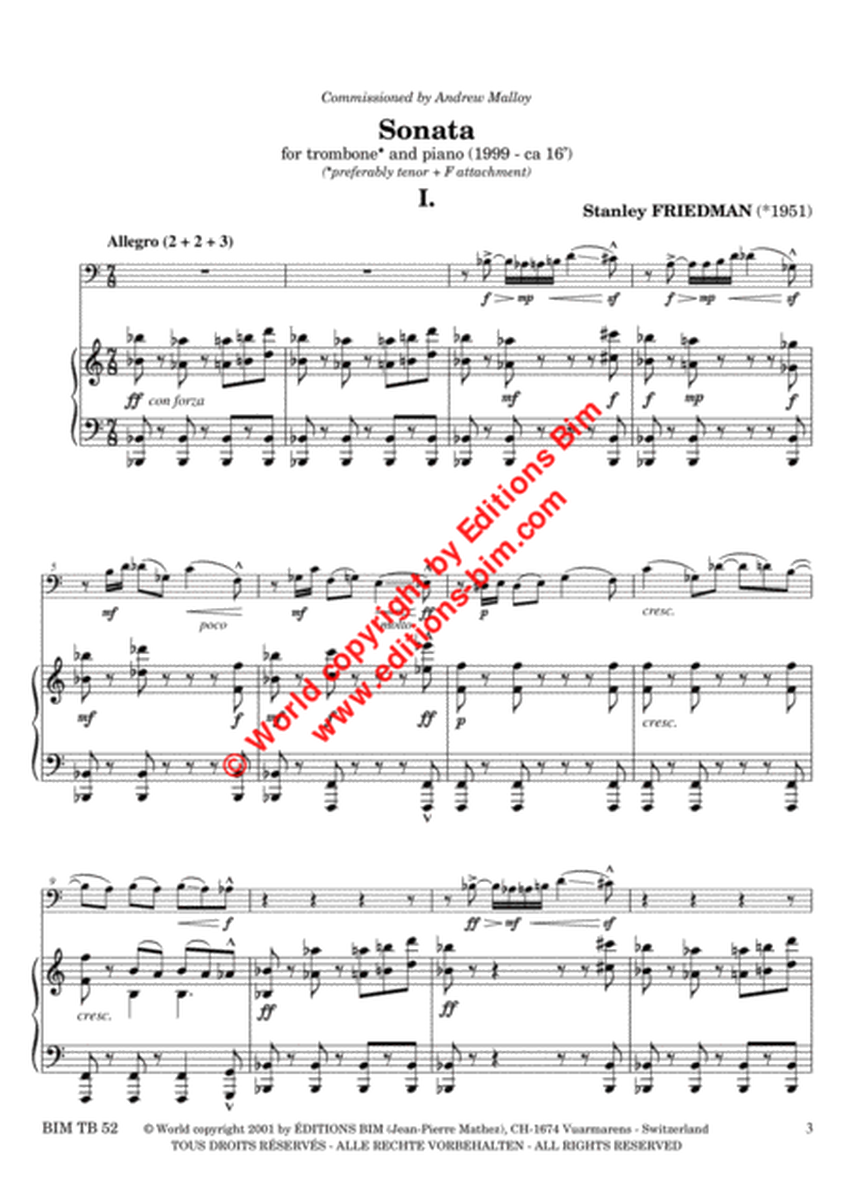
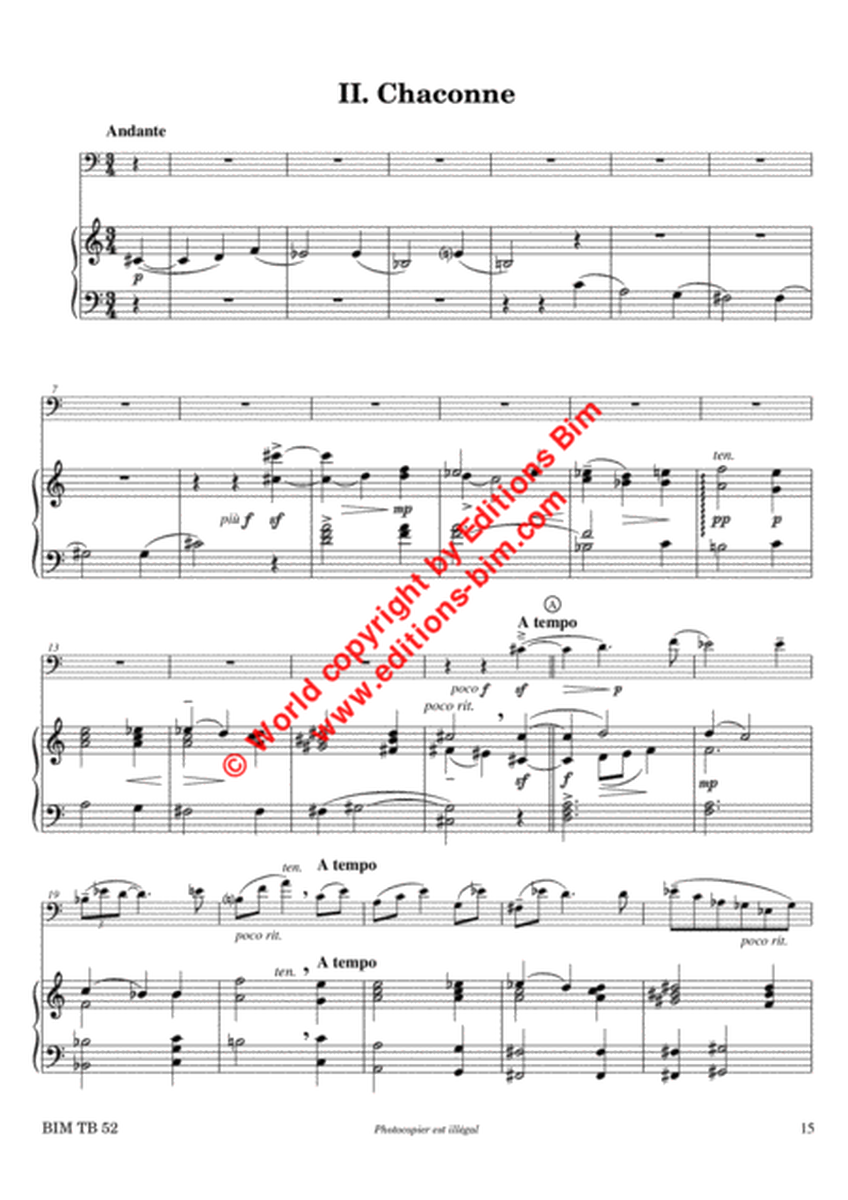
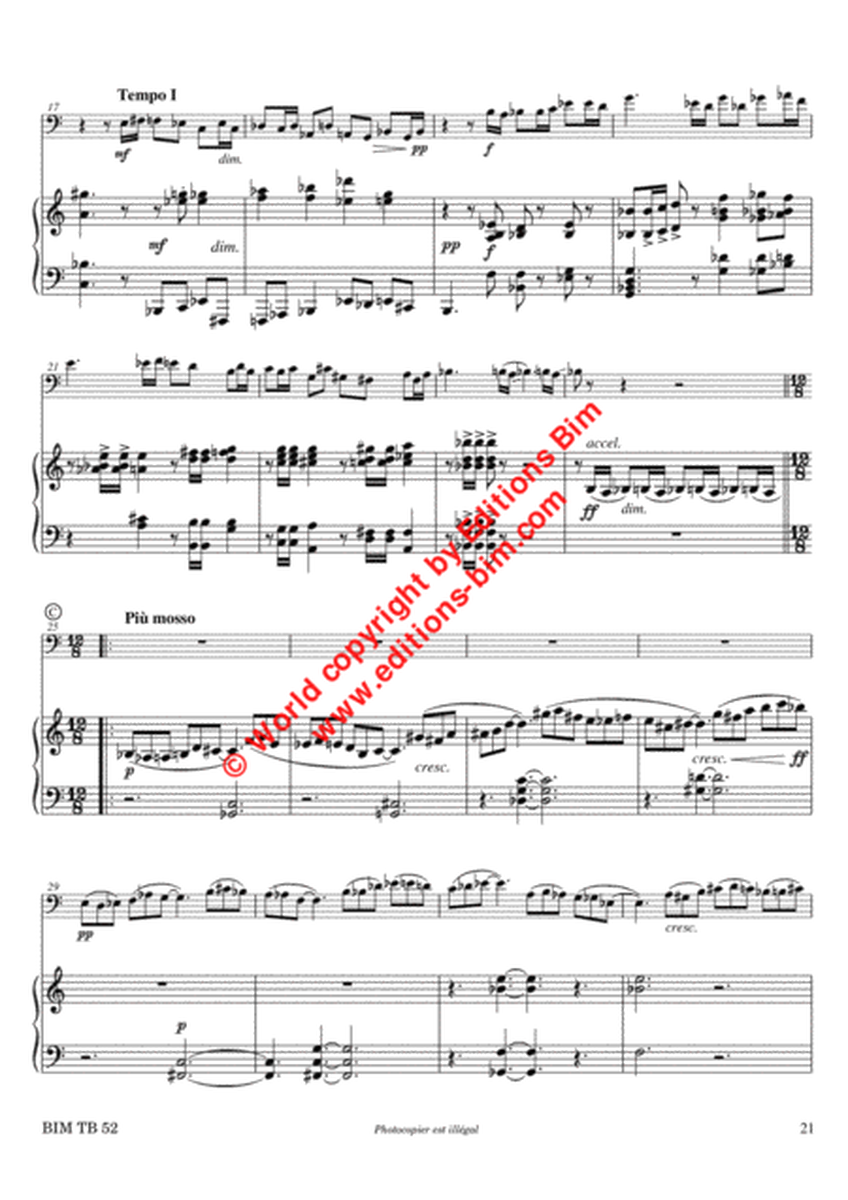
Sonata Piano Accompaniment scores gallery preview page 2
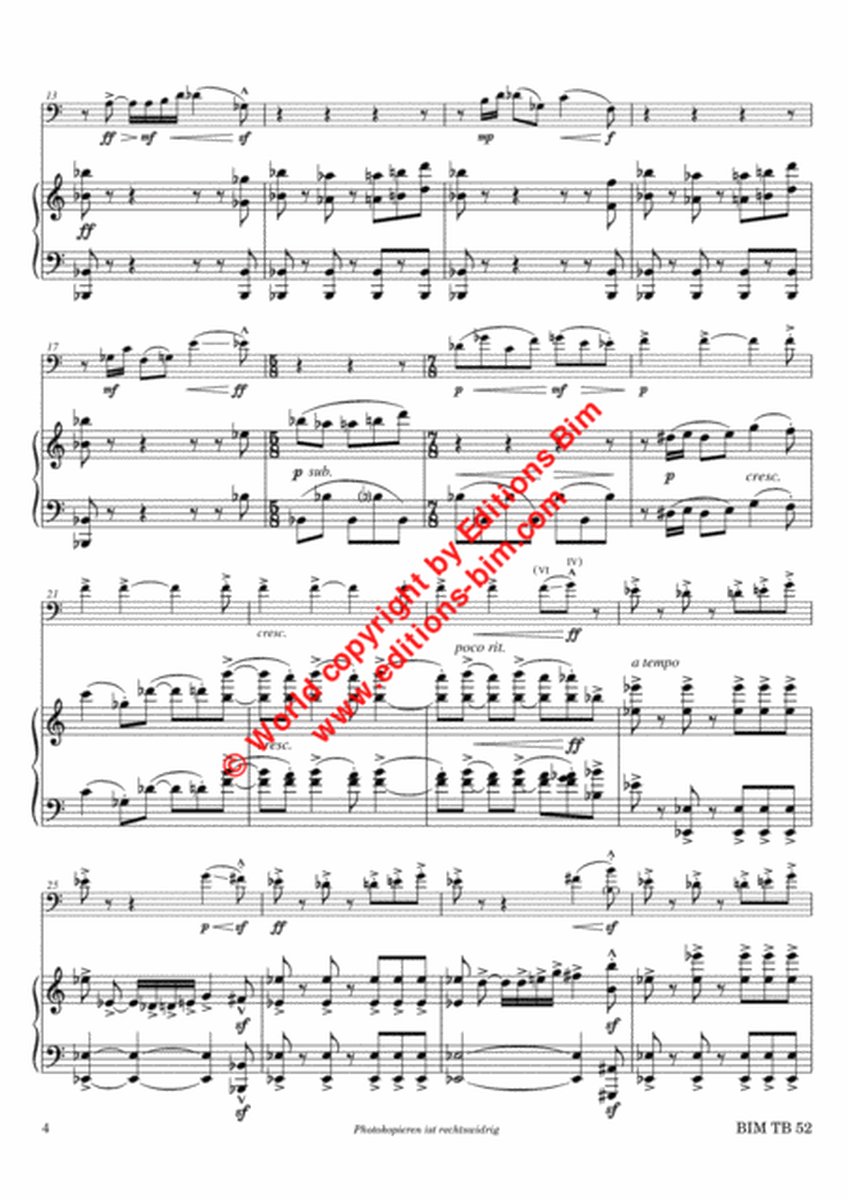
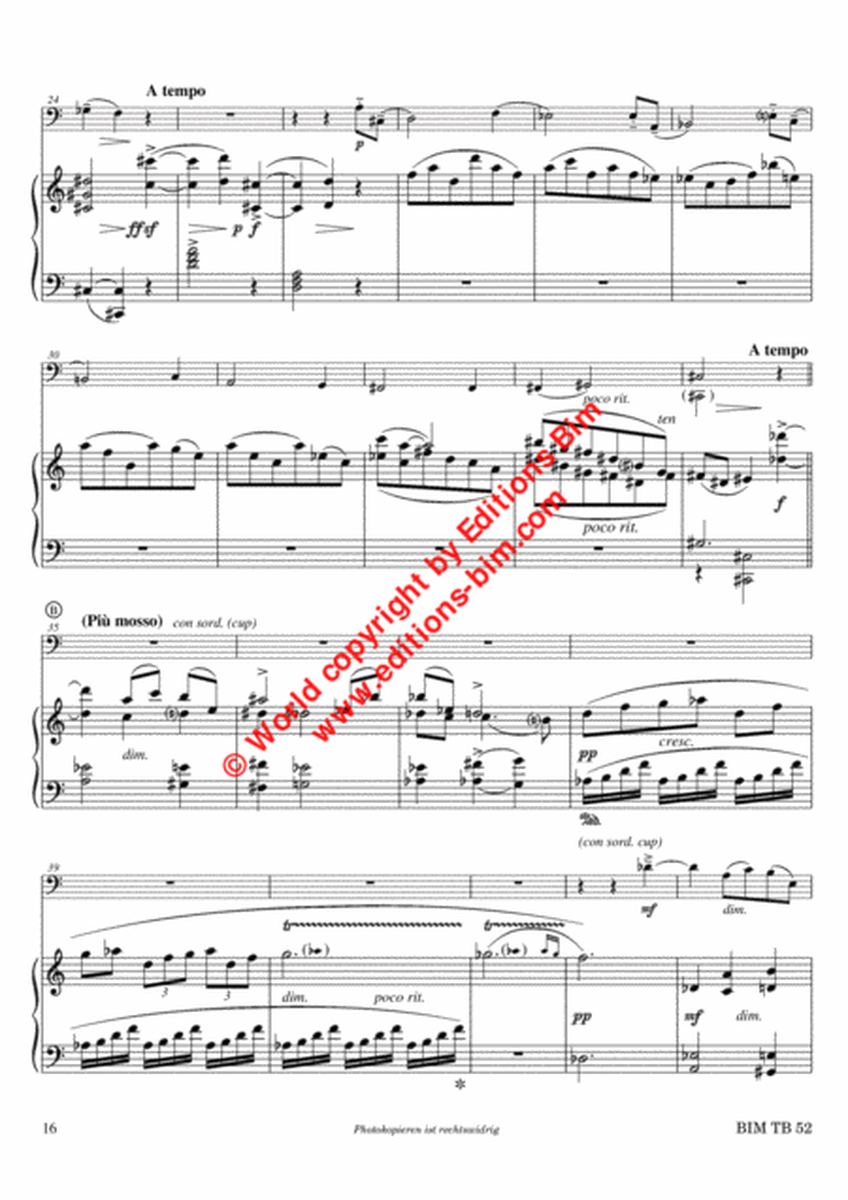
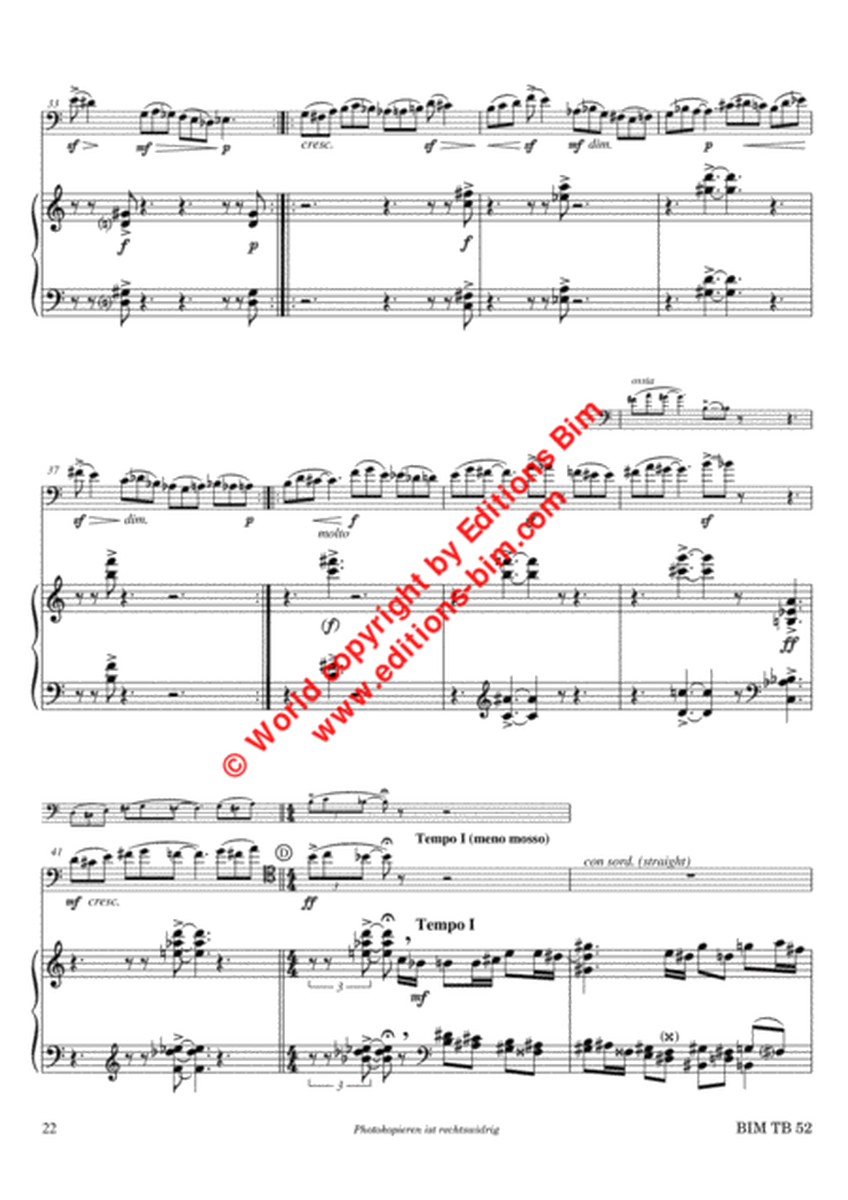
Sonata Piano Accompaniment scores gallery preview page 3
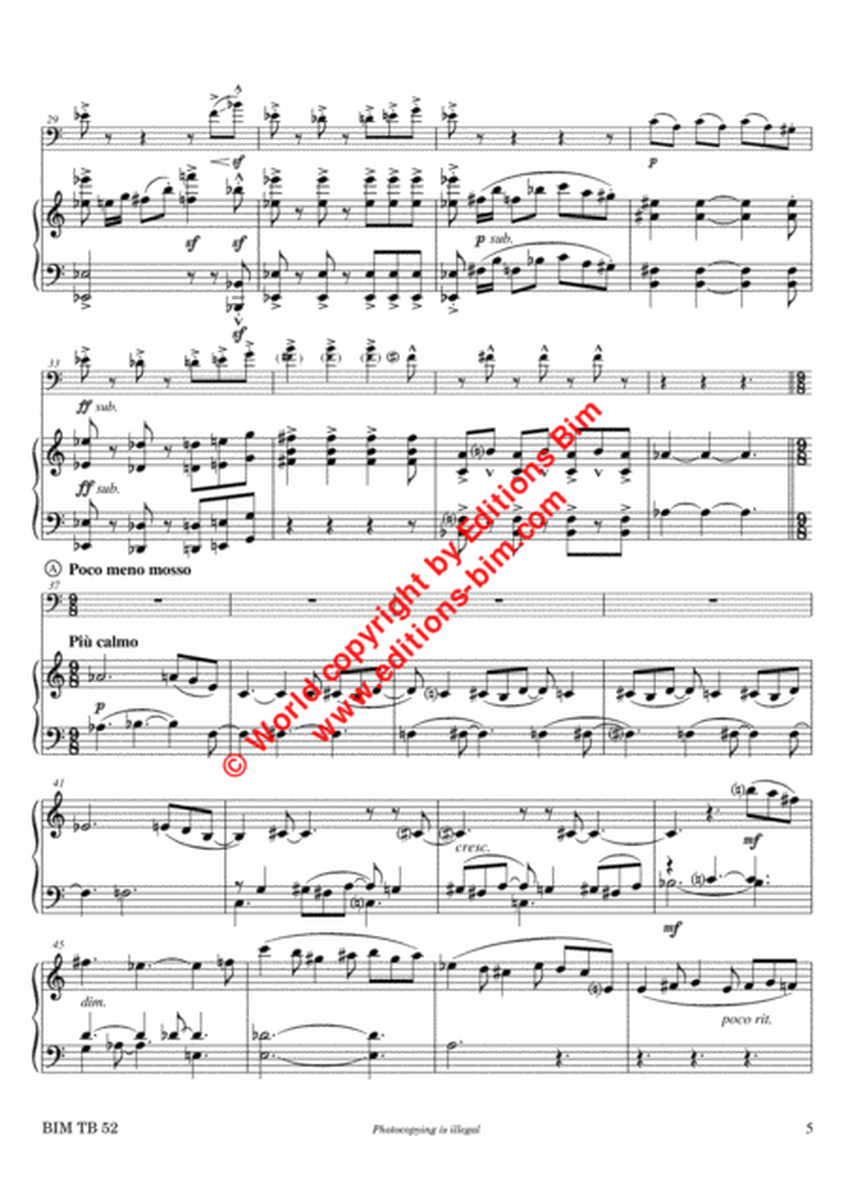
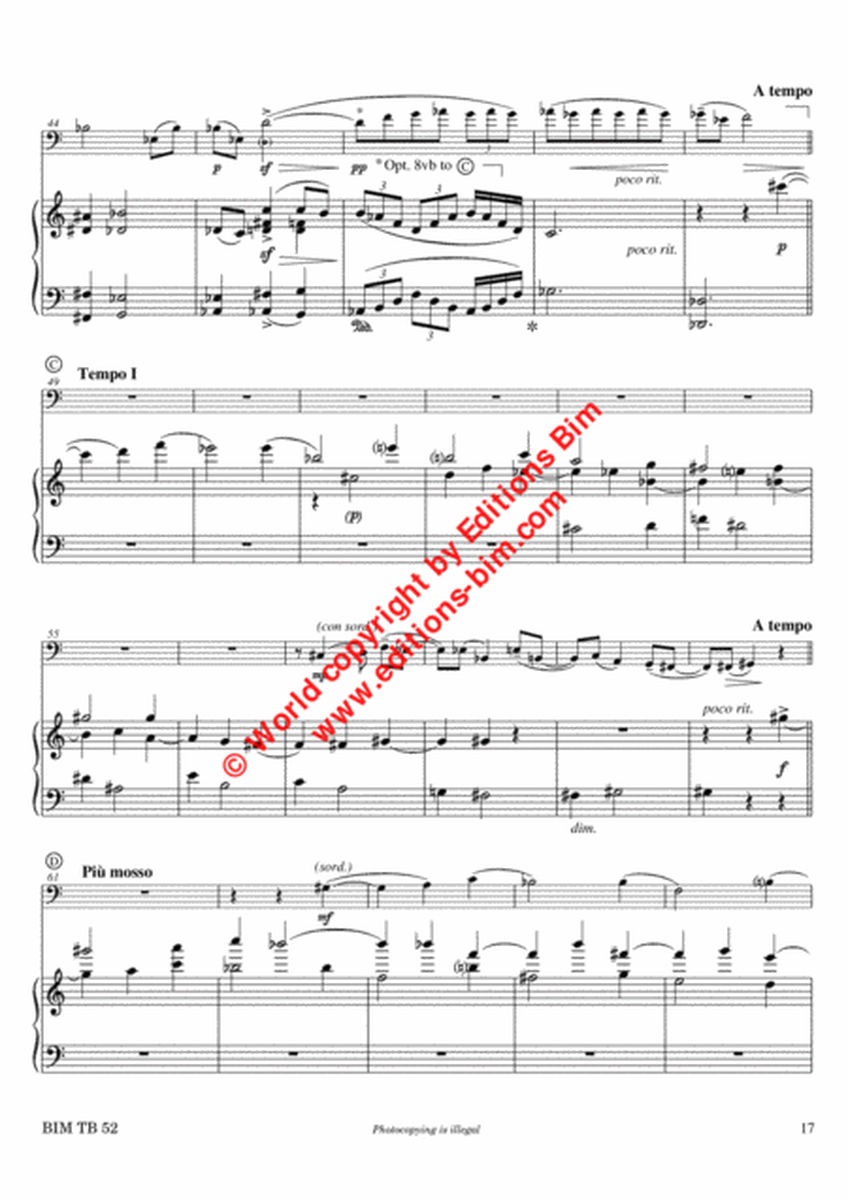
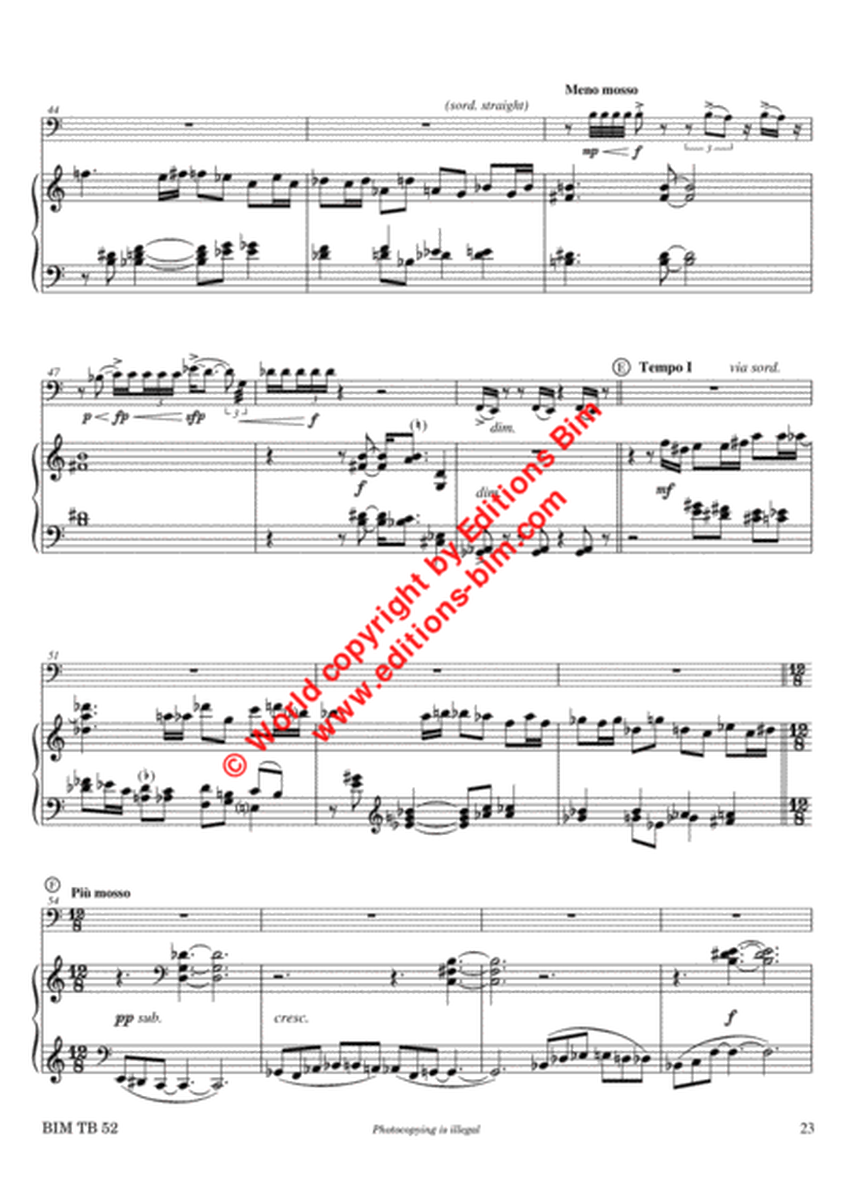
Sonata Piano Accompaniment scores gallery preview page 4
Sonata Piano Accompaniment scores gallery preview page 5
Sonata Piano Accompaniment scores gallery preview page 6
Sonata Piano Accompaniment scores gallery preview page 7
Sonata Piano Accompaniment scores gallery preview page 8
Sonata Piano Accompaniment scores gallery preview page 9
Sonata Piano Accompaniment scores gallery preview page 10
Sonata Piano Accompaniment scores gallery preview page 11
Sonata Piano Accompaniment scores gallery preview page 12
Sonata by Stanley Friedman Piano Accompaniment - Sheet Music
Sonata by Stanley Friedman Piano Accompaniment - Sheet Music page 2
Sonata by Stanley Friedman Piano Accompaniment - Sheet Music page 3
Sonata by Stanley Friedman Piano Accompaniment - Sheet Music page 4
Sonata by Stanley Friedman Piano Accompaniment - Sheet Music page 5
Sonata by Stanley Friedman Piano Accompaniment - Sheet Music page 6
Sonata by Stanley Friedman Piano Accompaniment - Sheet Music page 7
Sonata by Stanley Friedman Piano Accompaniment - Sheet Music page 8
Sonata by Stanley Friedman Piano Accompaniment - Sheet Music page 9
Sonata by Stanley Friedman Piano Accompaniment - Sheet Music page 10
Sonata by Stanley Friedman Piano Accompaniment - Sheet Music page 11
Sonata by Stanley Friedman Piano Accompaniment - Sheet Music page 12

Ships to you

Sonata by Stanley Friedman Piano Accompaniment - Sheet Music

By Stanley Friedman
Trombone and piano - Grade 4-5

SKU: ET.TB52

Composed by Stanley Friedman. Contemporary. Composed 1999. Duration 16'. Editions BIM #TB52. Published by Editions BIM (ET.TB52).

ISBN 9790207006233.

The Sonata for Trombone and Piano was completed in July 1999 as a commission for Andrew Malloy. The work is based on a “troublesome" 12 tone row, the intervals of which imply shifting chromatic tonality, Sometimes the row gets a strict serial treatment; at other times the “rules" of 12-tone composition are bent, allowing the implied tonal harmonies to blossom. As the work progresses, the conflict and cooperation between tonal and atonal elements form a structural subtext to the overt classical forms. The three movements follow a traditional form: I. Allegro (sonata form with fugal development); II. Andante (Chaconne); III. Allegro non troppo (Rondo.