

Ships to you
Ships to you
SKU: CF.BL1050
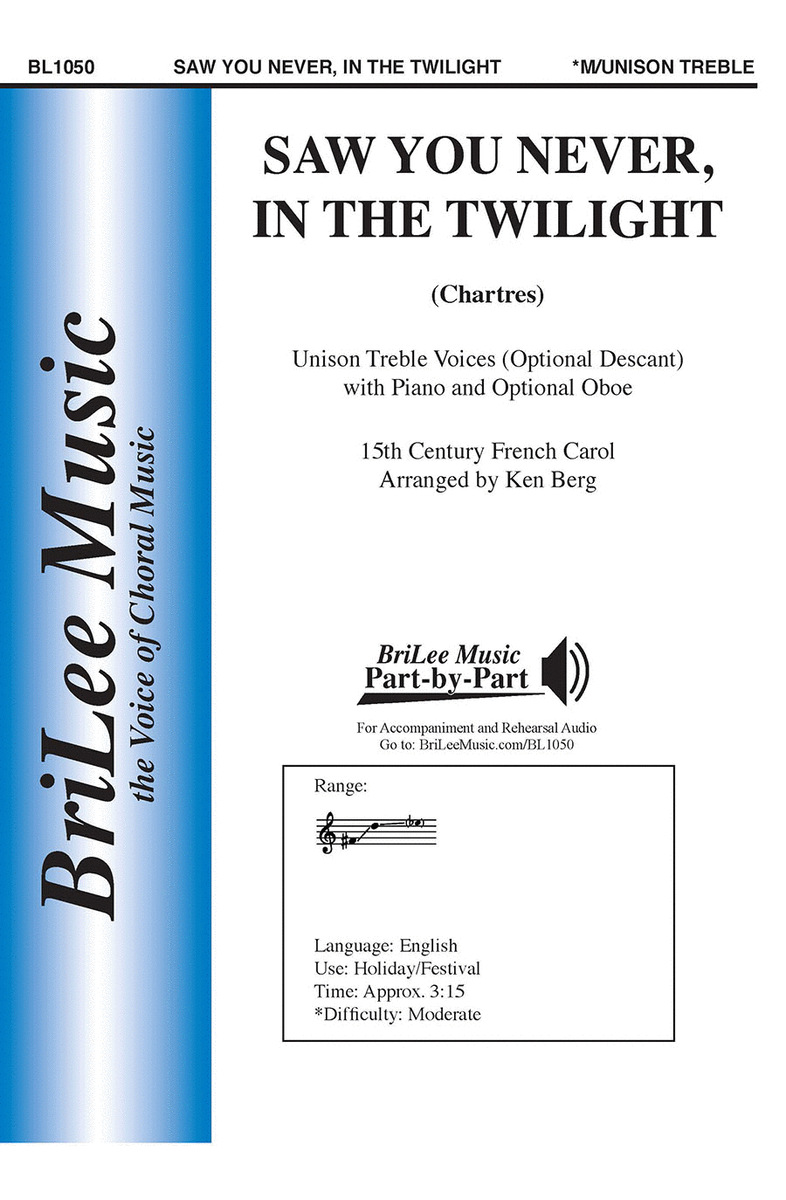
Chartres. Composed by 15th Century French Carol. Arranged by Ken Berg. Octavo. Octavo. 12 pages. Duration 0:03:15. BriLee Music #BL1050. Published by BriLee Music (CF.BL1050).UPC: 680160911615. 6.875 x 10.5 inches. Key: G minor. English. Cecli F. Alexander.
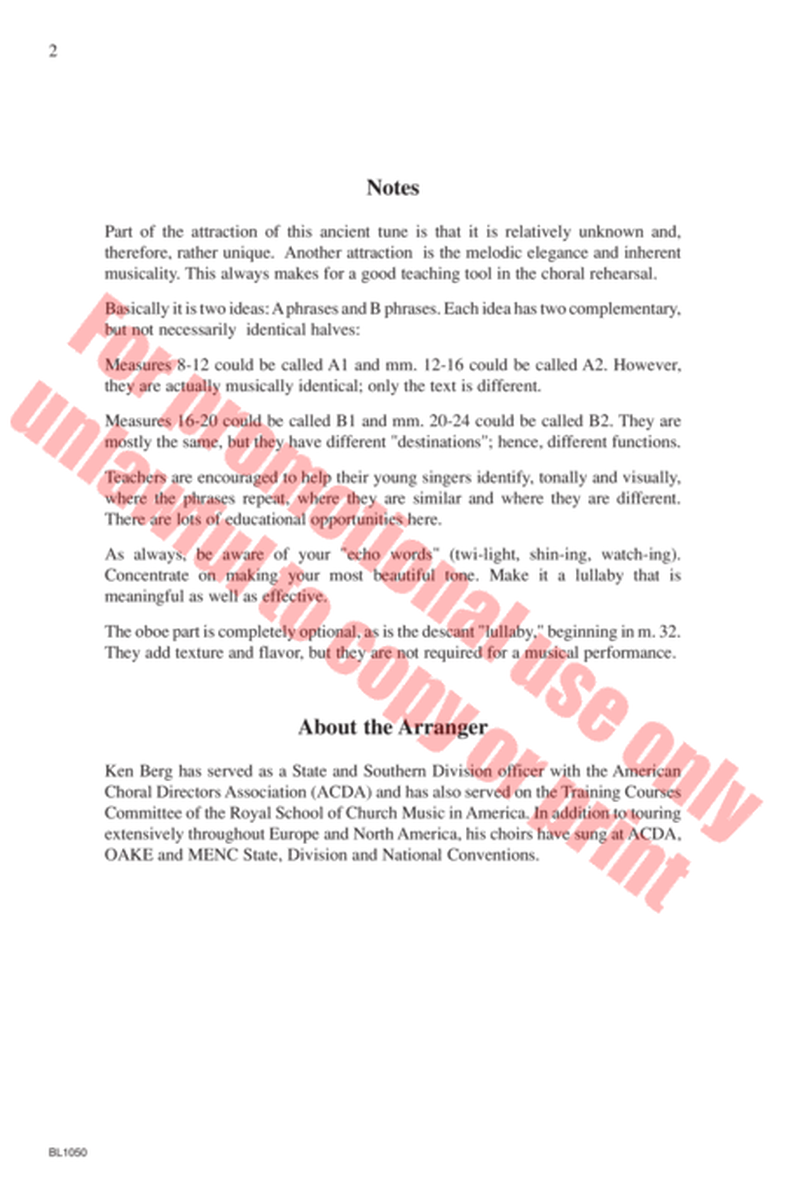
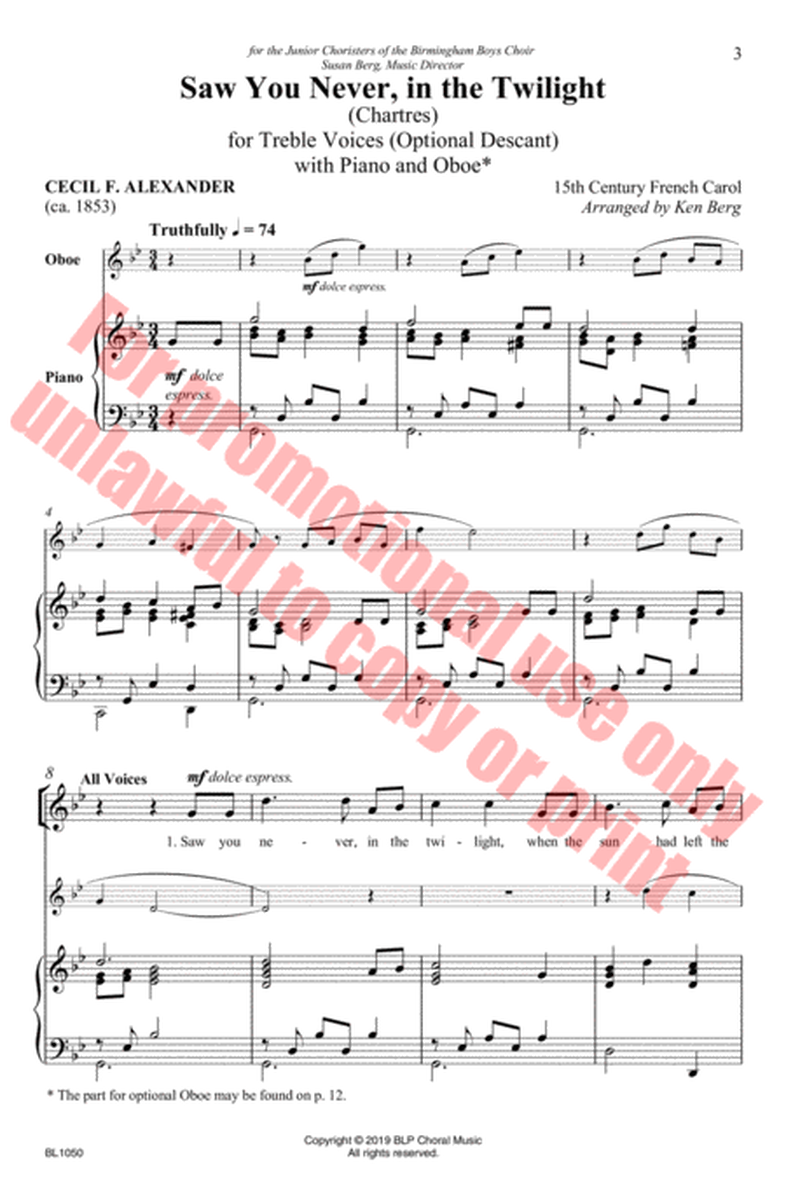
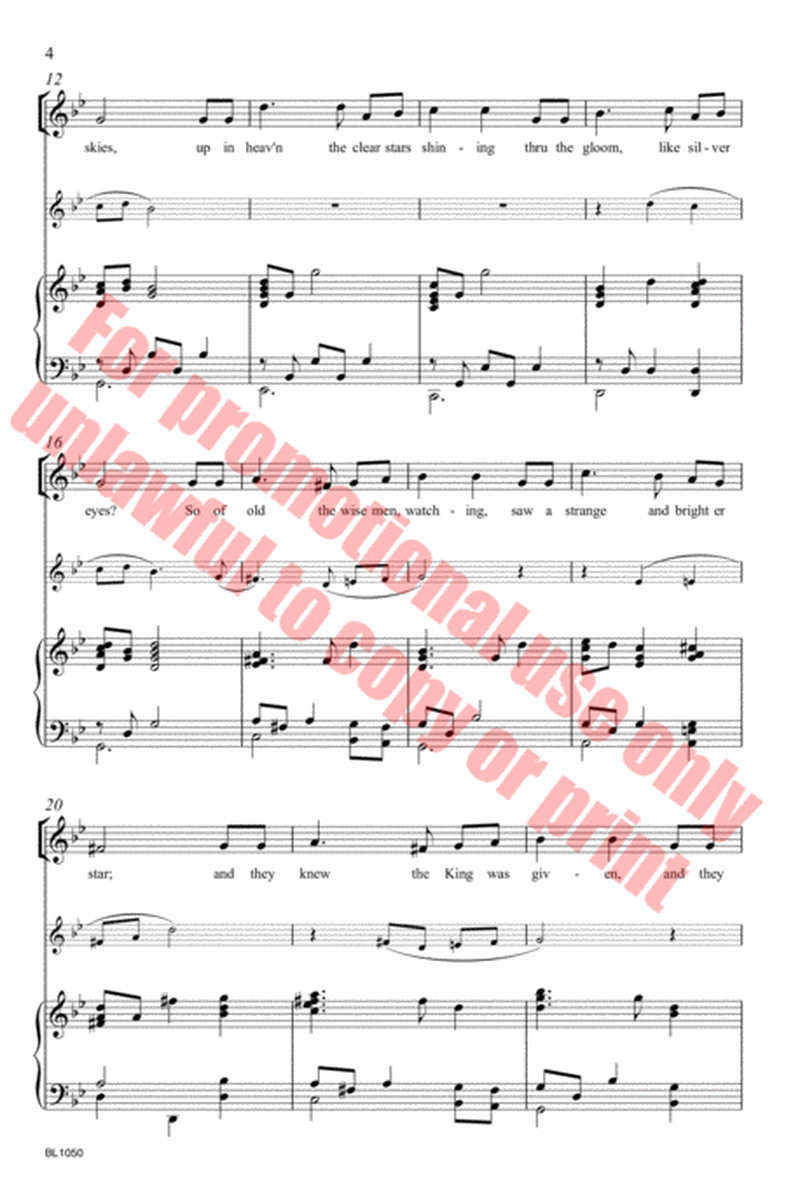
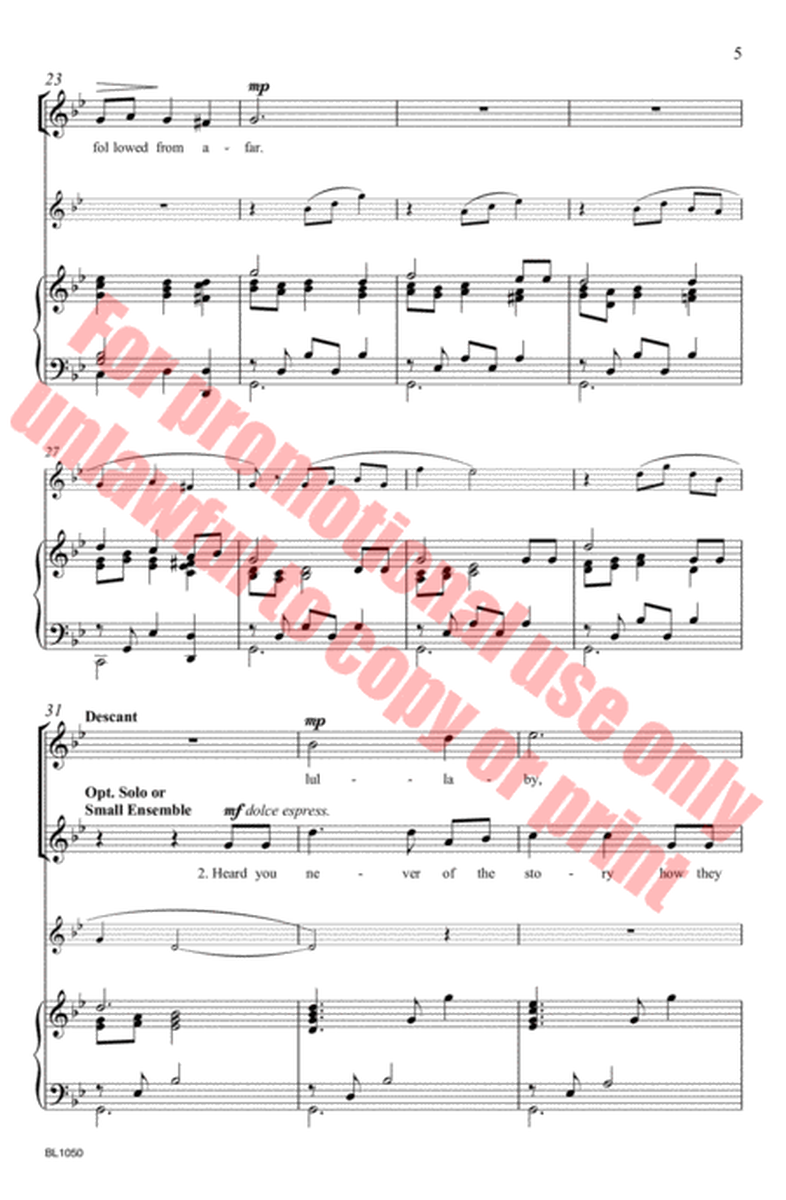
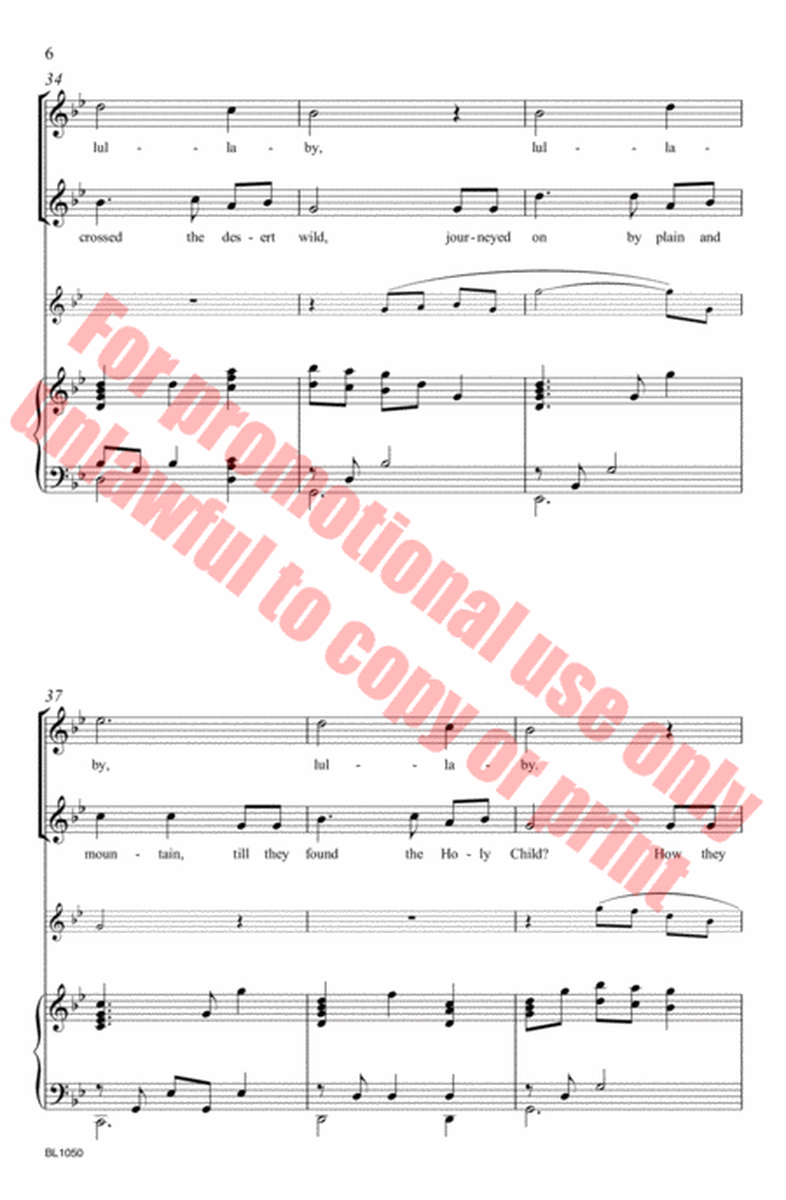
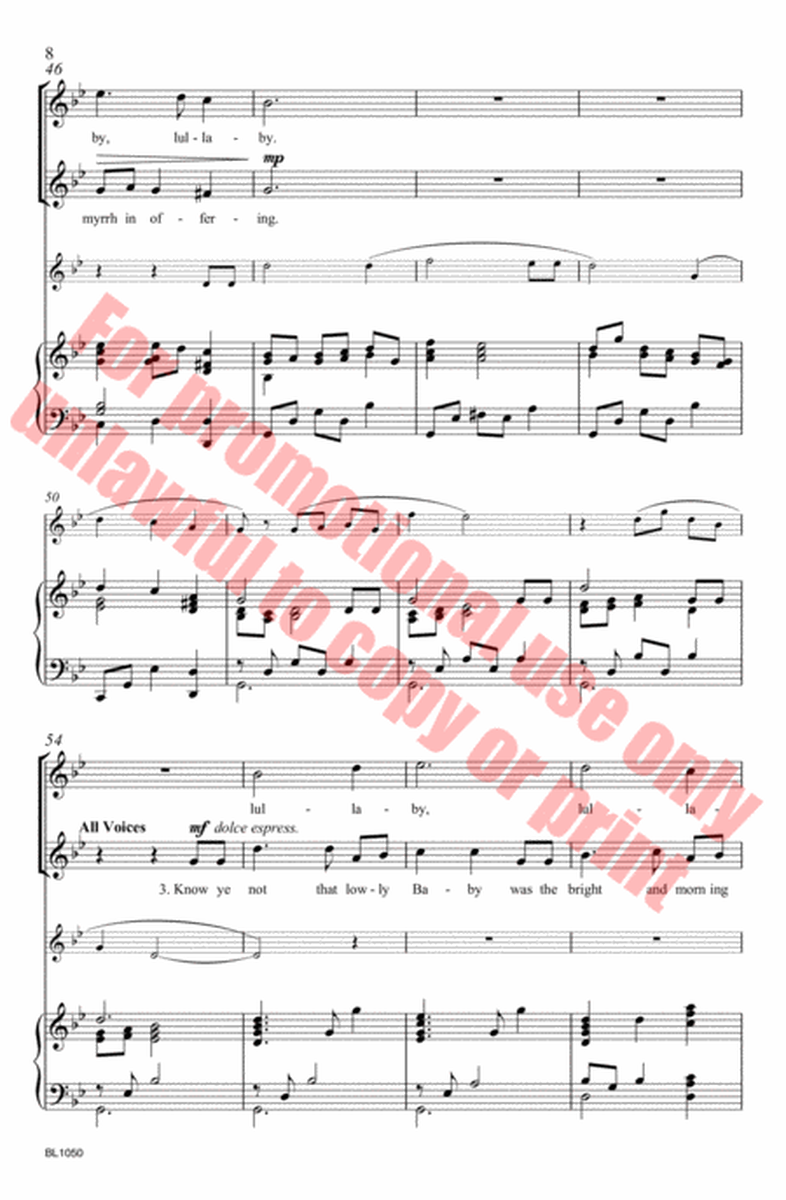
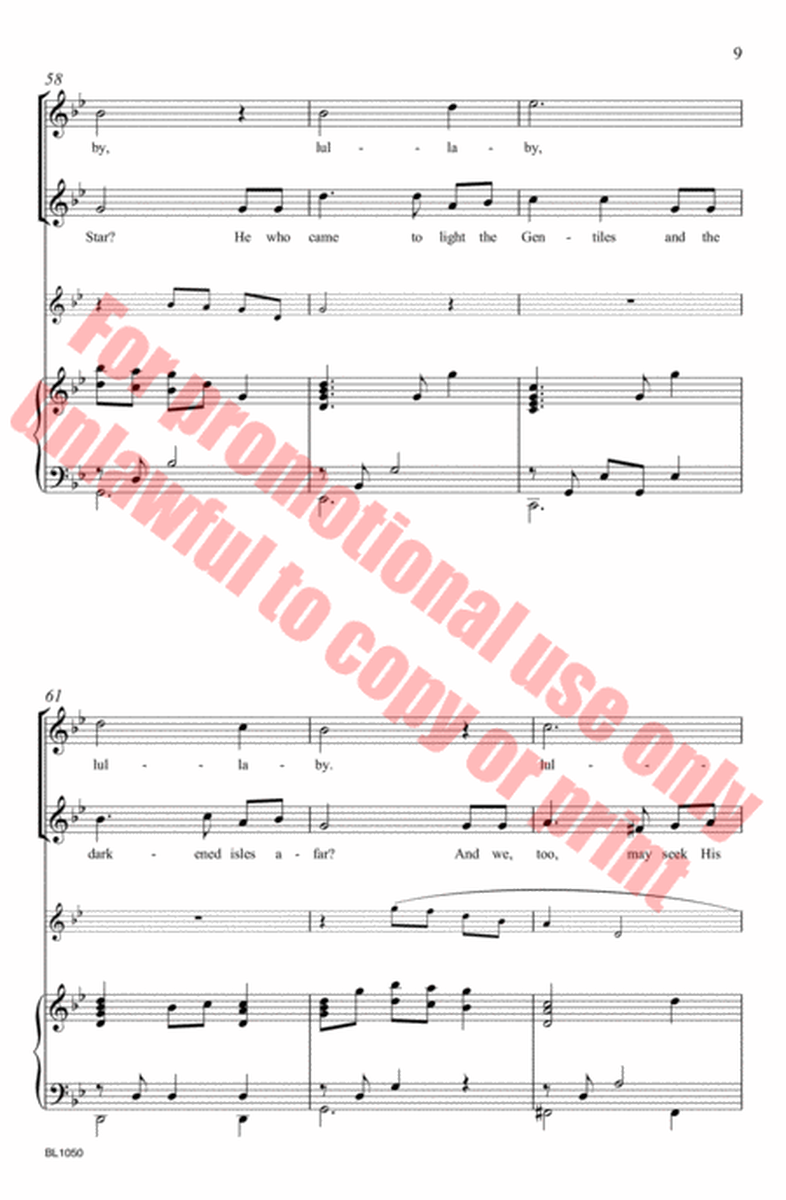
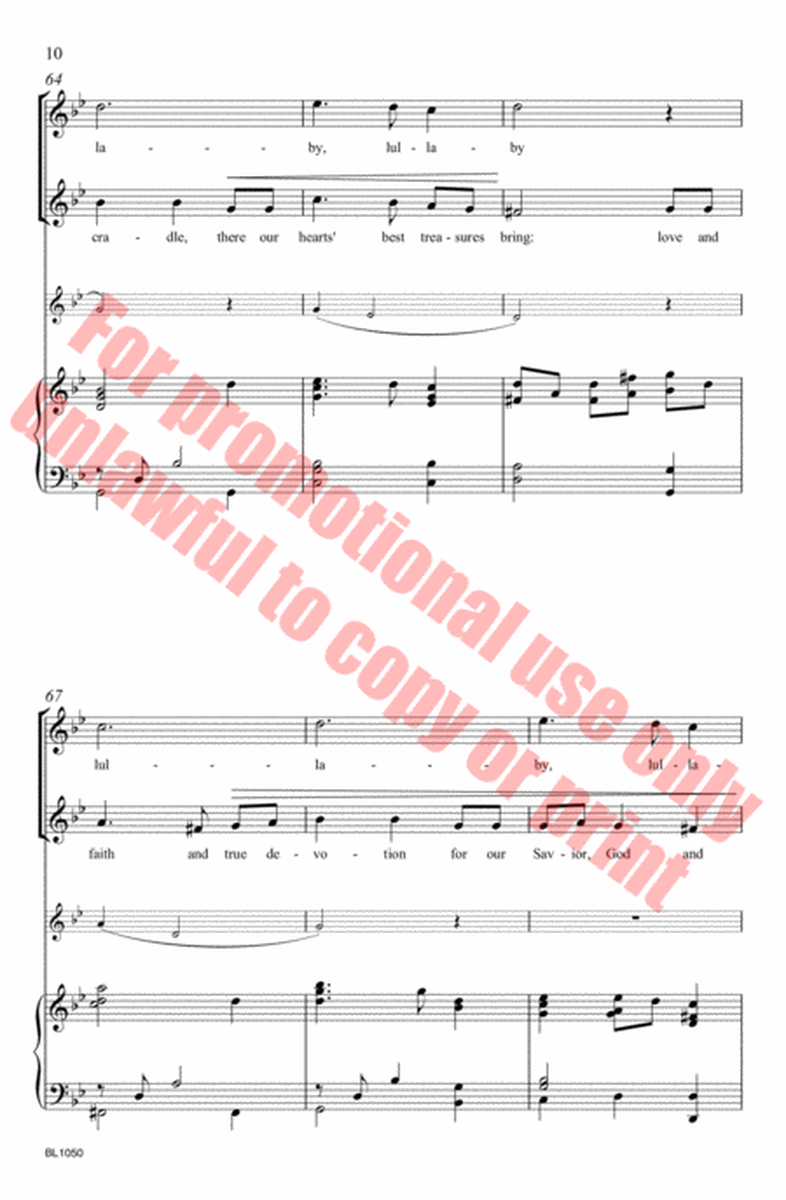
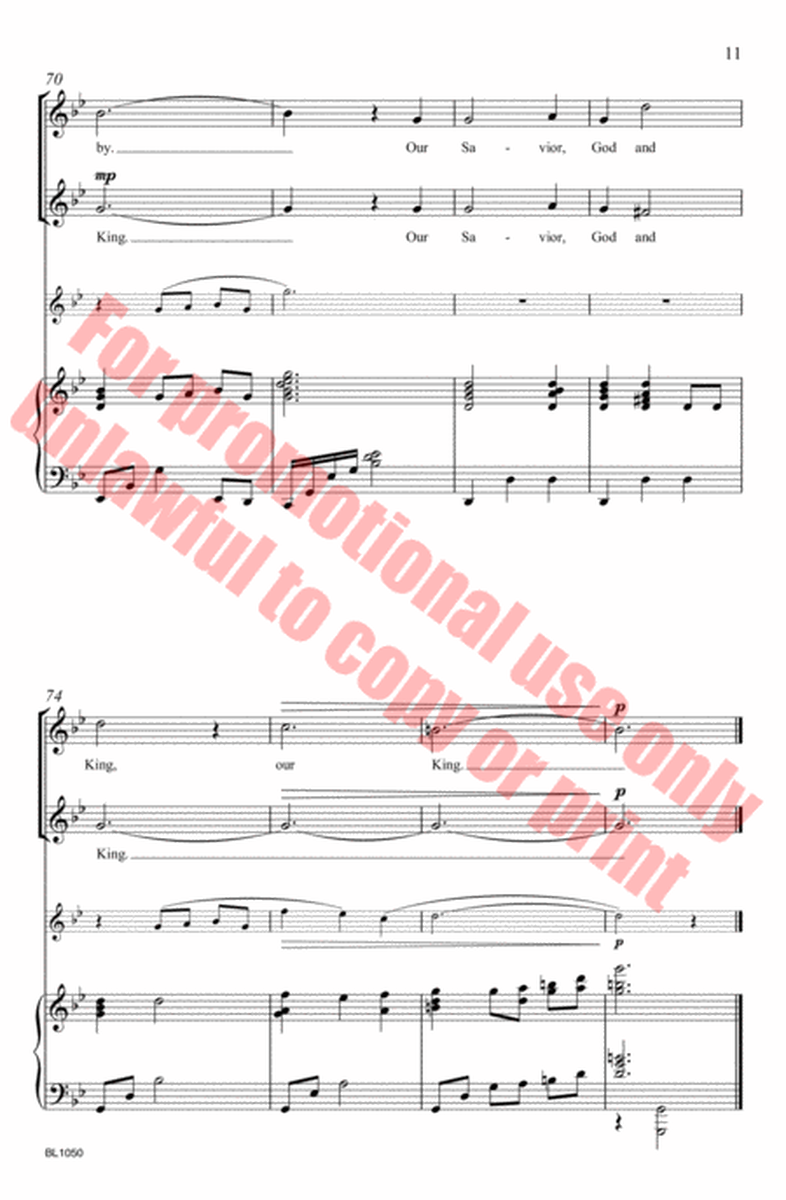
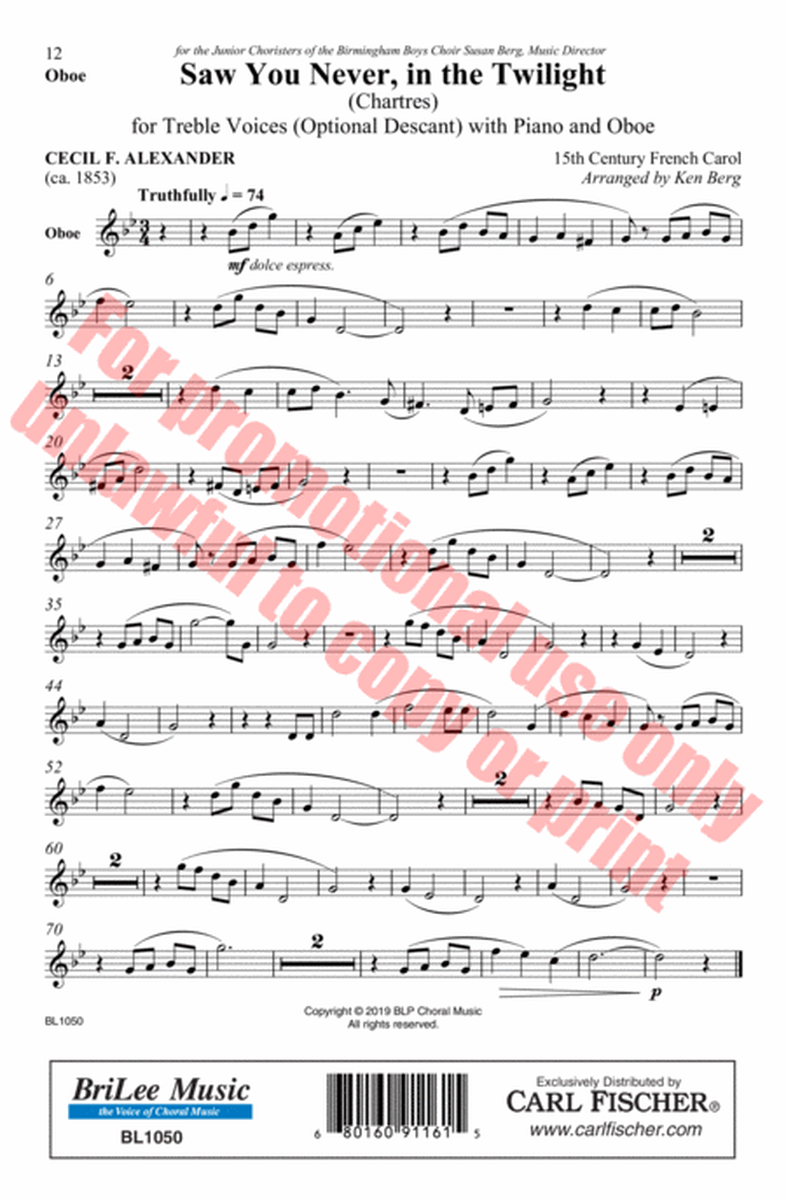
Part of the attraction of this ancient tune is that it is relatively unknown and, therefore, rather unique. Another attraction is the melodic elegance and inherent musicality. This always makes for a good teaching tool in the choral rehearsal. Basically it is two ideas: A phrases and B phrases. Each idea has two complementary, but not necessarily identical halves: Measures 8-12 could be called A1 and mm. 12-16 could be called A2. However, they are actually musically identical; only the text is different. Measures 16-20 could be called B1 and mm. 20-24 could be called B2. They are mostly the same, but they have different destinations; hence, different functions. Teachers are encouraged to help their young singers identify, tonally and visually, where the phrases repeat, where they are similar and where they are different. There are lots of educational opportunities here. As always, be aware of your echo words (twi-light, shin-ing, watch-ing). Concentrate on making your most beautiful tone. Make it a lullaby that is meaningful as well as effective. The oboe part is completely optional, as is the descant lullaby, beginning in m. 32. They add texture and flavor, but they are not required for a musical performance.
Part of the attraction of this ancient tune is that it is relatively unknown and, therefore, rather unique.A Another attractionA is the melodic elegance and inherent musicality. This always makes for a good teaching tool in the choral rehearsal. Basically it is two ideas: A phrases and B phrases. Each idea has two complementary, but not necessarilyA identical halves: Measures 8-12 could be called A1 and mm. 12-16 could be called A2. However, they are actually musically identical; only the text is different. Measures 16-20 could be called B1 and mm. 20-24 could be called B2. They are mostly the same, but they have different destinations; hence, different functions. Teachers are encouraged to help their young singers identify, tonally and visually, where the phrases repeat, where they are similar and where they are different. There are lots of educational opportunities here. As always, be aware of your echo words (twi-light, shin-ing, watch-ing). Concentrate on making your most beautiful tone. Make it a lullaby that is meaningful as well as effective. The oboe part is completely optional, as is the descant lullaby, beginning in m. 32. They add texture and flavor, but they are not required for a musical performance.
Part of the attraction of this ancient tune is that it is relatively unknown and, therefore, rather unique.A Another attractionA is the melodic elegance and inherent musicality. This always makes for a good teaching tool in the choral rehearsal. Basically it is two ideas: A phrases and B phrases. Each idea has two complementary, but not necessarilyA identical halves: Measures 8-12 could be called A1 and mm. 12-16 could be called A2. However, they are actually musically identical; only the text is different. Measures 16-20 could be called B1 and mm. 20-24 could be called B2. They are mostly the same, but they have different "destinations"; hence, different functions. Teachers are encouraged to help their young singers identify, tonally and visually, where the phrases repeat, where they are similar and where they are different. There are lots of educational opportunities here. As always, be aware of your "echo words" (twi-light, shin-ing, watch-ing). Concentrate on making your most beautiful tone. Make it a lullaby that is meaningful as well as effective. The oboe part is completely optional, as is the descant "lullaby," beginning in m. 32. They add texture and flavor, but they are not required for a musical performance.
Part of the attraction of this ancient tune is that it is relatively unknown and, therefore, rather unique. Another attraction is the melodic elegance and inherent musicality. This always makes for a good teaching tool in the choral rehearsal. Basically it is two ideas: A phrases and B phrases. Each idea has two complementary, but not necessarily identical halves: Measures 8-12 could be called A1 and mm. 12-16 could be called A2. However, they are actually musically identical; only the text is different. Measures 16-20 could be called B1 and mm. 20-24 could be called B2. They are mostly the same, but they have different "destinations"; hence, different functions. Teachers are encouraged to help their young singers identify, tonally and visually, where the phrases repeat, where they are similar and where they are different. There are lots of educational opportunities here. As always, be aware of your "echo words" (twi-light, shin-ing, watch-ing). Concentrate on making your most beautiful tone. Make it a lullaby that is meaningful as well as effective. The oboe part is completely optional, as is the descant "lullaby," beginning in m. 32. They add texture and flavor, but they are not required for a musical performance.
Part of the attraction of this ancient tune is that it is relatively unknown and, therefore, rather unique. Another attraction is the melodic elegance and inherent musicality. This always makes for a good teaching tool in the choral rehearsal.Basically it is two ideas: A phrases and B phrases. Each idea has two complementary, but not necessarily identical halves:Measures 8-12 could be called A1 and mm. 12-16 could be called A2. However, they are actually musically identical; only the text is different.Measures 16-20 could be called B1 and mm. 20-24 could be called B2. They are mostly the same, but they have different "destinations"; hence, different functions.Teachers are encouraged to help their young singers identify, tonally and visually, where the phrases repeat, where they are similar and where they are different. There are lots of educational opportunities here.As always, be aware of your "echo words" (twi-light, shin-ing, watch-ing). Concentrate on making your most beautiful tone. Make it a lullaby that is meaningful as well as effective.The oboe part is completely optional, as is the descant "lullaby," beginning in m. 32. They add texture and flavor, but they are not required for a musical performance.
Part of the attraction of this ancient tune is that it is relatively unknown and, therefore, rather unique.xa0 Another attractionxa0 is the melodic elegance and inherent musicality. This always makes for a good teaching tool in the choral rehearsal.Basically it is two ideas: A phrases and B phrases. Each idea has two complementary, but not necessarilyxa0 identical halves:Measures 8-12 could be called A1 and mm. 12-16 could be called A2. However, they are actually musically identical; only the text is different.Measures 16-20 could be called B1 and mm. 20-24 could be called B2. They are mostly the same, but they have different "destinations"; hence, different functions.Teachers are encouraged to help their young singers identify, tonally and visually, where the phrases repeat, where they are similar and where they are different. There are lots of educational opportunities here.As always, be aware of your "echo words" (twi-light, shin-ing, watch-ing). Concentrate on making your most beautiful tone. Make it a lullaby that is meaningful as well as effective.The oboe part is completely optional, as is the descant "lullaby," beginning in m. 32. They add texture and flavor, but they are not required for a musical performance.
See Similar Sheet Music and Digital Downloads