Details
- Instrument:
- Choir
- Ensembles:
- 4-Part SATB Mixed Choir
- Genres:
- Romantic Period 20th Century
- Composers:
- Sergei Rachmaninoff
- Publishers:
- Musica Russica
- Format:
- Octavo
- Item types:
- Physical
- Artist:
- Sergei Rachmaninoff
- Usages:
- Praise School and Community
- Shipping Weight:
- 1.06 pounds
SATB choir (div)
SKU: M6.RA-030
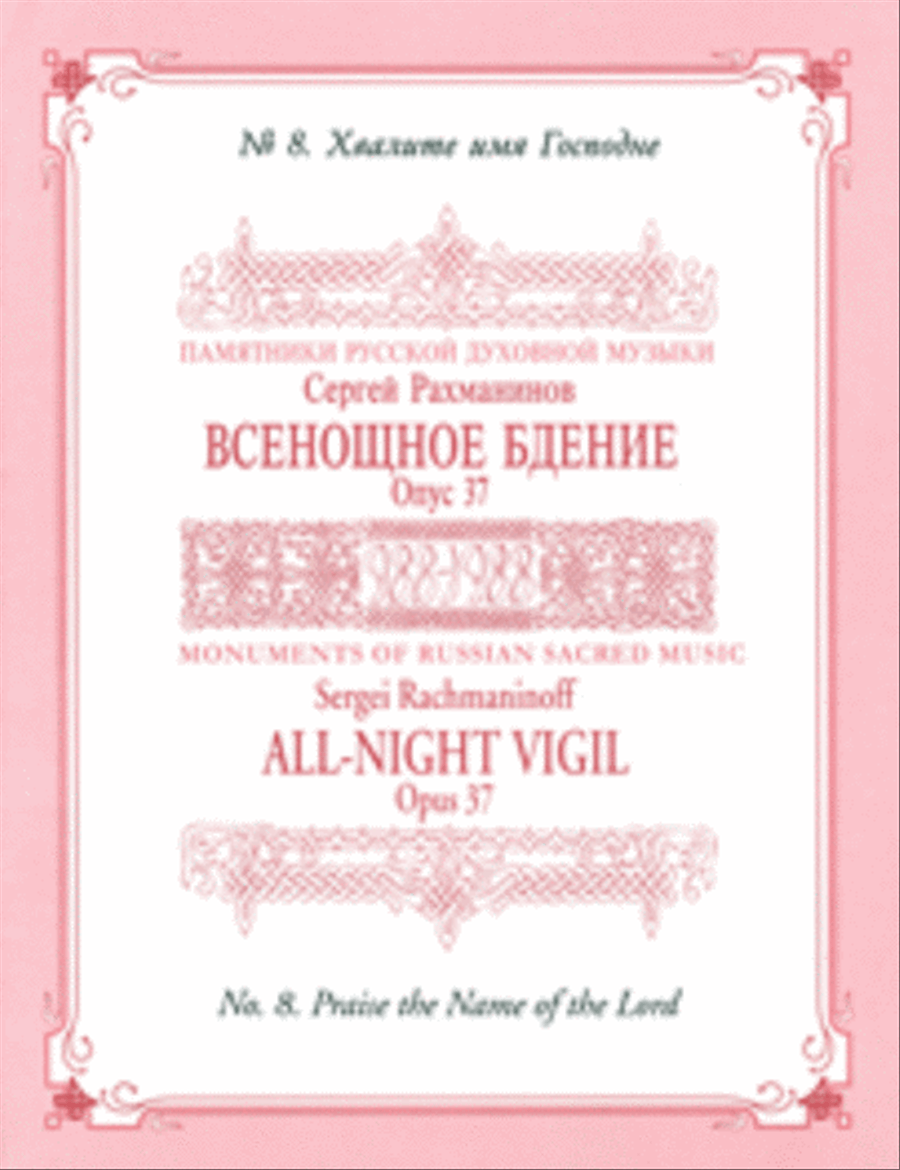
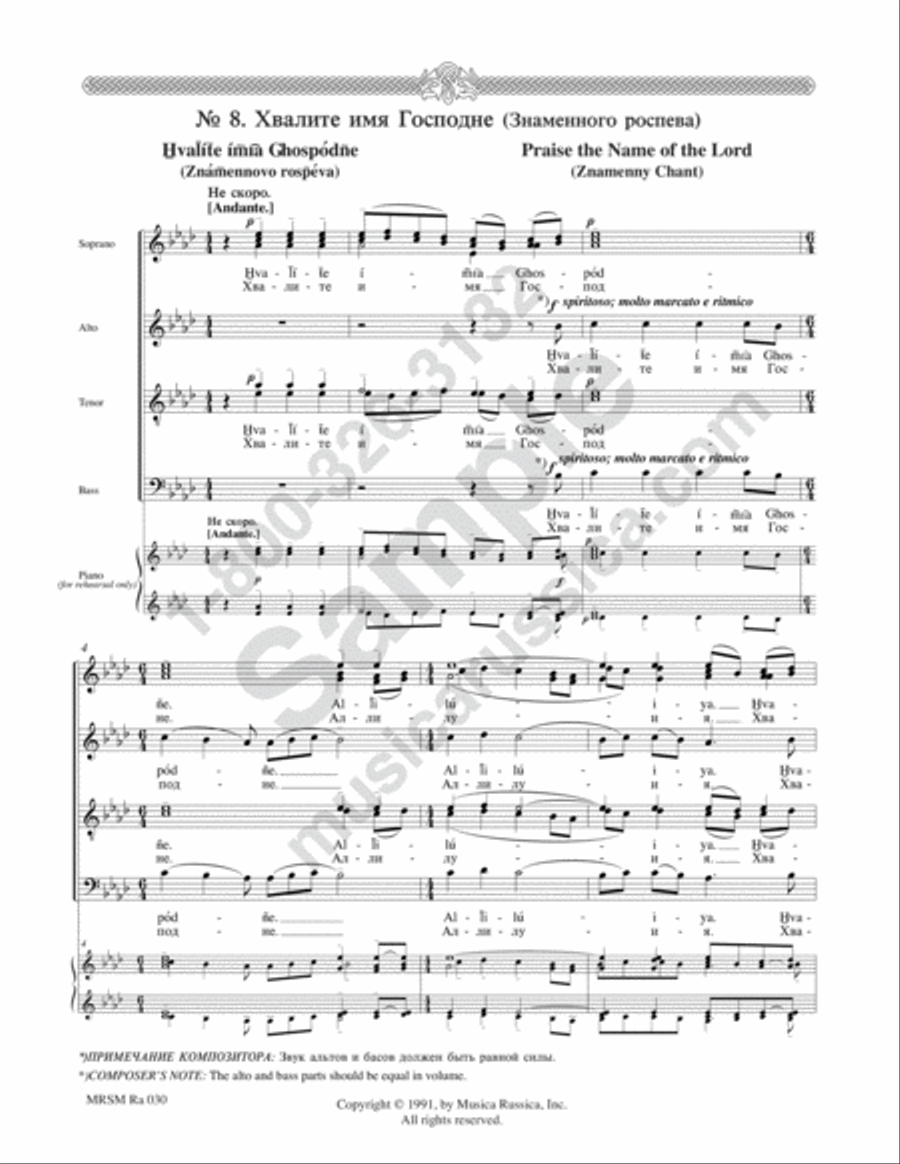
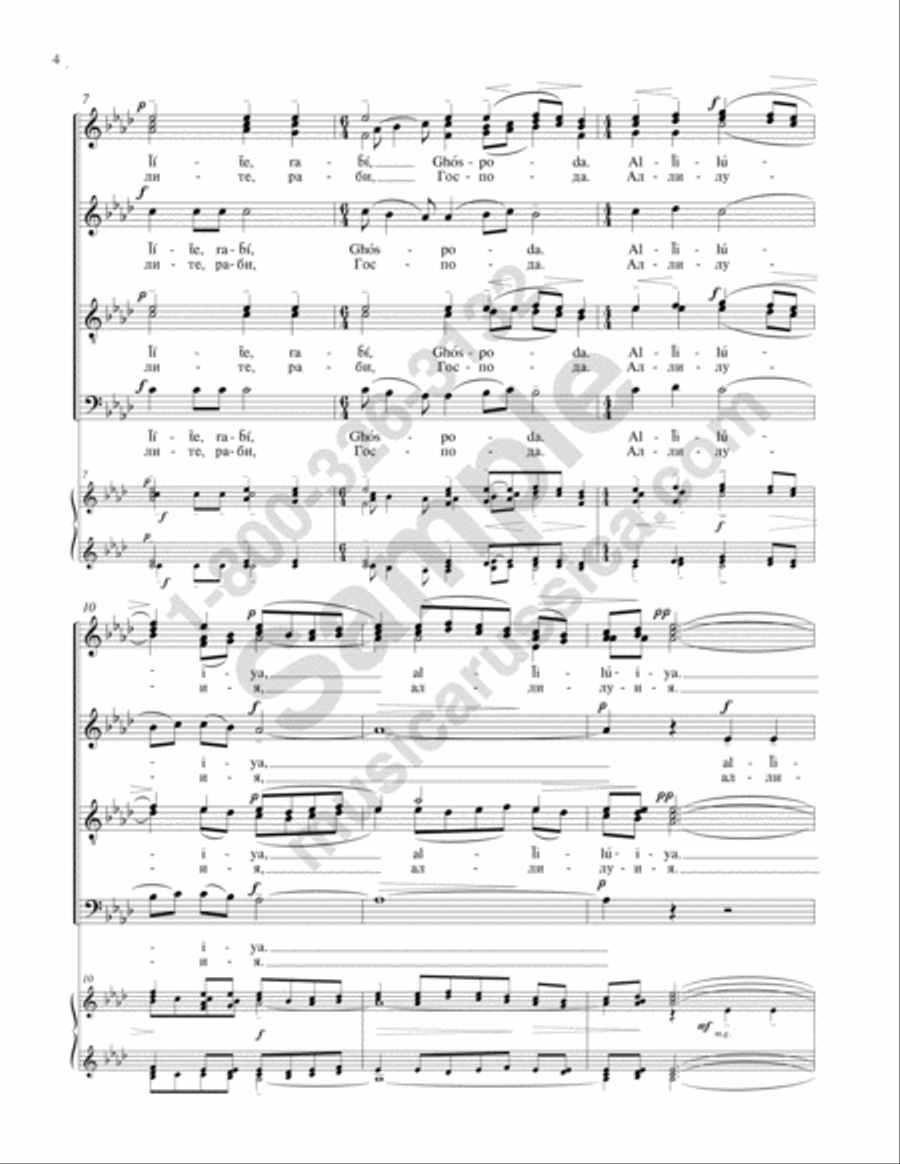
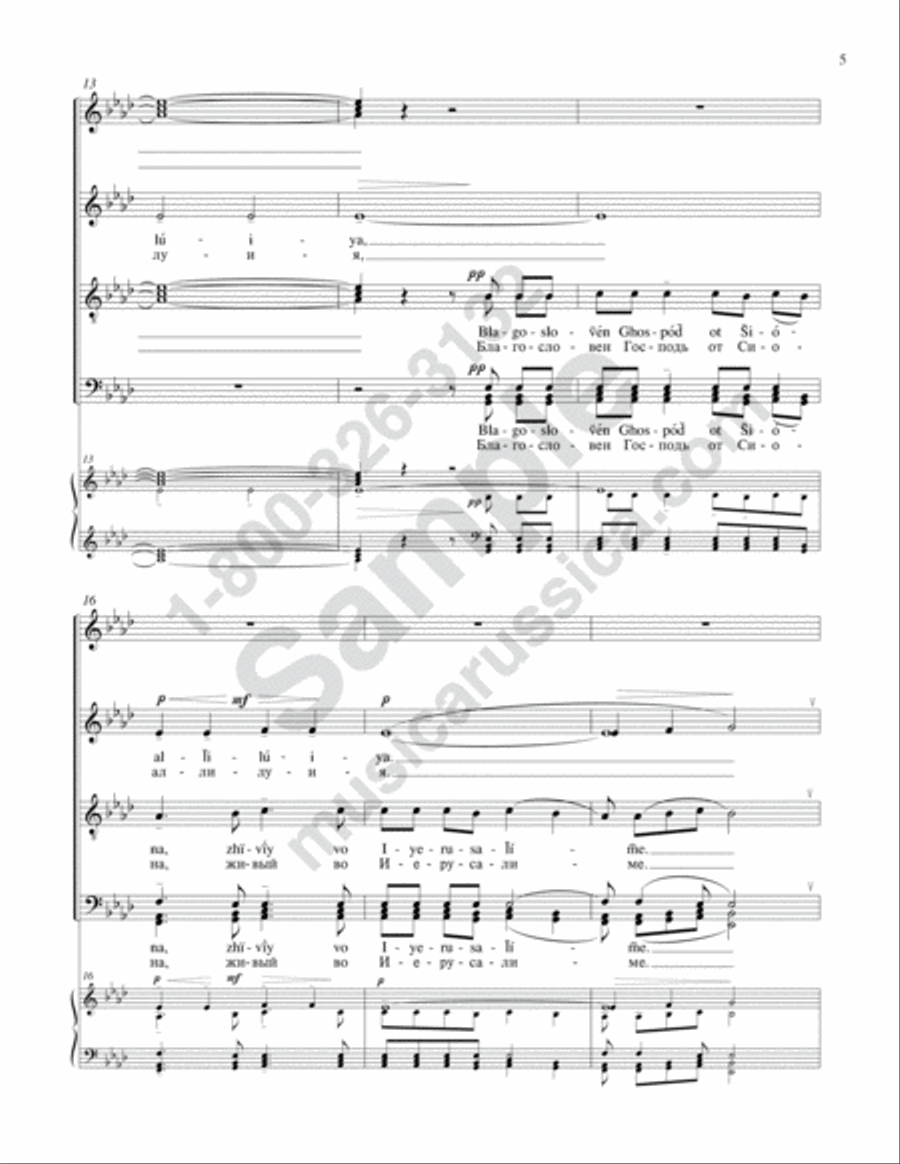
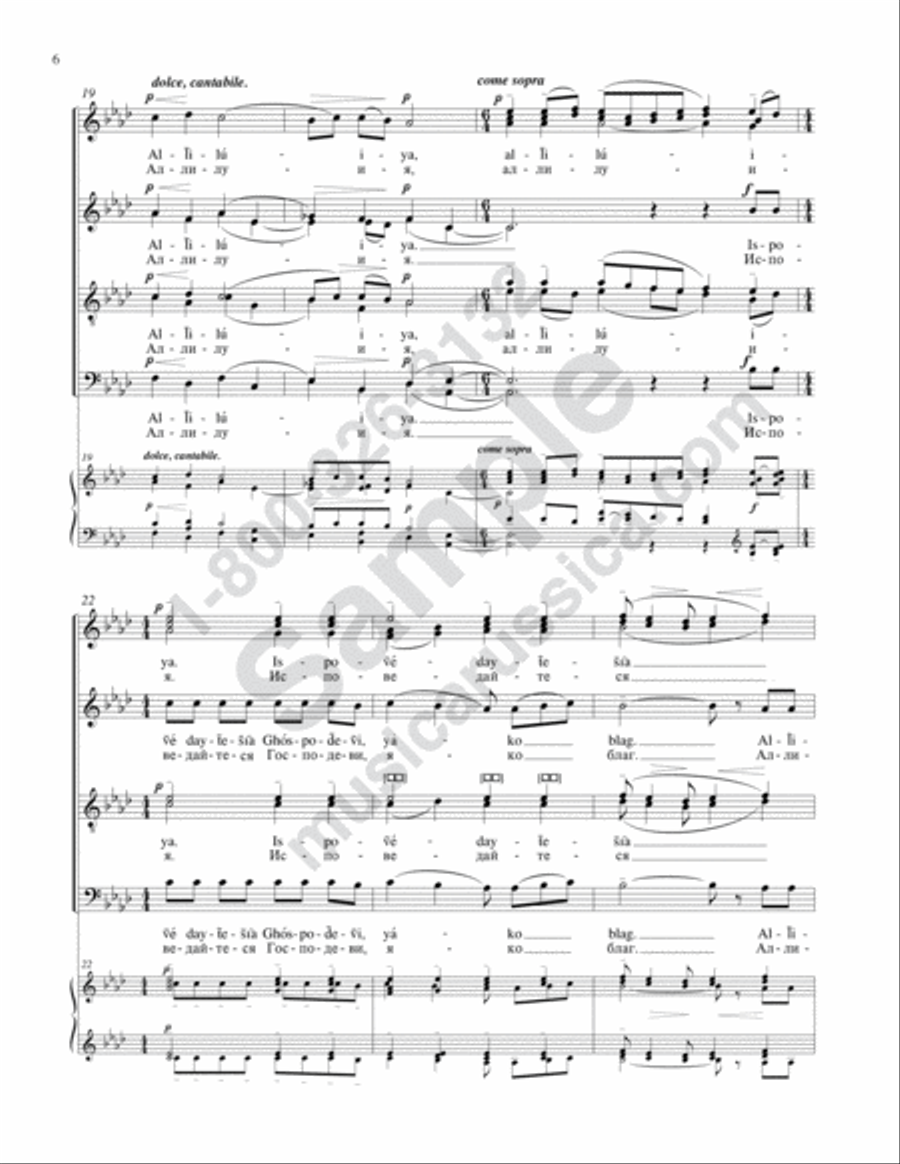
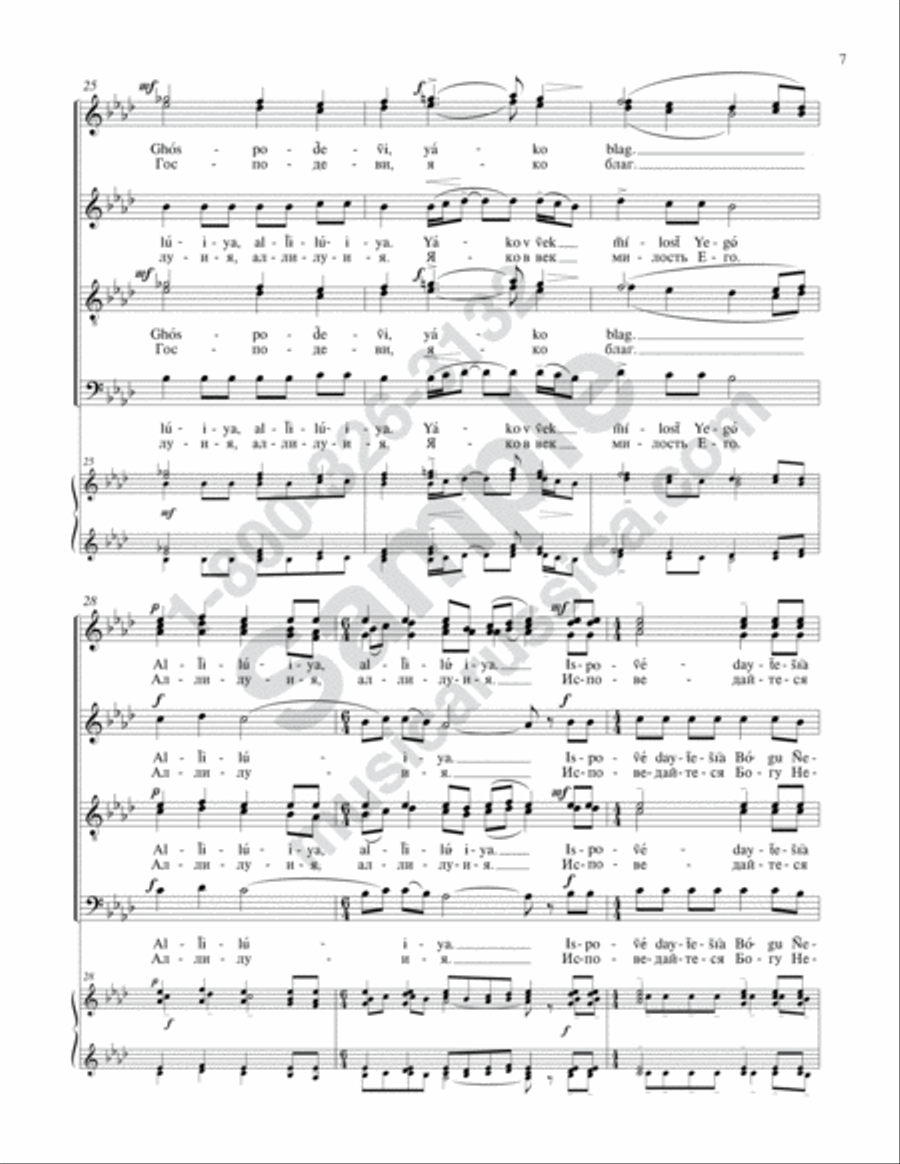
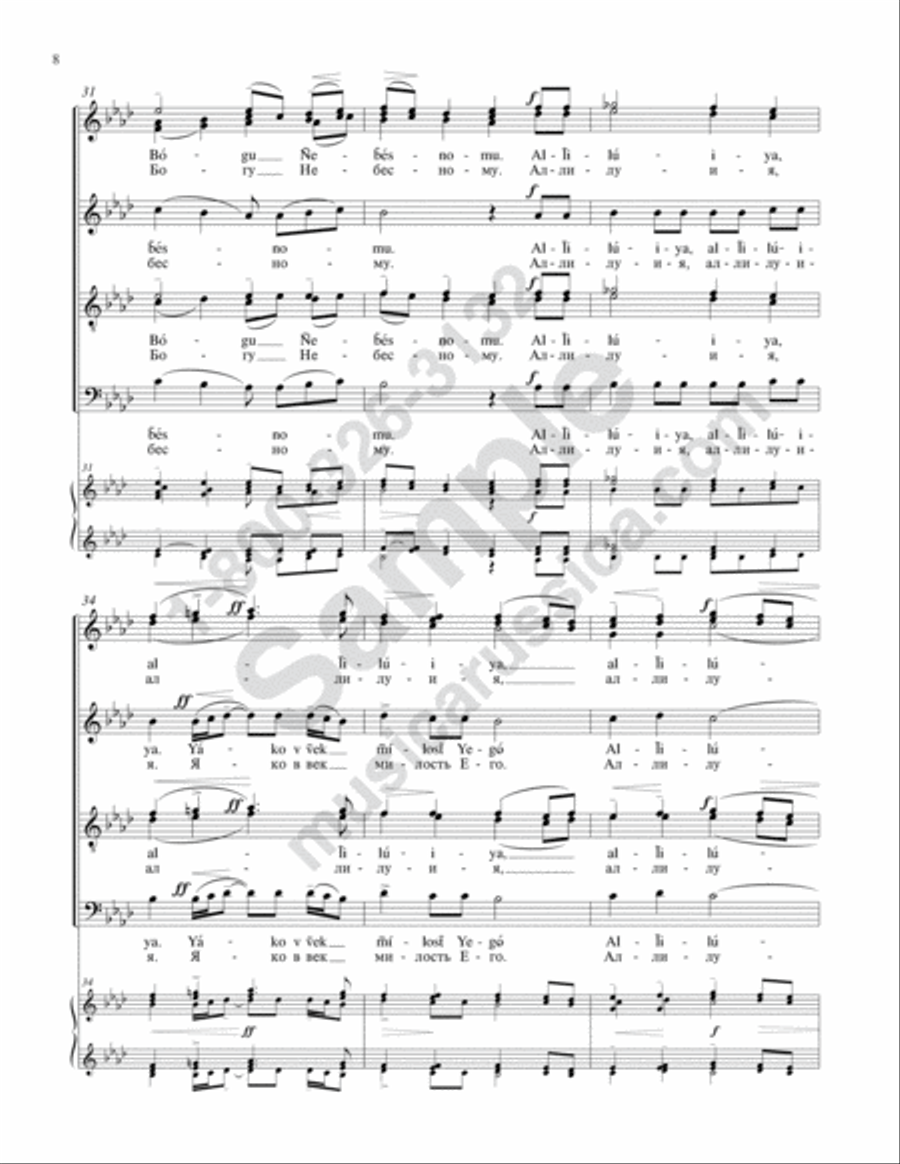
Hvalite imia Ghospodne. Composed by Sergei Rachmaninoff. Choral octavo. With Language: Church Slavonic. Musica Russica #RA 030. Published by Musica Russica (M6.RA-030).Praise the Name of the Lord, otherwise known as the polyeleos (from the Greek words meaning many mercies), is a hymn sung at one of the most majestic and festive moments in the Orthodox resurrectional and festal Matins. In its present form in comprises the first and last verses of Psalms 134 [135] and 135 [136], respectively, each followed by the refrain Alleluia; at other times in history the number of verses was greater. During the singing of the polyeleos the clergy in full vestments make a solemn procession to the middle of the church to stand with the people, and all the lights are lit in anticipation of the reading of the resurrectional or festal Gospel. .
- More by this Composer:
- Sergei Rachmaninoff Sergei Rachmaninoff Piano Sergei Rachmaninoff Piano Accompaniment Sergei Rachmaninoff Piano Solo
- Artists:
- Sergei Rachmaninoff
- Ensemble:
- 4-Part SATB Mixed Choir
- Publisher:
- Musica Russica