18231294
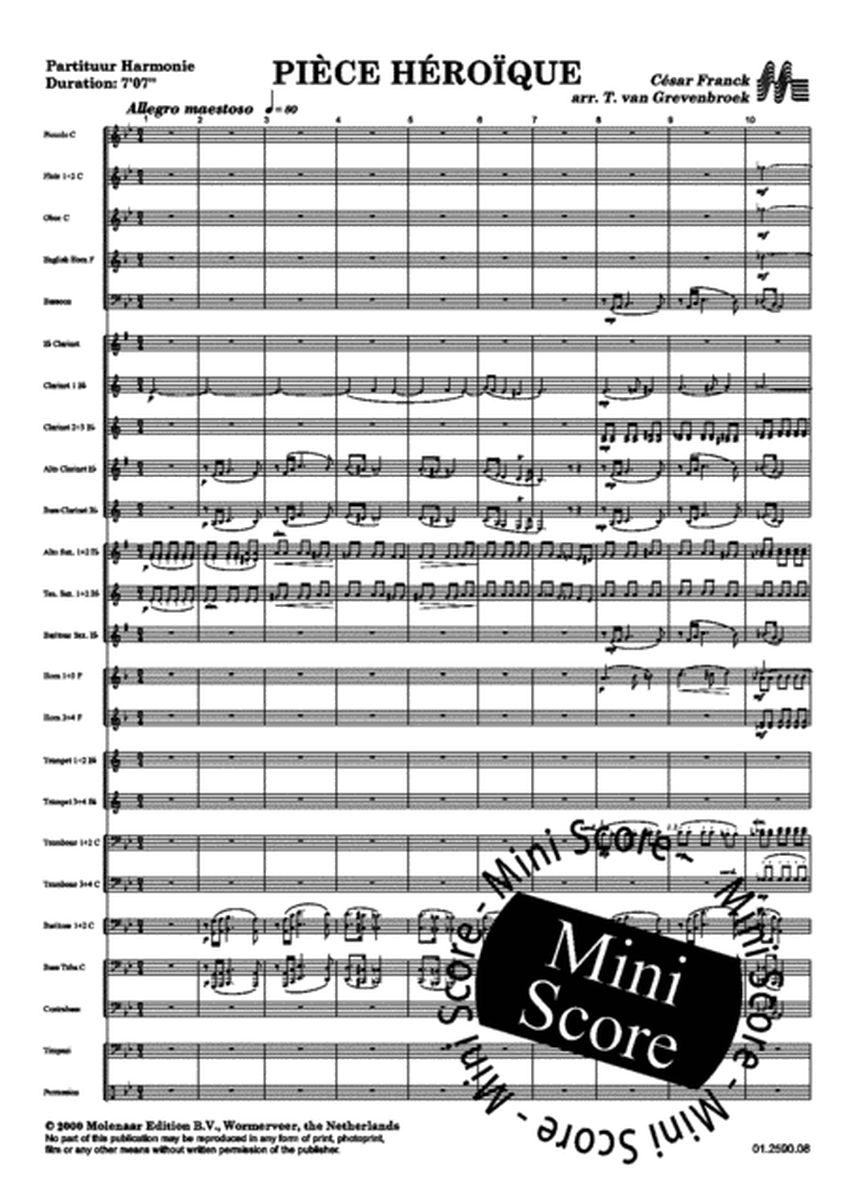
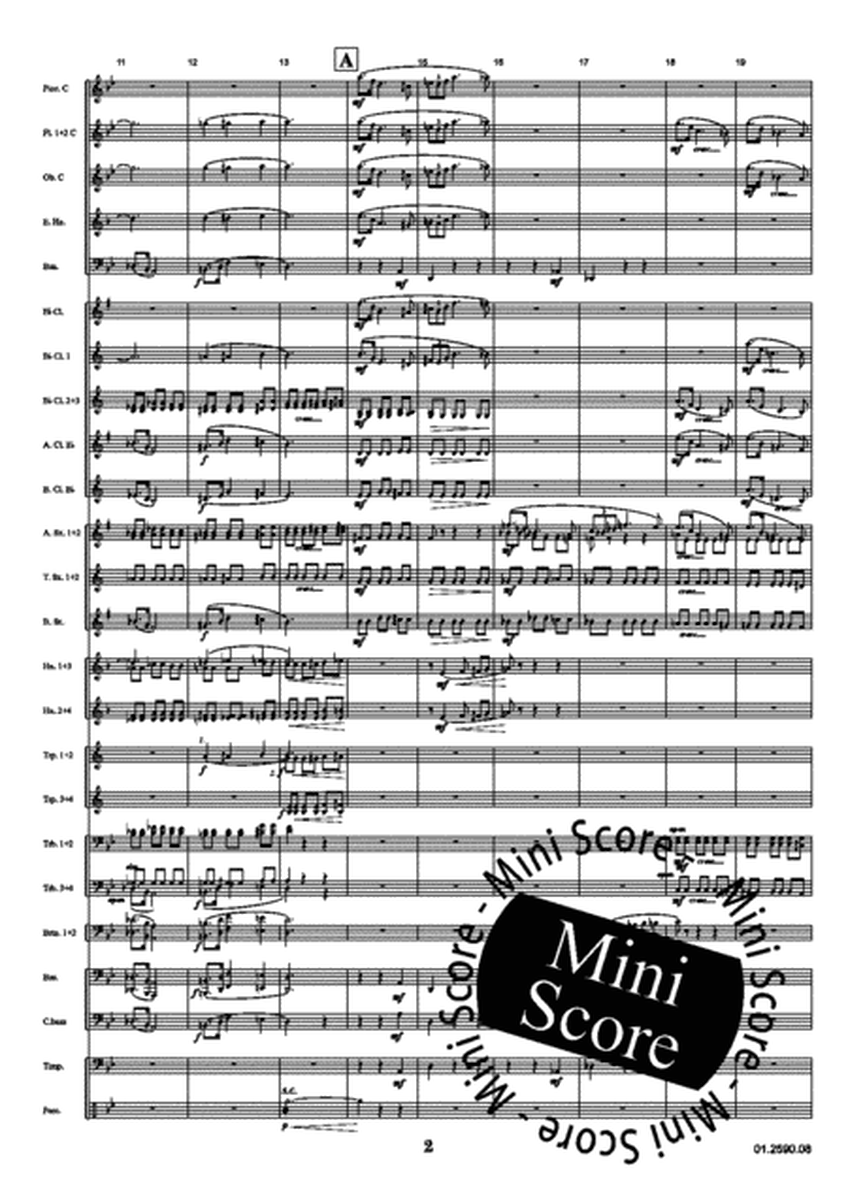
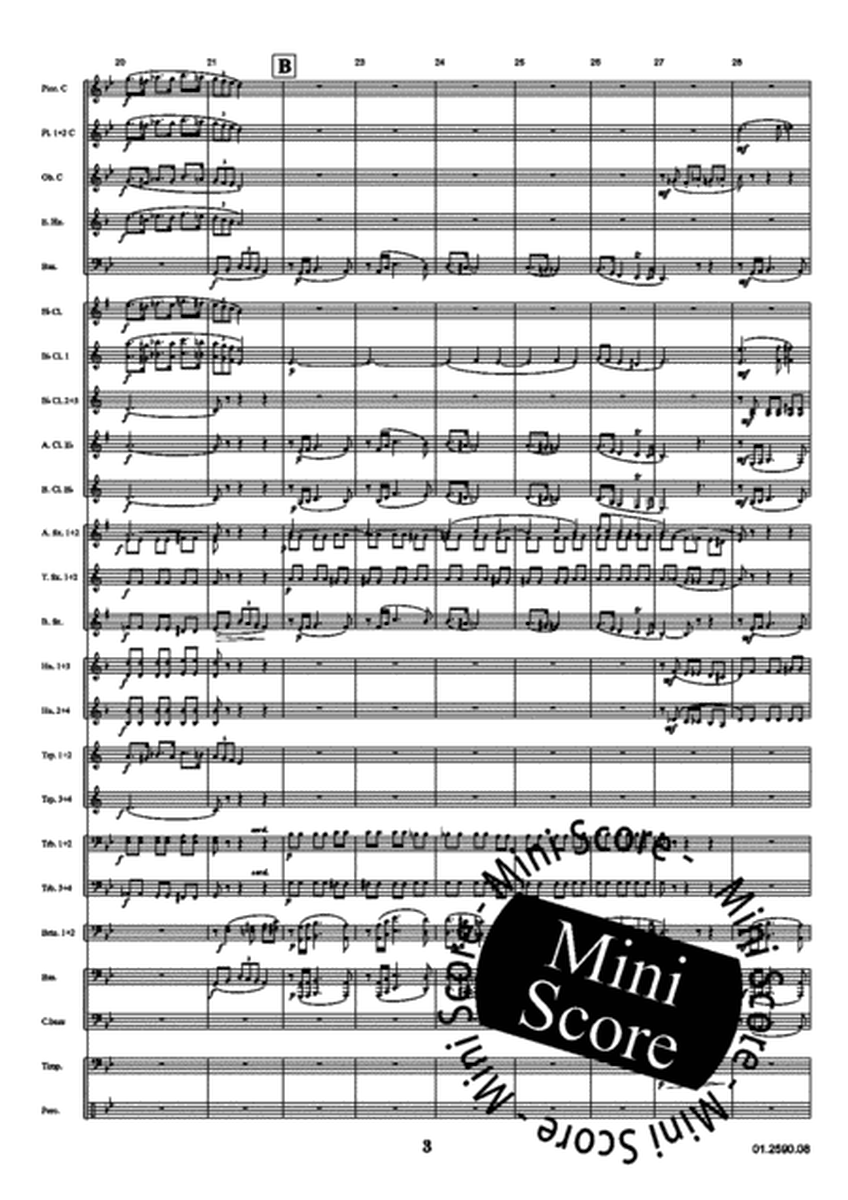
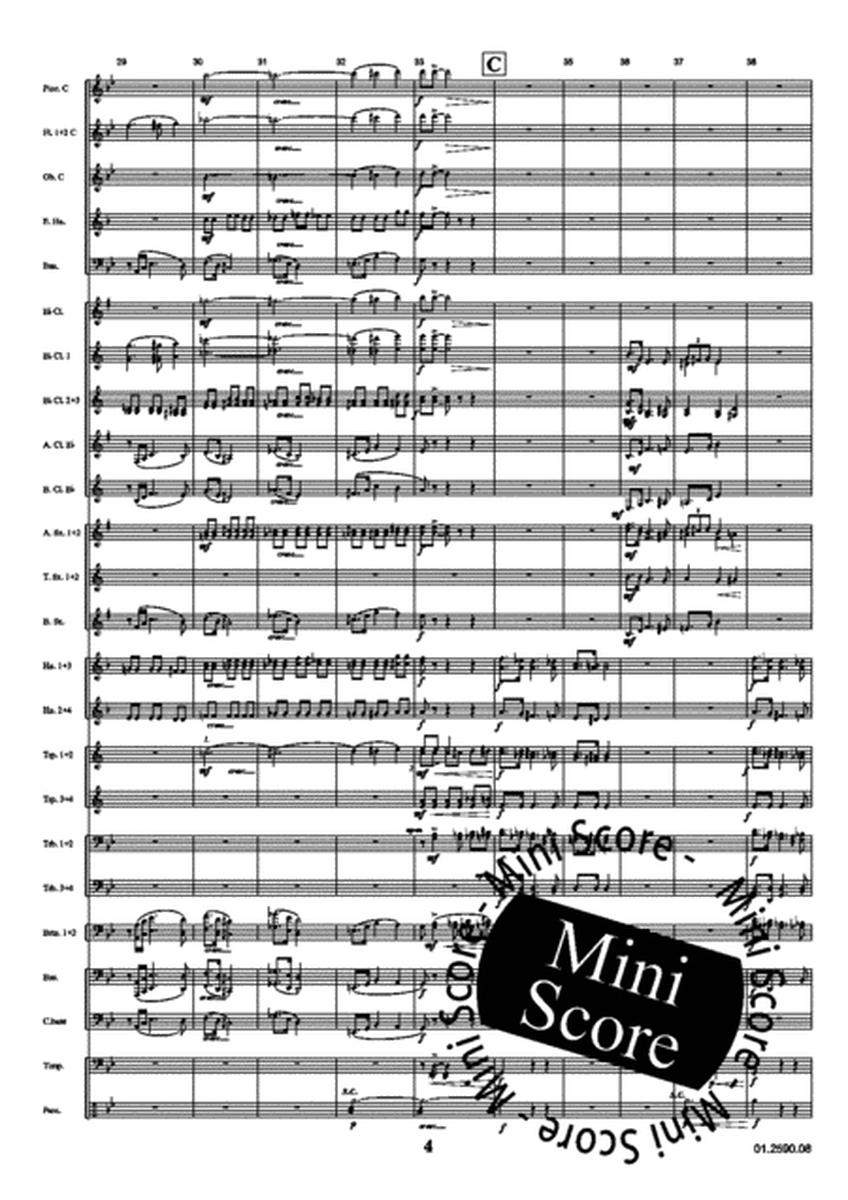
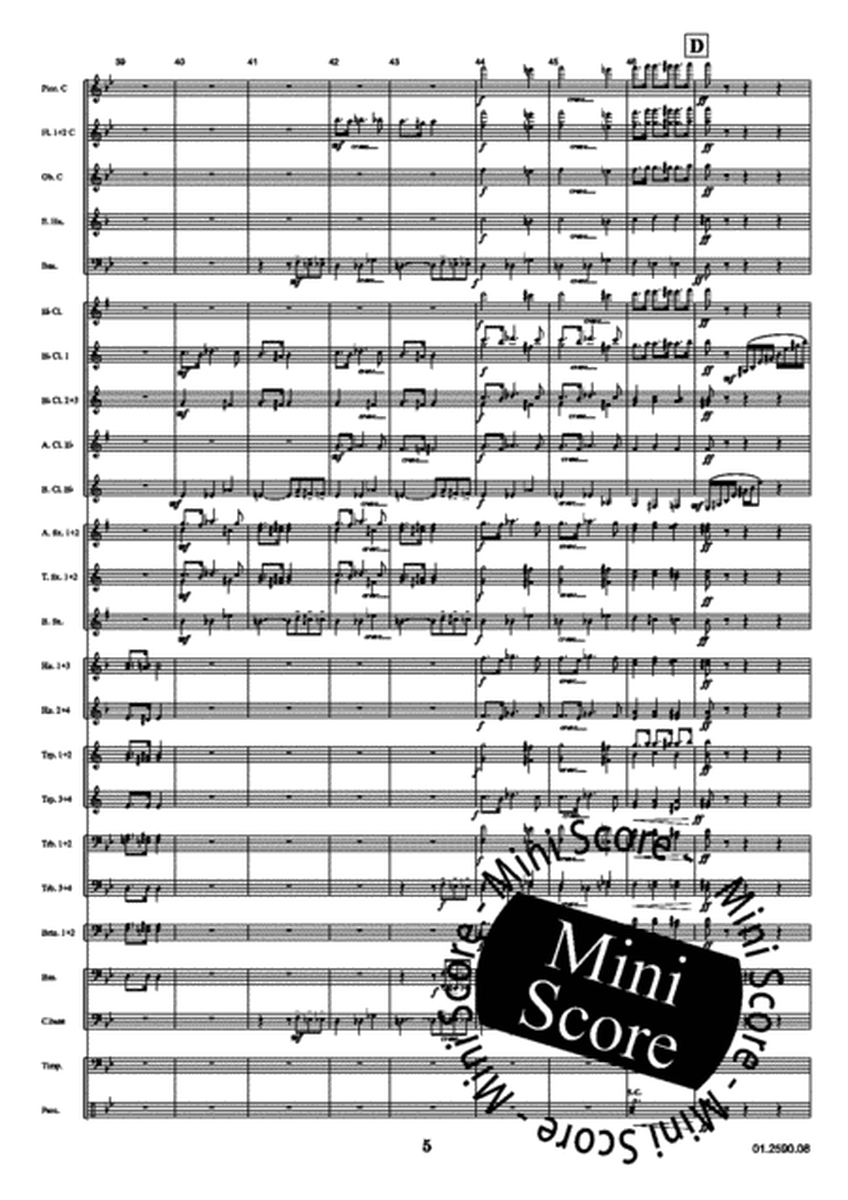
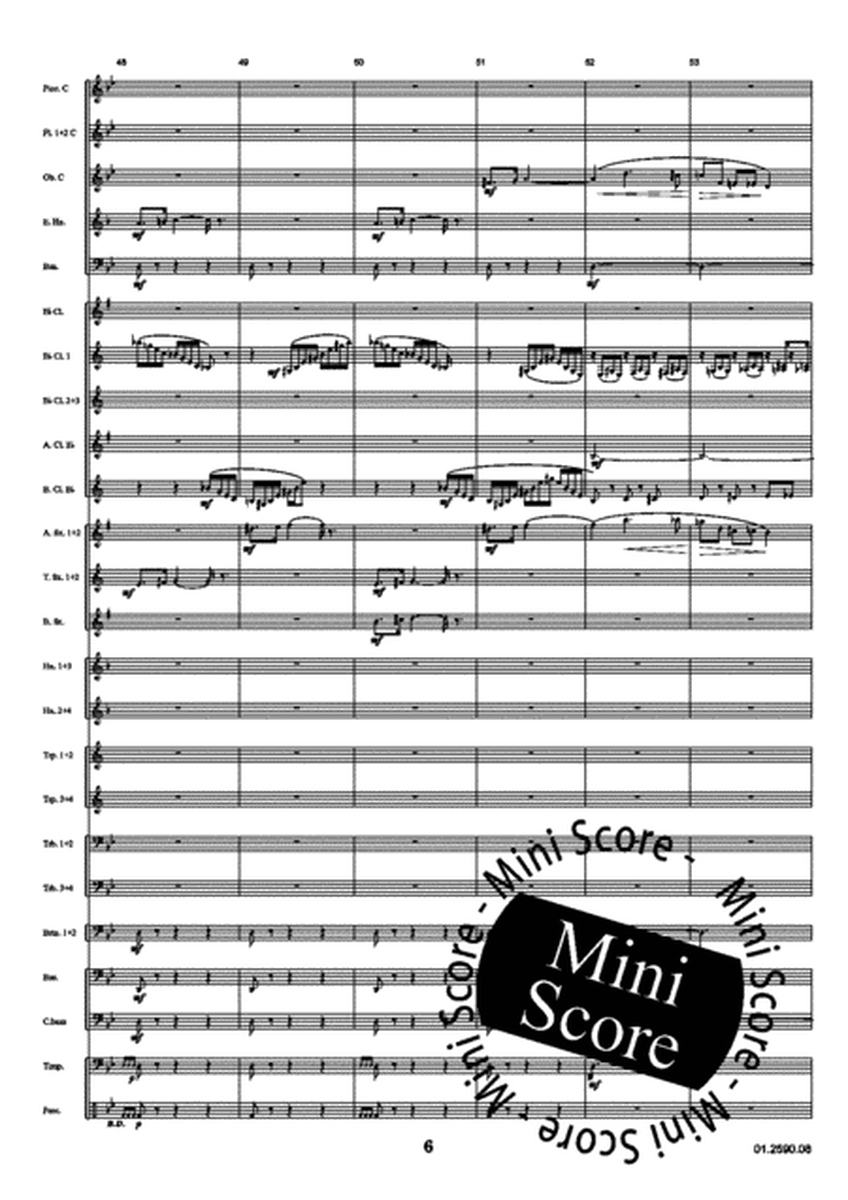
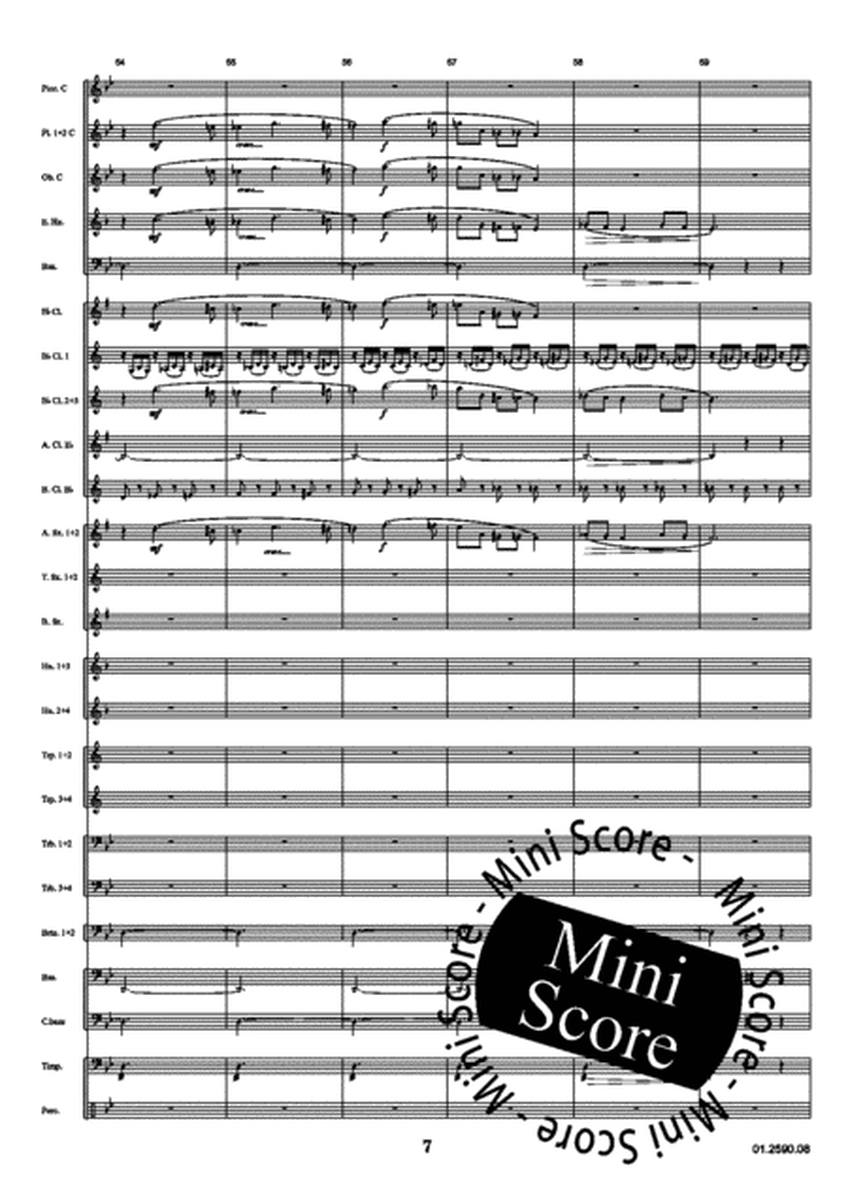
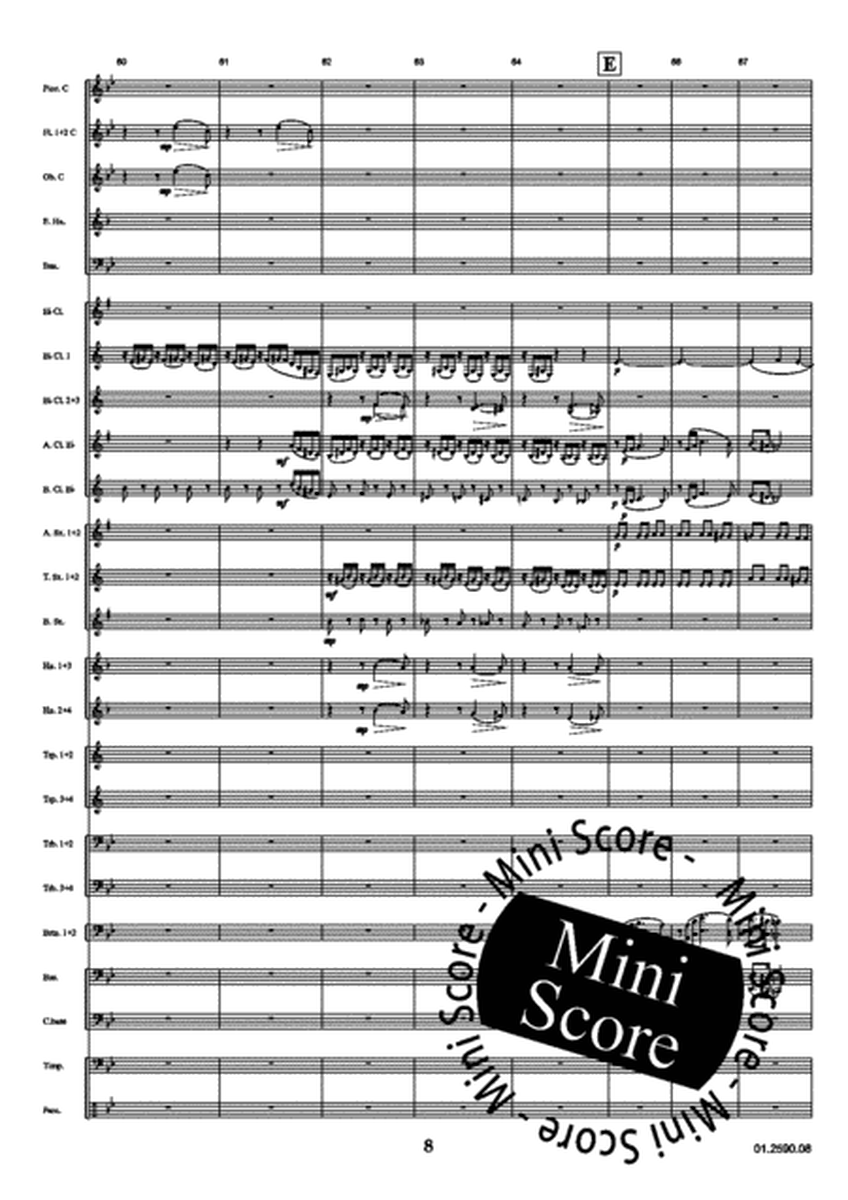
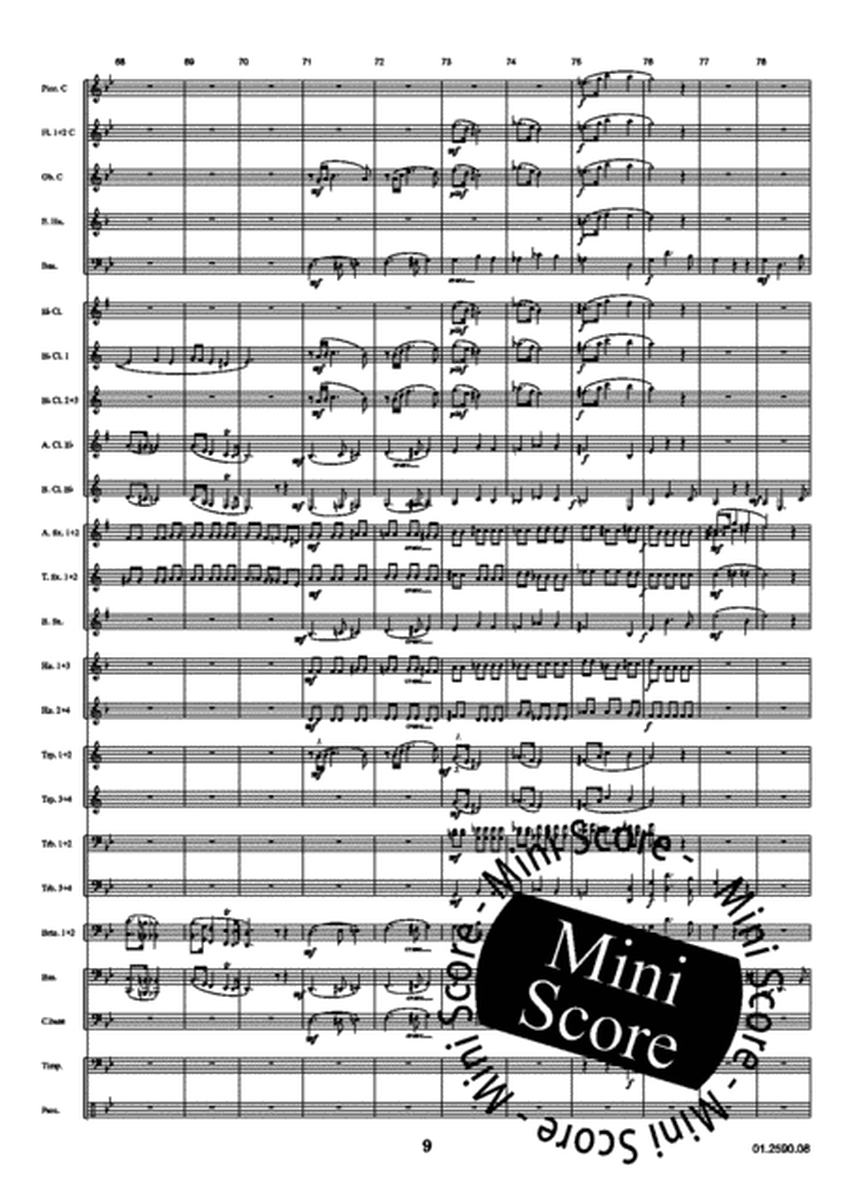
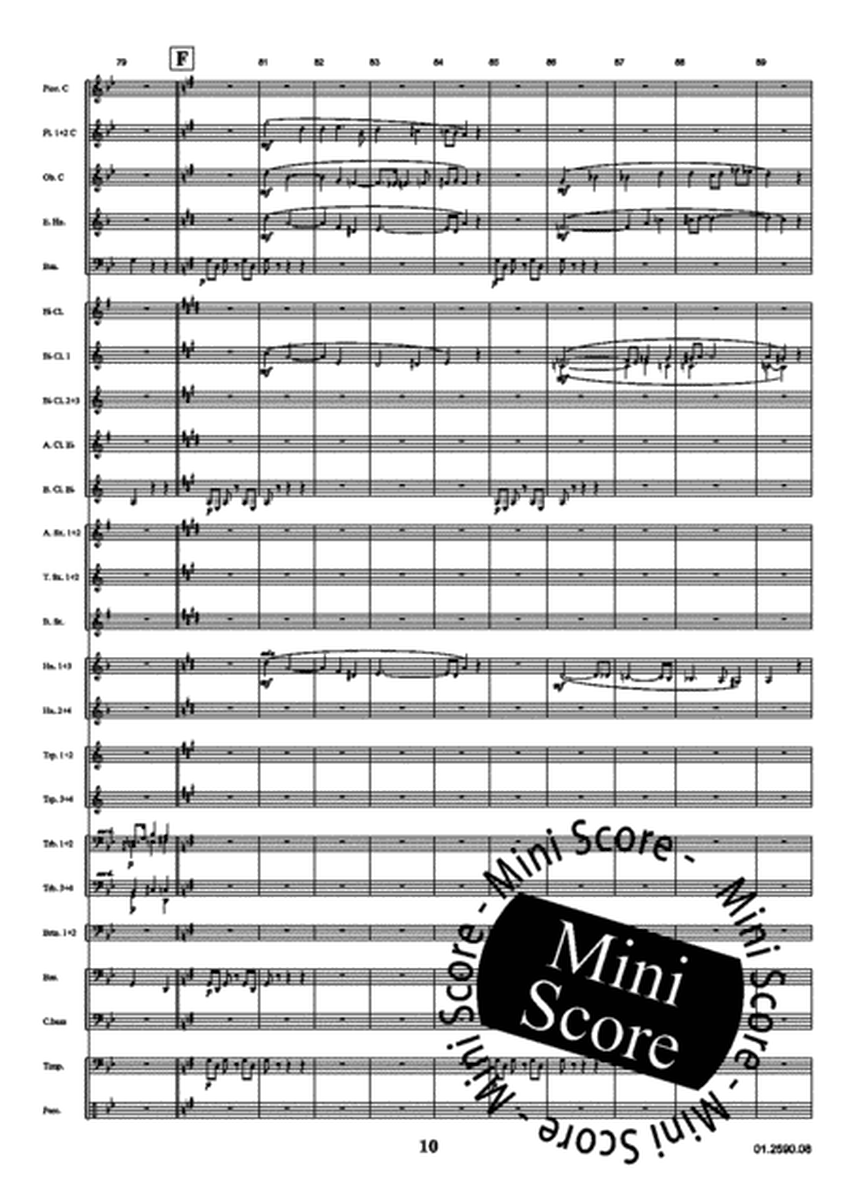
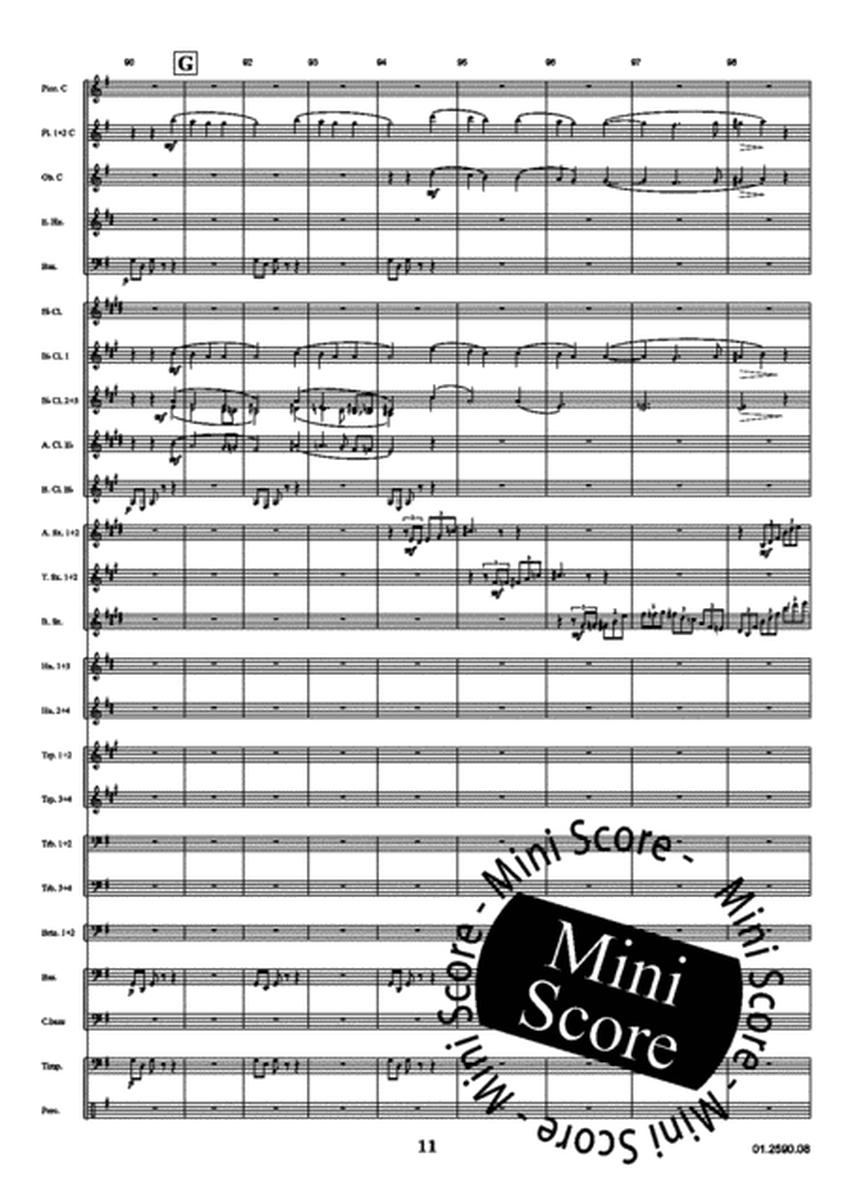
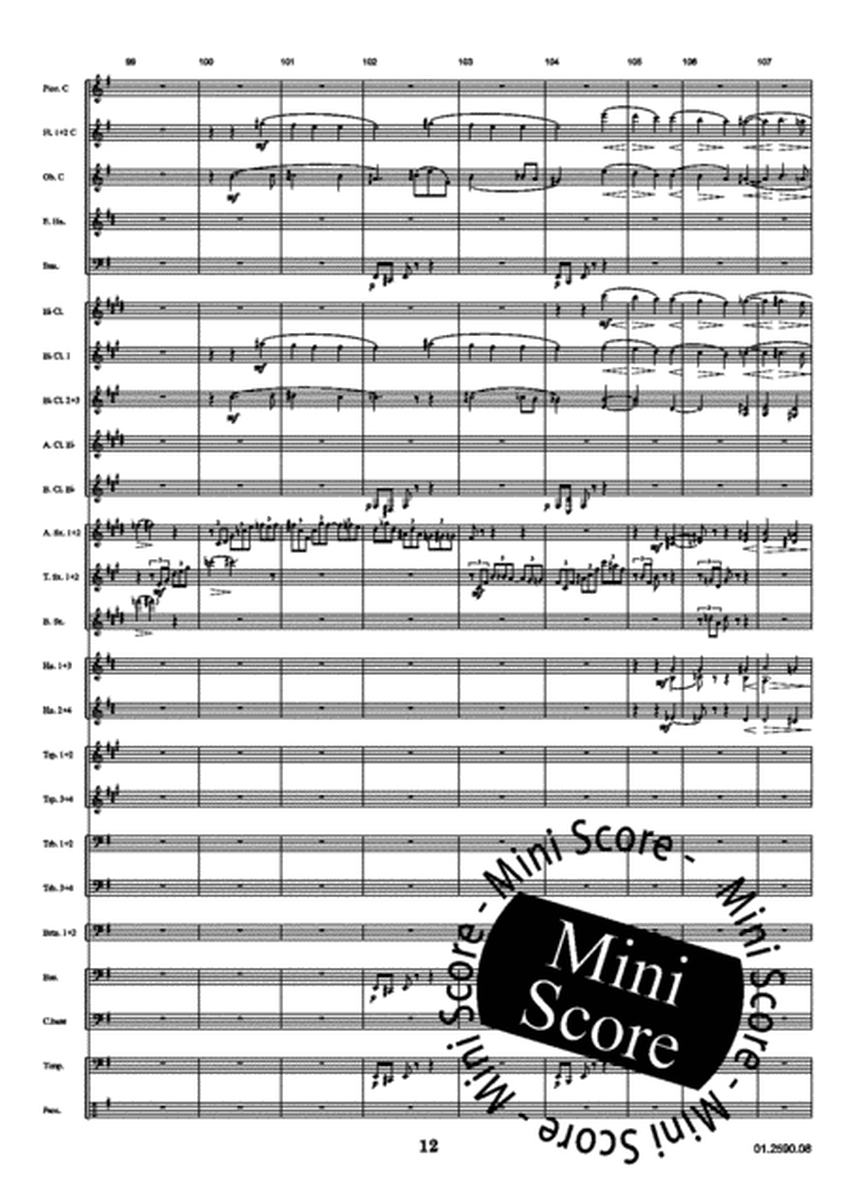
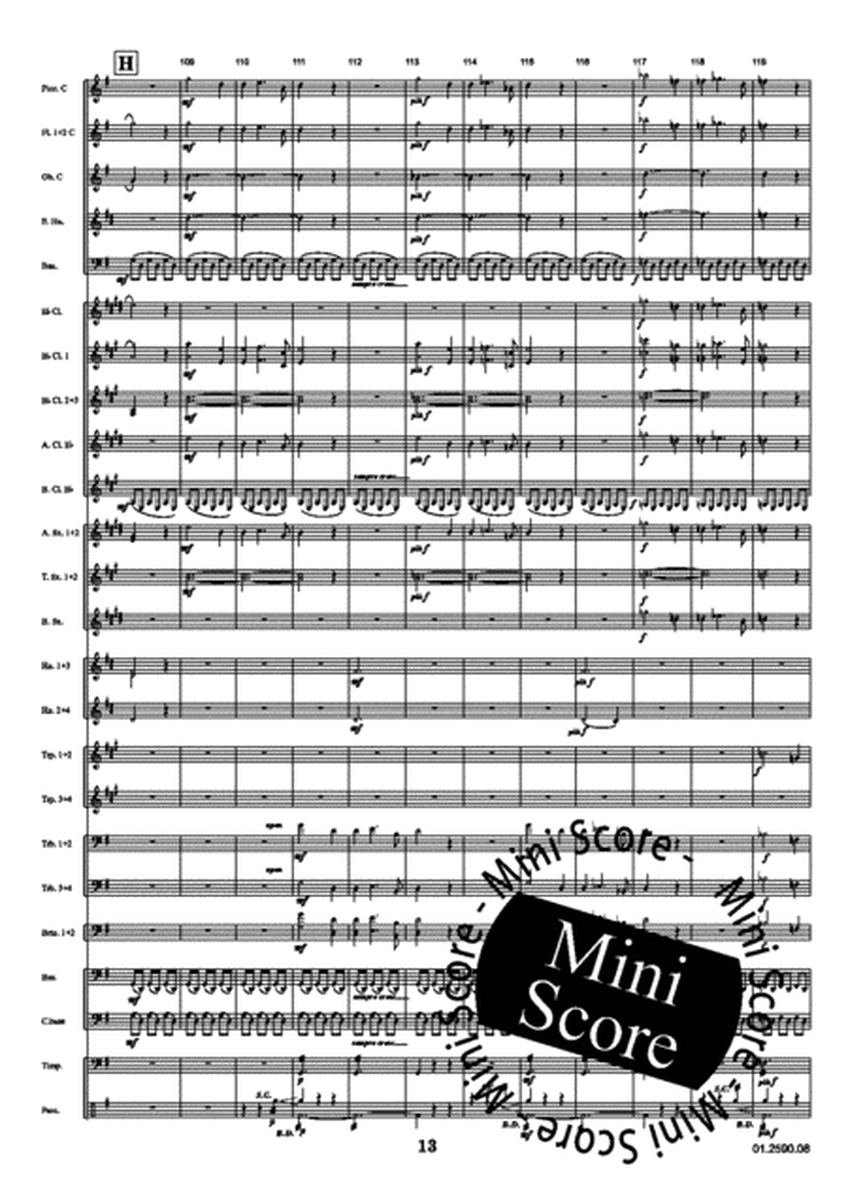
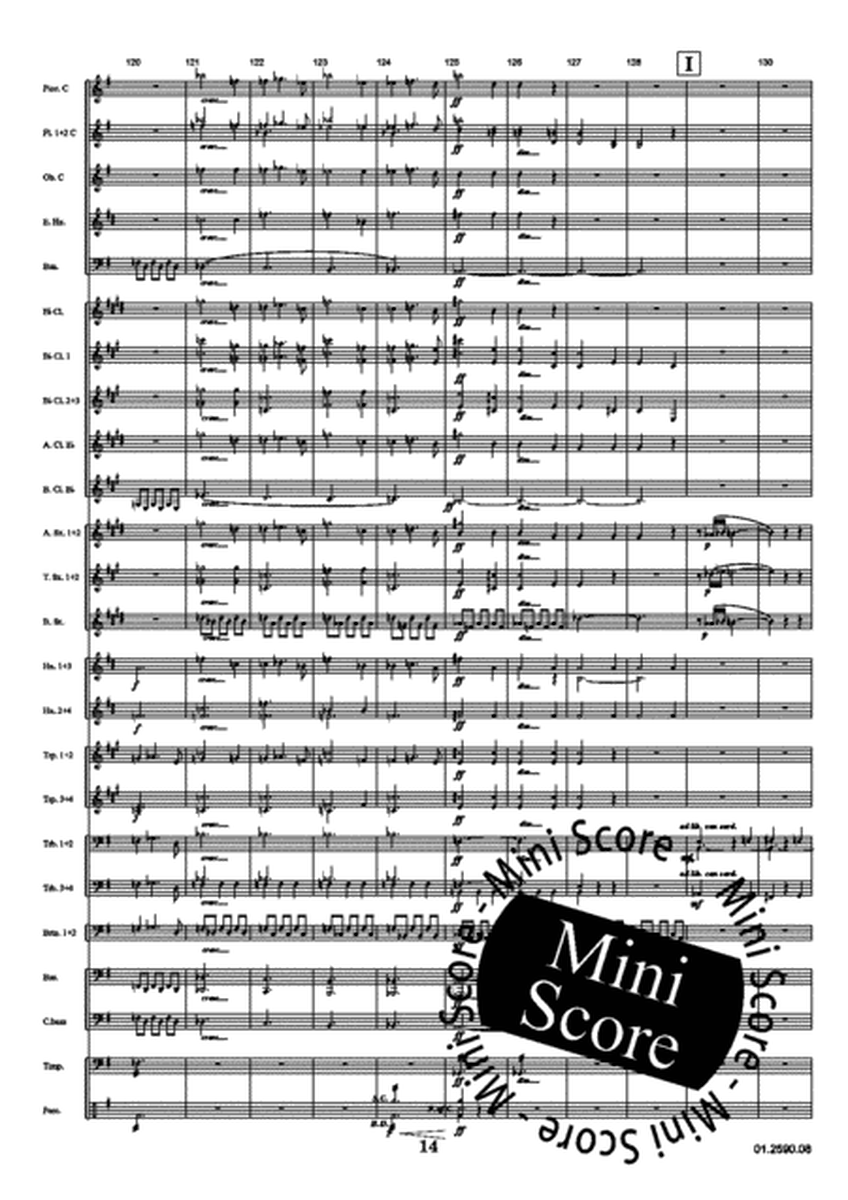
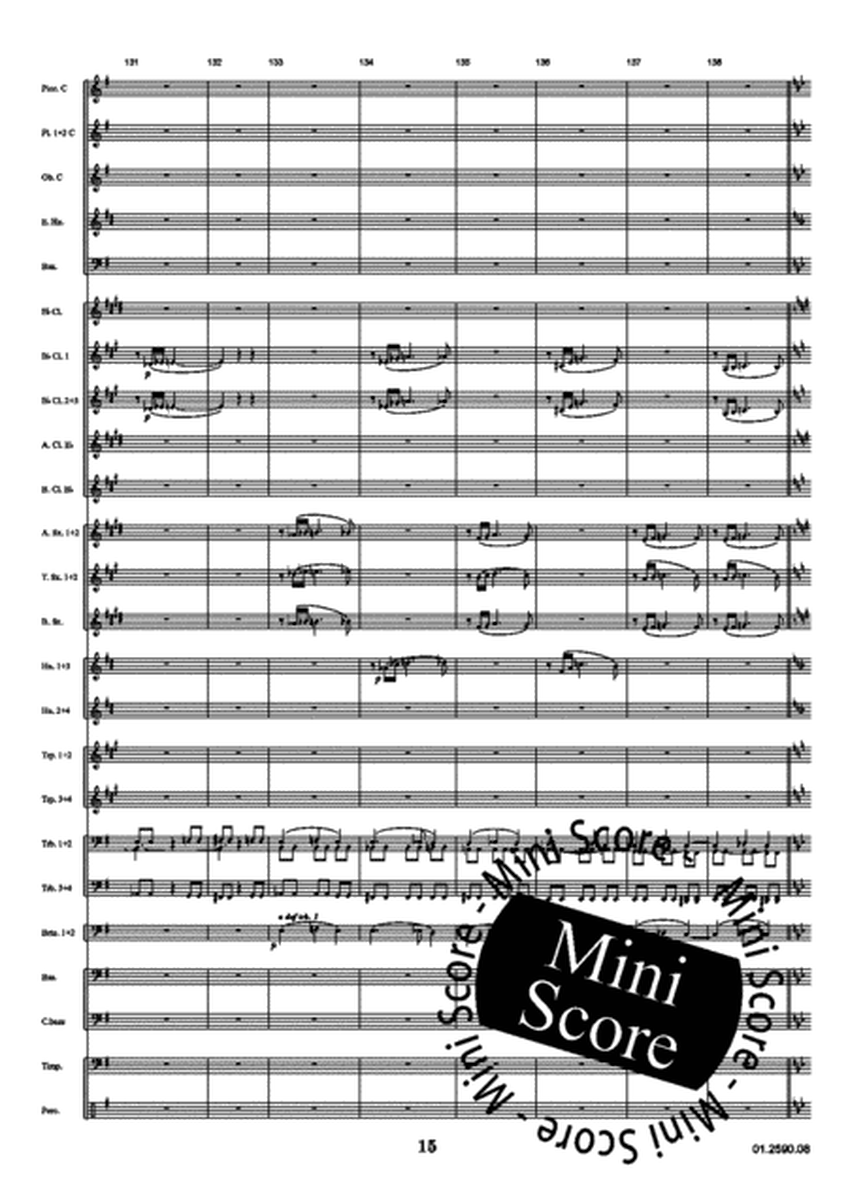
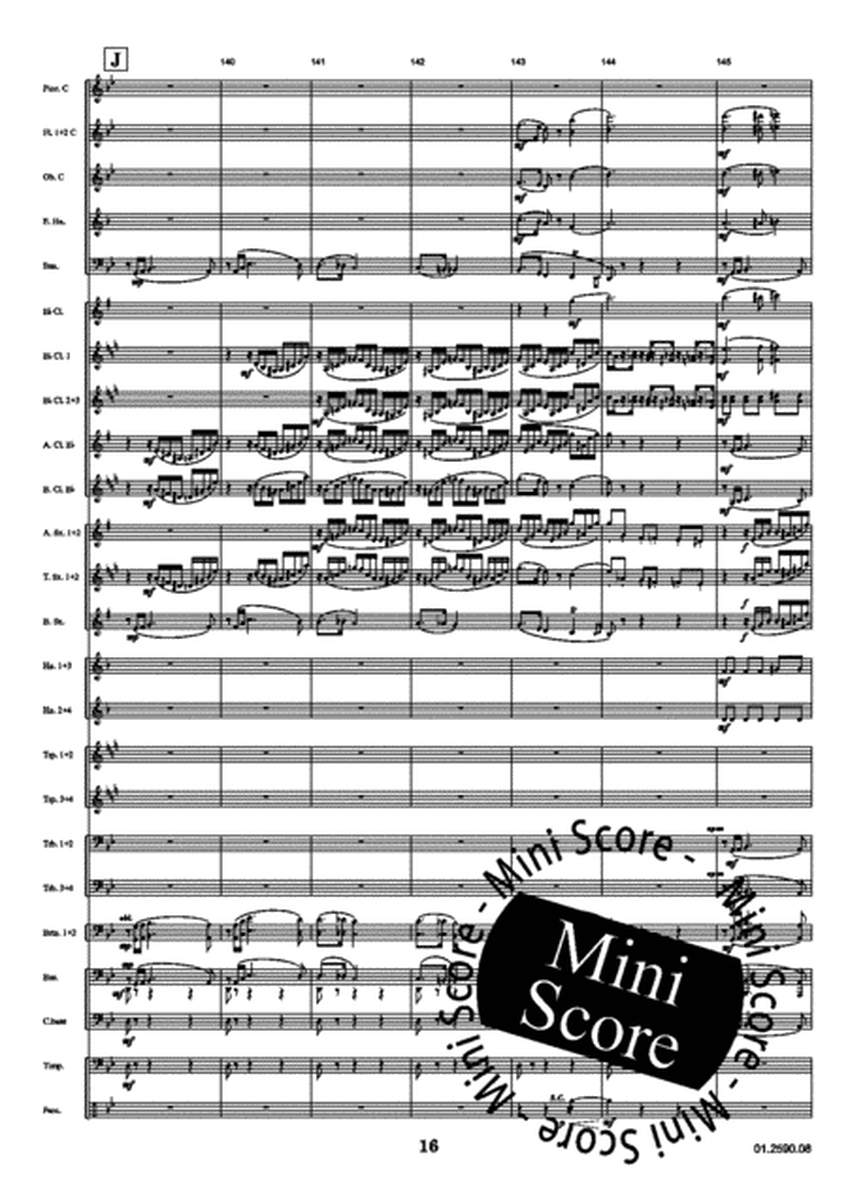
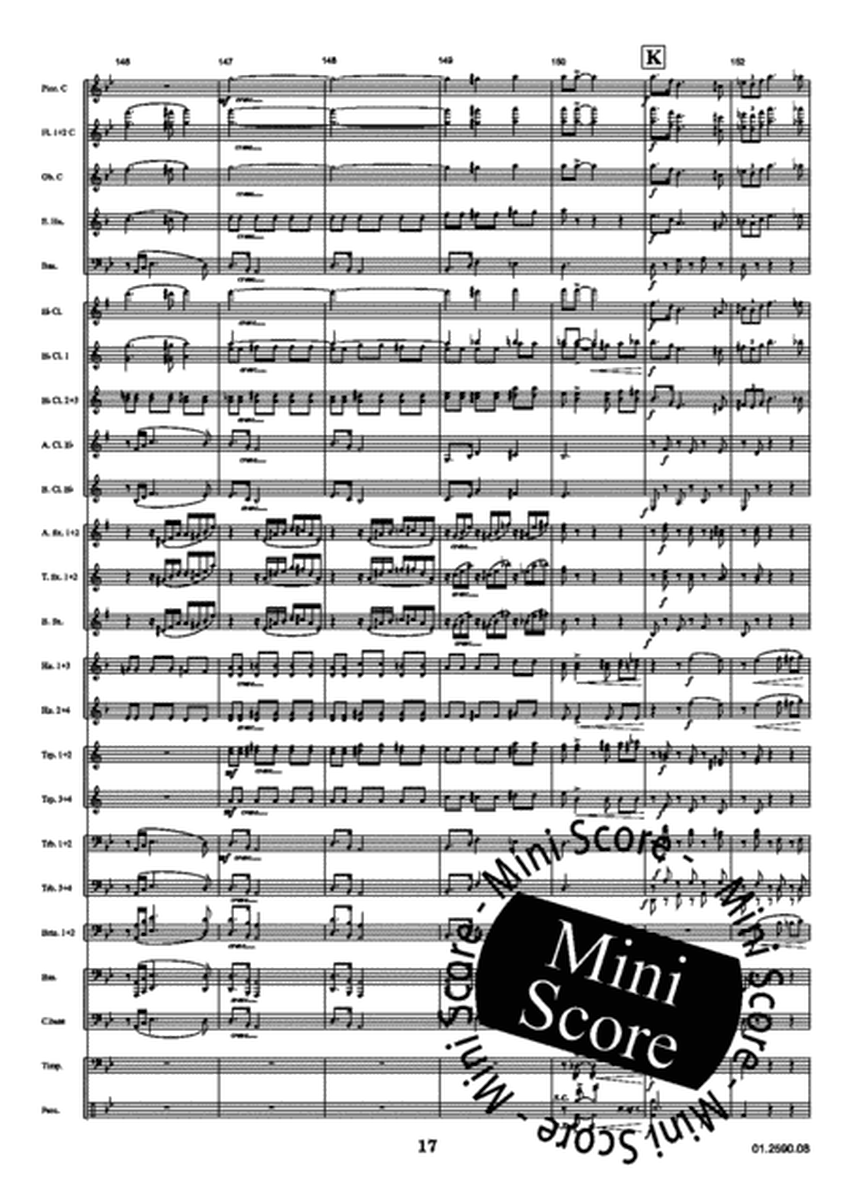
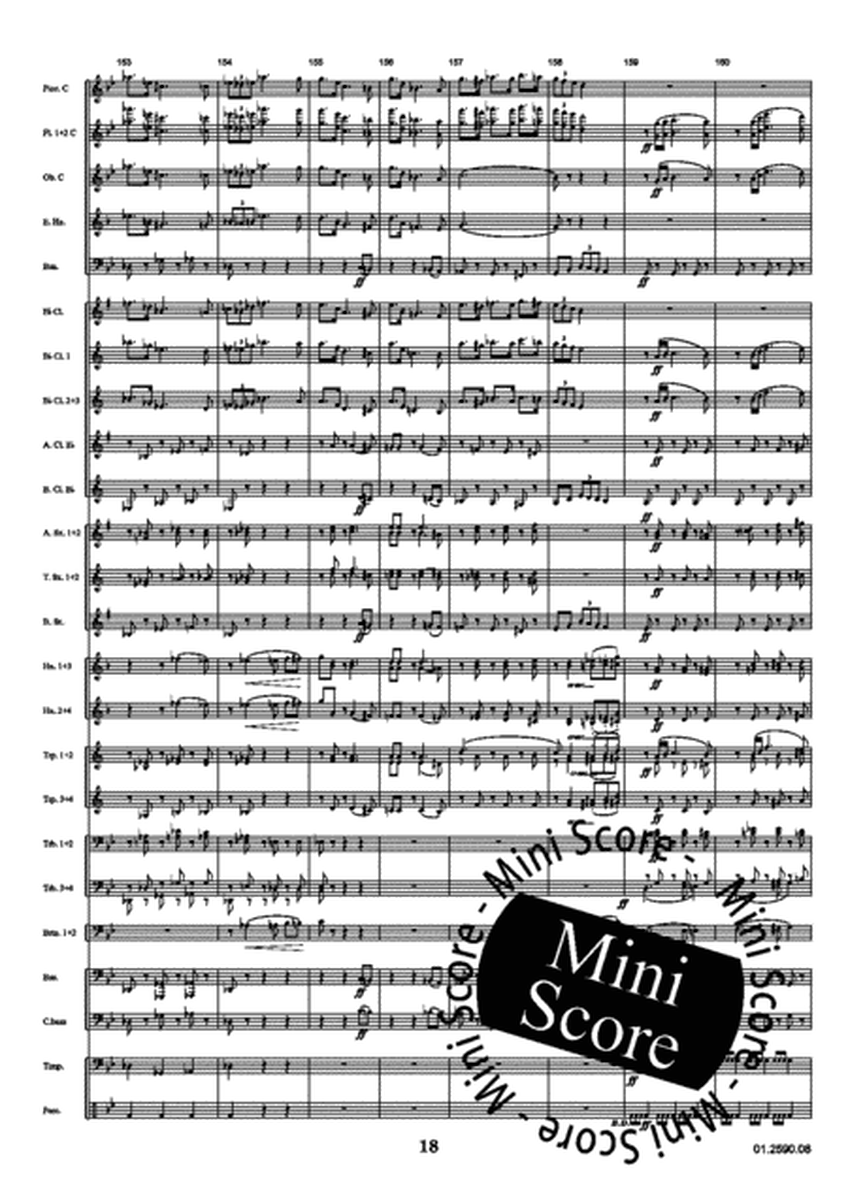
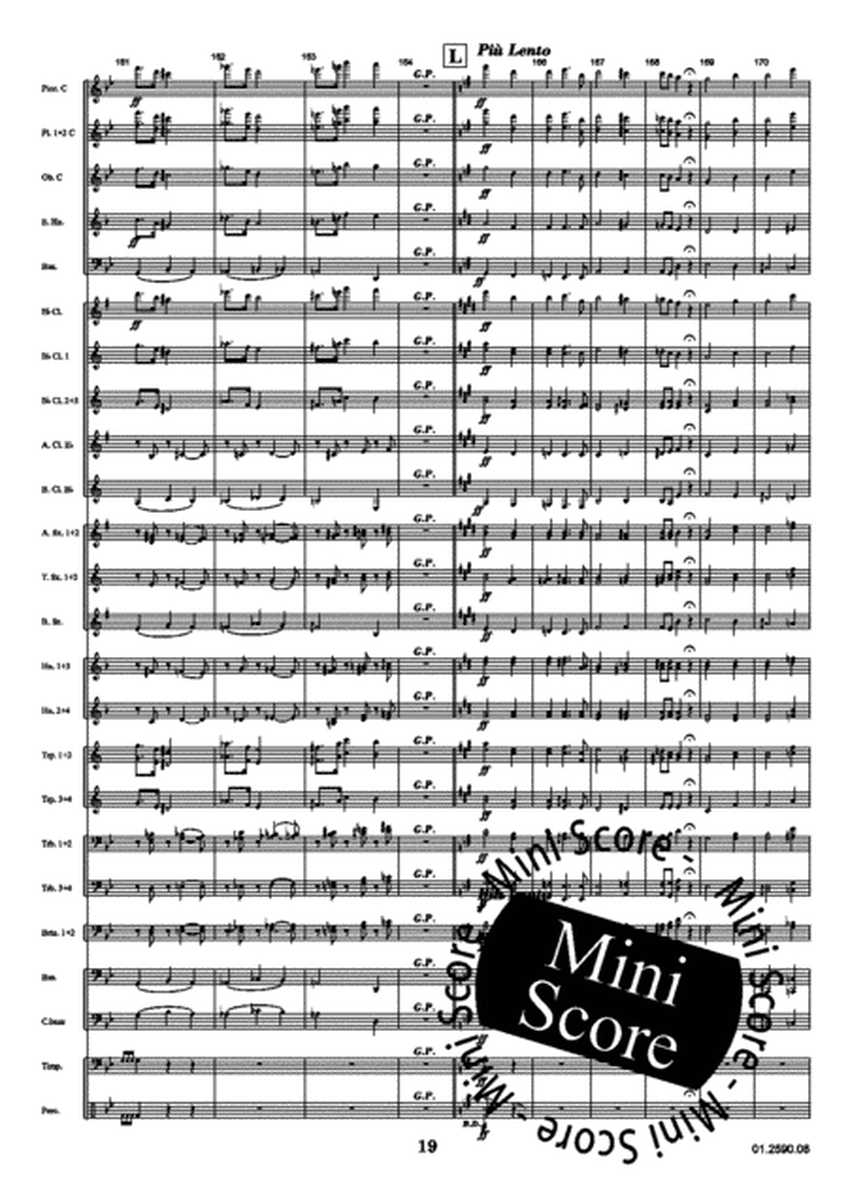
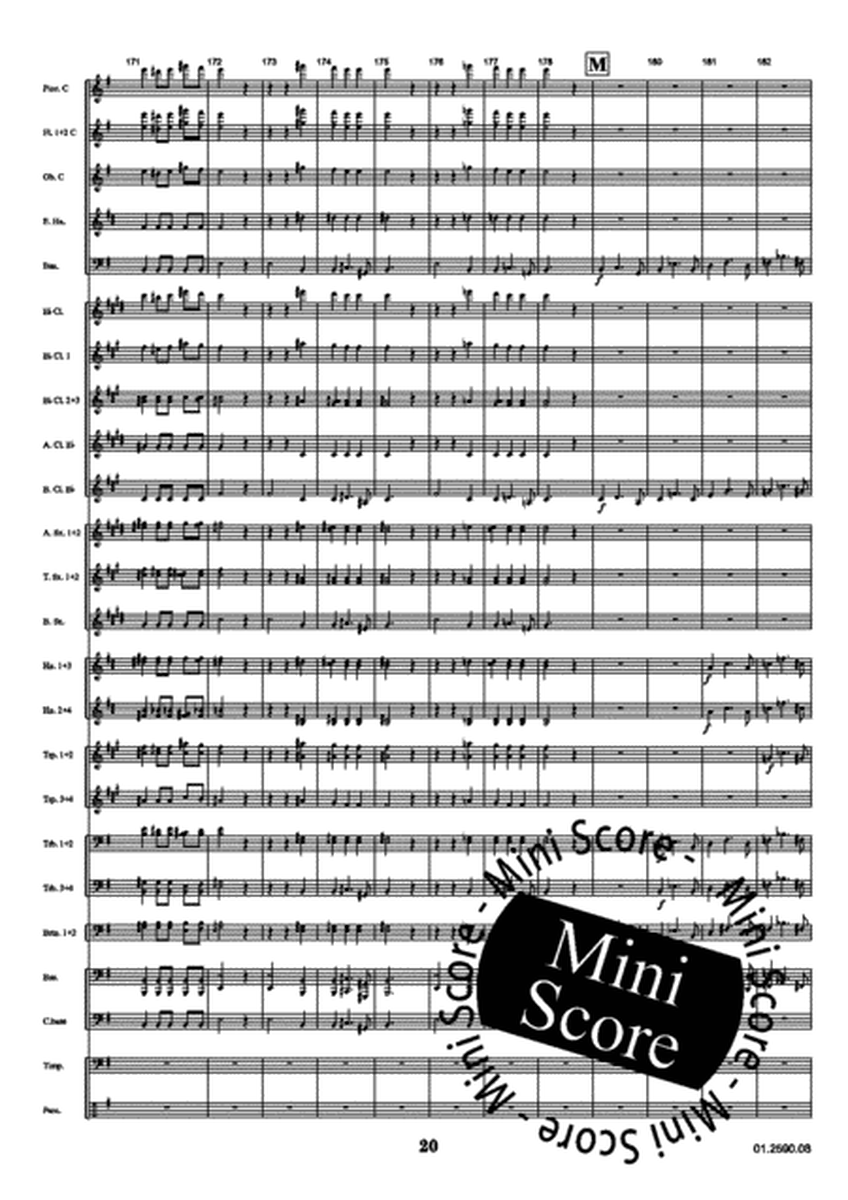
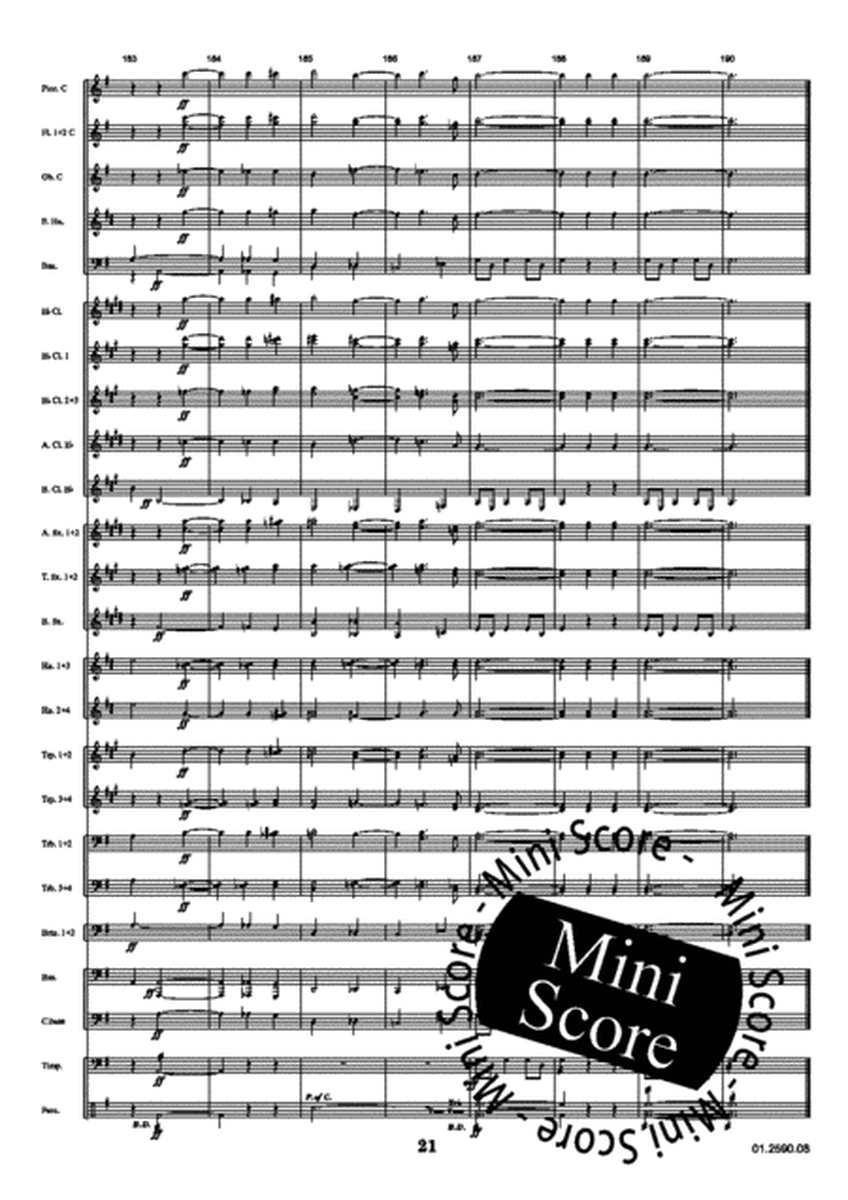
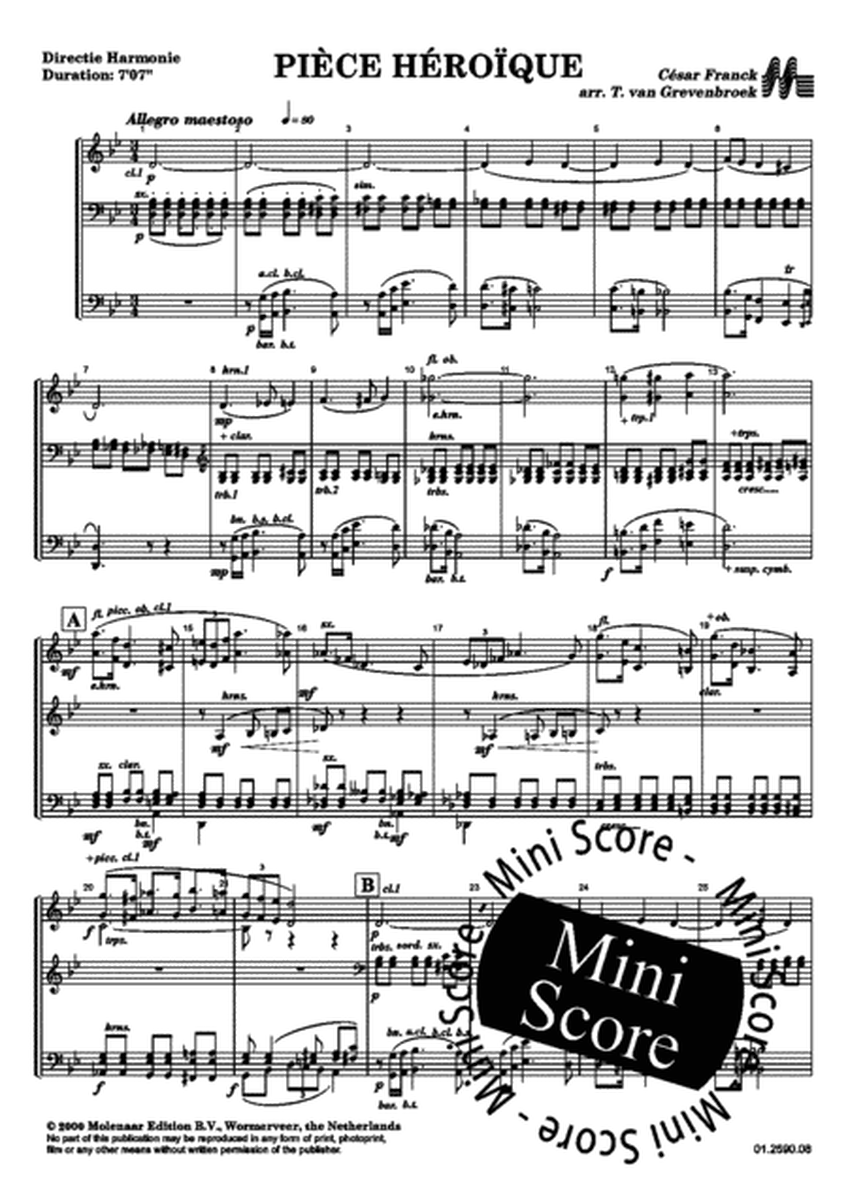
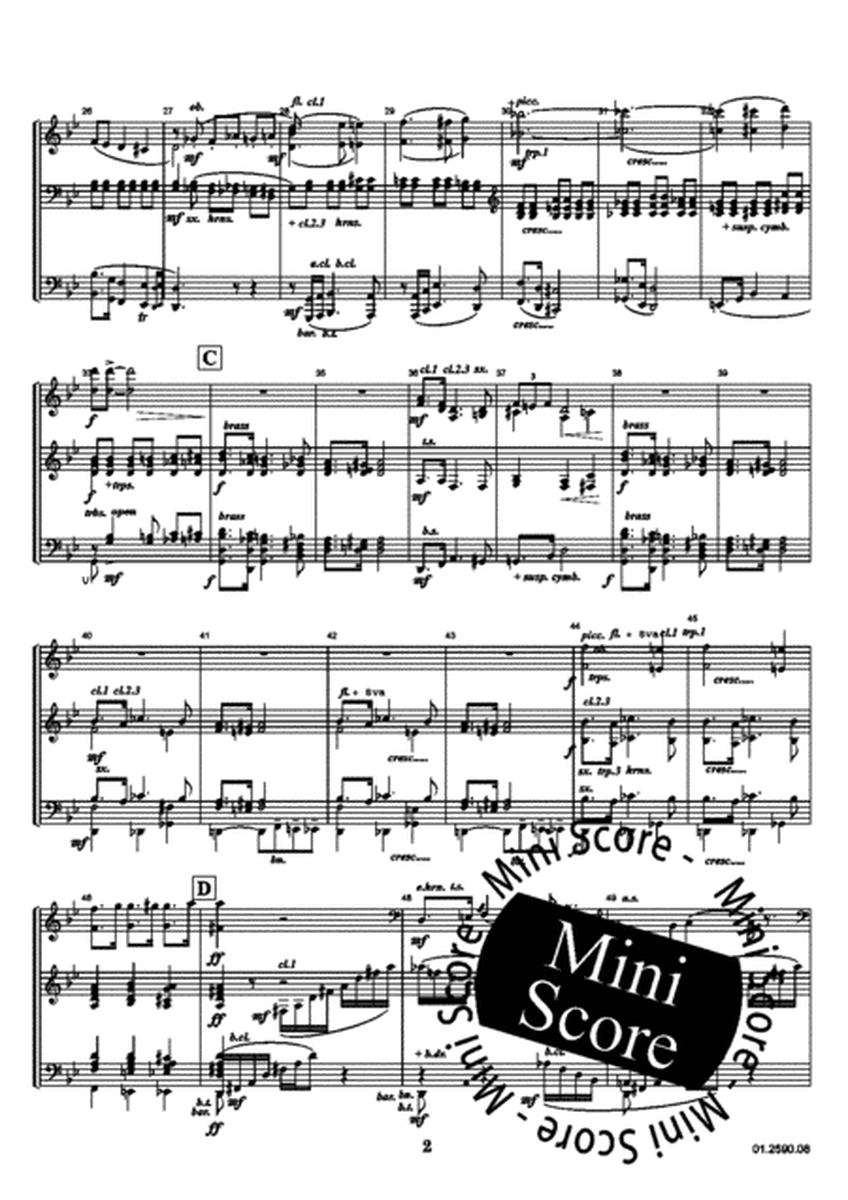
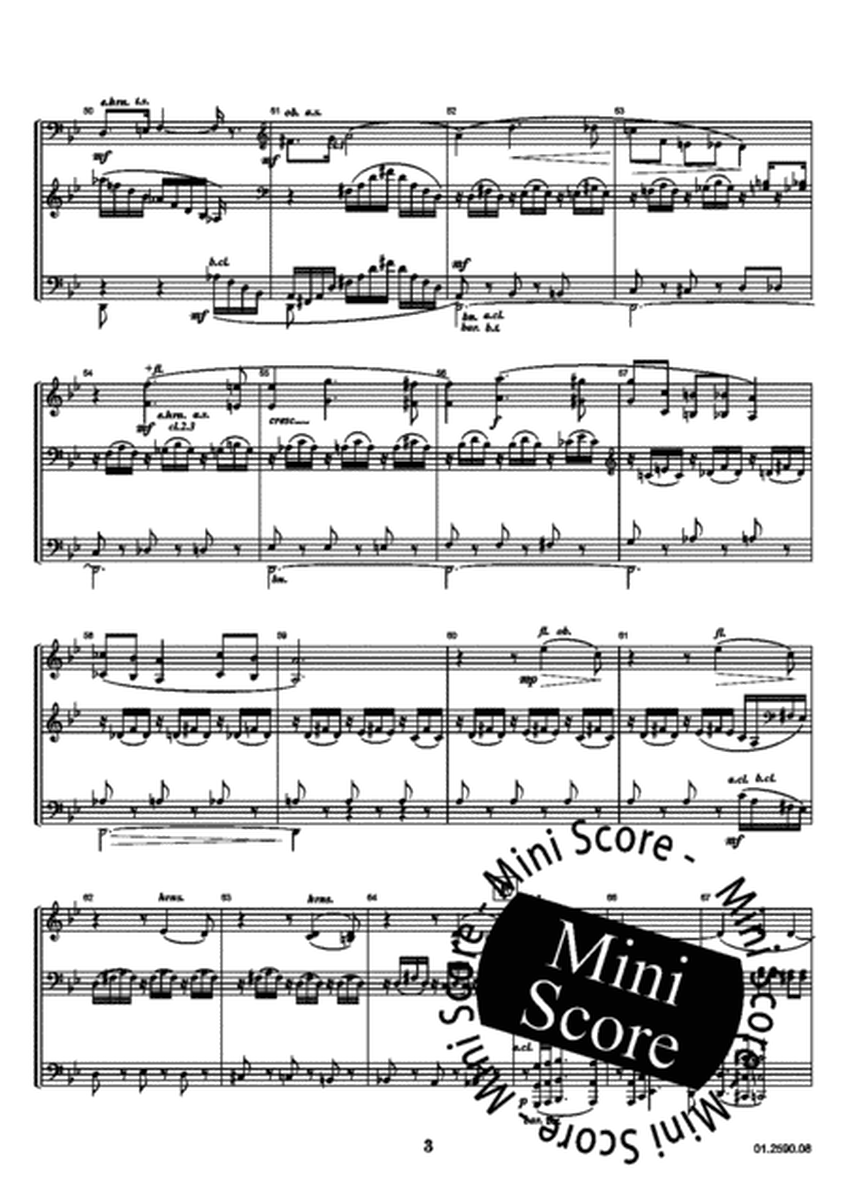
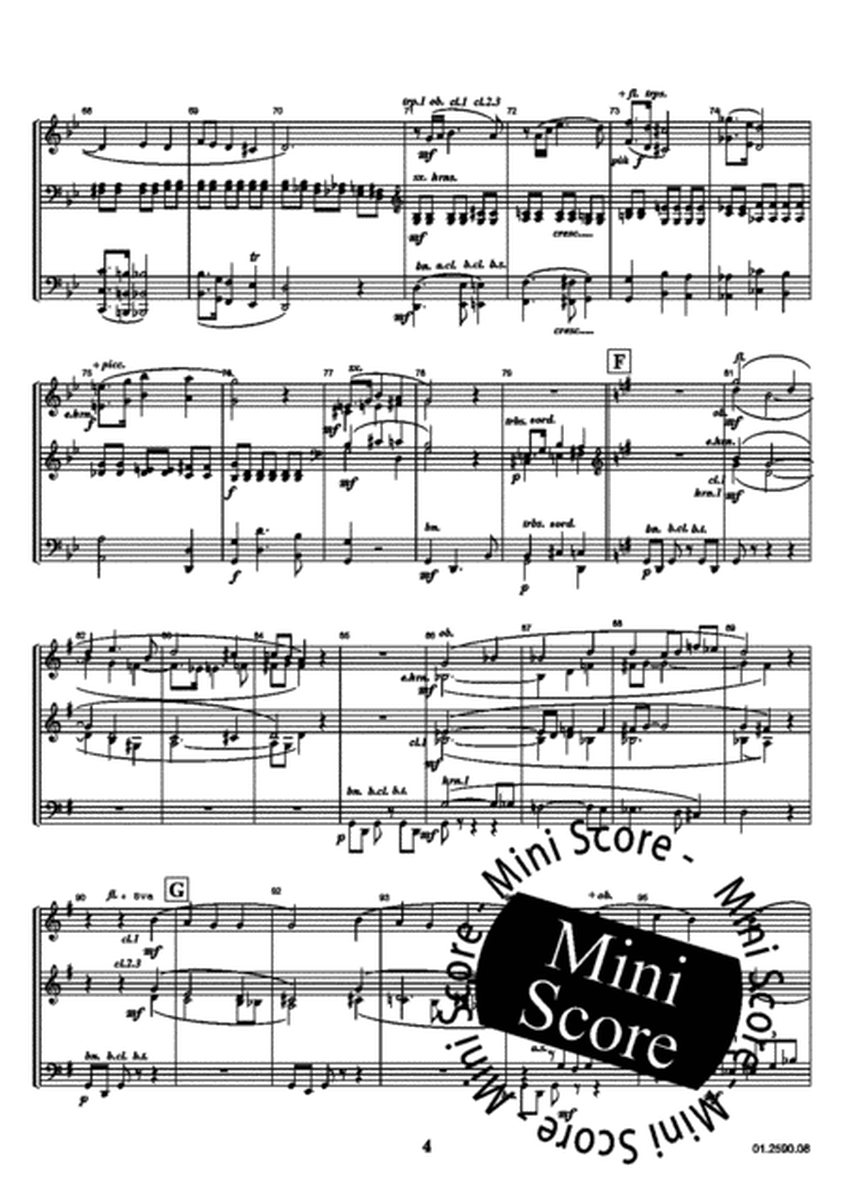
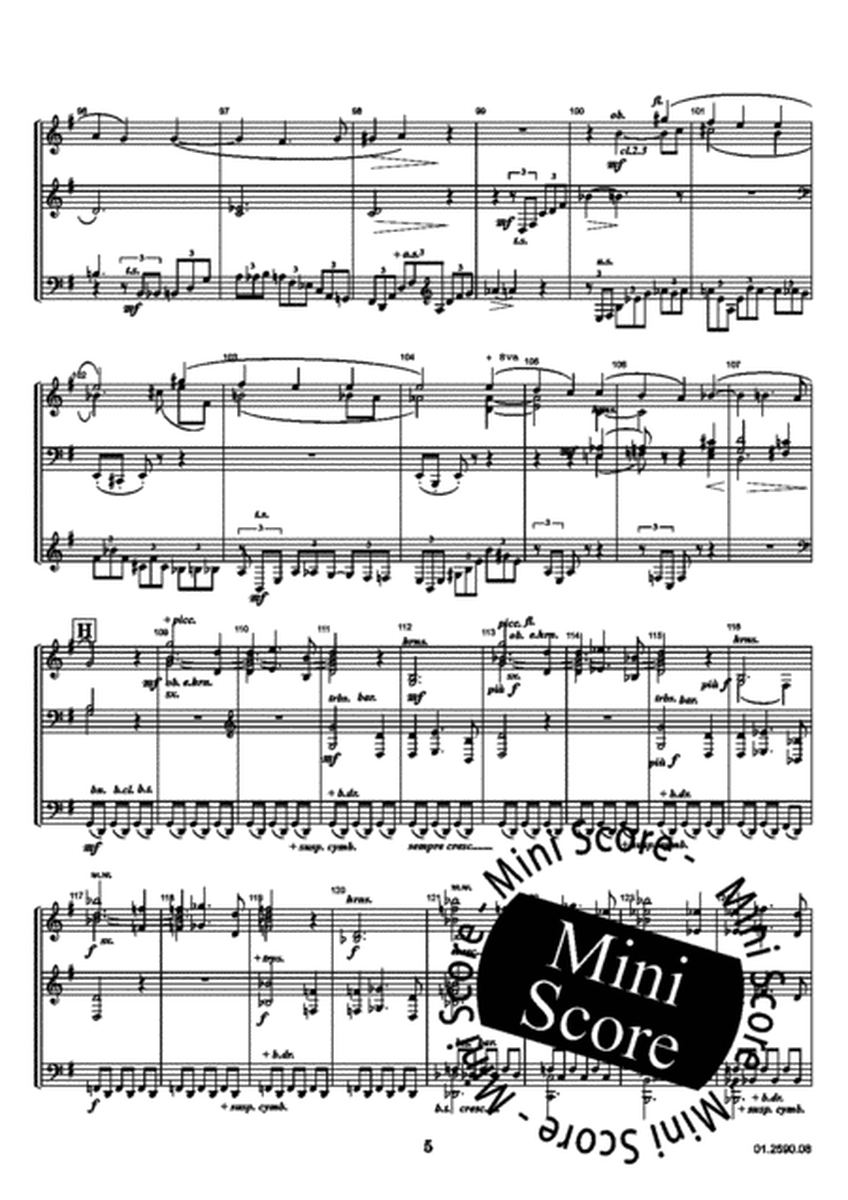
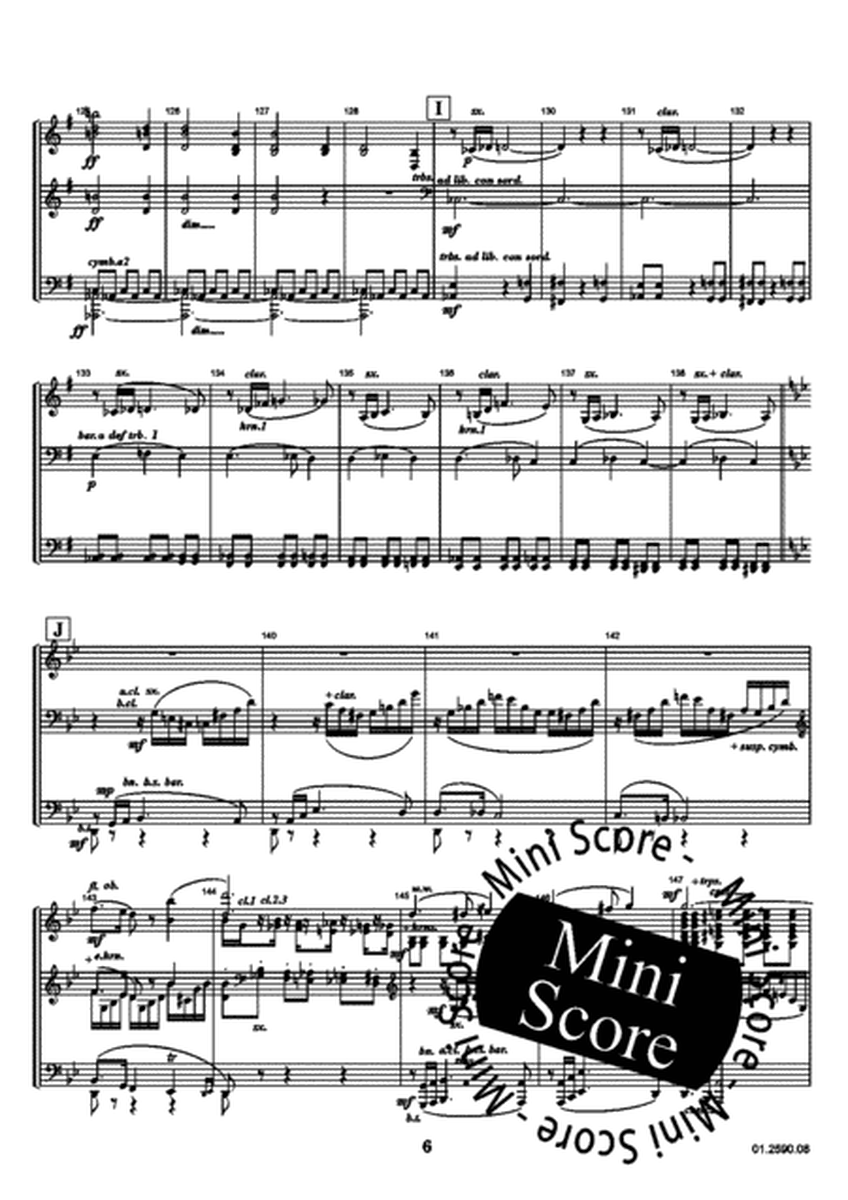
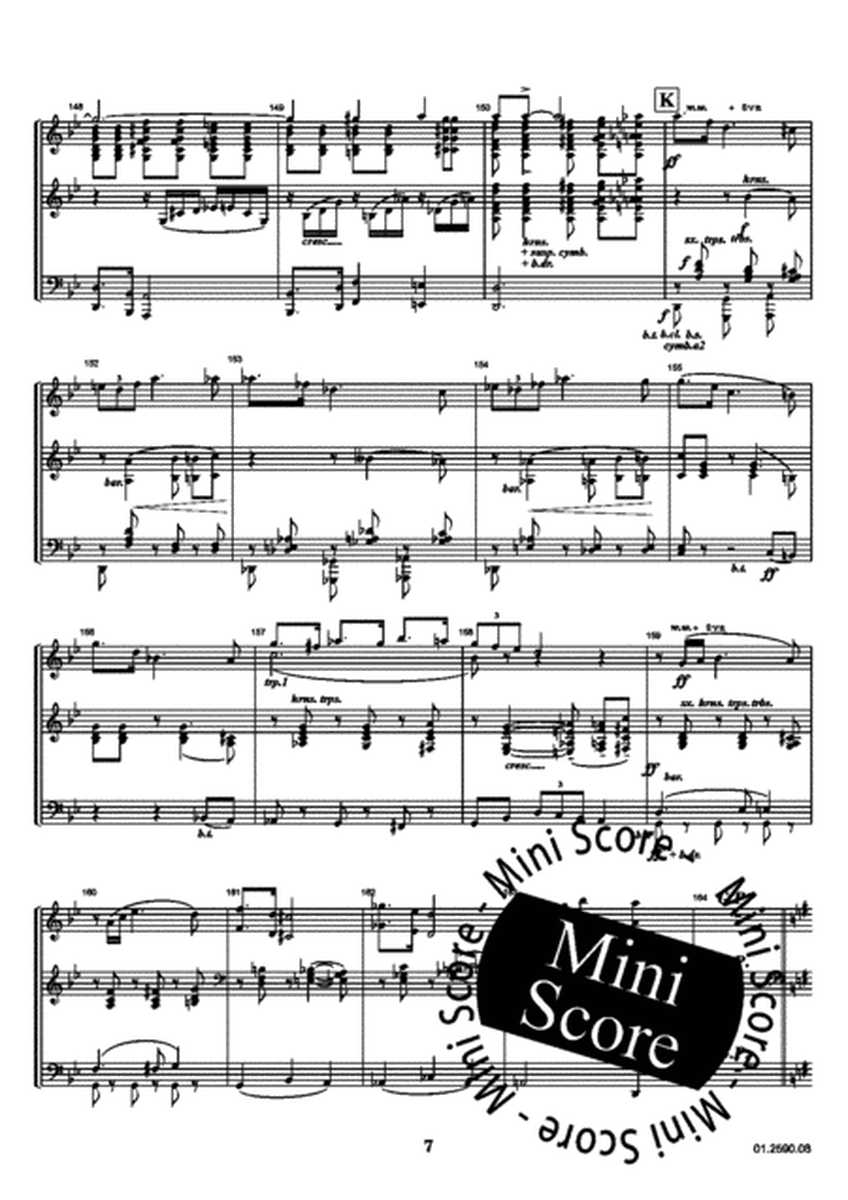
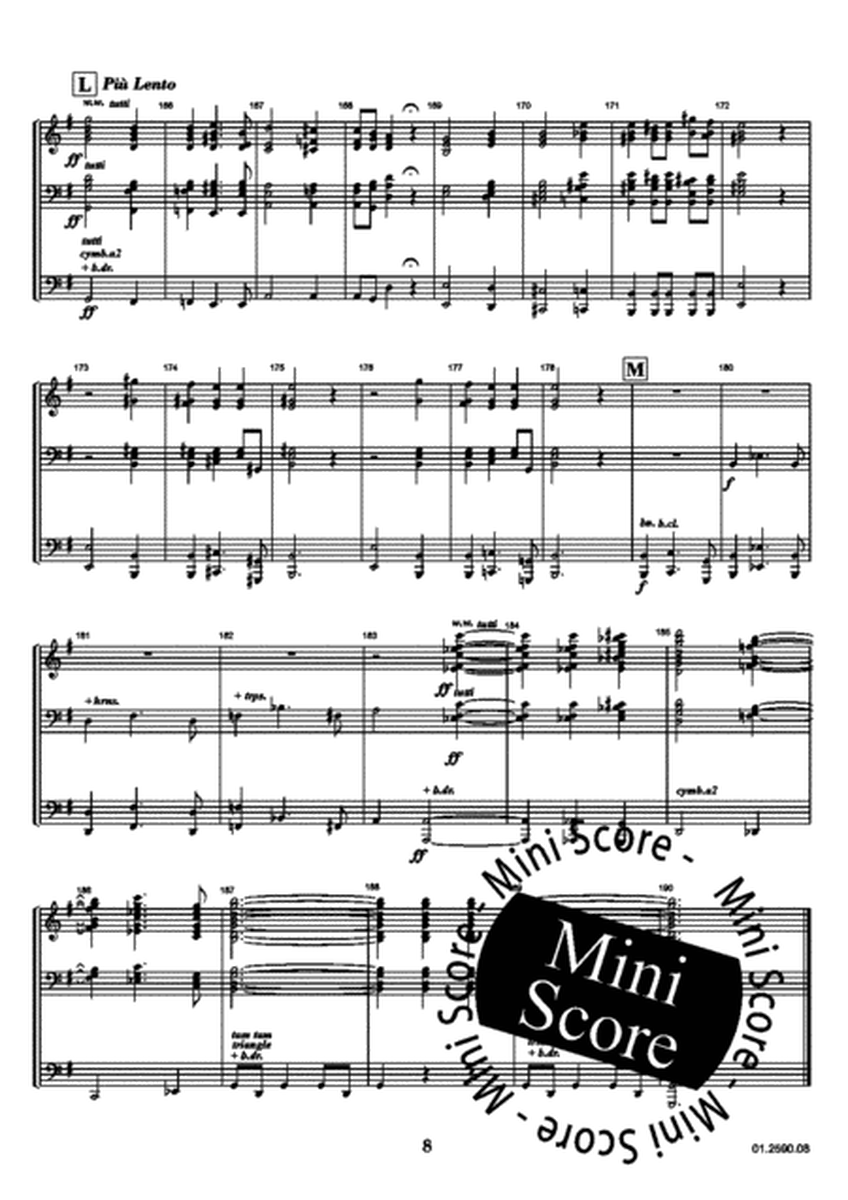
Piece Heroique
18231294
18231294
18231294
Copyright Material for Preview Only - Sheet Music Plus
Concert Band - Grade 4
SKU: ML.012590080-S
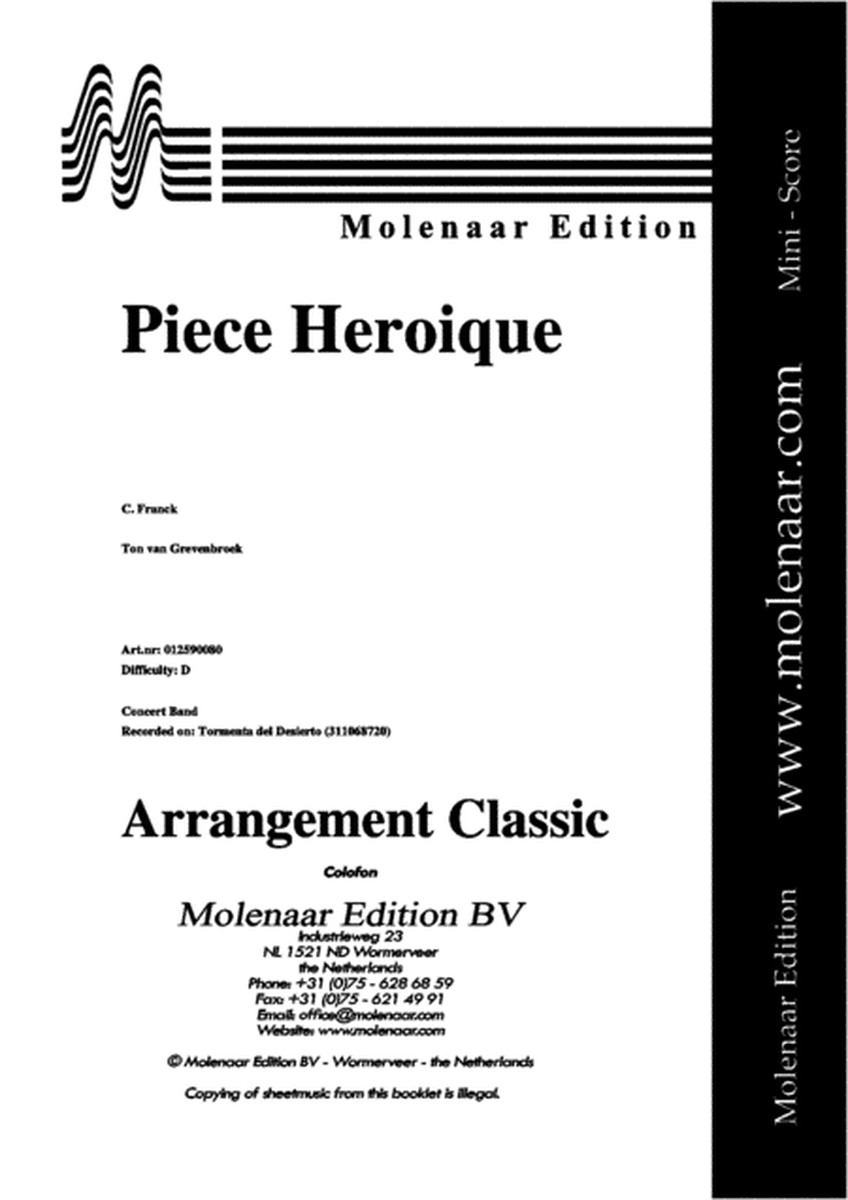
Composed by Cesar Auguste Franck. Arranged by Ton van Grevenbroek. Arrangements of Classical Compositions. Classic Arrangement. Recorded on Tormenta del Desierto (ML.311068720). Score only. Duration 8 minutes, 58 seconds. Molenaar Edition #012590080-S. Published by Molenaar Edition (ML.012590080-S).
César Franck, (1822 – 1890) werd geboren in Luik en ontwikkelde zich al op zeer jeugdige leeftijd tot een groot muzikaal talent. Toen hij een jaar of twaalf was verhuisde hij met zijn familie naar Parijs. Hier leefde hij als leraar, organist en dirigent. In 1858 werd hij kerkorganist van de Sainte Clotilde waar een nieuw Cavaillé-Coll werd aangeschaft. Voor dit instrument schreef Franck in 1862 zijn 'Six pièces pour grande orgue', en in 1878 de 'Trois pièces pour grand orgue'. Hier uit is het Pièce Héroïque.Dit werk vol energie en vitaliteit begint als een mars met massieve akkoorden die leiden tot een soort fanfare met een traditioneel gepunteerd Frans ouverture ritme. Het centrale koraal komt voor in majeur. Majeur en mineur wisselen kort na elkaar af om uiteindelijk uit te monden in een groots fortissimo.
César Franck (1822-1890) was born in Liege, Belgium, and his great musical talent was discovered when he was still a small boy. When he was 12 years old, his family moved to Paris. In the French capital he was active as a teacher, an organist and a conductor. In 1858 he was appointed organist at the Sainte Clotilde Church in Paris; that church boasted brand new Cavaillé-Coll organ. For this instrument Franck wrote « Six pièces pour grand orgue » (Six pieces for grand organ) in 1862 and in 1878 « Trois pièces pour grand orgue » (Three pieces for grand organ), one of those pieces being « Pièce Héroïque ». This energetic and lively composition starts with the typical rhythm of a traditional French overture. The central choral is in a major key, but then major and minor keys alternate and the work ends with a powerful fortissimo.
César Franck (1822 – 1890) est né à Liège (B) et son grand talent musical se manifeste dès son plus jeune âge. Quand il est âgé de douze ans, sa famille s'installe à Paris. Il y sera professeur, organiste et chef d'orchestre. En 1858, il devient organiste à l'église Sainte Clotilde qui venait d'acheter de nouvelles grandes orgues Cavaillé-Coll. Pour cet instrument Franck écrit en 1862 ses 'Six pièces pour grand orgue' et en 1878, 'Trois pièces pour grande orgue' dont la 'Pièce Héroïque' est extraite. Cette œuvre pleine d'énergie et de vitalité débute par une marche avec des accords imposants qui mènent vers une espèce de fanfare avec le rythme pointé typique pour l'ouverture traditionnelle française. Le choral central est écrit en majeur. Les tonalités en majeur et en mineur alternent et le tout se termine par un grandiose fortissimo.
César Franck (1822 – 1890) wurde in Lüttich, Belgien geboren. Schon wenn er noch sehr jung war spürte man seine außerordentliche musikalische Begabung. Wenn er 12 Jahre alt war übersiedelte die Familie nach Paris. In der französischen Hauptstadt war Franck Musiklehrer, Organist und Dirigent. 1858 wurde er zum Organisten an der Sainte Clotilde Kirche ernannt. Diese Kirche hatte vor kurzem eine neue Cavaillé-Coll Orgel bekommen. Für dieses Instrument schrieb Franck 1862 seine 'Six pièces pour grand orgue' (Sechs Stücke für große Orgel) und 1878 noch 'Trois pièces pour grande orgue' (Drei Stücke für große Orgel); ein dieser drei Stücke ist diese 'Pièce héroïque' (Heroisches Stück). Dieses lebenskräftige Stück fängt mit einem Marsch mit eindrucksvollen Akkorden an und diese führen zu einer Fanfare mit einem typischen französischen Ouvertürerhythmus. Die zentrale Choralmelodie ist in Dur aber nachher wechseln Dur und Molltonarten ab. Am Schluß gibt es ein kräftiges und imponierendes Fortissimo.
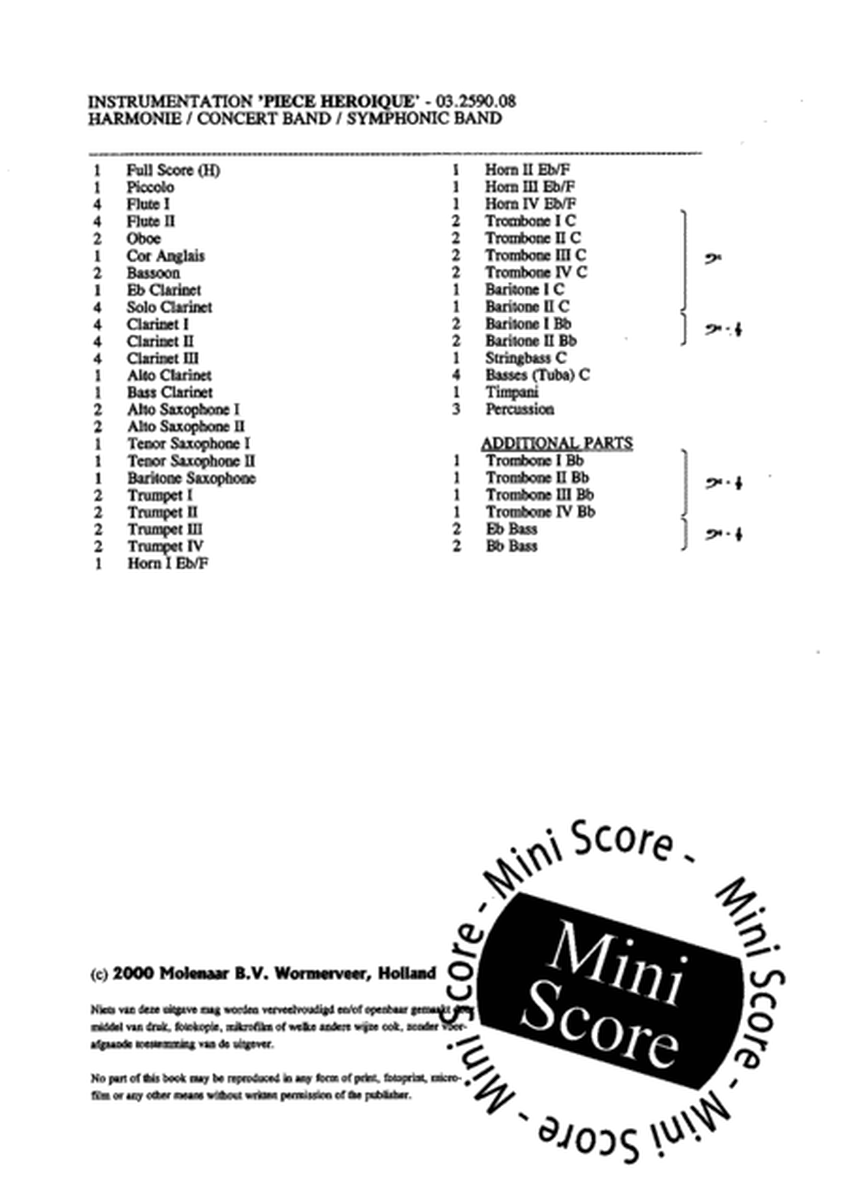
Instrumentation
0 Full Score A3
1 Full Score
1 Piccolo
4 Flute I
4 Flute II
2 Oboe
1 English Horn
2 Bassoon
1 Clarinet Eb
4 Clarinet Solo
4 Clarinet I
4 Clarinet II
4 Clarinet III
1 Alto Clarinet Eb
1 Bass Clarinet
2 Alto Saxophone I
2 Alto Saxophone II
1 Tenor Saxophone I
1 Tenor Saxophone II
1 Baritone Saxophone
2 Trumpet I
2 Trumpet II
2 Trumpet III
2 Trumpet IV
1 Horn I F/Eb
1 Horn II F/Eb
1 Horn III F/Eb
1 Horn IV F/Eb
2 Trombone I C
1 Trombone I Bb (BC/TC)
2 Trombone II C
1 Trombone II Bb (BC/TC)
2 Trombone III C
1 Trombone III Bb (BC/TC)
2 Trombone IV C
1 Trombone IV Bb (BC/TC)
1 Baritone C
2 Baritone Bb (BC/TC)
1 Baritone II C
2 Baritone II Bb (BC/TC)
2 Bas Bb (BC/TC)
2 Bas Eb (TC)
2 Bas Eb (BC)
4 Tuba C
1 Stringbass
3 Percussion
1 Timpani.
Concert Band - Grade 4
SKU: ML.012590080-S
Composed by Cesar Auguste Franck. Arranged by Ton van Grevenbroek. Arrangements of Classical Compositions. Classic Arrangement. Recorded on Tormenta del Desierto (ML.311068720). Score only. Duration 8 minutes, 58 seconds. Molenaar Edition #012590080-S. Published by Molenaar Edition (ML.012590080-S).
César Franck, (1822 – 1890) werd geboren in Luik en ontwikkelde zich al op zeer jeugdige leeftijd tot een groot muzikaal talent. Toen hij een jaar of twaalf was verhuisde hij met zijn familie naar Parijs. Hier leefde hij als leraar, organist en dirigent. In 1858 werd hij kerkorganist van de Sainte Clotilde waar een nieuw Cavaillé-Coll werd aangeschaft. Voor dit instrument schreef Franck in 1862 zijn 'Six pièces pour grande orgue', en in 1878 de 'Trois pièces pour grand orgue'. Hier uit is het Pièce Héroïque.Dit werk vol energie en vitaliteit begint als een mars met massieve akkoorden die leiden tot een soort fanfare met een traditioneel gepunteerd Frans ouverture ritme. Het centrale koraal komt voor in majeur. Majeur en mineur wisselen kort na elkaar af om uiteindelijk uit te monden in een groots fortissimo.
César Franck (1822-1890) was born in Liege, Belgium, and his great musical talent was discovered when he was still a small boy. When he was 12 years old, his family moved to Paris. In the French capital he was active as a teacher, an organist and a conductor. In 1858 he was appointed organist at the Sainte Clotilde Church in Paris; that church boasted brand new Cavaillé-Coll organ. For this instrument Franck wrote « Six pièces pour grand orgue » (Six pieces for grand organ) in 1862 and in 1878 « Trois pièces pour grand orgue » (Three pieces for grand organ), one of those pieces being « Pièce Héroïque ». This energetic and lively composition starts with the typical rhythm of a traditional French overture. The central choral is in a major key, but then major and minor keys alternate and the work ends with a powerful fortissimo.
César Franck (1822 – 1890) est né à Liège (B) et son grand talent musical se manifeste dès son plus jeune âge. Quand il est âgé de douze ans, sa famille s'installe à Paris. Il y sera professeur, organiste et chef d'orchestre. En 1858, il devient organiste à l'église Sainte Clotilde qui venait d'acheter de nouvelles grandes orgues Cavaillé-Coll. Pour cet instrument Franck écrit en 1862 ses 'Six pièces pour grand orgue' et en 1878, 'Trois pièces pour grande orgue' dont la 'Pièce Héroïque' est extraite. Cette œuvre pleine d'énergie et de vitalité débute par une marche avec des accords imposants qui mènent vers une espèce de fanfare avec le rythme pointé typique pour l'ouverture traditionnelle française. Le choral central est écrit en majeur. Les tonalités en majeur et en mineur alternent et le tout se termine par un grandiose fortissimo.
César Franck (1822 – 1890) wurde in Lüttich, Belgien geboren. Schon wenn er noch sehr jung war spürte man seine außerordentliche musikalische Begabung. Wenn er 12 Jahre alt war übersiedelte die Familie nach Paris. In der französischen Hauptstadt war Franck Musiklehrer, Organist und Dirigent. 1858 wurde er zum Organisten an der Sainte Clotilde Kirche ernannt. Diese Kirche hatte vor kurzem eine neue Cavaillé-Coll Orgel bekommen. Für dieses Instrument schrieb Franck 1862 seine 'Six pièces pour grand orgue' (Sechs Stücke für große Orgel) und 1878 noch 'Trois pièces pour grande orgue' (Drei Stücke für große Orgel); ein dieser drei Stücke ist diese 'Pièce héroïque' (Heroisches Stück). Dieses lebenskräftige Stück fängt mit einem Marsch mit eindrucksvollen Akkorden an und diese führen zu einer Fanfare mit einem typischen französischen Ouvertürerhythmus. Die zentrale Choralmelodie ist in Dur aber nachher wechseln Dur und Molltonarten ab. Am Schluß gibt es ein kräftiges und imponierendes Fortissimo.
Instrumentation
0 Full Score A3
1 Full Score
1 Piccolo
4 Flute I
4 Flute II
2 Oboe
1 English Horn
2 Bassoon
1 Clarinet Eb
4 Clarinet Solo
4 Clarinet I
4 Clarinet II
4 Clarinet III
1 Alto Clarinet Eb
1 Bass Clarinet
2 Alto Saxophone I
2 Alto Saxophone II
1 Tenor Saxophone I
1 Tenor Saxophone II
1 Baritone Saxophone
2 Trumpet I
2 Trumpet II
2 Trumpet III
2 Trumpet IV
1 Horn I F/Eb
1 Horn II F/Eb
1 Horn III F/Eb
1 Horn IV F/Eb
2 Trombone I C
1 Trombone I Bb (BC/TC)
2 Trombone II C
1 Trombone II Bb (BC/TC)
2 Trombone III C
1 Trombone III Bb (BC/TC)
2 Trombone IV C
1 Trombone IV Bb (BC/TC)
1 Baritone C
2 Baritone Bb (BC/TC)
1 Baritone II C
2 Baritone II Bb (BC/TC)
2 Bas Bb (BC/TC)
2 Bas Eb (TC)
2 Bas Eb (BC)
4 Tuba C
1 Stringbass
3 Percussion
1 Timpani.
Tell a friend (or remind yourself) about this product. We'll instantly send an email containing product info and a link to it. You may also enter a personal message.
We do not use or store email addresses from this form for any other purpose than sending your share email.
Read our Privacy Policy.
After purchase, you can download your MP3 from your Sheet Music Plus Digital Library - no software installation is necessary! You can also listen to your MP3 at any time in your Digital Library.
After purchase, you can download your Smart Music from your Sheet Music Plus Digital Library - no software installation is necessary! You can also download at any time in your Digital Library.
After purchase you can download your video from your Digital Library. Your video is in XX format and is playable on most pre-installed video players.