



Ships to you
Ships to you
SKU: ML.010418070-S
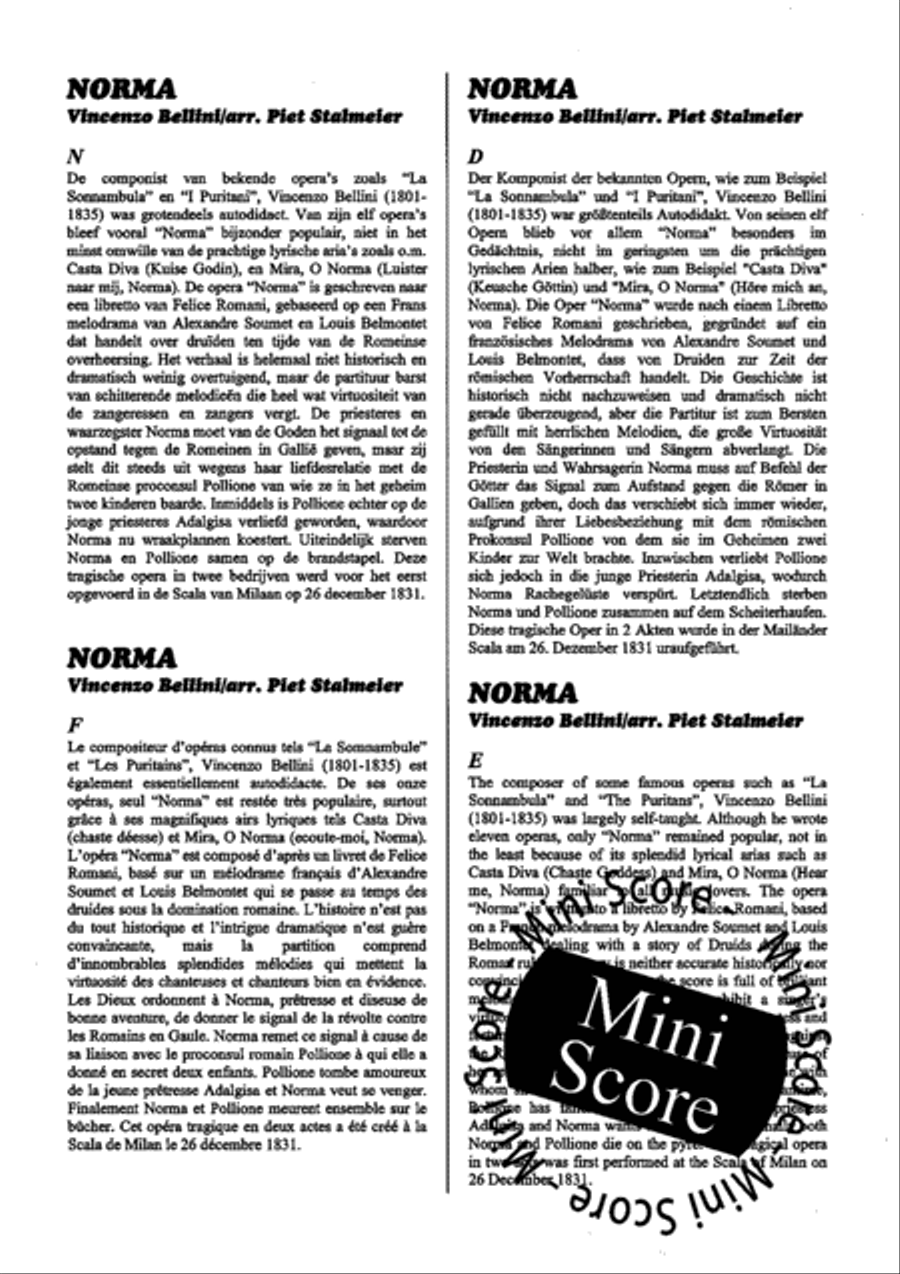
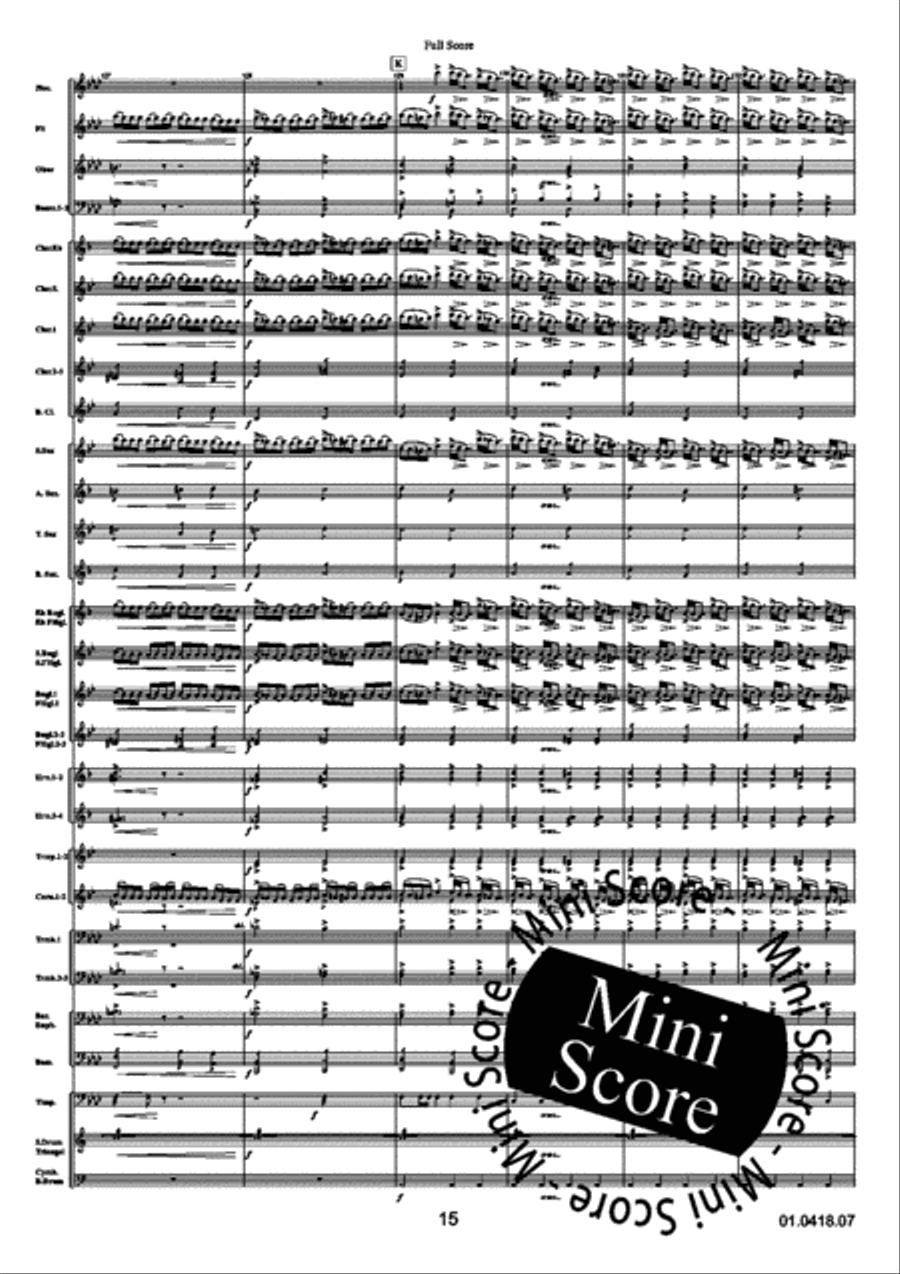
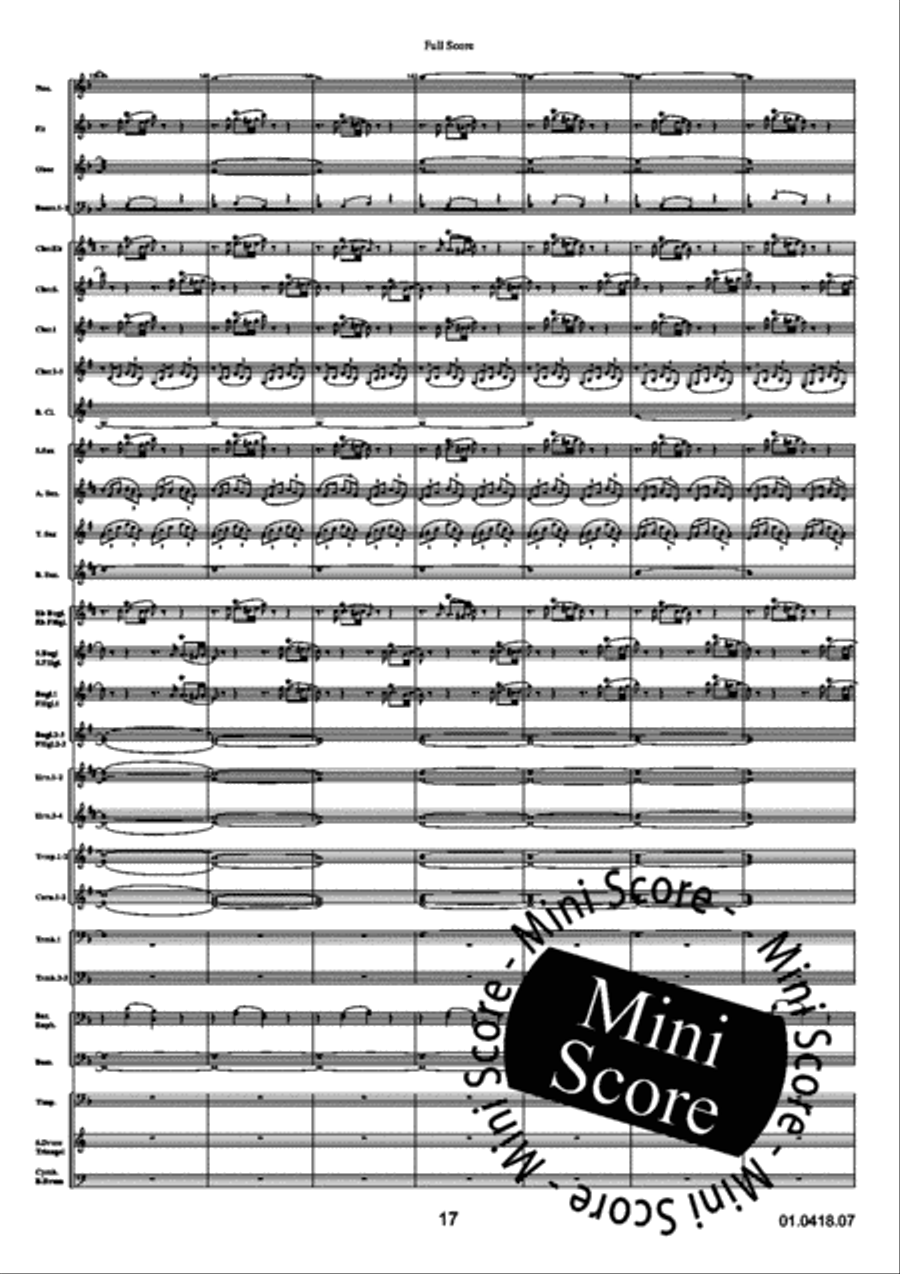
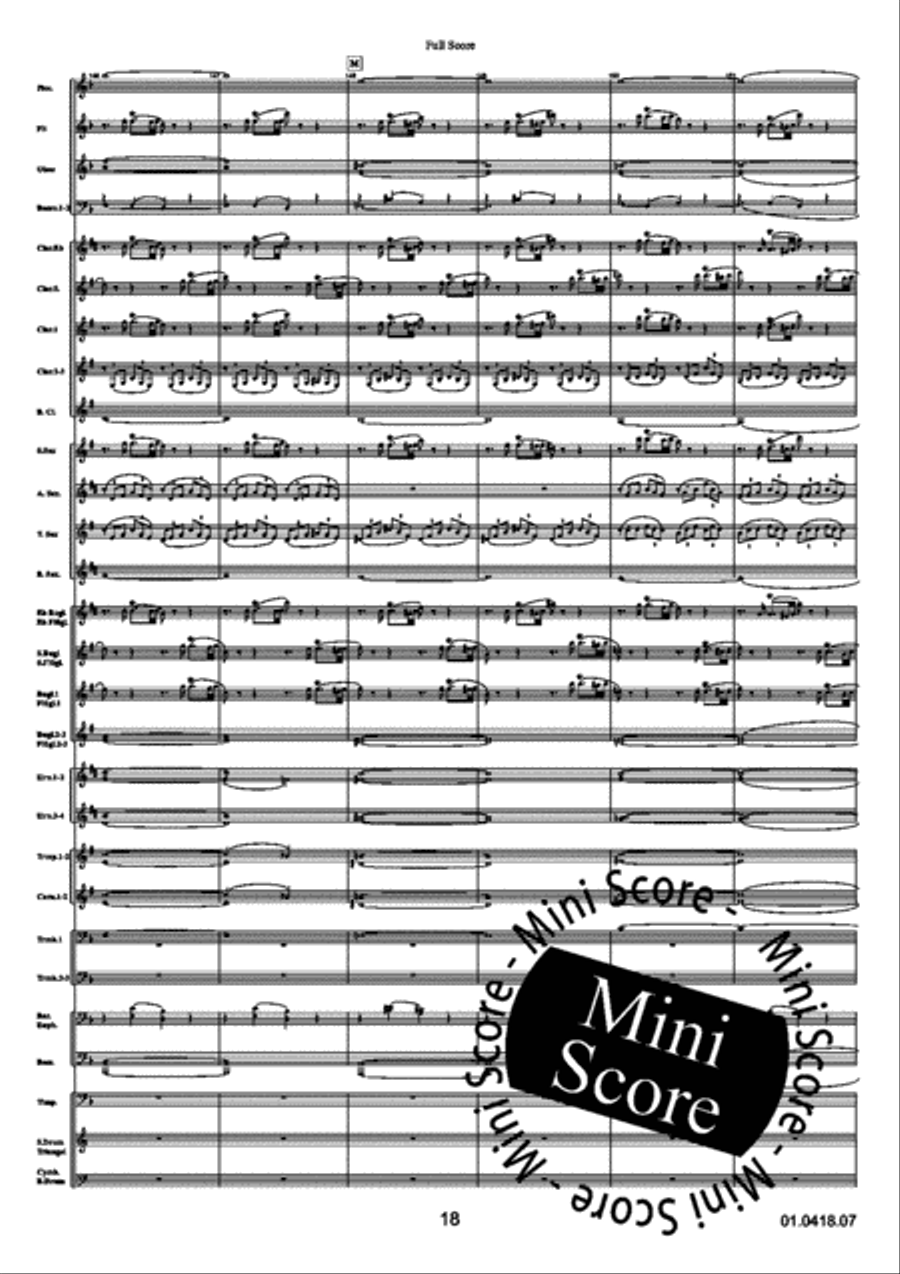
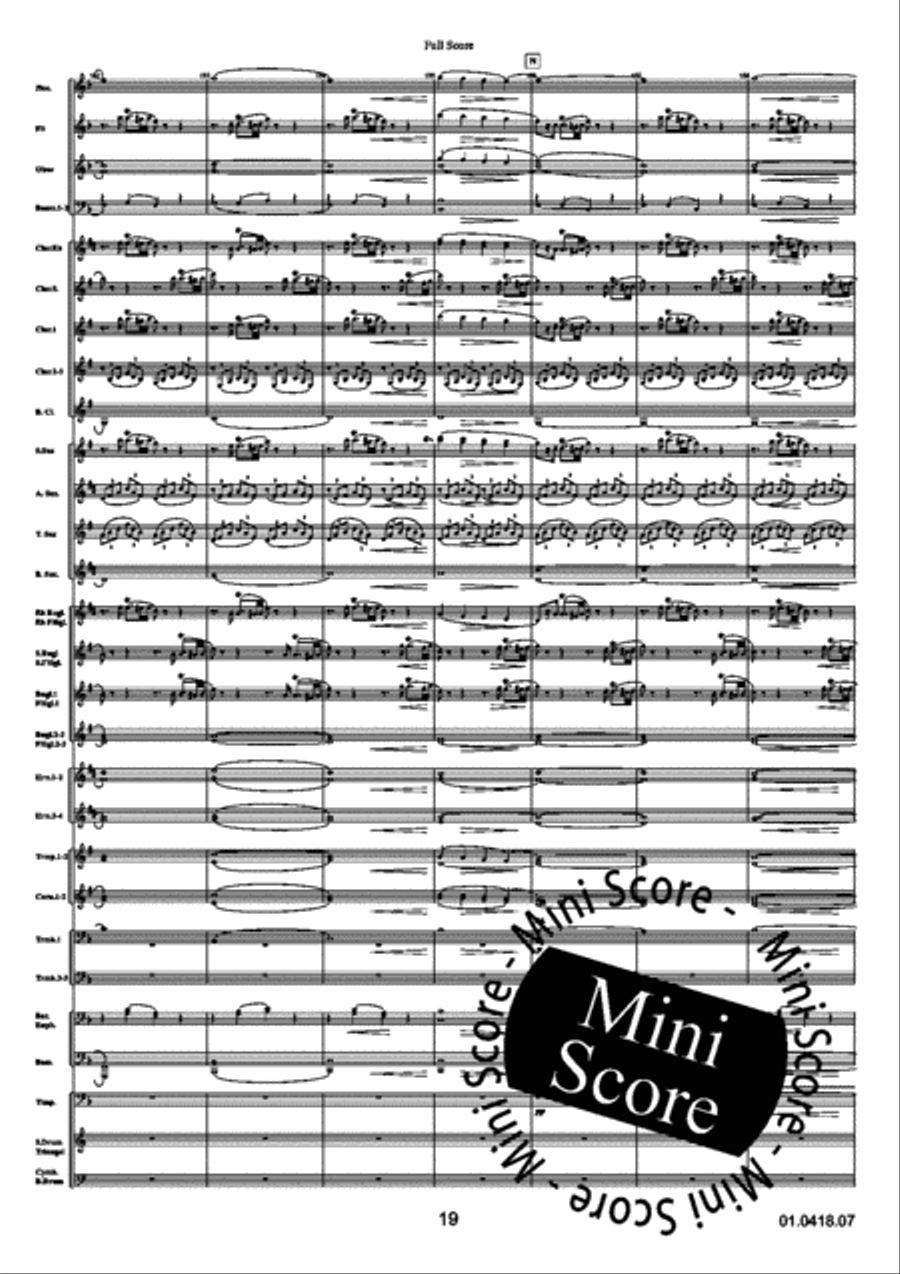
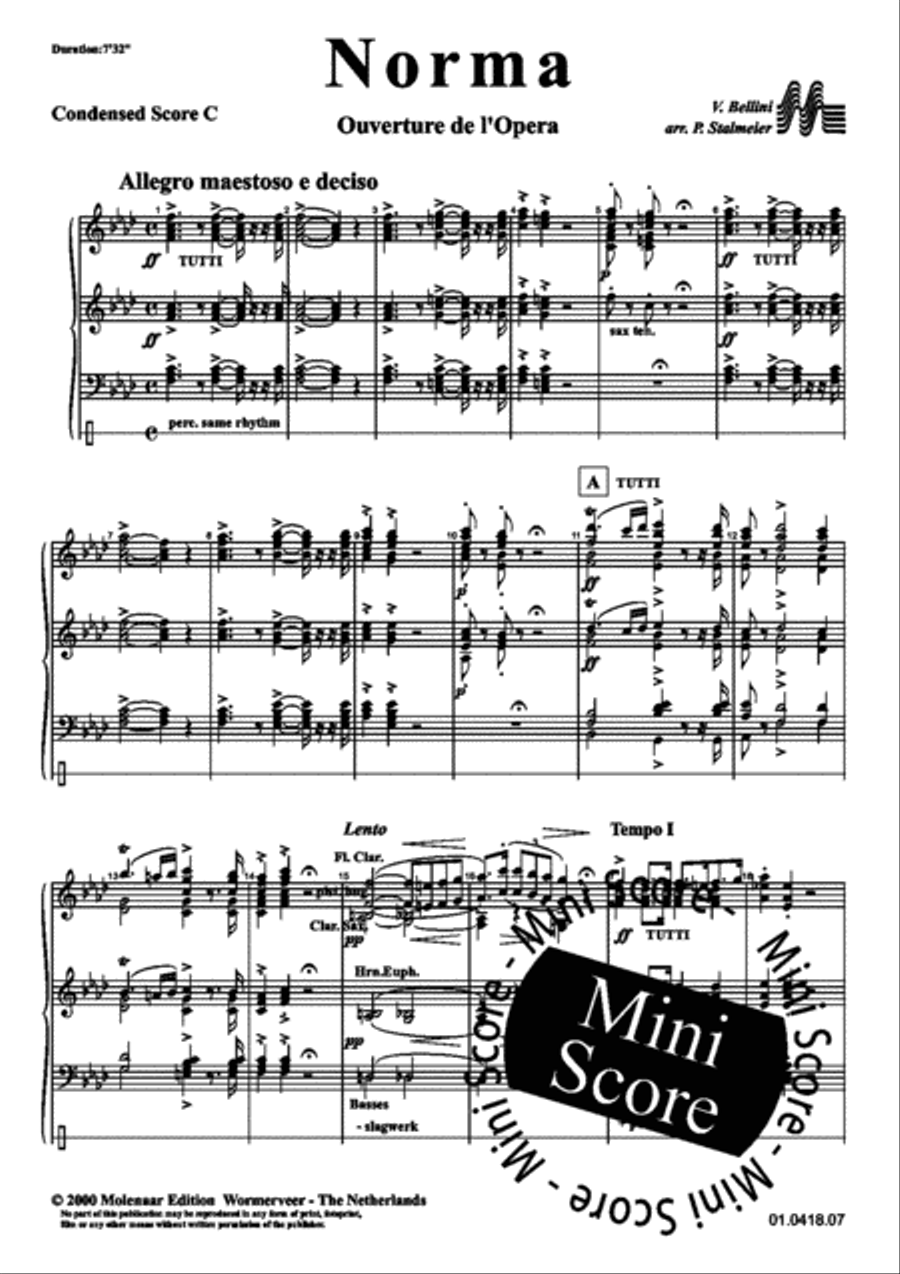
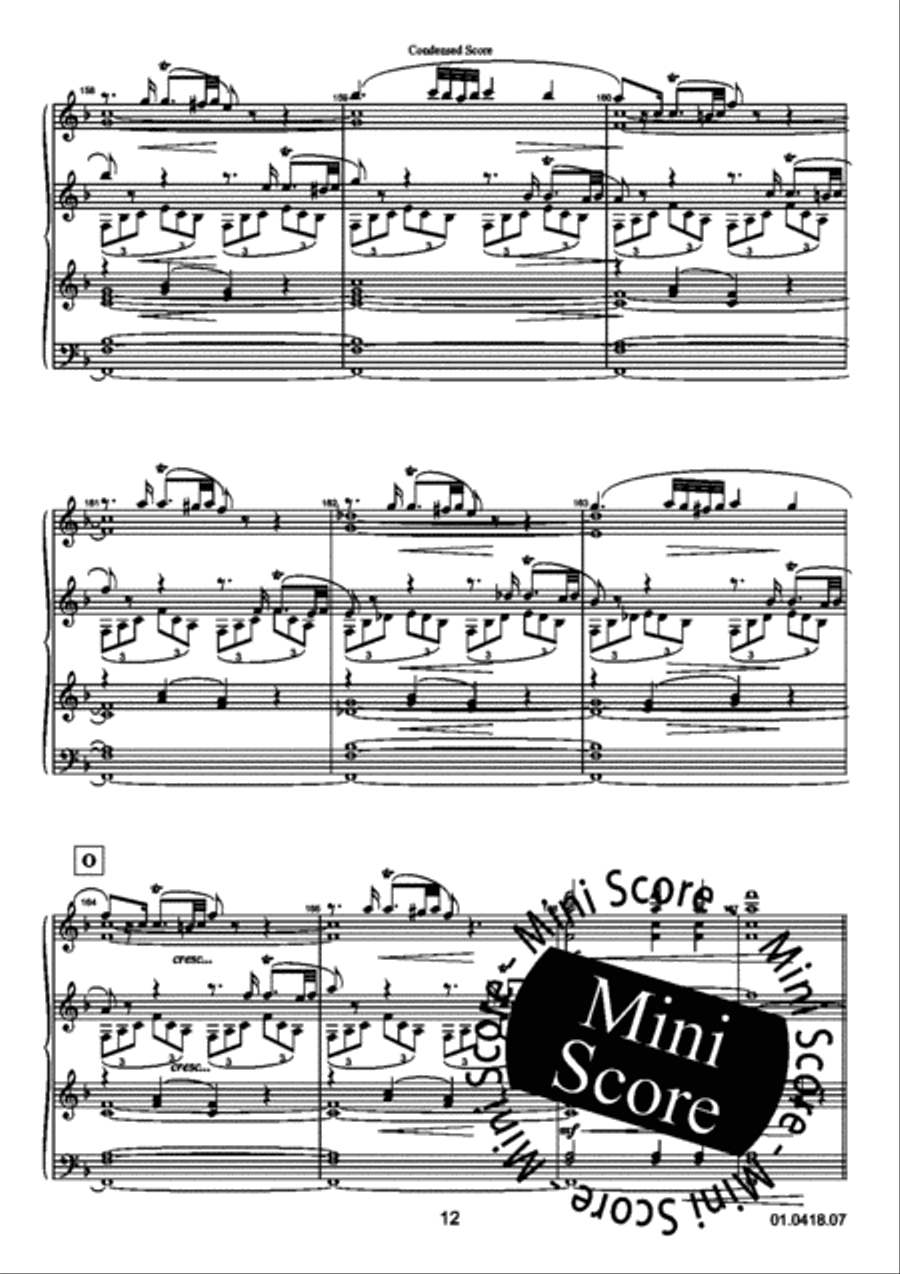
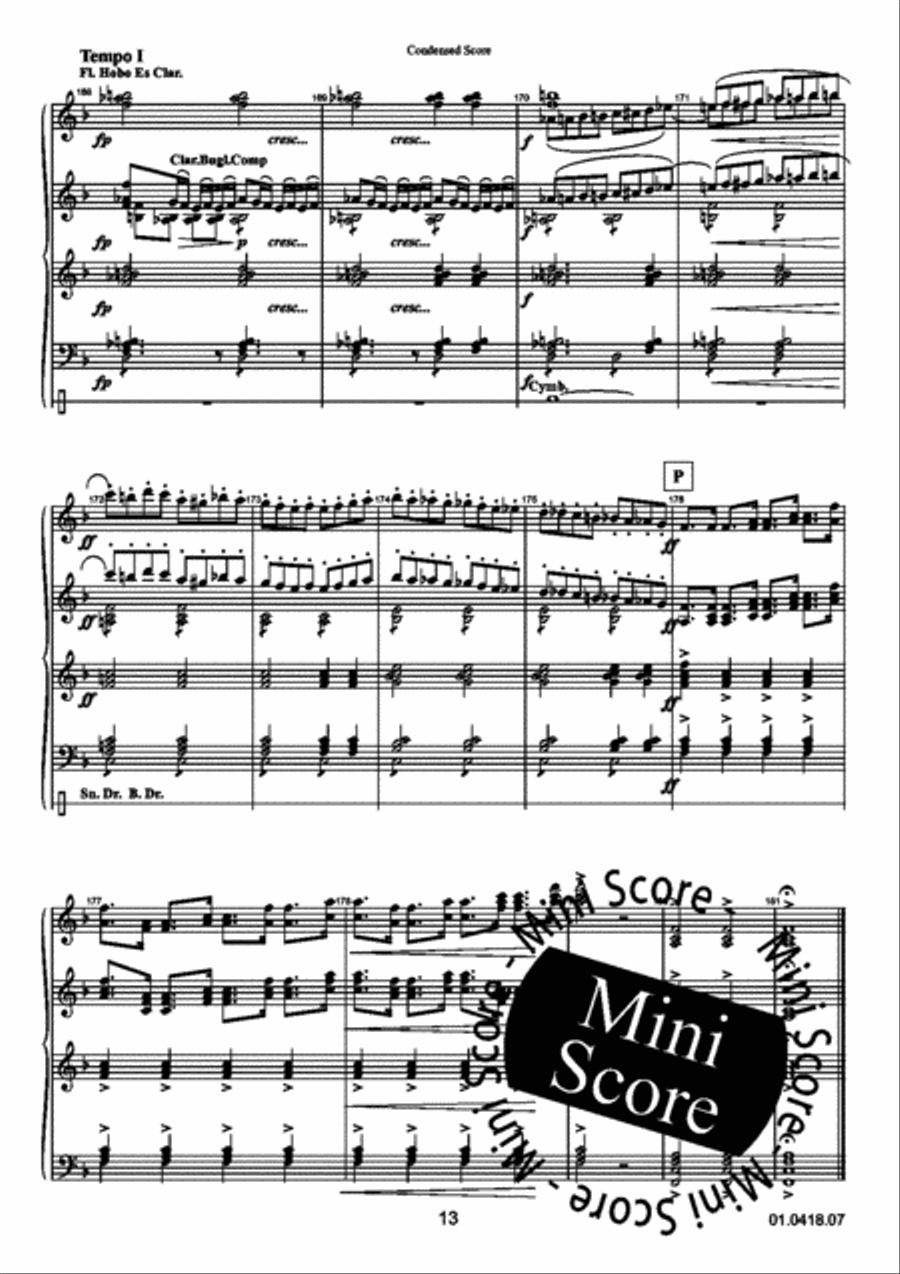
Composed by Vincenzo Bellini. Arranged by Piet Stalmeier. Arrangements of Classical Compositions/Arrangements of Classical Opera and Operetta Overtures. Classic Arrangement. Recorded on Famous Overtures (ML.311063720). Score only. Duration 7 minutes, 33 seconds. Molenaar Edition #010418070-S. Published by Molenaar Edition (ML.010418070-S).De componist van bekende opera's zoals 'La Sonnambula' en 'I Puritani', Vincenzo Bellini (1801-1835) was grotendeels autodidact. Van zijn elf opera's bleef vooral 'Norma' bijzonder populair, niet in het minst omwille van de prachtige lyrische aria's zoals o.m. Casta Diva (Kuise Godin), en Mira, O Norma (Luister naar mij, Norma). De opera 'Norma' is geschreven naar een libretto van Felice Romani, gebaseerd op een Frans melodrama van Alexandre Soumet en Louis Belmontet dat handelt over druïden ten tijde van de Romeinse overheersing. Het verhaal is helemaal niet historisch en dramatisch weinig overtuigend, maar de partituur barst van schitterende melodieën die heel wat virtuositeit van de zangeressen en zangers vergt. De priesteres en waarzegster Norma moet van de Goden het signaal tot de opstand tegen de Romeinen in Gallië geven, maar zij stelt dit steeds uit wegens haar liefdesrelatie met de Romeinse proconsul Pollione van wie ze in het geheim twee kinderen baarde. Inmiddels is Pollione echter op de jonge priesteres Adalgisa verliefd geworden, waardoor Norma nu wraakplannen koestert. Uiteindelijk sterven Norma en Pollione samen op de brandstapel. Deze tragische opera in twee bedrijven werd voor het eerst opgevoerd in de Scala van Milaan op 26 december 1831.
The composer of some famous operas such as 'La Sonnambula' and 'The Puritans', Vincenzo Bellini (1801-1835) was largely self-taught. Although he wrote eleven operas, only 'Norma' remained popular, not in the least because of its splendid lyrical arias such as Casta Diva (Chaste Goddess) and Mira, O Norma (Hear me, Norma) familiar to all music lovers. The opera 'Norma' is written to a libretto by Felice Romani, based on a French melodrama by Alexandre Soumet and Louis Belmontet dealing with a story of Druids during the Roman rule. The story is neither accurate historically nor convincing dramatically, but the score is full of brilliant melodies of a type calculated to exhibit a singer's virtuosity to the utmost. The Gods order the priestess and fortune-teller Norma to give the signal of revolt against the Romans in Gaul, but she postpones this because of her relationship with the Roman proconsul Pollione with whom she secretly had two children. In the meantime, Pollione has fallen in love with the young priestess Adalgisa and Norma wants to take revenge. Finally both Norma and Pollione die on the pyre. This tragical opera in two acts was first performed at the Scala of Milan on 26 December 1831.
Le compositeur d'opéras connus tels 'La Somnambule' et 'Les Puritains', Vincenzo Bellini (1801-1835) est également essentiellement autodidacte. De ses onze opéras, seul 'Norma' est restée très populaire, surtout grâce à ses magnifiques airs lyriques tels Casta Diva (chaste déesse) et Mira, O Norma (ecoute-moi, Norma). L'opéra 'Norma' est composé d'après un livret de Felice Romani, basé sur un mélodrame français d'Alexandre Soumet et Louis Belmontet qui se passe au temps des druides sous la domination romaine. L'histoire n'est pas du tout historique et l'intrigue dramatique n'est guère convaincante, mais la partition comprend d'innombrables splendides mélodies qui mettent la virtuosité des chanteuses et chanteurs bien en évidence. Les Dieux ordonnent à Norma, prêtresse et diseuse de bonne aventure, de donner le signal de la révolte contre les Romains en Gaule. Norma remet ce signal à cause de sa liaison avec le proconsul romain Pollione à qui elle a donné en secret deux enfants. Pollione tombe amoureux de la jeune prêtresse Adalgisa et Norma veut se venger. Finalement Norma et Pollione meurent ensemble sur le bûcher. Cet opéra tragique en deux actes a été créé à la Scala de Milan le 26 décembre 1831.
Der Komponist der bekannten Opern, wie zum Beispiel 'La Sonnambula' und 'I Puritani', Vincenzo Bellini (1801-1835) war größtenteils Autodidakt. Von seinen elf Opern blieb vor allem 'Norma' besonders im Gedächtnis, nicht im geringsten um die prächtigen lyrischen Arien halber, wie zum Beispiel 'Casta Diva' (Keusche Göttin) und 'Mira, O Norma' (Höre mich an, Norma). Die Oper 'Norma' wurde nach einem Libretto von Felice Romani geschrieben, gegründet auf ein französisches Melodrama von Alexandre Soumet und Louis Belmontet, dass von Druiden zur Zeit der römischen Vorherrschaft handelt. Die Geschichte ist historisch nicht nachzuweisen und dramatisch nicht gerade überzeugend, aber die Partitur ist zum Bersten gefüllt mit herrlichen Melodien, die große Virtuosität von den Sängerinnen und Sängern abverlangt. Die Priesterin und Wahrsagerin Norma muss auf Befehl der Götter das Signal zum Aufstand gegen die Römer in Gallien geben, doch das verschiebt sich immer wieder, aufgrund ihrer Liebesbeziehung mit dem römischen Prokonsul Pollione von dem sie im Geheimen zwei Kinder zur Welt brachte. Inzwischen verliebte Pollione sich jedoch in die junge Priesterin Adalgisa, wodurch Norma Rachegelüste verspürte. Letztendlich starben Norma und Pollione zusammen auf dem Scheiterhaufen. Diese tragische Oper in 2 Akten wurde in der Mailänder Scala am 26. Dezember 1831 uraufgeführt.
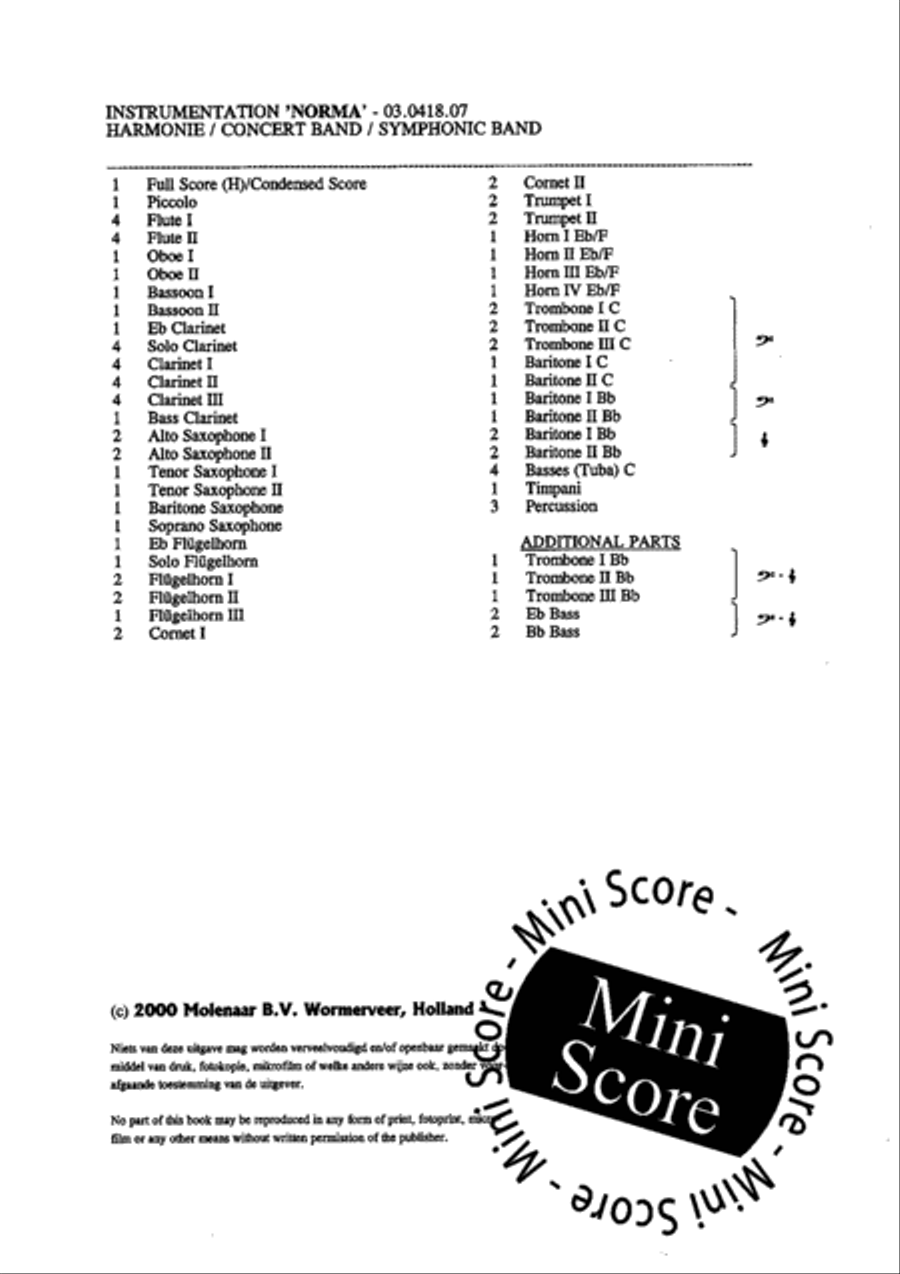
Instrumentation
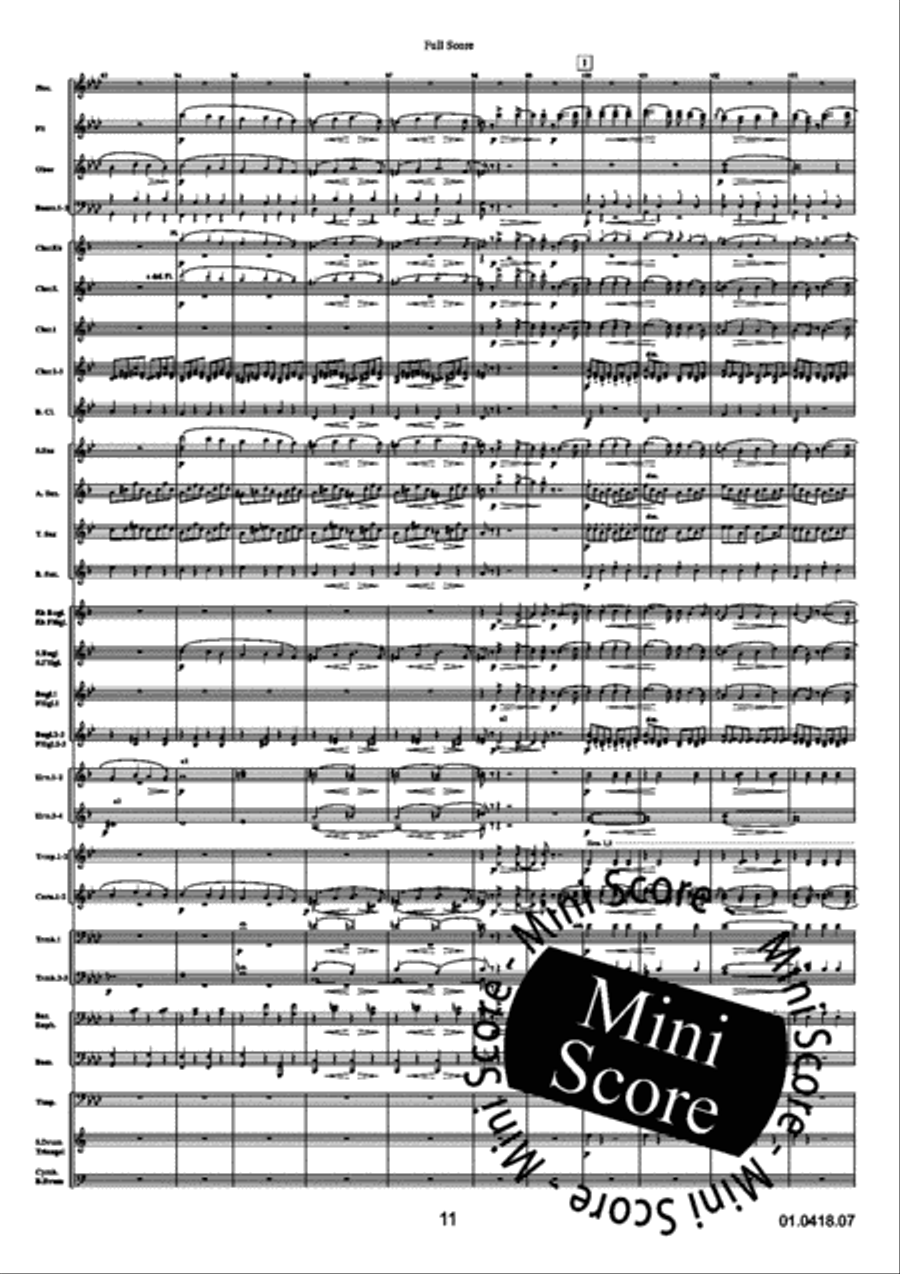
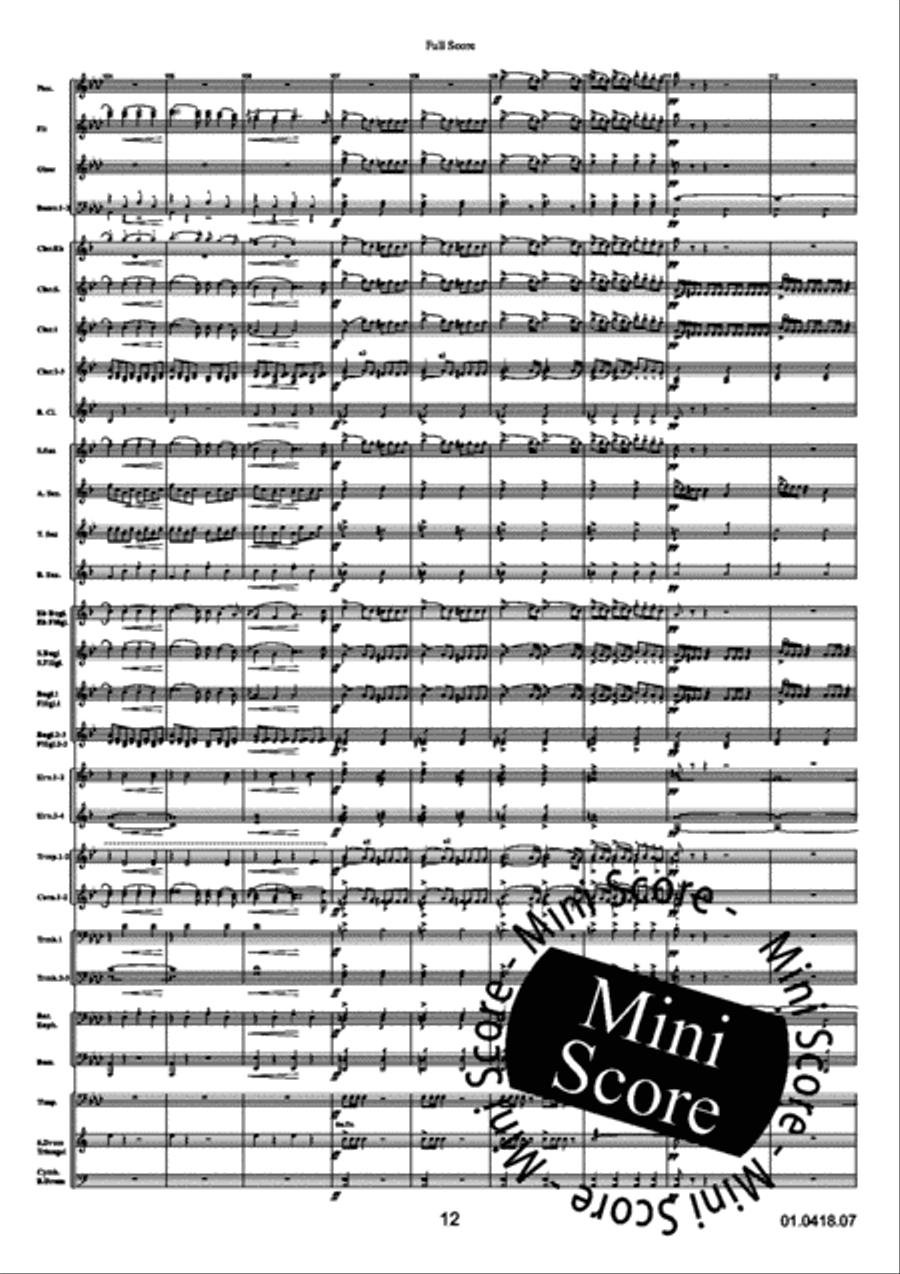
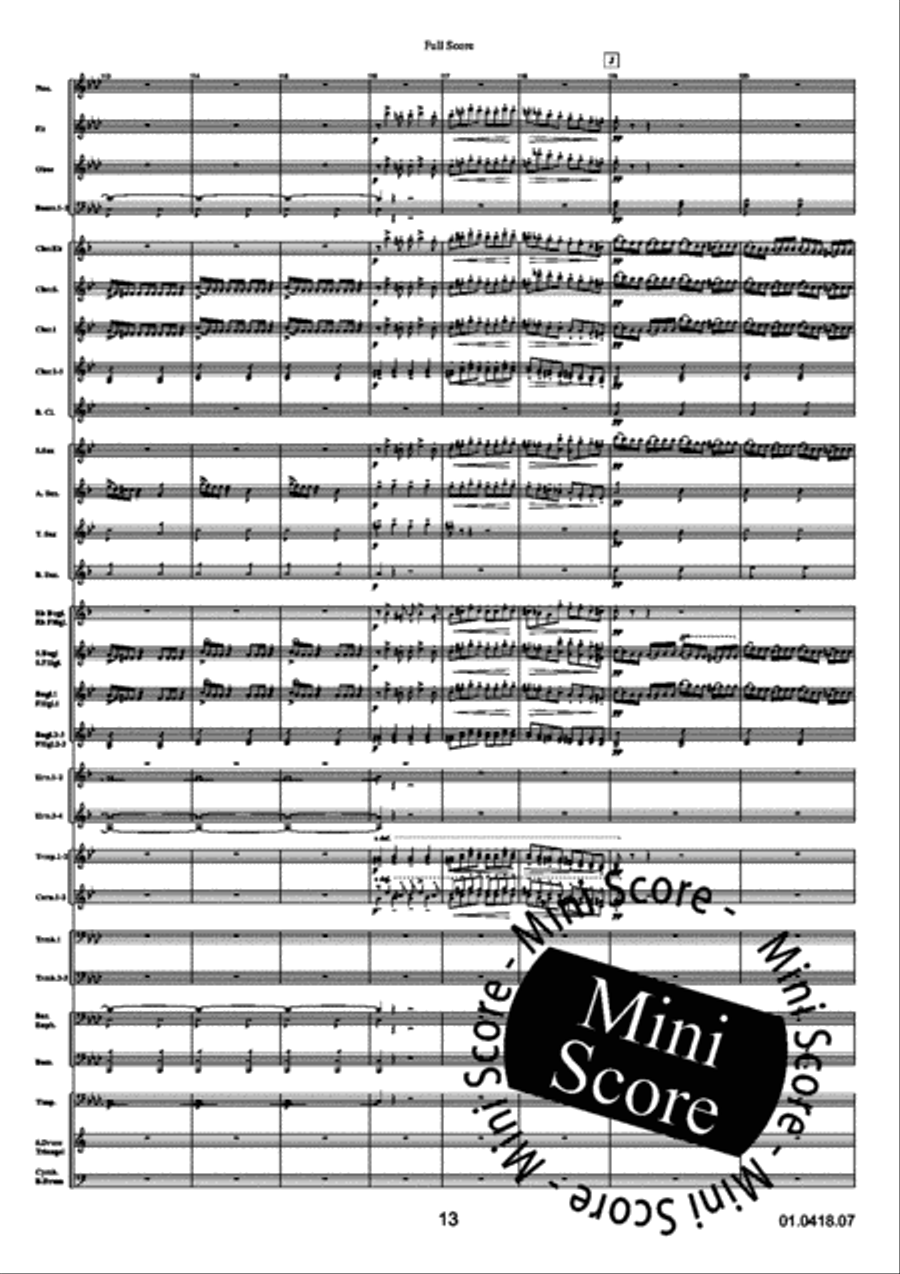
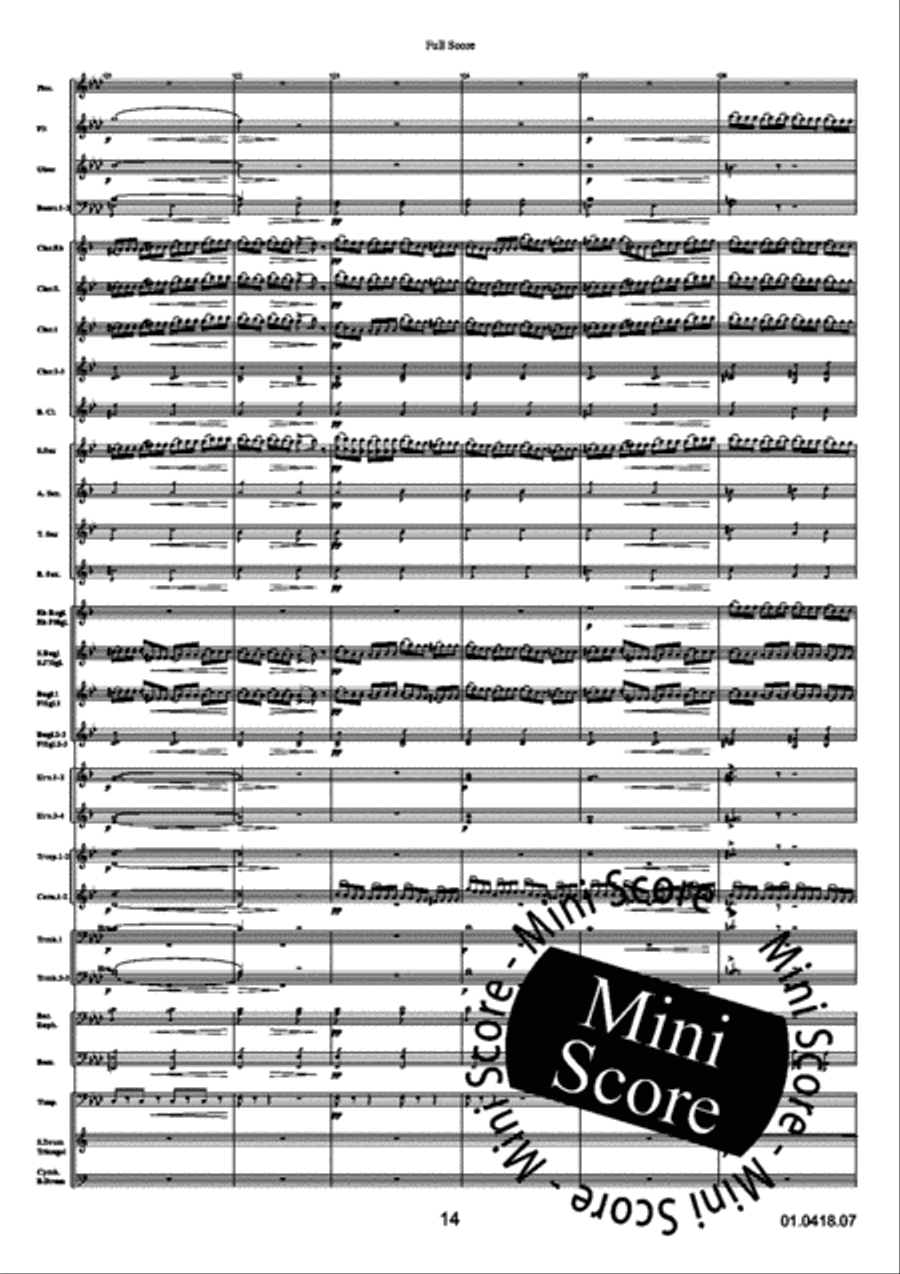
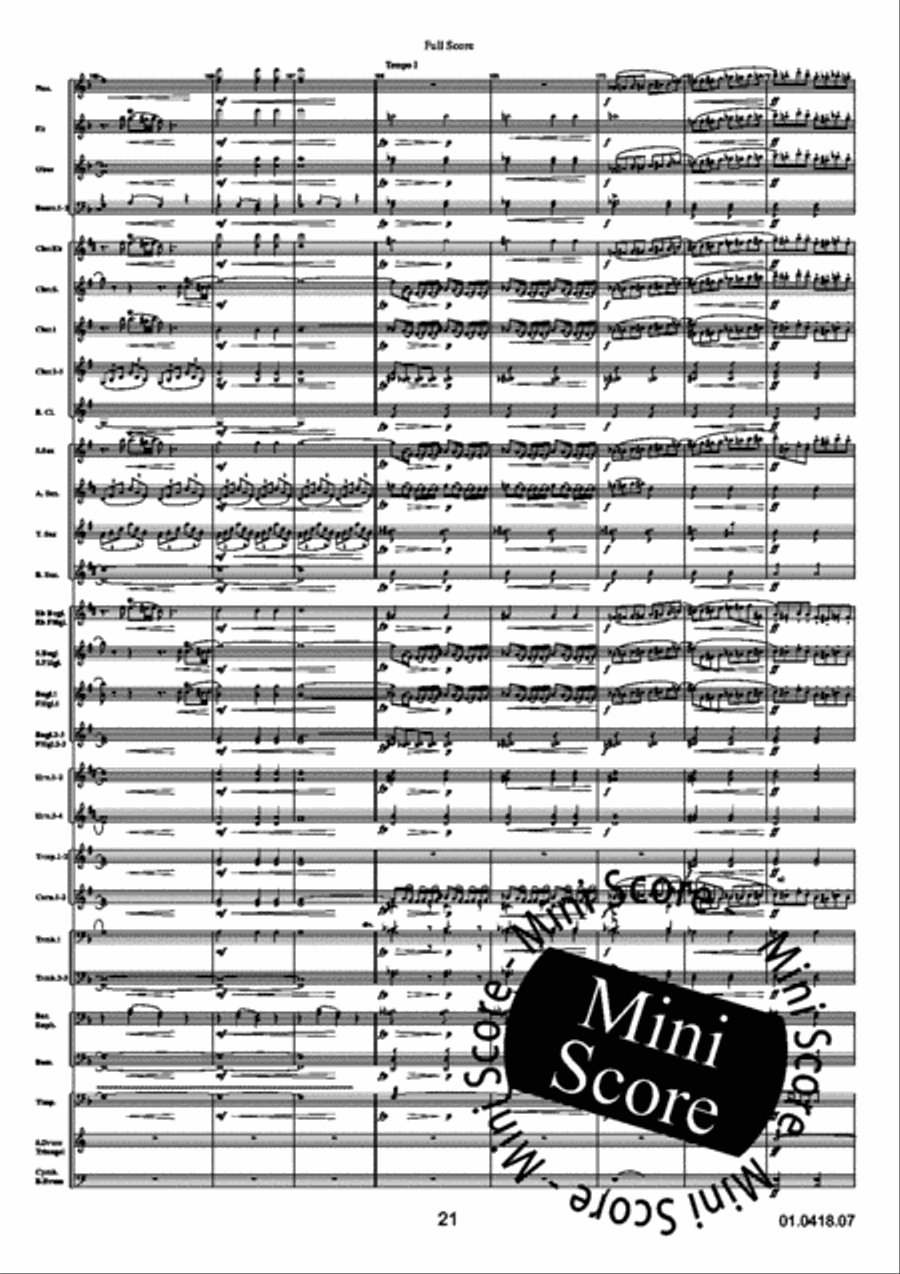
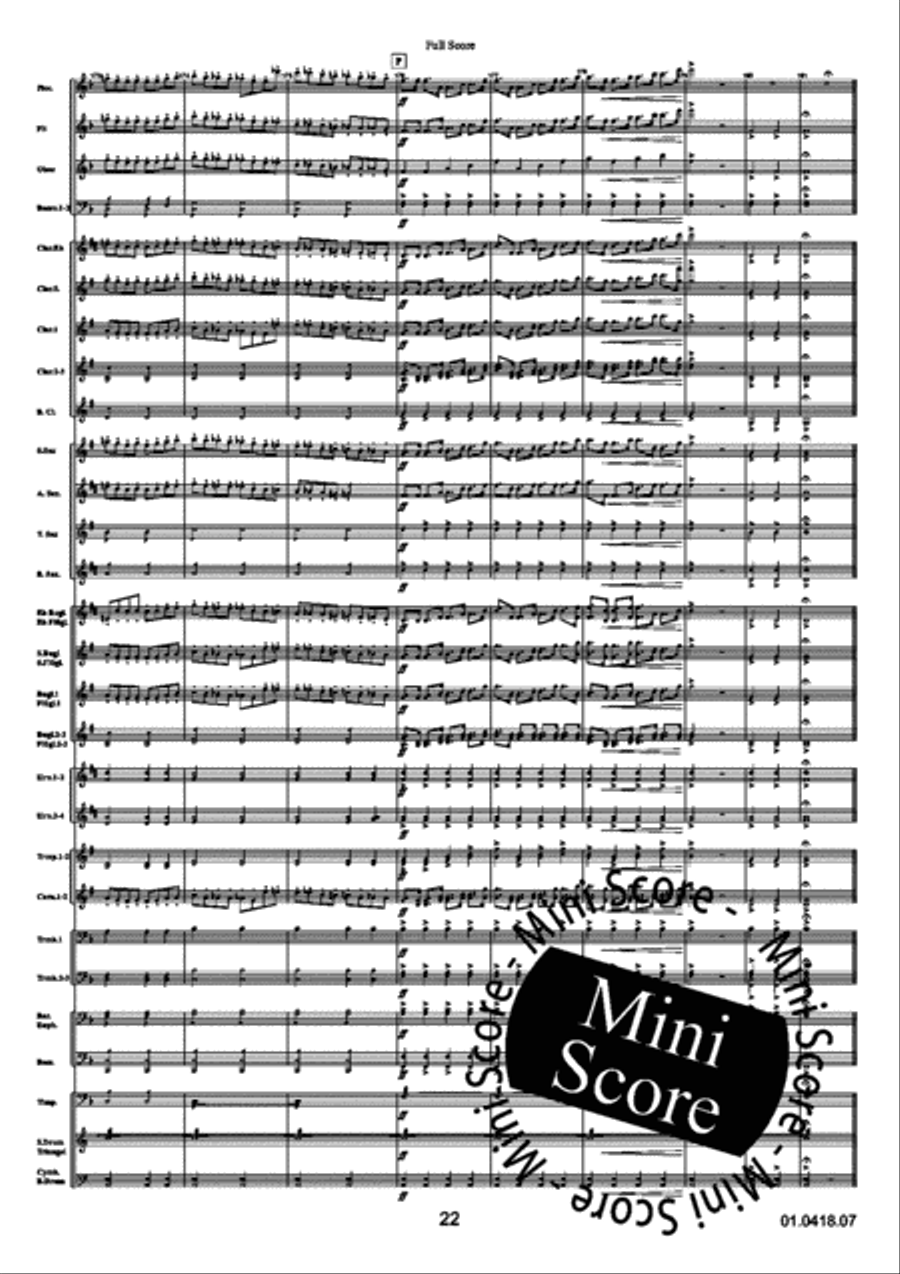
0 Full Score A3
1 Full Score
1 Piccolo
4 Flute I
4 Flute II
1 Oboe I
1 Oboe II
1 Bassoon I
1 Bassoon II
1 Clarinet Eb
4 Clarinet Solo
4 Clarinet I
4 Clarinet II
4 Clarinet III
1 Bass Clarinet
1 Soprano Saxophone
2 Alto Saxophone I
2 Alto Saxophone II
1 Tenor Saxophone I
1 Tenor Saxophone II
1 Baritone Saxophone
1 Flugelhorn Eb
1 Flugelhorn Solo
2 Flugelhorn I
2 Flugelhorn II
1 Flugelhorn III
2 Cornet I
2 Cornet II
2 Trumpet I
2 Trumpet II
1 Horn I Eb
1 Horn I F
1 Horn II Eb
1 Horn II F
1 Horn III Eb
1 Horn III F
1 Horn IV Eb
1 Horn IV F
2 Trombone I C
1 Trombone I Bb (TC)
1 Trombone I Bb (BC)
2 Trombone II C
1 Trombone II Bb (TC)
1 Trombone II Bb (BC)
2 Trombone III C
1 Trombone III Bb (TC)
1 Trombone III Bb (BC)
1 Baritone C
1 Baritone Bb (BC)
2 Baritone Bb (TC)
1 Baritone II C
1 Baritone II Bb (BC)
2 Baritone II Bb (TC)
2 Bas Bb (TC)
2 Bas Bb (BC)
2 Bas Eb (TC)
2 Bas Eb (BC)
4 Tuba C
3 Percussion
1 Timpani.
See Similar Sheet Music and Digital Downloads