Details
- Instrument:
- Choir
- Genres:
- Christian Classical Period
- Composers:
- Wolfgang Amadeus Mozart
- Publishers:
- Carus Verlag
- Series:
- Stuttgart Urtext Edition
- ISBN:
- 9790007074005
- Format:
- Study Score
- Item types:
- Physical
- Level:
- Grade 3
- Musical forms:
- Mass
- Artist:
- Wolfgang Amadeus Mozart
- Arrangers:
- Paul Horn
- Usages:
- Mass
- Main Key:
- F major
- Size:
- DIN A5 inches
- Shipping Weight:
- 0.29 pounds
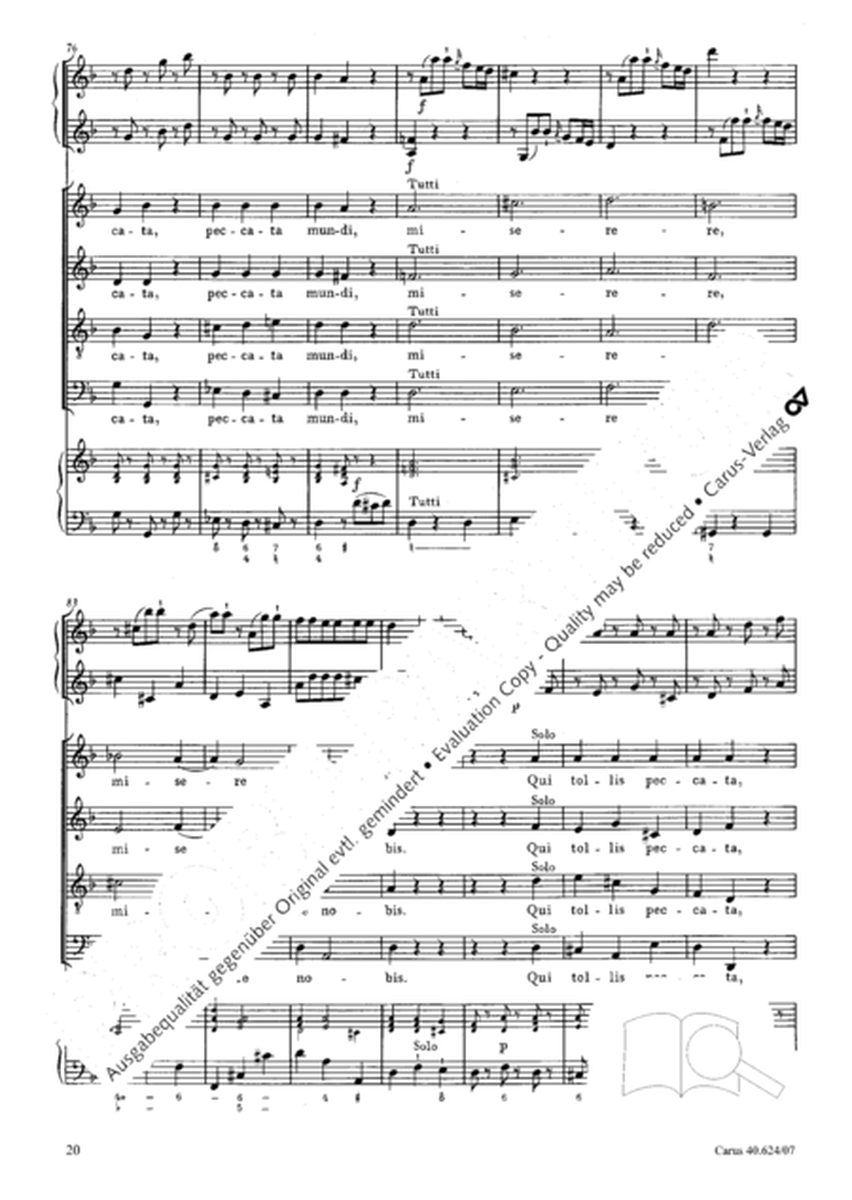
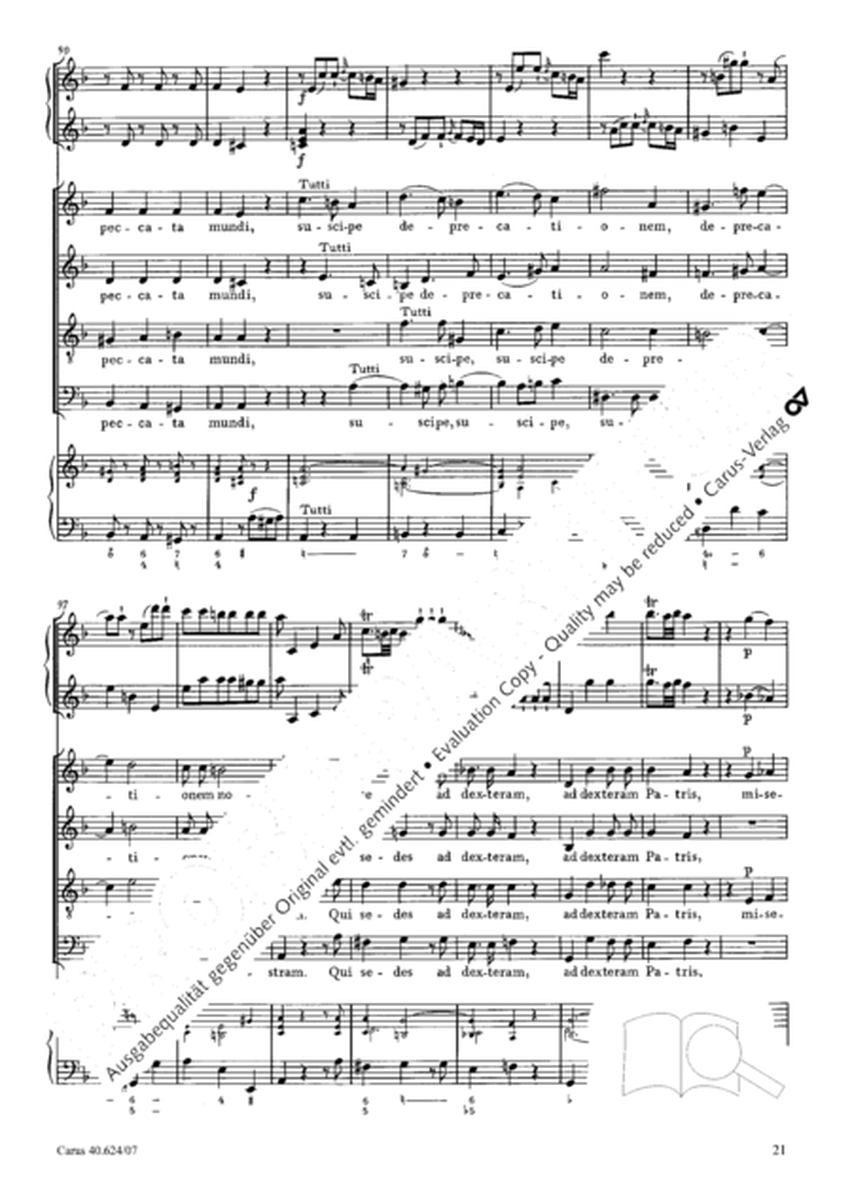
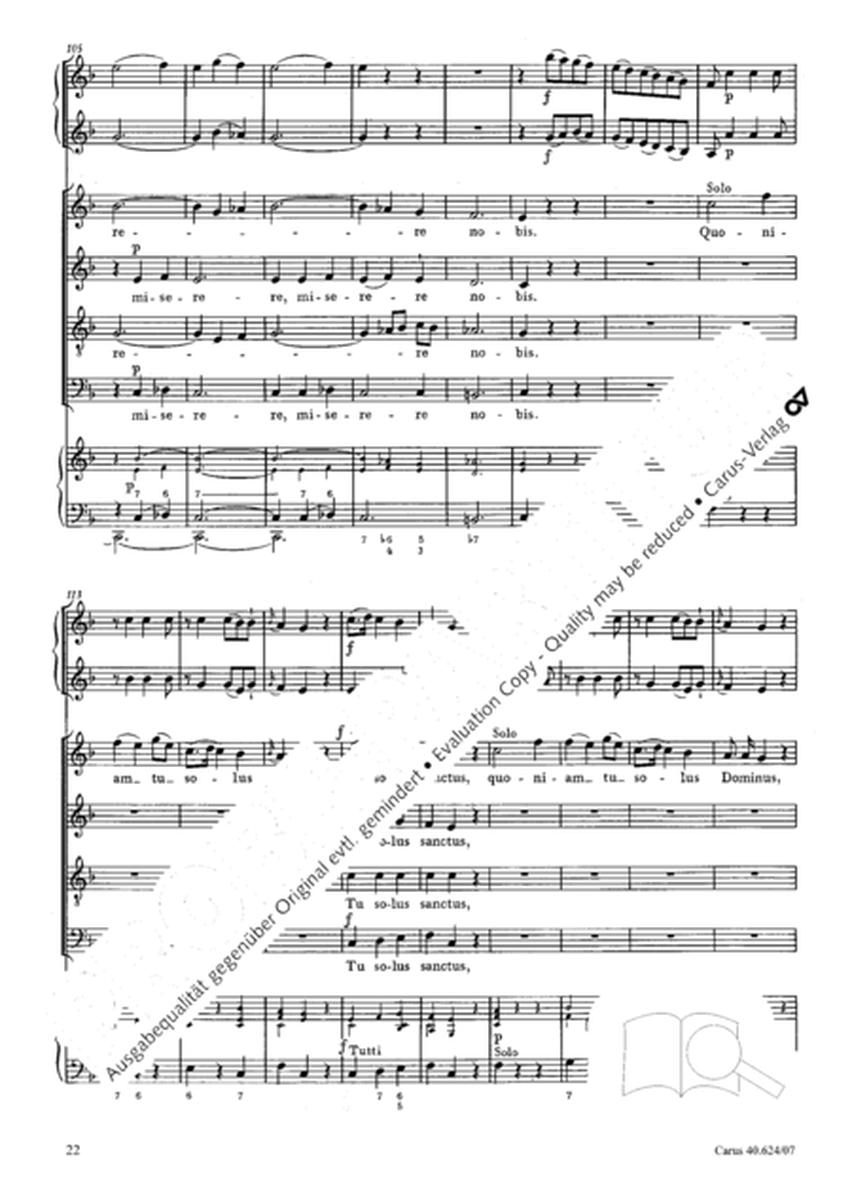
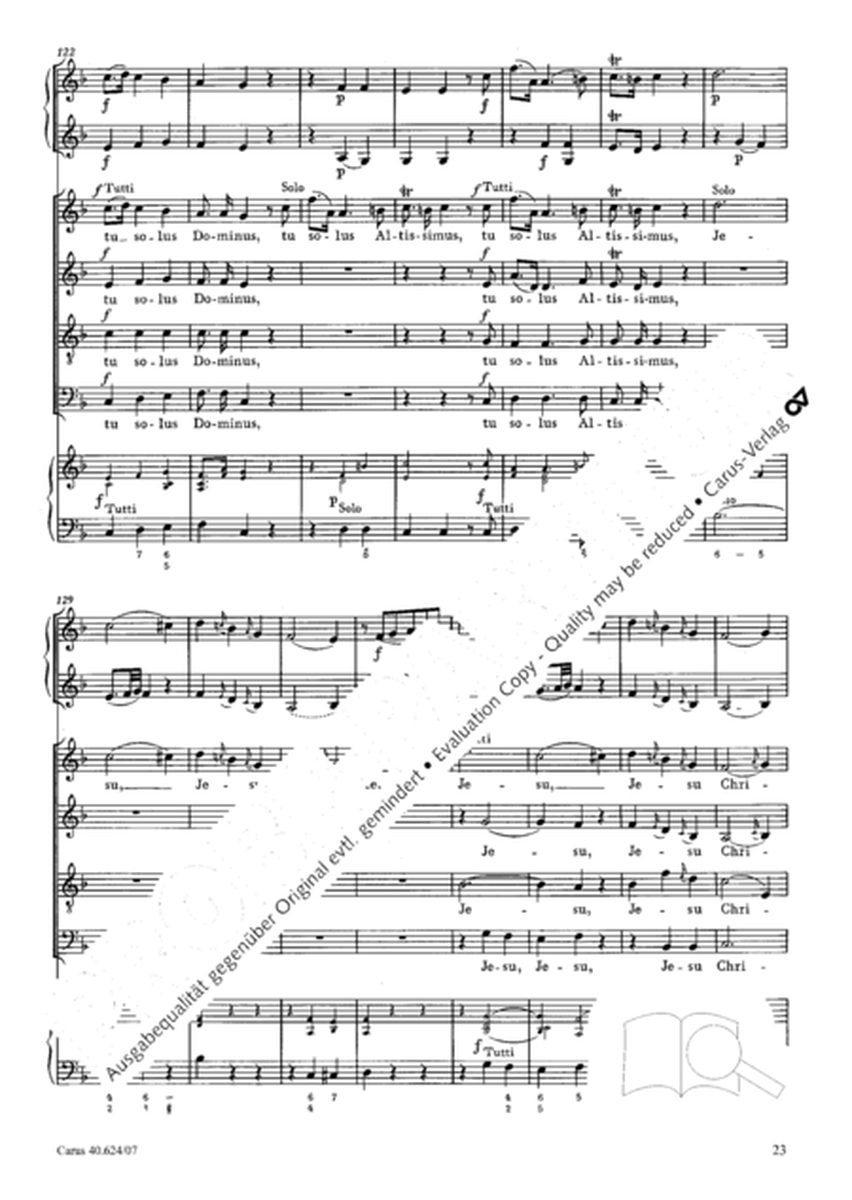
Orchestra Soli SATB, Coro SATB, 2 Vl, Bc, [2 Ctr, 3Trb] - Grade 3
SKU: CA.4062407
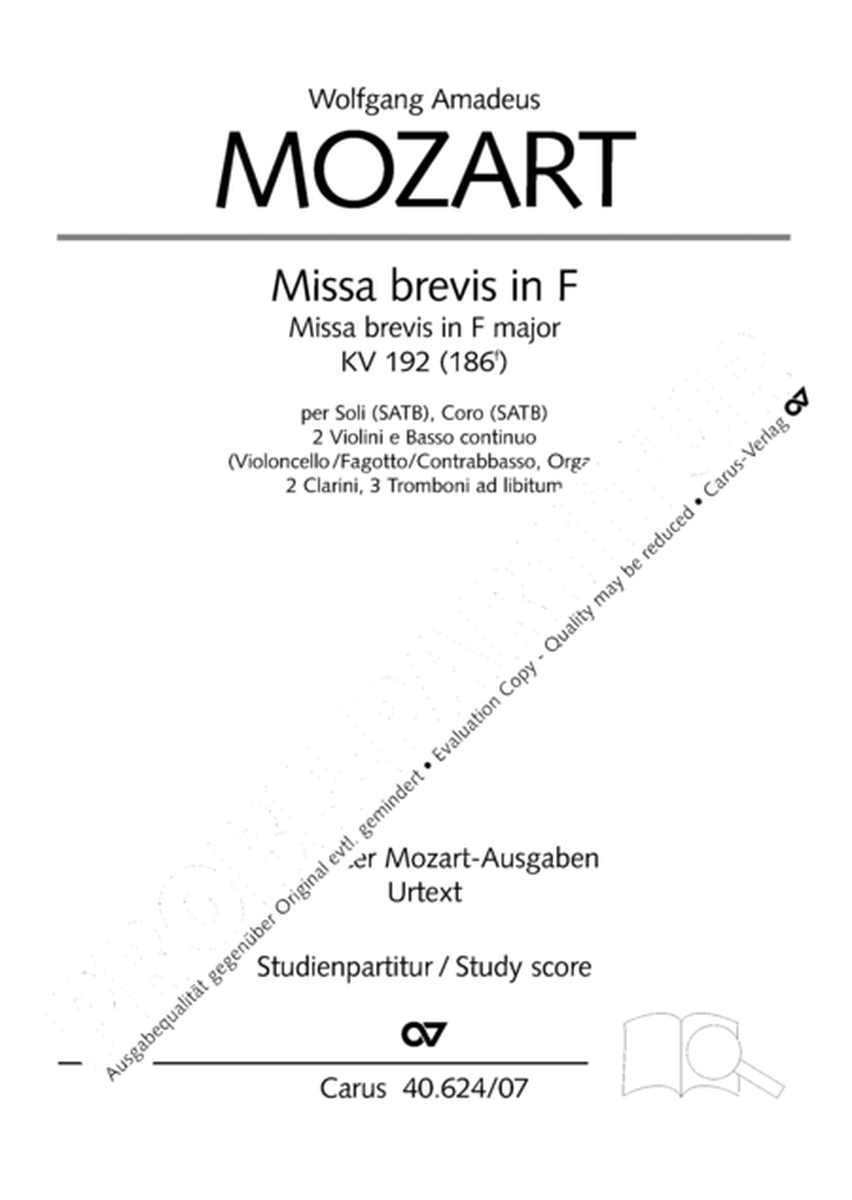
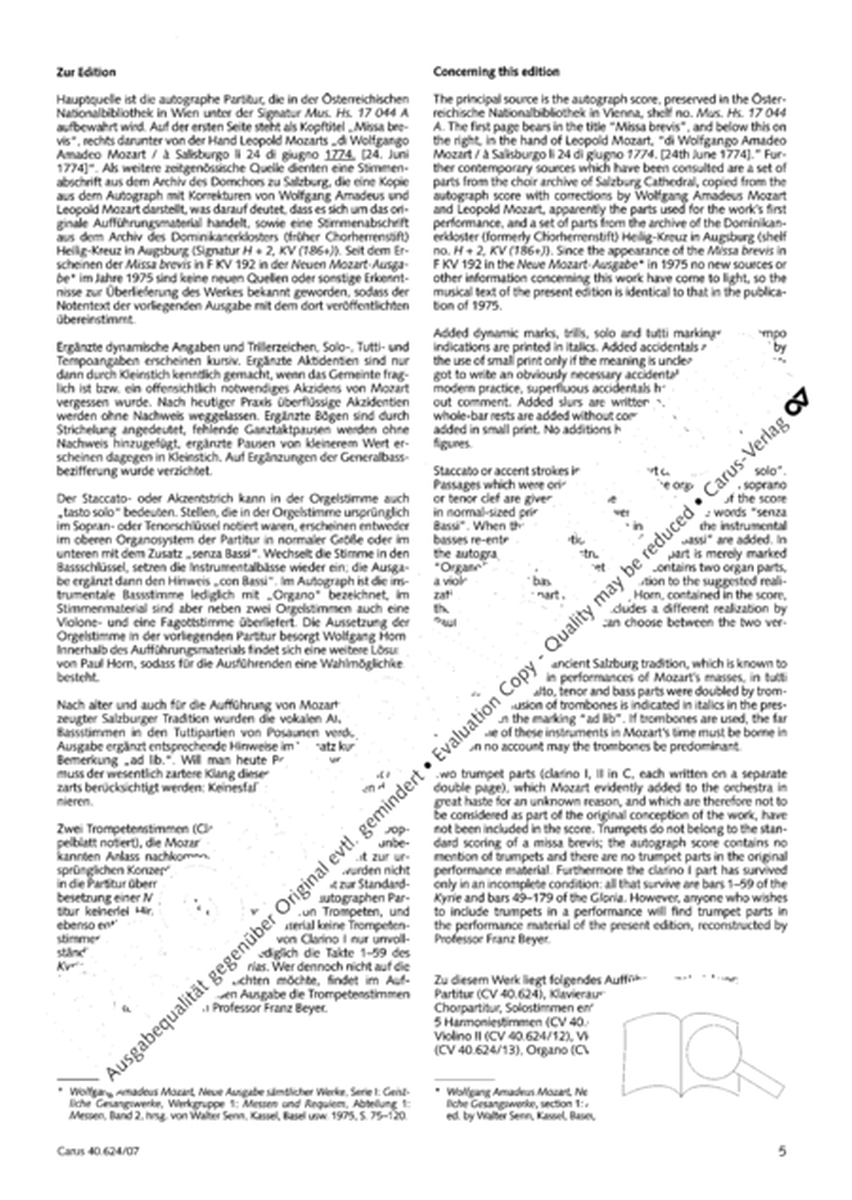
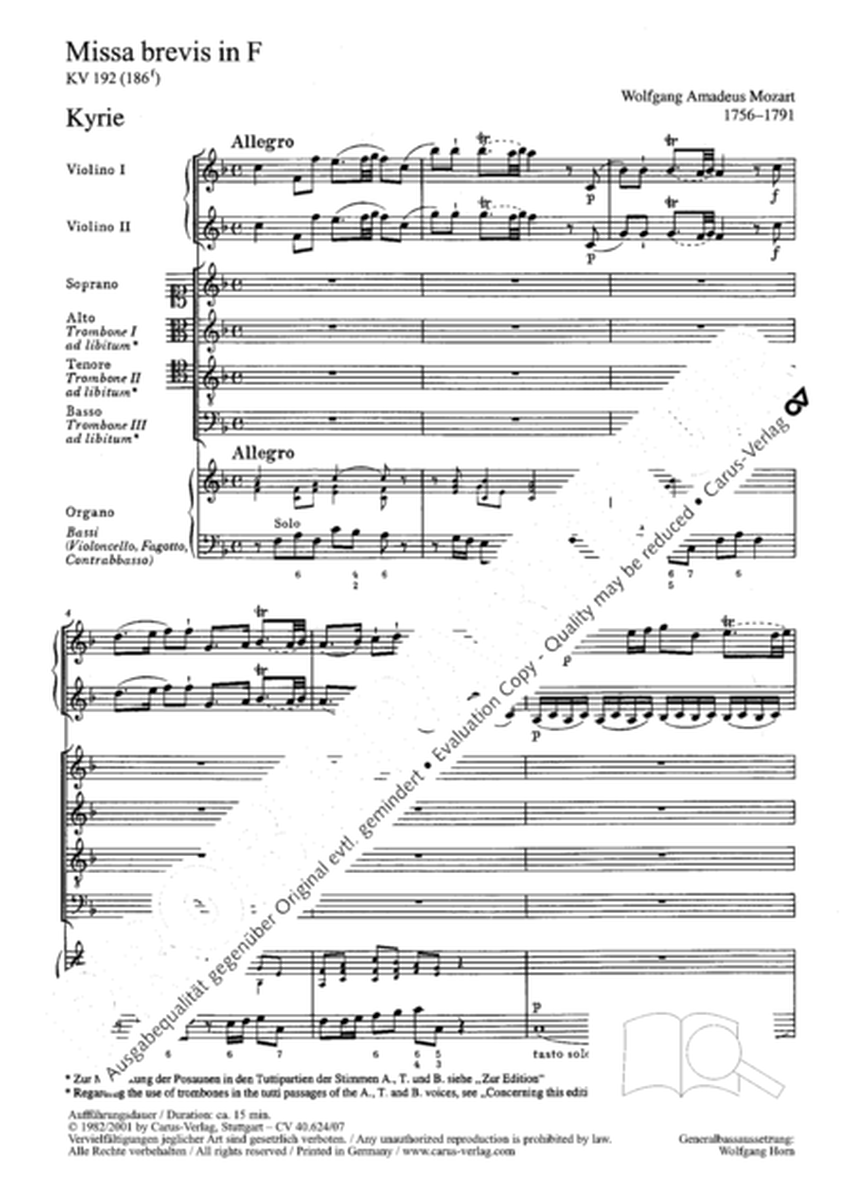
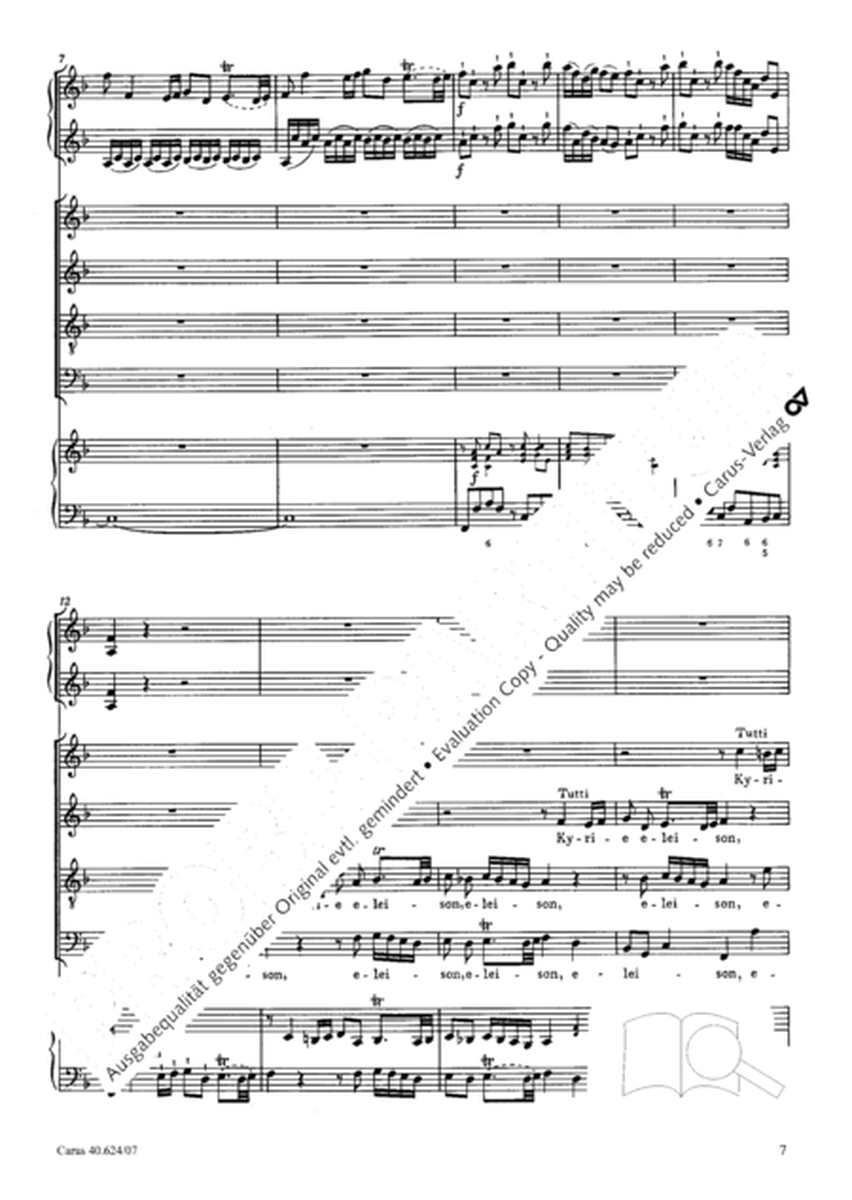
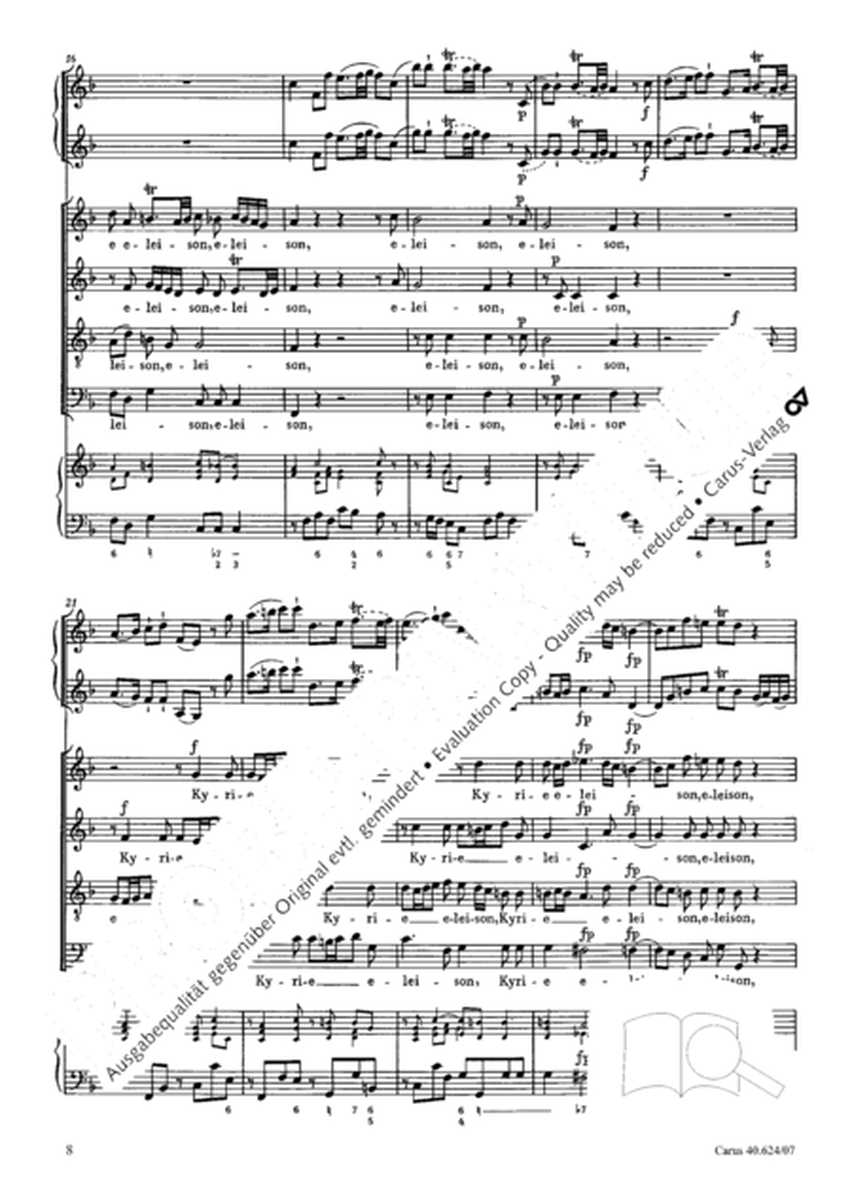
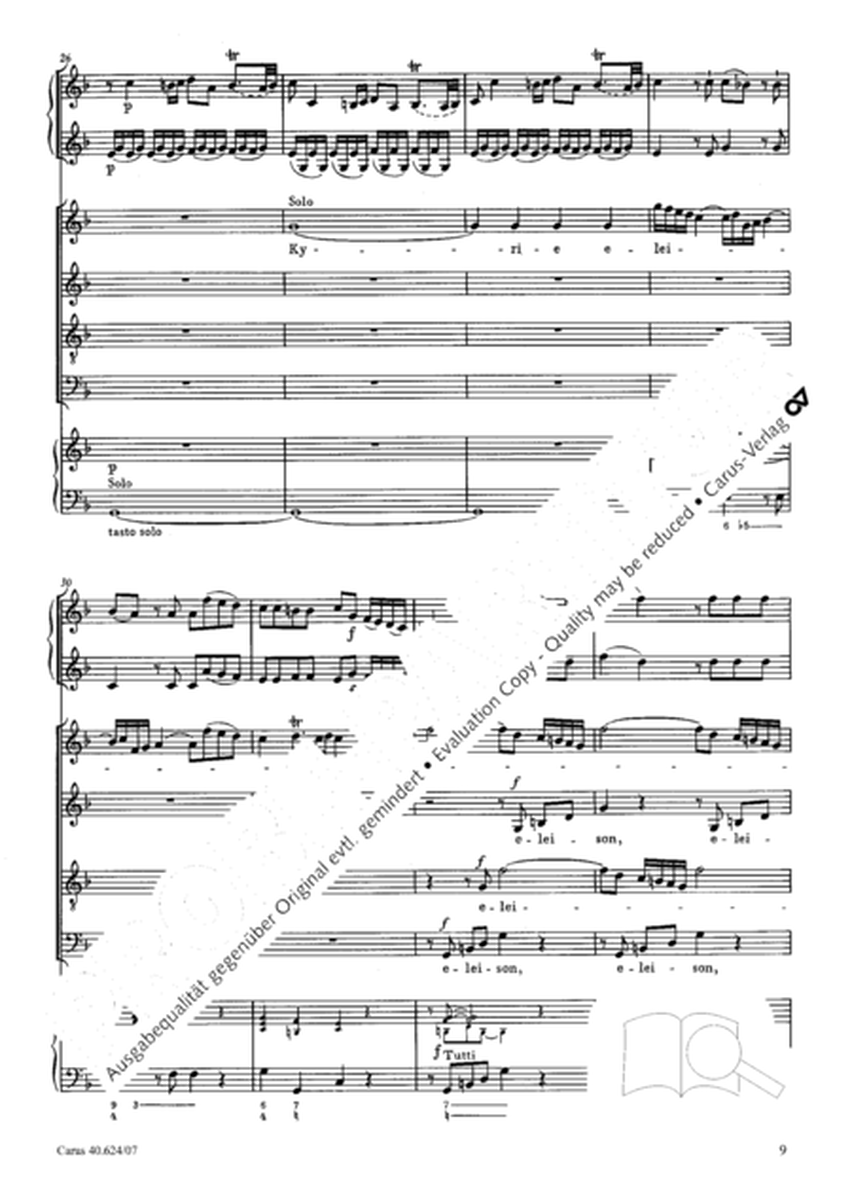
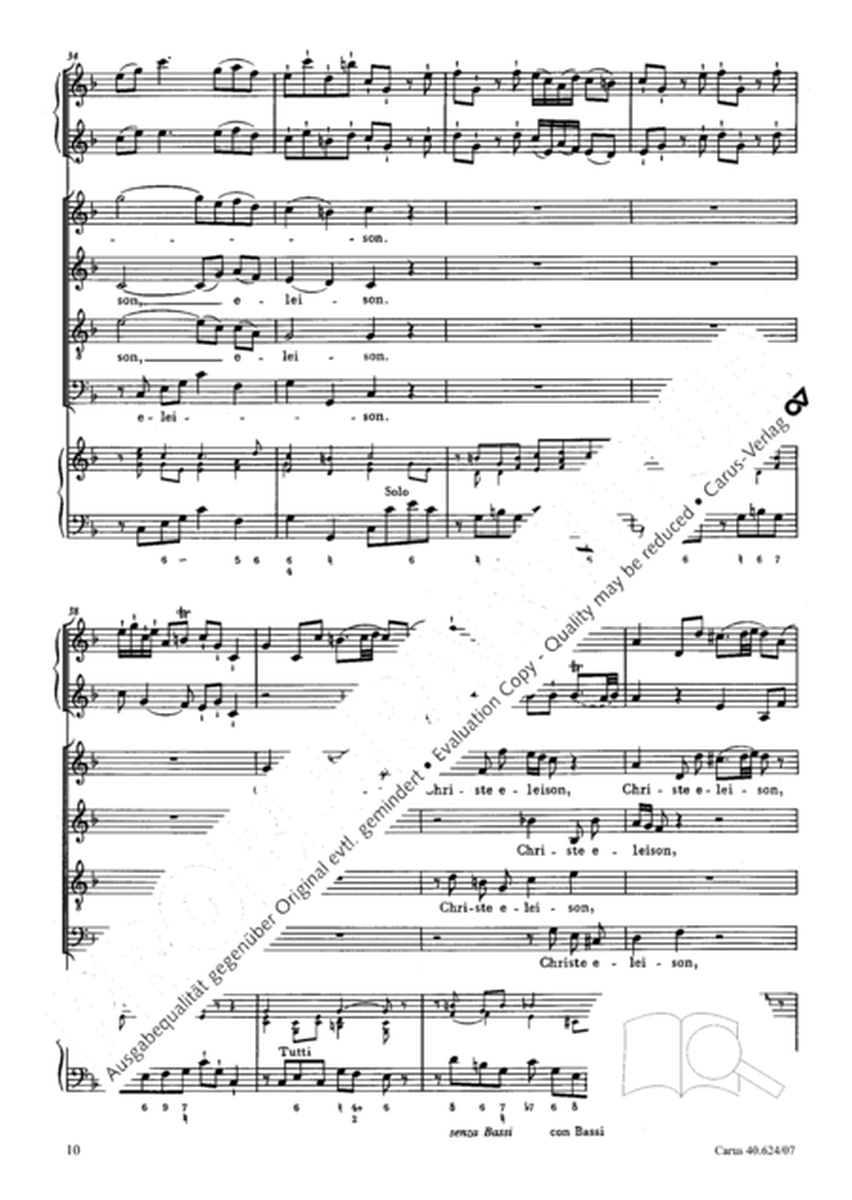
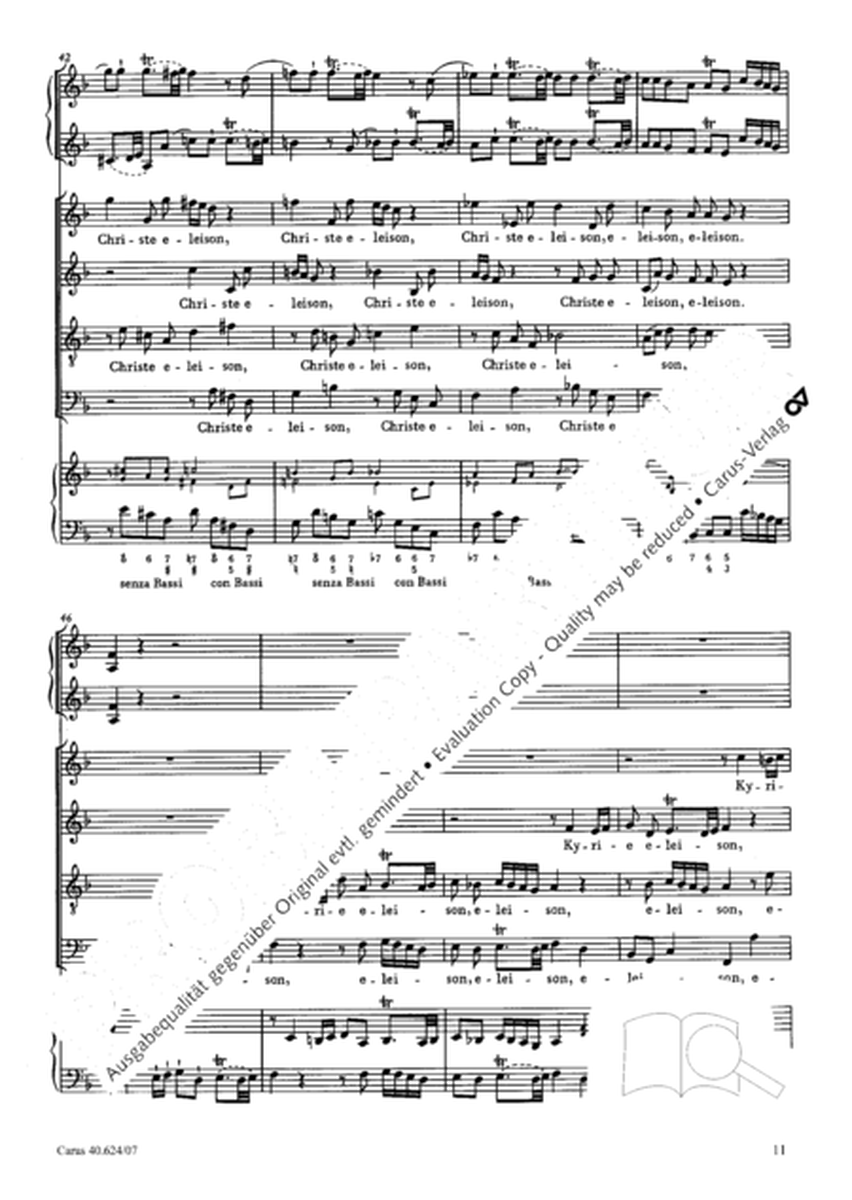
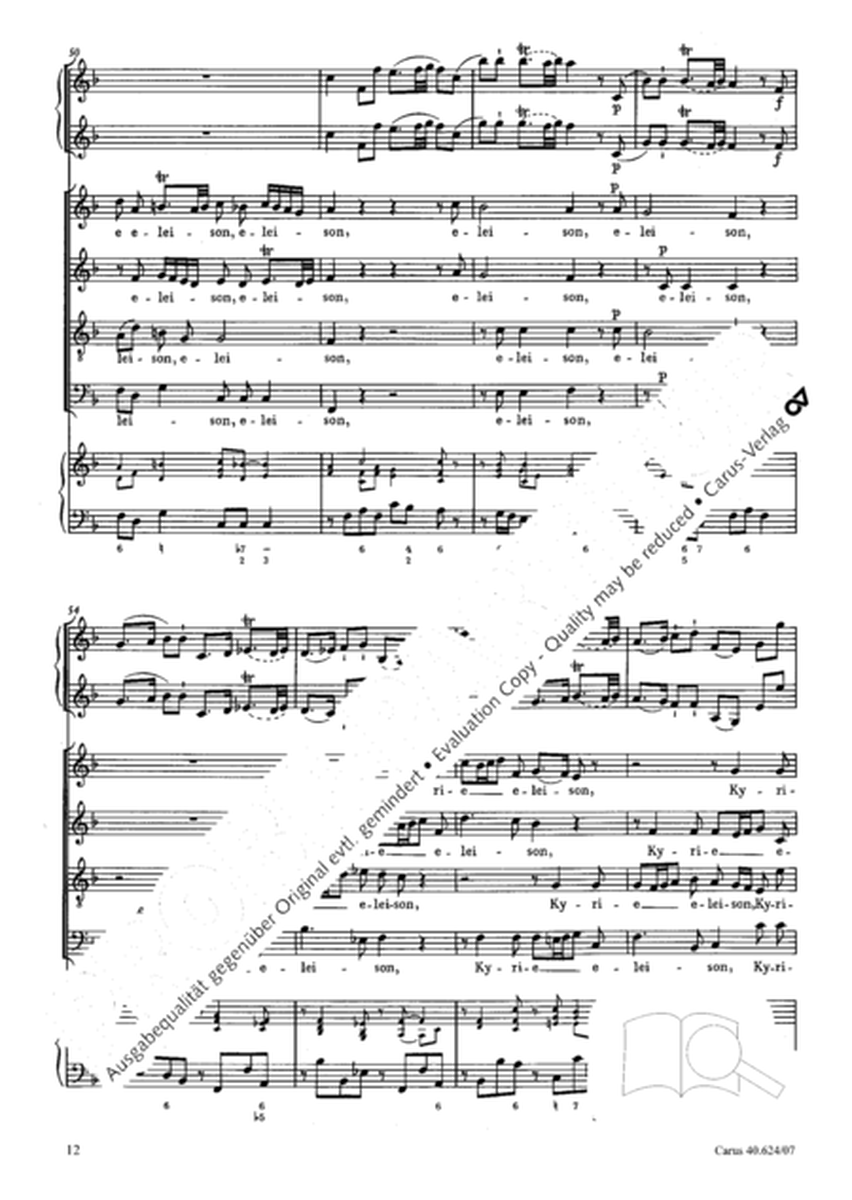
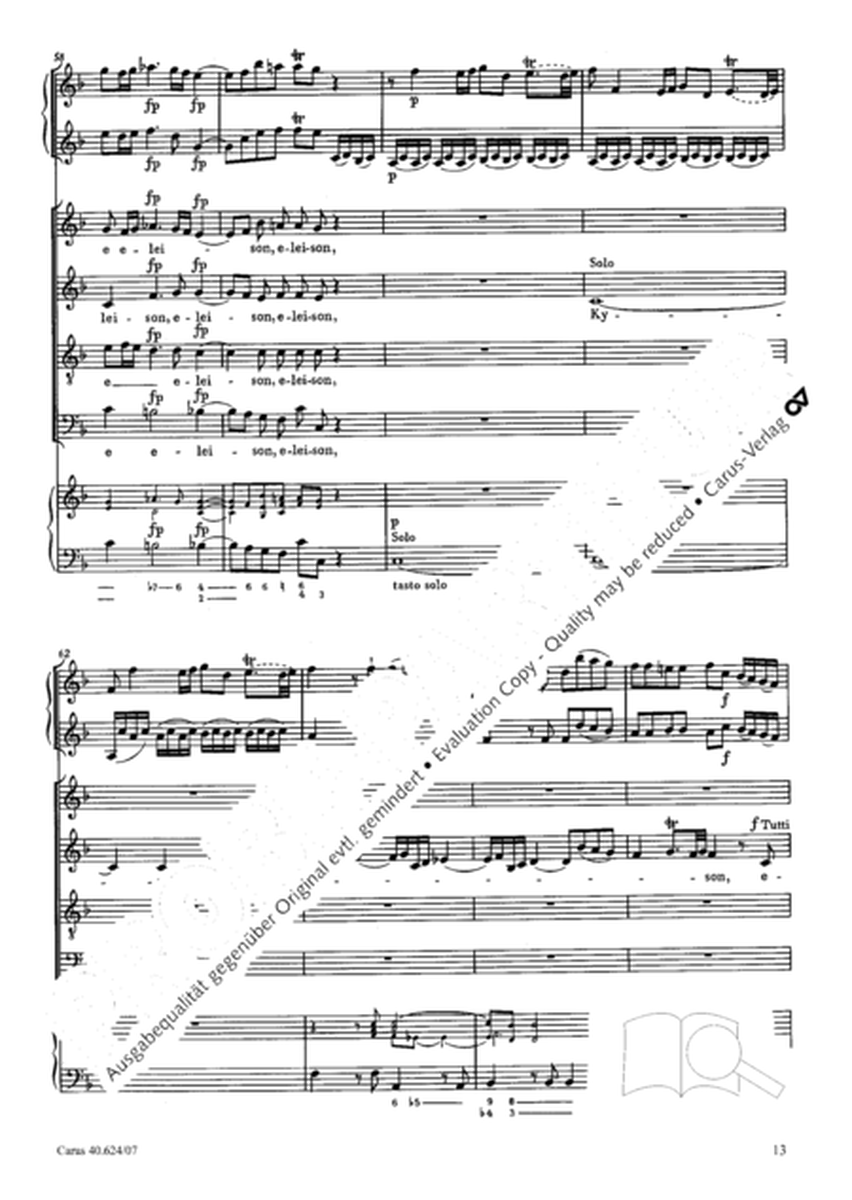
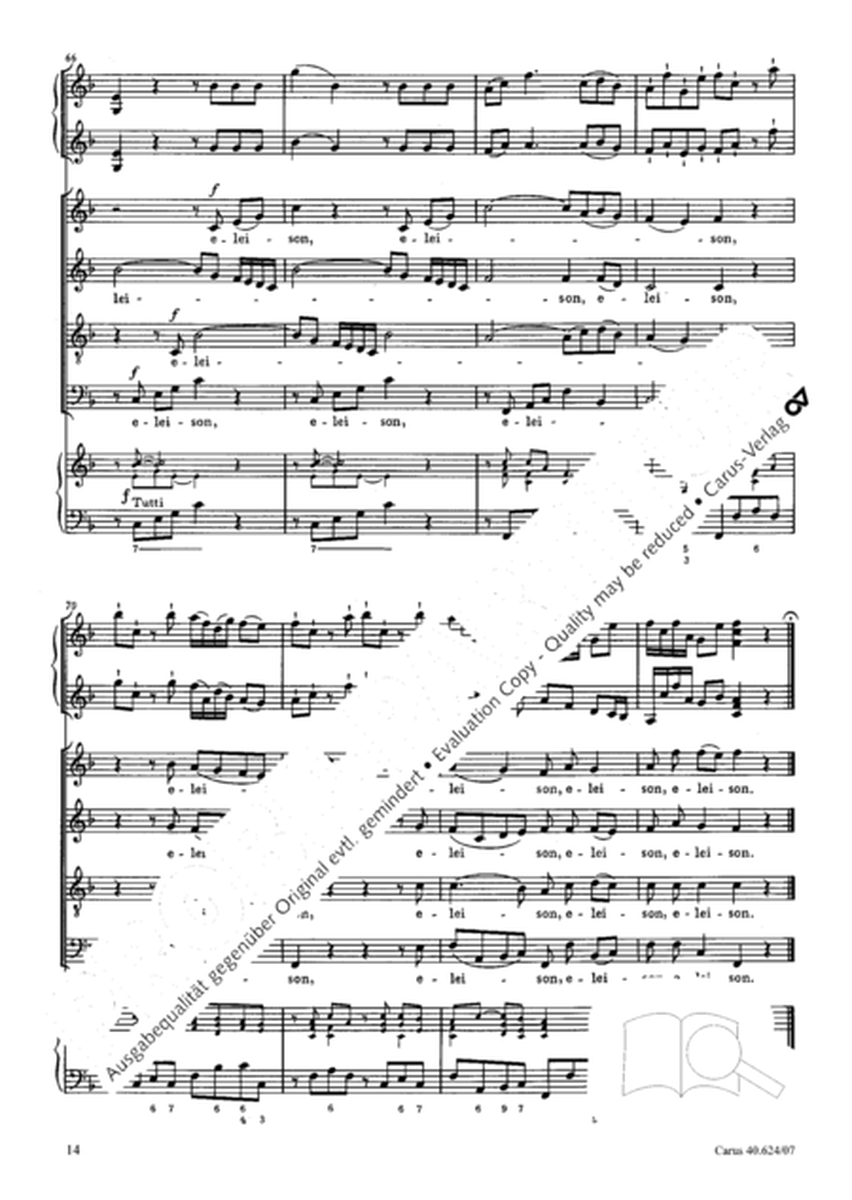
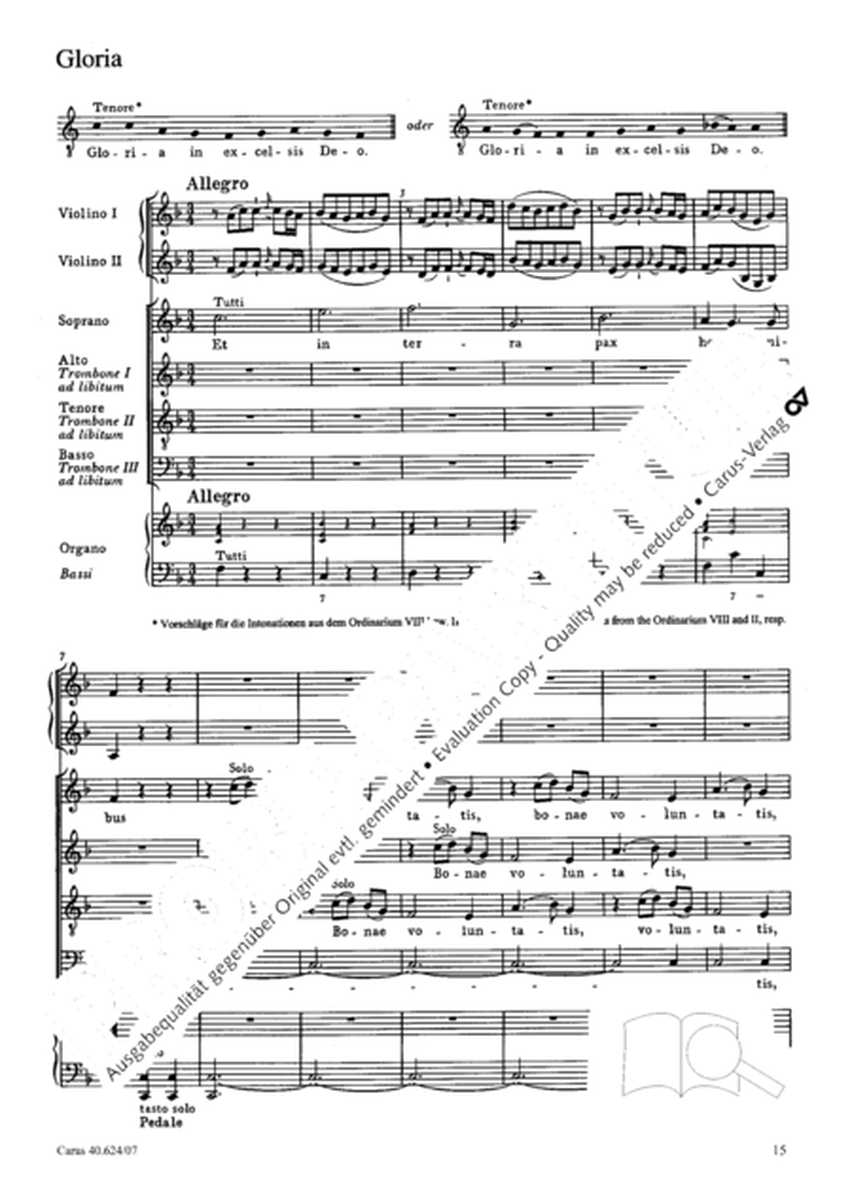
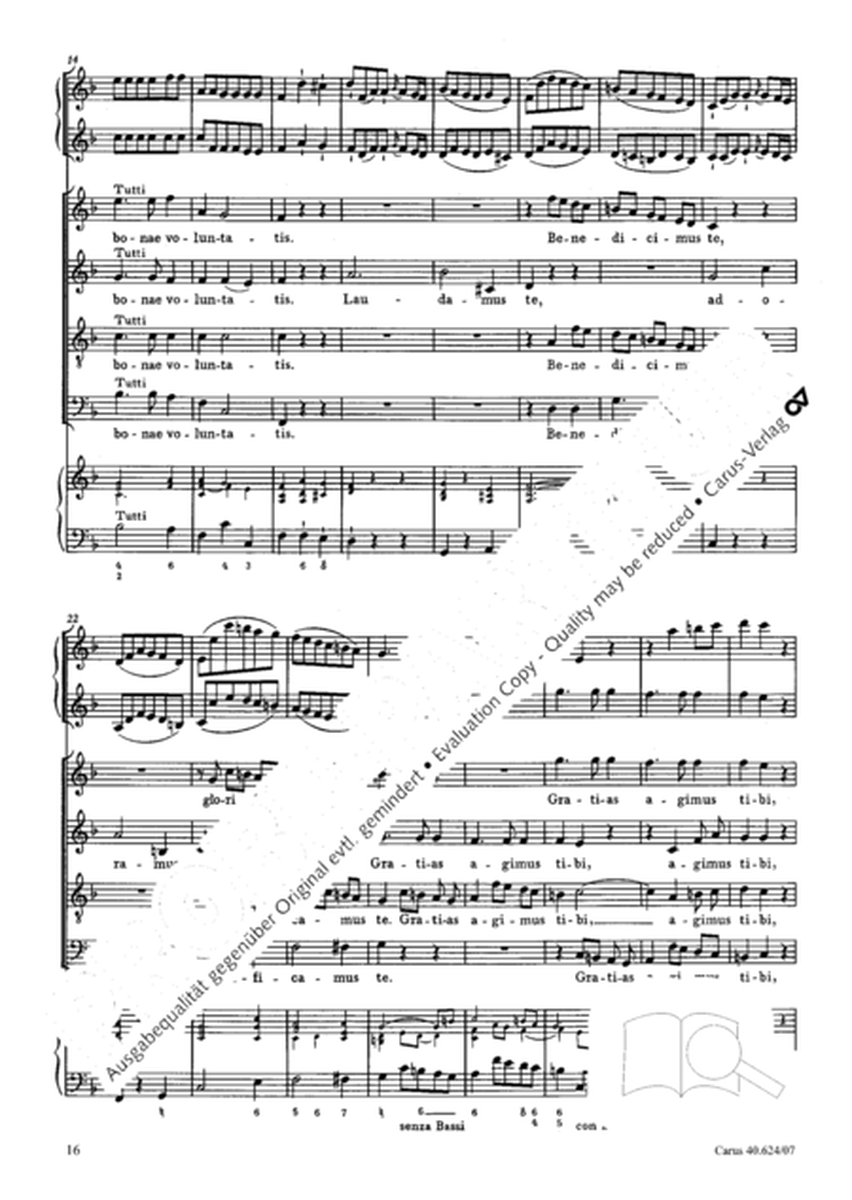
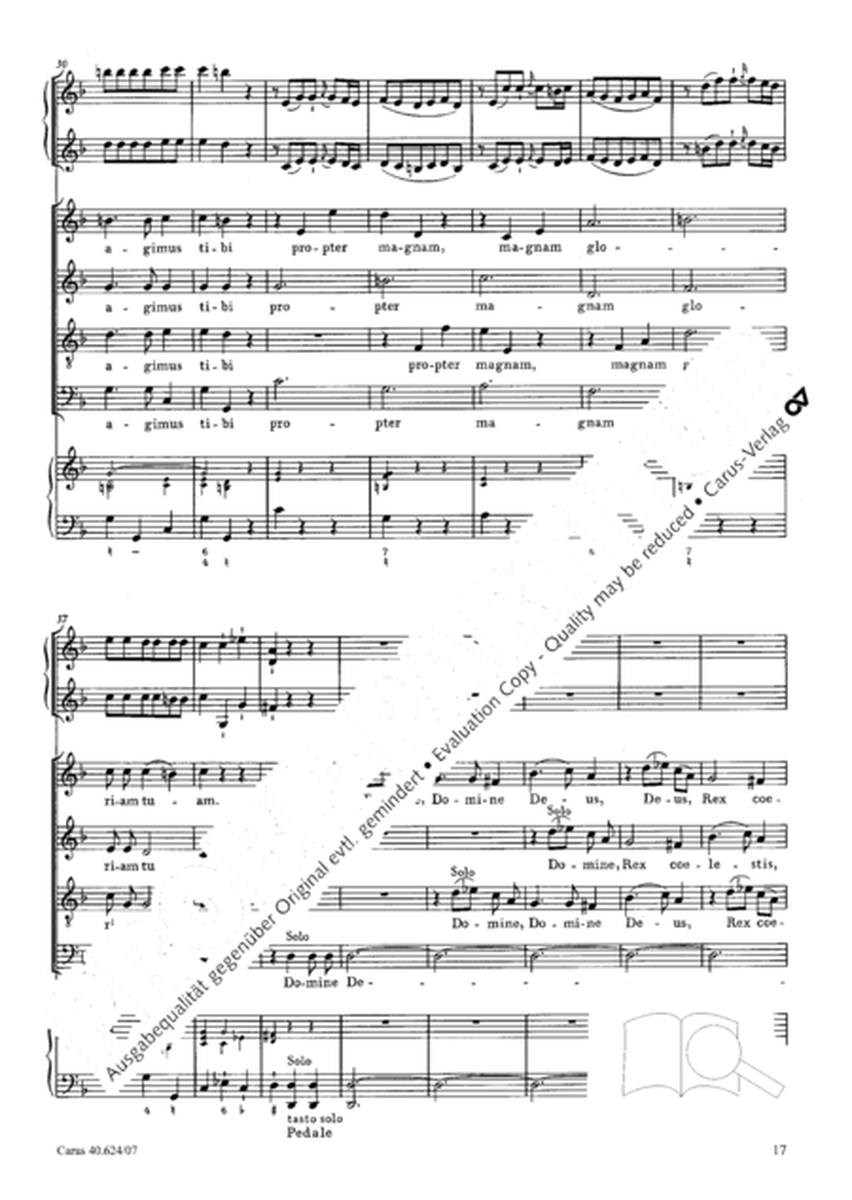
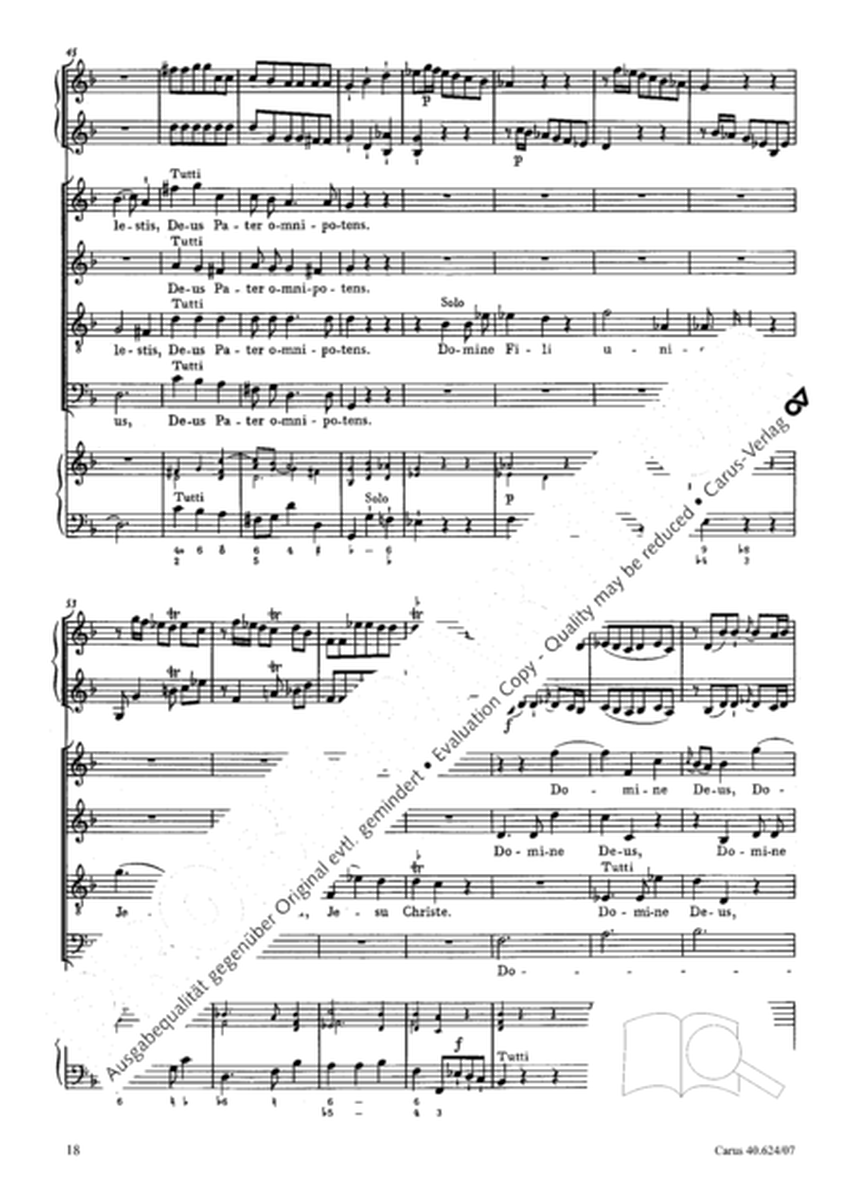
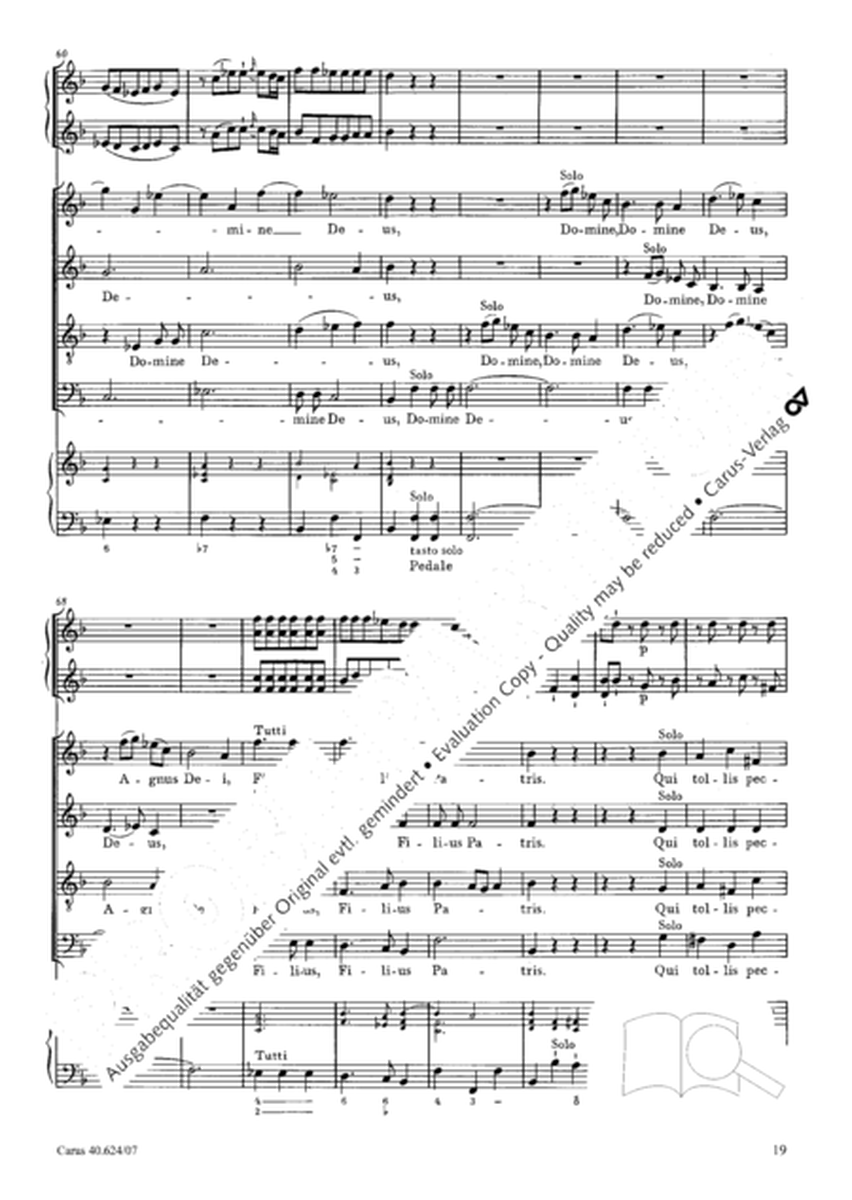
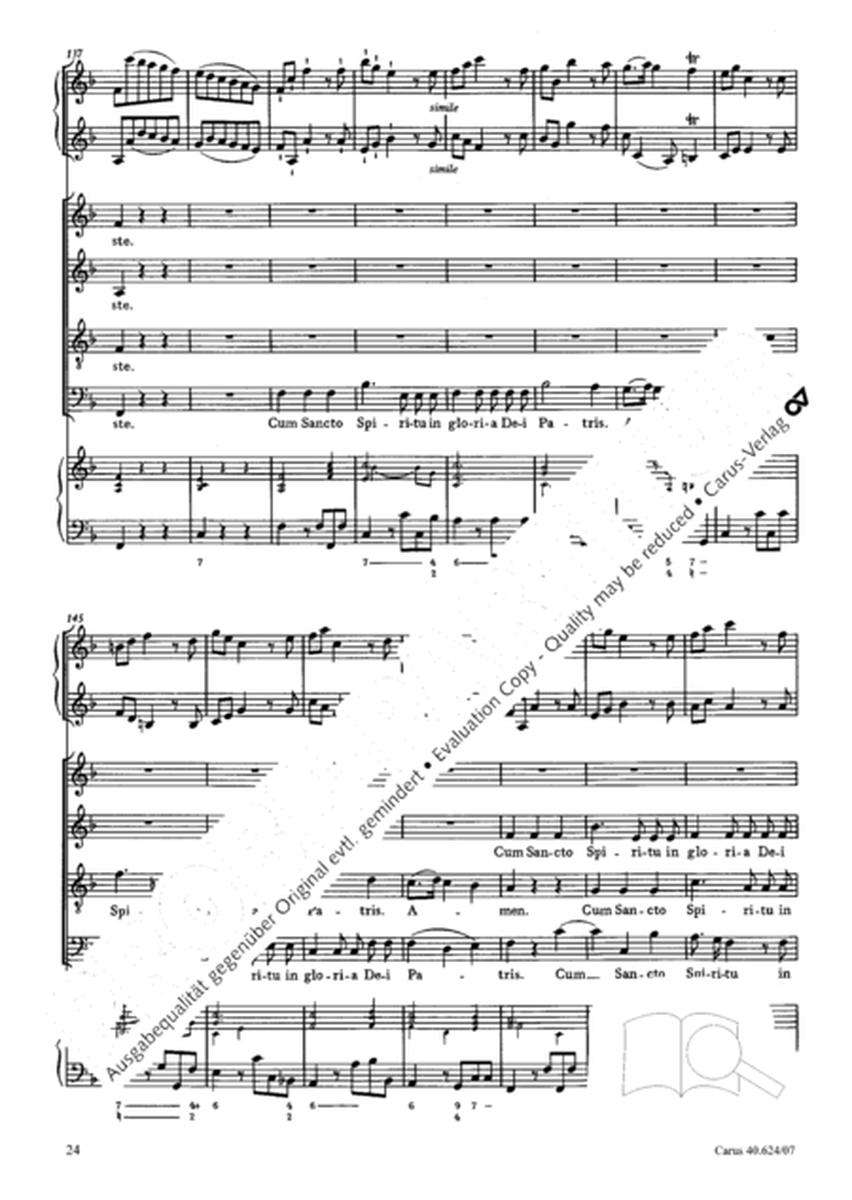
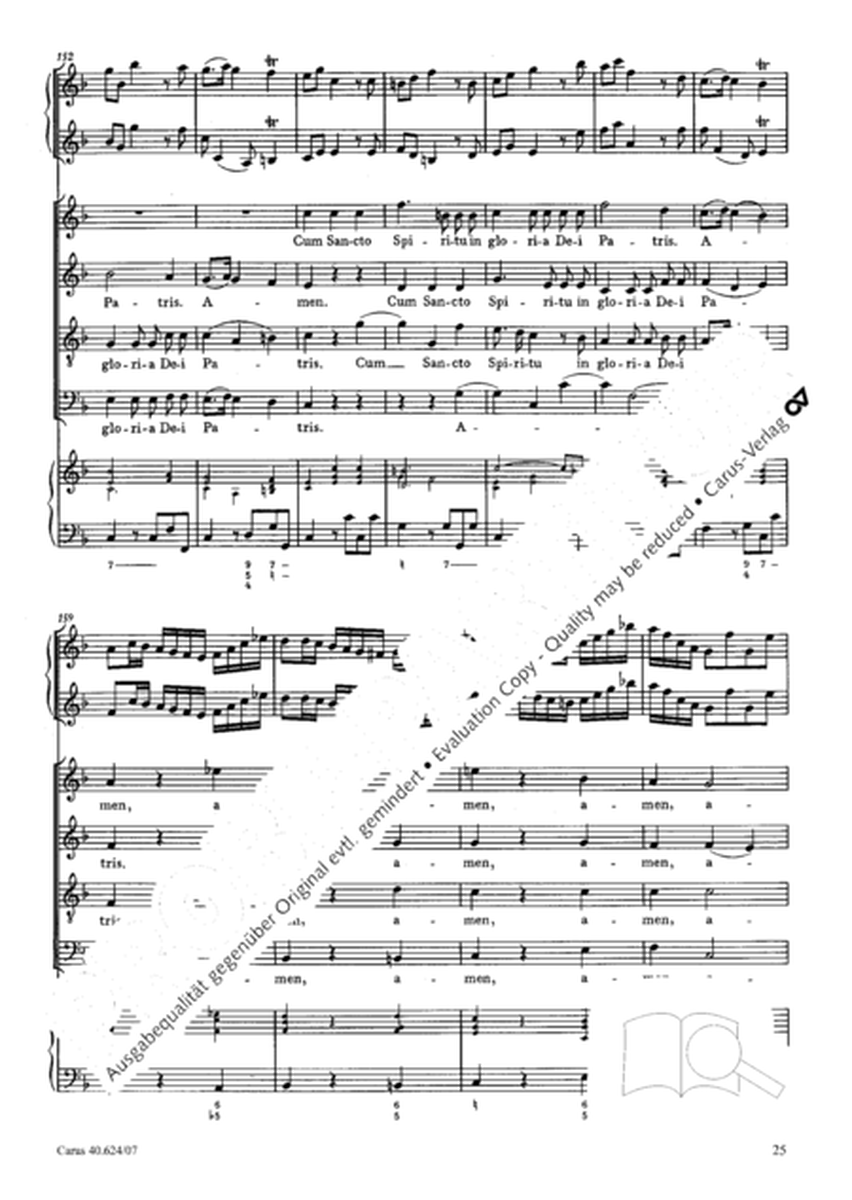
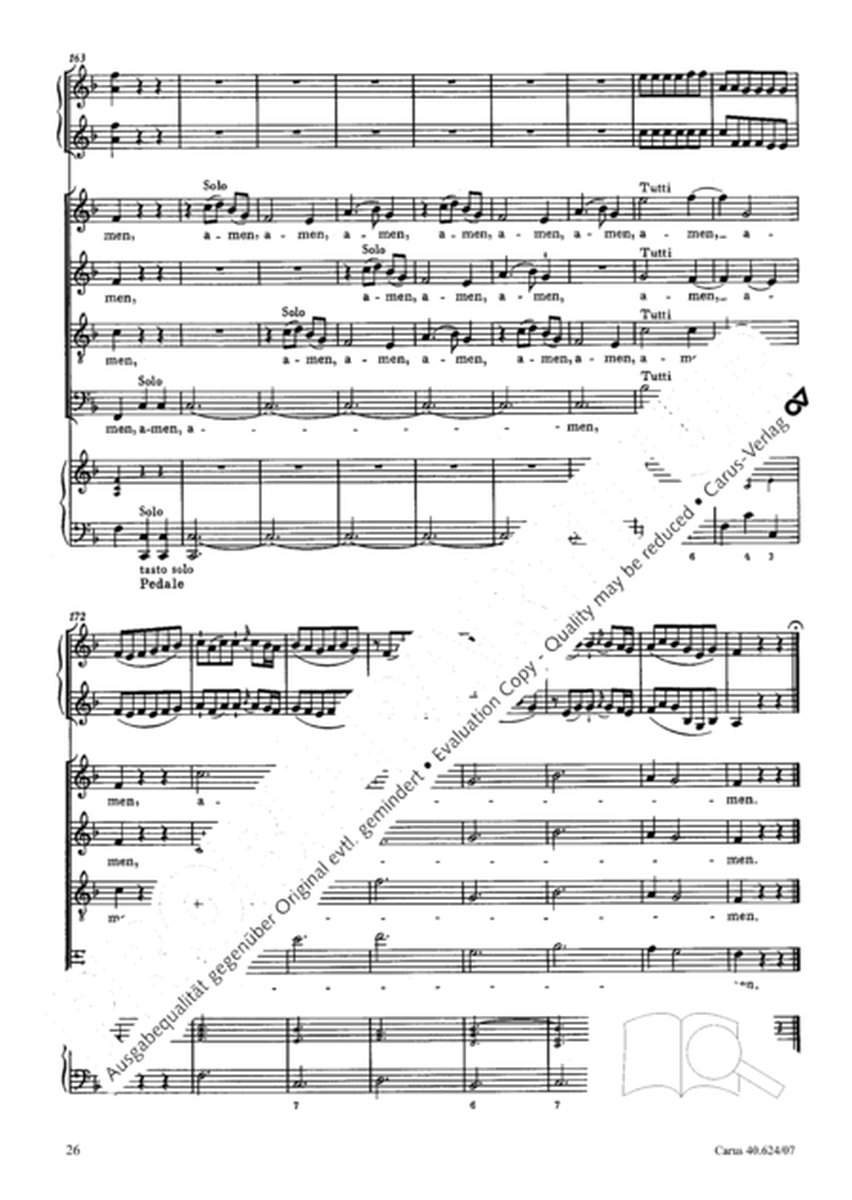
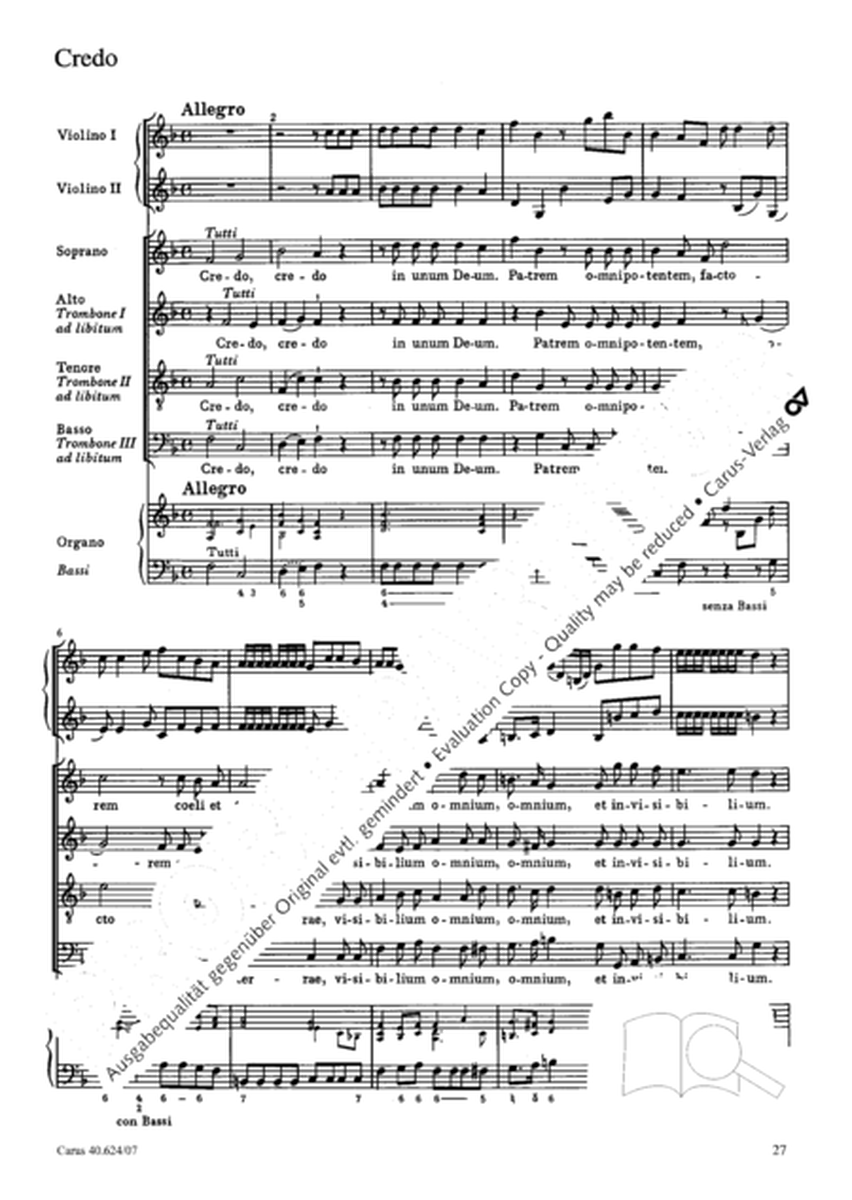
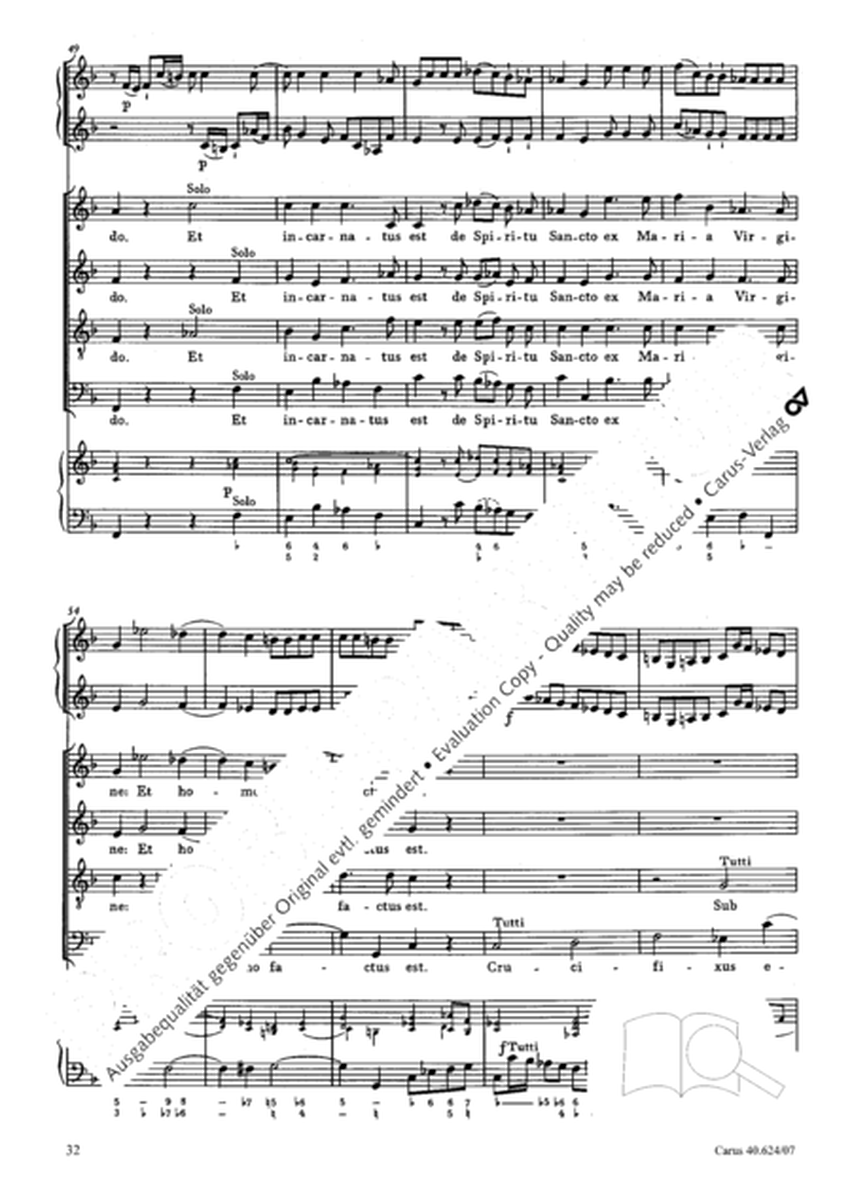
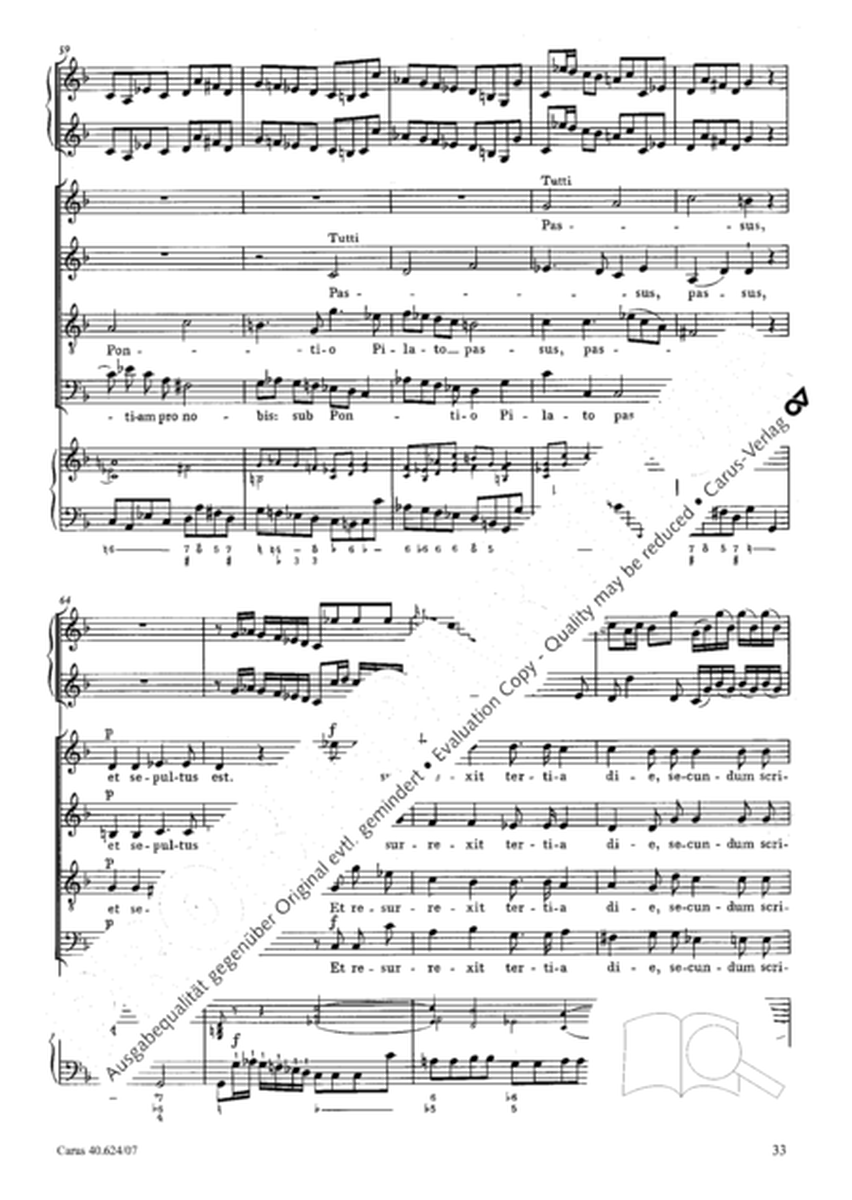
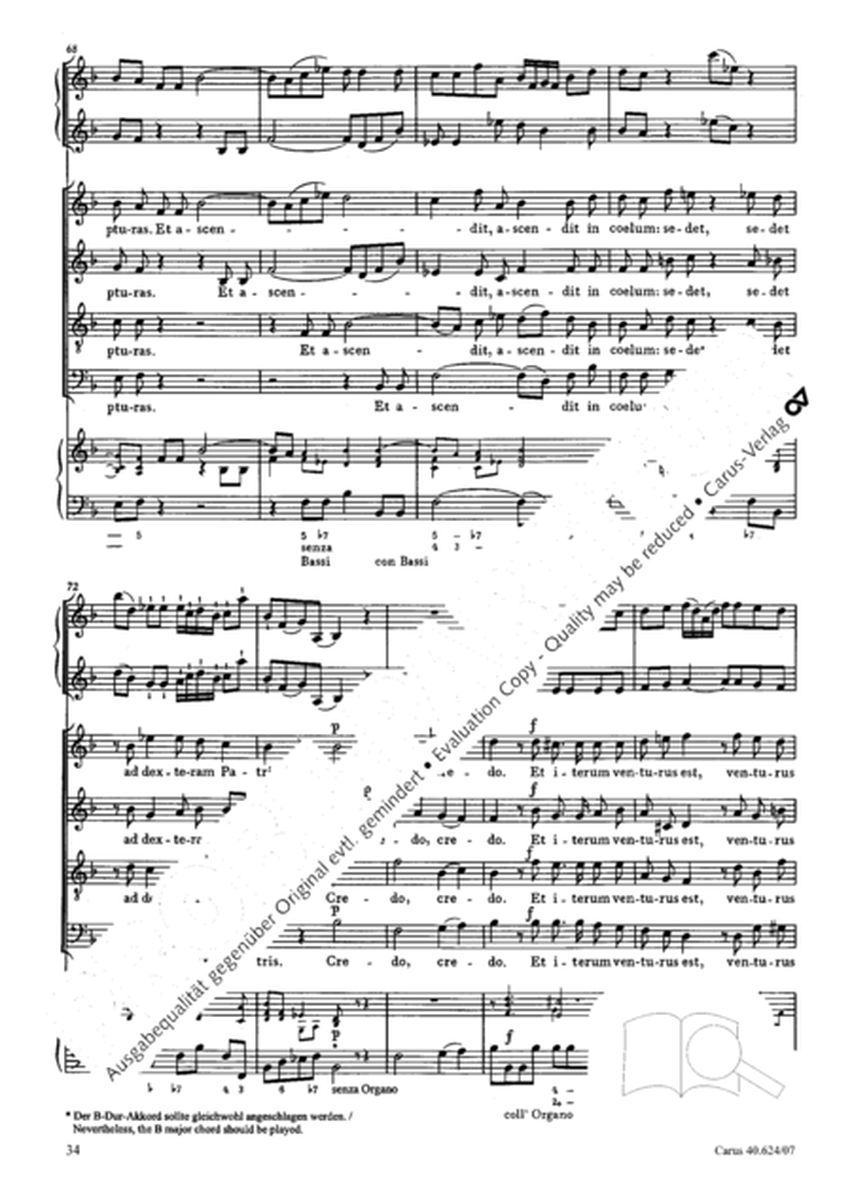
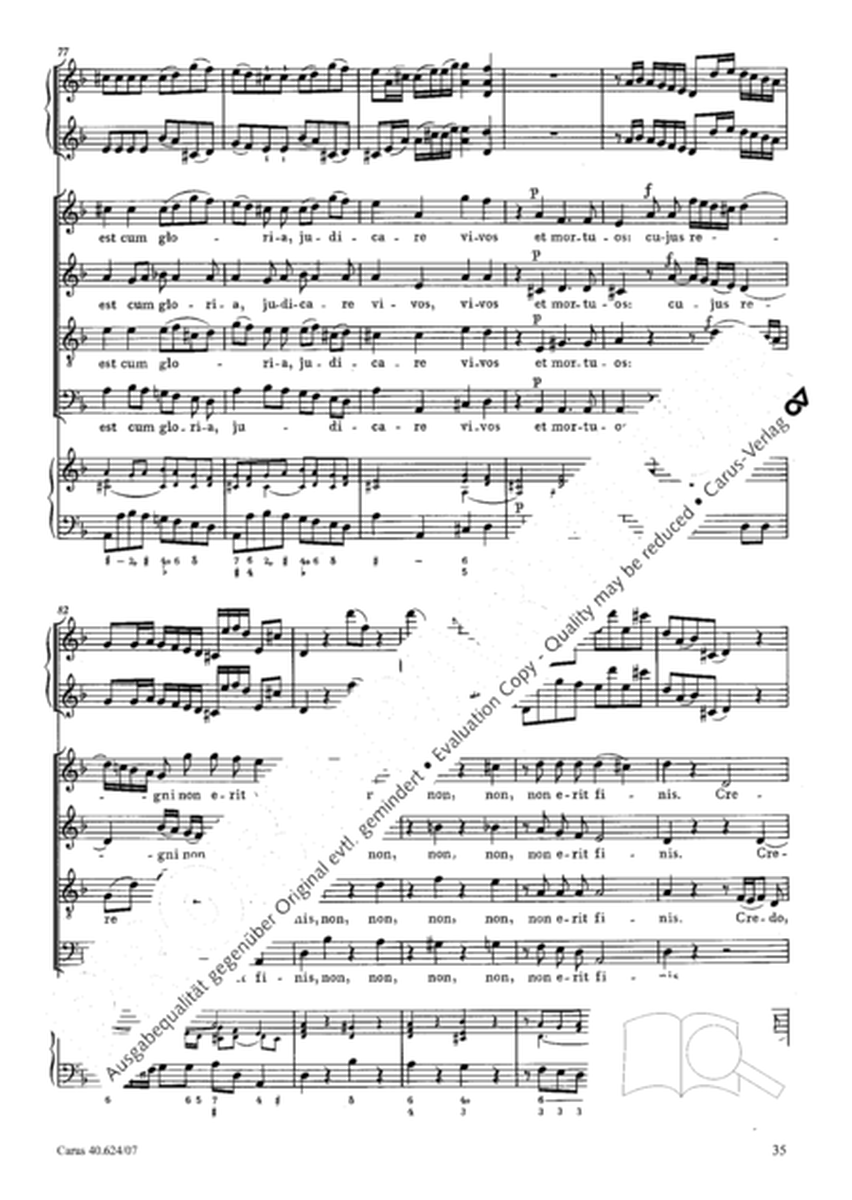
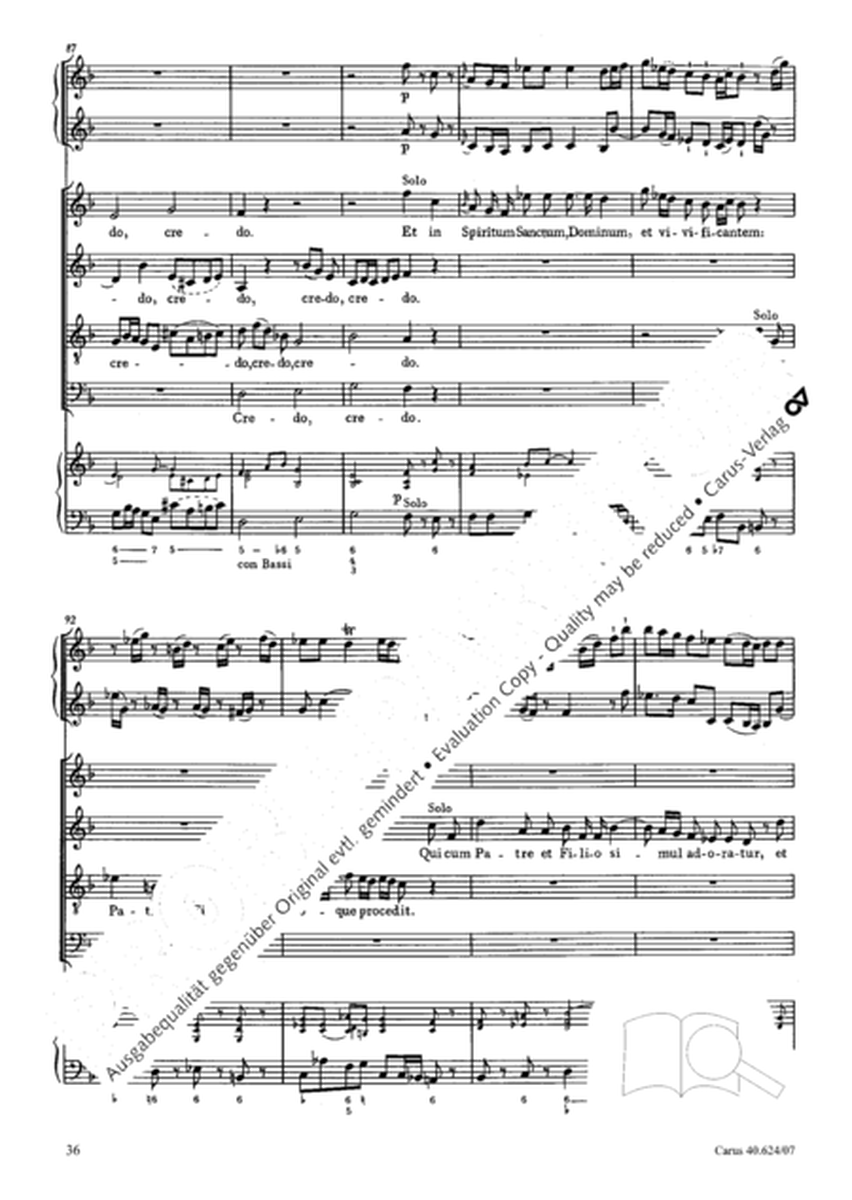
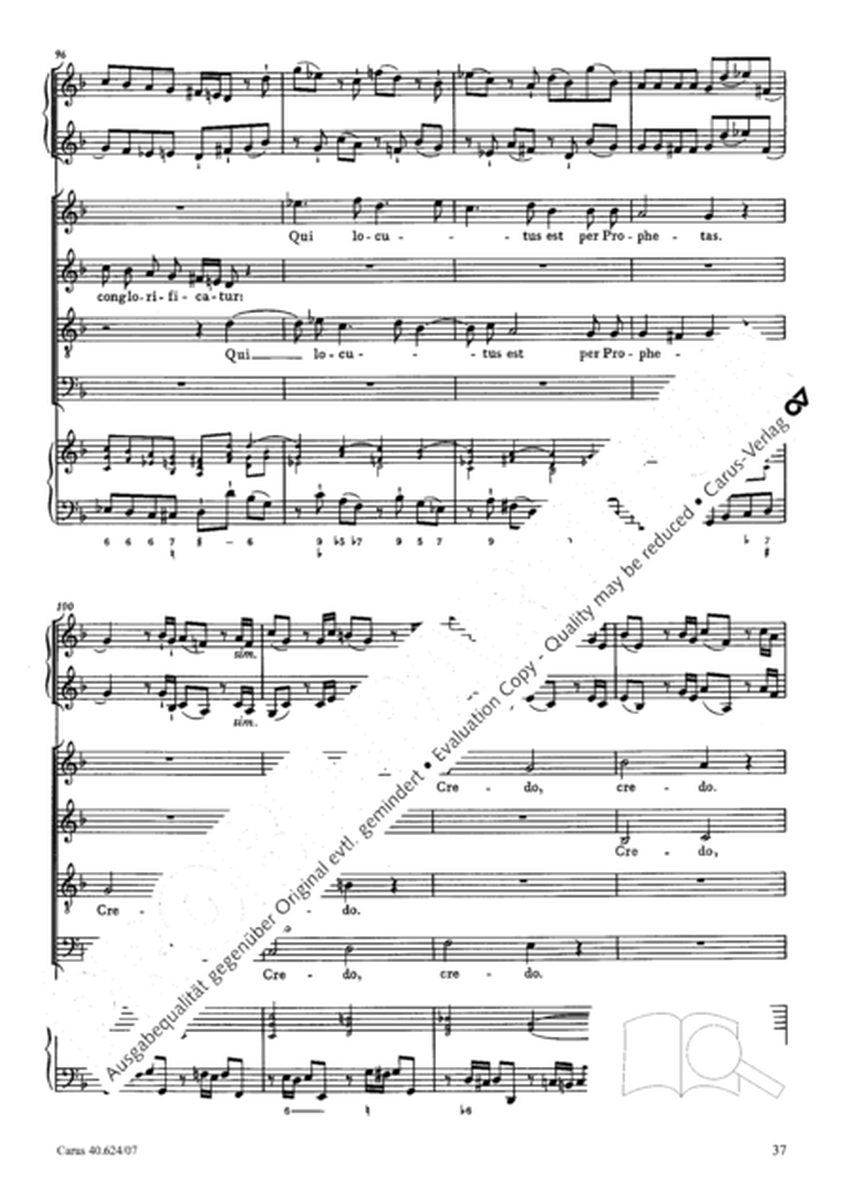
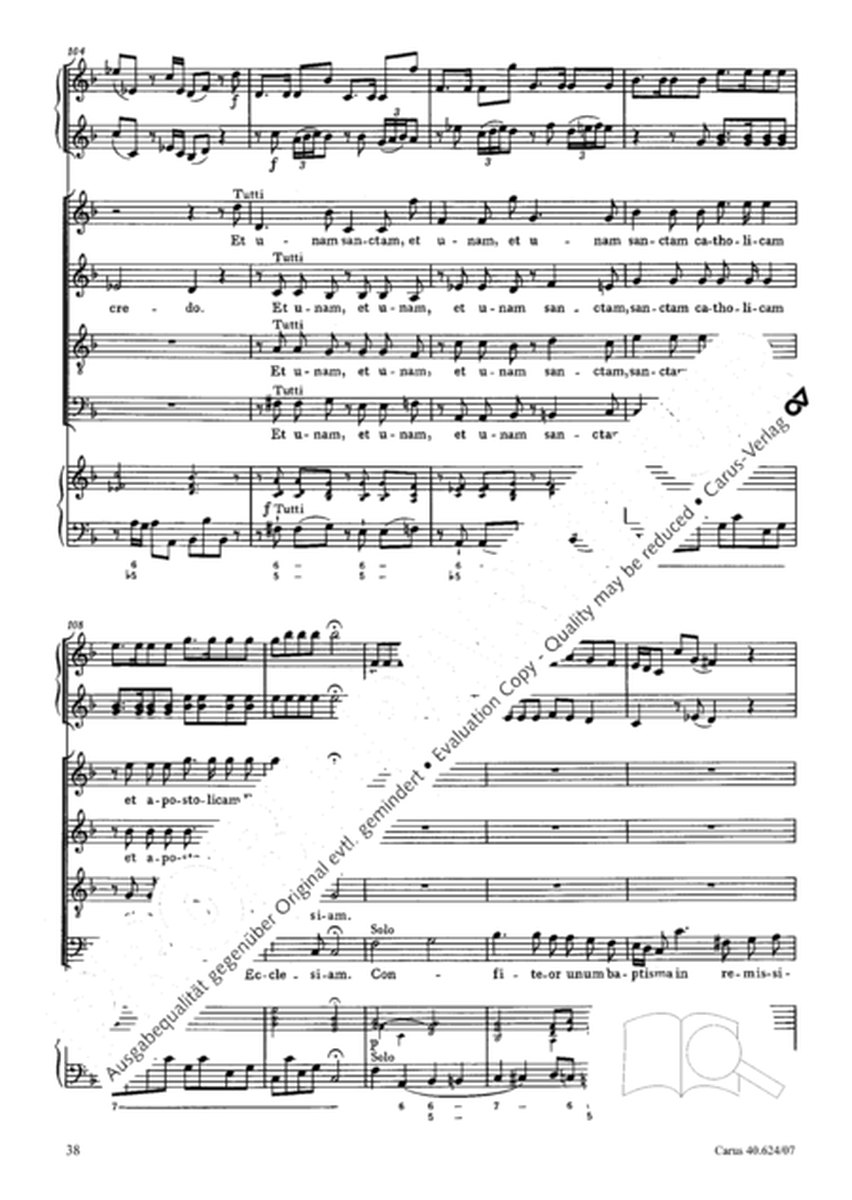
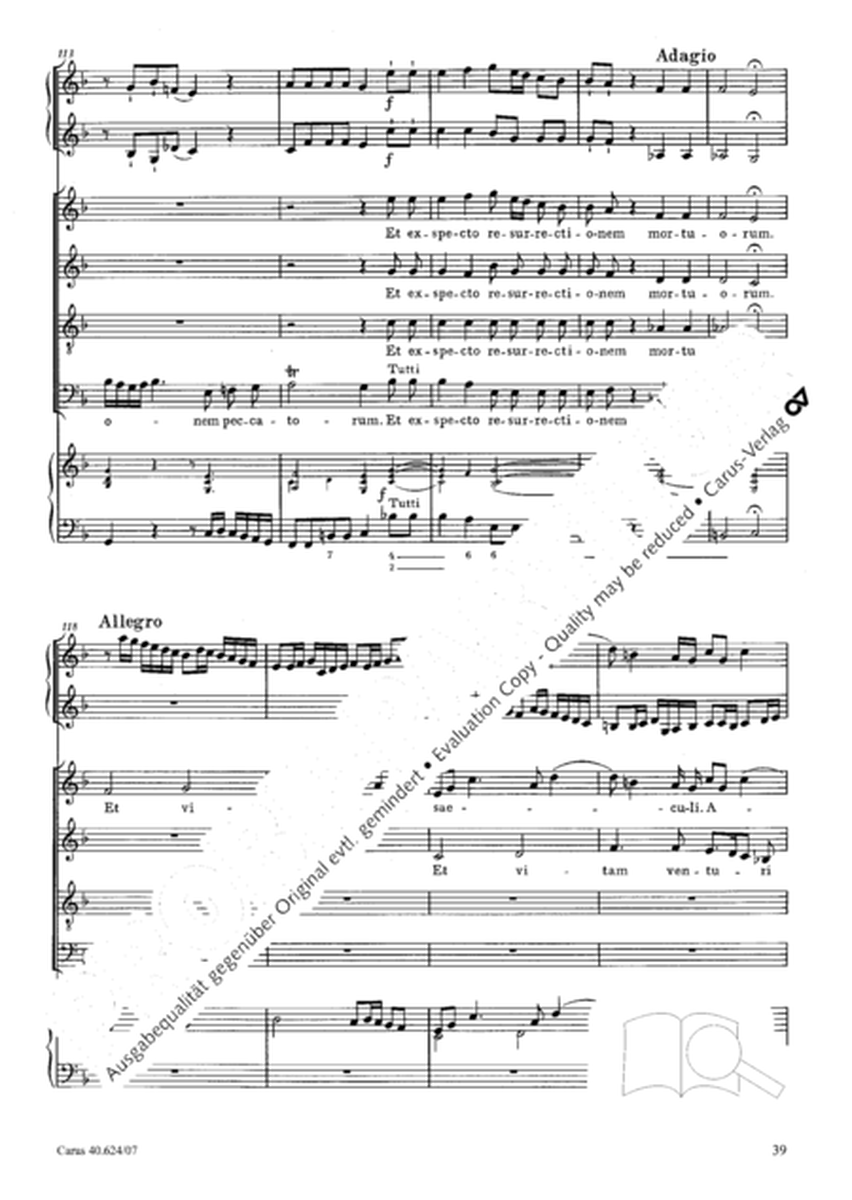
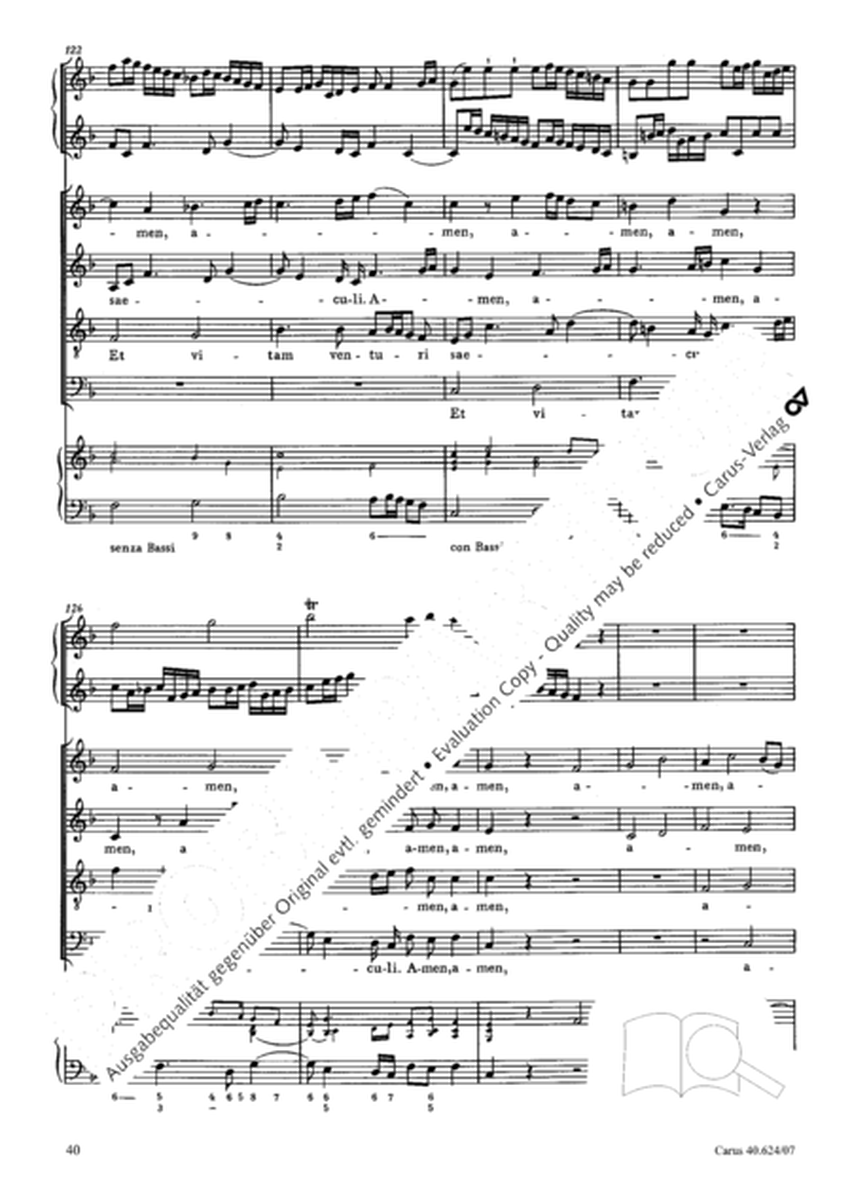
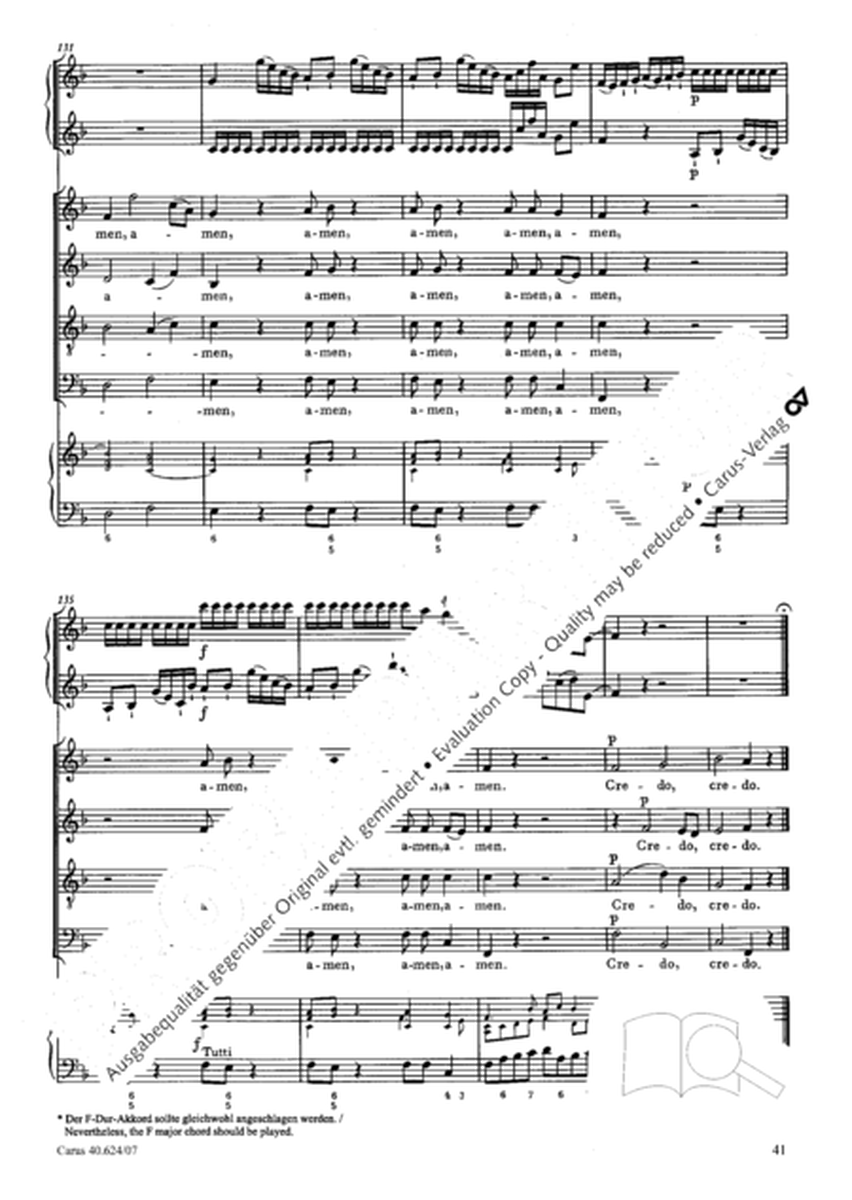
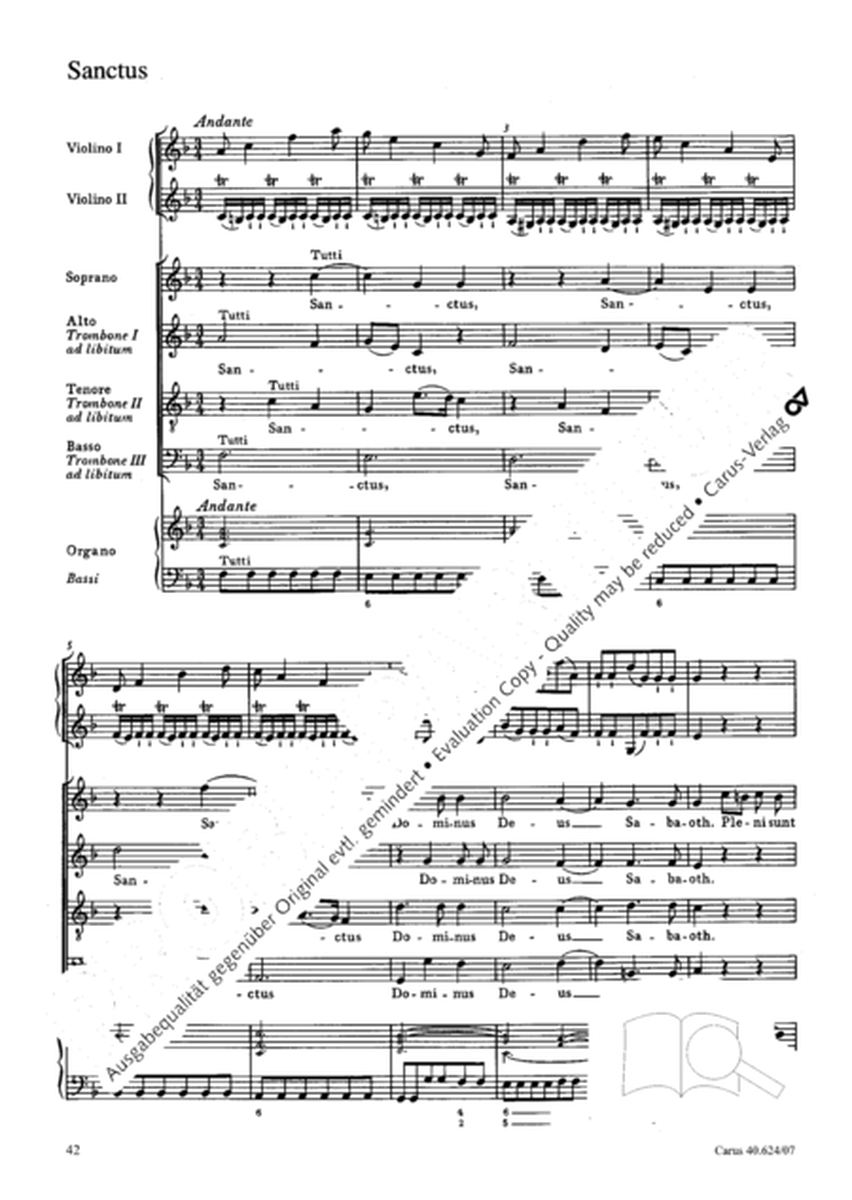
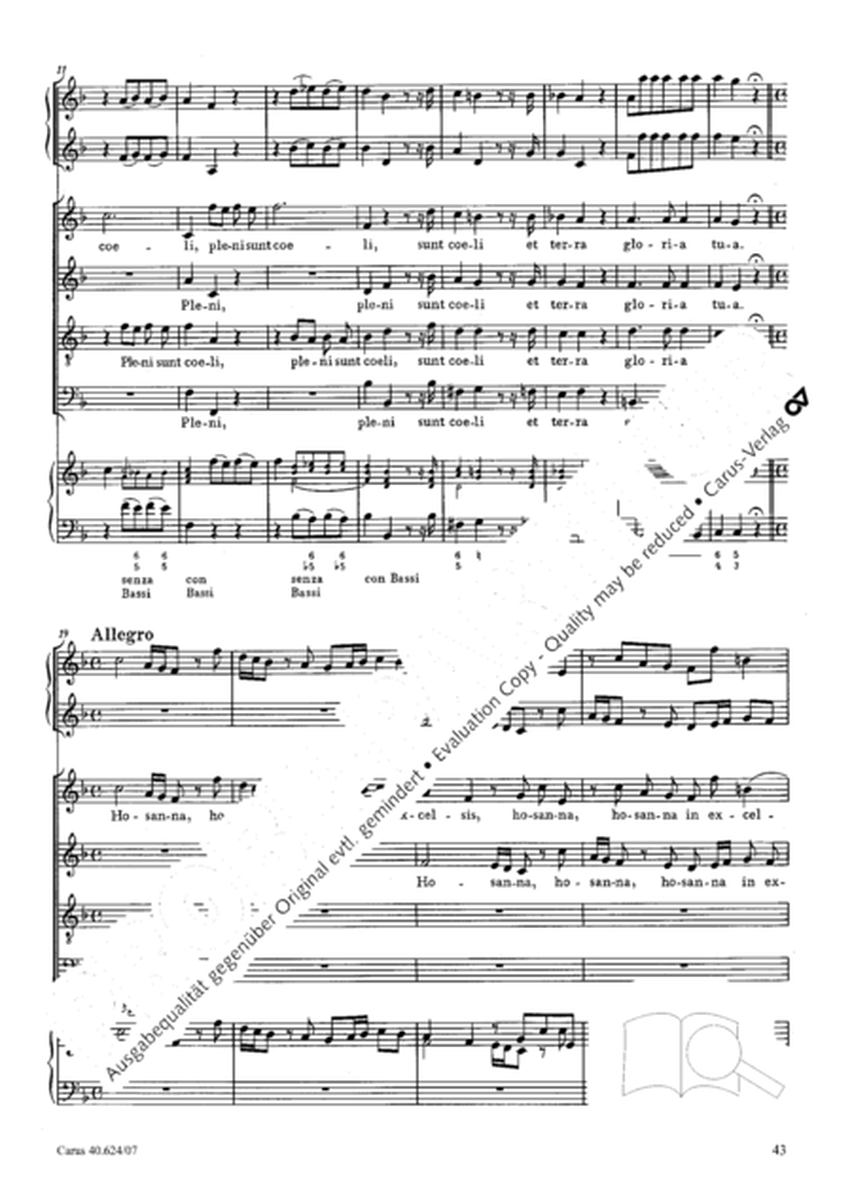
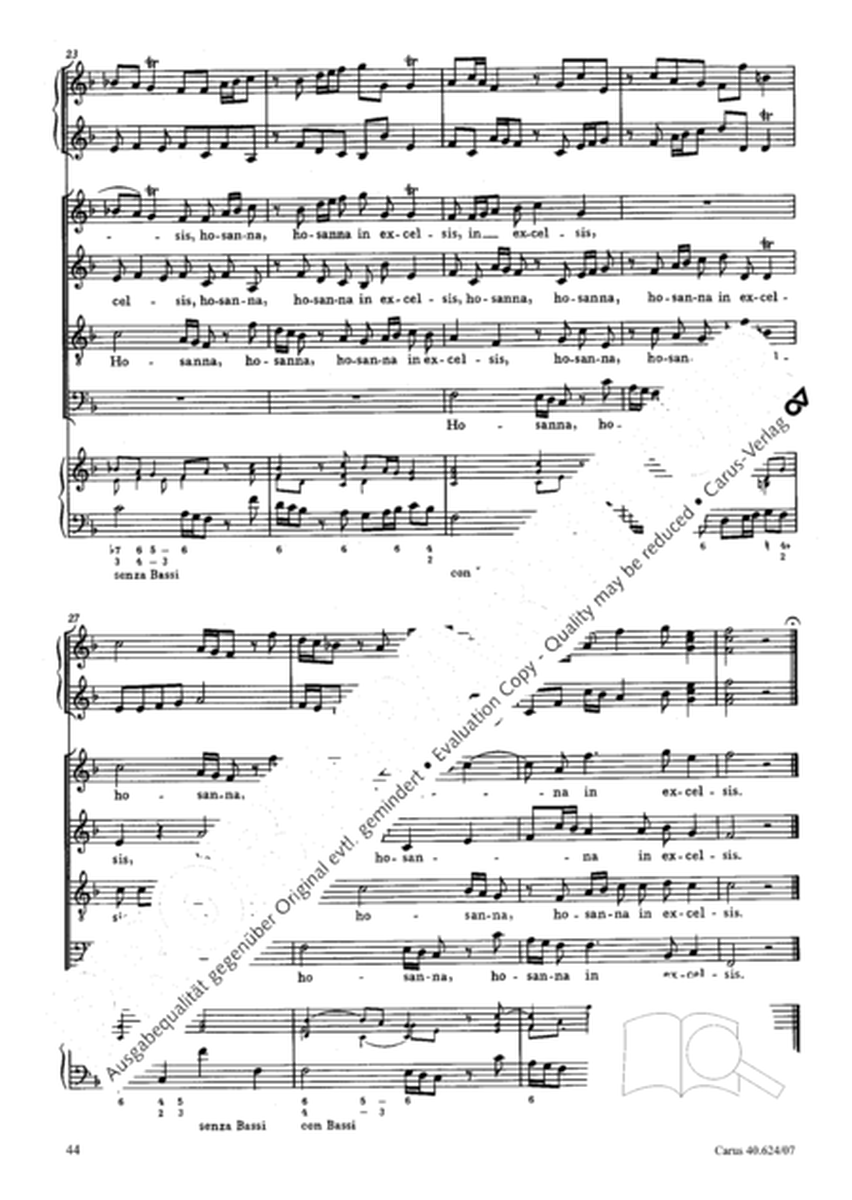
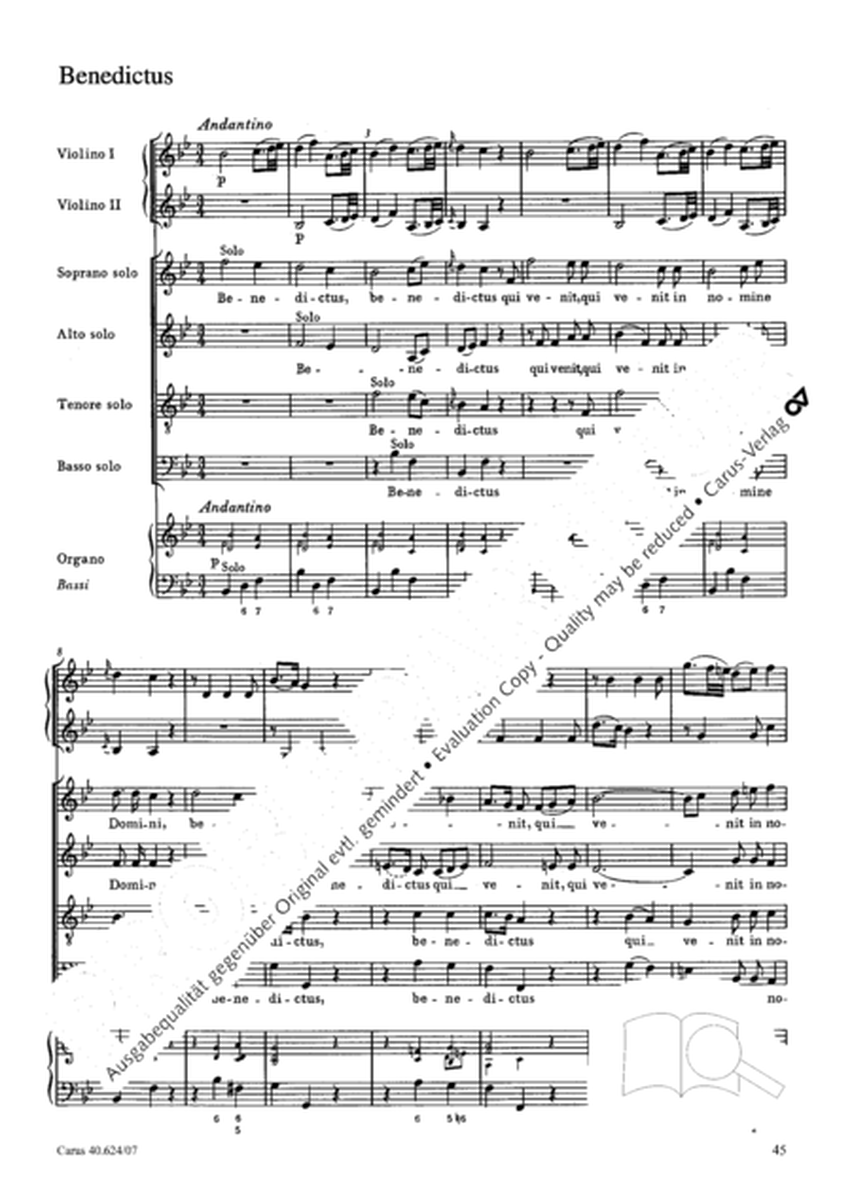
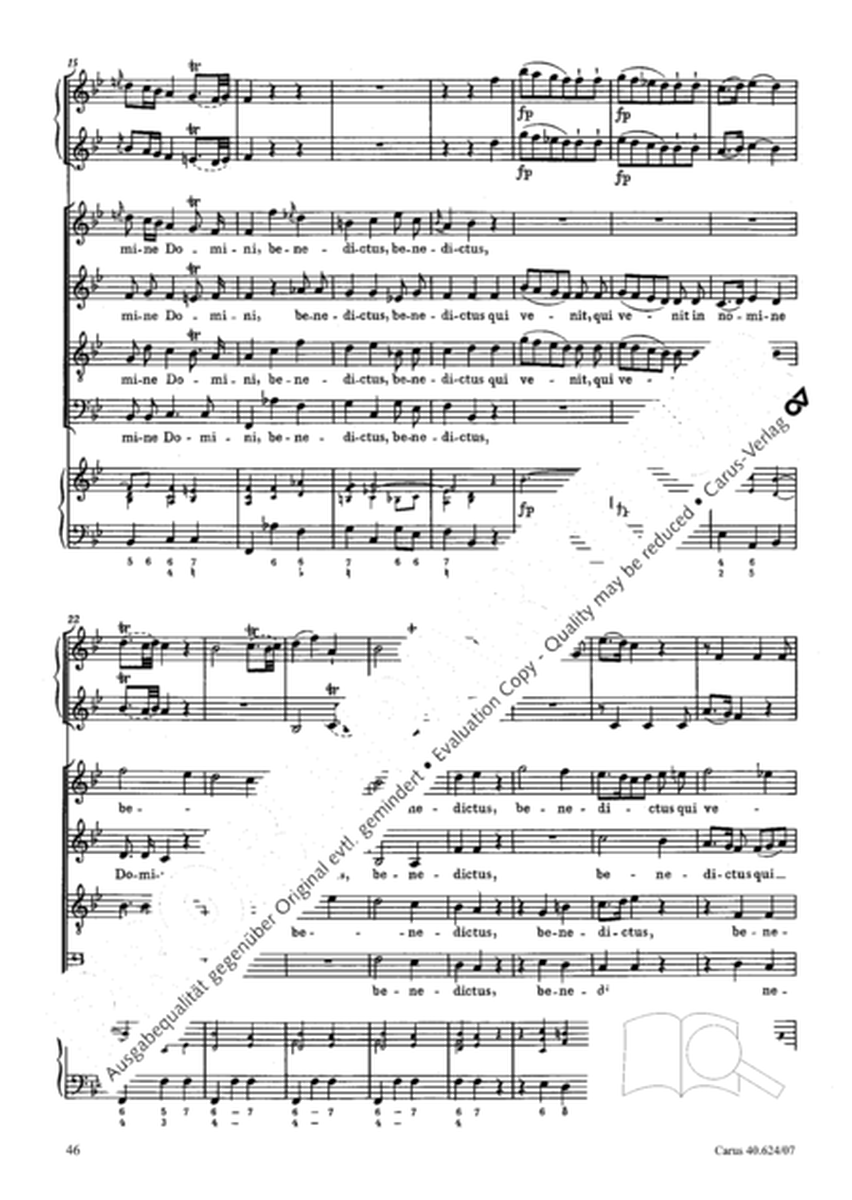
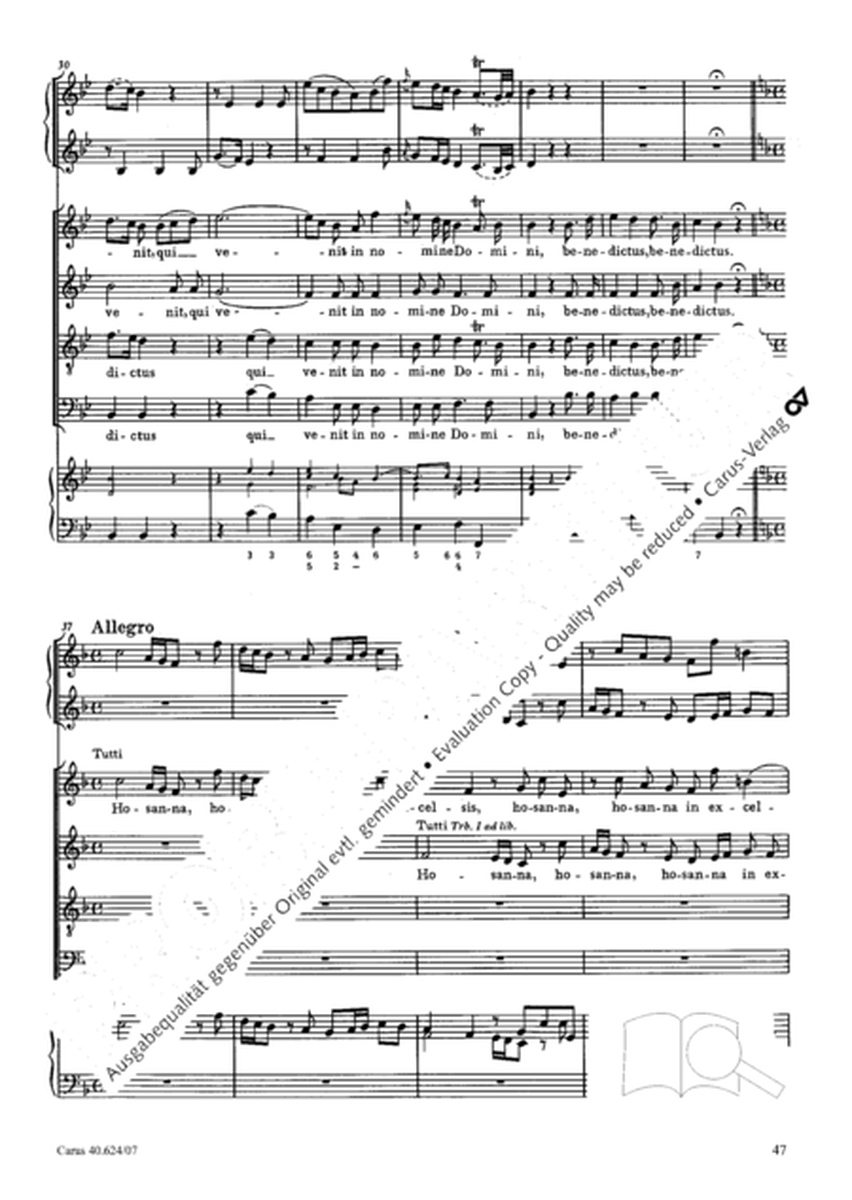
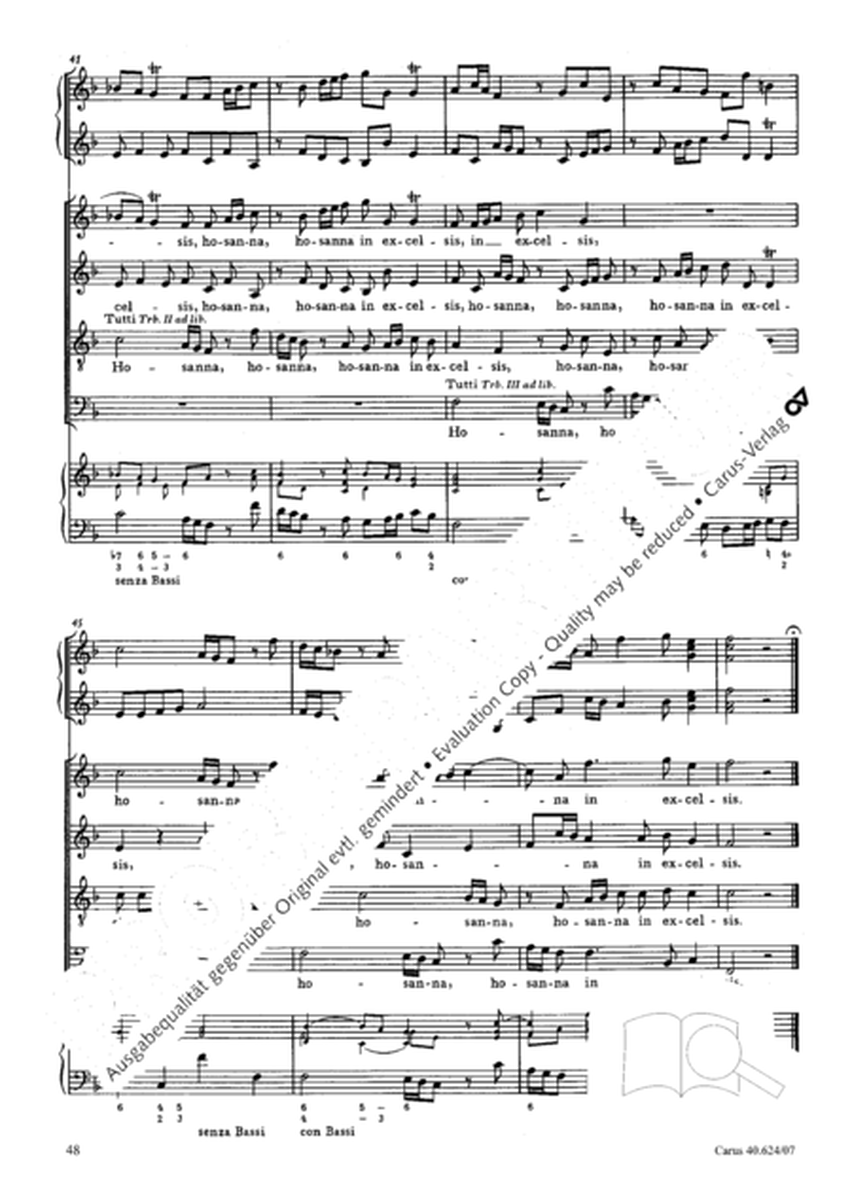
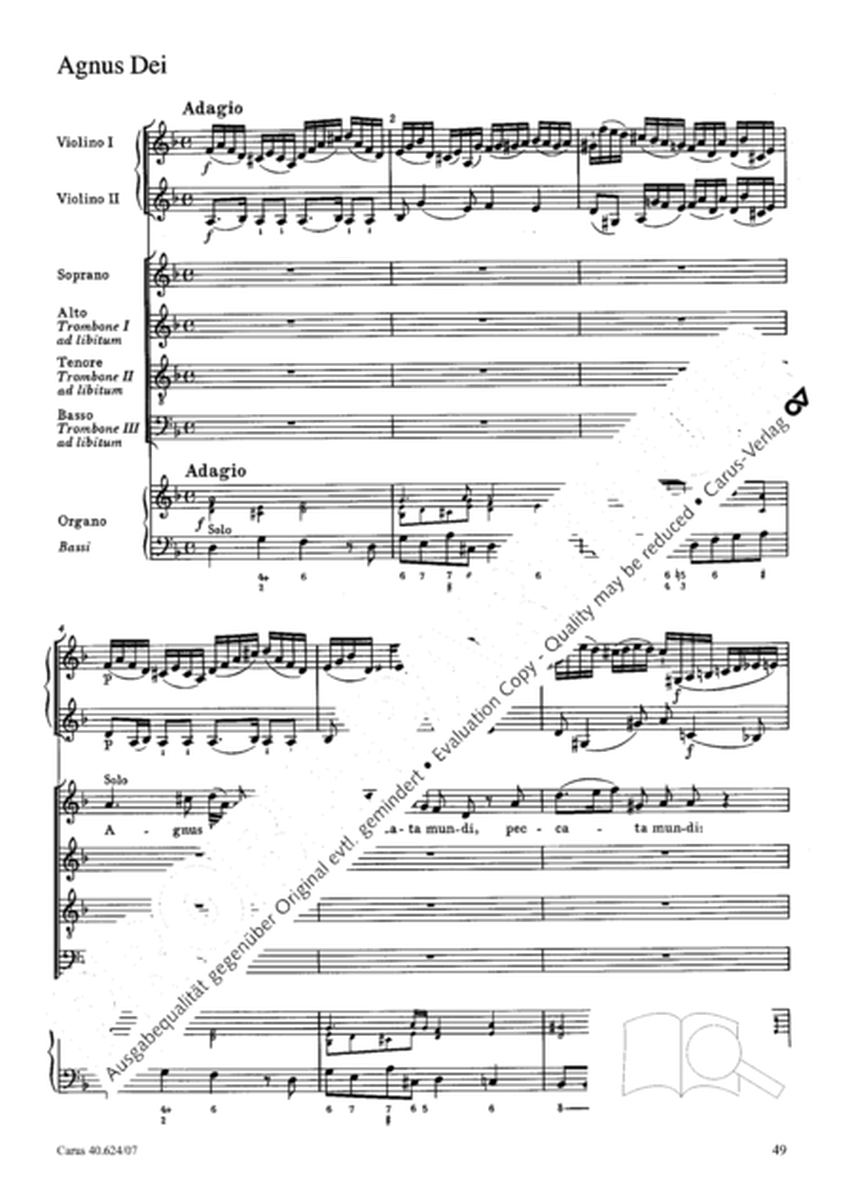
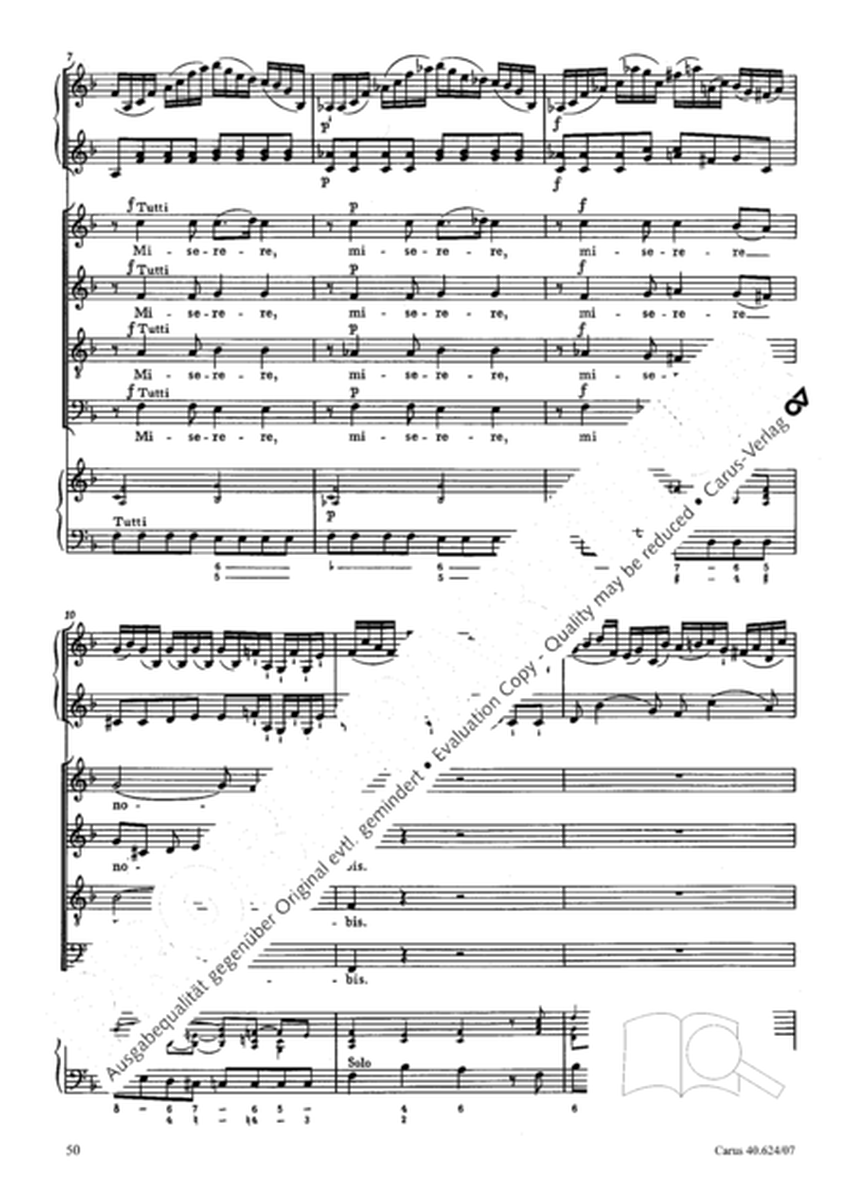
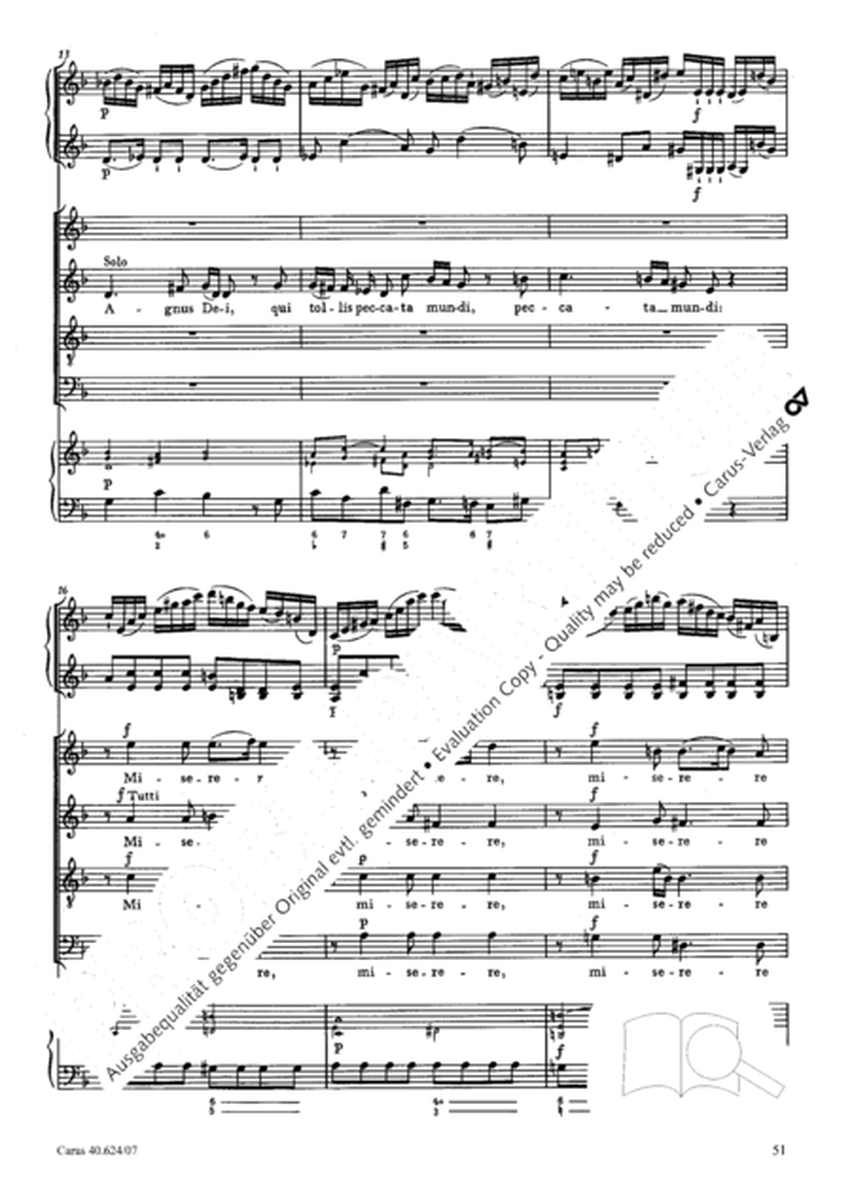
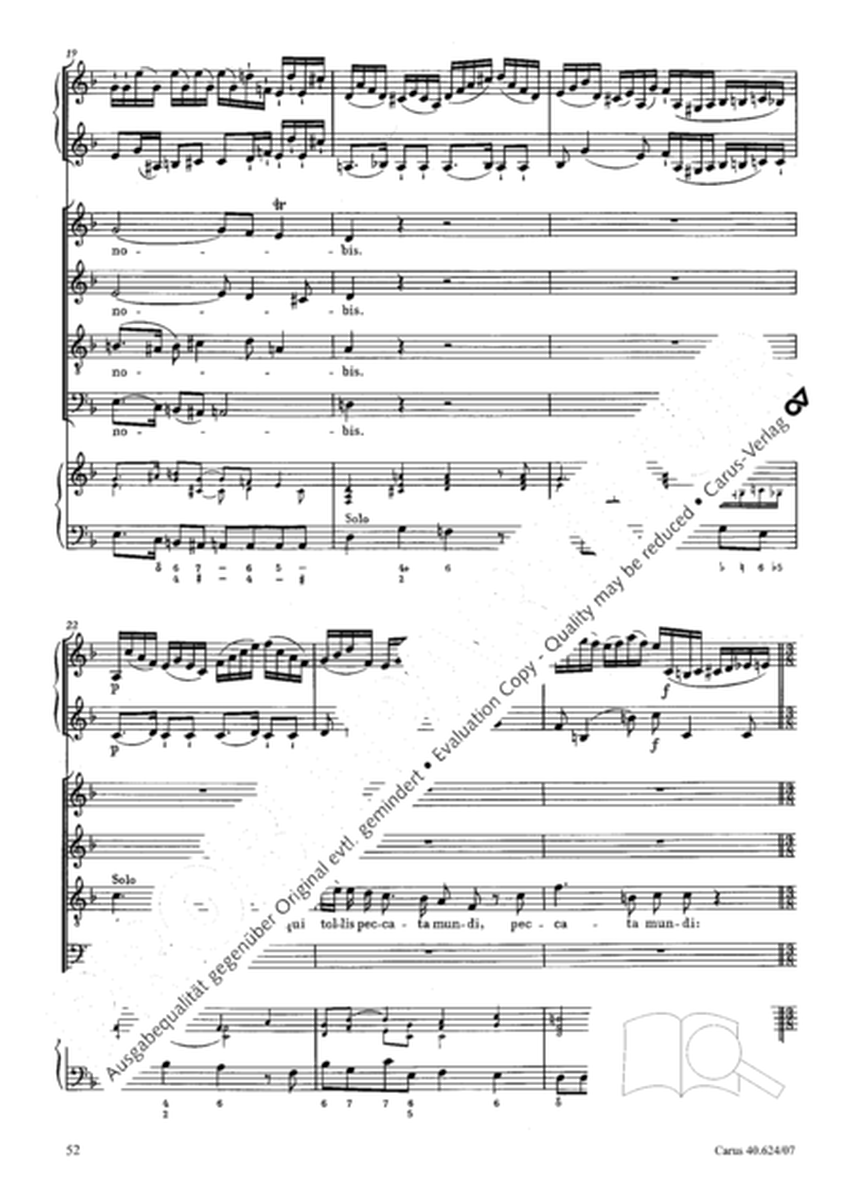
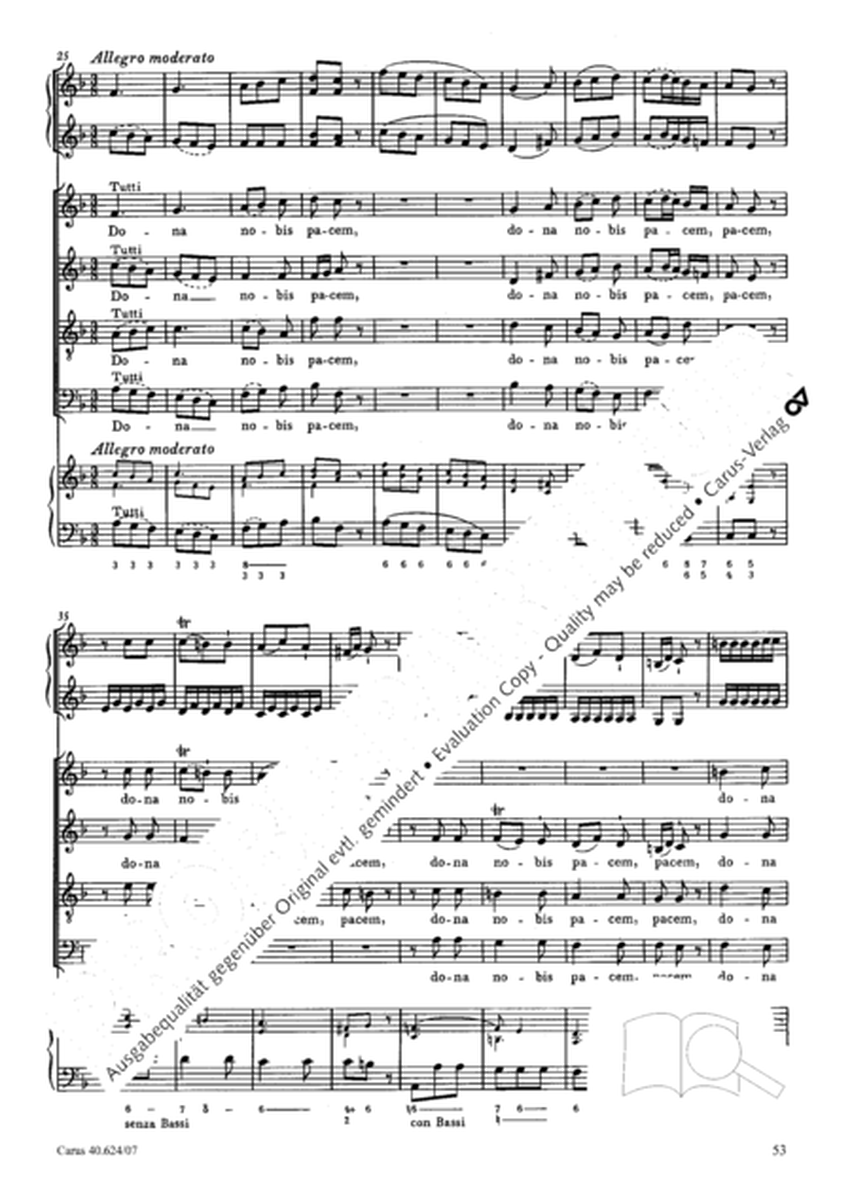
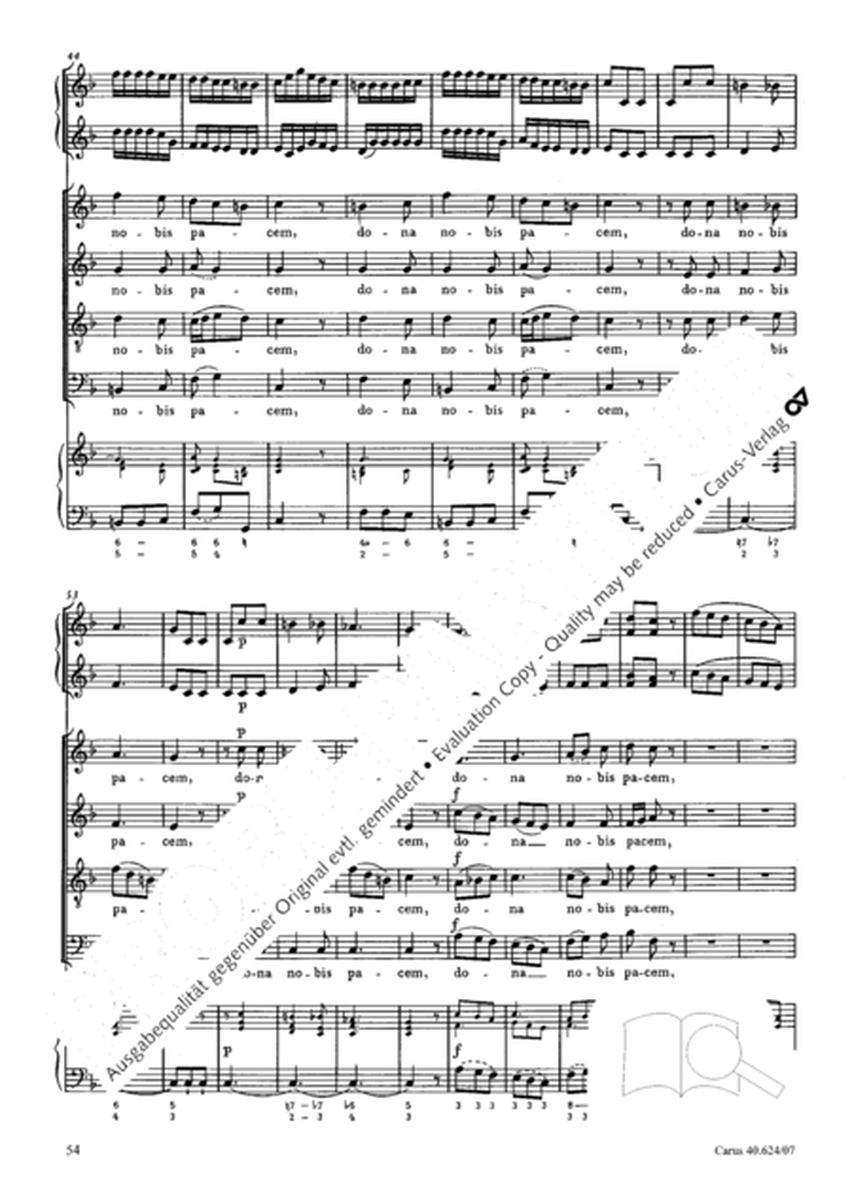
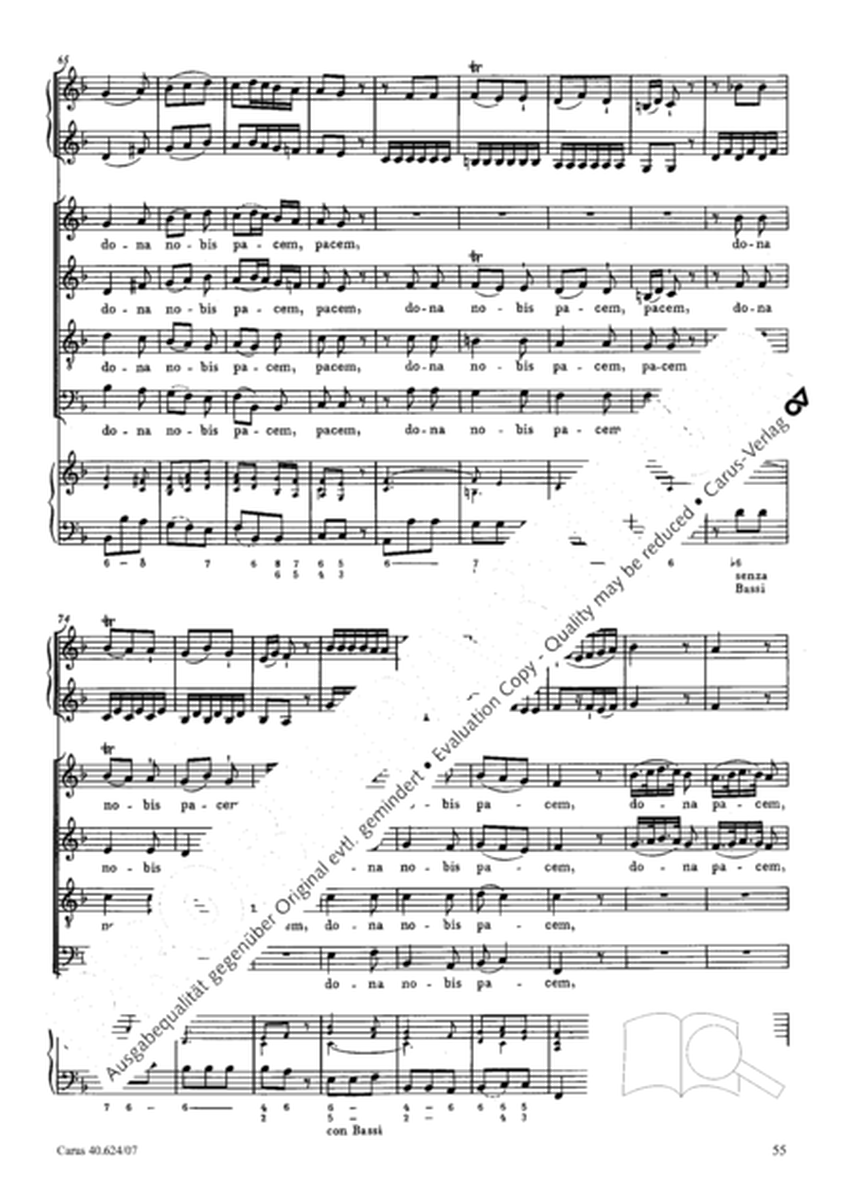
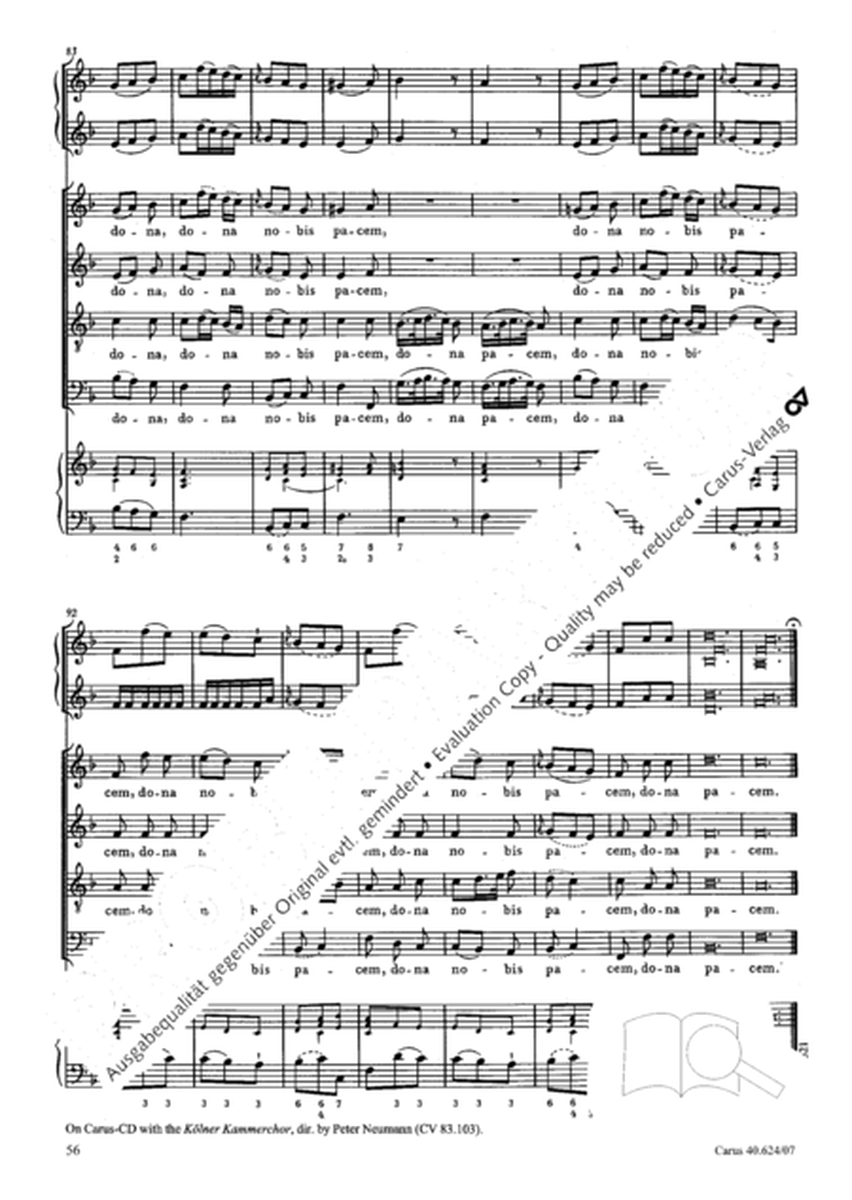
Little Credo Mass. Composed by Wolfgang Amadeus Mozart. Arranged by Paul Horn. This edition: urtext. Stuttgart Urtext Edition: Mozart. German title: Missa Brevis In F Kv 192 Rev.2001. Sacred vocal music, Missa brevis in Latin. Study score. Composed 1774. KV 192 (186f). Duration 15 minutes. Carus Verlag #CV 40.624/07. Published by Carus Verlag (CA.4062407).ISBN 9790007074005. DIN A5 inches. Key: F major. Language: Latin.
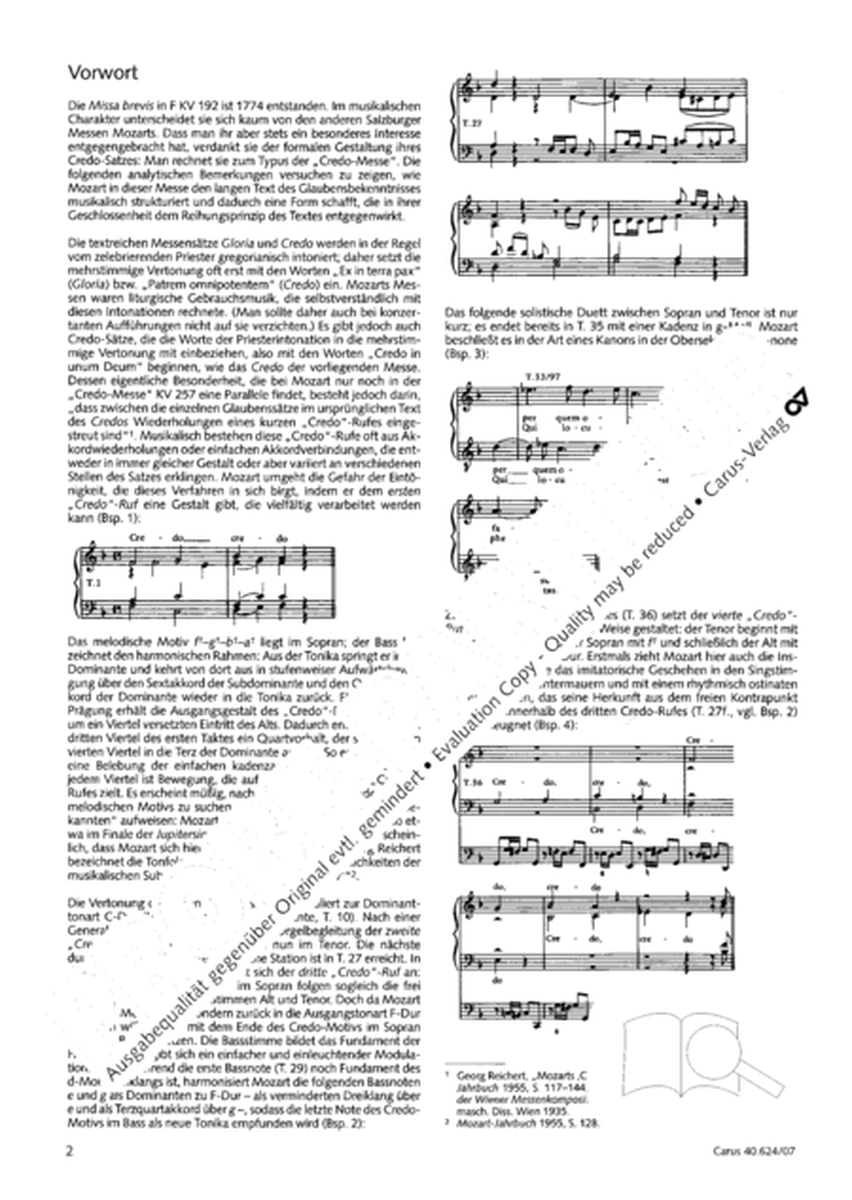
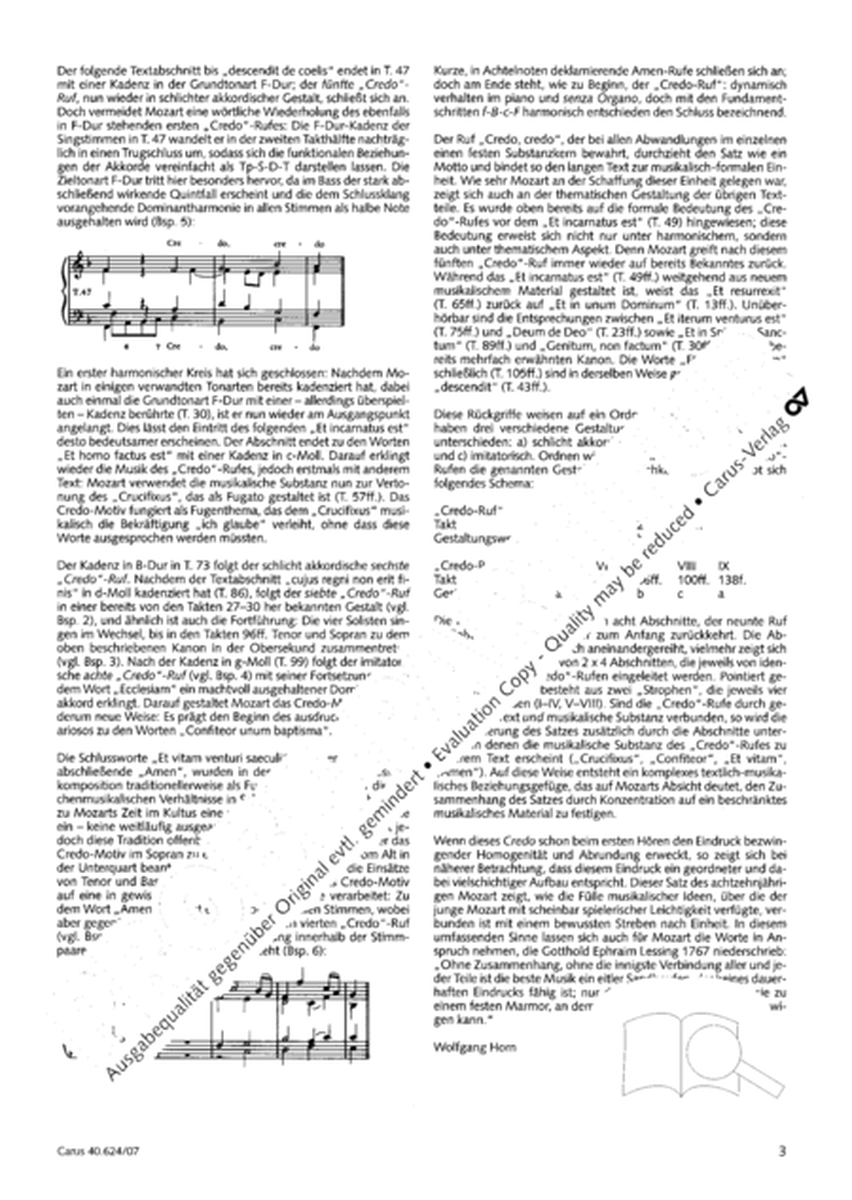
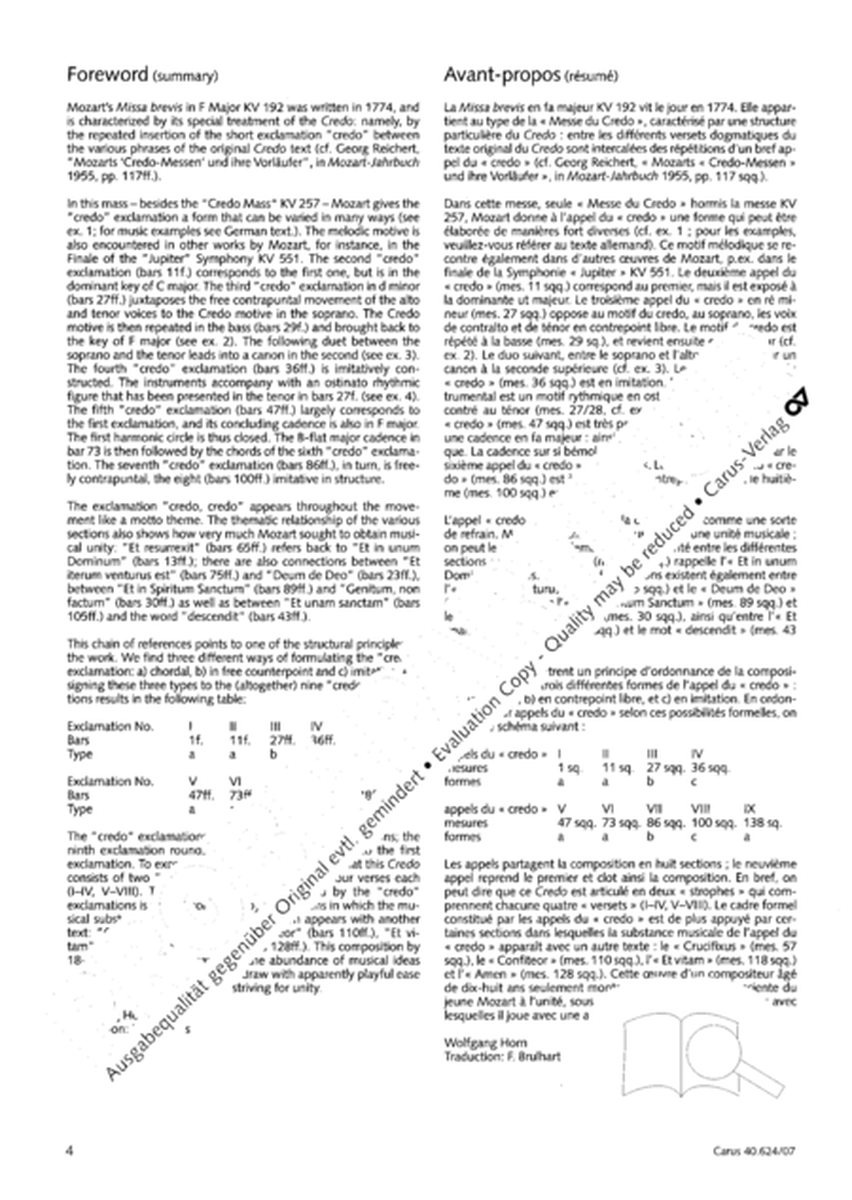
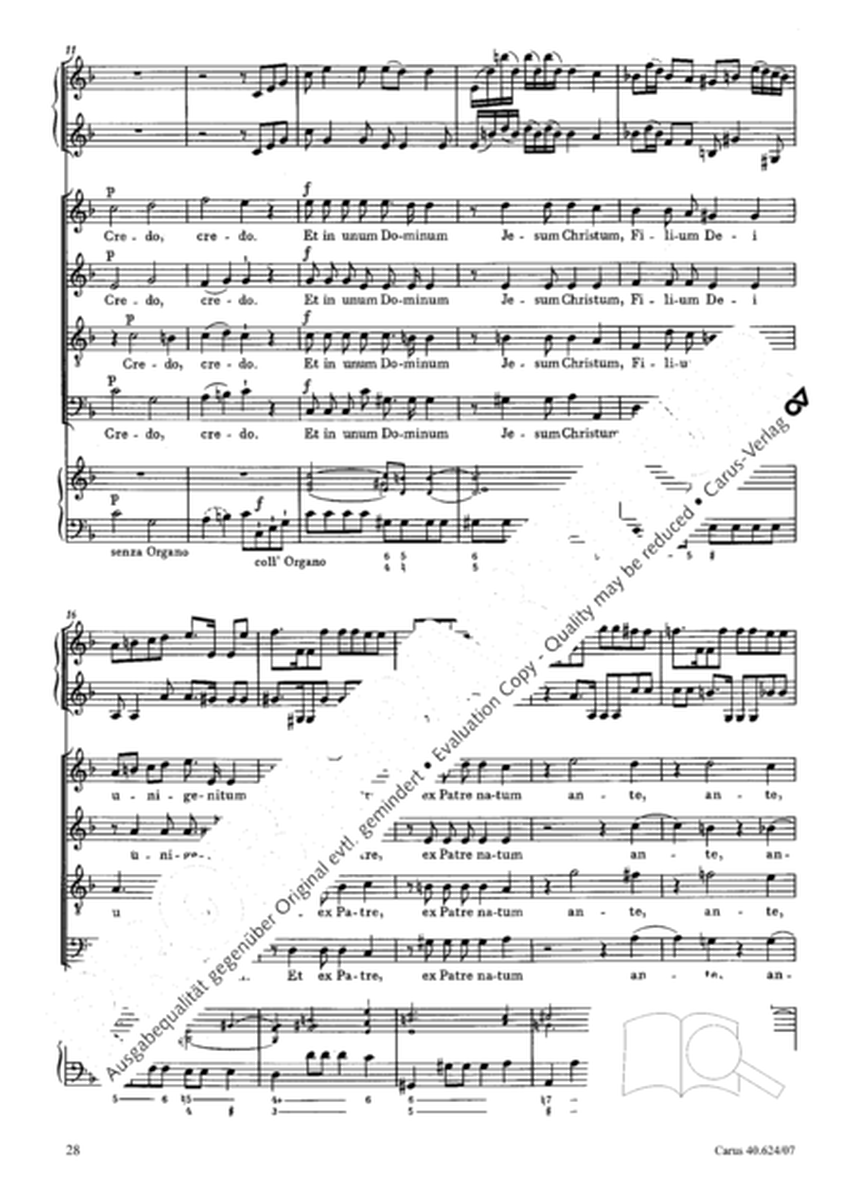
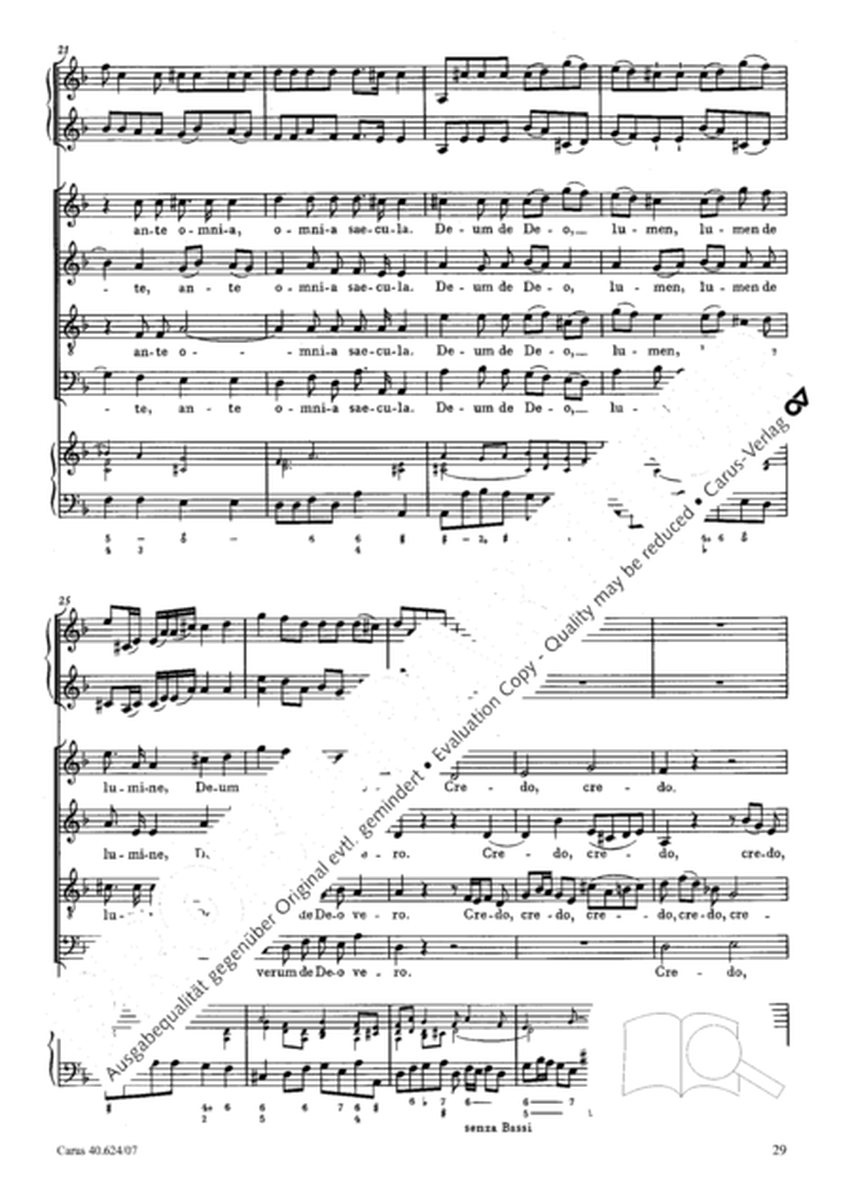
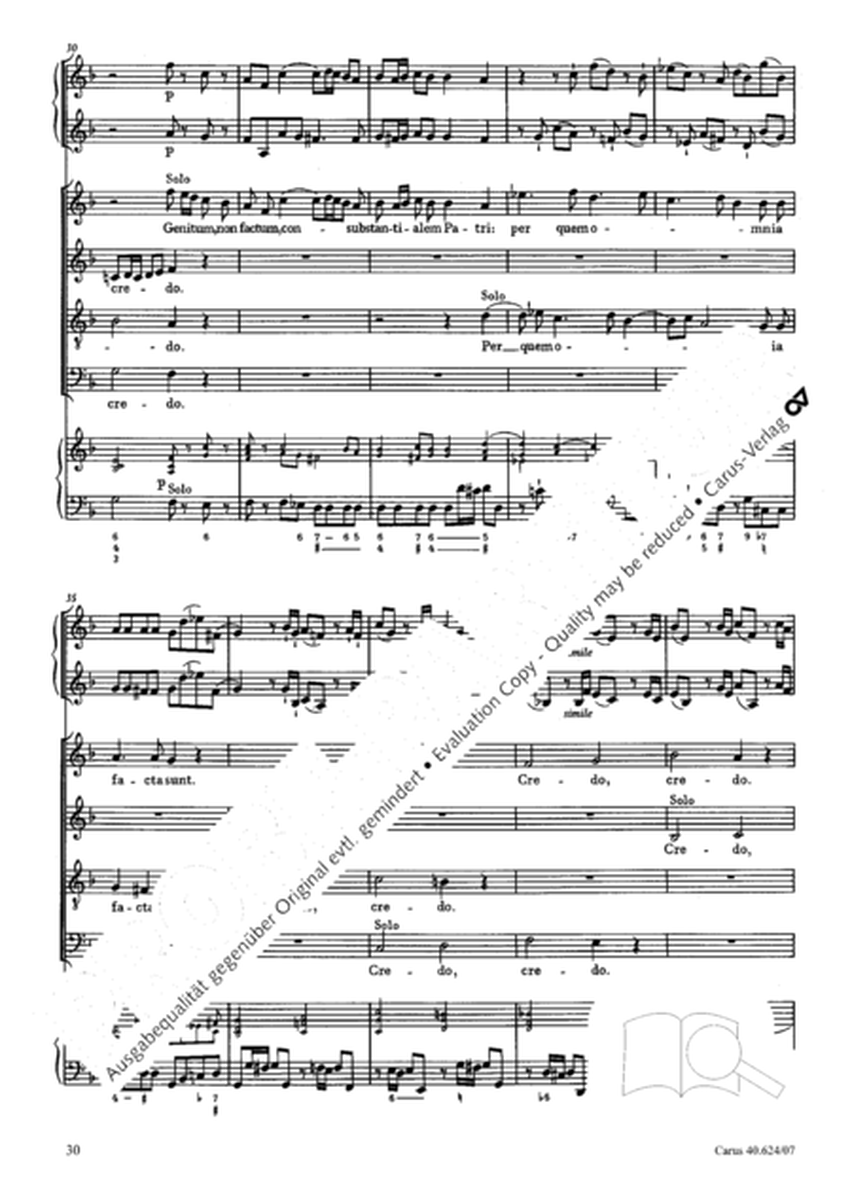
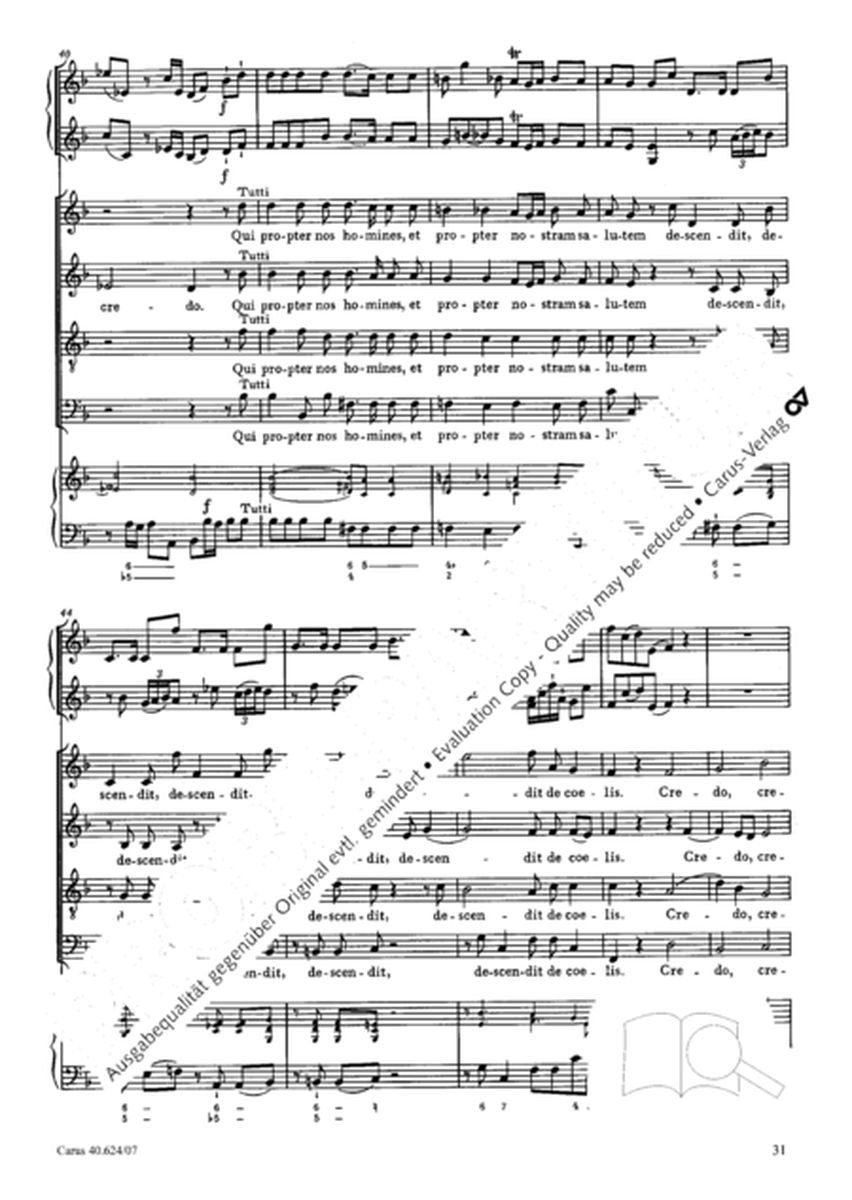
The "Missa brevis in F major" K. 192 can be regarded as a highlight of Mozart’s early masses. It is an accessible and charming work, nicknamed "Little Credo Mass" due to the Credo calls interspersed throughout the third movement.
In the summer of 1774, Mozart wrote two masses in close proximity to each other, the "Missa brevis in F" K. 192 and the "Missa brevis in D" K. 194. In both compositions, Mozart attempted to combine traditional polyphonic techniques with a modern tonal language.
- More by this Composer:
- Wolfgang Amadeus Mozart Wolfgang Amadeus Mozart Piano Wolfgang Amadeus Mozart Piano Accompaniment Wolfgang Amadeus Mozart Violin
- Series:
- Stuttgart Urtext Edition
- Artists:
- Wolfgang Amadeus Mozart Paul Horn
- Publisher:
- Carus Verlag