Details
- Instrument:
- Choir
- Genres:
- Classical Period Romantic Period
- Composers:
- Franz Schubert
- Publishers:
- Carus Verlag
- Series:
- Stuttgart Urtext Edition
- ISBN:
- 9790007068837
- Format:
- Score
- Item types:
- Physical
- Artist:
- Franz Schubert
- Usages:
- School and Community
- Main Key:
- C major
- Size:
- 8.27 x 11.69 inches
- Shipping Weight:
- 0.46 pounds
SKU: CA.4028700
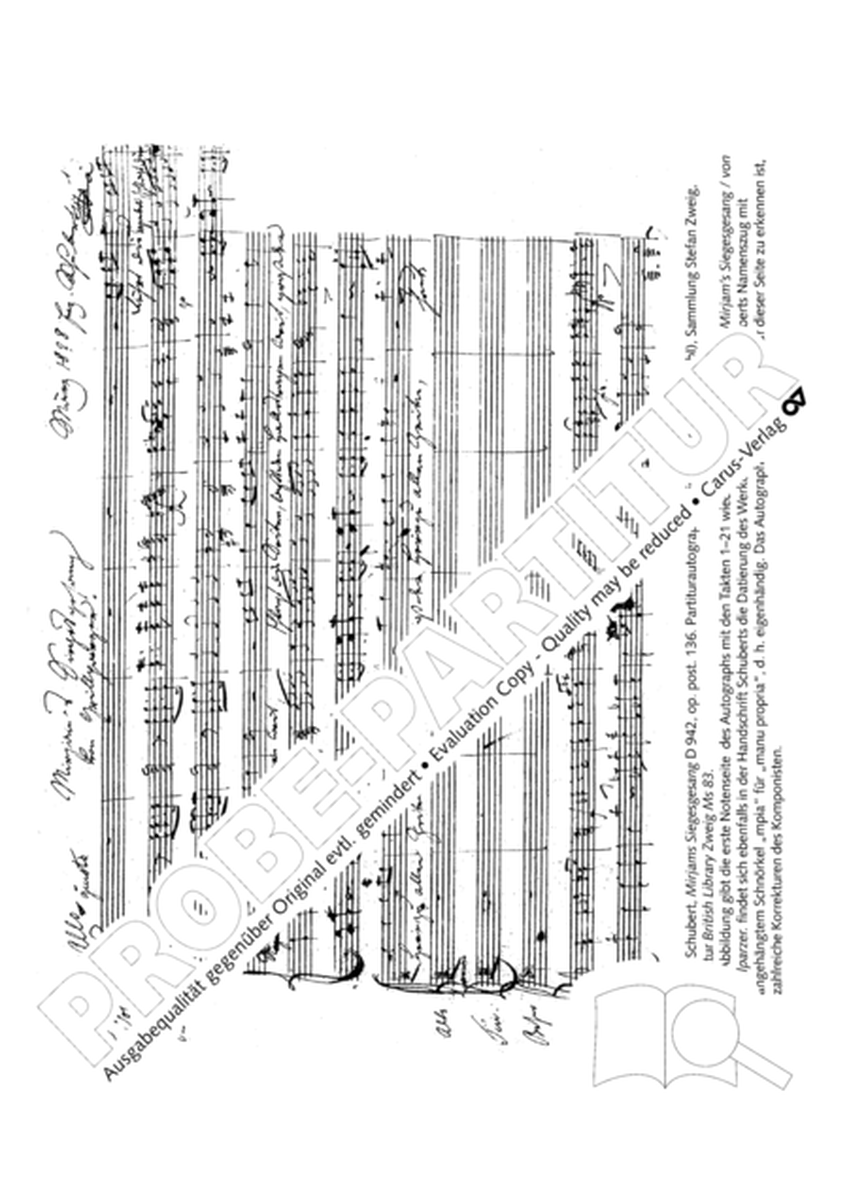
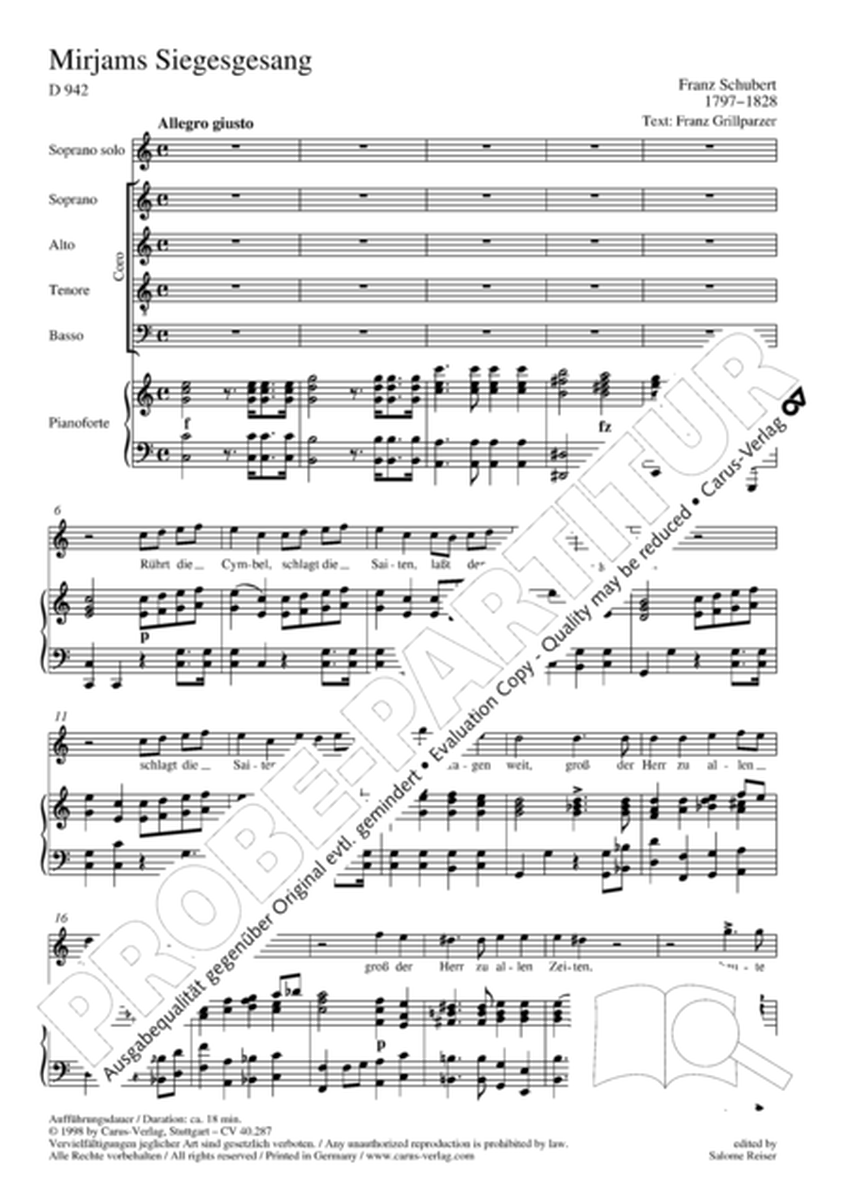
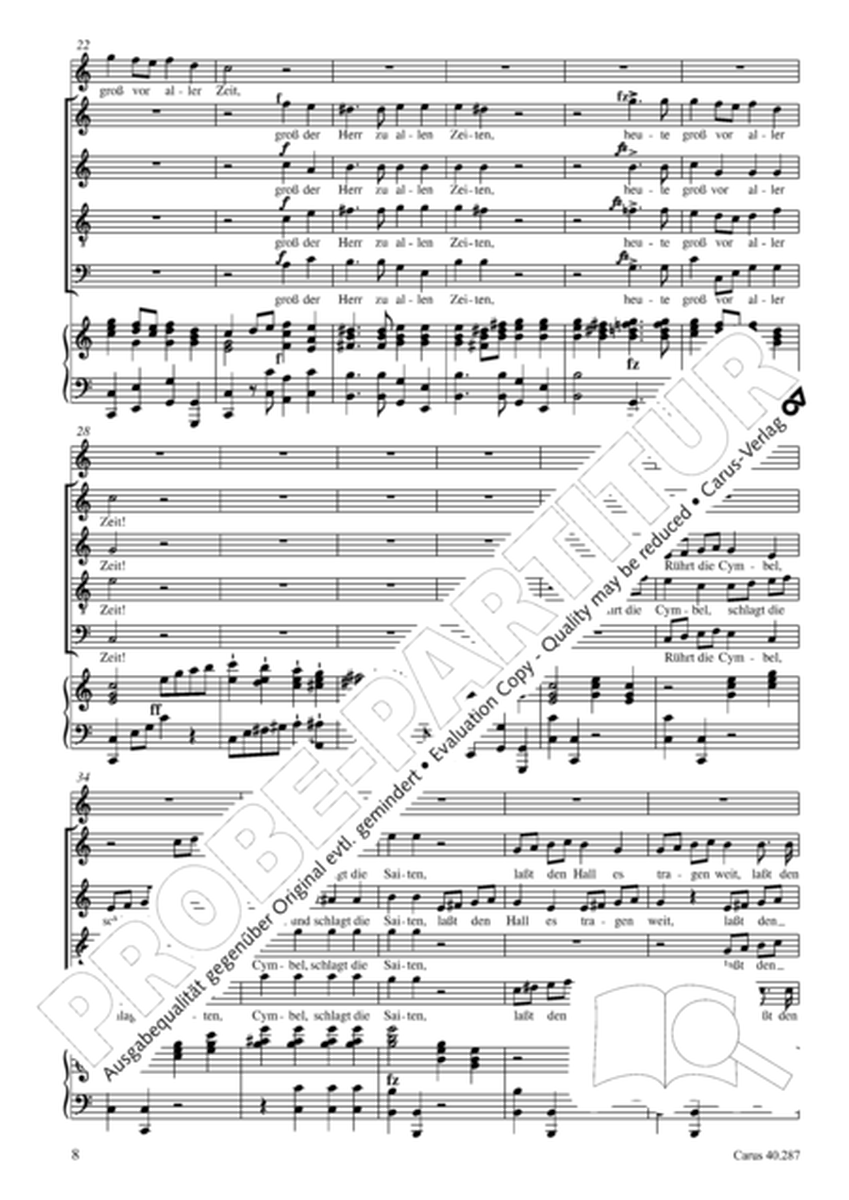
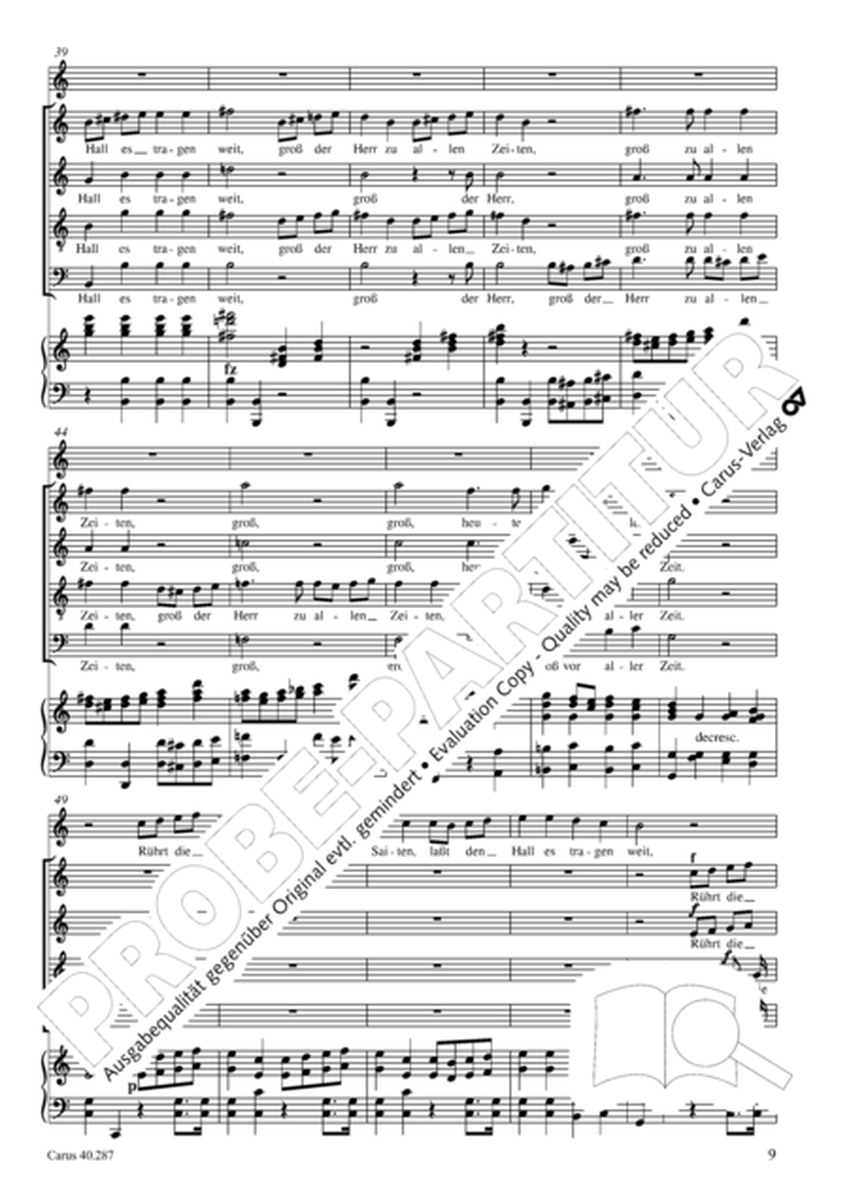
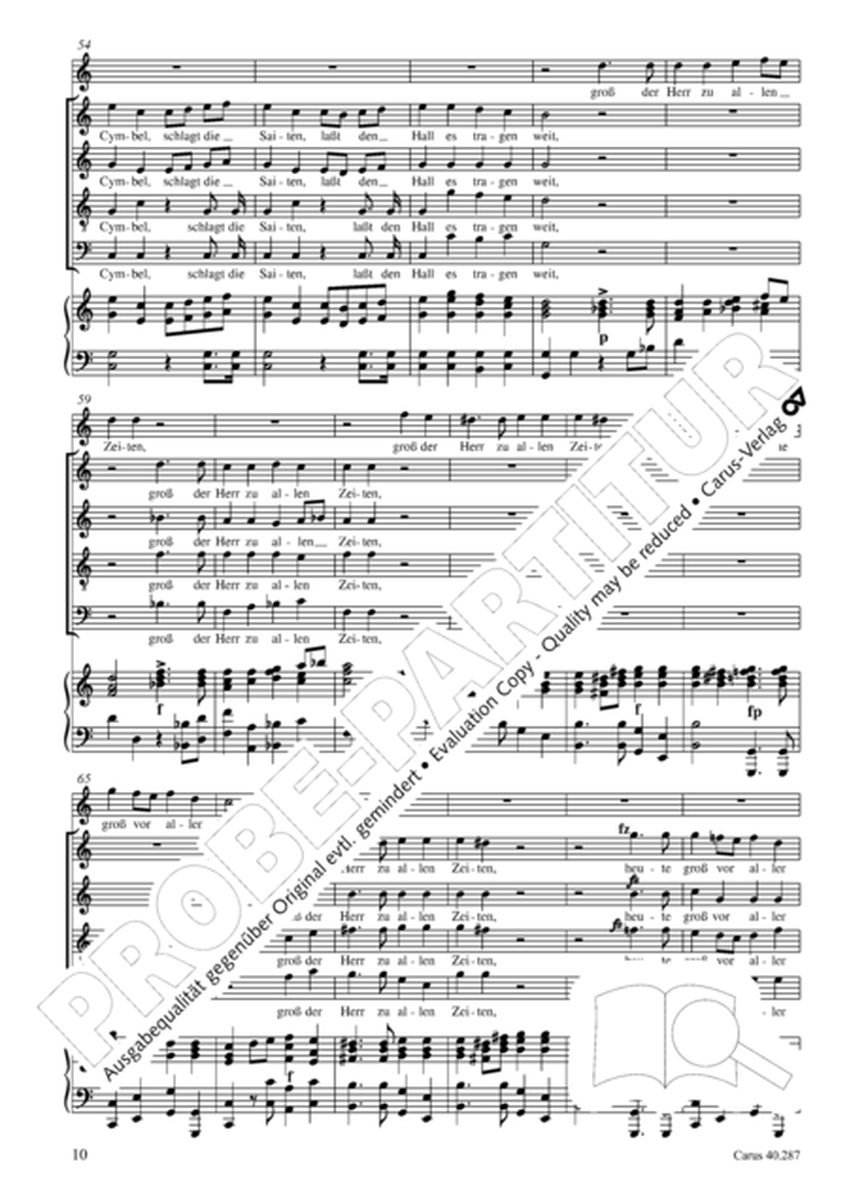
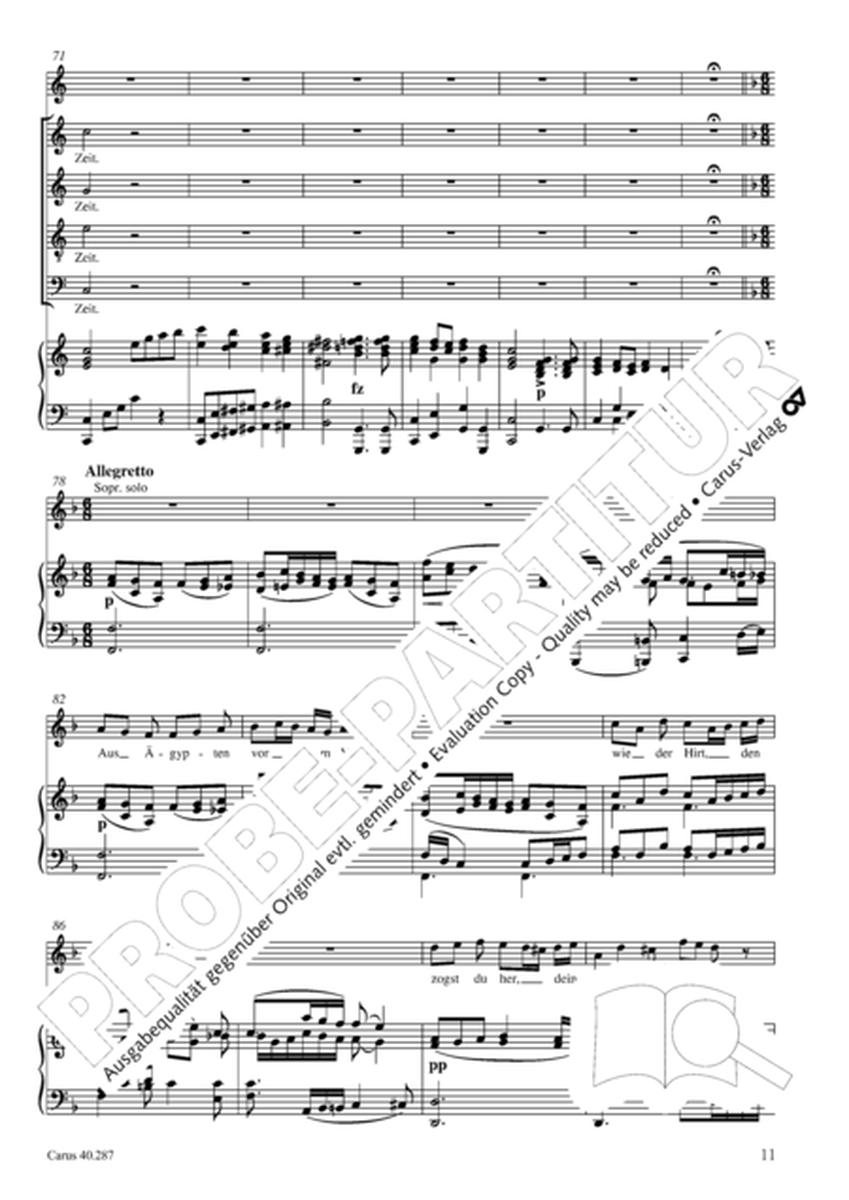
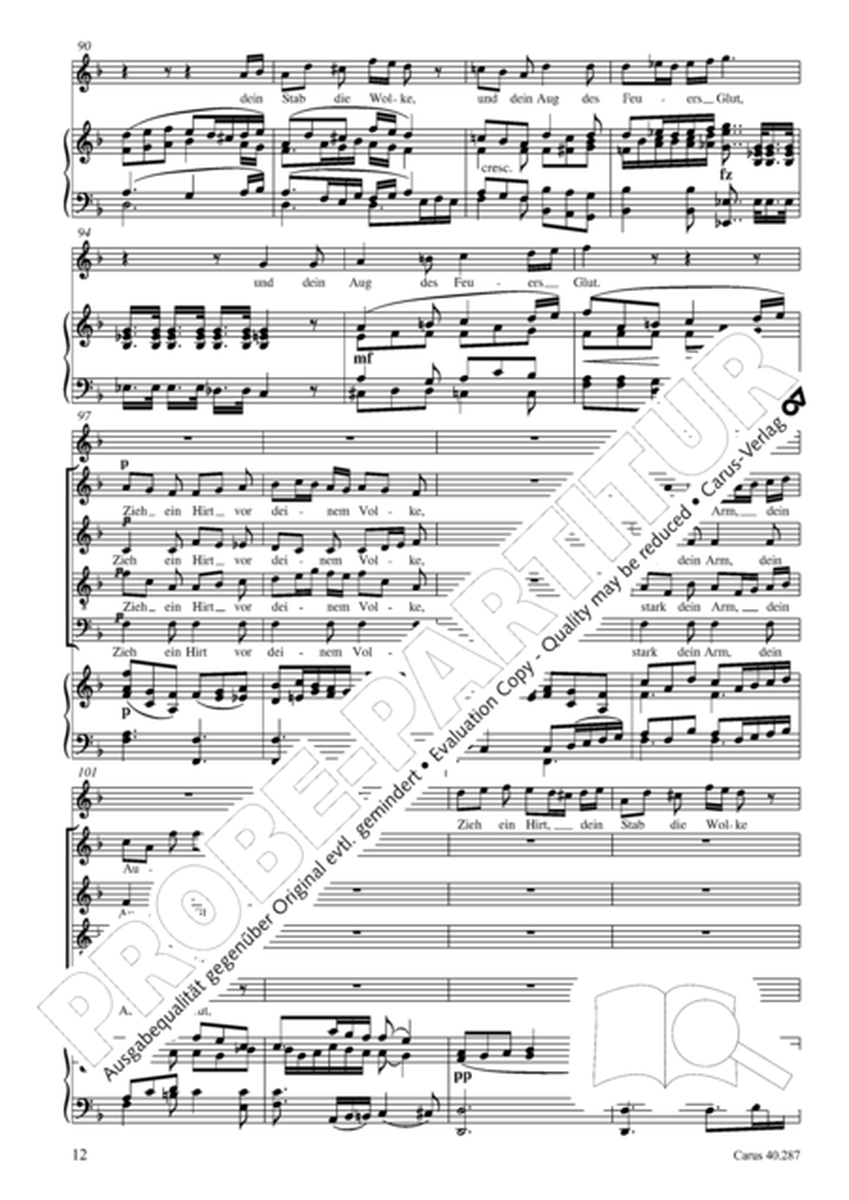
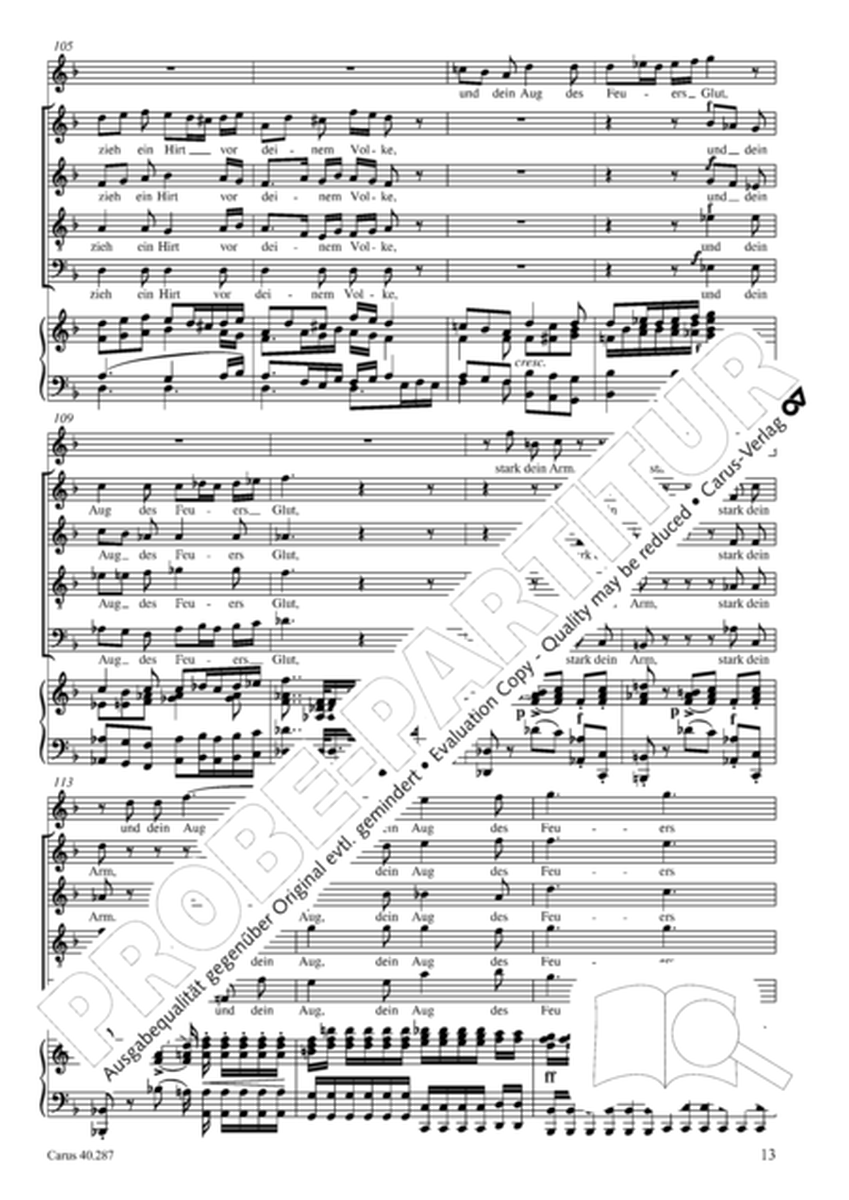
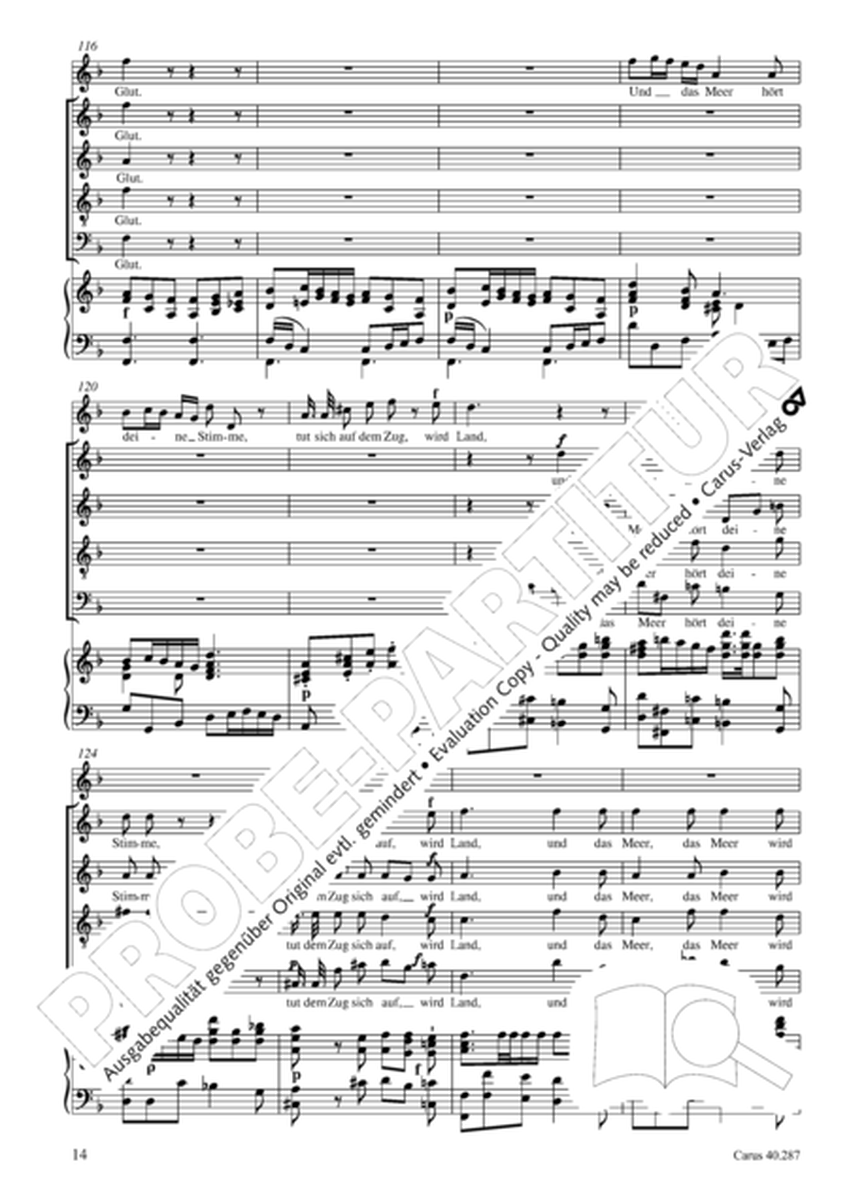
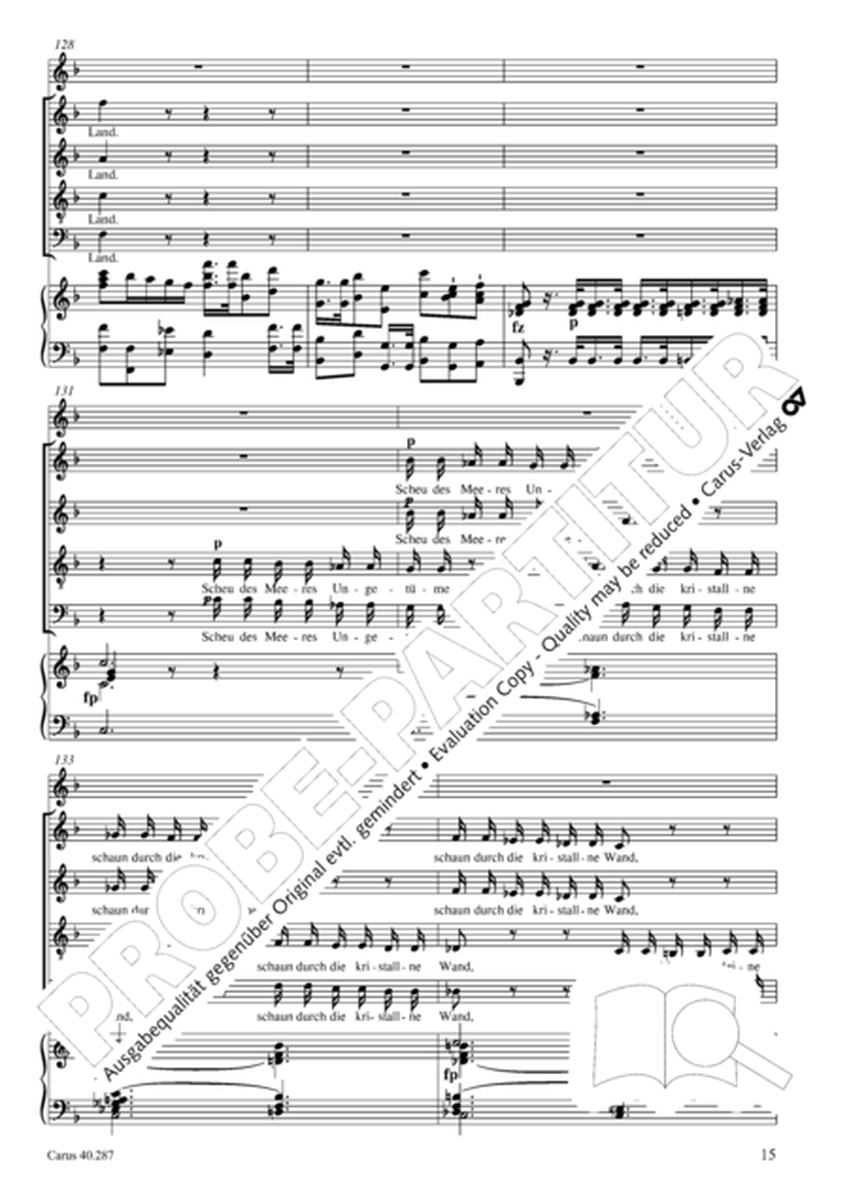
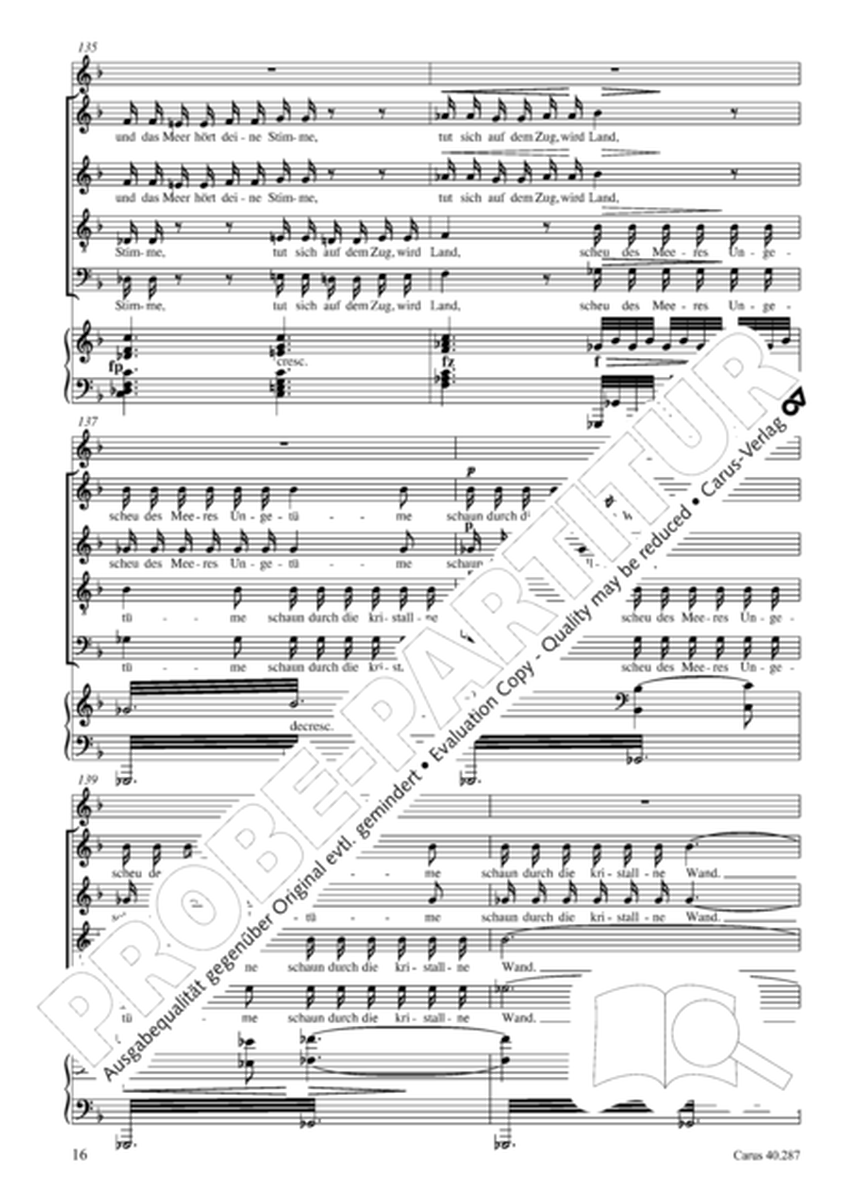
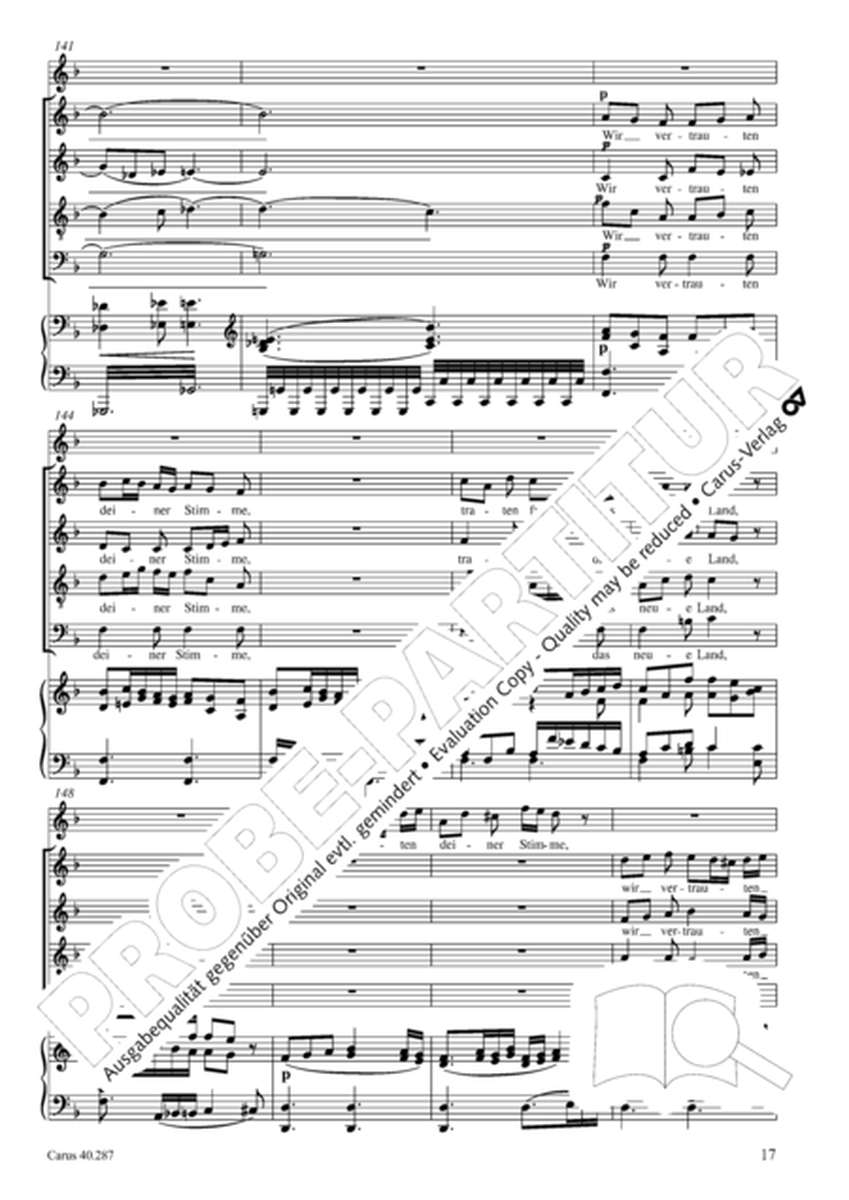
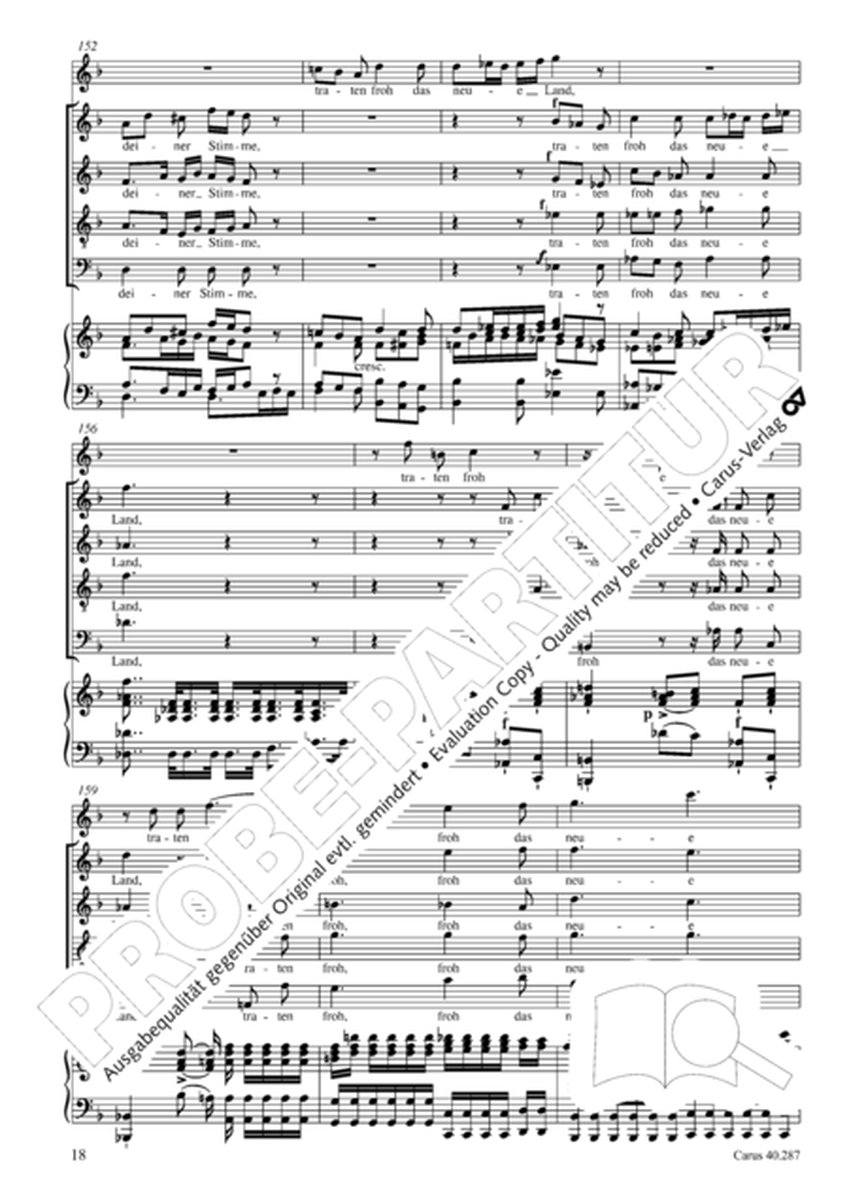
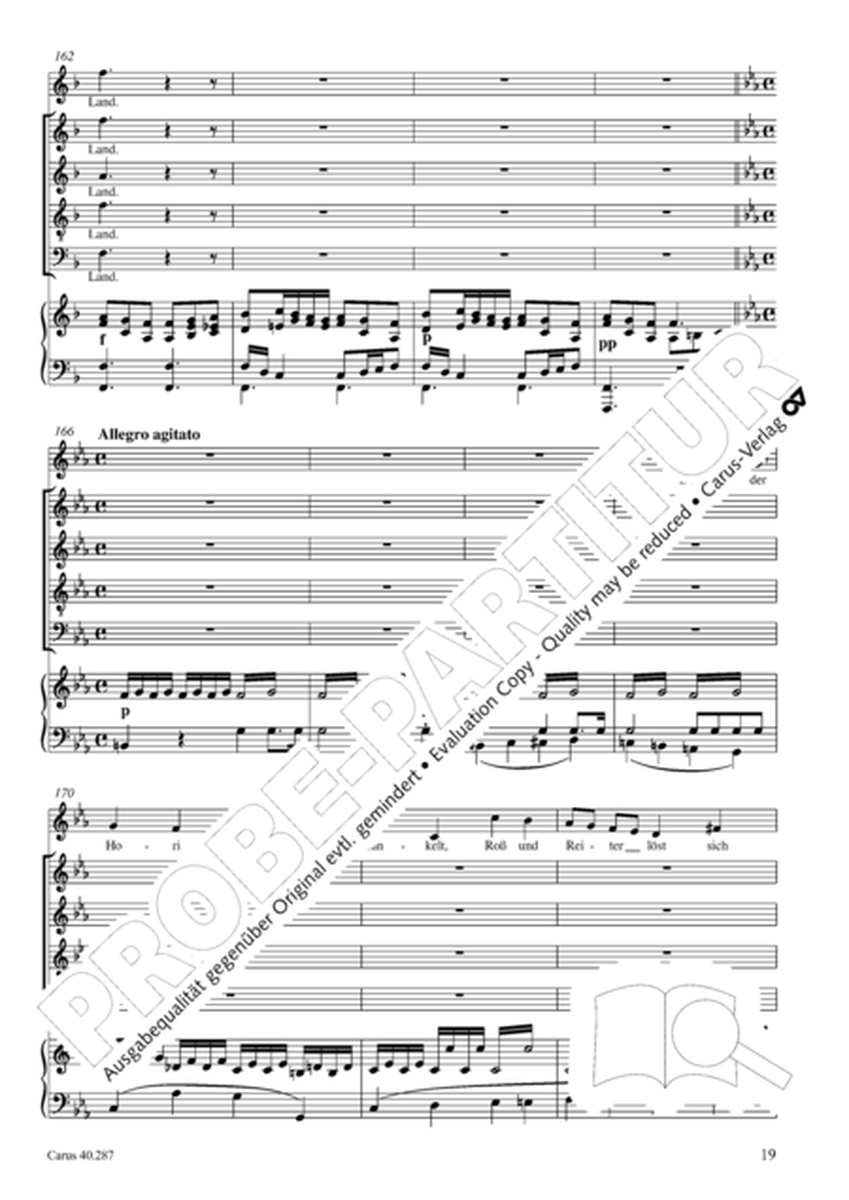
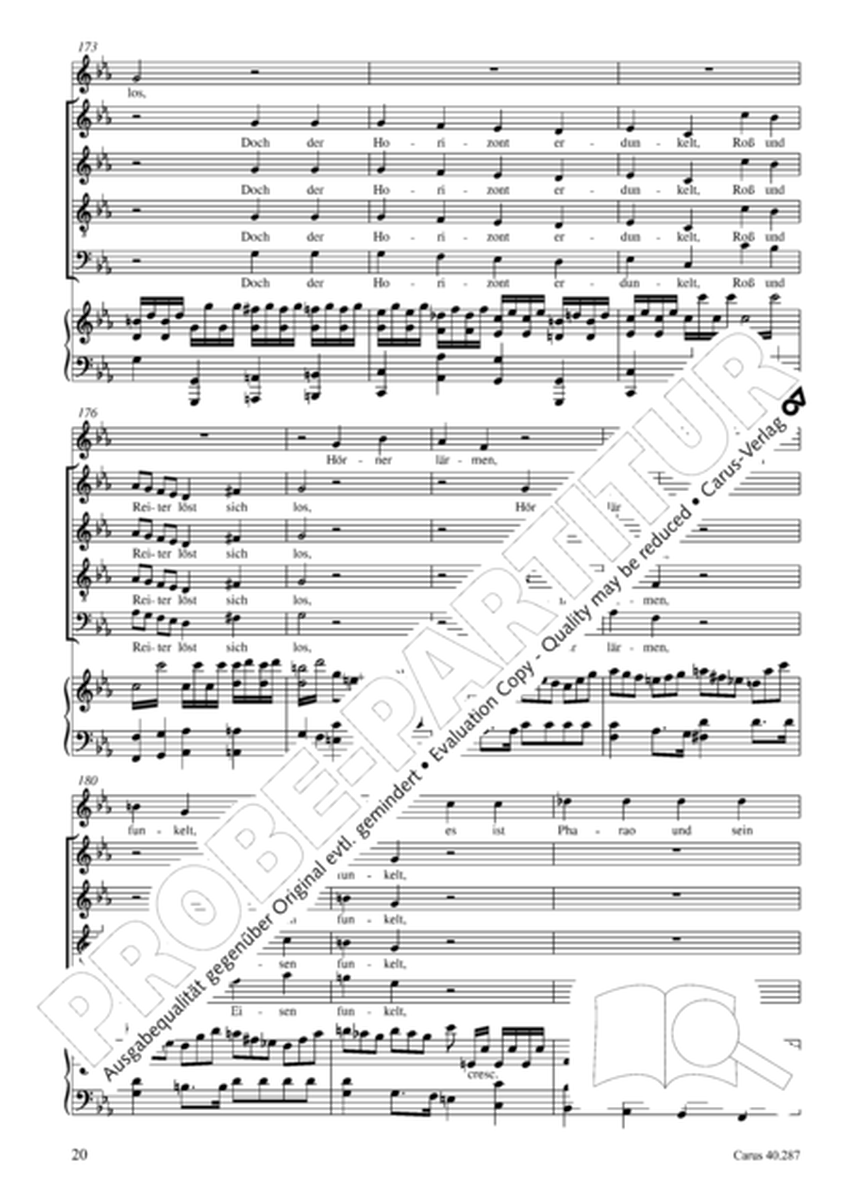
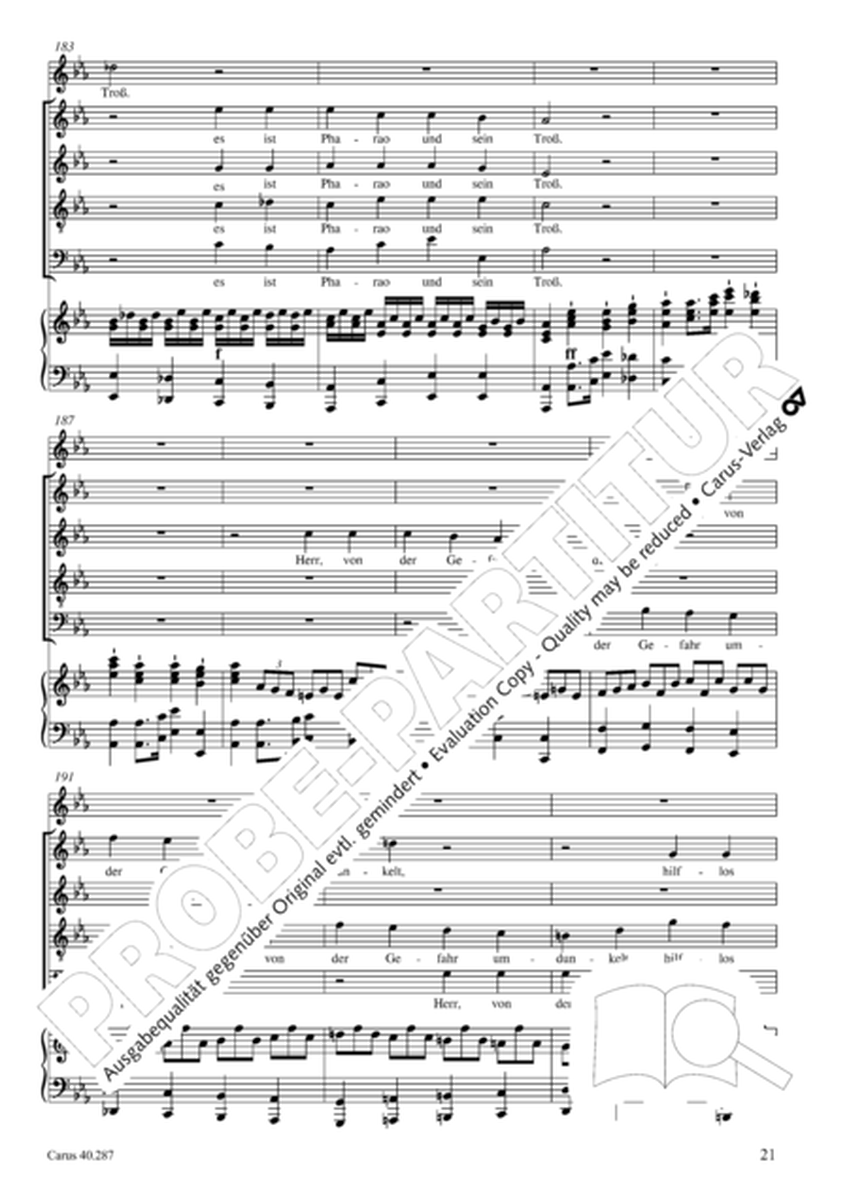
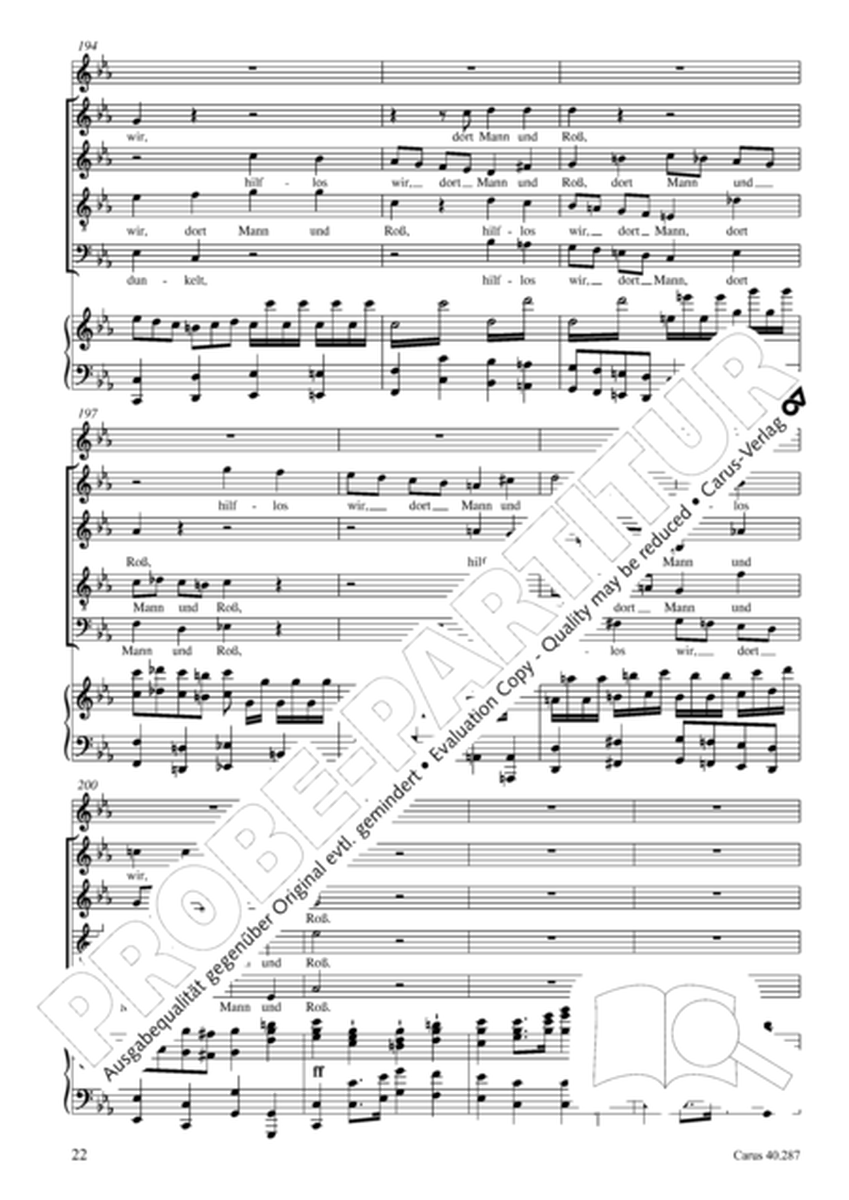
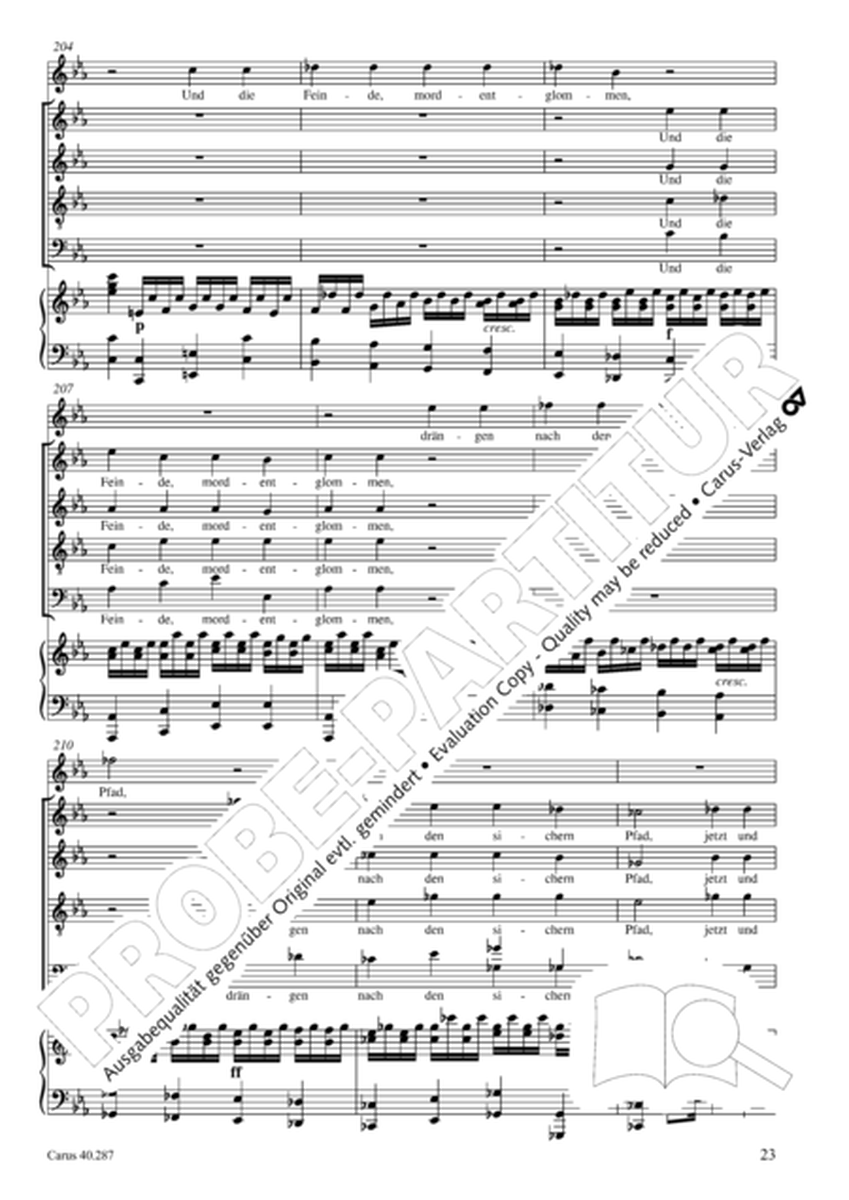
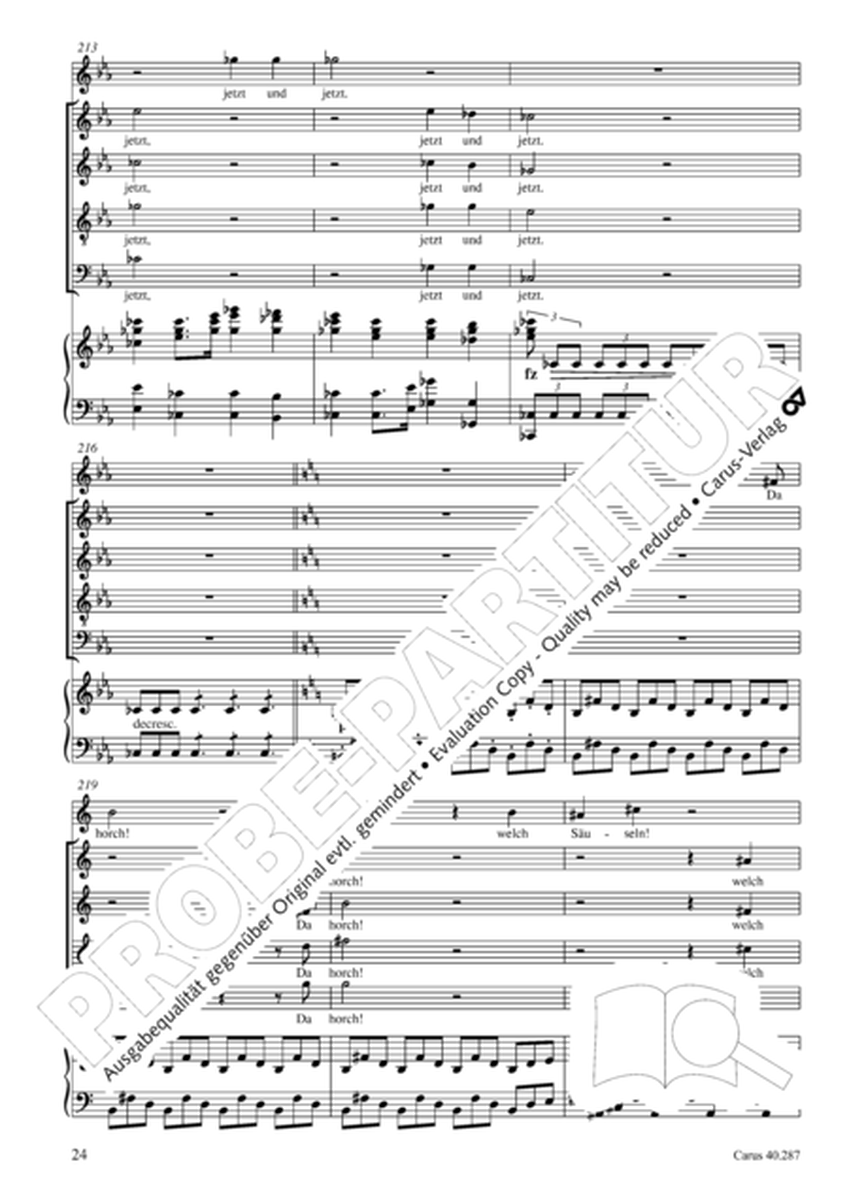
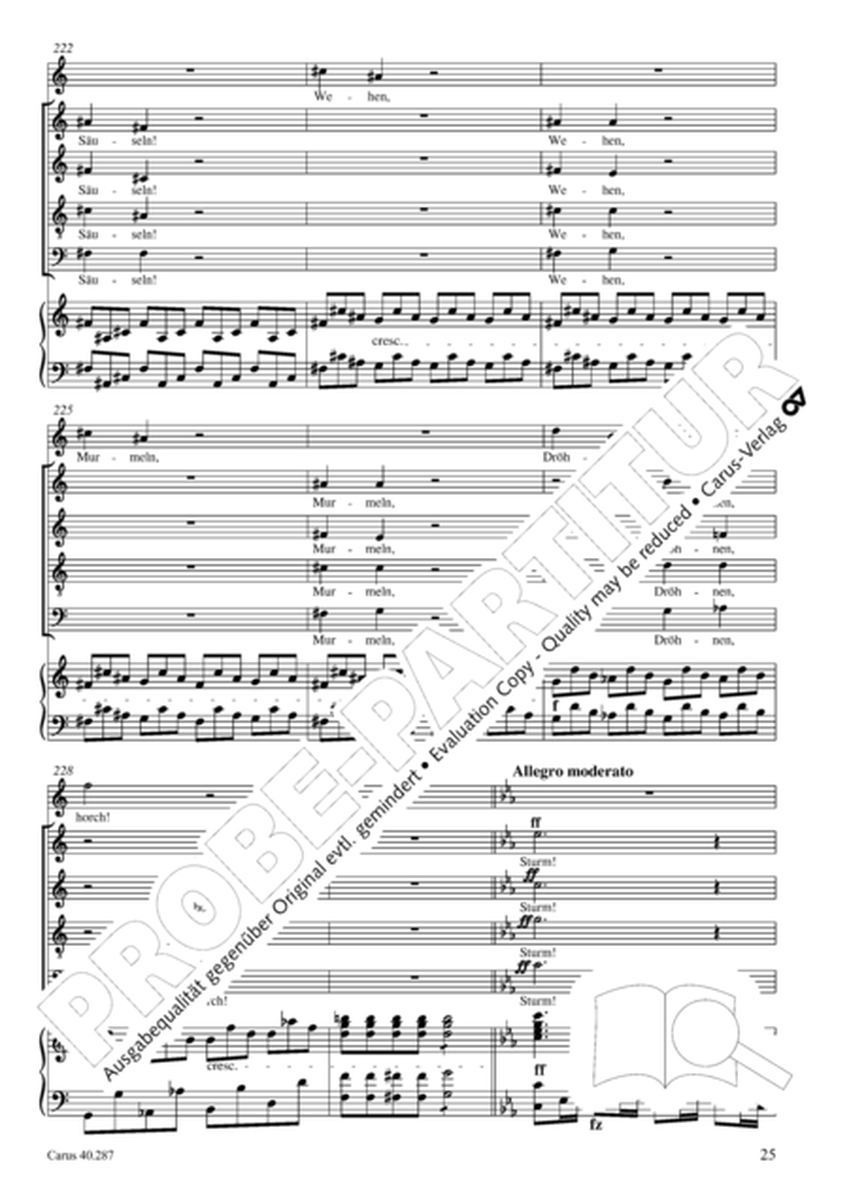
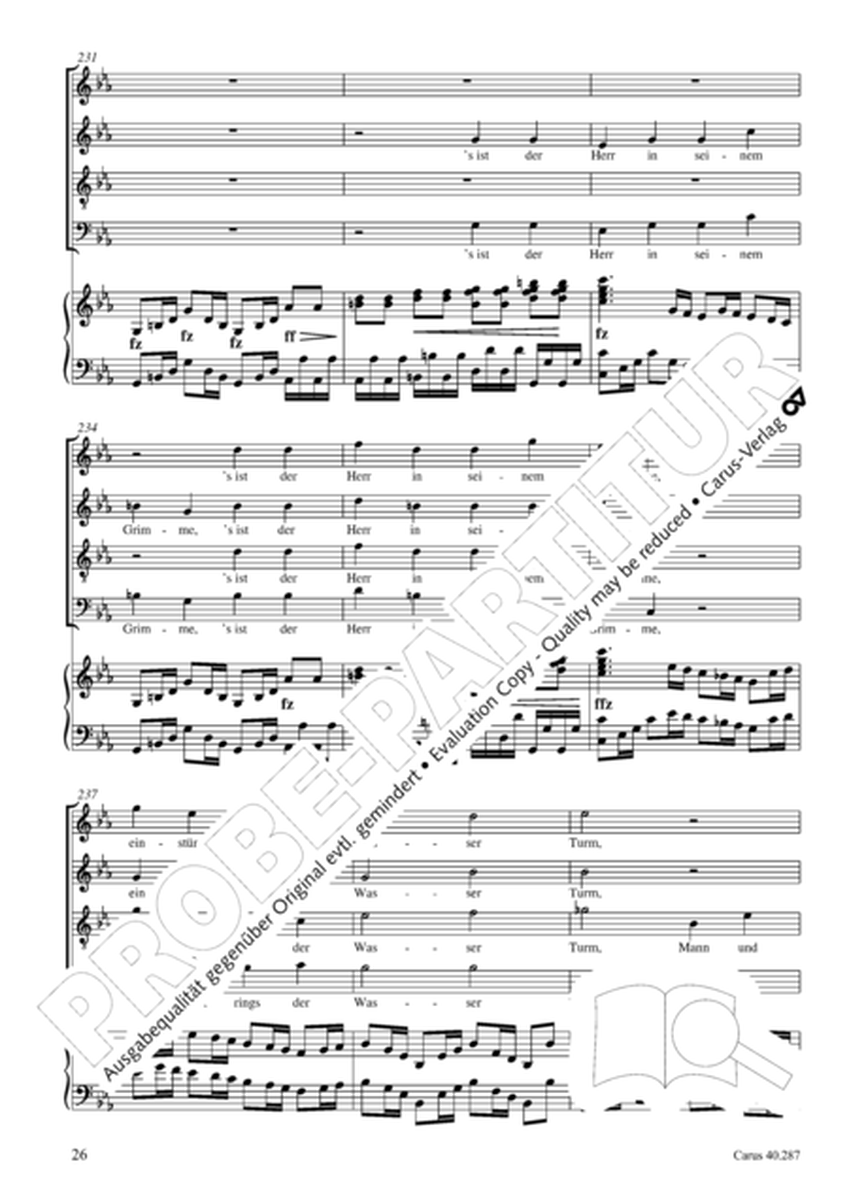
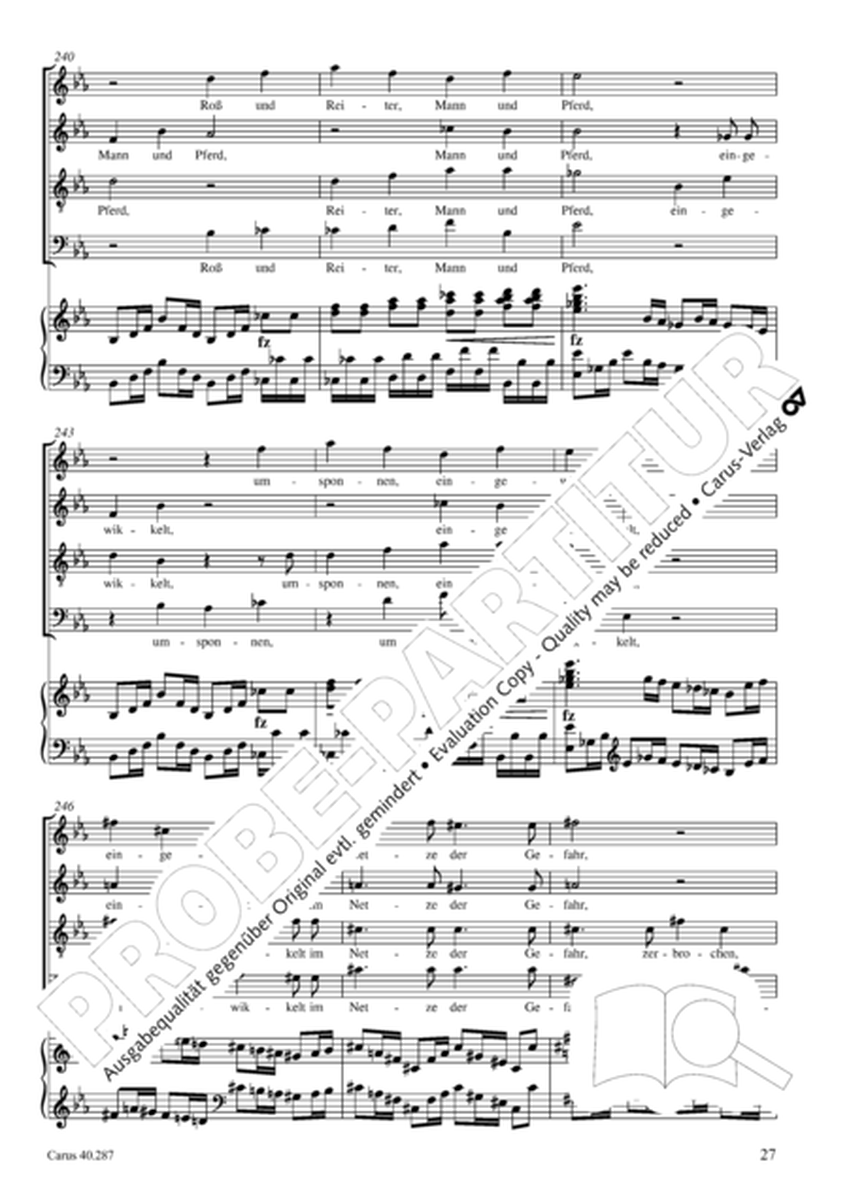
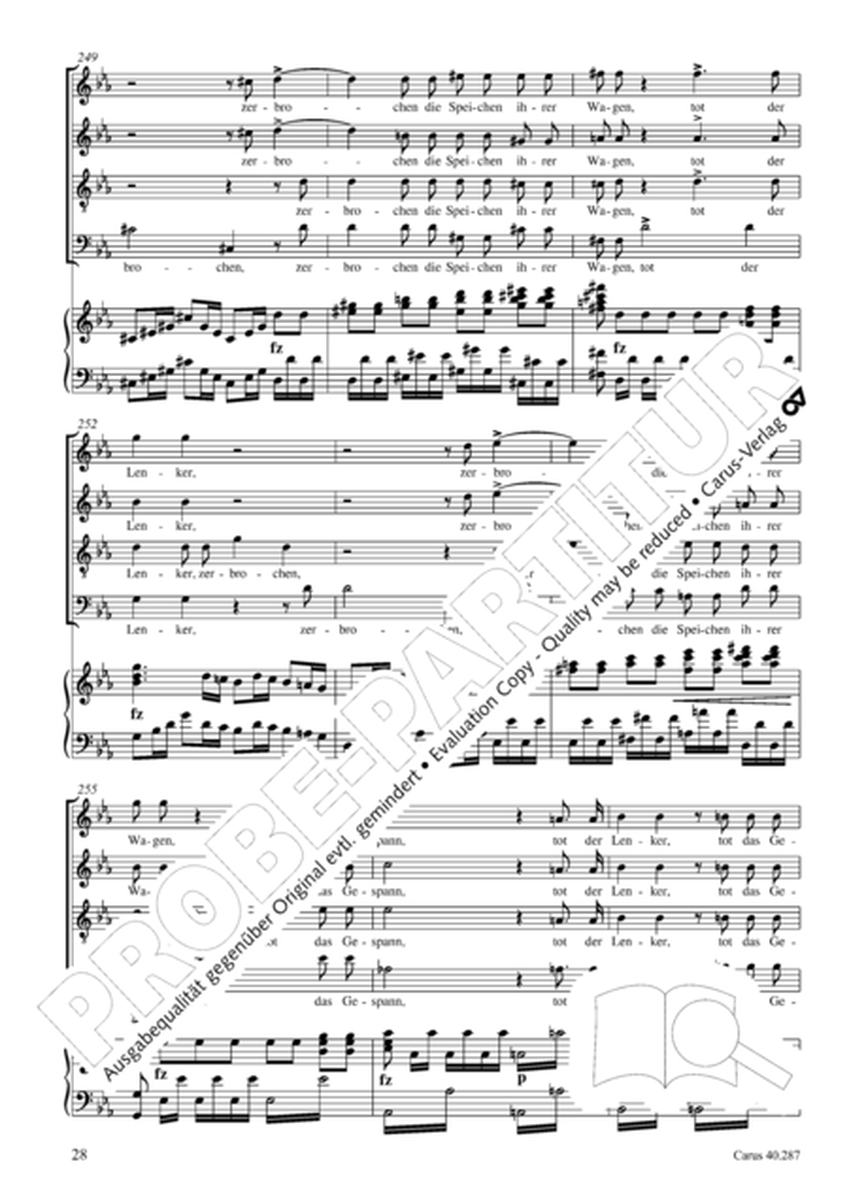
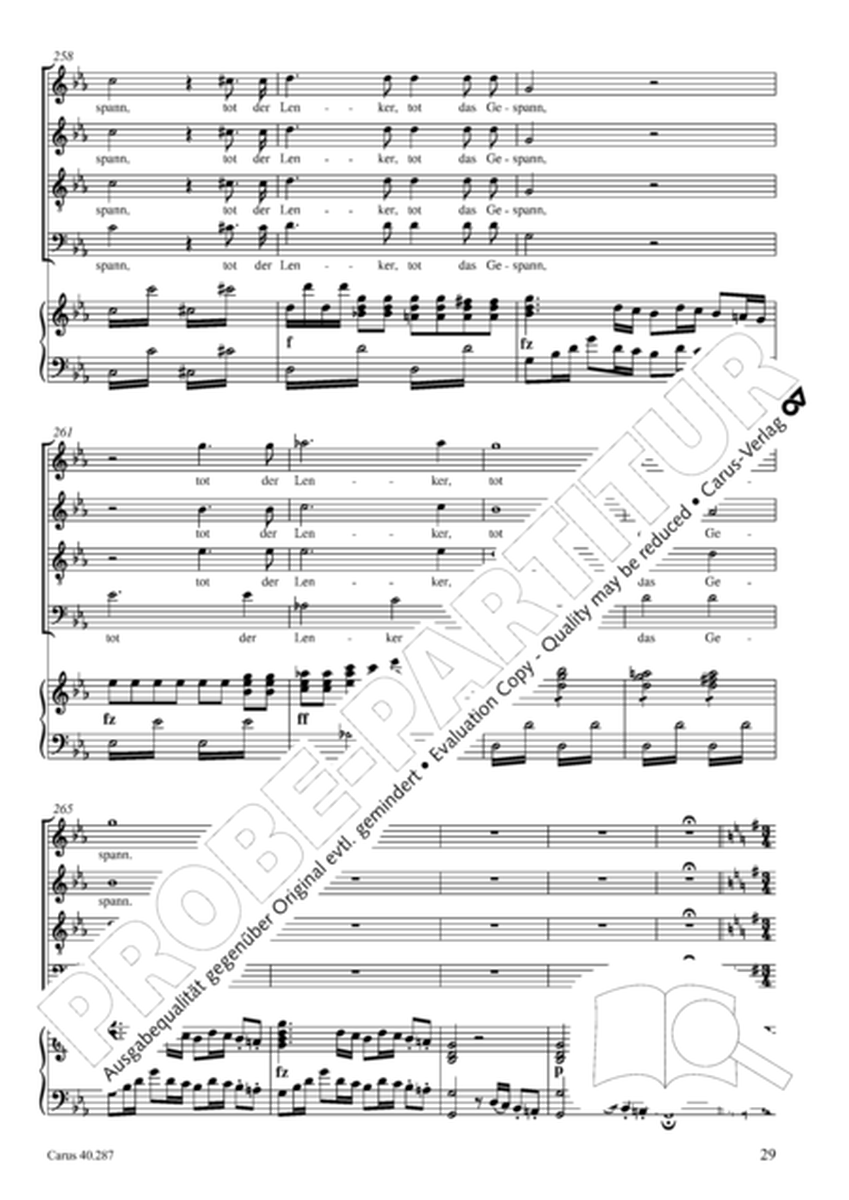
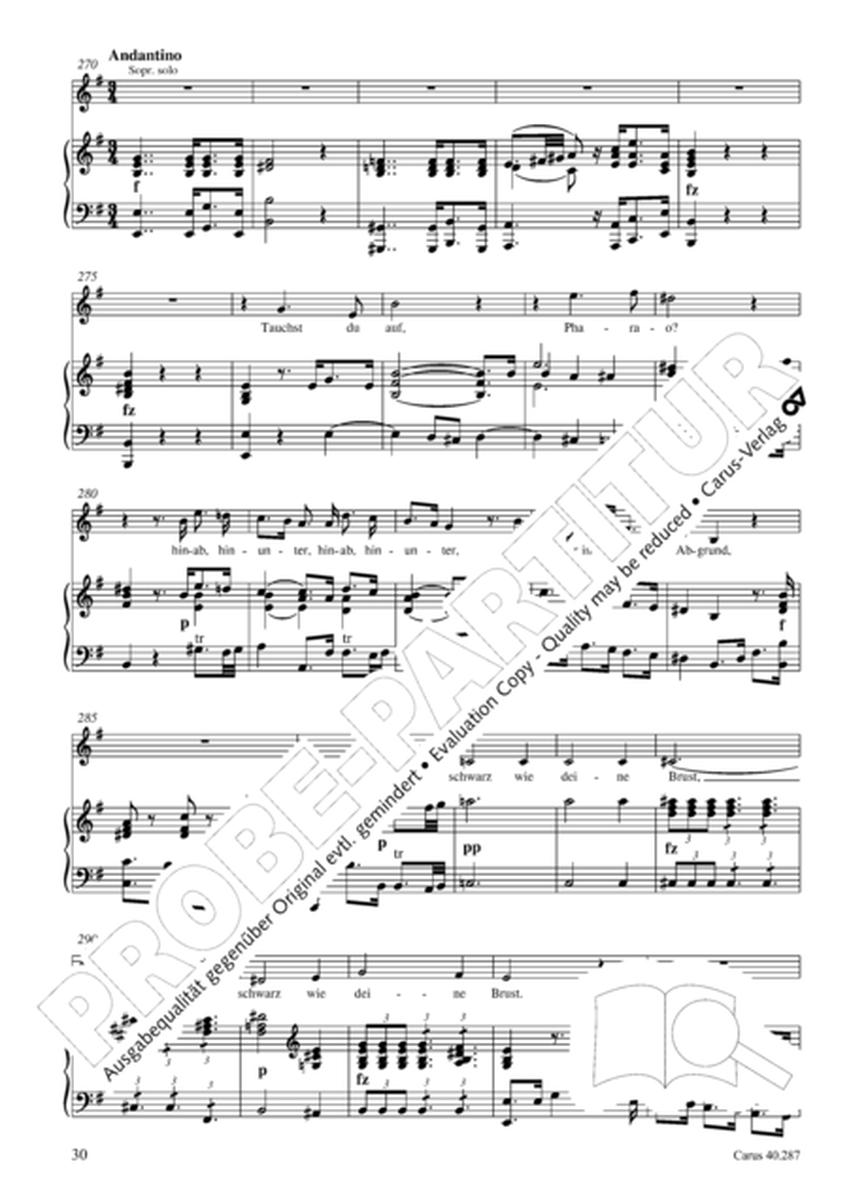
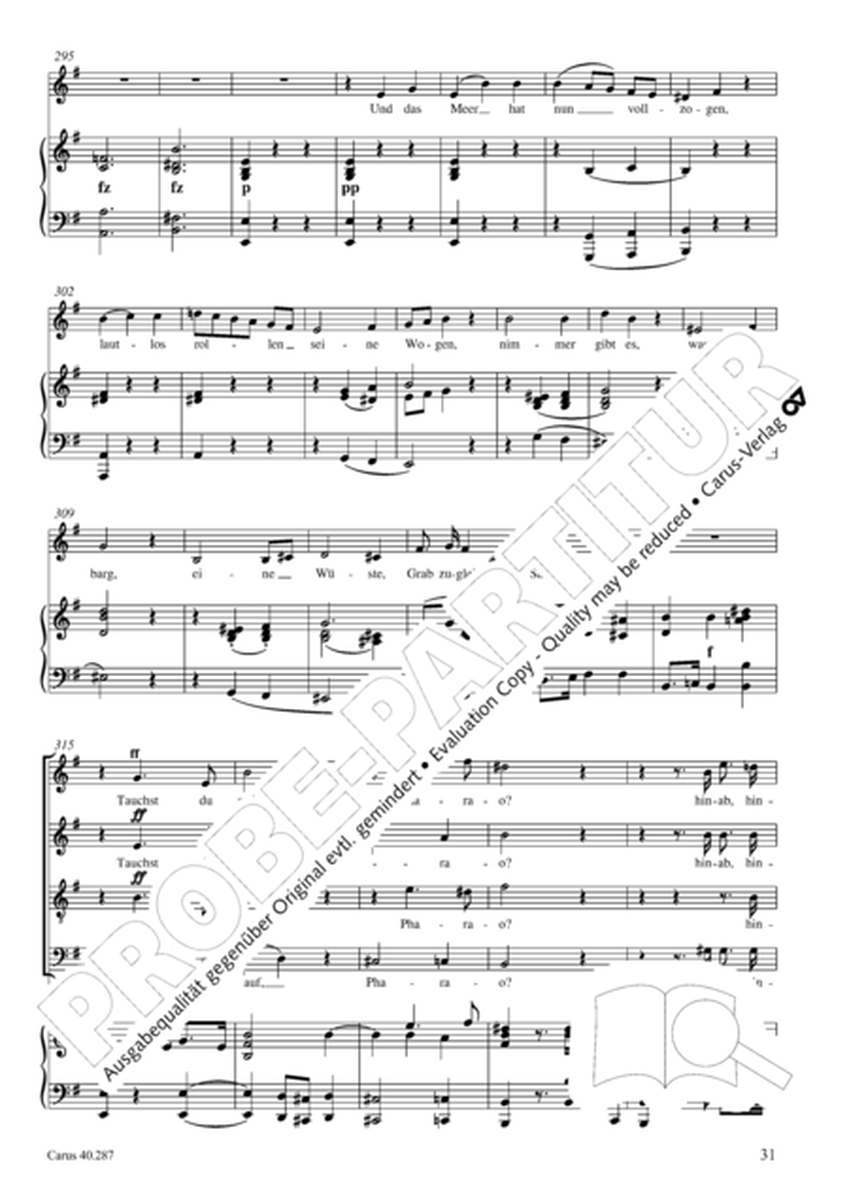
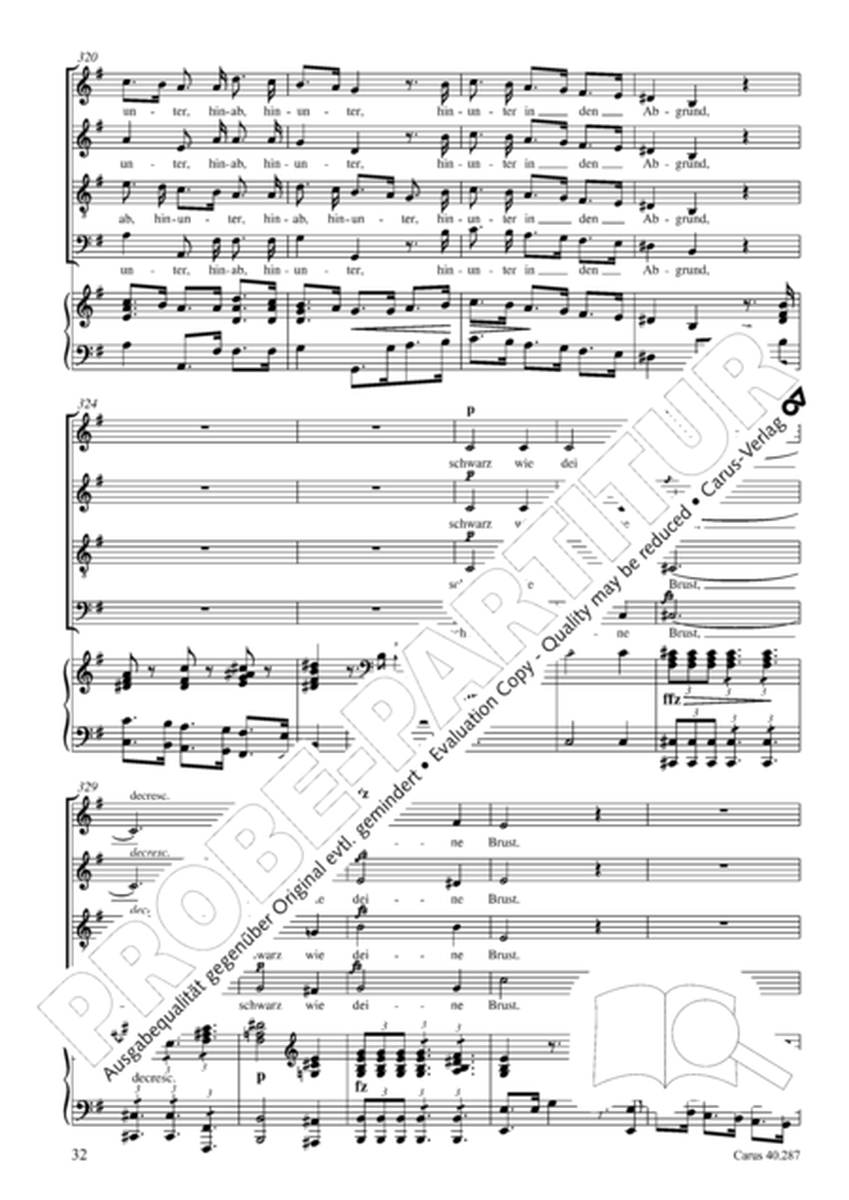
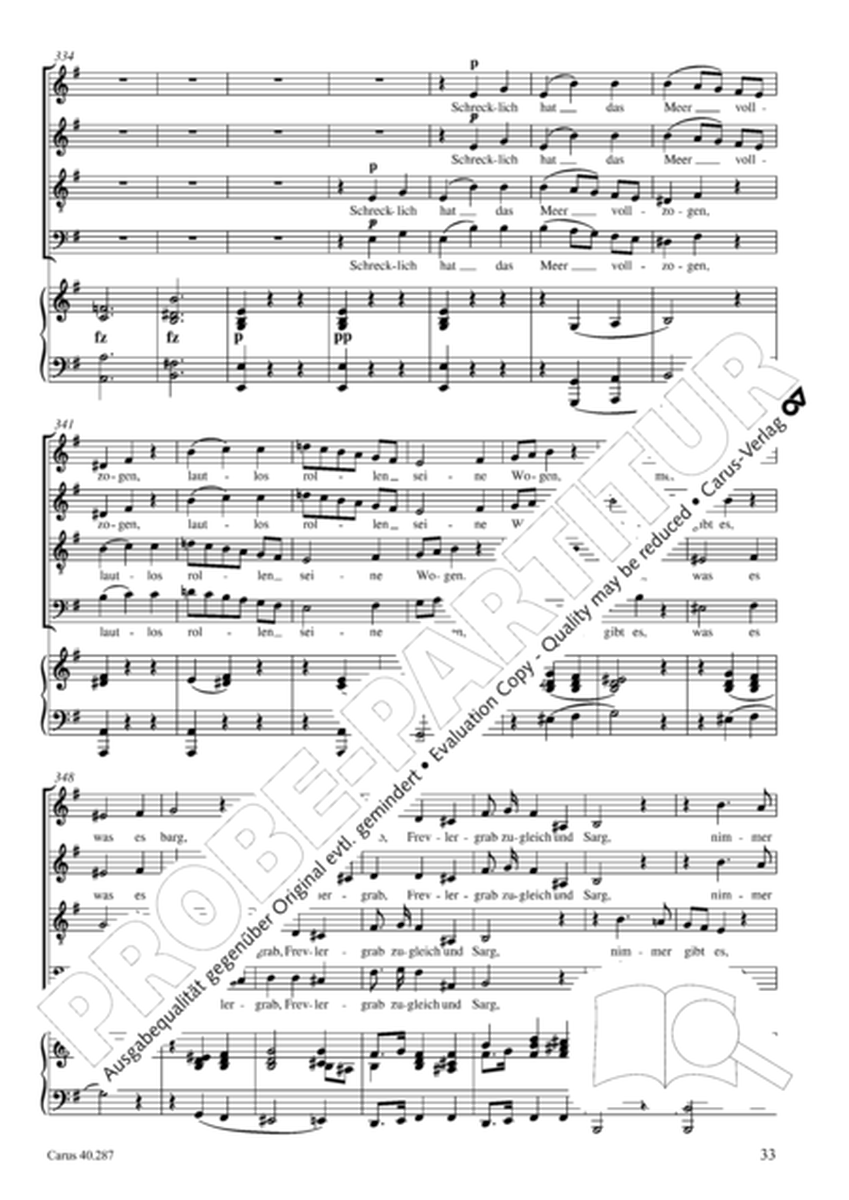
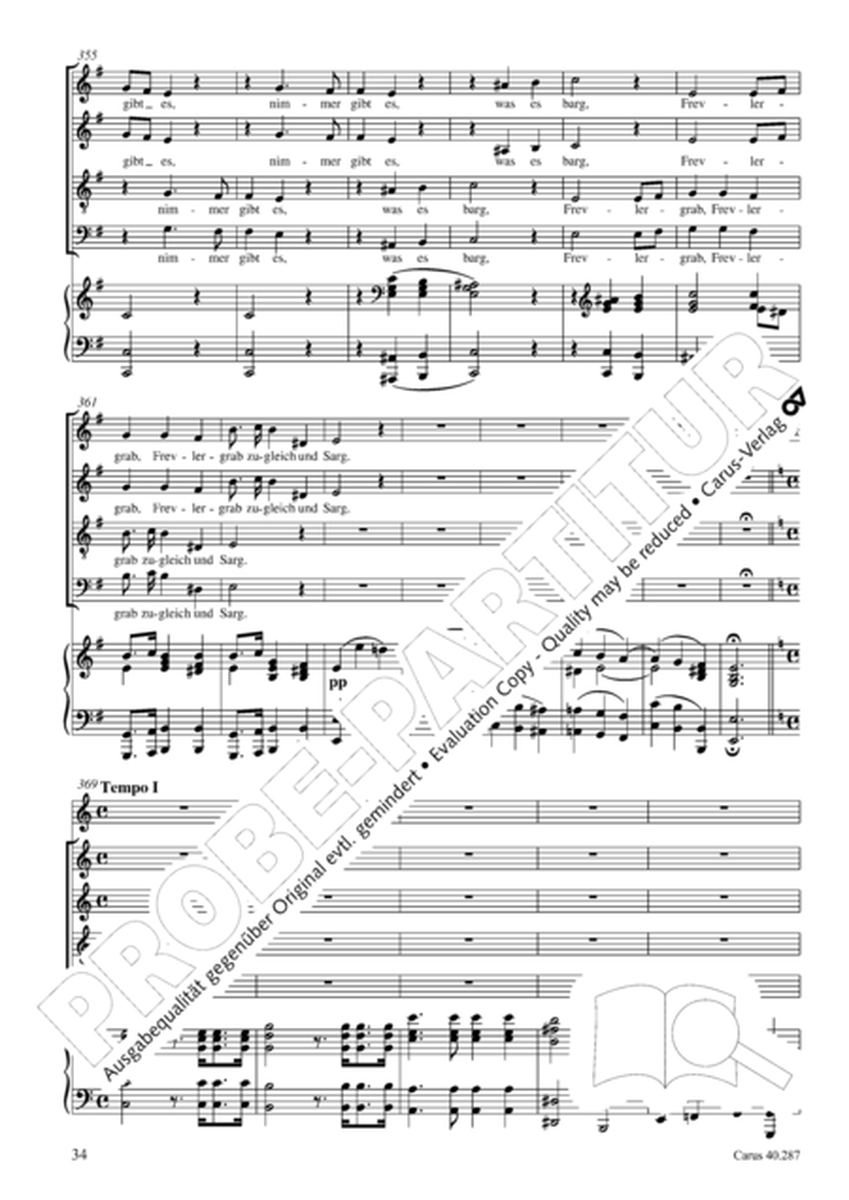
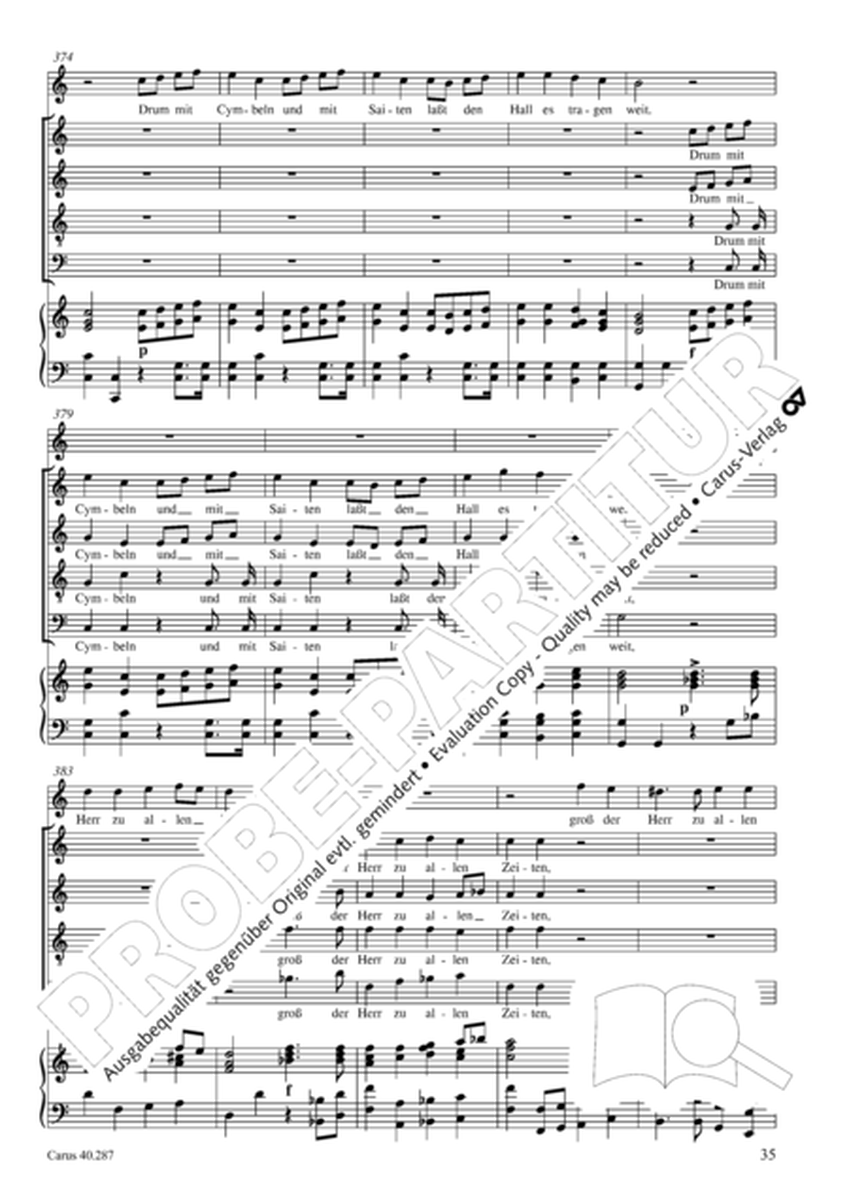
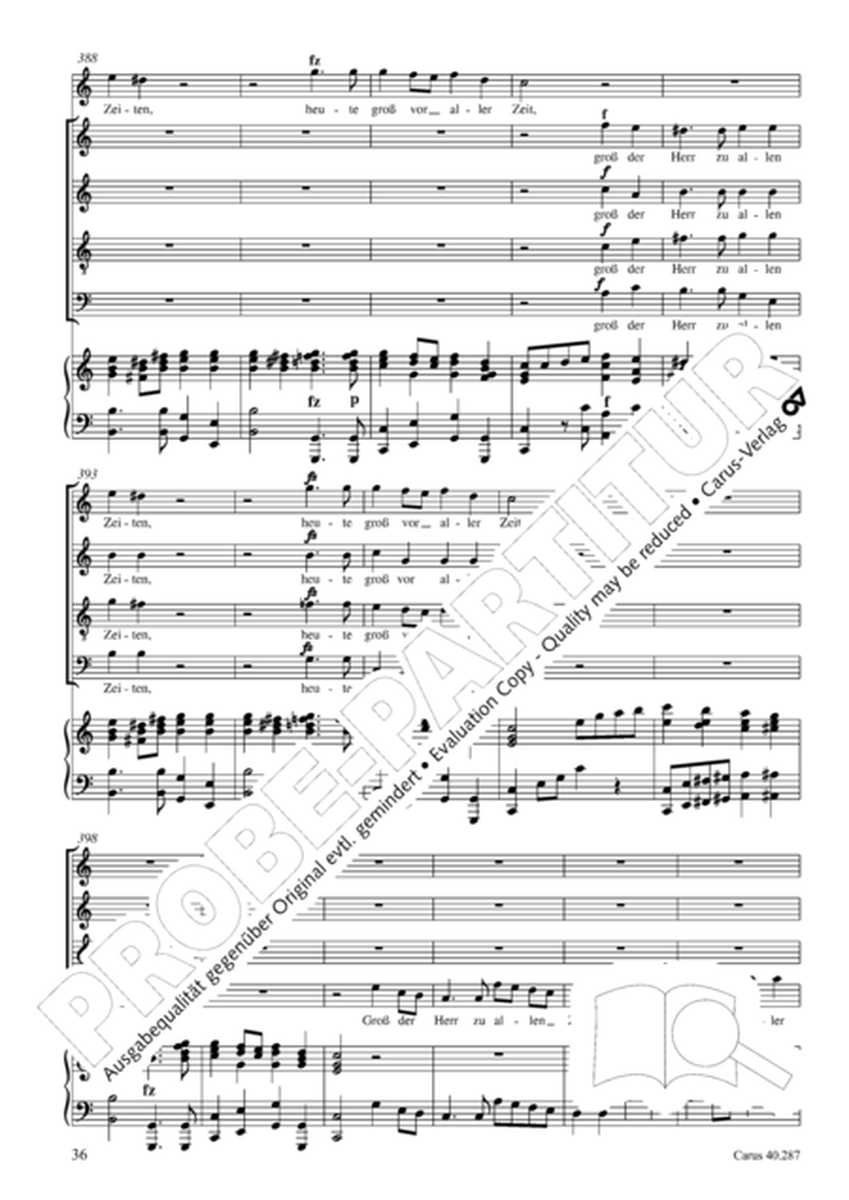
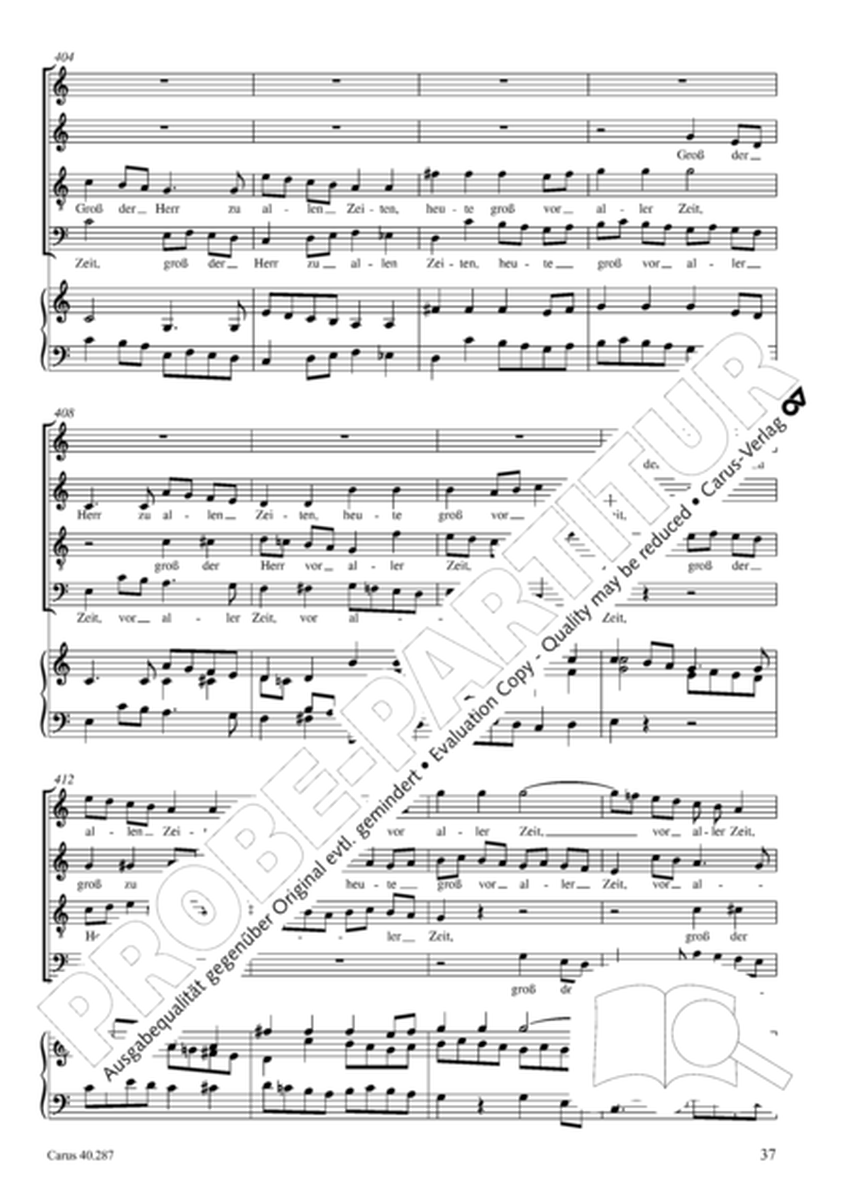
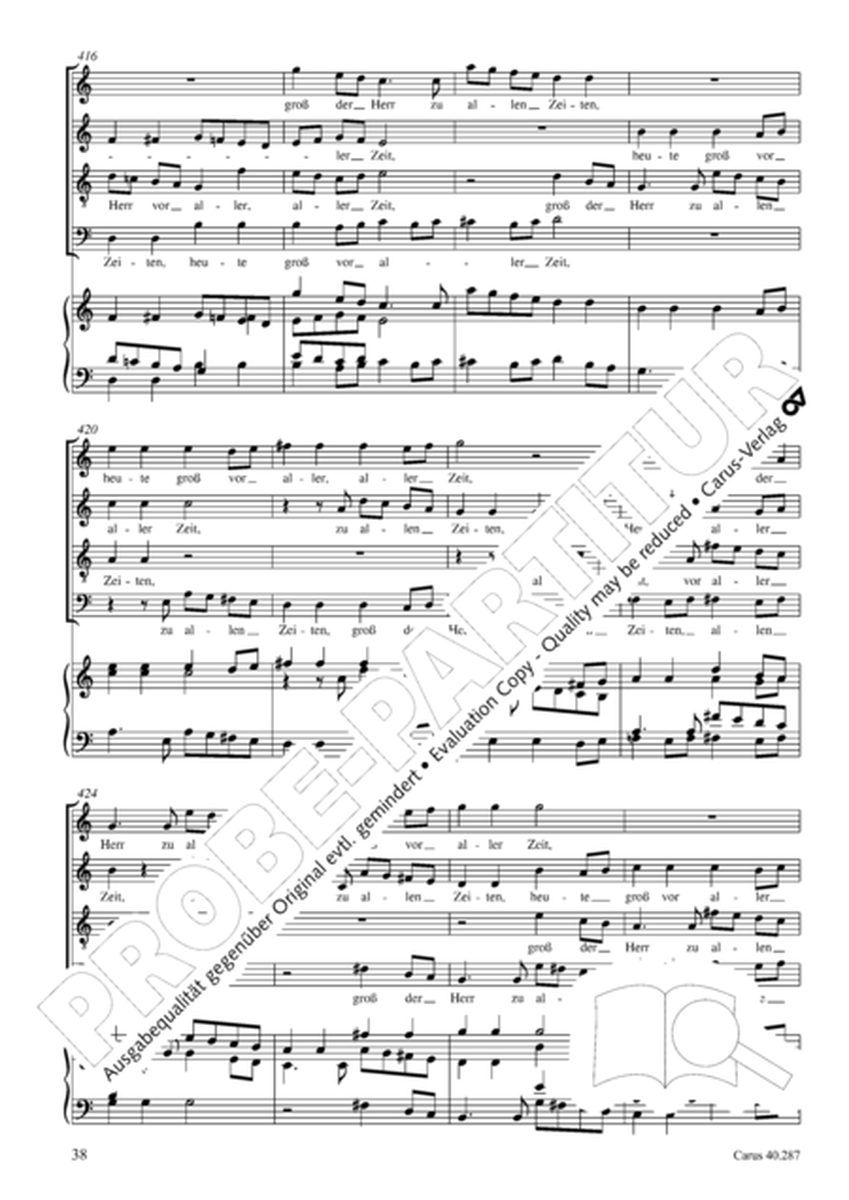
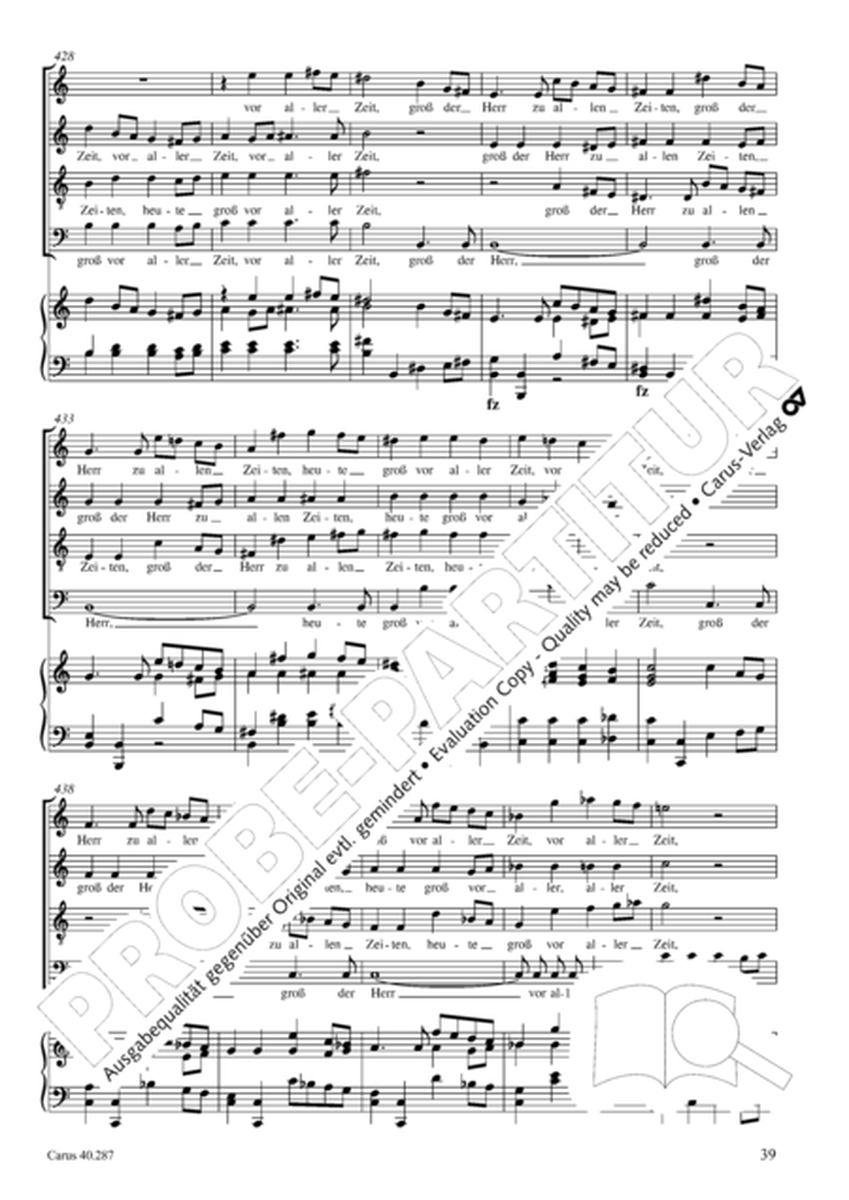
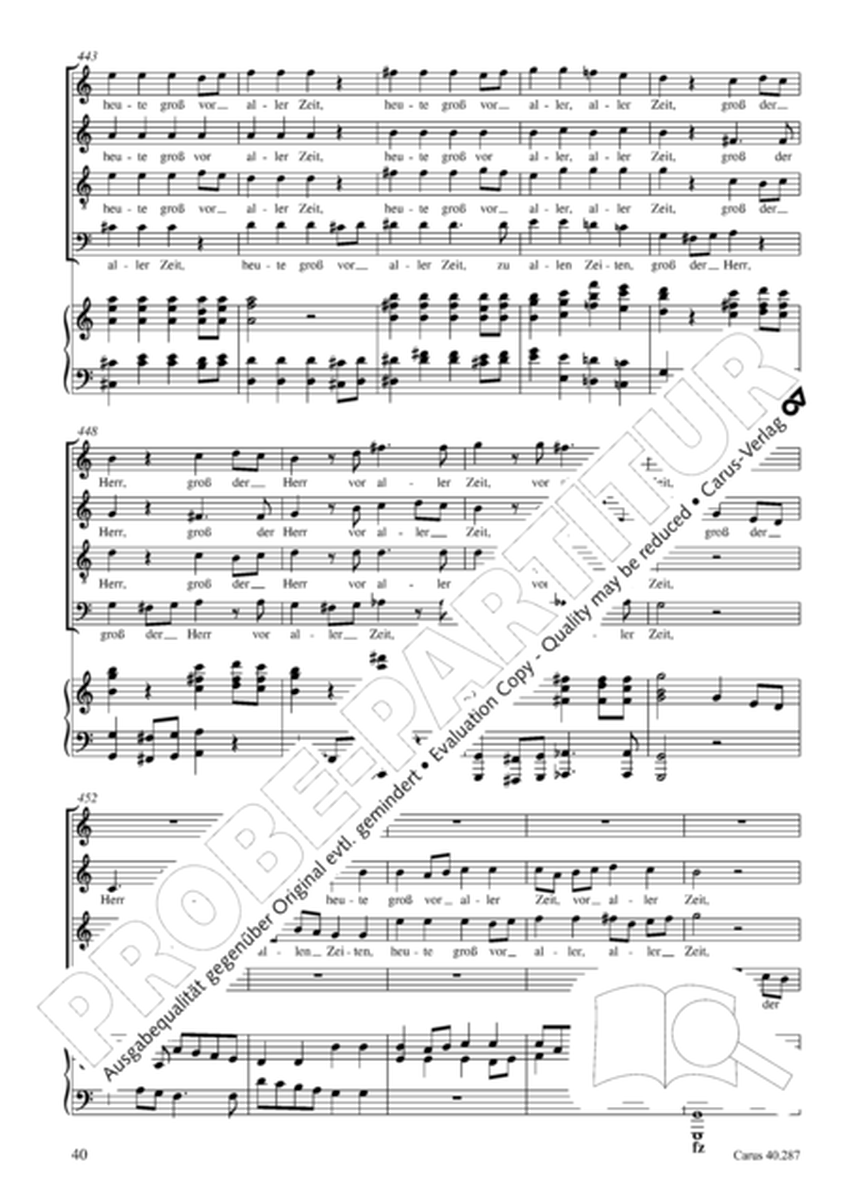
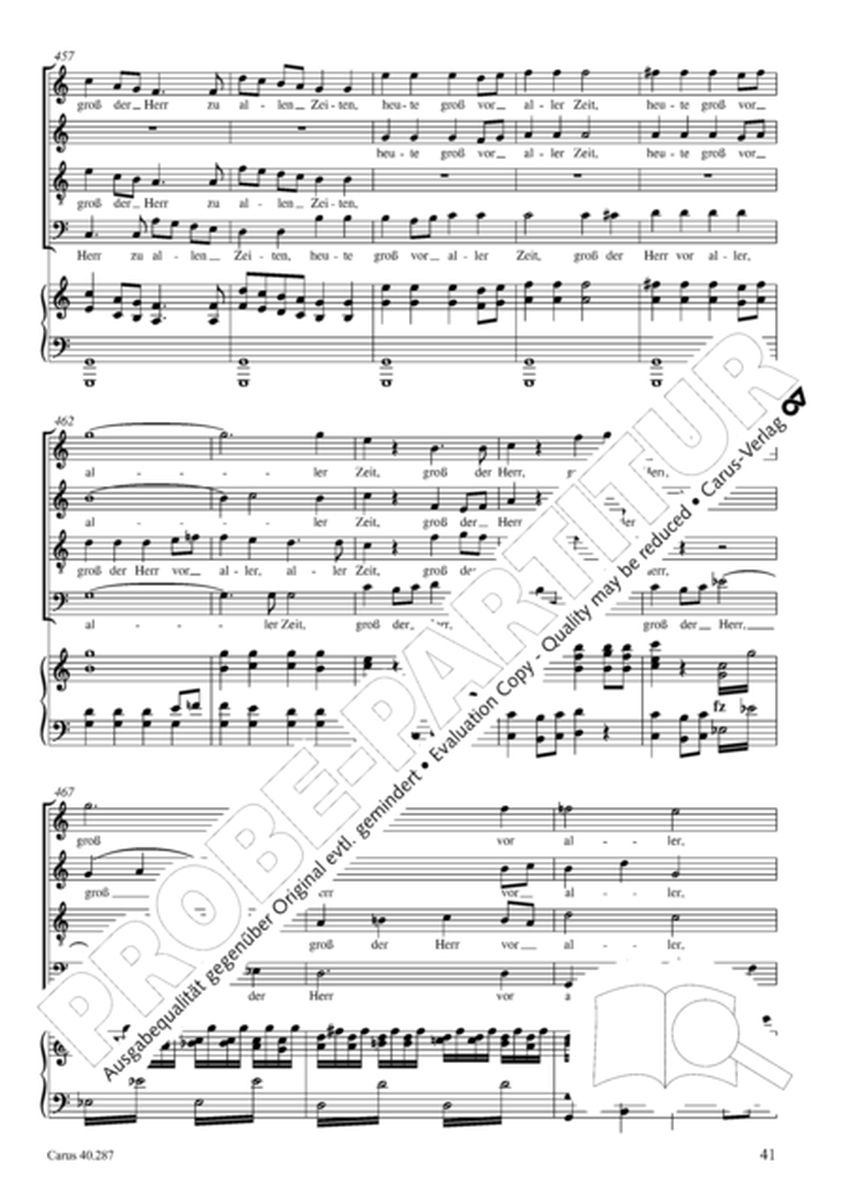
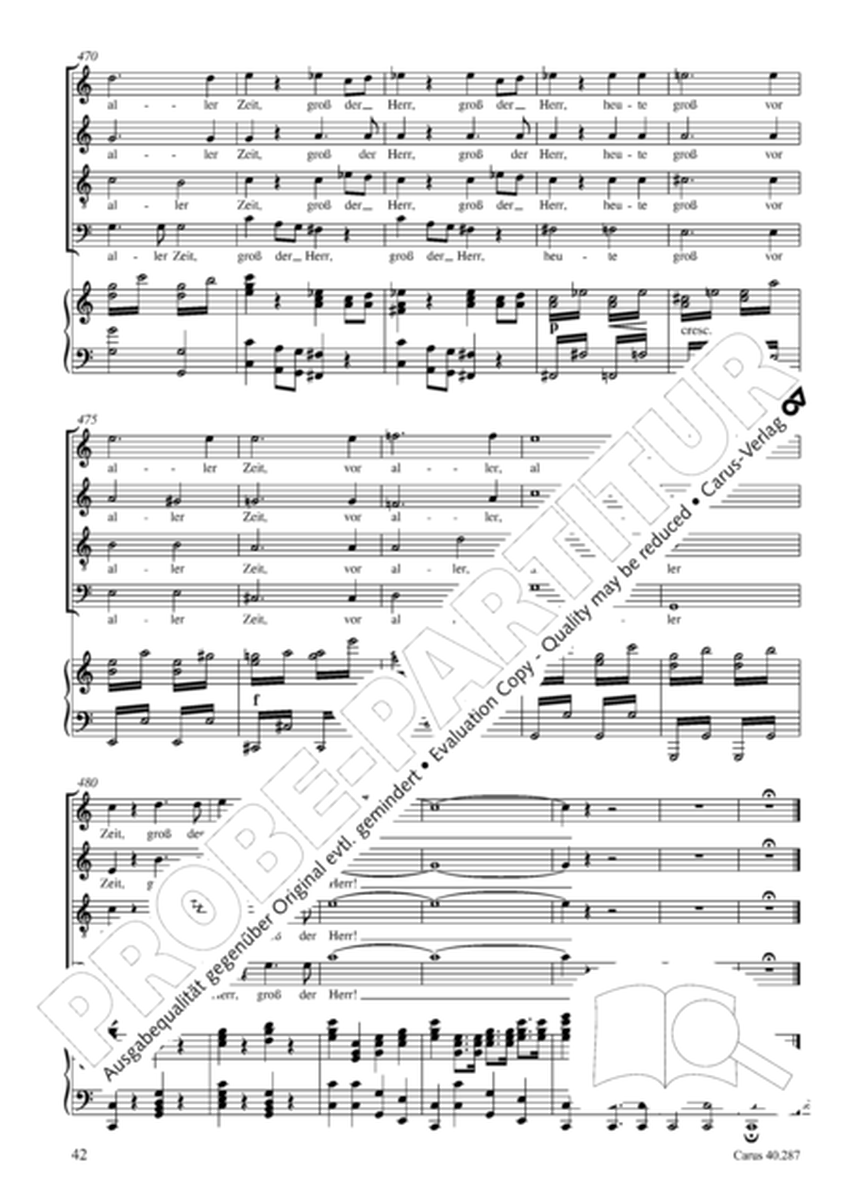
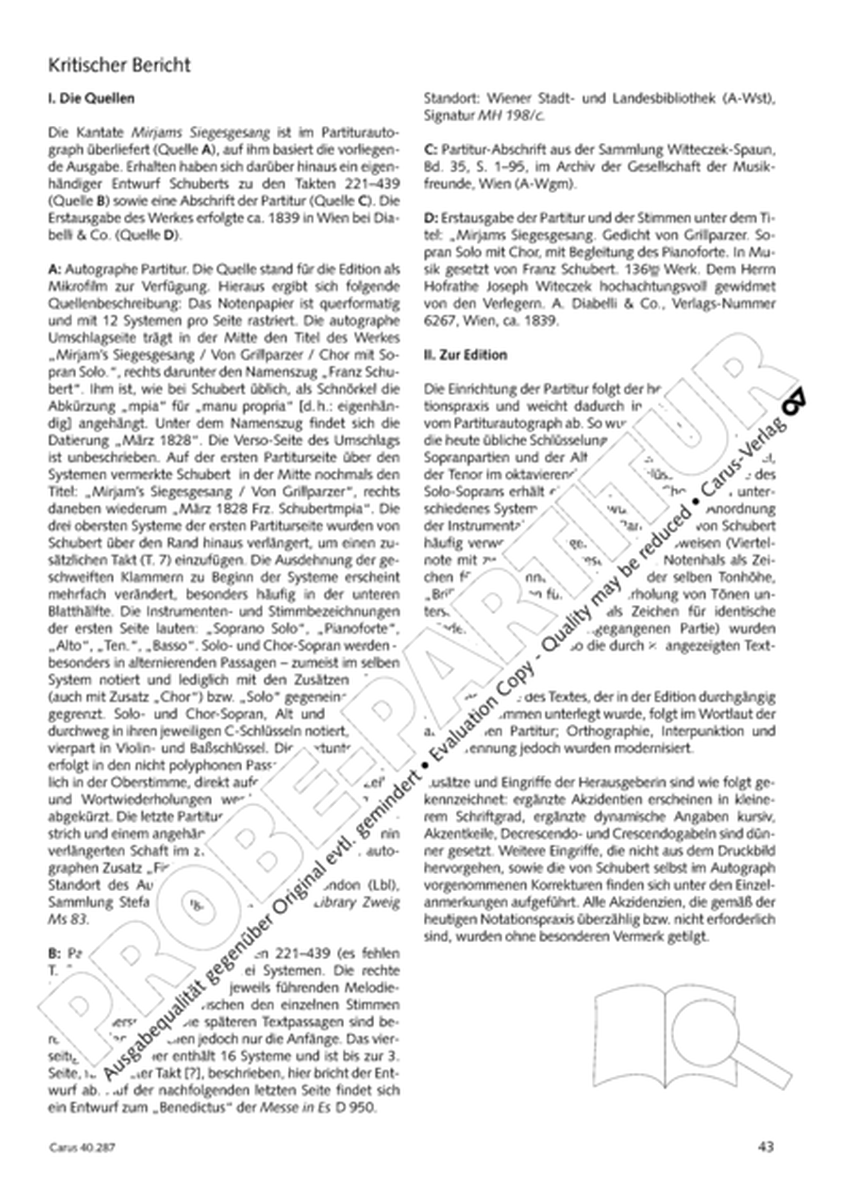
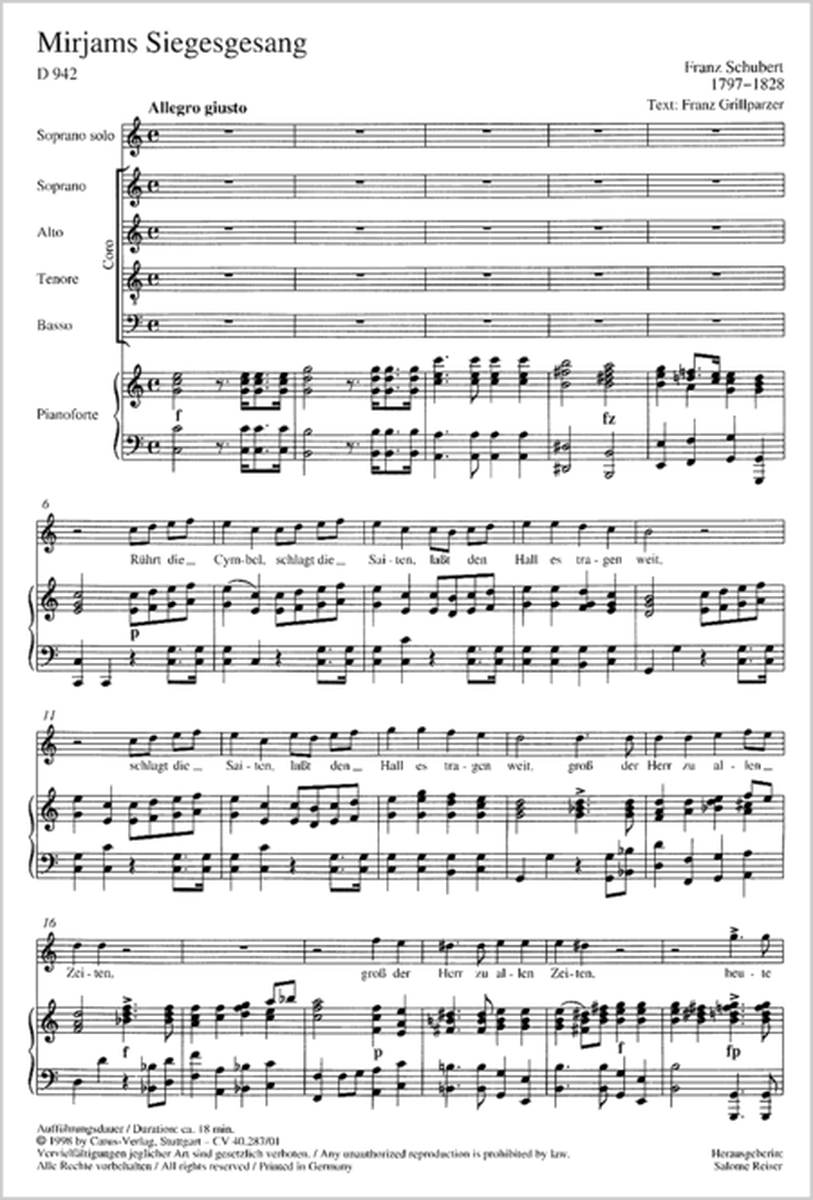
Composed by Franz Schubert. Edited by Salome Reiser. This edition: urtext. Stuttgart Urtext Edition: Schubert. Genres / texts frequently set to music: Secular choral music. Secular choral music. Full score. Composed 1828. D 942. Duration 18 minutes. Carus Verlag #CV 40.287/00. Published by Carus Verlag (CA.4028700).ISBN 9790007068837. 8.27 x 11.69 inches. Key: C major. Language: German.
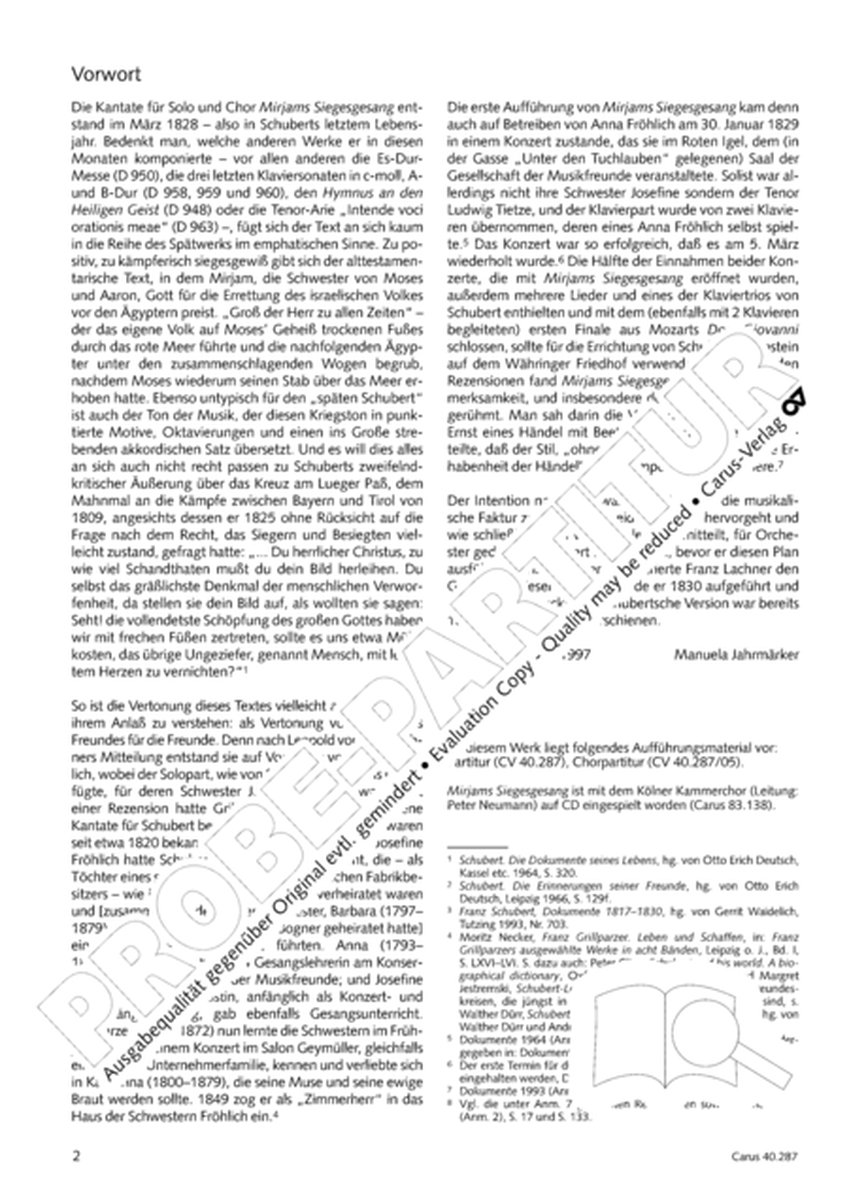
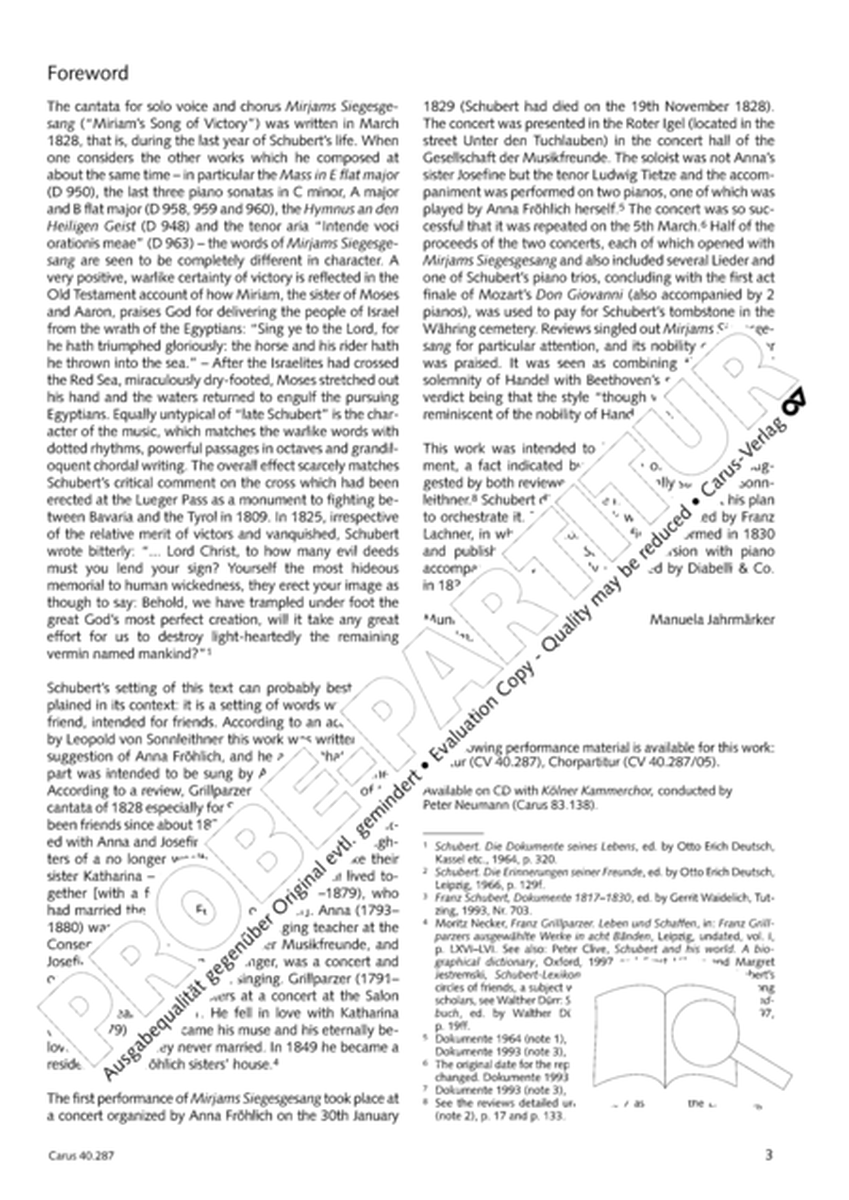
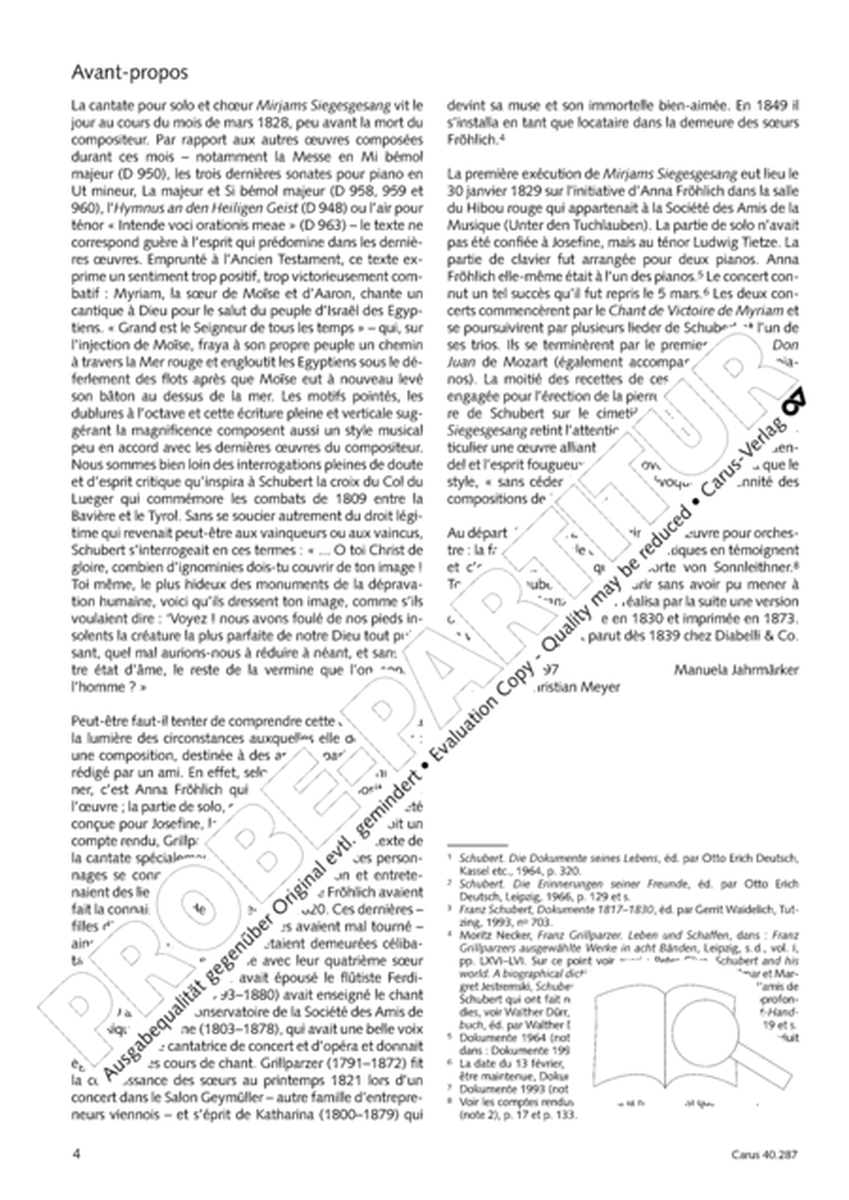
In 1828, the year of his early death, Schubert composed the cantata Mirjams Siegesgesang (literally Miriam’s Song of Victory) for soloist, choir and piano, op 136. He clearly planned to orchestrate the work, but wasn’t able to achieve this. Franz Grillparzer’s text takes up the Biblical song of praise sung by Aaron’s sister, the prophetess Miriam, after the Israelites were able to cross the Red Sea on dry ground through the miraculous parting of the waves and thus escape the persecution of the Pharaoh (Exodus 15:20-21).
The work can be viewed as a short oratorio which clearly reflects Schubert’s engagement with Handel’s oratorios. This helps to explain the cheerful mood of the cantata in the context of the rather sombre music of Schubert’s late period. Schubert did not live to see the first performance of the work in January 1829.
- More by this Composer:
- Franz Schubert Franz Schubert Piano Accompaniment Franz Schubert Voice Franz Schubert Piano, Vocal
- Series:
- Stuttgart Urtext Edition
- Artists:
- Franz Schubert Salome Reiser
- Publisher:
- Carus Verlag