Details
- Genres:
- Christian Classical Period
- Composers:
- Franz Joseph Haydn
- Publishers:
- Carus Verlag
- Series:
- Stuttgart Urtext Edition
- ISBN:
- 9790007092085
- Format:
- Vocal Score
- Item types:
- Physical
- Musical forms:
- Mass
- Artist:
- Franz Joseph Haydn
- Usages:
- Mass
- Main Key:
- B flat major
- Size:
- 7.5 x 10.67 inches
- Number of Pages:
- 88
- Shipping Weight:
- 0.64 pounds
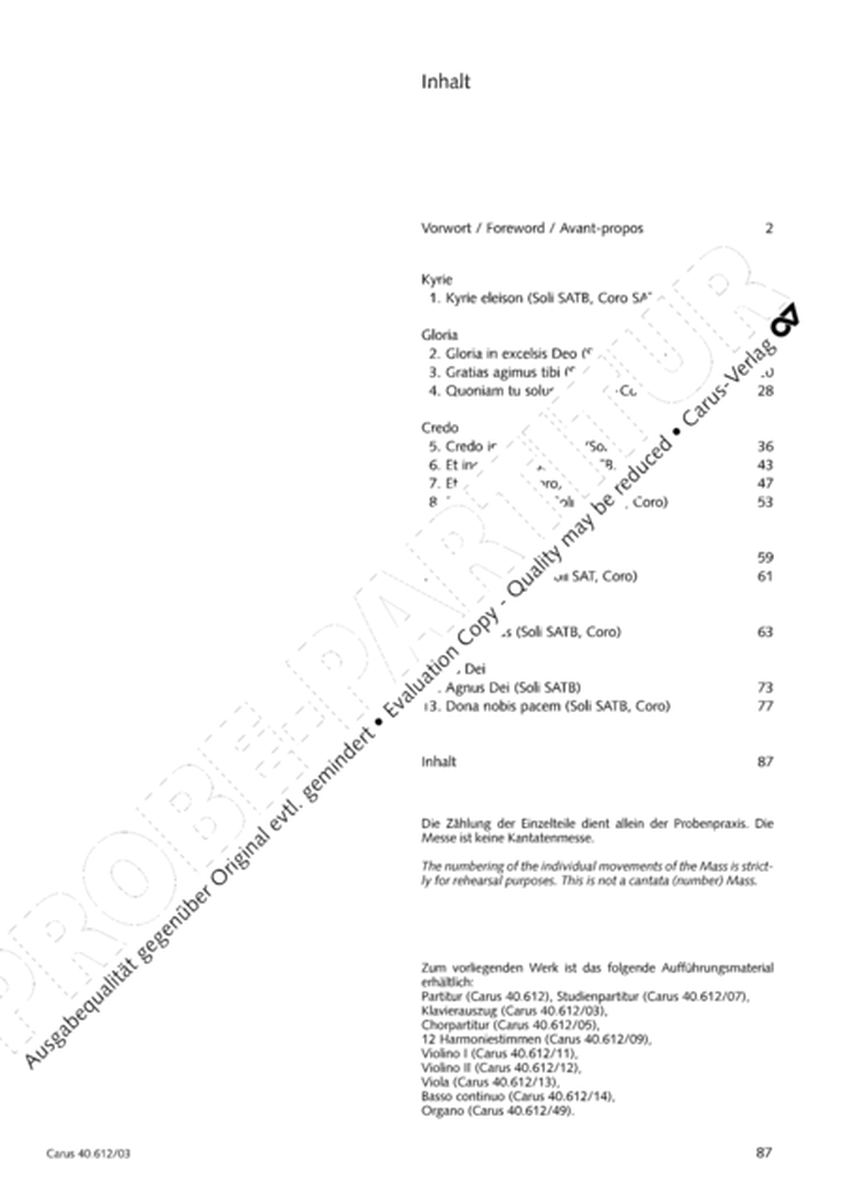
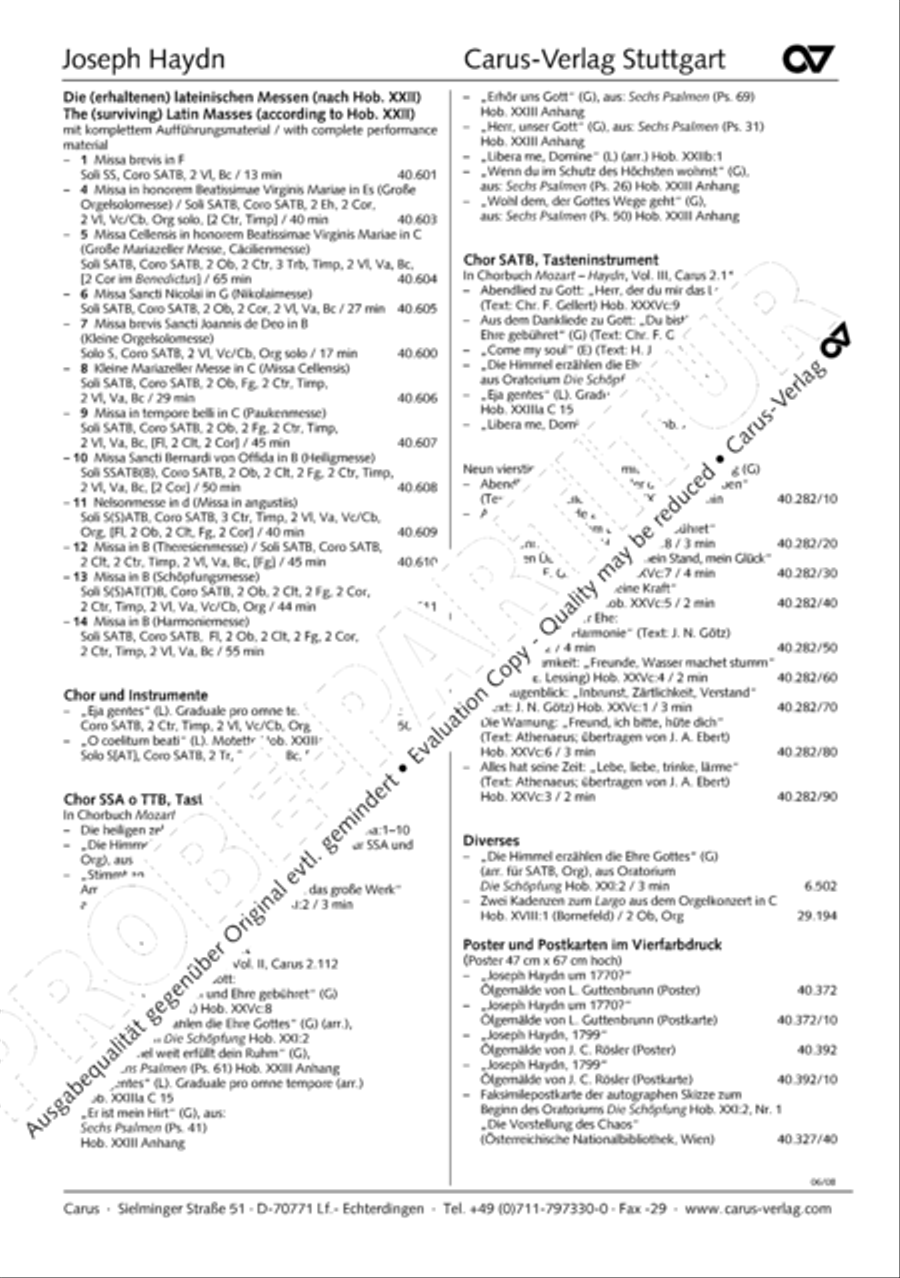
Orchestra Soli SATB, Coro SATB, Fl, 2 Ob, 2 Clt, 2 Fg, 2 Cor, 2 Ctr, Timp, 2 Vl, Va, Bc
SKU: CA.4061203
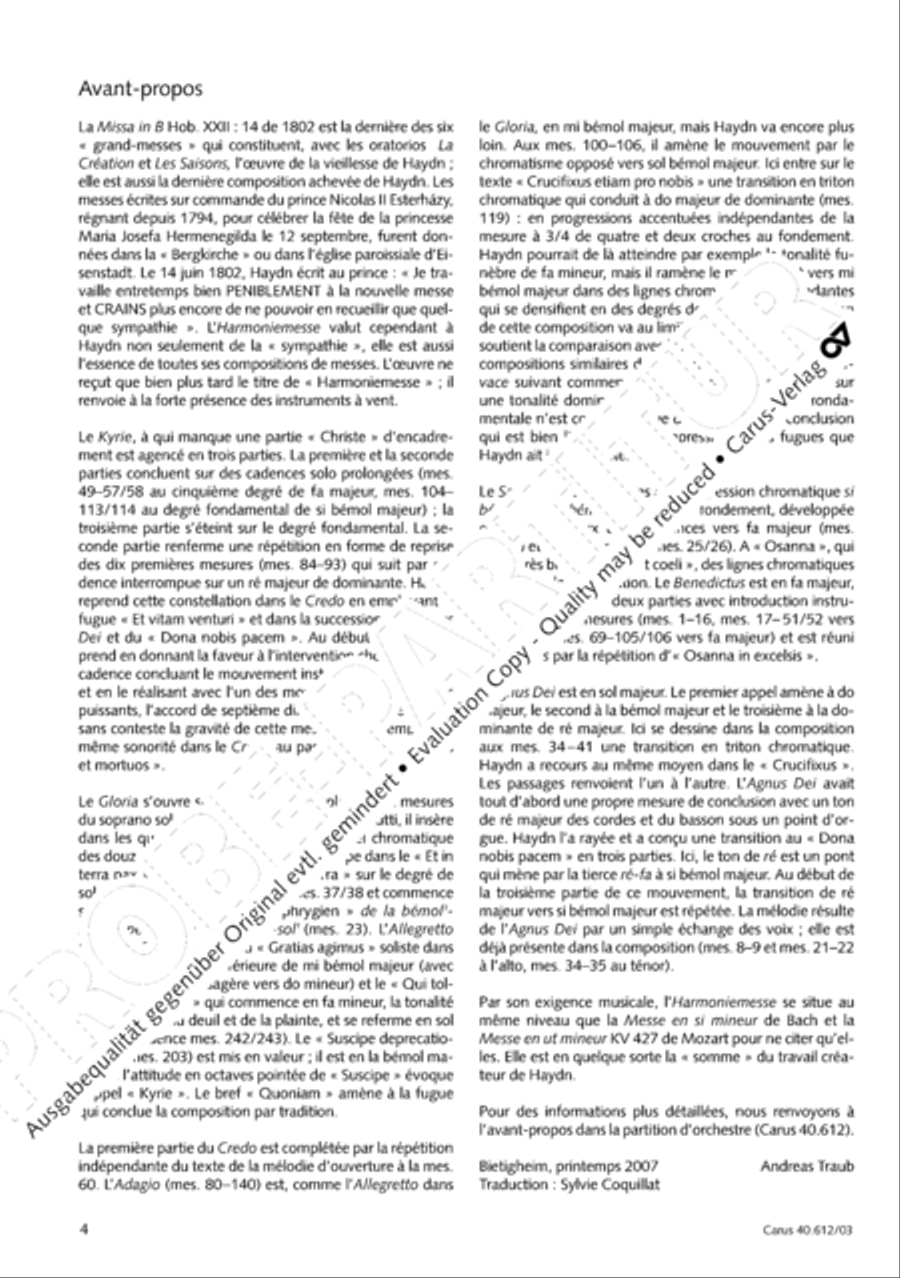
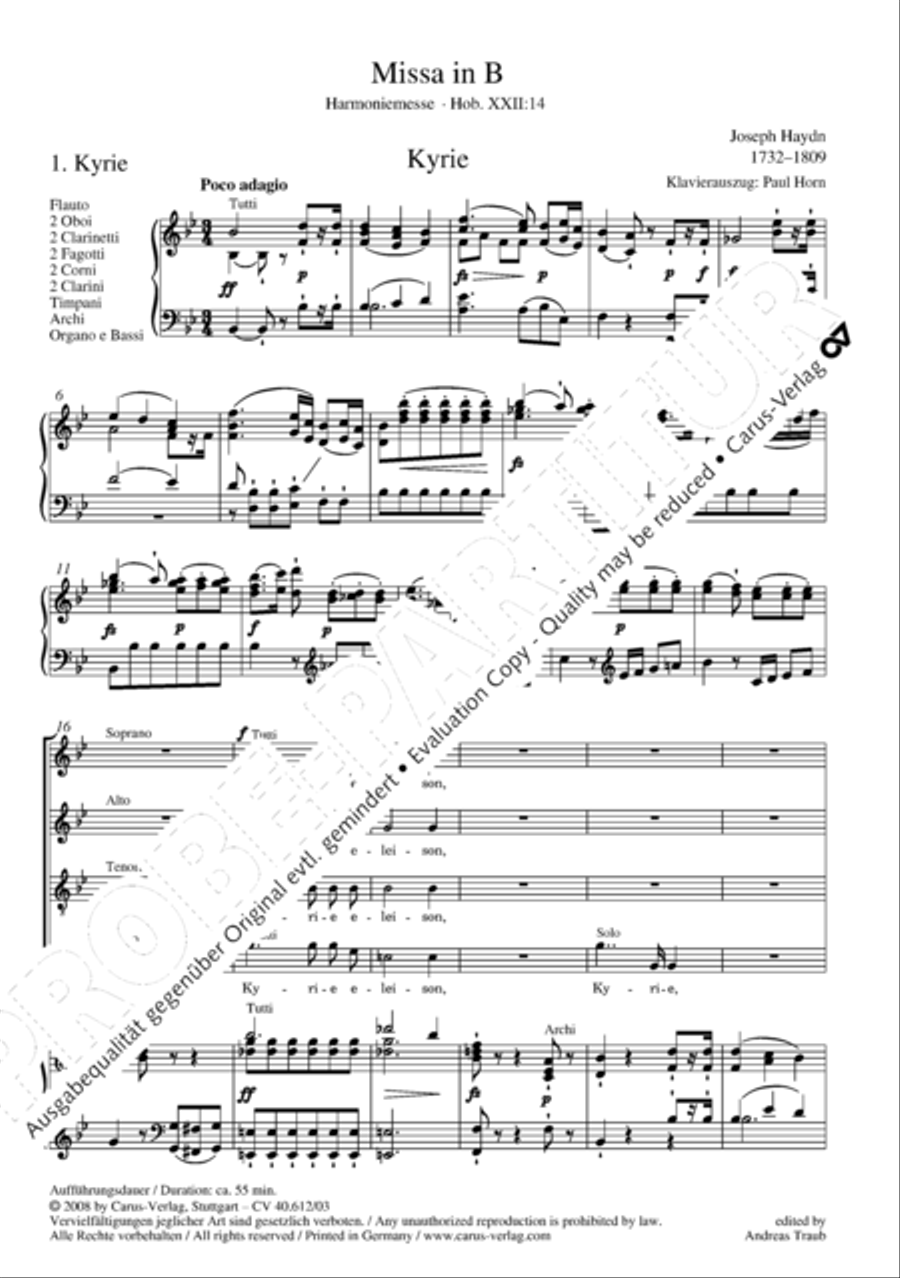
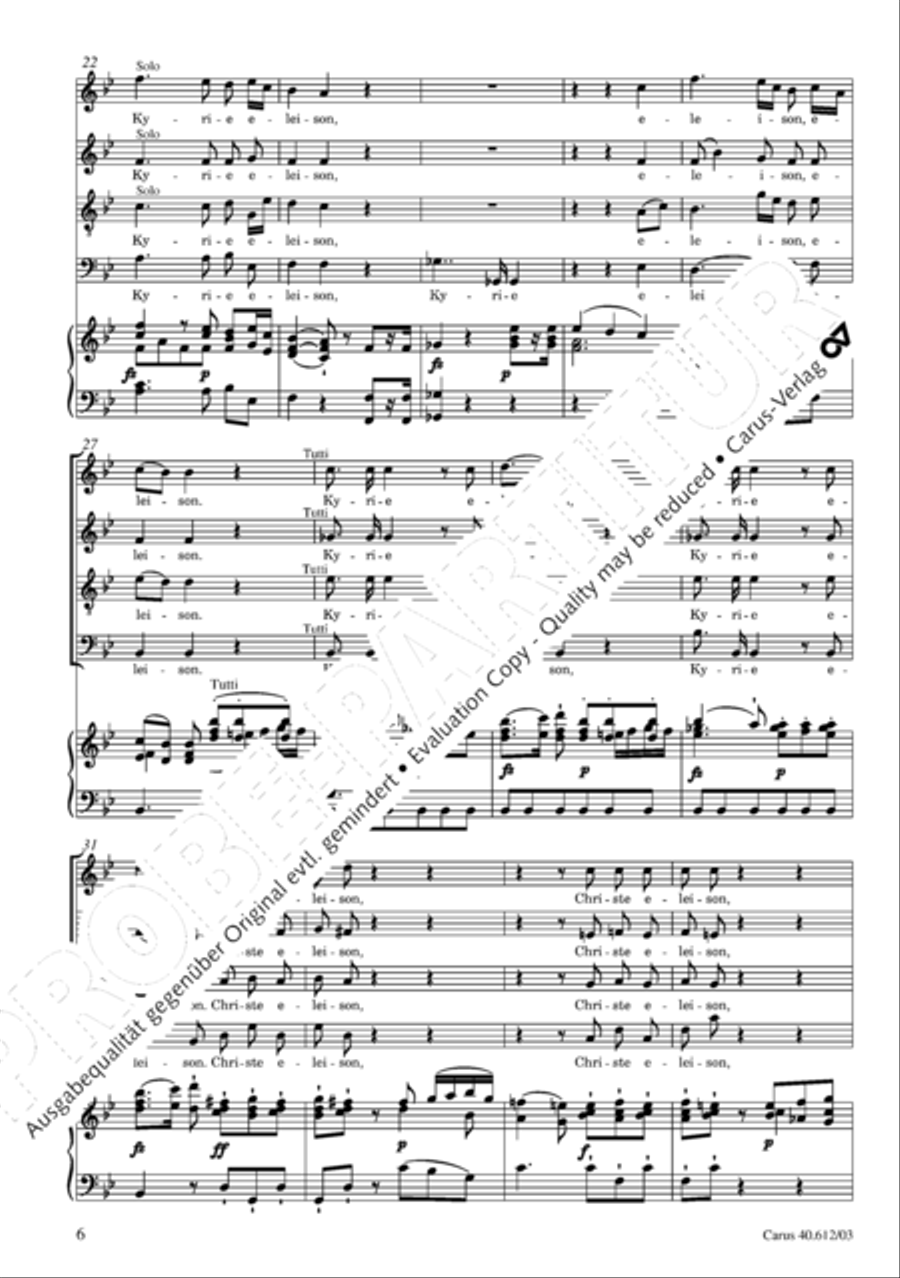
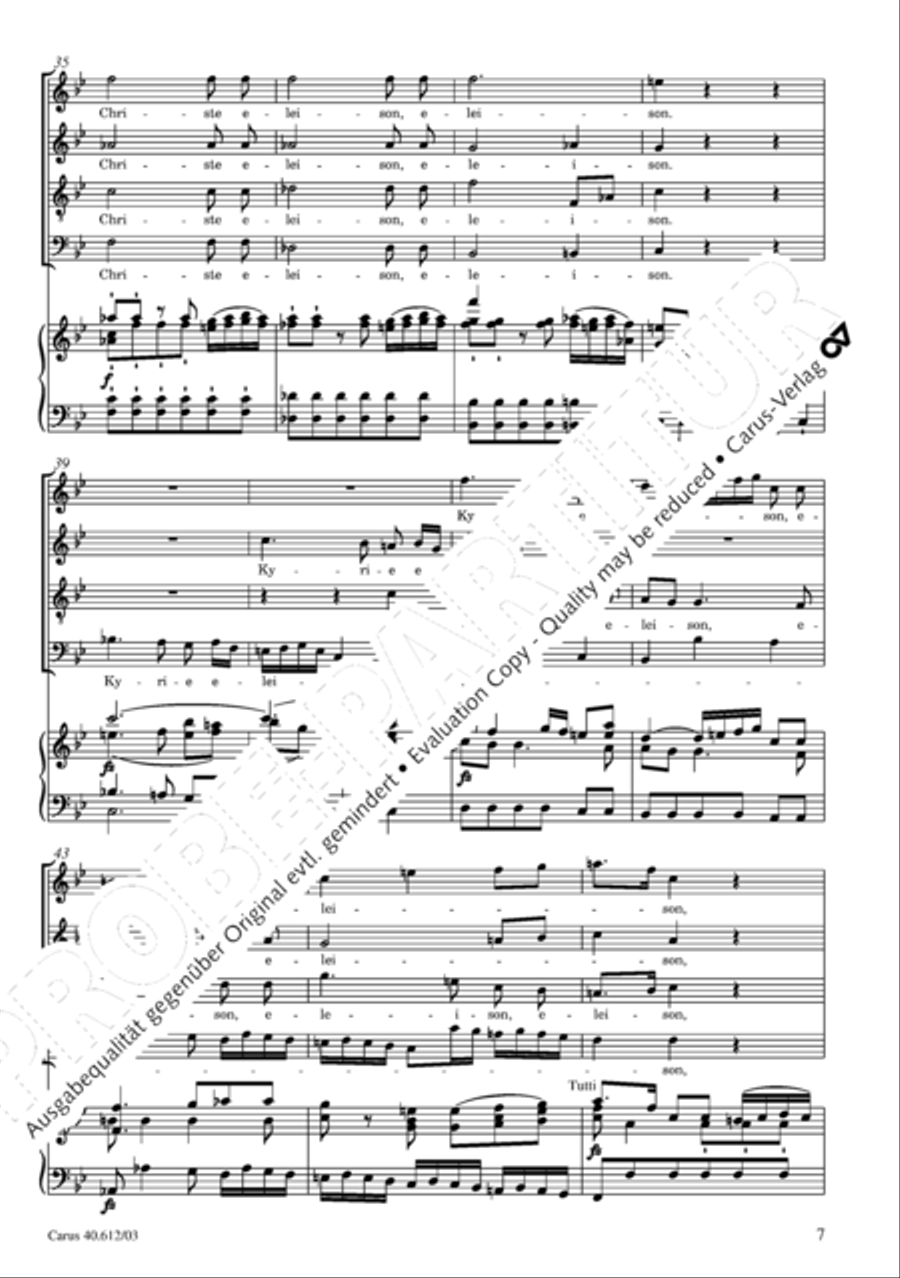
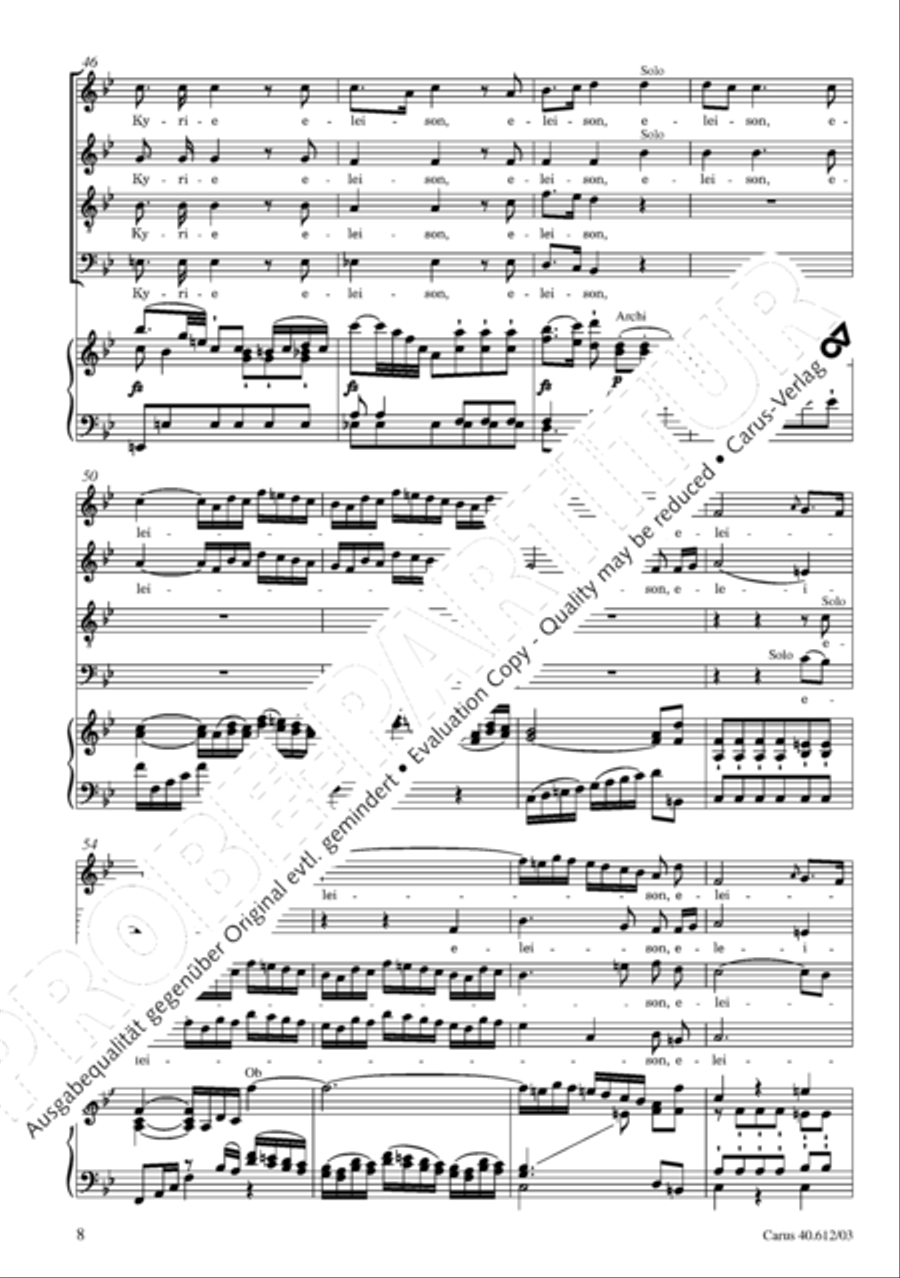
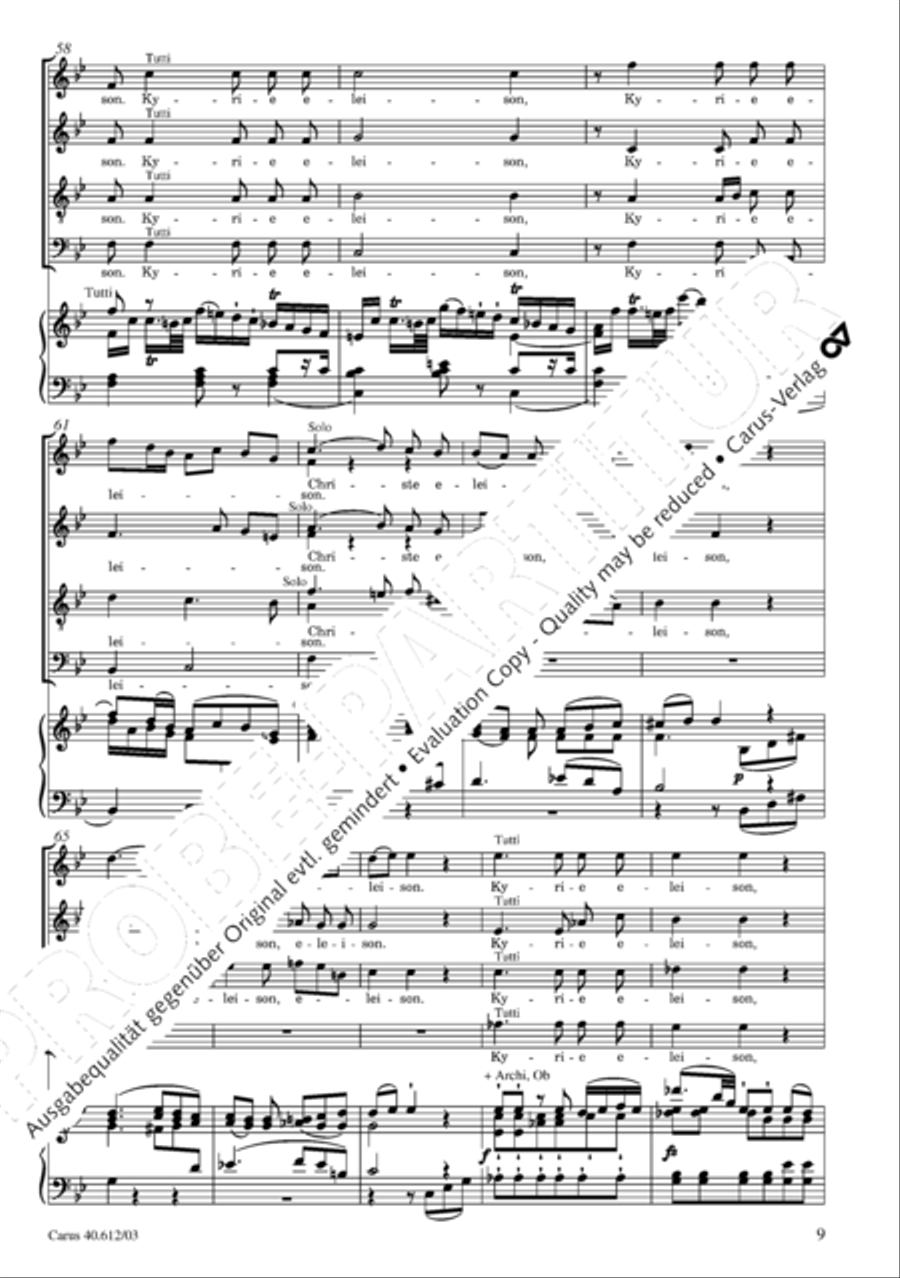
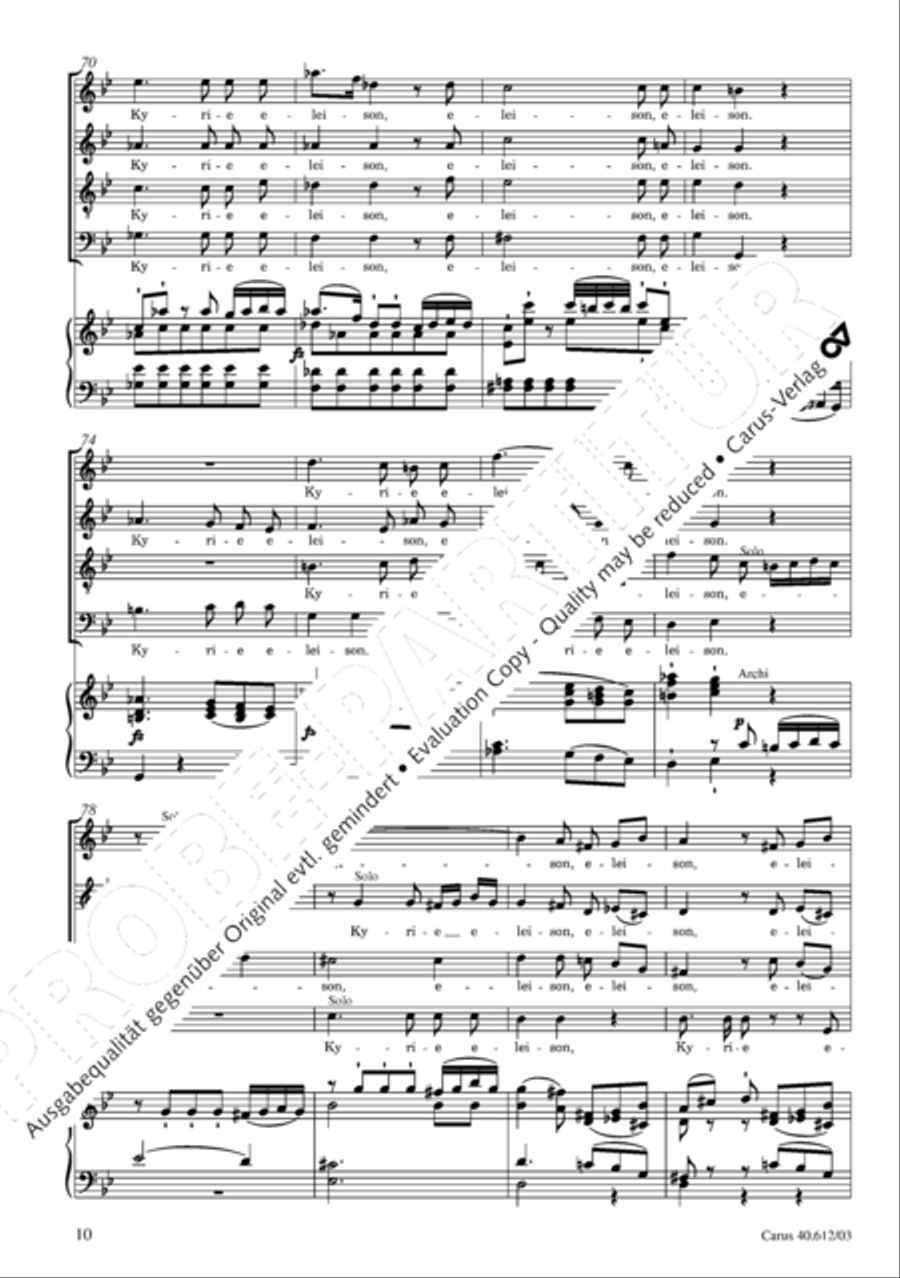
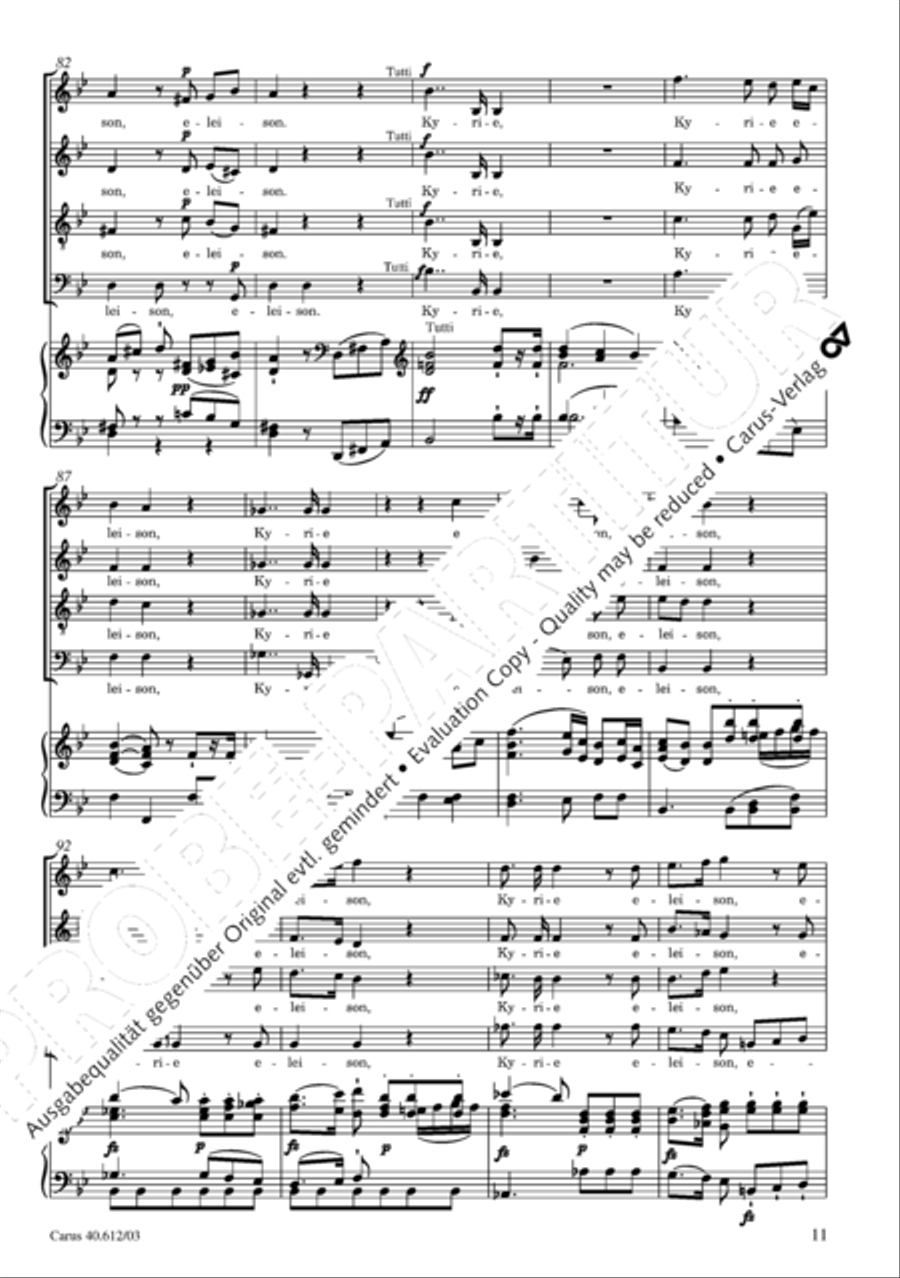
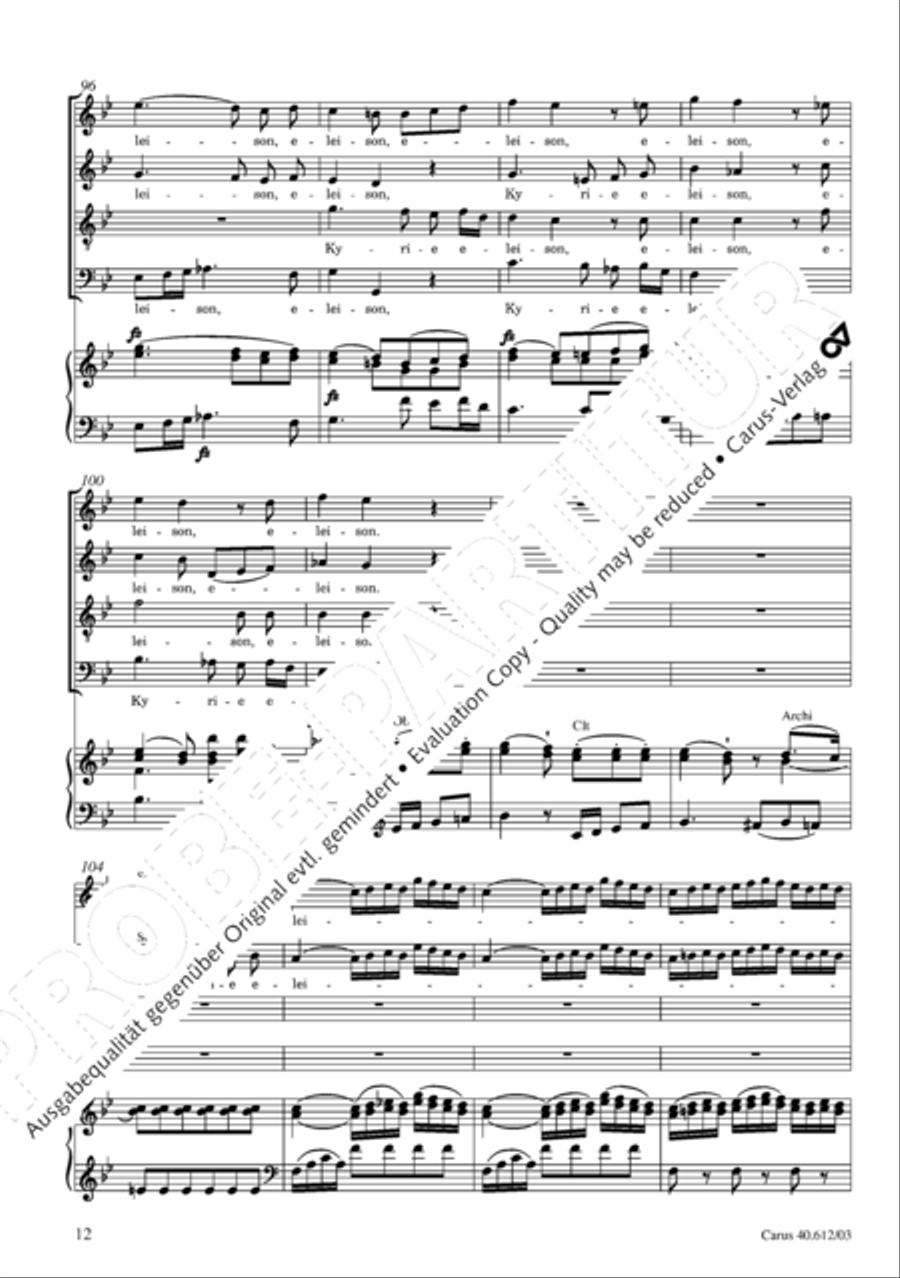
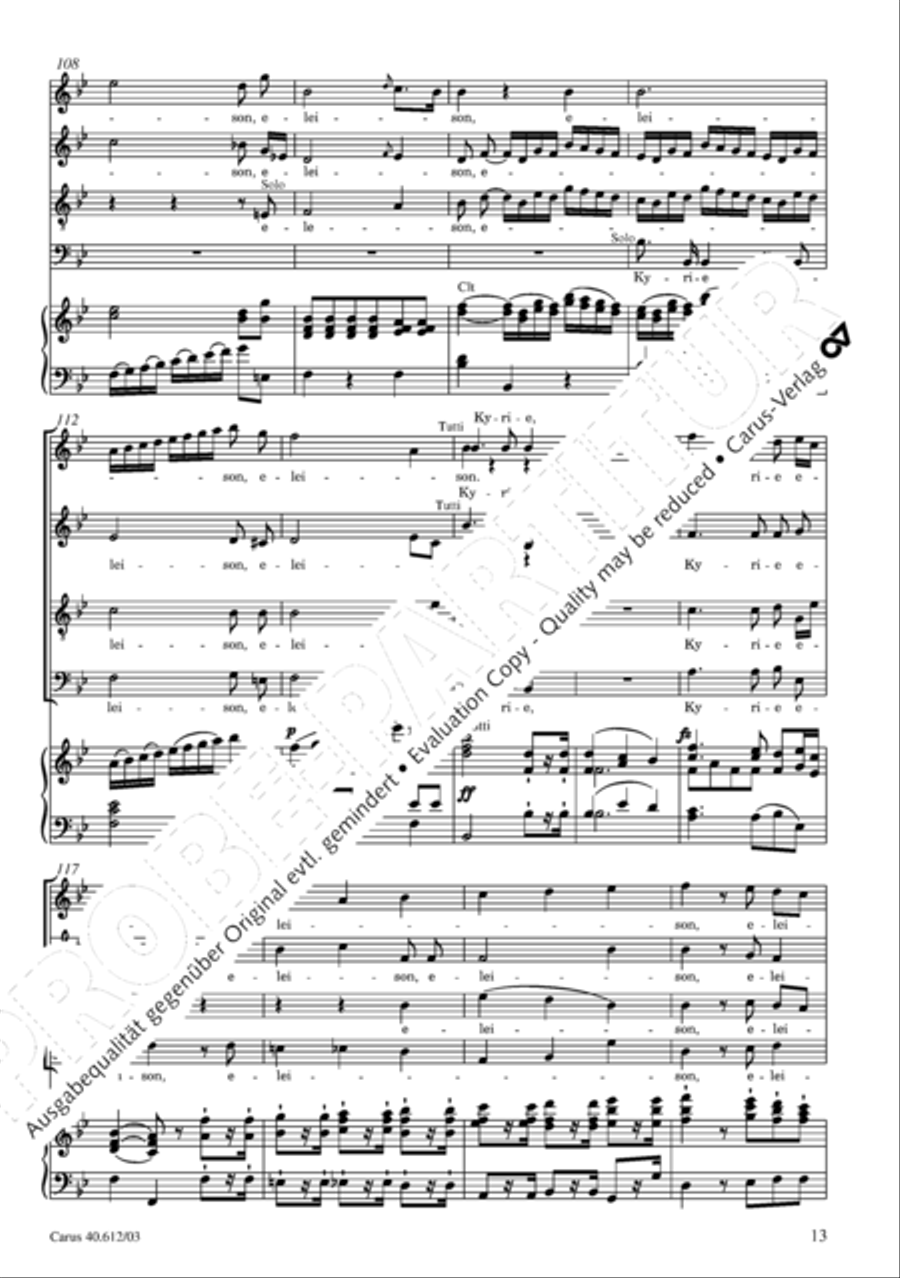
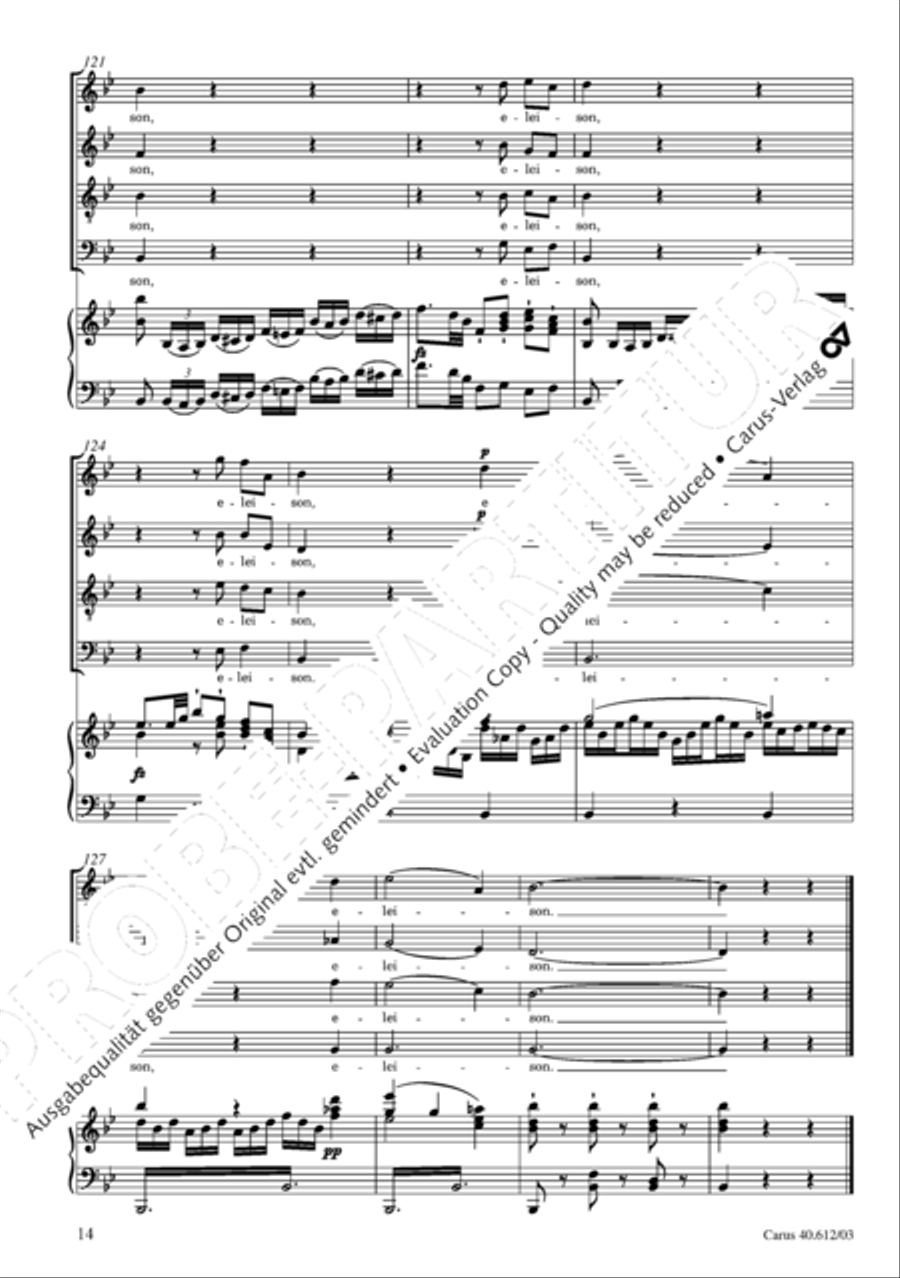
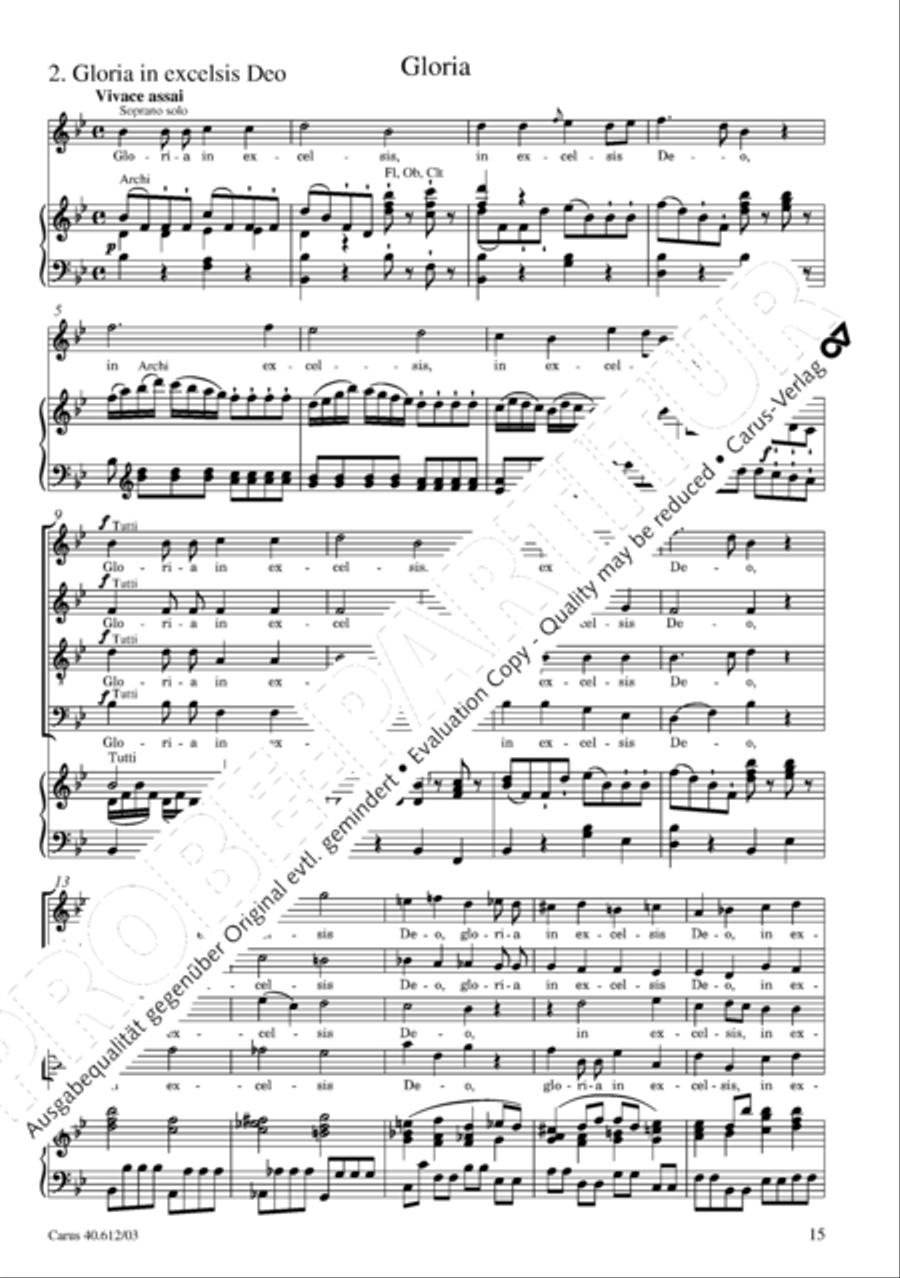
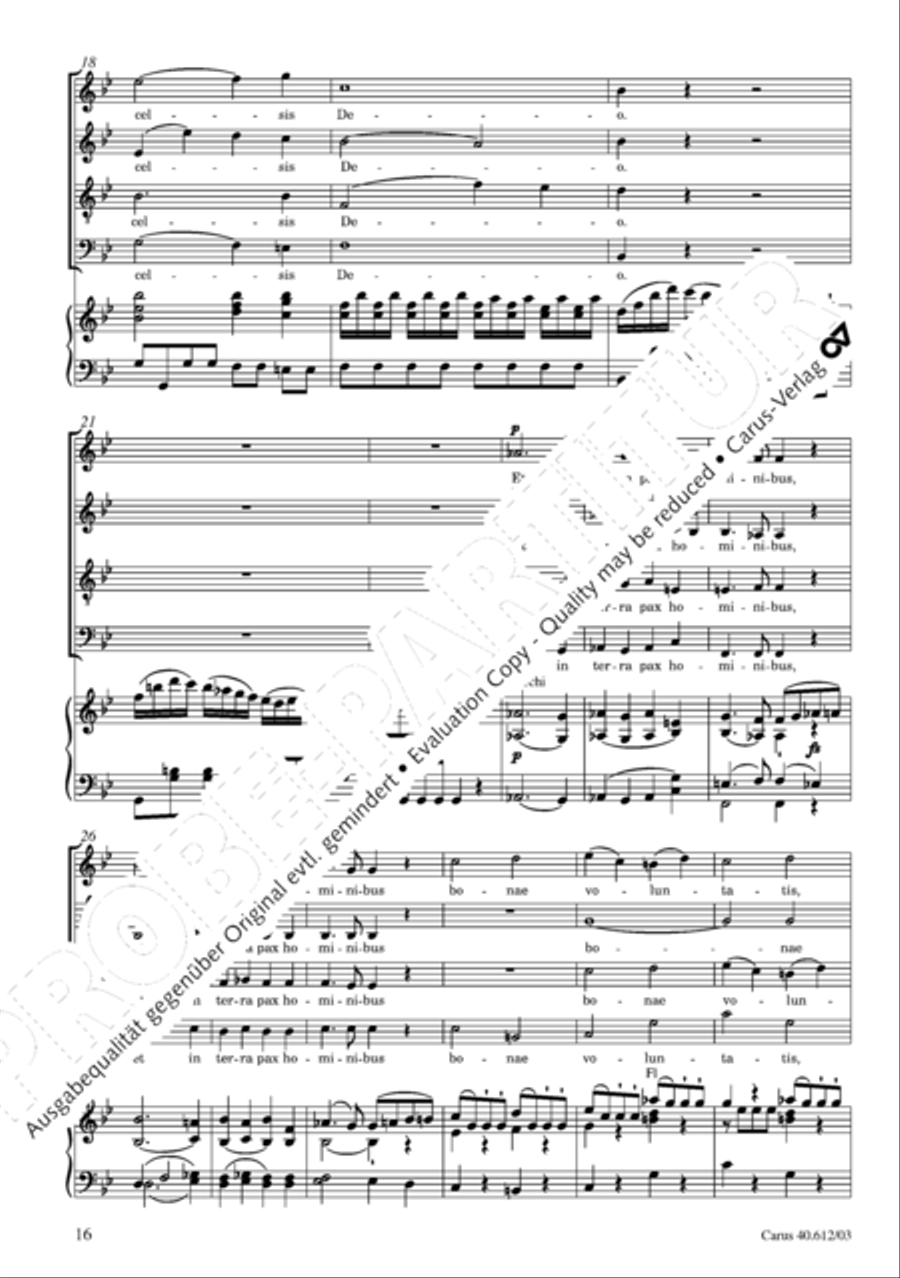
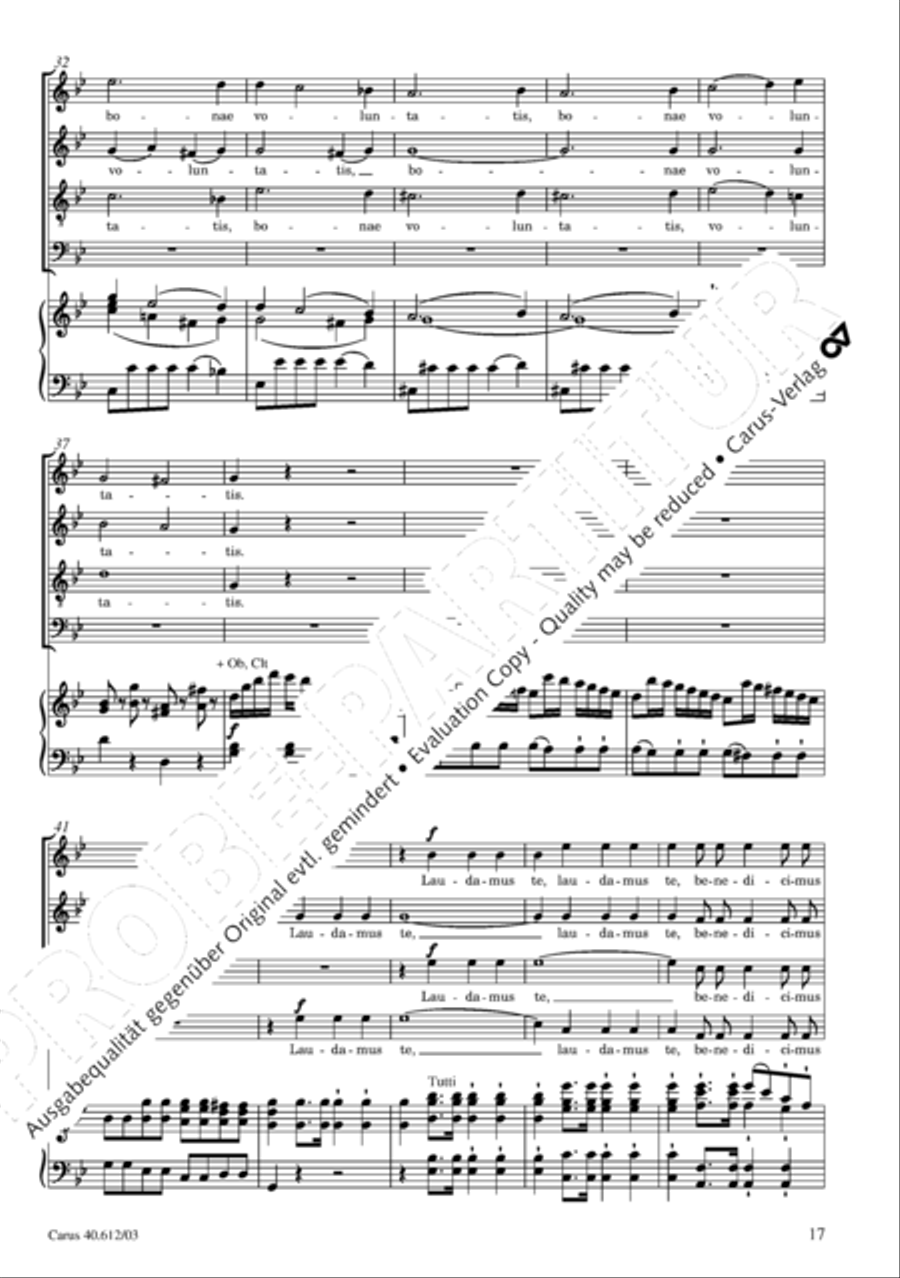
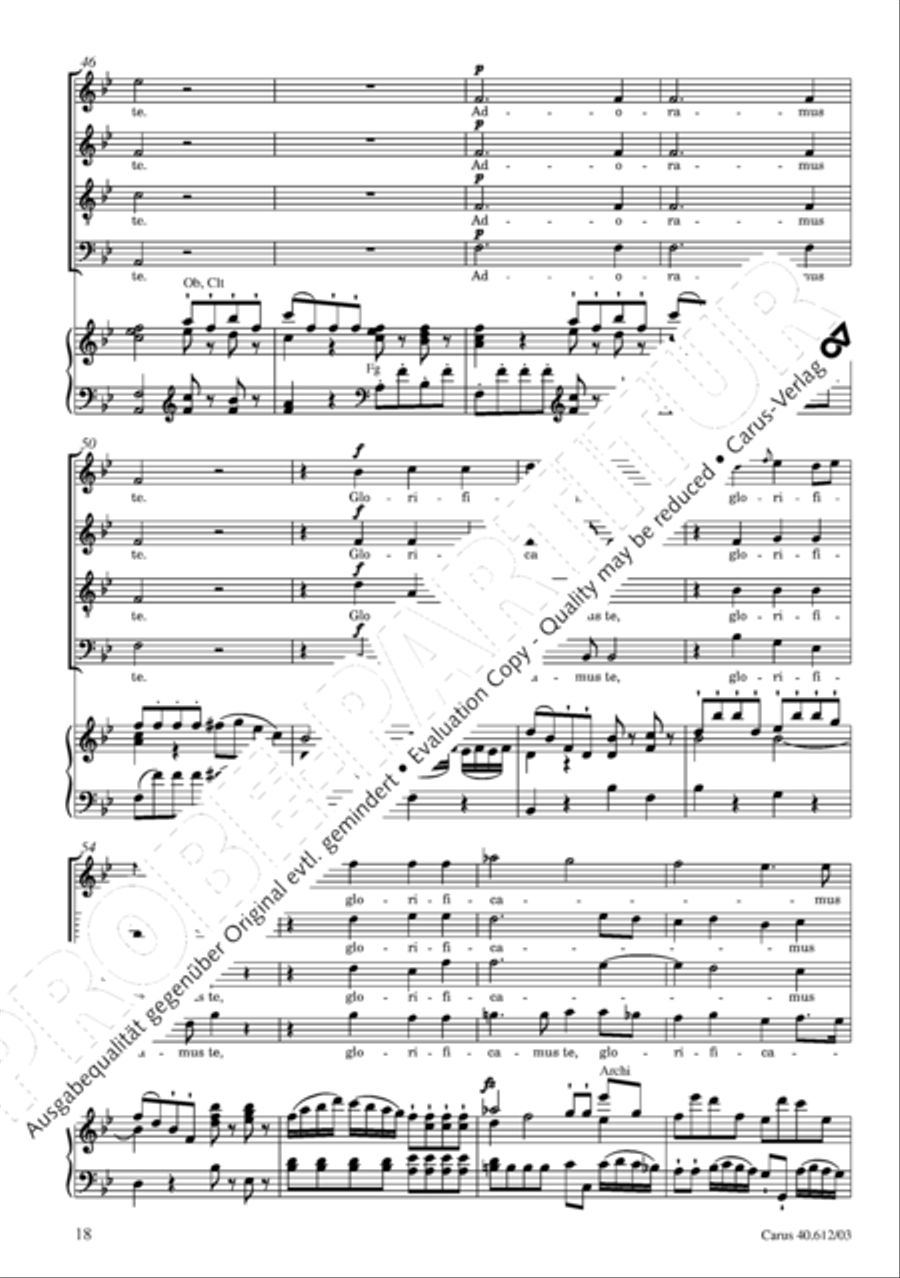
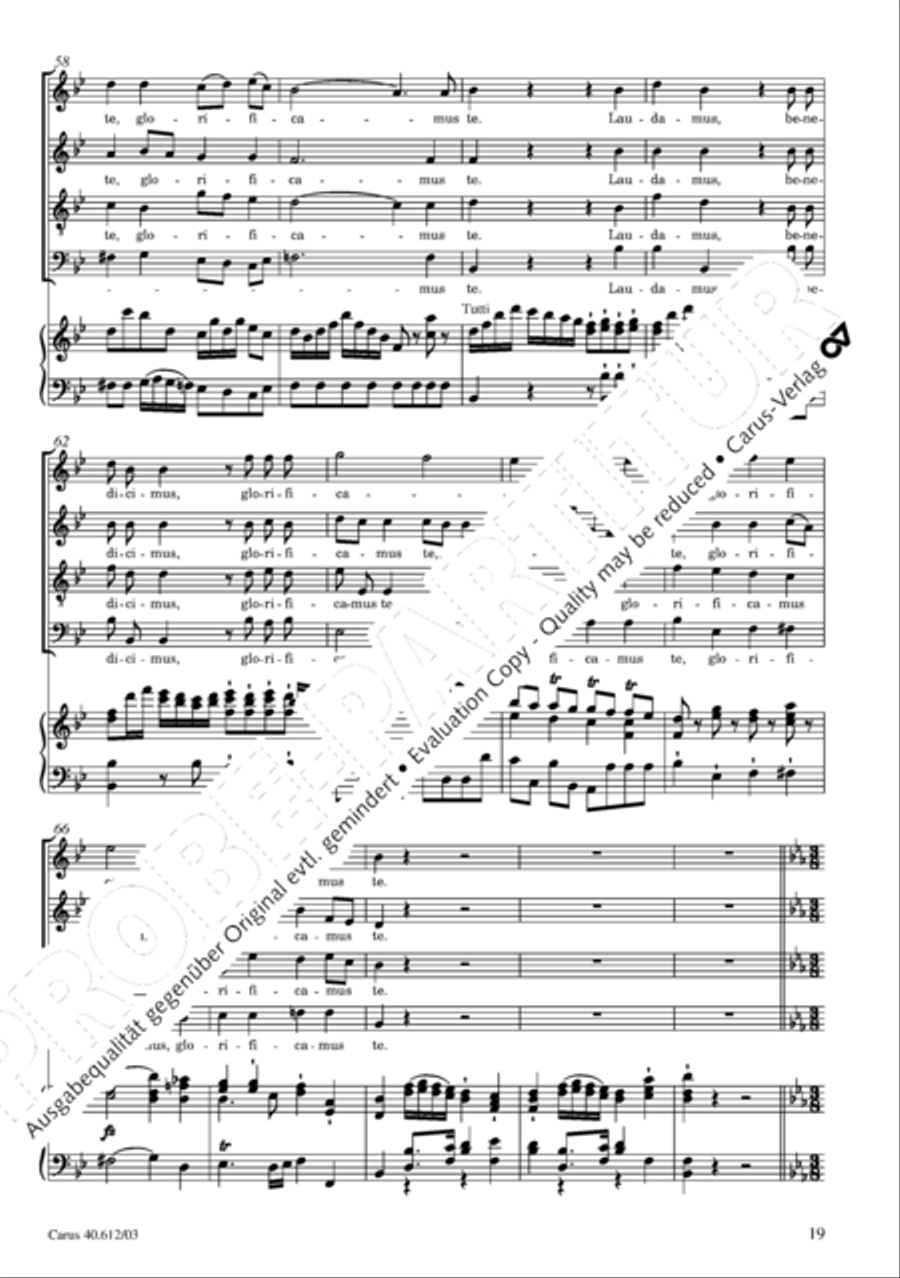
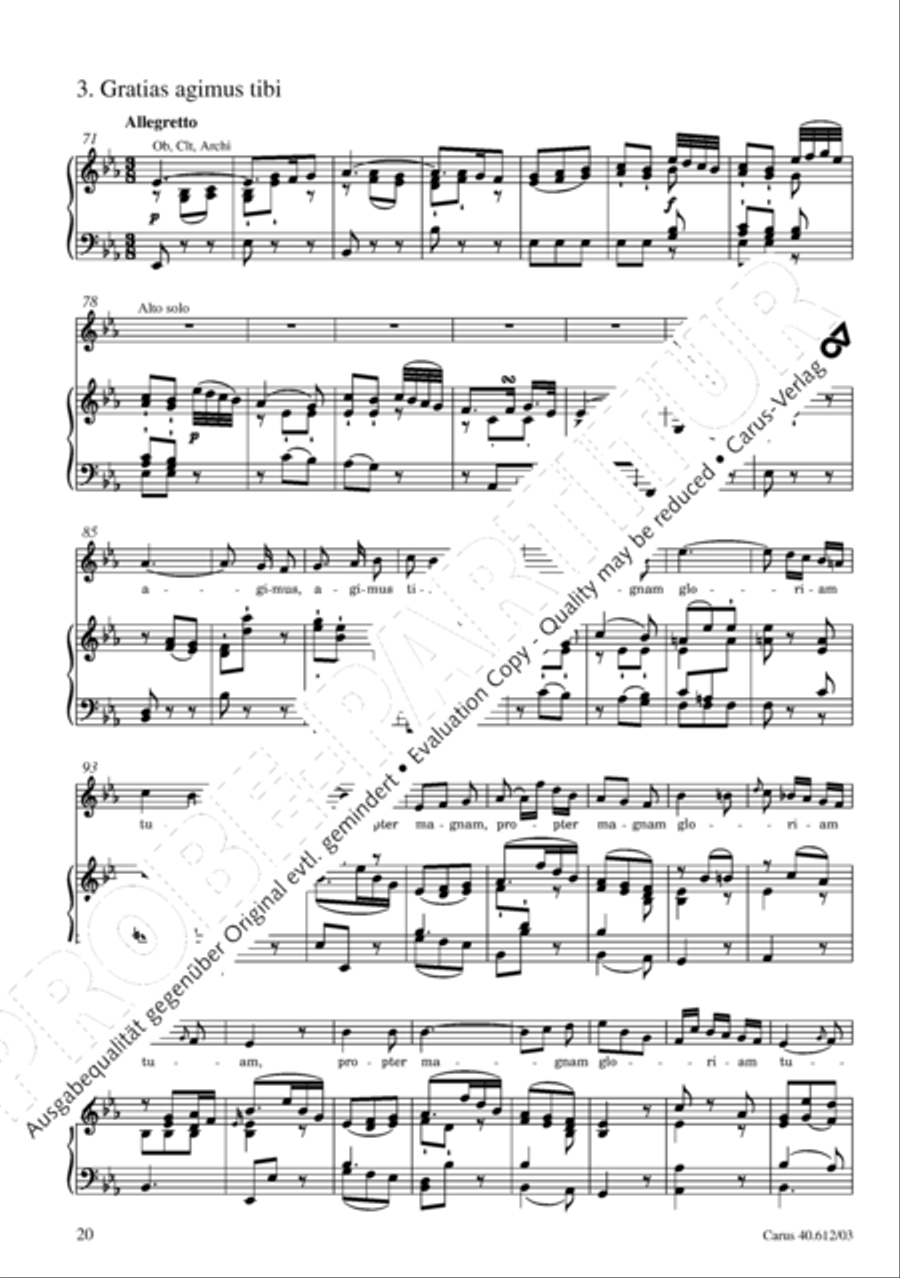
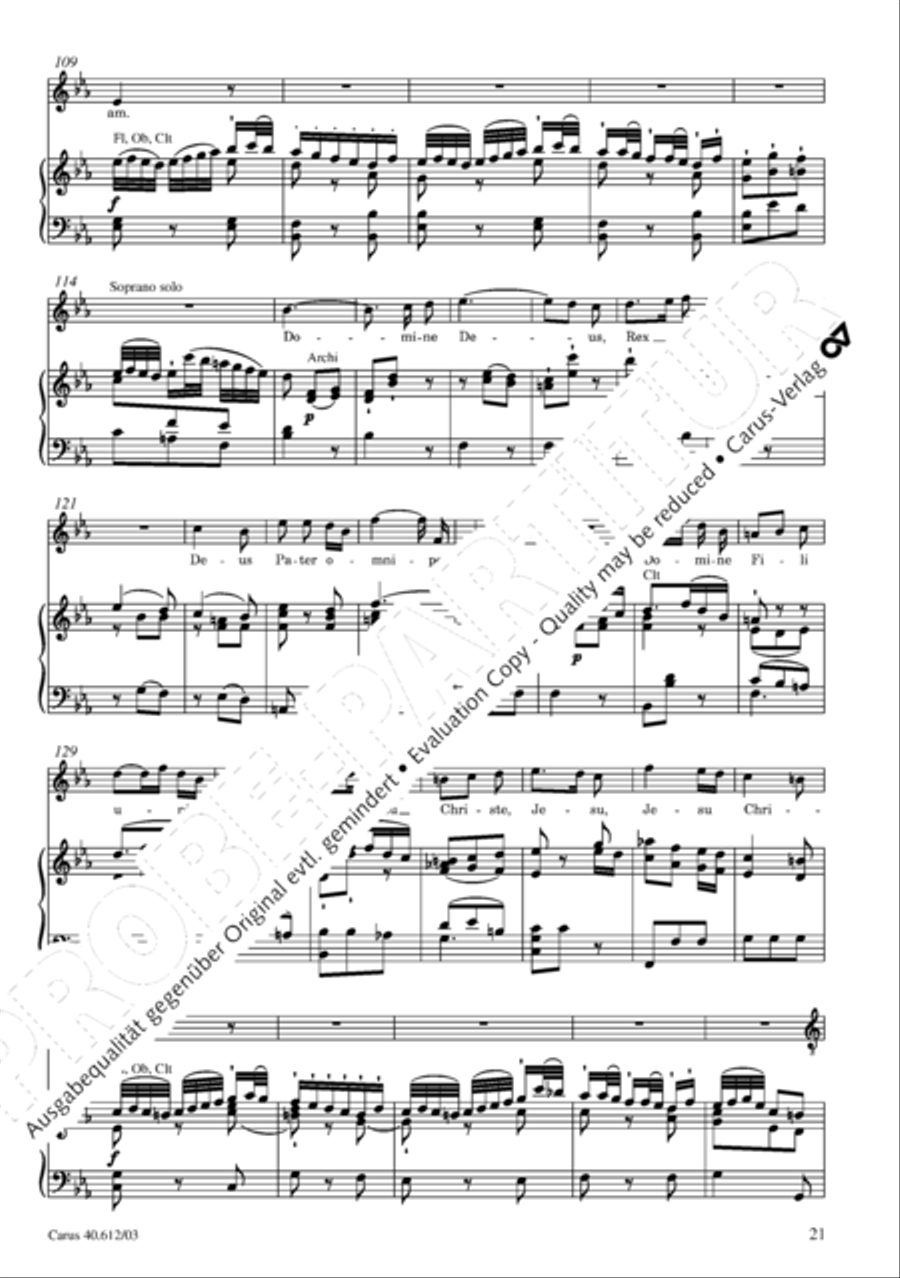
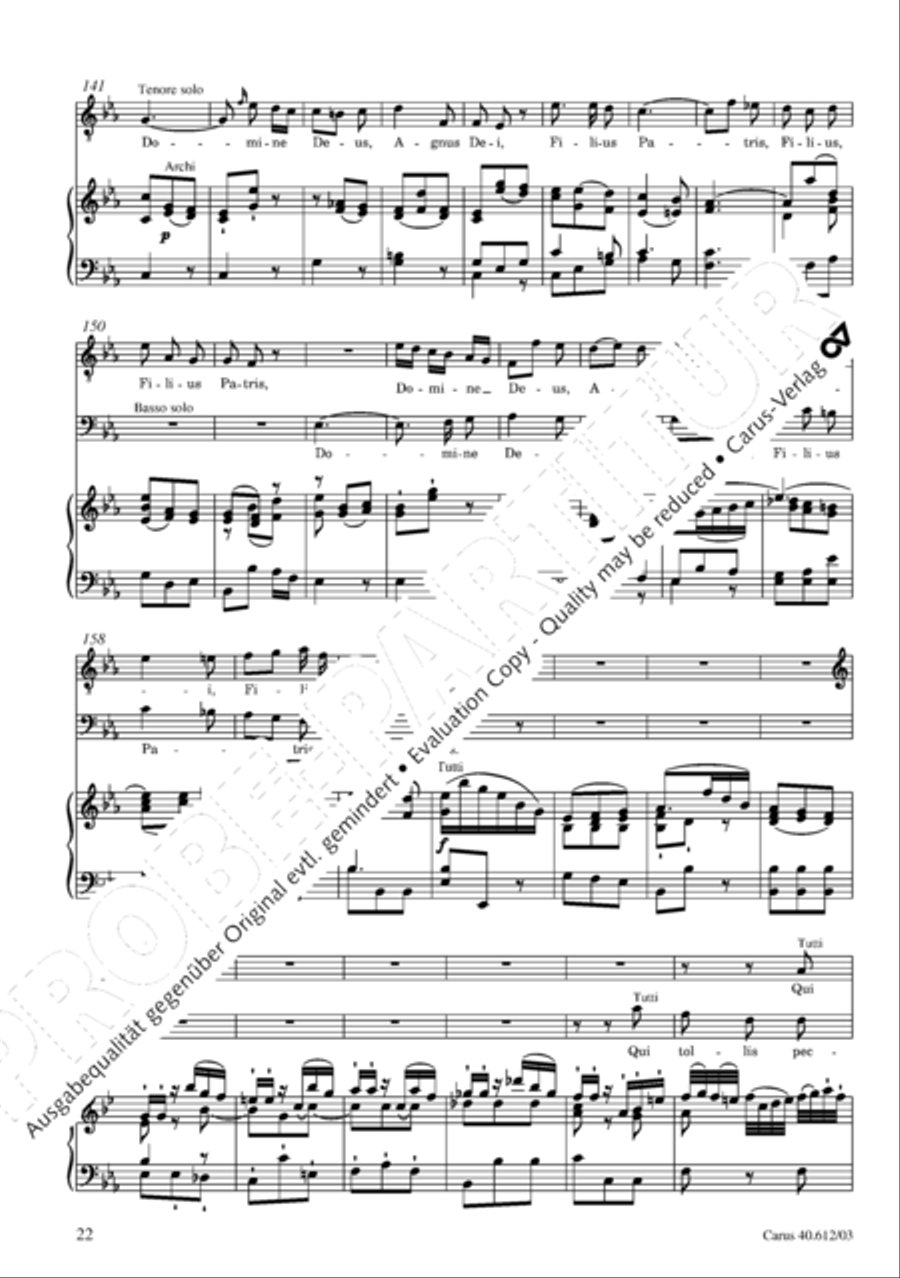
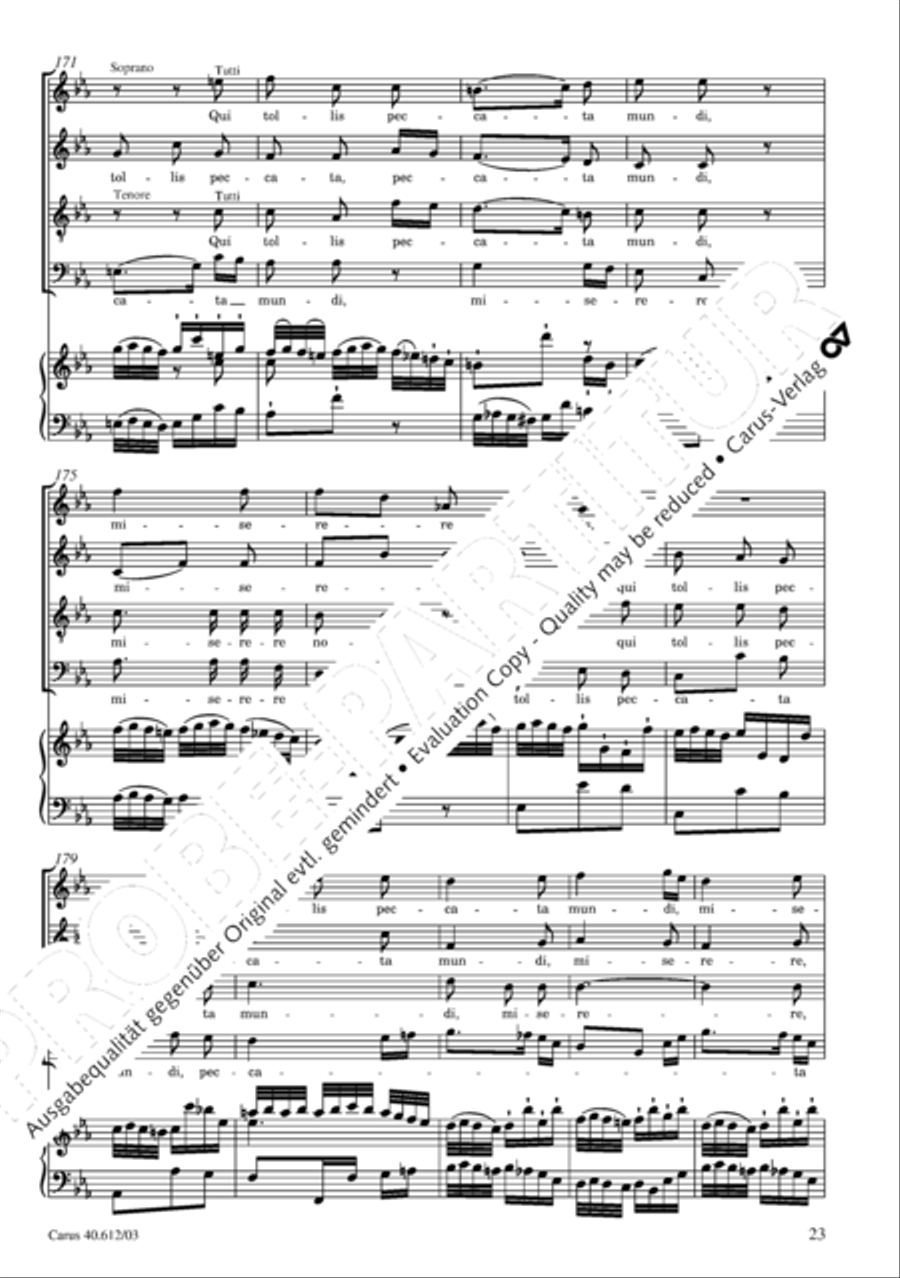
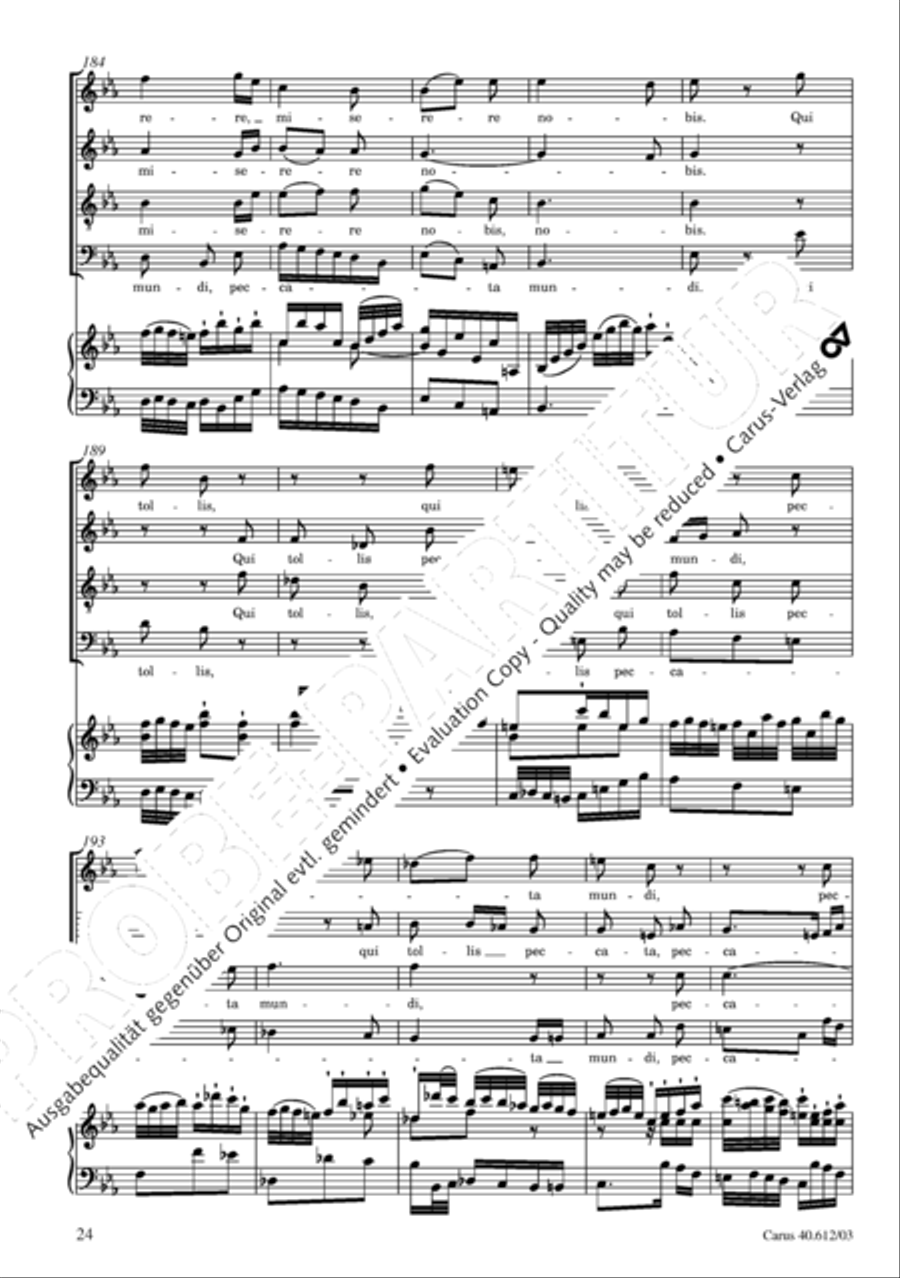
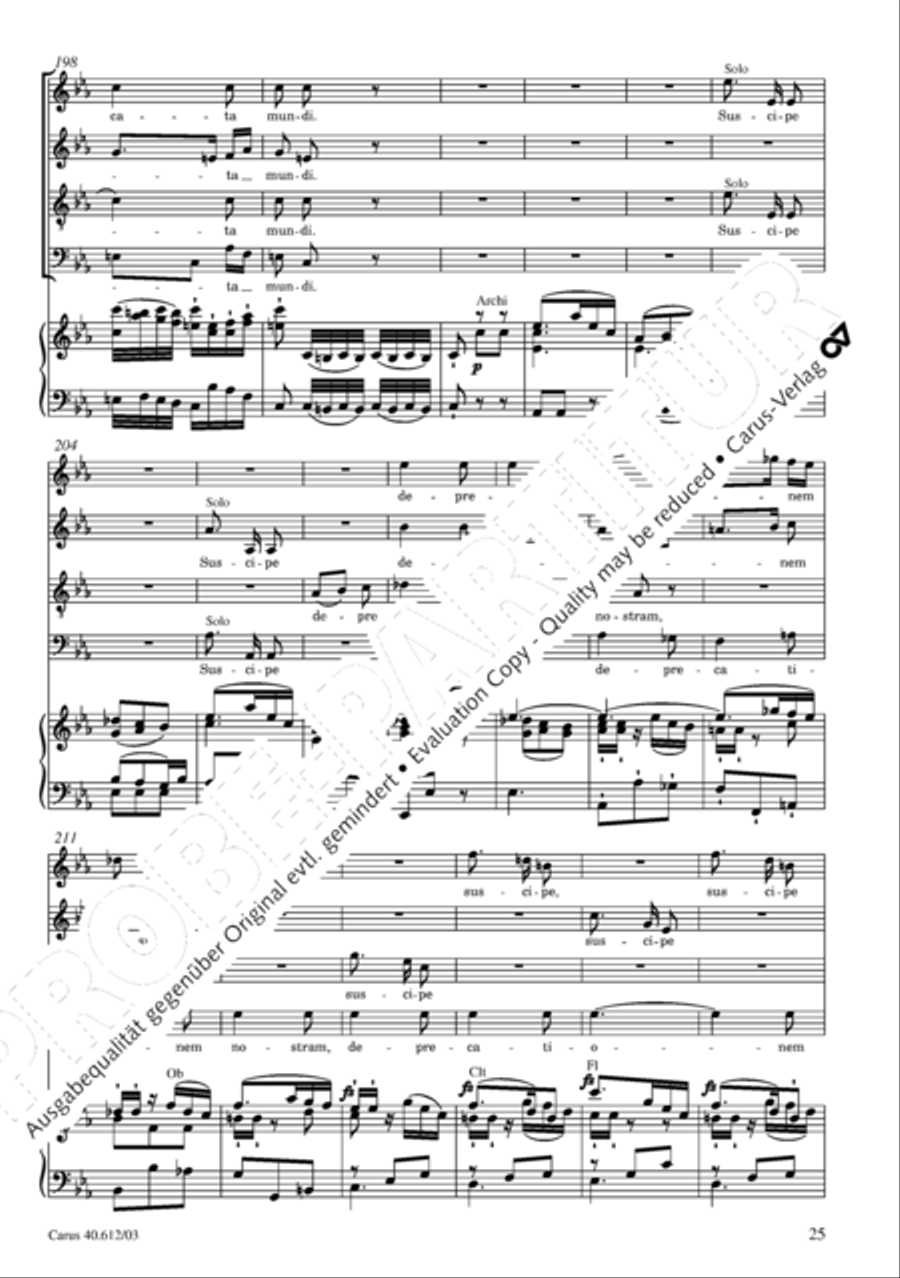
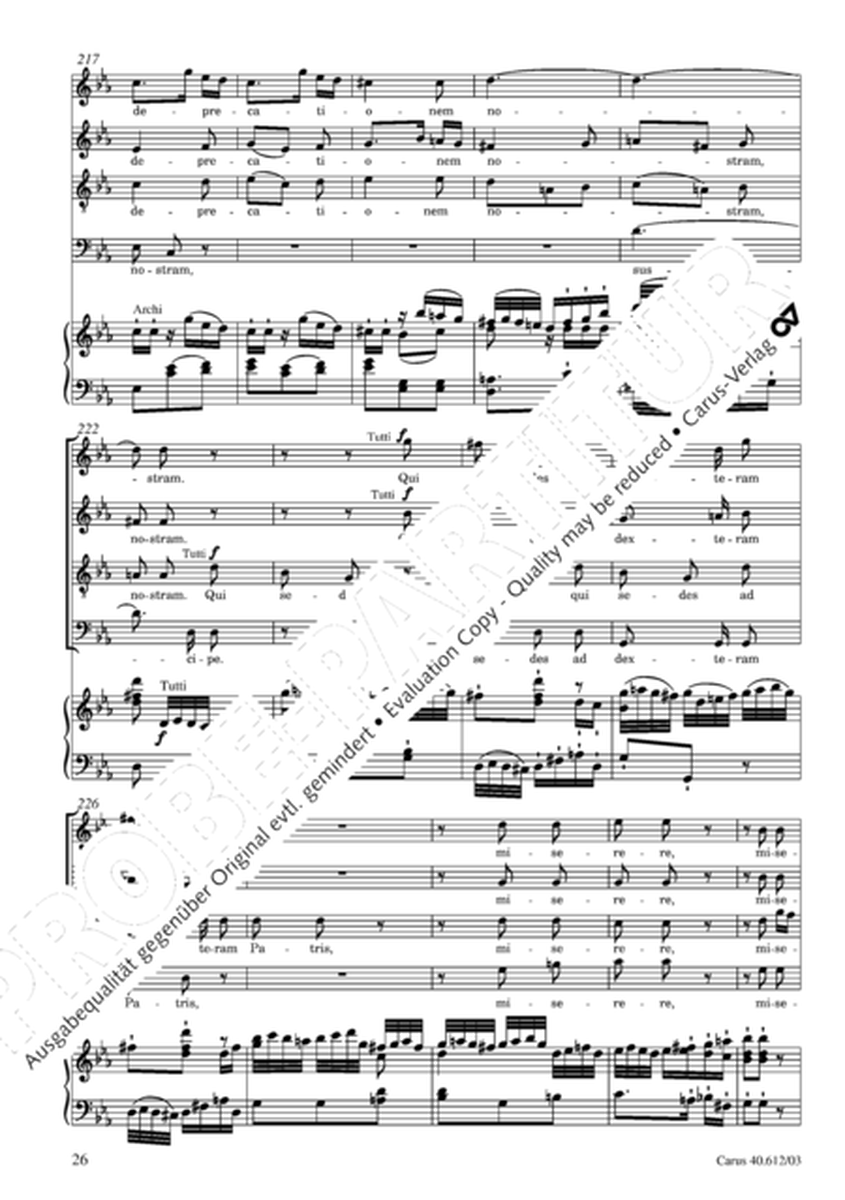
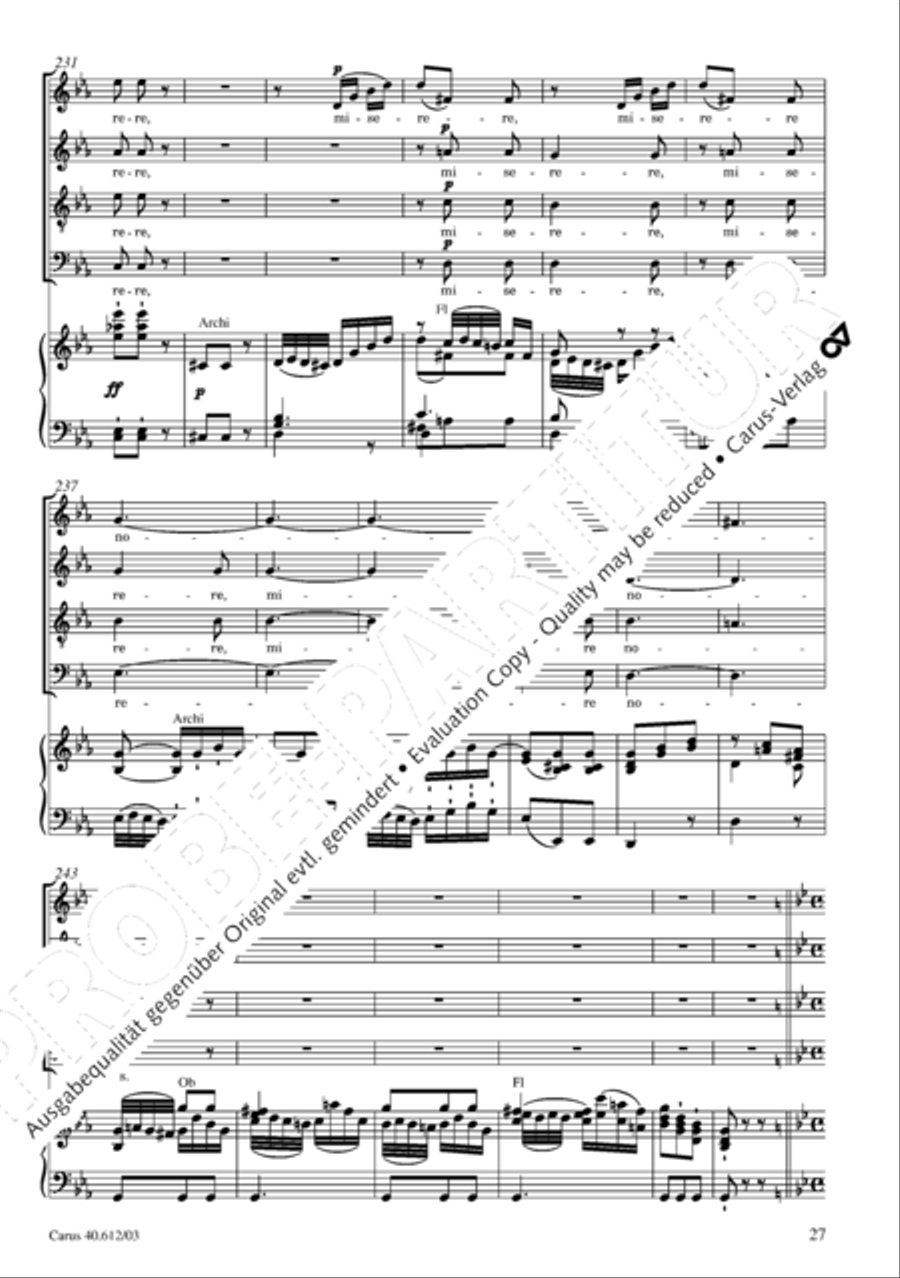
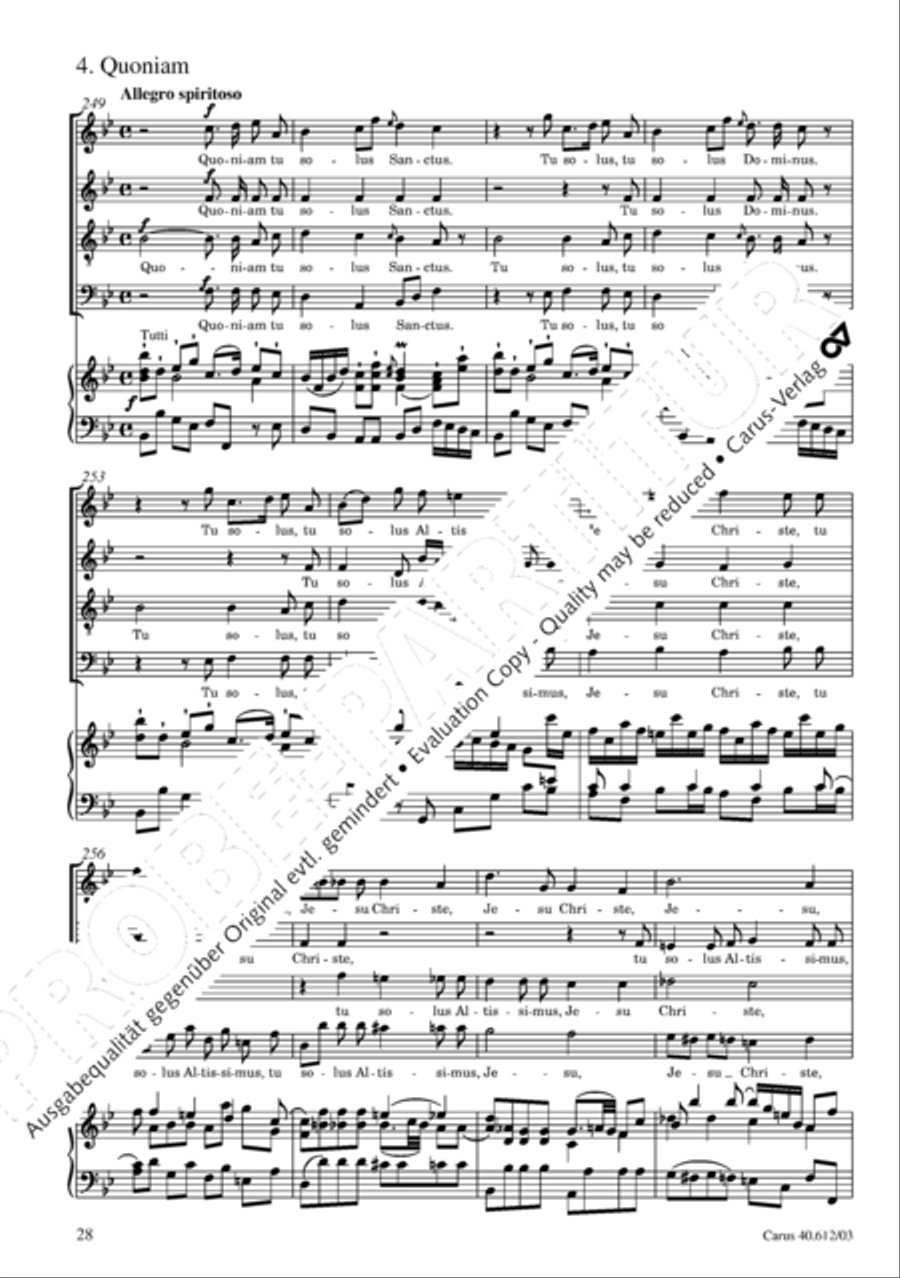
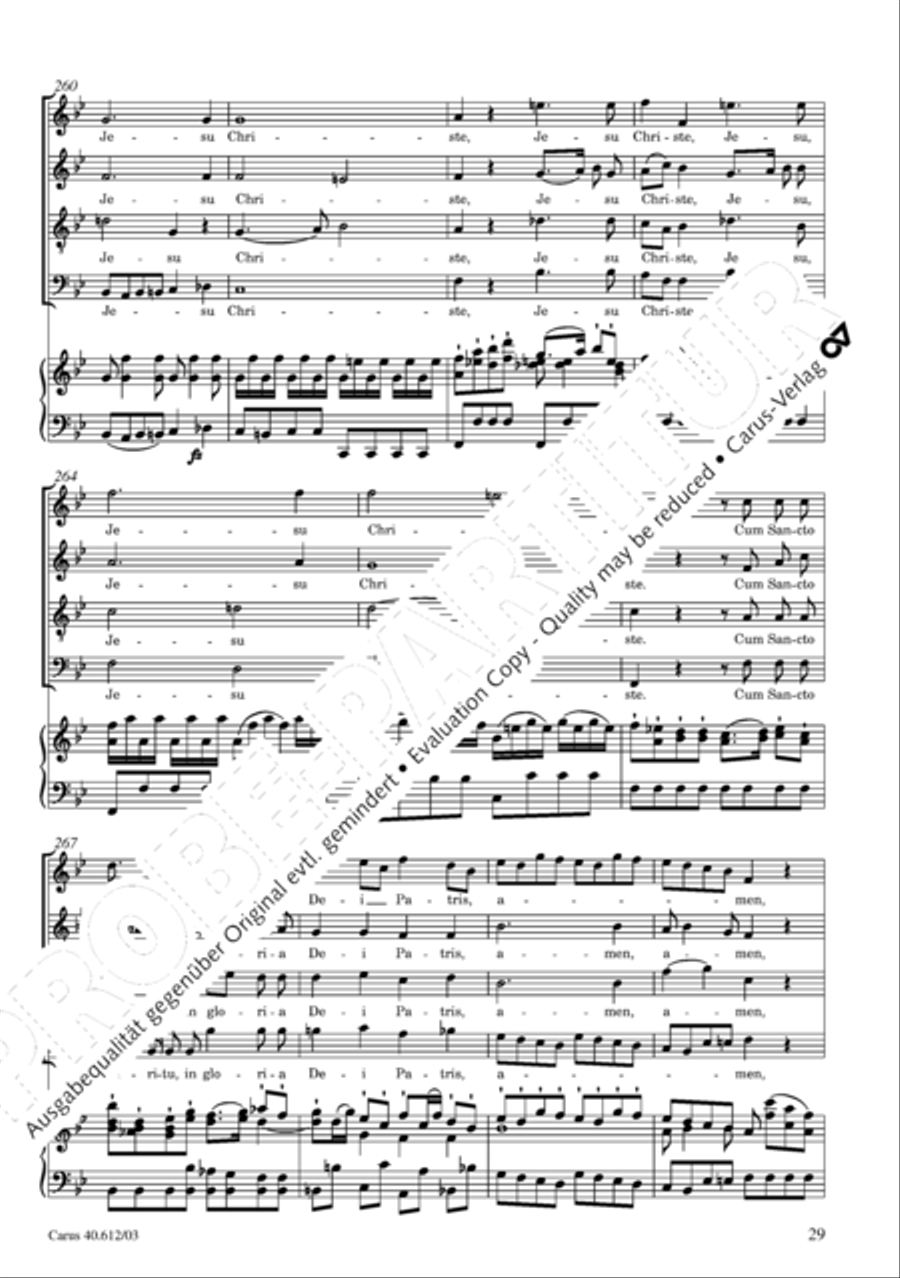
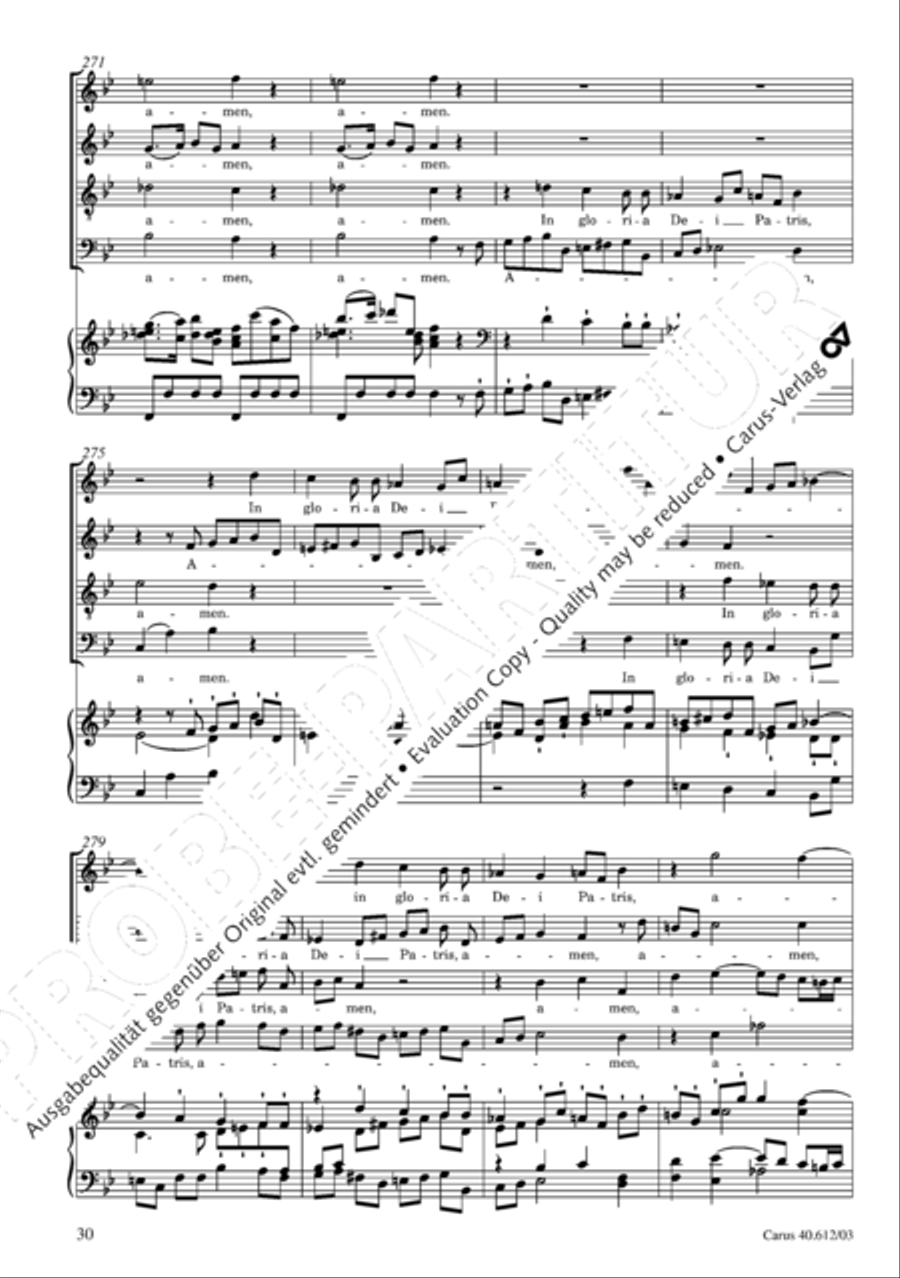
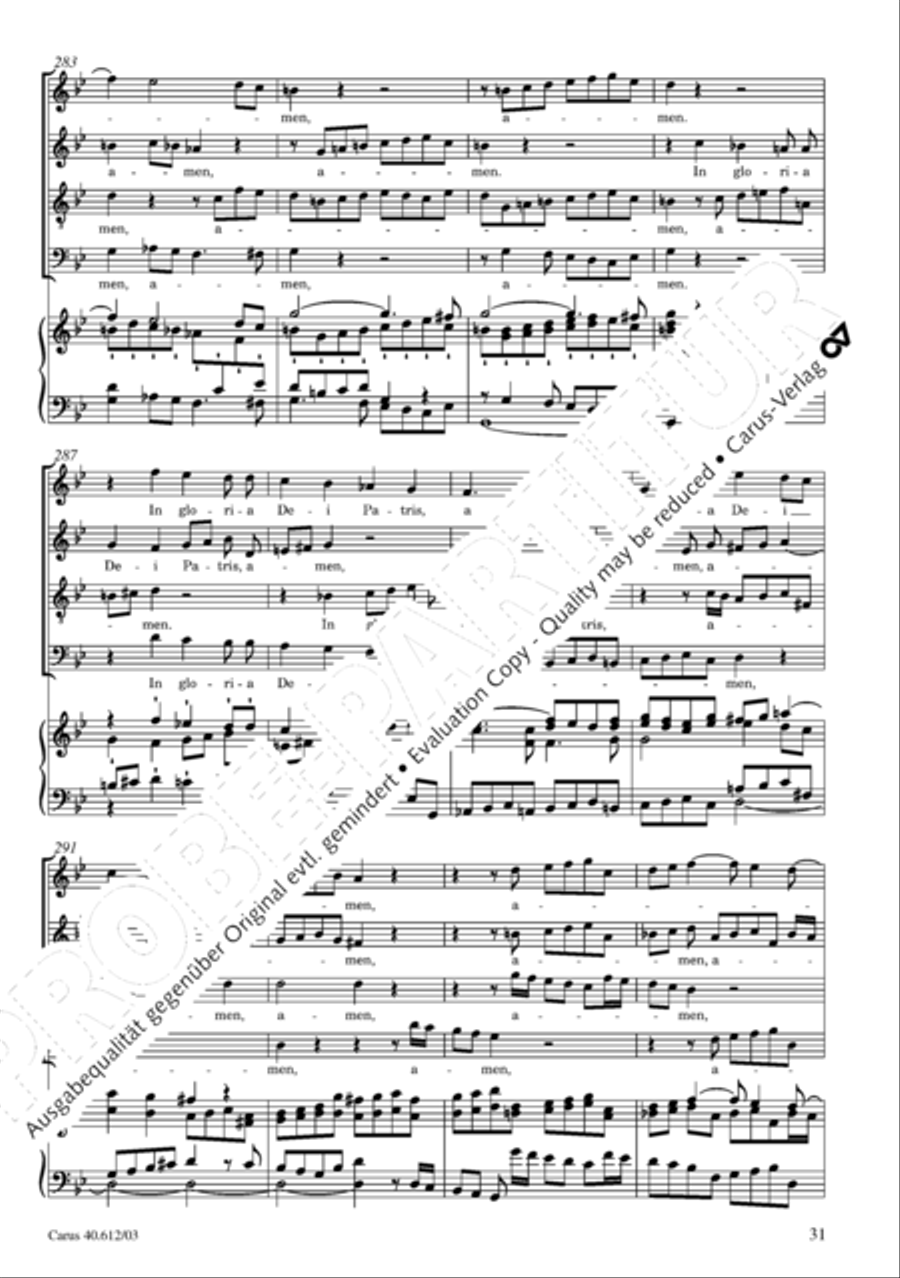
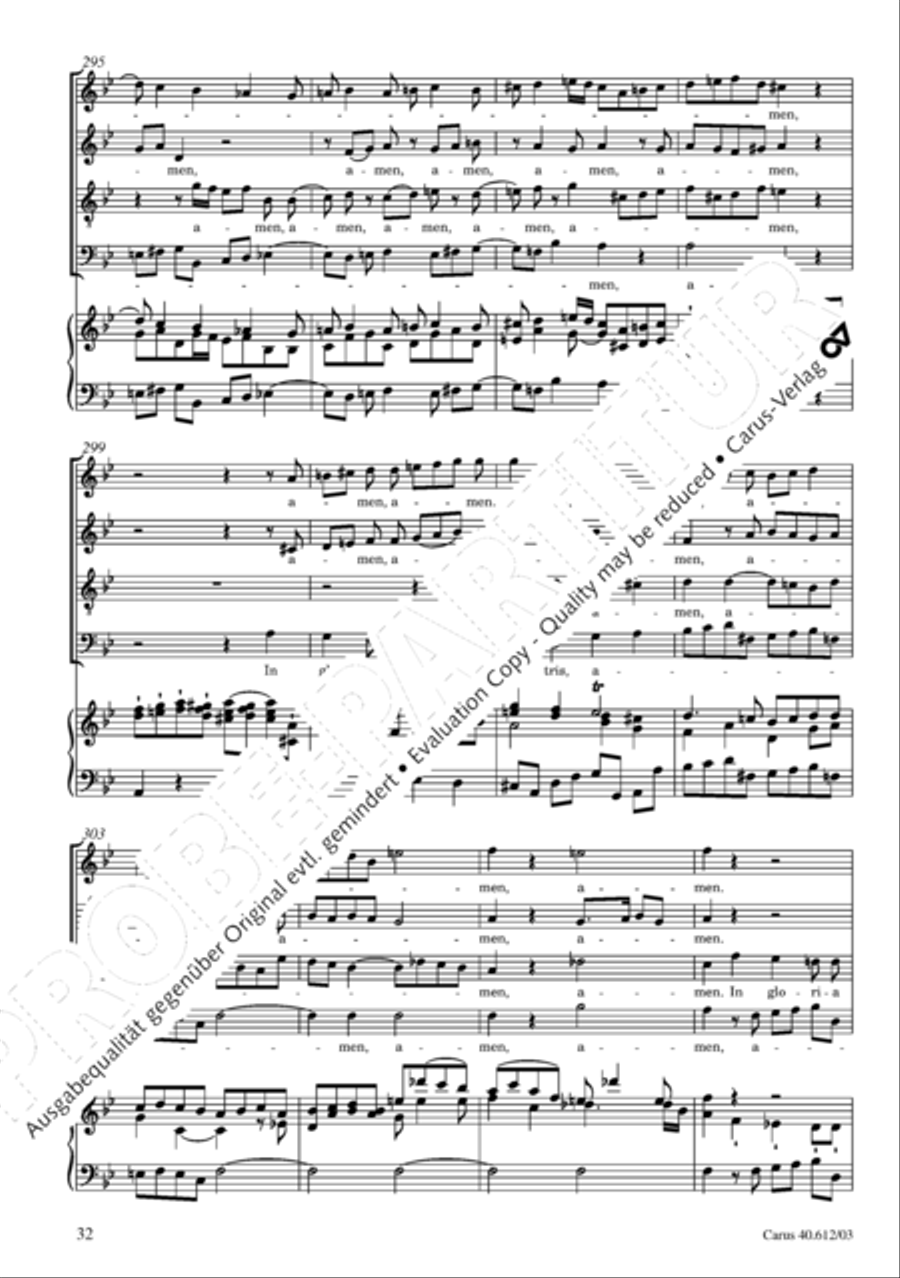
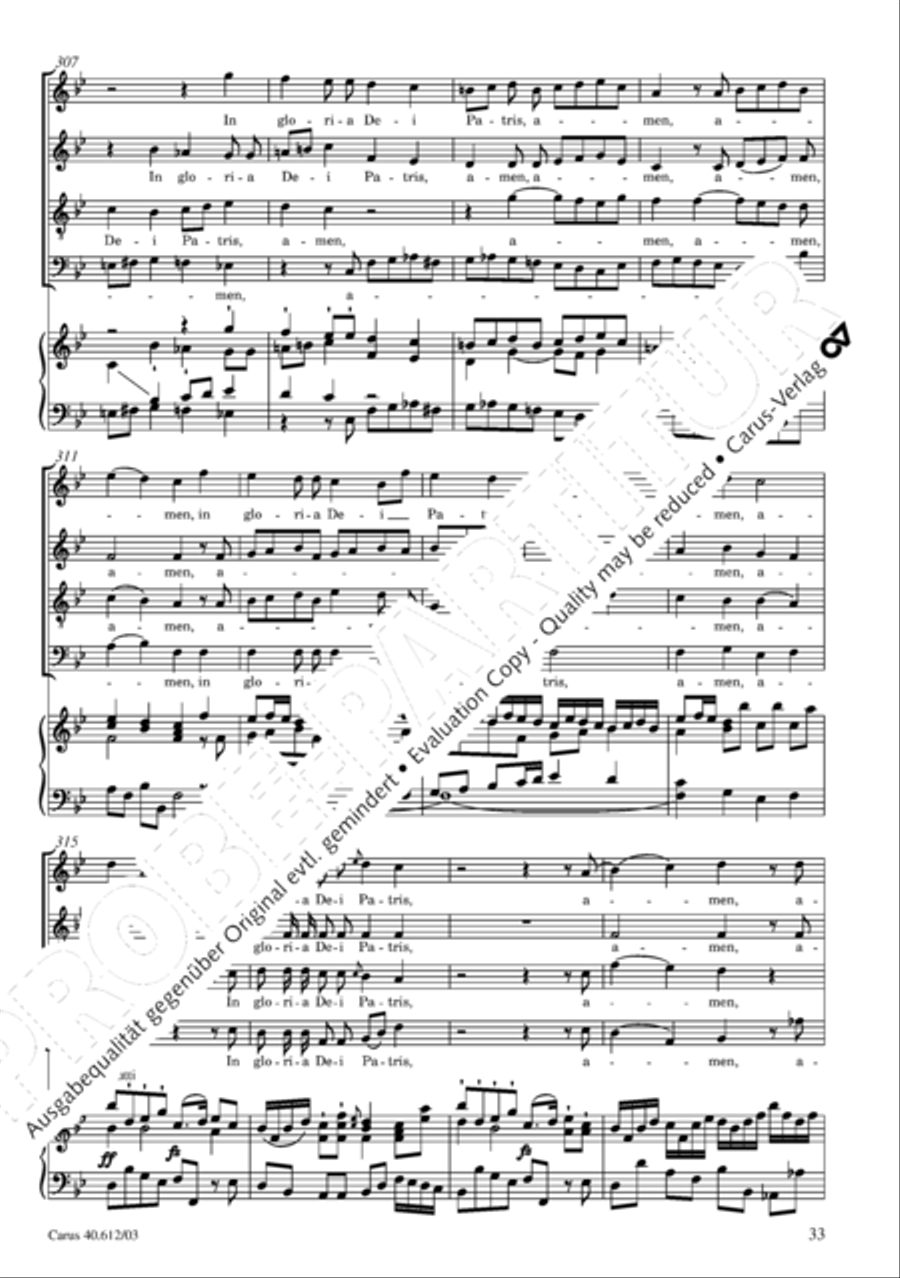
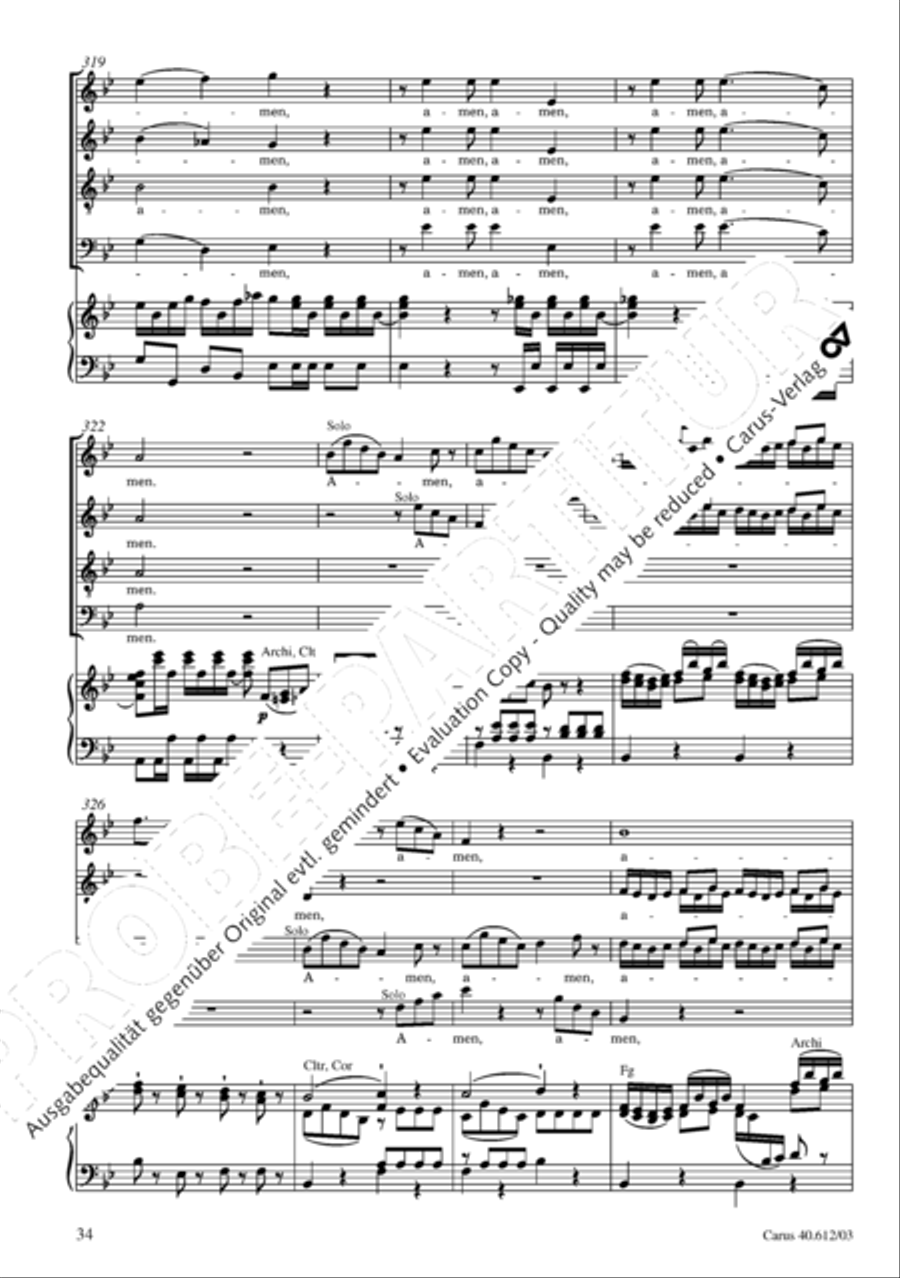
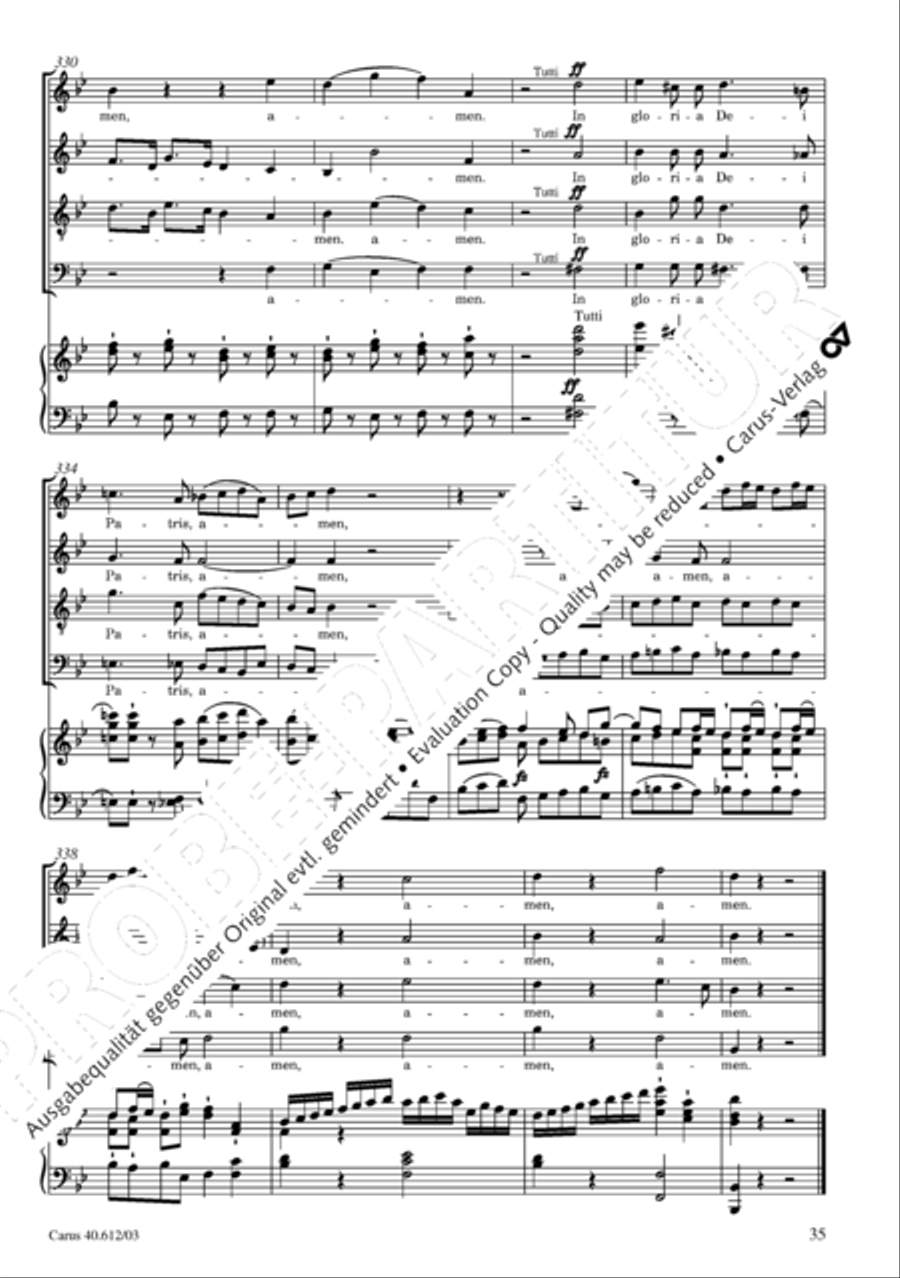
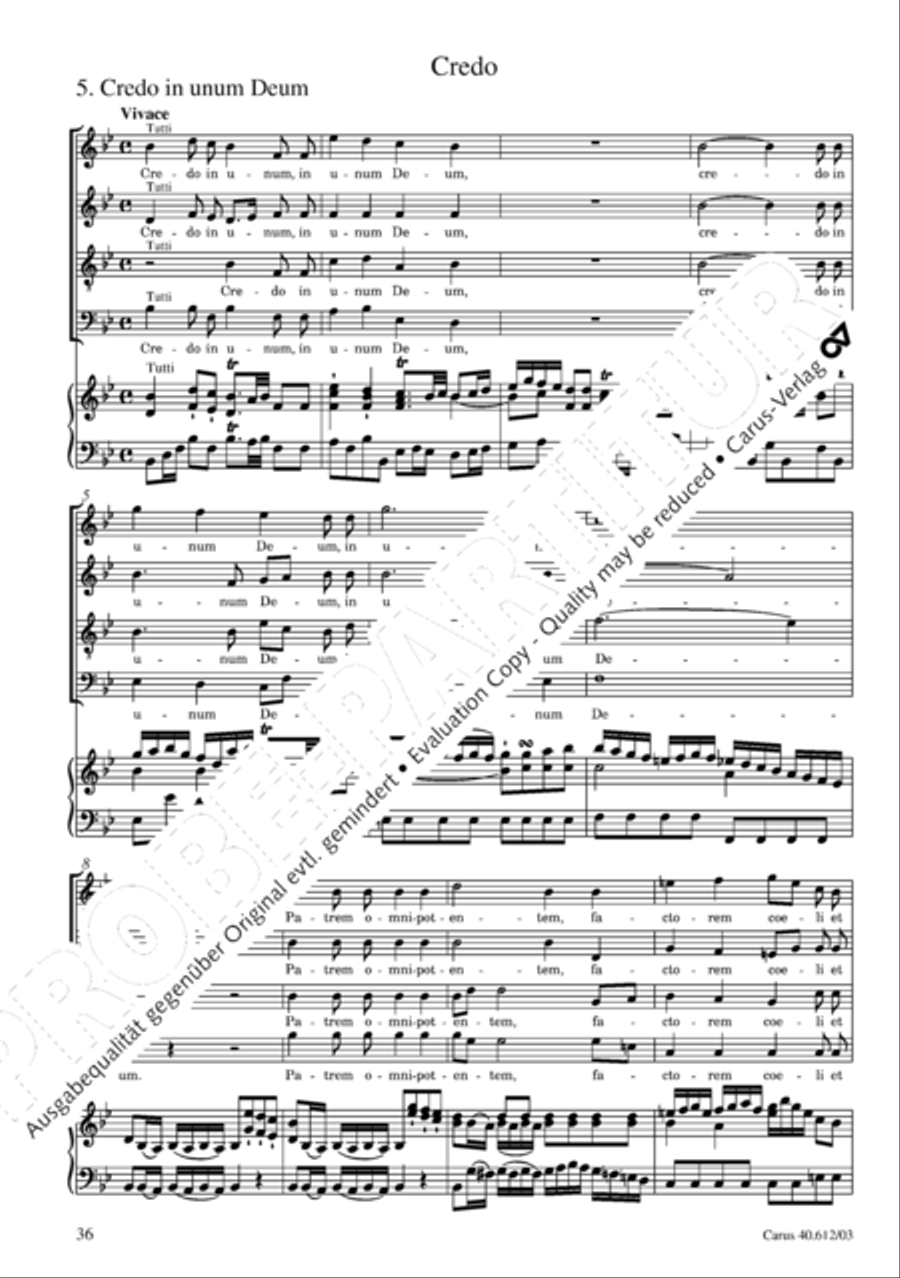
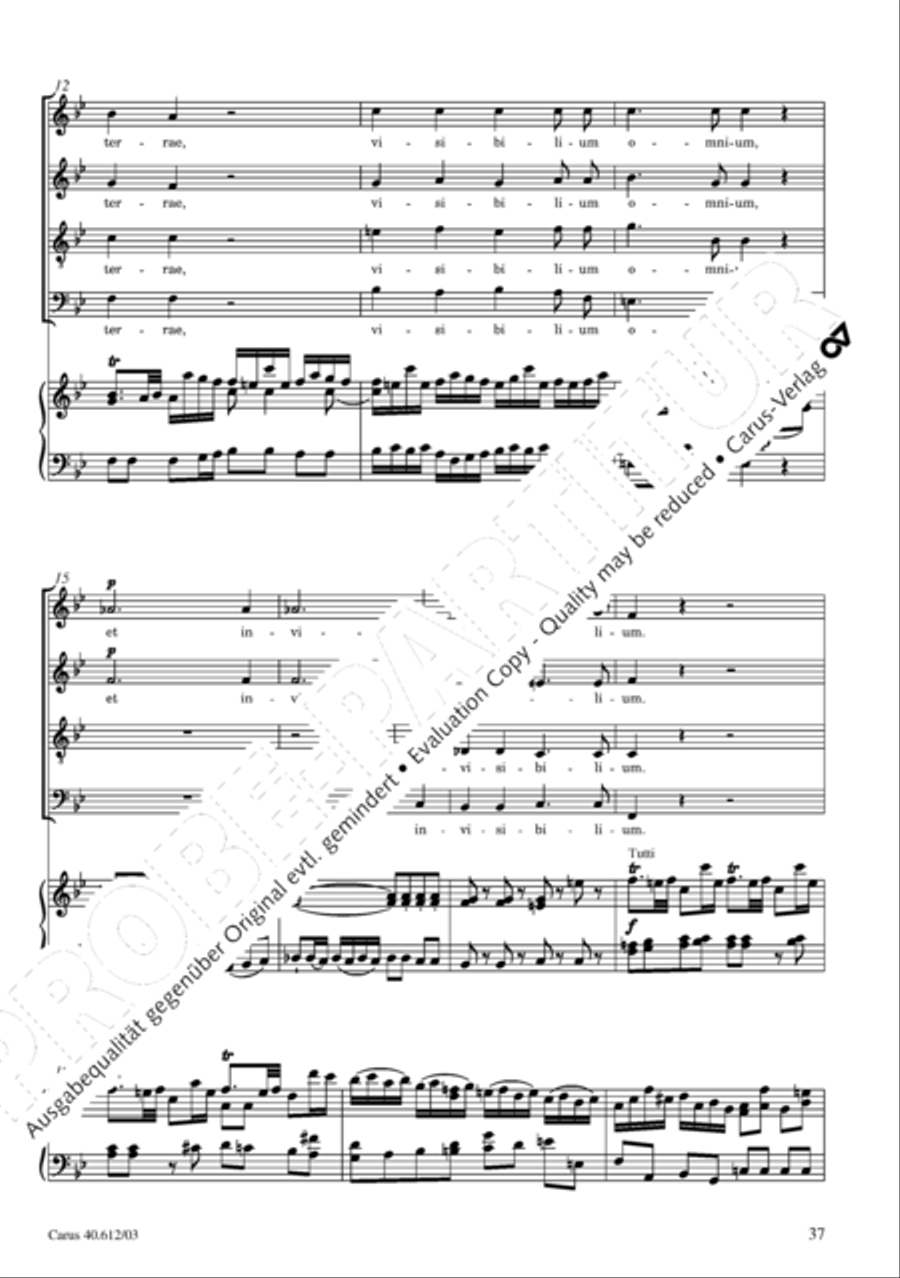
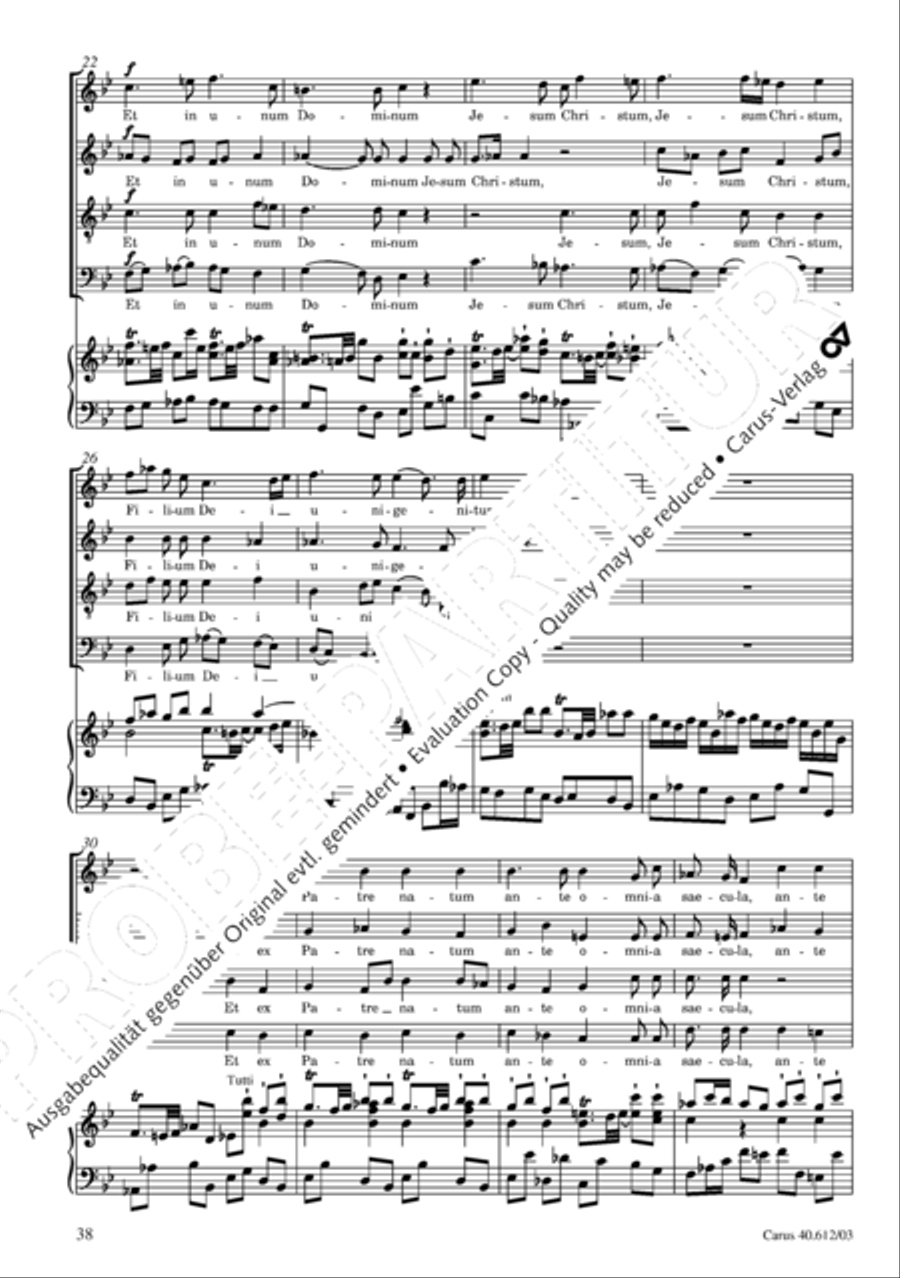
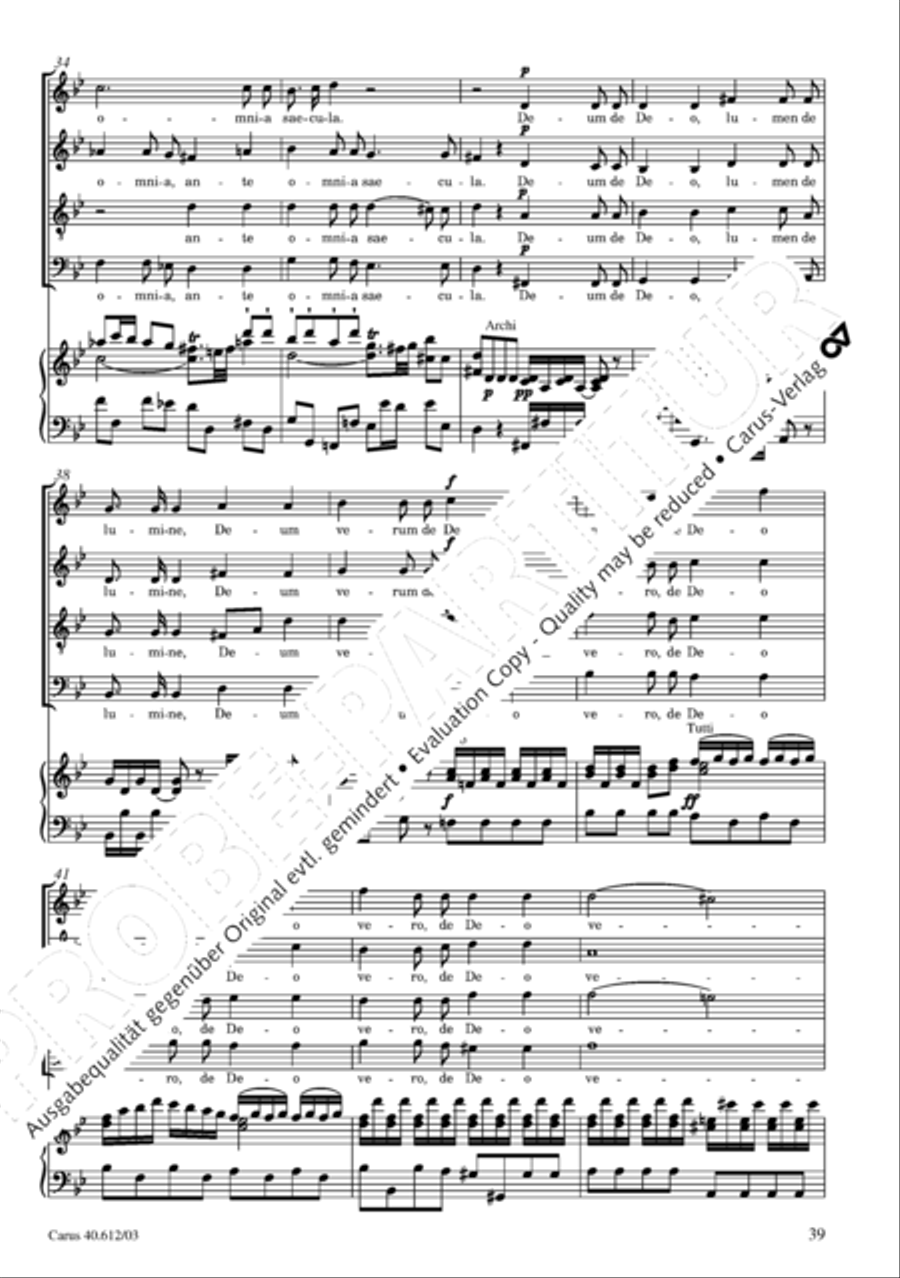
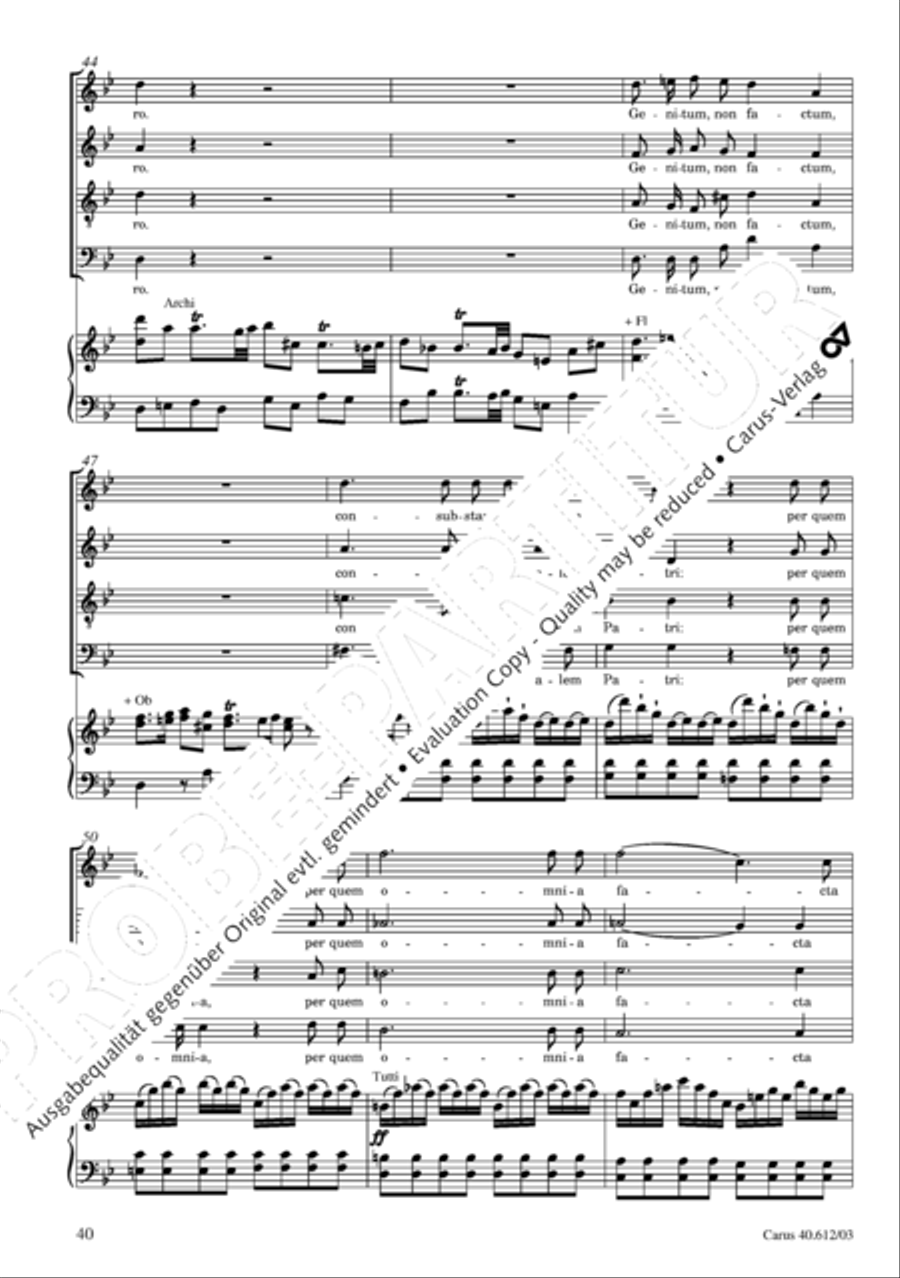
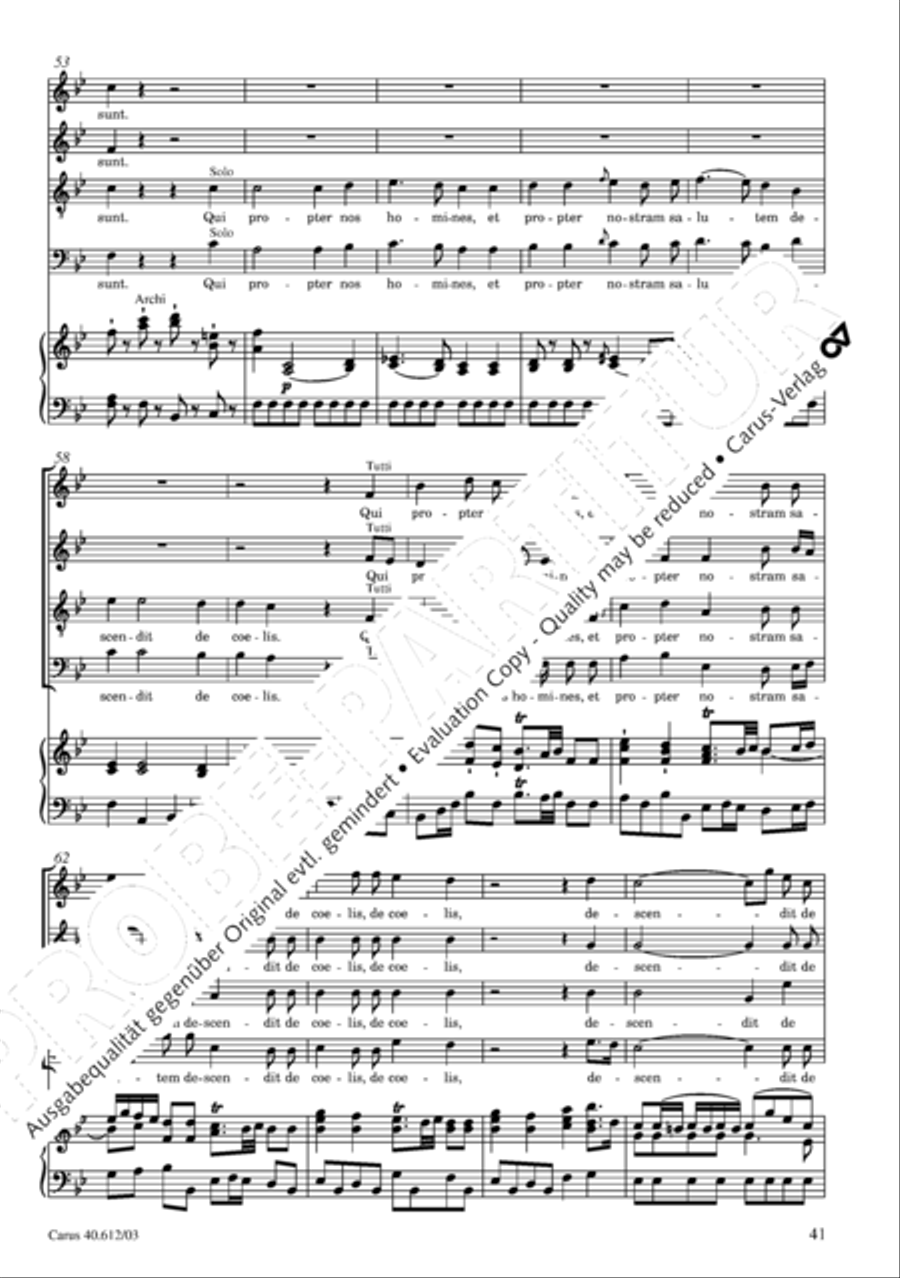
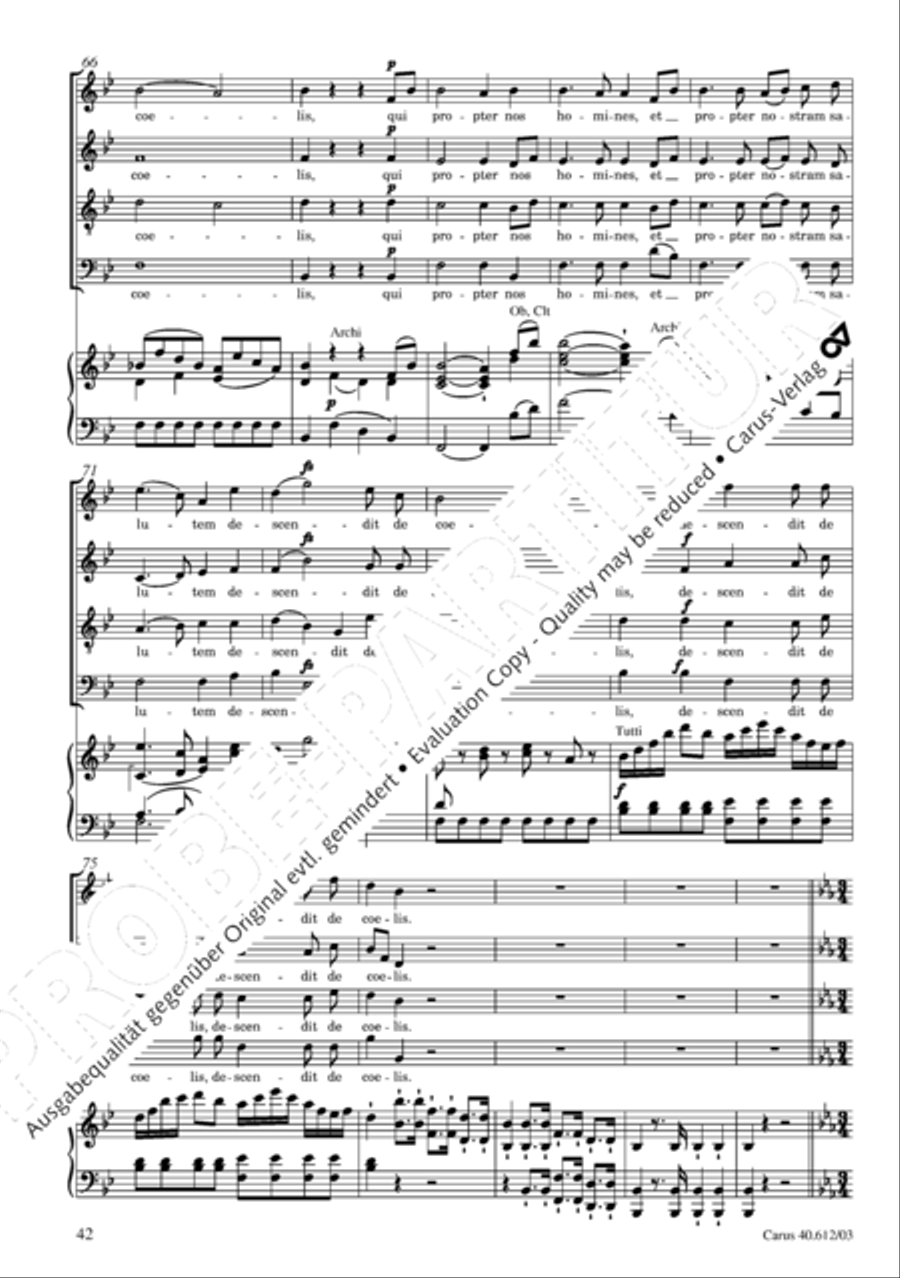
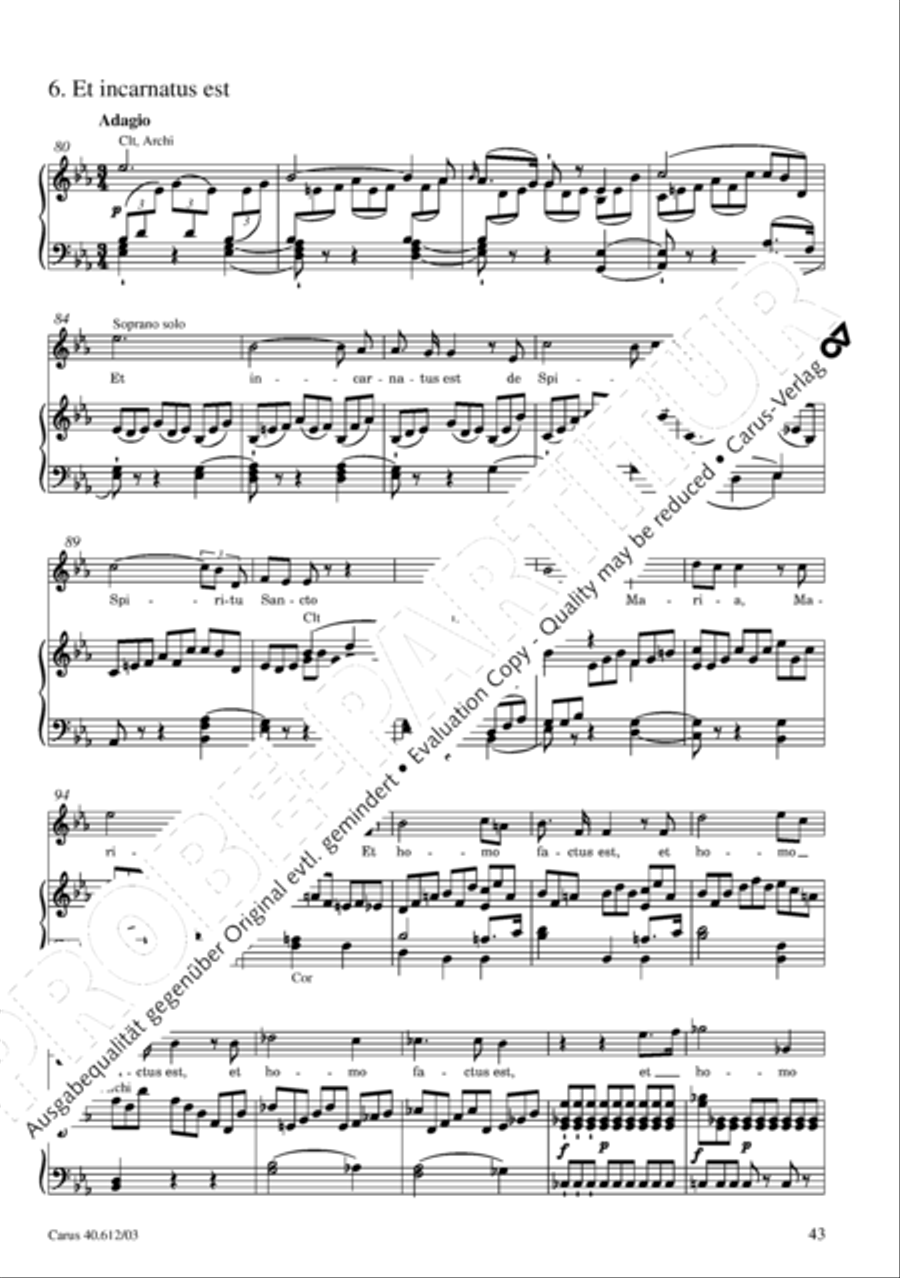
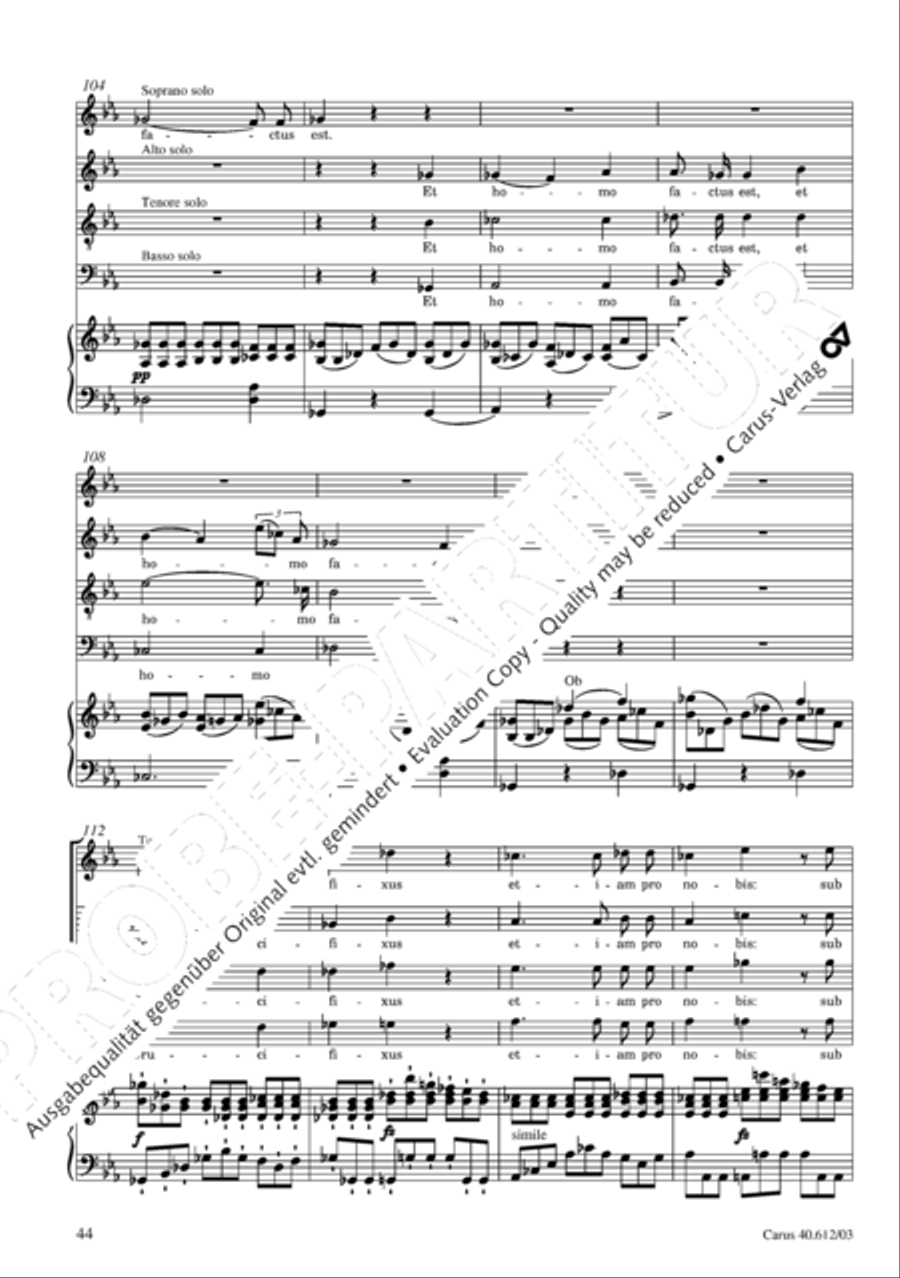
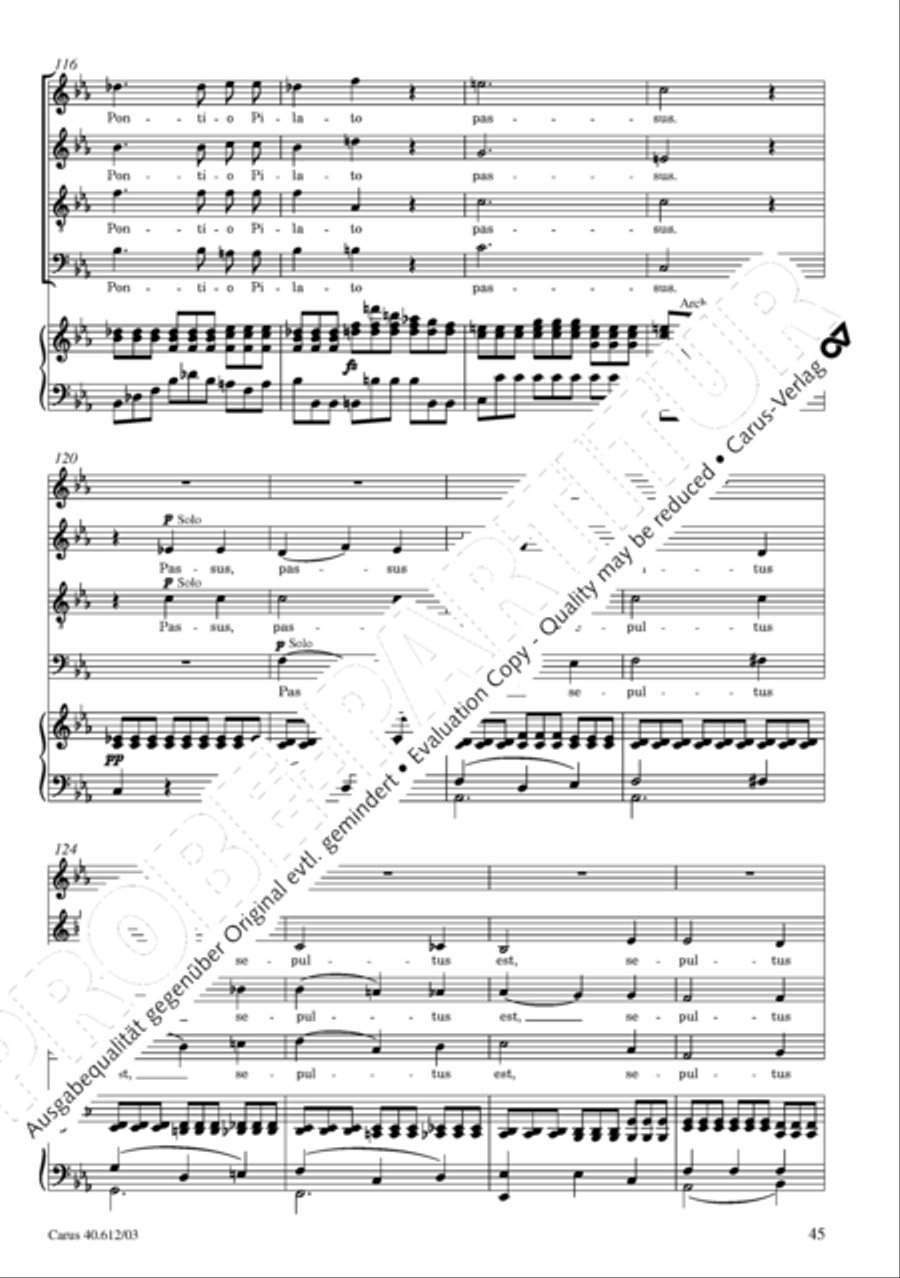
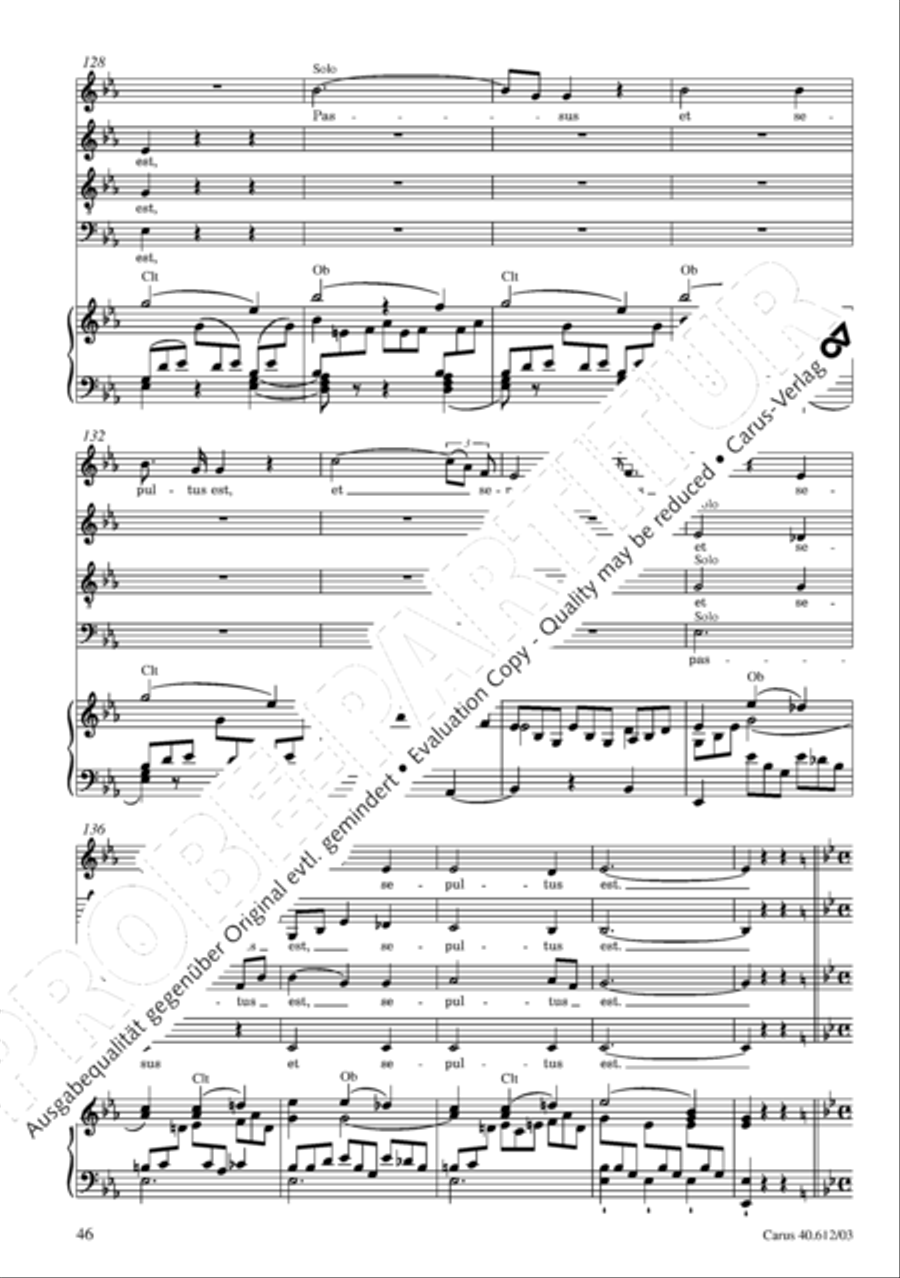
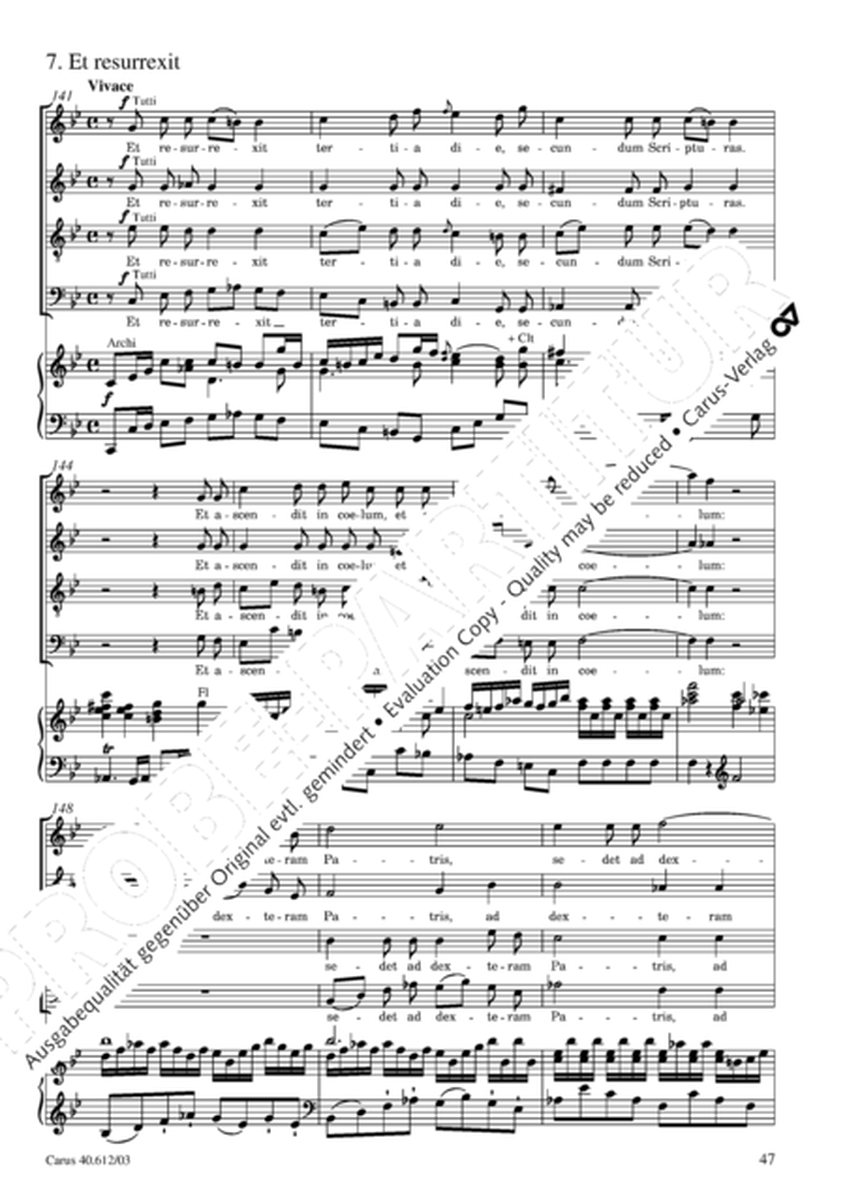
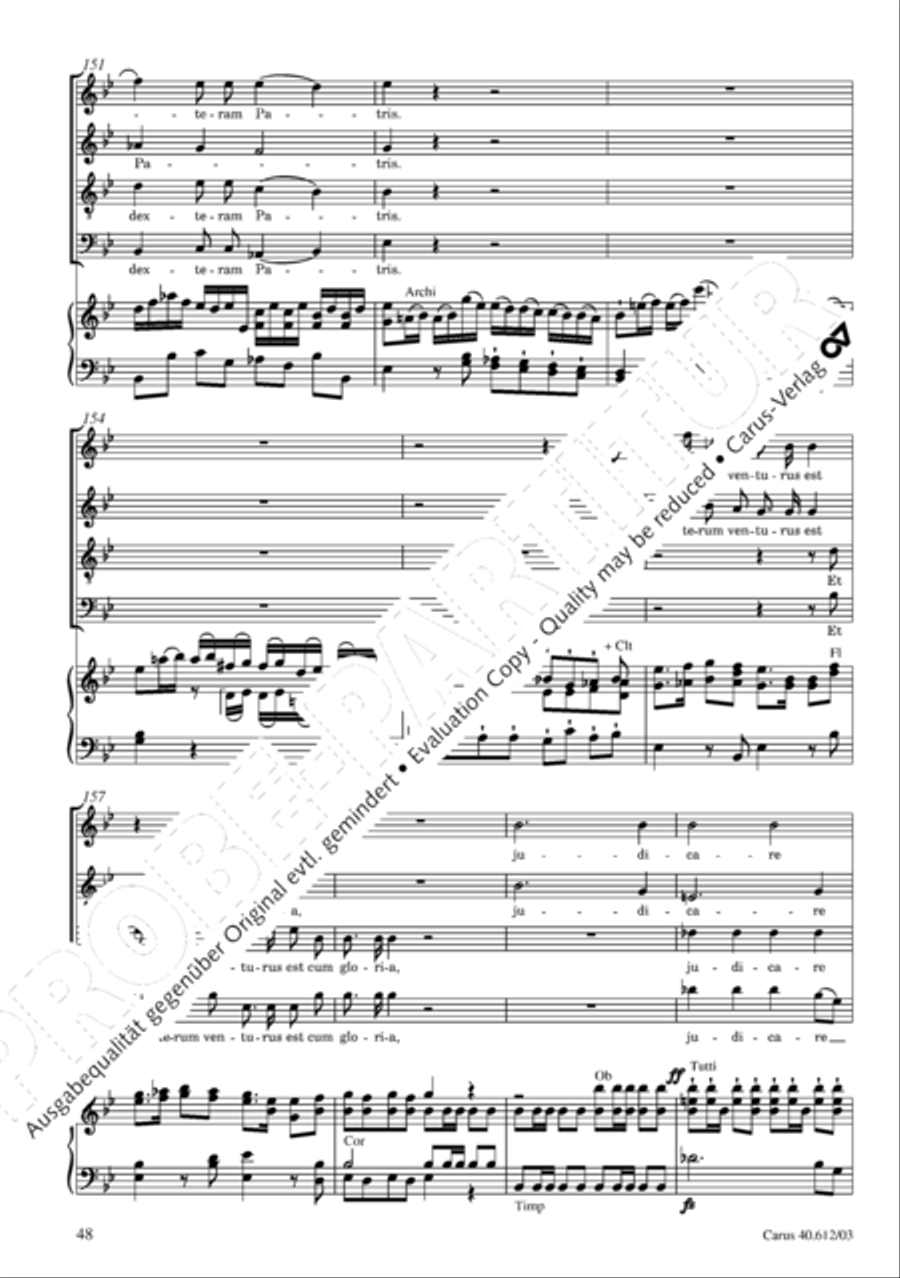
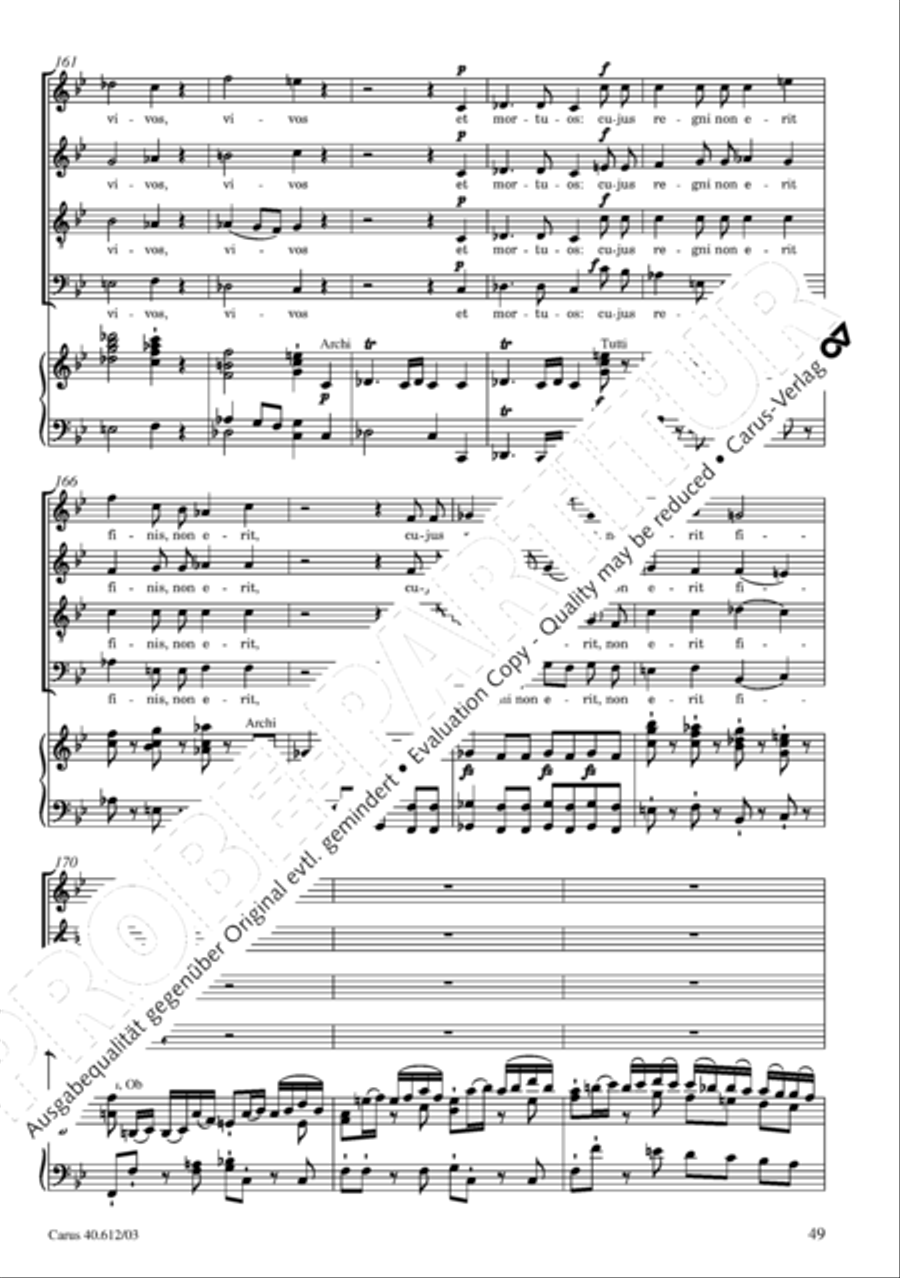
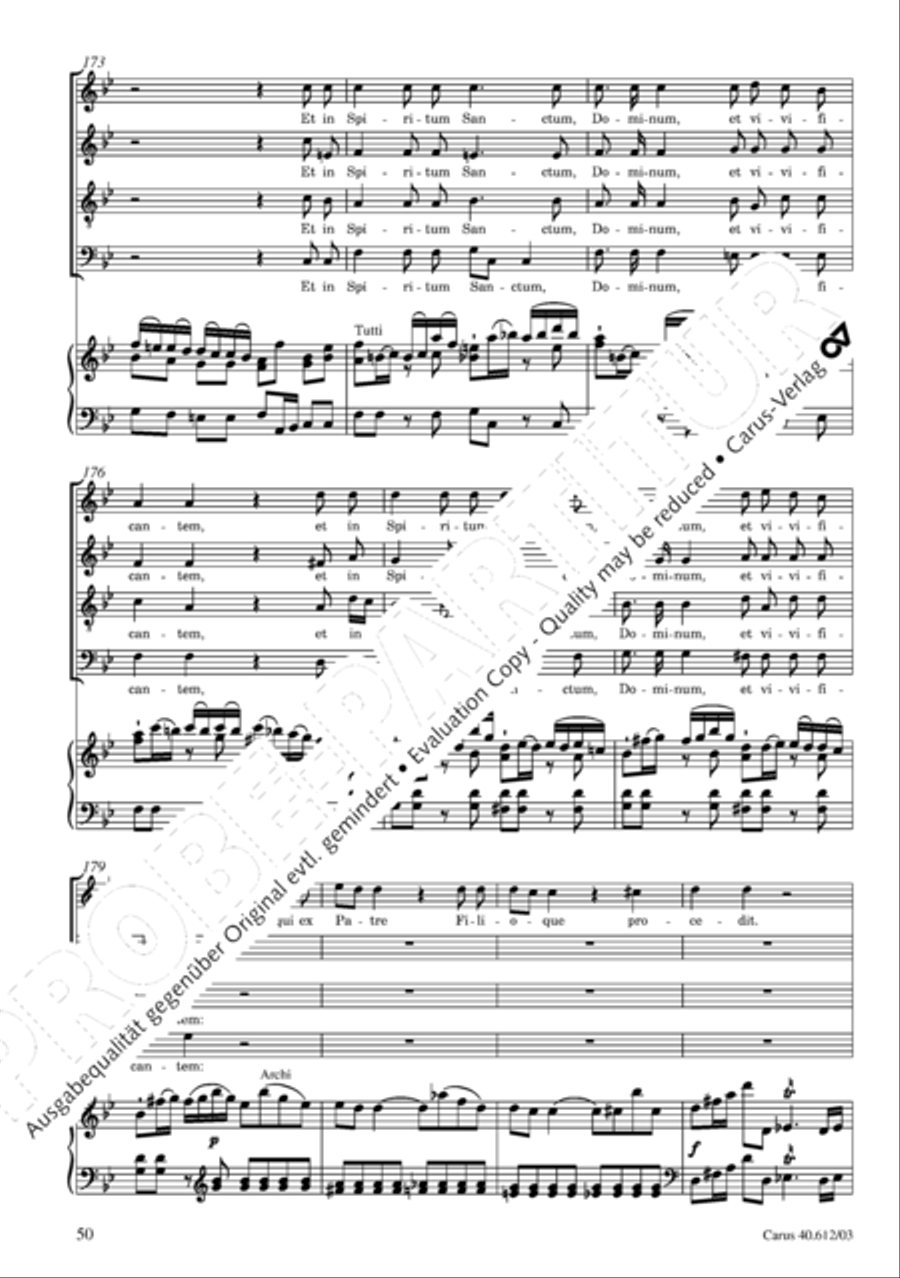
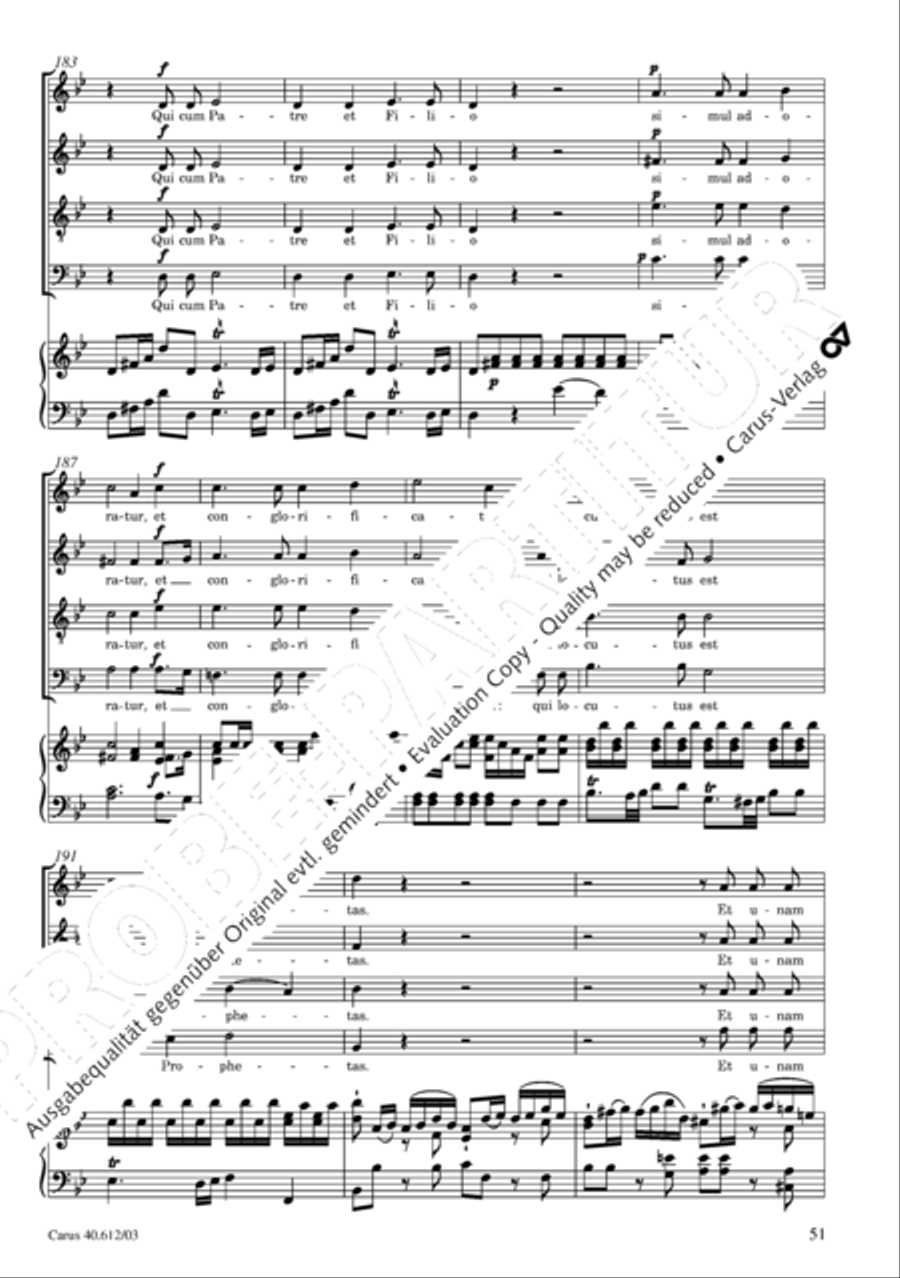
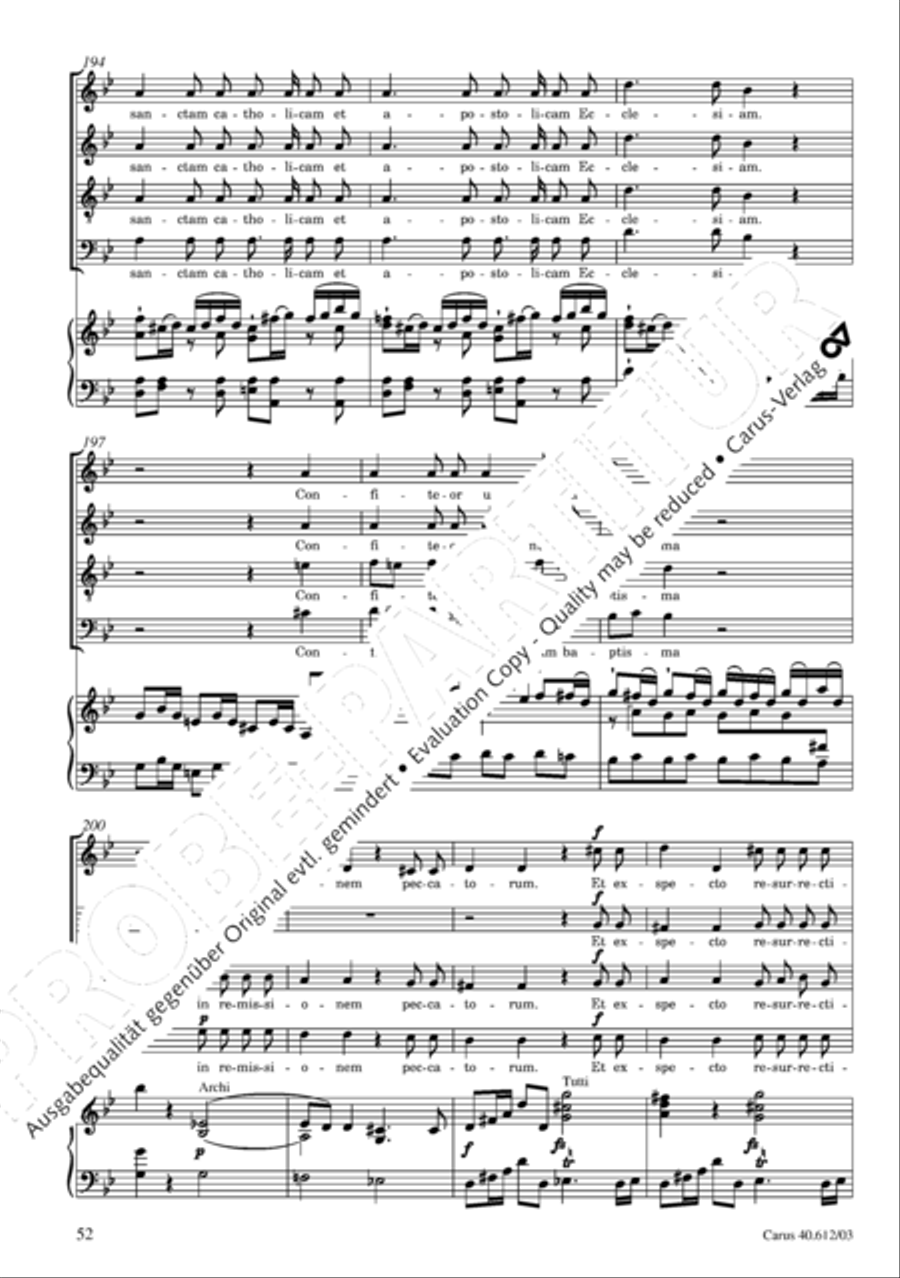
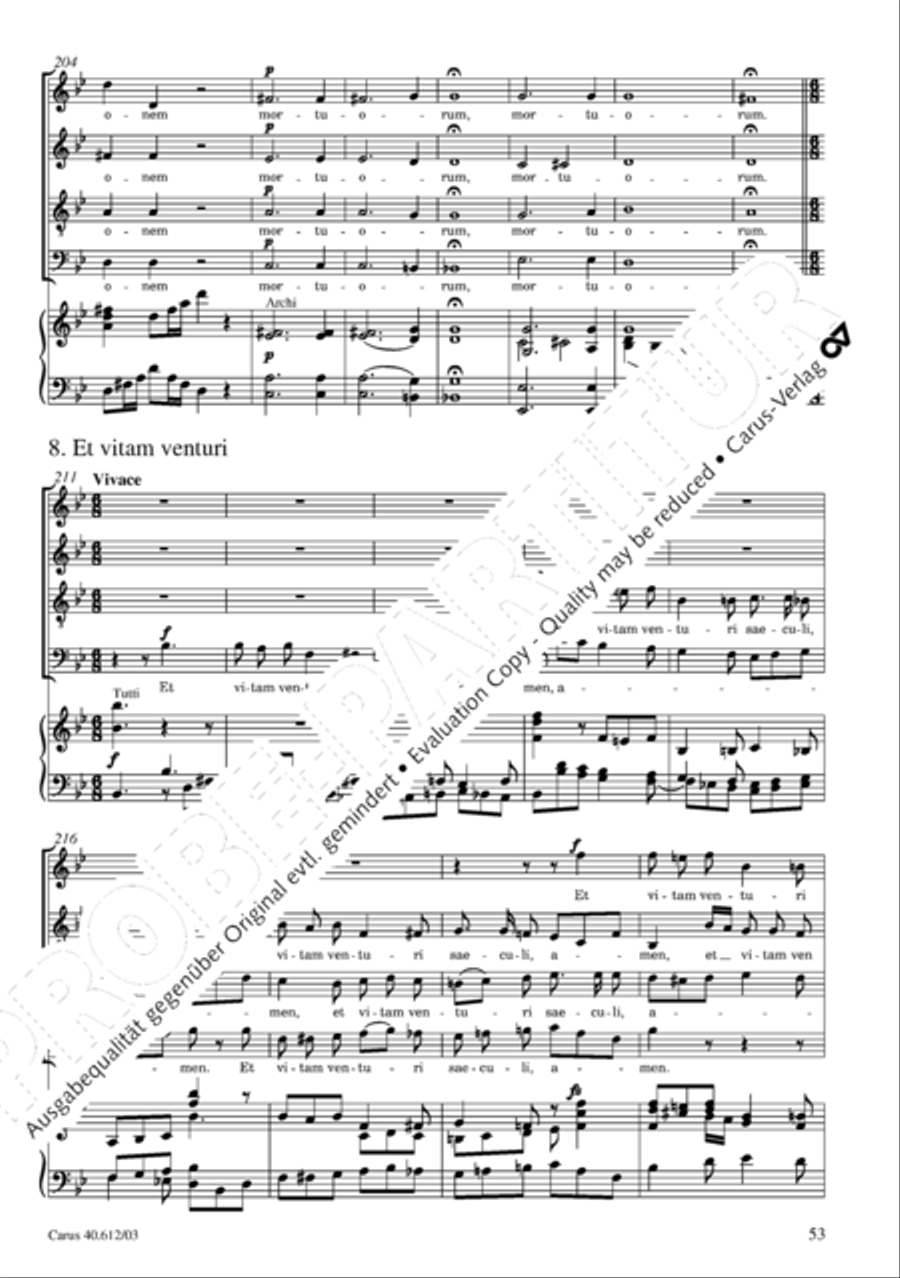
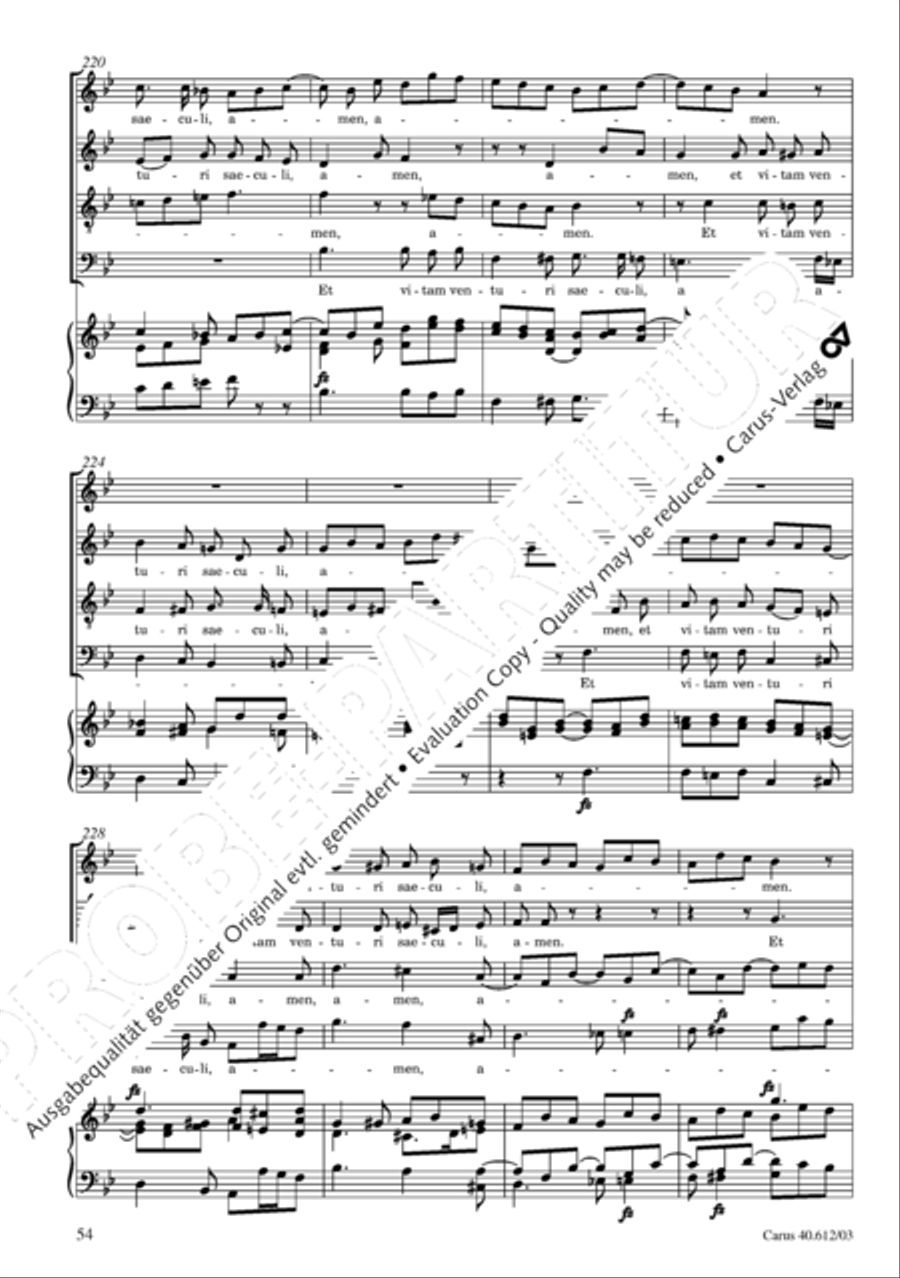
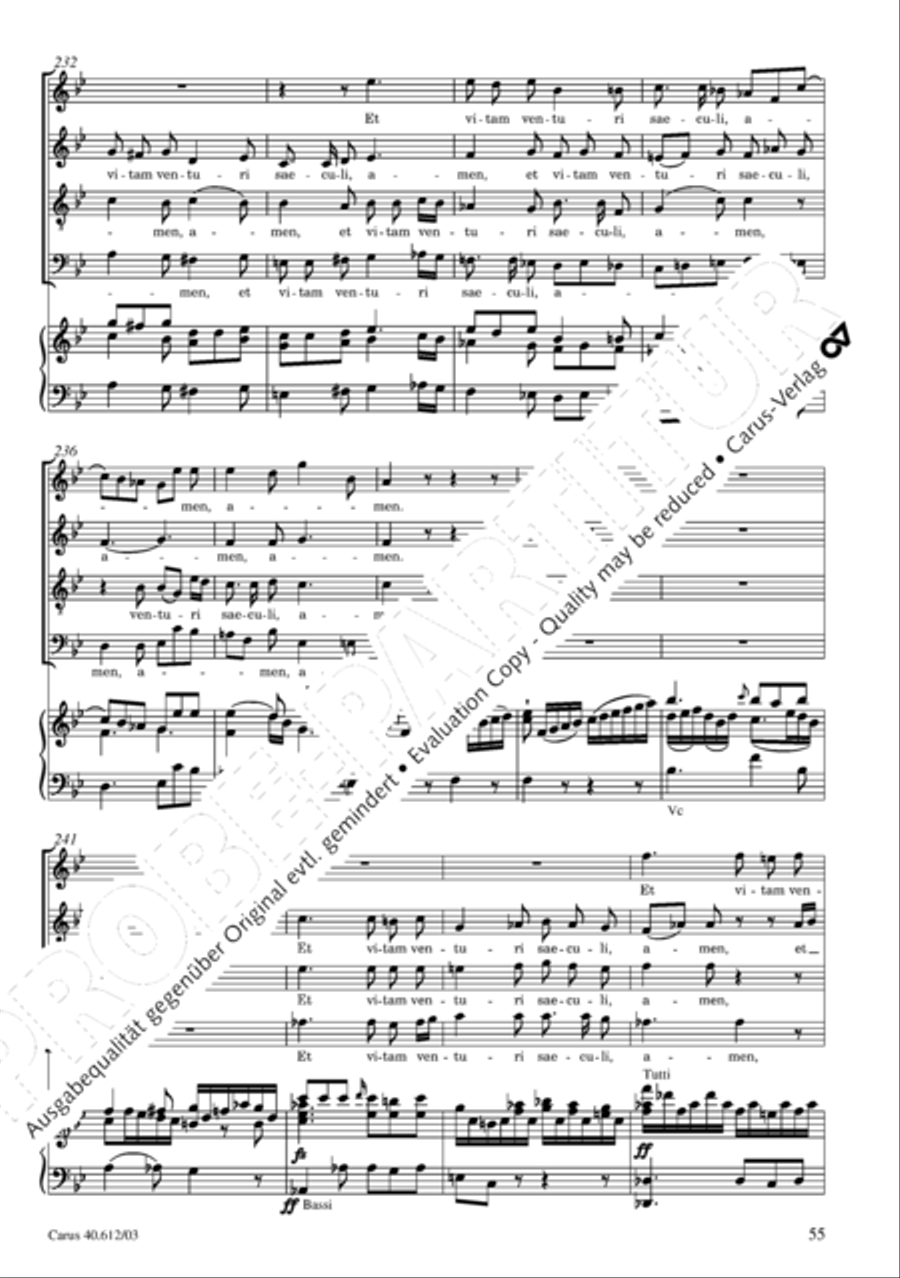
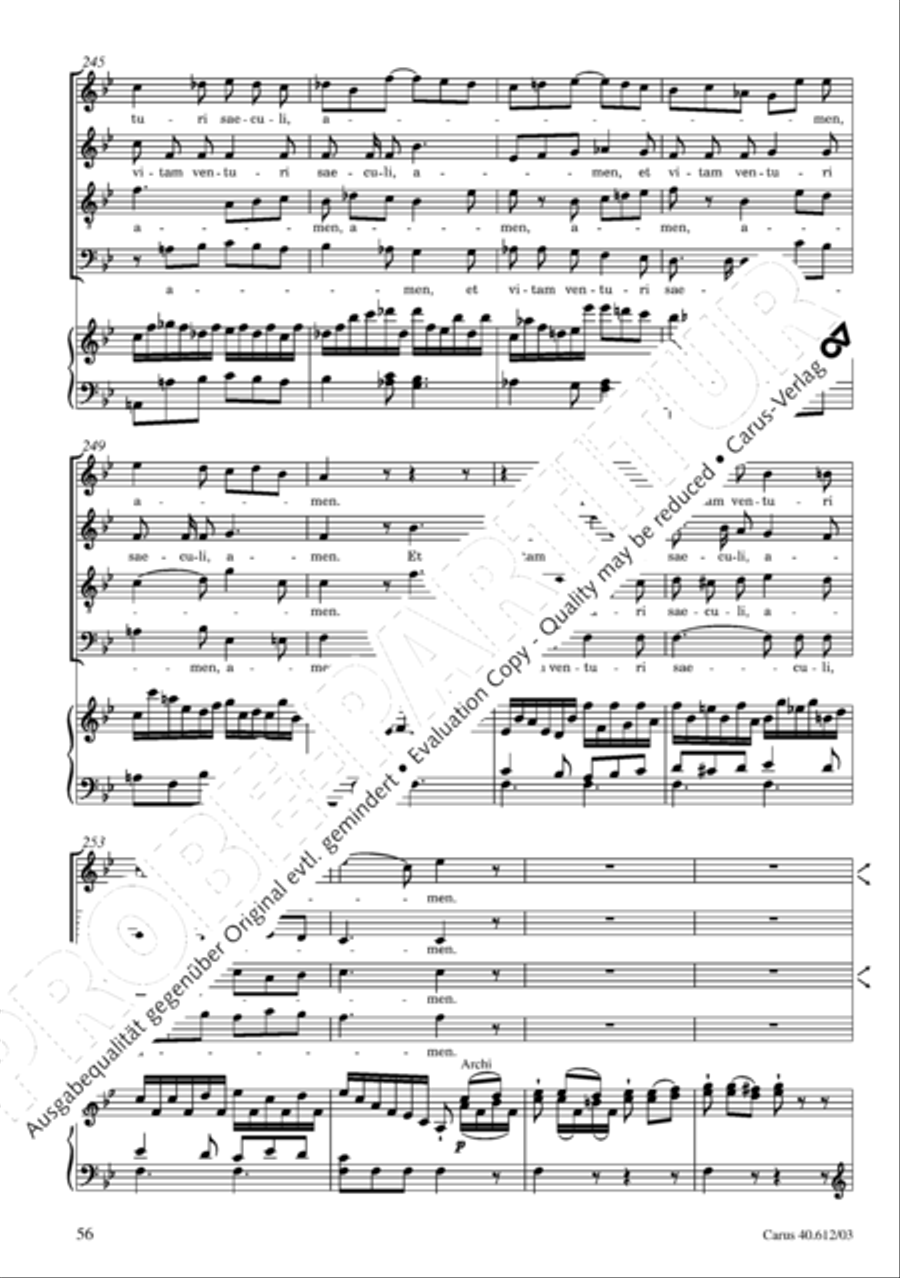
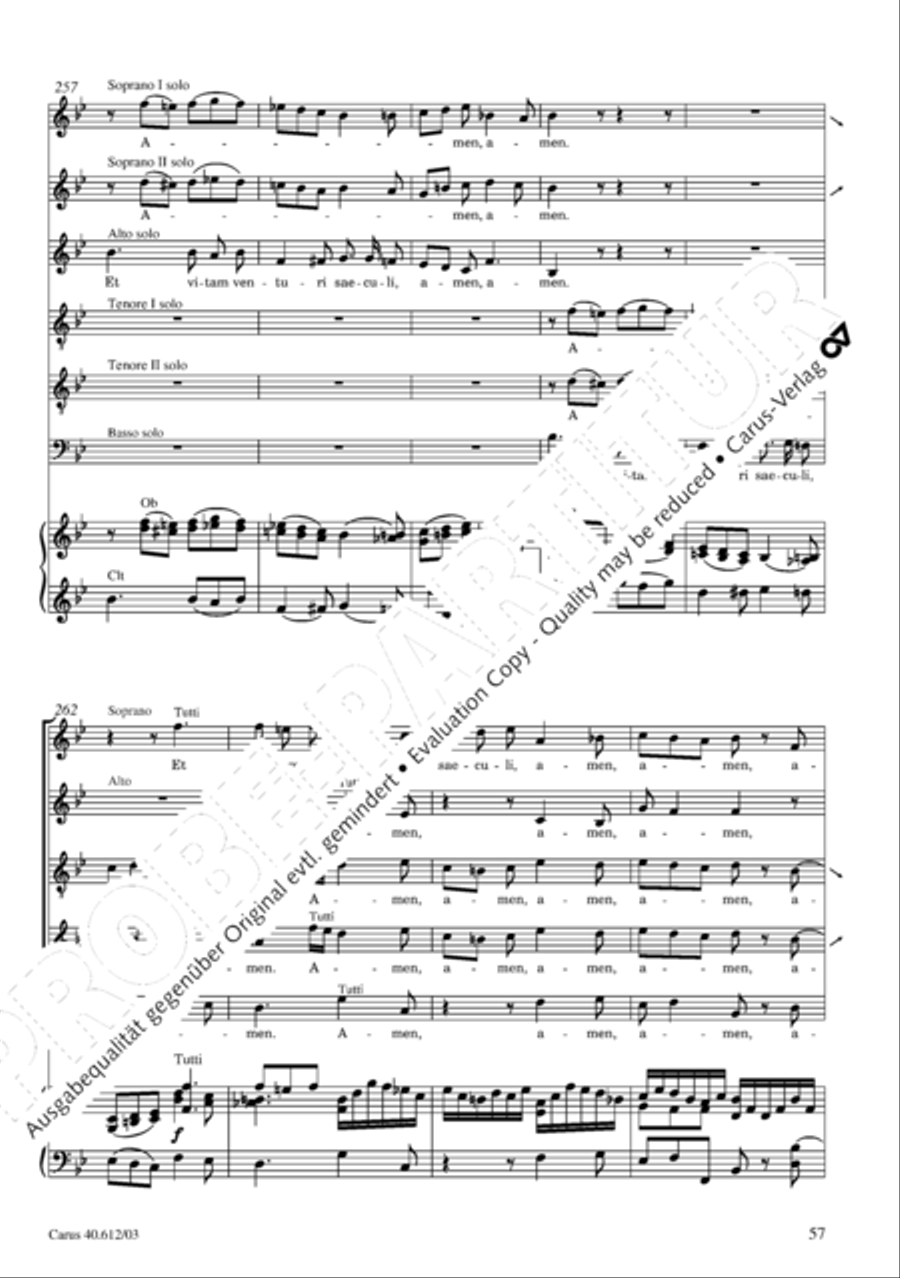
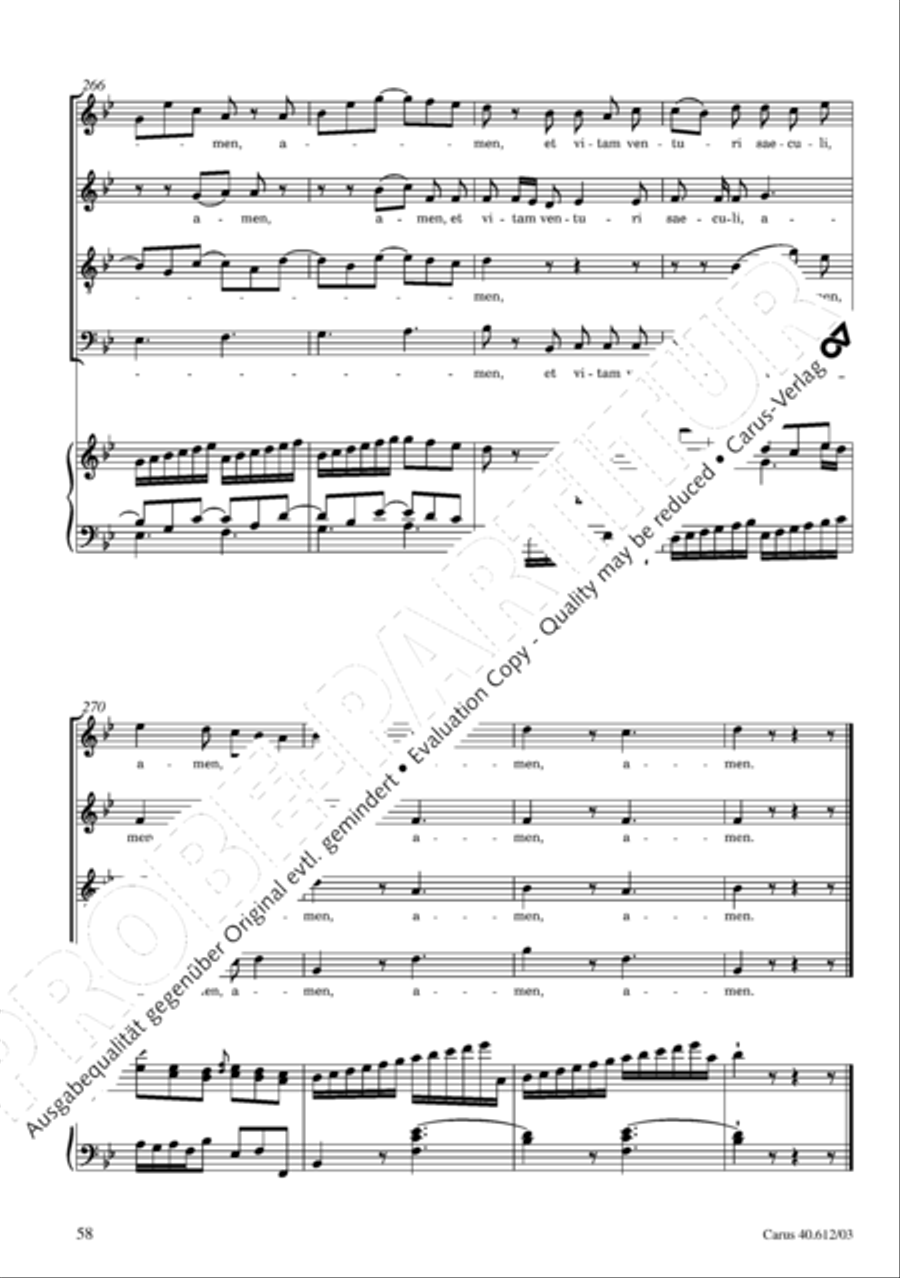
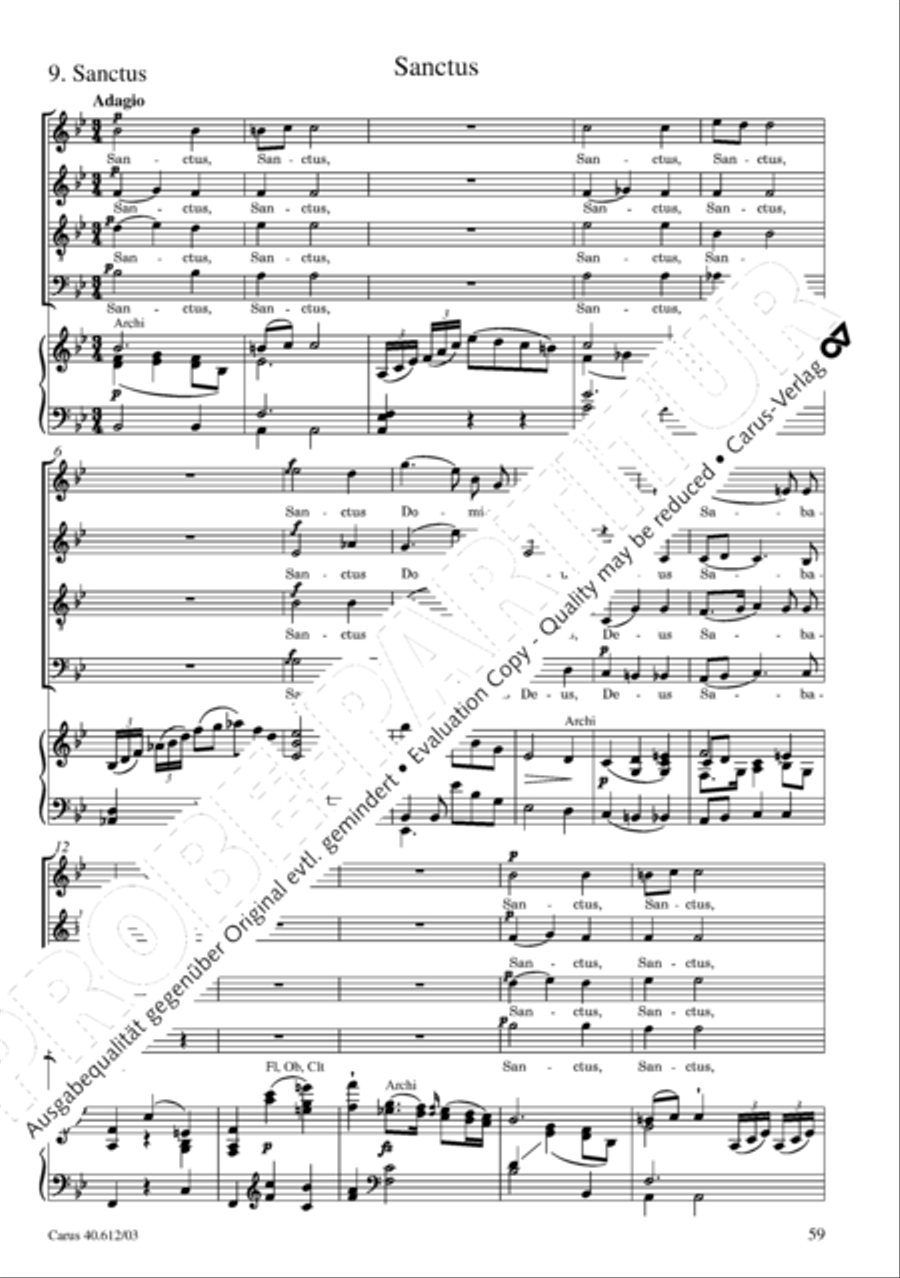
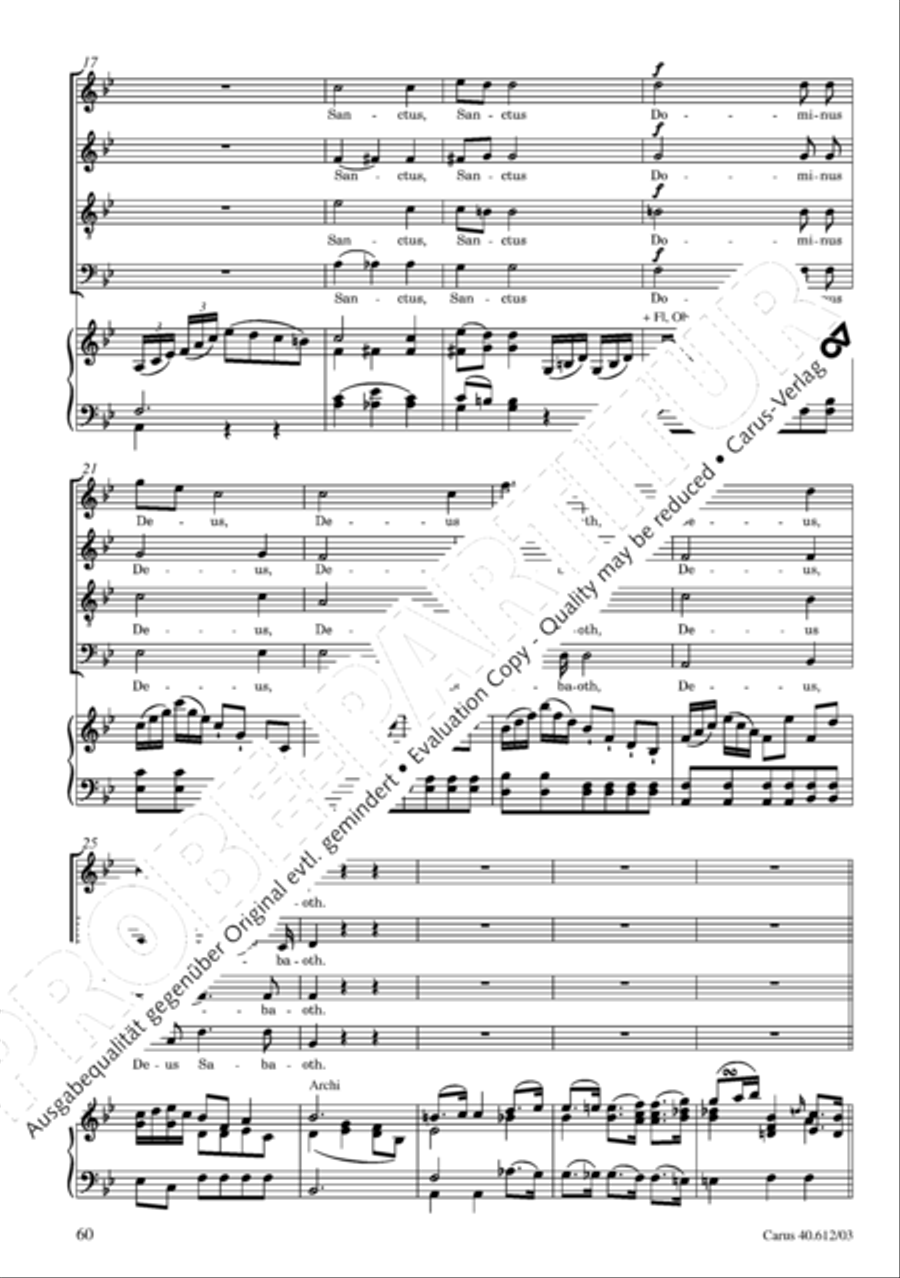
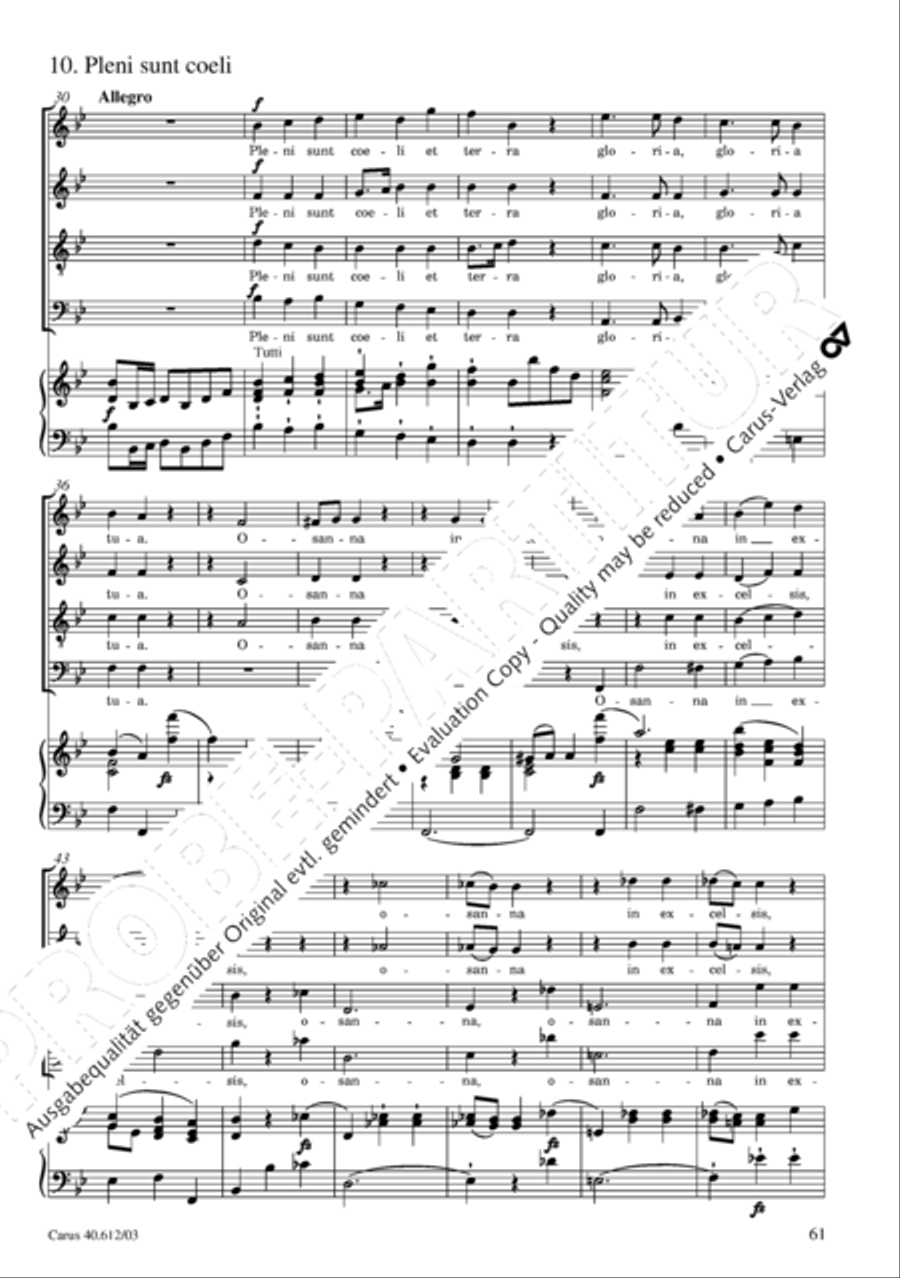
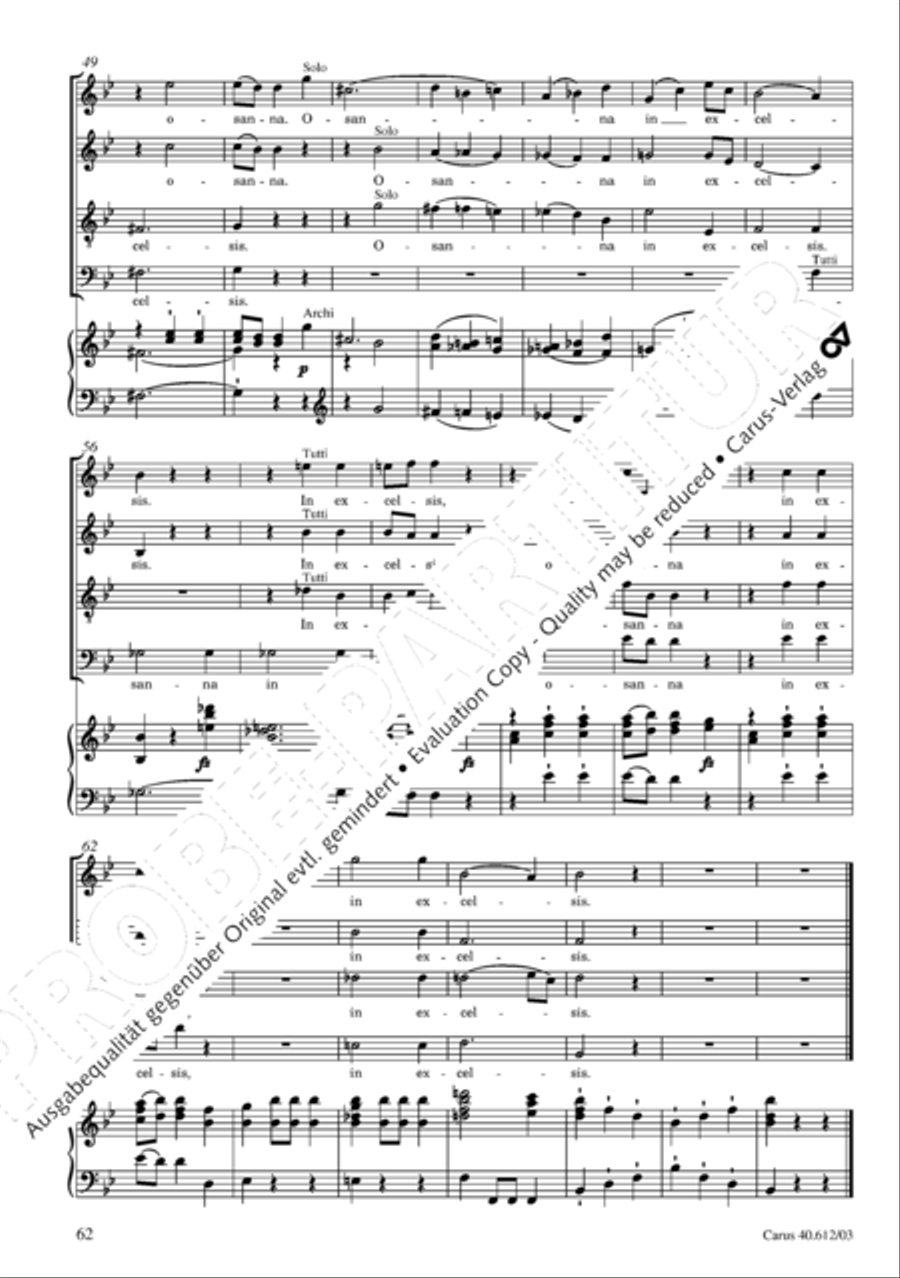
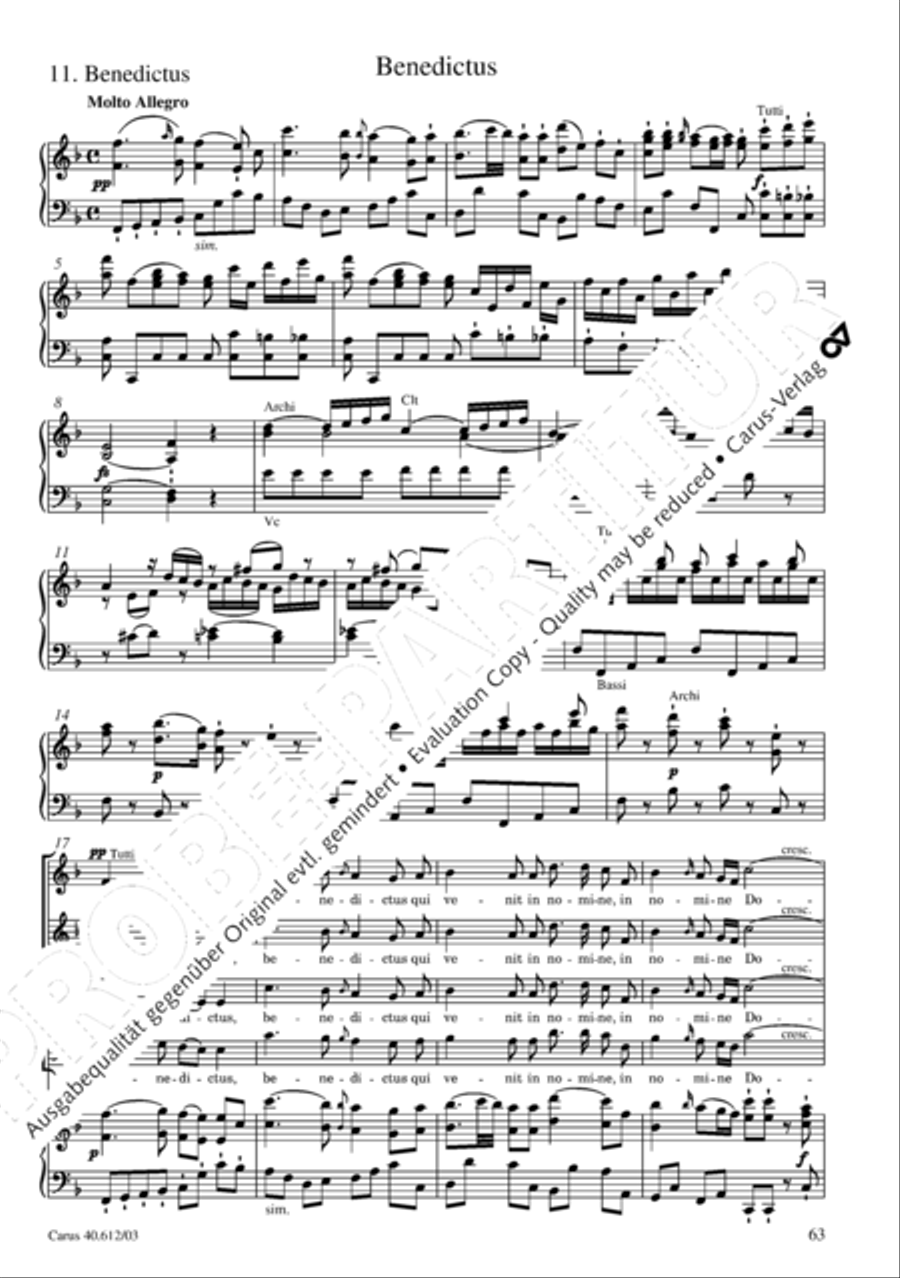
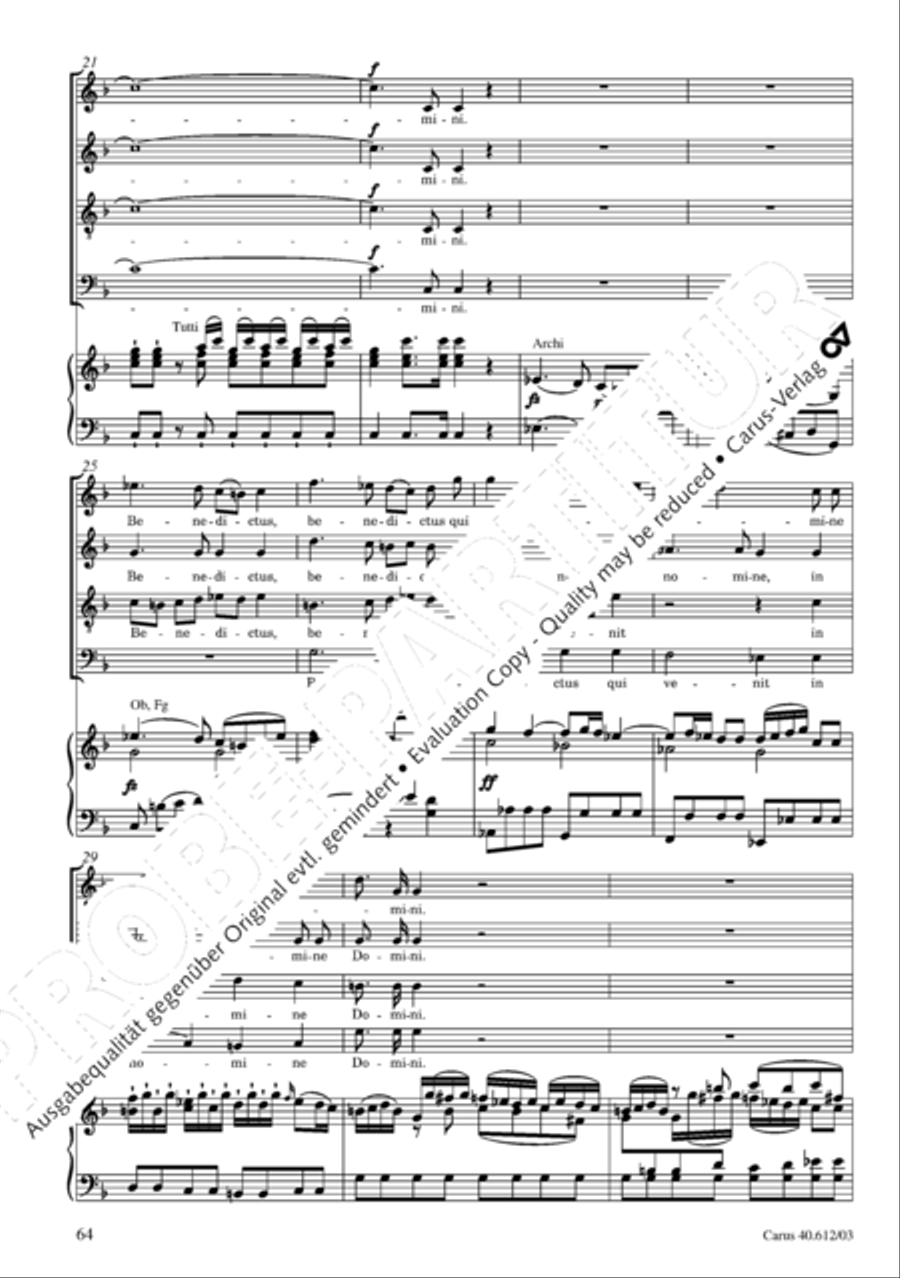
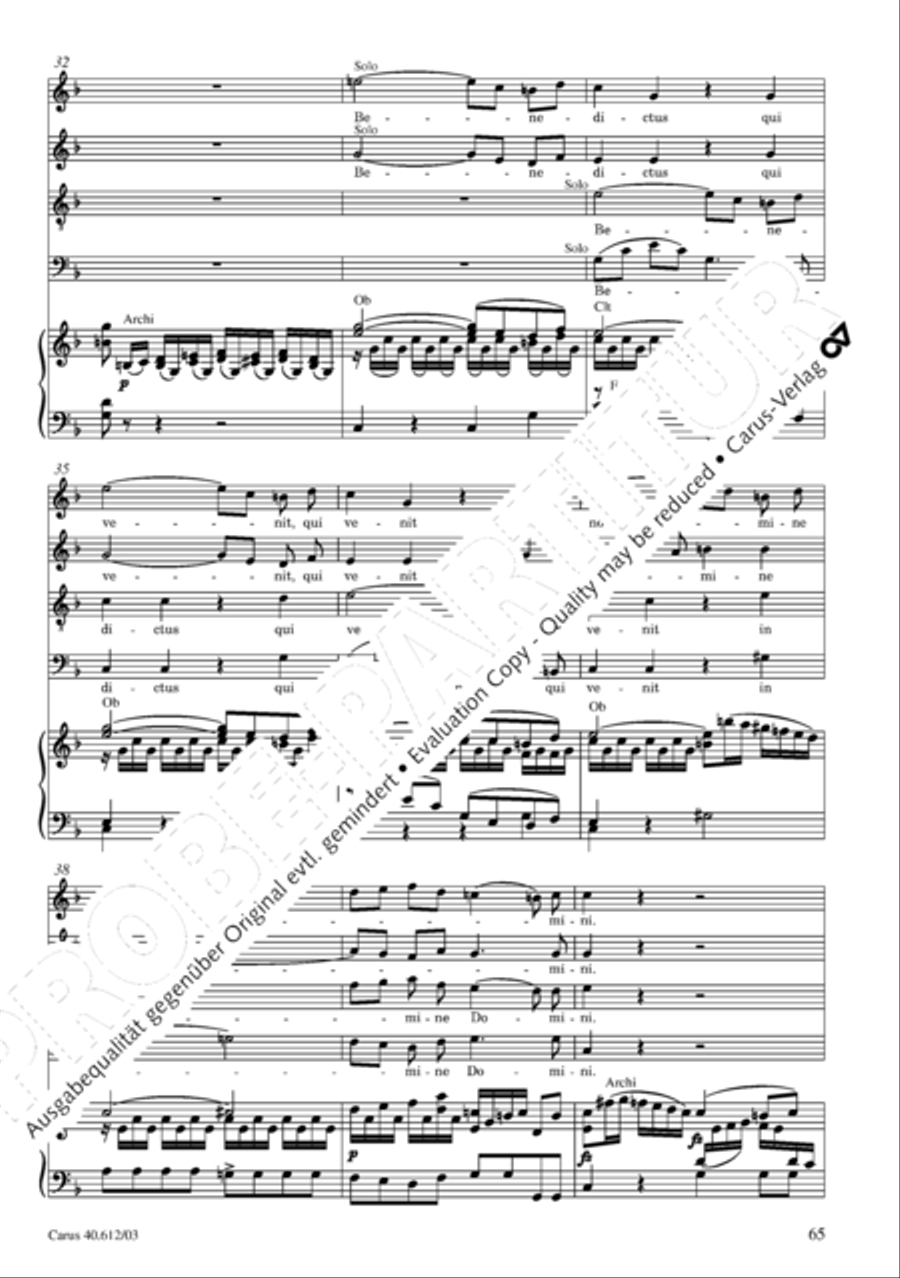
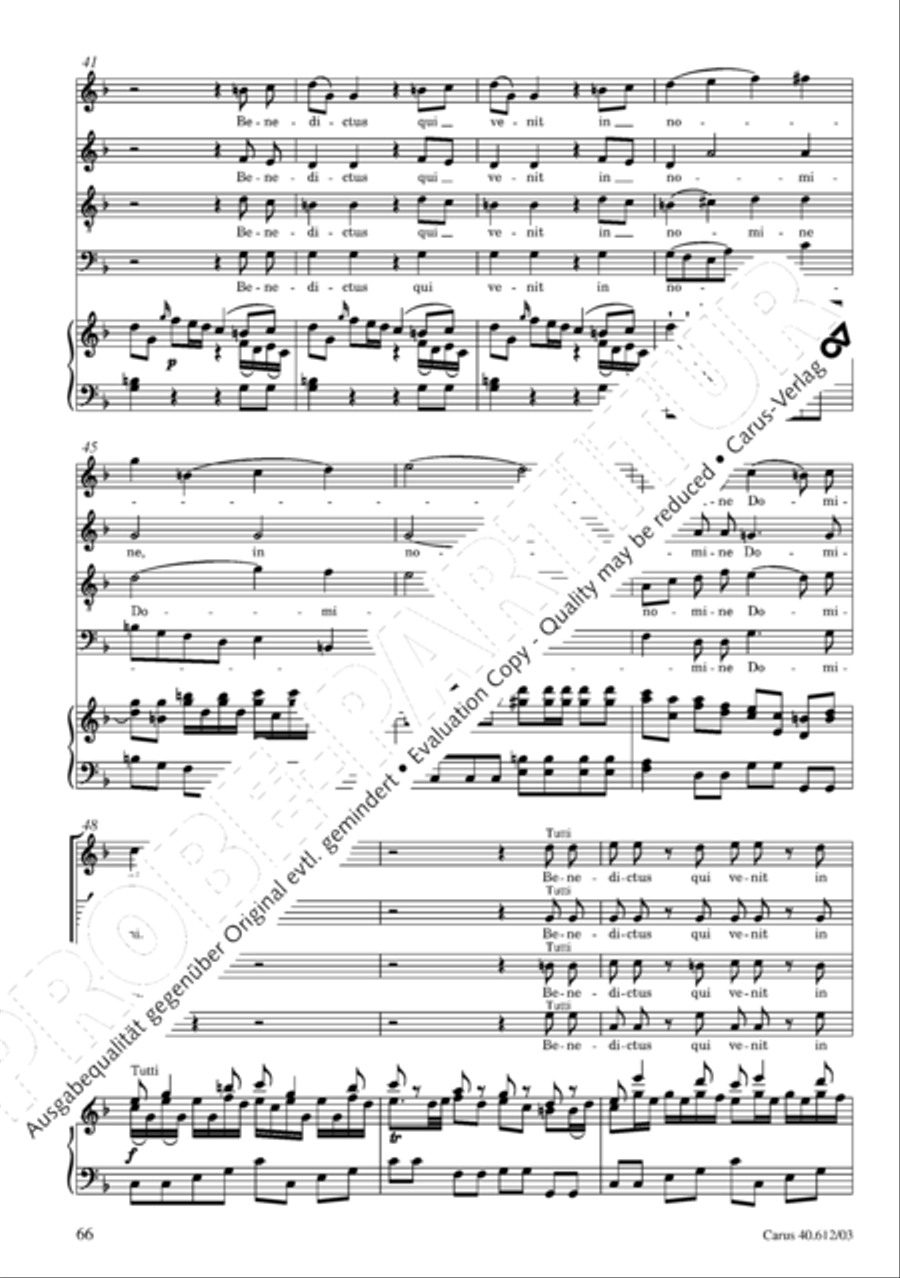
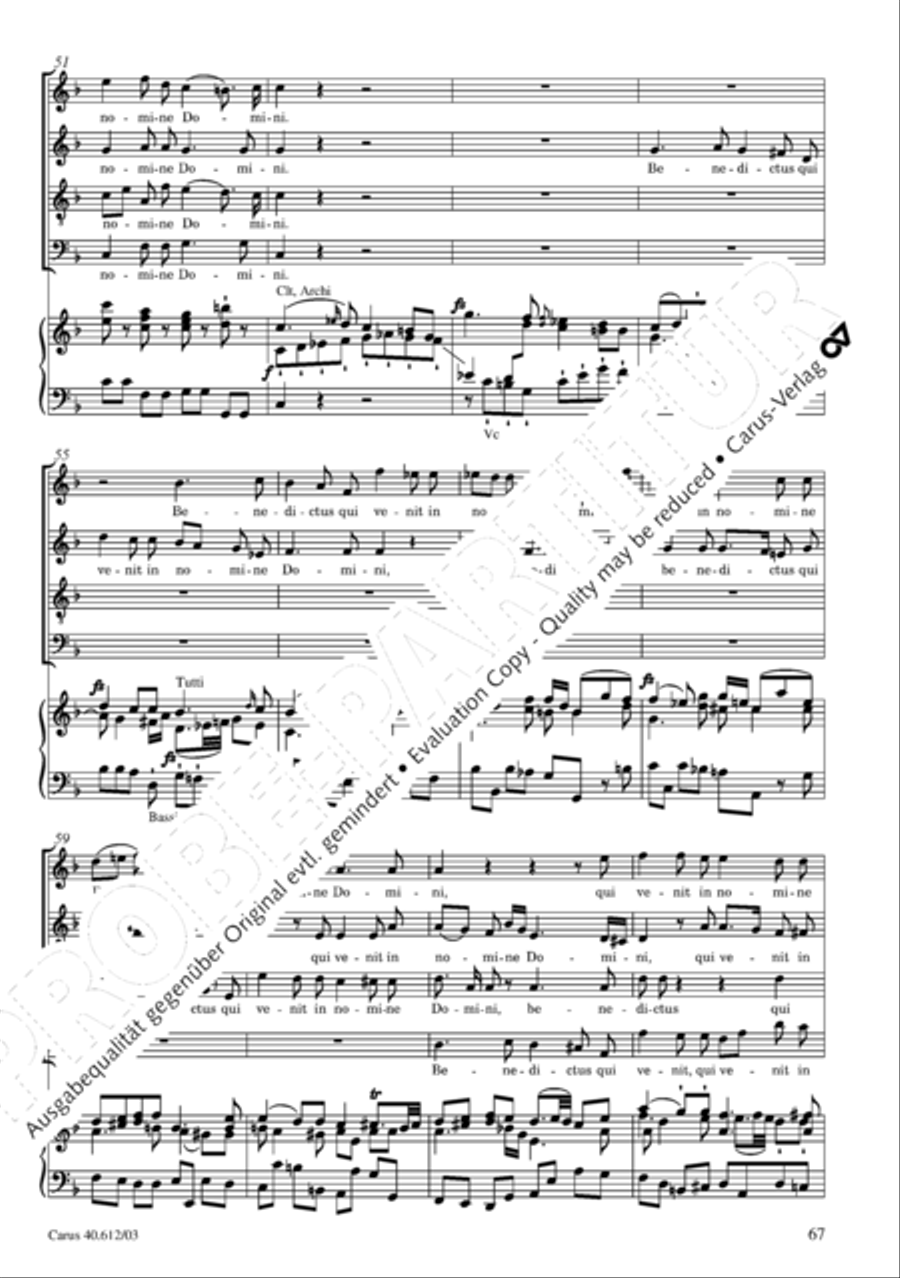
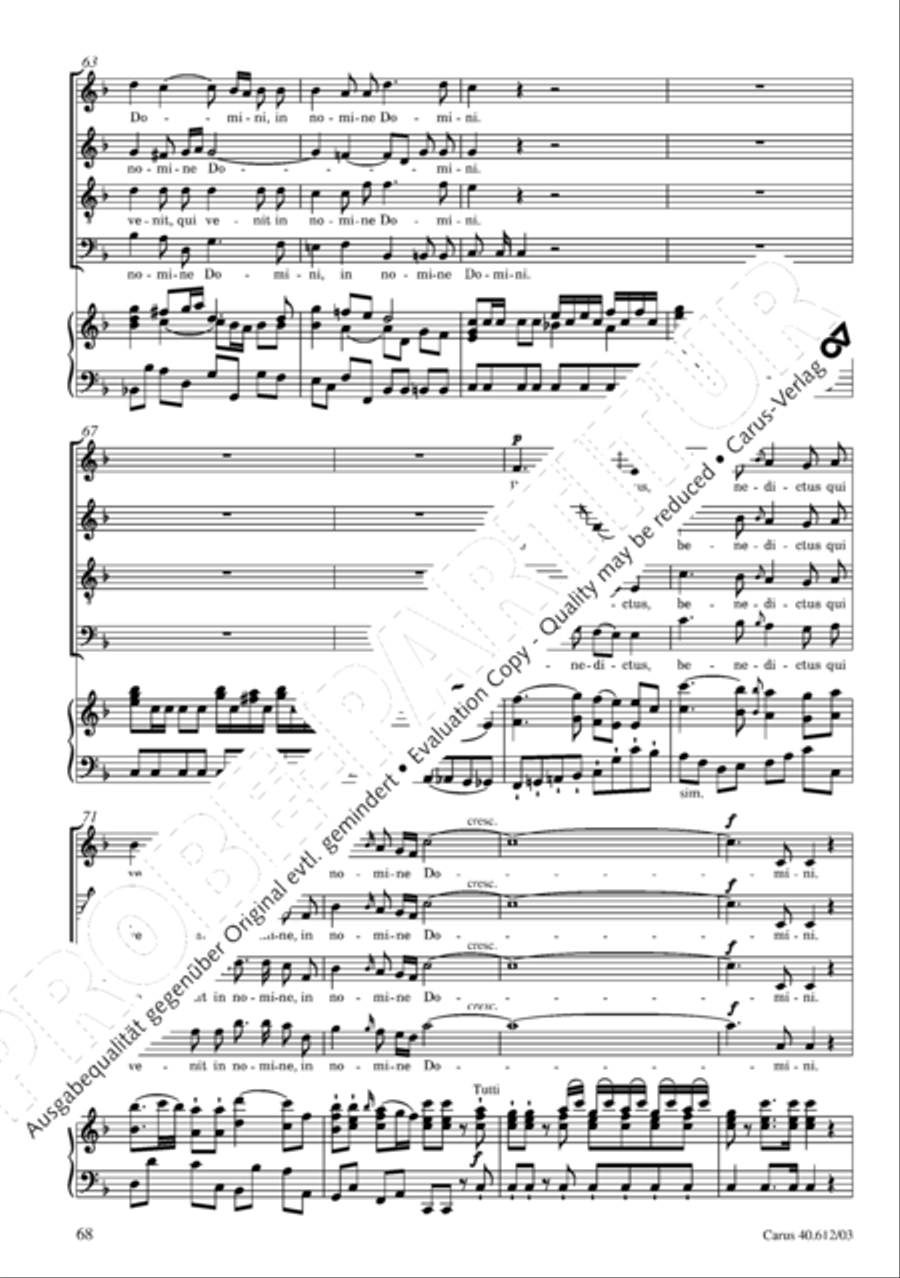
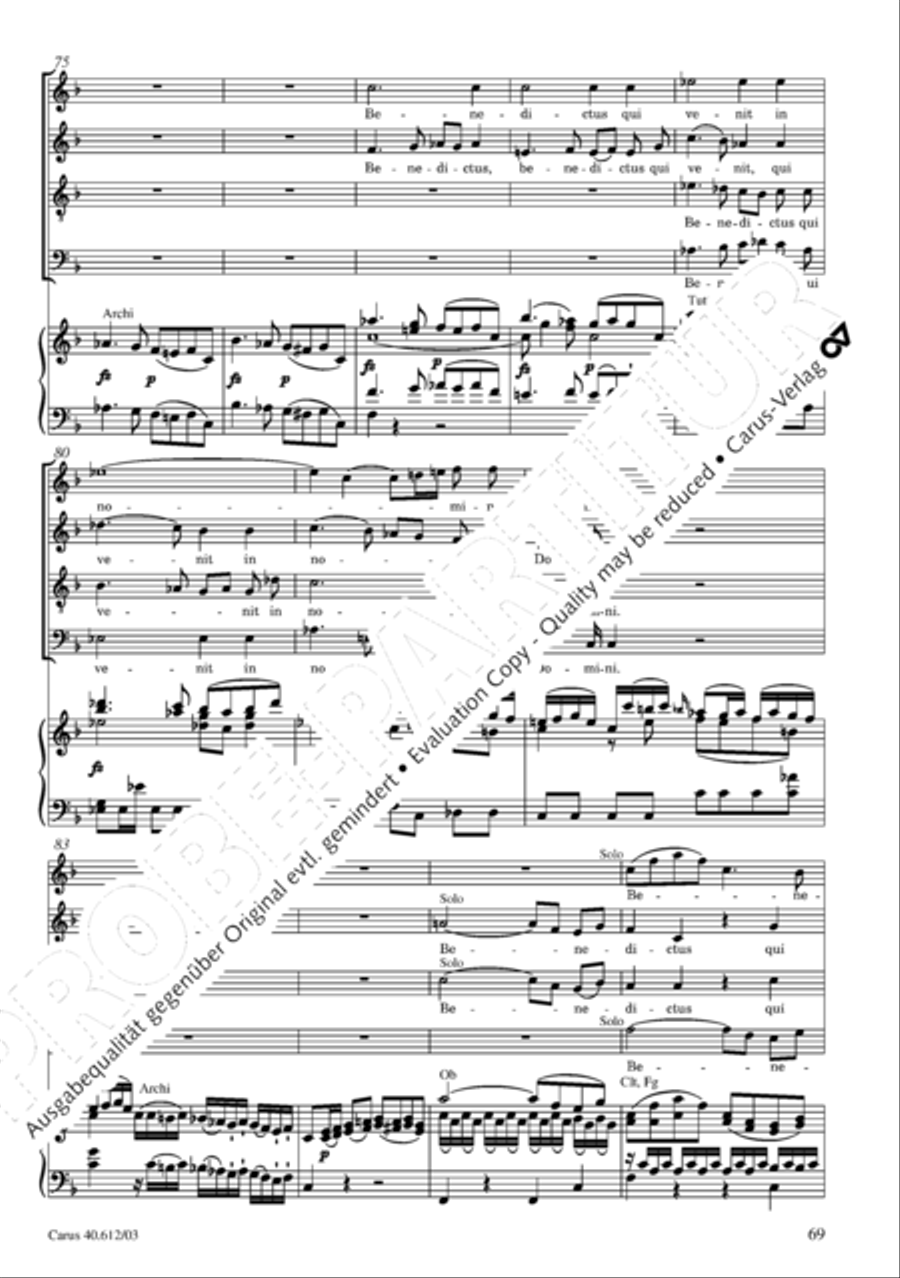
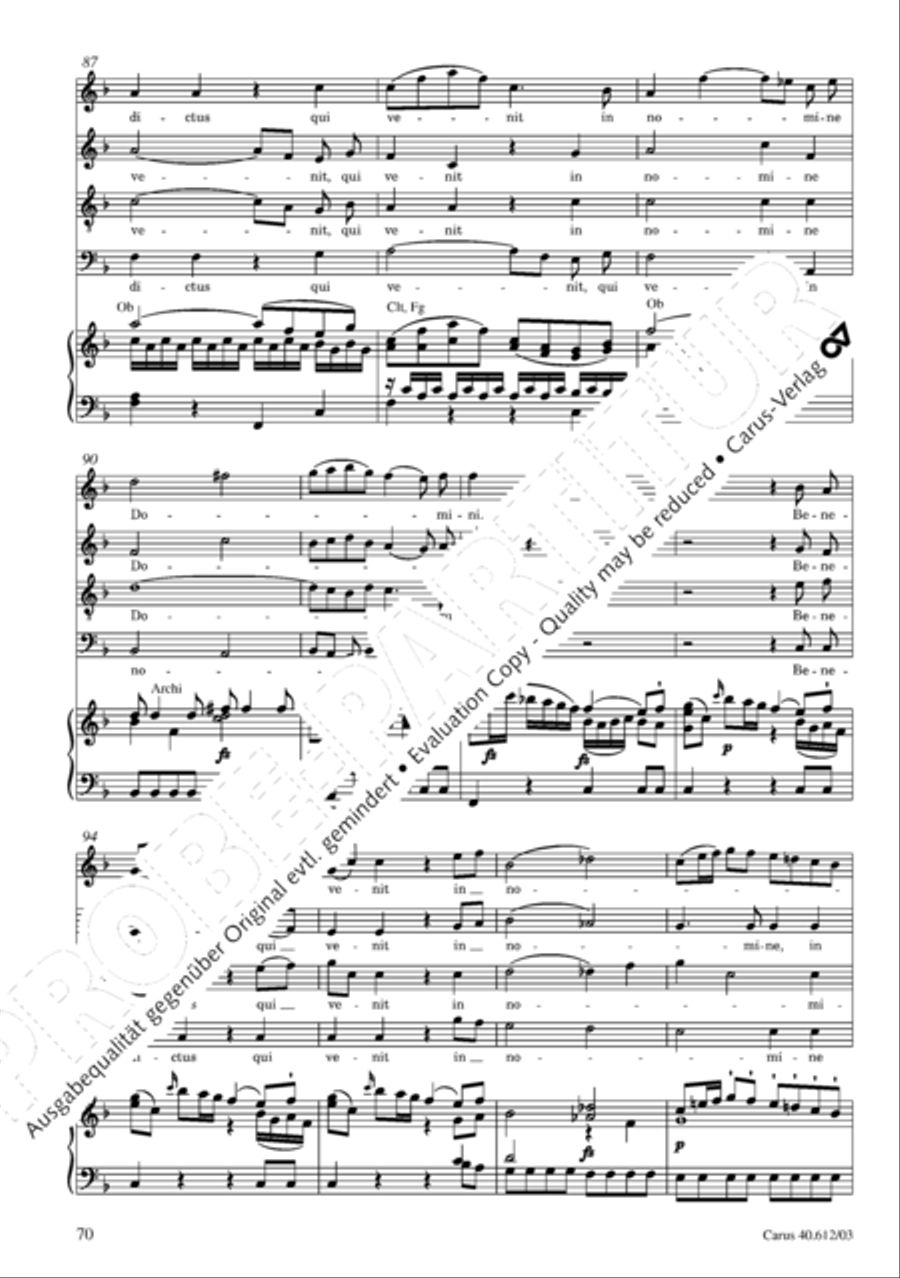
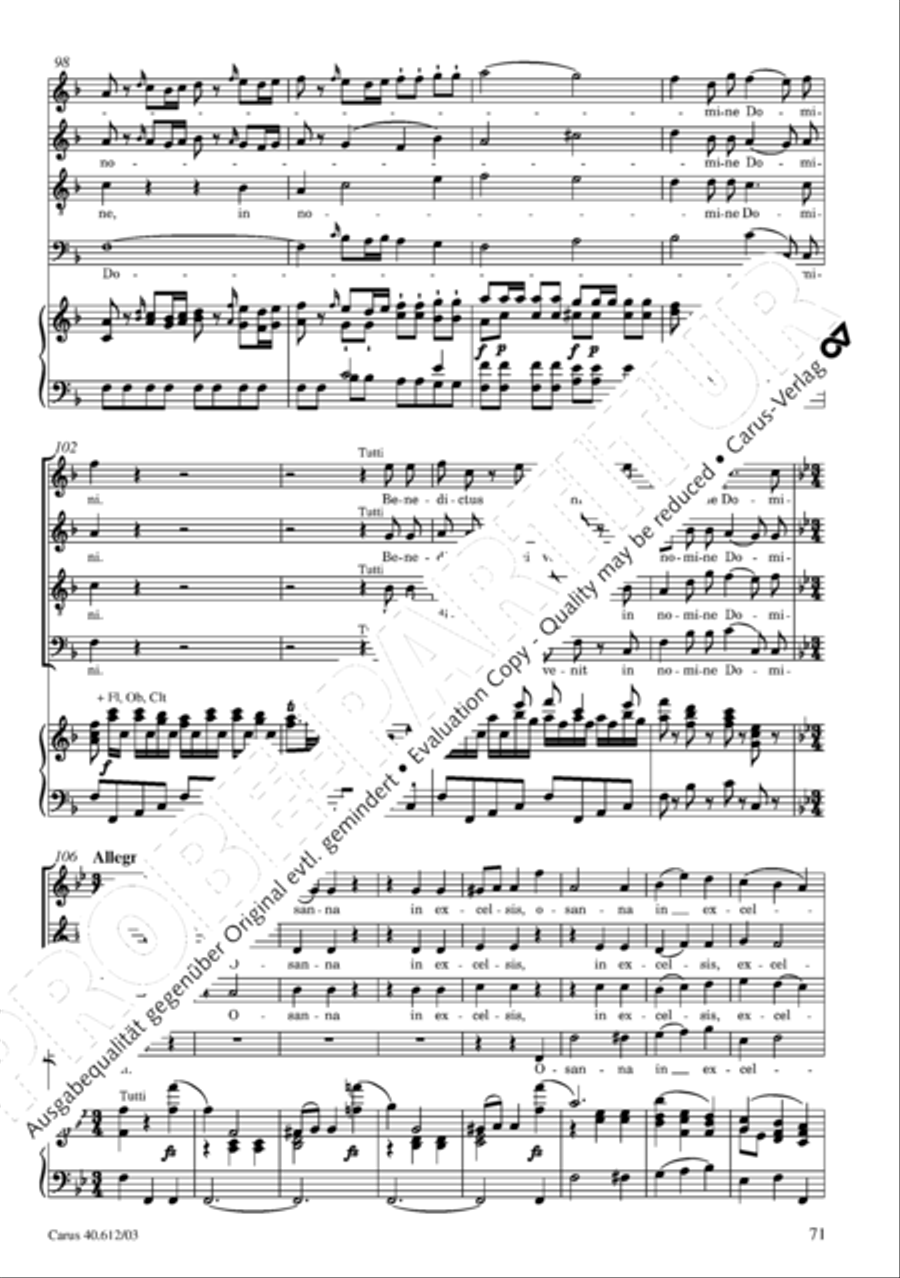
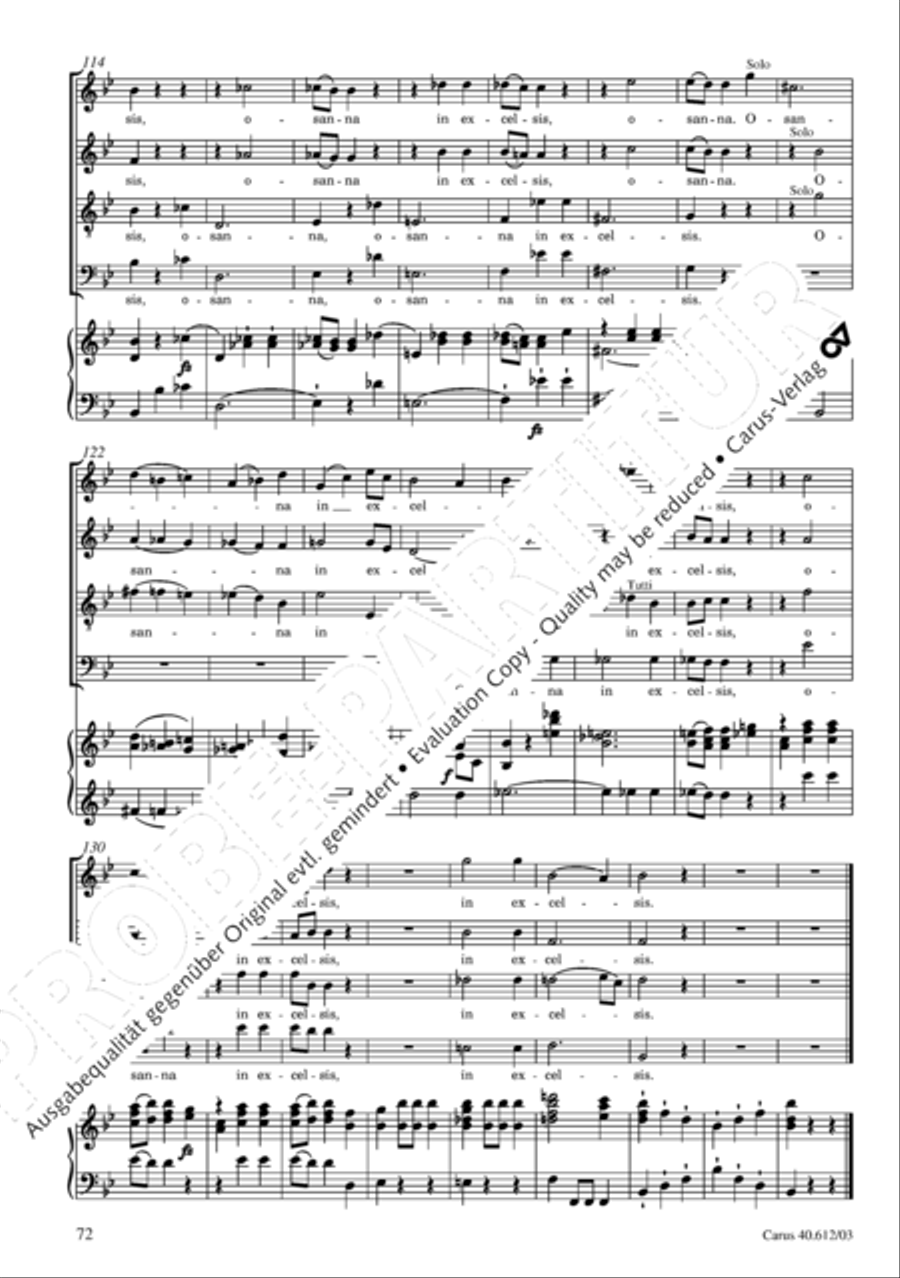
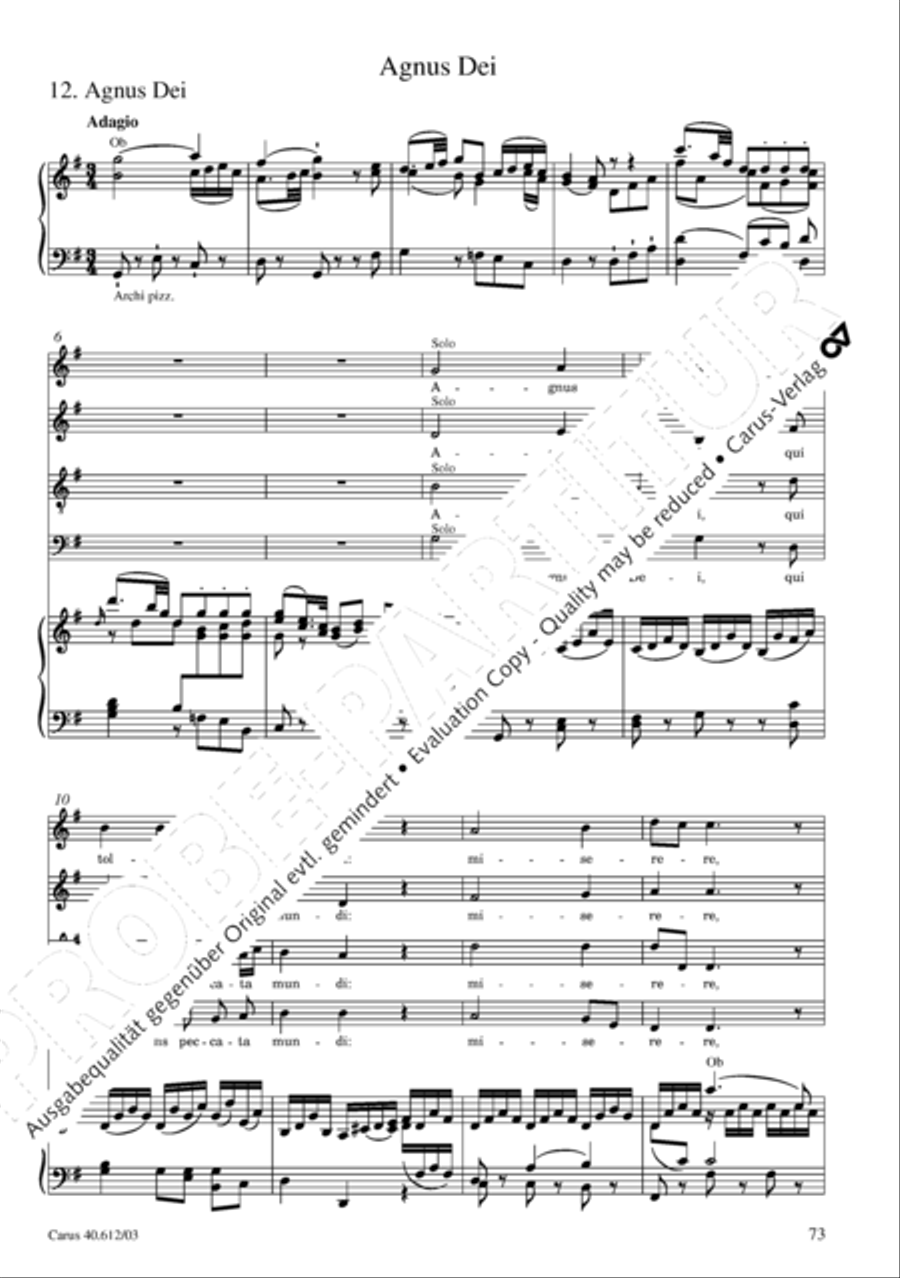
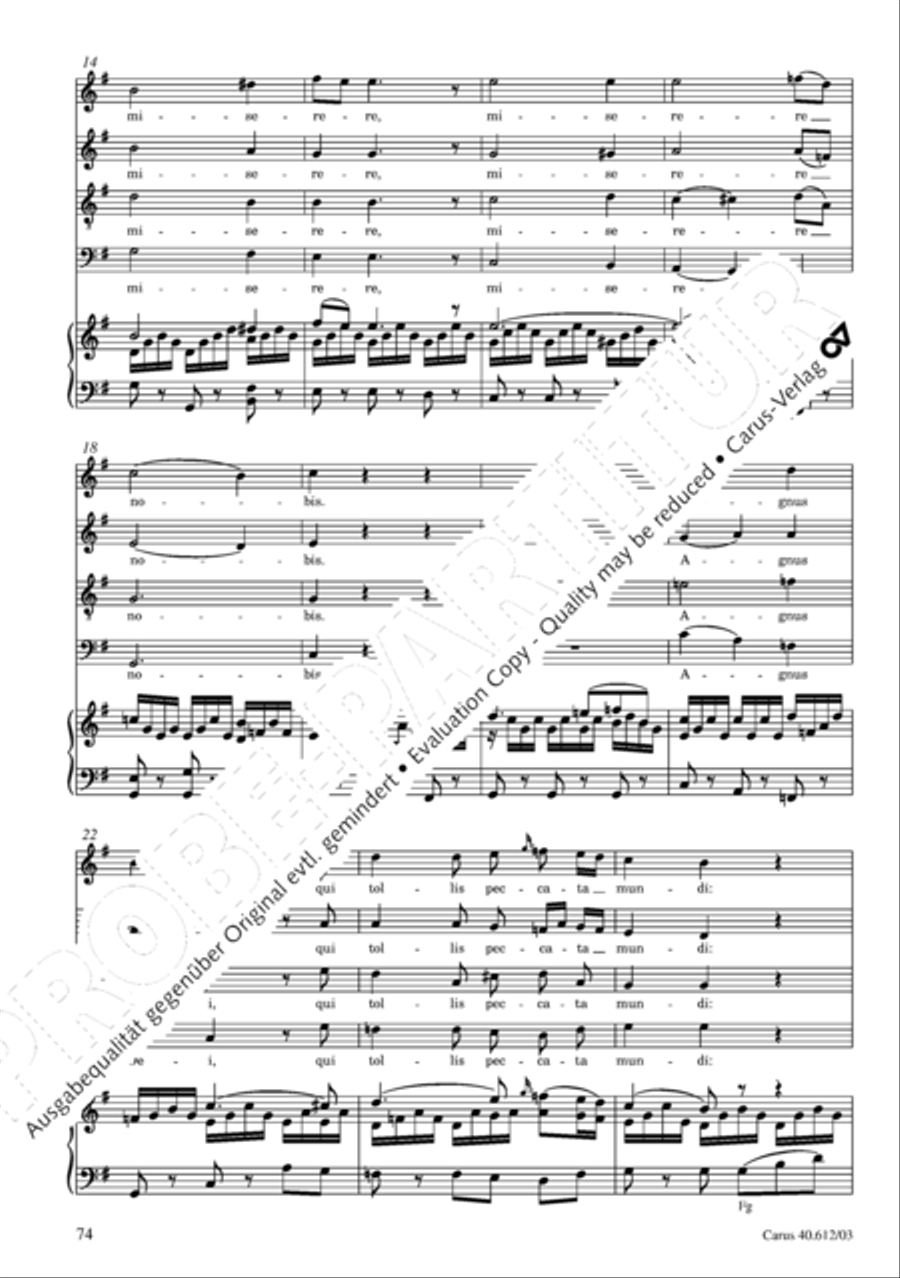
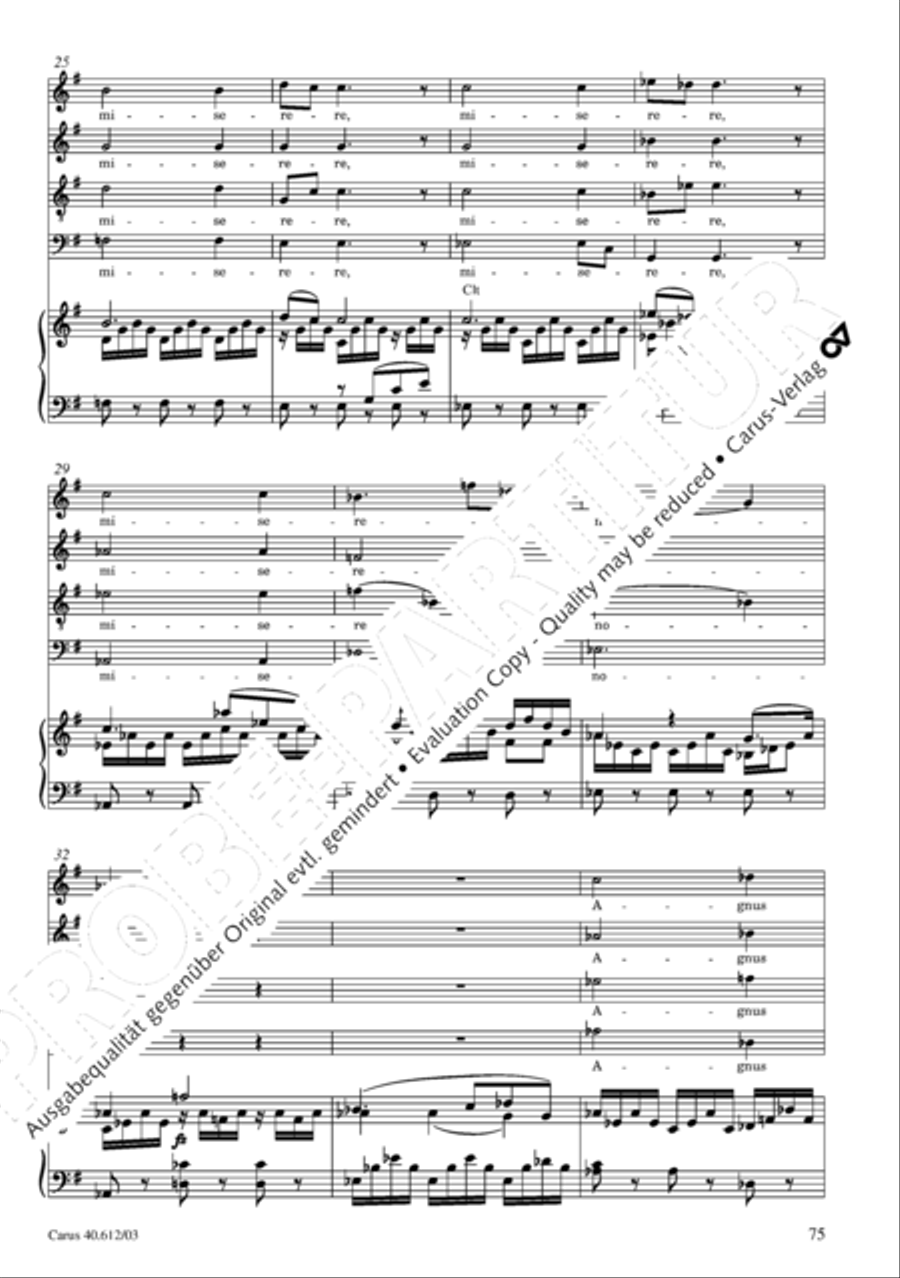
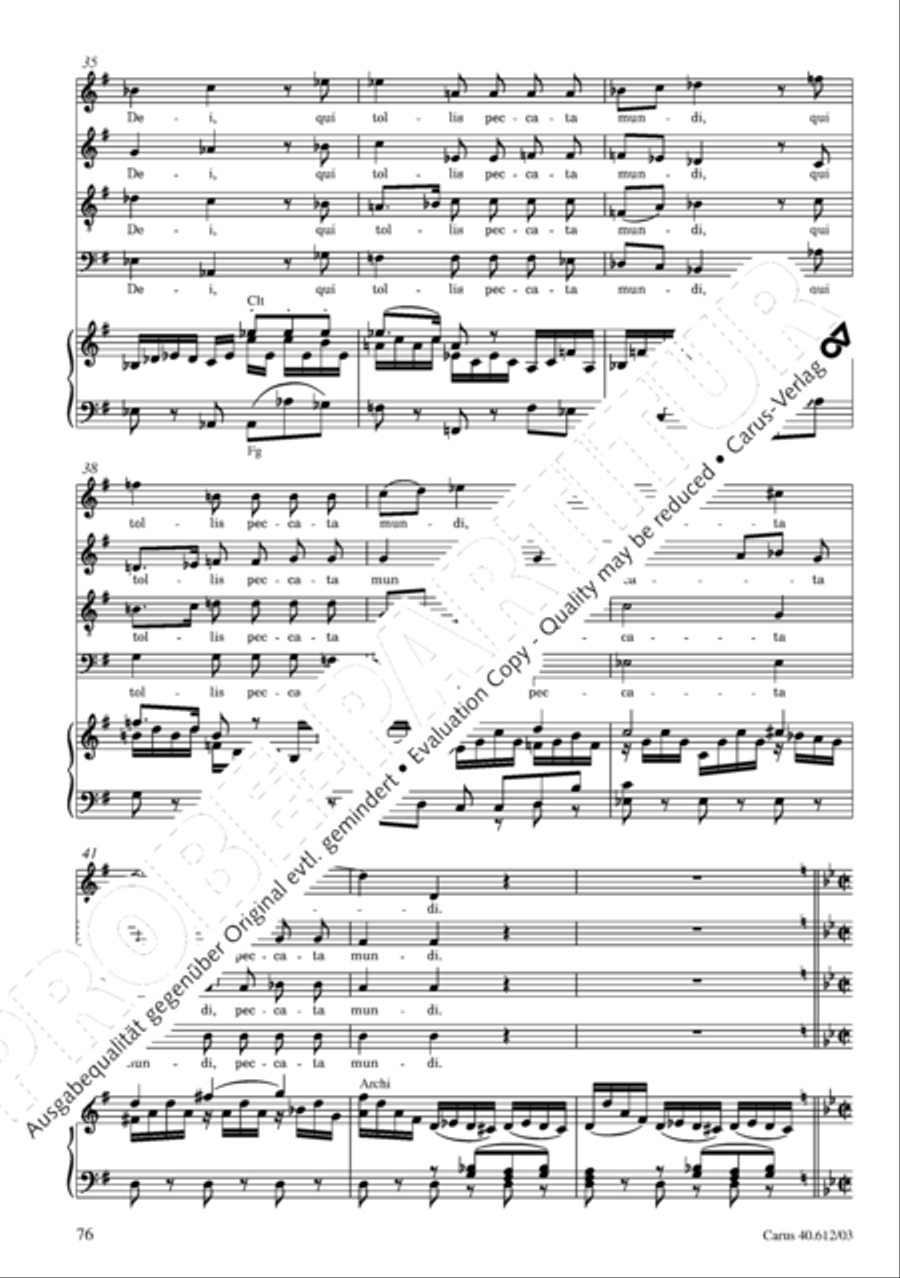
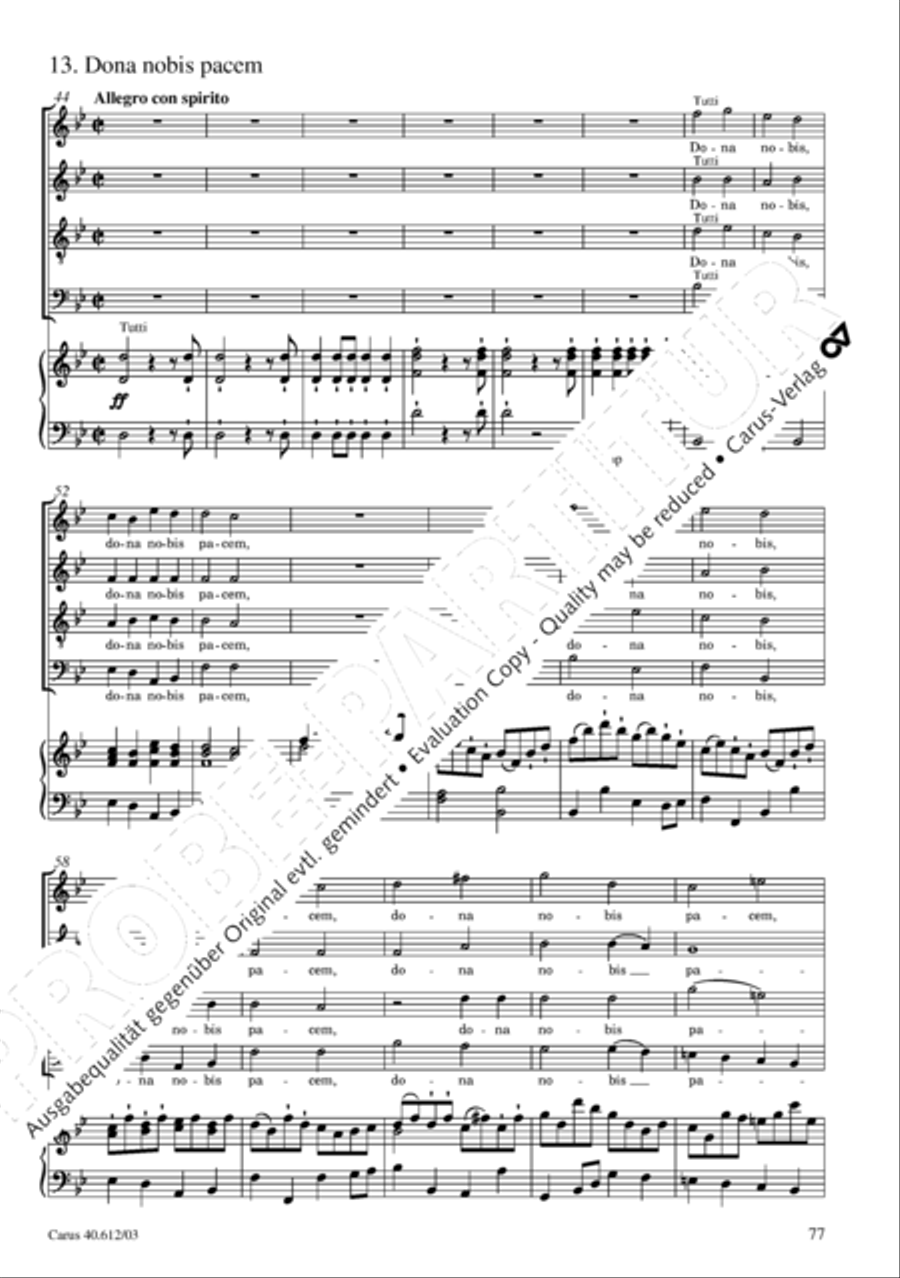
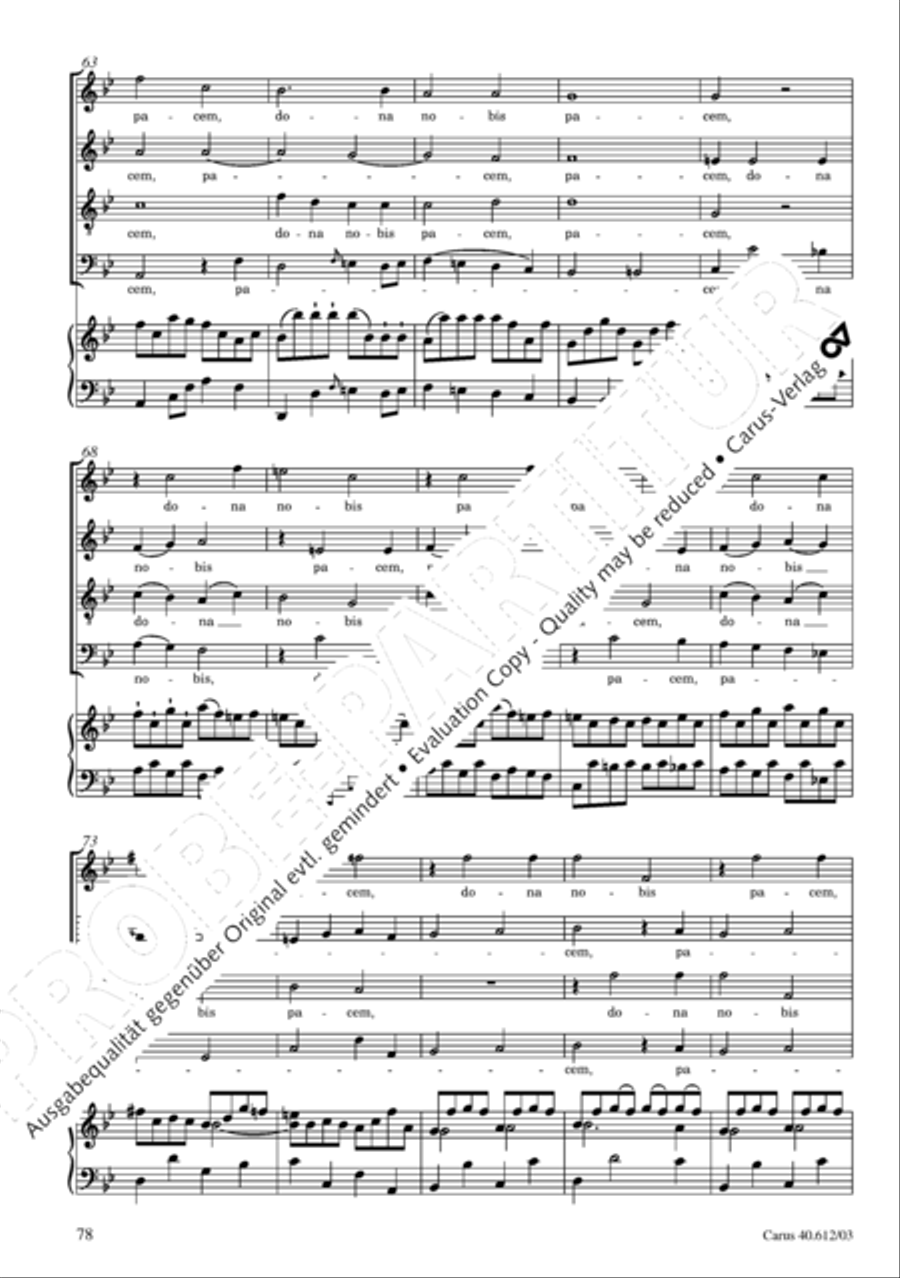
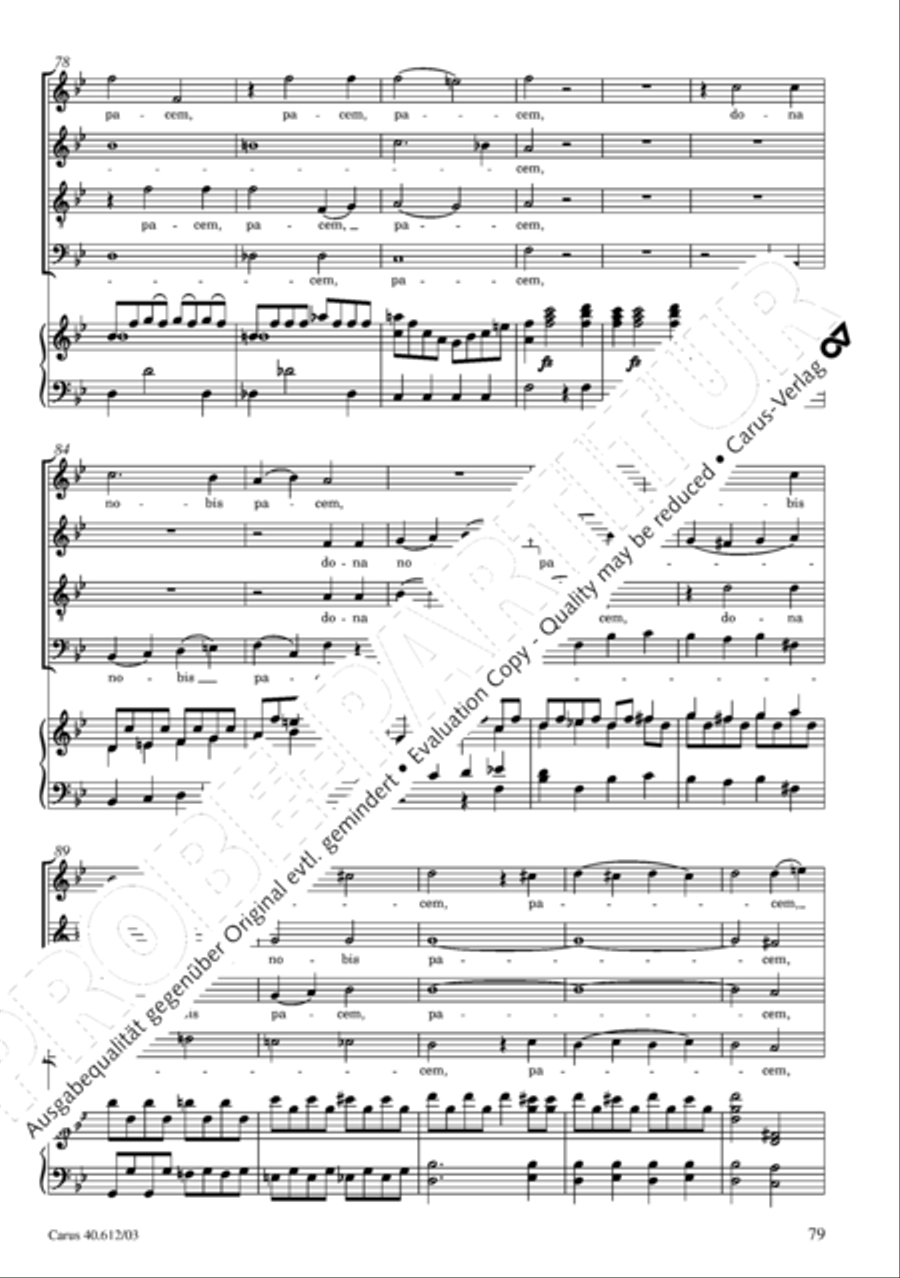
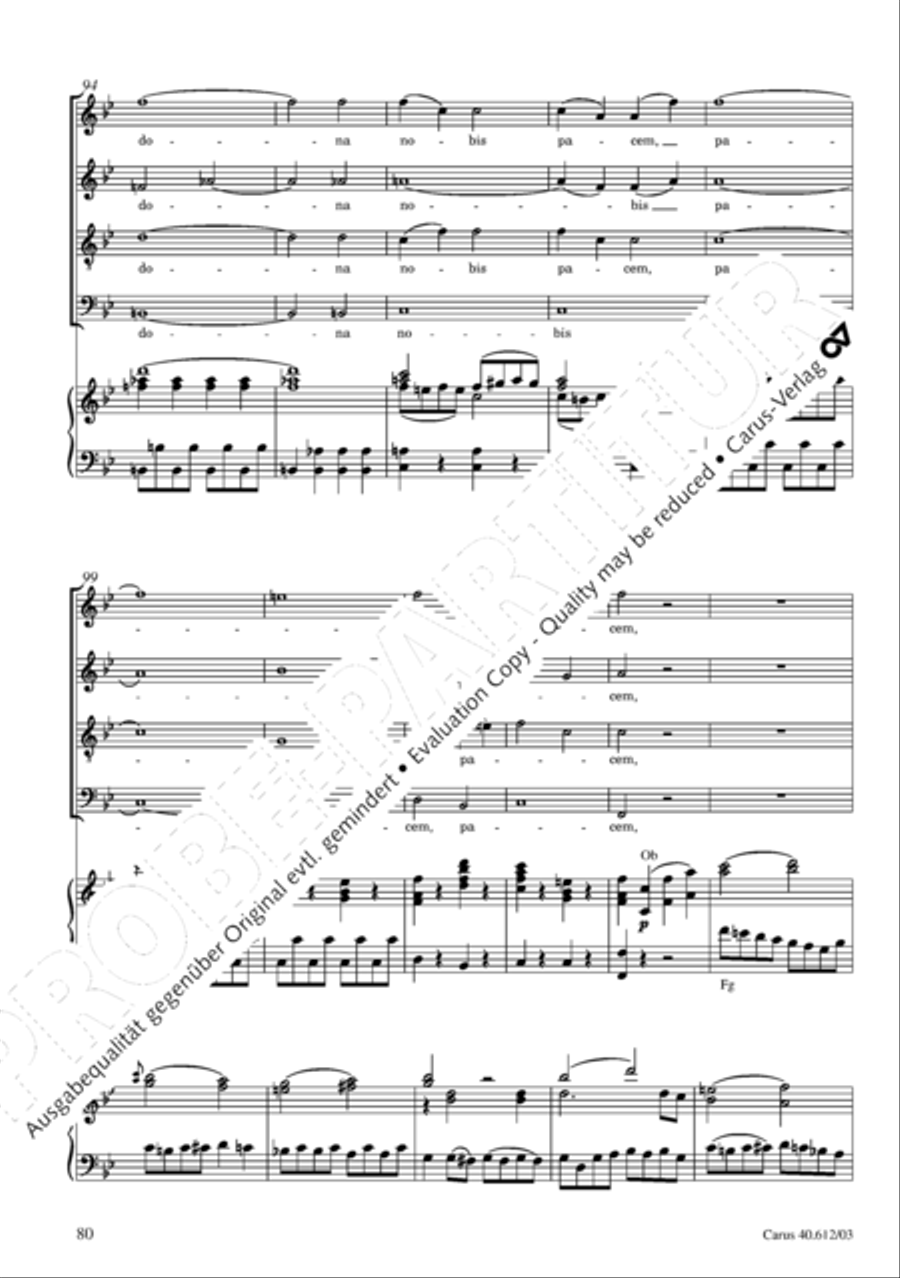
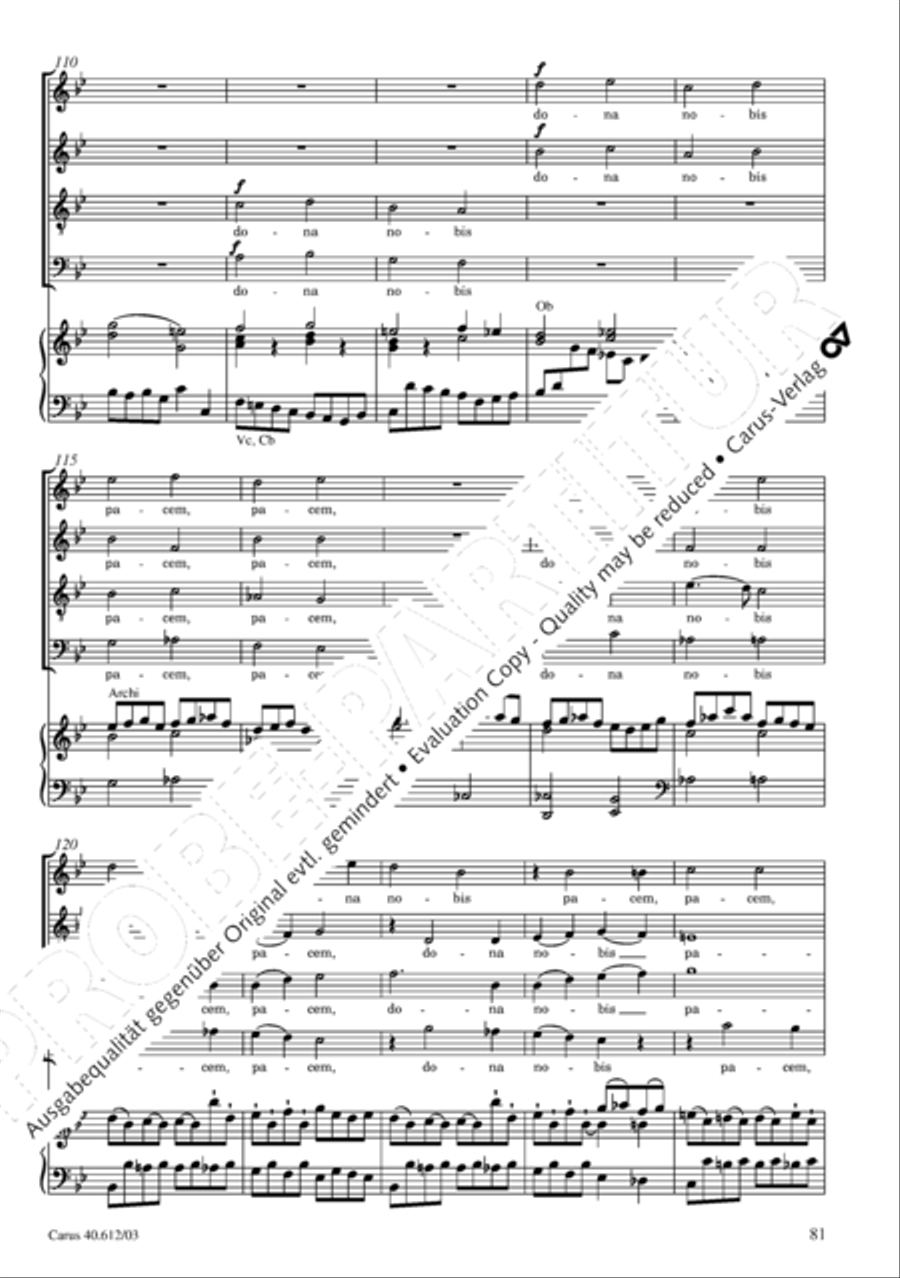
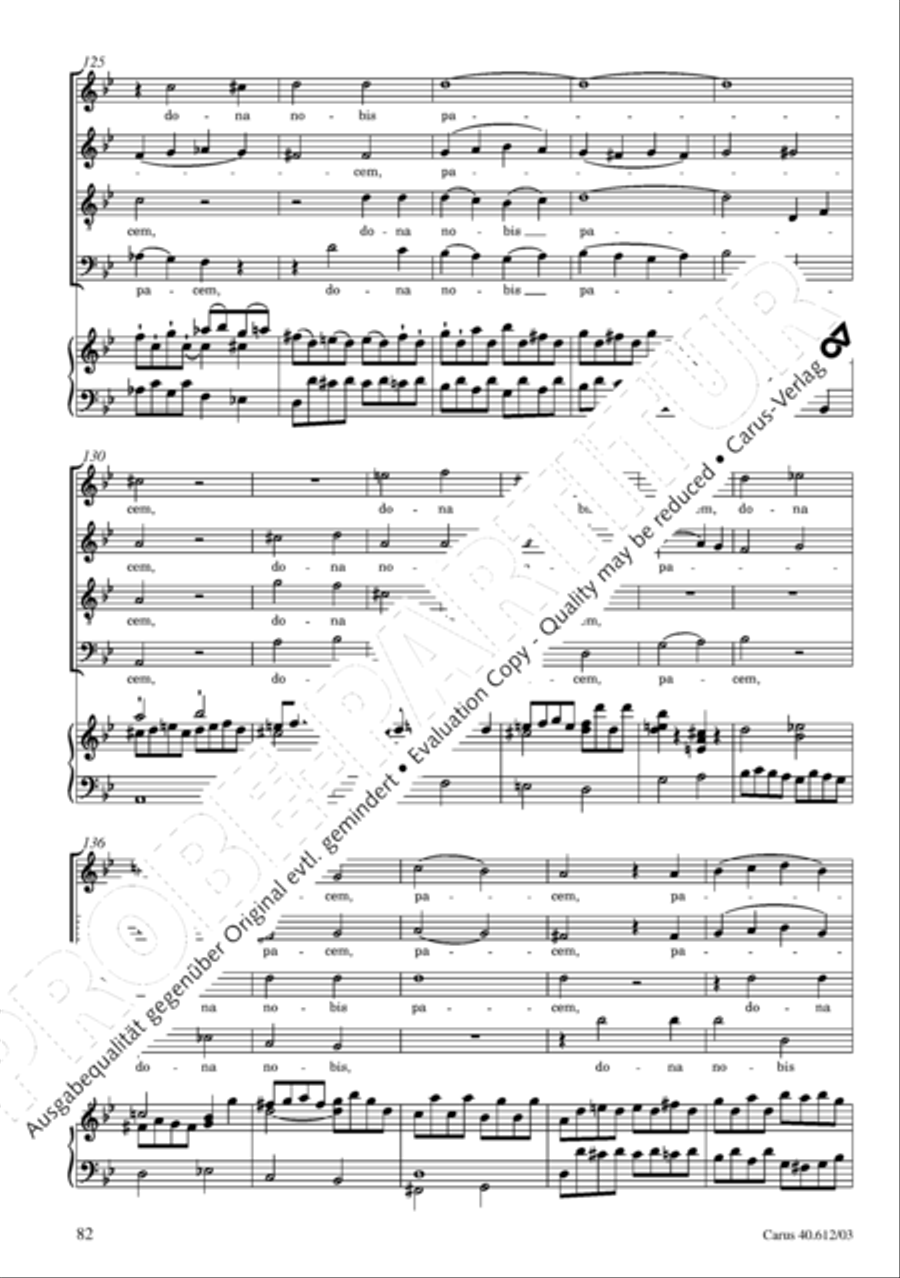
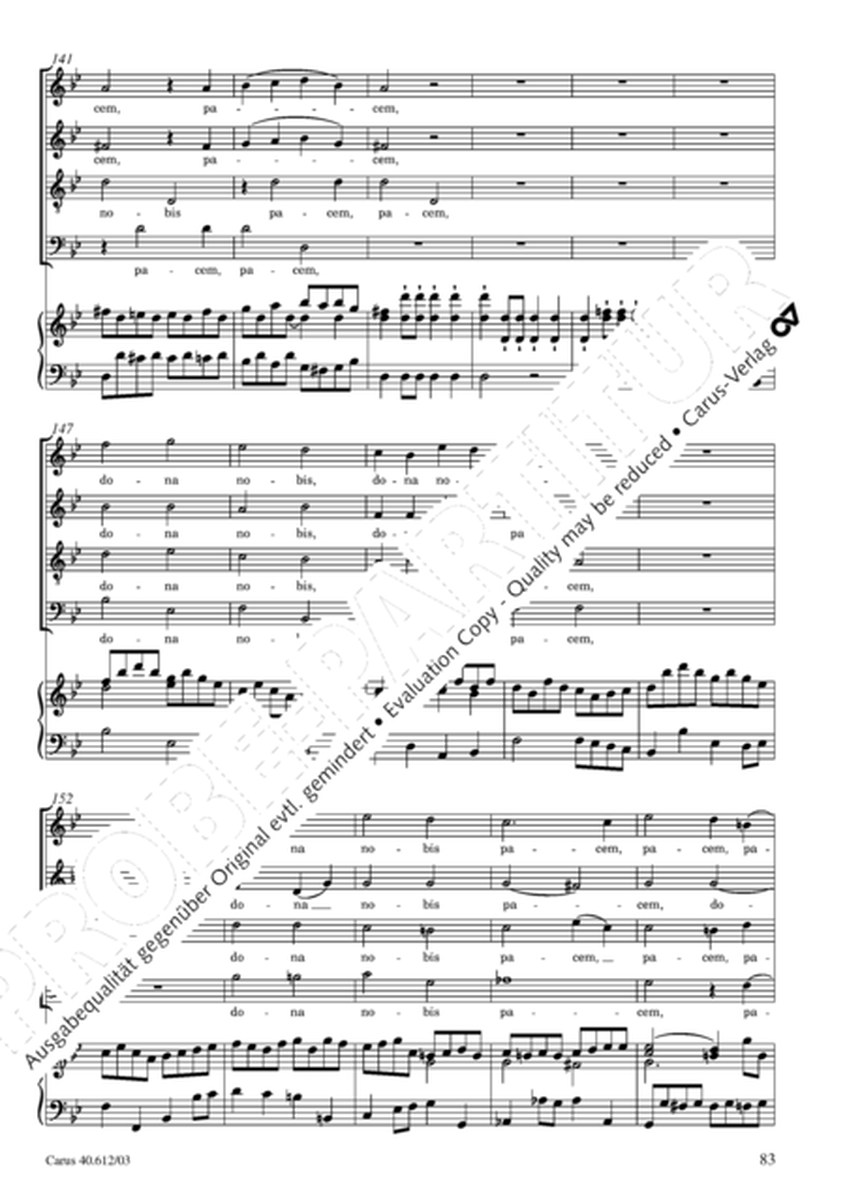
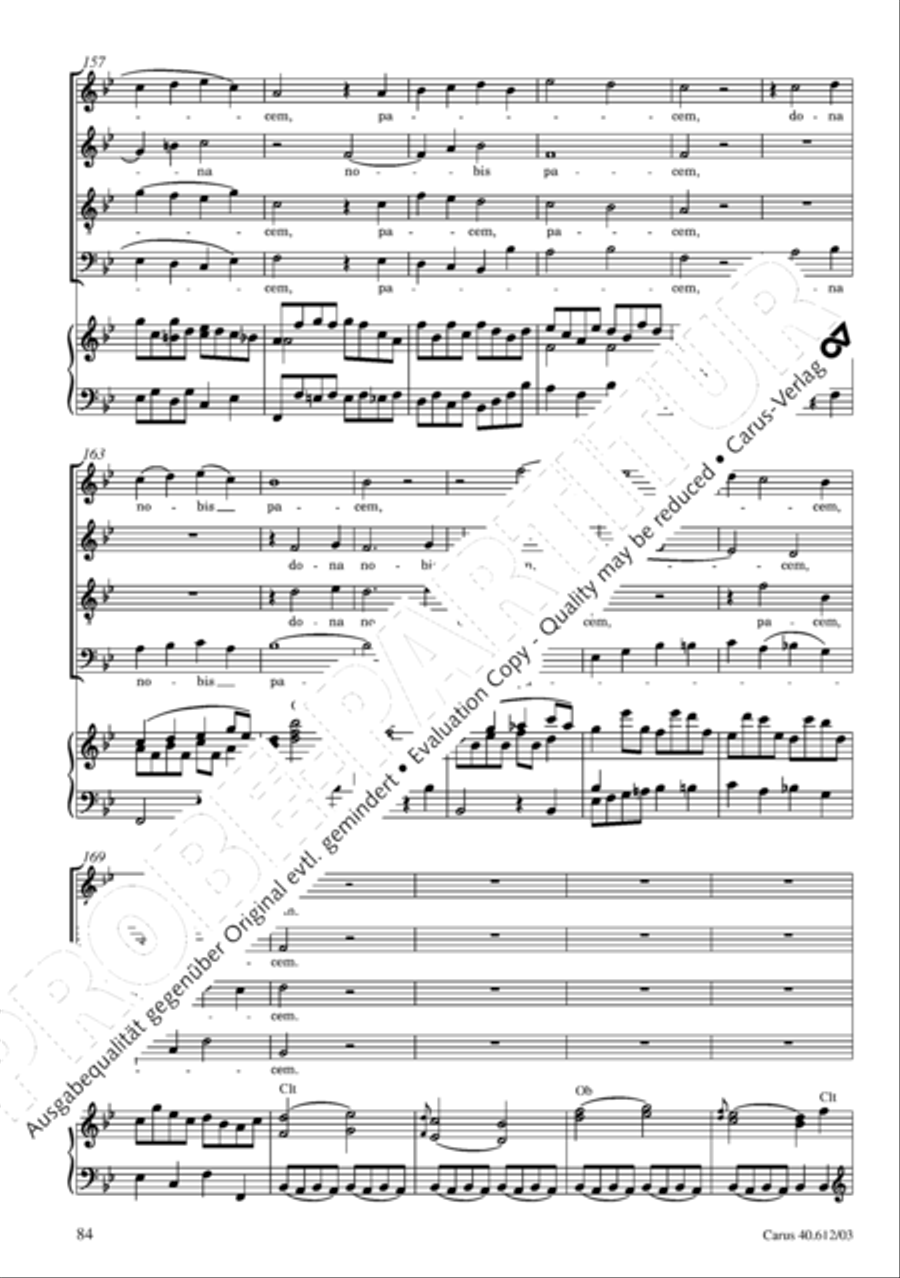
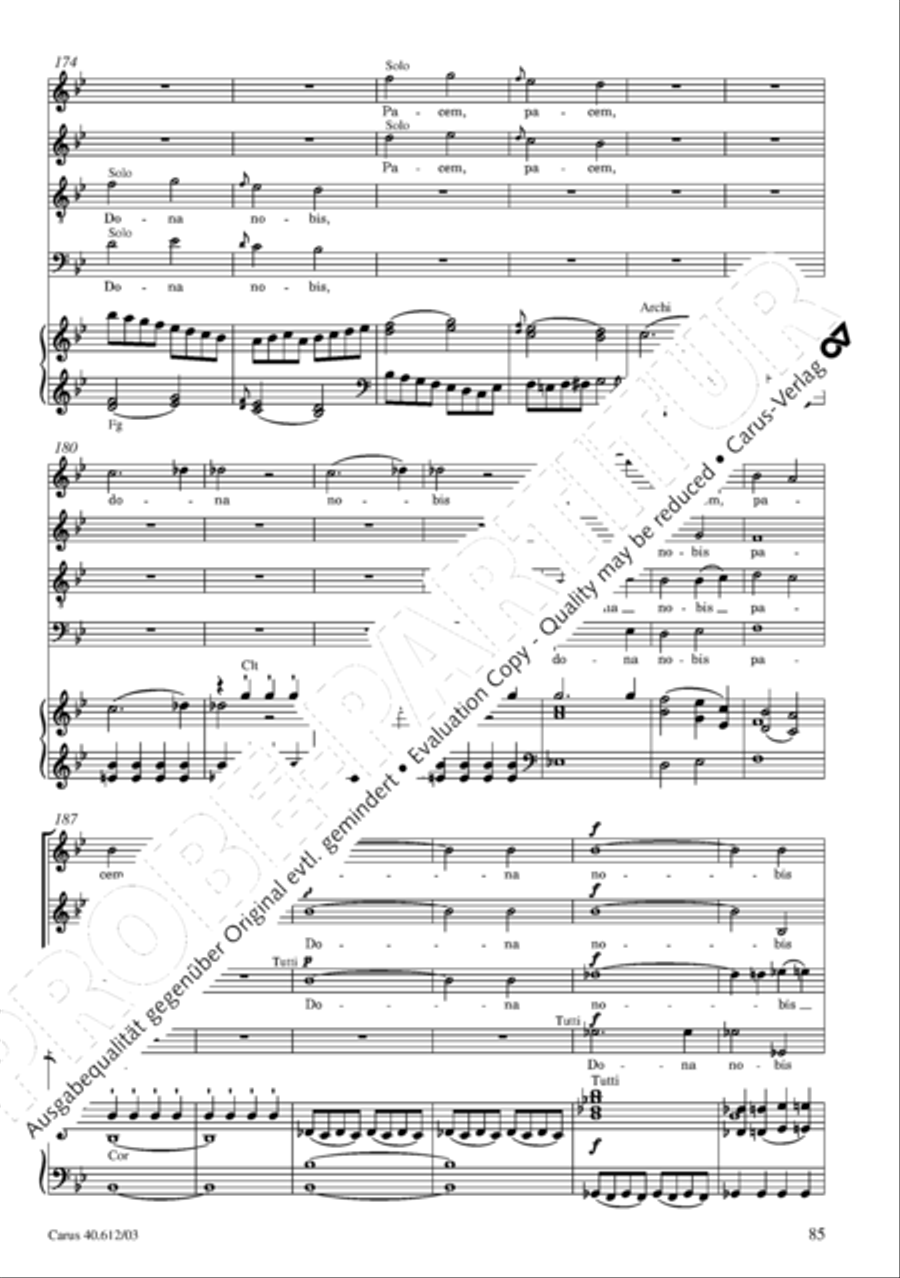
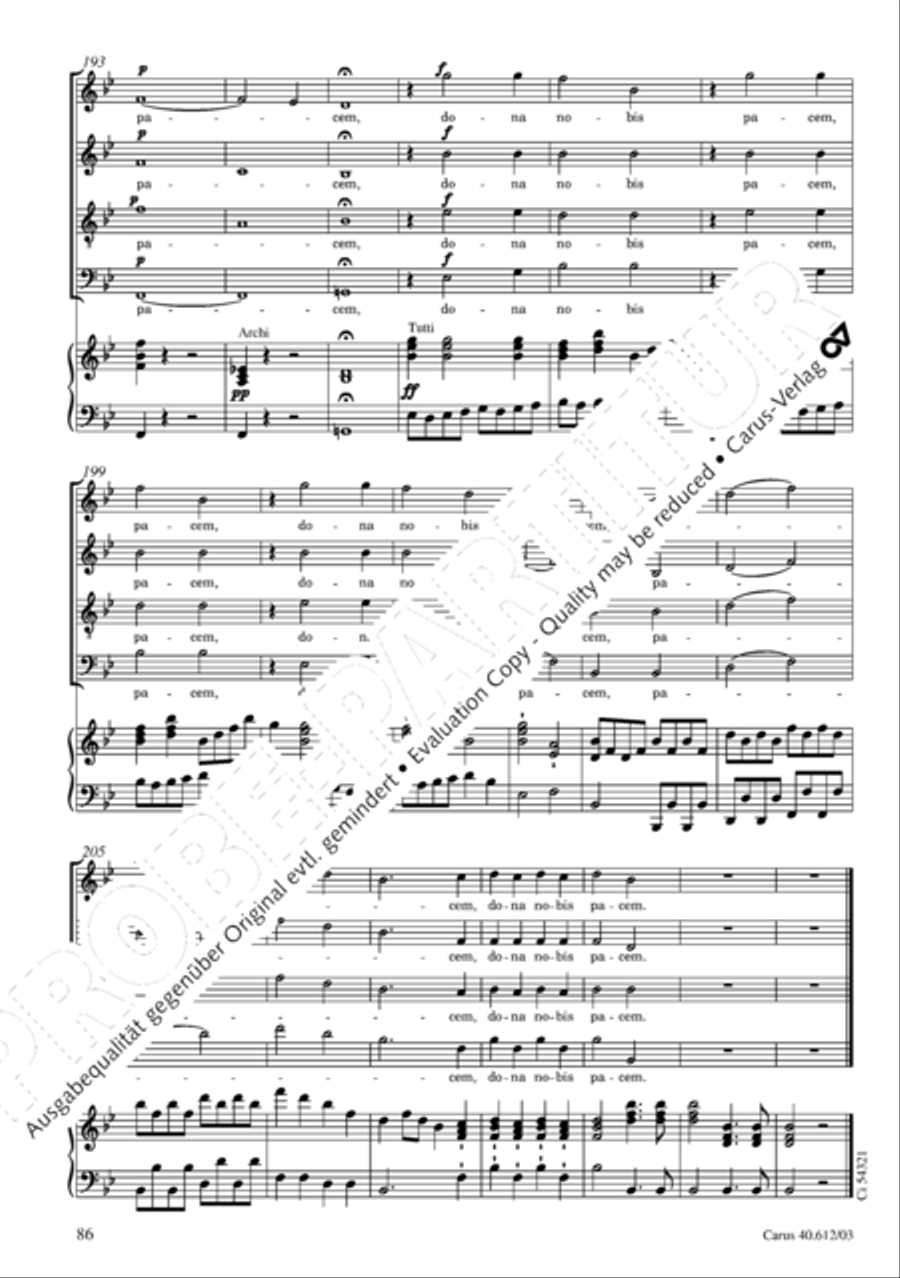
Harmony Mass. Composed by Franz Joseph Haydn. Edited by Andreas Traub. This edition: urtext. Stuttgart Urtext Edition: Joseph Haydn, Sacred vocal music. Haydn: Harmoniemesse In B Xxii:14. Sacred vocal music, Masses, Latin. Vocal score. Hob. XXII:14. 88 pages. Duration 45 minutes. Carus Verlag #CV 40.612/03. Published by Carus Verlag (CA.4061203).ISBN 9790007092085. 7.5 x 10.67 inches. Key: B flat major. Language: Latin.
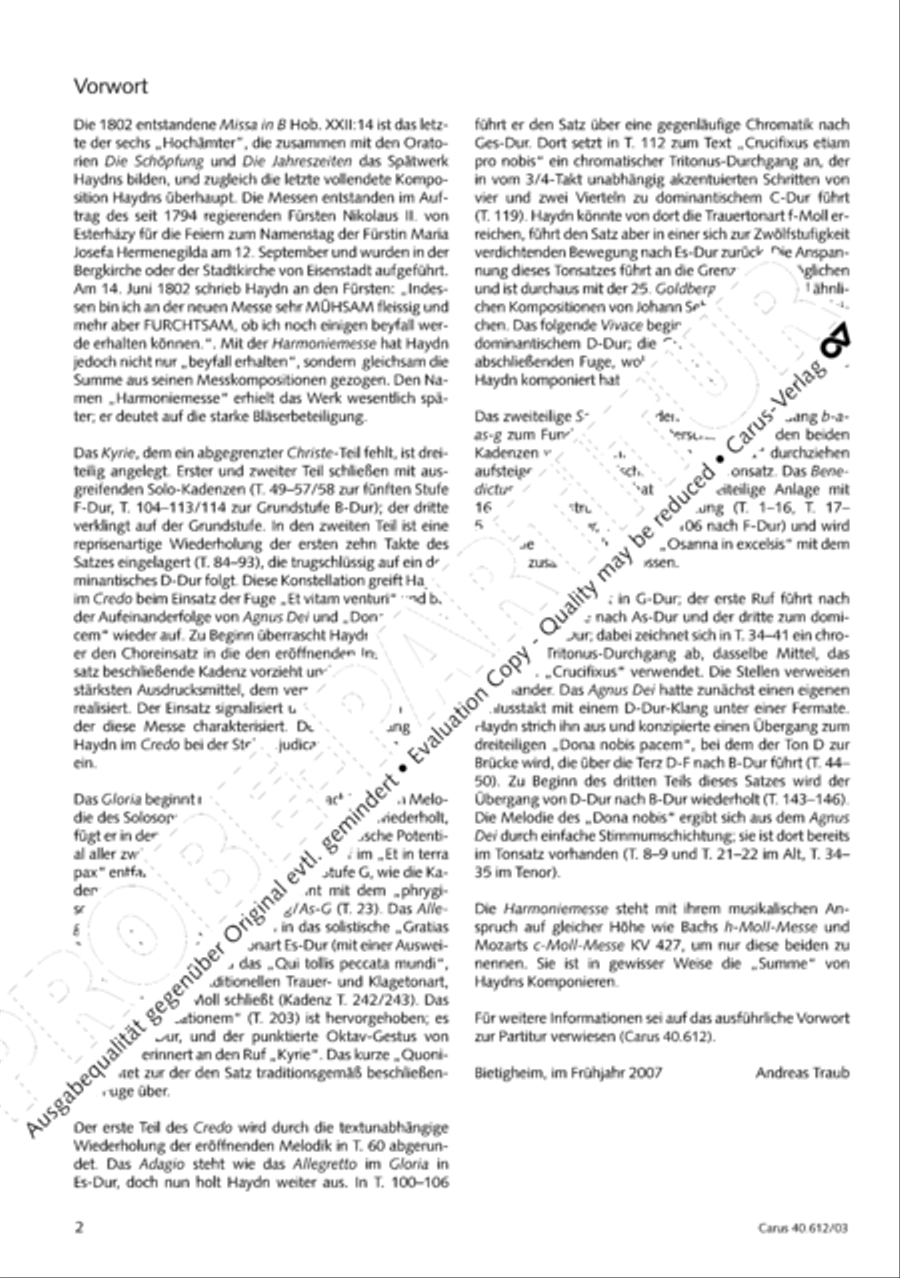
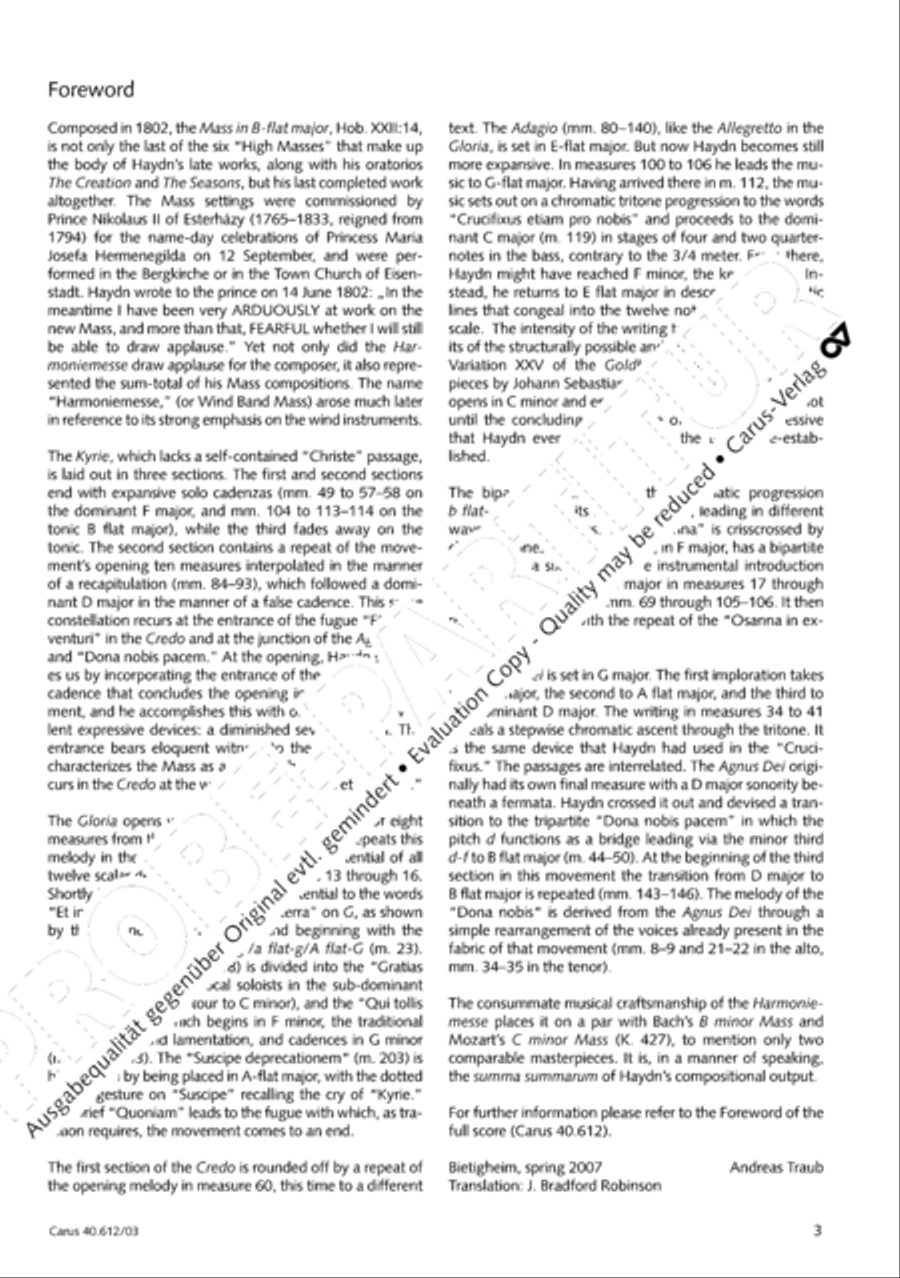
The Harmoniemesse is the last of the "High Masses" which Haydn composed between 1796 and 1802 for the name day of the Princess Esterhazy, and at the same time it was the last composition which Haydn ever completed. It was given its name because of the important role which the wind instruments play in the Mass. In a number of passages the present critical edition differs from previous editions and, consequently, it follows other readings of the sources. Hence it is also to be regarded as a contribution towards a new evaluation of the work. Score available separately - see item CA.4061200.
- More by this Composer:
- Franz Joseph Haydn Franz Joseph Haydn Choir Franz Joseph Haydn Violin Franz Joseph Haydn Voice
- Series:
- Stuttgart Urtext Edition
- Artists:
- Franz Joseph Haydn
- Publisher:
- Carus Verlag