21900646
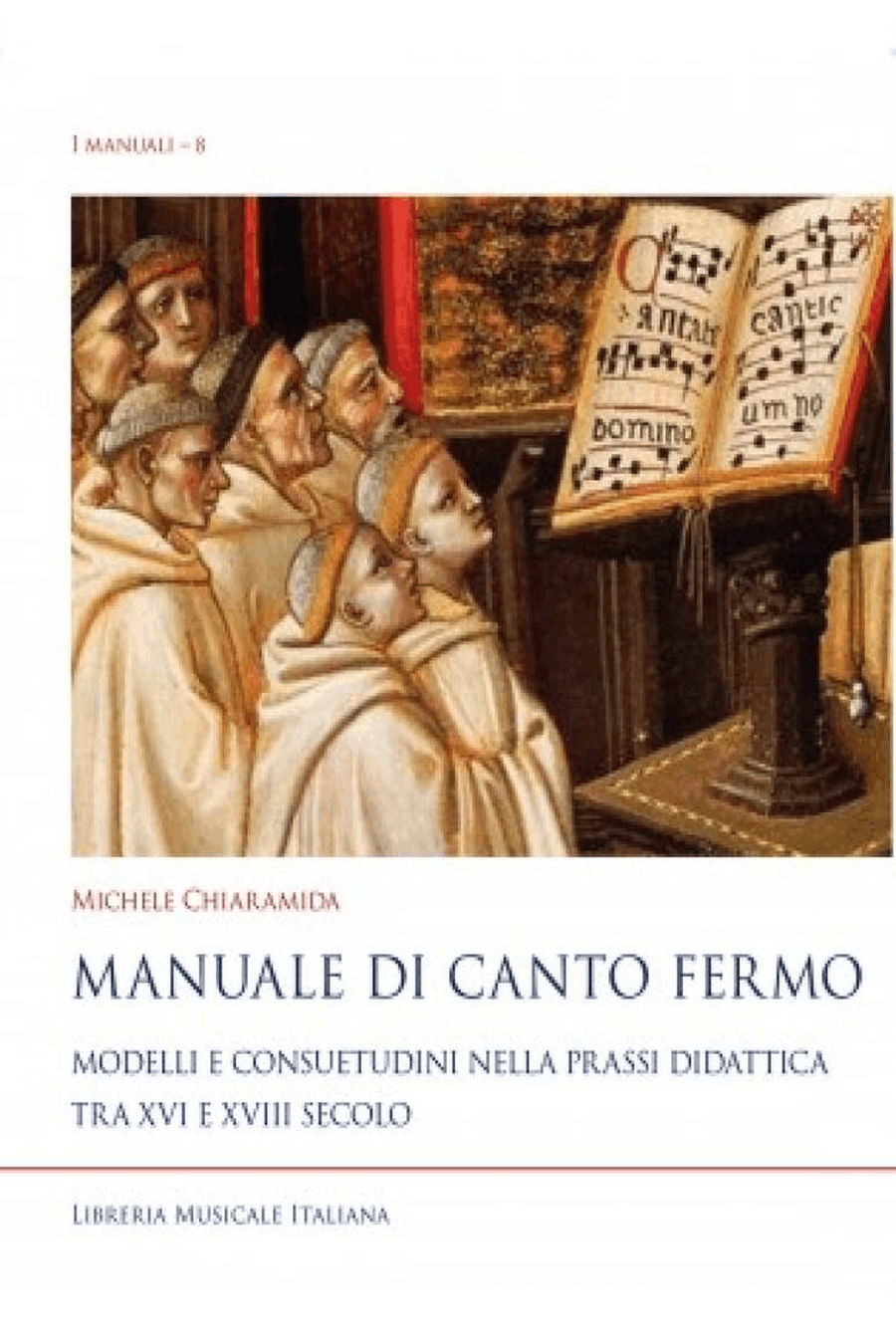
Manuale di Canto Fermo
21900646
21900646
21900646
Copyright Material for Preview Only - Sheet Music Plus
SKU: BT.LIM9788855430524
Book Only. 279 pages. Libreria Musicale Italiana #LIM9788855430524. Published by Libreria Musicale Italiana (BT.LIM9788855430524).
ISBN 9788855430524. Italian.
The origin of this study responds to the need to know in depth the executive practice and the theory of Still Singing during the period of the development of polyphony and sacred instrumental music, especially organistic. This urgency stems from the conviction that Canto Fermo, as the deep root of the compositional process, presides over the musical flow as a supreme model, evoked through the means of musical craftsmanship. The modern editions of Gregorian chant and the manualistics currently in use — the result of the radical 'change of course' impressed by the cult center of Solesmes compared to centuries of uninterrupted teaching tradition — obviously cannot frame in the desired terms the practice of liturgical singing in the period that goes approximately from the Council of Trent to the end of the nineteenth century. Thus a kind of dichotomy looms between the practice of sacred singing documented by the sources, which we will properly call Canto Fermo and the practice currently in use and taught in today's schools, the result of the interpretative hypothesis put forward by the Solesmense movement, which we can continue to mark with the common expression Gregorian chant. This study is based on the didactic-normative sources that were used to support the teaching of Canto Fermo in seminaries and religious institutes, and which formed the basis of the formation of the ecclesiastical singer. They provide us with an invaluable documentary basis for the ability inherent in the very nature of this material to restore an indicative picture not only of the subjects taught but also of the teaching practice itself. How did the coevi musicians of Palestrina, Frescobaldi, Monteverdi, etc. listen to and practiced Canto Fermo? What was the common heritage of executors, composers and listeners of those centuries? What was the ideal, theological and liturgical substrate that nourished execution and composition? What was the musical theory of referring and what were the characters of the modal system? This text is a first attempt to answer these questions and thus provide a possible re-construction of a model actually practiced and handed down almost intact until much of the 19th century.
SKU: BT.LIM9788855430524
Book Only. 279 pages. Libreria Musicale Italiana #LIM9788855430524. Published by Libreria Musicale Italiana (BT.LIM9788855430524).
ISBN 9788855430524. Italian.
The origin of this study responds to the need to know in depth the executive practice and the theory of Still Singing during the period of the development of polyphony and sacred instrumental music, especially organistic. This urgency stems from the conviction that Canto Fermo, as the deep root of the compositional process, presides over the musical flow as a supreme model, evoked through the means of musical craftsmanship. The modern editions of Gregorian chant and the manualistics currently in use — the result of the radical 'change of course' impressed by the cult center of Solesmes compared to centuries of uninterrupted teaching tradition — obviously cannot frame in the desired terms the practice of liturgical singing in the period that goes approximately from the Council of Trent to the end of the nineteenth century. Thus a kind of dichotomy looms between the practice of sacred singing documented by the sources, which we will properly call Canto Fermo and the practice currently in use and taught in today's schools, the result of the interpretative hypothesis put forward by the Solesmense movement, which we can continue to mark with the common expression Gregorian chant. This study is based on the didactic-normative sources that were used to support the teaching of Canto Fermo in seminaries and religious institutes, and which formed the basis of the formation of the ecclesiastical singer. They provide us with an invaluable documentary basis for the ability inherent in the very nature of this material to restore an indicative picture not only of the subjects taught but also of the teaching practice itself. How did the coevi musicians of Palestrina, Frescobaldi, Monteverdi, etc. listen to and practiced Canto Fermo? What was the common heritage of executors, composers and listeners of those centuries? What was the ideal, theological and liturgical substrate that nourished execution and composition? What was the musical theory of referring and what were the characters of the modal system? This text is a first attempt to answer these questions and thus provide a possible re-construction of a model actually practiced and handed down almost intact until much of the 19th century.
Tell a friend (or remind yourself) about this product. We'll instantly send an email containing product info and a link to it. You may also enter a personal message.
We do not use or store email addresses from this form for any other purpose than sending your share email.
Read our Privacy Policy.
After purchase, you can download your MP3 from your Sheet Music Plus Digital Library - no software installation is necessary! You can also listen to your MP3 at any time in your Digital Library.
After purchase, you can download your Smart Music from your Sheet Music Plus Digital Library - no software installation is necessary! You can also download at any time in your Digital Library.
After purchase you can download your video from your Digital Library. Your video is in XX format and is playable on most pre-installed video players.