Details
- Instrument:
- Cello
- Composers:
- Cassia Harvey
- Publishers:
- C. Harvey Publications
- Series:
- Women Composers and Arrangers
- ISBN:
- 9781635230123
- Format:
- Collection / Songbook
- Item types:
- Physical
- Instructionals:
- Etudes and Exercises Lesson Books Technique Books
- Level:
- Beginning
- Artist:
- Cassia Harvey
- Usages:
- Sacred
- Size:
- 8.5 x 11 inches
- Shipping Weight:
- 0.21 pounds
SKU: CH.CHP282
Composed by Cassia Harvey. Methods and More; Technique Books; Etudes and Exercises; String Class. Learning in String Classes. This fun beginning cello method helps you learn in private lessons or heterogeneous string classes. Book. C. Harvey Publications #CHP282. Published by C. Harvey Publications (CH.CHP282).ISBN 9781635230123. 8.5 x 11 inches.
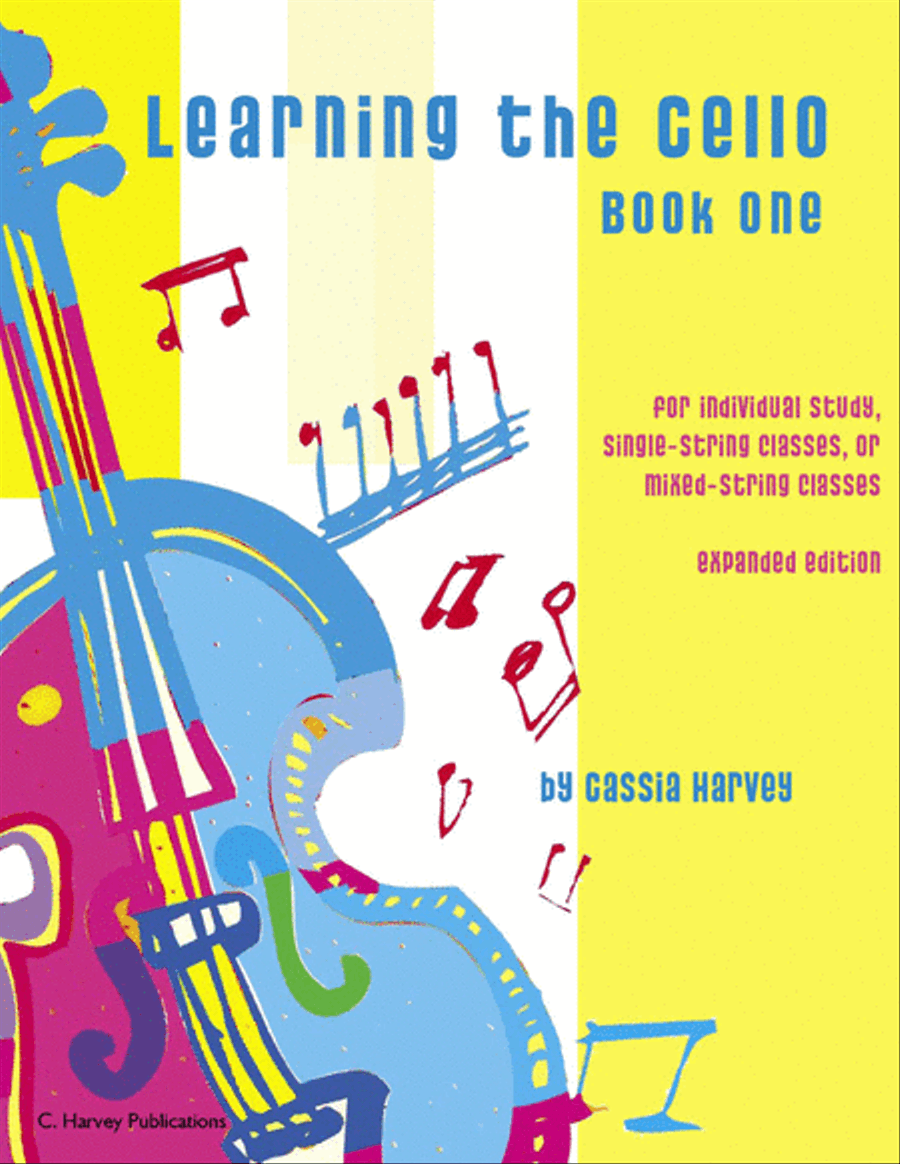
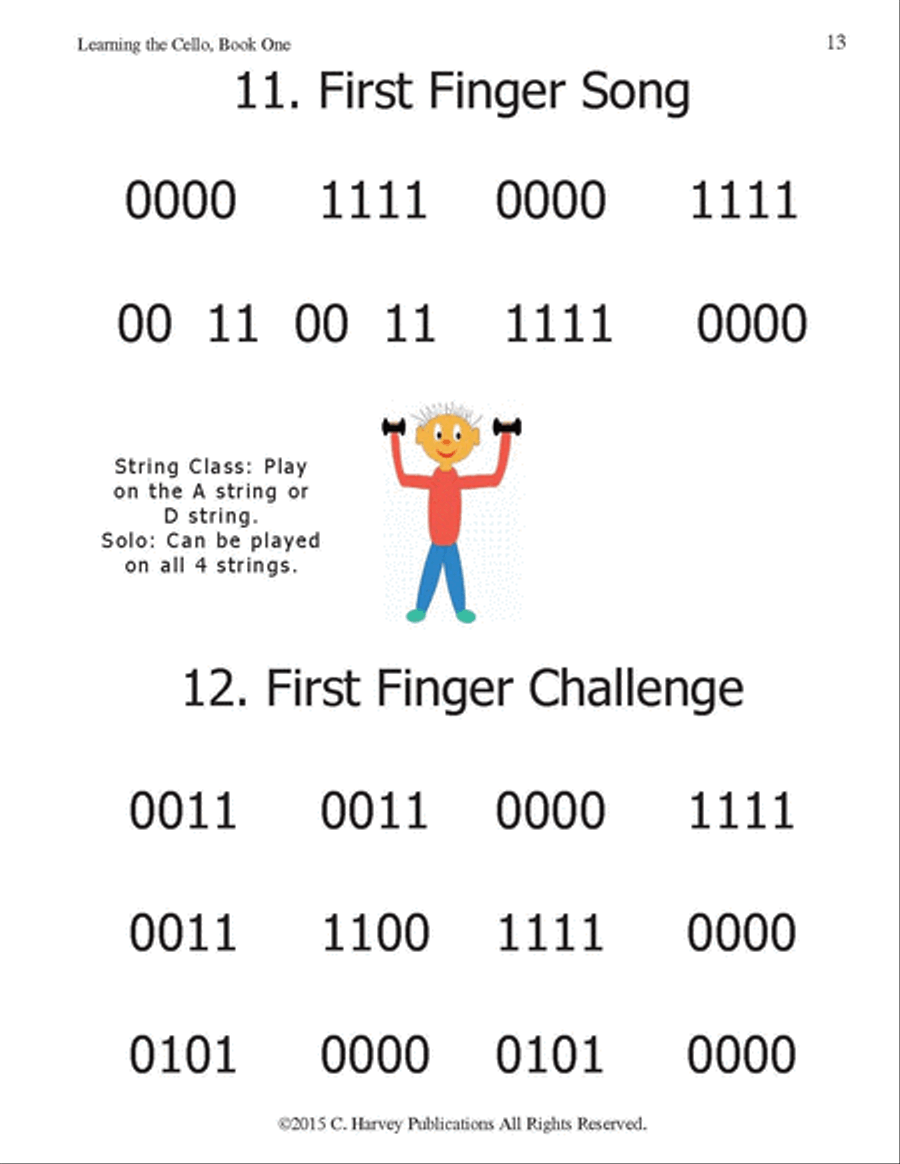
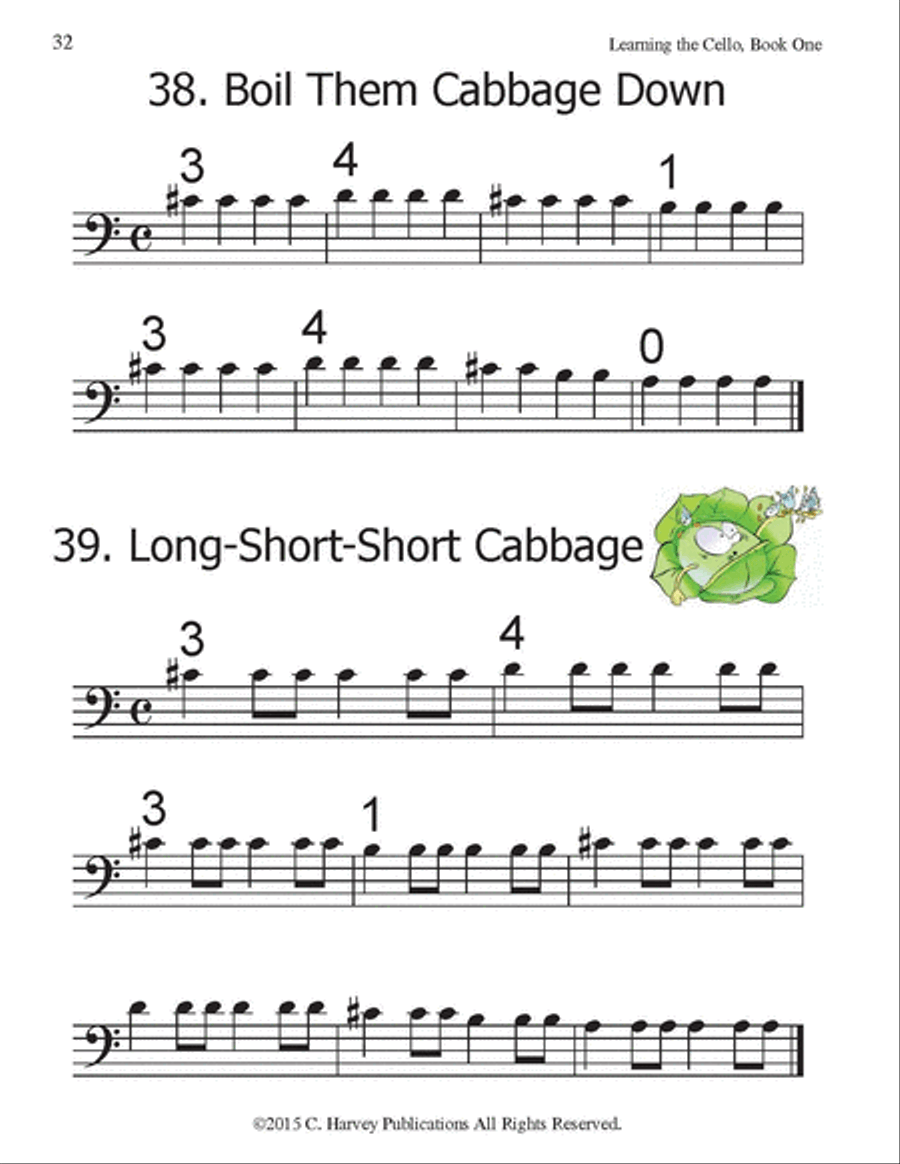
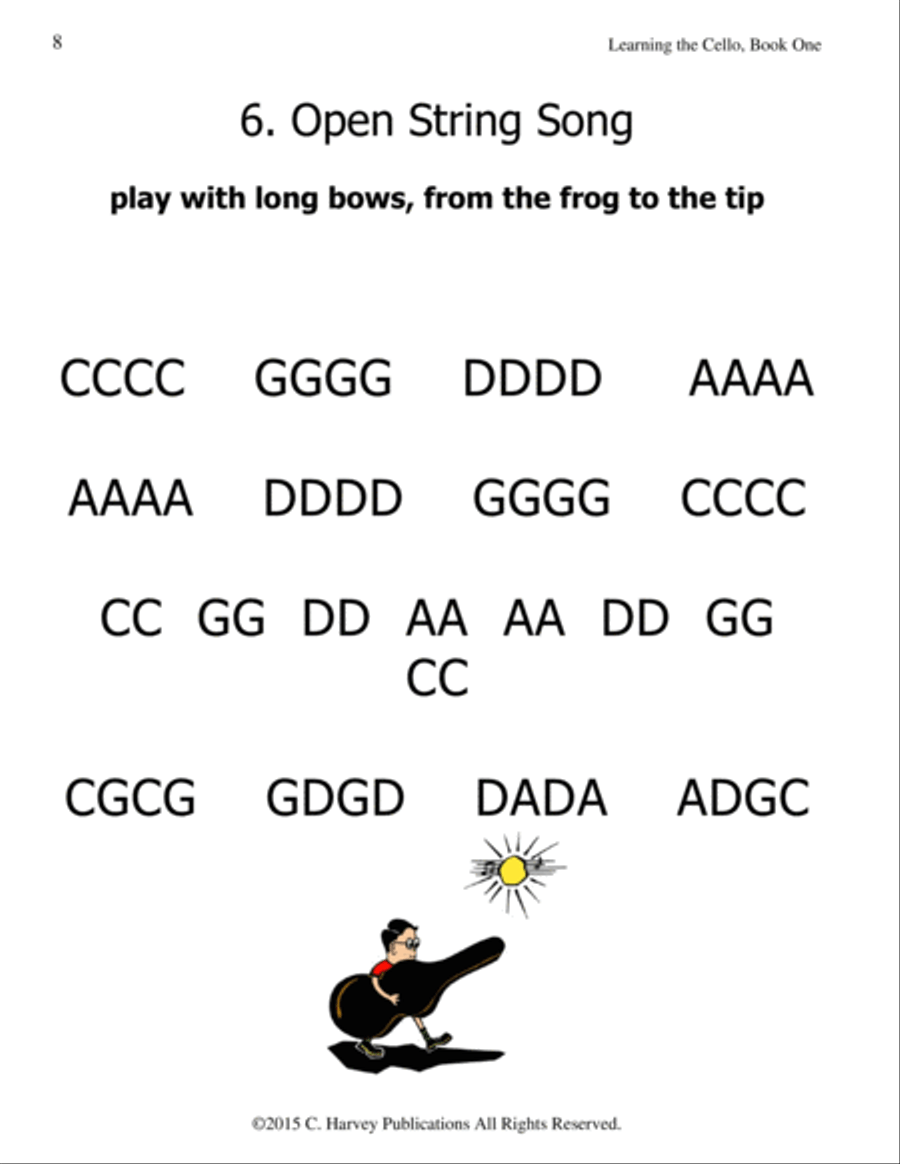
Learning the Cello, Book One is an introductory cello method for the absolute beginner. Starting with open string letters and songs with simple finger numbers, the book progresses to short exercises and familiar songs with large, easy-to-read notes to get the student to play as much as possible. Useful for all ages, Learning the Cello, Book One is especially helpful with younger beginners or students who struggle with note-reading. This book can be studied in private lessons, in single-string classes, or in mixed-string classes, along with Learning the Violin, Book One, Learning the Viola, Book One, and Learning the Bass, Book One. A Score and Piano Accompaniment is also available. This book could be studied along with The Open String Book for Cello and Early Exercises for the Cello, and could be followed by Learning the Cello, Book Two.
- More by this Composer:
- Cassia Harvey Cassia Harvey Cello Cassia Harvey Viola Cassia Harvey Violin
- Series:
- Women Composers and Arrangers
- Artists:
- Cassia Harvey
- Publisher:
- C. Harvey Publications
Ratings + Reviews
5 Rating
1 review
Silverwind S.
Dec 31, 2017
This is a great option for young beginners. It starts with just finger numbers to get the student playing without being overwhelmed by staff note reading. They have to rely on knowing the rhythm of the familiar tunes. The staff and notes are later introduced and some of the tunes are repeated so the student can feel successful on their first attempts at reading the score. The titles set up the rhythms found in the pieces. the notes are slowly introduced string by string with fingering and names of notes judiciously included. If a student needs more practice on particular skill, there's many supplemental materials by the publisher available. The teacher book has accompaniments. I hope they come out with a CD that students can uses to practice with at home to reinforce intonation and rhythm.