
Ships to you
Ships to you
SKU: CH.CHP309
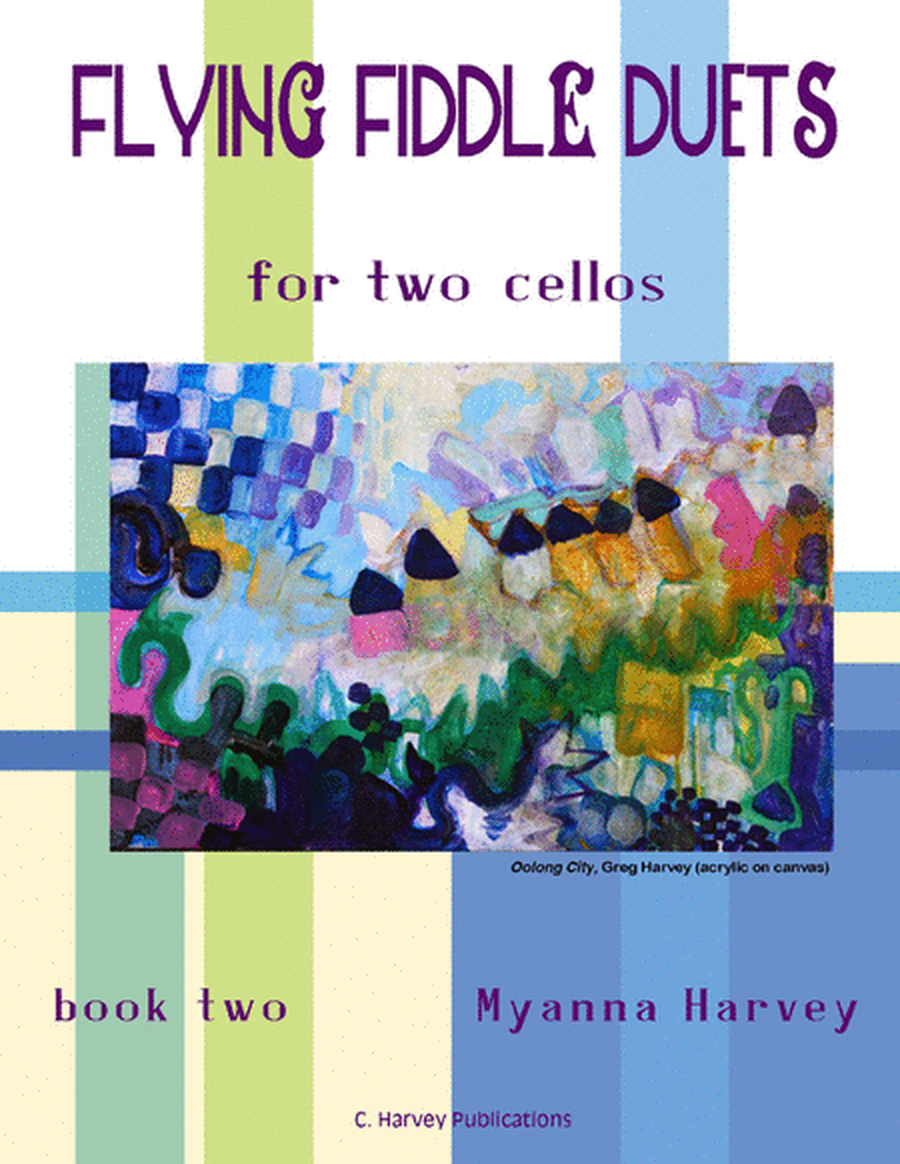
Composed by Myanna Harvey. Repertoire Book; Lesson Book. Flying Fiddle Duets. More cello fiddle tunes with duet harmonies that will have you dancing! Folk, Americana, Celtic. Score. C. Harvey Publications #CHP309. Published by C. Harvey Publications (CH.CHP309).ISBN 9780692634943. 8.5 x 11 inches.
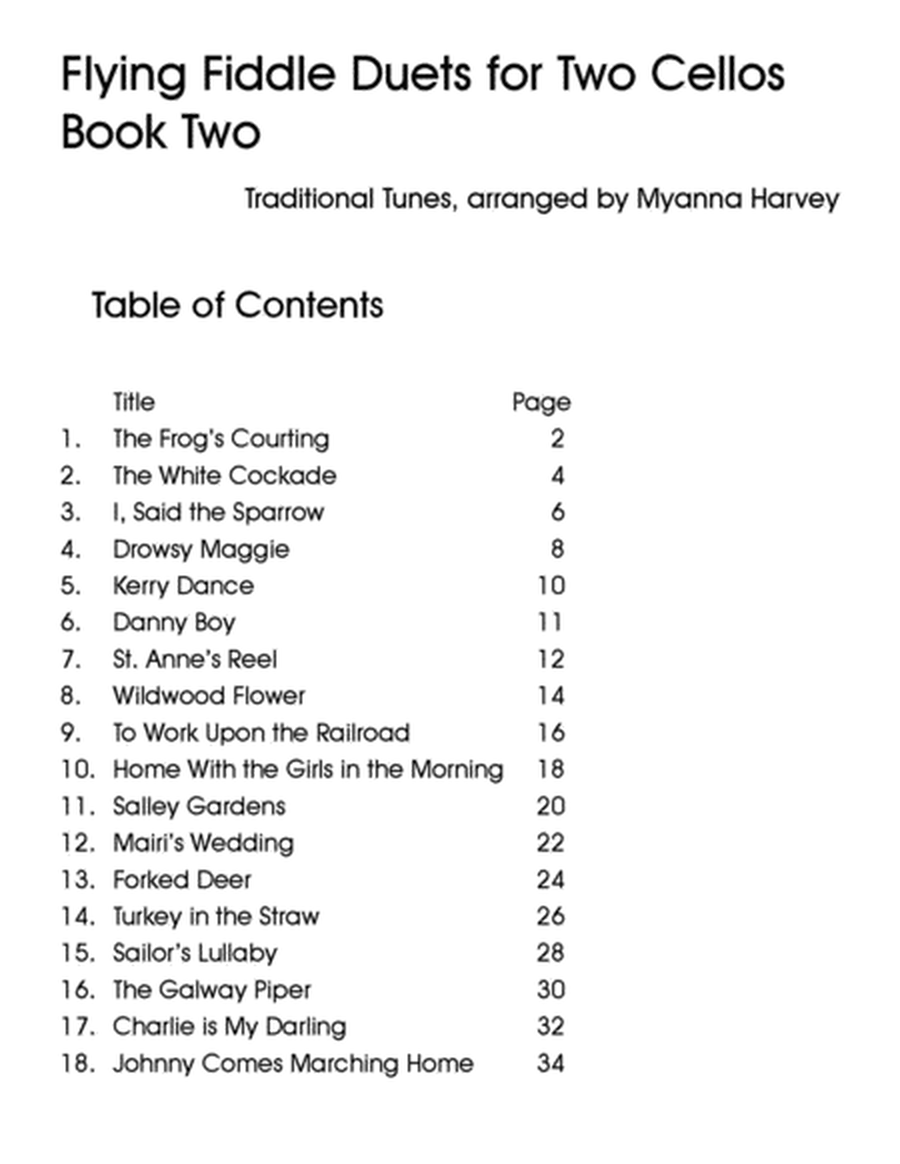
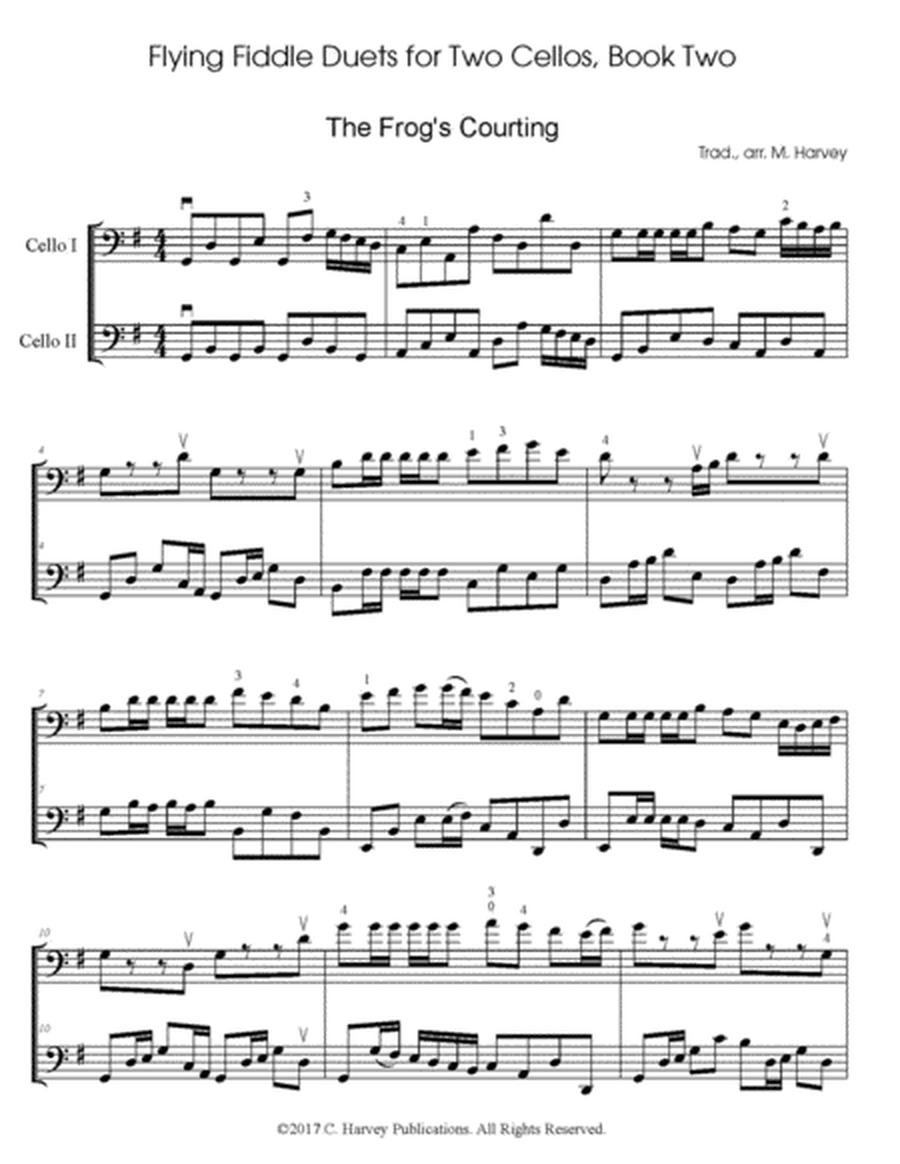
Flying Fiddle Duets for Two Cellos, Book Two gives you 18 rhythmic, energetic fiddle duets that will have your toes tapping and bring joy into your playing. The duets incorporate first, second, third, and fourth positions and are at early-intermediate level or later. Melodies are interwoven between the two parts so both cellists have a chance to play the melodies. Written to provide students with the most exciting music possible, these fiddle and folk cello duets are both playable and musically rewarding. Teachers: These cello duets can be played by a teacher and student or by two students. The book is entirely in bass clef. Please note: this book is not compatible with the other instrument books in the series.
|
Celloandabass
August 23, 2017
Fun Duets!
An excellent follow-up to book one, this book includes more complicated rhythms and bowings to challenge the student. The duet part also includes some basic double-stops and is more intricate than in book one. Both parts include first through fourth positions, although the second part tends to stay more in first position as it is the lower voice. As a teacher I highly recommend these duets to help students improve shifting through the first four positions.
|
See Similar Sheet Music and Digital Downloads