Details
- Ensembles:
- Small Ensemble
- Genres:
- 21st Century Contemporary
- Publishers:
- Adam Reifsteck
- Series:
- ArrangeMe
- Format:
- Score Set of Parts Score and Parts
- Item types:
- Digital
- Level:
- Late Intermediate
- Usages:
- School and Community
- Number of Pages:
- 29
SKU: A0.975955
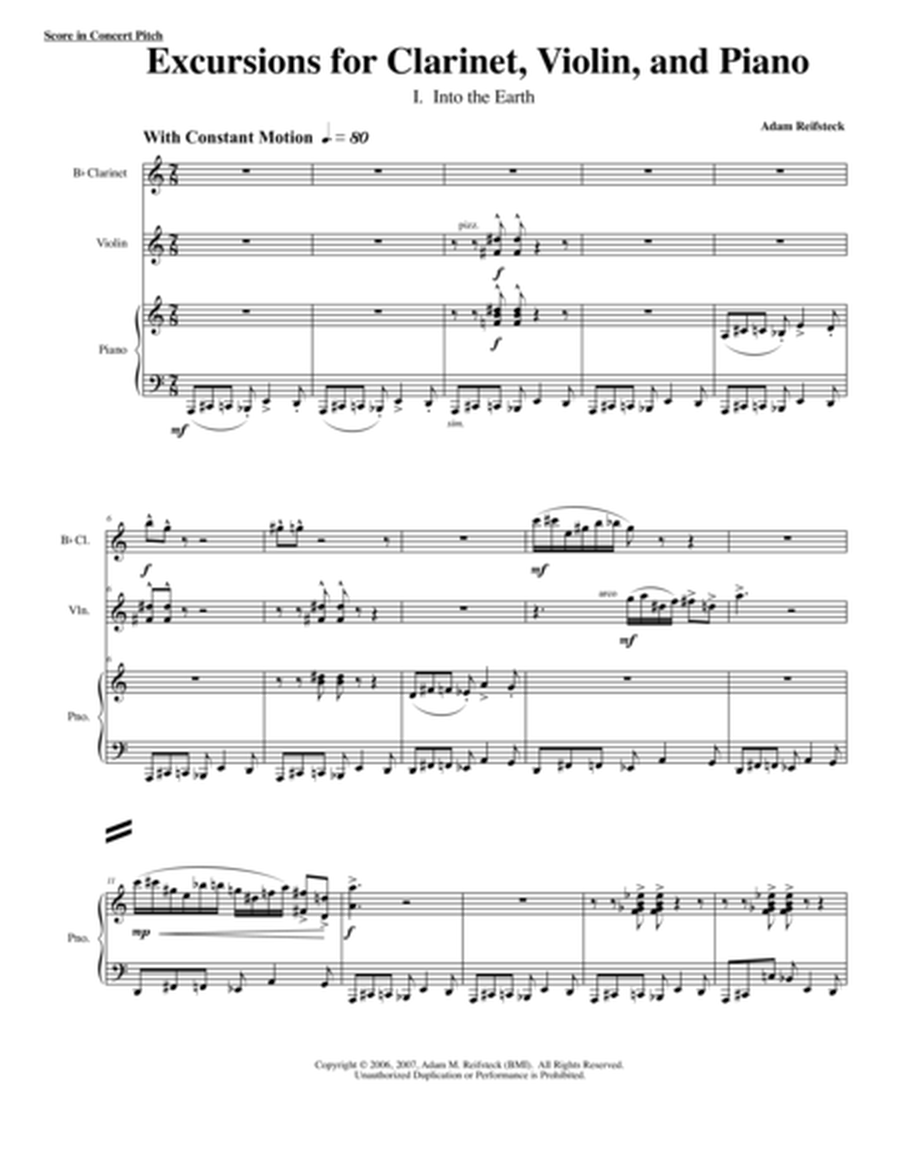
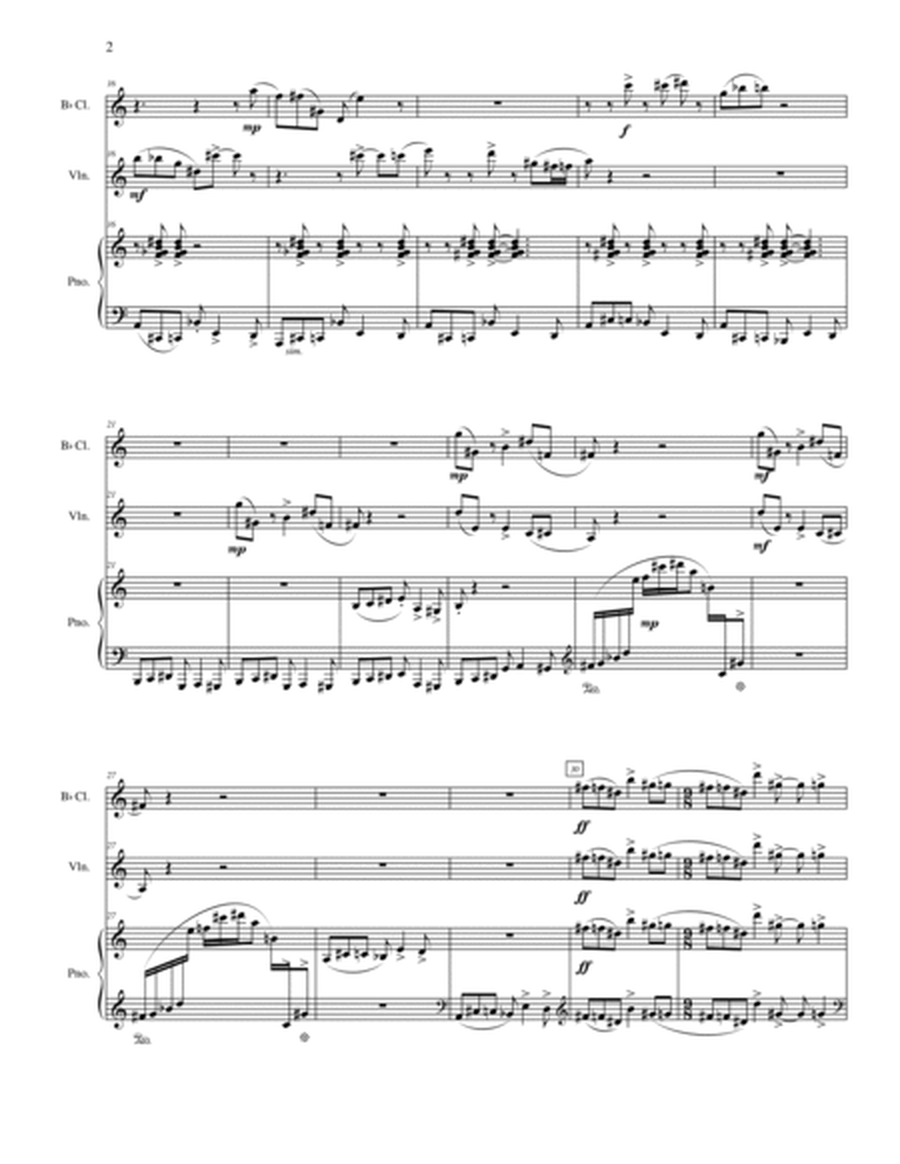
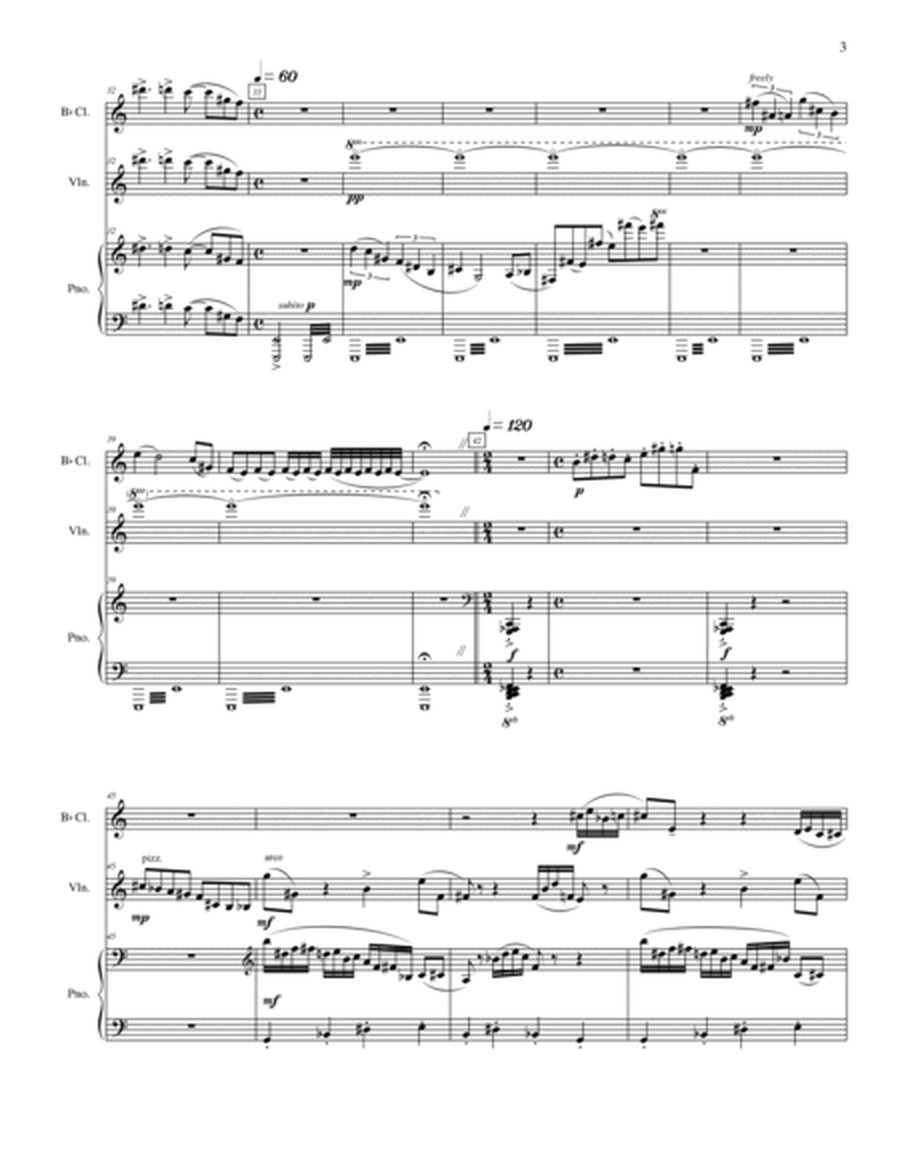
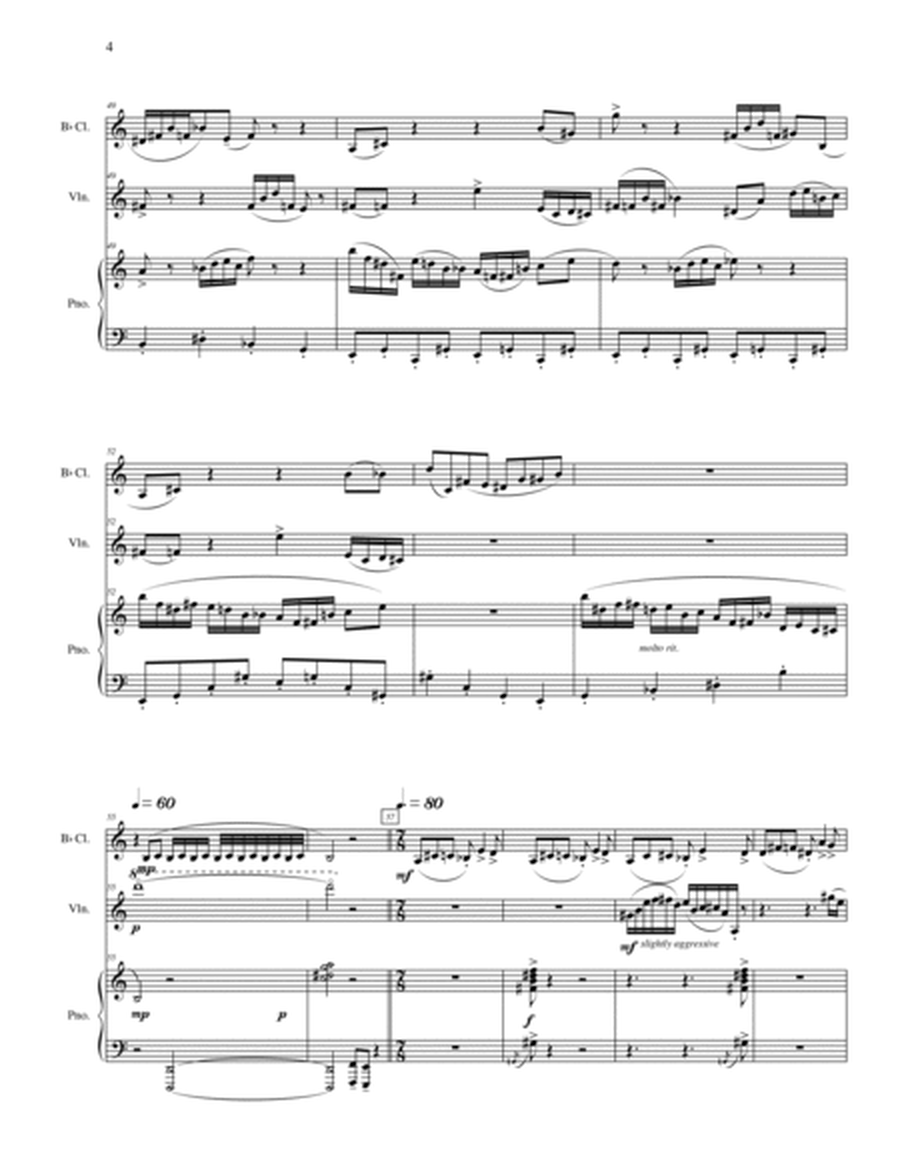
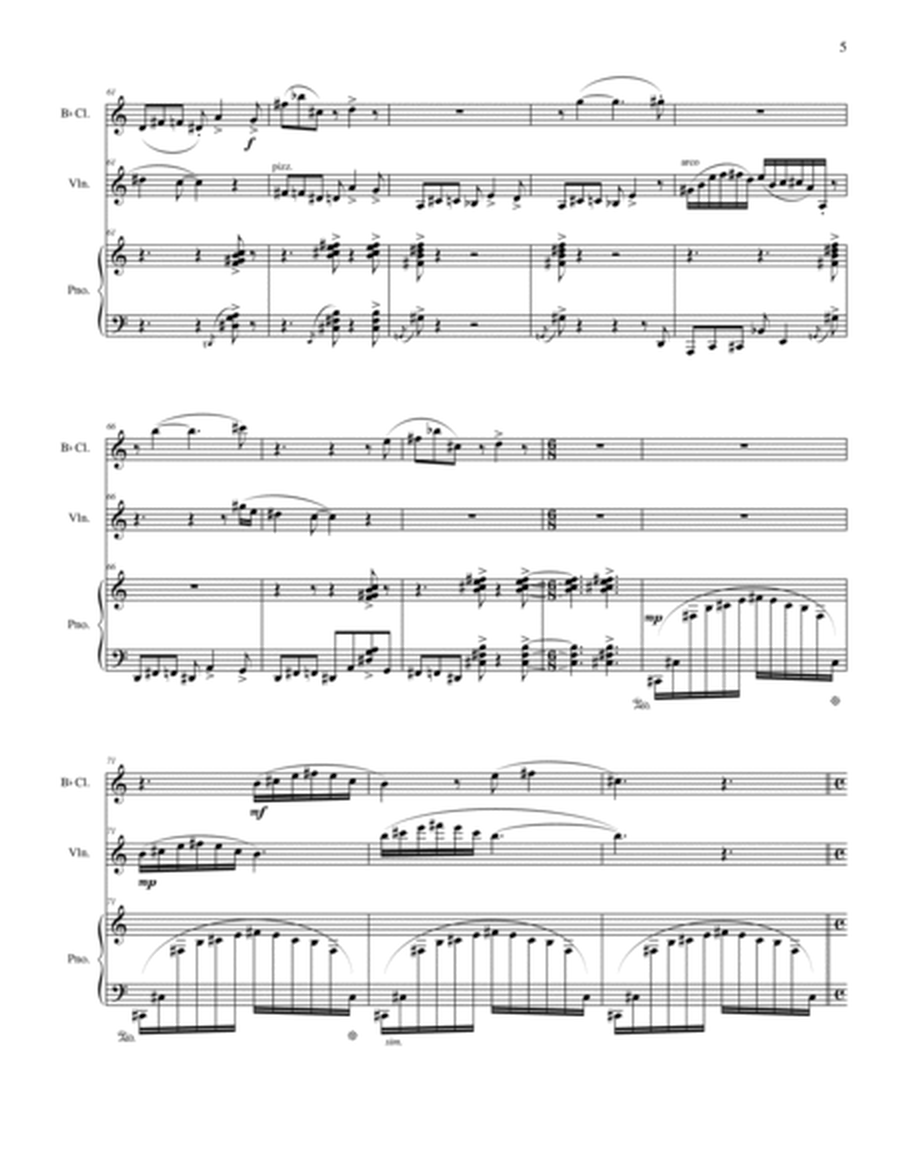
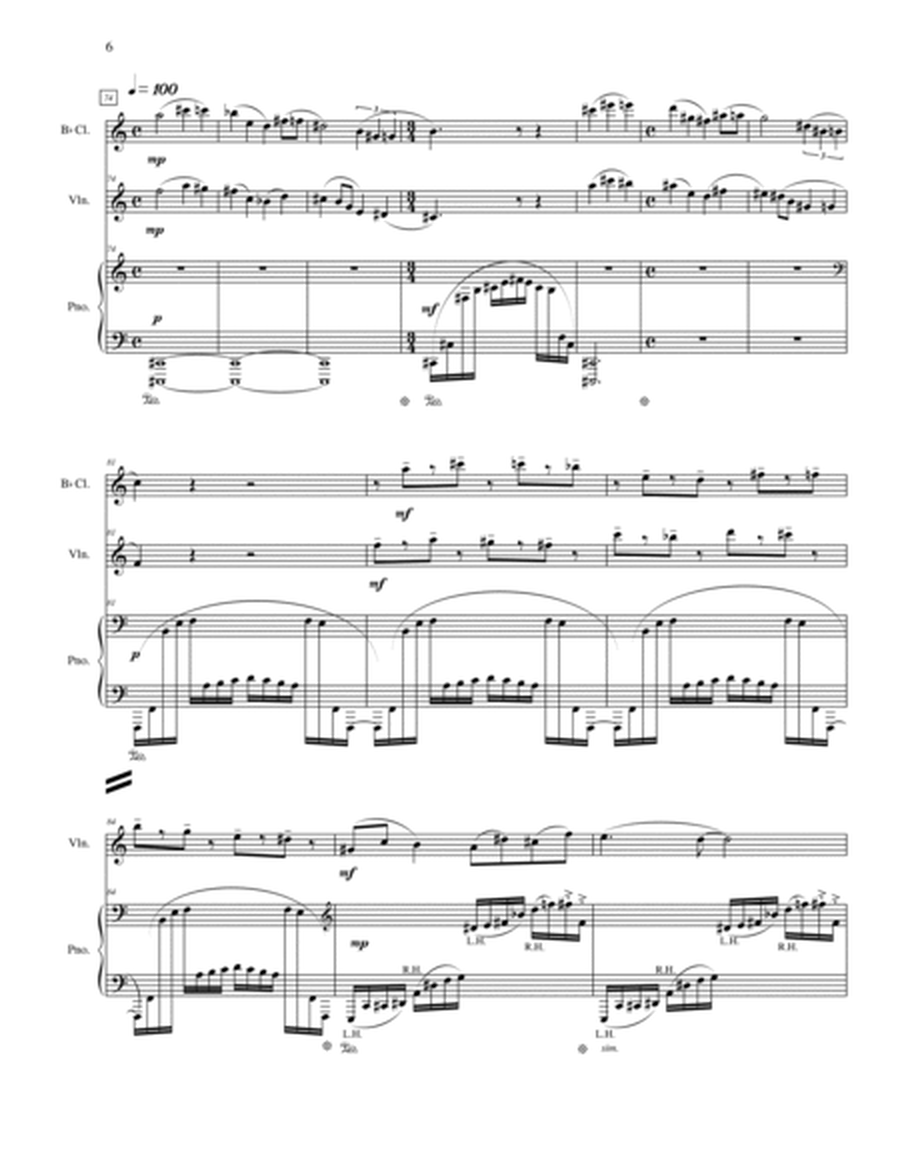
Composed by Adam Reifsteck. This edition: pdf. 21st Century, Chamber, Contemporary. Score and parts. 29 pages. Adam Reifsteck #16339. Published by Adam Reifsteck (A0.975955).The composer writes the following about the work: "The exploration of caves is a most intriguing pastime. Although it can be a dangerous sport and often requires extensive training and ability to move through confined spaces, exploring below the earth’s surface can be an exhilarating and frightening experience. While I have never actually gone spelunking, the thought of discovering the earth’s beauty below the surface conjures the feeling of excitement. The thrill of eminent danger could be the ultimate rush for the human psyche. Our story begins with the piano playing the role of the experienced guide whose six-note motive derived from a twelve-tone row serves as a homing device for the two inexperienced tourists (the clarinetist and violinist). While the goal of the guide is to lead the others safely into the depths of the cave, the other two have different agendas in their day of exploration below the earth’s surface. Despite the tour guide’s best efforts to keep everyone together, the two other explorers feel confident in their ability to maneuver within the confined entry way and wander off in their own directions. Eventually realizing that they do not remember the way out of the cave, the clarinetist and violinist frantically search for the guide (the pianist). In their pursuit of their guide, the explorers encounter the cave dwellers who lead them deeper into the depths of the earth. Suddenly the cave begins to collapse and our doomed explorers realize there is no way out! Although the composition is based on the twelve-tone system, it does in fact have a tonal center of A. Permutations of the row forms do not necessarily adhere strictly to the rules of dodecaphony and often groups of pitches are extracted from splitting the matrix into four quadrants or derived from a six-note motive. This motive is also dispersed throughout the parts and further developed within the confines of the matrix. The second and third movement, however, present row forms in their entirety. In the third movement, the three instruments play off of each other until they converge in unison, which is a quote from the first movement. Then the clarinet and violin begin on the opposite ends of the matrix and work their way until they converge on the last note of the piece with the piano taking its pitches from the original row form. The work was not initially intended to be programmatic, but the story evolved as the composition took shape."
Note: Public performances must be licensed through Broadcast Music, Inc.
About ArrangeMe
This product was created by a member of ArrangeMe, Hal Leonard's self-publishing community for independent composers, arrangers, and songwriters. Discover unique arrangements of popular titles and original compositions from diverse creators. The length, difficulty, and pricing are determined by the arranger or composer.
About Digital Downloads
Digital Downloads let you instantly access sheet music on your computer, tablet, or mobile device. Print your sheet music anywhere, anytime, or play it straight from your device—no internet connection is required after download.
Each Digital Download includes a watermark with your name, purchase date, and the number of copies purchased. You may only print or use the number of copies purchased. Redistribution or unauthorized printing is prohibited.