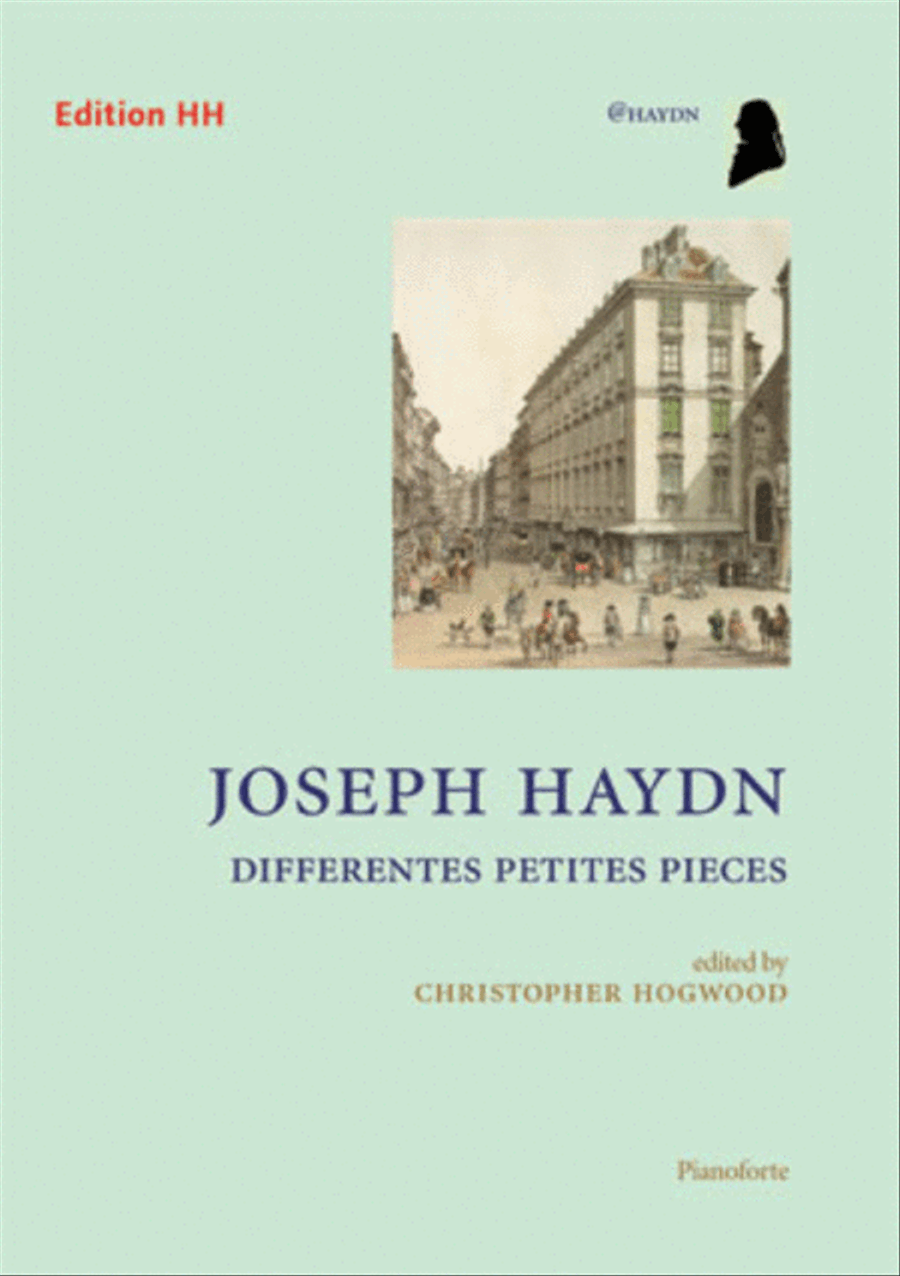
Composed by Franz Joseph Haydn. Edited by Christopher Hogwood. Piano Solo. Playing score. Edition HH Music Publishers #HH231-SOL. Published by Edition HH Music Publishers (HH.HH231-SOL).
ISBN 9790708059752. 8.27 x 11.69 inches.
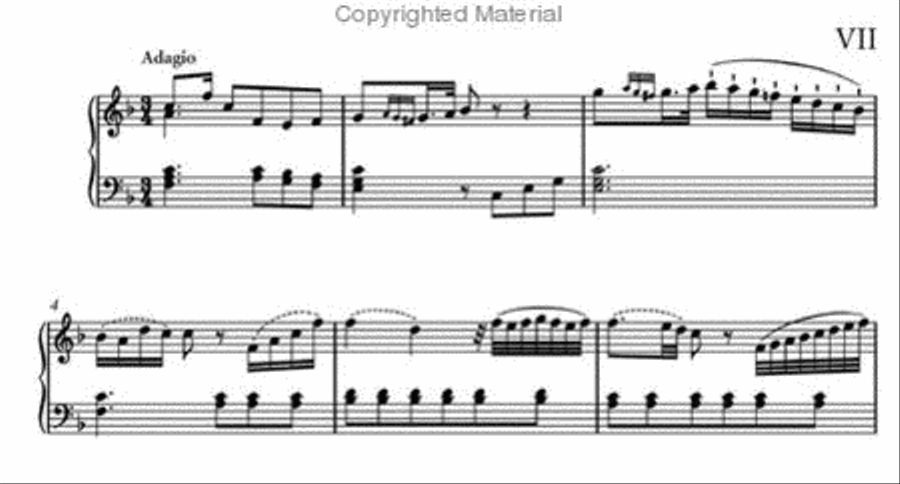
The title of Differentes petites Pieces signifies that the collection was drawn from assorted types – symphonies, operas, string quartets – and distinguishes it from the majority of anthologies of this period which were of single genre music (all quartets, all songs, all sonatas, etc.). And the pieces were certainly petites, most of them being much abbreviated from their original length; only the Adagio in F (no. VII) is an original and untruncated work. In performance terms, the pieces are effective on any expressive keyboard and were designed to offer few technical challenges to the amateur or student. The lady in the title page medallion appears to be playing a fortepiano (or possibly a very shallow harpsichord), although Clavier at this period was also regularly used to indicate the clavichord; "pour le clavecin ou piano forte" (as found on both the Austrian and the English title pages of these pieces) was a standard publishing rubric which covered all available types of domestic keyboard, although only the clavichord and the fortepiano could offer the dynamic variations required.
Composed by Franz Joseph Haydn. Edited by Christopher Hogwood. Piano Solo. Playing score. Edition HH Music Publishers #HH231-SOL. Published by Edition HH Music Publishers (HH.HH231-SOL).
ISBN 9790708059752. 8.27 x 11.69 inches.
The title of Differentes petites Pieces signifies that the collection was drawn from assorted types – symphonies, operas, string quartets – and distinguishes it from the majority of anthologies of this period which were of single genre music (all quartets, all songs, all sonatas, etc.). And the pieces were certainly petites, most of them being much abbreviated from their original length; only the Adagio in F (no. VII) is an original and untruncated work. In performance terms, the pieces are effective on any expressive keyboard and were designed to offer few technical challenges to the amateur or student. The lady in the title page medallion appears to be playing a fortepiano (or possibly a very shallow harpsichord), although Clavier at this period was also regularly used to indicate the clavichord; "pour le clavecin ou piano forte" (as found on both the Austrian and the English title pages of these pieces) was a standard publishing rubric which covered all available types of domestic keyboard, although only the clavichord and the fortepiano could offer the dynamic variations required.
Preview: Differentes petites pieces
Tell A Friend
Tell a friend (or remind yourself) about this product. We'll instantly send an email containing product info and a link to it. You may also enter a personal message.
We do not use or store email addresses from this form for any other purpose than sending your share email.
After purchase, you can download your MP3 from your Sheet Music Plus Digital Library - no software installation is necessary! You can also listen to your MP3 at any time in your Digital Library.
Learn about Smart Music
After purchase, you can download your Smart Music from your Sheet Music Plus Digital Library - no software installation is necessary! You can also download at any time in your Digital Library.
Learn about Digital Video
After purchase you can download your video from your Digital Library. Your video is in XX format and is playable on most pre-installed video players.