

Order two or more copies of the same title and we'll automatically give you 5% off list price on that title.
To get 2+ Pricing , just add two or more copies of a title to your shopping cart. Your discount will be immediately applied to your order.
Sale titles, hymnals, and ShowKits (MTI's Broadway Junior Collection, Getting to Know... Collection (G2K) and MTI's Kids Collection) do not qualify for 2+ Pricing
If you have any questions or comments regarding 2+ Pricing , please visit our Help Center to find more information or chat with our support team
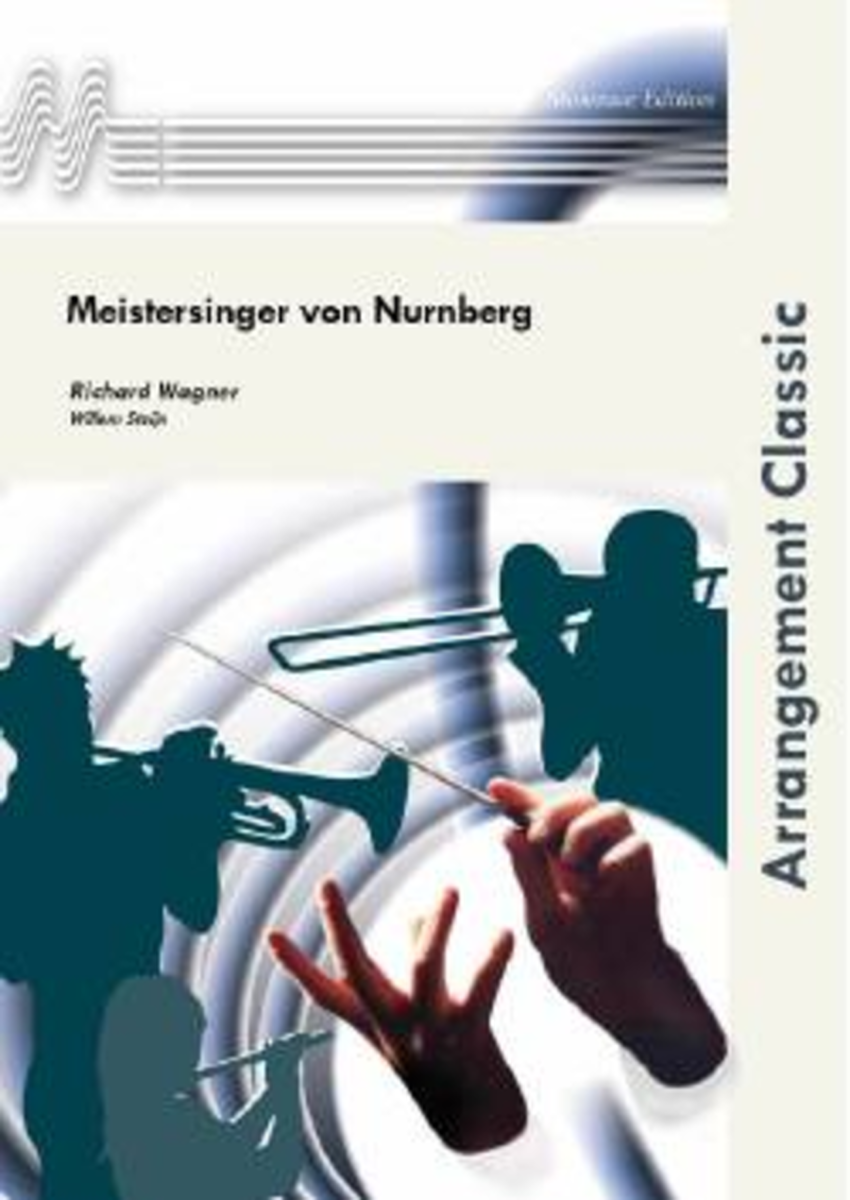
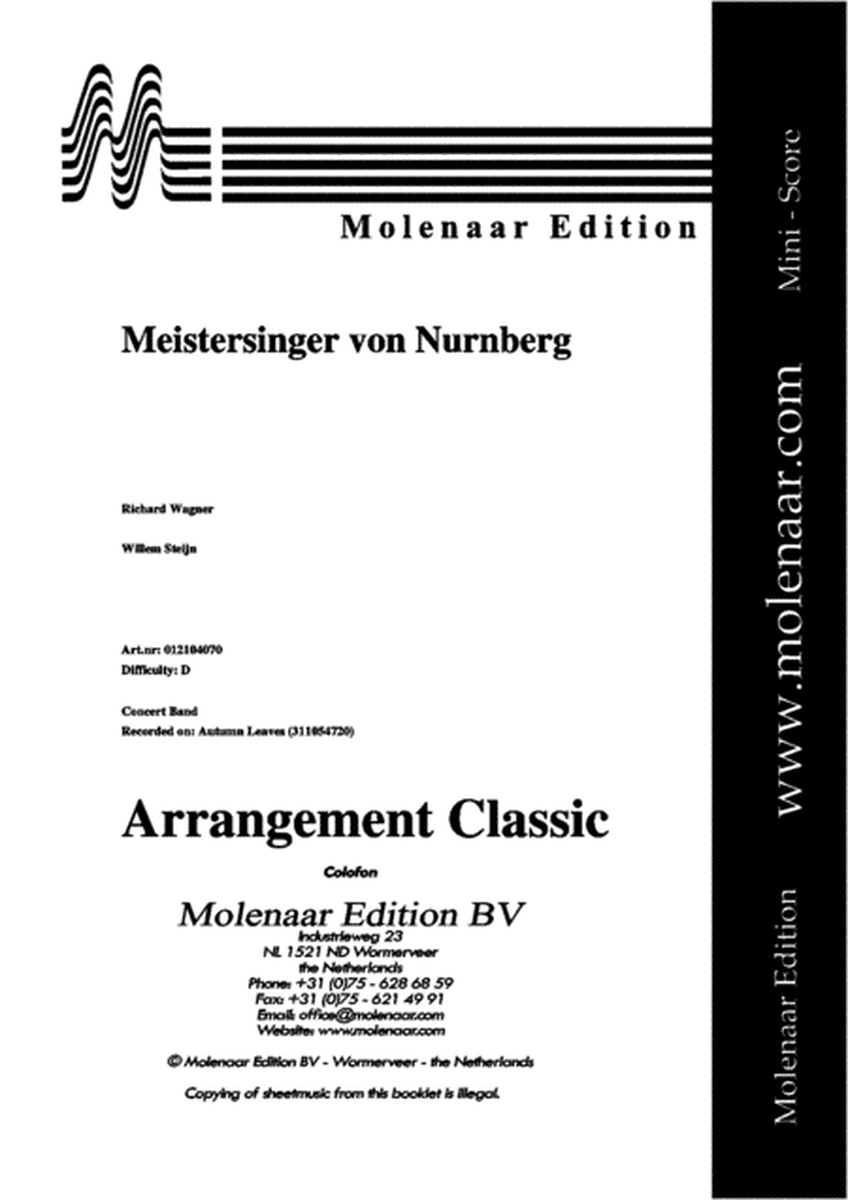
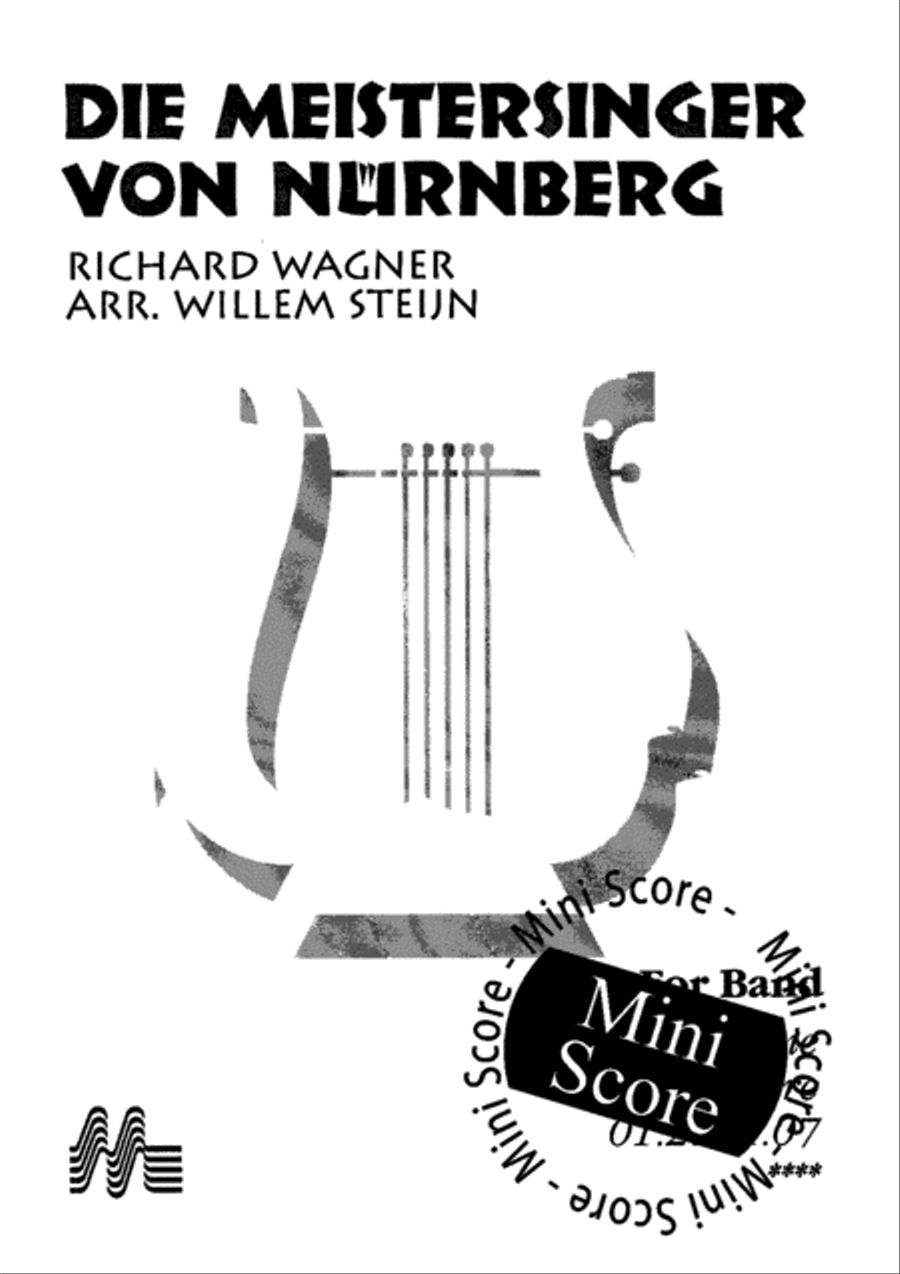
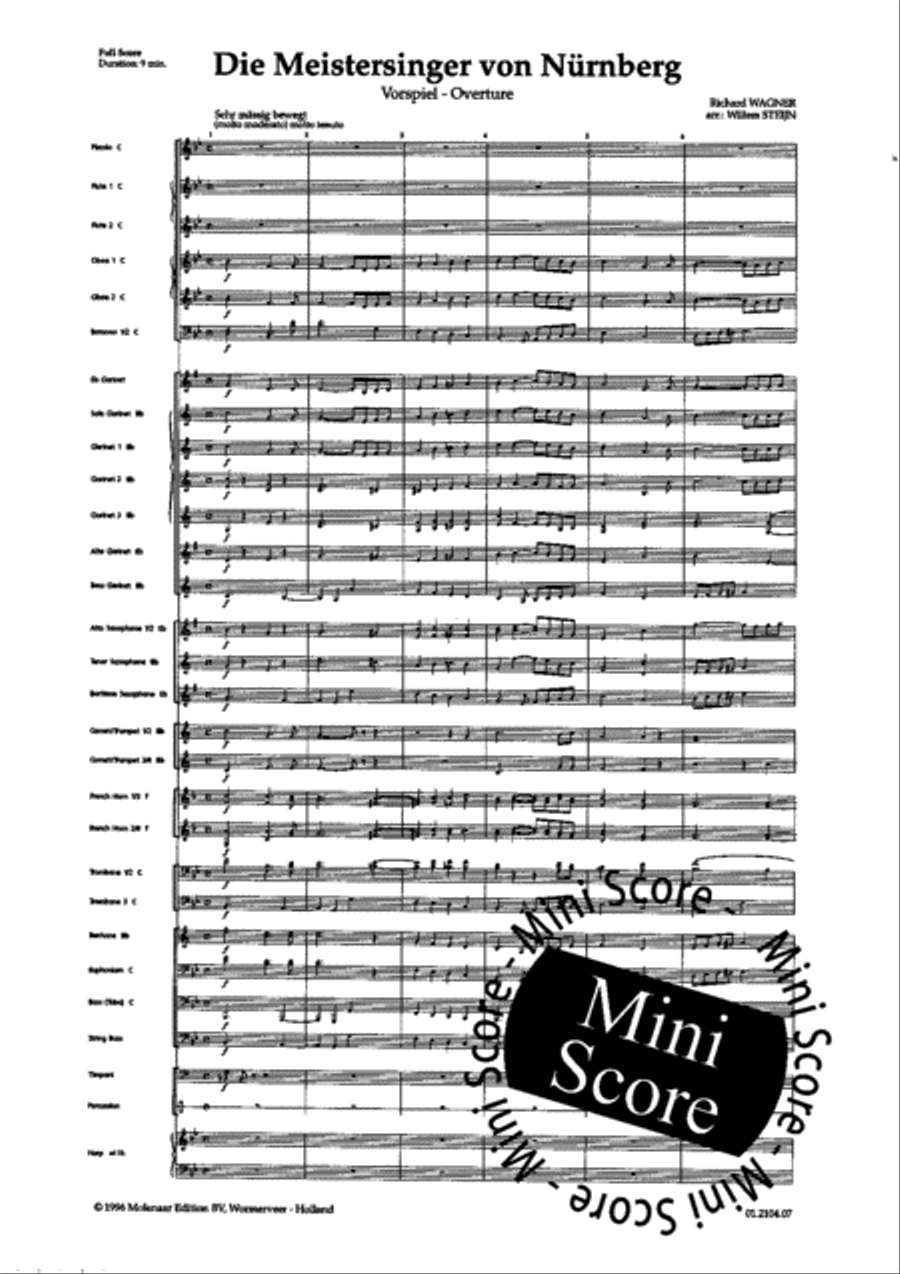
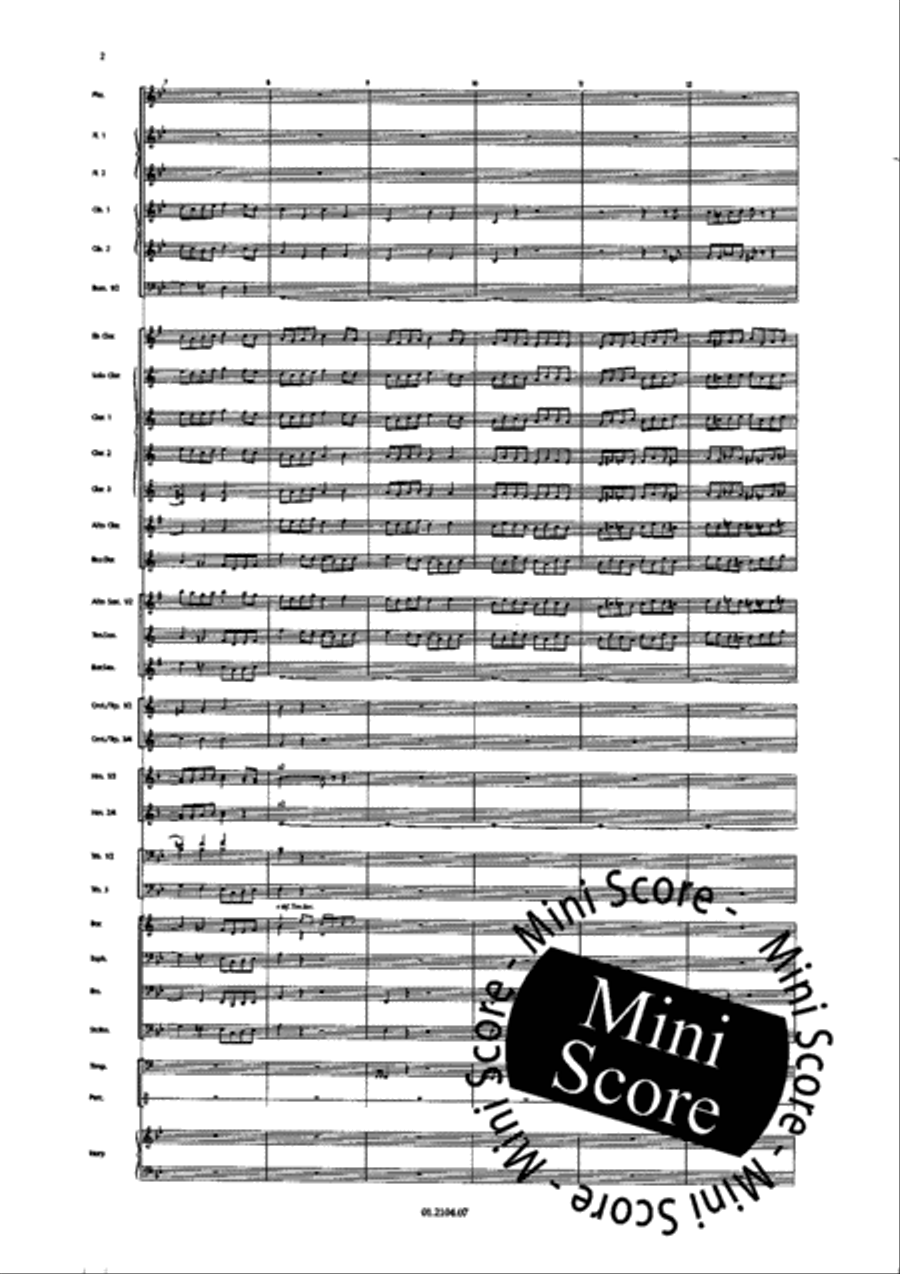
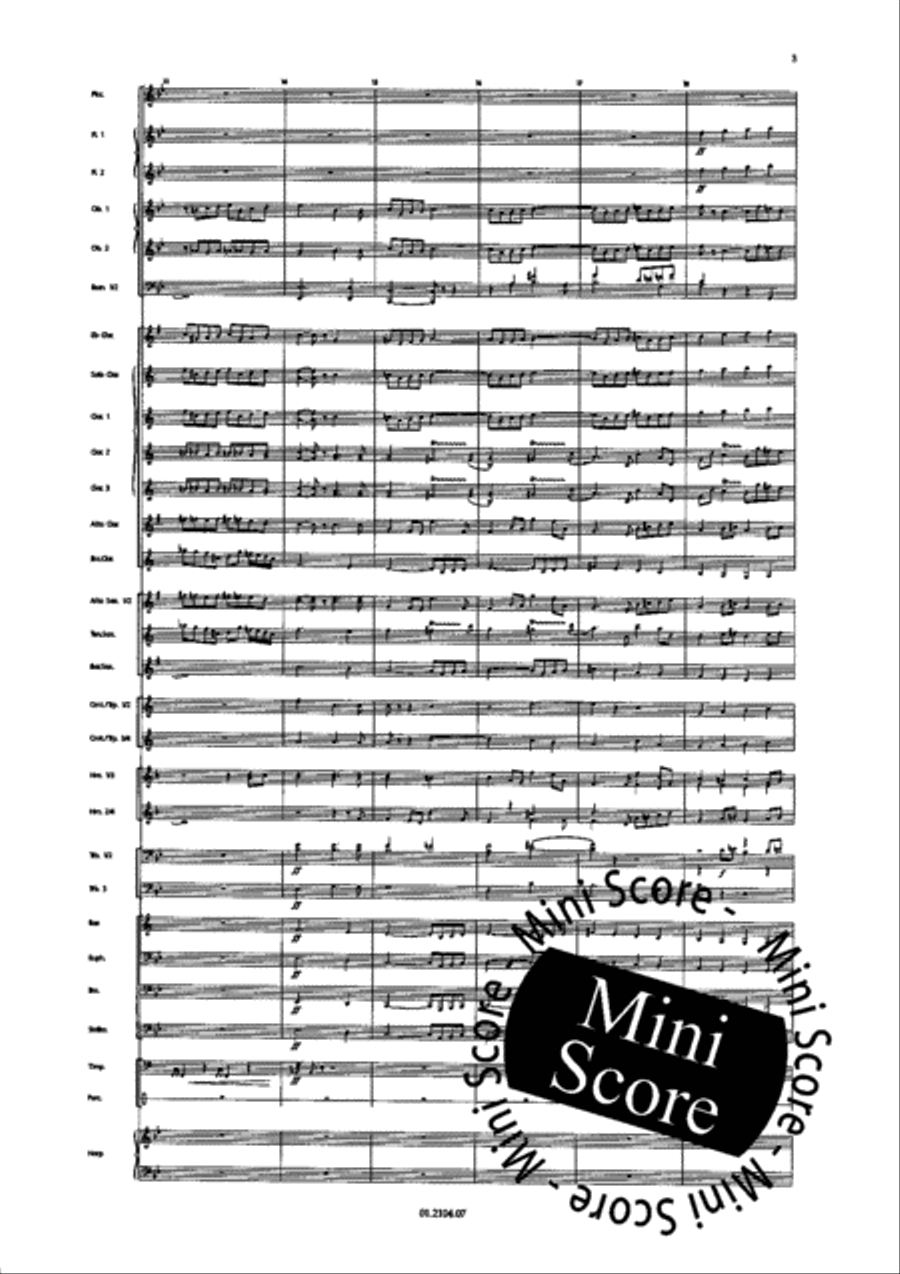
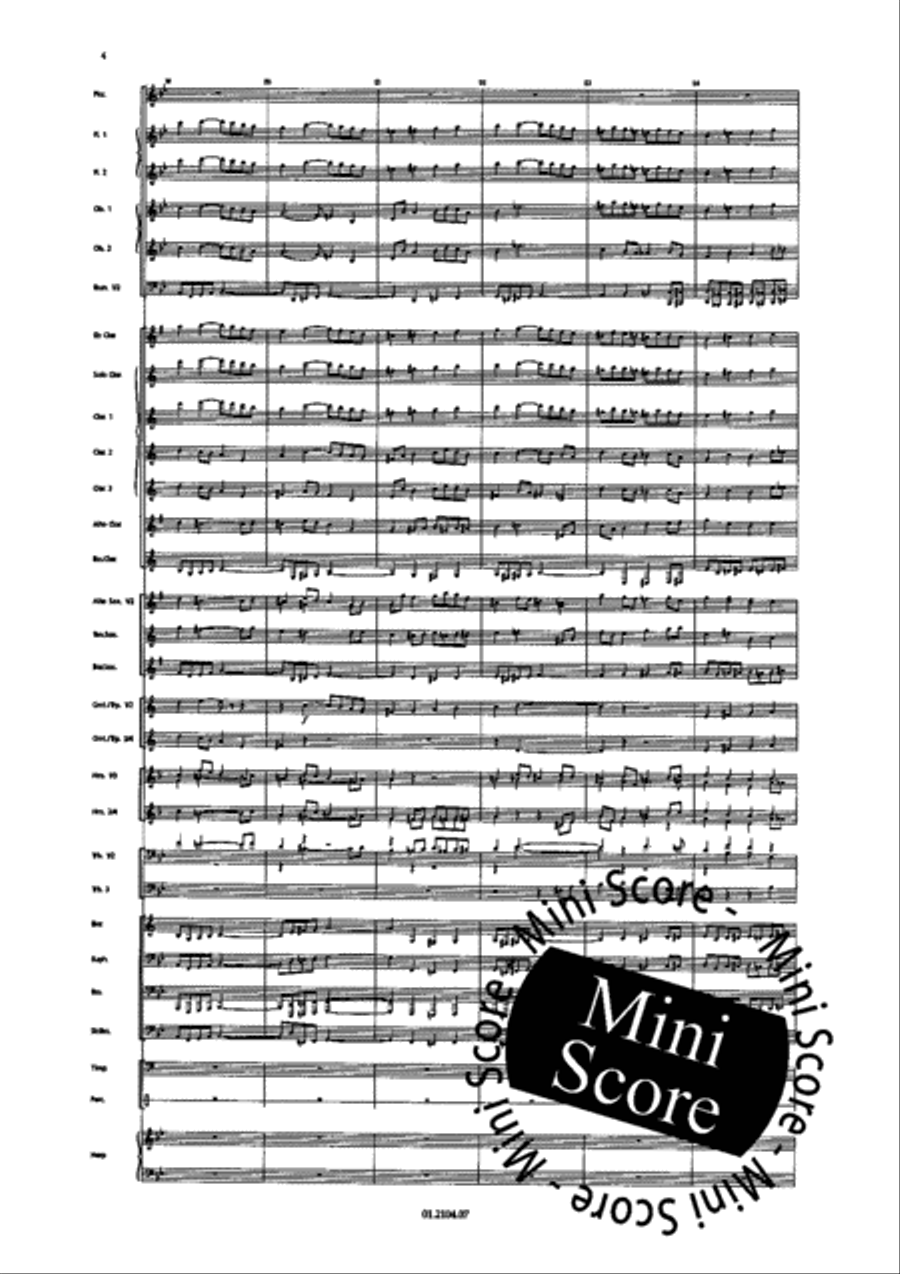
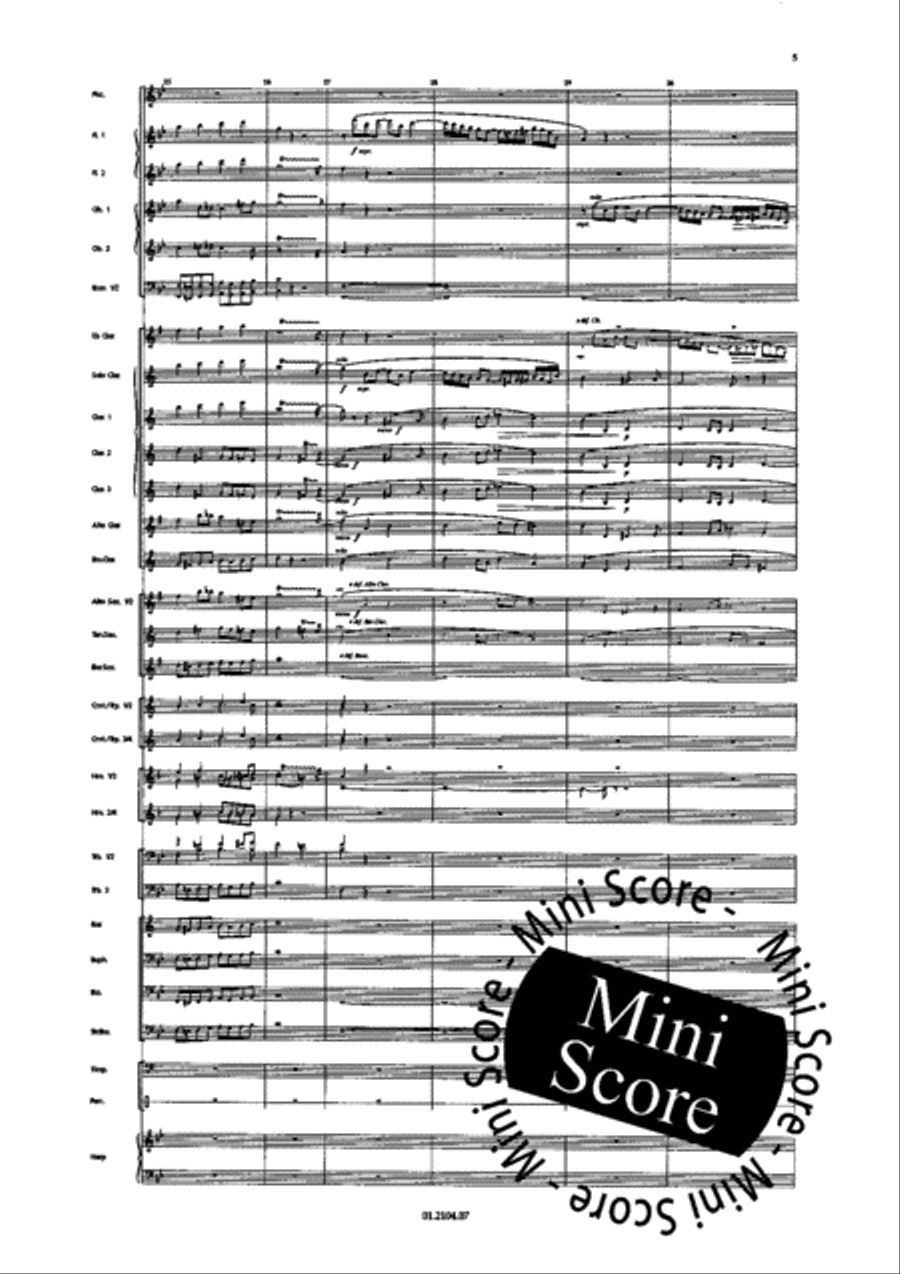
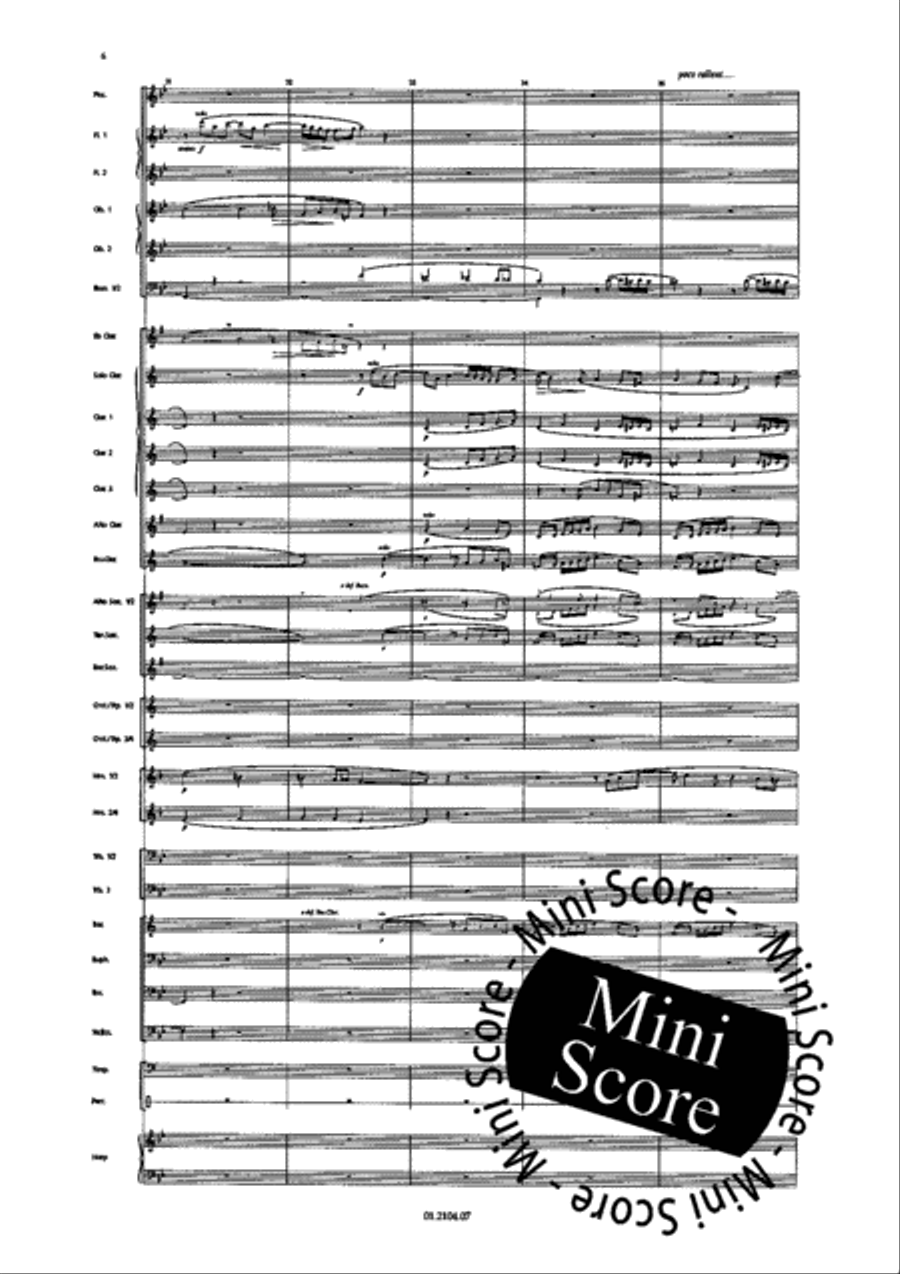
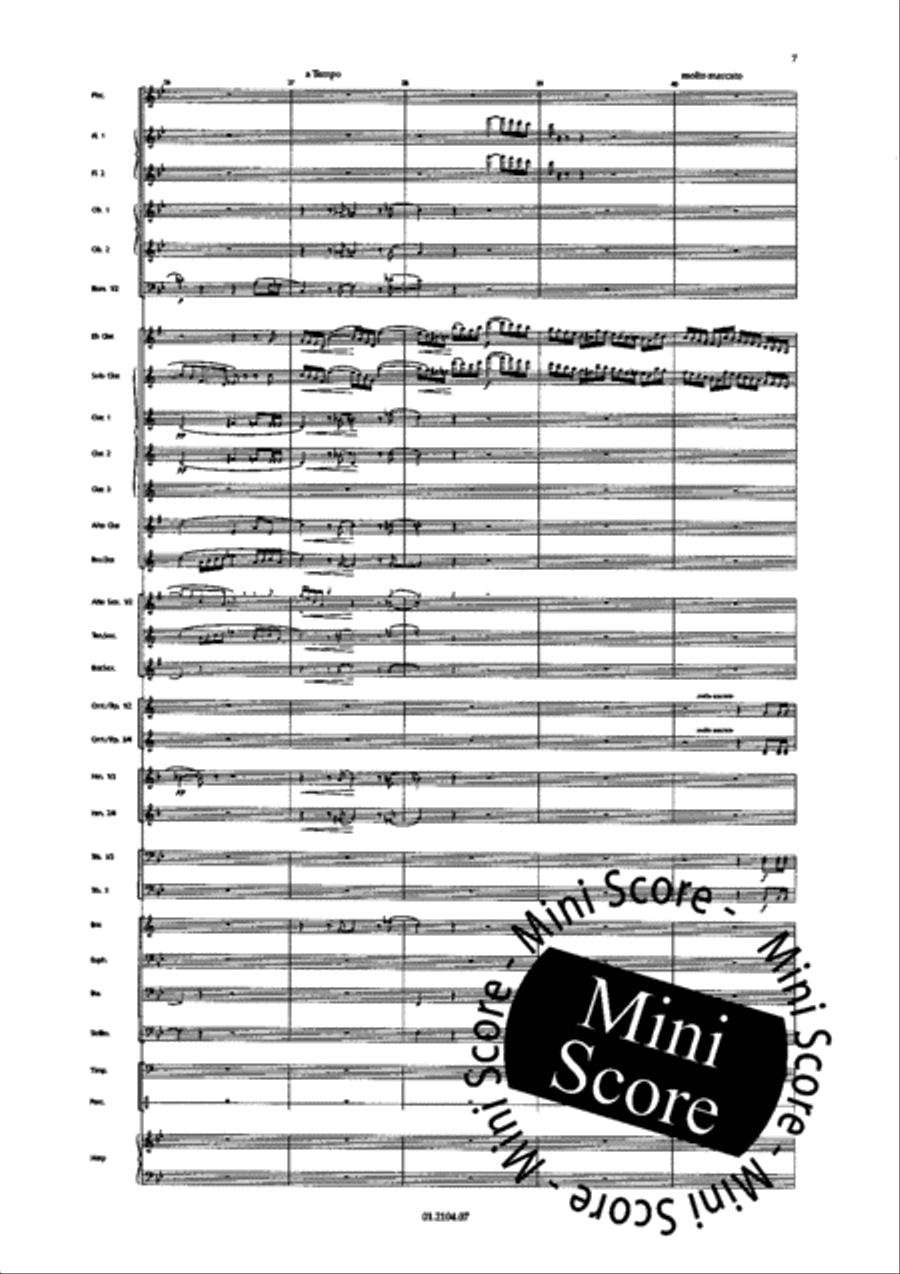
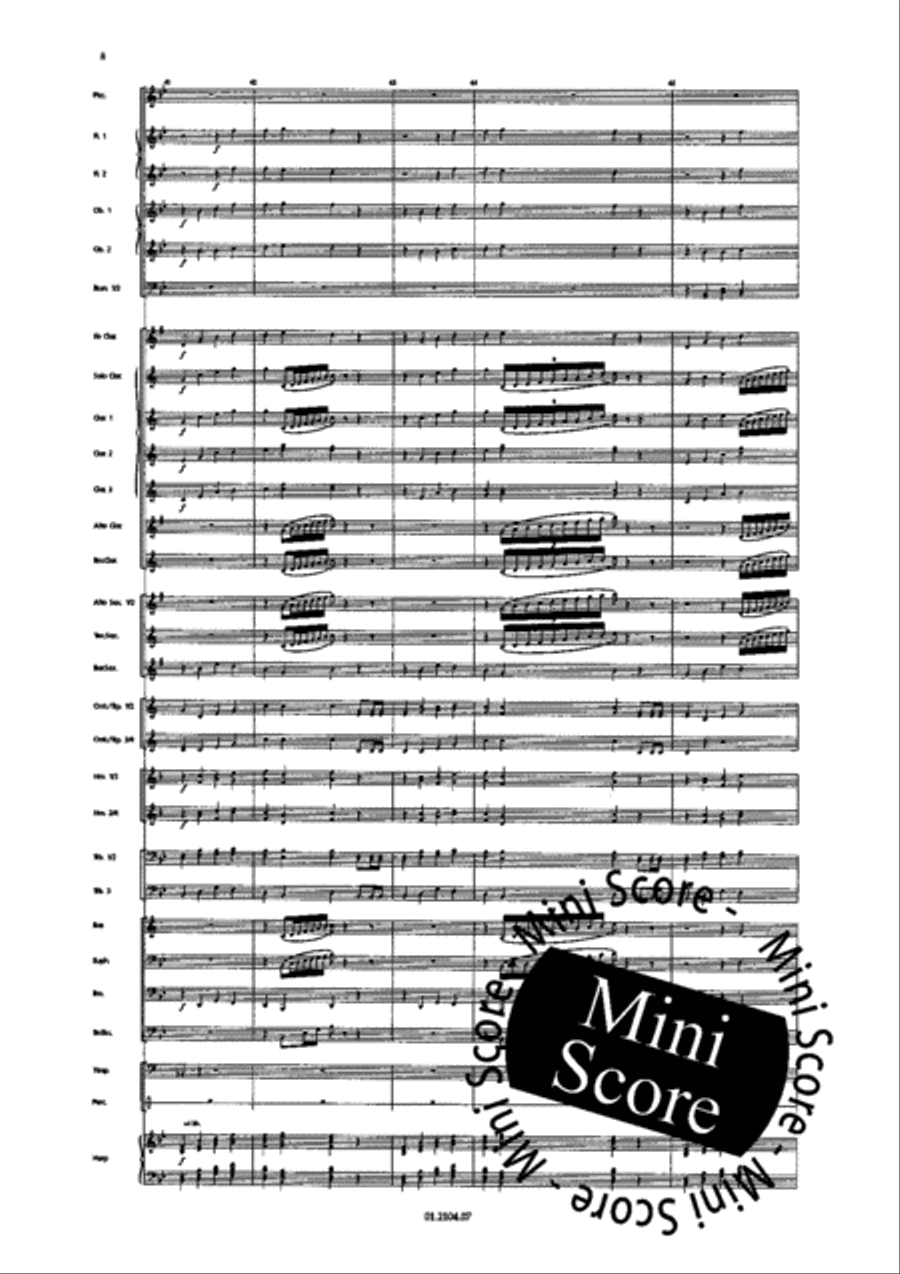
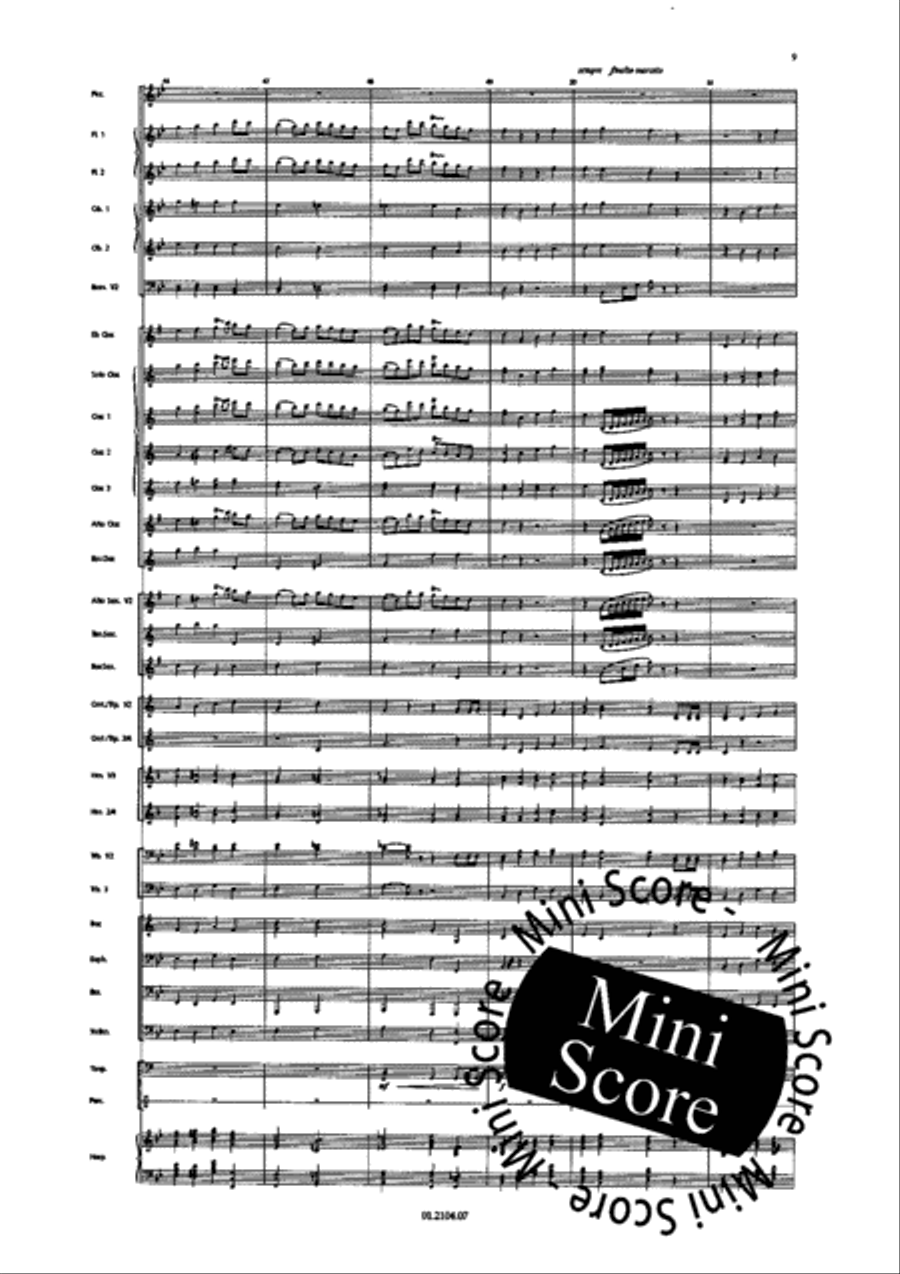
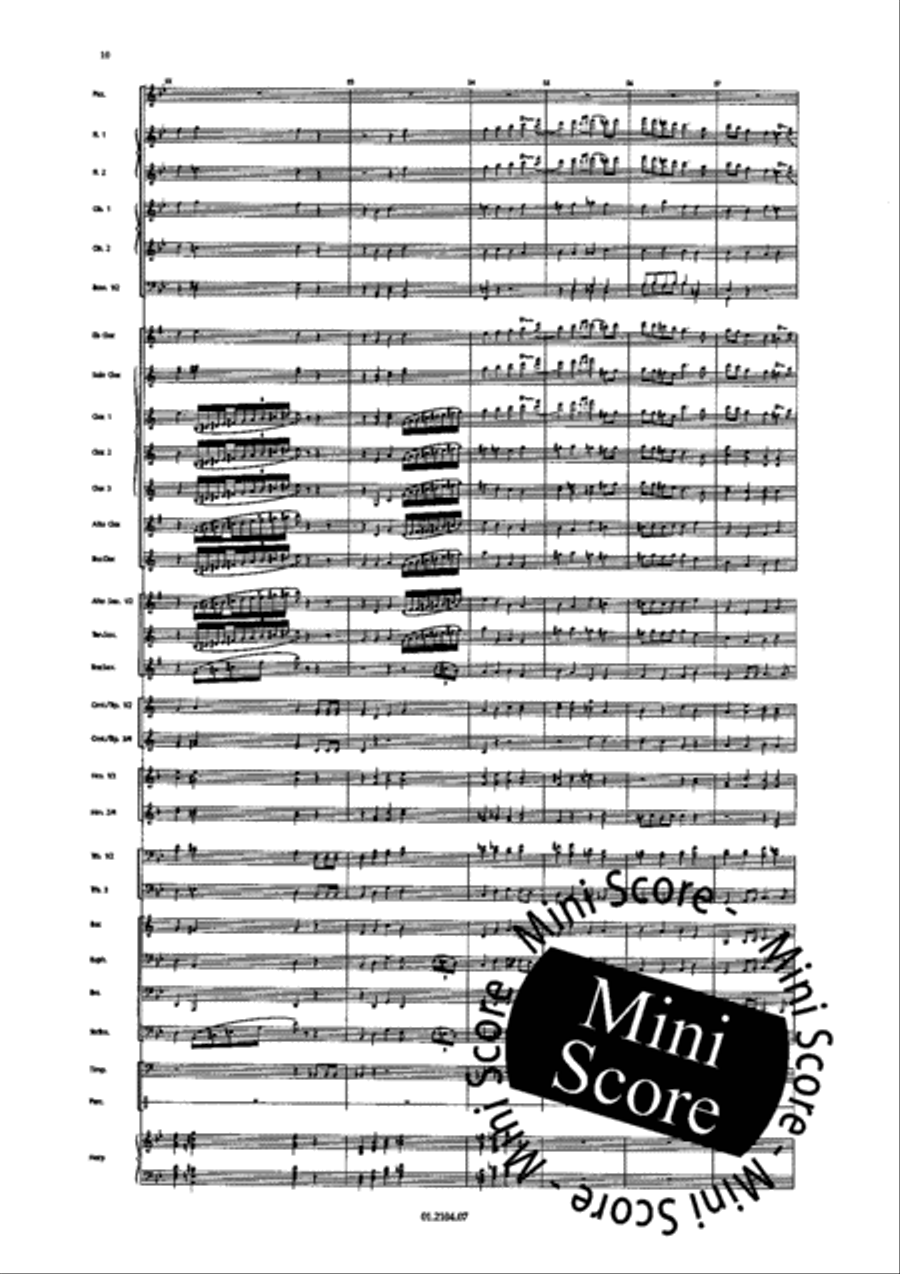
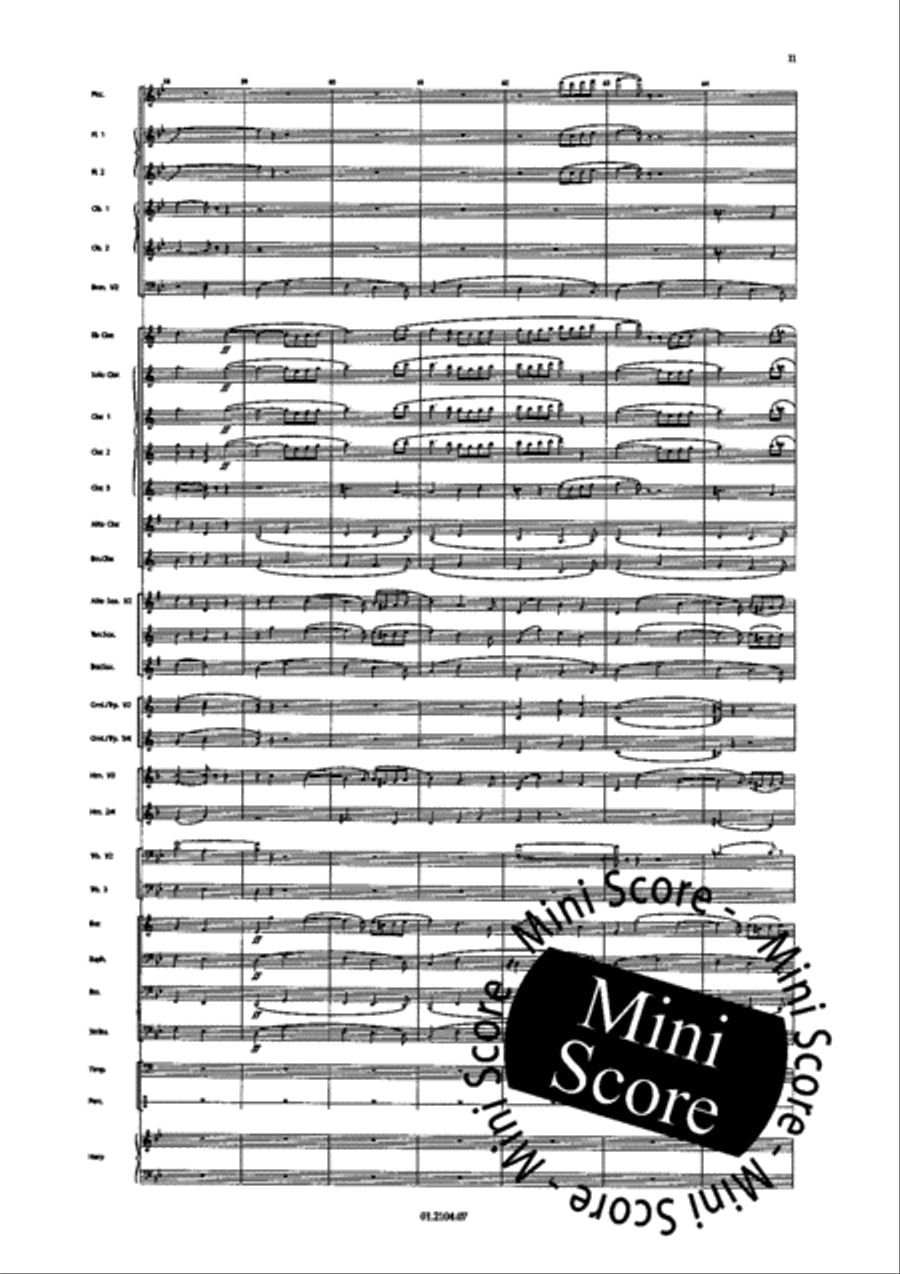
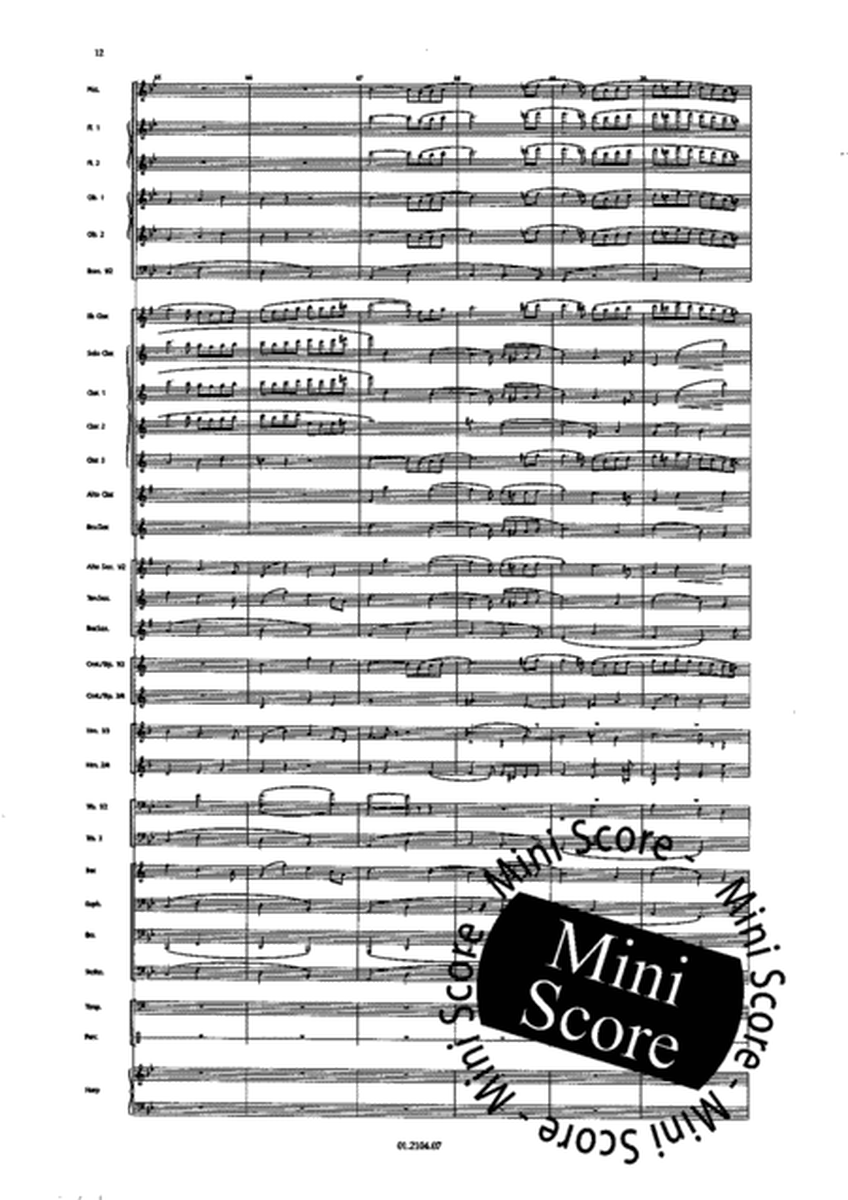
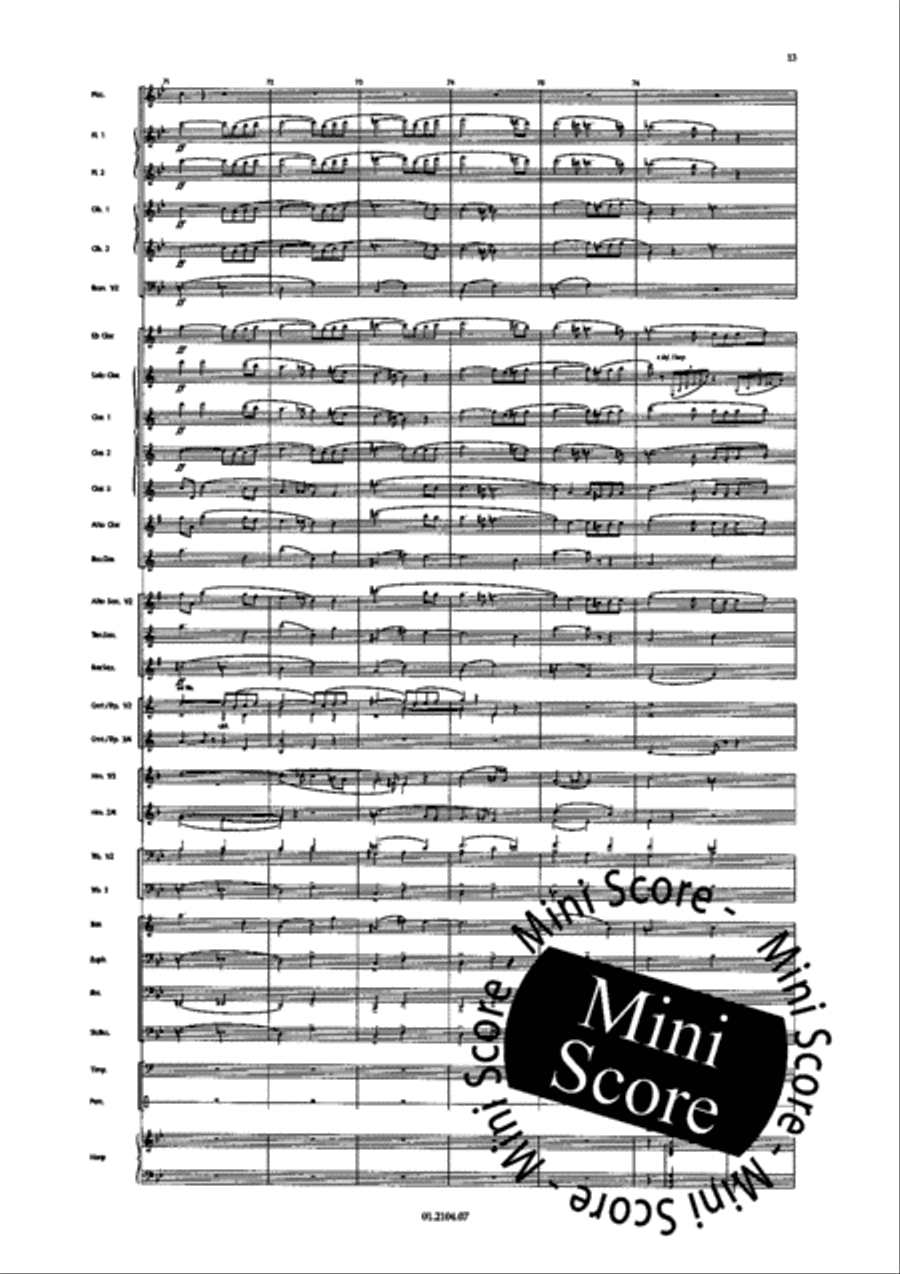
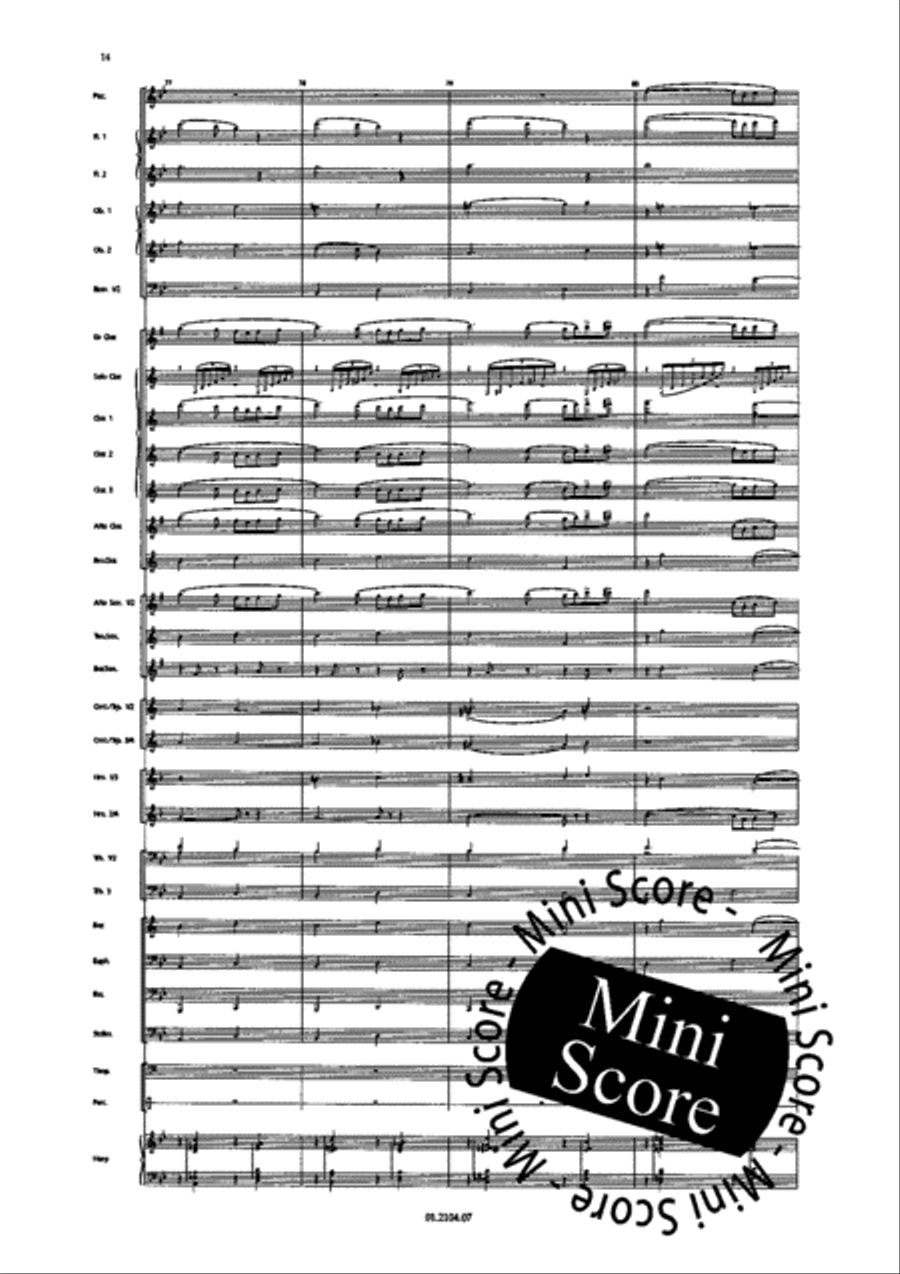
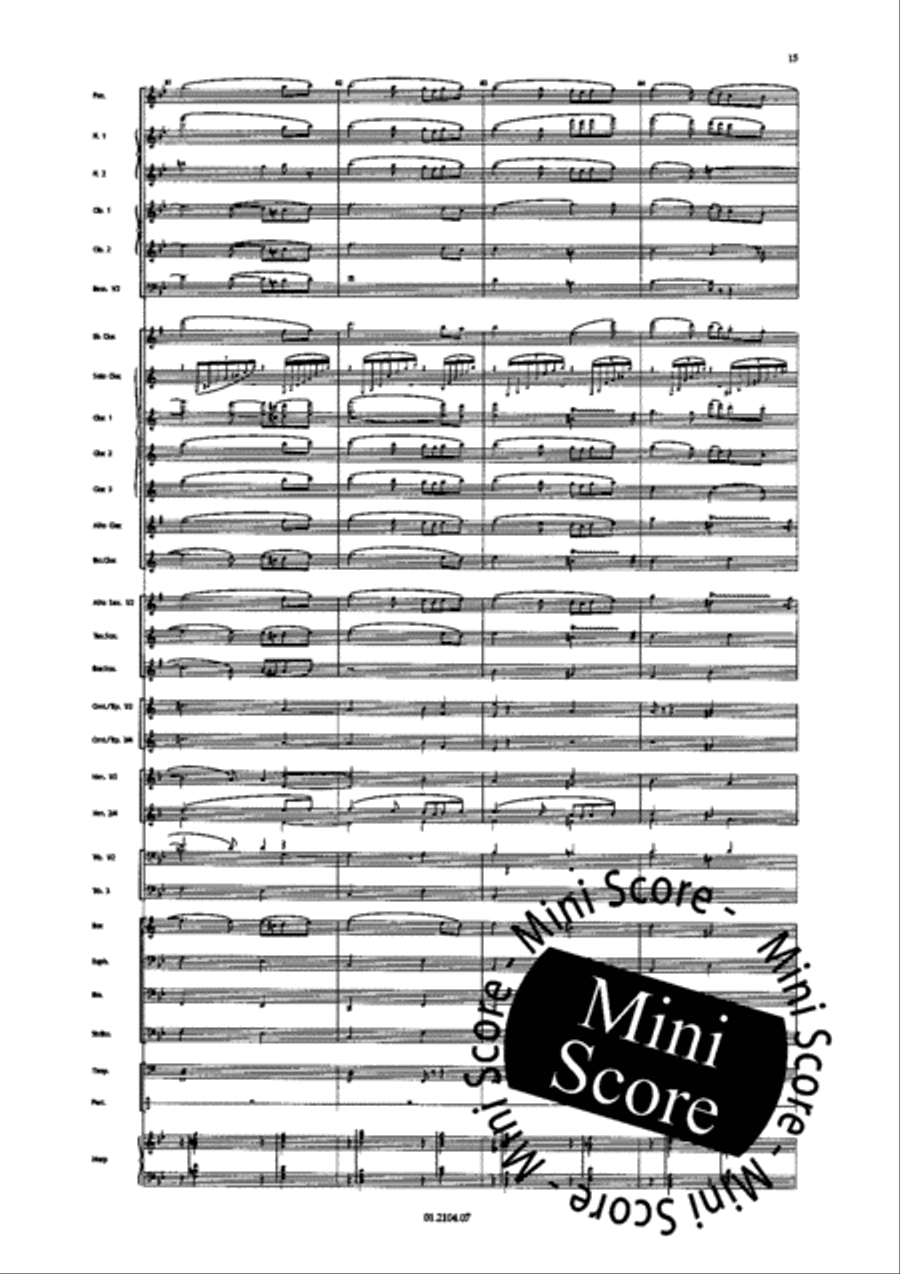
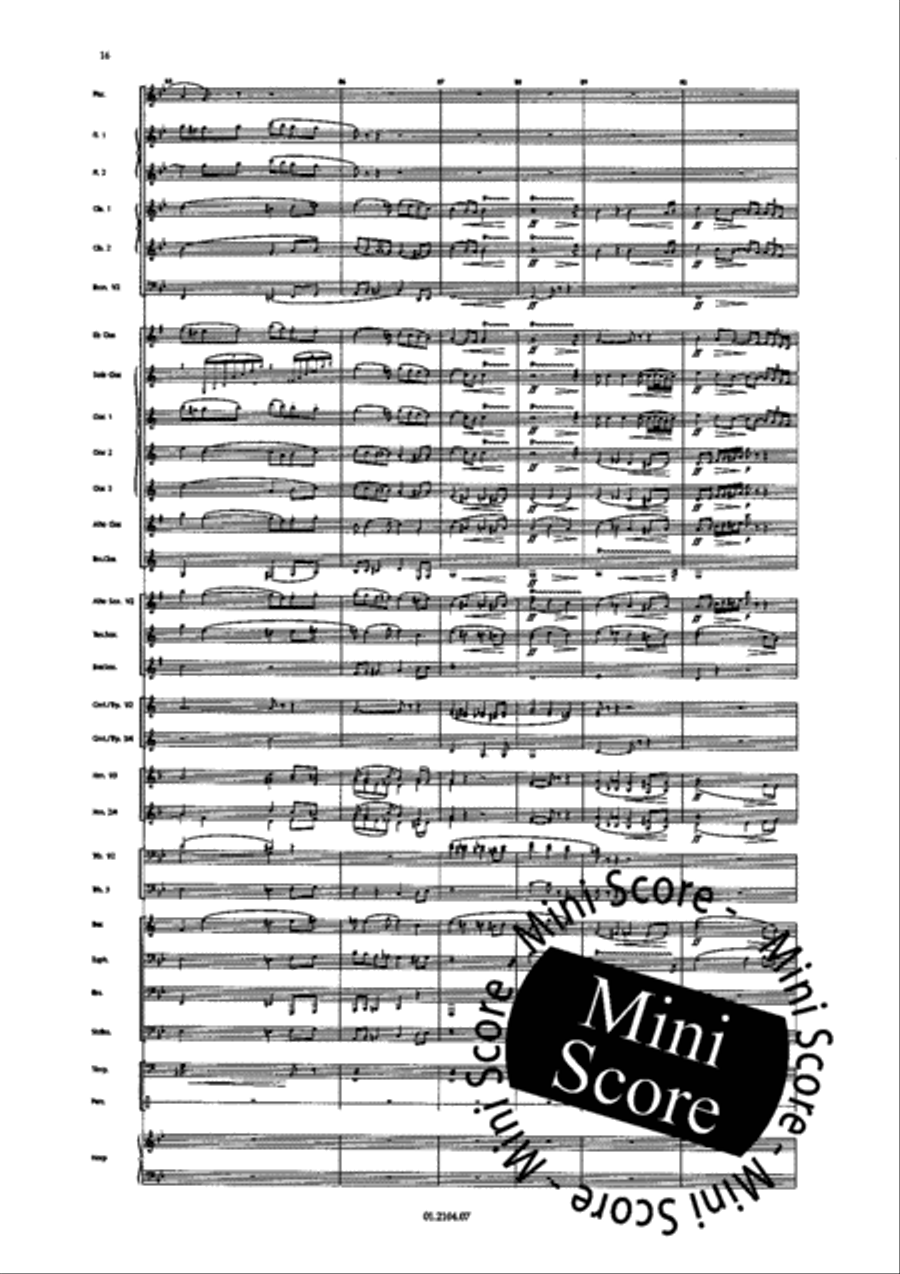
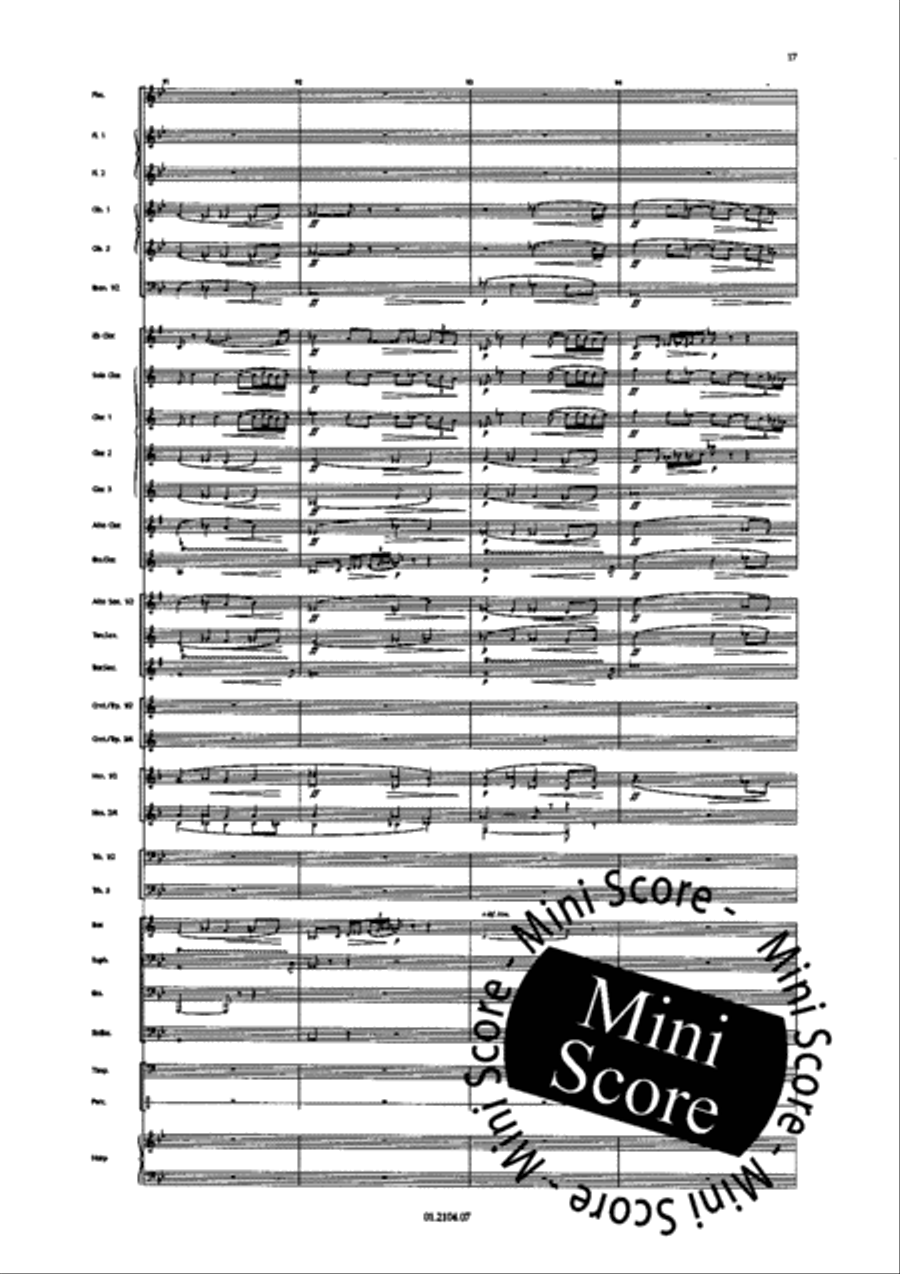
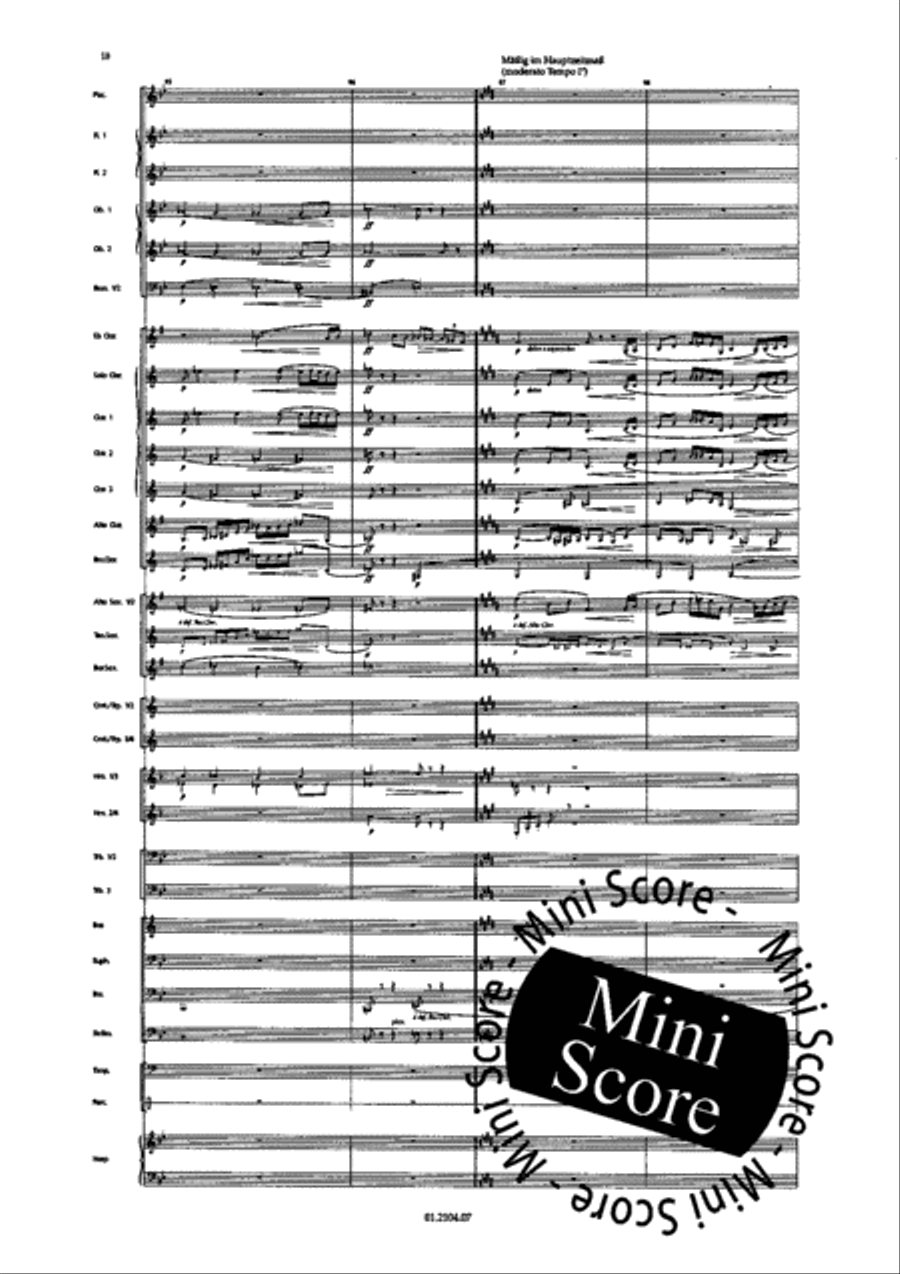
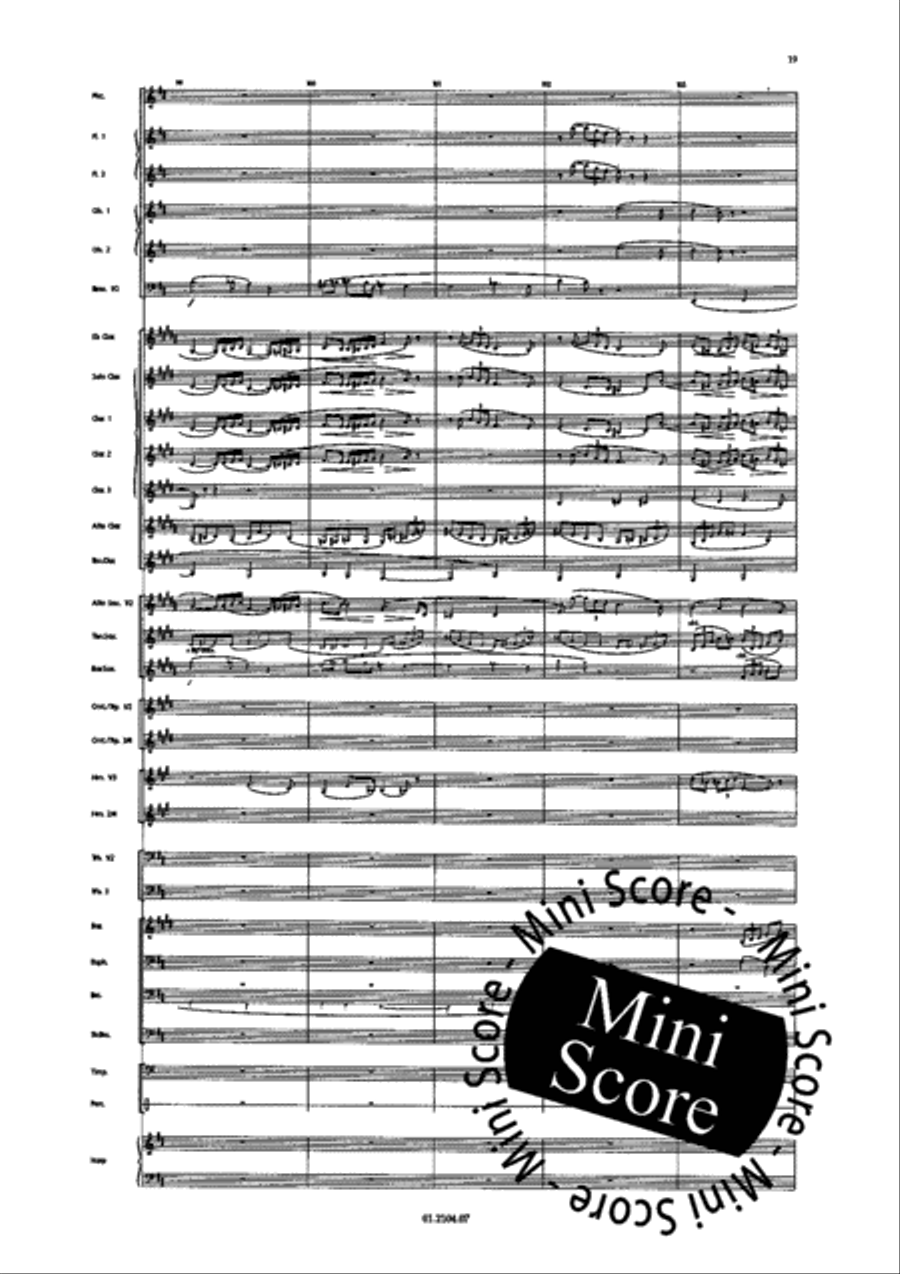
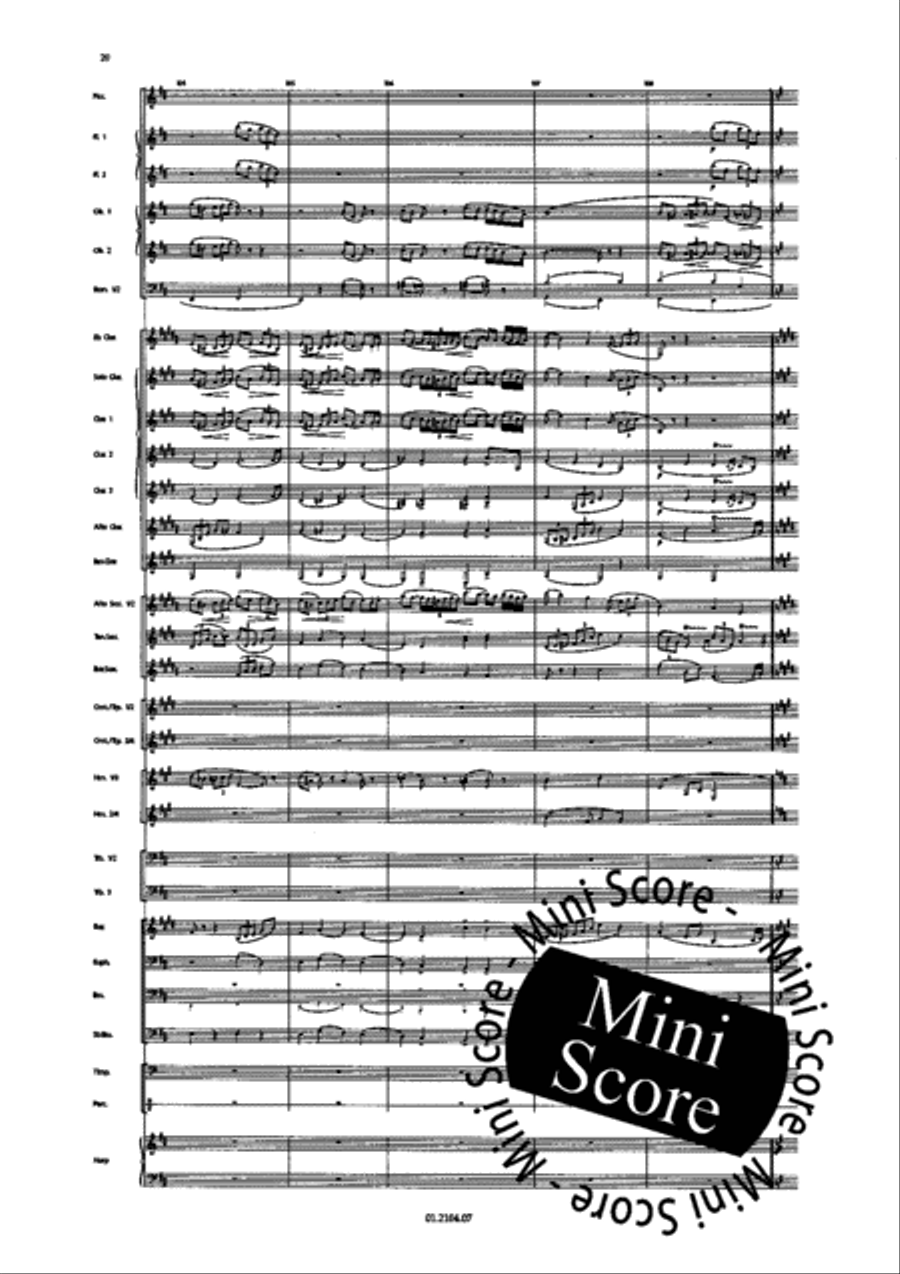
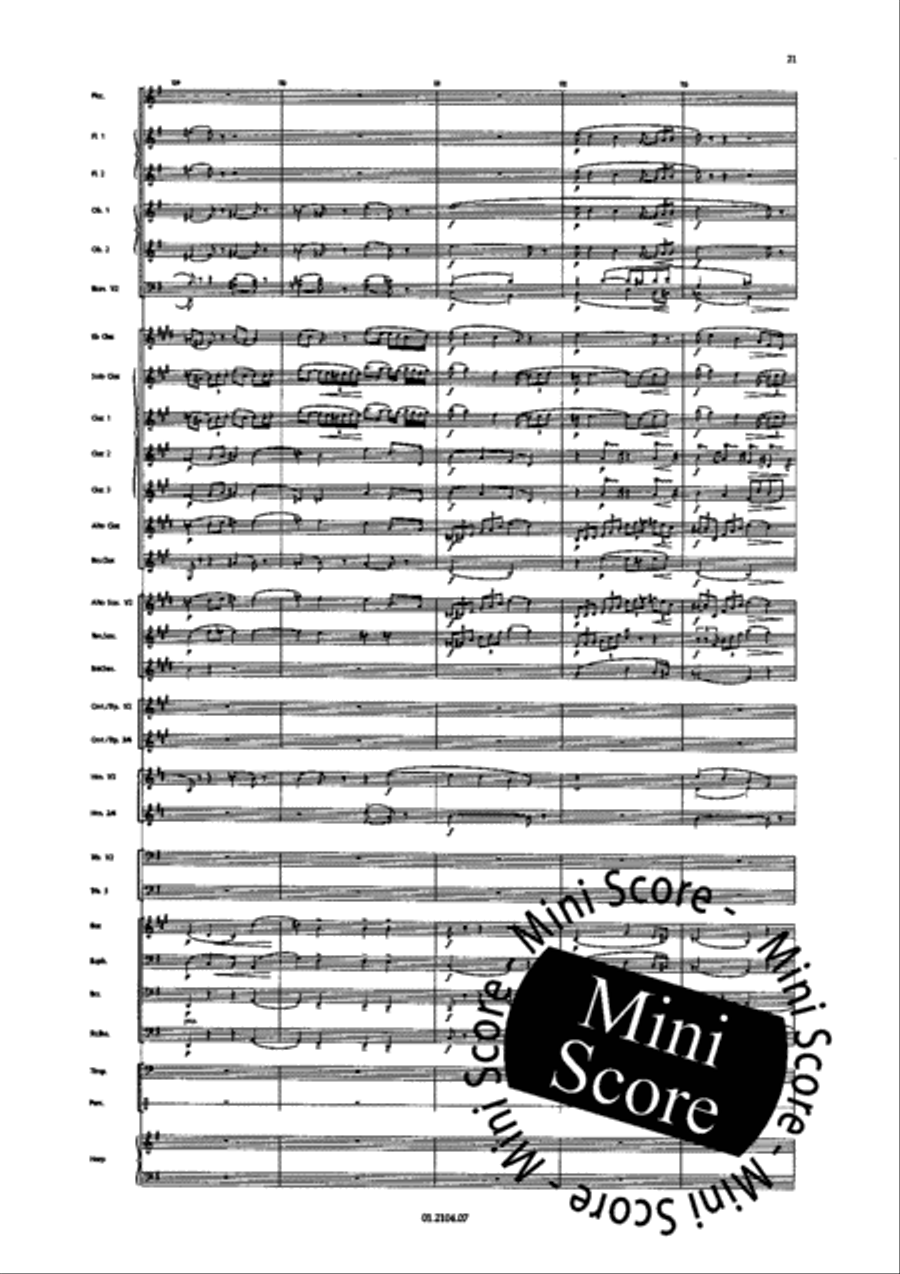
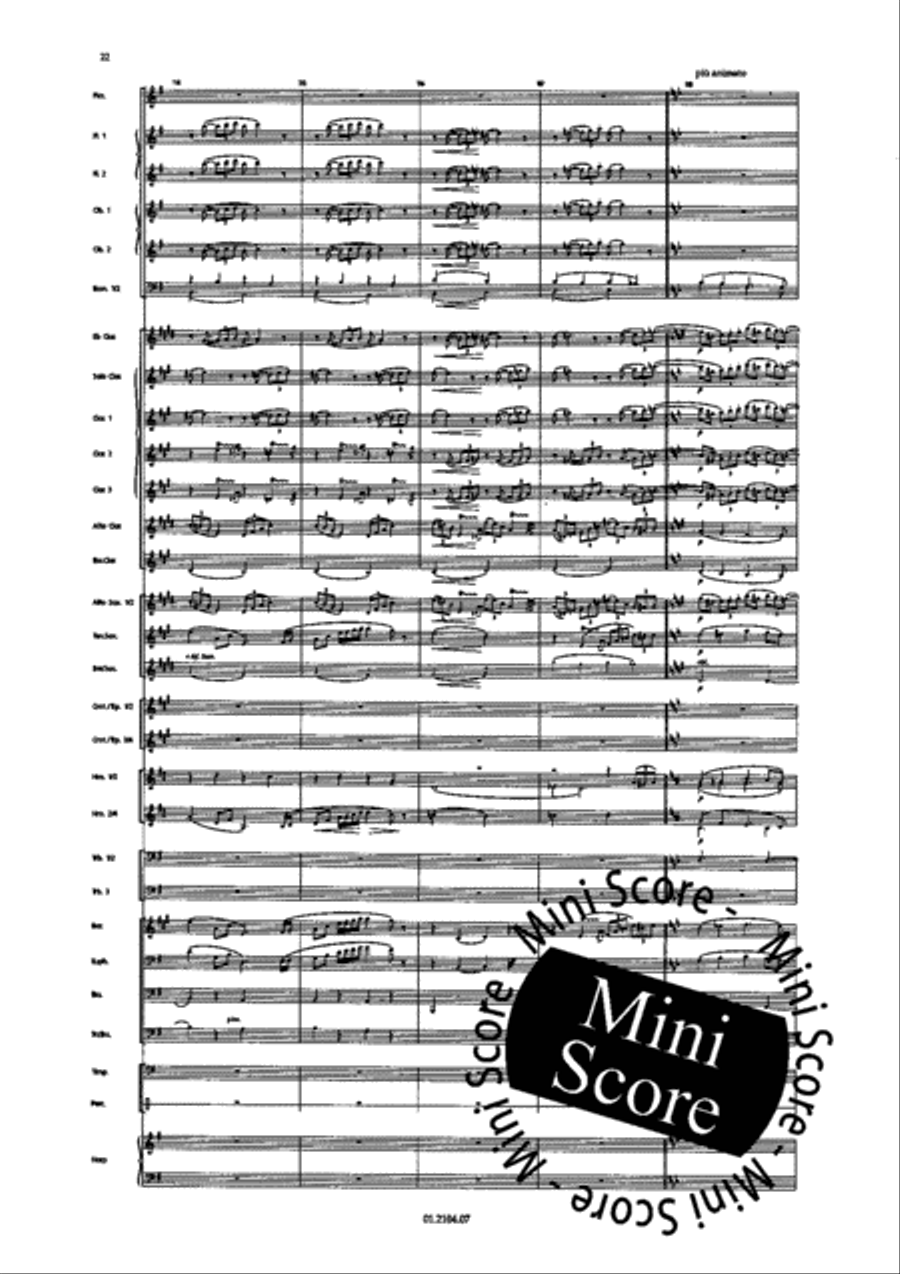
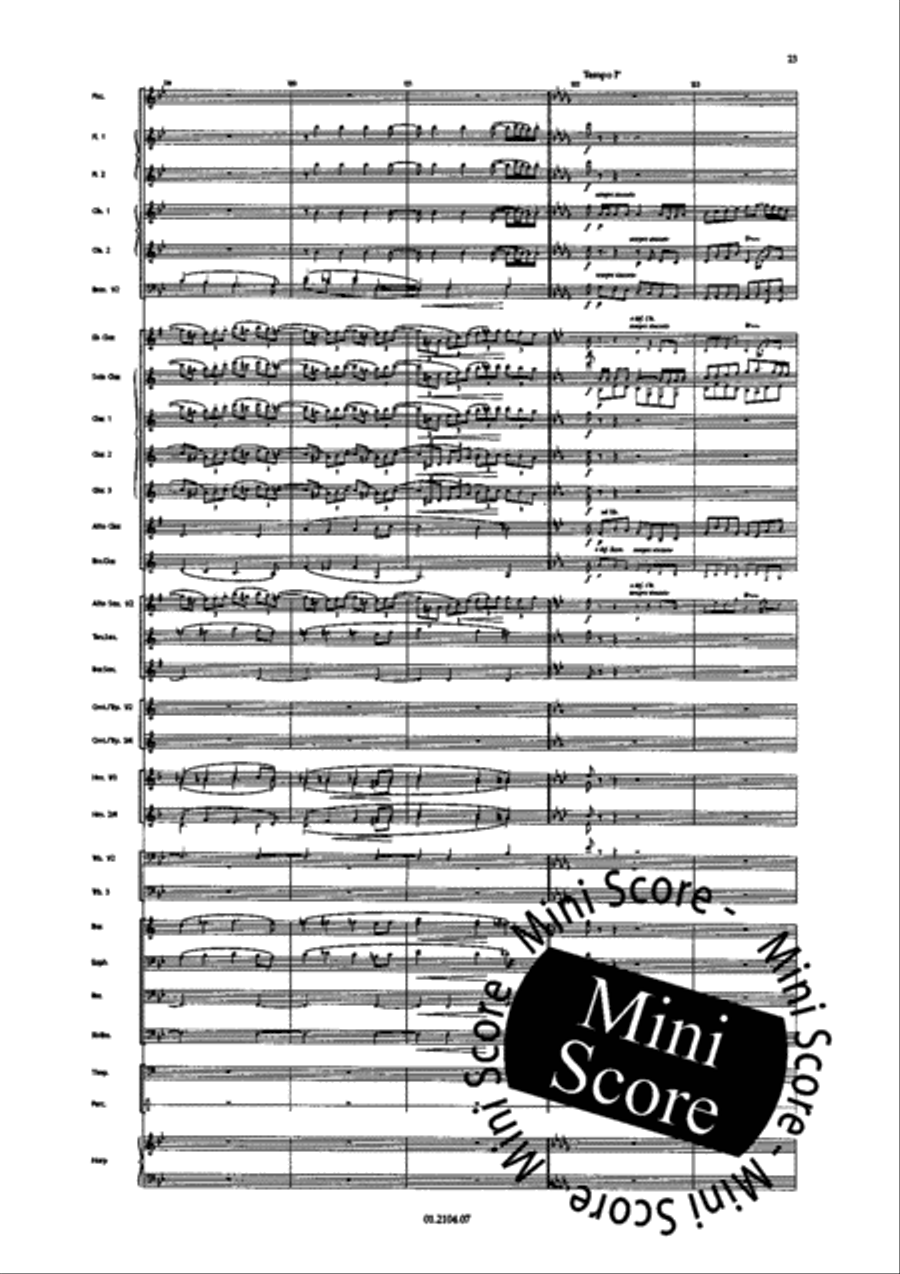
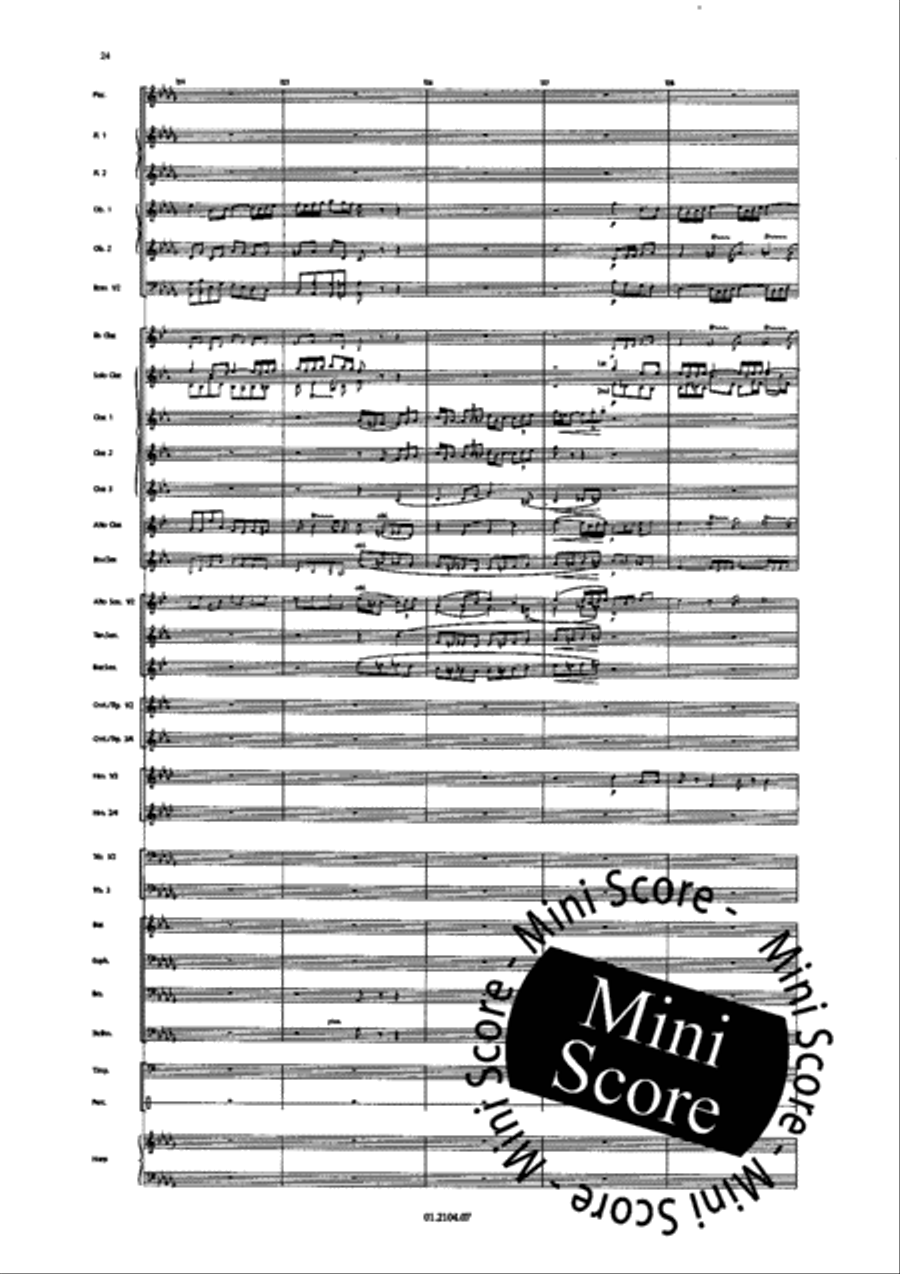
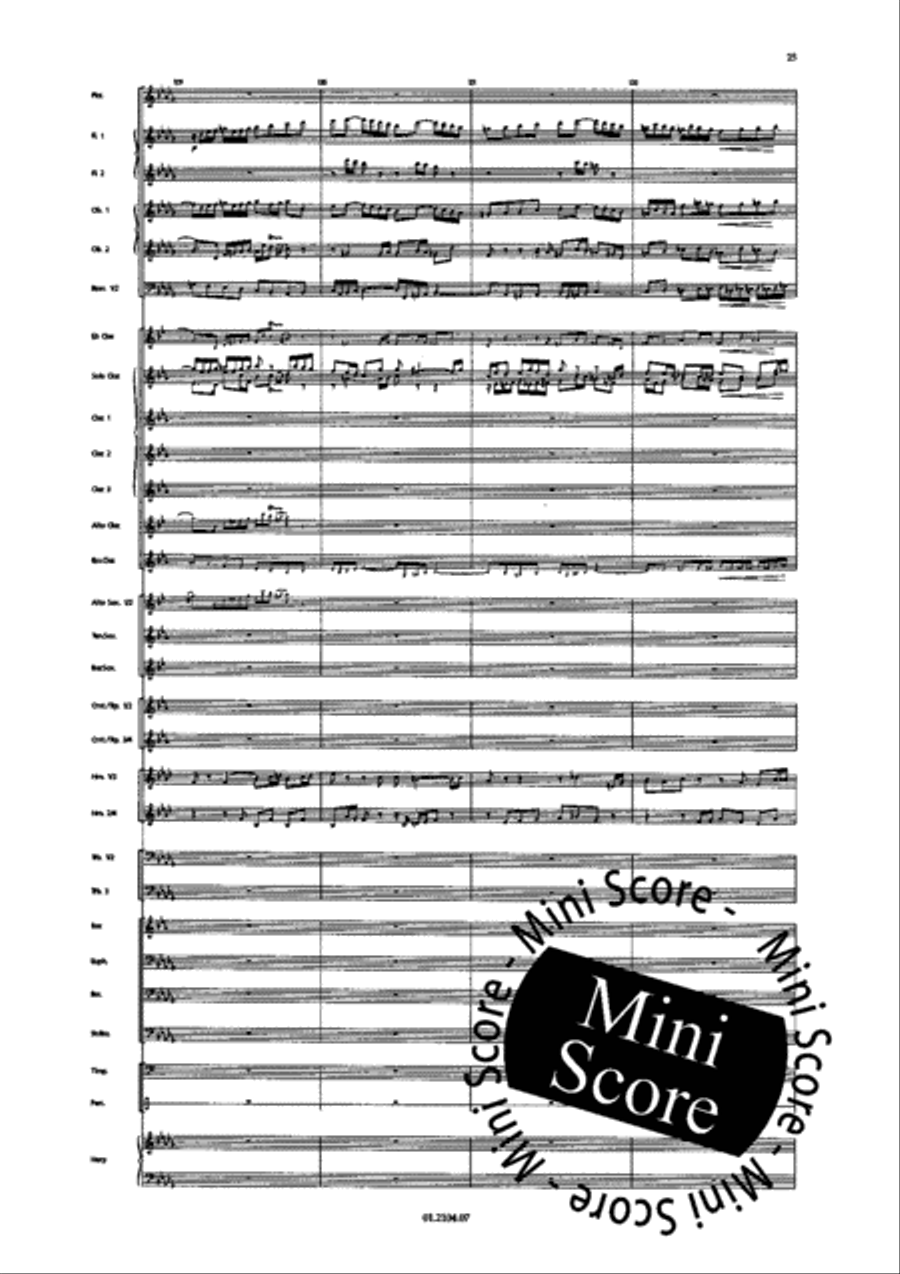
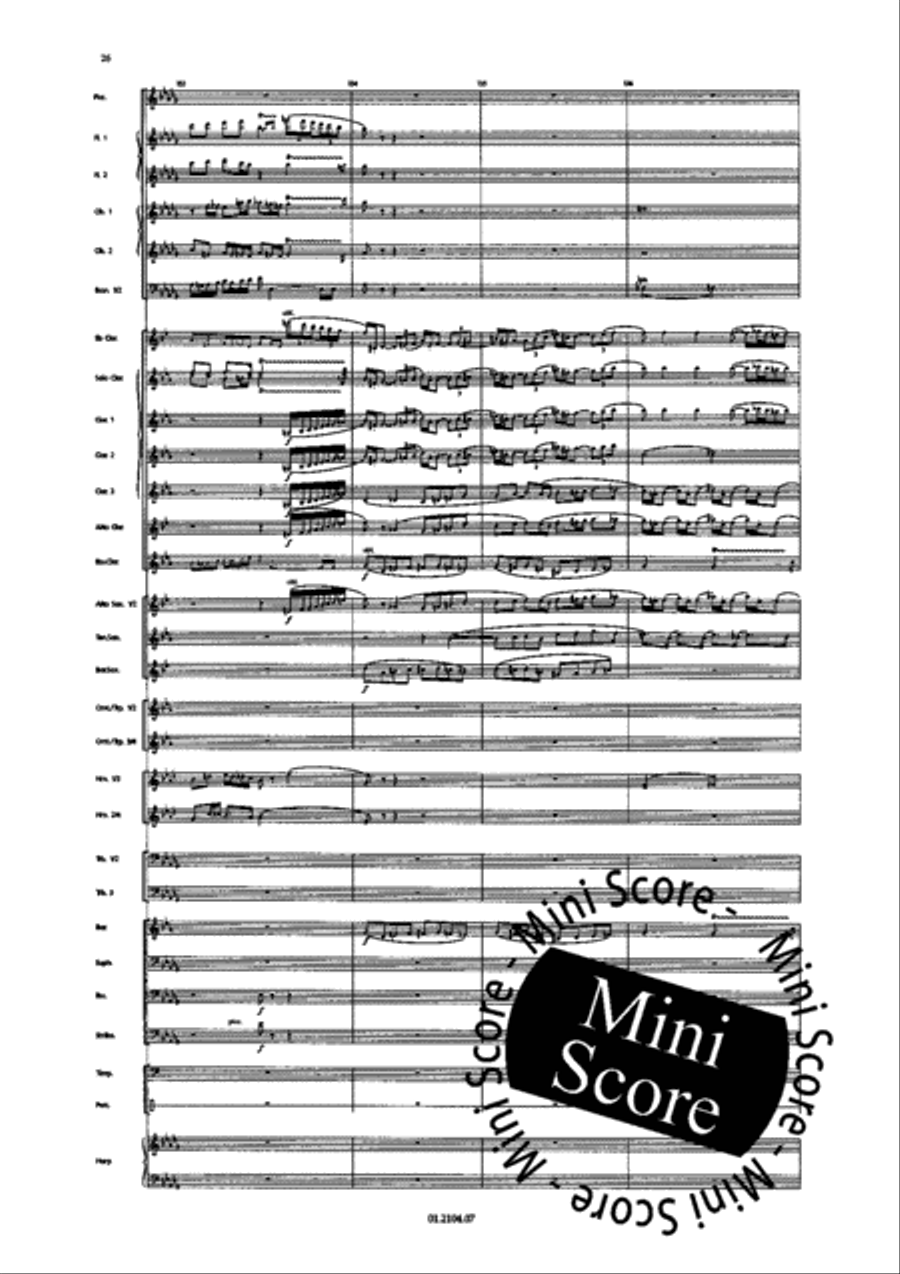
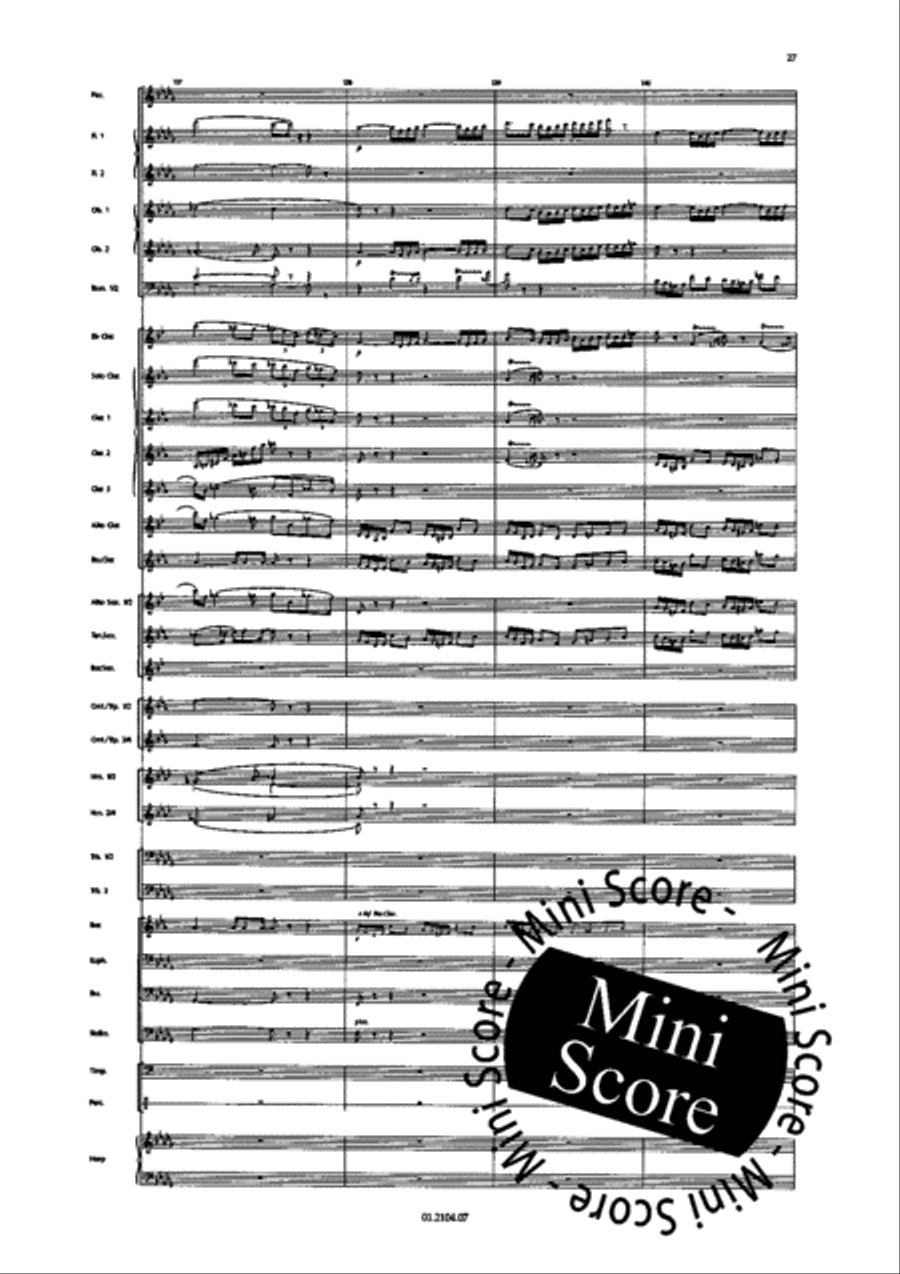
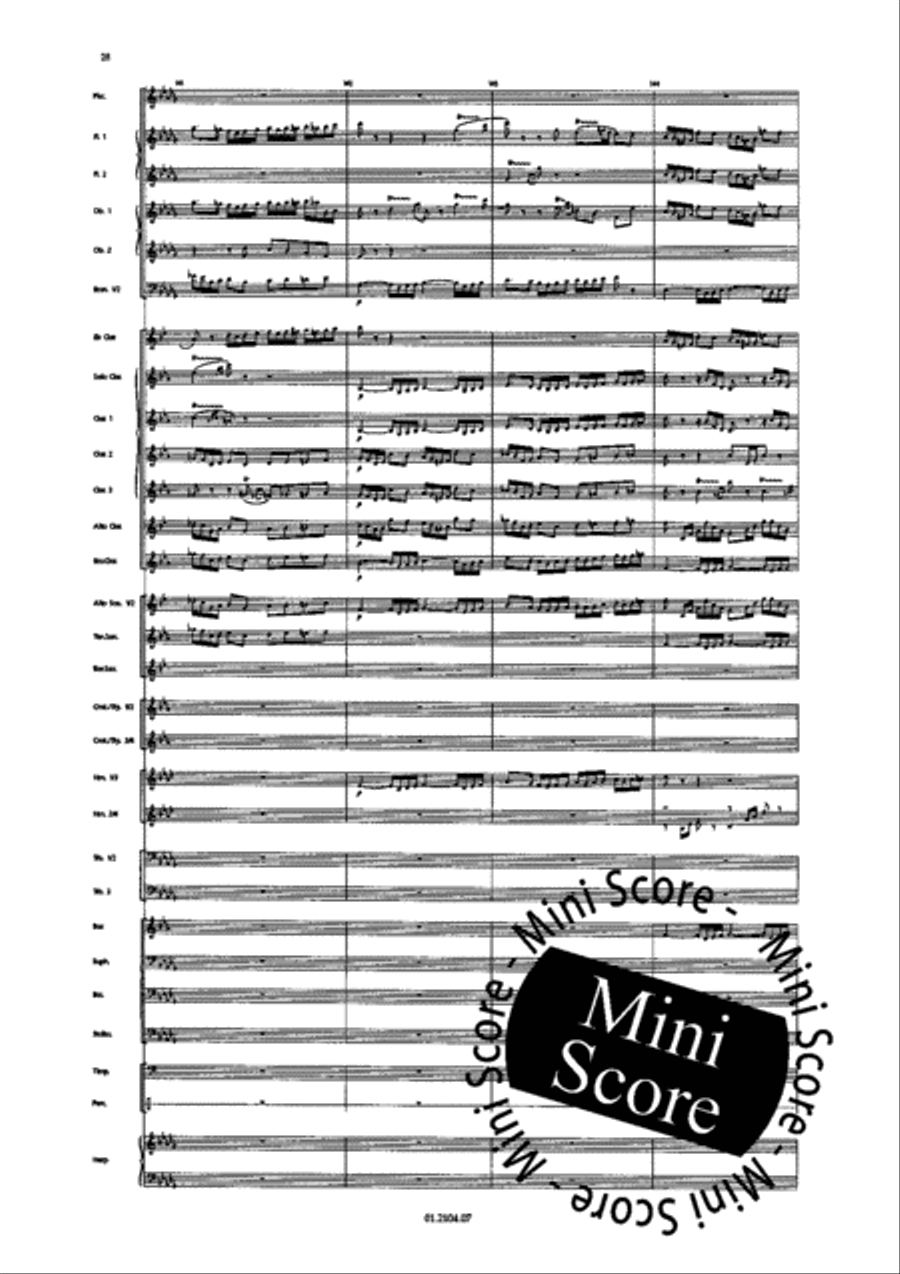
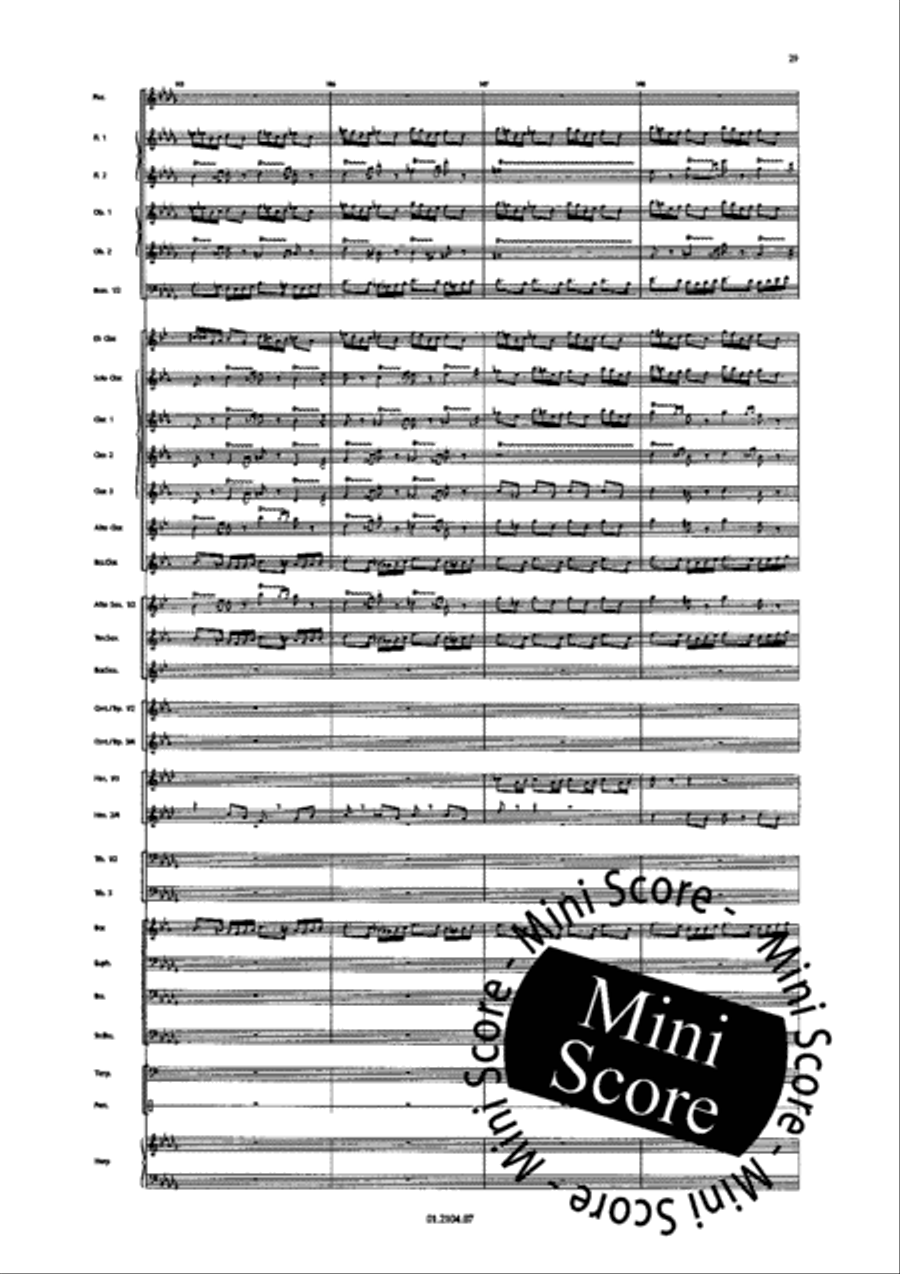
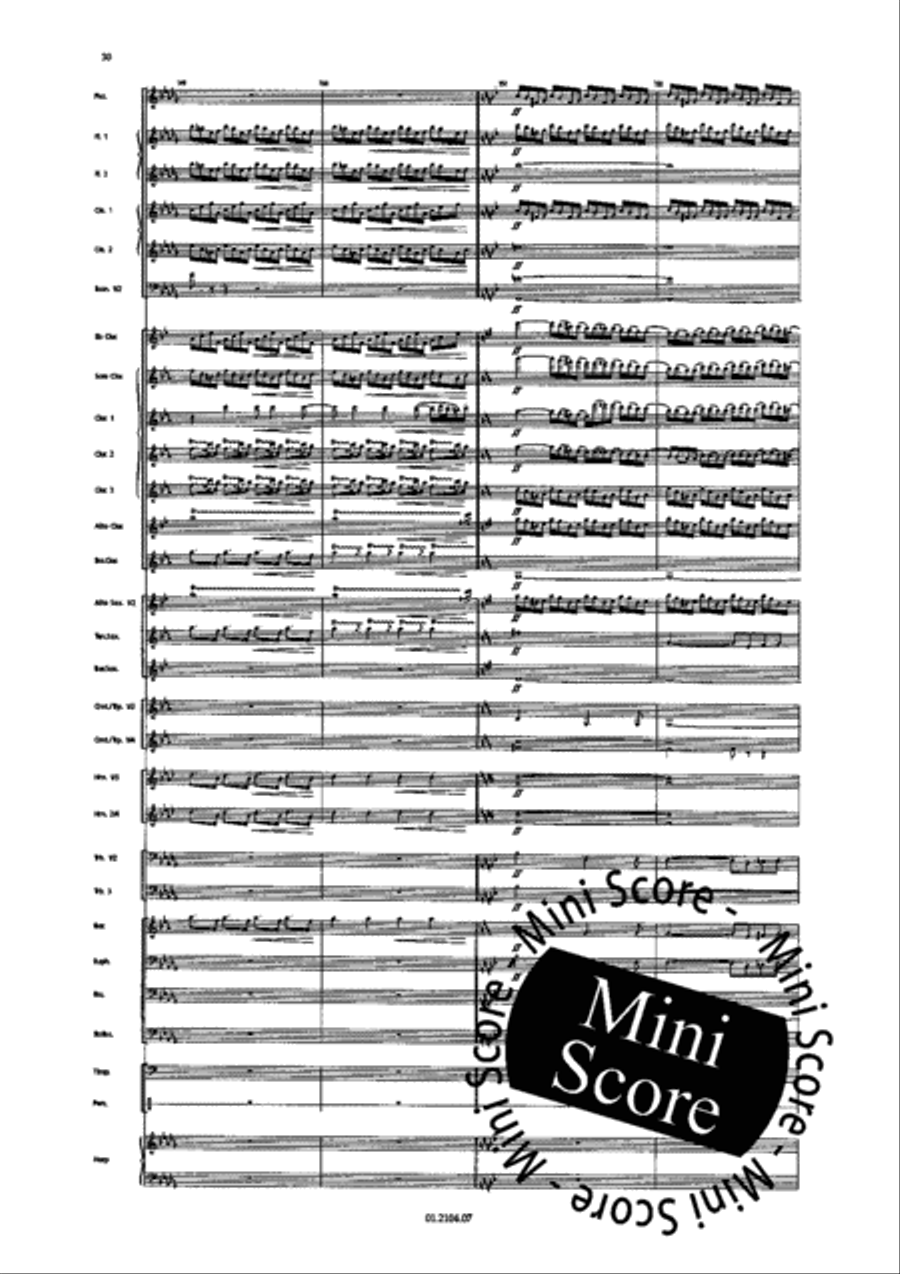
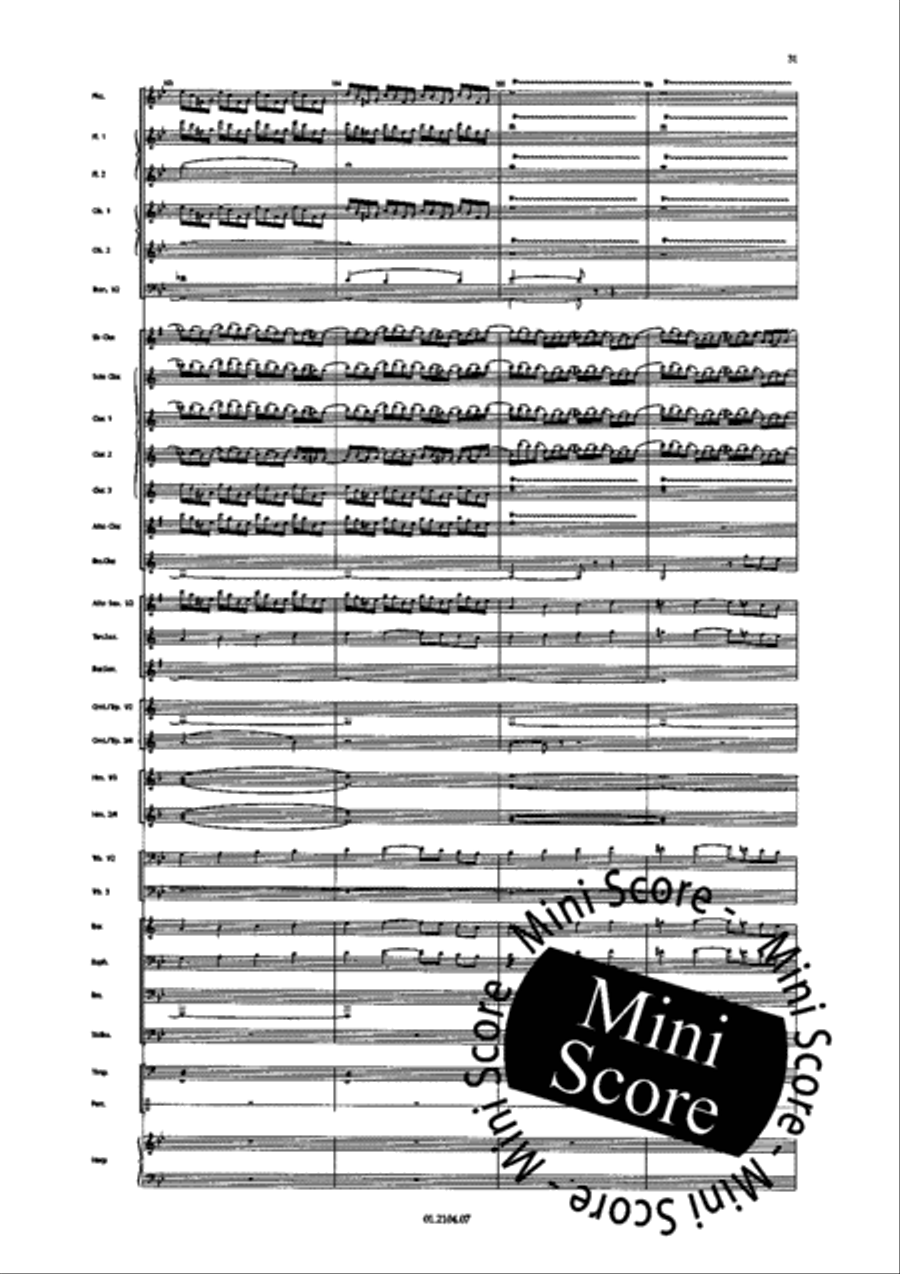
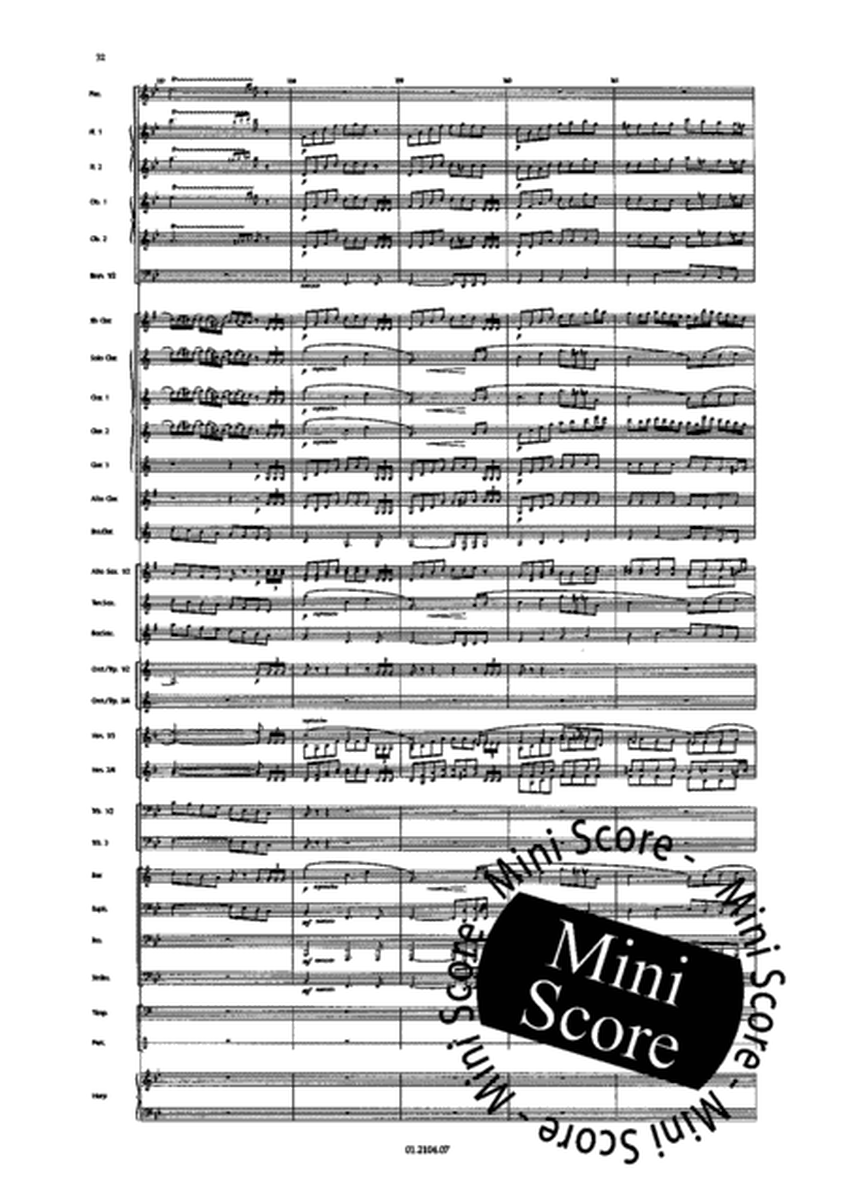
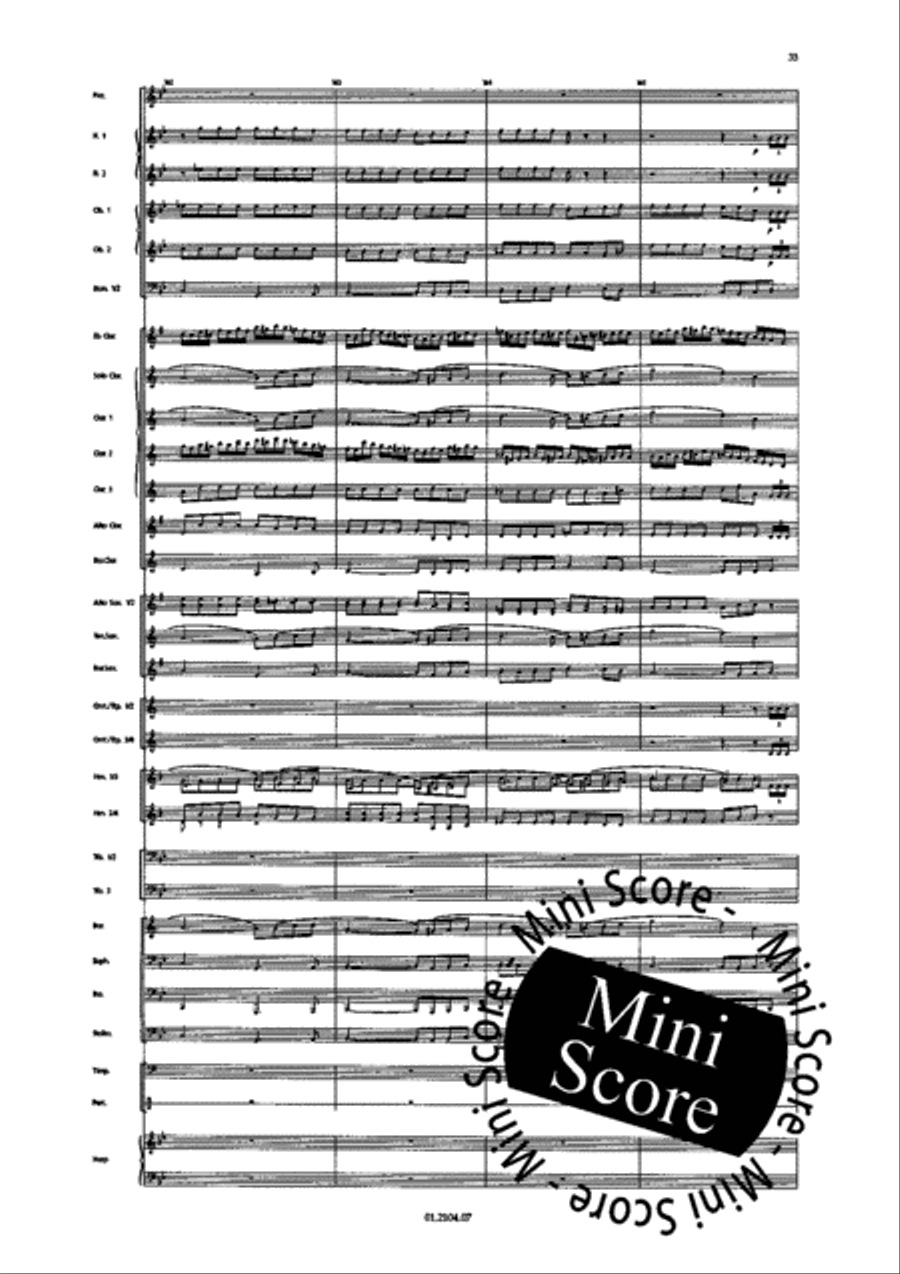
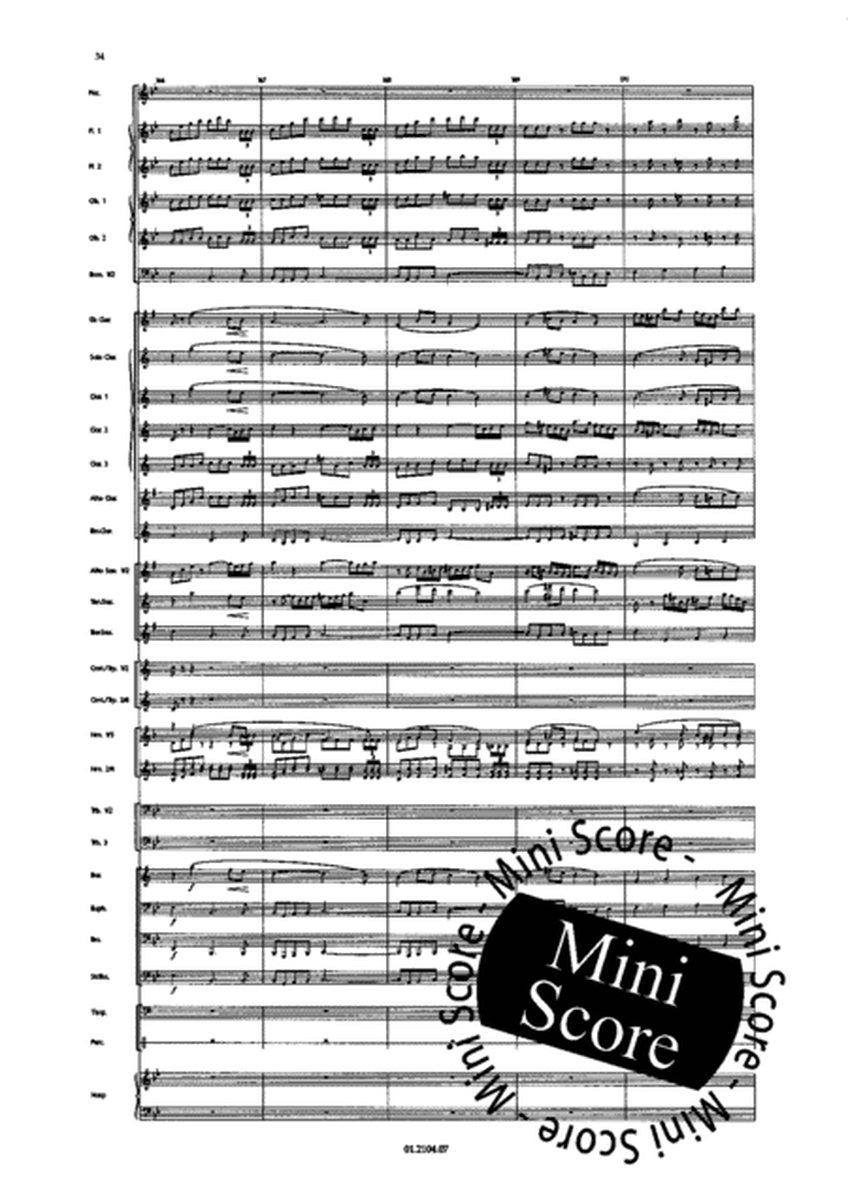
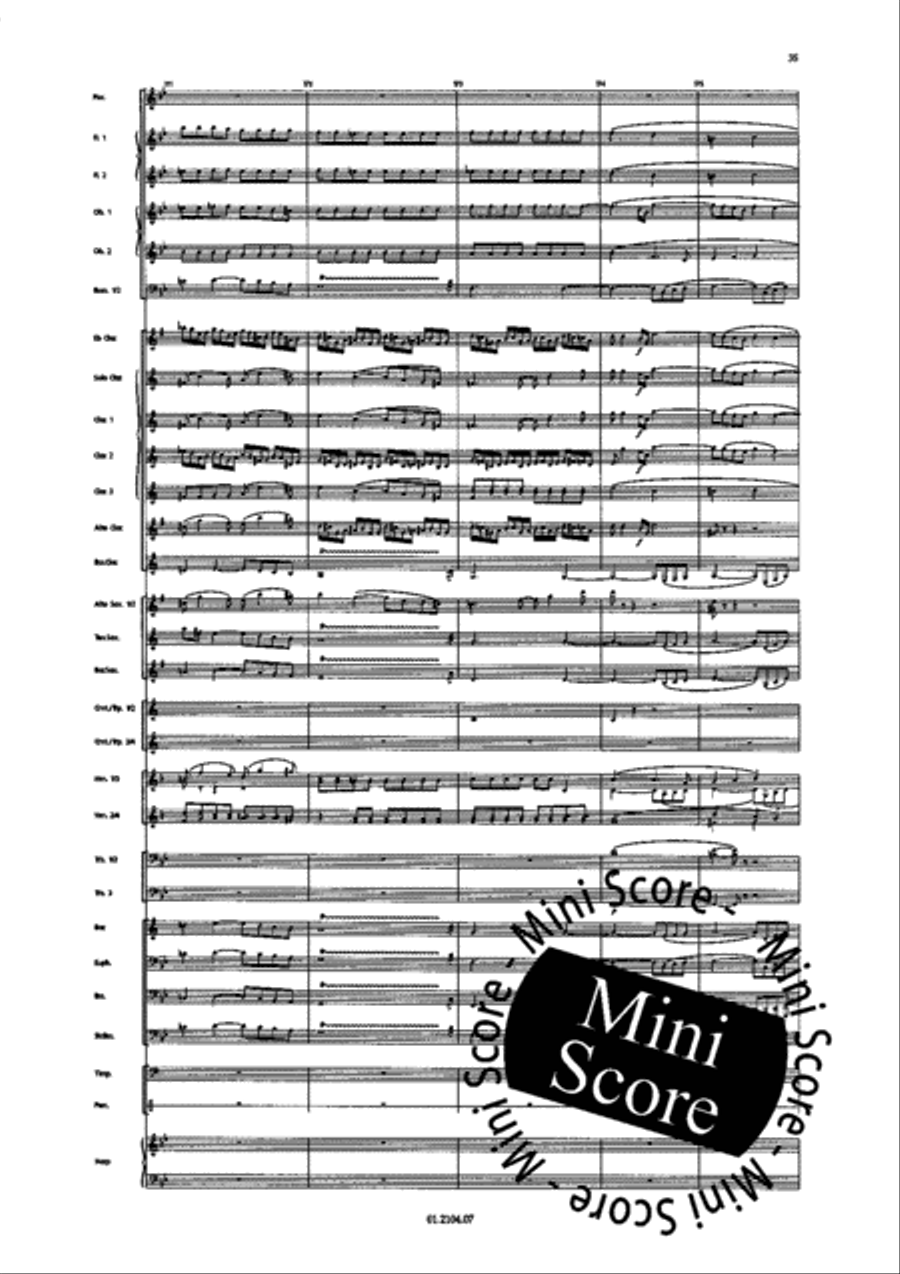
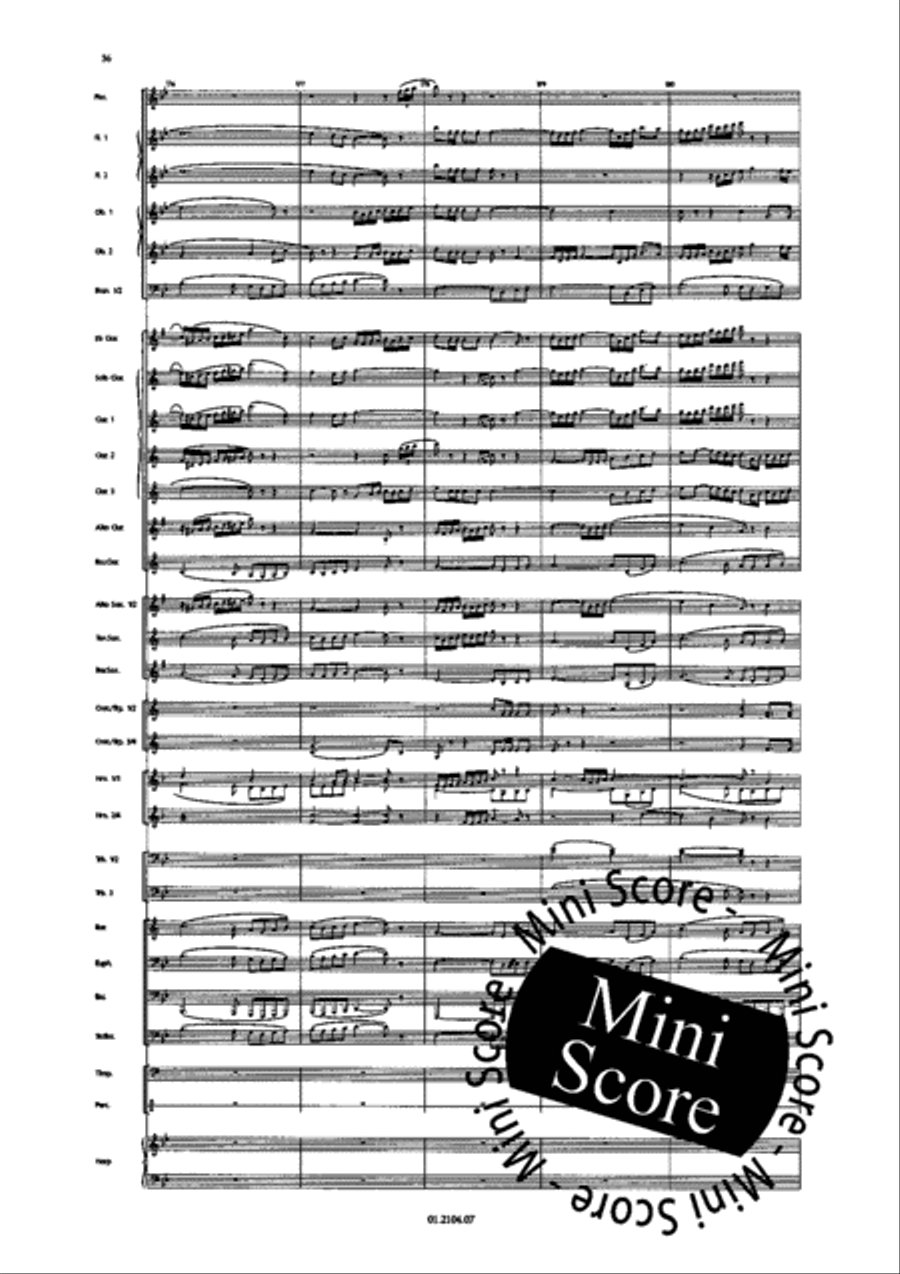
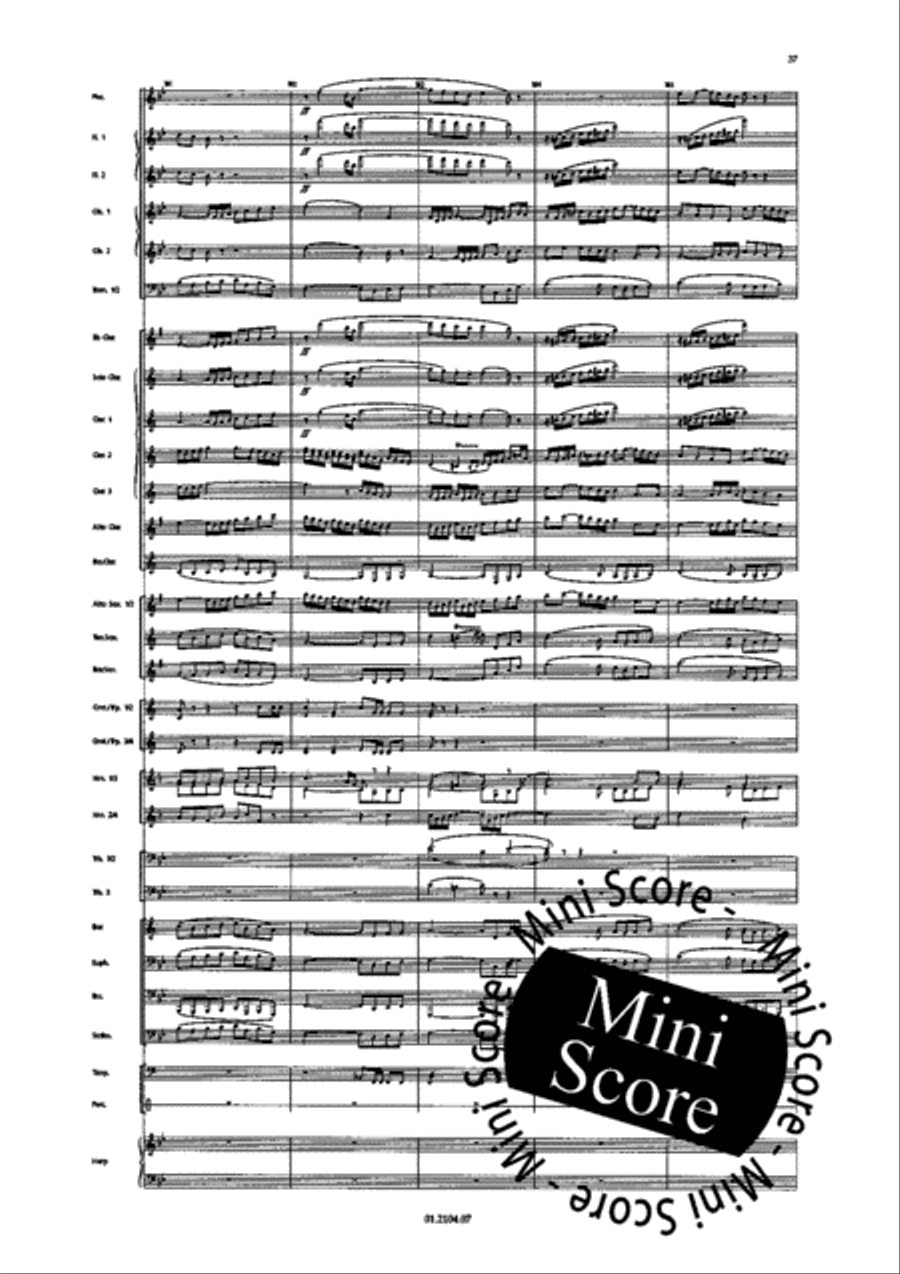
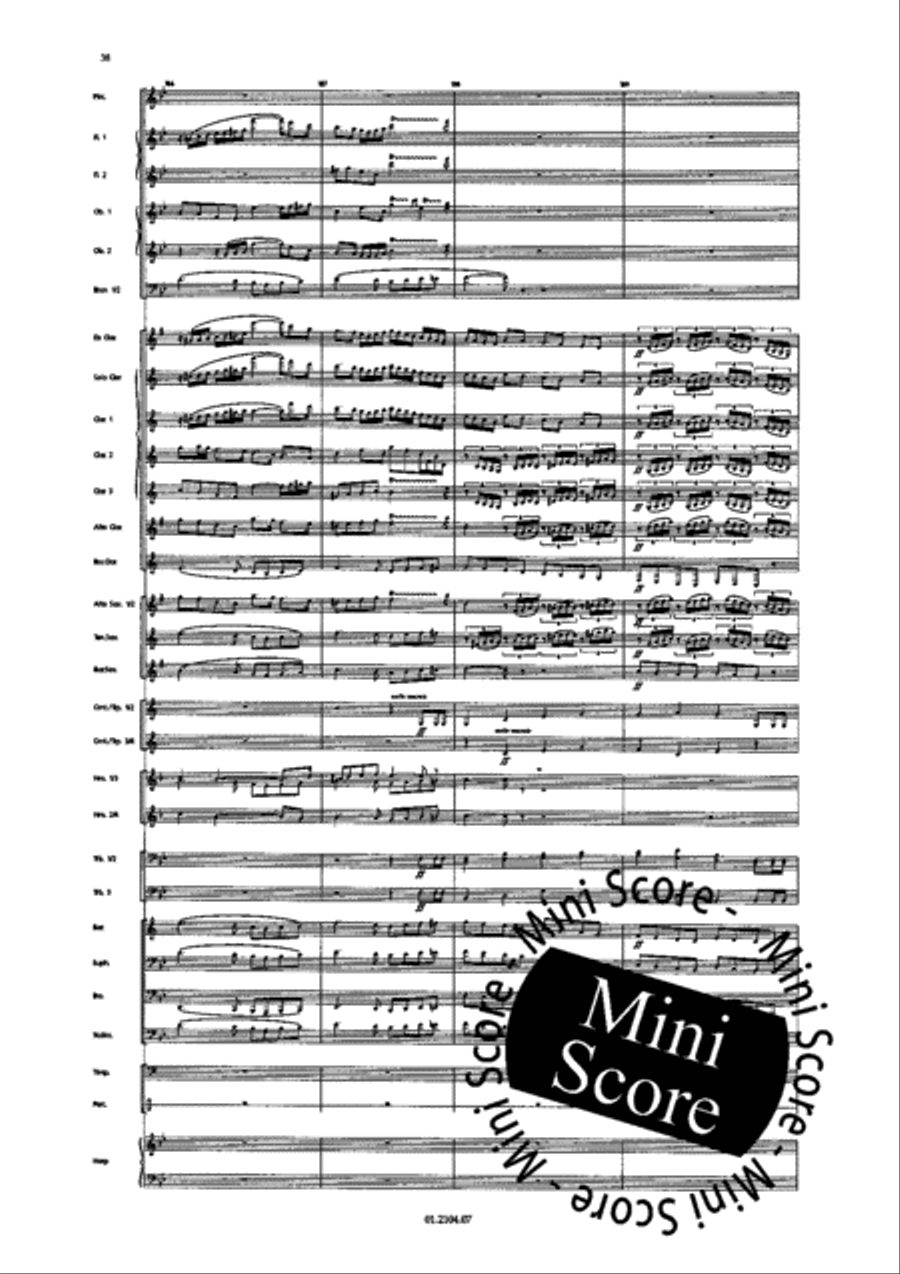
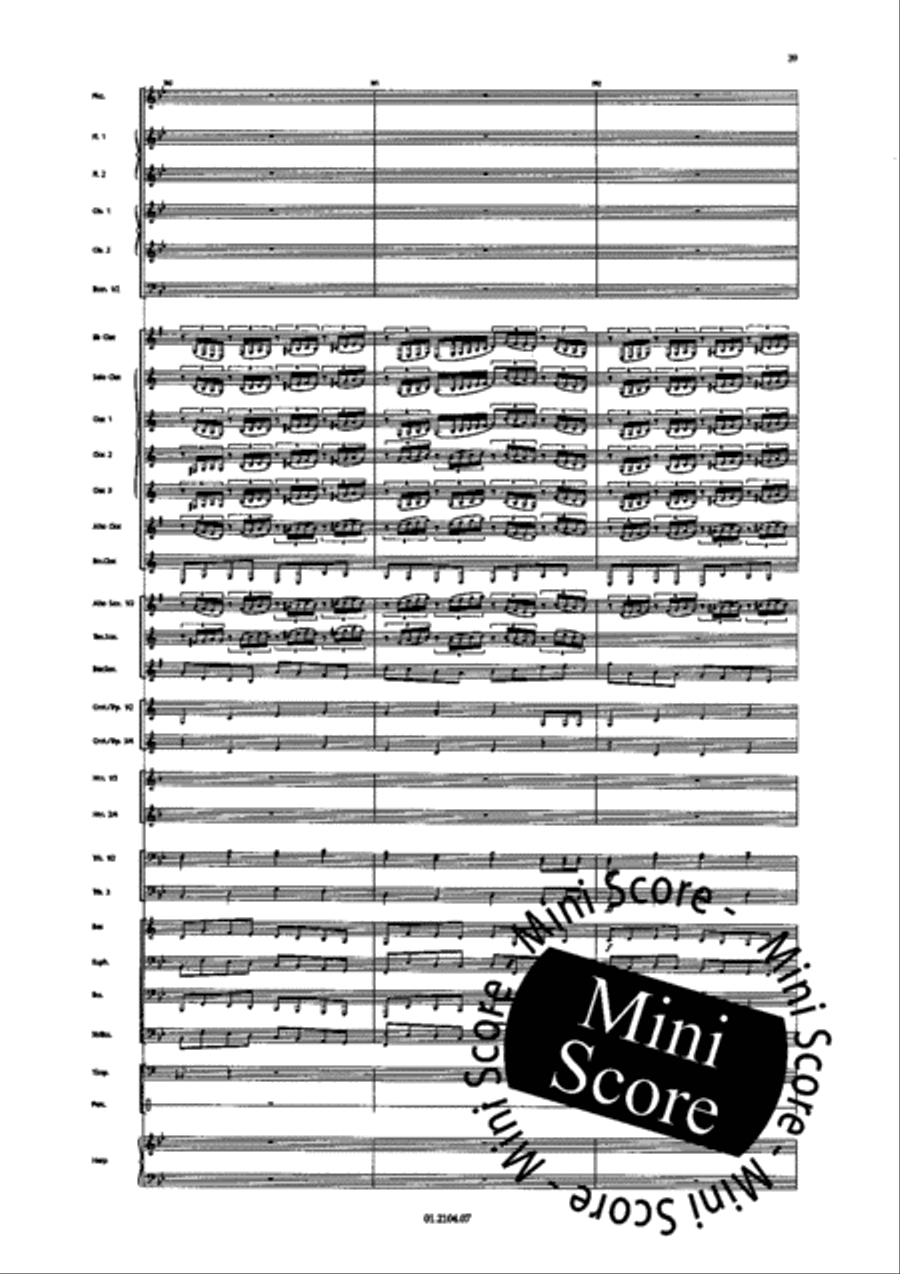
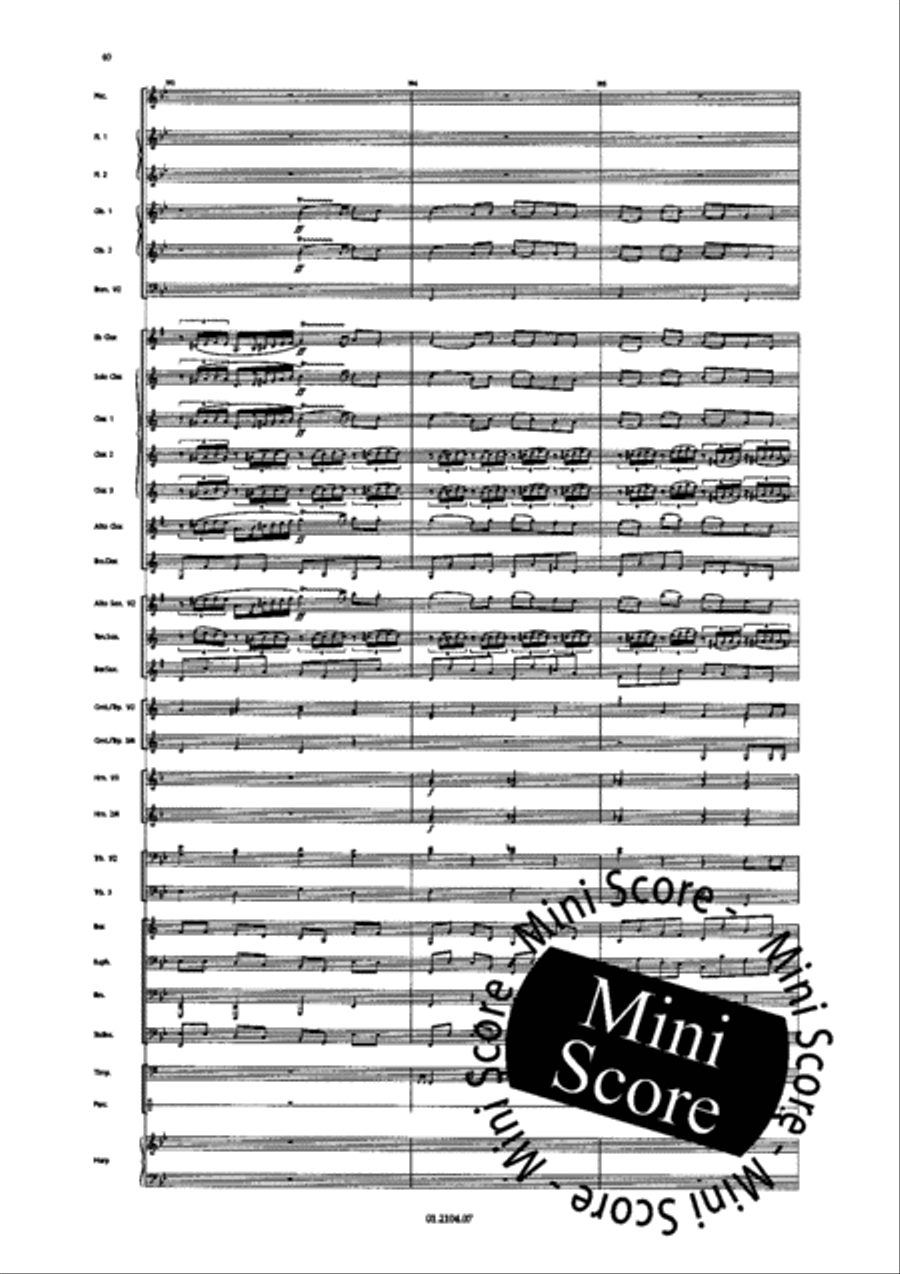
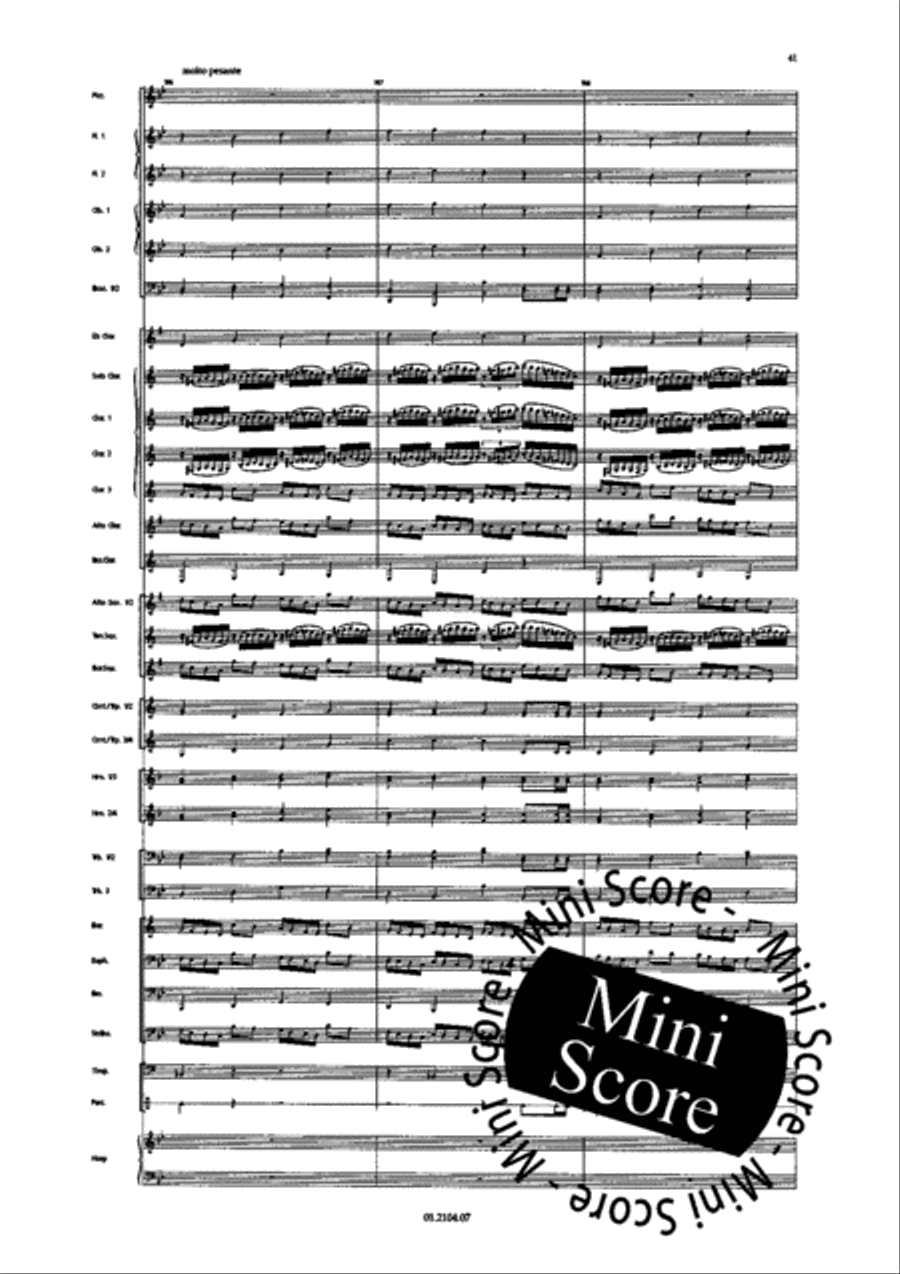
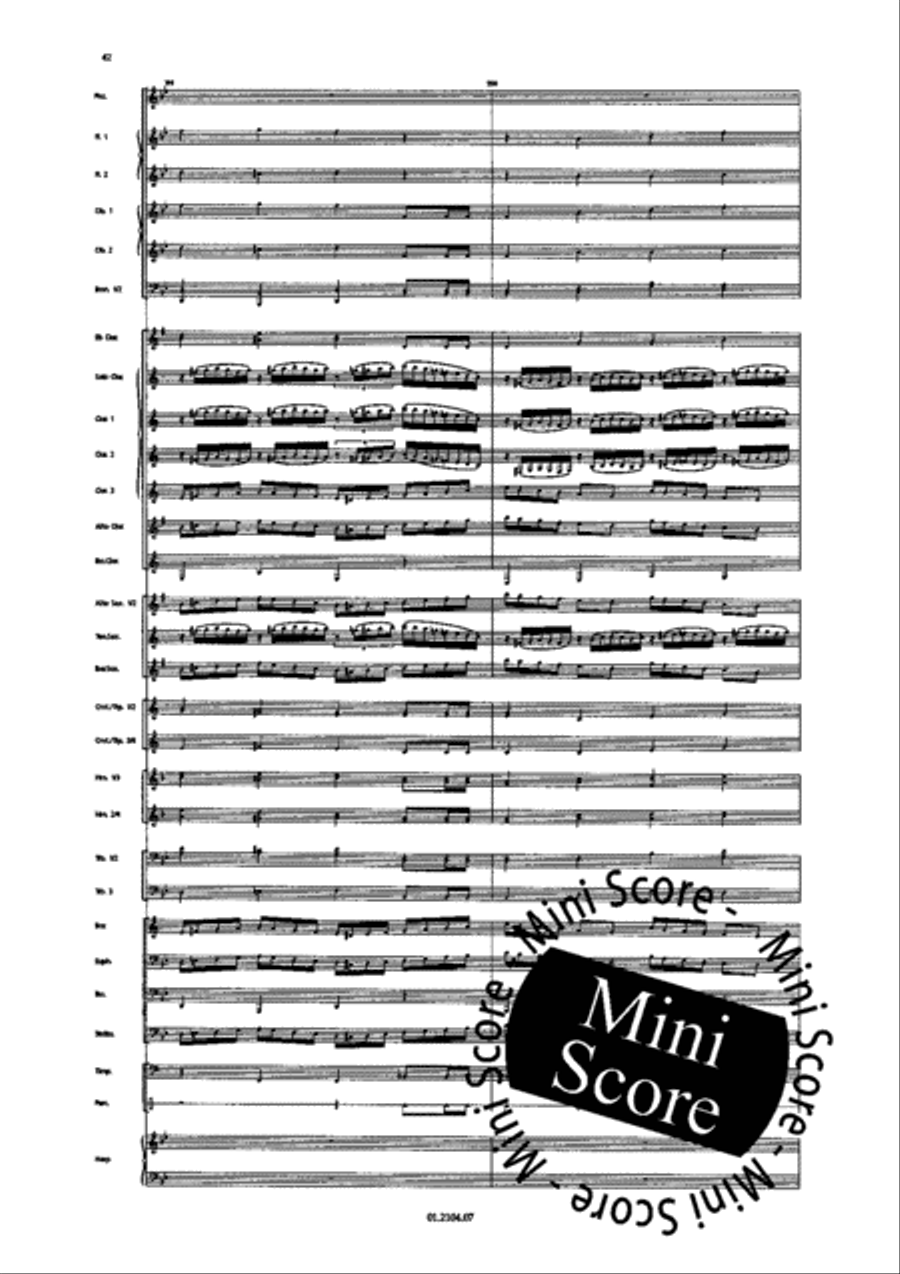
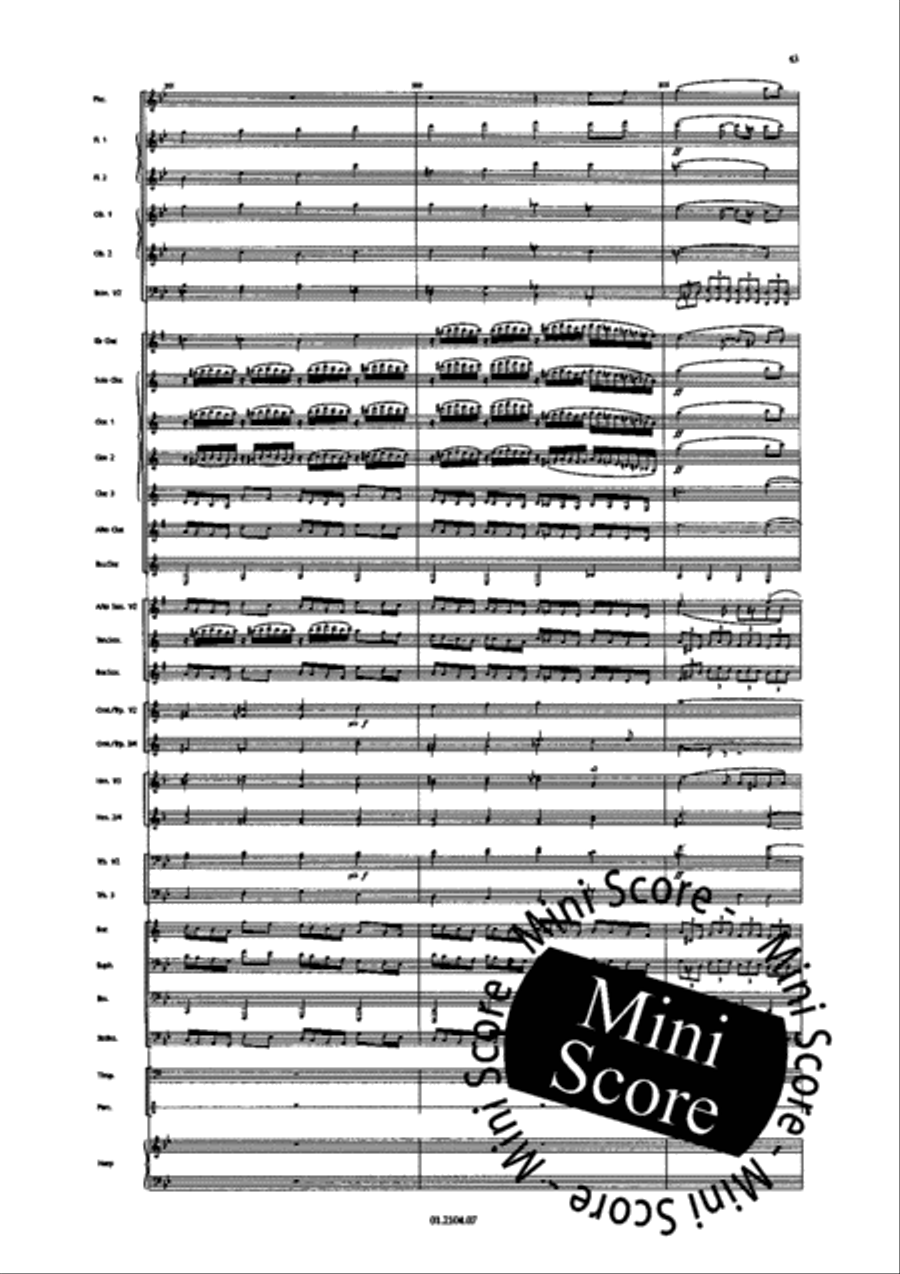
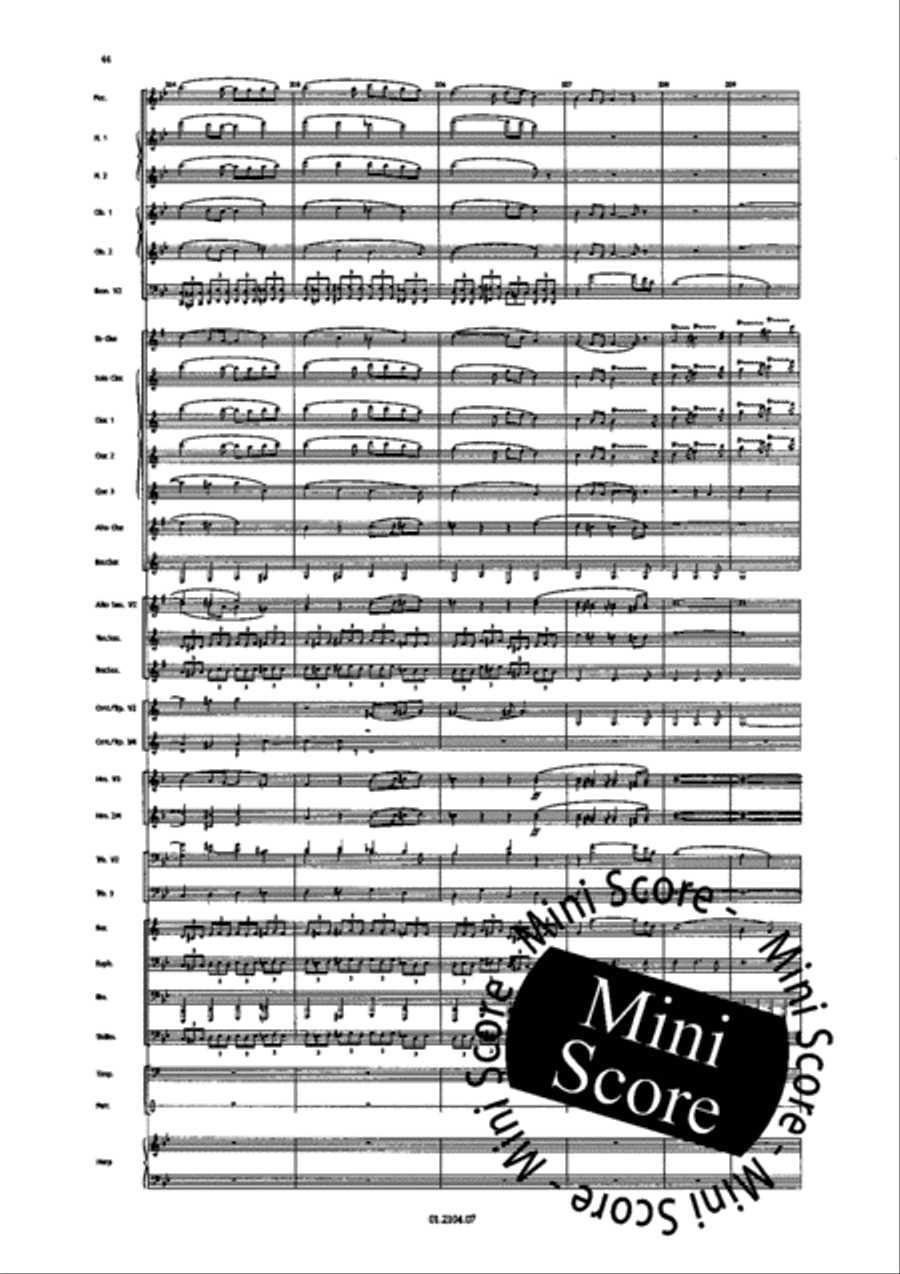
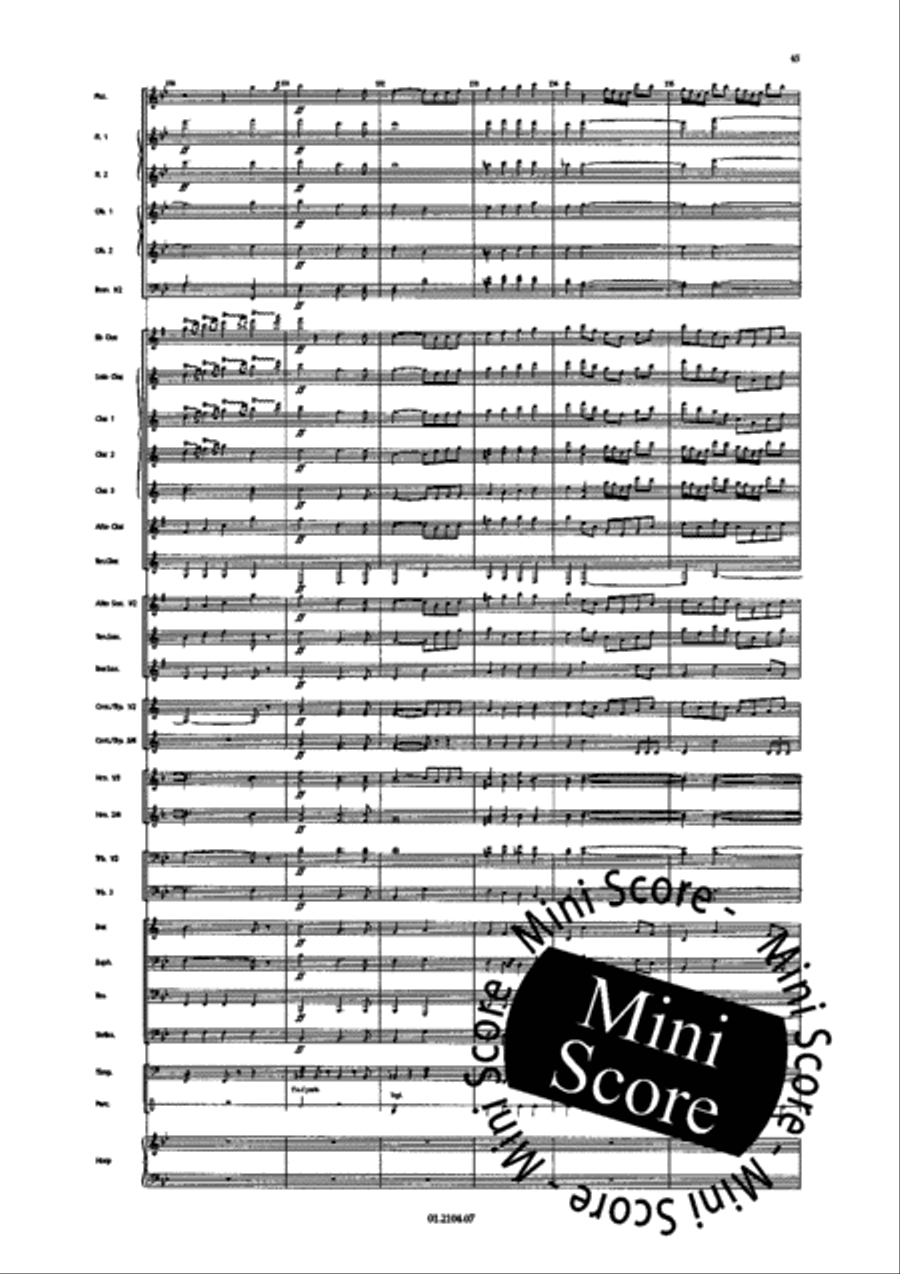
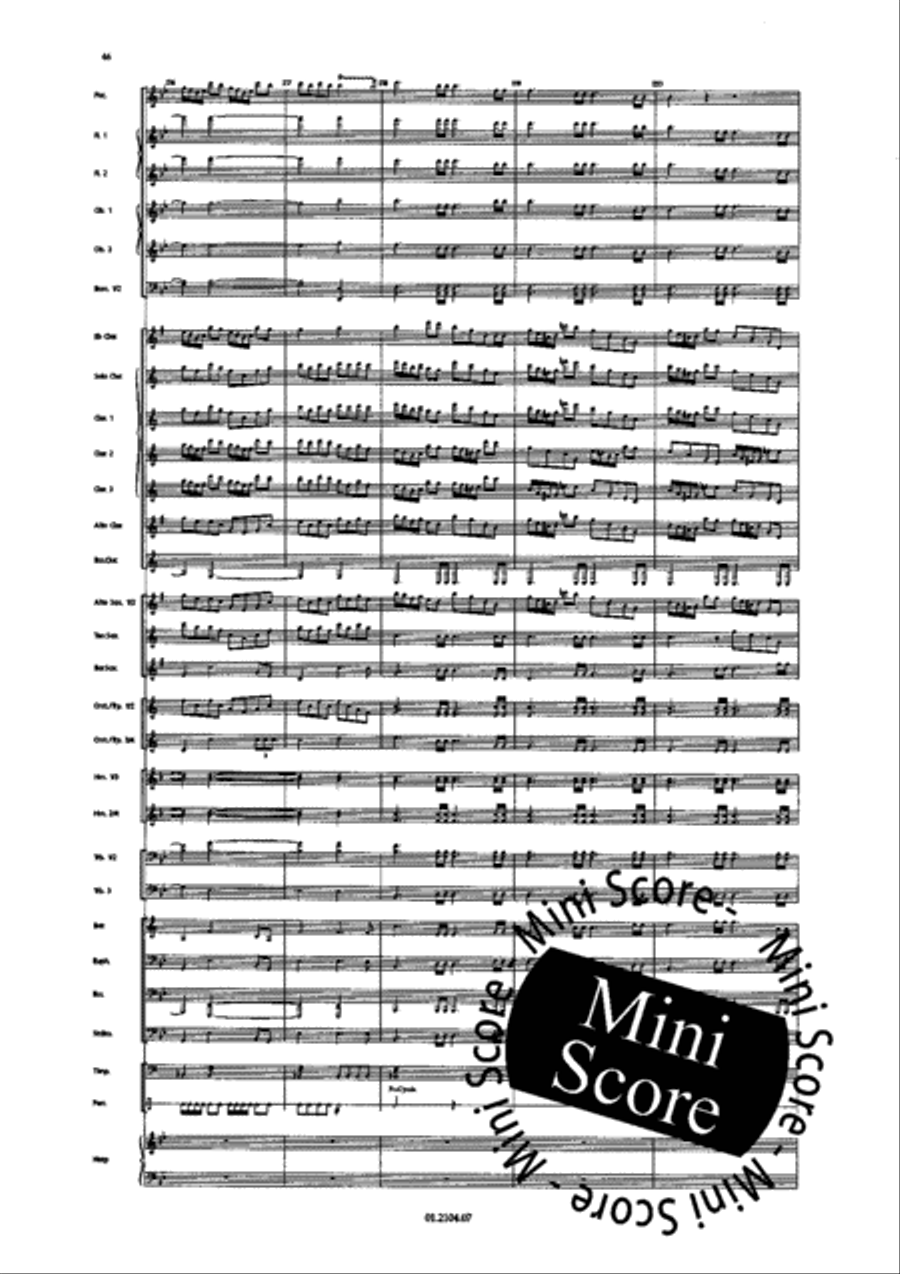
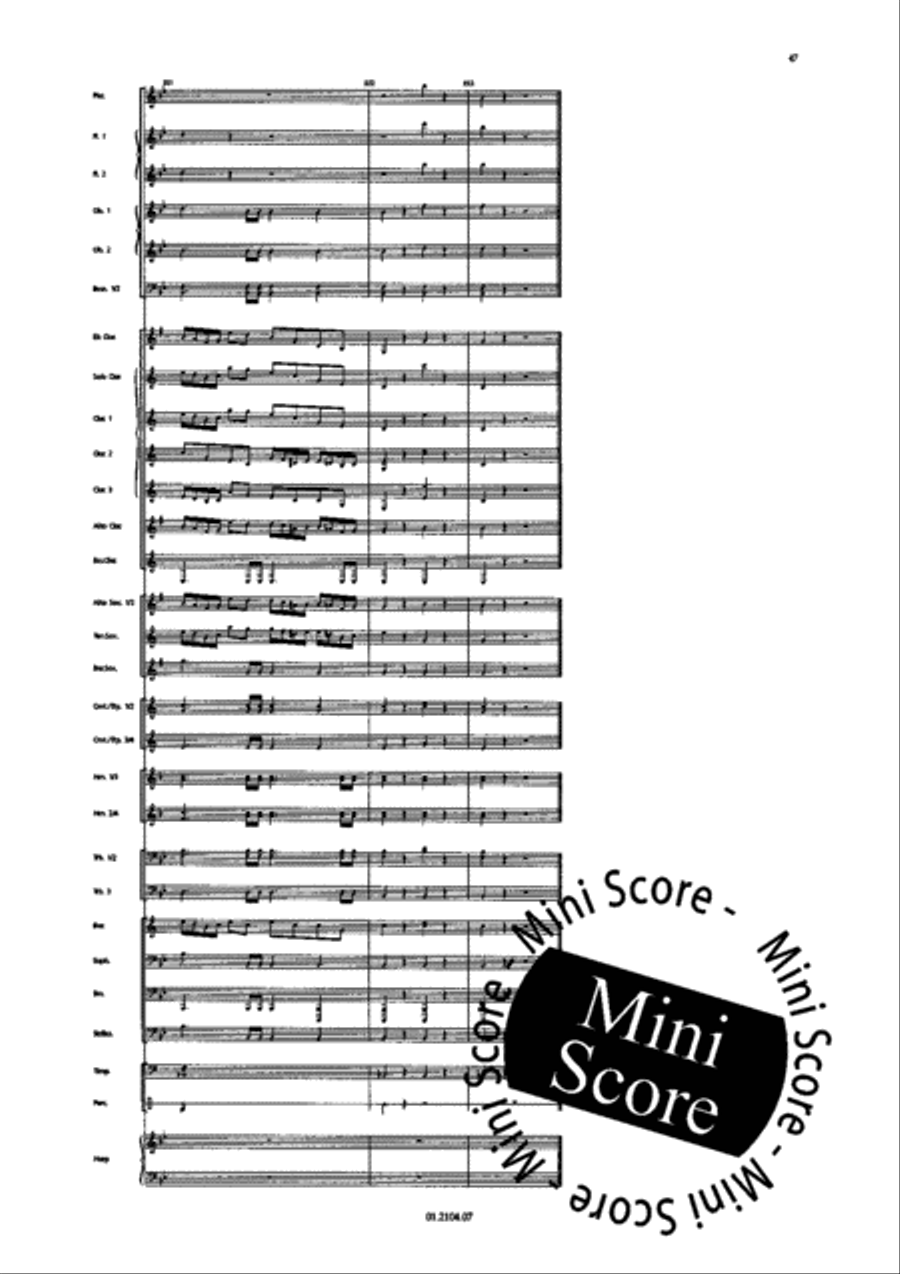
Vorspiel - Overture. Composed by Richard Wagner. Arranged by Willem Steijn. Arrangements of Classical Compositions. Classic Arrangement. Recorded on Autumn Leaves (ML.311054720). Score only. Duration 10 minutes, 31 seconds. Molenaar Edition #012104070-S. Published by Molenaar Edition (ML.012104070-S).
In 1867 voltooide Richard Wagner zijn enige komische opera 'Die Meistersinger von Nürnberg' waarvoor hij zelf het libretto geschreven had, gebaseerd op de 'Nürembergse Kronieken' uit 1697 van Johann Christoph Wagenseil. Zo is het gegeven deels historisch, deels gefantaseerde romantiek en deels satirisch. Het voorspel is gebaseerd op enkele van de hoofdthema's uit de opera en vangt aan met het indrukwekkende dreunende processiethema van de Meesterzangers en bevat verder een hartstochtelijk liefdesthema en het bekende wedstrijdlied dat de held Walter moet zingen om te zegevieren en de hand van zijn geliefde Eva te winnen. Willem Steijn schreef deze zeer geslaagde versie voor harmonieorkest.
In 1867 Richard Wagner completed his only comic opera 'Die Meistersänger von Nürnberg' (The Mastersingers of Nuremberg) for which he himself had written the libretto, based on the 'Nuremberg Chronicles' from 1697 by Johann Christoph Wagenseil. The plot is partly historical, partly romantic and partly satirical. The prelude is based on some of the main themes of the opera; it starts with the impressive martial processional theme of the Mastersingers and also boasts a passionate love theme as well as the famous contest song which the hero, Walter, has to sing in order to win both the contest and his beloved Eva's hand. Willem Steijn wrote this fine arrangement for symphonic band.
C'est en 1867 que Richard Wagner termine son unique opéra comique 'Les Maîtres chanteurs de Nuremberg' pour lequel il avait écrit lui-même le livret, basé sur les 'Chroniques de Nuremberg' publiées en 1697 par Johann Christoph Wagenseil. Ainsi, l'histoire est partiellement historique, partiellement romantique et même satirique. Le prélude est basé sur quelques thèmes principaux de l'opéra et commence par le thème impressionnant et martial de la procession des maîtres chanteurs. Puis il y a également un thème d'amour passionné et la célèbre chanson du tournoi que le héros Walter doit interpréter pour être vainqueur et obtenir la main de la douce Eva. Willem Steijn a écrit cet excellent nouvel arrangement pour orchestre d'harmonie.
1867 beendete Richard Wagner seine einzige komische Oper 'Die Meistersänger von Nürnberg' deren Libretto er selber geschrieben hatte. Dafür hatte er sich auf die 'Nürnberger Chroniken'(1697) von Johann Christoph Wagenseil gegründet. So ist die Geschichte teils historisch, teils phantasierte Romantik und teils satirisch. Das Vorspiel enthält einige der Hauptthemen der Oper und fängt mit dem eindrucksvollen Prozessionsthema der Meistersänger an. Es enthält auch ein leidenschaftliches Liebesthema und das Lied des Wettbewerbs mit dem der Held Walter die Hand seiner Geliebte Eva gewinnen soll. Willem Steijn schrieb dieses ganz gut gelungene Arrangement für sinfonisches Blasorchester.
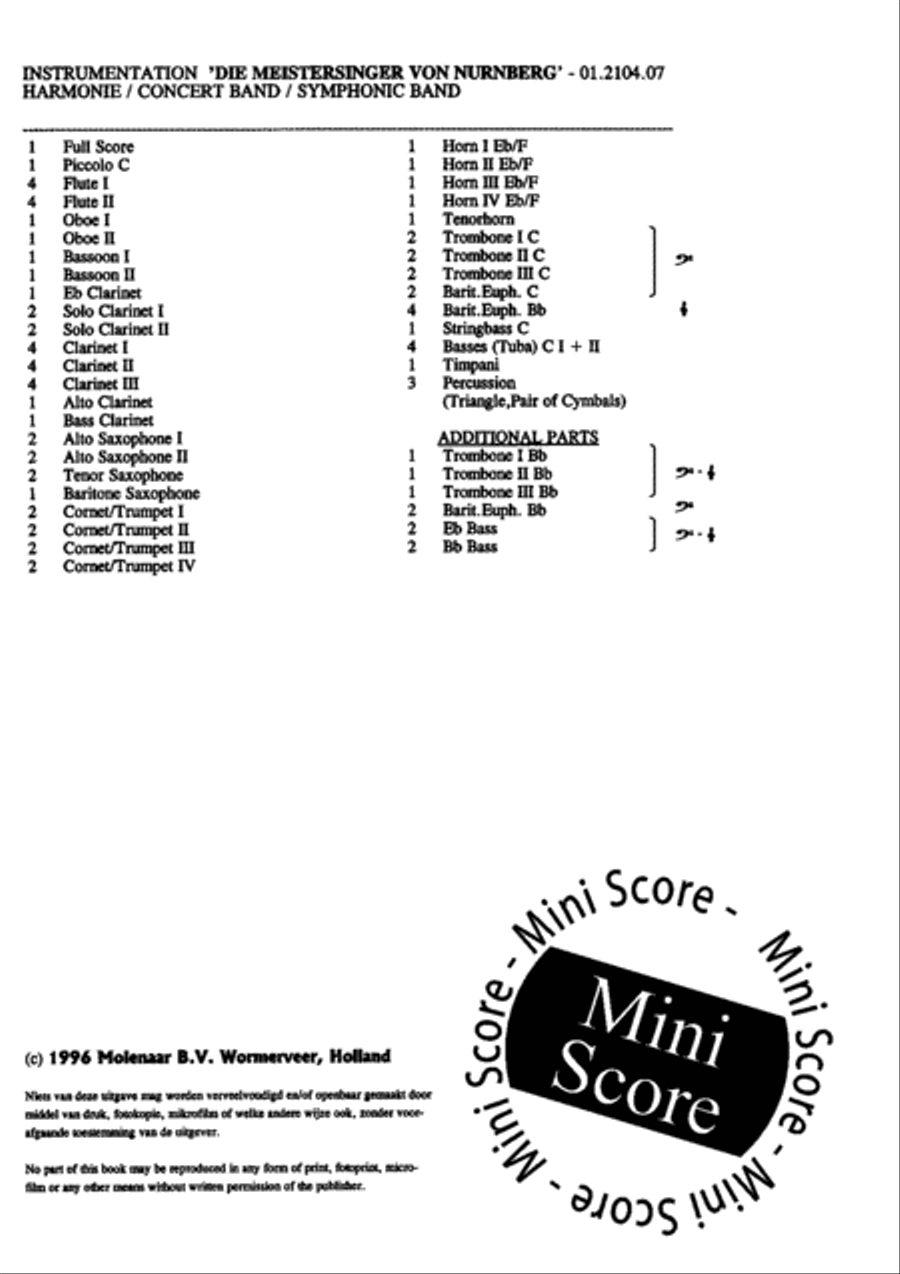
Instrumentation 0 Full Score A3 1 Full Score 2 Solo Various I 2 Solo Various II 1 Piccolo 4 Flute I 4 Flute II 1 Oboe I 1 Oboe II 1 Bassoon I 1 Bassoon II 1 Clarinet Eb 4 Clarinet I 4 Clarinet II 4 Clarinet III 1 Alto Clarinet Eb 1 Bass Clarinet 2 Alto Saxophone I 2 Alto Saxophone II 2 Tenor Saxophone 1 Baritone Saxophone 2 Trumpet I 2 Trumpet II 2 Trumpet III 2 Trumpet IV 1 Horn I Eb 1 Horn I F 1 Horn II Eb 1 Horn II F 1 Horn III Eb 1 Horn III F 1 Horn IV Eb 1 Horn IV F 2 Trombone I C 1 Trombone I Bb (TC) 1 Trombone I Bb (BC) 2 Trombone II C 1 Trombone II Bb (TC) 1 Trombone II Bb (BC) 2 Trombone III C 1 Trombone III Bb (TC) 1 Trombone III Bb (BC) 2 Baritone C 2 Baritone Bb (BC) 4 Baritone Bb (TC) 1 Euphonium Bb (TC) 2 Bas Bb (TC) 2 Bas Bb (BC) 2 Bas Eb (TC) 2 Bas Eb (BC) 4 Tuba C 1 Stringbass 1 Harp 3 Percussion 1 Timpani.
Vorspiel - Overture. Composed by Richard Wagner. Arranged by Willem Steijn. Arrangements of Classical Compositions. Classic Arrangement. Recorded on Autumn Leaves (ML.311054720). Score only. Duration 10 minutes, 31 seconds. Molenaar Edition #012104070-S. Published by Molenaar Edition (ML.012104070-S).
In 1867 voltooide Richard Wagner zijn enige komische opera 'Die Meistersinger von Nürnberg' waarvoor hij zelf het libretto geschreven had, gebaseerd op de 'Nürembergse Kronieken' uit 1697 van Johann Christoph Wagenseil. Zo is het gegeven deels historisch, deels gefantaseerde romantiek en deels satirisch. Het voorspel is gebaseerd op enkele van de hoofdthema's uit de opera en vangt aan met het indrukwekkende dreunende processiethema van de Meesterzangers en bevat verder een hartstochtelijk liefdesthema en het bekende wedstrijdlied dat de held Walter moet zingen om te zegevieren en de hand van zijn geliefde Eva te winnen. Willem Steijn schreef deze zeer geslaagde versie voor harmonieorkest.
In 1867 Richard Wagner completed his only comic opera 'Die Meistersänger von Nürnberg' (The Mastersingers of Nuremberg) for which he himself had written the libretto, based on the 'Nuremberg Chronicles' from 1697 by Johann Christoph Wagenseil. The plot is partly historical, partly romantic and partly satirical. The prelude is based on some of the main themes of the opera; it starts with the impressive martial processional theme of the Mastersingers and also boasts a passionate love theme as well as the famous contest song which the hero, Walter, has to sing in order to win both the contest and his beloved Eva's hand. Willem Steijn wrote this fine arrangement for symphonic band.
C'est en 1867 que Richard Wagner termine son unique opéra comique 'Les Maîtres chanteurs de Nuremberg' pour lequel il avait écrit lui-même le livret, basé sur les 'Chroniques de Nuremberg' publiées en 1697 par Johann Christoph Wagenseil. Ainsi, l'histoire est partiellement historique, partiellement romantique et même satirique. Le prélude est basé sur quelques thèmes principaux de l'opéra et commence par le thème impressionnant et martial de la procession des maîtres chanteurs. Puis il y a également un thème d'amour passionné et la célèbre chanson du tournoi que le héros Walter doit interpréter pour être vainqueur et obtenir la main de la douce Eva. Willem Steijn a écrit cet excellent nouvel arrangement pour orchestre d'harmonie.
1867 beendete Richard Wagner seine einzige komische Oper 'Die Meistersänger von Nürnberg' deren Libretto er selber geschrieben hatte. Dafür hatte er sich auf die 'Nürnberger Chroniken'(1697) von Johann Christoph Wagenseil gegründet. So ist die Geschichte teils historisch, teils phantasierte Romantik und teils satirisch. Das Vorspiel enthält einige der Hauptthemen der Oper und fängt mit dem eindrucksvollen Prozessionsthema der Meistersänger an. Es enthält auch ein leidenschaftliches Liebesthema und das Lied des Wettbewerbs mit dem der Held Walter die Hand seiner Geliebte Eva gewinnen soll. Willem Steijn schrieb dieses ganz gut gelungene Arrangement für sinfonisches Blasorchester.
Instrumentation 0 Full Score A3 1 Full Score 2 Solo Various I 2 Solo Various II 1 Piccolo 4 Flute I 4 Flute II 1 Oboe I 1 Oboe II 1 Bassoon I 1 Bassoon II 1 Clarinet Eb 4 Clarinet I 4 Clarinet II 4 Clarinet III 1 Alto Clarinet Eb 1 Bass Clarinet 2 Alto Saxophone I 2 Alto Saxophone II 2 Tenor Saxophone 1 Baritone Saxophone 2 Trumpet I 2 Trumpet II 2 Trumpet III 2 Trumpet IV 1 Horn I Eb 1 Horn I F 1 Horn II Eb 1 Horn II F 1 Horn III Eb 1 Horn III F 1 Horn IV Eb 1 Horn IV F 2 Trombone I C 1 Trombone I Bb (TC) 1 Trombone I Bb (BC) 2 Trombone II C 1 Trombone II Bb (TC) 1 Trombone II Bb (BC) 2 Trombone III C 1 Trombone III Bb (TC) 1 Trombone III Bb (BC) 2 Baritone C 2 Baritone Bb (BC) 4 Baritone Bb (TC) 1 Euphonium Bb (TC) 2 Bas Bb (TC) 2 Bas Bb (BC) 2 Bas Eb (TC) 2 Bas Eb (BC) 4 Tuba C 1 Stringbass 1 Harp 3 Percussion 1 Timpani.
Tell a friend (or remind yourself) about this product. We'll instantly send an email containing product info and a link to it. You may also enter a personal message.
We do not use or store email addresses from this form for any other purpose than sending your share email.
After purchase, you can download your MP3 from your Sheet Music Plus Digital Library - no software installation is necessary! You can also listen to your MP3 at any time in your Digital Library.
Learn about Smart Music
After purchase, you can download your Smart Music from your Sheet Music Plus Digital Library - no software installation is necessary! You can also download at any time in your Digital Library.
Learn about Digital Video
After purchase you can download your video from your Digital Library. Your video is in XX format and is playable on most pre-installed video players.