



18224905
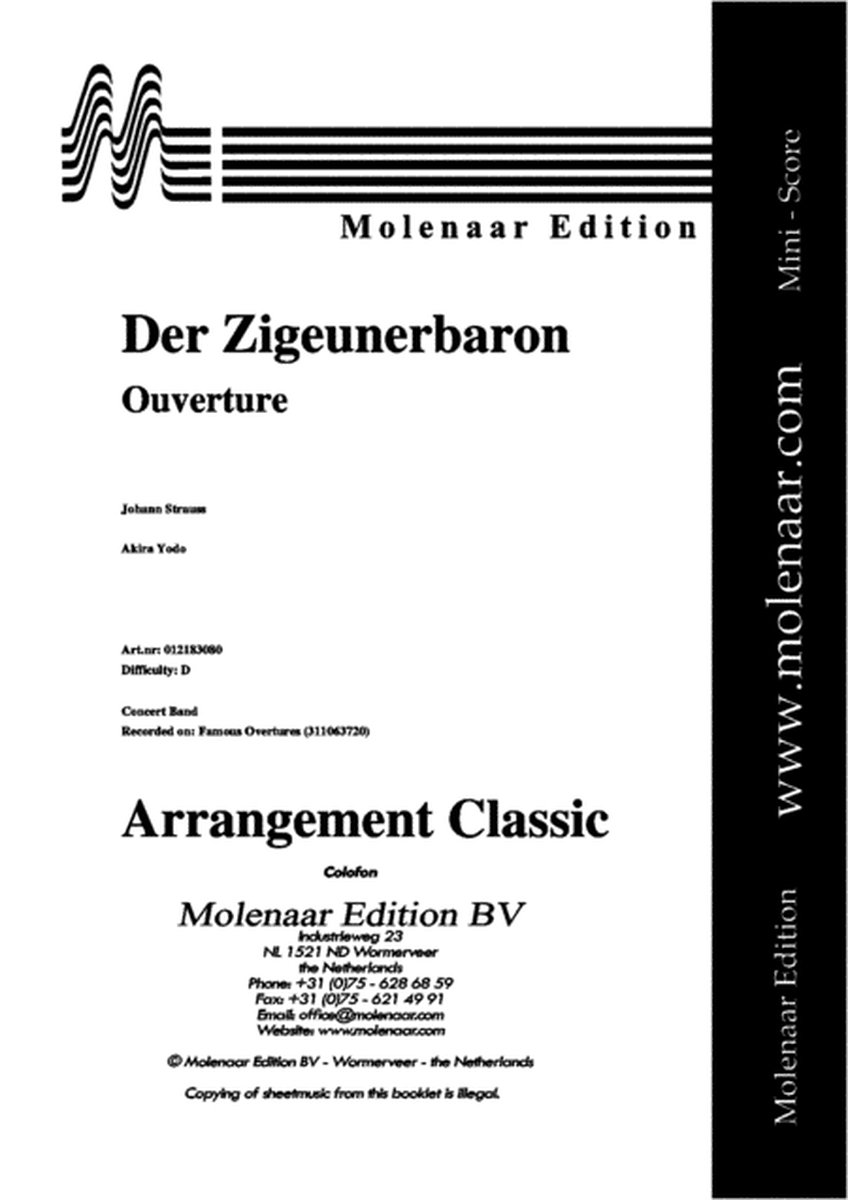
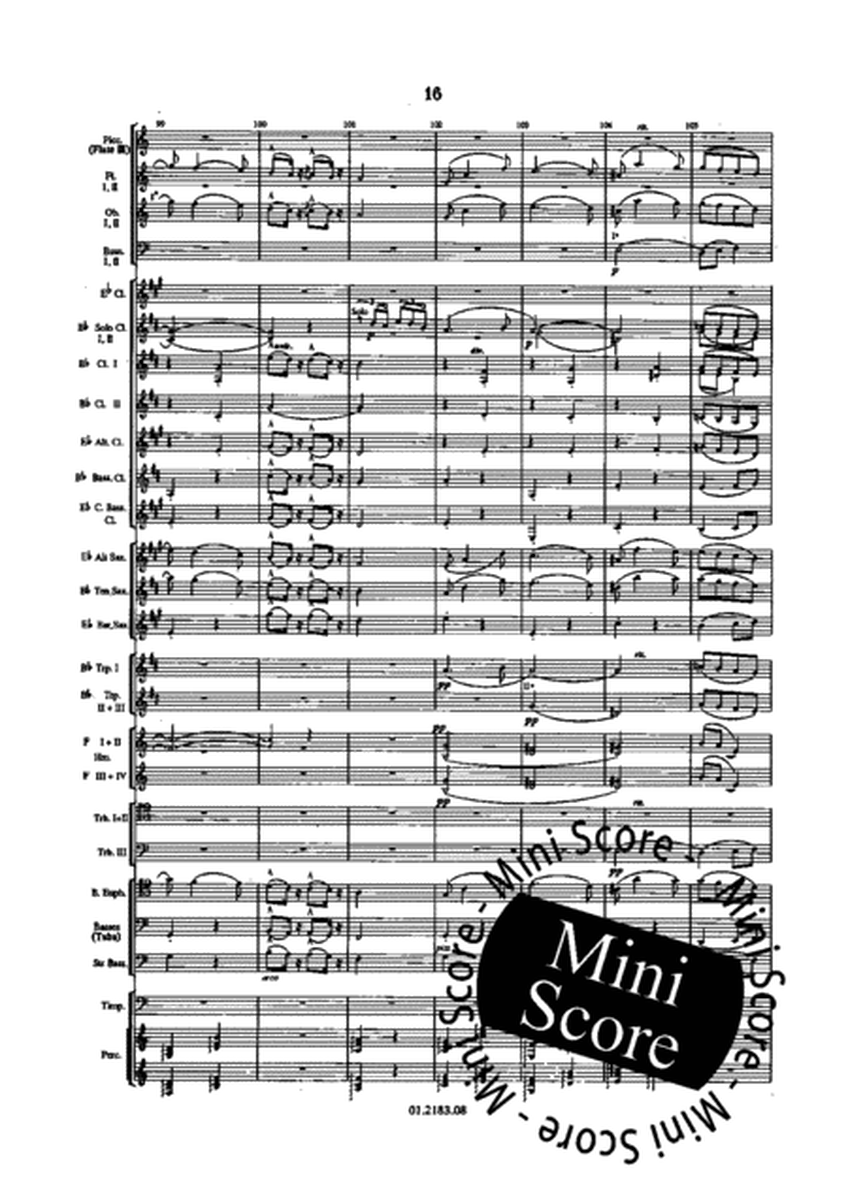
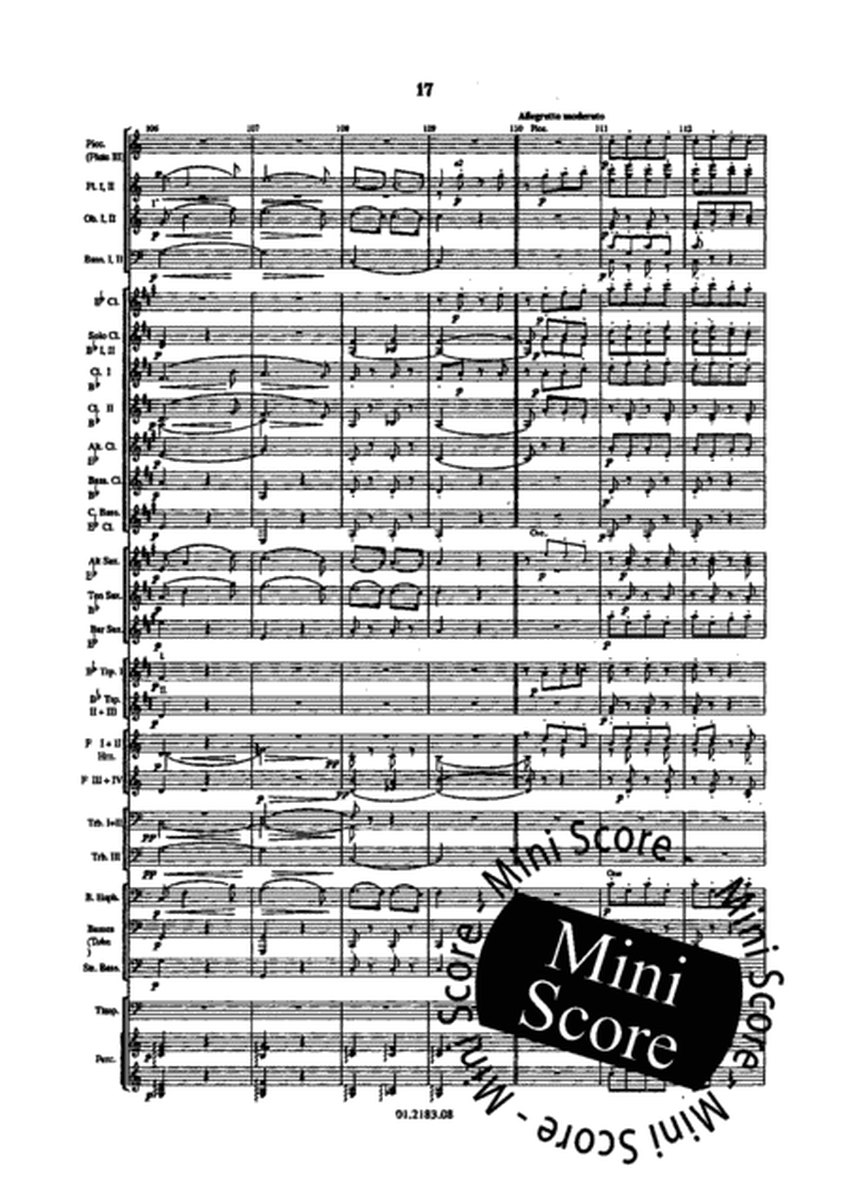
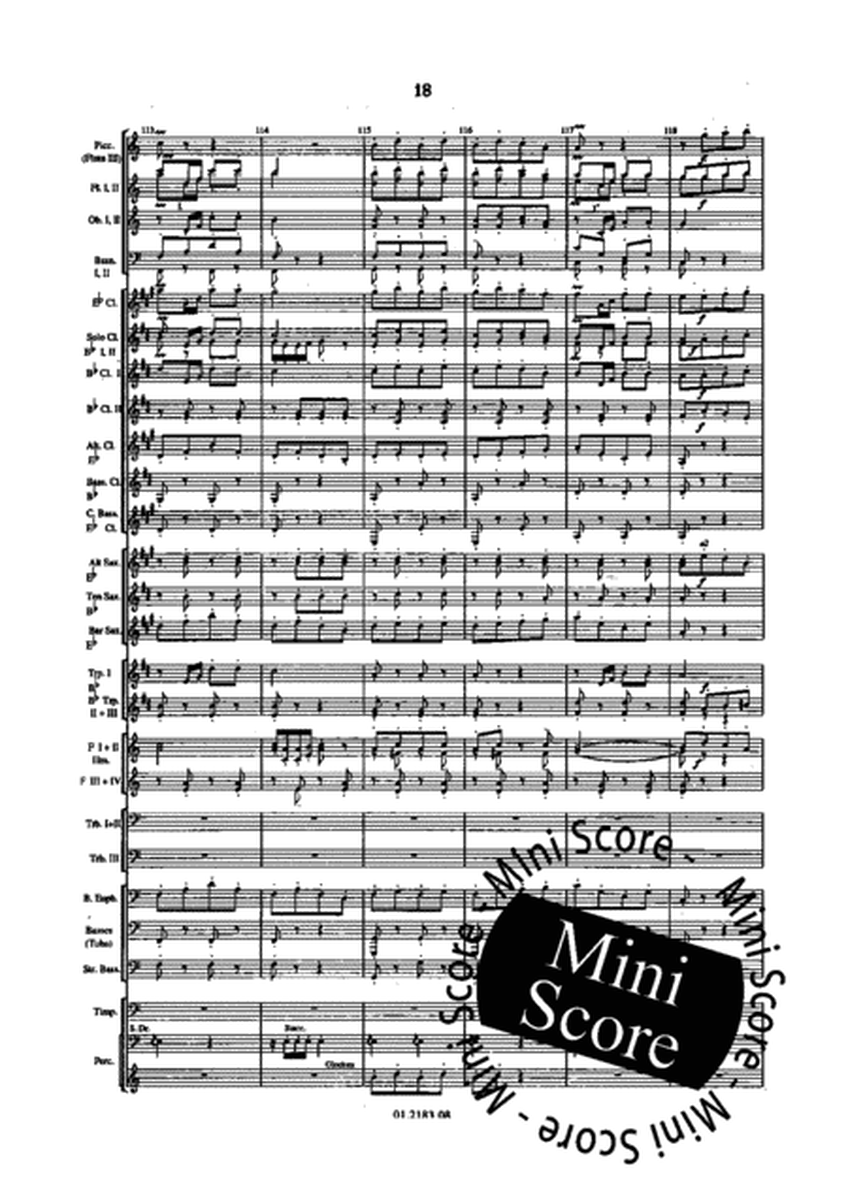
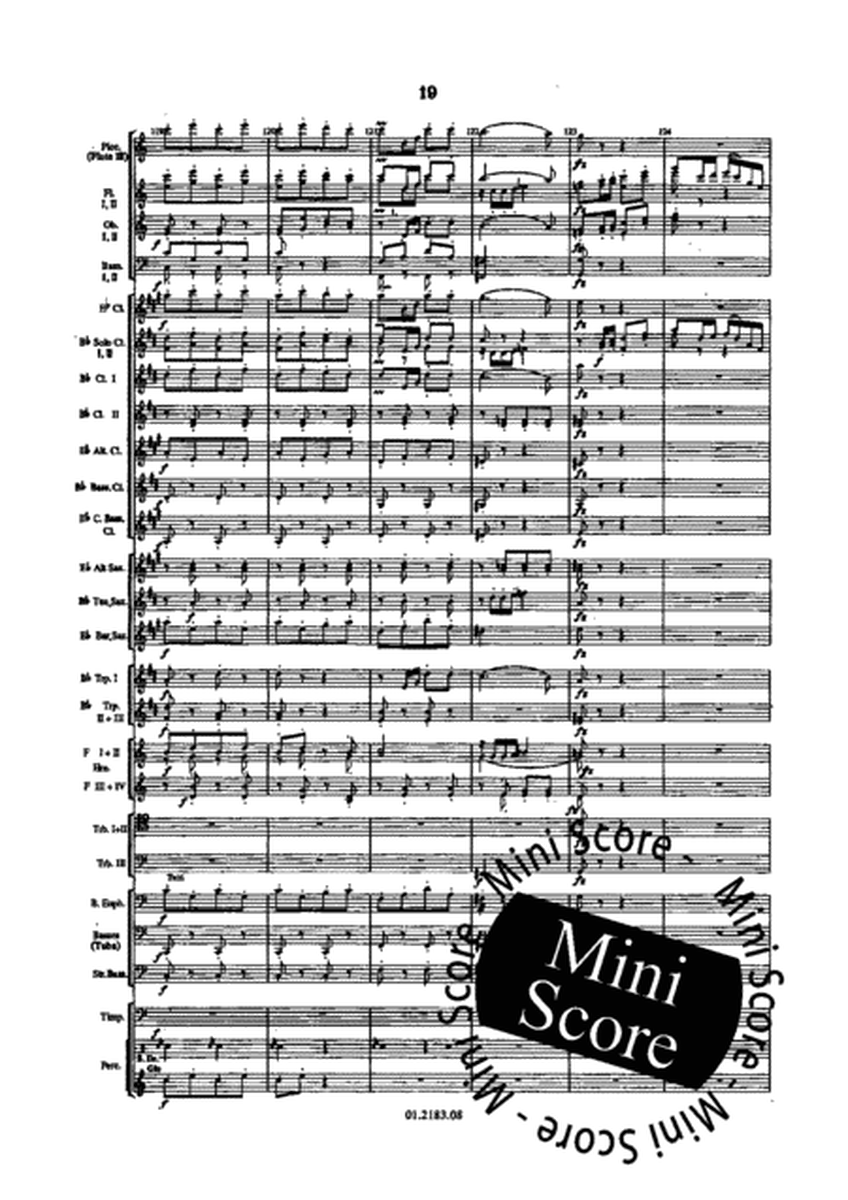
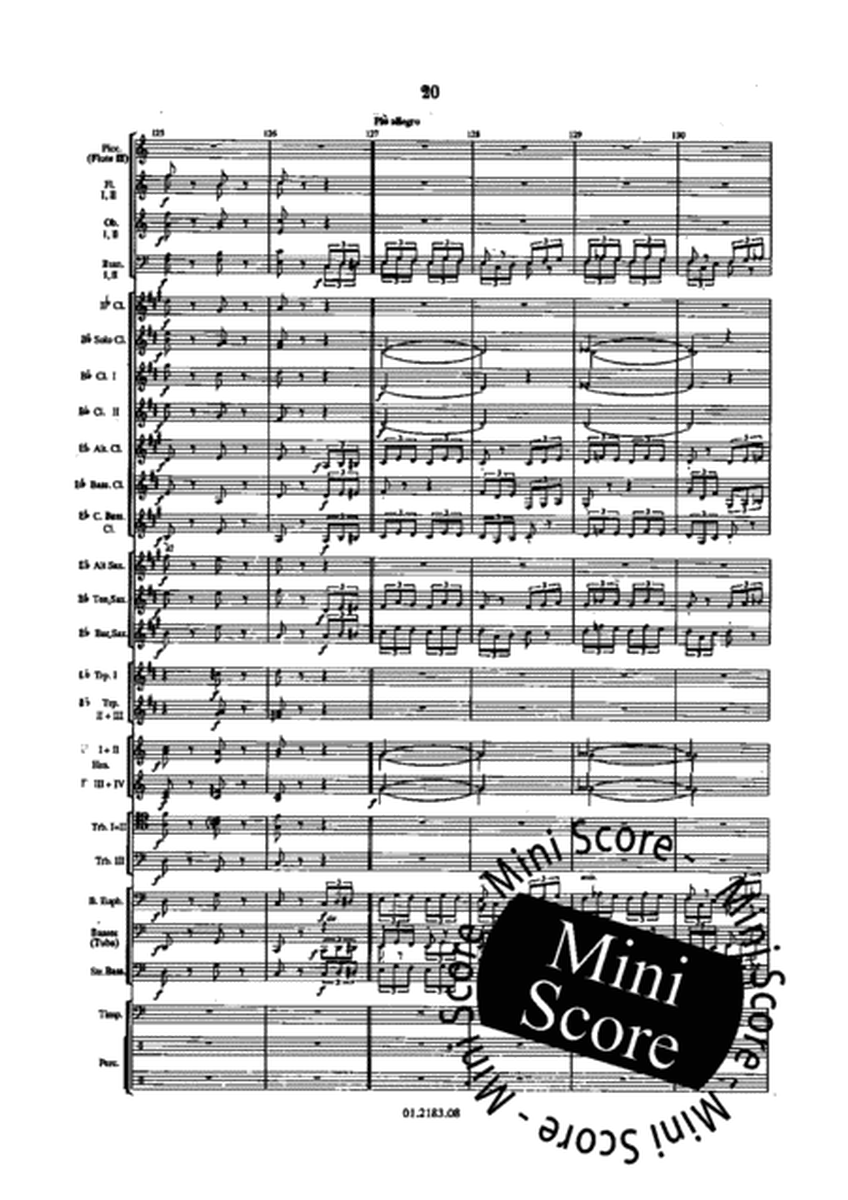
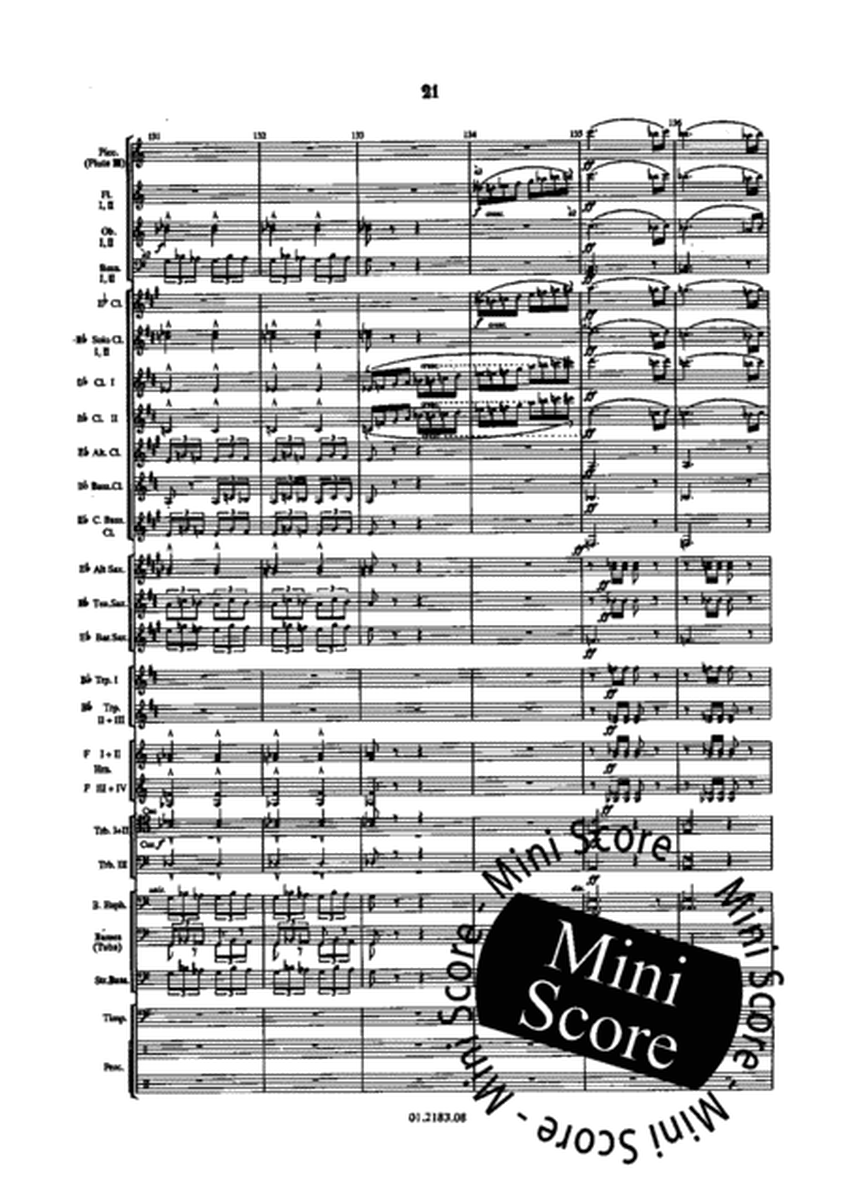
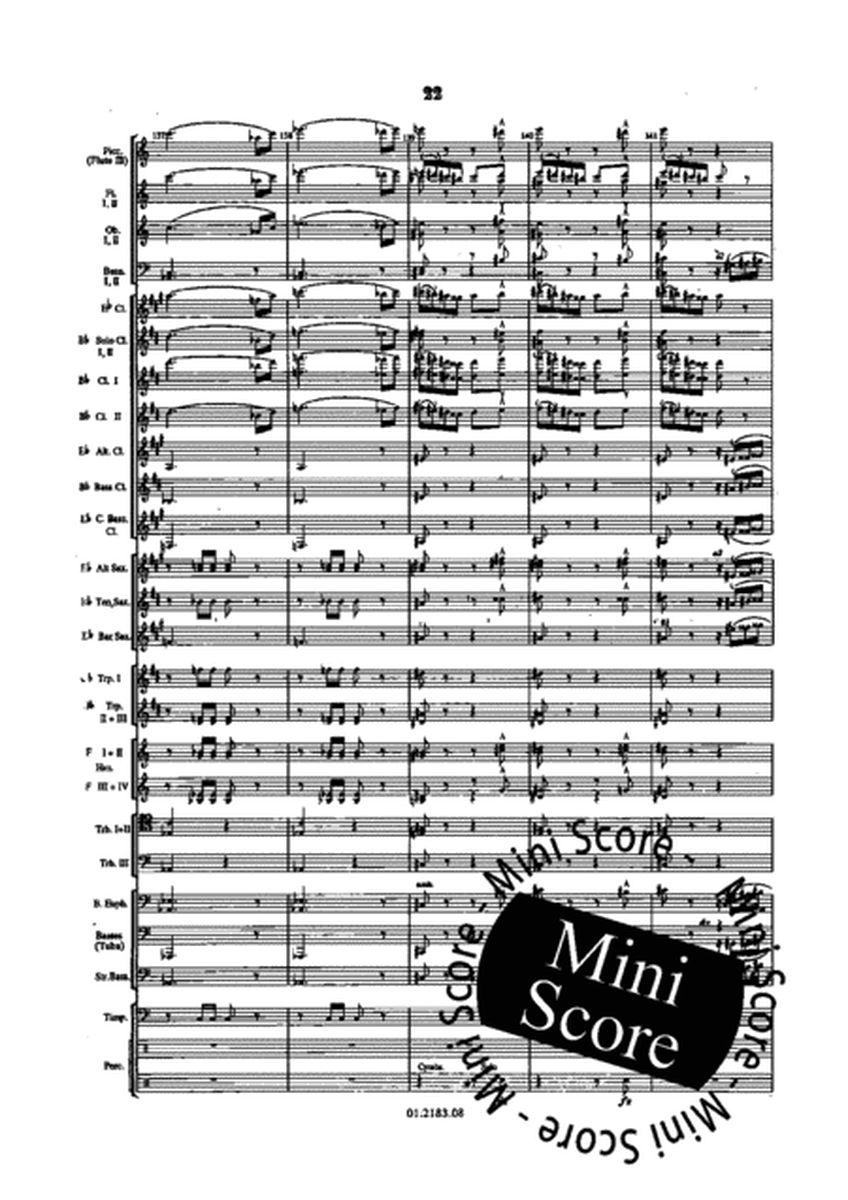
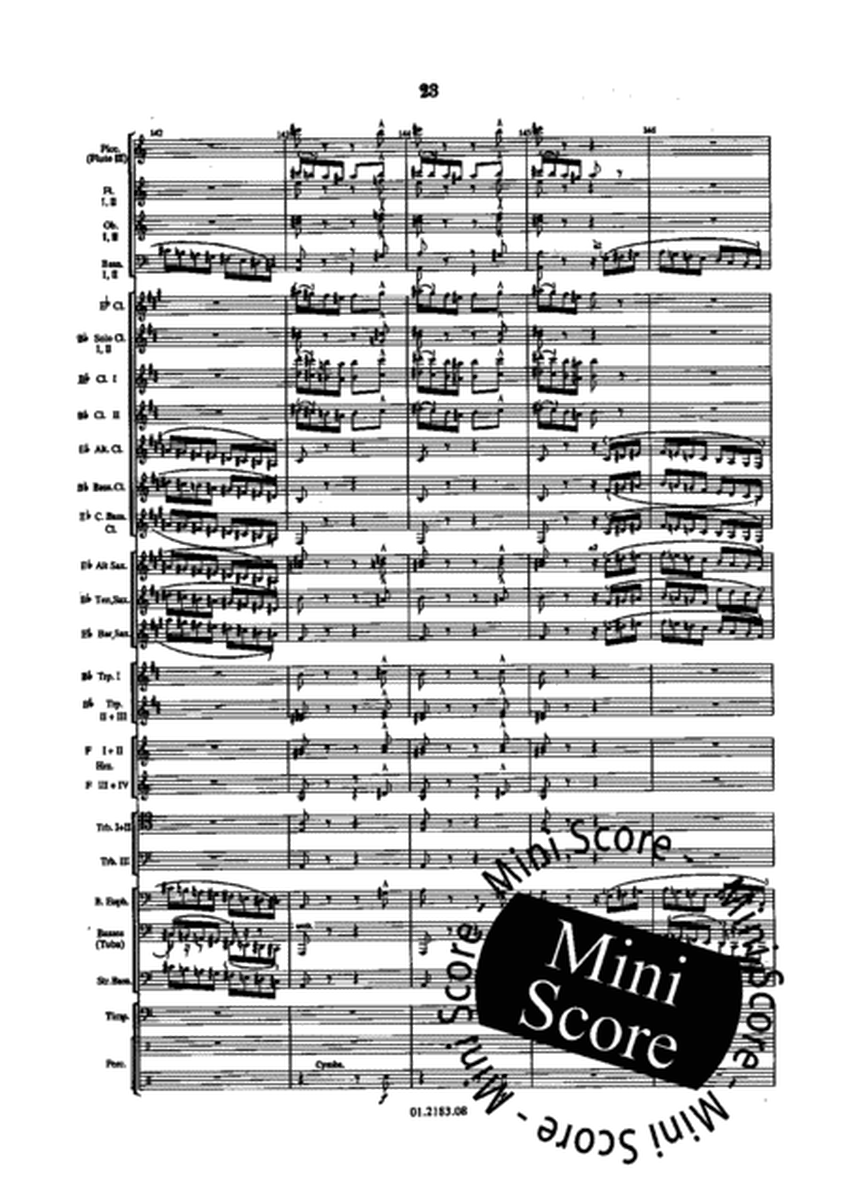
Der Zigeunerbaron
18224905
18224905
18224905
Copyright Material for Preview Only - Sheet Music Plus
Concert Band - Grade 4
SKU: ML.012183080-S
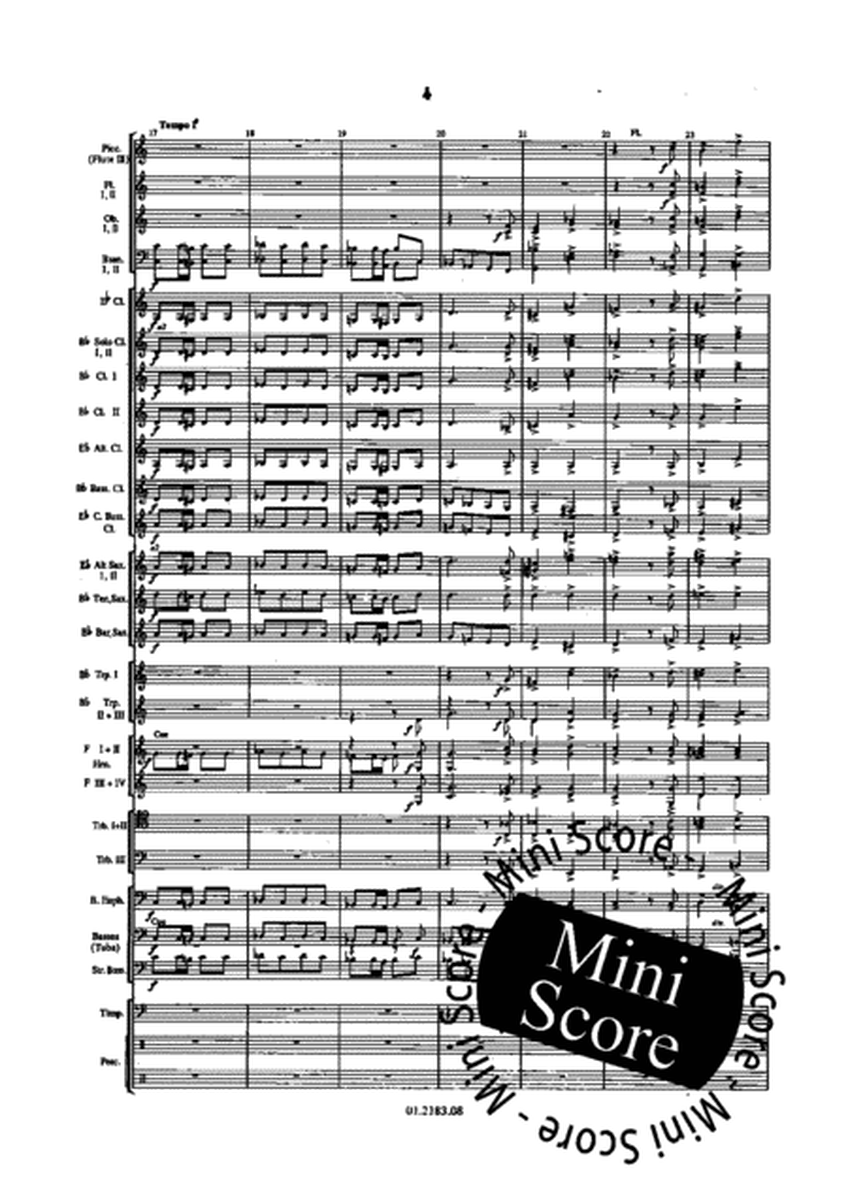
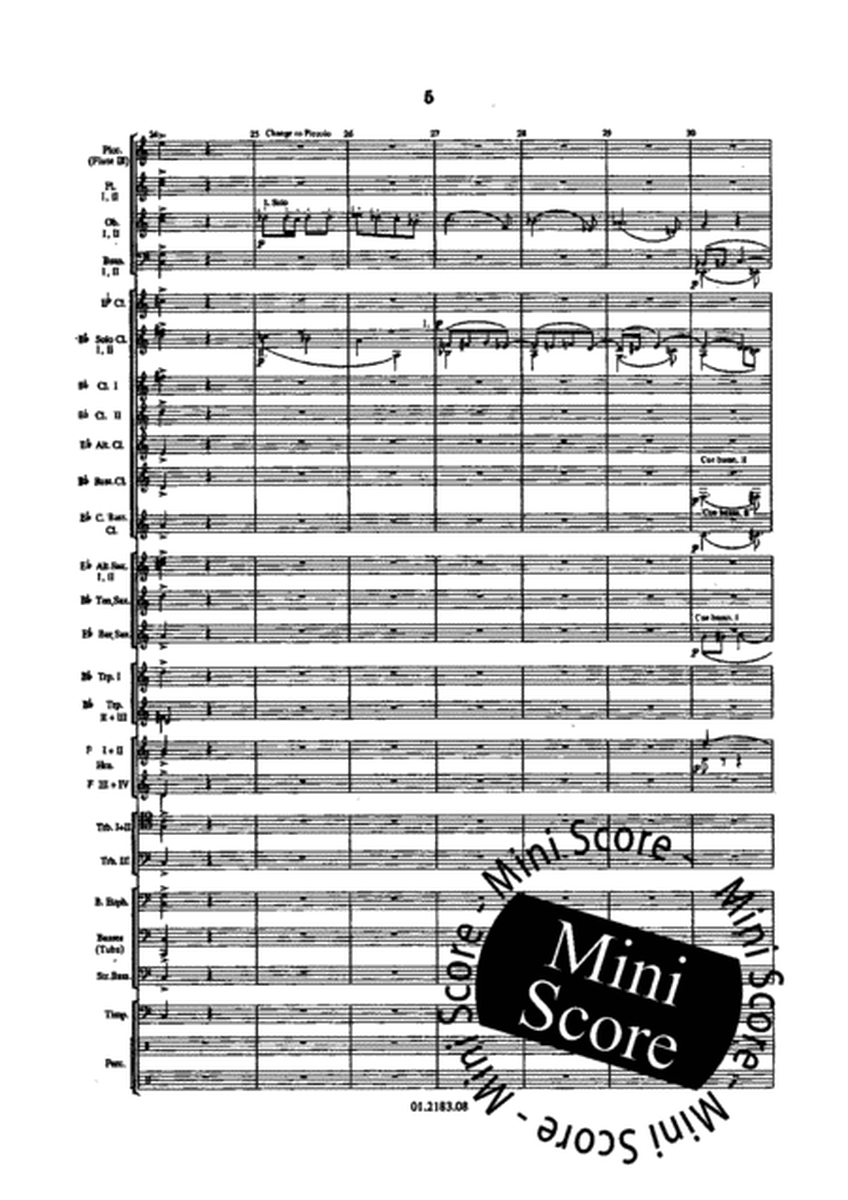
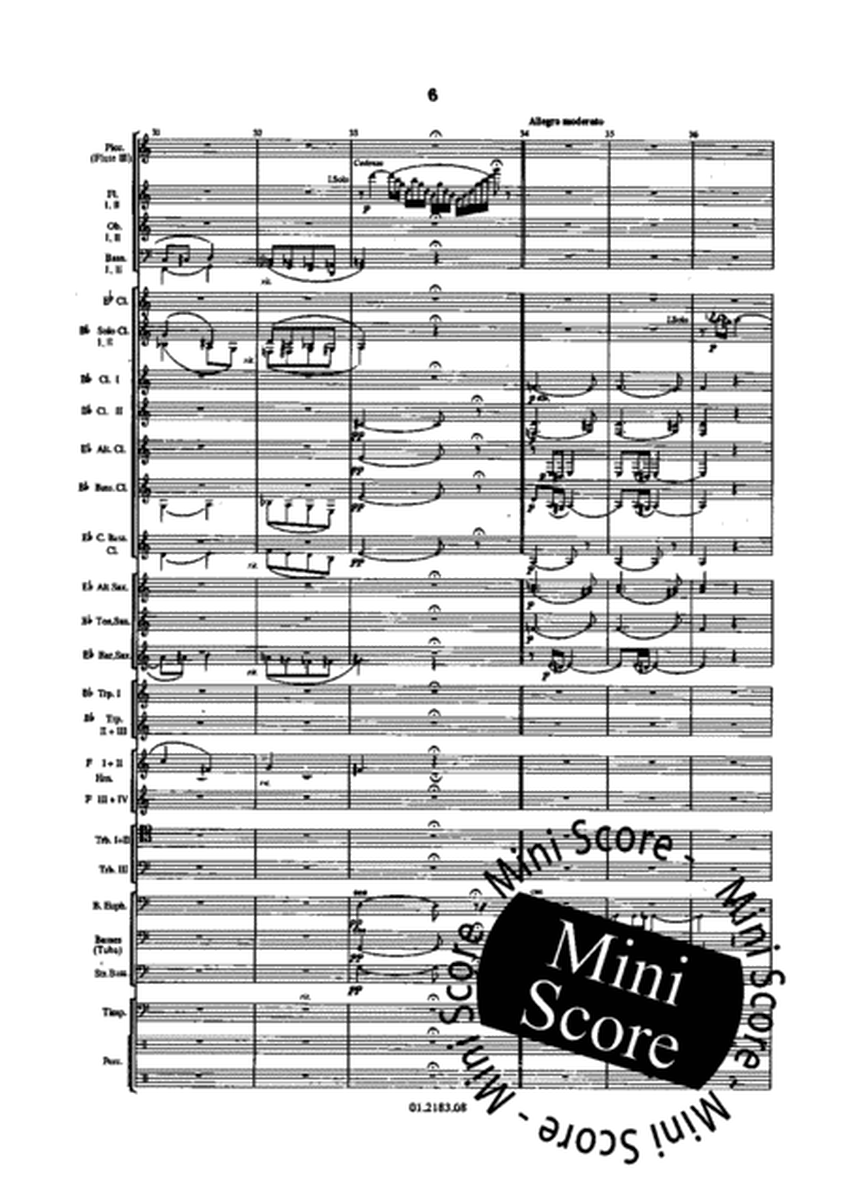
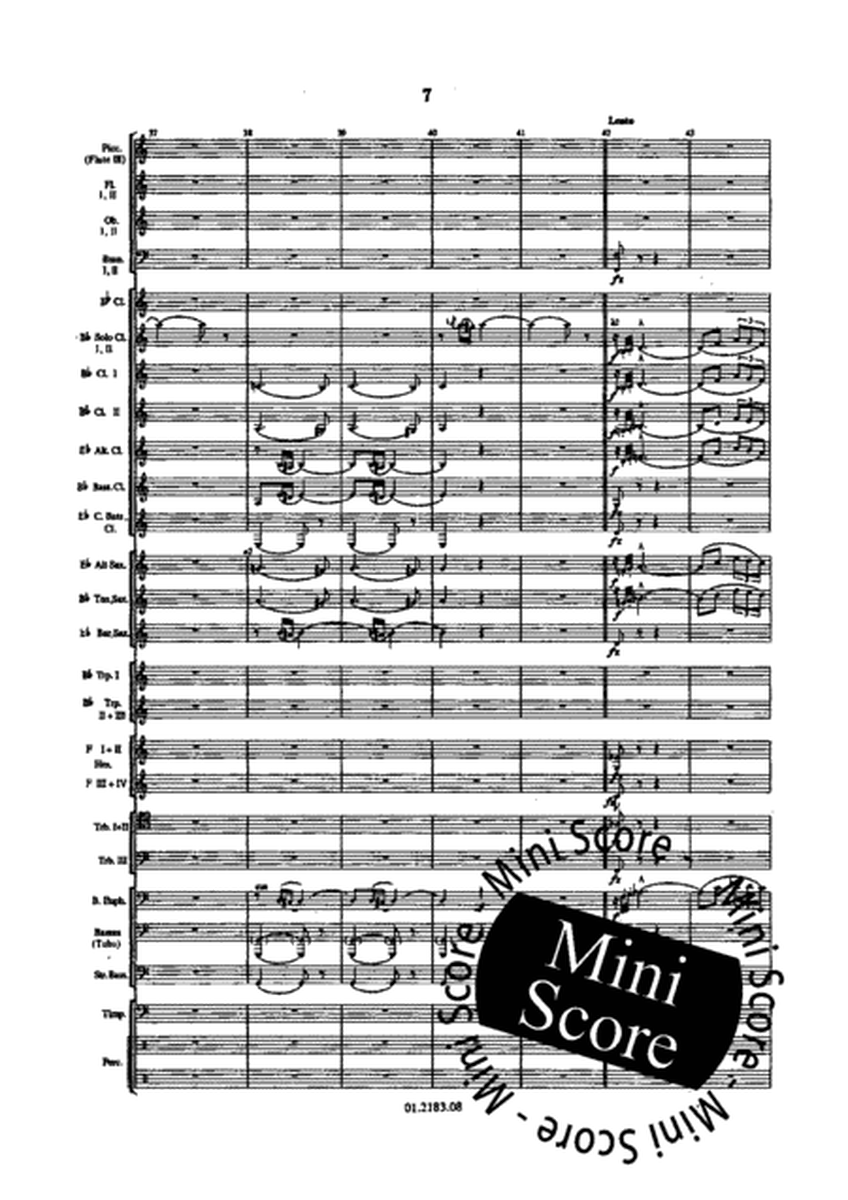
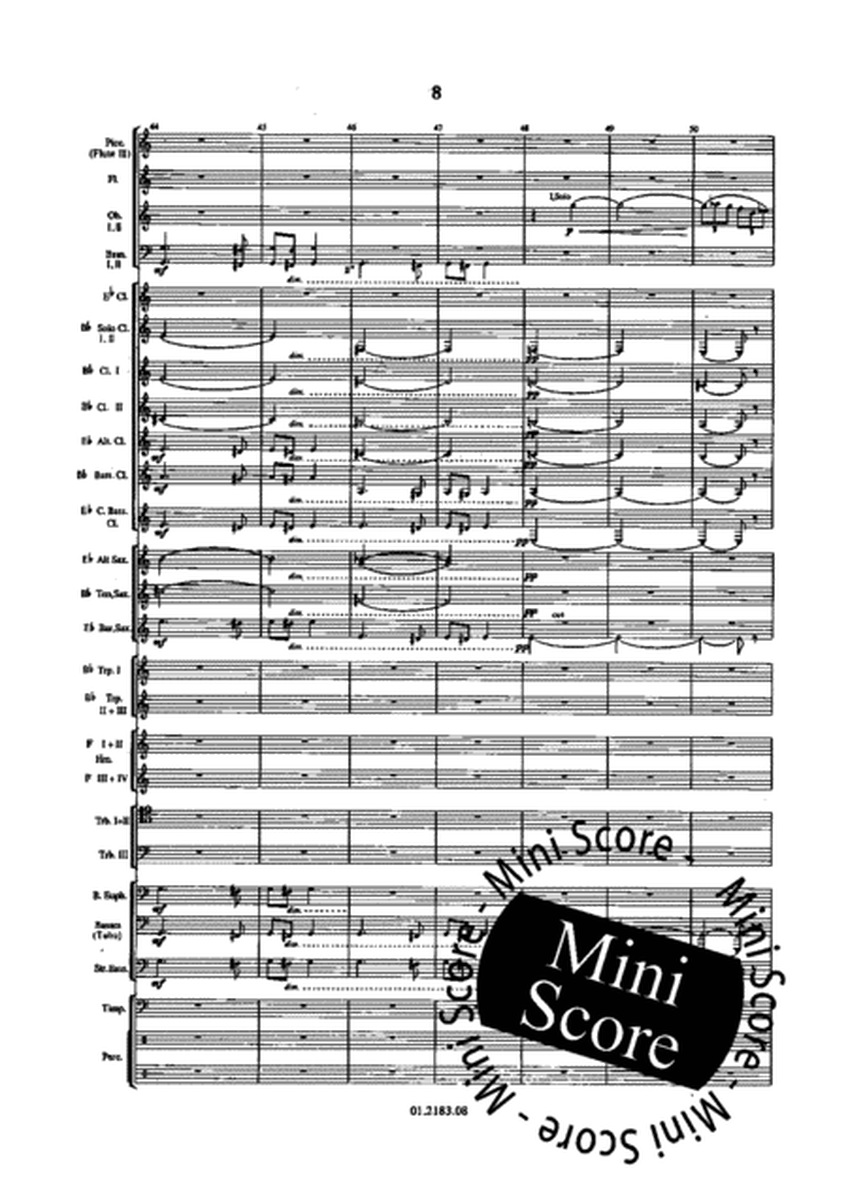
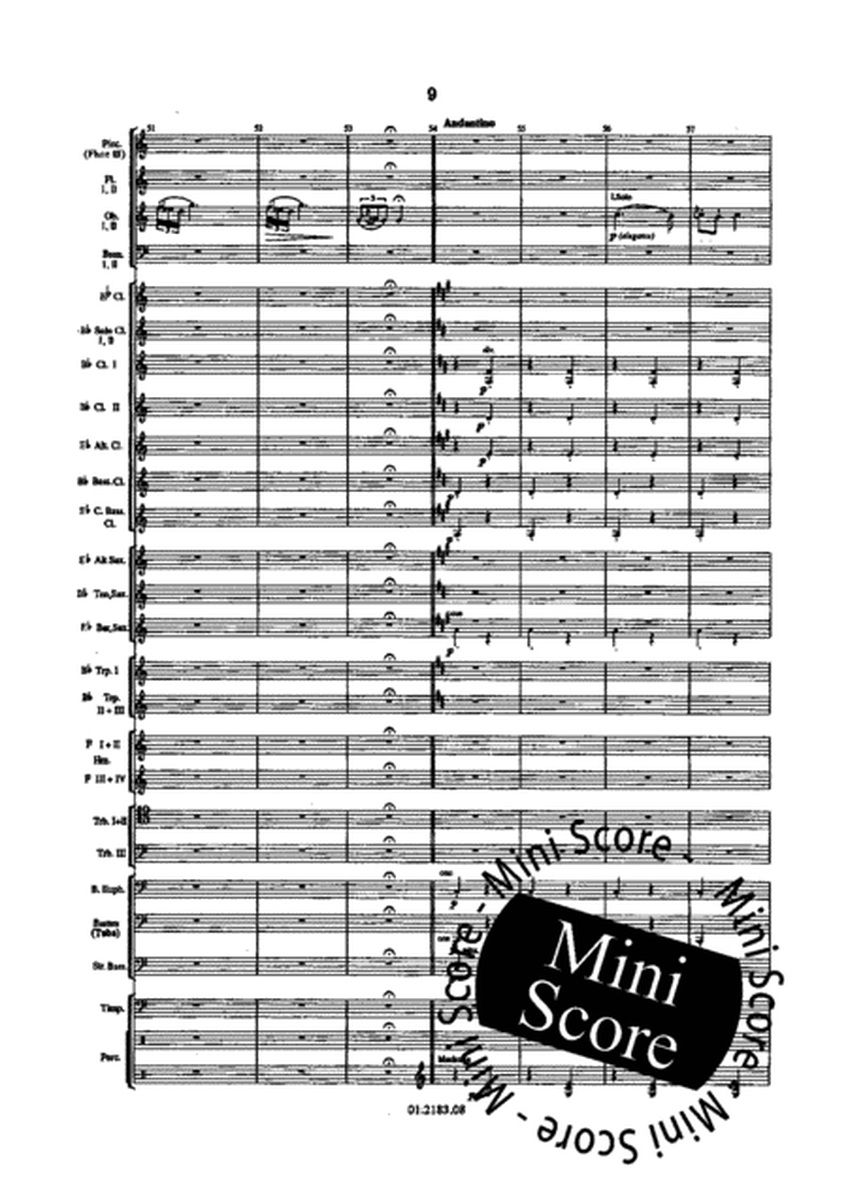
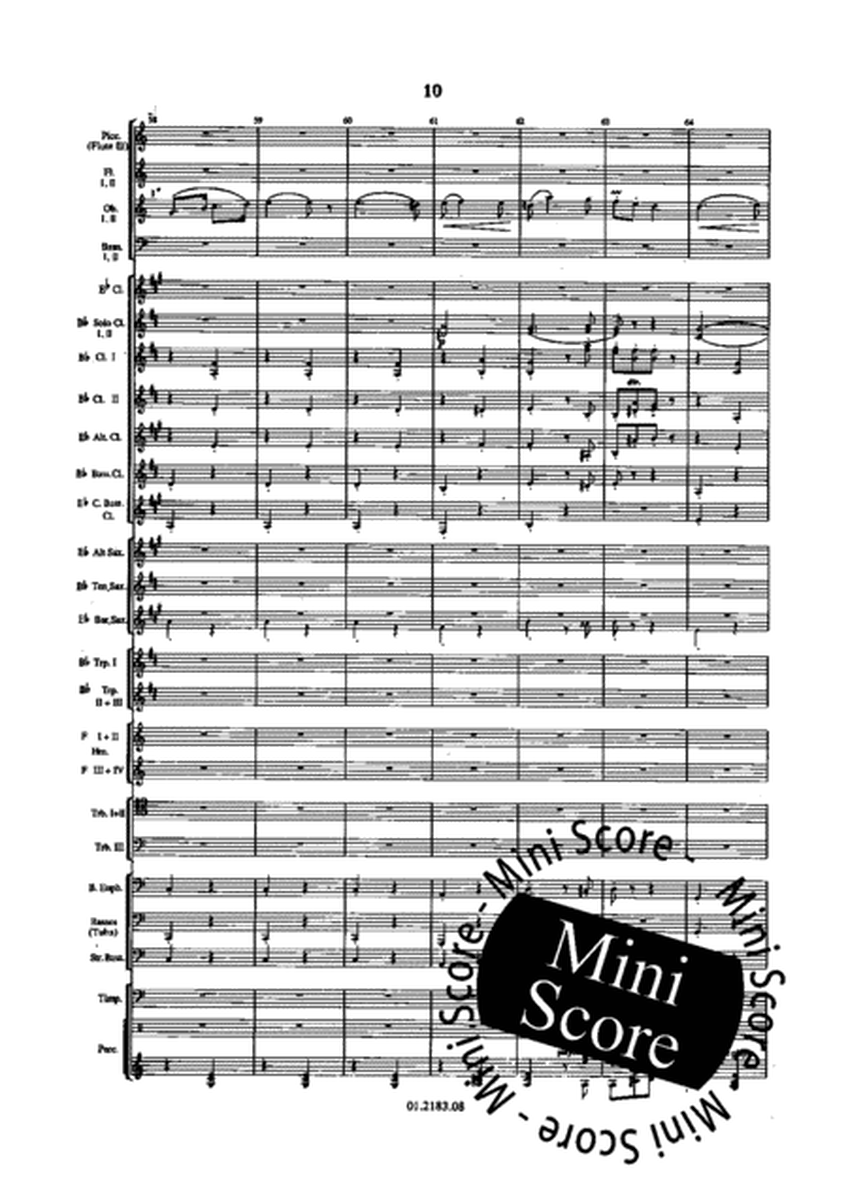
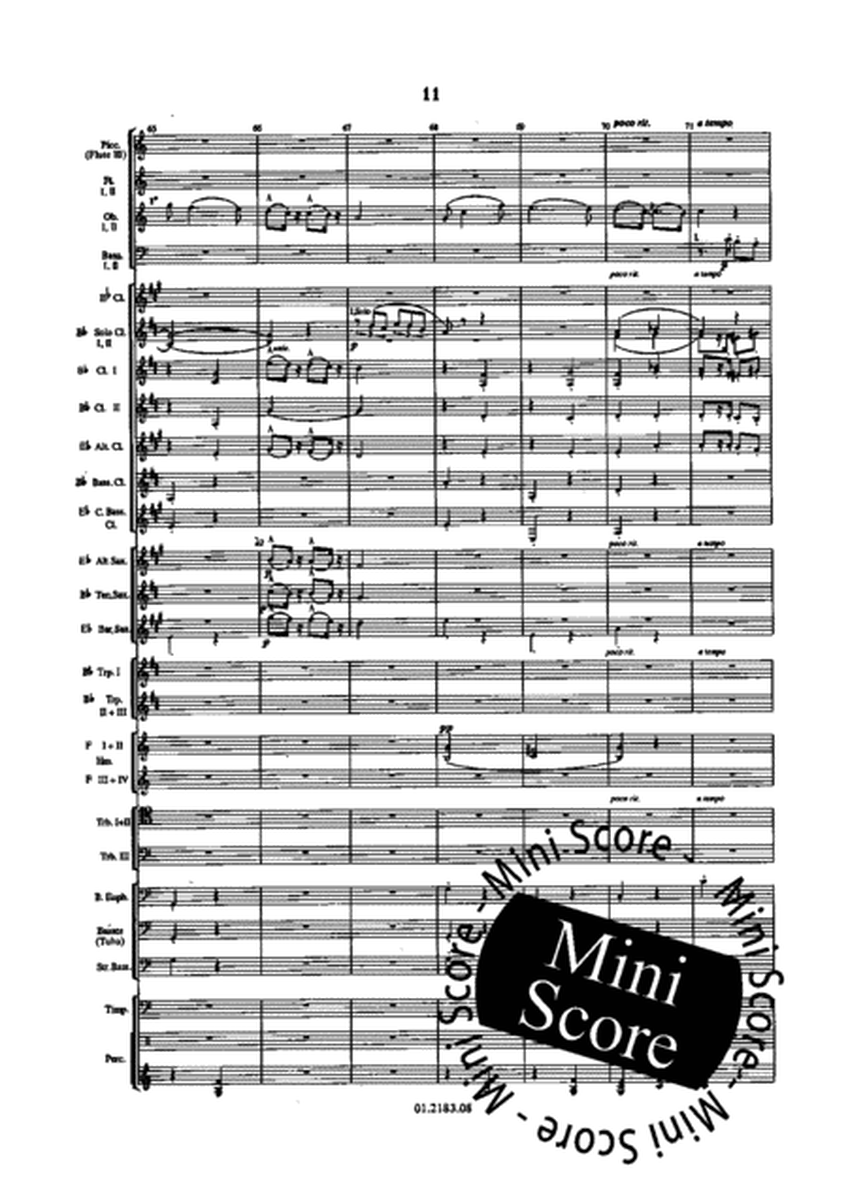
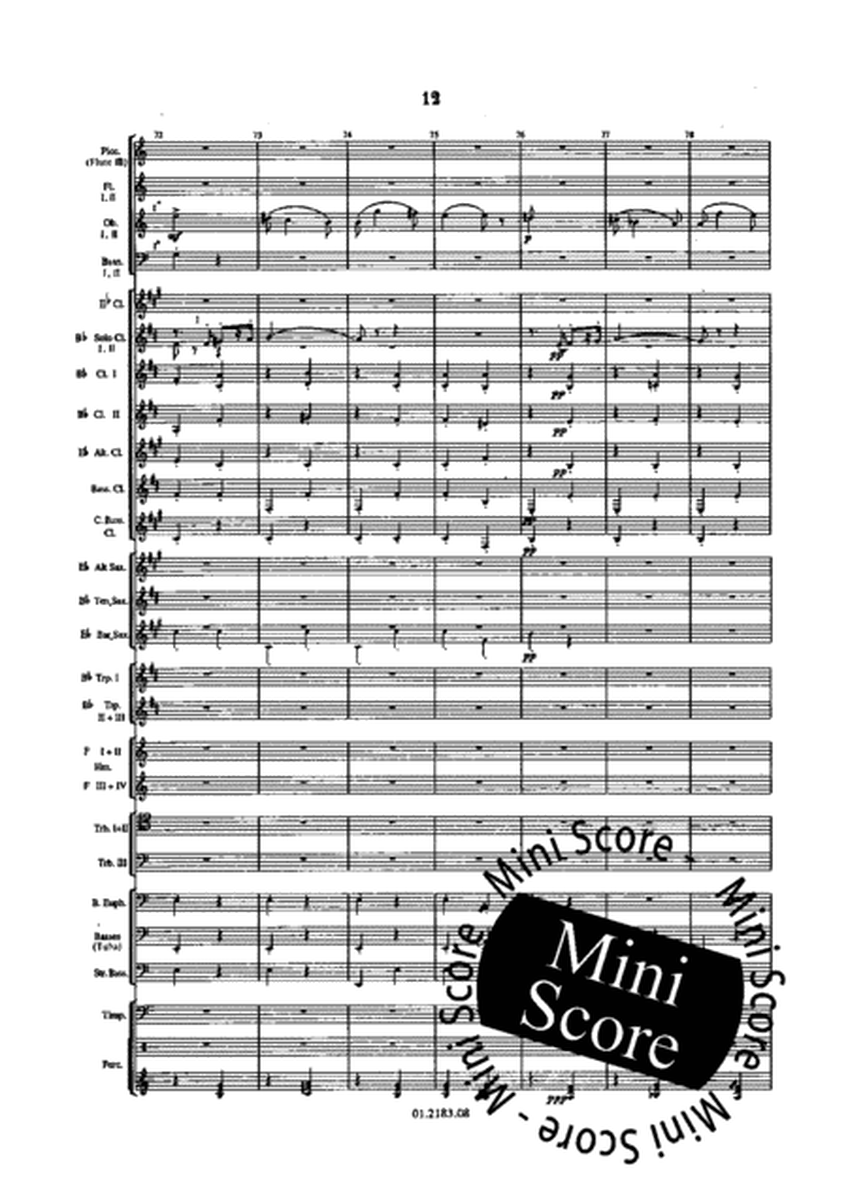
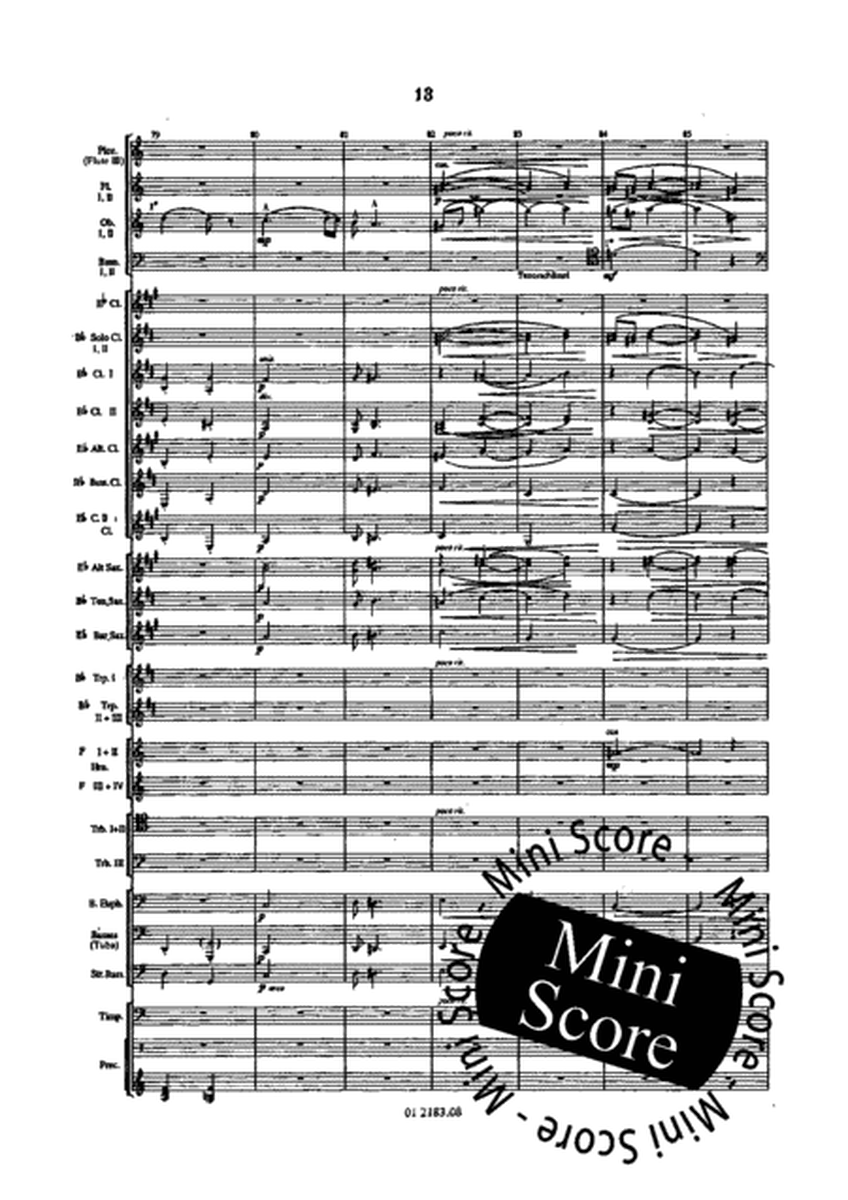
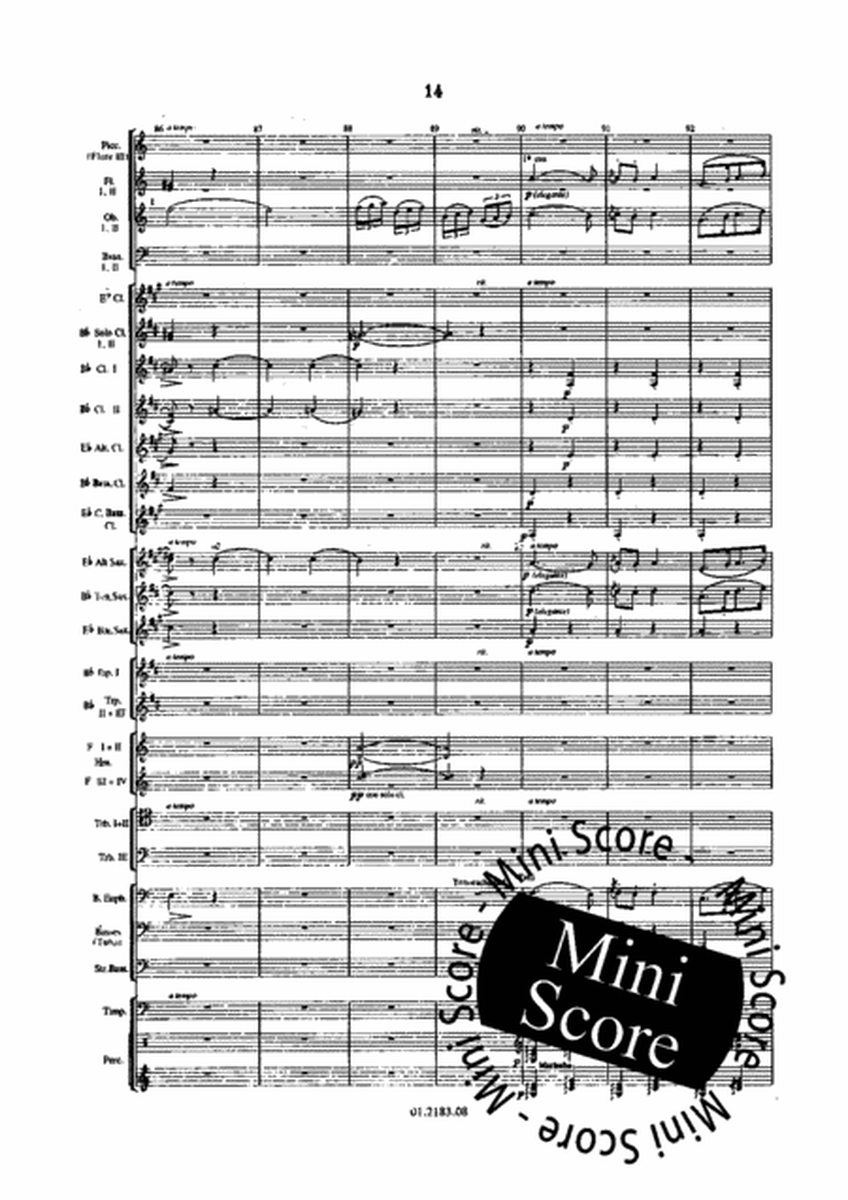
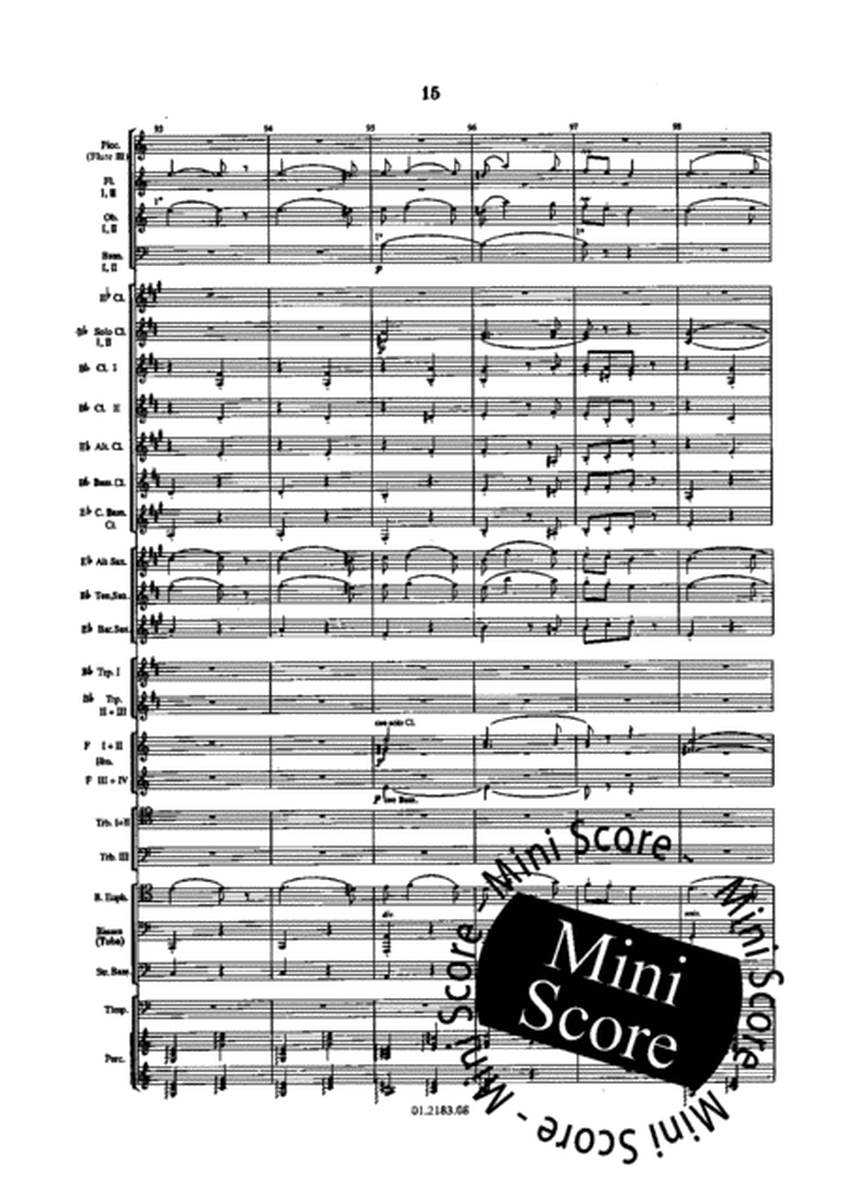
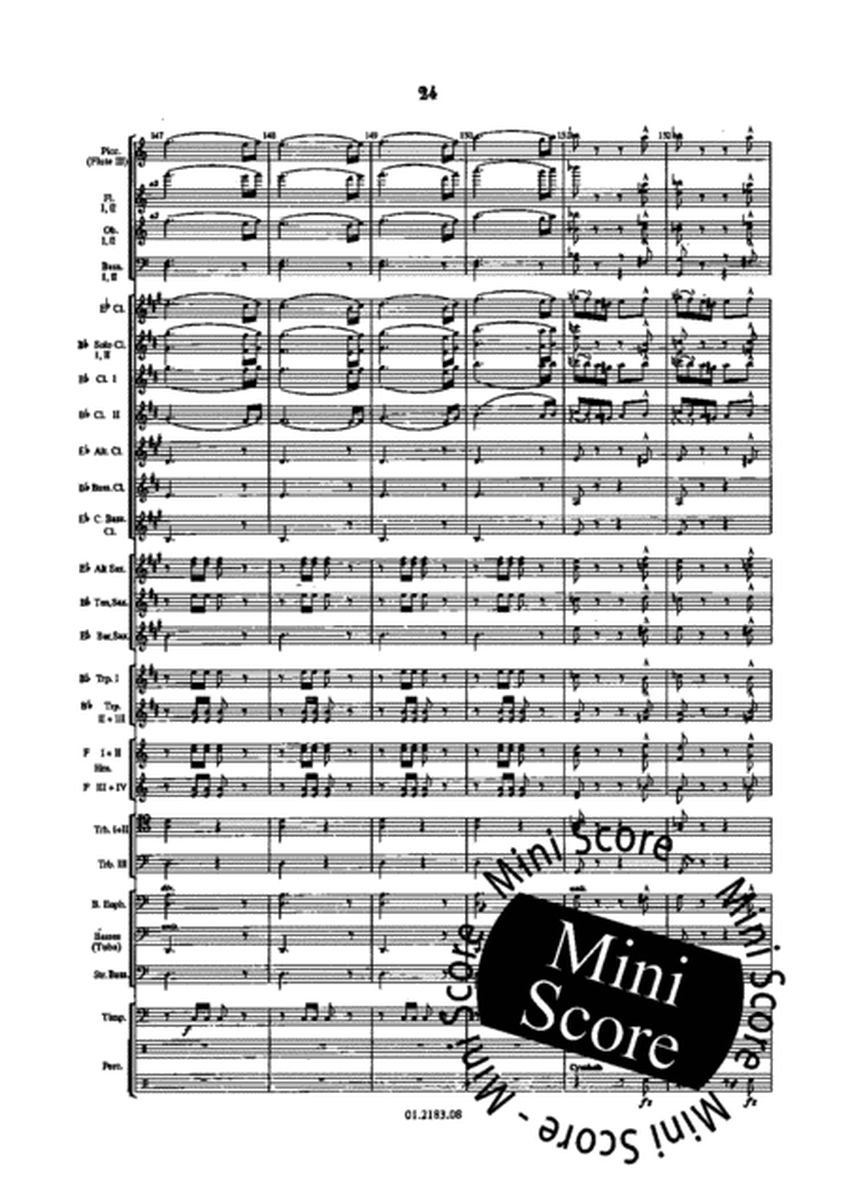
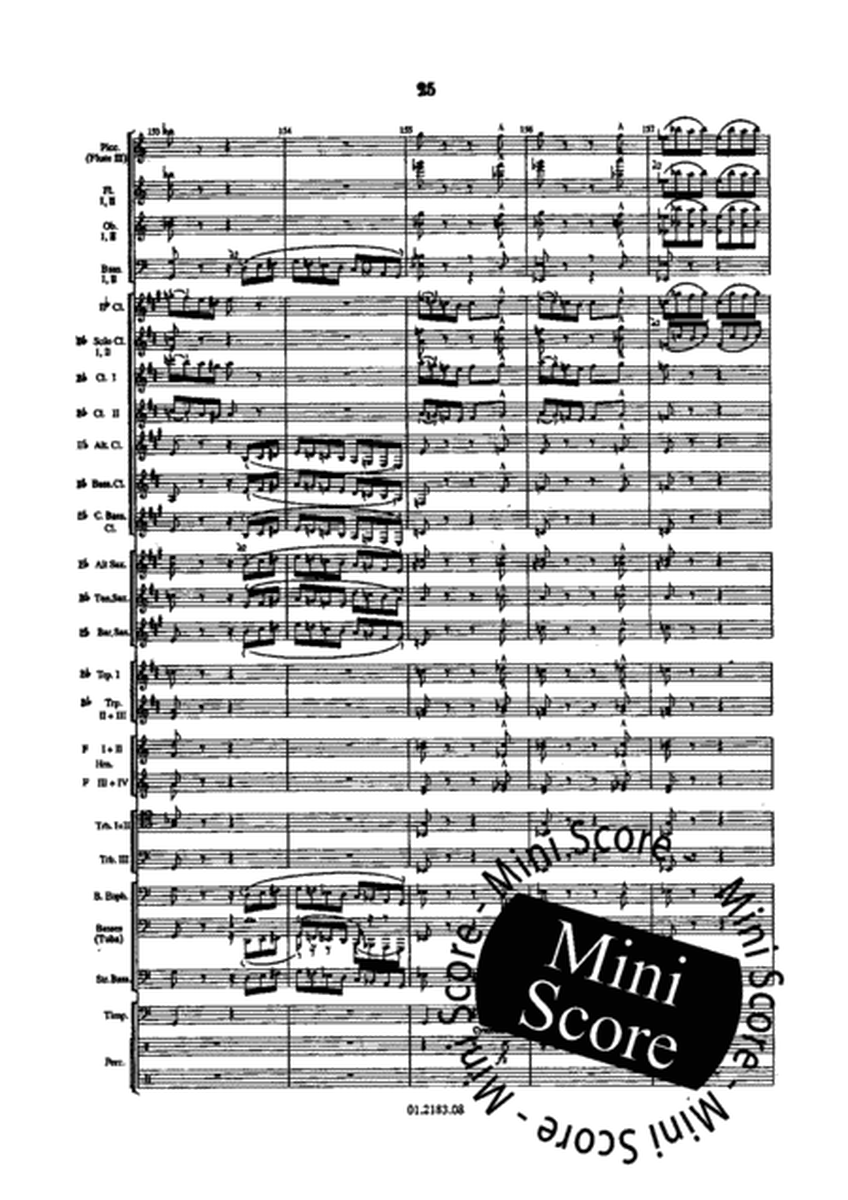
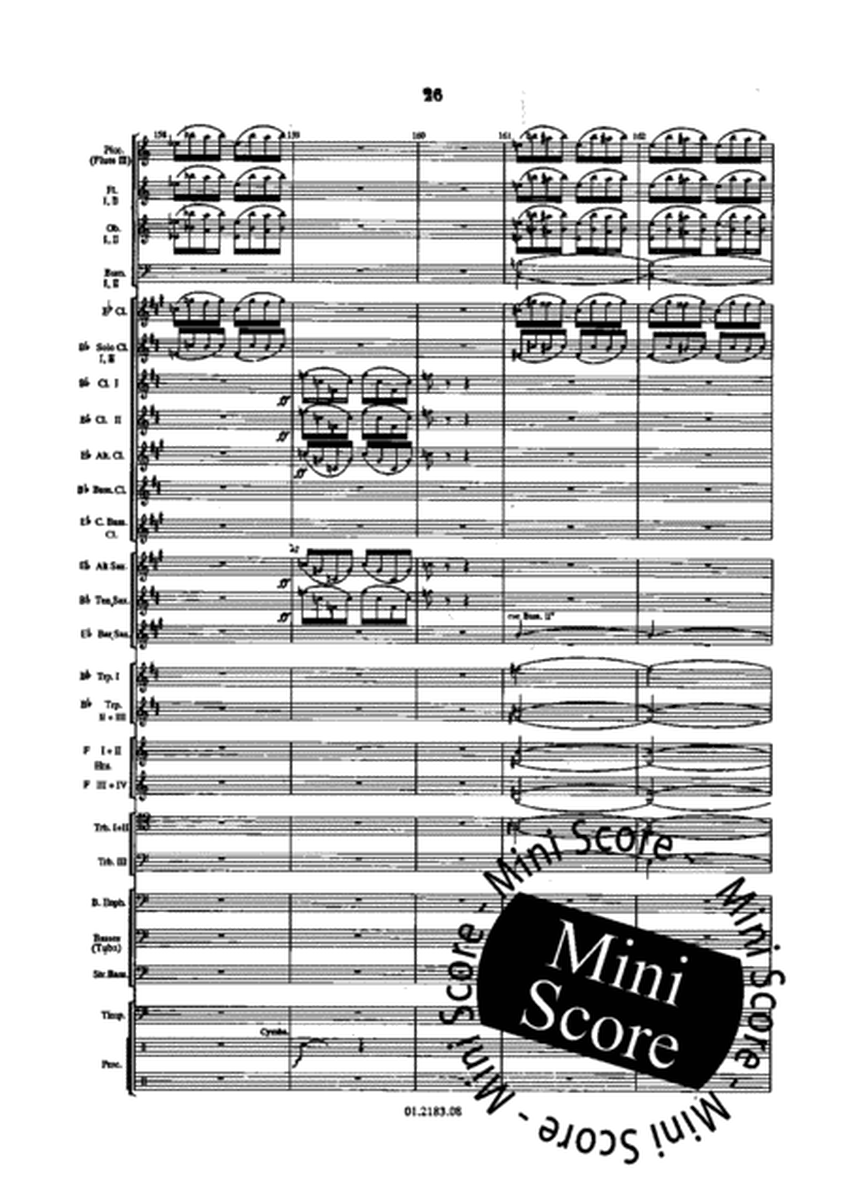
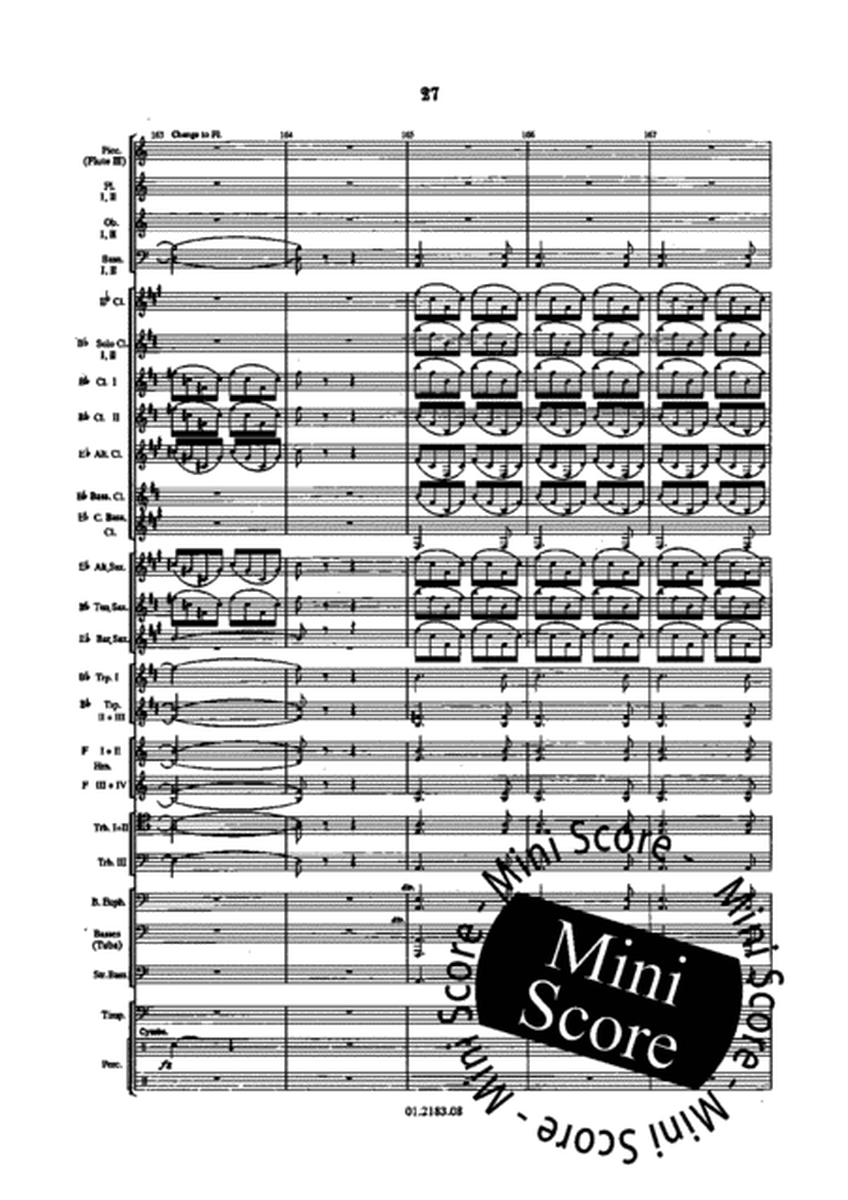
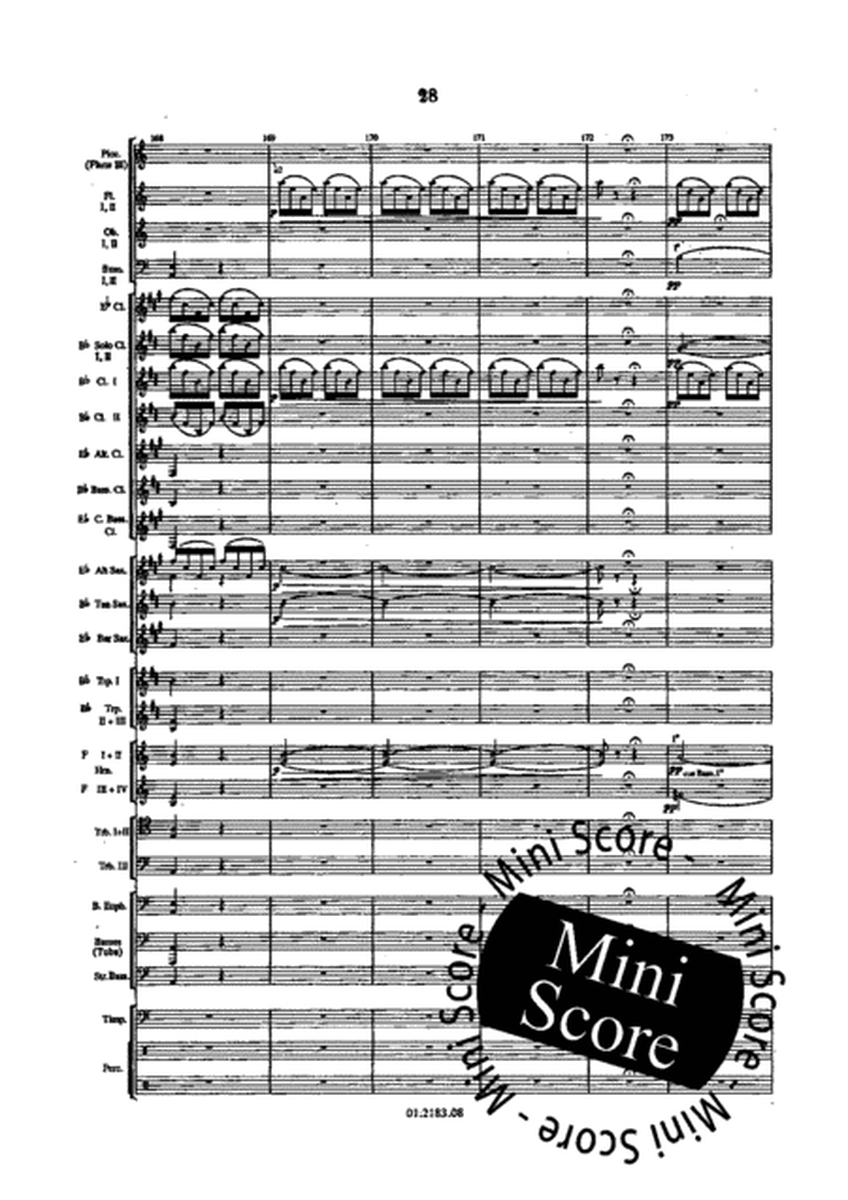
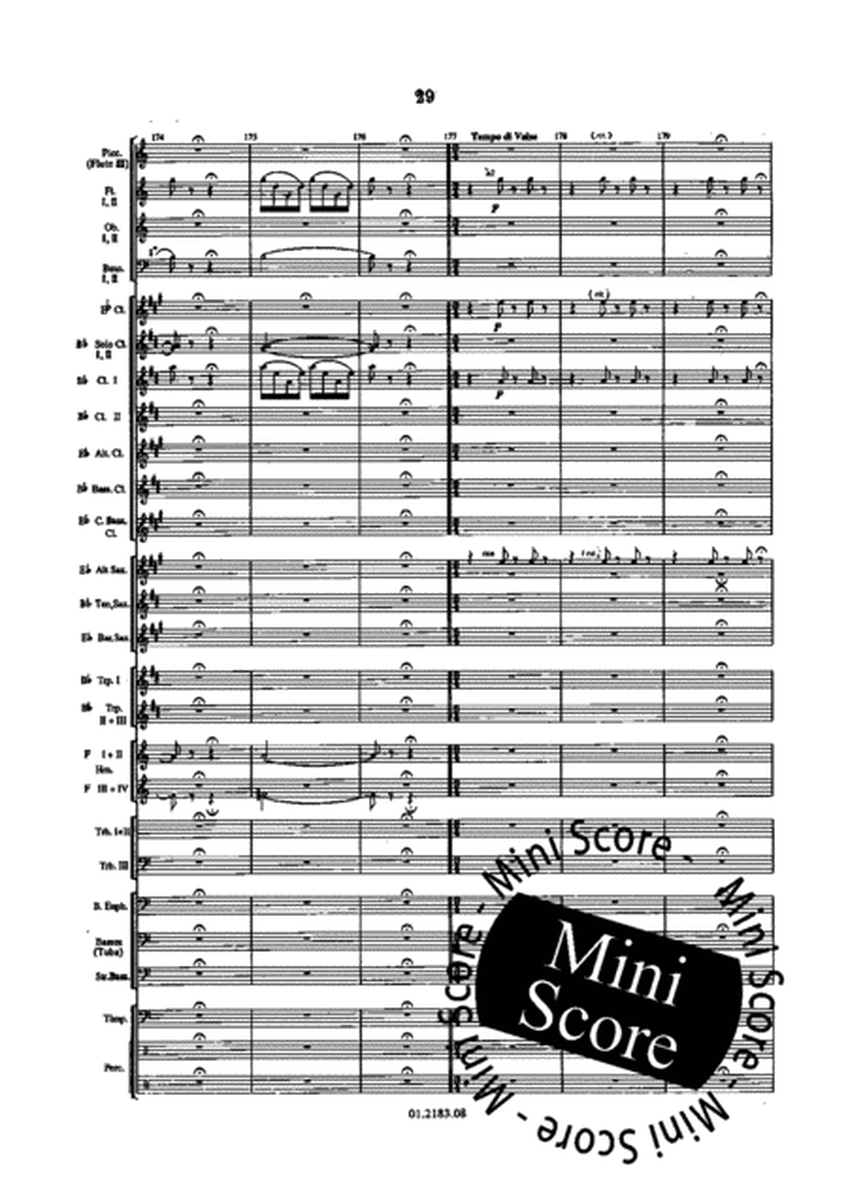
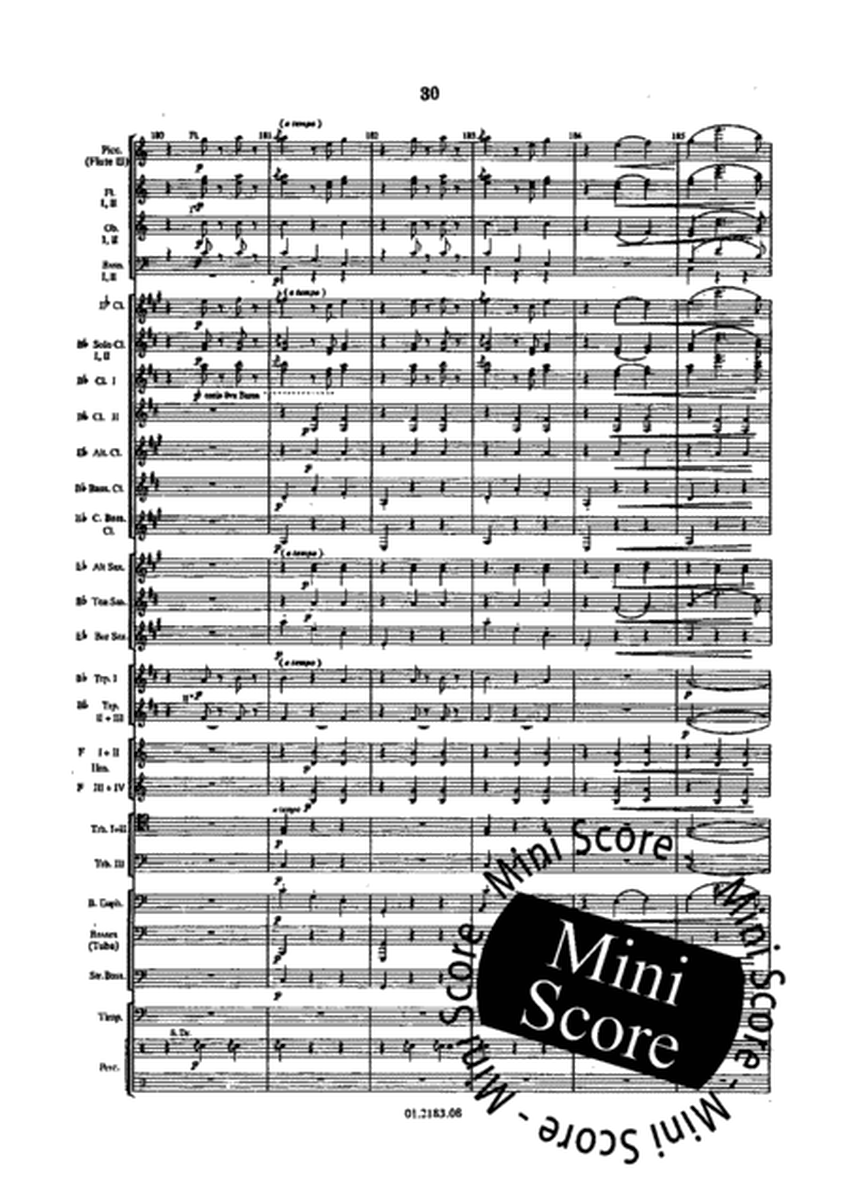
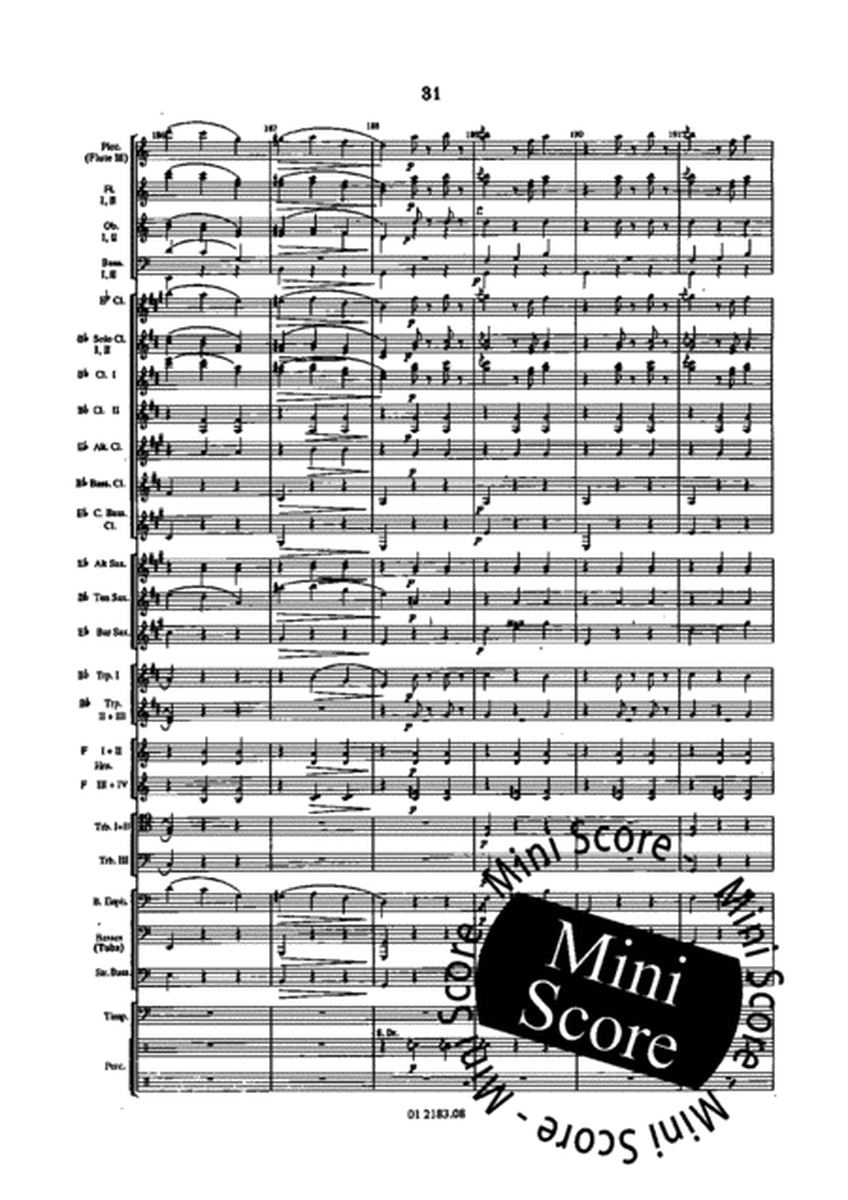
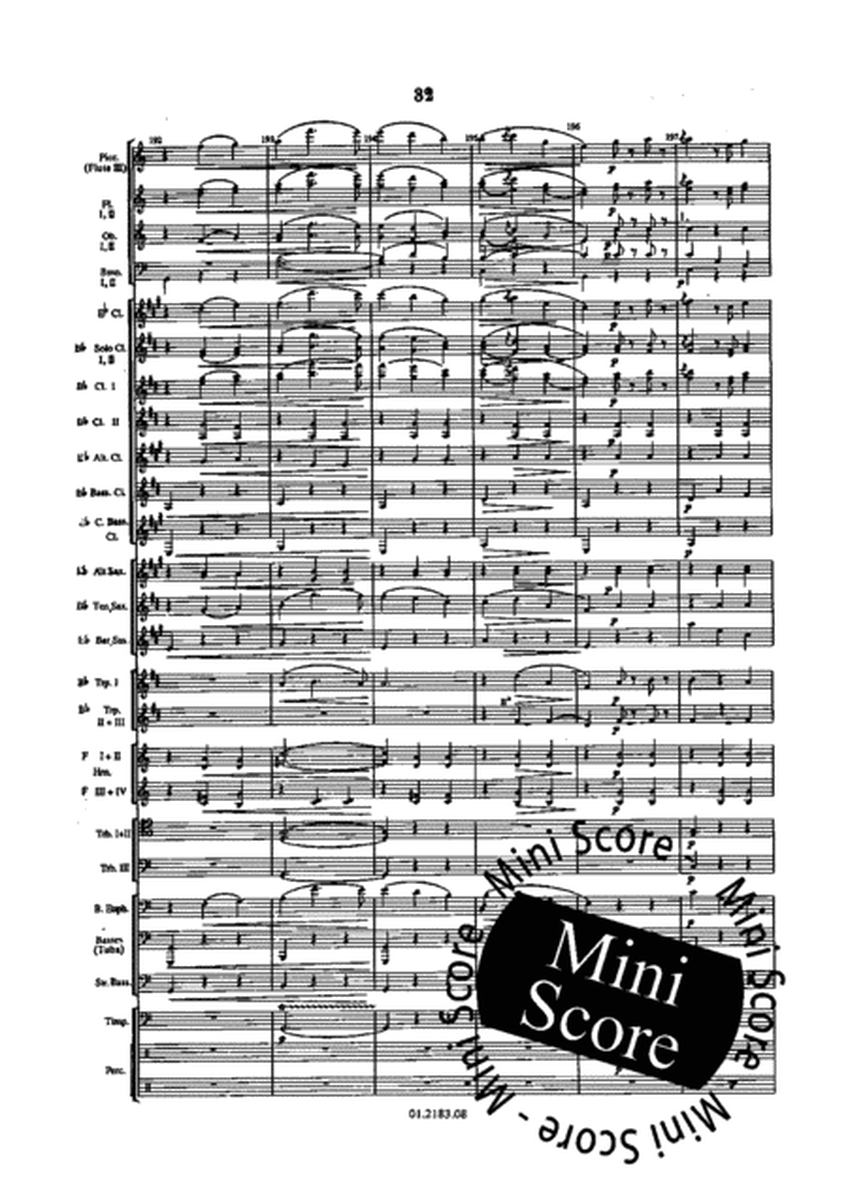
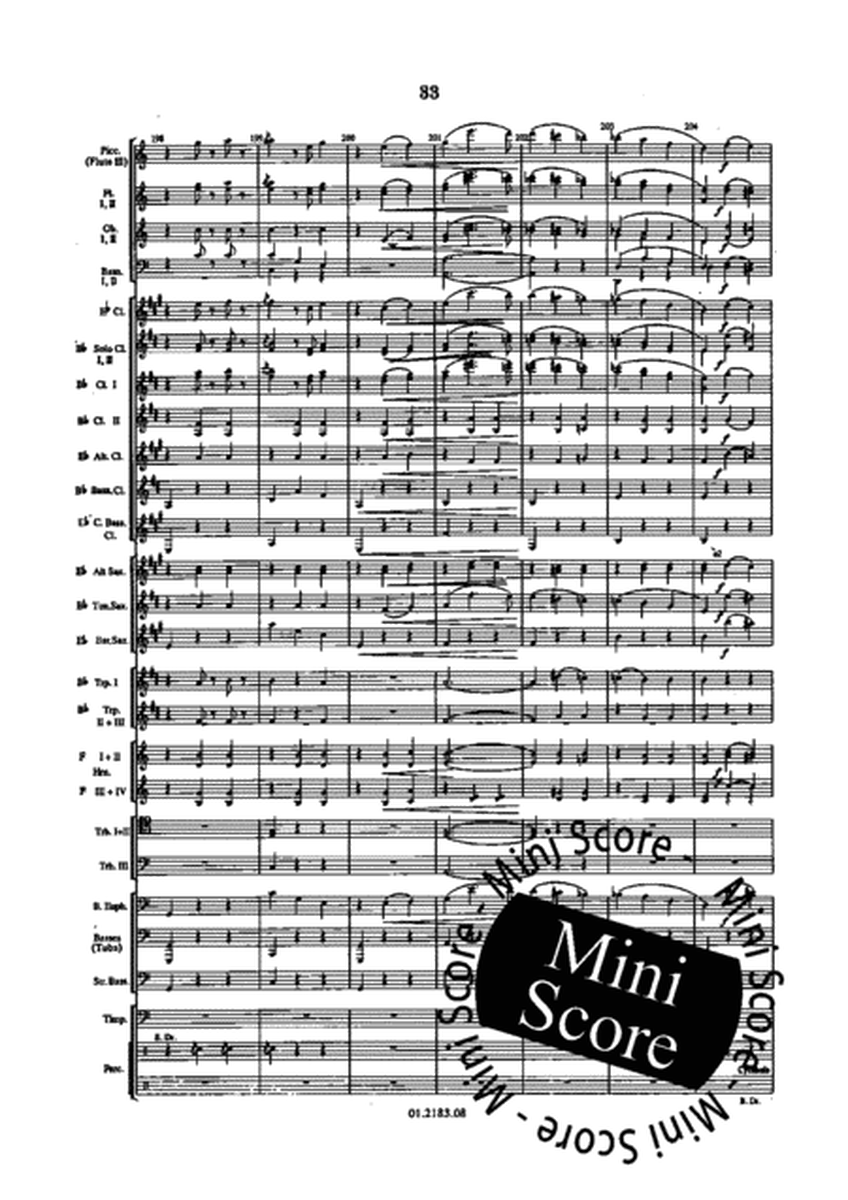
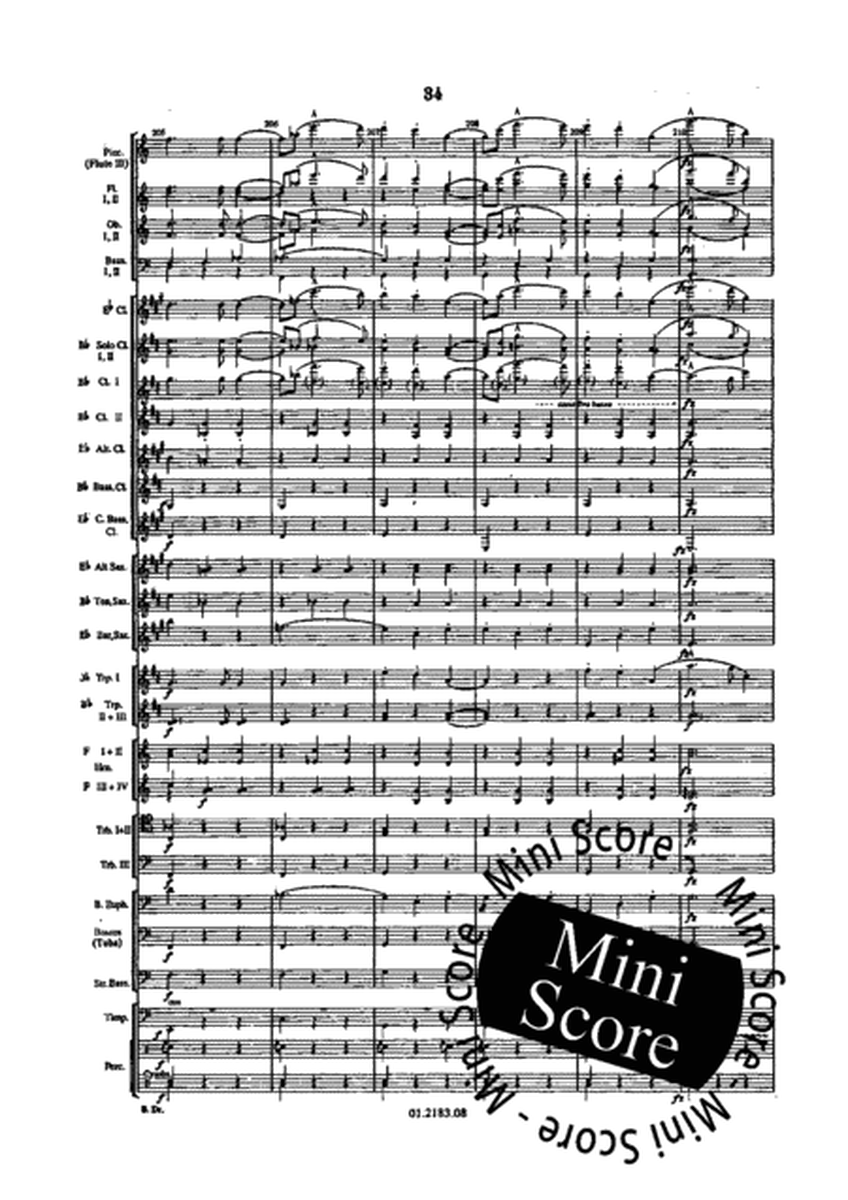
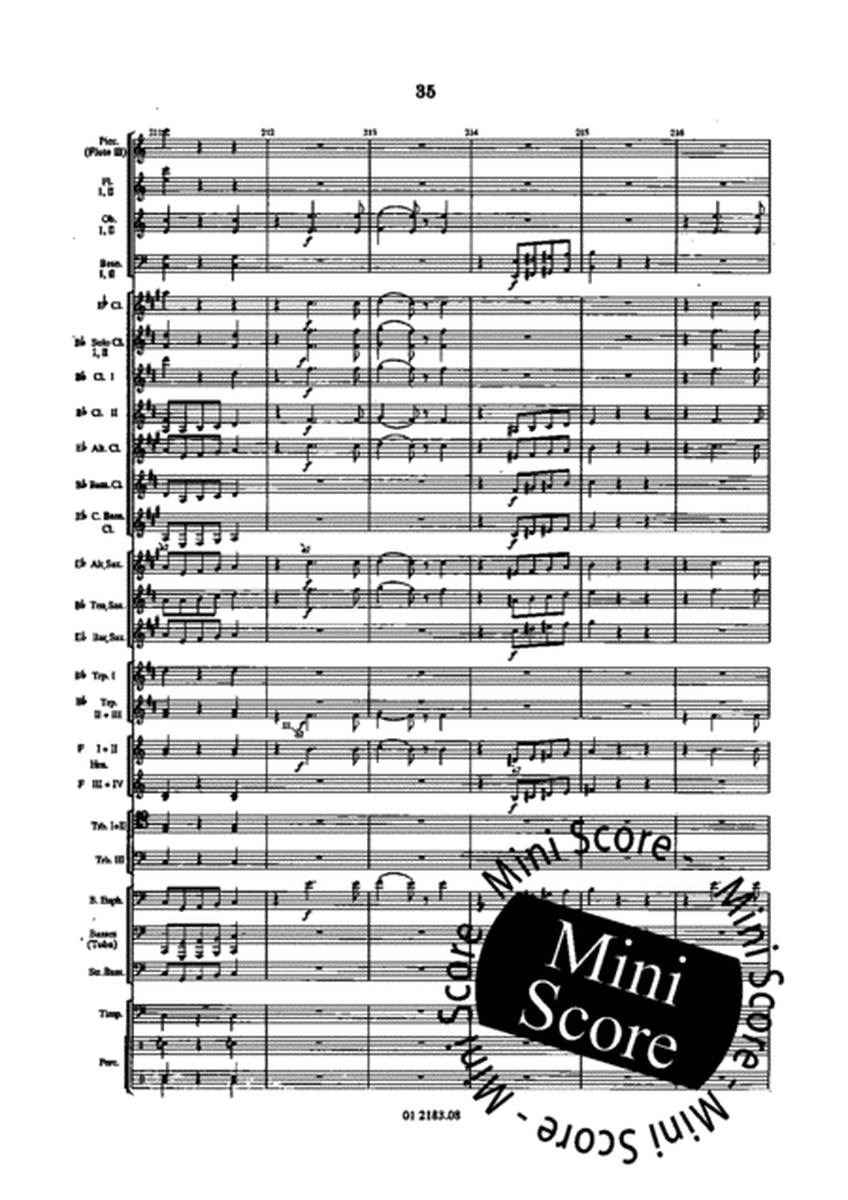
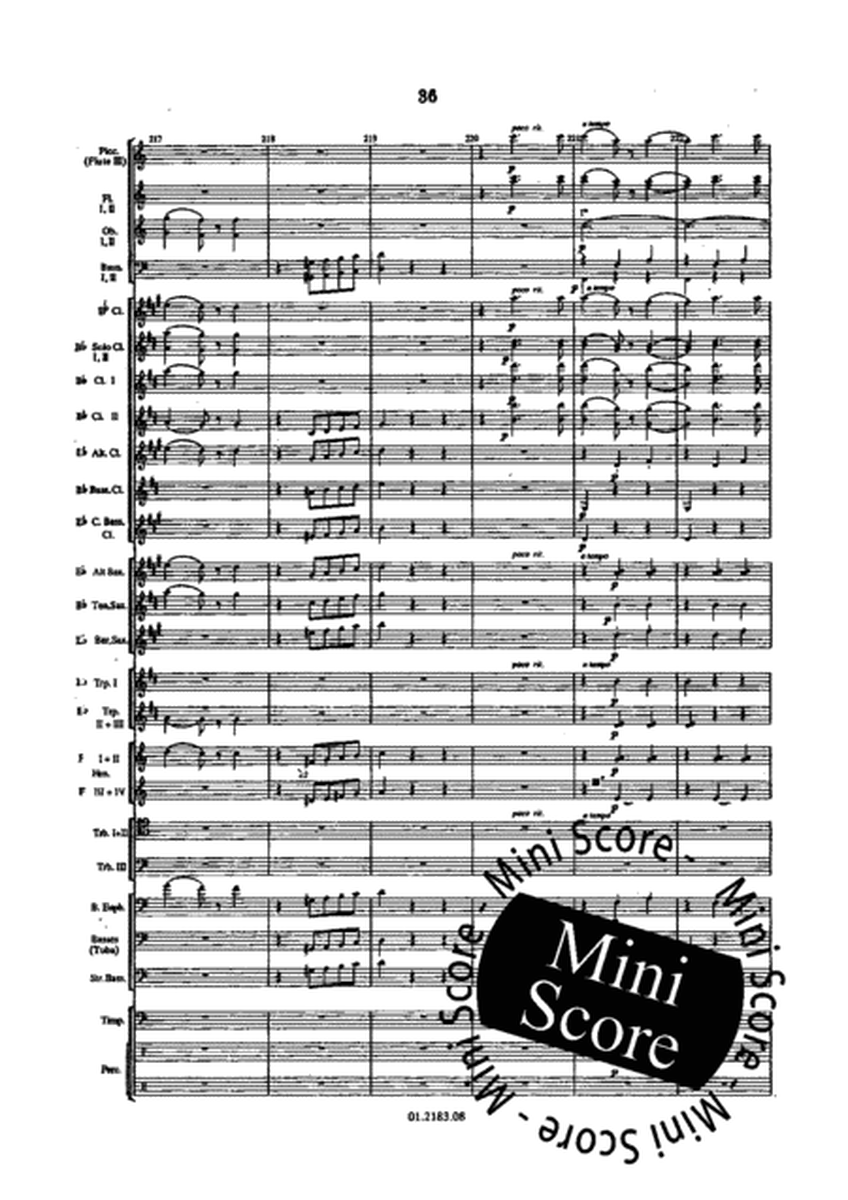
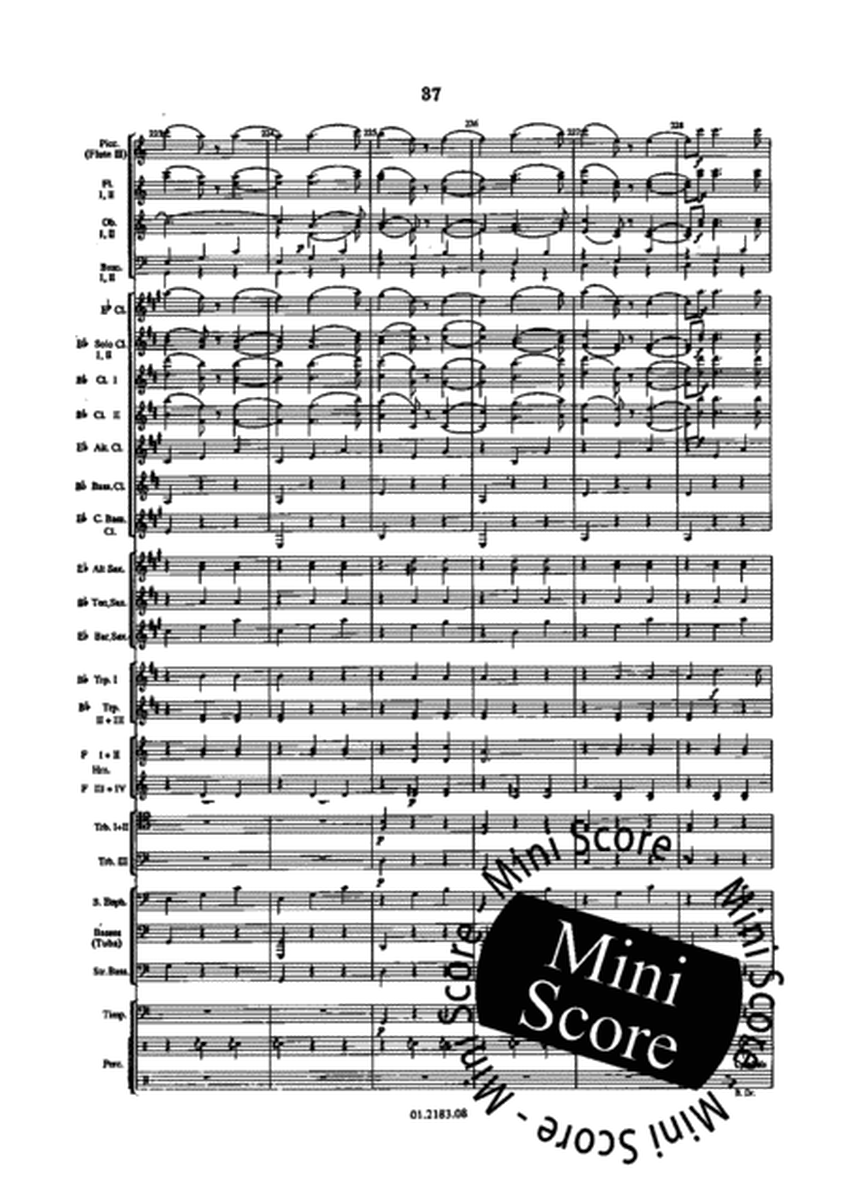
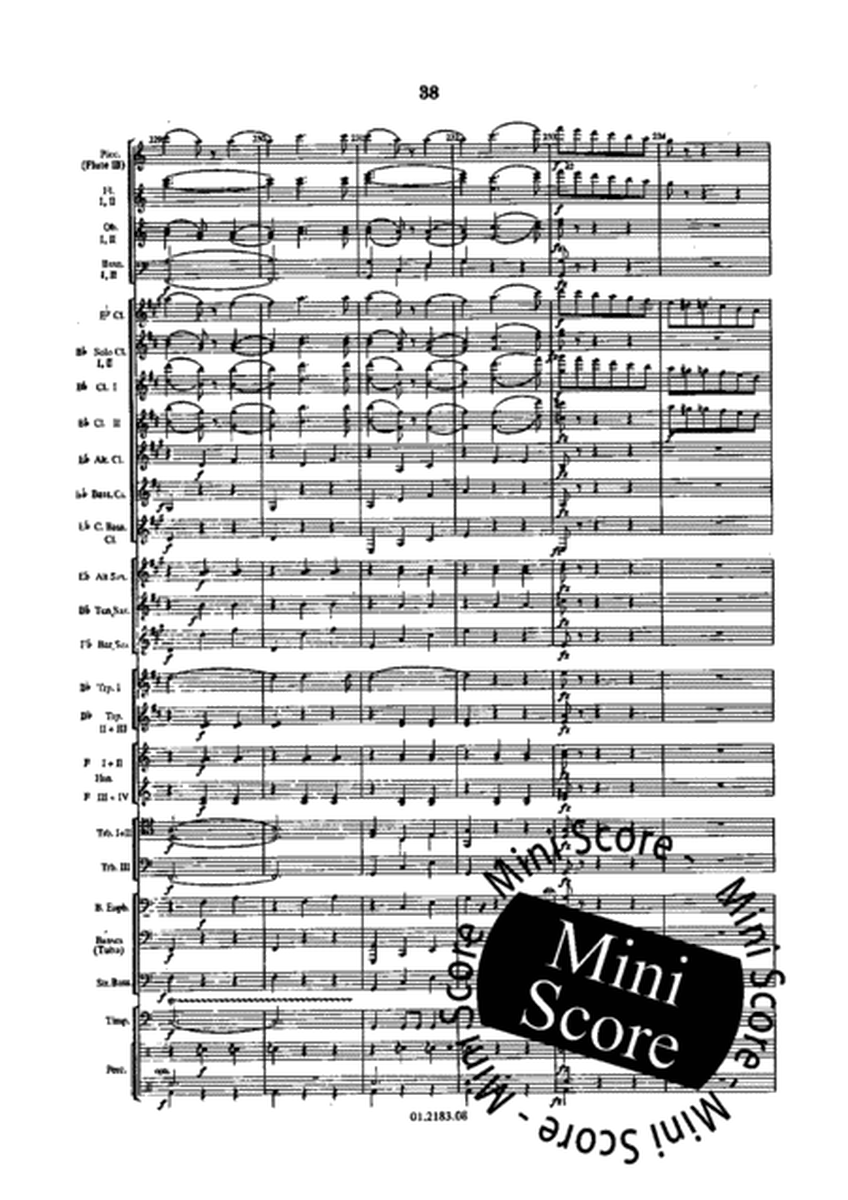
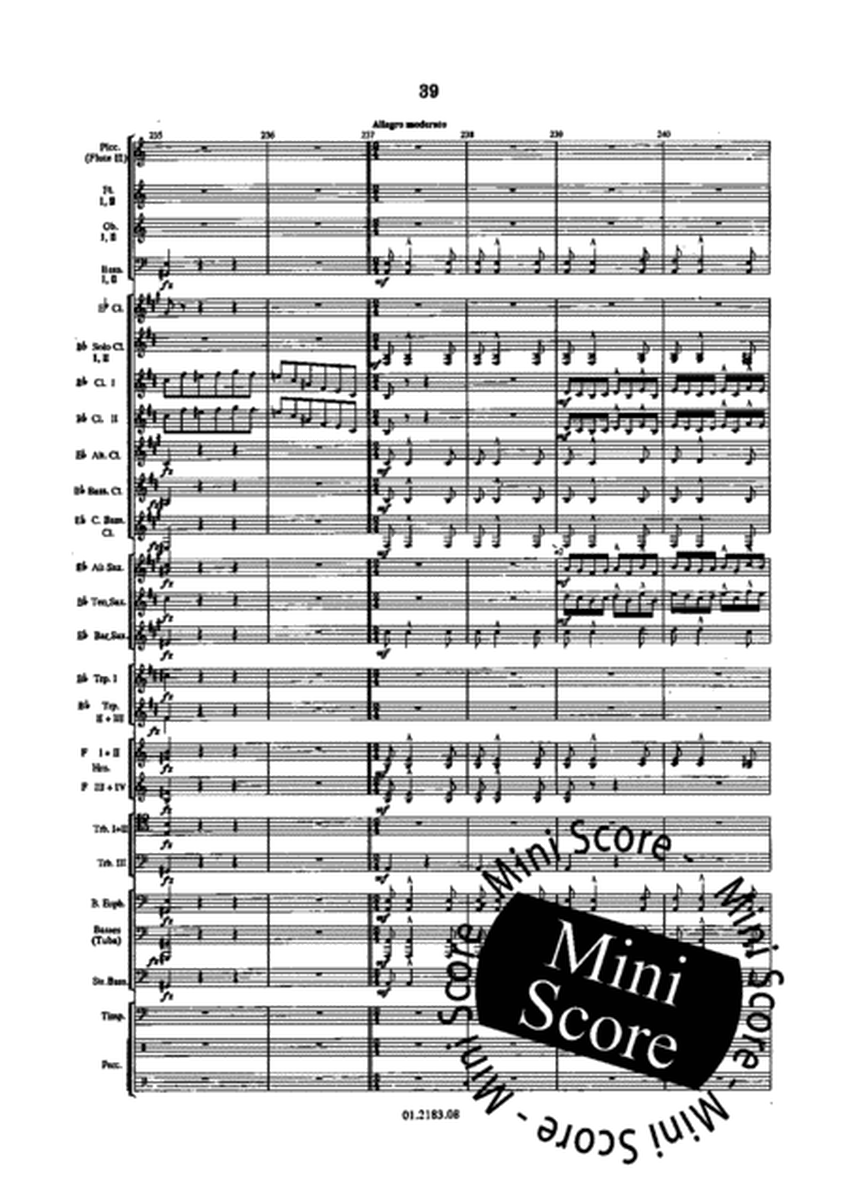
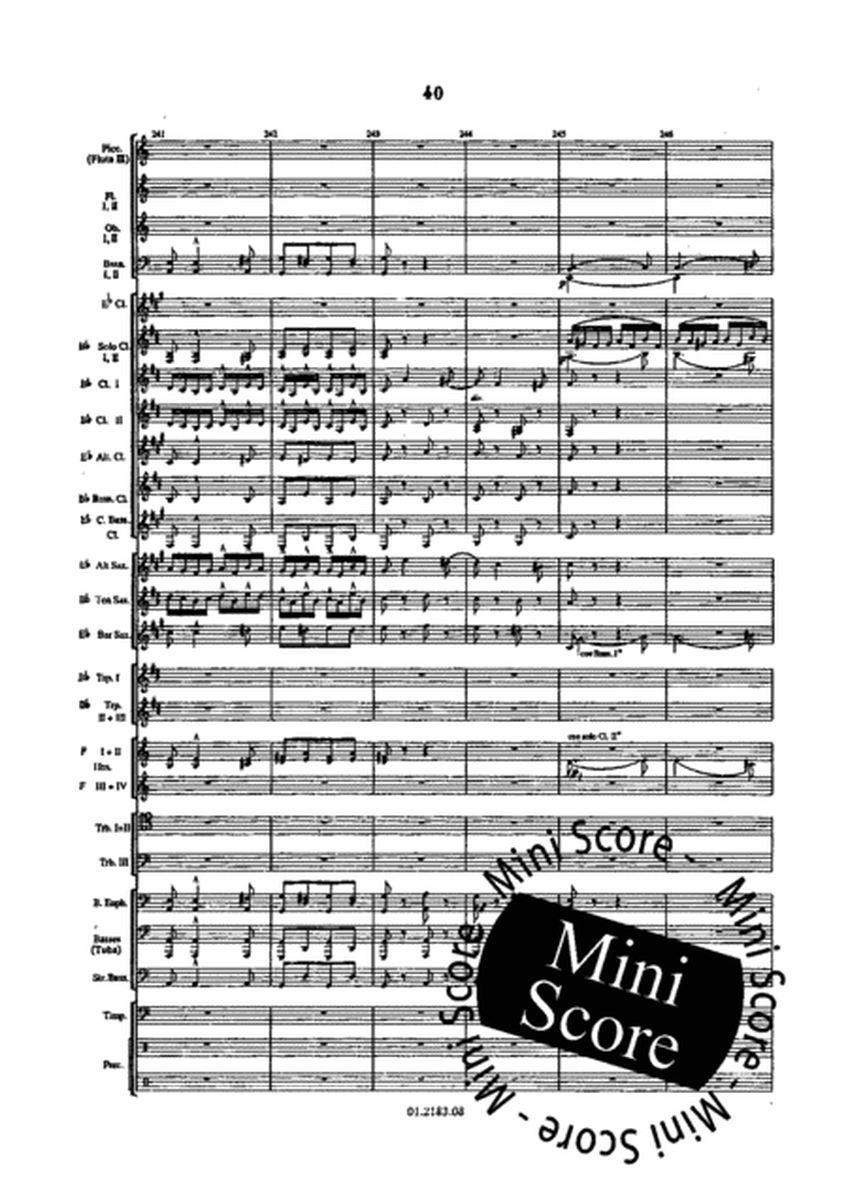
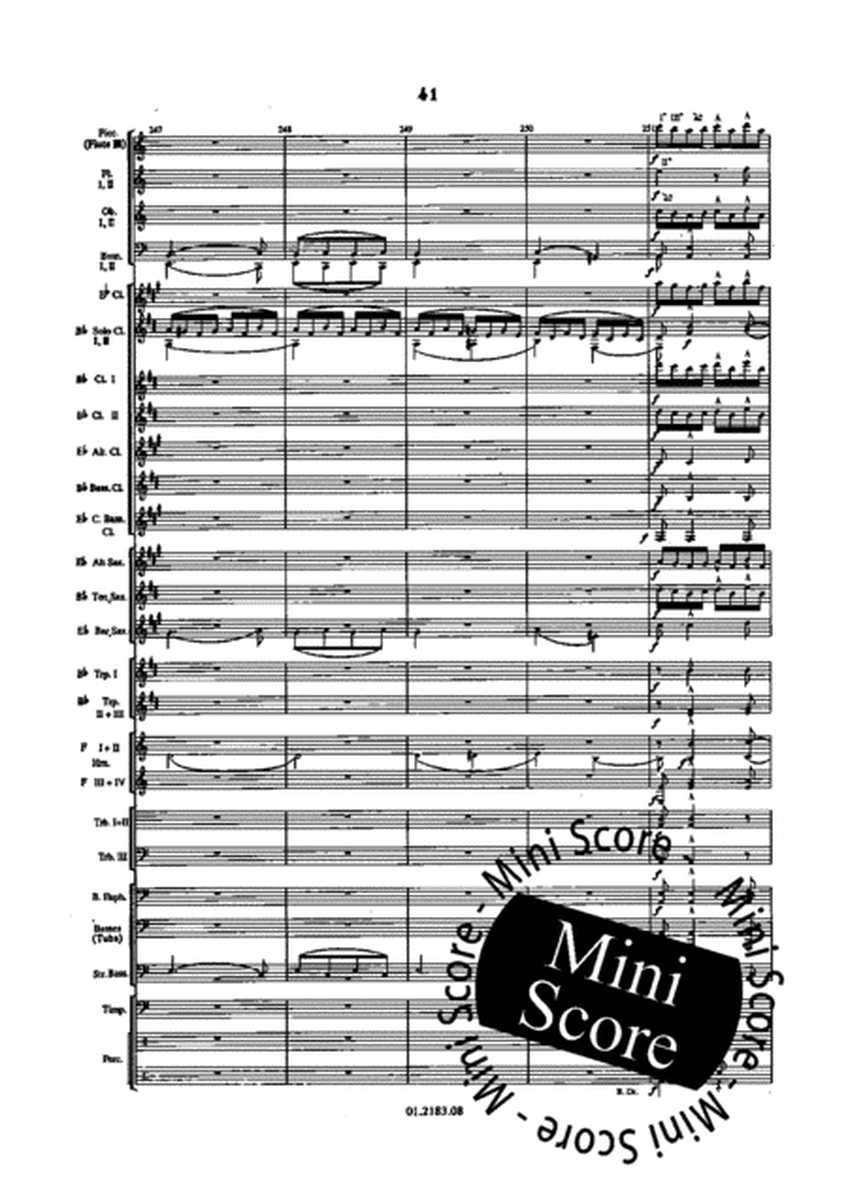
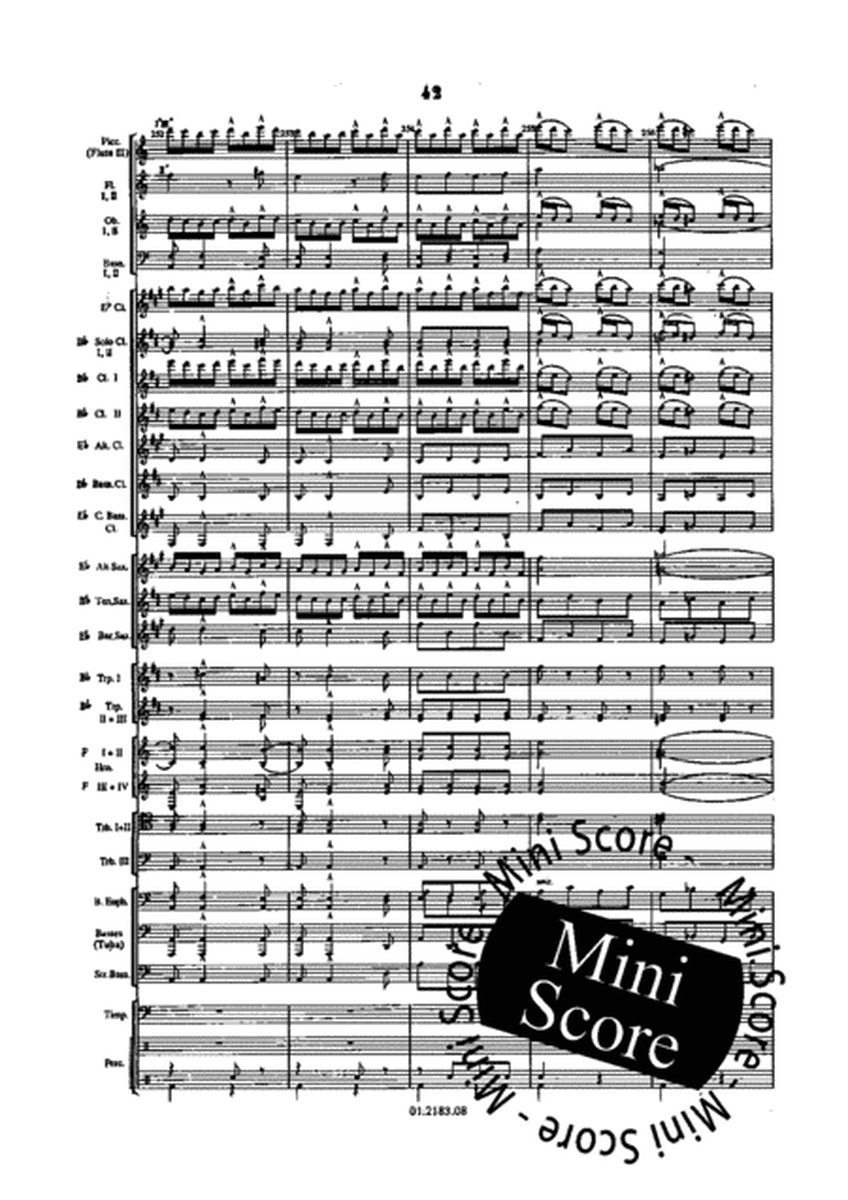
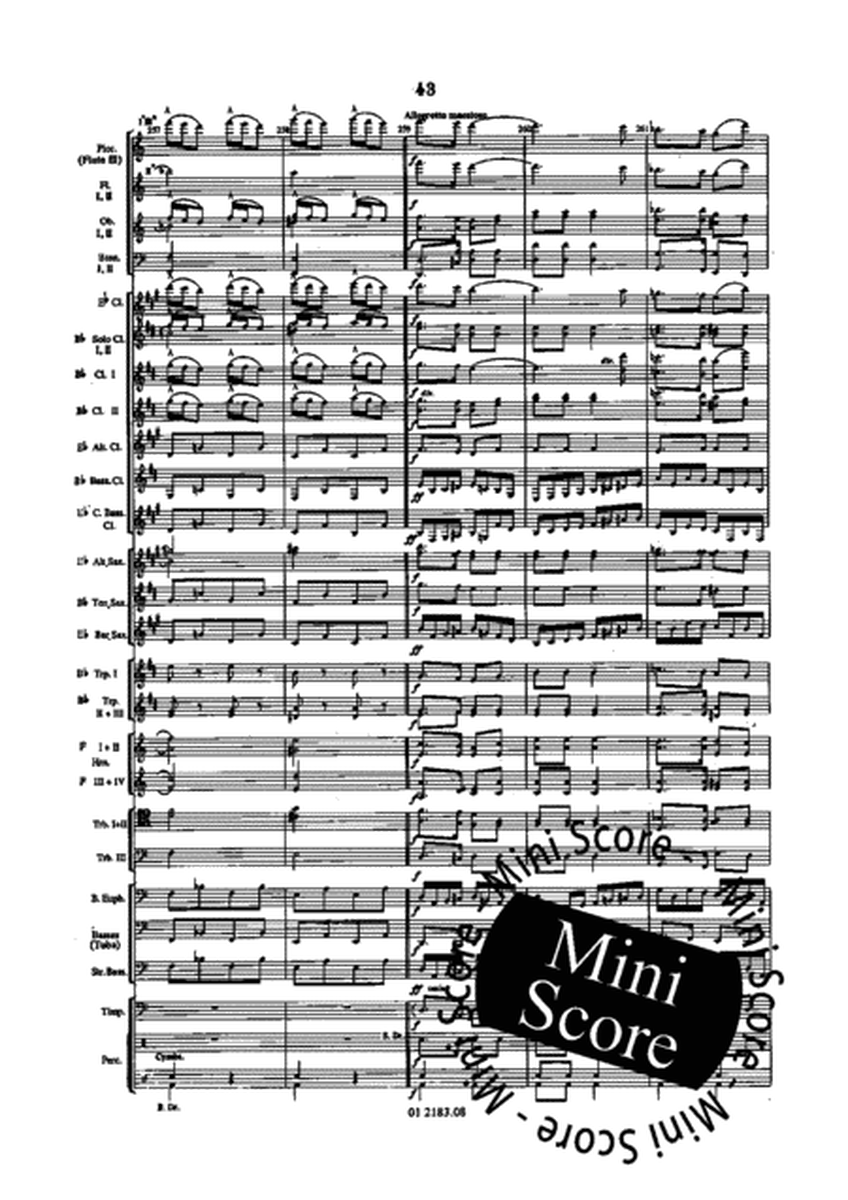
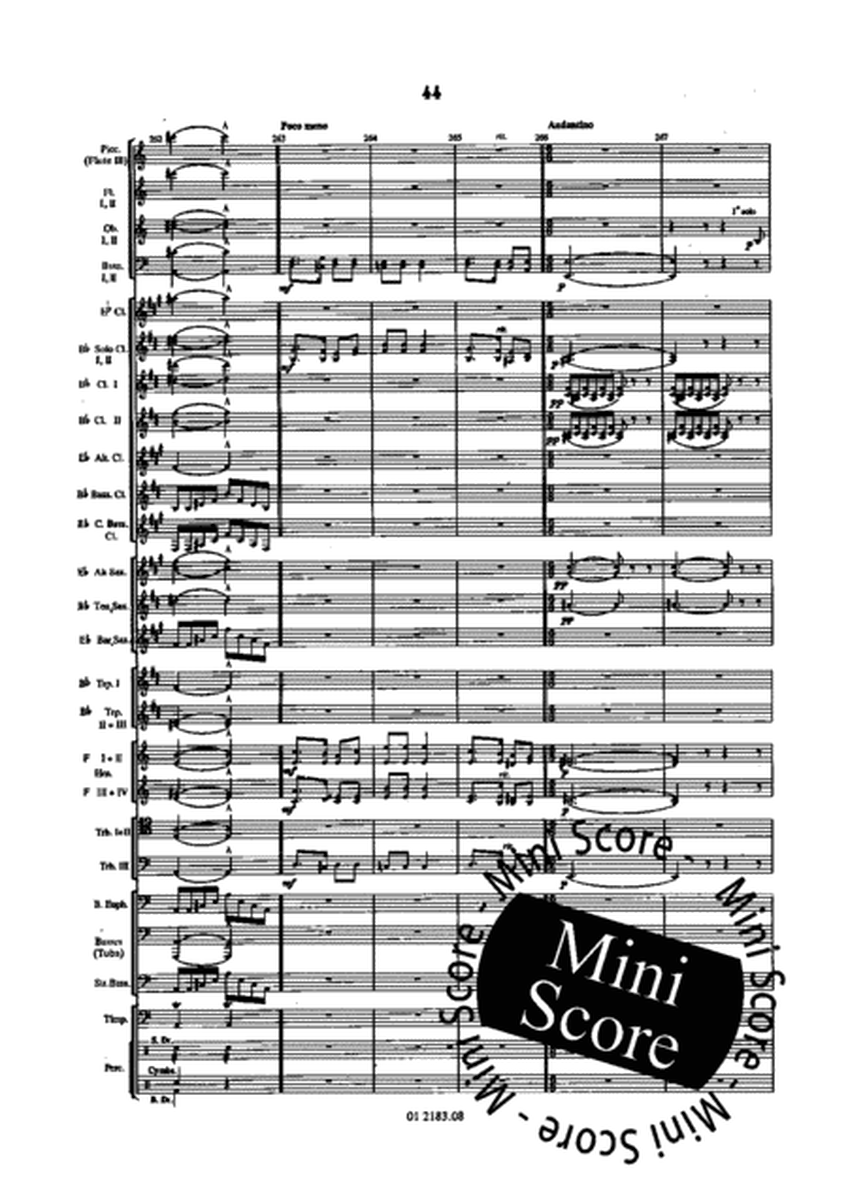
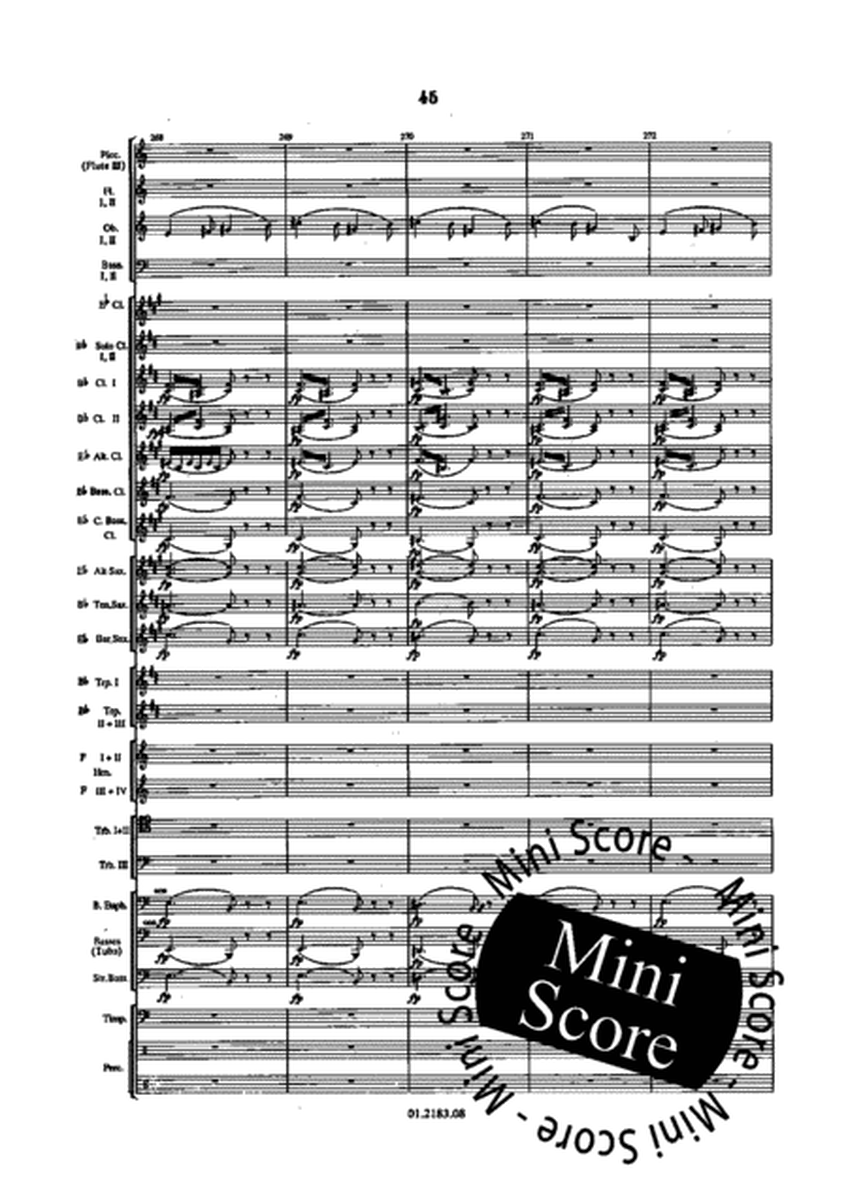
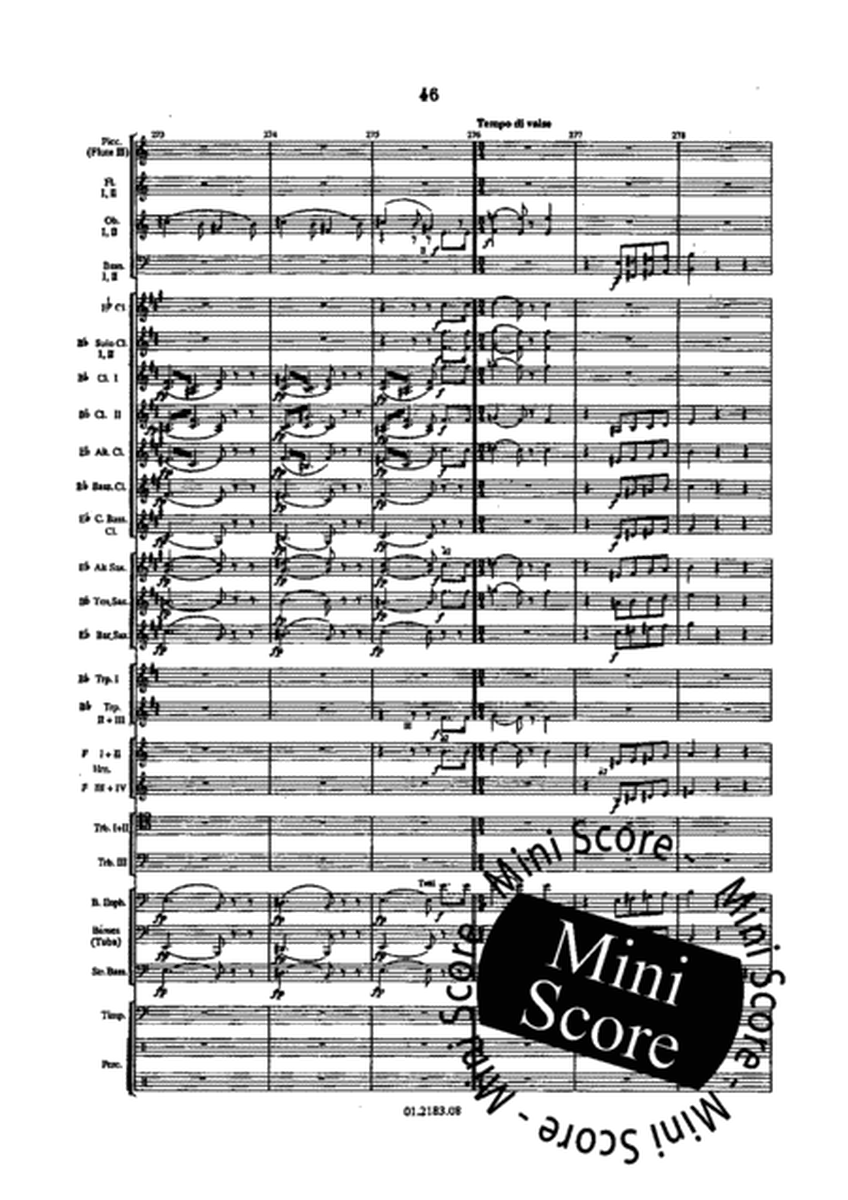
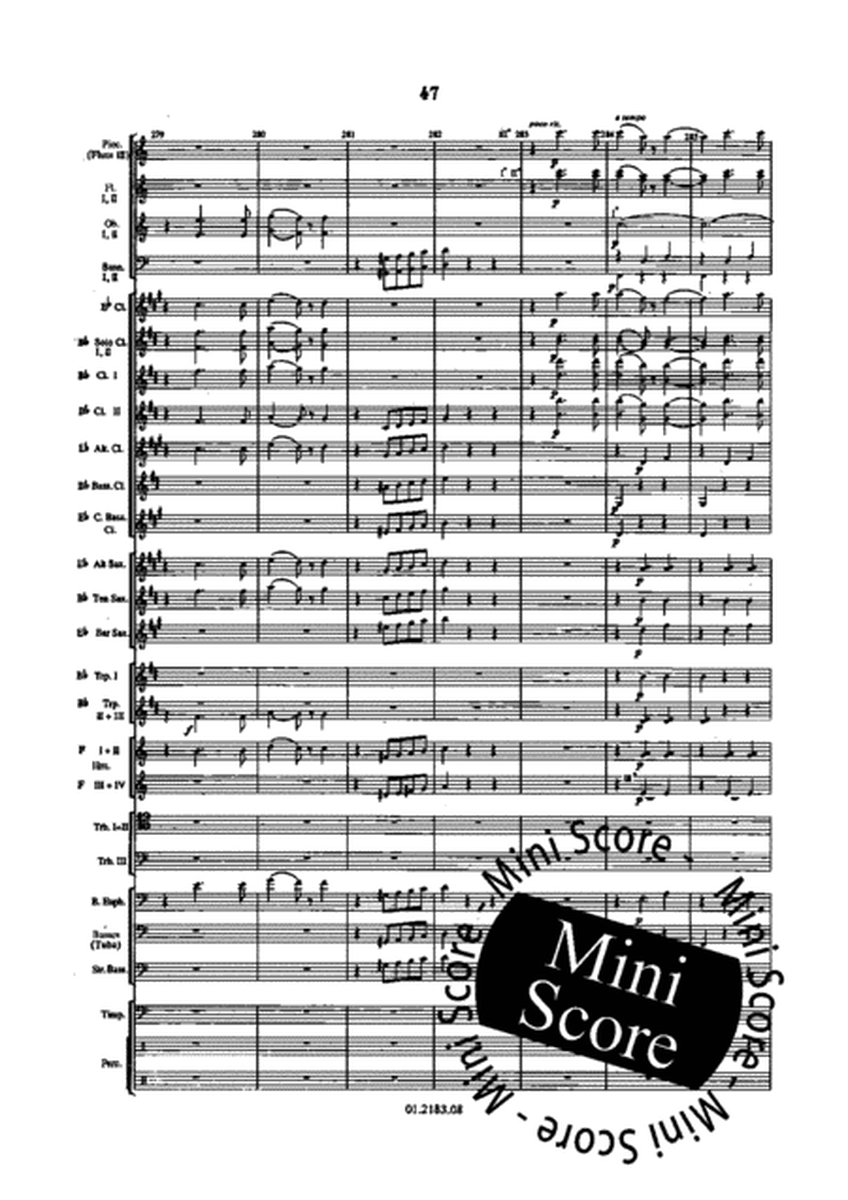
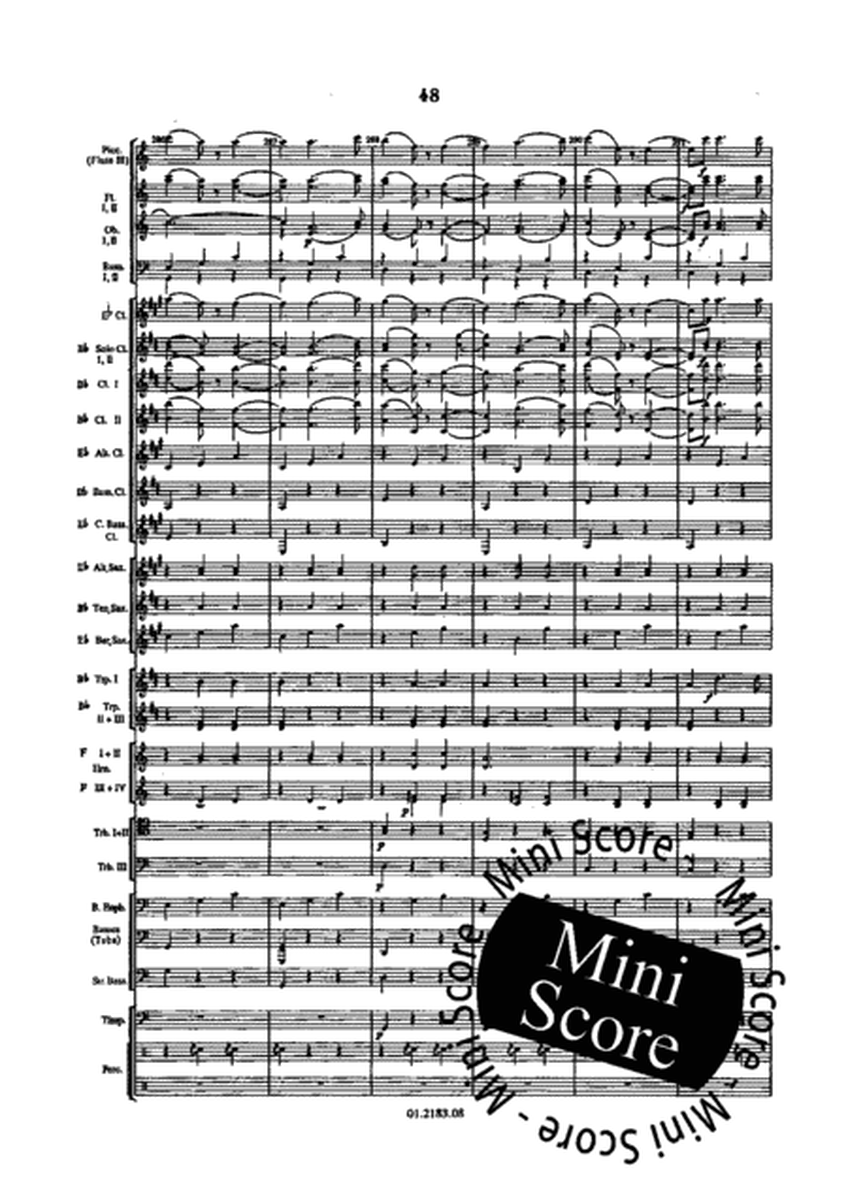
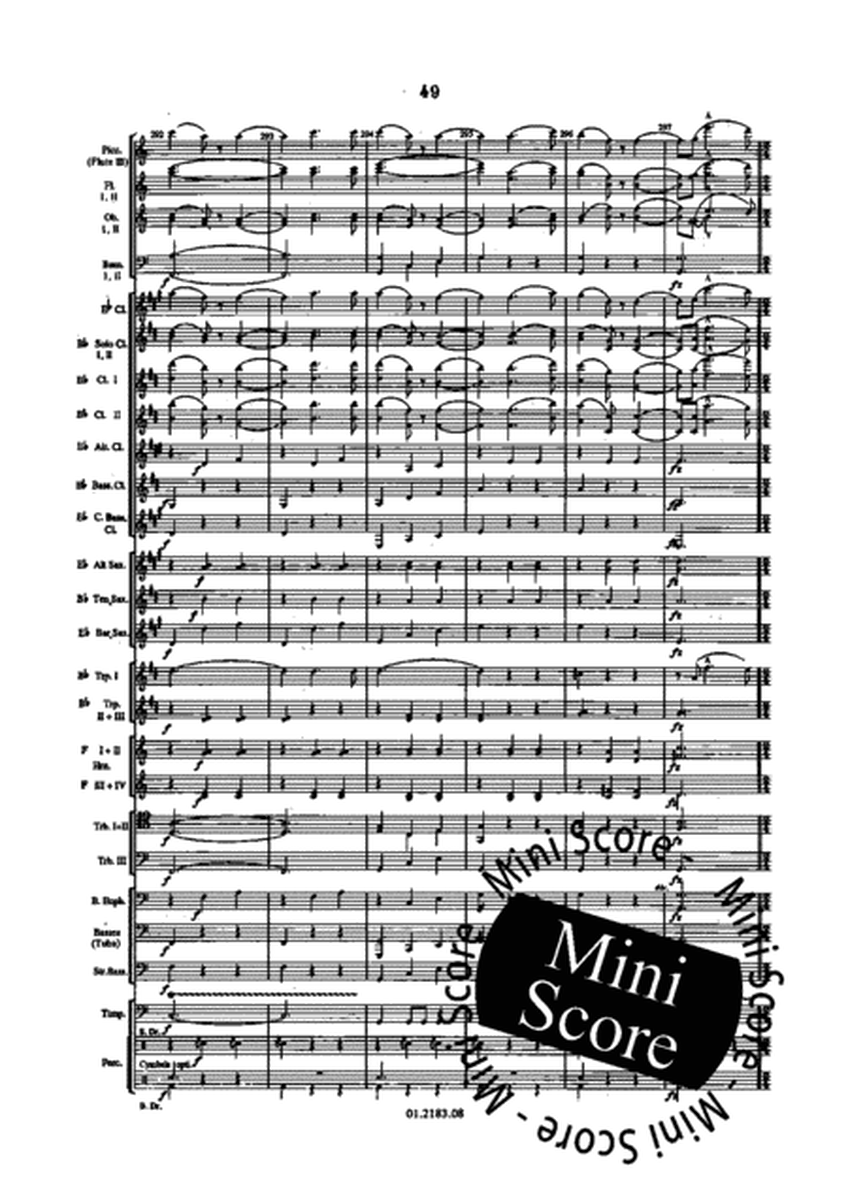
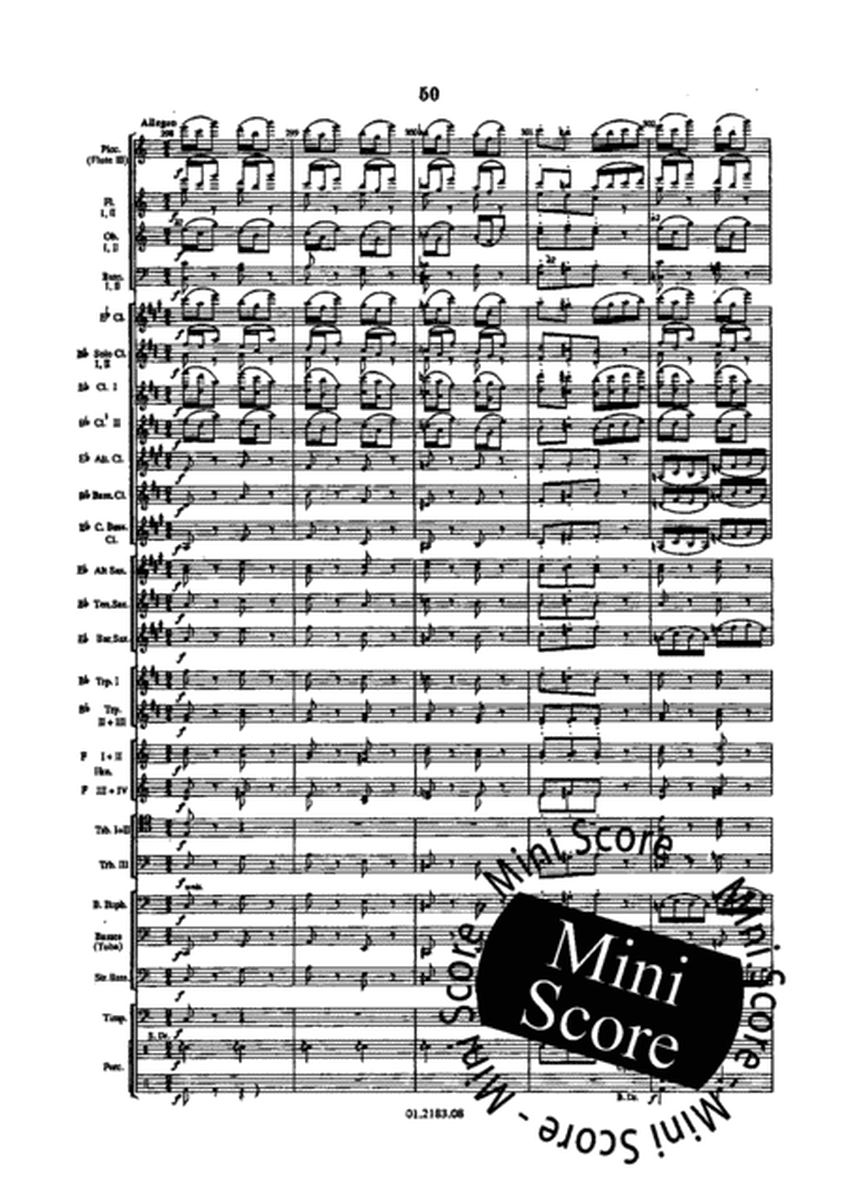
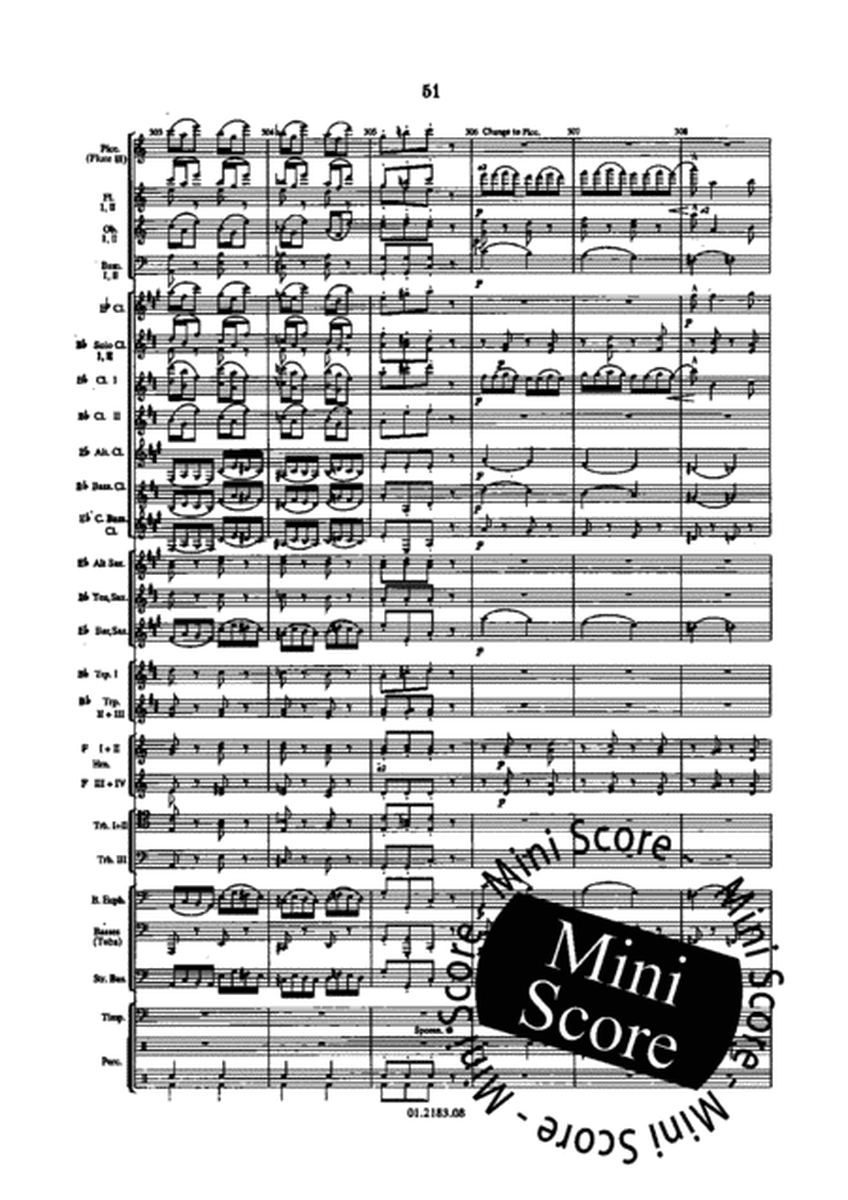
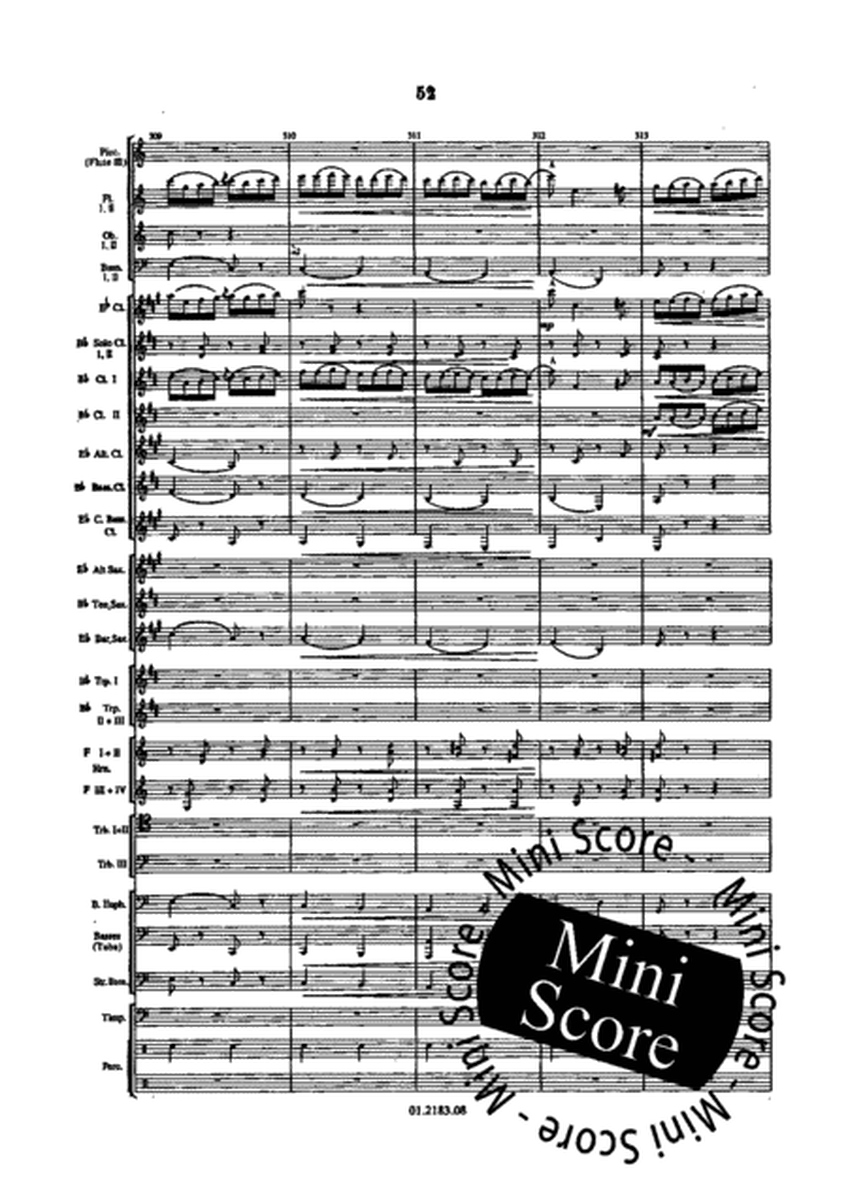
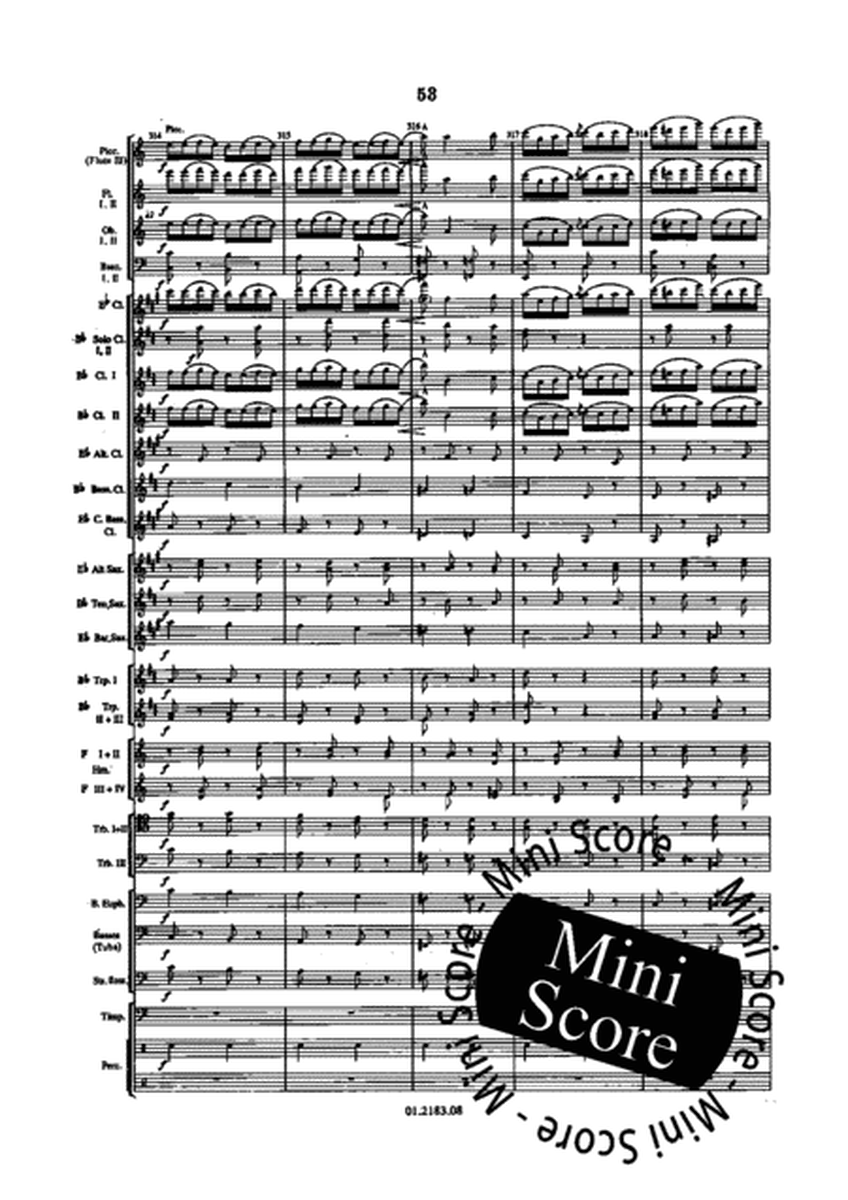
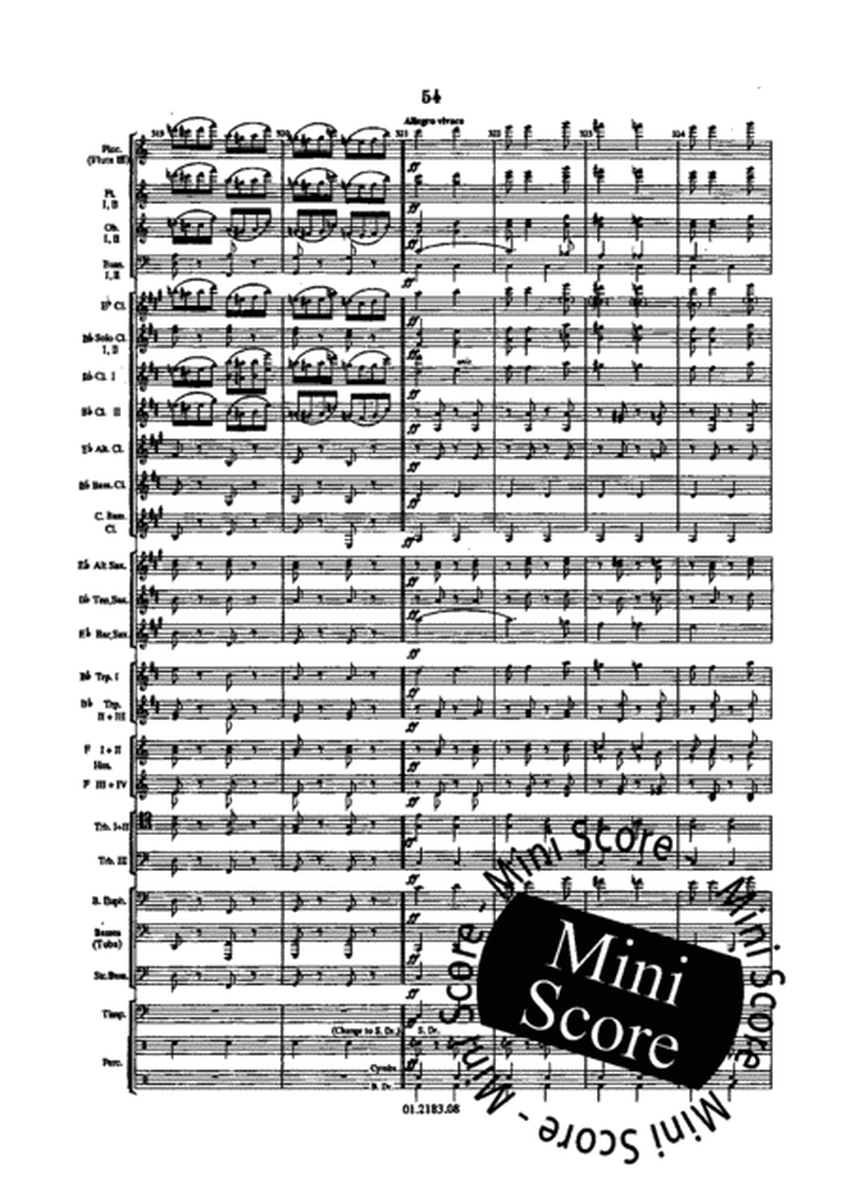
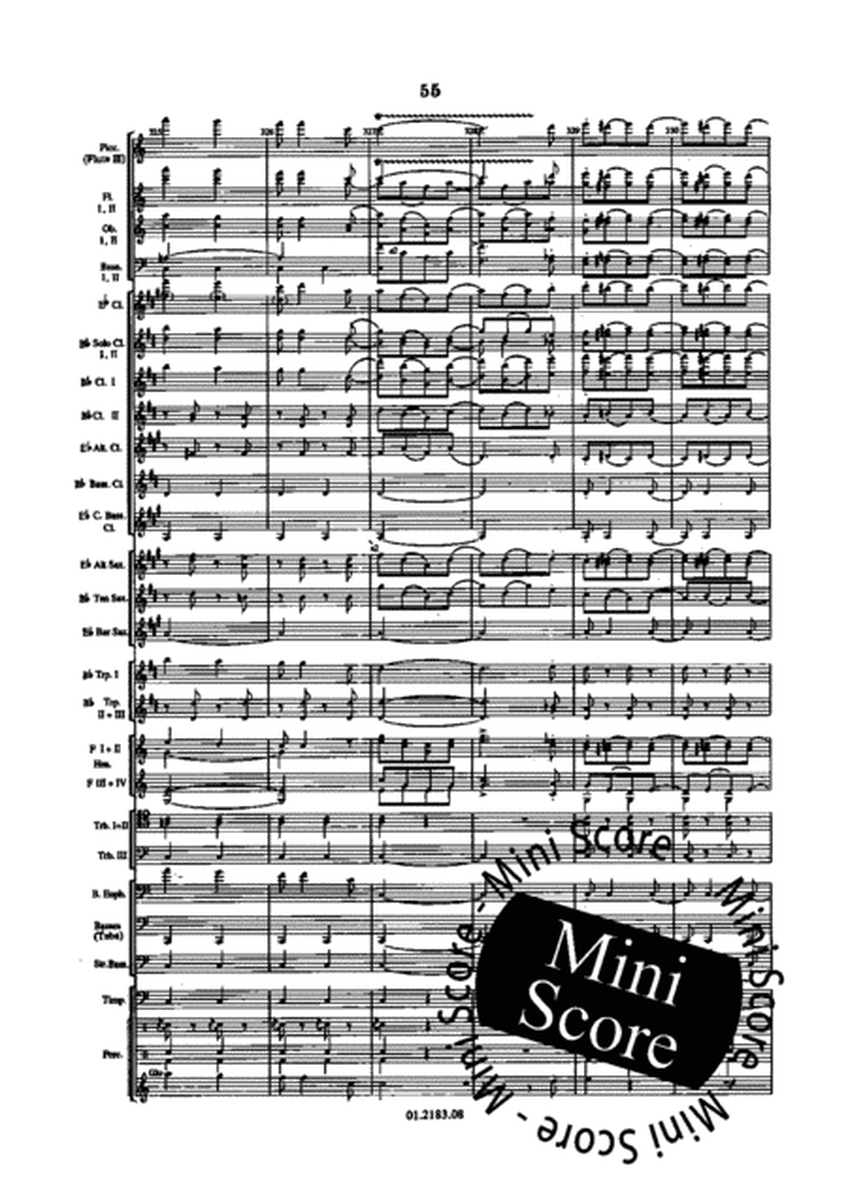
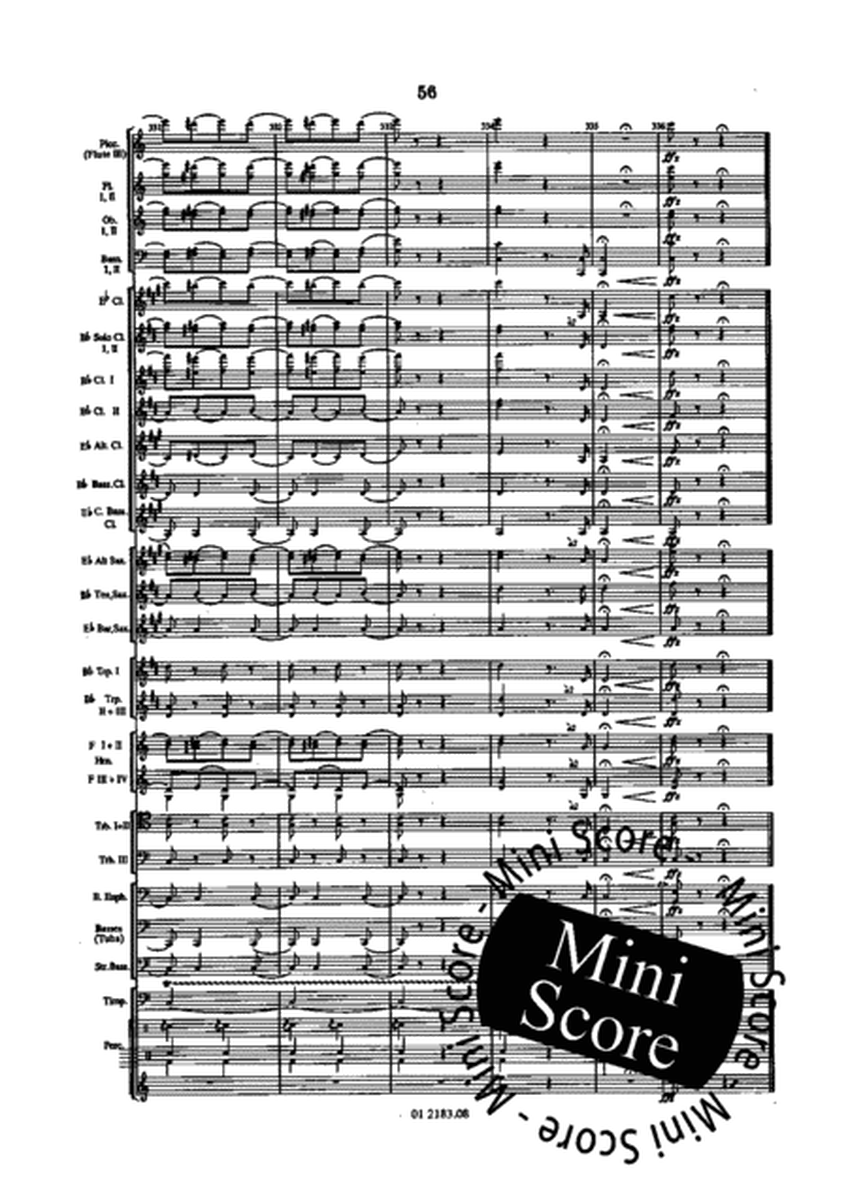
Ouverture. Composed by Johann Strauss Jr. Arranged by Akira Yodo. Arrangements of Classical Opera and Operetta Overtures/Arrangements of Classical Compositions/New Year's Concert. Classic Arrangement. Recorded on Famous Overtures (ML.311063720). Score only. Duration 7 minutes, 55 seconds. Molenaar Edition #012183080-S. Published by Molenaar Edition (ML.012183080-S).
Johann Strauß Zoon (1825-1899) zal wellicht in de eerste plaats bekend en gewaardeerd blijven omwille van zijn talloze prachtige walsen. Naast andere stukken zoals marsen, galops en polka's schreef hij echter ook zestien operettes. Der Zigeunerbaron, een operette in drie bedrijven, is gebaseerd op een libretto van J. Schnitzer die de novelle 'Saffi' van Maurus Jokai, hoofdredacteur van een krant in Budapest, bewerkte. De operette ging in premiere op 24 oktober 1885 in het Theater an der Wien, op de vooravond van de zestigste verjaardag van de componist. Het verhaal speelt zich af in het midden van de zeventiende eeuw en vertelt hoe Sandór Barinkay naar huis terugkeert om het land van zijn voorouders op te eisen, maar moet vaststellen dat het door zigeuners bezet wordt. Hij wordt verliefd op het Zigeunermeisje 'Saffi', die in feite een prinses is. De pittige ouverture bevat zoals de traditie het wil de bekendste aria's en melodieën uit de operette, hier in een geslaagd arrangement voor harmonieorkest van de Japanse arangeur AkiraYodo.
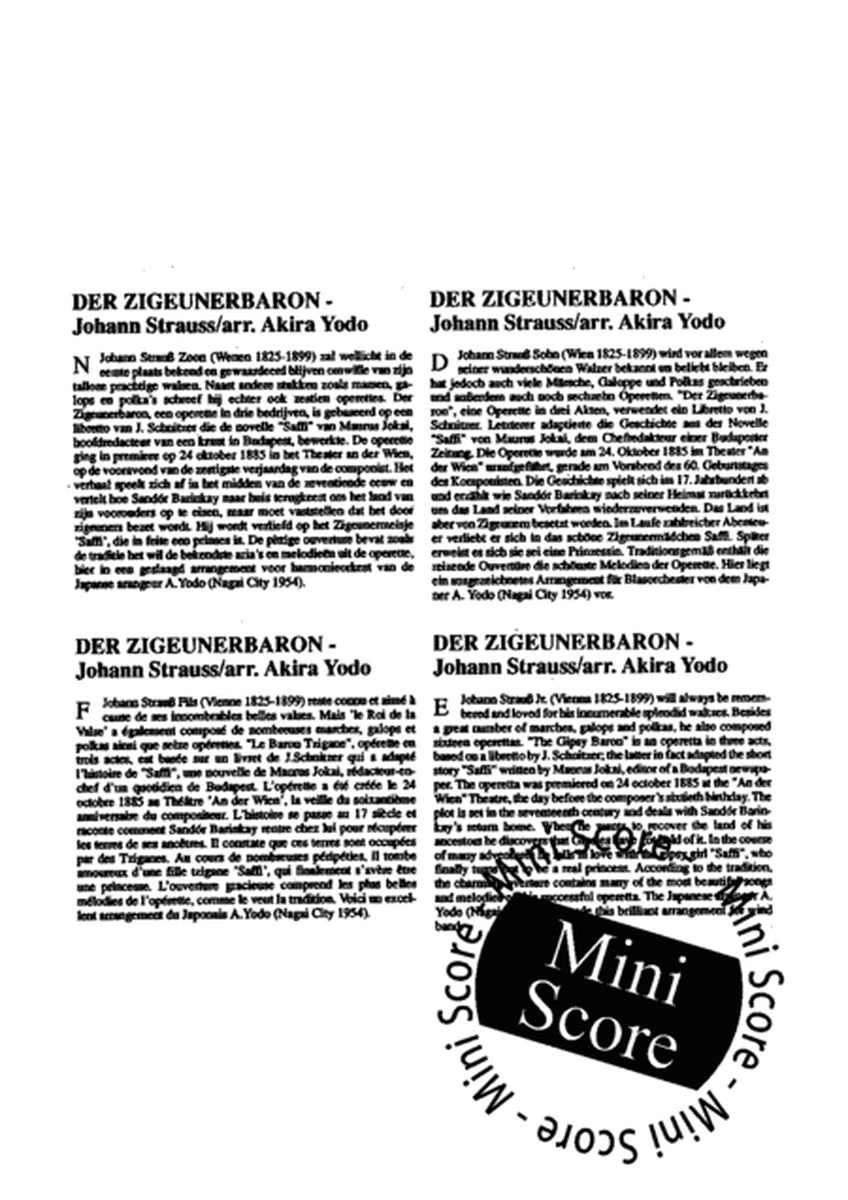
Johann Strauß Jr. (1825-1899) will always be remembered and loved for his innumerable splendid waltzes. Besides a great number of marches, galops and polkas, he also composed sixteen operettas. 'The Gipsy Baron' is an operetta in three acts, based on a libretto by J. Schnitzer; the latter in fact adapted the short story 'Saffi' written by Maurus Jokai, editor of a Budapest newspaper. The operetta was premiered on 24 october 1885 at the 'An der Wien' Theatre, the day before the composer's sixtieth birthday. The plot is set in the seventeenth century and deals with Sandór Barinkay's return home. When he wants to recover the land of his ancestors he discovers that Gipsies have got hold of it. In the course of many adventures he falls in love with the gipsy girl 'Saffi', who finally turns out to be a real princess. According to the tradition, the charming overture contains many of the most beautiful songs and melodies of this successful operetta. The Japanese arranger Akira Yodo made this brilliant arrangement for wind band.
Johann Strauß Fils (1825-1899) reste connu et aimé à cause de ses innombrables belles valses. Mais 'le Roi de la Valse' a également composé de nombreuses marches, galops et polkas ainsi que seize opérettes. 'Le Baron Tzigane', opérette en trois actes, est basée sur un livret de J.Schnitzer qui a adapté l'histoire de 'Saffi', une nouvelle de Maurus Jokai, rédacteur-en-chef d'un quotidien de Budapest. L'opérette a été créée le 24 octobre 1885 au Théâtre 'An der Wien', la veille du soixantième anniversaire du compositeur. L'histoire se passe au 17 siècle et raconte comment Sandór Barinkay rentre chez lui pour récupérer les terres de ses ancêtres. Il constate que ces terres sont occupées par des Tziganes. Au cours de nombreuses péripéties, il tombe amoureux d'une fille tzigane 'Saffi', qui finalement s'avère être une princesse. L'ouverture gracieuse comprend les plus belles mélodies de l'opérette, comme le veut la tradition. Voici un excellent arrangement du Japonais AkiraYodo.
Johann Strauß Sohn (1825-1899) wird vor allem wegen seiner wunderschönen Walzer bekannt un beliebt bleiben. Er hat jedoch auch viele Märsche, Galoppe und Polkas geschrieben und außerdem auch noch sechzehn Operetten. 'Der Zigeunerbaron', eine Operette in drei Akten, verwendet ein Libretto von J. Schnitzer. Letzterer adaptierte die Geschichte aus der Novelle 'Saffi' von Maurus Jokai, dem Chefredakteur einer Budapester Zeitung. Die Operette wurde am 24. Oktober 1885 im Theater 'An der Wien' uraufgeführt, gerade am Vorabend des 60. Geburtstages des Komponisten. Die Geschichte spielt sich im 17. Jahrhundert ab und erzählt wie Sandór Barinkay nach seiner Heimat zurückkehrt um das Land seiner Vorfahren wiederzuverwenden. Das Land ist aber von Zigeunern besetzt worden. Im Laufe zahlreicher Abenteuer verliebt er sich in das schöne Zigeunermädchen Saffi. Später erweist es sich sie sei eine Prinzessin. Traditionsgemäß enthält die reizende Ouvertüre die schönste Melodien der Operette. Hier liegt ein ausgezeichnetes Arrangement für Blasorchester von dem Japaner Akira Yodo vor.
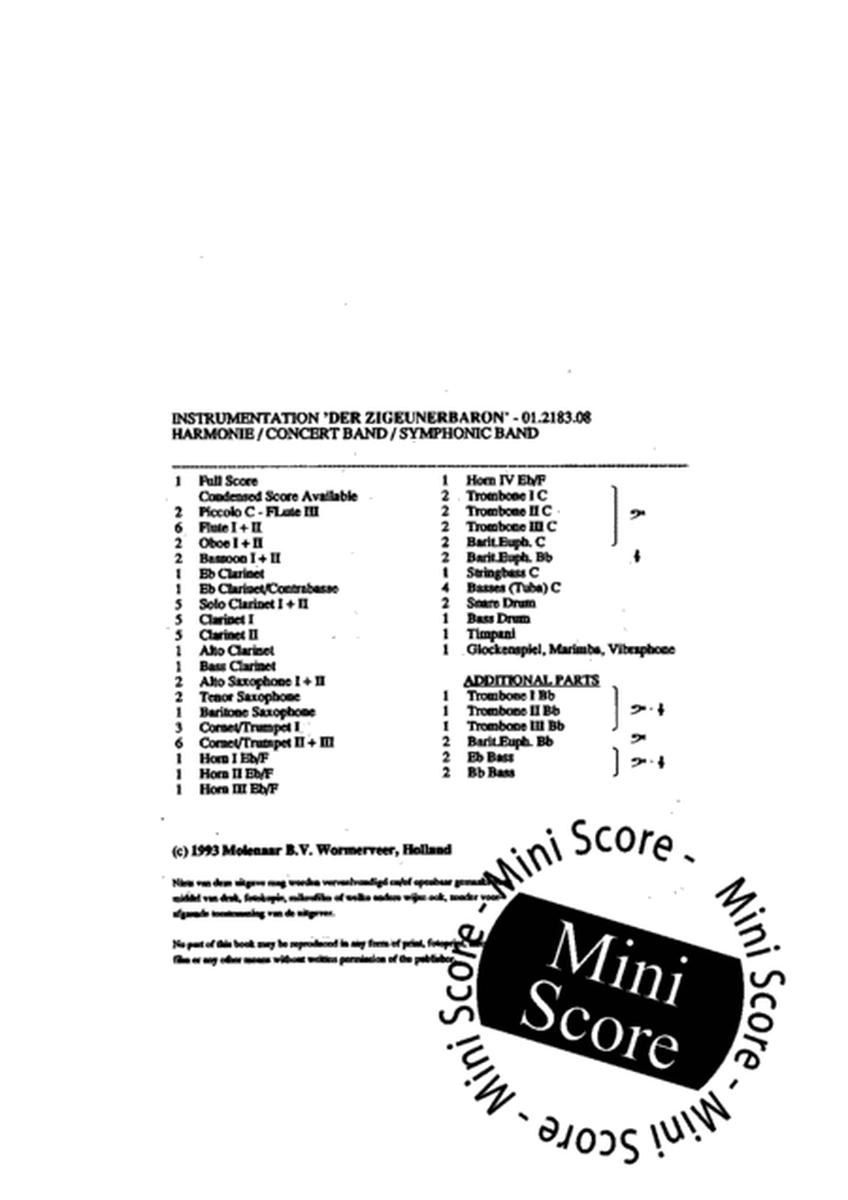
Instrumentation
0 Full Score A3
1 Full Score
1 Piccolo
6 Flute I + II
2 Flute III
2 Oboe
2 Bassoon
1 Clarinet Eb
5 Clarinet Solo
5 Clarinet I
5 Clarinet II
1 Alto Clarinet Eb
1 Bass Clarinet
1 Contrabass Clarinet
4 Alto Saxophone
2 Tenor Saxophone
1 Baritone Saxophone
3 Trumpet I
3 Trumpet II
3 Trumpet III
1 Horn I Eb
1 Horn I F
1 Horn II Eb
1 Horn II F
1 Horn III Eb
1 Horn III F
1 Horn IV Eb
1 Horn IV F
2 Trombone I C
1 Trombone I Bb (TC)
1 Trombone I Bb (BC)
2 Trombone II C
1 Trombone II Bb (TC)
1 Trombone II Bb (BC)
2 Trombone III C
1 Trombone III Bb (TC)
1 Trombone III Bb (BC)
2 Baritone C
2 Baritone Bb (BC)
4 Baritone Bb (TC)
2 Bas Bb (TC)
2 Bas Bb (BC)
2 Bas Eb (TC)
2 Bas Eb (BC)
4 Tuba C
1 Stringbass
2 Drums I
1 Drums II
1 Glockenspiel
1 Timpani.
Concert Band - Grade 4
SKU: ML.012183080-S
Ouverture. Composed by Johann Strauss Jr. Arranged by Akira Yodo. Arrangements of Classical Opera and Operetta Overtures/Arrangements of Classical Compositions/New Year's Concert. Classic Arrangement. Recorded on Famous Overtures (ML.311063720). Score only. Duration 7 minutes, 55 seconds. Molenaar Edition #012183080-S. Published by Molenaar Edition (ML.012183080-S).
Johann Strauß Zoon (1825-1899) zal wellicht in de eerste plaats bekend en gewaardeerd blijven omwille van zijn talloze prachtige walsen. Naast andere stukken zoals marsen, galops en polka's schreef hij echter ook zestien operettes. Der Zigeunerbaron, een operette in drie bedrijven, is gebaseerd op een libretto van J. Schnitzer die de novelle 'Saffi' van Maurus Jokai, hoofdredacteur van een krant in Budapest, bewerkte. De operette ging in premiere op 24 oktober 1885 in het Theater an der Wien, op de vooravond van de zestigste verjaardag van de componist. Het verhaal speelt zich af in het midden van de zeventiende eeuw en vertelt hoe Sandór Barinkay naar huis terugkeert om het land van zijn voorouders op te eisen, maar moet vaststellen dat het door zigeuners bezet wordt. Hij wordt verliefd op het Zigeunermeisje 'Saffi', die in feite een prinses is. De pittige ouverture bevat zoals de traditie het wil de bekendste aria's en melodieën uit de operette, hier in een geslaagd arrangement voor harmonieorkest van de Japanse arangeur AkiraYodo.
Johann Strauß Jr. (1825-1899) will always be remembered and loved for his innumerable splendid waltzes. Besides a great number of marches, galops and polkas, he also composed sixteen operettas. 'The Gipsy Baron' is an operetta in three acts, based on a libretto by J. Schnitzer; the latter in fact adapted the short story 'Saffi' written by Maurus Jokai, editor of a Budapest newspaper. The operetta was premiered on 24 october 1885 at the 'An der Wien' Theatre, the day before the composer's sixtieth birthday. The plot is set in the seventeenth century and deals with Sandór Barinkay's return home. When he wants to recover the land of his ancestors he discovers that Gipsies have got hold of it. In the course of many adventures he falls in love with the gipsy girl 'Saffi', who finally turns out to be a real princess. According to the tradition, the charming overture contains many of the most beautiful songs and melodies of this successful operetta. The Japanese arranger Akira Yodo made this brilliant arrangement for wind band.
Johann Strauß Fils (1825-1899) reste connu et aimé à cause de ses innombrables belles valses. Mais 'le Roi de la Valse' a également composé de nombreuses marches, galops et polkas ainsi que seize opérettes. 'Le Baron Tzigane', opérette en trois actes, est basée sur un livret de J.Schnitzer qui a adapté l'histoire de 'Saffi', une nouvelle de Maurus Jokai, rédacteur-en-chef d'un quotidien de Budapest. L'opérette a été créée le 24 octobre 1885 au Théâtre 'An der Wien', la veille du soixantième anniversaire du compositeur. L'histoire se passe au 17 siècle et raconte comment Sandór Barinkay rentre chez lui pour récupérer les terres de ses ancêtres. Il constate que ces terres sont occupées par des Tziganes. Au cours de nombreuses péripéties, il tombe amoureux d'une fille tzigane 'Saffi', qui finalement s'avère être une princesse. L'ouverture gracieuse comprend les plus belles mélodies de l'opérette, comme le veut la tradition. Voici un excellent arrangement du Japonais AkiraYodo.
Johann Strauß Sohn (1825-1899) wird vor allem wegen seiner wunderschönen Walzer bekannt un beliebt bleiben. Er hat jedoch auch viele Märsche, Galoppe und Polkas geschrieben und außerdem auch noch sechzehn Operetten. 'Der Zigeunerbaron', eine Operette in drei Akten, verwendet ein Libretto von J. Schnitzer. Letzterer adaptierte die Geschichte aus der Novelle 'Saffi' von Maurus Jokai, dem Chefredakteur einer Budapester Zeitung. Die Operette wurde am 24. Oktober 1885 im Theater 'An der Wien' uraufgeführt, gerade am Vorabend des 60. Geburtstages des Komponisten. Die Geschichte spielt sich im 17. Jahrhundert ab und erzählt wie Sandór Barinkay nach seiner Heimat zurückkehrt um das Land seiner Vorfahren wiederzuverwenden. Das Land ist aber von Zigeunern besetzt worden. Im Laufe zahlreicher Abenteuer verliebt er sich in das schöne Zigeunermädchen Saffi. Später erweist es sich sie sei eine Prinzessin. Traditionsgemäß enthält die reizende Ouvertüre die schönste Melodien der Operette. Hier liegt ein ausgezeichnetes Arrangement für Blasorchester von dem Japaner Akira Yodo vor.
Instrumentation
0 Full Score A3
1 Full Score
1 Piccolo
6 Flute I + II
2 Flute III
2 Oboe
2 Bassoon
1 Clarinet Eb
5 Clarinet Solo
5 Clarinet I
5 Clarinet II
1 Alto Clarinet Eb
1 Bass Clarinet
1 Contrabass Clarinet
4 Alto Saxophone
2 Tenor Saxophone
1 Baritone Saxophone
3 Trumpet I
3 Trumpet II
3 Trumpet III
1 Horn I Eb
1 Horn I F
1 Horn II Eb
1 Horn II F
1 Horn III Eb
1 Horn III F
1 Horn IV Eb
1 Horn IV F
2 Trombone I C
1 Trombone I Bb (TC)
1 Trombone I Bb (BC)
2 Trombone II C
1 Trombone II Bb (TC)
1 Trombone II Bb (BC)
2 Trombone III C
1 Trombone III Bb (TC)
1 Trombone III Bb (BC)
2 Baritone C
2 Baritone Bb (BC)
4 Baritone Bb (TC)
2 Bas Bb (TC)
2 Bas Bb (BC)
2 Bas Eb (TC)
2 Bas Eb (BC)
4 Tuba C
1 Stringbass
2 Drums I
1 Drums II
1 Glockenspiel
1 Timpani.
Tell a friend (or remind yourself) about this product. We'll instantly send an email containing product info and a link to it. You may also enter a personal message.
We do not use or store email addresses from this form for any other purpose than sending your share email.
Read our Privacy Policy.
After purchase, you can download your MP3 from your Sheet Music Plus Digital Library - no software installation is necessary! You can also listen to your MP3 at any time in your Digital Library.
After purchase, you can download your Smart Music from your Sheet Music Plus Digital Library - no software installation is necessary! You can also download at any time in your Digital Library.
After purchase you can download your video from your Digital Library. Your video is in XX format and is playable on most pre-installed video players.