


18227187
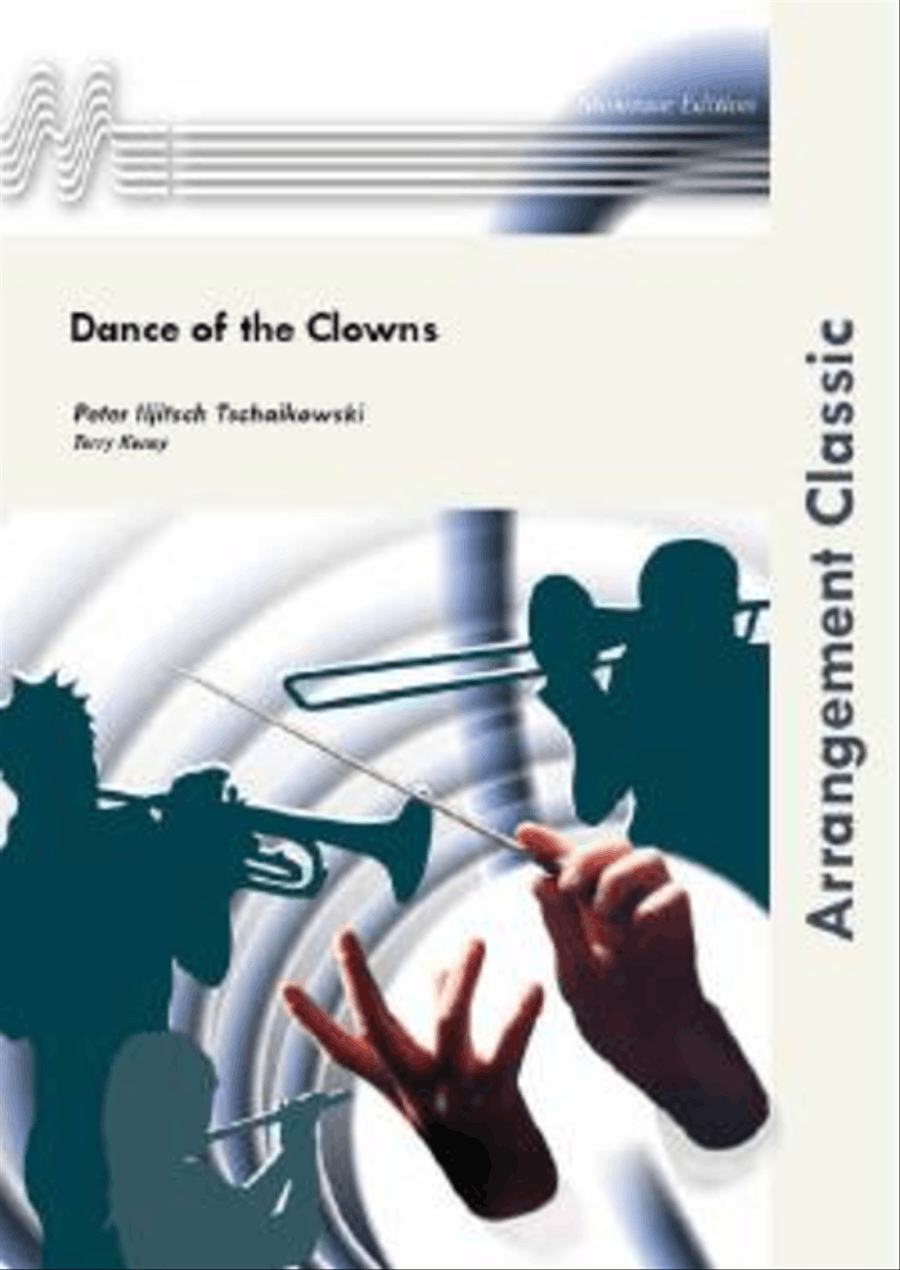
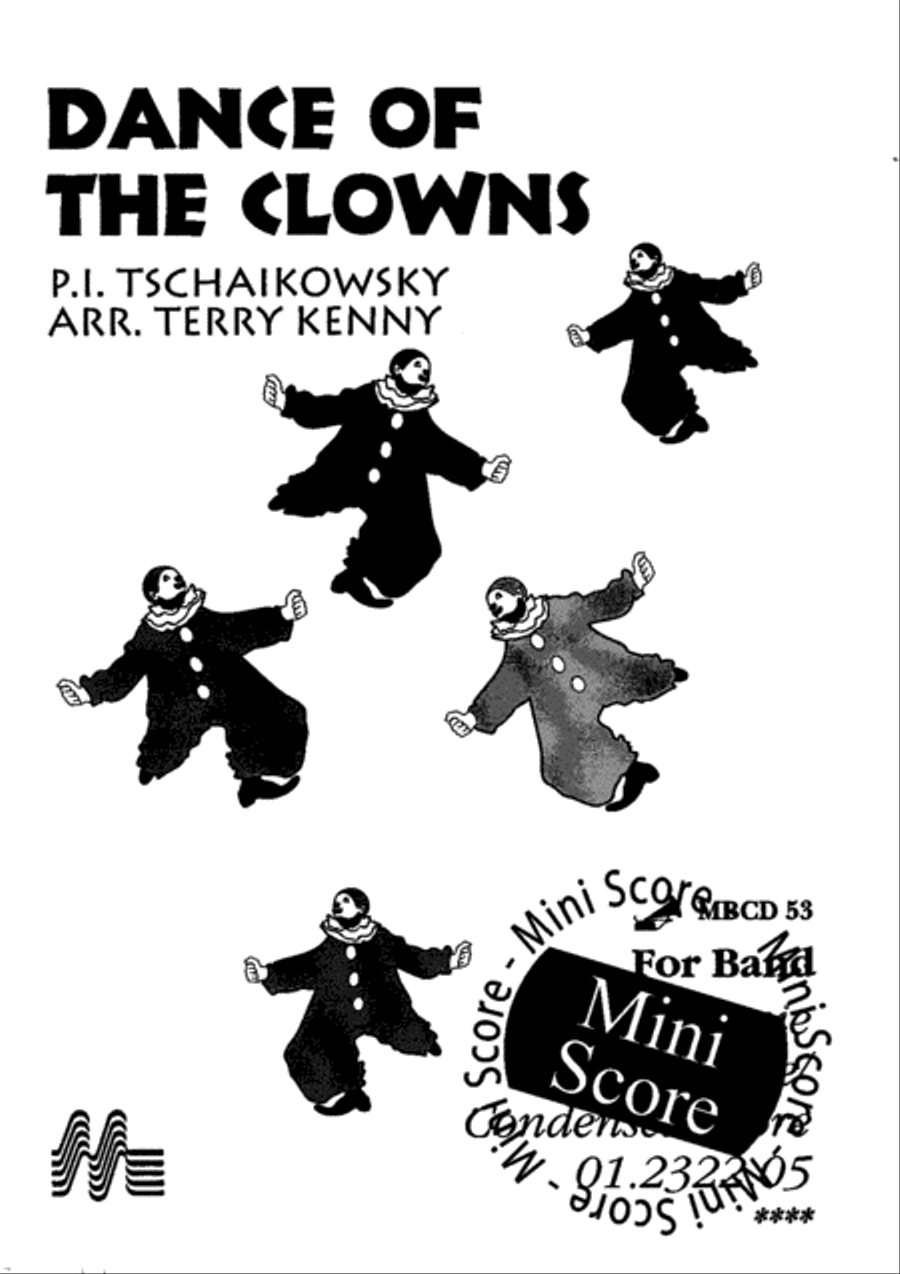
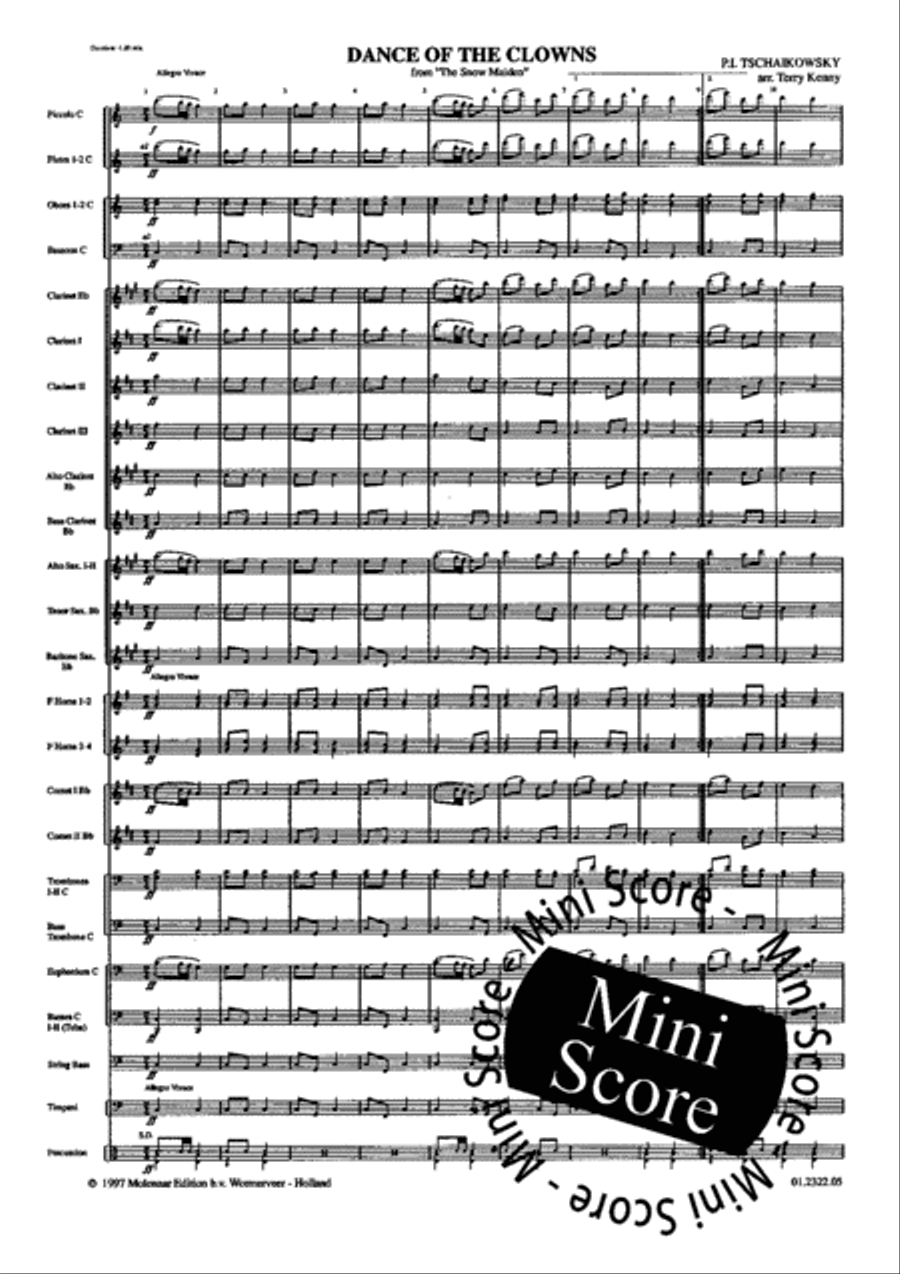
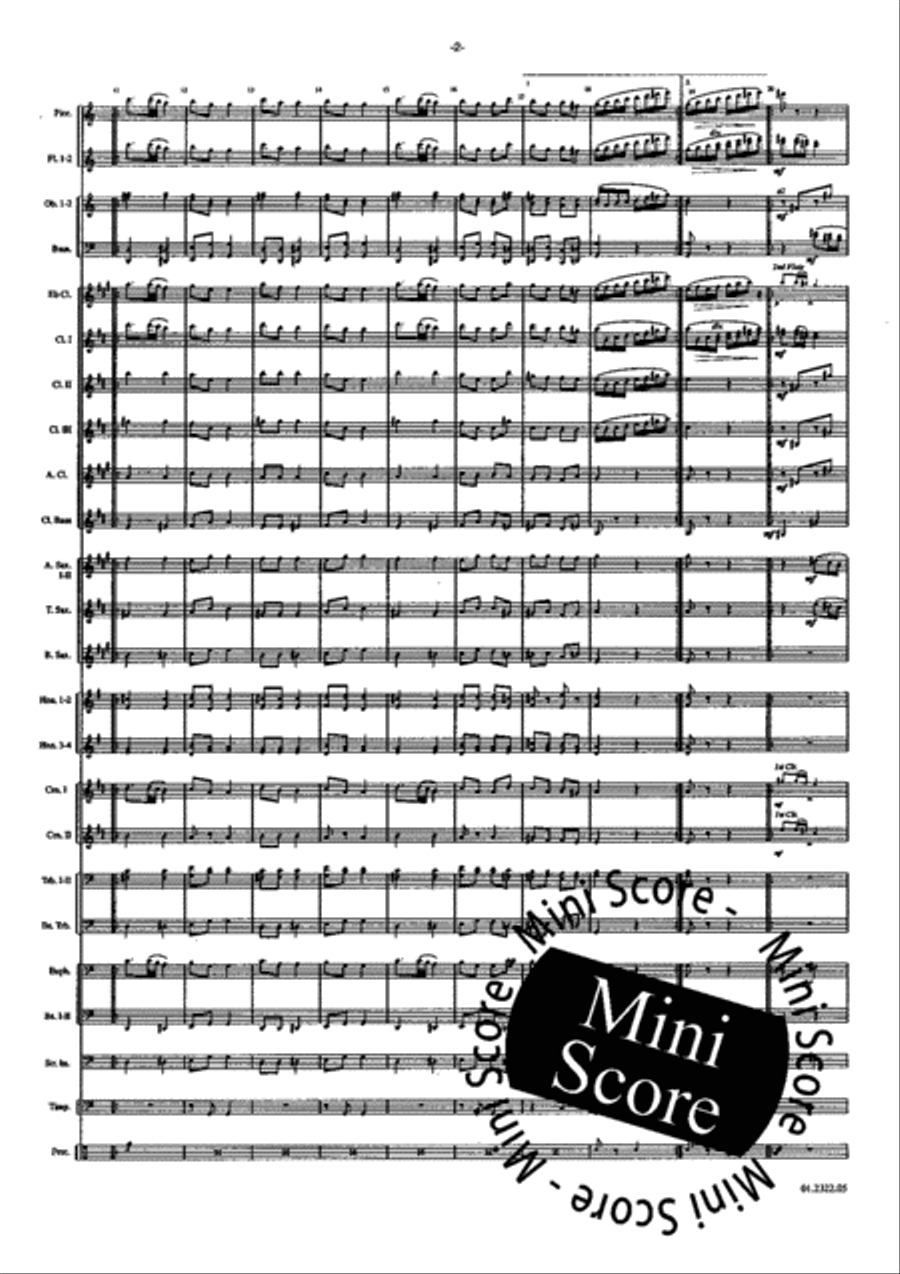
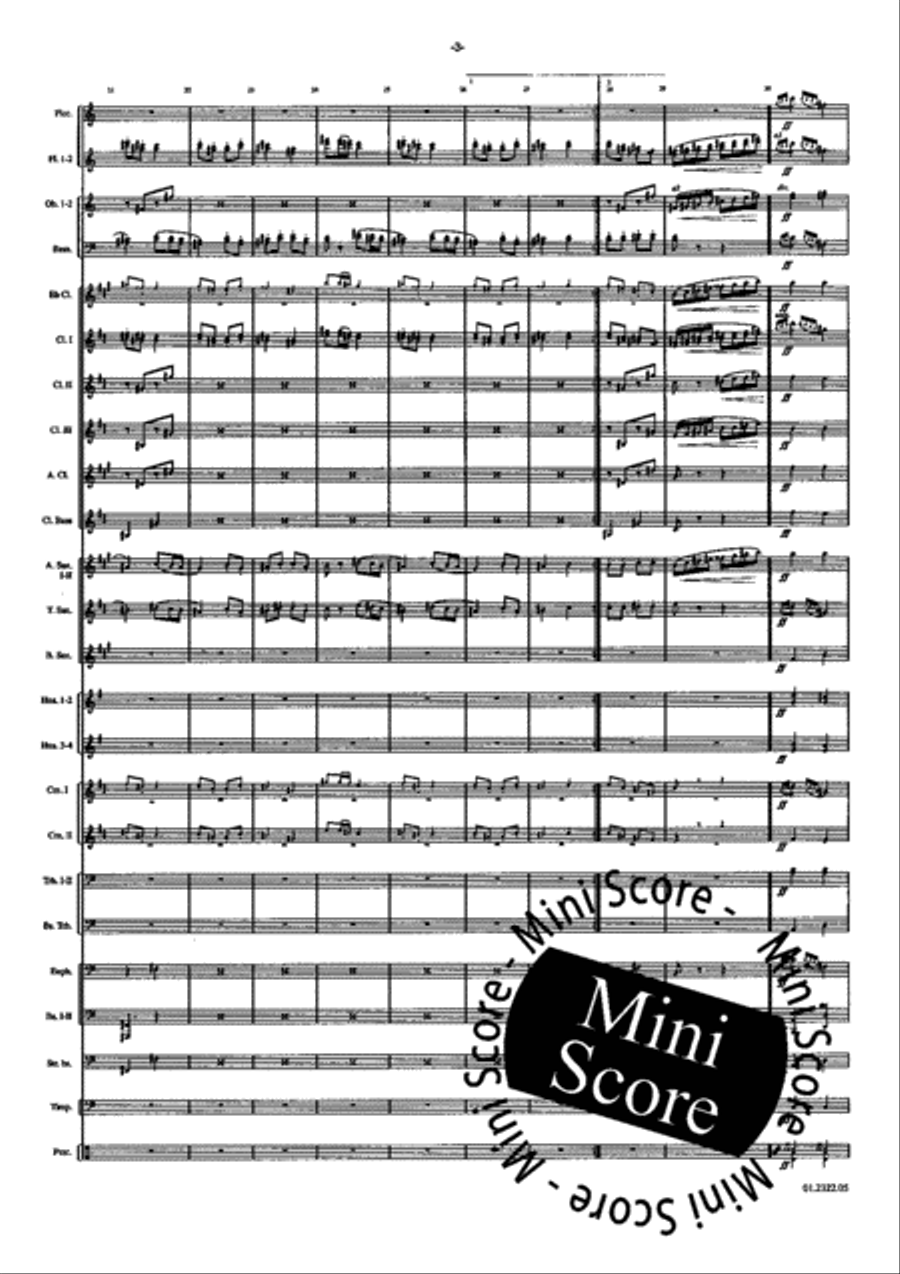
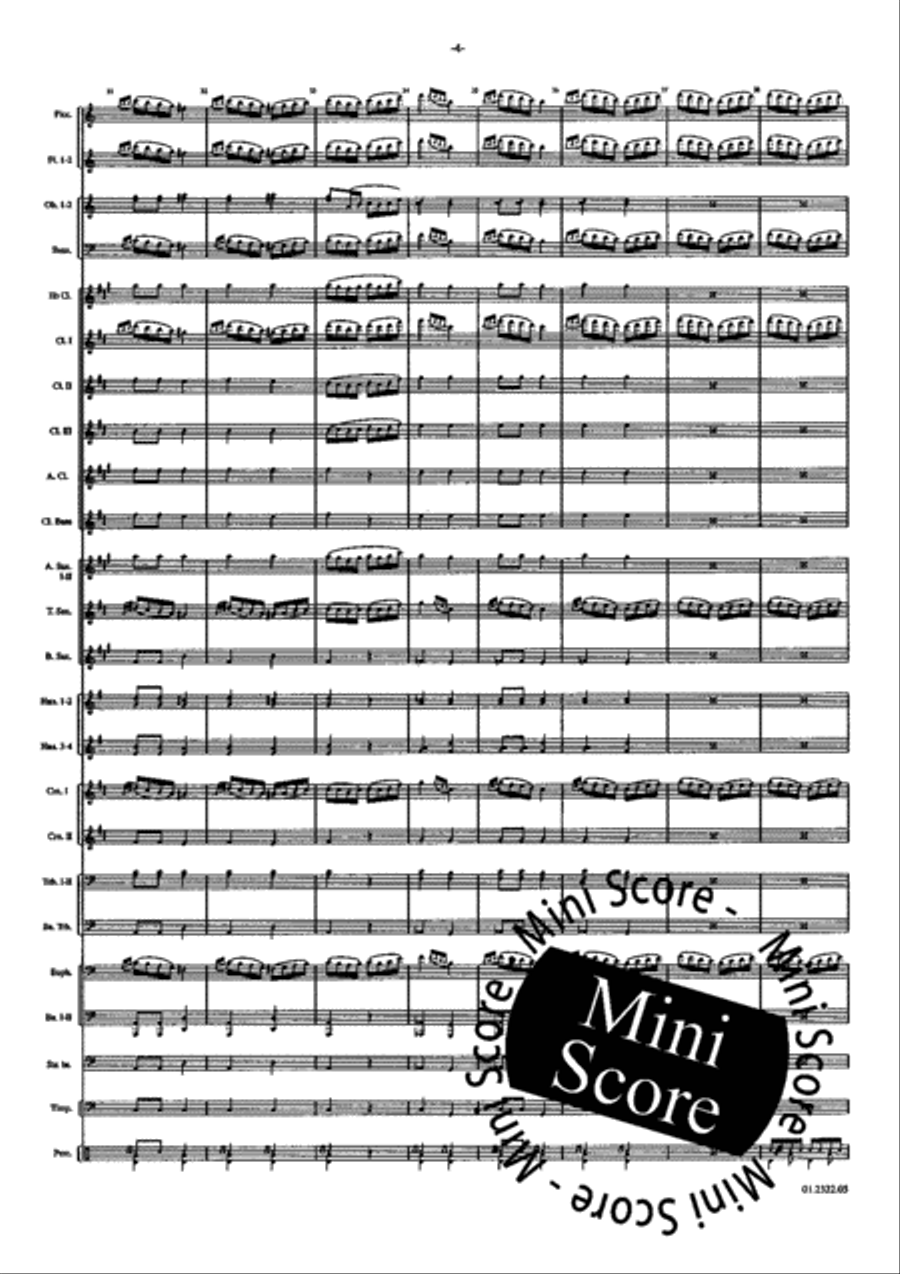
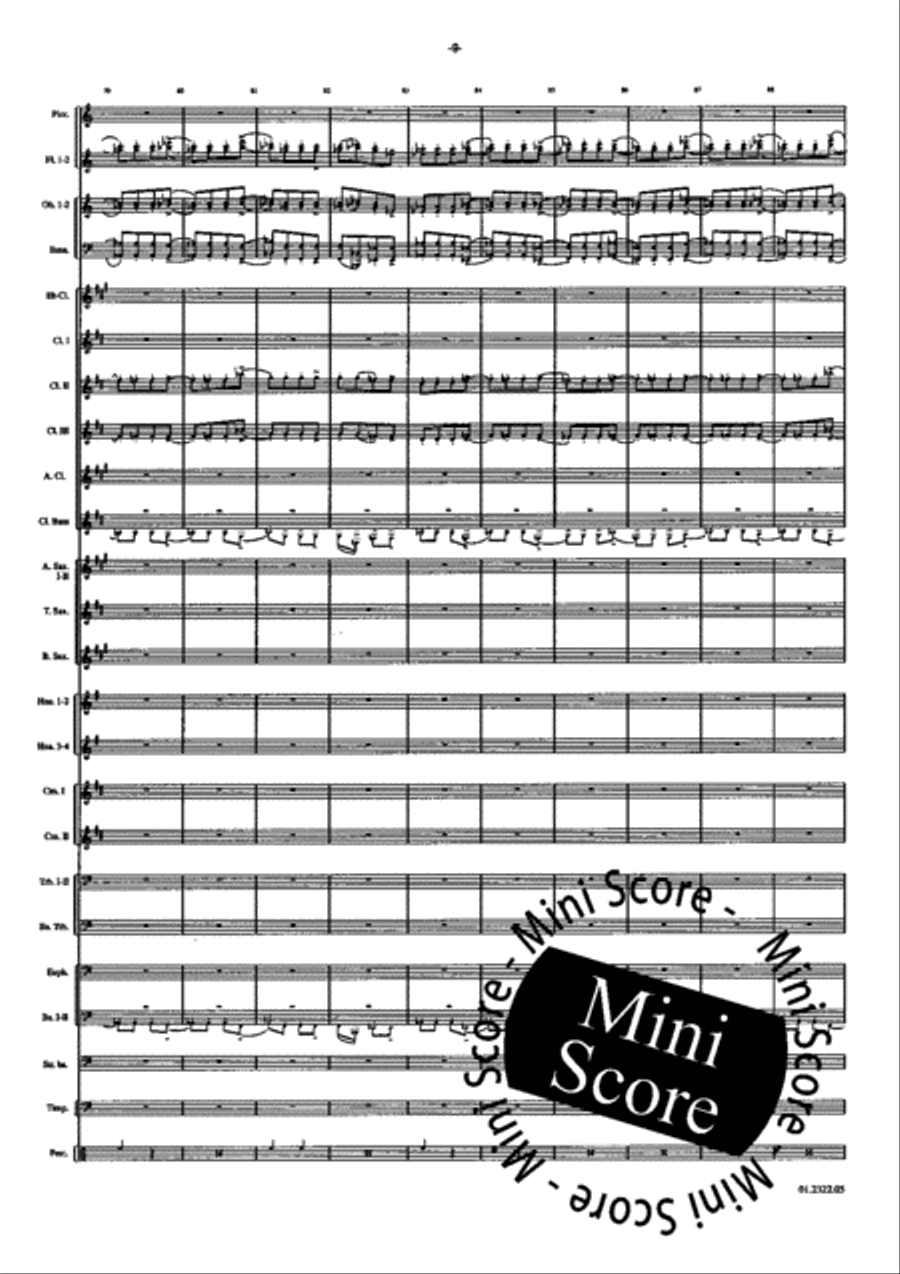
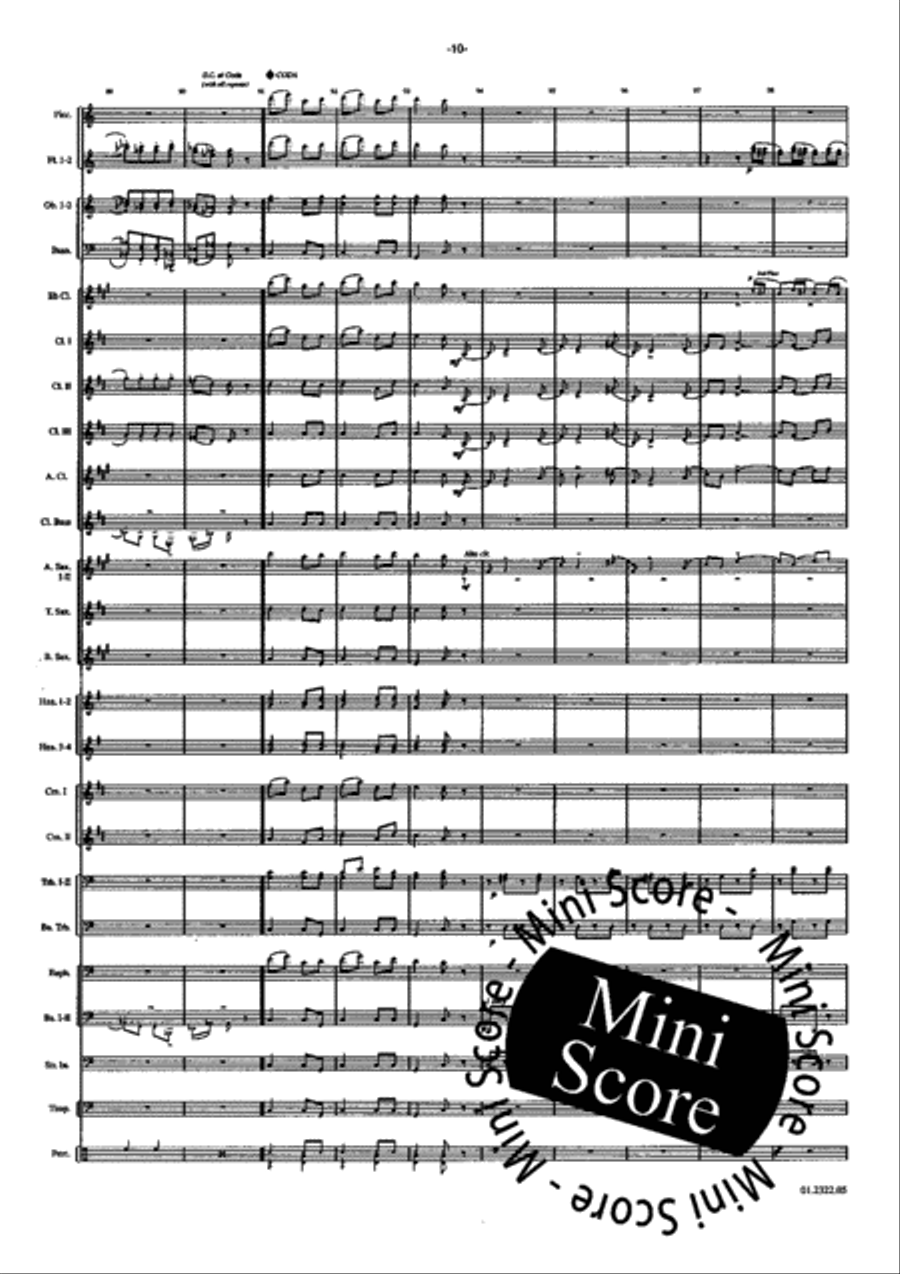
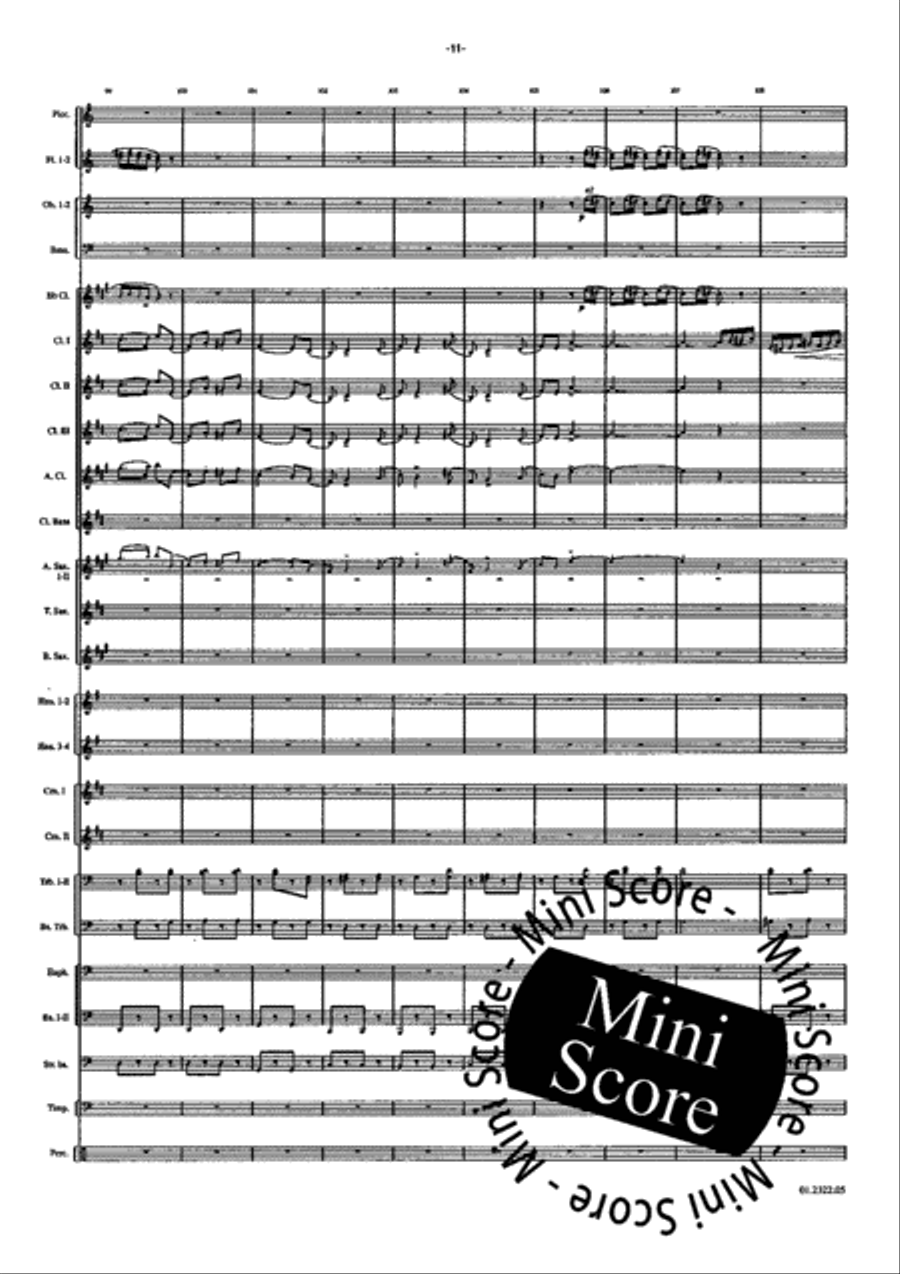
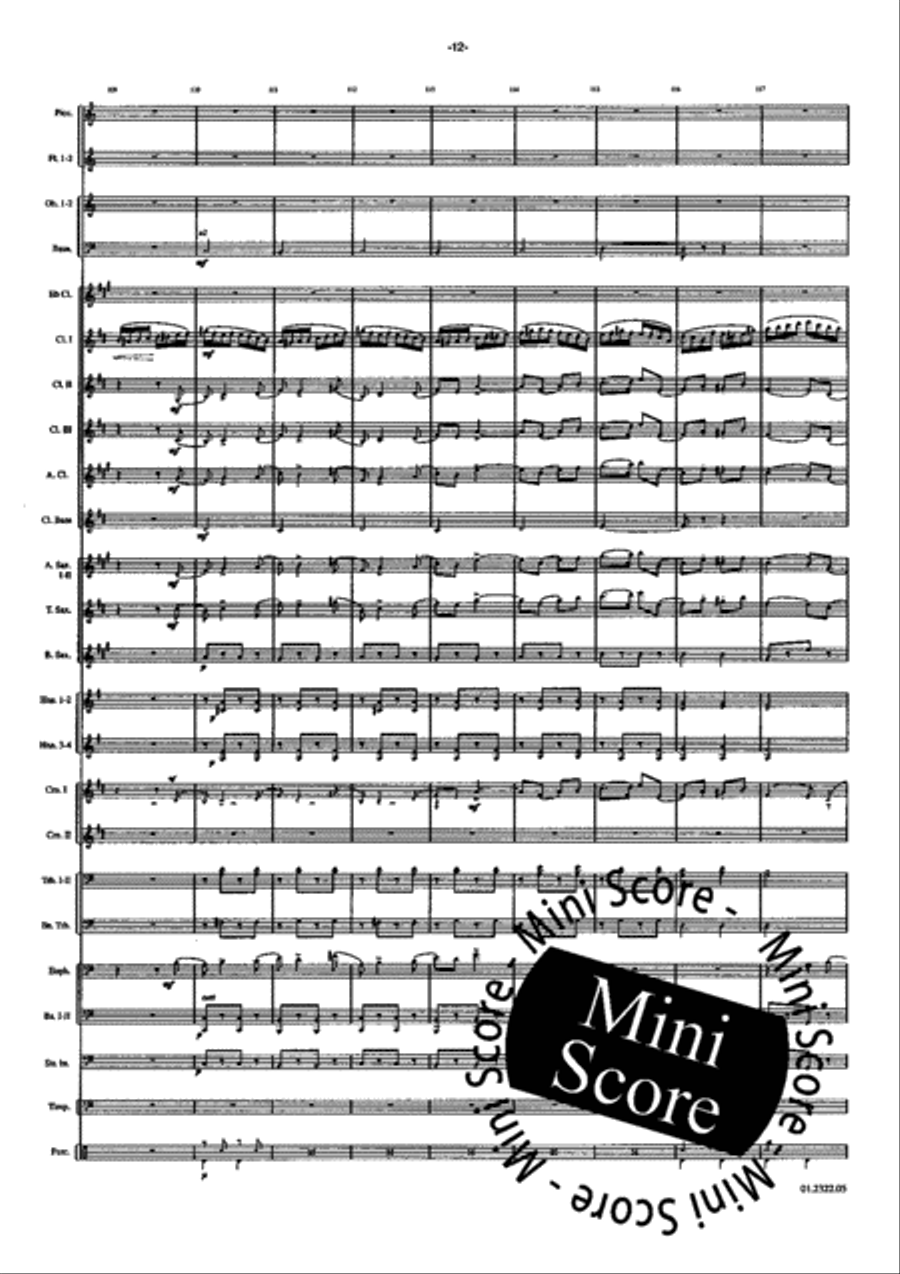
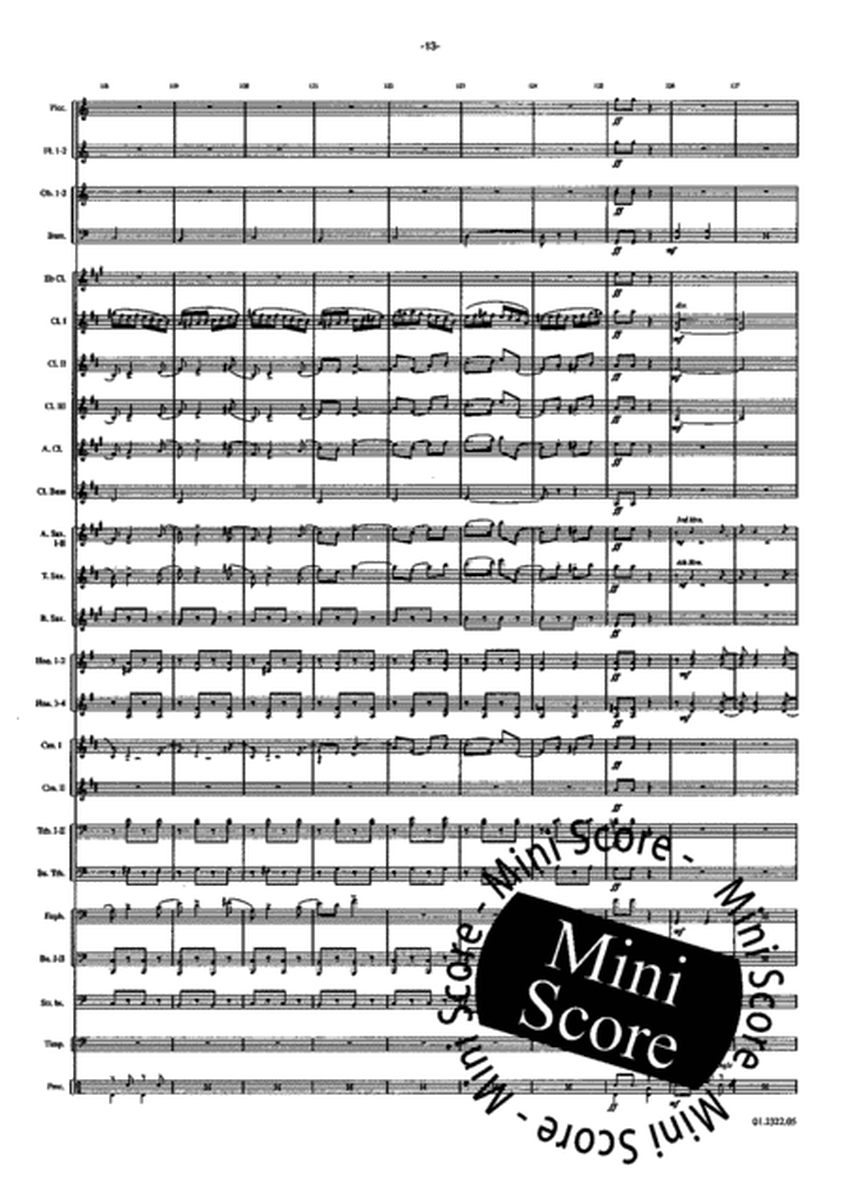
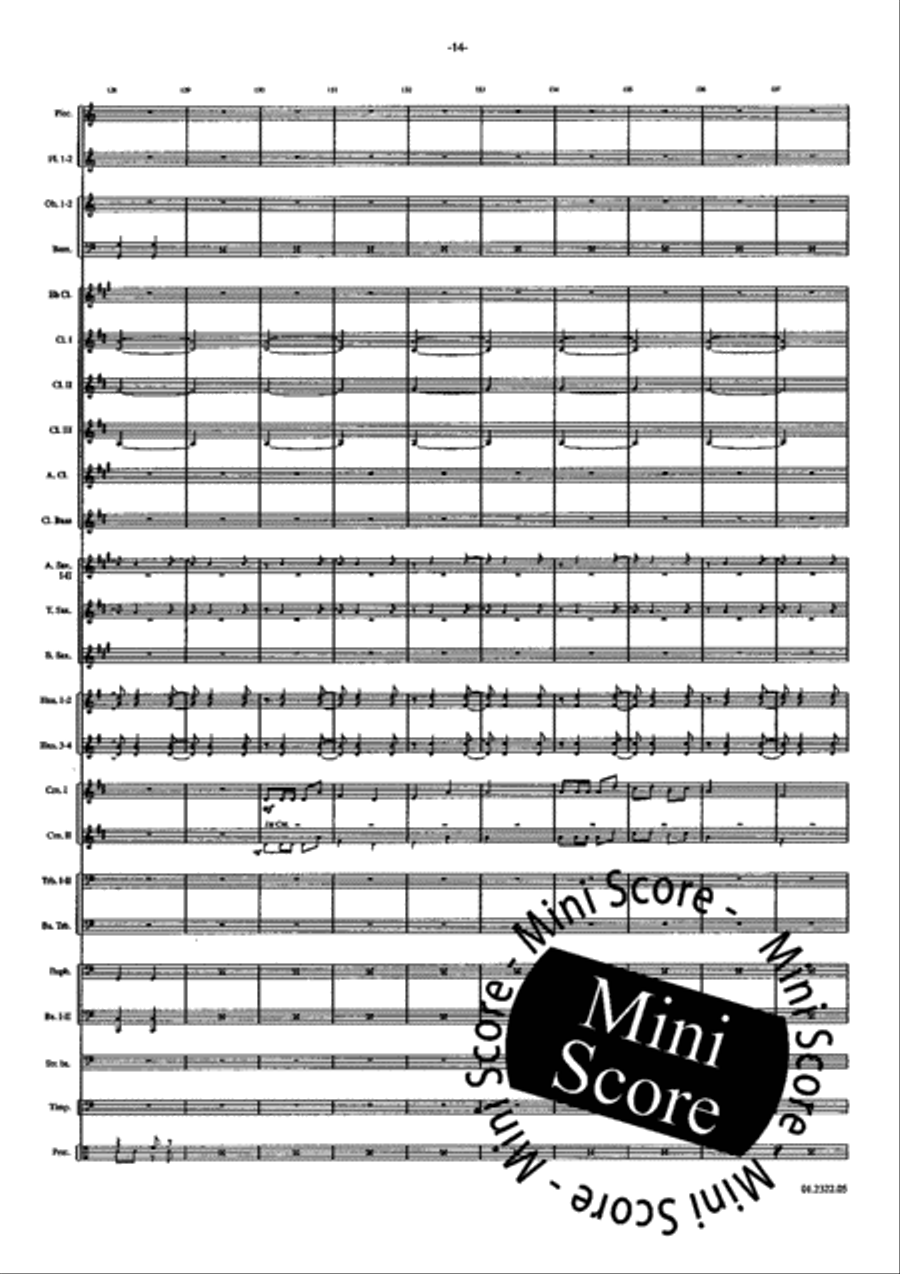
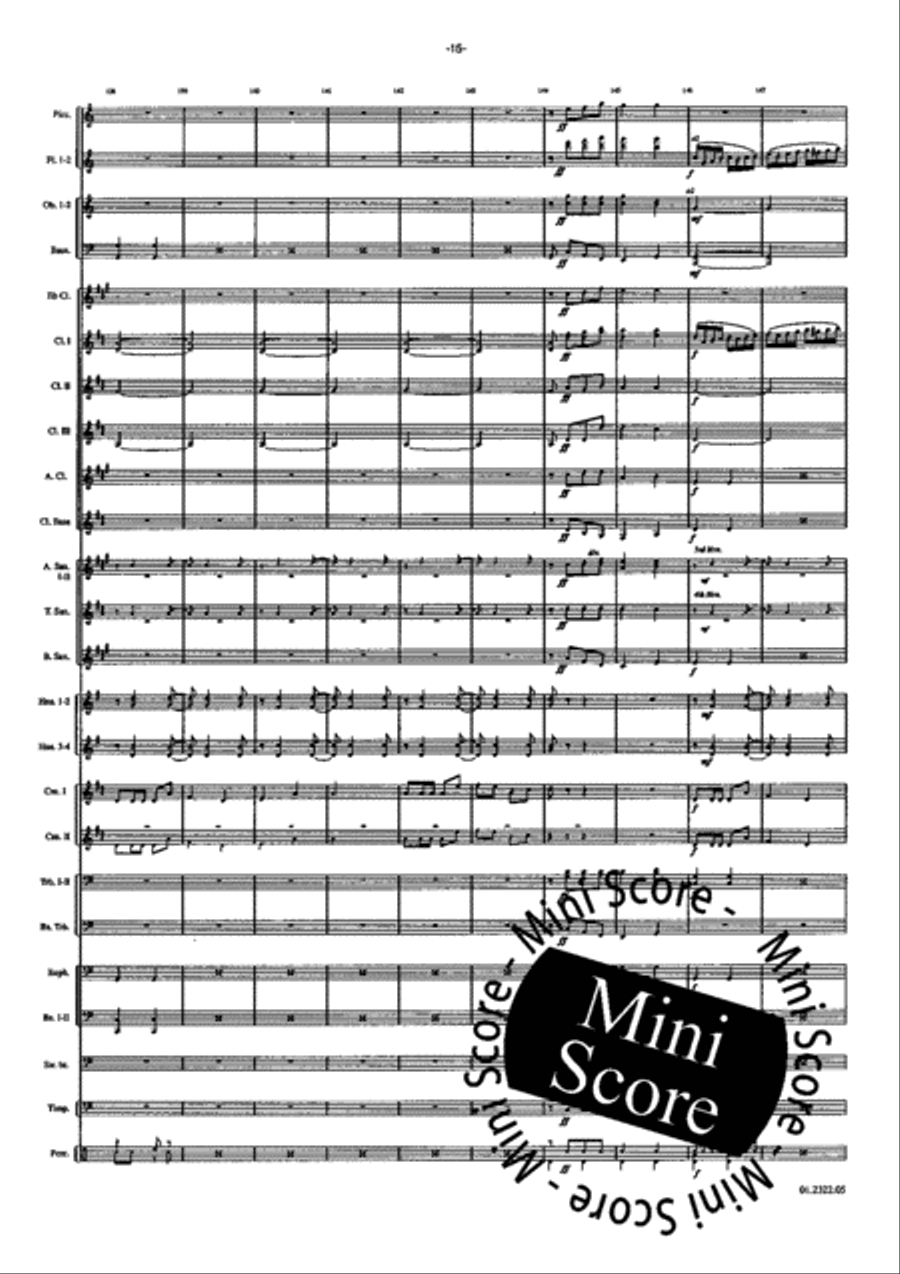
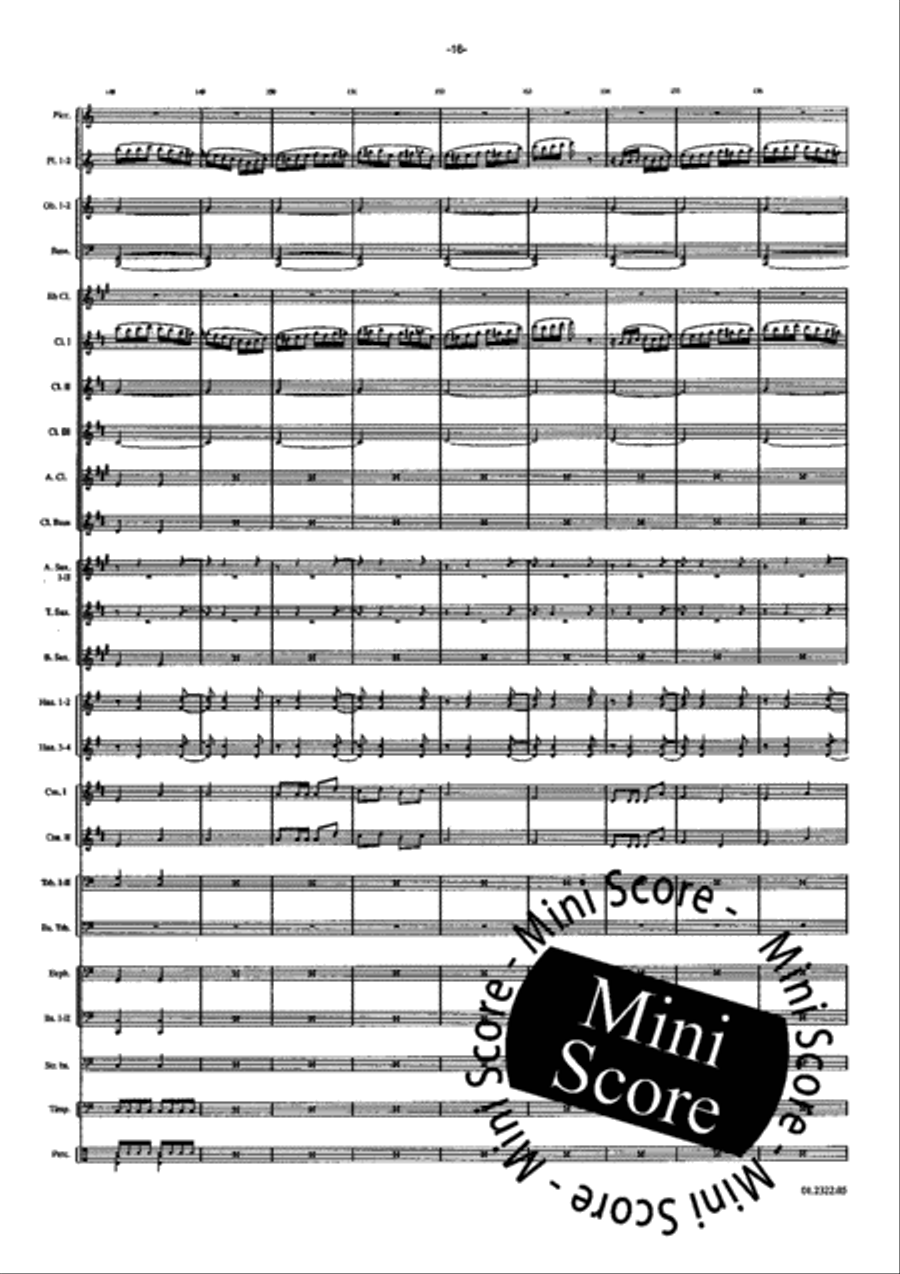
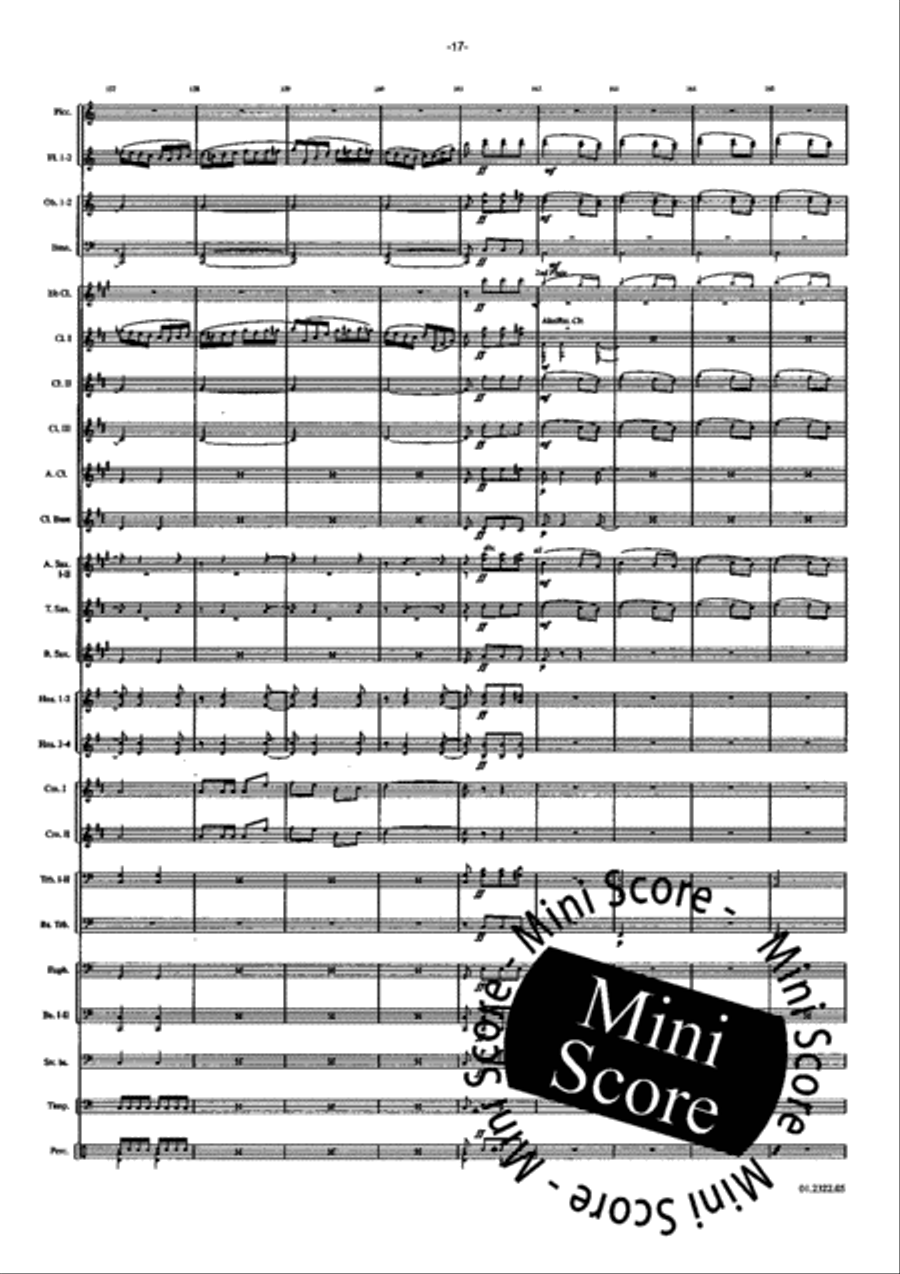
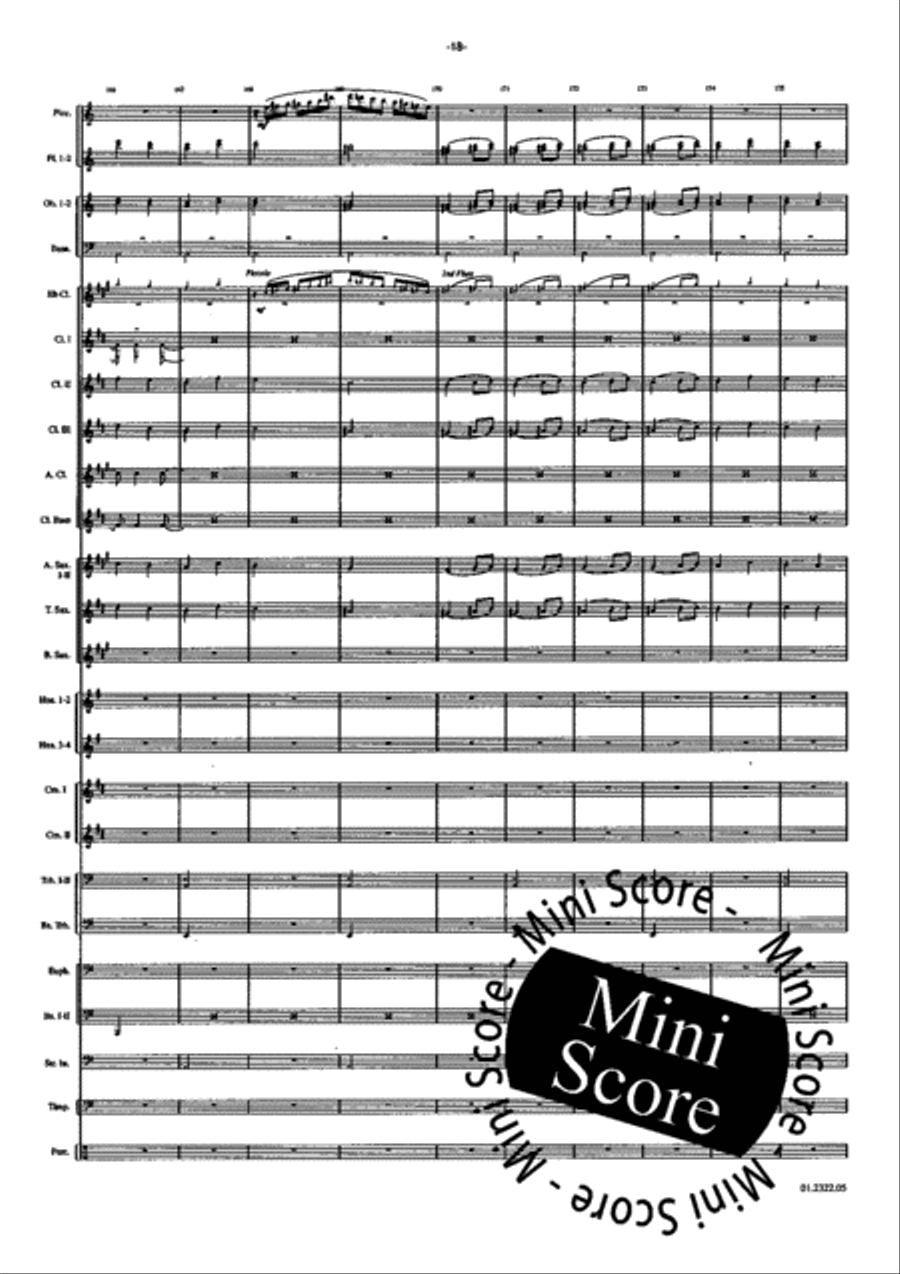
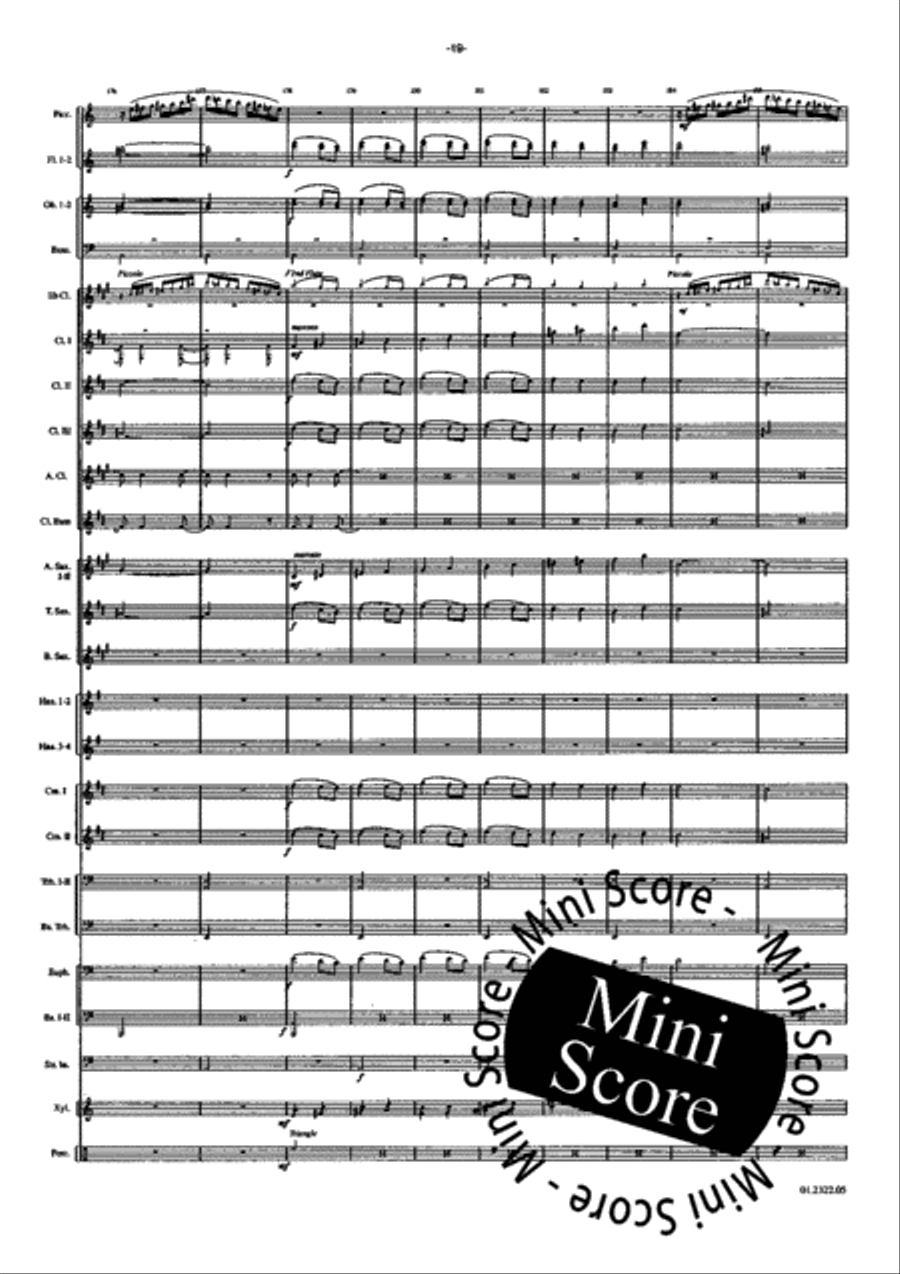
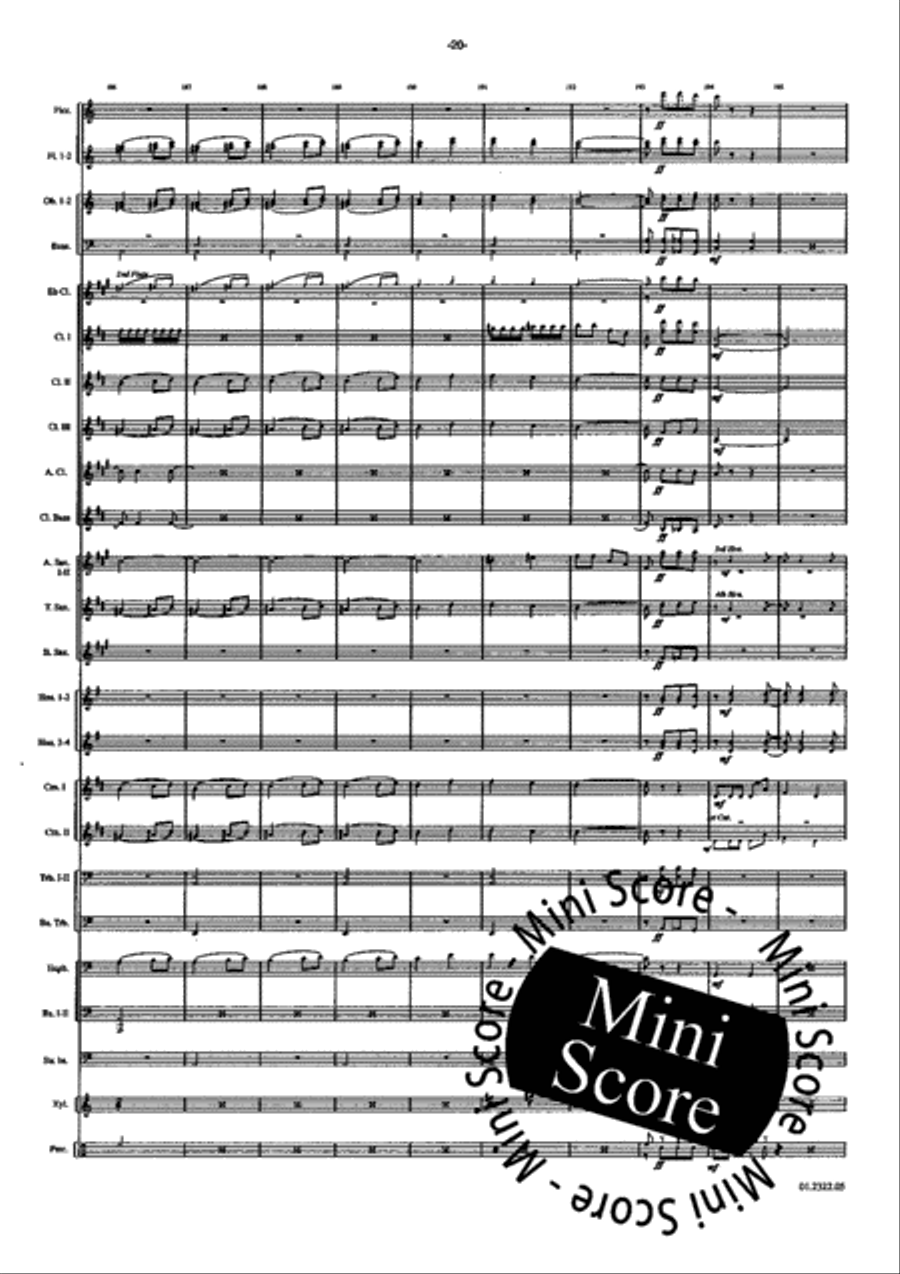
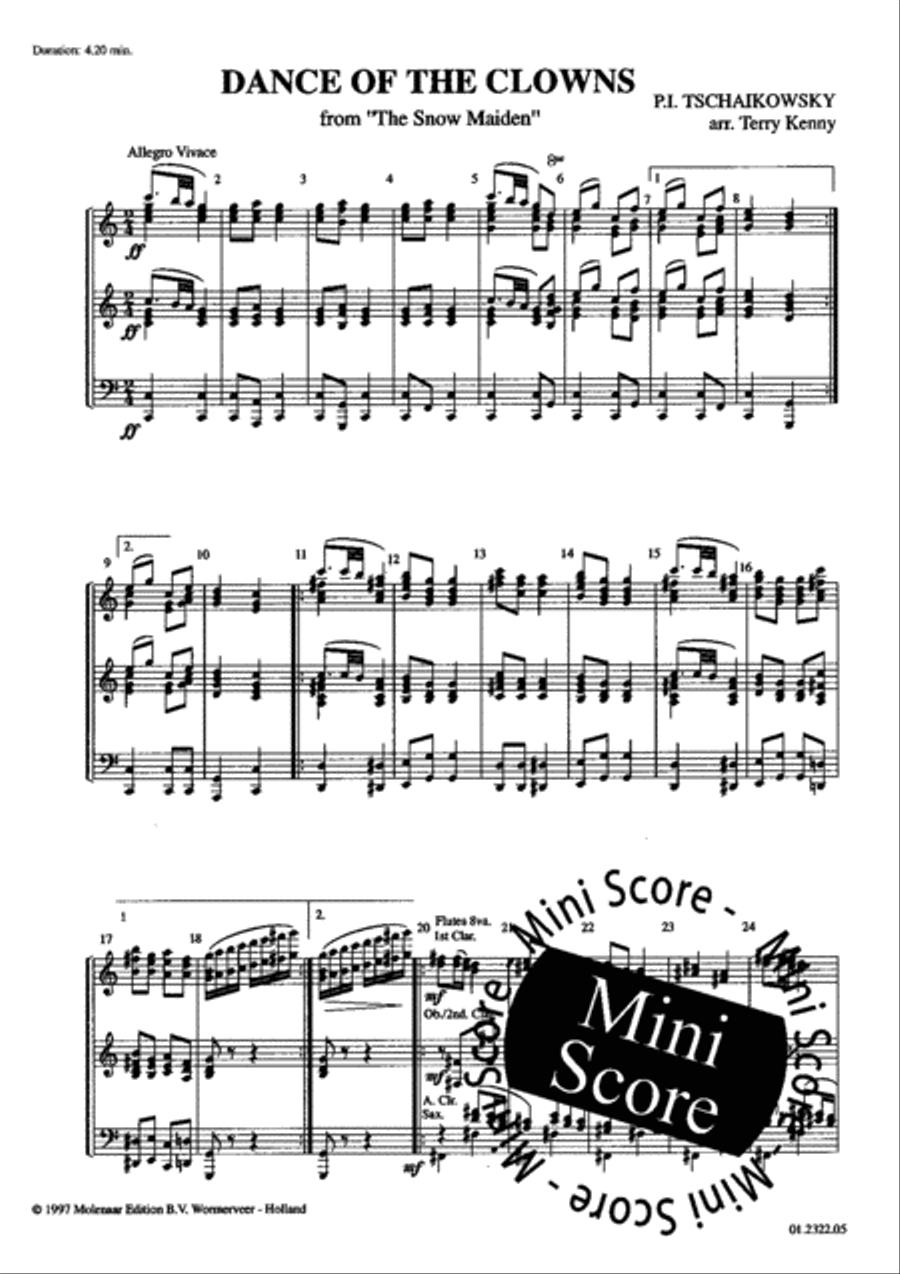
Dance of the Clowns
18227187
18227187
18227187
Copyright Material for Preview Only - Sheet Music Plus
Concert Band - Grade 4
SKU: ML.012322050-S
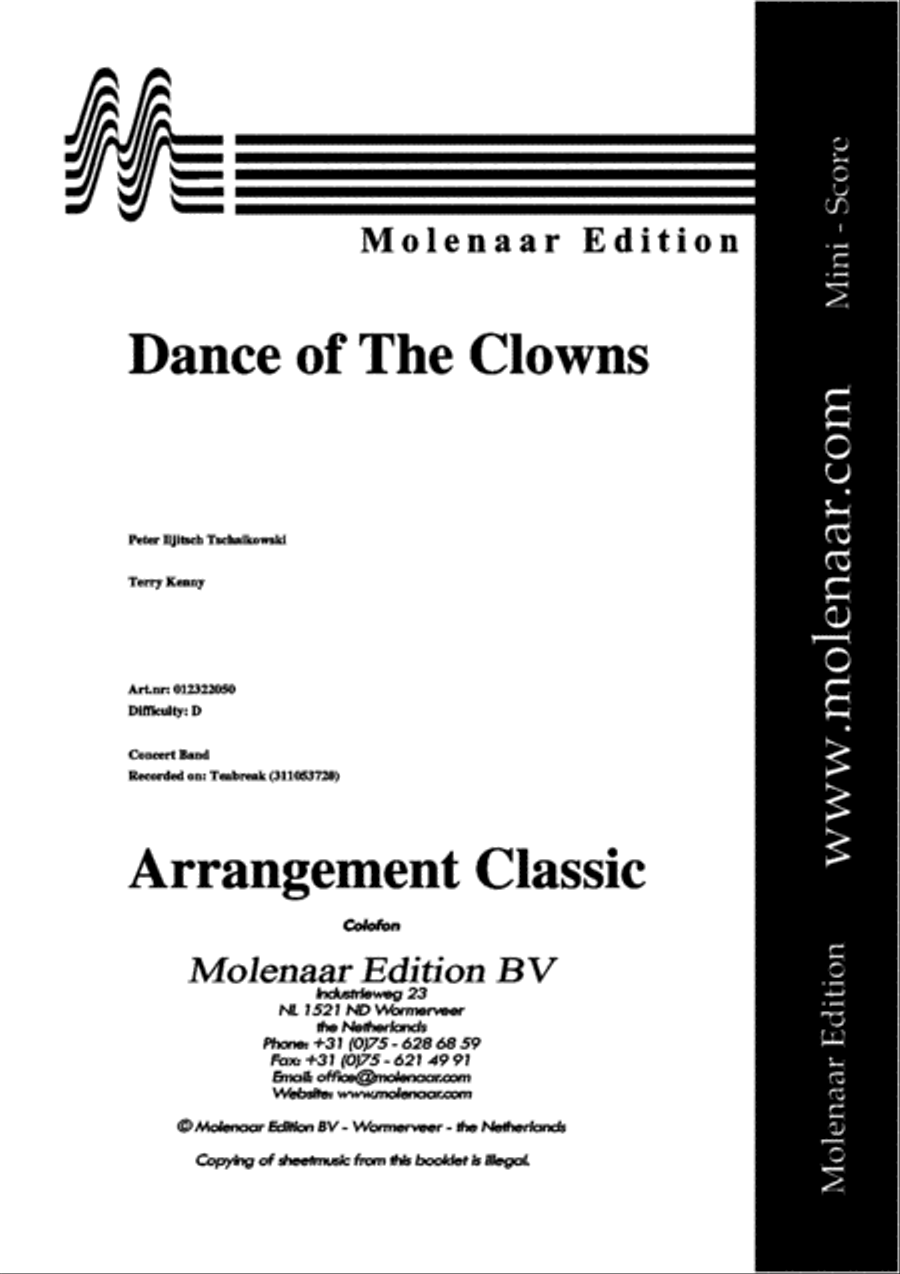
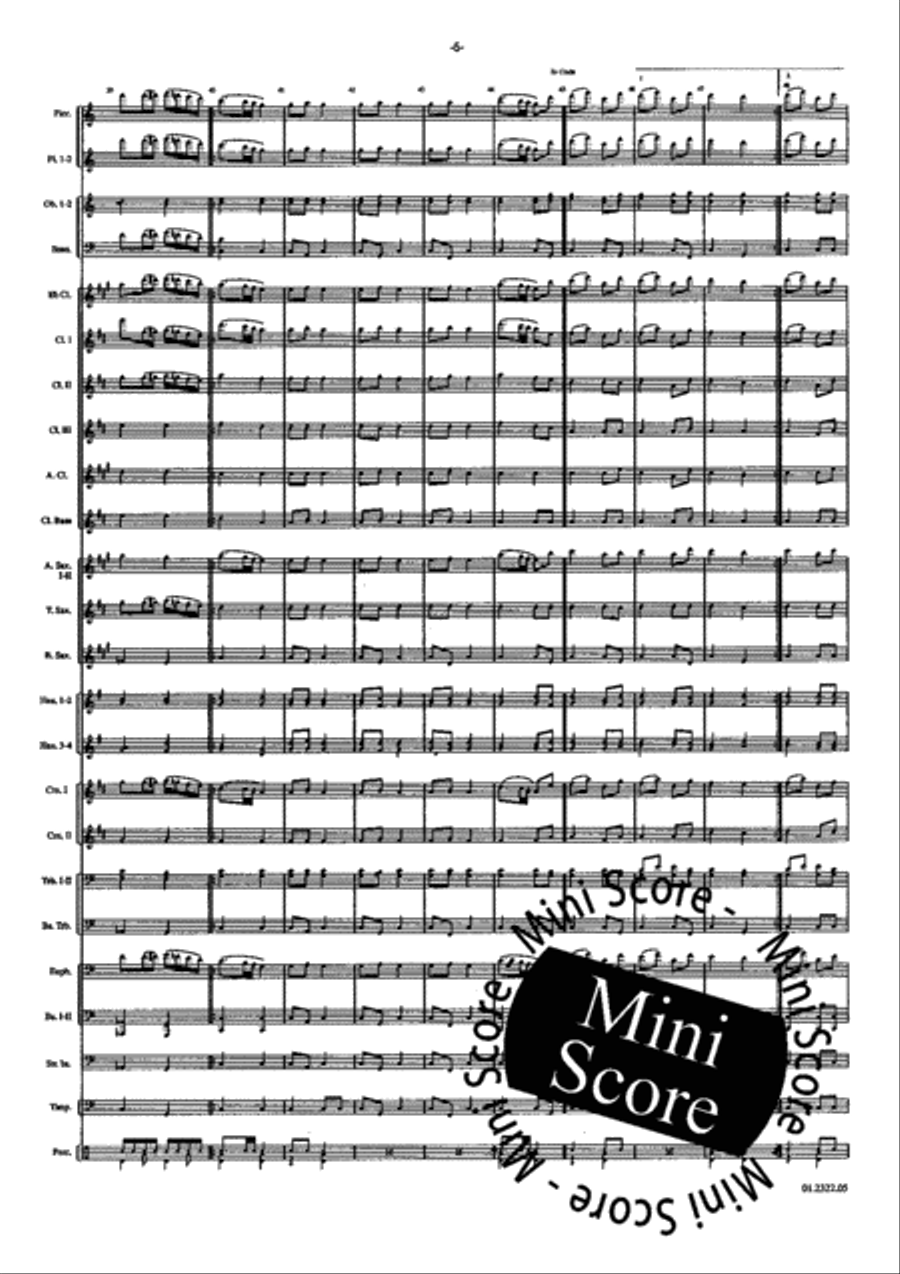
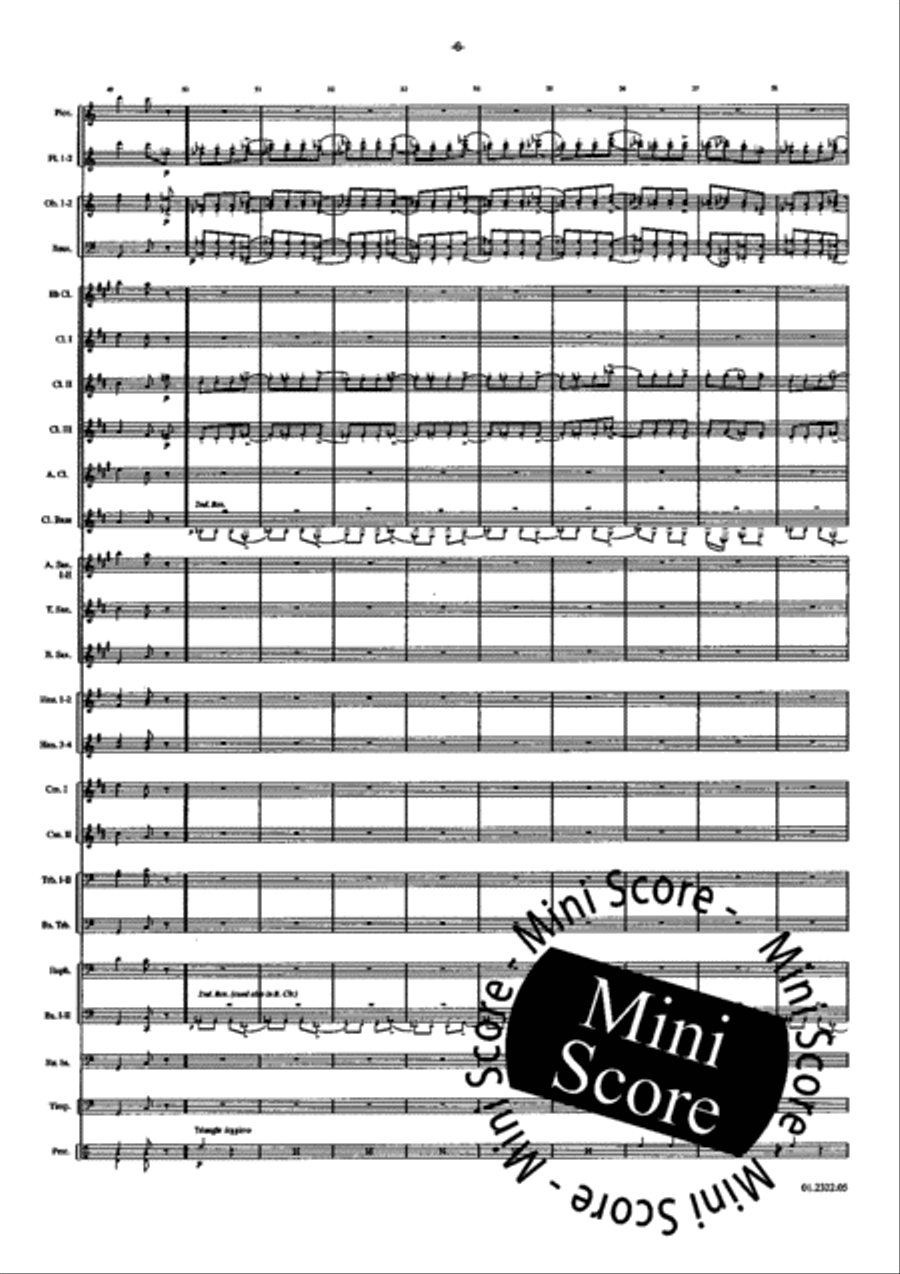
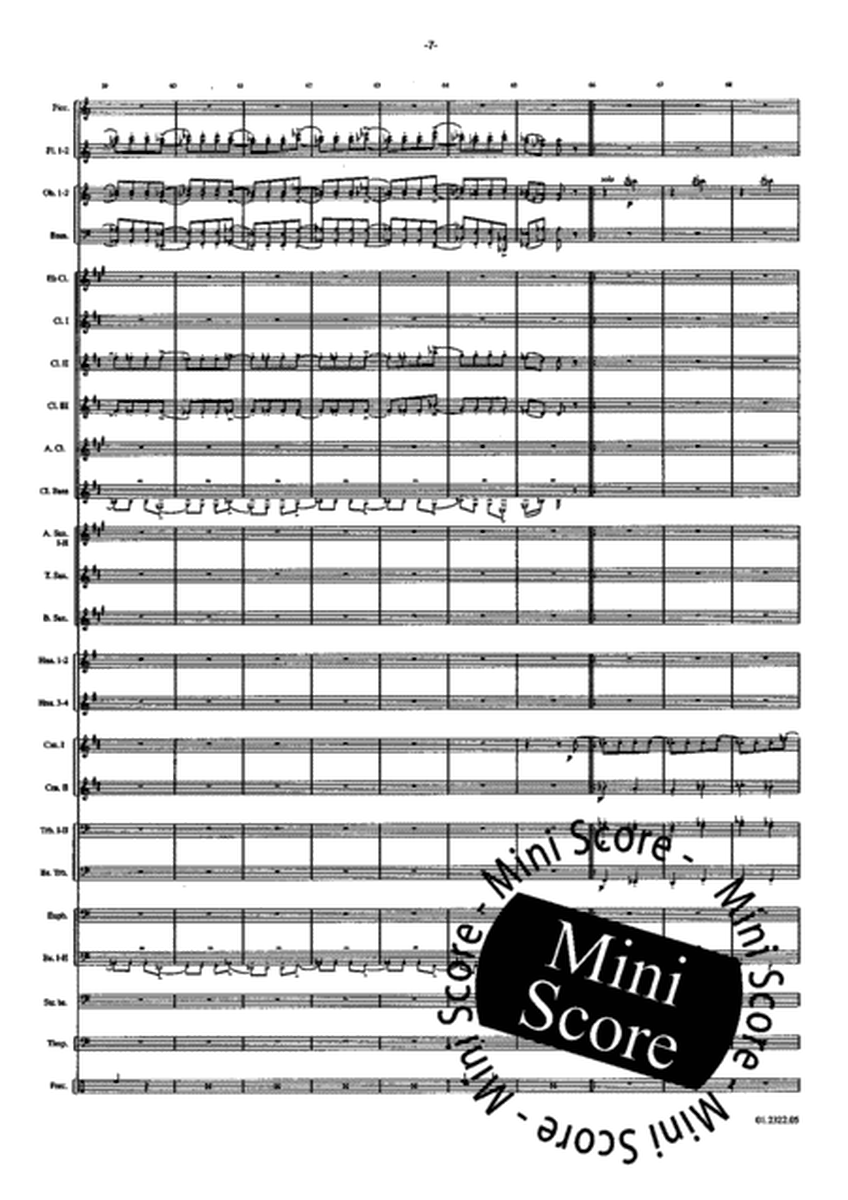
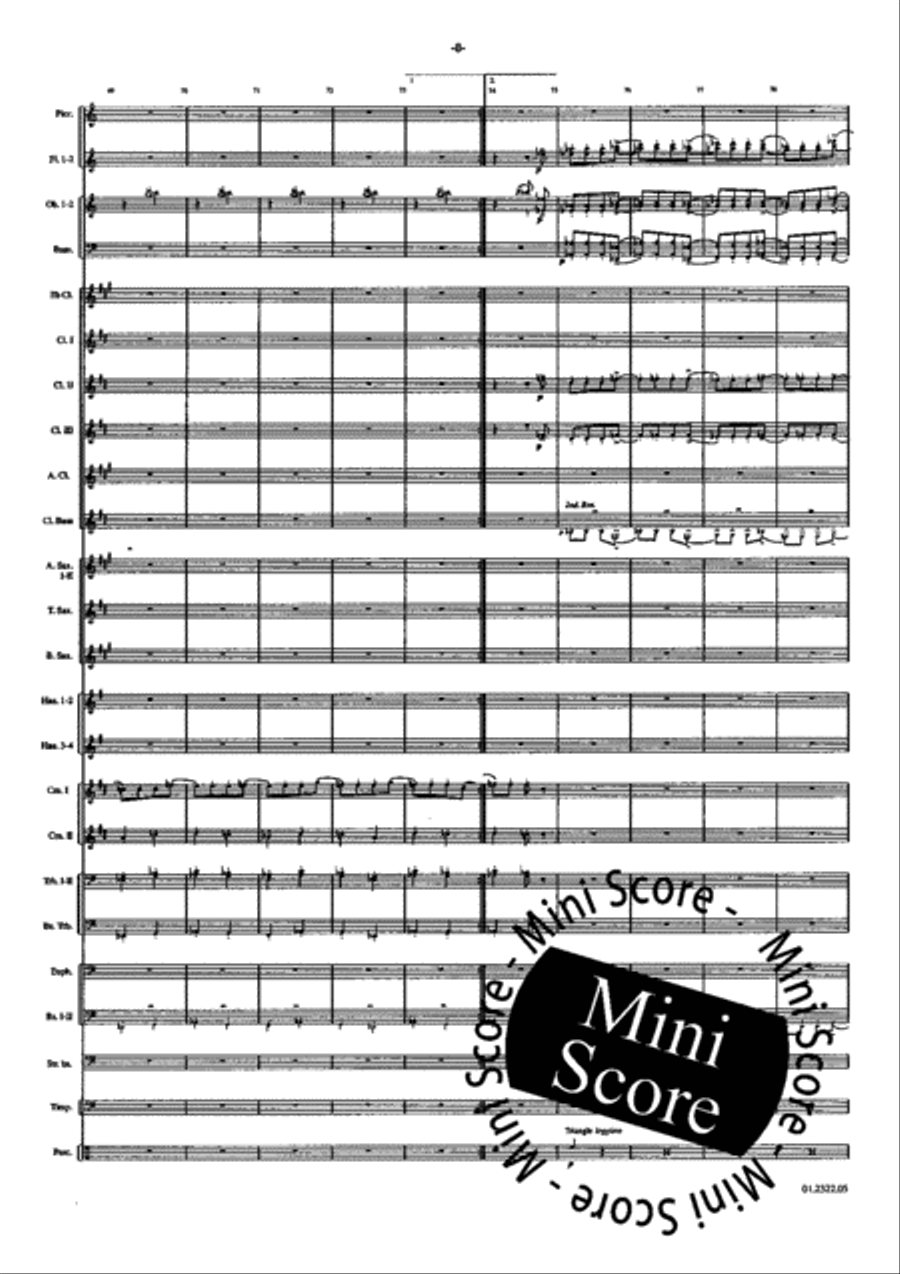
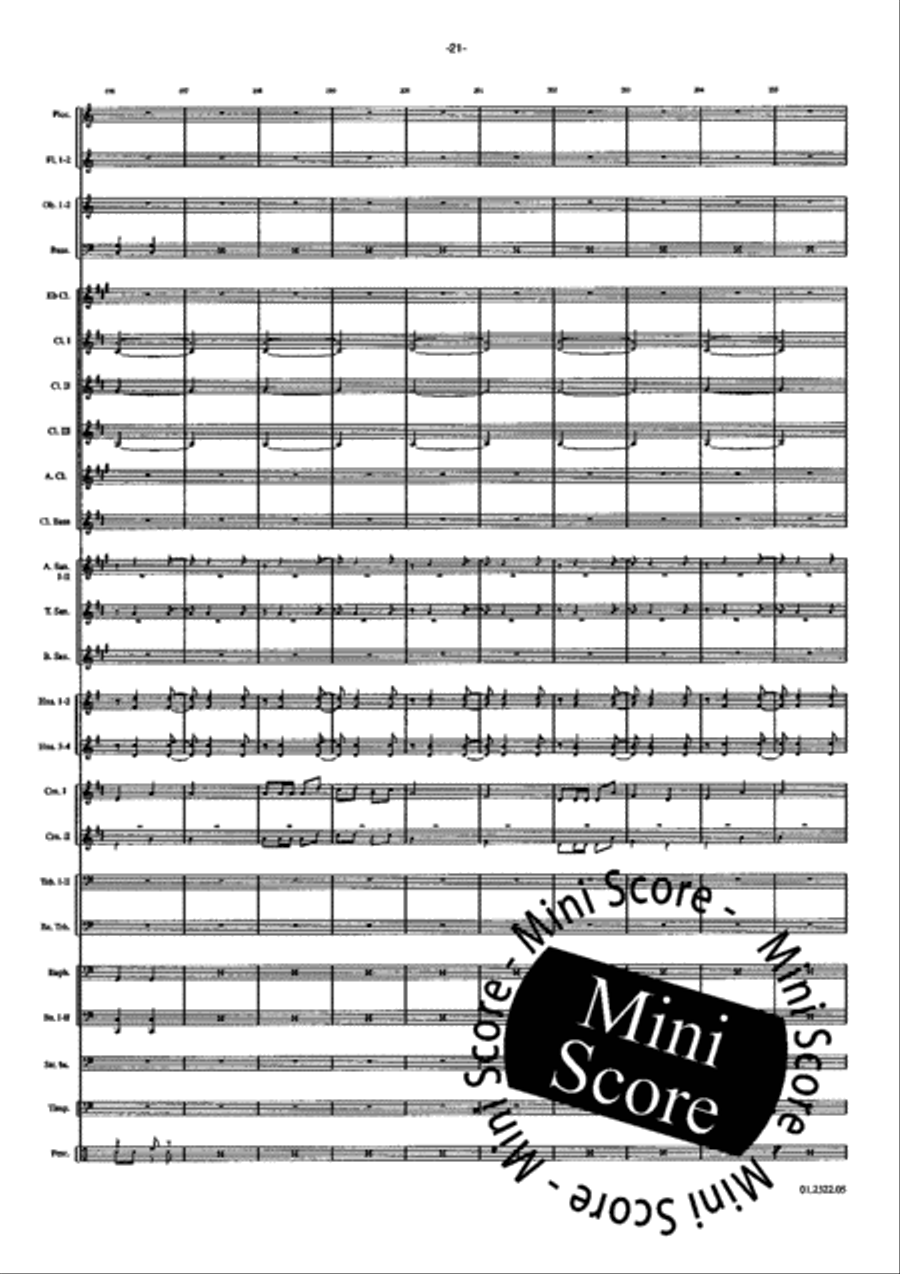
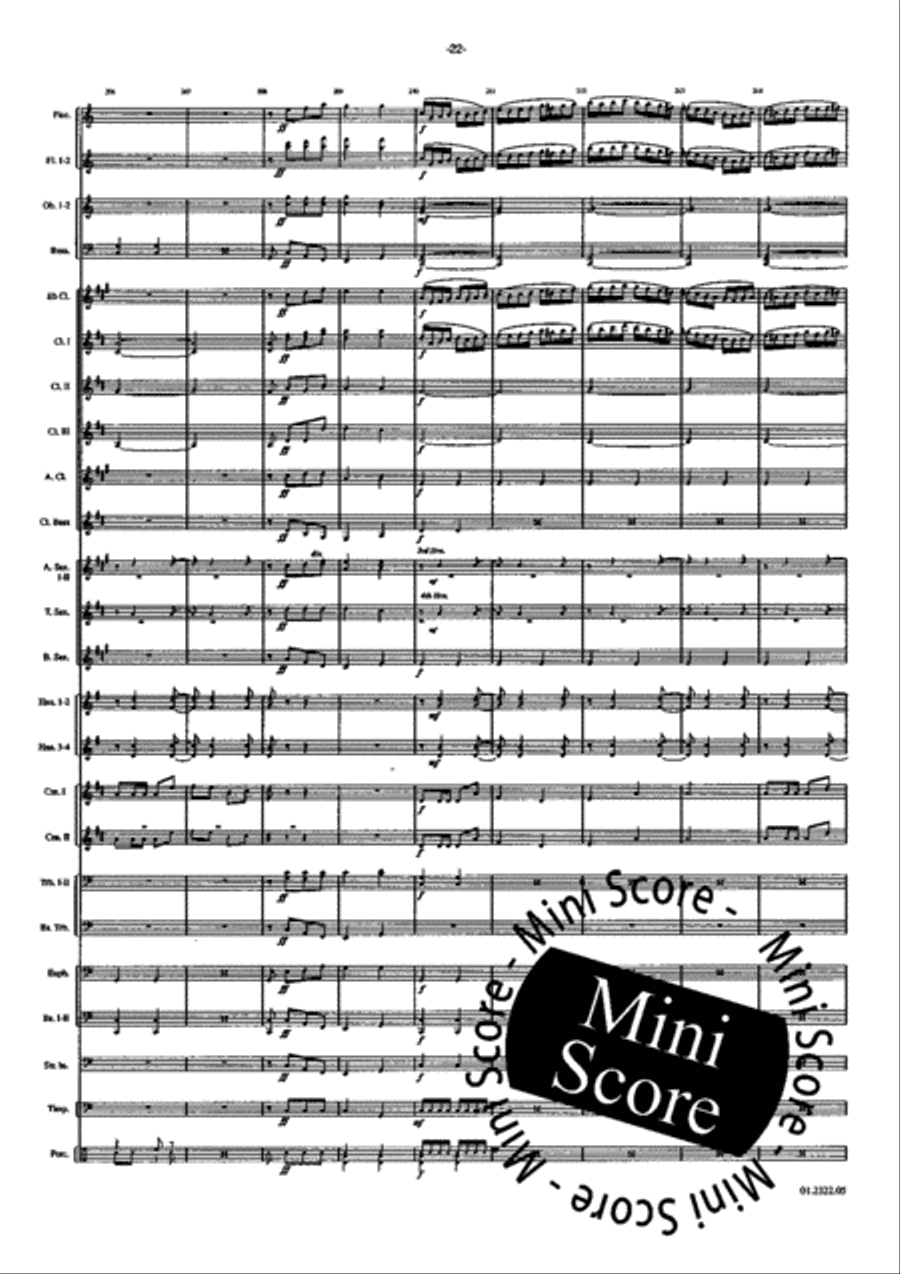
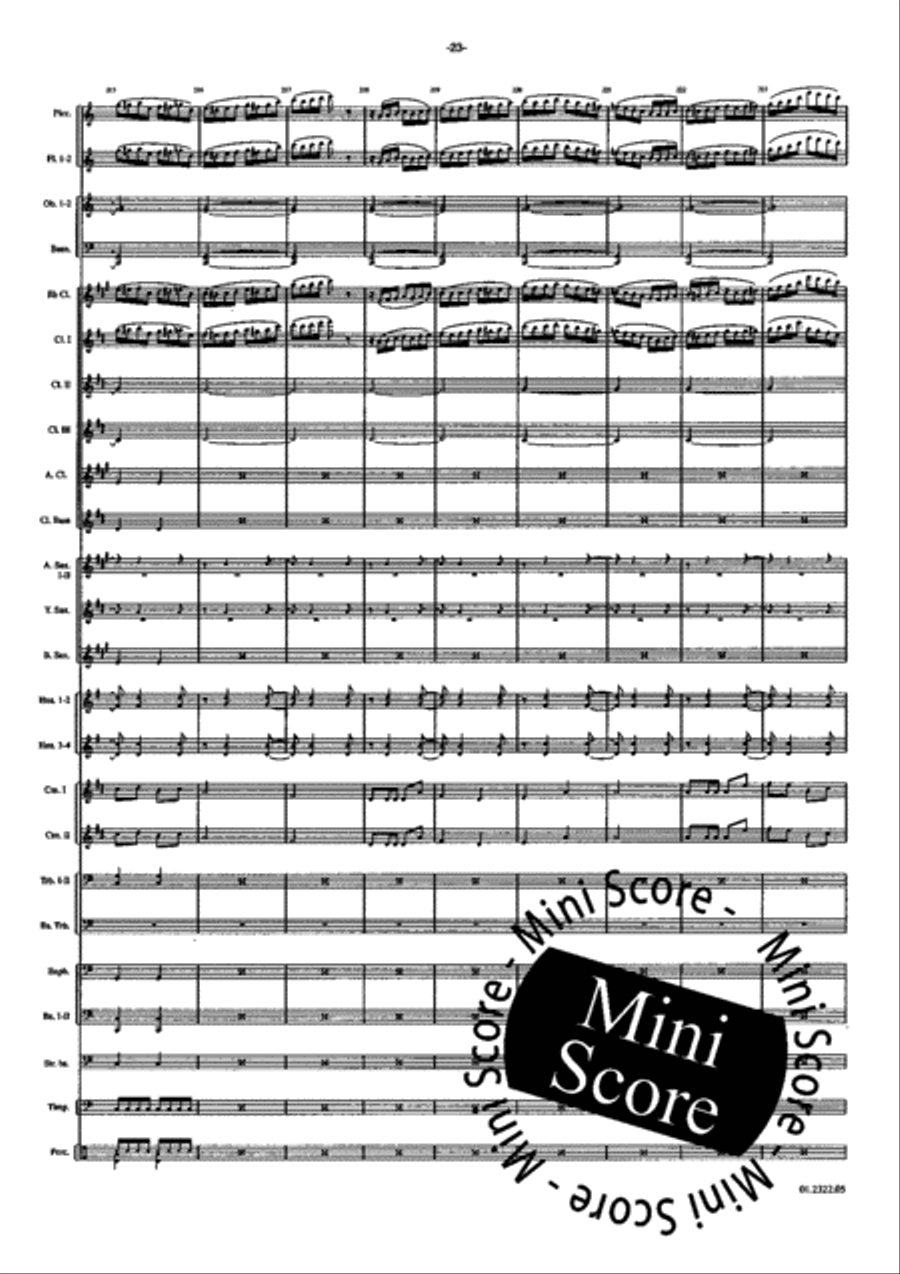
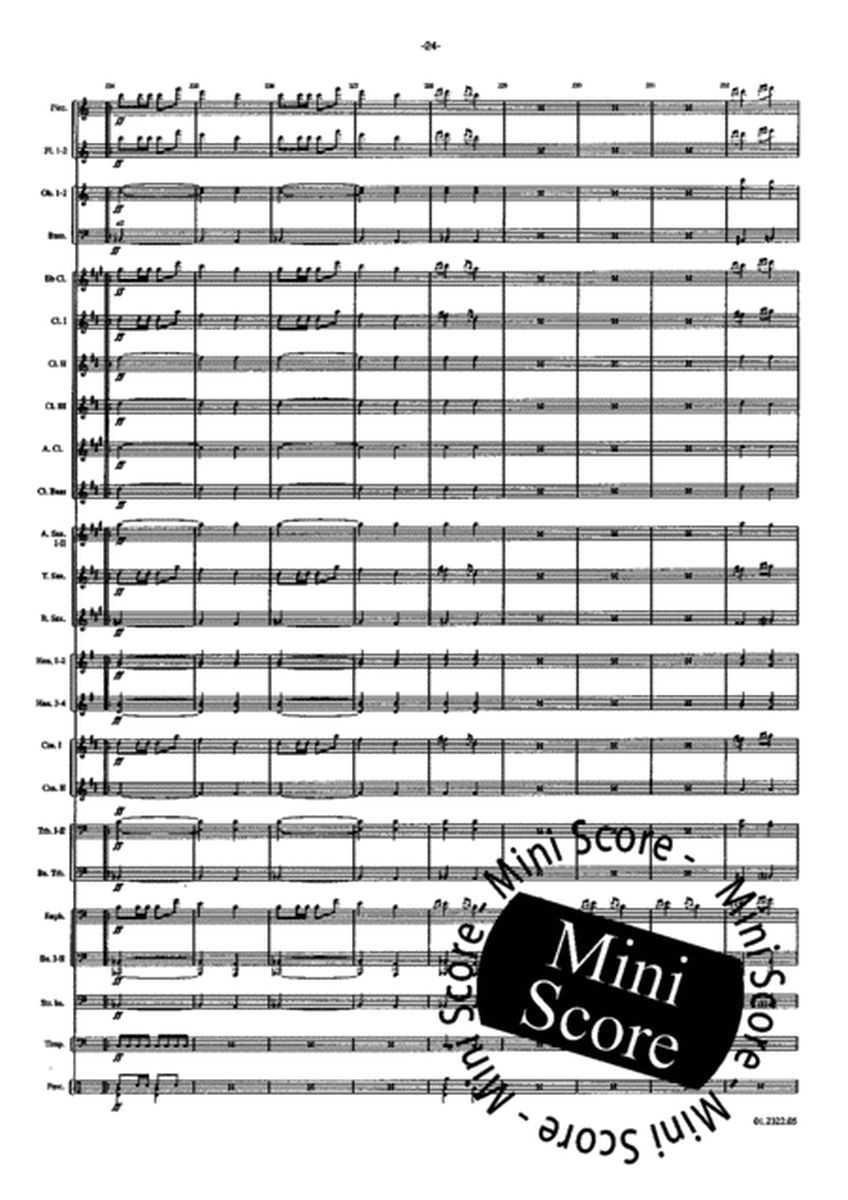
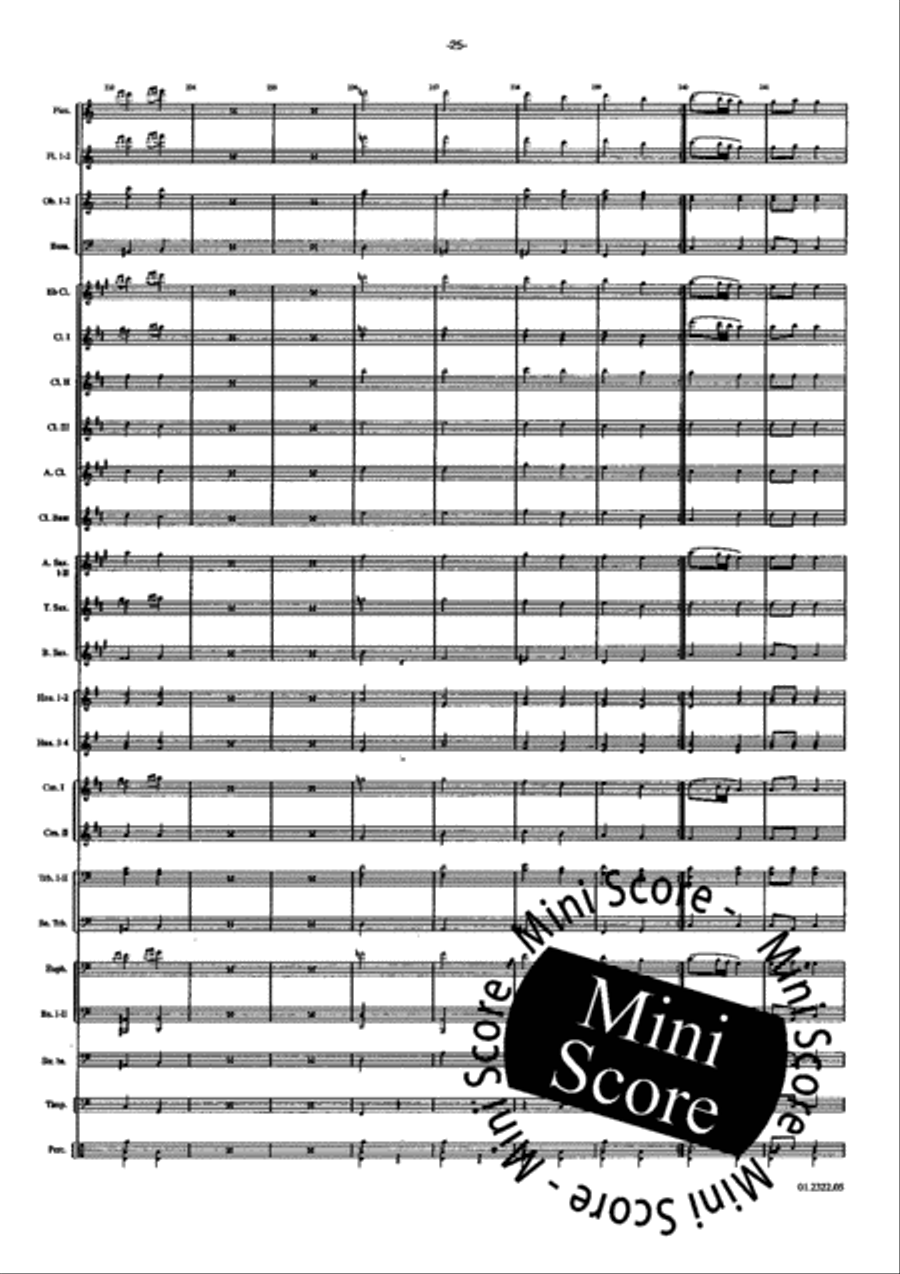
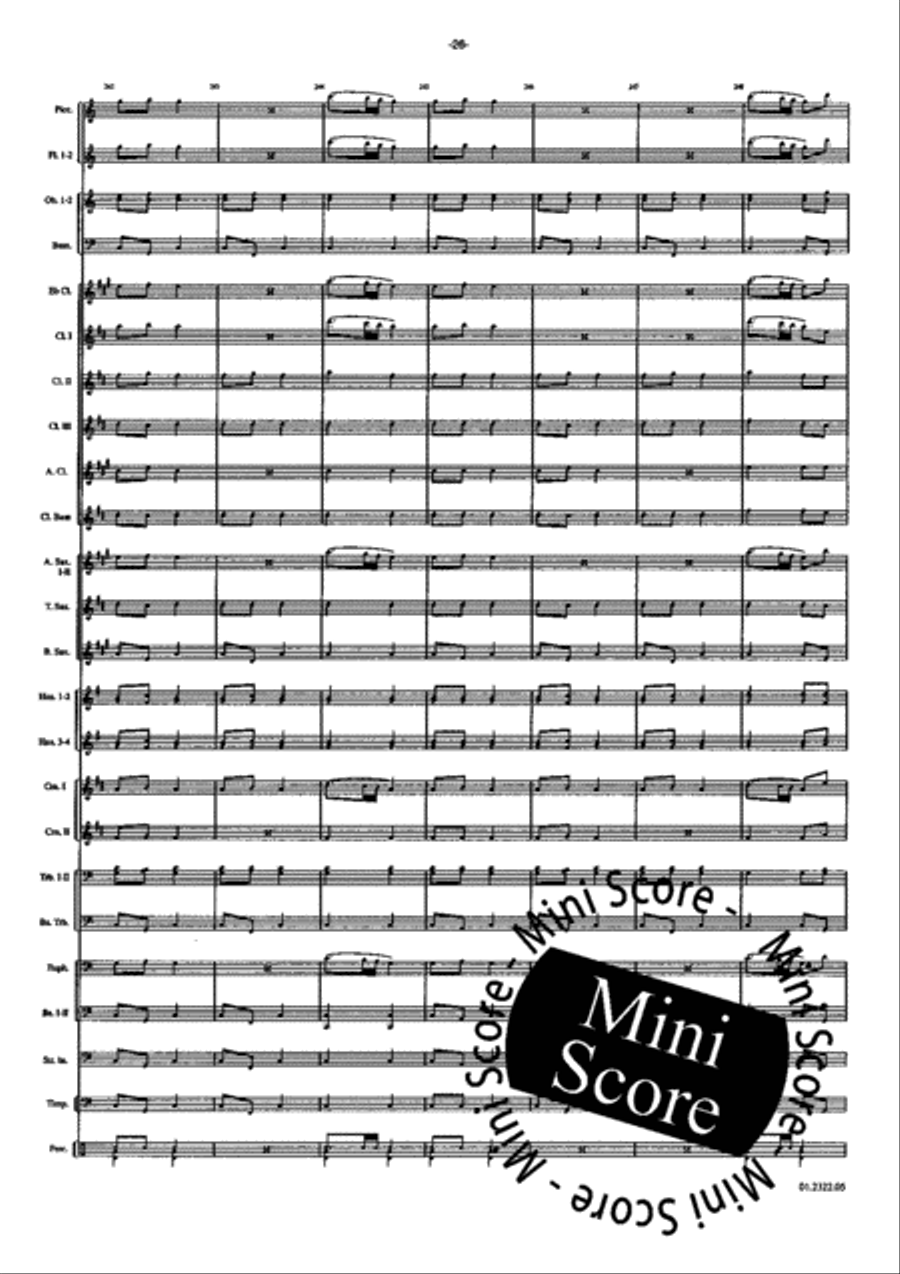
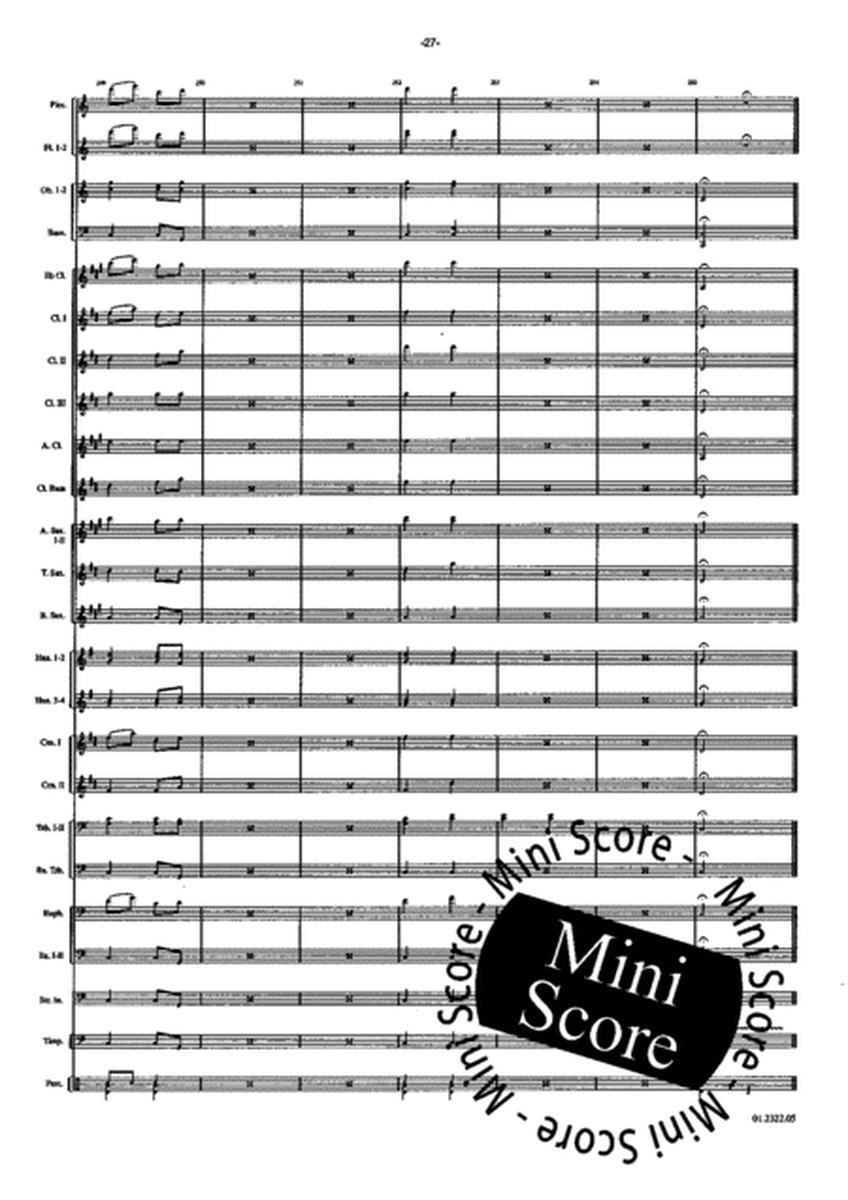
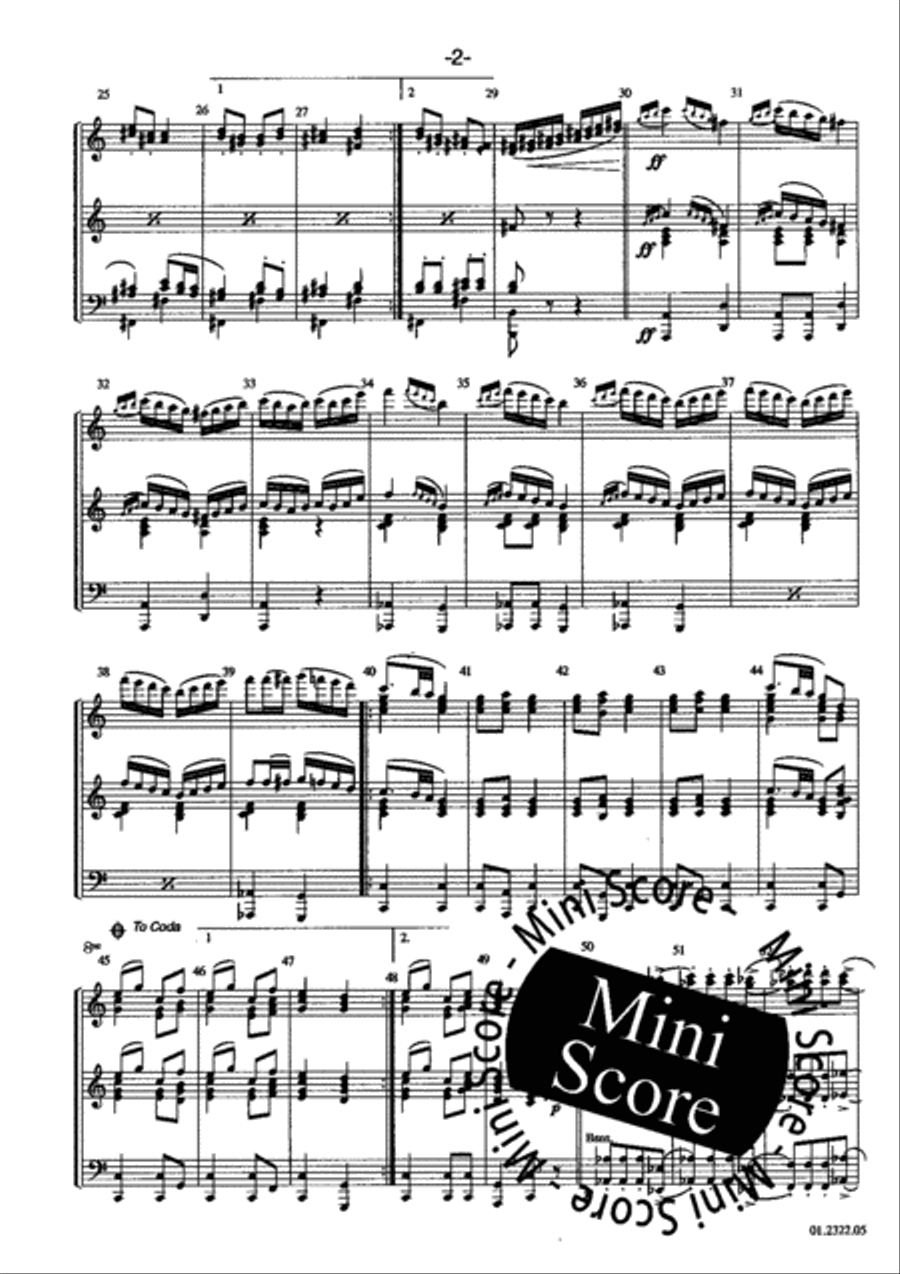
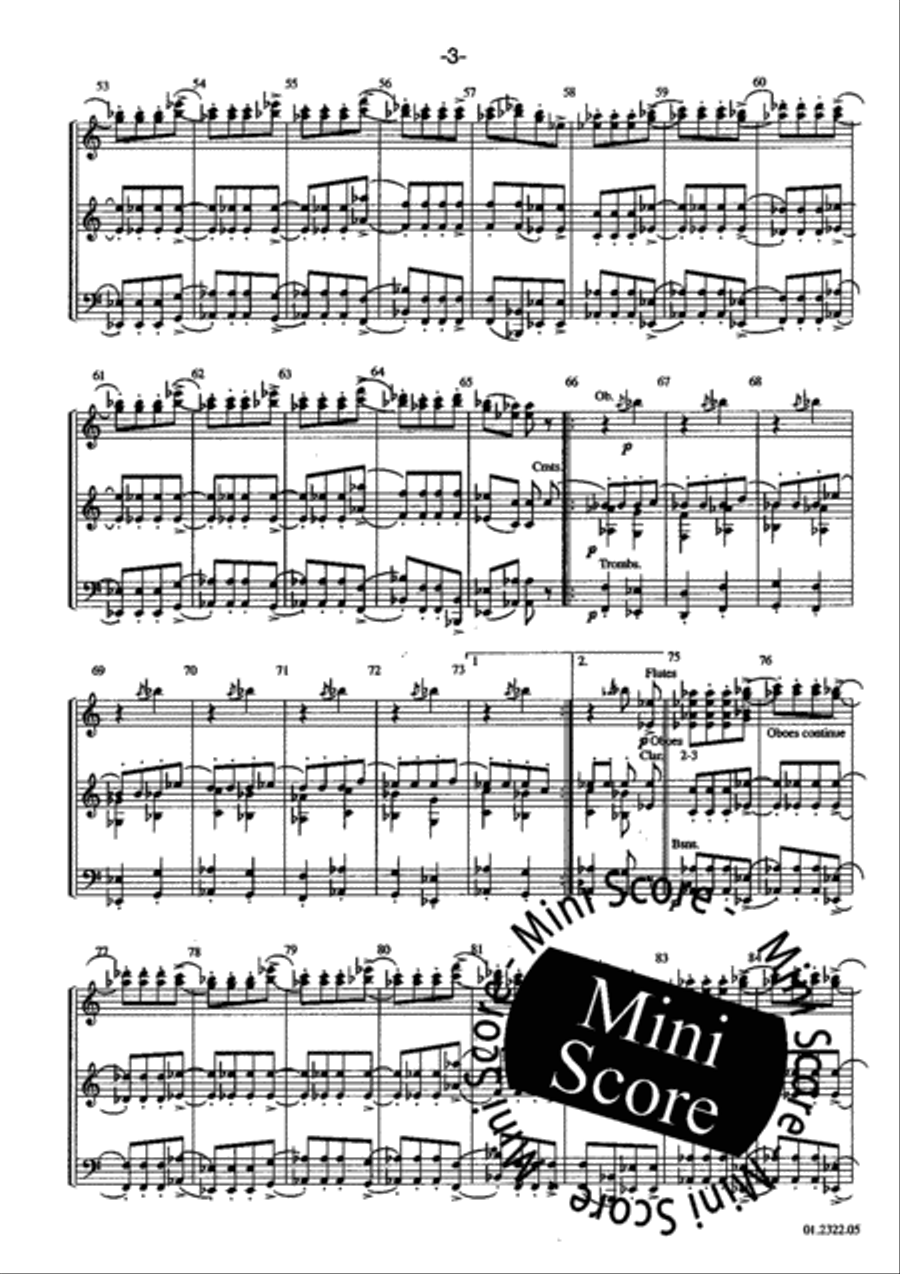
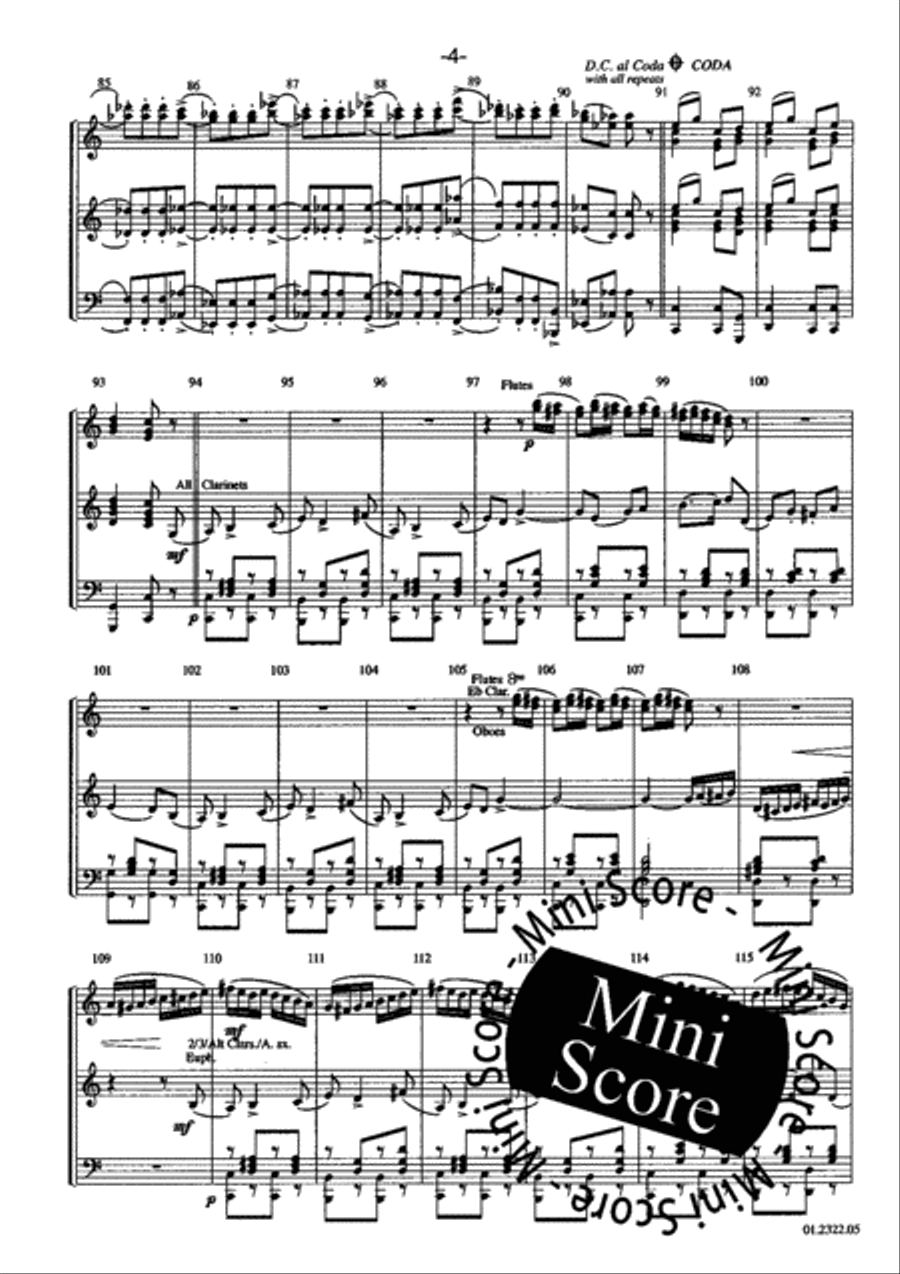
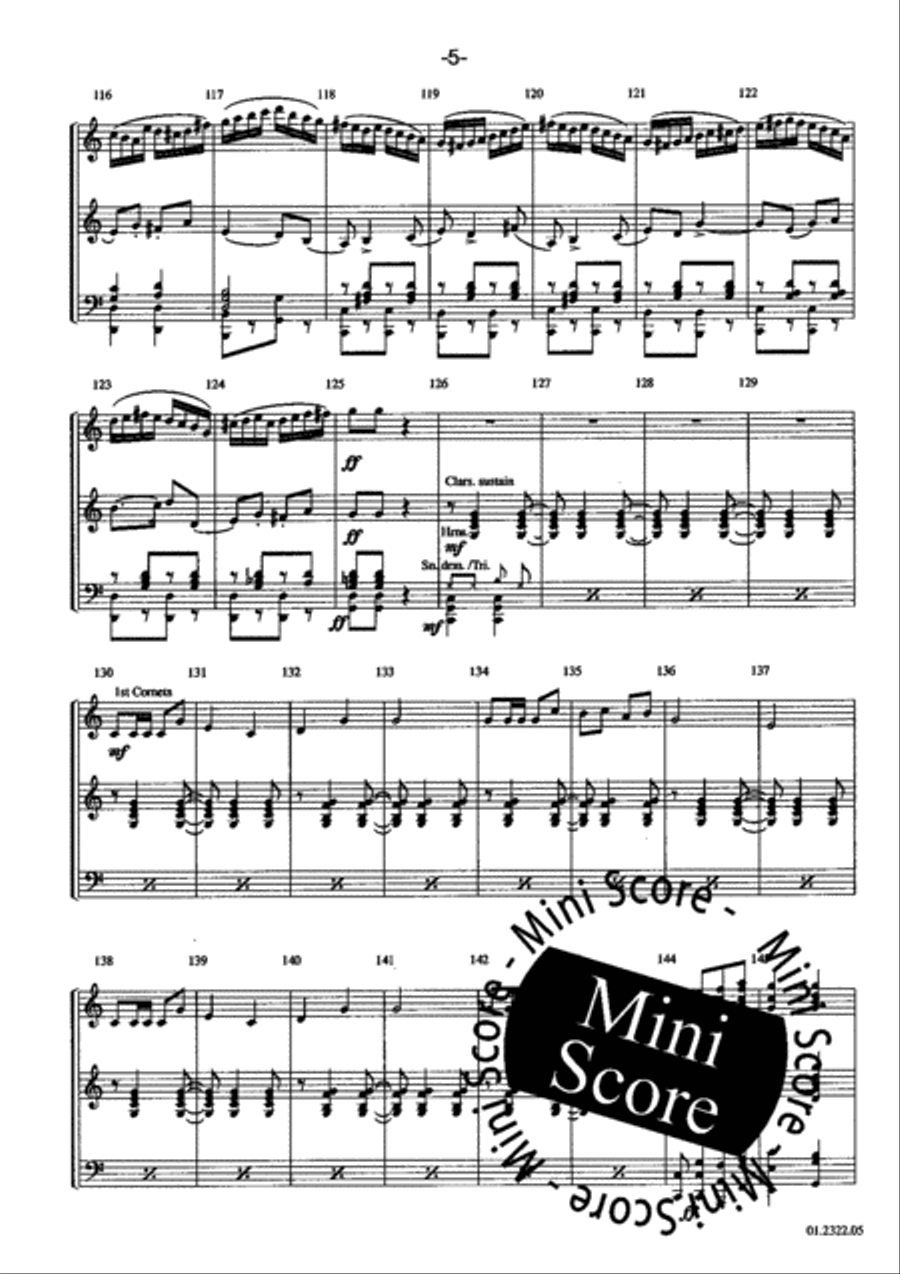
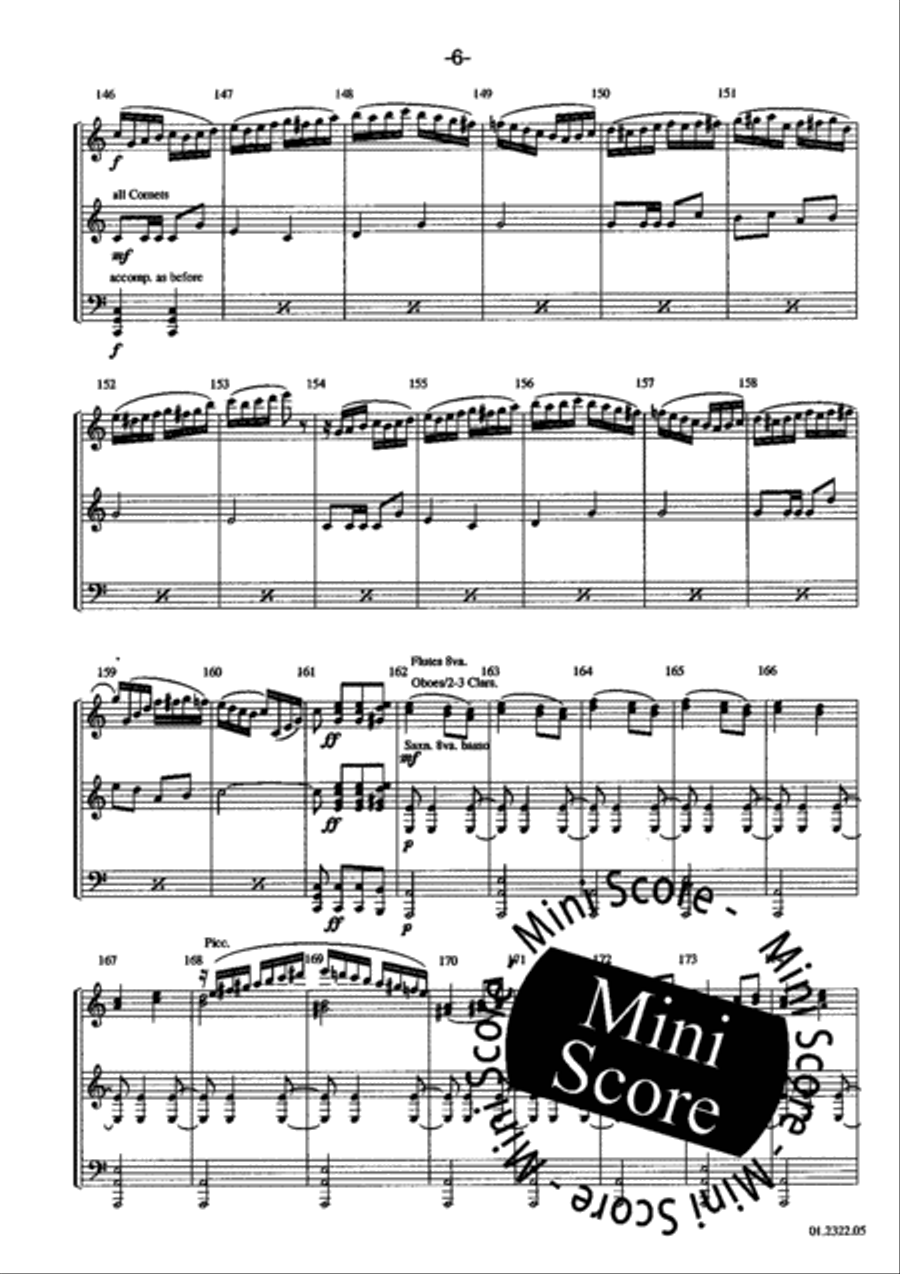
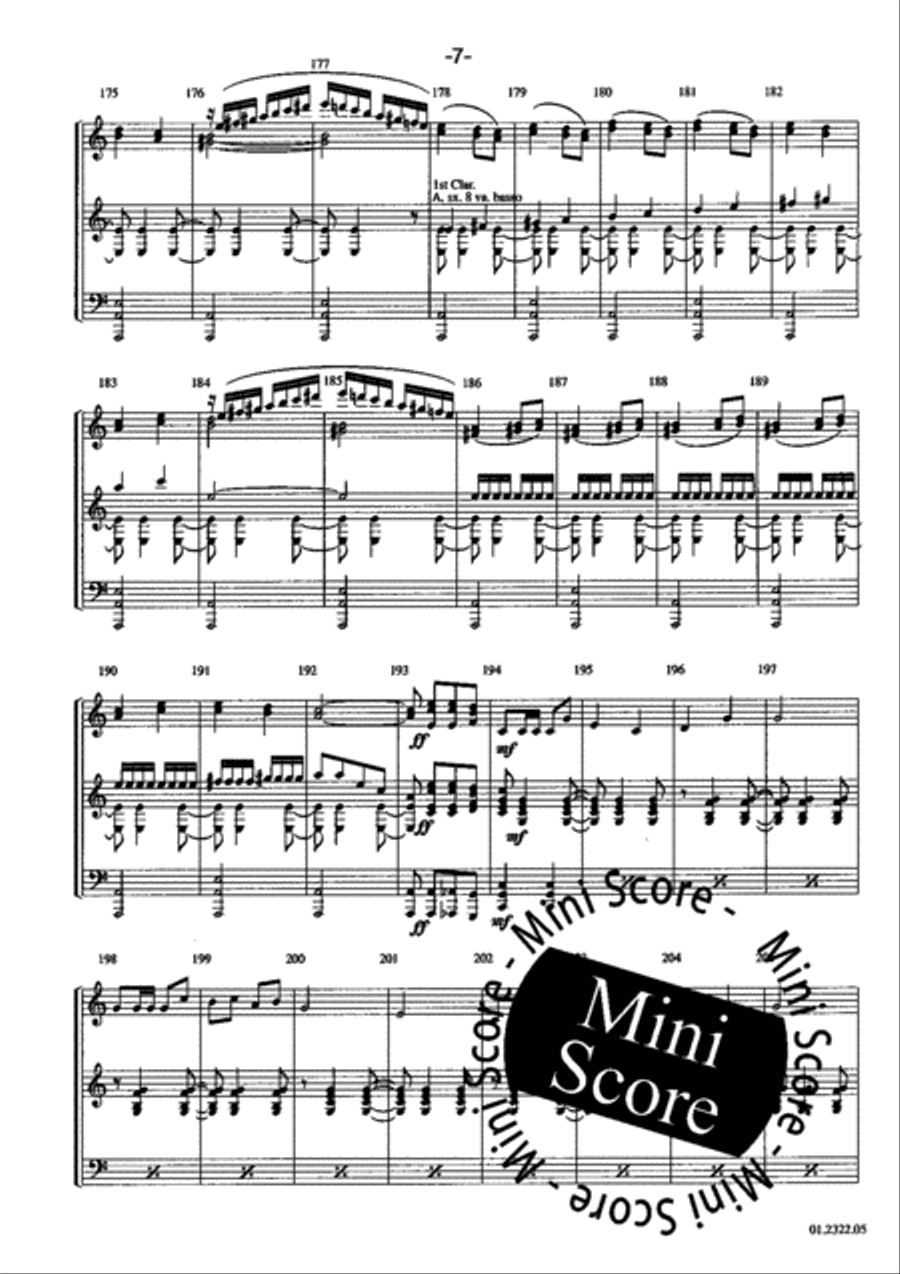
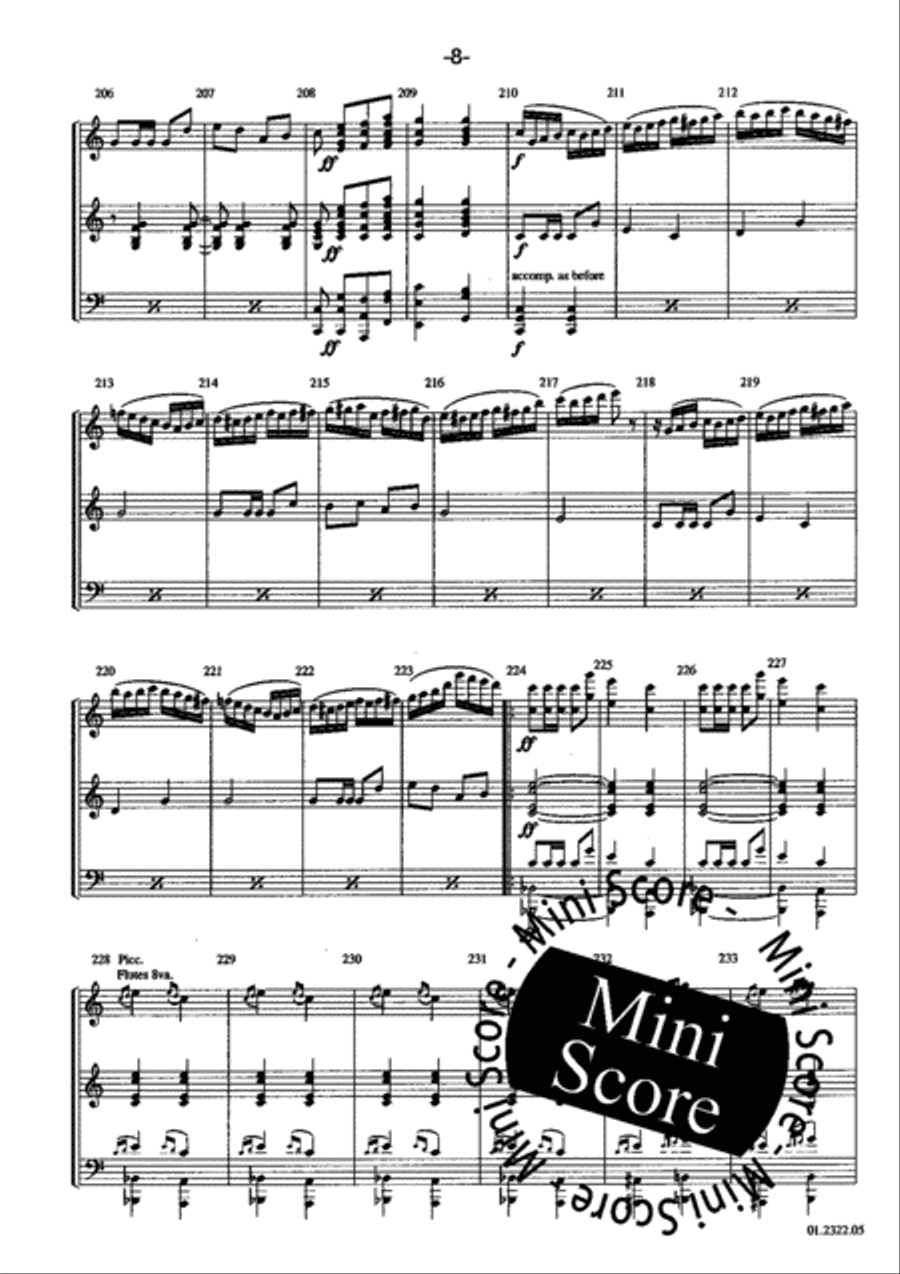
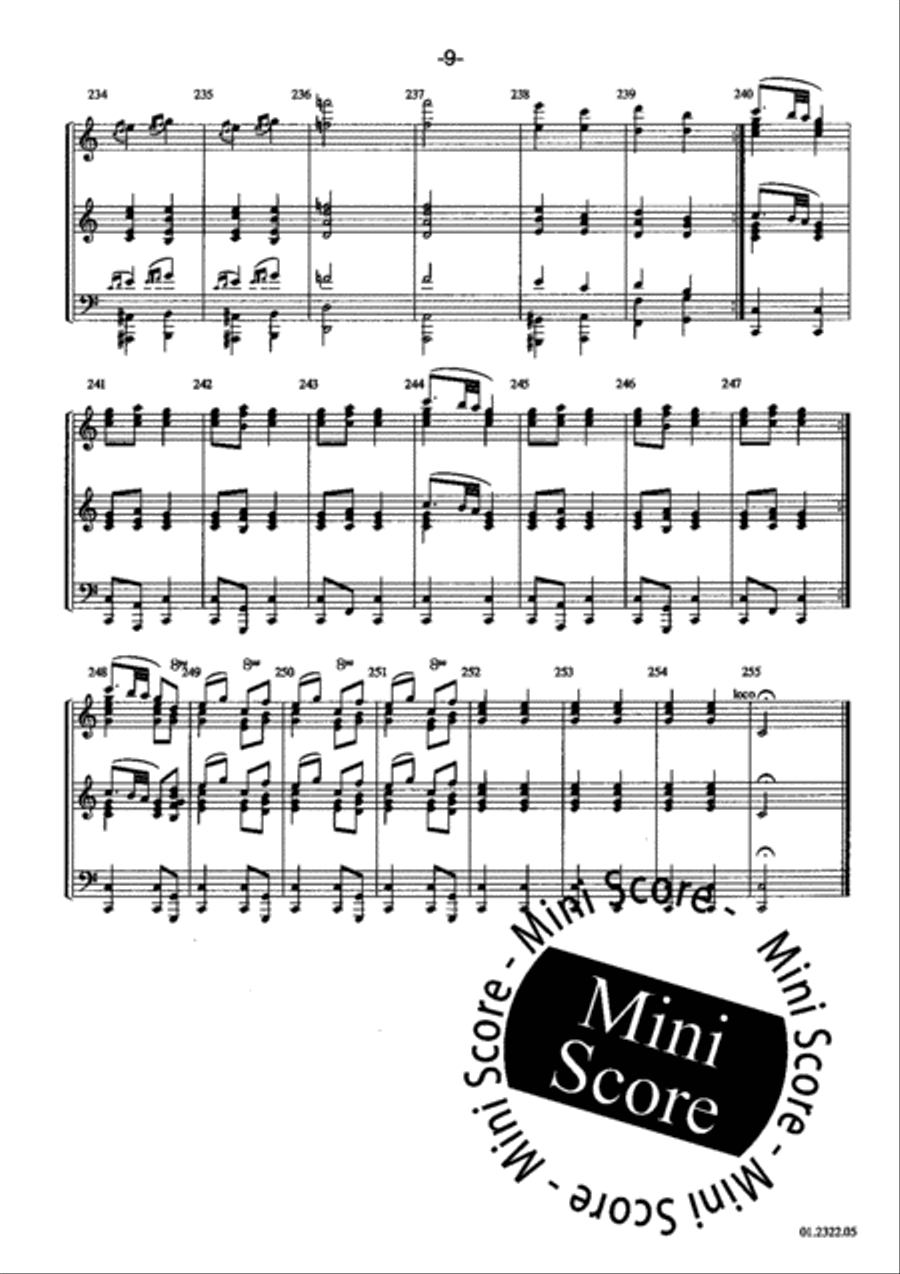
Composed by Pyotr Iljitsj Tchaikovsky. Arranged by Terry Kenny. Novelties/Circus Music/Arrangements of Classical Compositions. Classic Arrangement. Recorded on Teabreak (ML.311053720). Score only. Duration 5 minutes, 59 seconds. Molenaar Edition #012322050-S. Published by Molenaar Edition (ML.012322050-S).
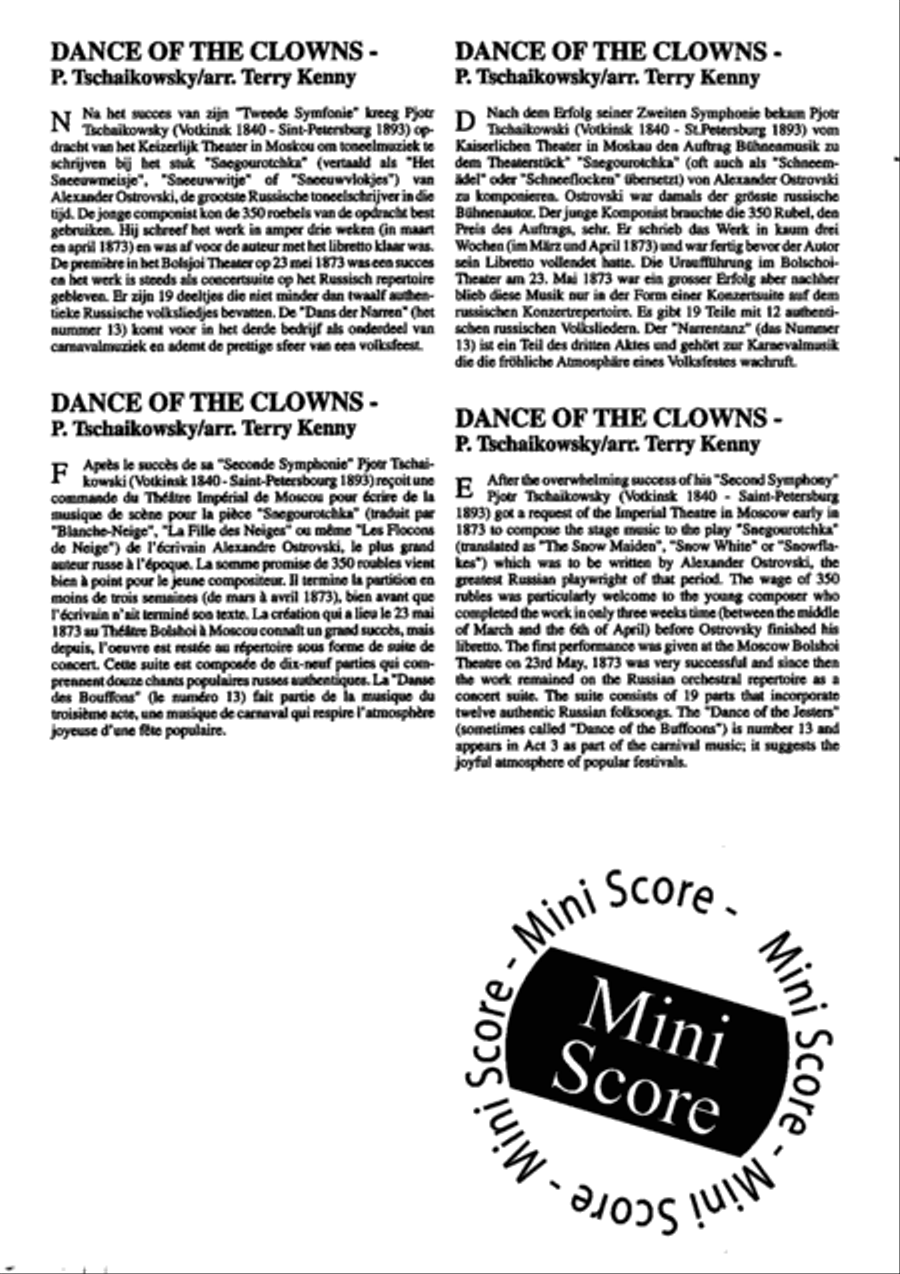
Na het succes van zijn 'Tweede Symfonie' kreeg Pjotr Tschaikowsky (Votkinsk 1840 - Sint-Petersburg 1893) opdracht van het Keizerlijk Theater in Moskou om toneel-muziek te schrijven bij het stuk 'Snegourotchka' (vertaald als 'Het Sneeuwmeisje', 'Sneeuwwitje' of 'Sneeuwvlokjes') van Alexander Ostrovski, de grootste Russische toneelschrijver in die tijd. De jonge componist kon de 350 roebels van de opdracht best gebruiken. Hij schreef het werk in amper drie weken (in maart en april 1873) en was af voor de auteur met het libretto klaar was. De première in het Bolsjoi Theater op 23 mei 1873 was een succes en het werk is steeds als concertsuite op het Russisch repertoire gebleven. Er zijn 19 deeltjes die niet minder dan twaalf authentieke Russische volksliedjes bevatten. De 'Dans der Narren' (het nummer 13) komt voor in het derde bedrijf als onderdeel van carnavalmuziek en ademt de prettige sfeer van een volksfeest.
After the overwhelming success of his 'Second Symphony' Pjotr Tschaikowsky (Votkinsk 1840 - Saint-Petersburg 1893) got a request of the Imperial Theatre in Moscow early in 1873 to compose the stage music to the play 'Snegourotchka' (translated as 'The Snow Maiden', 'Snow White' or 'Snowflakes') which was to be written by Alexander Ostrovski, the greatest Russian playwright of that period. The wage of 350 rubles was particularly welcome to the young composer who completed the work in only three weeks time (between the middle of March and the 6th of April) before Ostrovsky finished his libretto. The first performance was given at the Moscow Bolshoi Theatre on 23rd May, 1873 was very successful and since then the work remained on the Russian orchestral repertoire as a concert suite. The suite consists of 19 parts that incorporate twelve authentic Russian folksongs. The 'Dance of the Jesters' (sometimes called 'Dance of the Buffoons') is number 13 and appears in Act 3 as part of the carnival music; it suggests the joyful atmosphere of popular festivals.
Après le succès de sa 'Seconde Symphonie' Pjotr Tschaikovski (Votkinsk 1840 - Saint-Petersbourg 1893) reçoit une commande du Théâtre Impérial de Moscou pour écrire de la musique de scène pour la pièce 'Snegourotchka' (traduit par 'Blanche-Neige', 'La Fille des Neiges' ou même 'Les Flocons de Neige') de l'écrivain Alexandre Ostrovski, le plus grand auteur russe à l'époque. La somme promise de 350 roubles vient bien à point pour le jeune compositeur. Il termine la partition en moins de trois semaines (de mars à avril 1873), bien avant que l'écrivain n'ait terminé son texte. La création qui a lieu le 23 mai 1873 au Théâtre Bolshoi à Moscou connaît un grand succès, mais depuis, l'oeuvre est restée au répertoire sous forme de suite de concert. Cette suite est composée de dix-neuf parties qui comprennent douze chants populaires russes authentiques. La 'Danse des Bouffons' (le numéro 13) fait partie de la musique du troisième acte, une musique de carnaval qui respire l'atmosphère joyeuse d'une fête populaire.
Nach dem Erfolg seiner Zweiten Symphonie bekam Pjotr Tschaikowski (Votkinsk 1840 - St.Petersburg 1893) vom Kaiserlichen Theater in Moskau den Auftrag Bühnenmusik zu dem Theaterstück' 'Snegourotchka' (oft auch als 'Schneemädel' oder 'Schneeflocken' übersetzt) von Alexander Ostrovski zu komponieren. Ostrovski war damals der grösste russische Bühnenautor. Der junge Komponist brauchte die 350 Rubel, den Preis des Auftrags, sehr. Er schrieb das Werk in kaum drei Wochen (im März und April 1873) und war fertig bevor der Autor sein Libretto vollendet hatte. Die Uraufführung im Bolschoi-Theater am 23. Mai 1873 war ein grosser Erfolg aber nachher blieb diese Musik nur in der Form einer Konzertsuite auf dem russischen Konzertrepertoire. Es gibt 19 Teile mit 12 authentischen russischen Volksliedern. Der 'Narrentanz' (das Nummer 13) ist ein Teil des dritten Aktes und gehört zur Karnevalmusik die die fröhliche Atmosphäre eines Volksfestes wachruft.
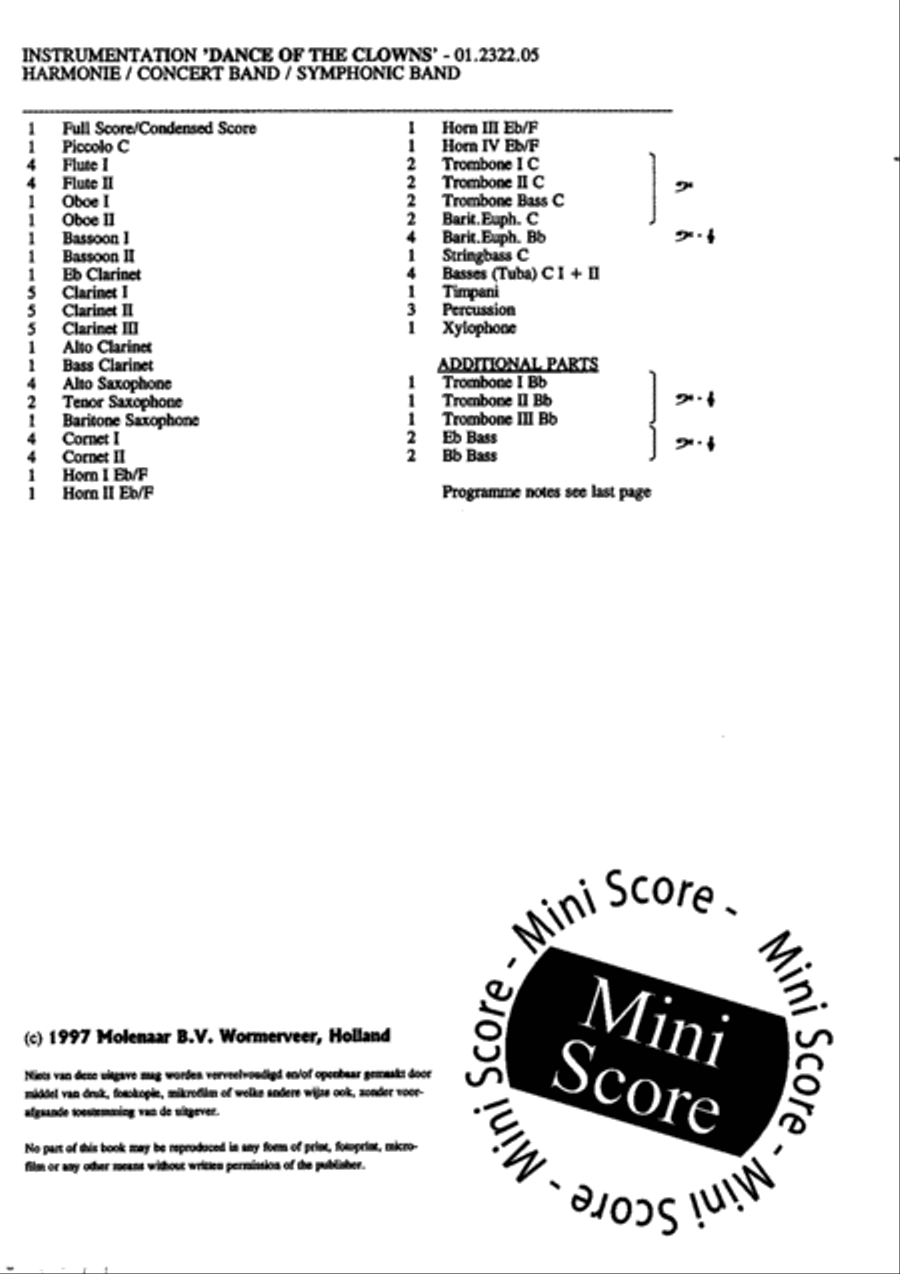
Instrumentation
0 Full Score A3
1 Condensed Score
1 Piccolo
4 Flute I
4 Flute II
1 Oboe I
1 Oboe II
1 Bassoon I
1 Bassoon II
1 Clarinet Eb
5 Clarinet I
5 Clarinet II
5 Clarinet III
1 Alto Clarinet Eb
1 Bass Clarinet
4 Alto Saxophone
2 Tenor Saxophone
1 Baritone Saxophone
4 Cornet I
4 Cornet II
1 Horn I F/Eb
1 Horn II F/Eb
1 Horn III F/Eb
1 Horn IV F/Eb
2 Trombone I C
1 Trombone I Bb (BC/TC)
2 Trombone II C
1 Trombone II Bb (BC/TC)
2 Trombone IV C
1 Trombone IV Bb (BC/TC)
2 Baritone C
4 Baritone Bb (BC/TC)
2 Bas Bb (TC)
2 Bas Bb (BC)
2 Bas Eb (TC)
2 Bas Eb (BC)
4 Tuba C
1 Stringbass
3 Percussion
1 Xylophone
1 Timpani.
Concert Band - Grade 4
SKU: ML.012322050-S
Composed by Pyotr Iljitsj Tchaikovsky. Arranged by Terry Kenny. Novelties/Circus Music/Arrangements of Classical Compositions. Classic Arrangement. Recorded on Teabreak (ML.311053720). Score only. Duration 5 minutes, 59 seconds. Molenaar Edition #012322050-S. Published by Molenaar Edition (ML.012322050-S).
Na het succes van zijn 'Tweede Symfonie' kreeg Pjotr Tschaikowsky (Votkinsk 1840 - Sint-Petersburg 1893) opdracht van het Keizerlijk Theater in Moskou om toneel-muziek te schrijven bij het stuk 'Snegourotchka' (vertaald als 'Het Sneeuwmeisje', 'Sneeuwwitje' of 'Sneeuwvlokjes') van Alexander Ostrovski, de grootste Russische toneelschrijver in die tijd. De jonge componist kon de 350 roebels van de opdracht best gebruiken. Hij schreef het werk in amper drie weken (in maart en april 1873) en was af voor de auteur met het libretto klaar was. De première in het Bolsjoi Theater op 23 mei 1873 was een succes en het werk is steeds als concertsuite op het Russisch repertoire gebleven. Er zijn 19 deeltjes die niet minder dan twaalf authentieke Russische volksliedjes bevatten. De 'Dans der Narren' (het nummer 13) komt voor in het derde bedrijf als onderdeel van carnavalmuziek en ademt de prettige sfeer van een volksfeest.
After the overwhelming success of his 'Second Symphony' Pjotr Tschaikowsky (Votkinsk 1840 - Saint-Petersburg 1893) got a request of the Imperial Theatre in Moscow early in 1873 to compose the stage music to the play 'Snegourotchka' (translated as 'The Snow Maiden', 'Snow White' or 'Snowflakes') which was to be written by Alexander Ostrovski, the greatest Russian playwright of that period. The wage of 350 rubles was particularly welcome to the young composer who completed the work in only three weeks time (between the middle of March and the 6th of April) before Ostrovsky finished his libretto. The first performance was given at the Moscow Bolshoi Theatre on 23rd May, 1873 was very successful and since then the work remained on the Russian orchestral repertoire as a concert suite. The suite consists of 19 parts that incorporate twelve authentic Russian folksongs. The 'Dance of the Jesters' (sometimes called 'Dance of the Buffoons') is number 13 and appears in Act 3 as part of the carnival music; it suggests the joyful atmosphere of popular festivals.
Après le succès de sa 'Seconde Symphonie' Pjotr Tschaikovski (Votkinsk 1840 - Saint-Petersbourg 1893) reçoit une commande du Théâtre Impérial de Moscou pour écrire de la musique de scène pour la pièce 'Snegourotchka' (traduit par 'Blanche-Neige', 'La Fille des Neiges' ou même 'Les Flocons de Neige') de l'écrivain Alexandre Ostrovski, le plus grand auteur russe à l'époque. La somme promise de 350 roubles vient bien à point pour le jeune compositeur. Il termine la partition en moins de trois semaines (de mars à avril 1873), bien avant que l'écrivain n'ait terminé son texte. La création qui a lieu le 23 mai 1873 au Théâtre Bolshoi à Moscou connaît un grand succès, mais depuis, l'oeuvre est restée au répertoire sous forme de suite de concert. Cette suite est composée de dix-neuf parties qui comprennent douze chants populaires russes authentiques. La 'Danse des Bouffons' (le numéro 13) fait partie de la musique du troisième acte, une musique de carnaval qui respire l'atmosphère joyeuse d'une fête populaire.
Nach dem Erfolg seiner Zweiten Symphonie bekam Pjotr Tschaikowski (Votkinsk 1840 - St.Petersburg 1893) vom Kaiserlichen Theater in Moskau den Auftrag Bühnenmusik zu dem Theaterstück' 'Snegourotchka' (oft auch als 'Schneemädel' oder 'Schneeflocken' übersetzt) von Alexander Ostrovski zu komponieren. Ostrovski war damals der grösste russische Bühnenautor. Der junge Komponist brauchte die 350 Rubel, den Preis des Auftrags, sehr. Er schrieb das Werk in kaum drei Wochen (im März und April 1873) und war fertig bevor der Autor sein Libretto vollendet hatte. Die Uraufführung im Bolschoi-Theater am 23. Mai 1873 war ein grosser Erfolg aber nachher blieb diese Musik nur in der Form einer Konzertsuite auf dem russischen Konzertrepertoire. Es gibt 19 Teile mit 12 authentischen russischen Volksliedern. Der 'Narrentanz' (das Nummer 13) ist ein Teil des dritten Aktes und gehört zur Karnevalmusik die die fröhliche Atmosphäre eines Volksfestes wachruft.
Instrumentation
0 Full Score A3
1 Condensed Score
1 Piccolo
4 Flute I
4 Flute II
1 Oboe I
1 Oboe II
1 Bassoon I
1 Bassoon II
1 Clarinet Eb
5 Clarinet I
5 Clarinet II
5 Clarinet III
1 Alto Clarinet Eb
1 Bass Clarinet
4 Alto Saxophone
2 Tenor Saxophone
1 Baritone Saxophone
4 Cornet I
4 Cornet II
1 Horn I F/Eb
1 Horn II F/Eb
1 Horn III F/Eb
1 Horn IV F/Eb
2 Trombone I C
1 Trombone I Bb (BC/TC)
2 Trombone II C
1 Trombone II Bb (BC/TC)
2 Trombone IV C
1 Trombone IV Bb (BC/TC)
2 Baritone C
4 Baritone Bb (BC/TC)
2 Bas Bb (TC)
2 Bas Bb (BC)
2 Bas Eb (TC)
2 Bas Eb (BC)
4 Tuba C
1 Stringbass
3 Percussion
1 Xylophone
1 Timpani.
Tell a friend (or remind yourself) about this product. We'll instantly send an email containing product info and a link to it. You may also enter a personal message.
We do not use or store email addresses from this form for any other purpose than sending your share email.
Read our Privacy Policy.
After purchase, you can download your MP3 from your Sheet Music Plus Digital Library - no software installation is necessary! You can also listen to your MP3 at any time in your Digital Library.
After purchase, you can download your Smart Music from your Sheet Music Plus Digital Library - no software installation is necessary! You can also download at any time in your Digital Library.
After purchase you can download your video from your Digital Library. Your video is in XX format and is playable on most pre-installed video players.