

18221020
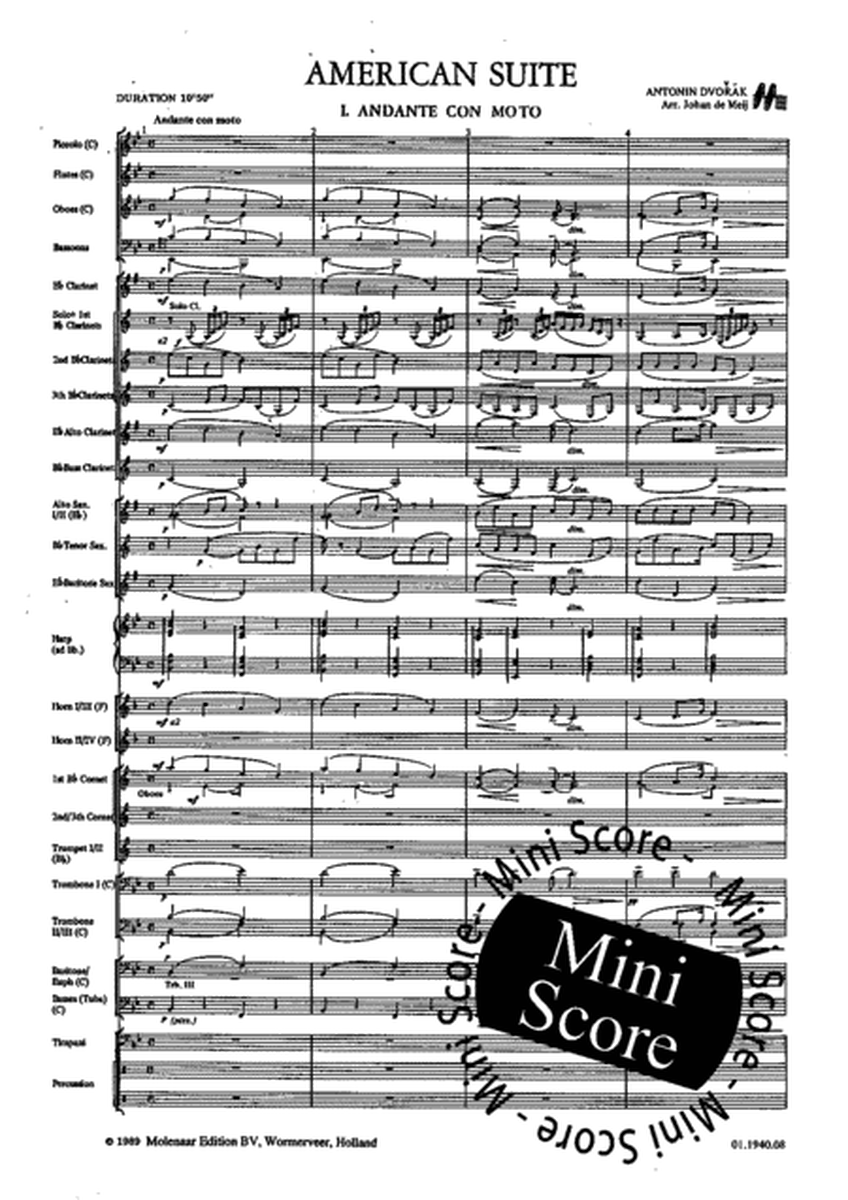
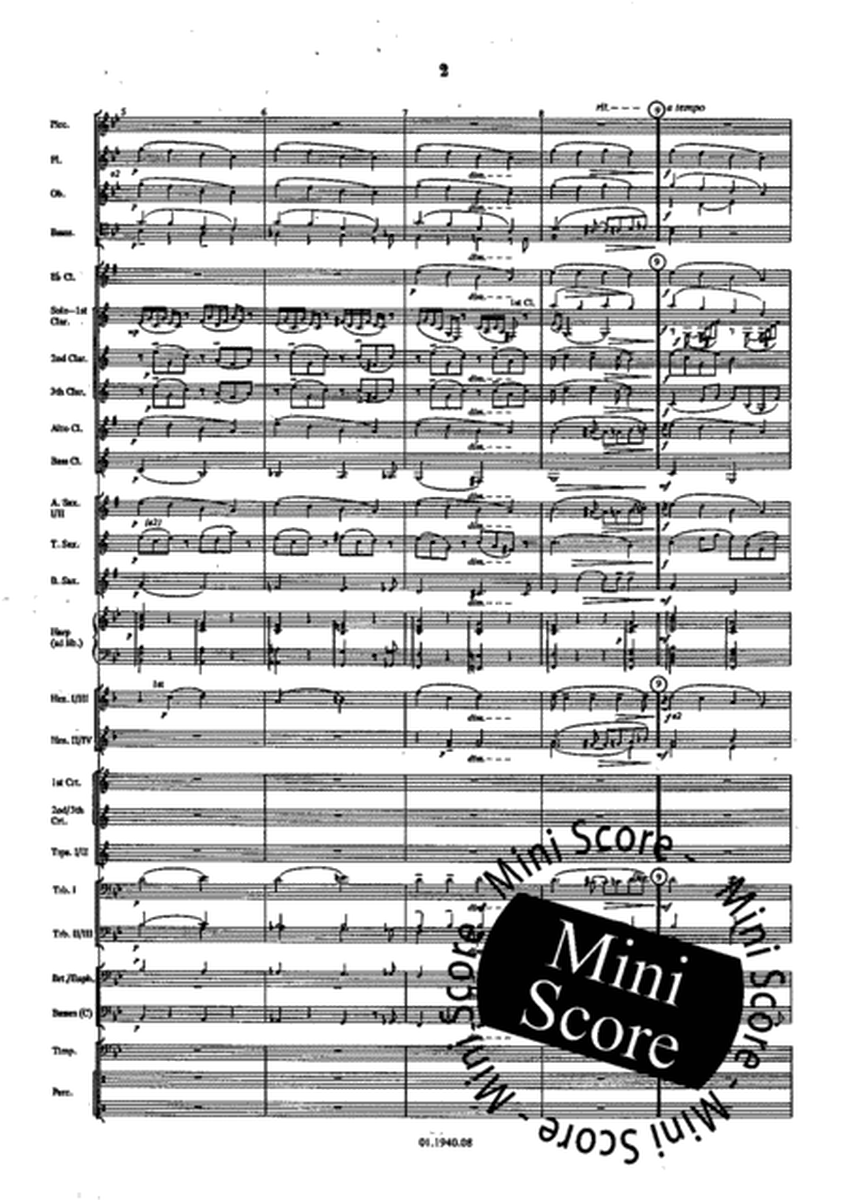
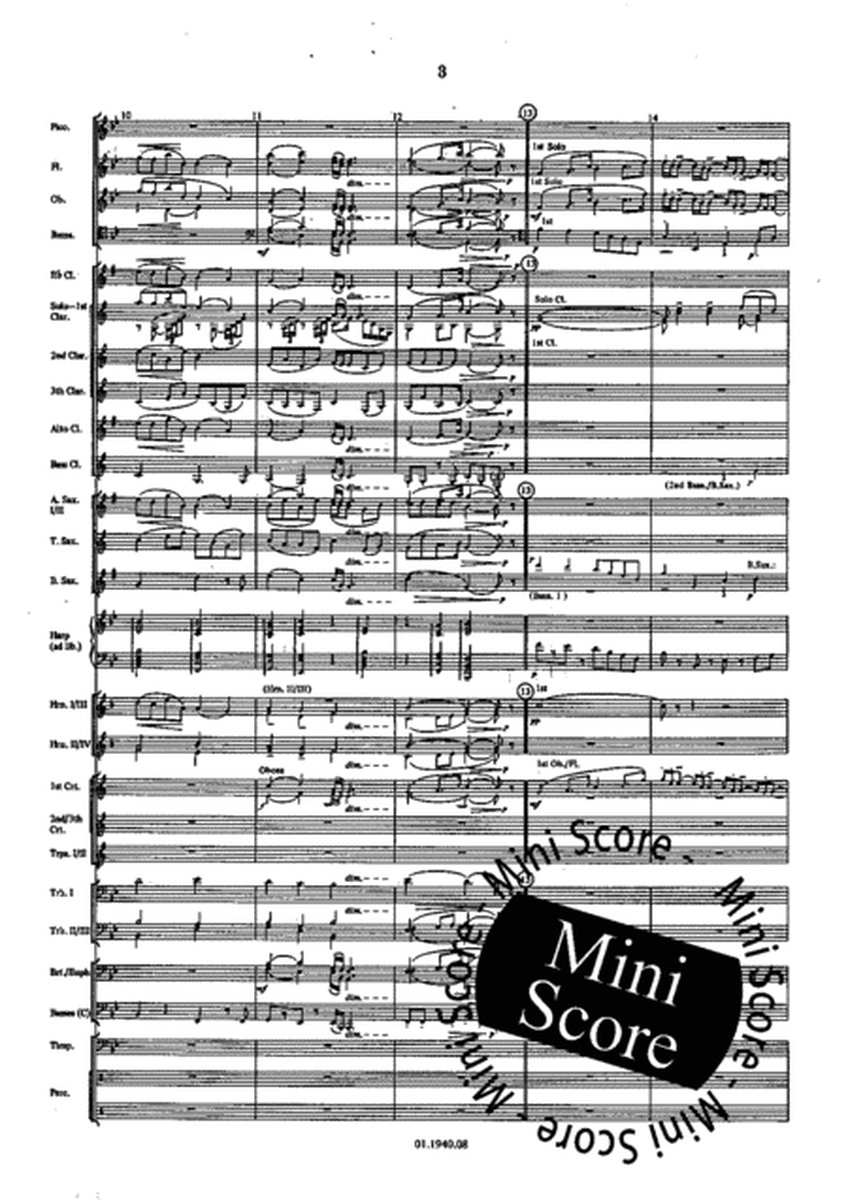
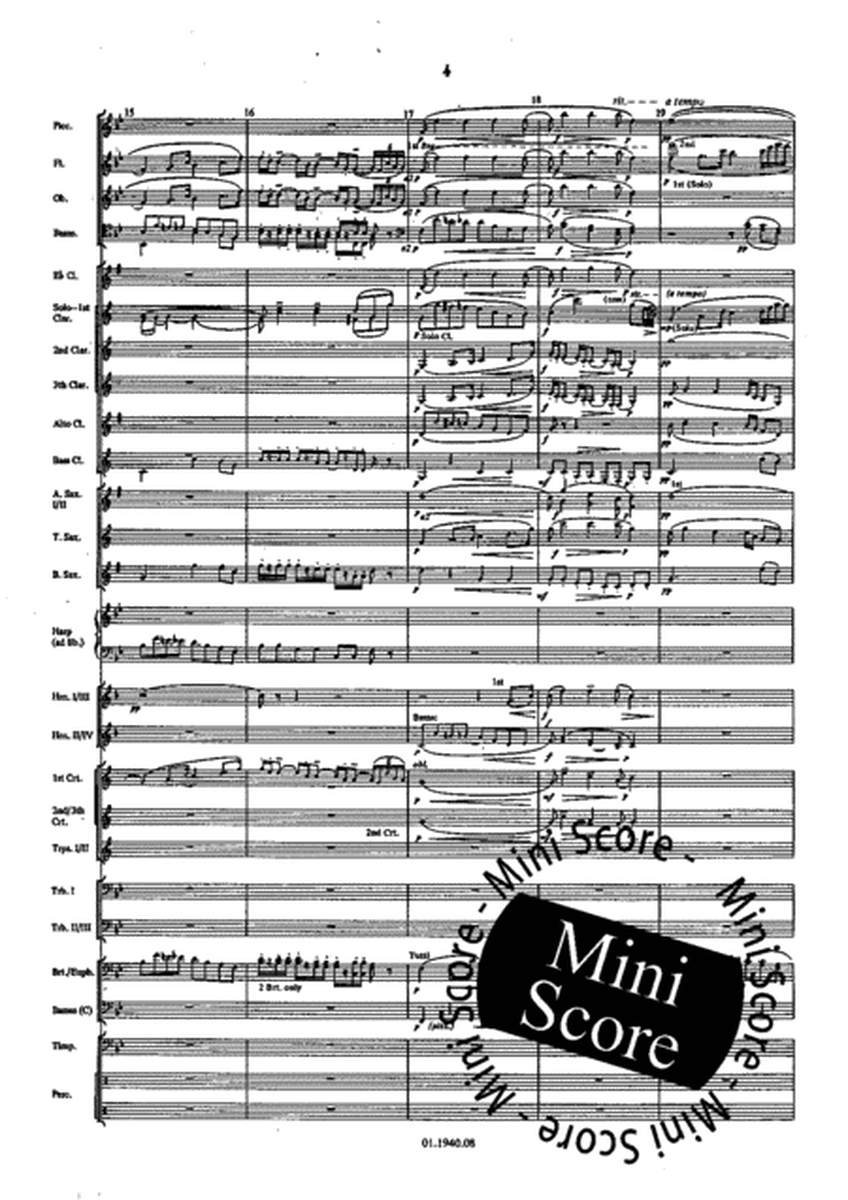
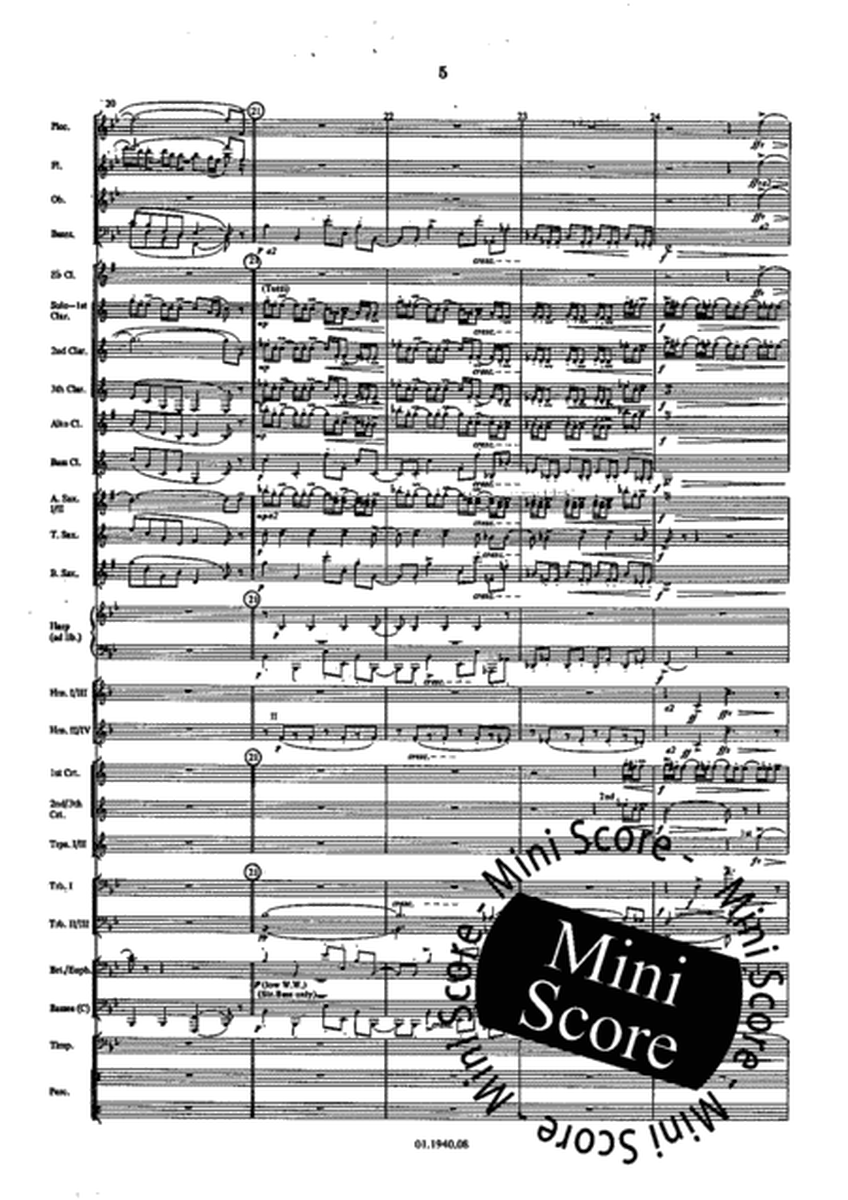
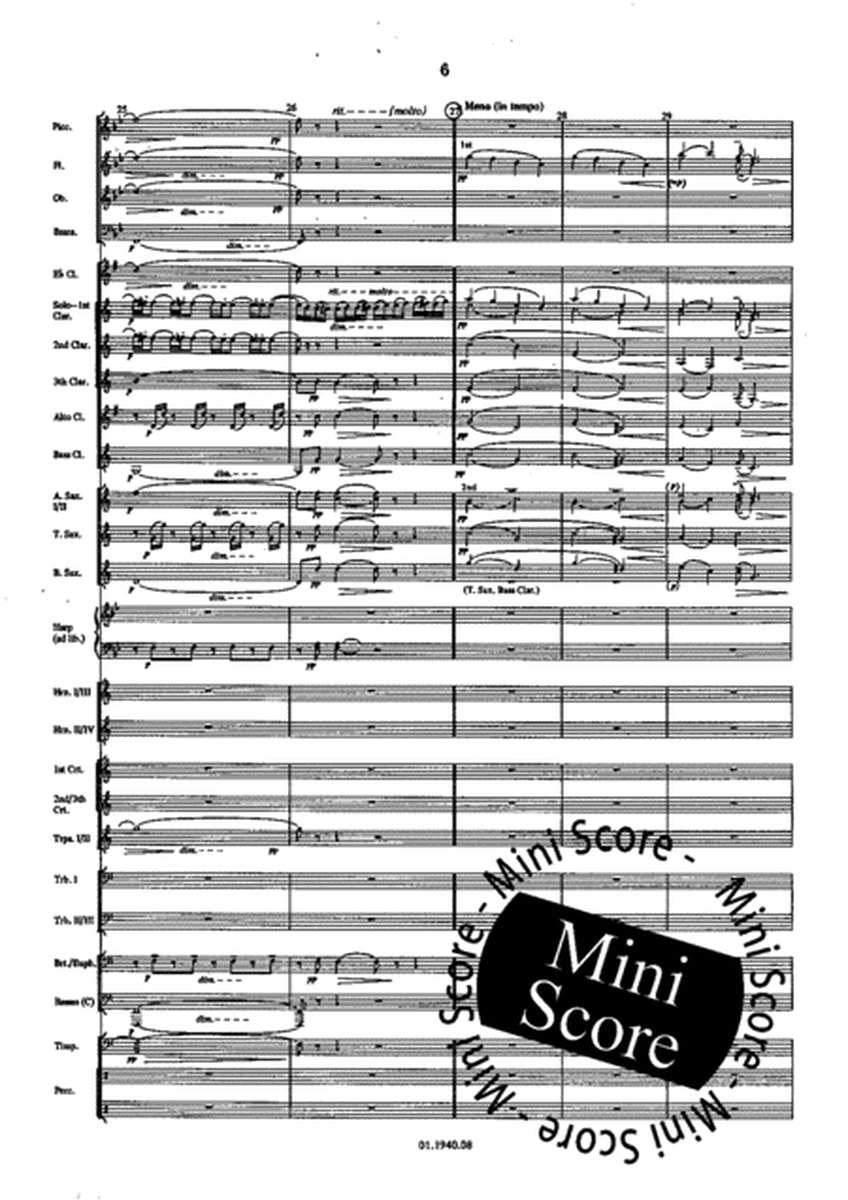
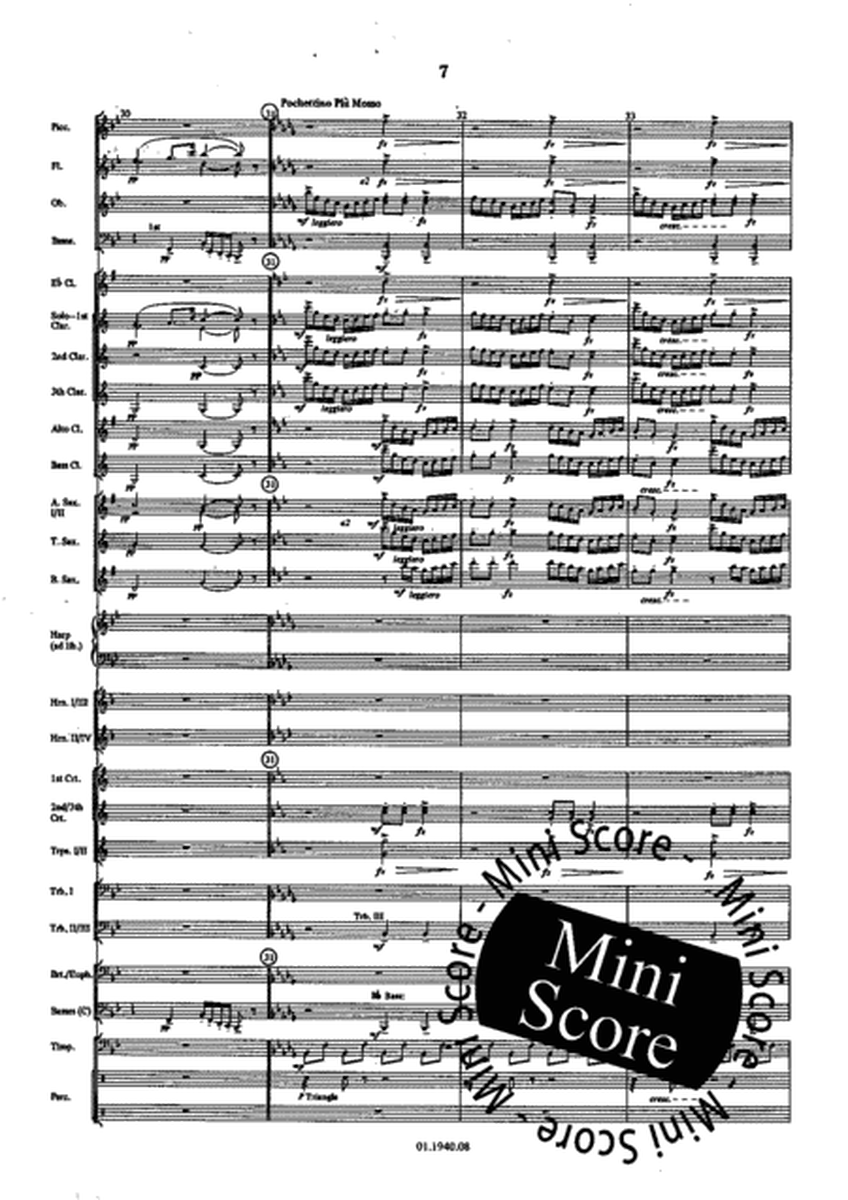
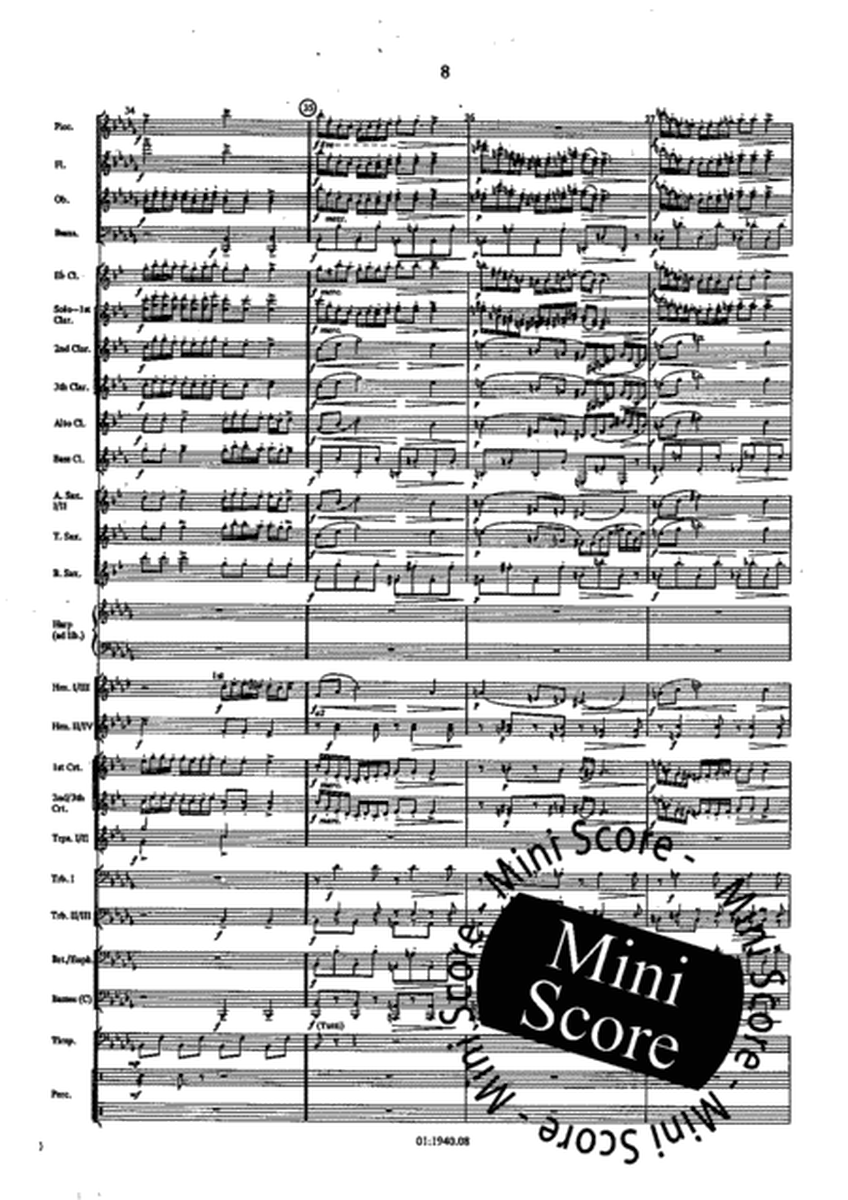
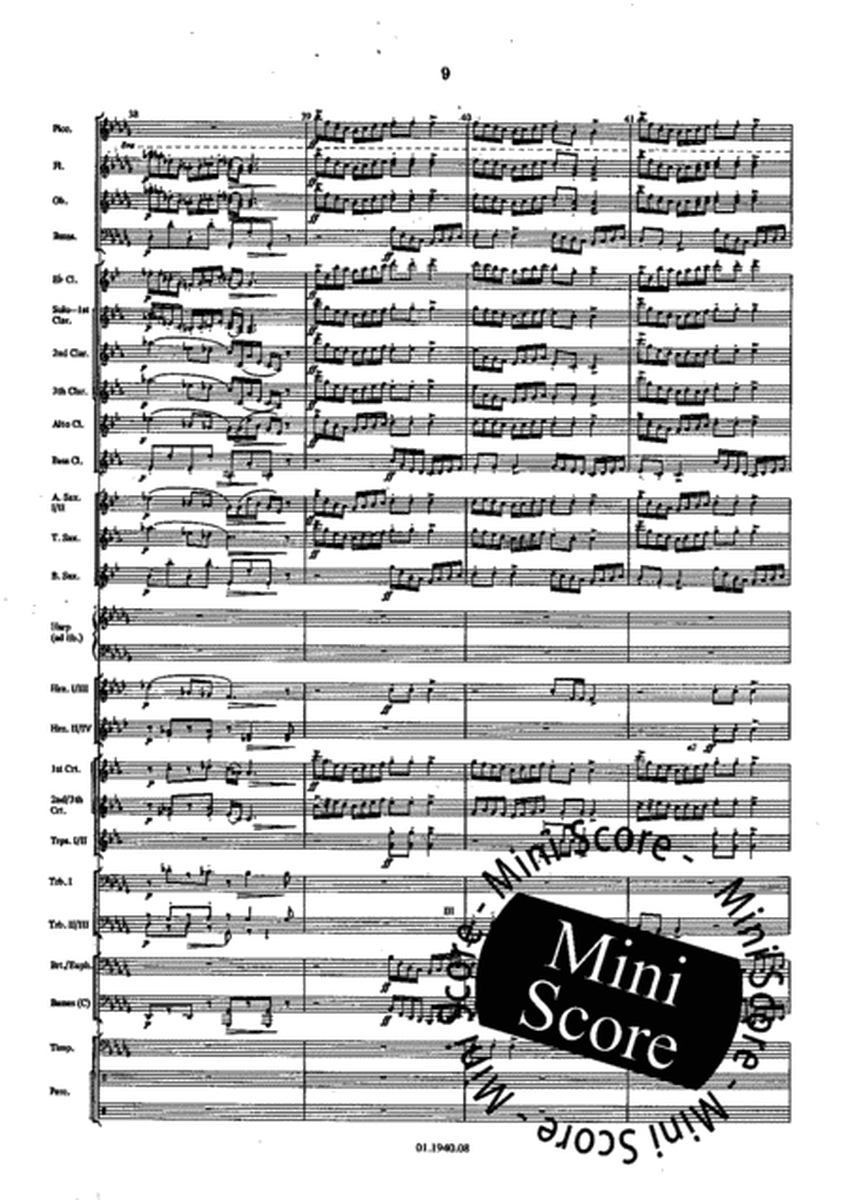
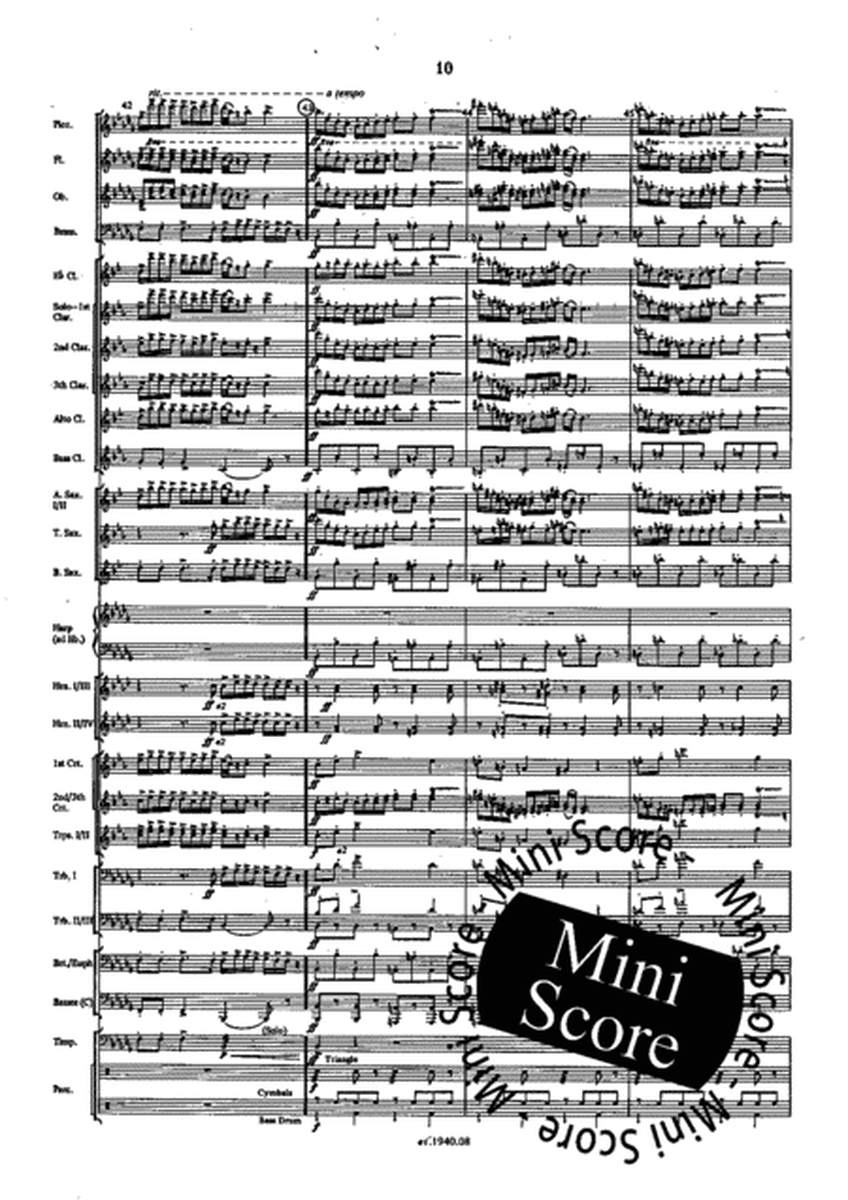
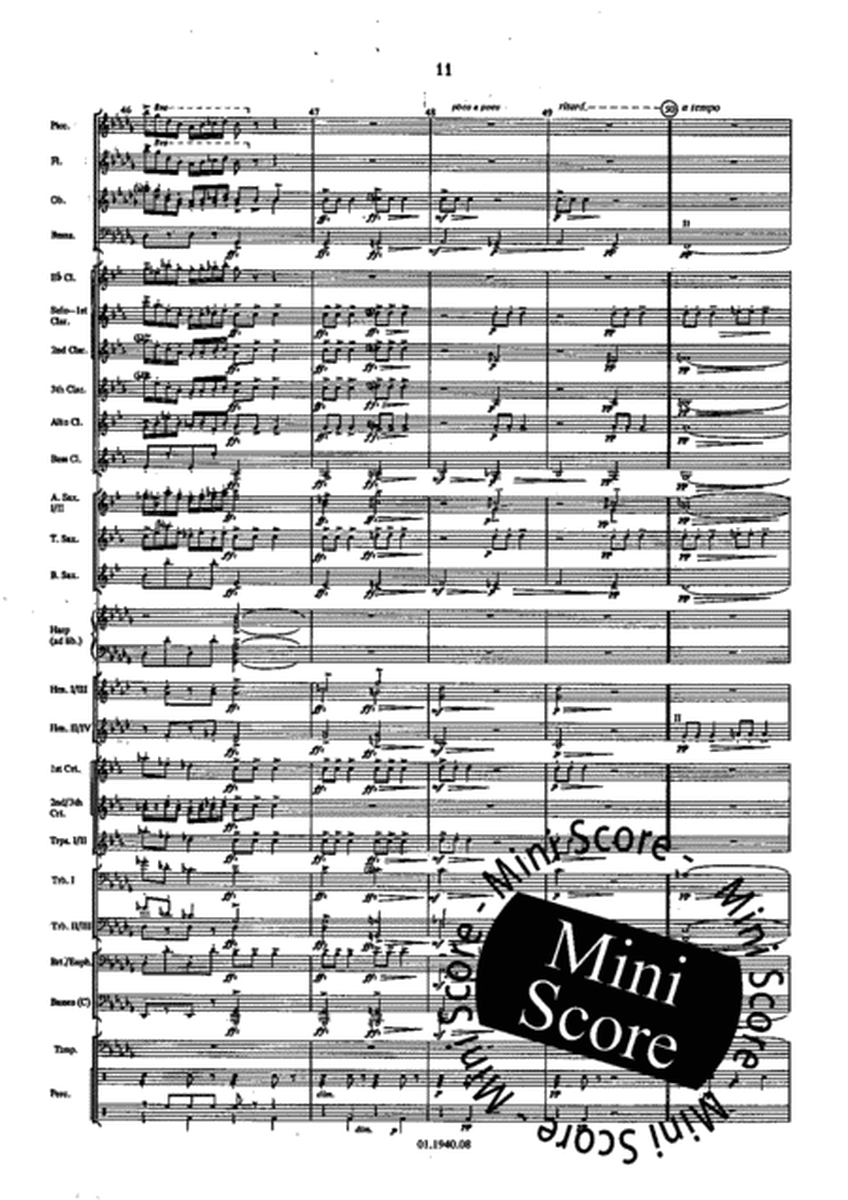
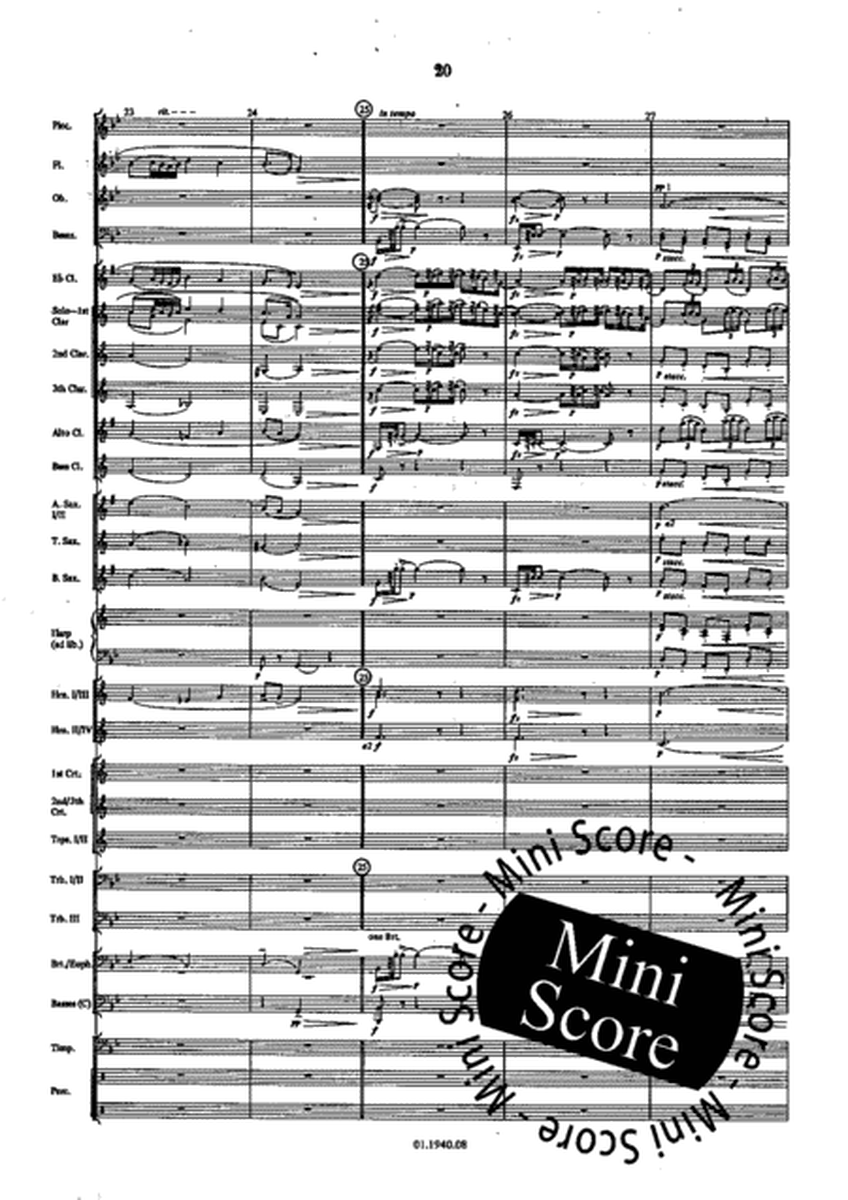
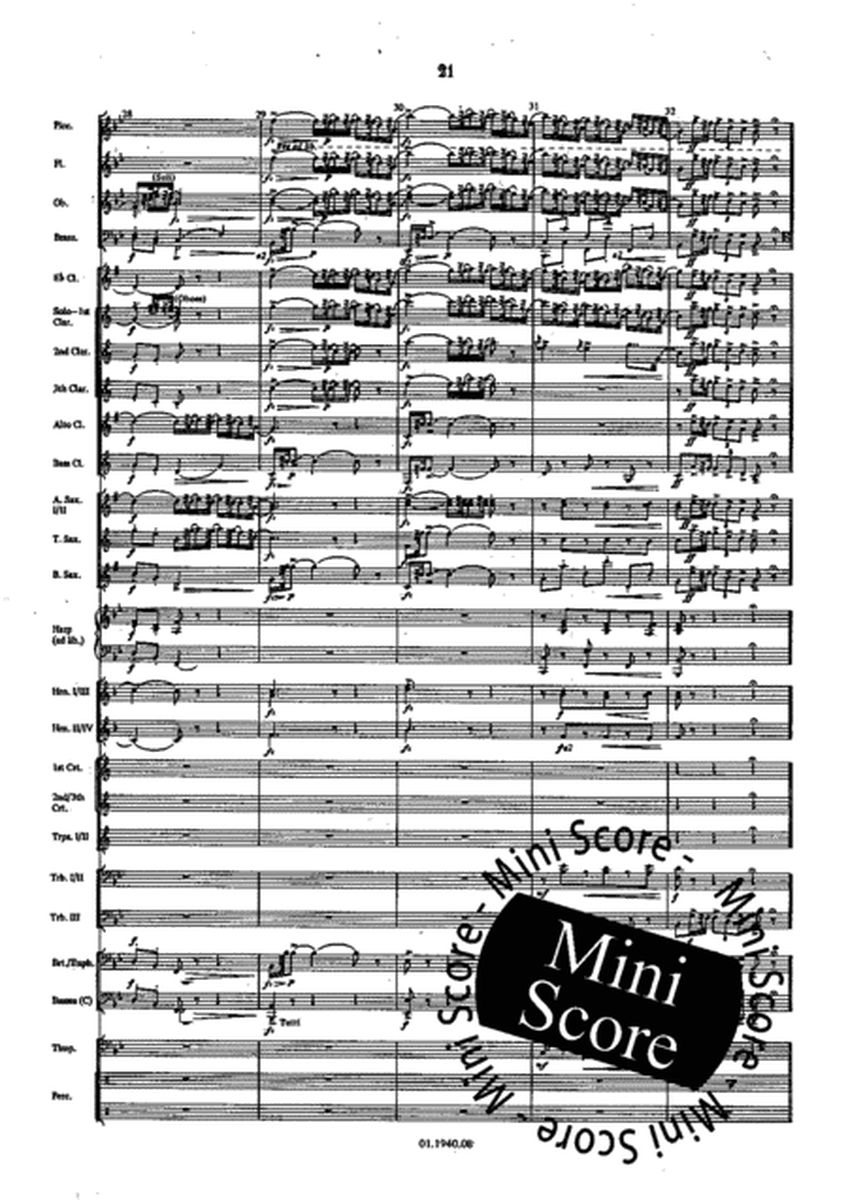
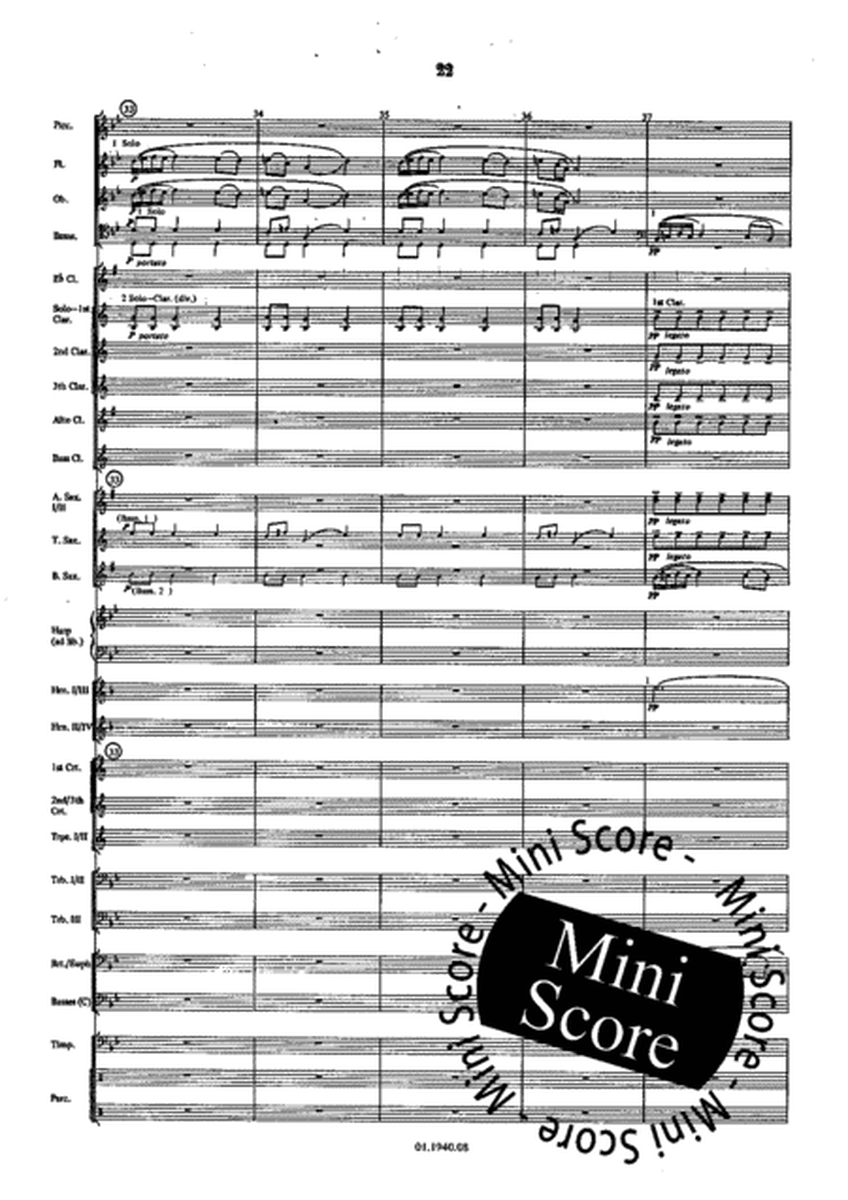
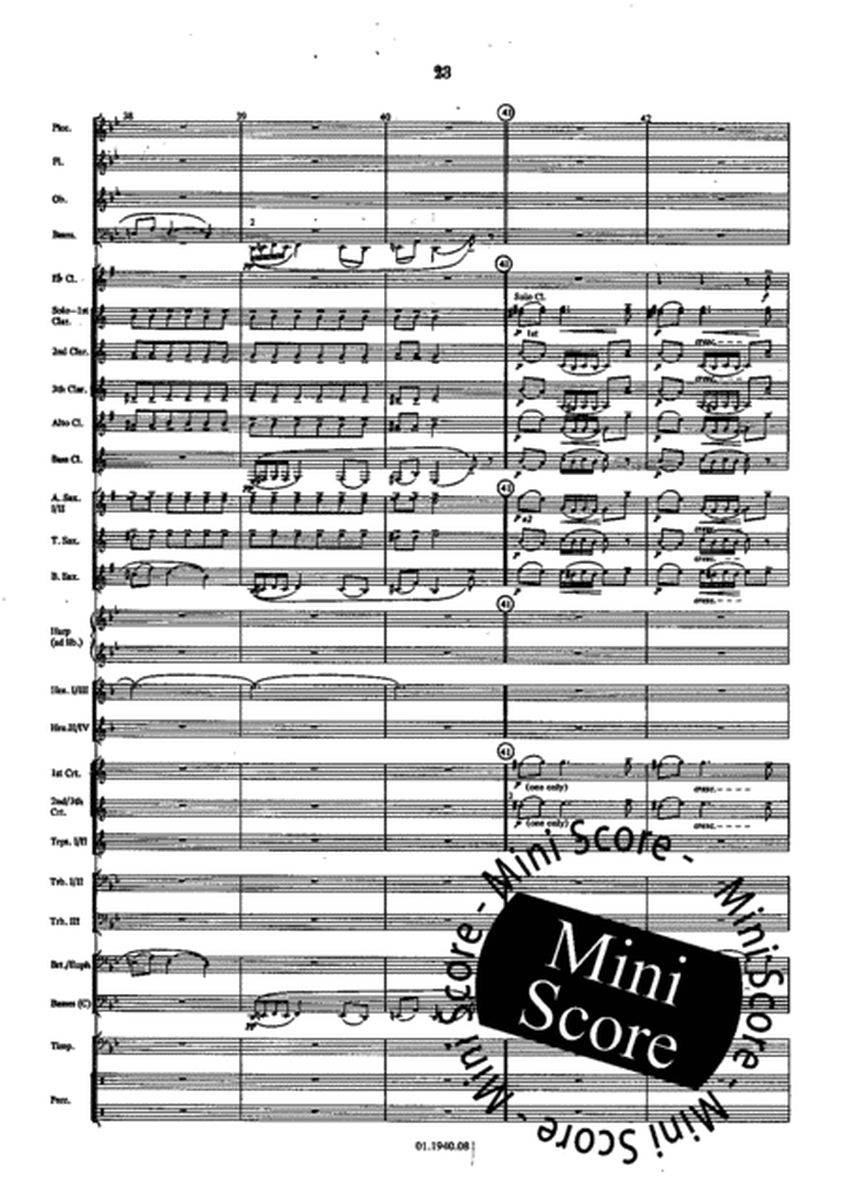
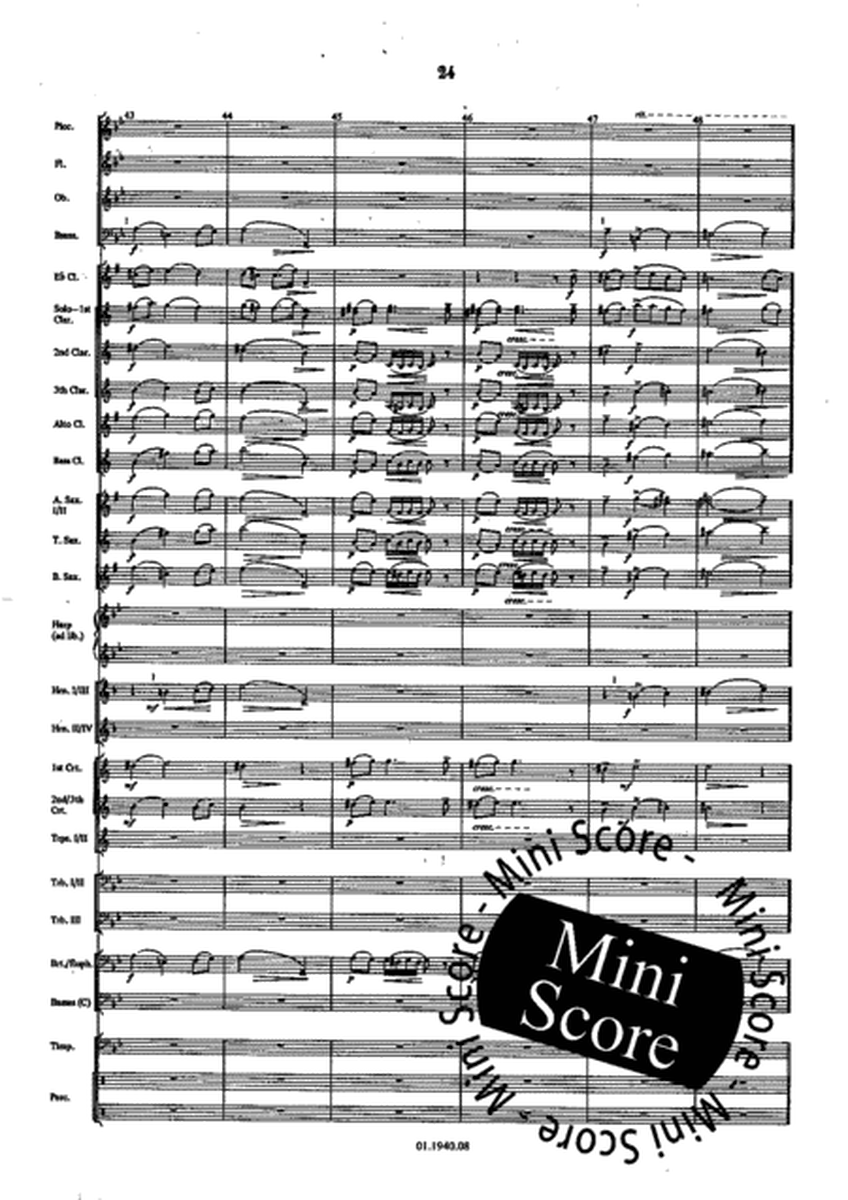
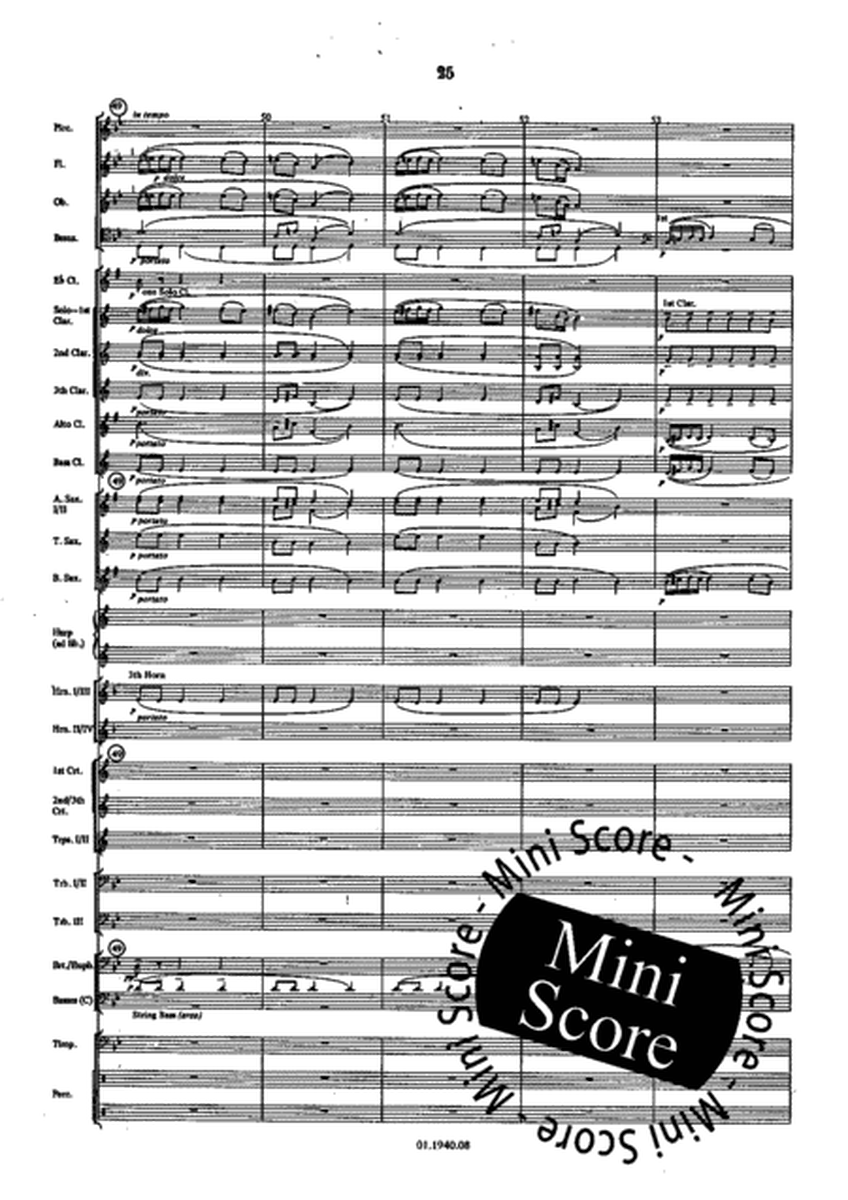
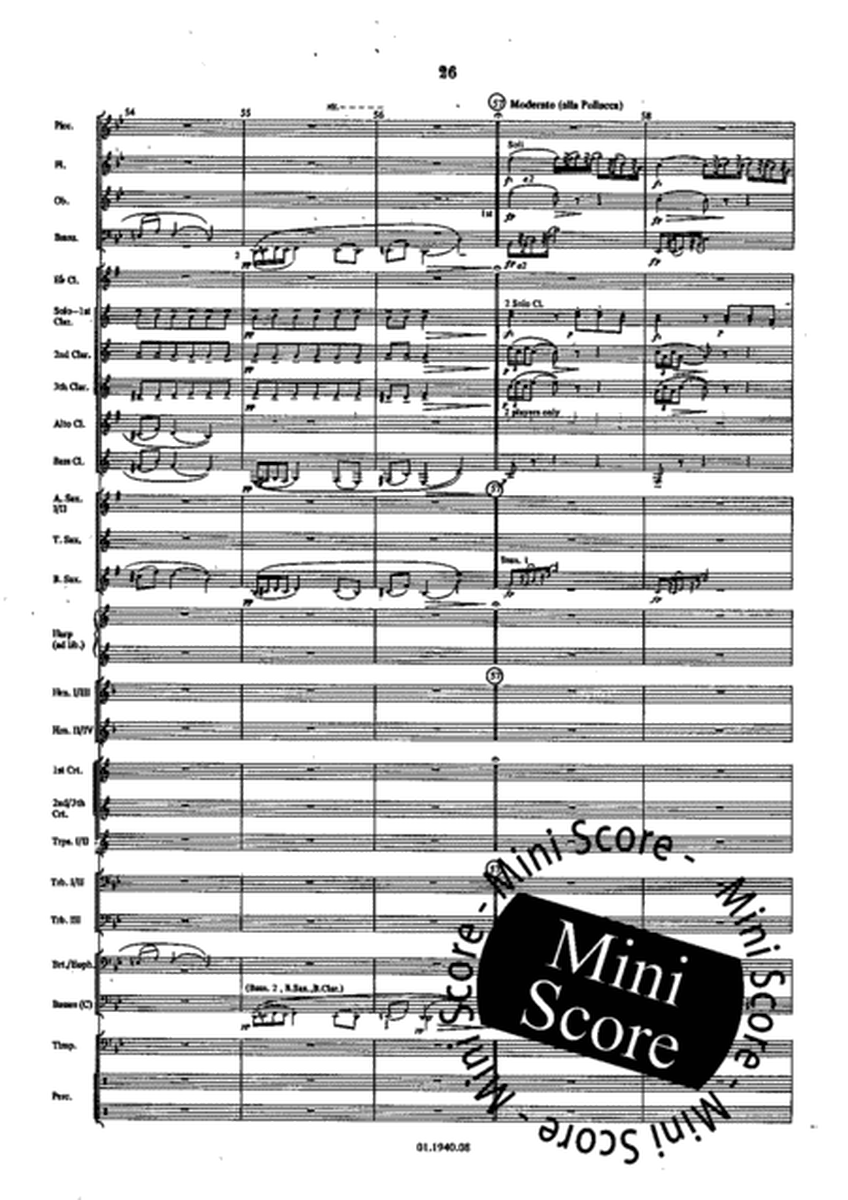
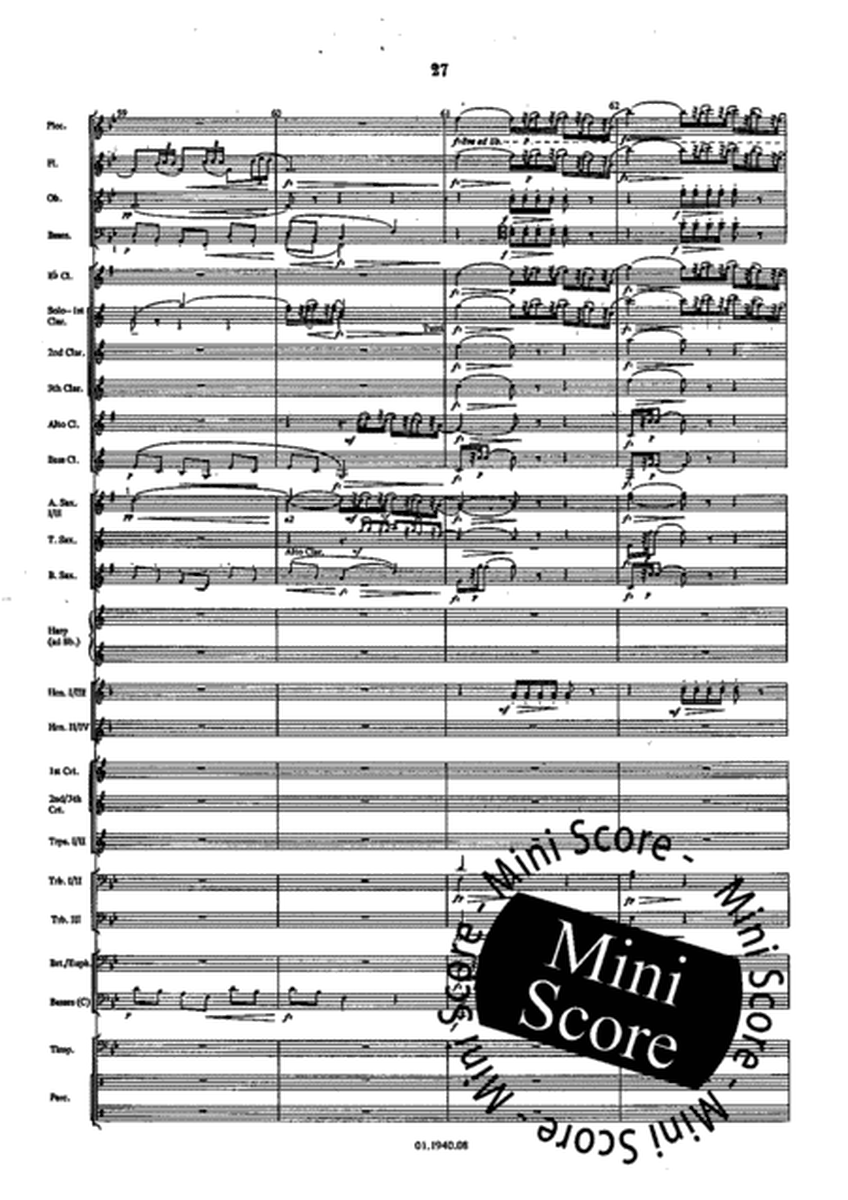
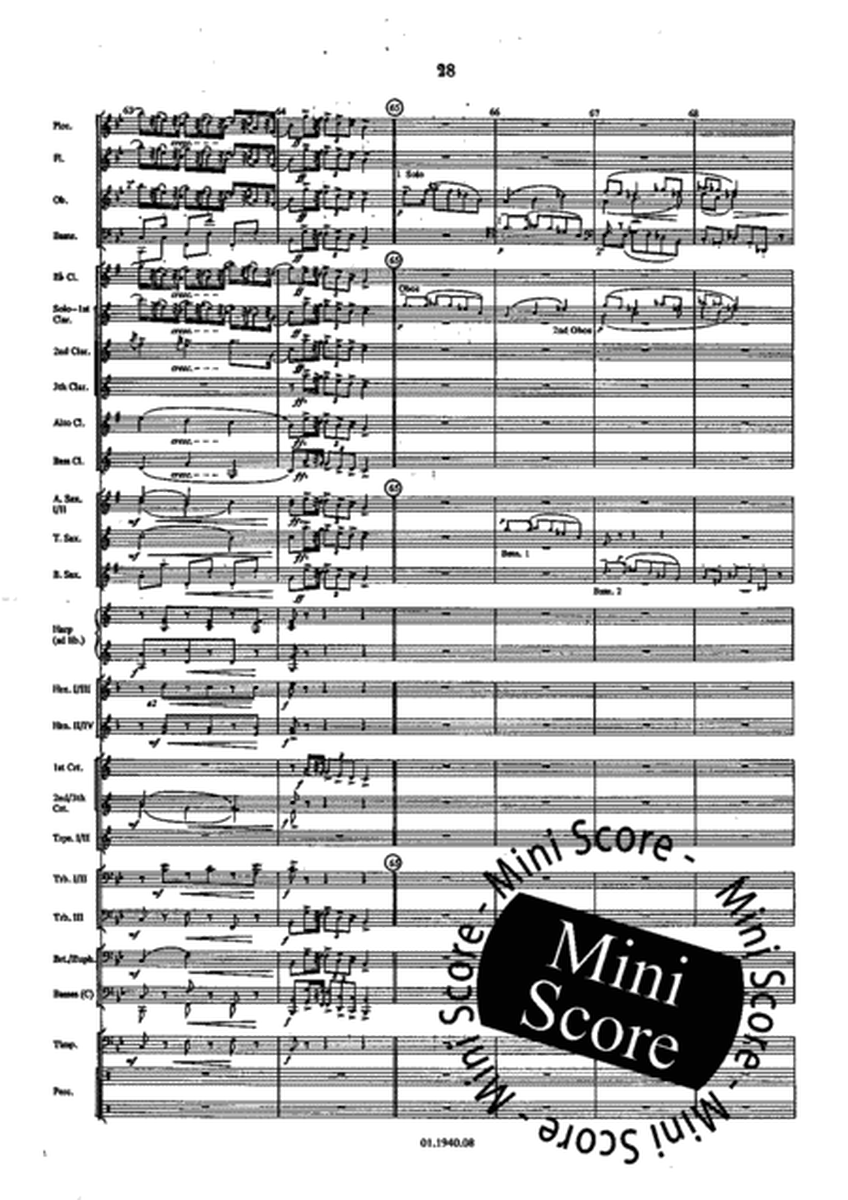
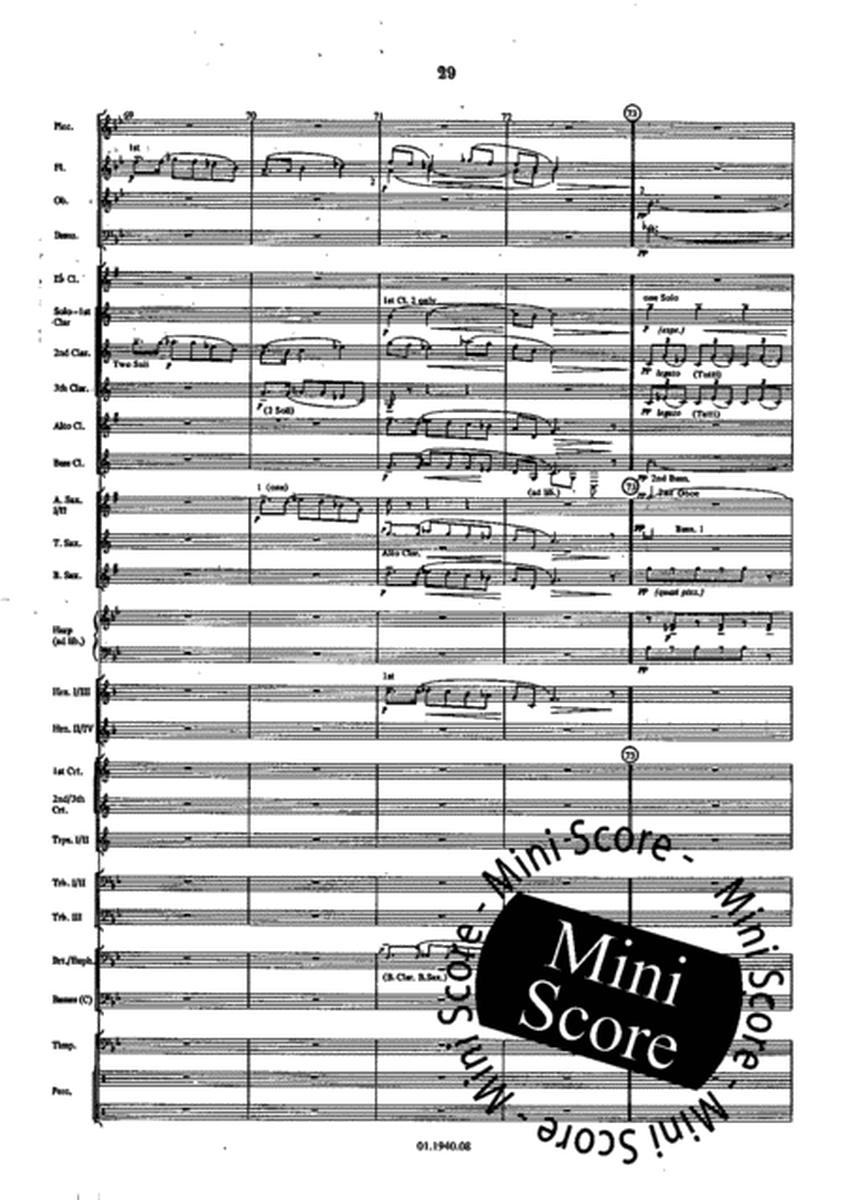
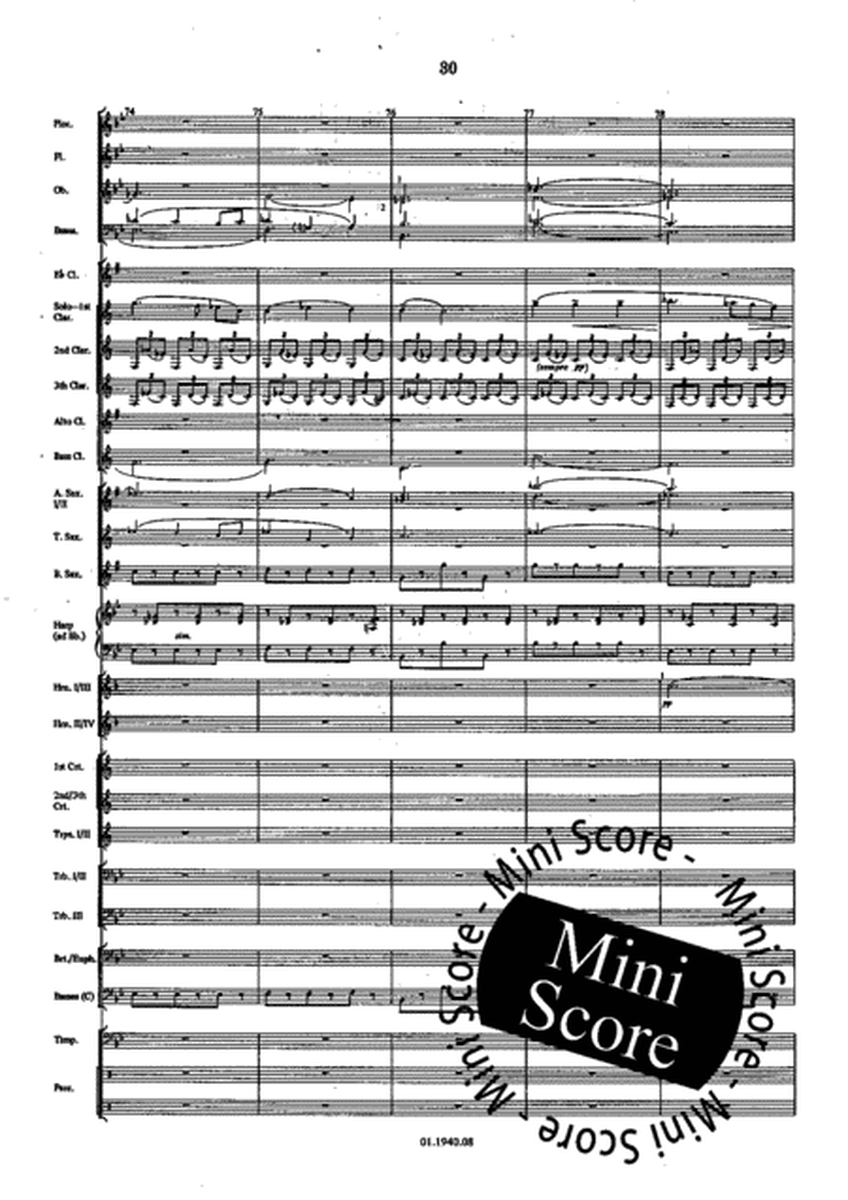
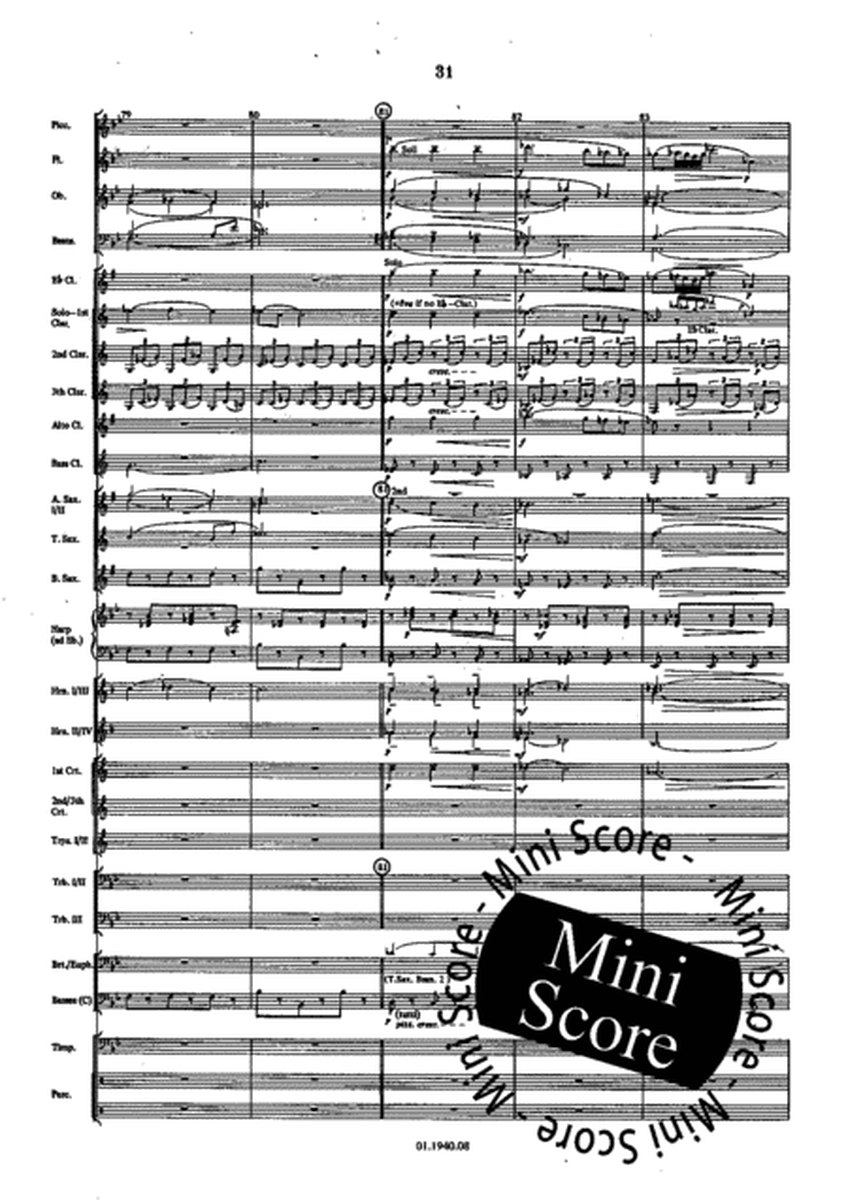
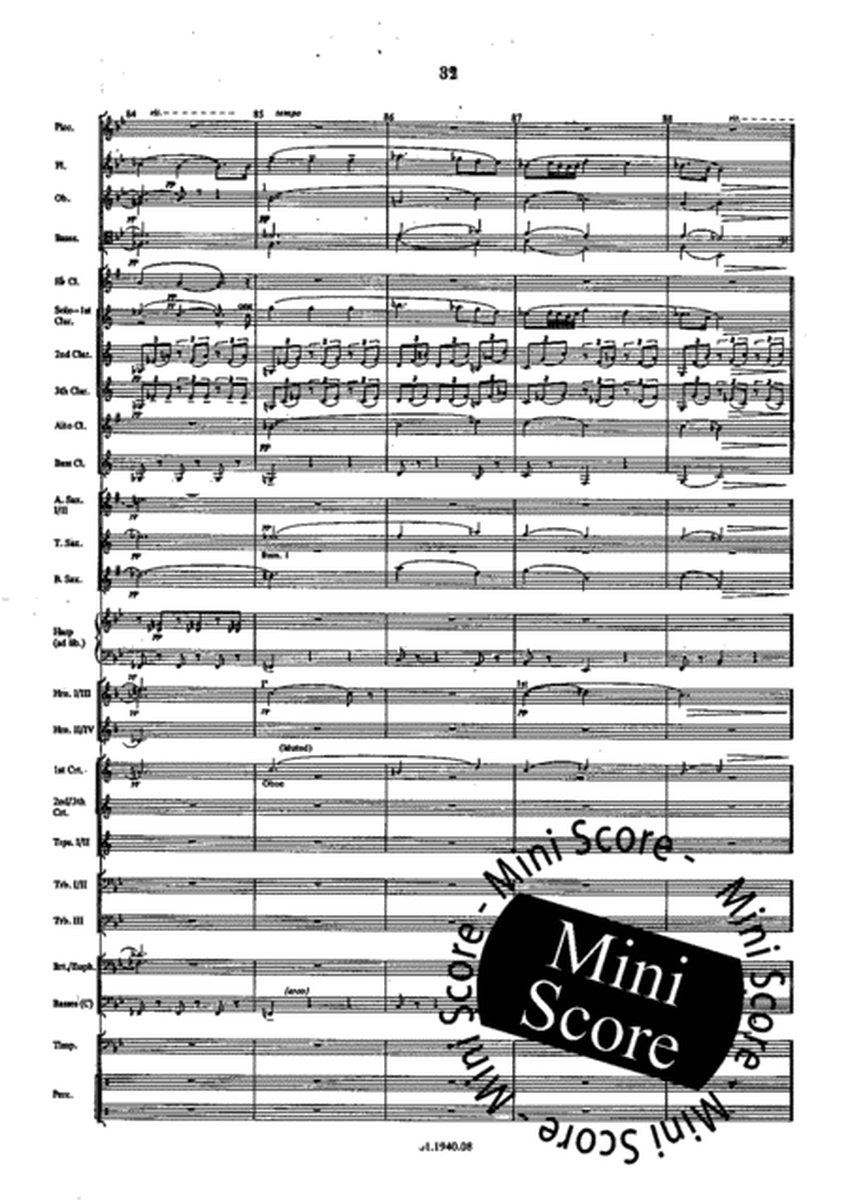
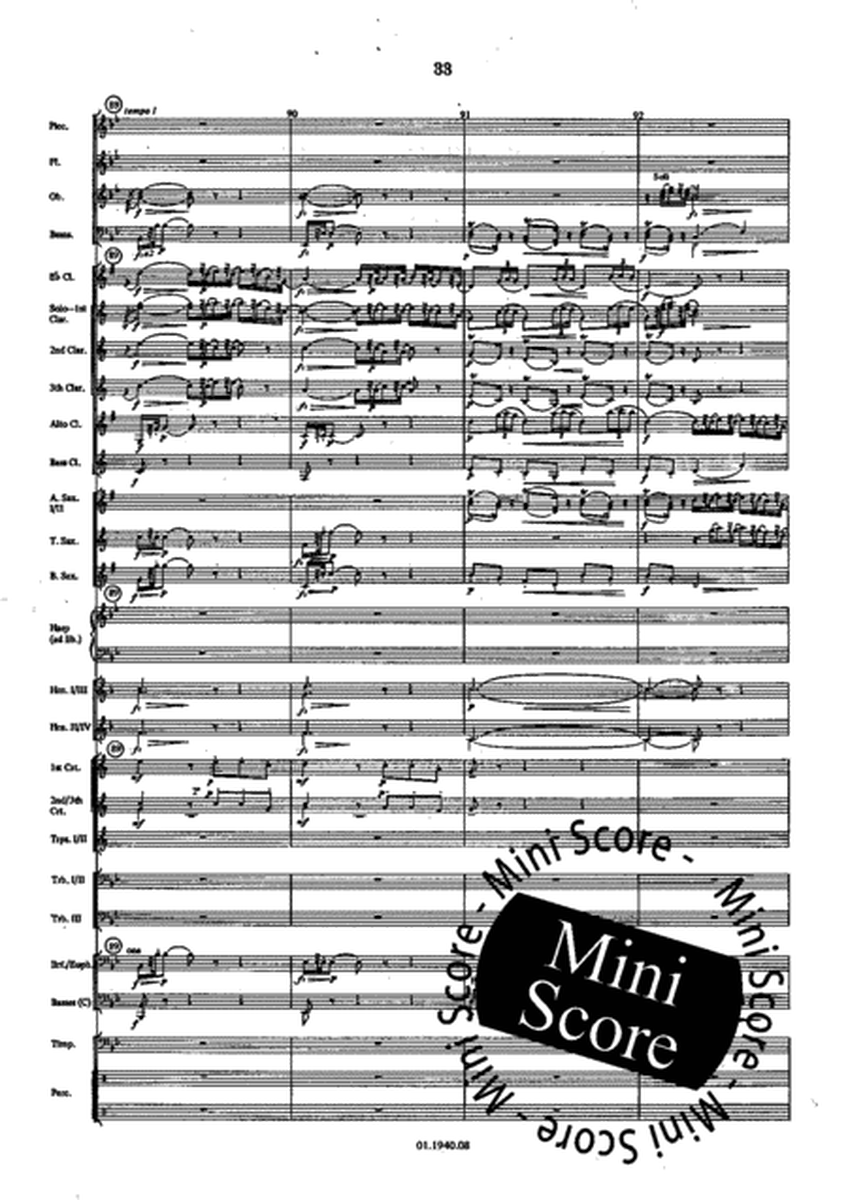
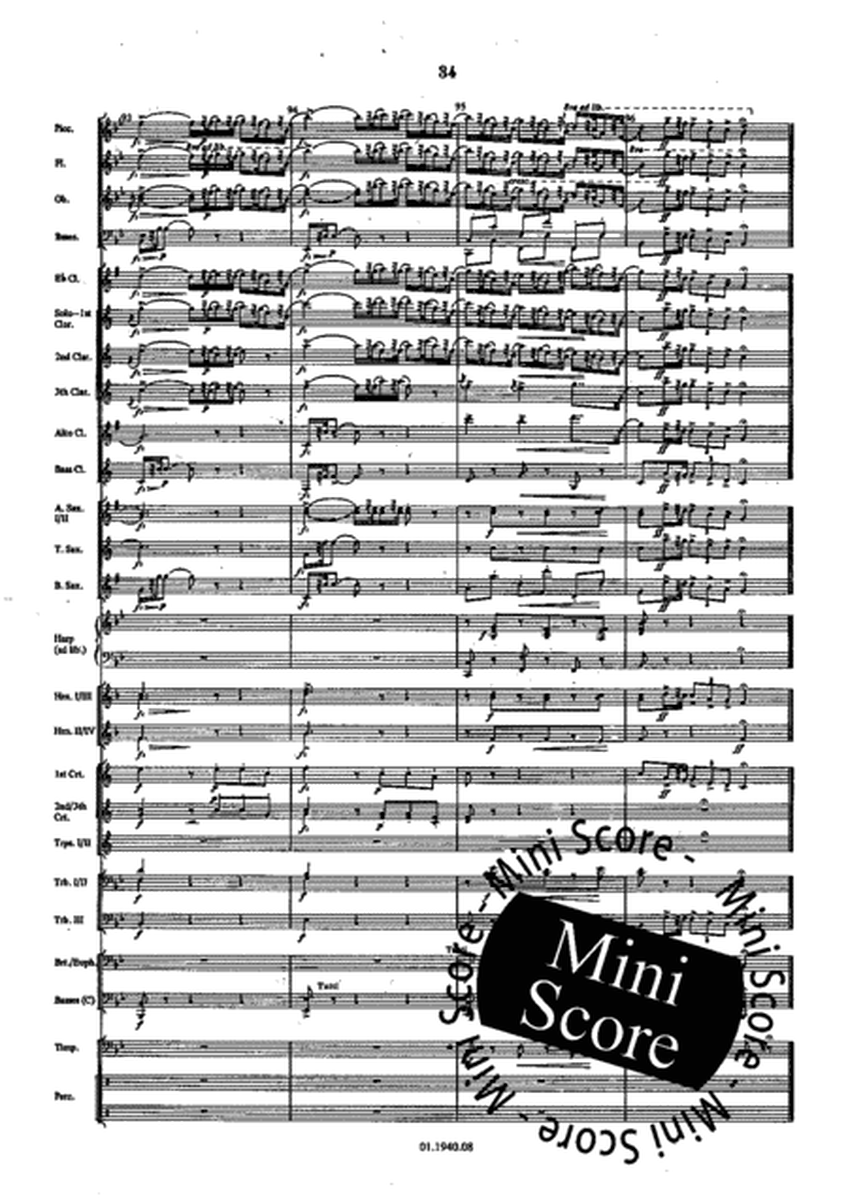
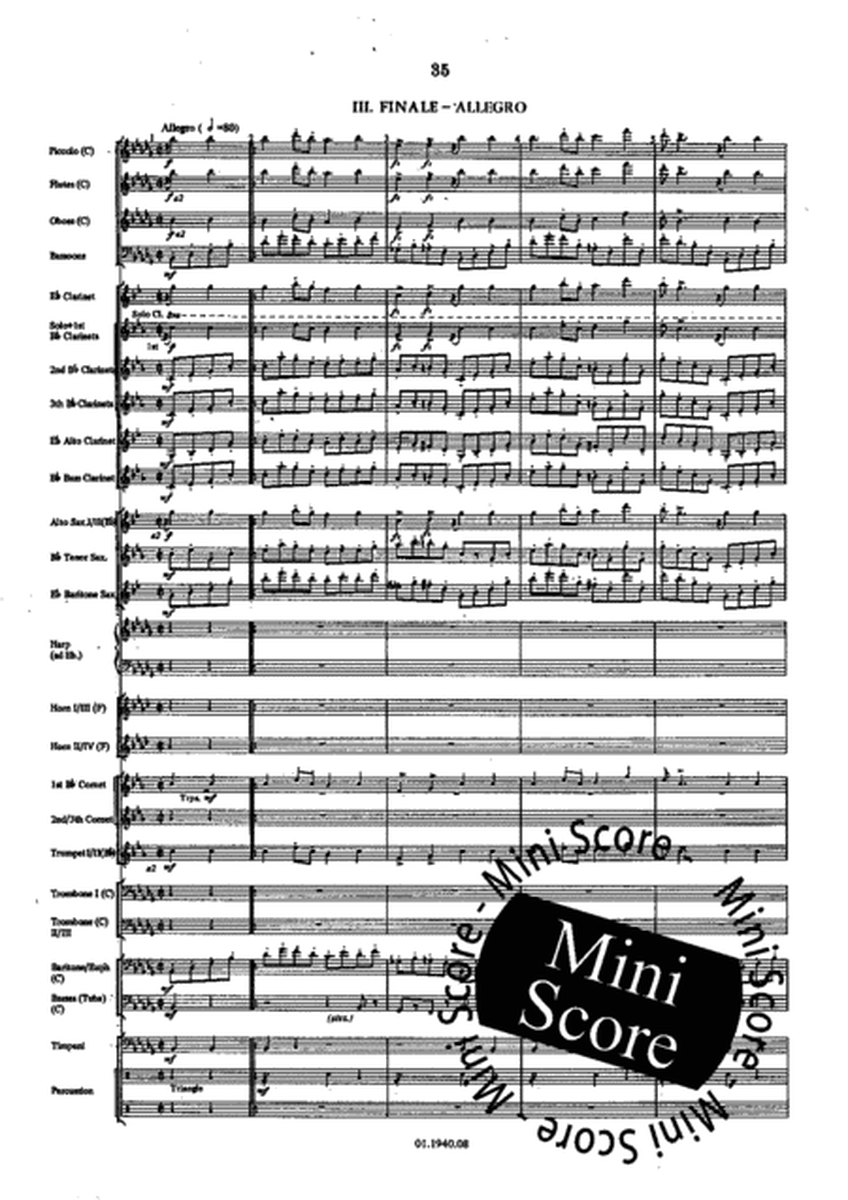
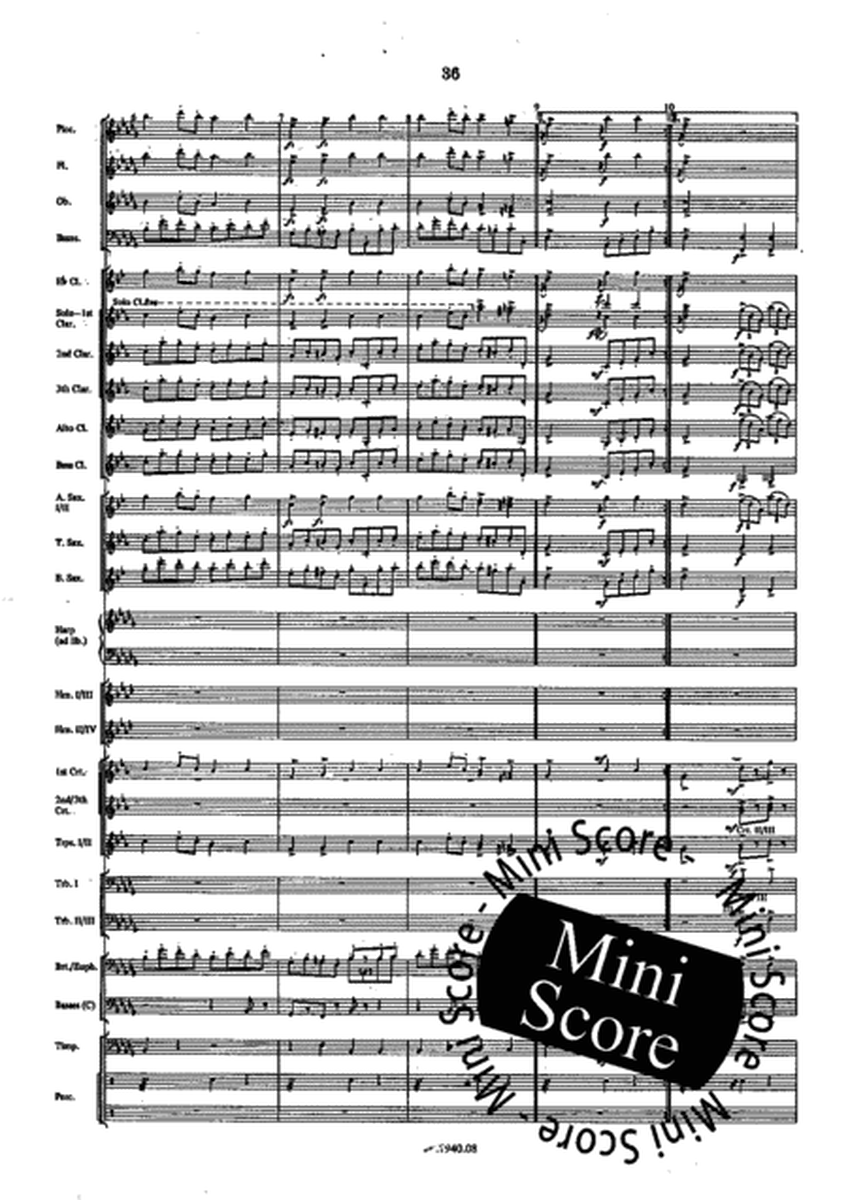
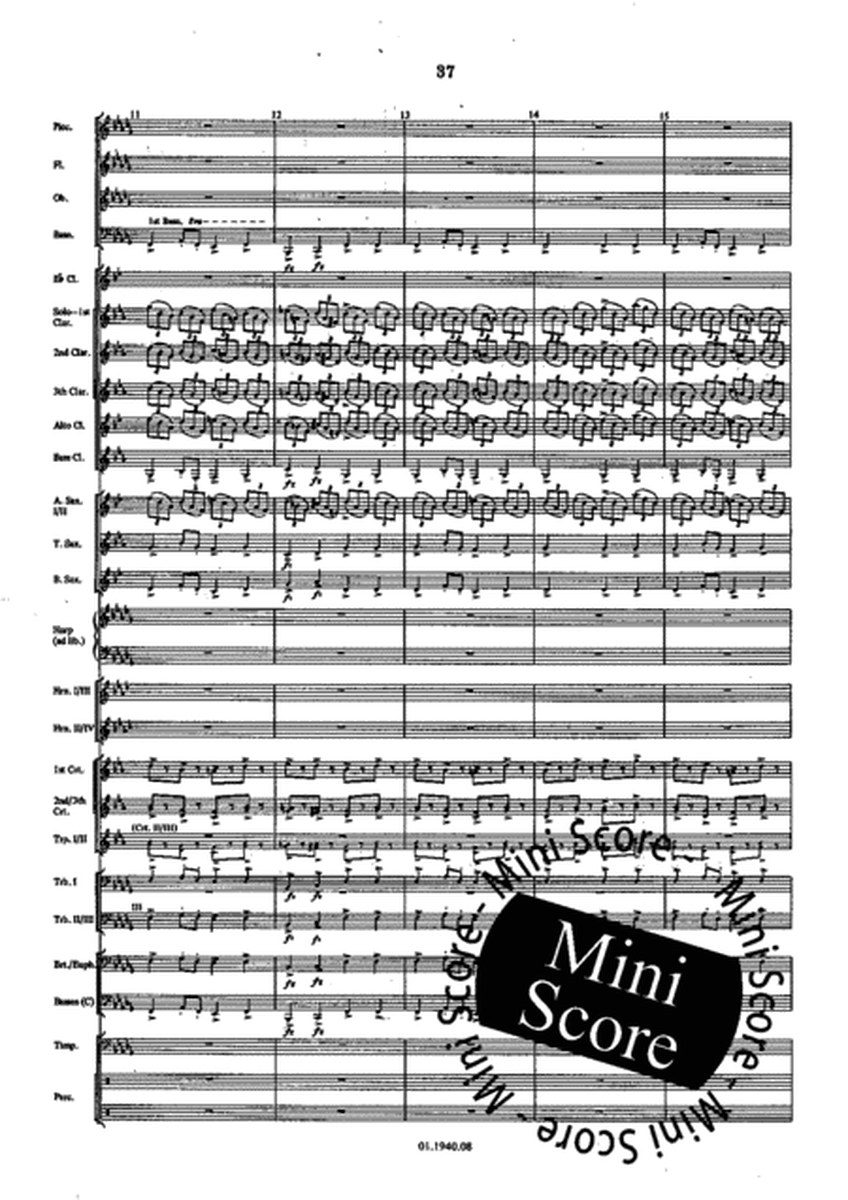
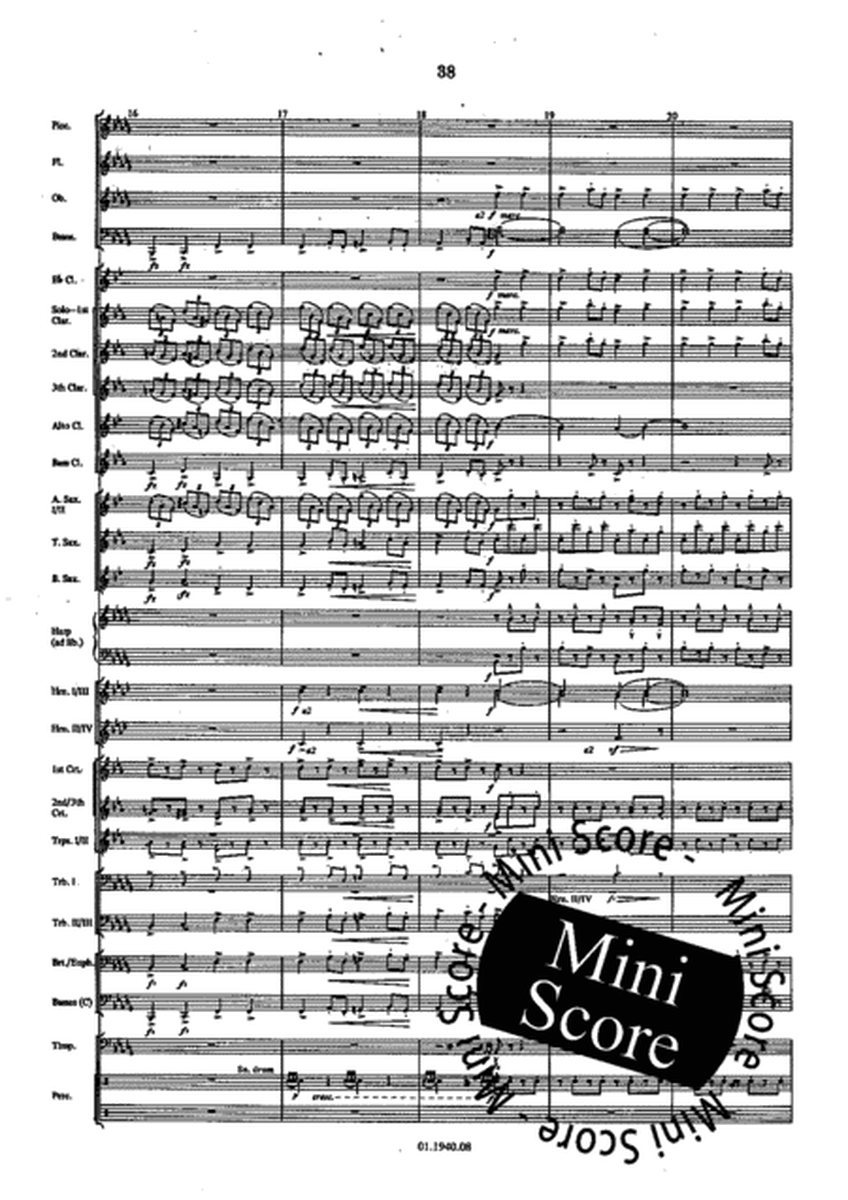
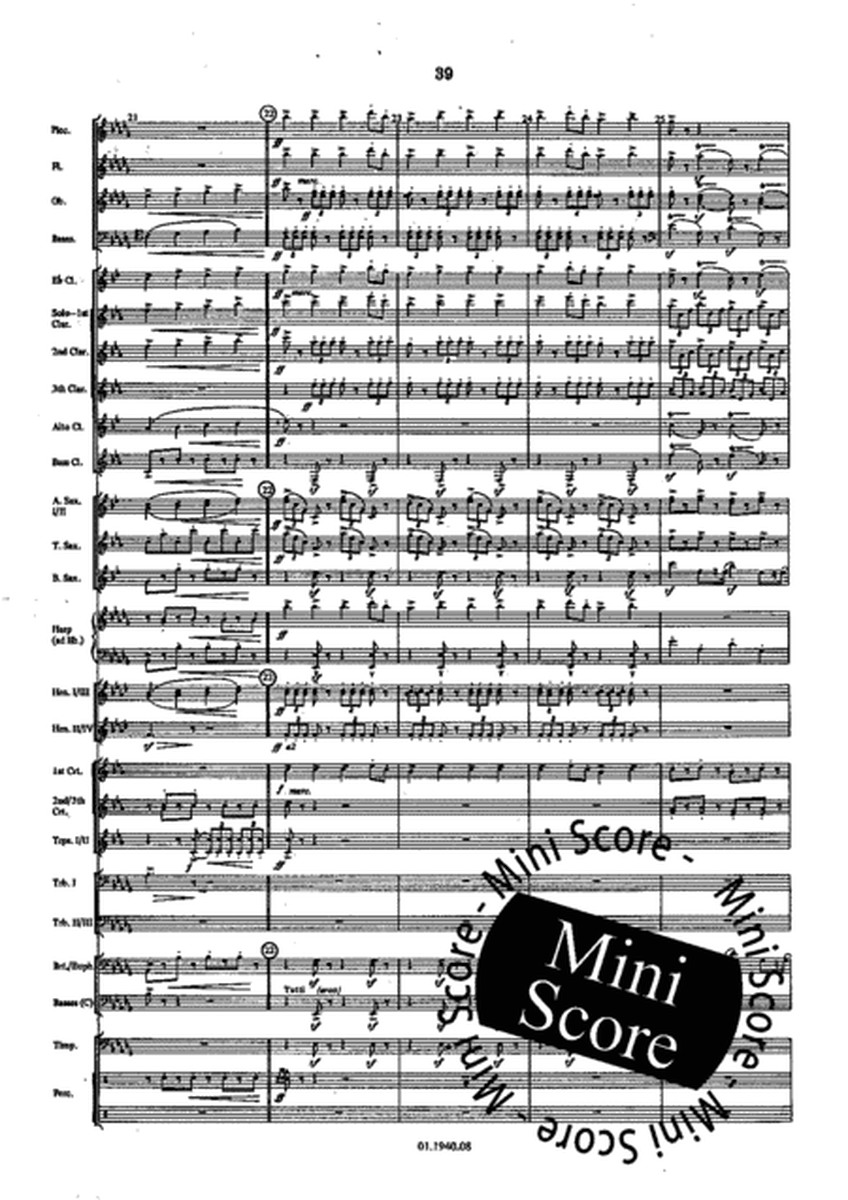
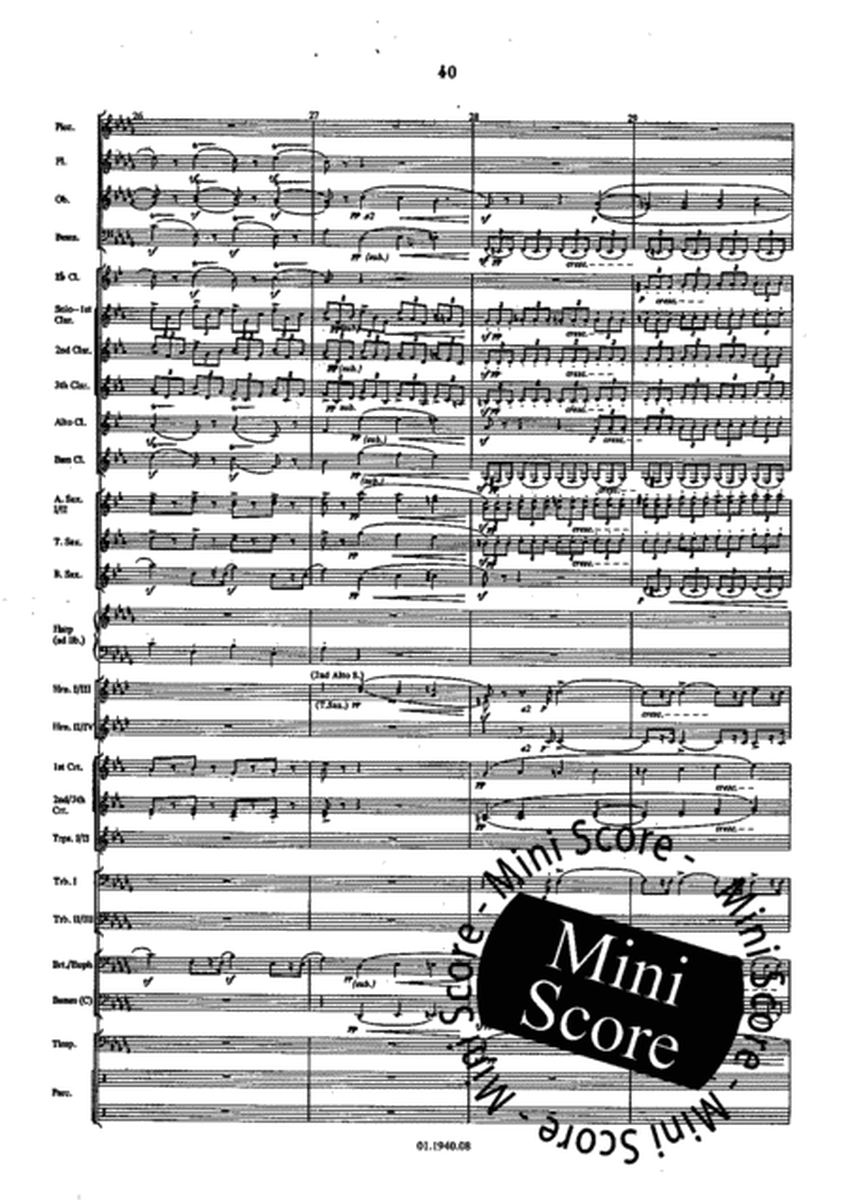
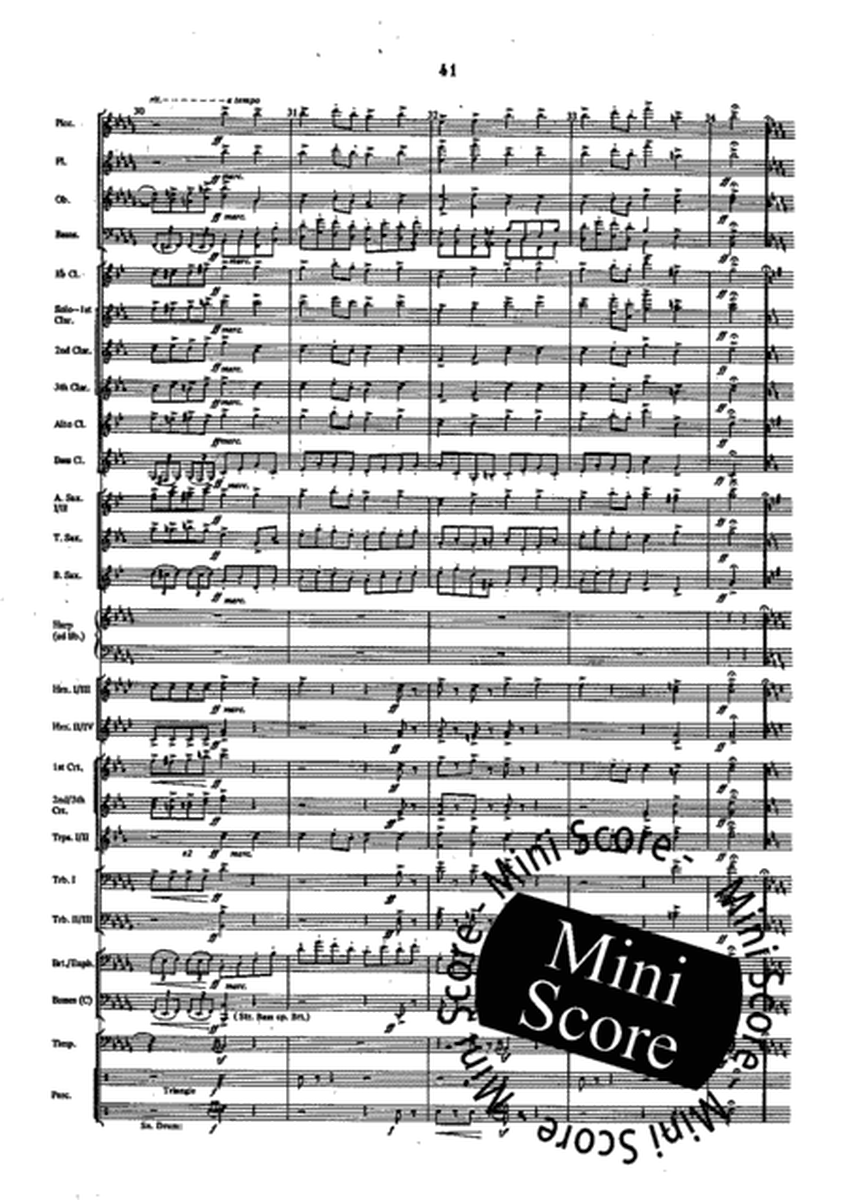
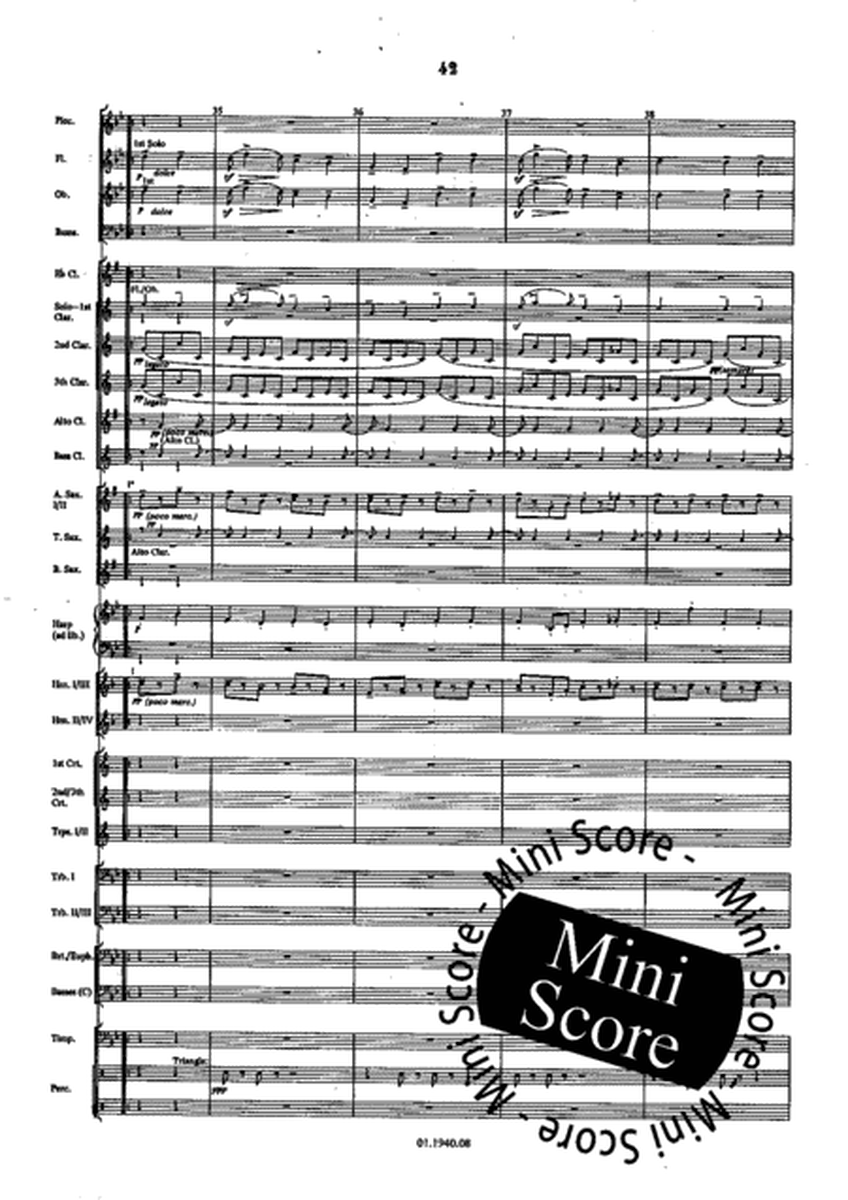
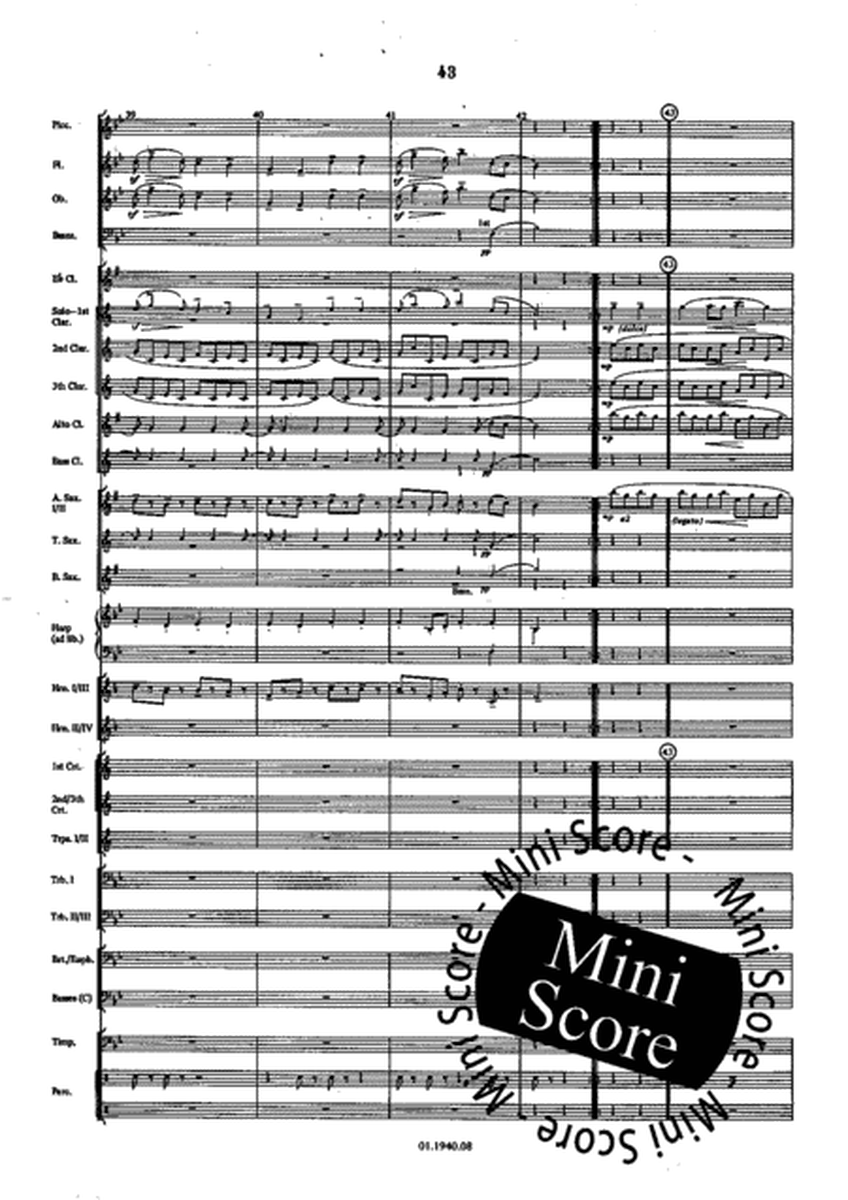
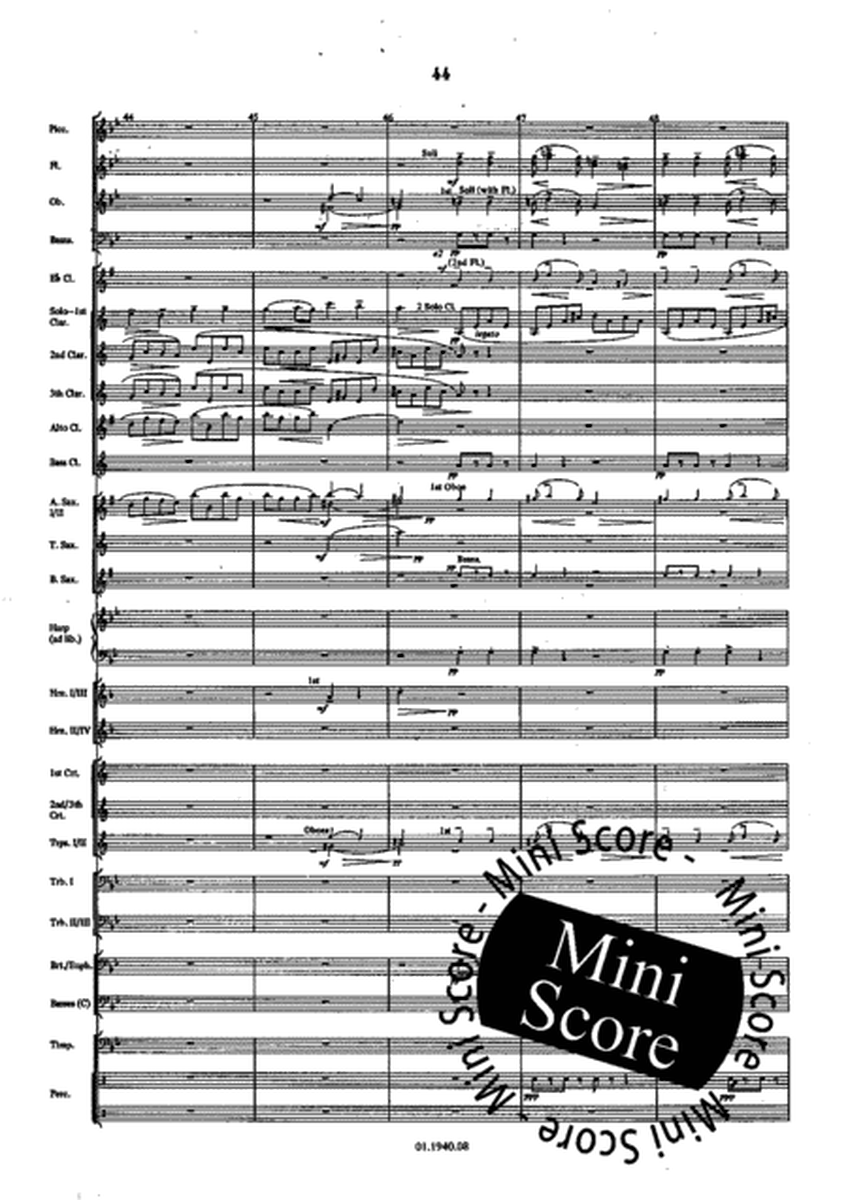
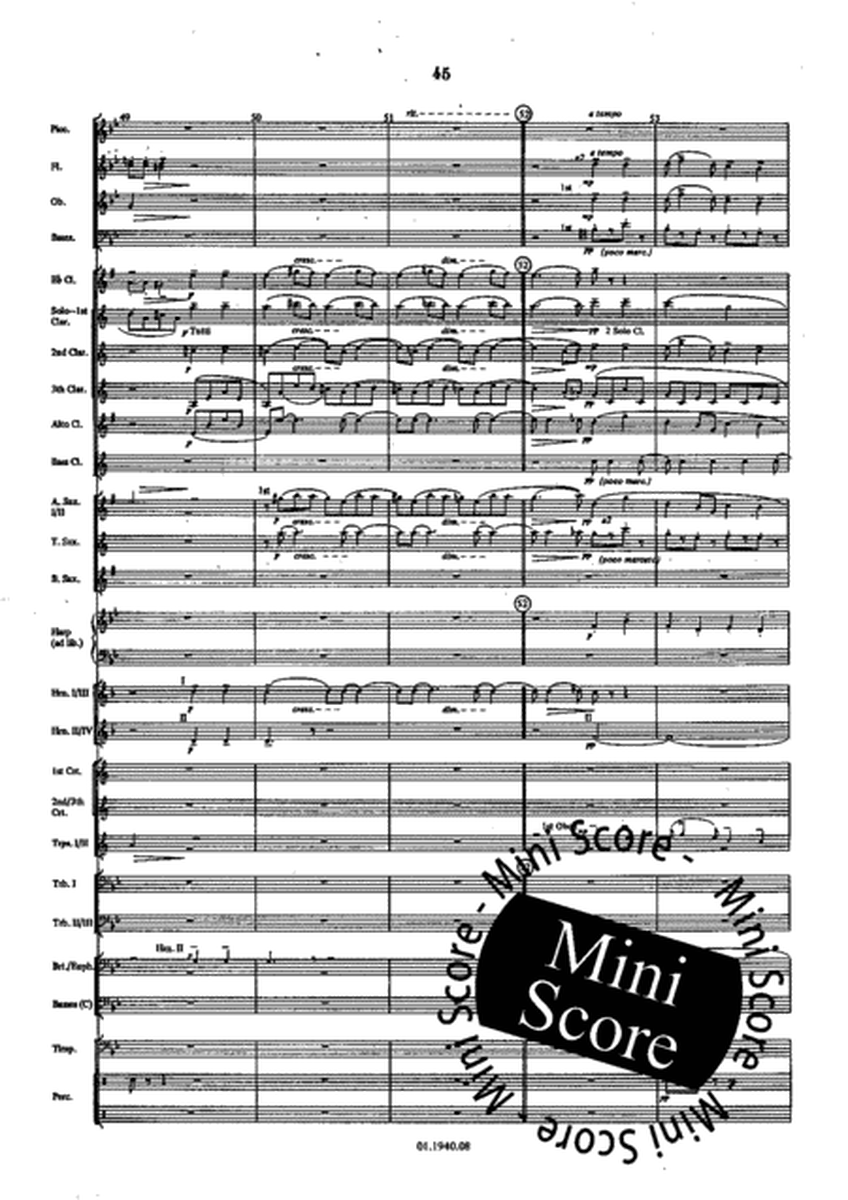
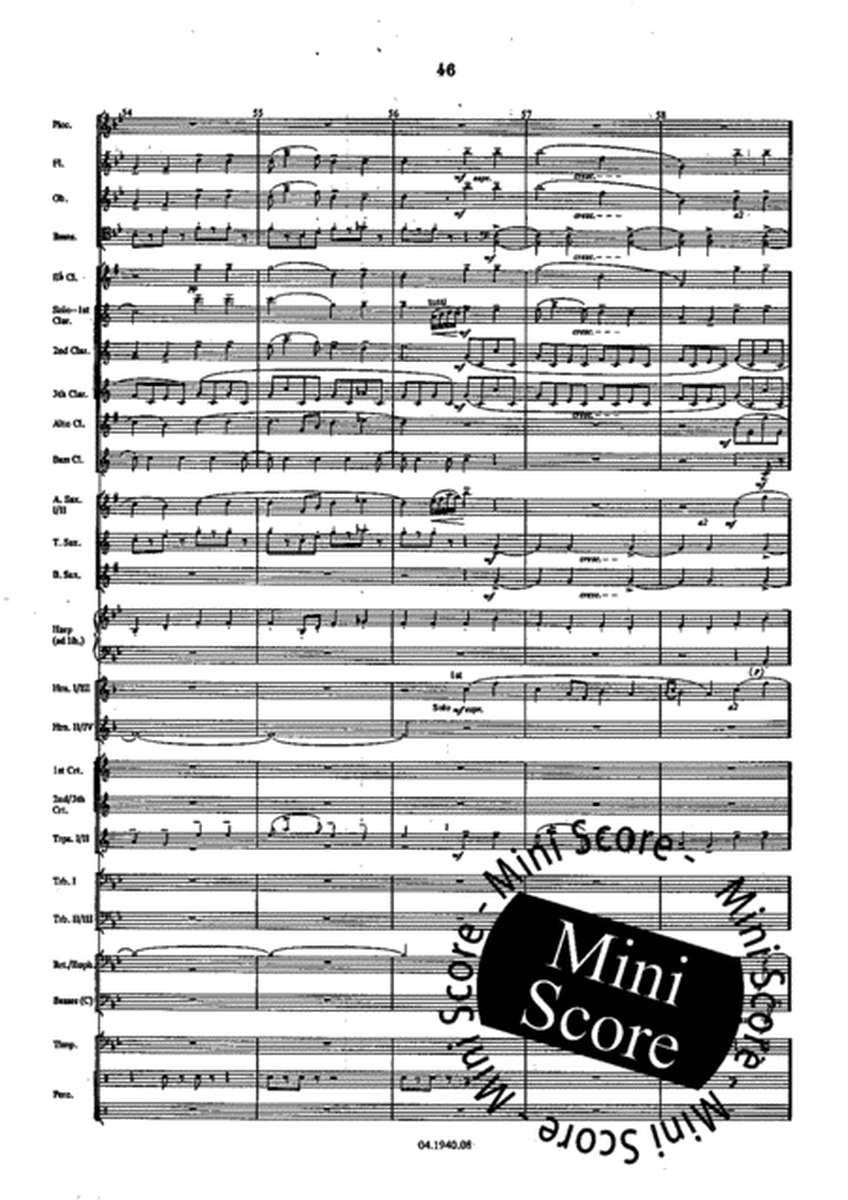
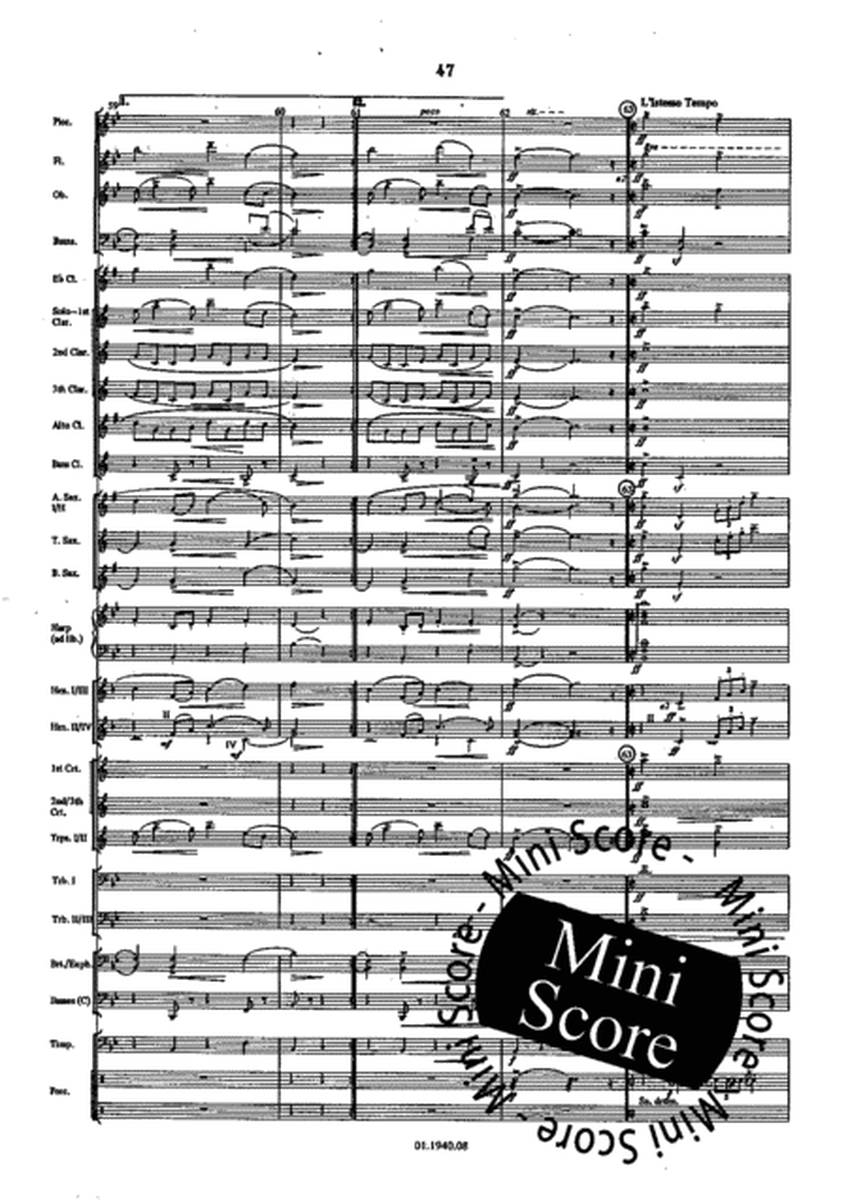
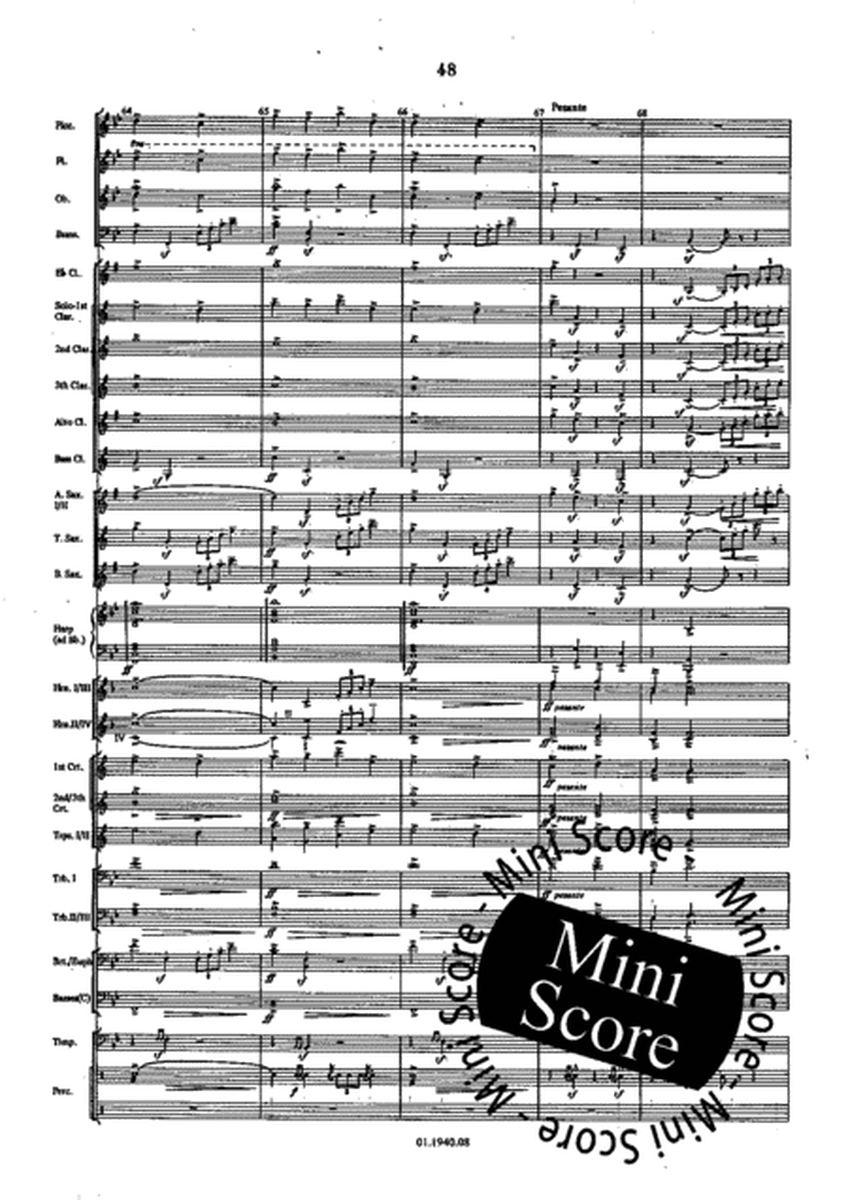
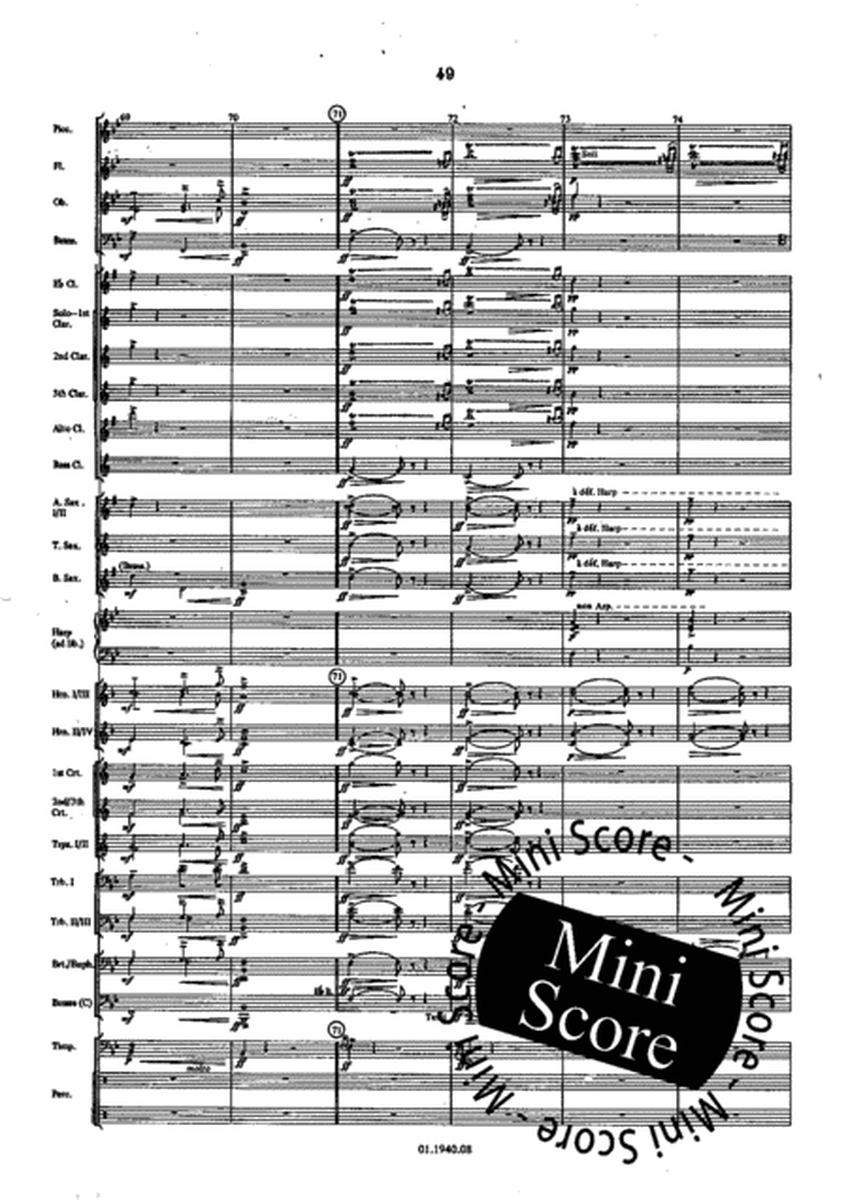
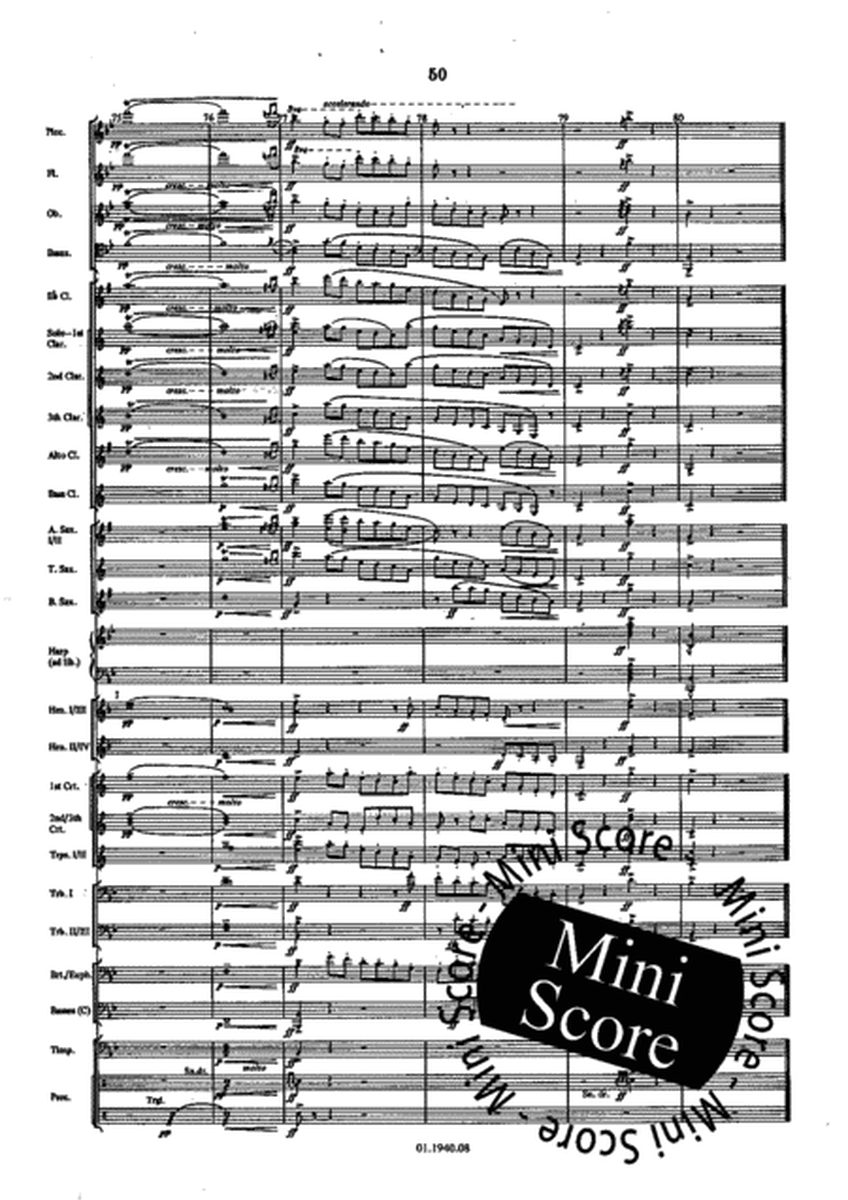
American Suite
18221020
18221020
18221020
Copyright Material for Preview Only - Sheet Music Plus
Concert Band - Grade 5
SKU: ML.011940080
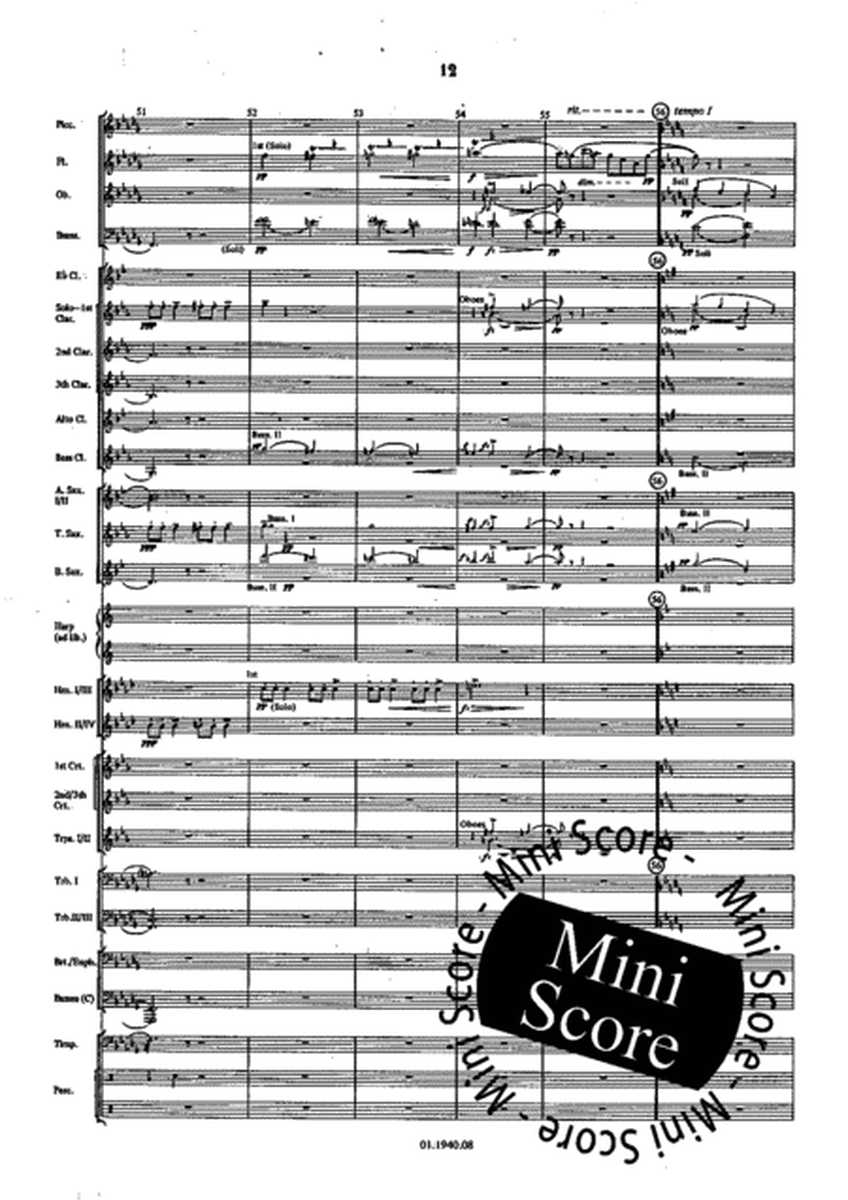
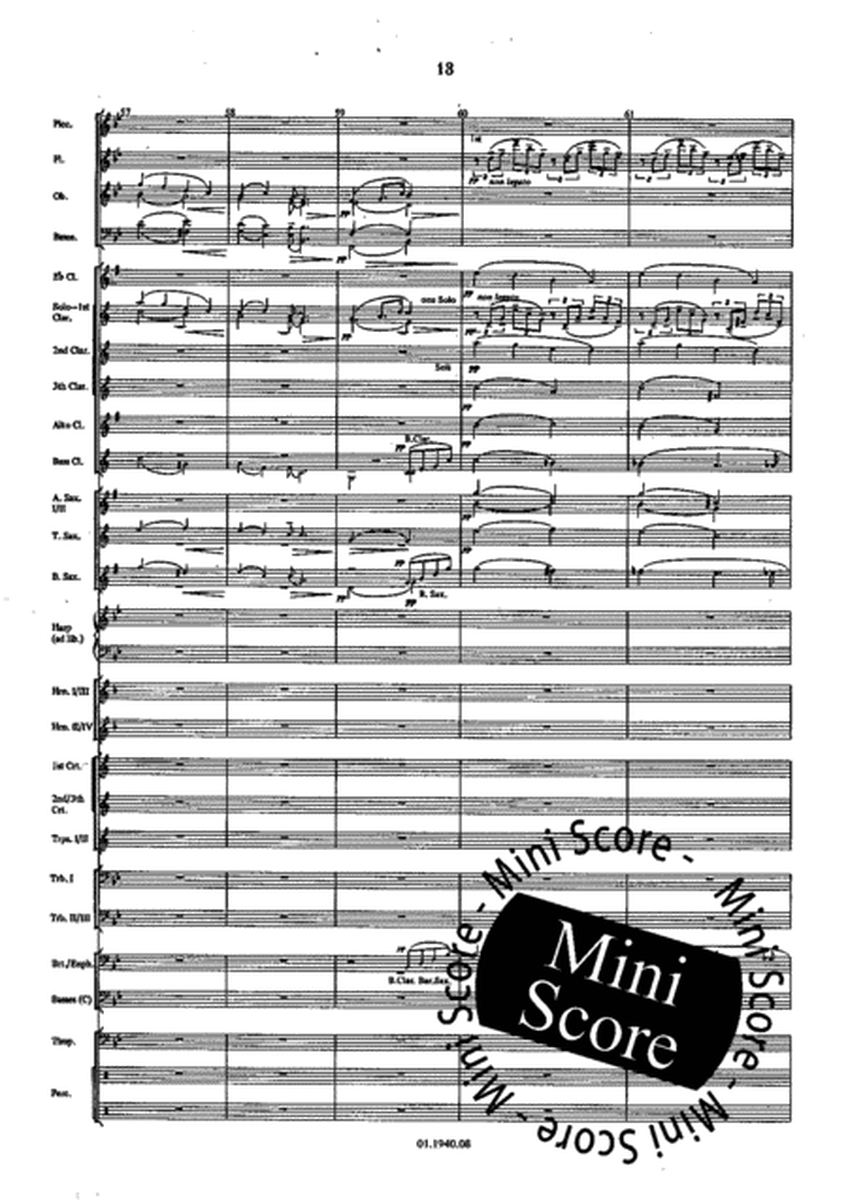
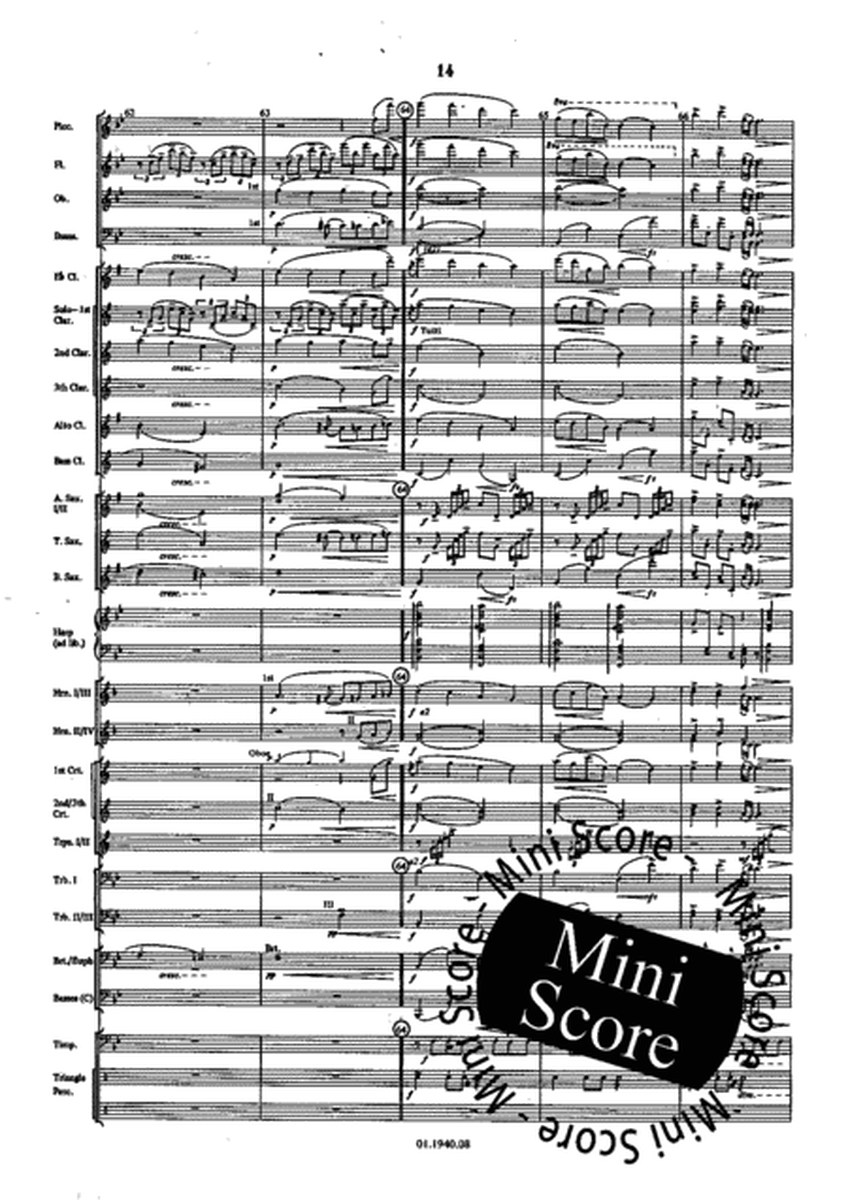
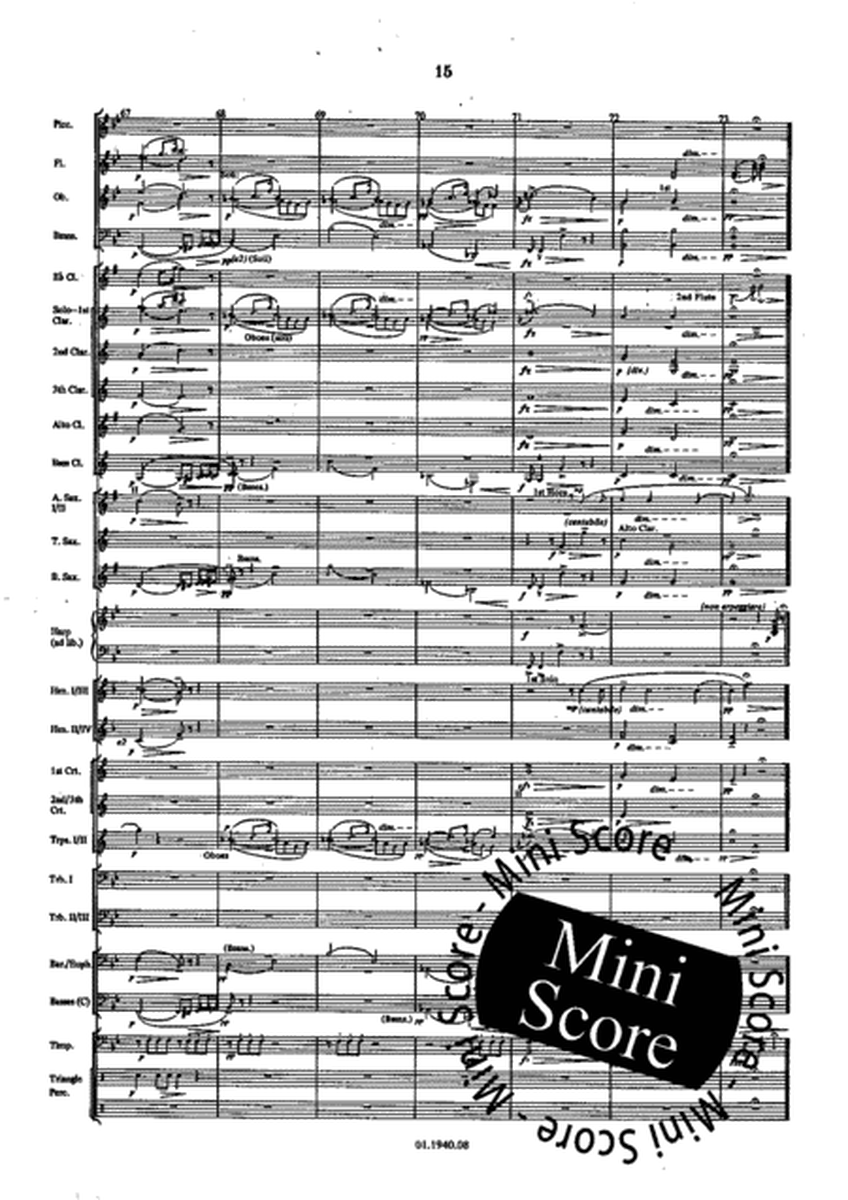
Composed by Antonin Dvorak. Arranged by Johan De Meij. Countries/Arrangements of Classical Compositions. Classic Arrangement. Full set. Molenaar Edition #011940080. Published by Molenaar Edition (ML.011940080).
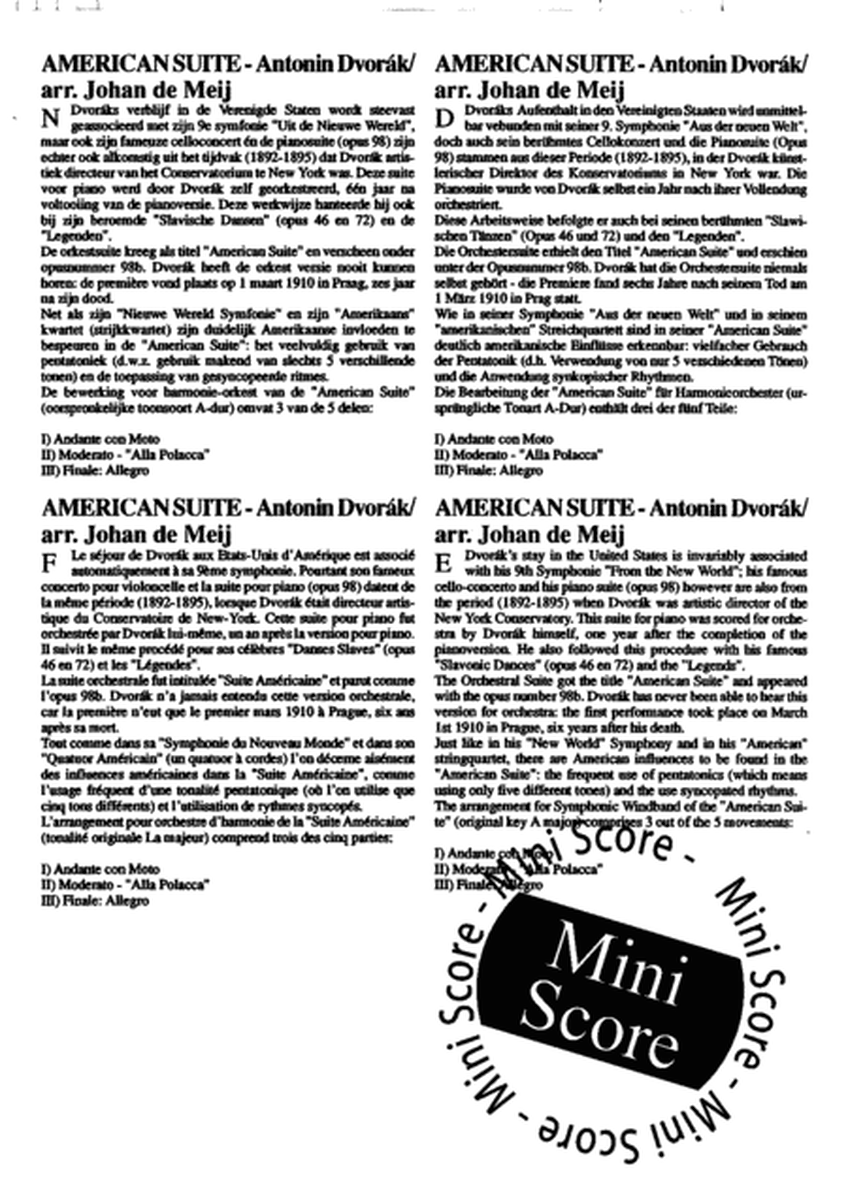
Dvoráks verblijf in de Verenigde Staten wordt steevast geassocieerd met zijn 9de symfonie Uit de Nieuwe Wereld, maar ook zijn fameuze celloconcert én de pianosuite (opust 98) zijn afkomstig uit het tijdvak (1892-1895) dat Dvorák artistiek directeur van het Conservatorium te New York was. Deze suite voor piano werd door Dvorák zelf georkestreerd, een jaar na voltooiing van de pianoversie. Deze werkwijze hanteerde hij ook bij zijn beroemde Slavische Dansen (opus 46 en 72) en de Legenden.De orkestsuite kreeg als titel American Suite en verscheen onder opusnummer 98b. Dvorák heeft de orkestversie nooit kunnen horen: de première vond plaats op 1 maart 1910 in Praag, zes jaar na zijn dood.Net als zijn Nieuwe Wereld Symfonie en zijn Amerikaans strijkkwartet zijn duidelijk Amerikaanse invloeden te bespeuren in de American Suite: het veelvuldig gebruik van pentatoniek (d.w.z. gebruik makend van slechts 5 verschillende tonen) en de toepassing van gesyncopeerde ritmes.De bewerking voor harmonieorkest van de American Suite (oorspronkelijke toonsoort A-dur) omvat 3 van de 5 delen:
I. Andante con Moto
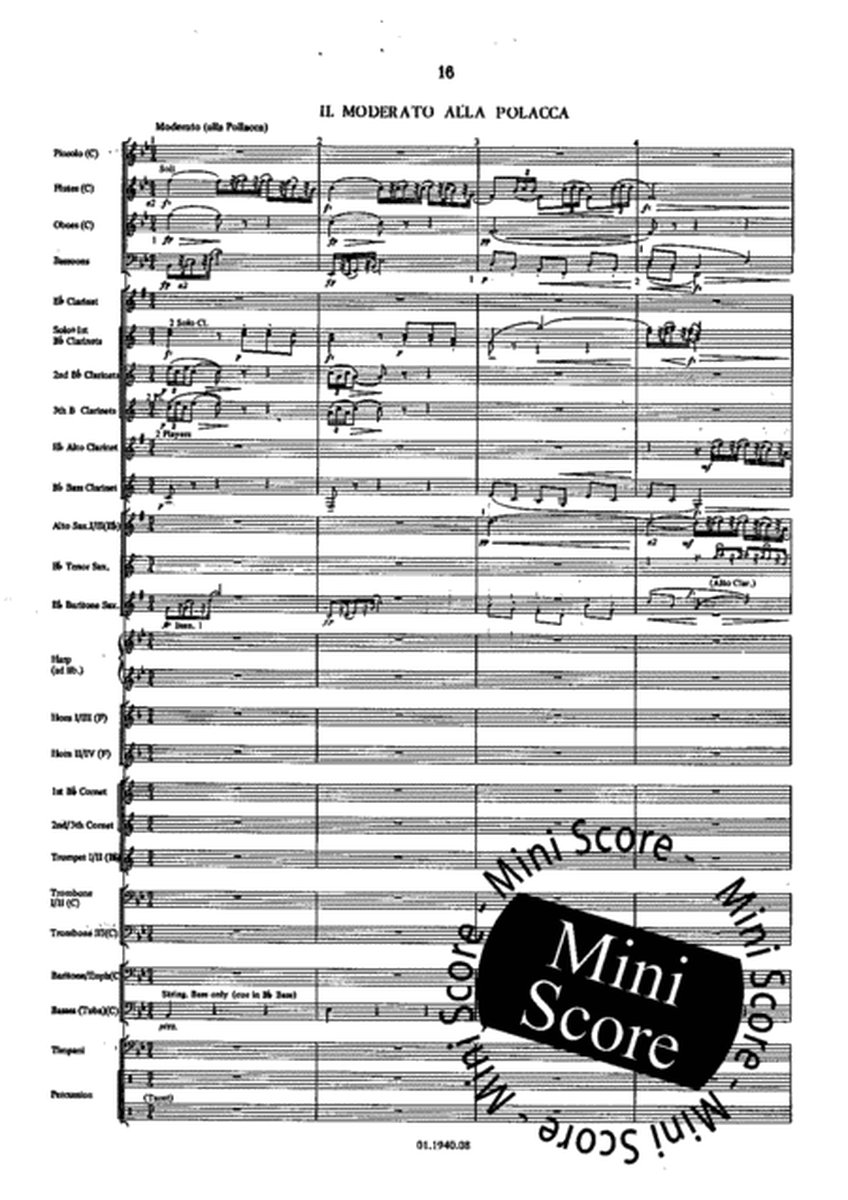
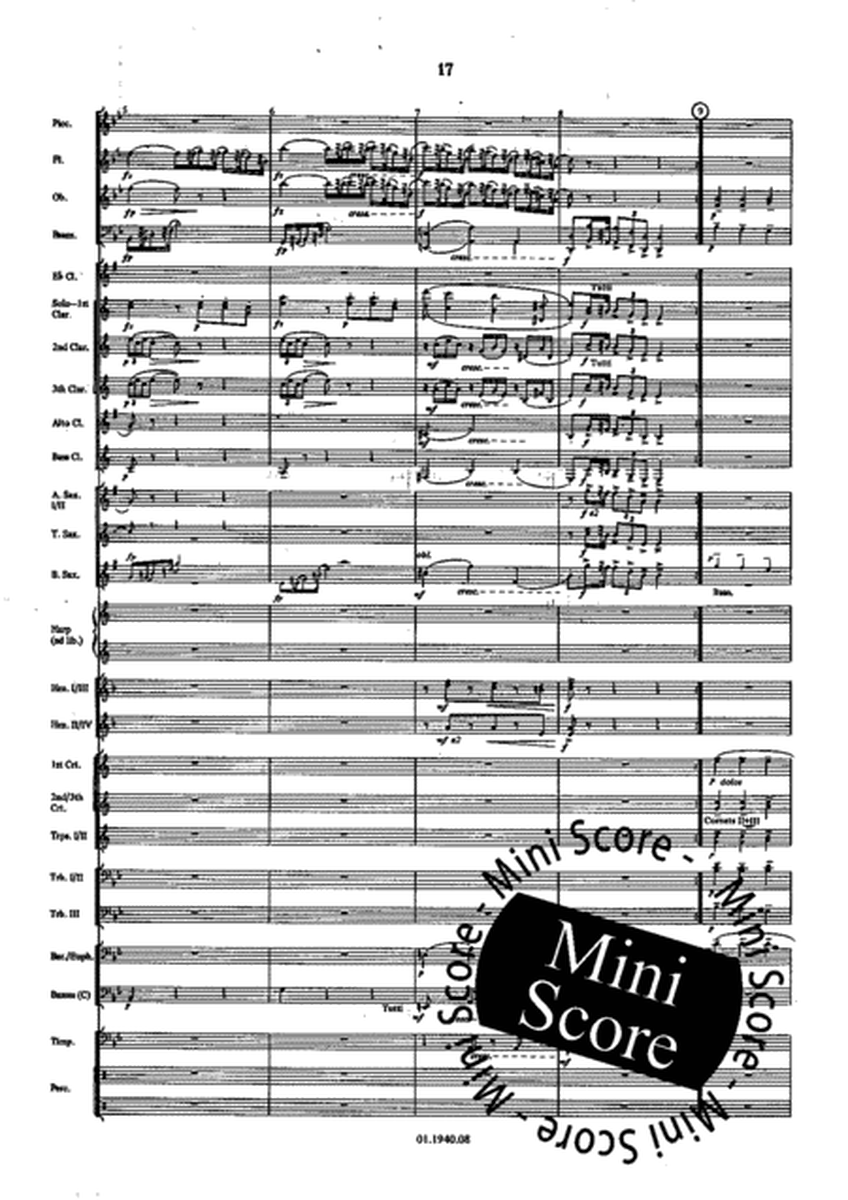
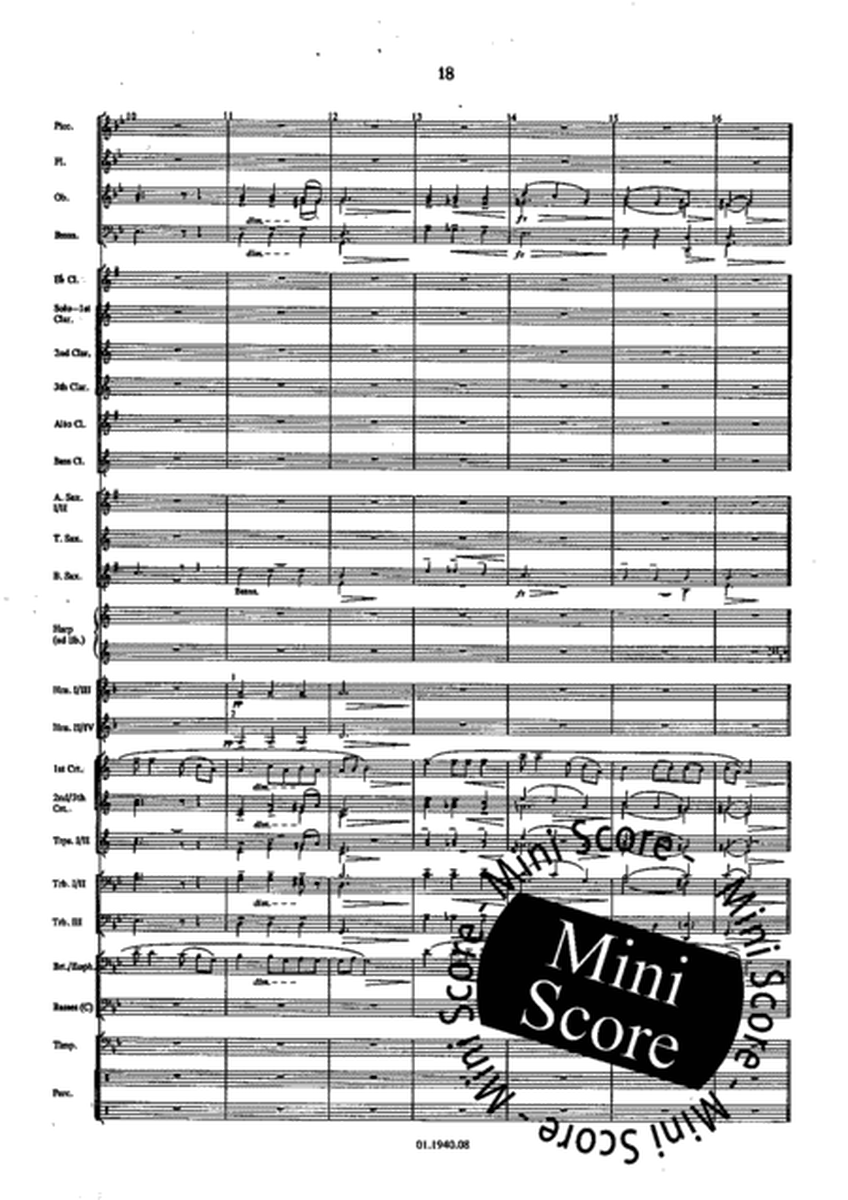
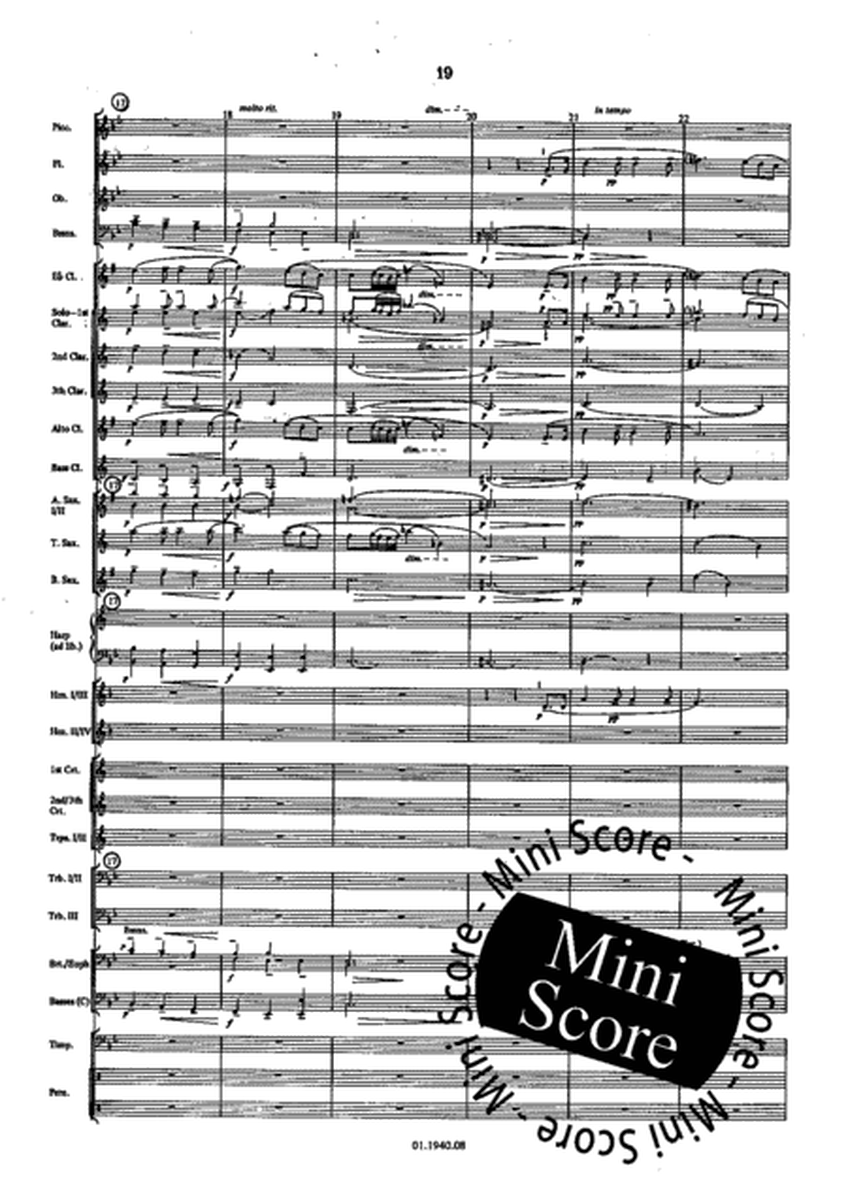
II. Moderato - Alla Polacca
III. Finale: Allegro
Dvorák’s stay in the United States in invariably associated with his 9th Symphonie From the New World; his famous cello-concerto and his piano suite (opus 98) however are also from this period (1892-1895) when Dvorák was artistic director of the New York Conservatory. This suite for piano was scored for orchestra by Dvorák himself, one year after the completion of the pianoversion. He also followed this procedure with his famous Slavonic Dances (opus 46 and 72) and the Legends. The Orchestral Suite got the title American Suite and appeared with the opus number 98b. Dvorák has never been able to hear this version for orchestra: the first performance took place on March 1st 1910 in Prague, six years after his death.Just like in his New World” Symphony and his American stringquartet, there are American influences to be found in the American Suite: the frequent use of pentatonics (which means using only five different tones) and the use of syncopated rhythms. The arrangement for Symphonic Windband of the American Suite (original key A major) comprises 3 out of the 5 movements:
I. Andante con Moto
II. Moderato - Alla Polacca
III. Finale: Allegro
Le séjour de Dvorák aux Etats-Unis d’Amérique est associé automatiquement à sa 9ème symphonie. Pourtant son fameux concerto pour violoncelle et la suite pour piano (opus 98) datent de la même période (1892-1895), lorsque Dvorák était directeur artistique du conservatoire de New York. Cette suite pour piano fut orchestrée par Dvorák lui-même, un an après la version pour piano. Il suivit le même procedé pour ses célèbres Danses Slaves (opus 46 et 72) et les Légendes.La suite orchestrale fut intitulée suite Américaine et parut comme l’opus 98b. Dvorák n’a jamais entendu cette version orchestrale, car la première n’eut pas le premier mars 1910 à Prague, six ans après sa mort.Tout comme dans sa Symphonie du Nouveau Monde et dans son Quator Américain (un quator à cordes) l’on décerne aisément des influences américaines dans la Suite Américaine, comme l’usage fréquent d’une toalité pentatonique (où l’on utilise que cinq tons différents) et l’utilisation de rythmes syncopés. L’arrangement pour orchestre d’harmonie de la Suite Américaine (tonalité originale La majeur) comprend trois des cinq parties:
I. Andante con Moto
II. Moderato - Alla Polacca
III. Finale: Allegro
Dvoráks Aufenthalt in den Vereinigten Staaten wird unmittelbar verbunden mit seiner 9. Symphonie Aus der neuen Welt, doch auch sein berühmtes Cellokonzert und die Pianosuite (Opus 98) stammen aus dieser Periode (1892-1895), in der Dvorák künstlerischer Direktor des Konsevatoriums in New York war. Die Pianosuite wurde von Dvorák selbst ein Jahr nach ihrer Vollendung orchestriert. Diese Arbeitsweise befolgte er auch bei seinen berühmten Slawischen Tänzen (Opus 46 und 72) und den Legenden.Die Orchestersuite erhielt den Titel American Suite und erschien unter der Opusnummer 98b. Dvorák hat die Orchestersuite niemals selbst gehört – die Premiere fand sechs Jahre nach seinem Tod am 1 März 1910 in Prag statt.Wie in seiner Symphonie Aus der neuen Welt und in seinem amerikanischer Streichquartett sind in seiner American Suite deutlich amerikanische Einflüsse erkennbar: vielfacher Gebrauch der Pentatonik (d.h. Verwndung von nur 5 verschiedenen Tönen) und die Anwendung synkopischer Rhythmen. Die Bearbeitung der American Suite für Harmonieorchester (ursprüngliche Tonart A-Dur) enthält drei der fünf Teile:
I. Andante con Moto
II. Moderato - Alla Polacca
III. Finale: Allegro
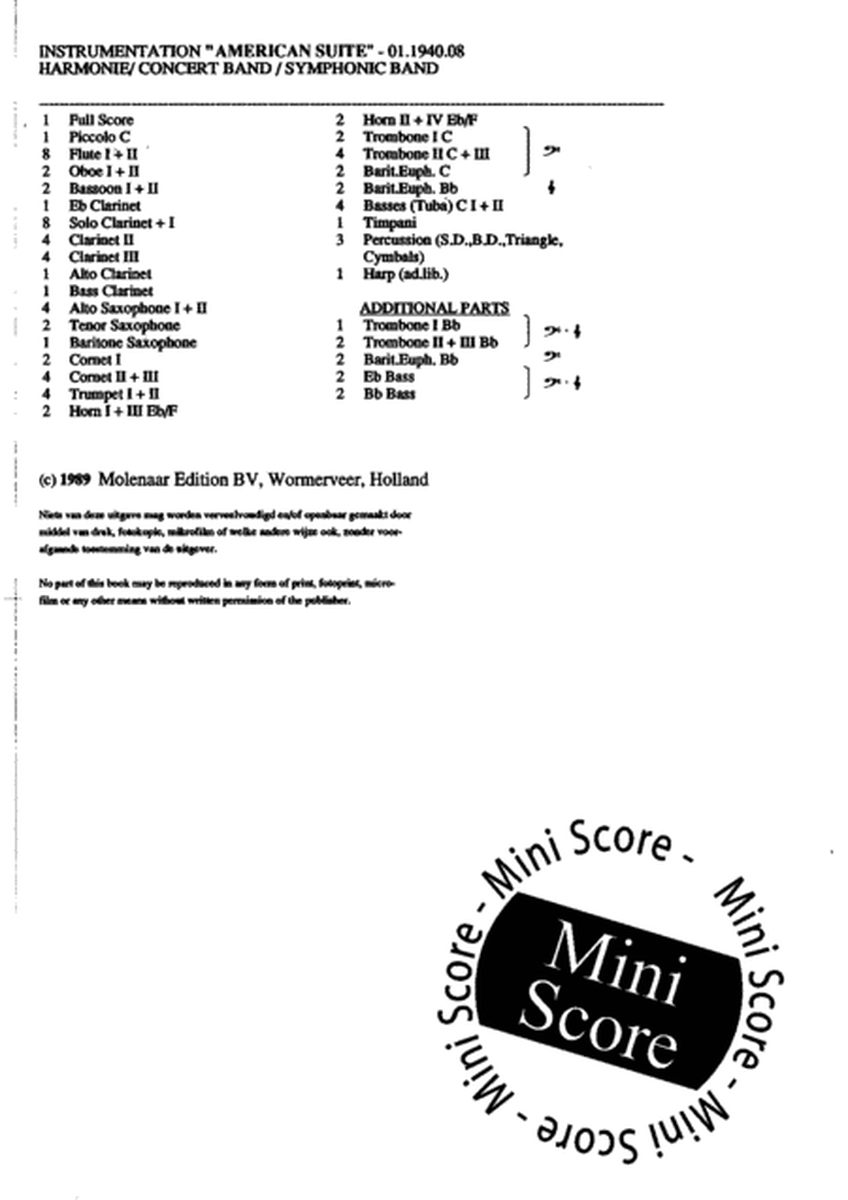
Instrumentation
0 Full Score A3
1 Full Score
1 Piccolo
8 Flute
2 Oboe
2 Bassoon
1 Clarinet Eb
8 Clarinet Solo + I
4 Clarinet II
4 Clarinet III
1 Alto Clarinet Eb
1 Bass Clarinet
4 Alto Saxophone
2 Tenor Saxophone
1 Baritone Saxophone
2 Cornet I
2 Cornet II
2 Cornet III
2 Trumpet I
2 Trumpet II
2 Horn I + III Eb
2 Horn I + III F
2 Horn II + IV Eb
2 Horn II + IV F
2 Trombone I C
1 Trombone I Bb (BC/TC)
2 Trombone II C
1 Trombone II Bb (BC/TC)
2 Trombone III C
1 Trombone III Bb (BC/TC)
2 Baritone C
2 Baritone Bb (BC)
4 Baritone Bb (TC)
2 Bas Bb (TC)
2 Bas Bb (BC)
2 Bas Eb (TC)
2 Bas Eb (BC)
4 Tuba C
1 Harp
3 Percussion
1 Timpani.
Concert Band - Grade 5
SKU: ML.011940080
Composed by Antonin Dvorak. Arranged by Johan De Meij. Countries/Arrangements of Classical Compositions. Classic Arrangement. Full set. Molenaar Edition #011940080. Published by Molenaar Edition (ML.011940080).
Dvoráks verblijf in de Verenigde Staten wordt steevast geassocieerd met zijn 9de symfonie Uit de Nieuwe Wereld, maar ook zijn fameuze celloconcert én de pianosuite (opust 98) zijn afkomstig uit het tijdvak (1892-1895) dat Dvorák artistiek directeur van het Conservatorium te New York was. Deze suite voor piano werd door Dvorák zelf georkestreerd, een jaar na voltooiing van de pianoversie. Deze werkwijze hanteerde hij ook bij zijn beroemde Slavische Dansen (opus 46 en 72) en de Legenden.De orkestsuite kreeg als titel American Suite en verscheen onder opusnummer 98b. Dvorák heeft de orkestversie nooit kunnen horen: de première vond plaats op 1 maart 1910 in Praag, zes jaar na zijn dood.Net als zijn Nieuwe Wereld Symfonie en zijn Amerikaans strijkkwartet zijn duidelijk Amerikaanse invloeden te bespeuren in de American Suite: het veelvuldig gebruik van pentatoniek (d.w.z. gebruik makend van slechts 5 verschillende tonen) en de toepassing van gesyncopeerde ritmes.De bewerking voor harmonieorkest van de American Suite (oorspronkelijke toonsoort A-dur) omvat 3 van de 5 delen:
I. Andante con Moto
II. Moderato - Alla Polacca
III. Finale: Allegro
Dvorák’s stay in the United States in invariably associated with his 9th Symphonie From the New World; his famous cello-concerto and his piano suite (opus 98) however are also from this period (1892-1895) when Dvorák was artistic director of the New York Conservatory. This suite for piano was scored for orchestra by Dvorák himself, one year after the completion of the pianoversion. He also followed this procedure with his famous Slavonic Dances (opus 46 and 72) and the Legends. The Orchestral Suite got the title American Suite and appeared with the opus number 98b. Dvorák has never been able to hear this version for orchestra: the first performance took place on March 1st 1910 in Prague, six years after his death.Just like in his New World” Symphony and his American stringquartet, there are American influences to be found in the American Suite: the frequent use of pentatonics (which means using only five different tones) and the use of syncopated rhythms. The arrangement for Symphonic Windband of the American Suite (original key A major) comprises 3 out of the 5 movements:
I. Andante con Moto
II. Moderato - Alla Polacca
III. Finale: Allegro
Le séjour de Dvorák aux Etats-Unis d’Amérique est associé automatiquement à sa 9ème symphonie. Pourtant son fameux concerto pour violoncelle et la suite pour piano (opus 98) datent de la même période (1892-1895), lorsque Dvorák était directeur artistique du conservatoire de New York. Cette suite pour piano fut orchestrée par Dvorák lui-même, un an après la version pour piano. Il suivit le même procedé pour ses célèbres Danses Slaves (opus 46 et 72) et les Légendes.La suite orchestrale fut intitulée suite Américaine et parut comme l’opus 98b. Dvorák n’a jamais entendu cette version orchestrale, car la première n’eut pas le premier mars 1910 à Prague, six ans après sa mort.Tout comme dans sa Symphonie du Nouveau Monde et dans son Quator Américain (un quator à cordes) l’on décerne aisément des influences américaines dans la Suite Américaine, comme l’usage fréquent d’une toalité pentatonique (où l’on utilise que cinq tons différents) et l’utilisation de rythmes syncopés. L’arrangement pour orchestre d’harmonie de la Suite Américaine (tonalité originale La majeur) comprend trois des cinq parties:
I. Andante con Moto
II. Moderato - Alla Polacca
III. Finale: Allegro
Dvoráks Aufenthalt in den Vereinigten Staaten wird unmittelbar verbunden mit seiner 9. Symphonie Aus der neuen Welt, doch auch sein berühmtes Cellokonzert und die Pianosuite (Opus 98) stammen aus dieser Periode (1892-1895), in der Dvorák künstlerischer Direktor des Konsevatoriums in New York war. Die Pianosuite wurde von Dvorák selbst ein Jahr nach ihrer Vollendung orchestriert. Diese Arbeitsweise befolgte er auch bei seinen berühmten Slawischen Tänzen (Opus 46 und 72) und den Legenden.Die Orchestersuite erhielt den Titel American Suite und erschien unter der Opusnummer 98b. Dvorák hat die Orchestersuite niemals selbst gehört – die Premiere fand sechs Jahre nach seinem Tod am 1 März 1910 in Prag statt.Wie in seiner Symphonie Aus der neuen Welt und in seinem amerikanischer Streichquartett sind in seiner American Suite deutlich amerikanische Einflüsse erkennbar: vielfacher Gebrauch der Pentatonik (d.h. Verwndung von nur 5 verschiedenen Tönen) und die Anwendung synkopischer Rhythmen. Die Bearbeitung der American Suite für Harmonieorchester (ursprüngliche Tonart A-Dur) enthält drei der fünf Teile:
I. Andante con Moto
II. Moderato - Alla Polacca
III. Finale: Allegro
Instrumentation
0 Full Score A3
1 Full Score
1 Piccolo
8 Flute
2 Oboe
2 Bassoon
1 Clarinet Eb
8 Clarinet Solo + I
4 Clarinet II
4 Clarinet III
1 Alto Clarinet Eb
1 Bass Clarinet
4 Alto Saxophone
2 Tenor Saxophone
1 Baritone Saxophone
2 Cornet I
2 Cornet II
2 Cornet III
2 Trumpet I
2 Trumpet II
2 Horn I + III Eb
2 Horn I + III F
2 Horn II + IV Eb
2 Horn II + IV F
2 Trombone I C
1 Trombone I Bb (BC/TC)
2 Trombone II C
1 Trombone II Bb (BC/TC)
2 Trombone III C
1 Trombone III Bb (BC/TC)
2 Baritone C
2 Baritone Bb (BC)
4 Baritone Bb (TC)
2 Bas Bb (TC)
2 Bas Bb (BC)
2 Bas Eb (TC)
2 Bas Eb (BC)
4 Tuba C
1 Harp
3 Percussion
1 Timpani.
Tell a friend (or remind yourself) about this product. We'll instantly send an email containing product info and a link to it. You may also enter a personal message.
We do not use or store email addresses from this form for any other purpose than sending your share email.
Read our Privacy Policy.
After purchase, you can download your MP3 from your Sheet Music Plus Digital Library - no software installation is necessary! You can also listen to your MP3 at any time in your Digital Library.
After purchase, you can download your Smart Music from your Sheet Music Plus Digital Library - no software installation is necessary! You can also download at any time in your Digital Library.
After purchase you can download your video from your Digital Library. Your video is in XX format and is playable on most pre-installed video players.