About Wojciech Kilar
Wojciech Kilar (1932–2013) was a distinguished Polish composer and pianist celebrated for his profound contributions to both classical and film music. Initially a prominent figure in the Polish avant-garde movement of the 1960s, Kilar later developed a highly individual style that often drew inspiration from Polish folk traditions and religious themes. His ability to craft music that is at once emotionally resonant and innovative secured his place as one of the 20th century's most significant Polish composers, with his works appearing in concert halls worldwide and in numerous iconic films.
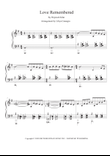
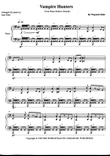
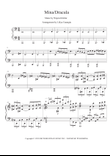
- Kilar composed music for over 100 films, collaborating with celebrated directors such as Francis Ford Coppola (Bram Stoker's Dracula), Roman Polański (The Pianist, The Ninth Gate), and prominent Polish filmmakers like Andrzej Wajda and Krzysztof Zanussi.
- He was a key member of the "New Polish School" avant-garde movement in the 1960s, alongside composers like Henryk Górecki and Krzysztof Penderecki, before transitioning to a more simplified and expressive musical language deeply influenced by Polish highland folk music and religious motifs.
- His film scores garnered numerous accolades, including an ASCAP Award for Bram Stoker's Dracula (1992) and a César Award for Best Film Music for The Pianist (2003).
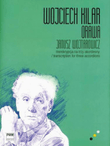
- Kilar drew significant inspiration from the Tatra Mountains and the Podhale region of Poland, incorporating elements of their folk music into major concert works like the symphonic poem Krzesany (1974) and Orawa (1986) for string orchestra.
Performing Wojciech Kilar's music offers a rewarding experience for musicians across various skill levels and instruments. His film scores, often transcribed for piano solo, provide intermediate players with access to memorable, lyrical melodies and evocative harmonies that resonate deeply, even without prior knowledge of the films. For string ensembles and orchestras, works like Orawa and Krzesany present engaging challenges and rich emotional landscapes, showcasing Kilar's masterful orchestration and unique blend of classical and folk elements. Whether exploring his powerful concert pieces or the atmospheric breadth of his cinematic works, musicians will find Kilar's compositions to be deeply expressive and fulfilling to perform.