William Billings Sheet Music

About William Billings

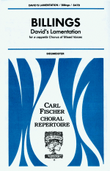
William Billings (1746–1800) was a pivotal figure in early American music, widely recognized as the first native-born American composer. A Boston-born tanner by trade, Billings was largely self-taught in music and became a leading member of the First New England School. His primary musical style centered on sacred choral music, characterized by vibrant psalmody and the innovative use of fuging tunes. Billings' contributions were instrumental in establishing a uniquely American musical voice distinct from European traditions, earning him the title "father of American choral music."

  • Billings was a tanner by profession and mostly self-taught in music after his father's death when he was 14.
  • He published "The New-England Psalm-Singer" in 1770, which was the first collection of music entirely written by an American composer.
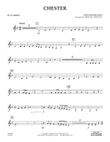
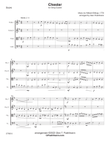
  • His patriotic tune "Chester" became one of the most popular songs of the American Revolution, serving as a rallying cry for the Patriots.
  • Billings was known for introducing and popularizing "fuging tunes" in America, a style featuring overlapping vocal lines that create a lively, imitative effect.

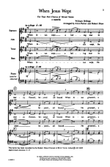
William Billings' sheet music is particularly well-suited for high school, collegiate, community, and church choirs, as well as vocal ensembles of intermediate skill levels, though many pieces are accessible to beginners. His compositions are primarily for four-part a cappella chorus (SATB), reflecting the singing school tradition of his time. Performing Billings' music is a rewarding experience, offering singers a direct connection to early American history and a vibrant, energetic sound. The music's rhythmic vitality, straightforward harmonies, and often folk-like melodies make it engaging to learn and perform, providing a unique insight into the musical expression of the Revolutionary era.

Search all William Billings