About Victor Wooten
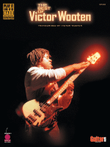
Victor Wooten is an American bassist, songwriter, and record producer widely celebrated for his groundbreaking contributions to modern bass playing. His primary musical styles blend jazz fusion, jazz funk, and bluegrass, though his expansive approach transcends genre boundaries, demonstrating the bass guitar's versatility as a lead instrument. A five-time Grammy Award winner, Wooten gained international recognition as a founding member of the supergroup Béla Fleck and the Flecktones, and has been consistently honored, including being named "Bassist of the Year" three times by Bass Player Magazine and ranked among the "Top Ten Bassists of All Time" by Rolling Stone Magazine, solidifying his significance as one of the most influential bassists in music history.
- Victor Wooten began learning to play bass at the remarkably early age of two, taught by his older brother Regi, and was performing in a family band, The Wooten Brothers, by the time he was five years old.
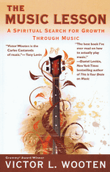
- Beyond his musical career, Wooten is also a published author, renowned for his novel "The Music Lesson: A Spiritual Search for Growth Through Music," which explores his unique philosophy on music and life.
- He founded Victor Wooten's Center for Music and Nature, also known as Wooten Woods, a retreat in Tennessee that hosts music camps for bassists and musicians of all instruments and skill levels, emphasizing music as a language and a natural process.
- Wooten formed the supergroup SMV alongside two legendary bassists he admired during his childhood: Stanley Clarke and Marcus Miller.
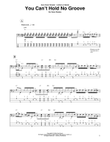
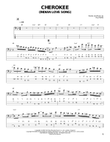
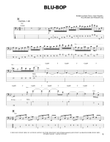
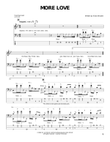
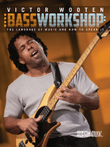
Playing Victor Wooten’s music offers a profoundly rewarding experience for bass guitarists, particularly those at intermediate to advanced skill levels, who are looking to expand their technical prowess and musicality. His compositions and instructional materials, such as "Victor Wooten Bass Workshop," delve into a unique approach to the instrument, emphasizing concepts like feel, dynamics, tone, phrasing, space, and listening, rather than just rote technique. Aspiring bassists will find themselves challenged to develop advanced fingerboard skills, a deeper understanding of groove, and the ability to view the bass not merely as a rhythmic foundation, but as a melodic and improvisational voice, making his sheet music and educational resources invaluable for comprehensive musical growth.