Tielman Susato Sheet Music

About Tielman Susato

Tielman Susato (c. 1510/15 – after 1570) was a prominent Renaissance composer, instrumentalist, and the first significant music publisher in the Low Countries. Active primarily in Antwerp, he played a crucial role in the dissemination of Franco-Flemish music during the 16th century, making a wide range of vocal and instrumental works accessible to a broader public. His primary musical styles include chansons, motets, and, most notably, instrumental dance music, solidifying his legacy as a central figure in early music publishing and composition.

  • Born around 1510-1515, Susato's exact birthplace is unknown, though some scholars suggest he may have been from Soest, Westphalia, or Soest in the Netherlands, based on his name.
  • He established the first music publishing house using movable type in the Low Countries in 1543 in Antwerp, which was a pivotal development for music dissemination in Northern Europe, as music printing had previously been dominated by Italy, France, and Germany.
  • Susato was an accomplished instrumentalist, listed in Antwerp archives as playing various instruments including the trumpet, flute, tenor pipe, trombone, crumhorn, and recorder.
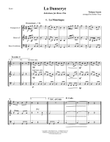
  • His most famous publication, "Het derde musyck boexken ... alderhande danserye" (1551), often referred to as "Danserye," is a collection of instrumental dance music that remains widely performed and recorded today.

Tielman Susato's sheet music offers a delightful entry point into the vibrant world of Renaissance music for musicians of various skill levels. His instrumental dances, particularly from the "Danserye" collection, are exceptionally rewarding to perform due to their appealing melodies, clear structures, and rhythmic vitality. These pieces are highly adaptable and frequently arranged for diverse ensembles, including brass, woodwind, and string consorts, as well as being suitable for solo instruments like recorders, lutes, or piano. His vocal works, such as chansons and motets, provide valuable repertoire for choirs and vocal groups, often featuring the imitative polyphonic style characteristic of the era. Playing Susato's music allows performers to engage directly with historical performance practices and experience the charm and elegance of 16th-century European music.

Search all Tielman Susato