About Sigmund Romberg
Sigmund Romberg (1887–1951) was a Hungarian-born American composer whose captivating melodies left an indelible mark on American musical theater. Best known for his lush operettas such as "The Student Prince," "The Desert Song," and "The New Moon," Romberg masterfully blended the rich European melodic traditions with the burgeoning style of American musicals. He played a pivotal role in popularizing the operetta genre in the United States, creating works that resonate with romanticism and adventurous spirit.
- Before fully dedicating himself to music, Romberg initially studied engineering in Vienna.
- Upon immigrating to the United States in 1909, he took on various odd jobs, including working in a pencil factory and as a cafe pianist, before becoming a staff composer for the influential Shubert brothers.
- Throughout his prolific career, Romberg composed music for over 66 stage productions and contributed more than 900 songs.
- His operetta "Blossom Time" (1921) notably adapted existing melodies by Franz Schubert, successfully bringing them to American audiences.
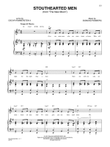
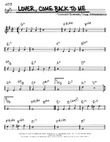
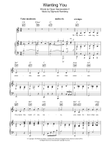
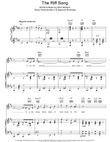
Performing Sigmund Romberg's music offers a rewarding experience for musicians of various skill levels, particularly those who cherish lyrical beauty and a theatrical flair. While simplified arrangements, such as "Sigmund Romberg Made Easy For The Piano," cater to beginner and intermediate pianists, full vocal scores and more intricate instrumental arrangements are available for more advanced performers and ensembles. His compositions, often characterized by romantic tunes and memorable melodies, are well-suited for vocalists, pianists, and orchestral musicians seeking to explore the golden age of American operetta. Engaging with Romberg's sheet music allows performers to connect with enduring classics that continue to be celebrated for their charm, dramatic narratives, and timeless appeal.