About Robert D. Vandall
Robert D. Vandall was a highly influential American composer and dedicated piano teacher, widely recognized for his extensive contributions to educational piano literature. Active from the mid-20th century until his passing in 2017, his primary musical style focused on creating pedagogically sound and artistically engaging pieces for piano students of various levels. Vandall's significance in music history stems from his prolific output, characterized by melodic invention, harmonic richness, and a sophisticated approach to teaching through composition, which has inspired generations of young pianists to explore the beauty of piano playing.
- Robert D. Vandall and his wife, Karen, co-managed a thriving independent piano studio in New Philadelphia, Ohio, for 38 years, directly informing his approach to composing educational materials.
- He composed over 400 pieces specifically designed for piano, with a particular focus on the foundational years of piano learning, making his work a cornerstone of early piano repertoire.
- Vandall was a sought-after clinician, conducting workshops across the United States to share his pedagogical insights and musical expertise with fellow piano teachers.
- He held a Bachelor of Music and a Master of Music in Piano Performance from Baldwin-Wallace College and the University of Illinois, respectively, providing a strong academic foundation for his compositional and teaching career.
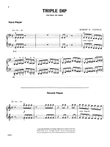
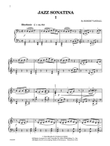
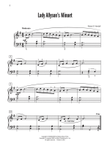
Performing Robert D. Vandall's music is a highly rewarding experience for pianists, particularly those ranging from beginner to intermediate skill levels. His sheet music is predominantly for solo piano, but also includes arrangements for piano duets, trios, and even two pianos. Vandall's compositions are meticulously crafted to develop essential technical skills and musical sensibilities, featuring accessible yet rich harmonies and clear, engaging melodies. His pieces often utilize easy-to-recognize patterns, which are ideal for fostering understanding of musical structure, encouraging activities like improvisation and transposition, and making the learning process both effective and enjoyable for students.