About Muzio Clementi
Muzio Clementi was a prominent Italian and British composer, virtuoso pianist, pedagogue, conductor, music publisher, editor, and piano manufacturer, active primarily in England during the Classical era. Often hailed as the "Father of the Pianoforte," Clementi was instrumental in the transition from the harpsichord to the modern piano, significantly influencing piano technique and pedagogy. His innovative approach to keyboard writing, characterized by a fluent and technical legato style, profoundly impacted a generation of pianists and composers, including Ludwig van Beethoven.
- In 1781, Clementi engaged in a famous piano competition with Wolfgang Amadeus Mozart at the Viennese court of Emperor Joseph II, who diplomatically declared a tie. Mozart, however, later expressed a less flattering opinion of Clementi's playing, calling him a "charlatan" with little taste or feeling.
- Beyond his performing and composing career, Clementi was a shrewd and successful businessman, establishing a significant music publishing and piano manufacturing firm in London. Through this venture, he contributed to advancements in piano design and ensured that many compositions by his contemporaries remained in the repertoire.
- His monumental pedagogical work, Gradus ad Parnassum, is a comprehensive collection of 100 piano studies published in three volumes between 1817 and 1826. This collection remains a cornerstone of piano instruction and is still widely used by pianists today.
- A child prodigy, Clementi was appointed an organist at age nine and had composed an oratorio by age twelve. His exceptional talent caught the attention of wealthy Englishman Sir Peter Beckford, who brought Clementi to England at 14 to further his musical education.
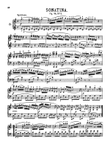
Muzio Clementi's sheet music is particularly rewarding for pianists of all levels, from beginners to advanced. His widely recognized Sonatinas, Op. 36, are staple teaching pieces that meticulously guide students through specific technical challenges, gradually increasing in difficulty while focusing on rhythm, phrasing, and accompaniment. For more seasoned players, Clementi's extensive collection of piano sonatas offers complex works that demand advanced technique and lyrical depth, providing excellent material for developing a clear, elegant, and virtuosic playing style. Performing Clementi's compositions not only builds essential keyboard skills but also offers a profound appreciation for the structural clarity and innovative piano writing that shaped the Classical era and influenced future generations of composers.