About Leroy Anderson
Leroy Anderson (1908-1975) was a distinguished American composer, conductor, and arranger, celebrated for his captivating and inventive light orchestral music. His signature style blended classical craftsmanship with a popular flair, often incorporating unique instrumental effects and sound-generating items into his compositions. Anderson’s ability to create memorable, optimistic melodies and impeccably crafted orchestrations cemented his place as one of the great American masters of light orchestral music, with his works continuing to be staples in orchestral repertoires worldwide.
- Anderson was a highly educated musician, having studied at Harvard University, where he received both his Bachelor of Arts and Master of Arts degrees in music, and also directed the Harvard University Band.
- During World War II, Anderson served in the U.S. Army Counter Intelligence Corps as a translator and interpreter in Iceland, utilizing his fluency in multiple languages.
- Many of his most famous pieces ingeniously mimic non-musical sounds, such as the distinctive clacking of a typewriter in "The Typewriter" or the swishing of sandpaper in "Sandpaper Ballet".
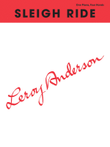
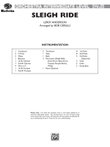
- "Sleigh Ride," one of his most beloved and iconic compositions, was actually composed during a heat wave in July 1946, not specifically as a Christmas piece, but as a depiction of a winter event.
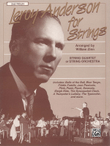
Leroy Anderson’s sheet music offers a delightful and rewarding experience for musicians of various skill levels, from intermediate students to professional ensembles. His compositions, available for full orchestra, concert band, string orchestra, and solo instruments like piano and trumpet, are known for their accessibility and engaging nature. Performing Anderson's music is gratifying due to its characteristic melodies, clever arrangements, and the sheer joy derived from recreating the witty and imaginative sound effects he so masterfully embedded in his scores. Pieces like "Blue Tango" and "The Syncopated Clock" provide excellent opportunities for developing rhythmic precision and expressive playing, making them both educational and incredibly fun to perform.