About Kurt Weill
Kurt Weill was a German-born American composer whose groundbreaking work significantly shaped 20th-century musical theater on two continents. Initially gaining renown in Germany during the Weimar Republic for his sharp social satire, he masterfully blended classical traditions with popular music styles like jazz and cabaret, aiming to create music for socially useful purposes. After emigrating to the United States, he adapted his distinctive style to American musical theater, leaving an indelible mark on Broadway and establishing himself as a versatile and influential voice in music history.
- Weill is famously known for his collaborations with playwright Bertolt Brecht, most notably on the iconic "The Threepenny Opera" (1928).
- His most famous song, "Mack the Knife" ("Die Moritat von Mackie Messer"), originated in "The Threepenny Opera" and has since become a widely recorded jazz standard.
- A prominent Jewish composer, Weill fled Nazi Germany in March 1933 due to persecution and settled in the United States in 1935, becoming a naturalized American citizen in 1943.
- In America, he continued his success on Broadway, composing celebrated musicals such as "Lady in the Dark" (1941), "One Touch of Venus" (1943), and the American opera "Street Scene" (1947).
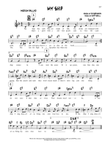
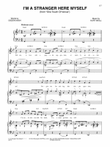
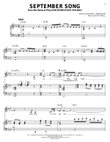
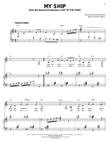
Performing Kurt Weill's music offers a profoundly rewarding experience for musicians of various skill levels, from easy to intermediate, across instruments like piano, voice, and guitar. His sheet music allows performers to delve into compositions that are both emotionally immediate and structurally complex, often combining classical rigor with the vibrant energy of popular idioms. Weill's works, whether from his German satirical operas or his American Broadway shows, are rich in theatricality and social commentary, making them particularly engaging for singers and instrumentalists who appreciate music with a strong narrative and historical context. Many of his stage works are also suitable for small-scale and concert performances, providing flexibility for diverse ensembles. Playing Weill's music allows one to connect with a unique artistic vision that continues to resonate with themes of identity, justice, and human experience.