Top Sellers
-
![Be Still My Soul - Violin Duet]()
-
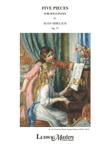
![The Spruce (Five Pieces), Op. 75, No. 5]()
-
![Romance, Op. 24, No. 9]()
$4.99
-
![Sibelius Andante festivo, for string quartet, CS601]()
-
![Be Still, My Soul (Finlandia) - Flute Duet in G - Easy With Chords & Lyric]()



-
![6 Impromptus Op. 5]()
$29.95
-
![Be Still, My Soul (Finlandia) - Trumpet in Ab Solo With Chords & Lyric - Easy]()
-
![Be Still, My Soul (String Quartet and Piano)]()
-
![Sibelius Violin Concerto Violin and Piano reduction]()
-
![Be Still, My Soul (Finlandia) - Cello & Piano in D - Easy With Chords & Lyric]()


-
![Finlandia]()
$36.95 $33.26
-
![Be Still, My Soul (Trombone Duet)]()
-
![Trio in C Major (1888)]()
$126.00
-
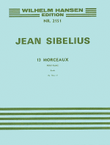
![Jean Sibelius: 13 Pieces Op.76 No.3 'Carillon']()
-
![This Is My Song]()
$2.45 $2.21



-
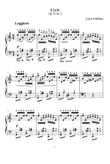
![13 Pieces Op. 76, No.2 – Etude]()
$10.95 $9.86
-
![Be Still, My Soul]()
$7.99
-
![Sibelius 'Le Sapin' (The Spruce) Op.75 No.5, for Piano Solo Original With Fingering]()
-
![Be Still, My Soul (Finlandia) - Violin in F Solo With Chords & Lyric - Easy]()
-
![Be Still My Soul (Violin Solo_]()
$6.99 $6.29