Herbert L. Clarke Sheet Music

About Herbert L. Clarke

Herbert L. Clarke (1867-1945) was an American cornetist, bandmaster, and composer widely celebrated as one of the greatest cornet soloists of all time. His primary musical style is deeply rooted in the brass band tradition, characterized by virtuosic cornet solos that demand both extreme technical brilliance and expressive lyricism. Clarke's profound influence on brass playing, through his compositions and seminal method books, has secured his place as a pivotal figure in music history, particularly for aspiring cornet and trumpet players worldwide.

  • Clarke initially studied the violin at age five and later taught himself to play the cornet at age fourteen.
  • He was a featured cornet soloist with the renowned John Philip Sousa's Band, performing on three of their European tours and the 1910-1911 World Tour, eventually becoming Sousa's assistant conductor, composer, and arranger.
  • During various periods in his career, Clarke also played second trumpet with the New York Philharmonic Orchestra and served as principal trumpet with the Metropolitan Opera Orchestra.
  • He composed over 50 solos for the cornet, many of which are considered standard repertoire, and authored several influential method books that are still widely used by brass students today, such as "Technical Studies for the Cornet."

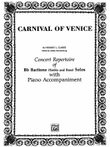
Performing Herbert L. Clarke's music is a highly rewarding experience for intermediate to advanced brass players, especially those focusing on cornet or trumpet. His compositions, such as "The Carnival of Venice" and "The Bride of the Waves," are celebrated for their ability to develop both technical mastery and musicality, making them ideal for recitals, juries, and competitions. Clarke's pedagogical works remain fundamental to brass instruction, offering invaluable exercises that build tone quality, articulation, and finger dexterity, truly shaping well-rounded and expressive musicians.

Search all Herbert L. Clarke